Hotels in Higashine
Discover your perfect stay in Higashine.
Higashine(Japan) Travel 2026: Cheap Flights, Hotels & Top Attractions
Popular Landmarks in Higashine
Discover the most iconic attractions in Higashine
Recommended Hotels in Higashine
Find the perfect place to stay in Higashine
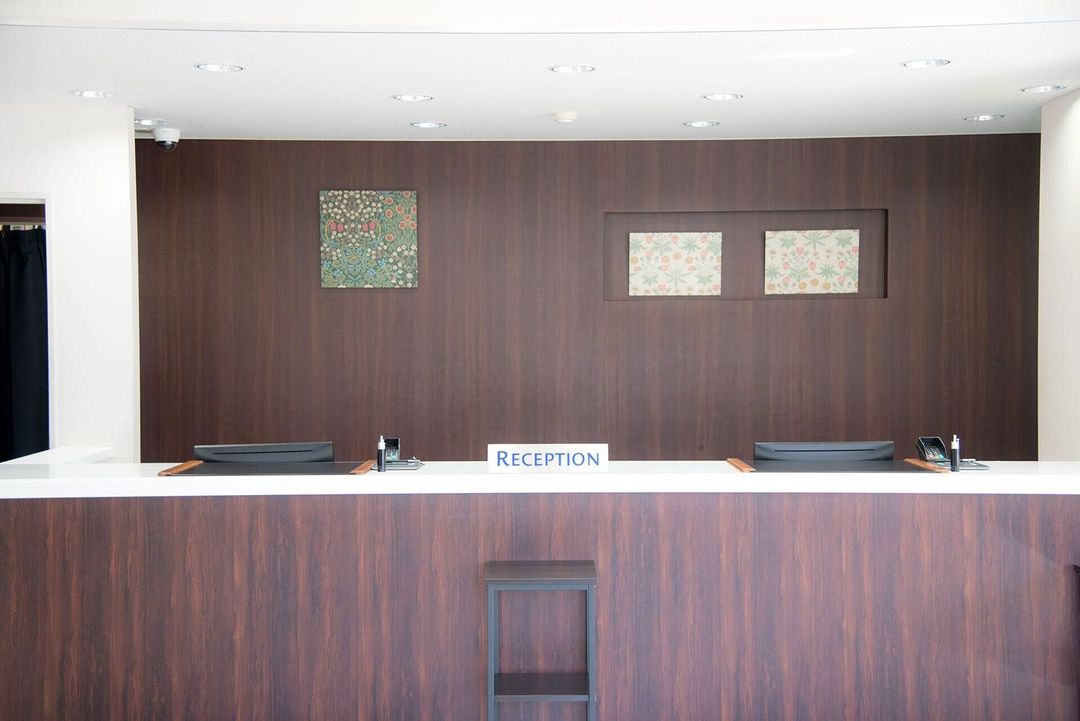
Smile Hotel Sakurambo Higashine

Super Hotel Yamagata Sakurambo-Higashine Station Front
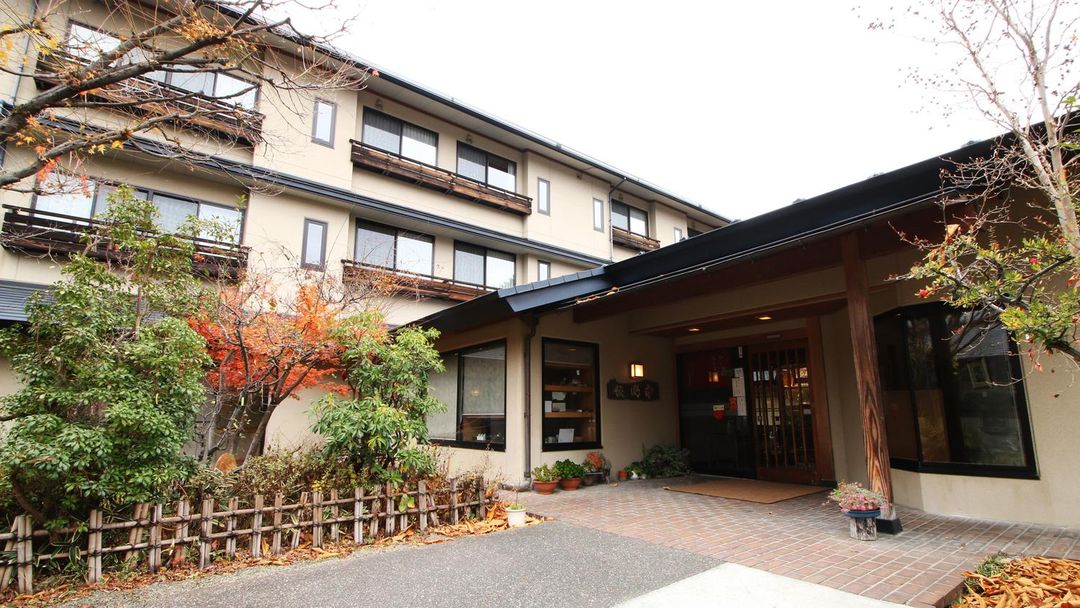
Nonoka Hongokan
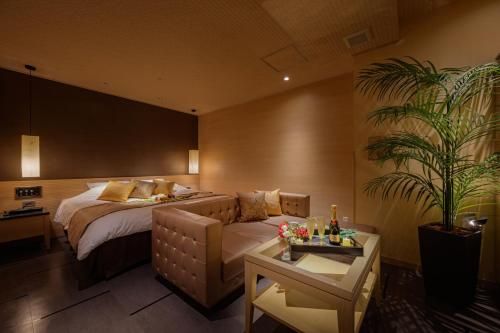
Hotel Sulata Yamagata Airport (Adult Only)

Super Hotel Yamagata Sakuranbo Higashine Ekimae
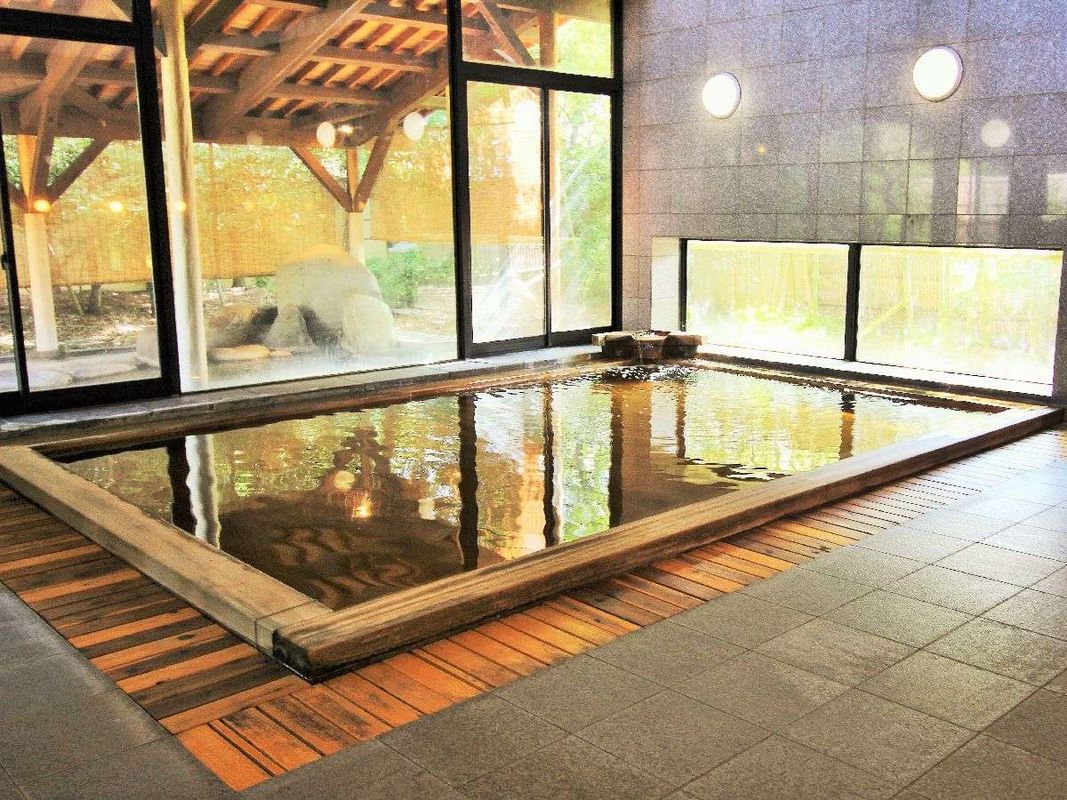
Yoshitagawa Bekkan
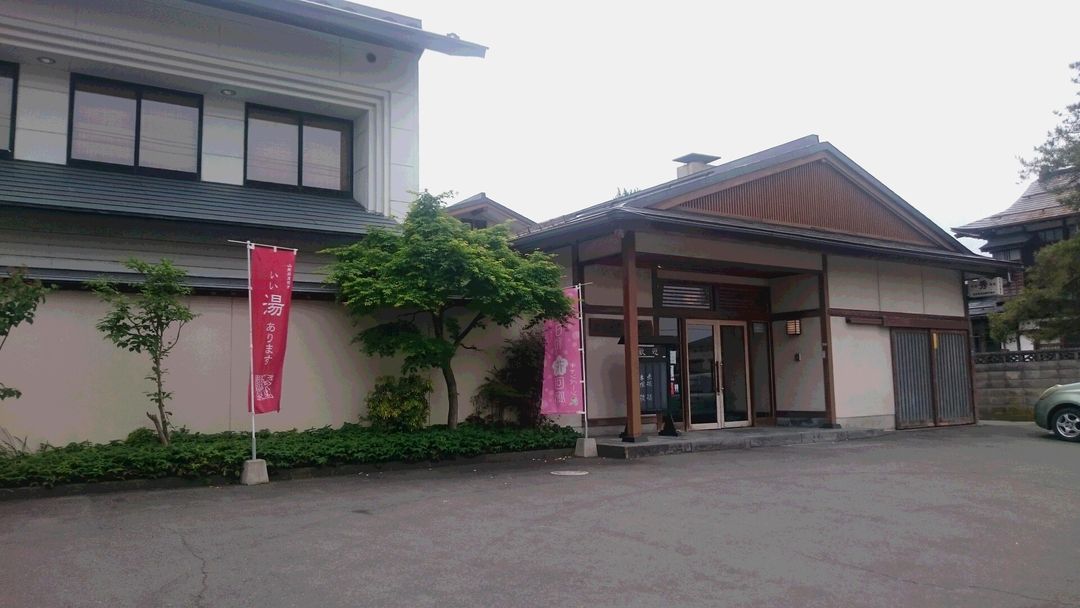
Matsuuraya
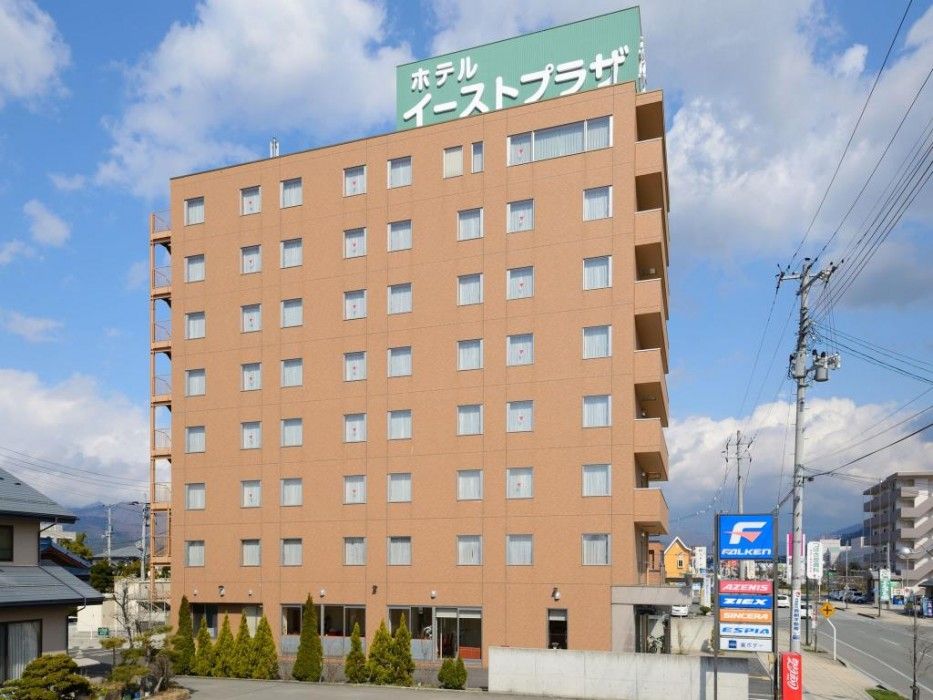
Smile Hotel Sakuranbo Higashine
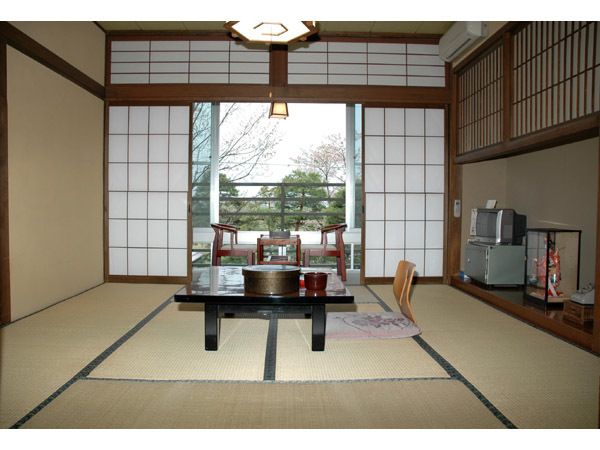
Seishokan
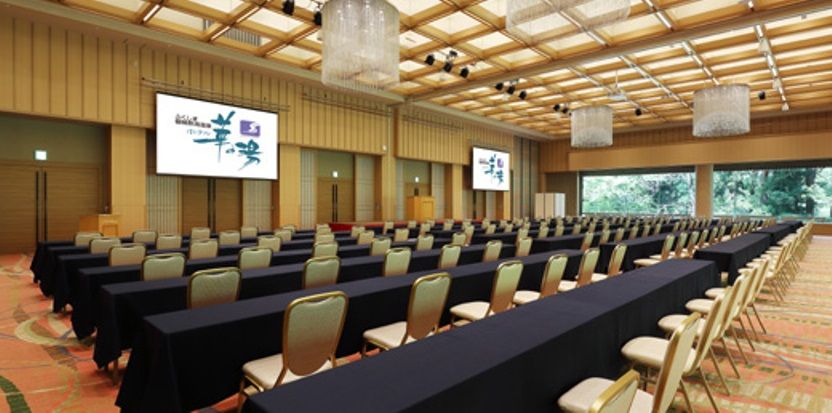
Hana No Yu Hotel
Best Hotels in Higashine
Discover curated hotel collections in Higashine
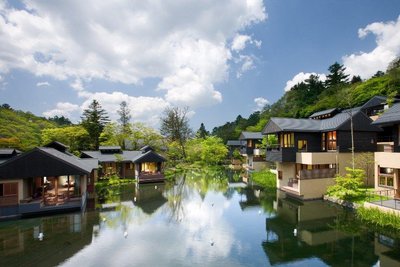
Hoshinoya Karuizawa
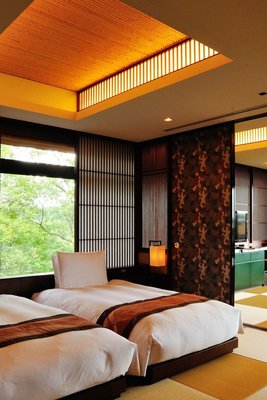
Chikusenso Onsen
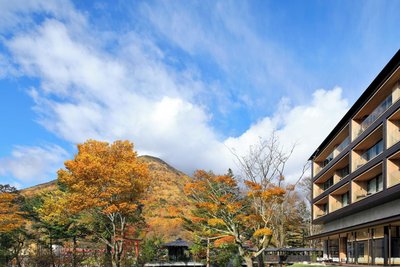
The Ritz-Carlton, Nikko
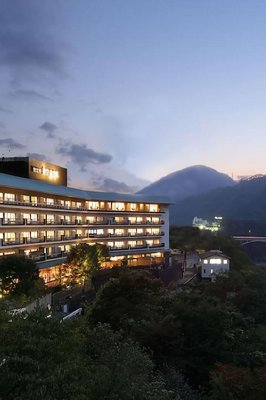
Kanaya Hotel Kinugawa
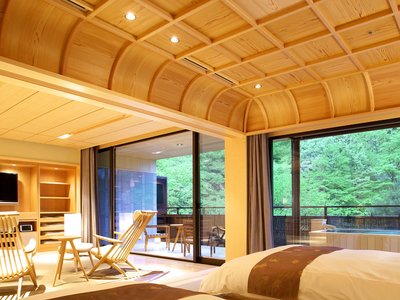
Ryotei Kaichoro
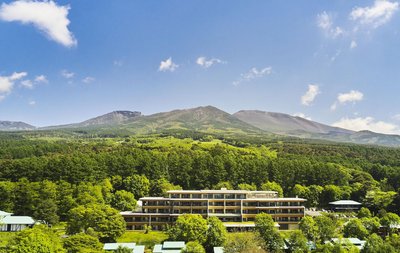
The Hiramatsu Karuizawa Miyota

Rakuten STAY VILLA Nasu
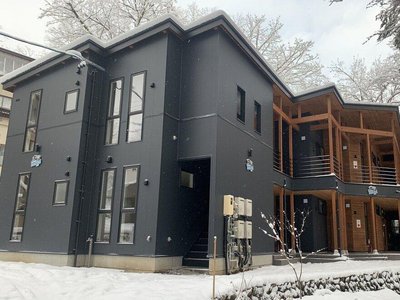
Hakuba Gondola Apartments
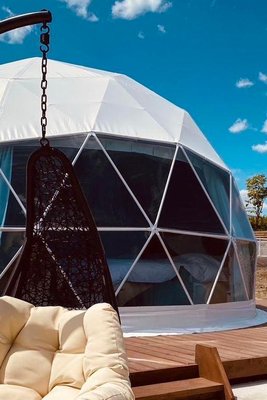
chillout glamping zao

Phoenix Chalets by Hhg
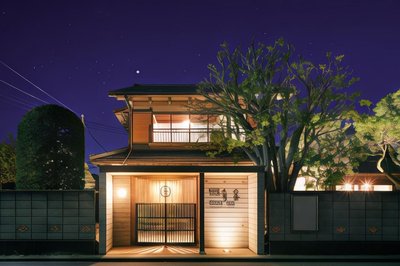
Machi-Jyu
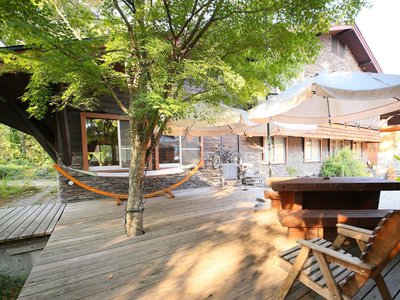
Kunugi Relaxation with 4 Modern Rooms
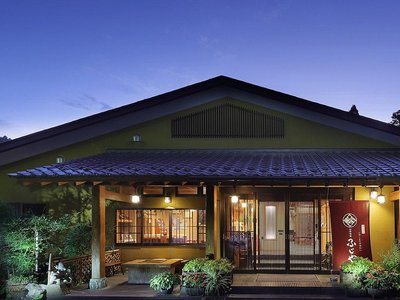
Shikimitei Fujiya
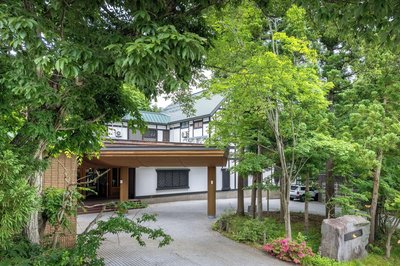
Forest Resort Yamanote Hotel

Hotel Barrière Fouquet's New York

The Plaza - A Fairmont Managed Hotel
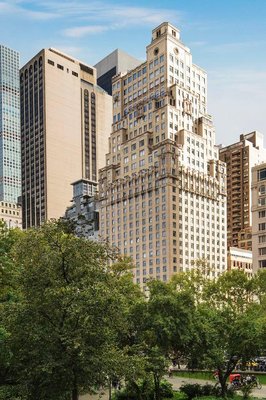
The Ritz-Carlton New York, Central Park

Four Seasons Hotel New York

The St. Regis New York

Park Hyatt New York
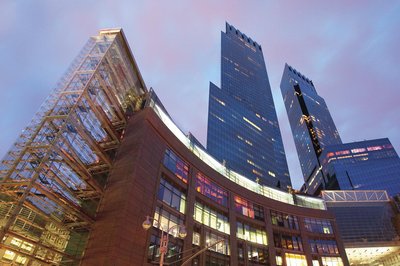
Mandarin Oriental New York

Times Square Edition New York

Loews Regency New York Hotel

Lowell Hotel
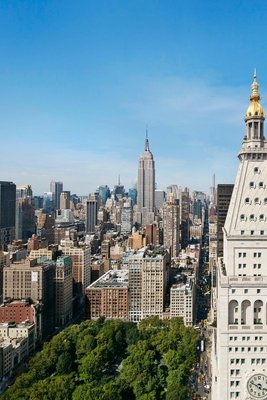
New York Edition

Baccarat Hotel New York

Equinox Hotel New York

Four Seasons Hotel New York Downtown

The Langham, New York, Fifth Avenue

The Carlyle, A Rosewood Hotel

The Chatwal, in the Unbound Collection by Hyatt

The Mark New York
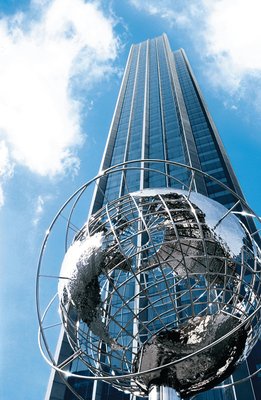
Trump International Hotel & Tower® New York
Casa Cipriani New York
Frequently Asked Questions about Traveling to Higashine
Questions You Might Need to Know About Traveling to Higashine
In Tōno City, the top choice is Mikage-kan Ryokan, a centuries-old traditional inn nestled in the heart of the Tōno Onsen District. Its private outdoor baths overlook the Zao River, offering panoramic views of snow-capped peaks during winter. Each room blends shoji screens, tatami mats, and modern amenities, while guests enjoy authentic kaiseki cuisine featuring local specialties like Yamagata beef and Sake from Yamagata Prefecture. The inn also hosts daily tea ceremony sessions and seasonal forest bathing walks, immersing visitors in Japanese wellness traditions.
The Tōno Onsen District is the best area for accommodation in Tōno City, offering easy access to hot springs, cultural landmarks, and scenic trails. Located just steps from Tōno Shrine and Tōno City Museum, this quiet neighborhood provides a peaceful retreat surrounded by nature. Many hotels feature traditional Japanese gardens and private balconies overlooking the river. Ideal for travelers seeking tranquility, it’s also well-connected via free shuttle buses to nearby attractions like Zao Forest Trail and Yamagata Rice Terrace.
Tōno City offers unforgettable cultural immersion through its annual Yamagata Snow Festival (held in January), where giant ice sculptures light up the Tōno Civic Center grounds with vibrant LED displays. Visitors can also join hands-on workshops at Tōno Textile Studio, learning tie-dye techniques using natural dyes. During seasonal festivals, participate in Izanagi Shrine rituals honoring local deities and nature spirits. These experiences highlight the deep connection between community, heritage, and the land—perfect for understanding the soul of Tōno.
Tōno City’s onsen are renowned for their sodium bicarbonate-rich waters, known as "beauty baths" due to their skin-softening properties. The mineral-rich springs originate deep underground, with temperatures around 42°C. Facilities like Mikage-kan and Tōno Yūgen offer open-air baths framed by mountain vistas, especially stunning under winter snowfall. Some lodges provide herbal infusions and forest aromatherapy baths, blending nature and wellness. The therapeutic benefits and serene atmosphere make these onsen a must-visit for rejuvenation.
Yes, Tōno Nature Forest Hotel is perfect for families, offering child-friendly amenities including a playroom, family-sized onsen pools, and complimentary rental winter gear. The property features a mini-farm where kids can feed goats and chickens, and weekly family cooking classes teach how to prepare dishes like Yamagata miso stew and red bean mochi. With multilingual staff, baby cots, and safe walking paths, it ensures comfort for all ages. Located near Tōno Nature Park, it’s ideal for outdoor exploration and educational fun.
Must-try dishes include Yamagata beef sukiyaki, tender and richly marbled, served with local Yamagata rice and house-made soy sauce. Another highlight is Tōno-style boiled fish, slow-cooked in clear broth with kelp and sansho pepper. Street vendors sell grilled potatoes with cheese—a regional twist on local agriculture. Don’t miss Tōno Tea House’s matcha mochi and kinako dorayaki, both excellent souvenirs. All ingredients are sourced locally, supporting sustainable farming and preserving culinary heritage.
Absolutely! Autumn transforms Tōno City into a kaleidoscope of color, with the Zao hillsides ablaze in red and gold from late October to early November. Stay at Tōno Onsen Sakura-an, where morning mist curls above the Zao River, creating ethereal photo opportunities. The season also marks Yamagata Chestnut Festival, featuring roasted chestnuts, chestnut rice, and chestnut desserts. Pair them with a warm cup of local oolong tea—a perfect blend of flavor and coziness. Bring a jacket and camera to capture the beauty.
Tōno City is easily accessible via the Tōno Station, served by the Tohoku Shinkansen from Tokyo in about 2 hours. Free shuttle buses connect major sites like Tōno Shrine, Onsen District, and Museum. For exploring rural areas, rent a bicycle or e-bike along the Zao River Greenway, passing through forests and farmland. A dedicated bus links to Zao Ski Resort in 30 minutes. With wide, walkable streets and clear signage, the city is traveler-friendly for solo explorers and seniors alike.
Top photo spots include the Zao River Bridge at dawn, where mist dances across the water; the vermillion torii gate at Tōno Shrine, framed by autumn foliage; and the Zen rock garden at Mikage-kan, minimalist yet powerful. In winter, the Tōno Onsen Lantern Festival lights up snow-covered alleys with paper lanterns, creating magical scenes. The maple-lined avenue outside Tōno City Museum bursts with color in fall—ideal for portraits and landscape shots. Pack a tripod and wide-angle lens to capture the interplay of light, shadow, and seasons.
Visit the Tōno Tourist Products Center, a one-stop hub for local crafts and food. Must-buy items include premium Yamagata beef cuts, handwoven bamboo baskets, and autumn leaf-themed silk scarves. Every first weekend, the Zao River Antique Market sells vintage books, ceramic ware, and retro accessories. For tea lovers, try Tōno Tea House’s matcha powder or osmanthus black tea gift sets—all made with regional ingredients. Each product comes with origin details, reflecting Tōno’s commitment to authenticity and craftsmanship.
Higashine Overview
City Summary
Higashine City, located in Yamagata Prefecture, Japan, is renowned for its high-quality cherries and rich agricultural resources. The city offers a blend of natural beauty and traditional Japanese culture, with hot springs and historic shrines adding to its charm.
Must-See Attractions
Key attractions in Higashine include cherry orchards, hot spring facilities, and historical sites. Visitors can enjoy cherry picking during the season and relax at places like Higashine Hot Spring. The city's shrines, such as Higashine Shrine, provide a glimpse into Japan's cultural heritage.
Food Guide
Higashine is famous for its cherries, offering fresh cherries and cherry products like jams and wines. Local specialties also include Yamagata-style soba noodles and Yonezawa beef. Street food like grilled rice cakes and soy sauce dumplings are must-tries.
Transportation Guide
Public transportation in Higashine relies on buses and taxis. Buses cover main attractions but have limited schedules, so check timetables in advance. Taxis are convenient for short trips. Renting a car is ideal for visiting rural cherry orchards and hot springs.
Best Time to Visit
The best time to visit is from May to June during cherry season, with pleasant weather. Summers are hot, while winters are cold and snowy, suitable for snow lovers.
Travel Tips
- Follow rules when cherry picking; do not pick fruit randomly.
- Shower before entering hot springs to maintain etiquette.
- Respect the quiet atmosphere at shrines and temples.
- Be cautious of icy roads if driving in winter.
- Carry cash as some small shops may not accept cards.
- Learn basic Japanese phrases for easier communication.
Useful Information
Japanese is the primary language in Higashine, with limited English proficiency. Translation apps are helpful. Free Wi-Fi is available in many areas, but coverage may be weak in rural spots. Cash is preferred, though some larger establishments accept cards. Emergency services include the city hospital and pharmacies, with emergency numbers being 110 (police) and 119 (ambulance).









