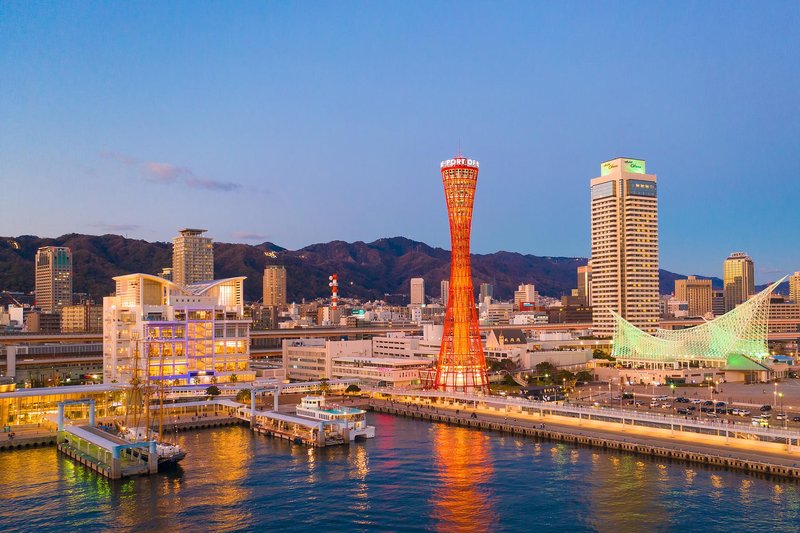
Hotels in Higashishirakawa
Discover your perfect stay in Higashishirakawa.
Higashishirakawa(Japan) Travel 2026: Cheap Flights, Hotels & Top Attractions
Popular Landmarks in Higashishirakawa
Discover the most iconic attractions in Higashishirakawa
Recommended Hotels in Higashishirakawa
Find the perfect place to stay in Higashishirakawa
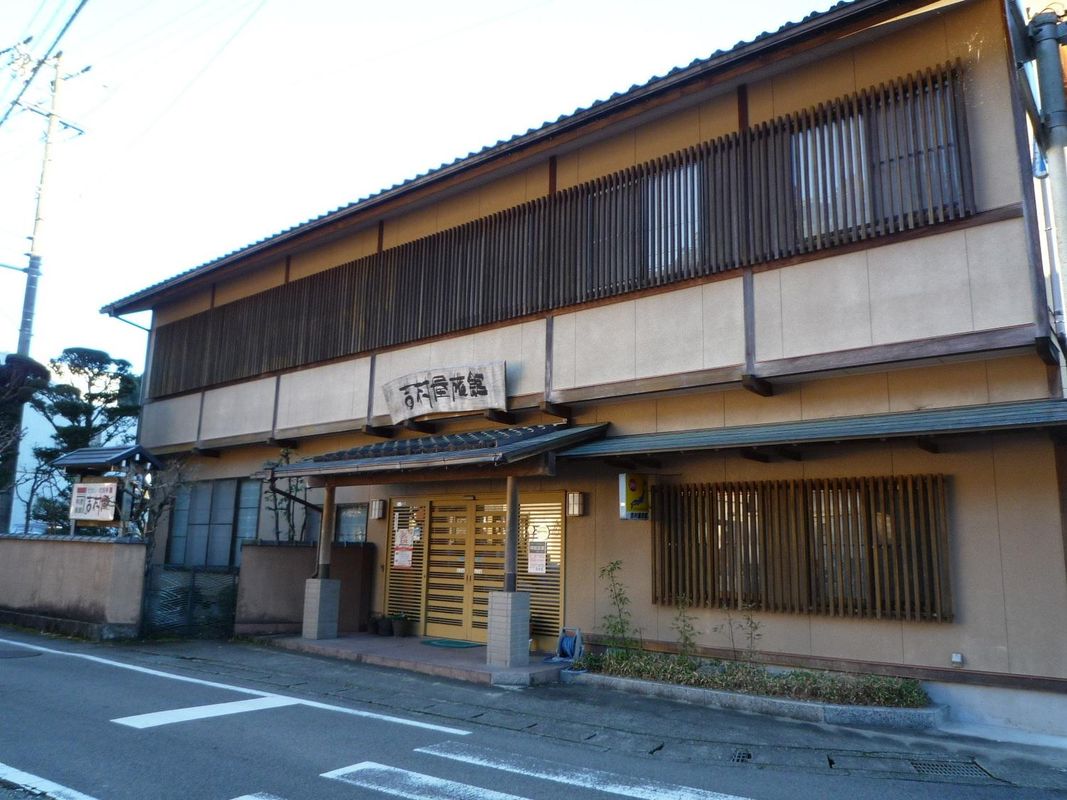
Ryori Ryokan Yoshimuraya
Best Hotels in Higashishirakawa
Discover curated hotel collections in Higashishirakawa
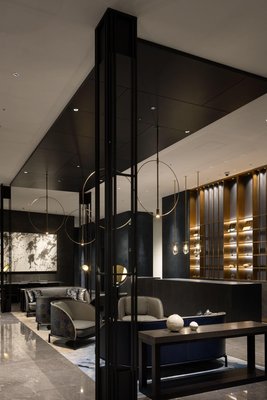
Bellustar Tokyo, A Pan Pacific Hotel
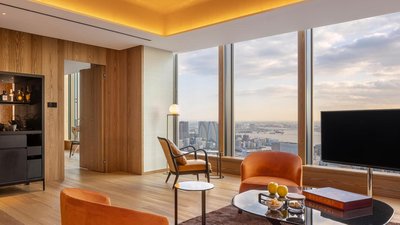
Bvlgari Hotel Tokyo
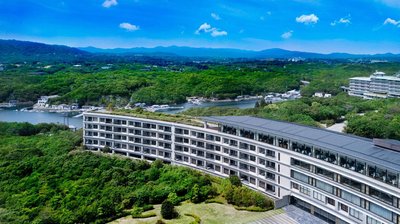
Shima Kanko Hotel the Bay Suites
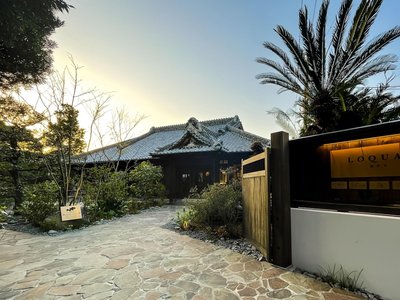
Loquat Nishiizu
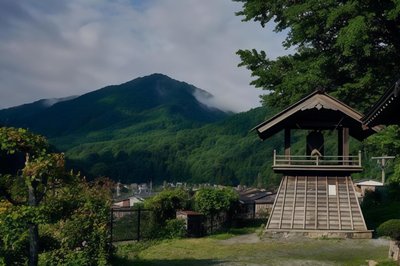
Byaku Narai
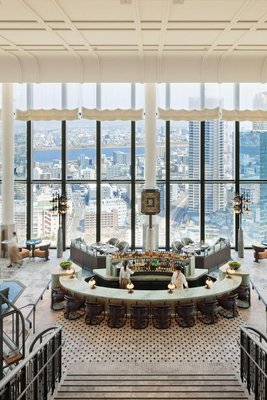
Waldorf Astoria Osaka
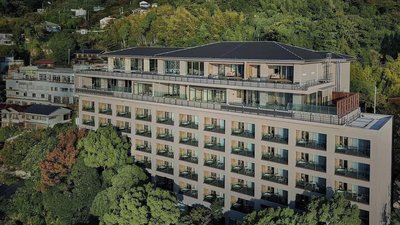
Atami Izusan Karaku
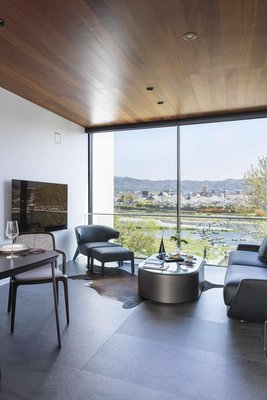
Kamo Residences by Reflections
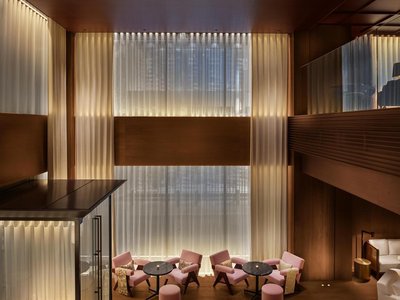
The Tokyo Edition, Ginza

Janu Tokyo
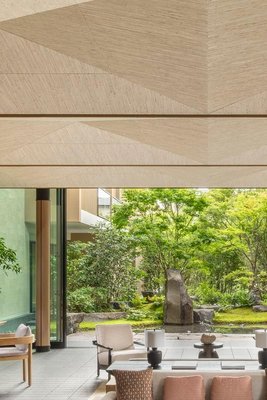
Six Senses Kyoto
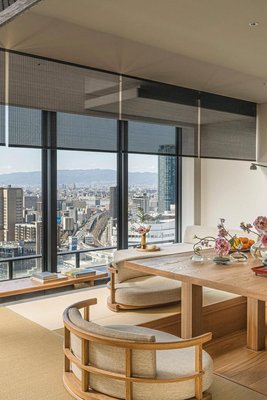
Four Seasons Hotel Osaka
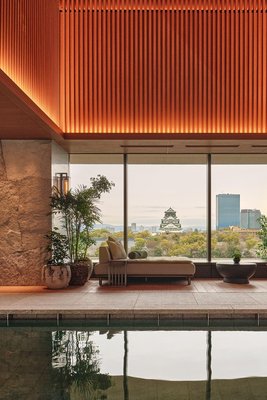
Patina Osaka

The Ritz-Carlton, Osaka
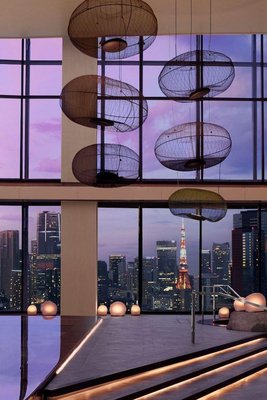
JW Marriott Hotel Tokyo
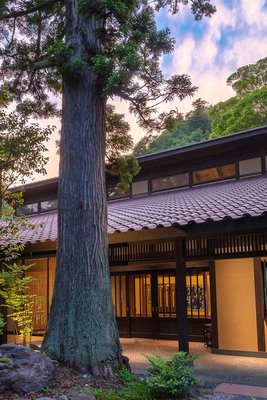
Arimasansoh Goshobessho
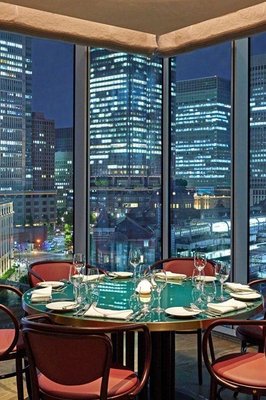
Four Seasons Hotel Tokyo at Marunouchi

Mandarin Oriental, Tokyo
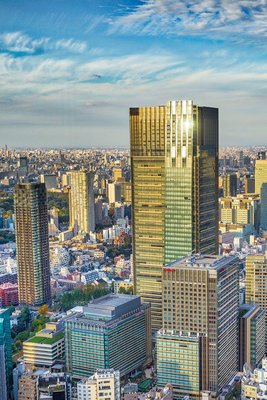
The Ritz-Carlton, Tokyo
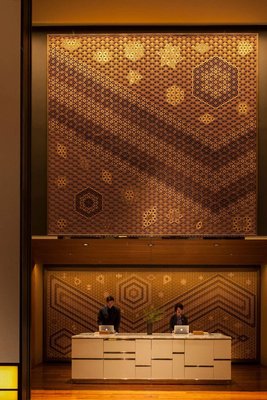
Andaz Tokyo Toranomon Hills- A Concept by Hyatt

Toba International Hotel Shiojitei

Gold Stay Nagoya OSU
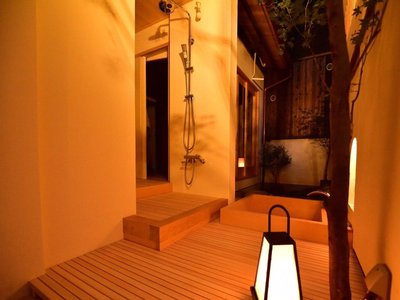
Yado Kiramachi
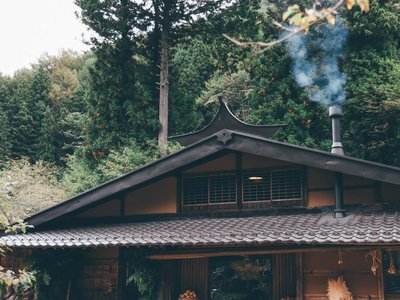
La Terra Resort

Korinkyo

GOLD STAY Nagoya Sakae
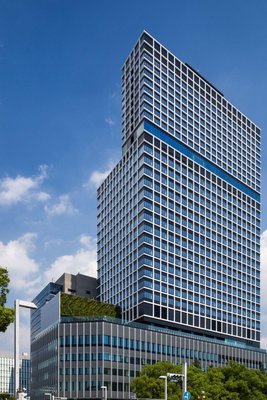
The Royal Park Hotel Iconic Nagoya
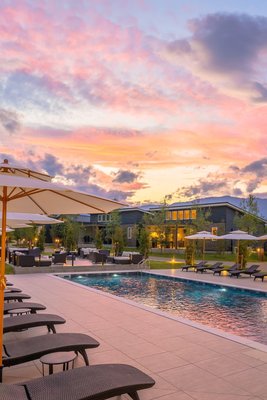
Awaumi Fujikawaguchiko Resort
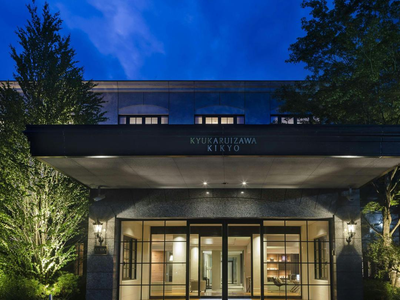
Fufu Karuizawa Wind of Sunshine

Hotel Taiko, Akakura Onsen
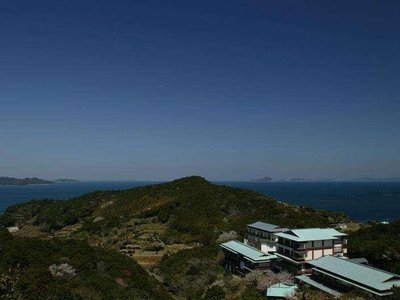
Hanashinsui
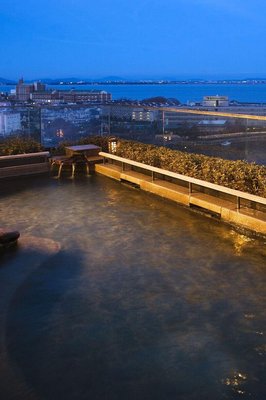
Yumotokan
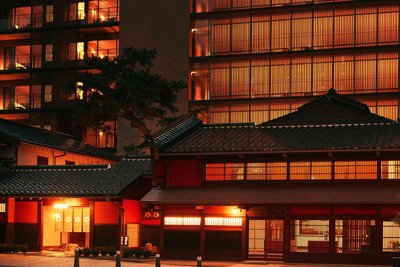
Hoshino Resorts Kai Kaga
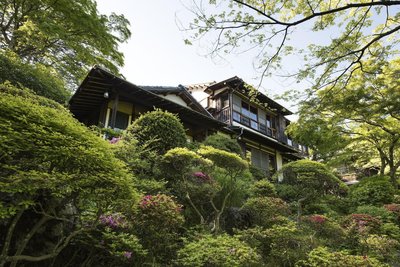
Gora Kansuiro
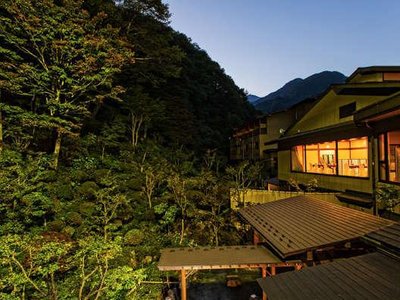
Futari Shizuka
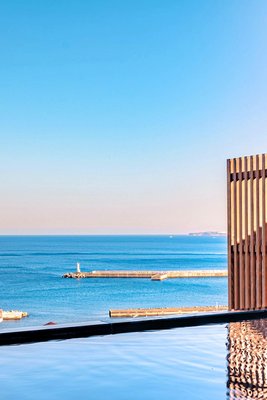
HOTEL KANICHI
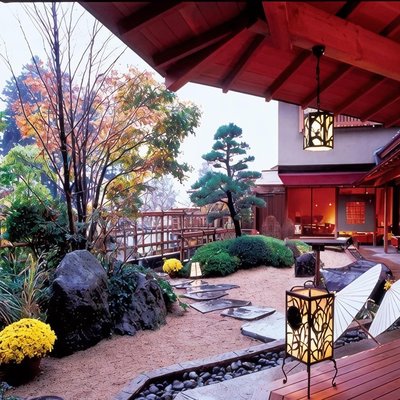
Oyado Tamaki

Tokinoniwa
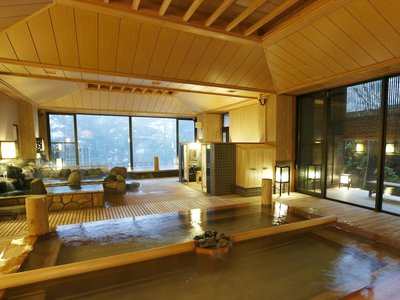
Konoha
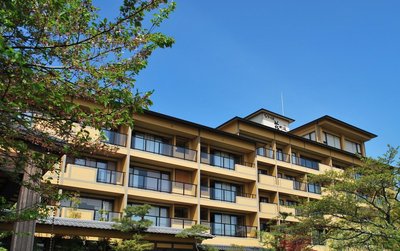
BIWAKO HANAKAIDO
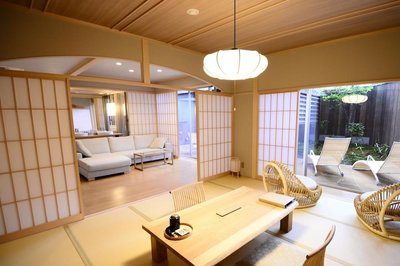
Hakone Gora Byakudan
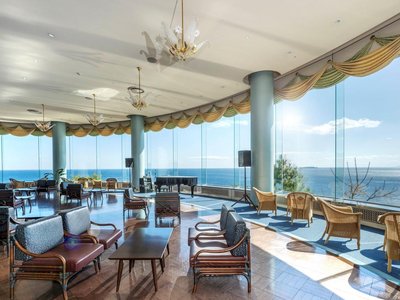
Hotel New Akao

XYZ Private Spa and Seaside Resort
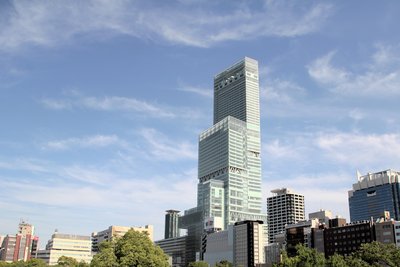
Osaka Marriott Miyako Hotel
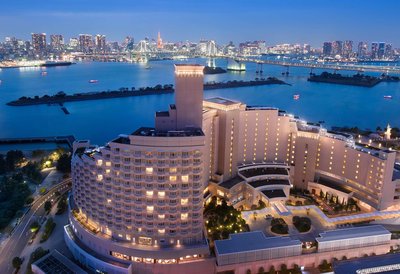
Hilton Tokyo Odaiba
JW Marriott Hotel Tokyo
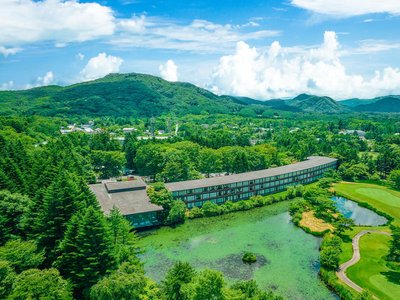
The Prince Karuizawa
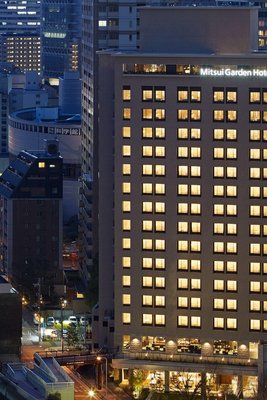
Mitsui Garden Hotel Osaka Premier
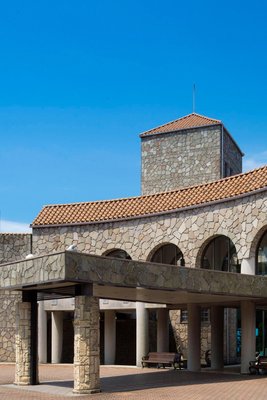
Izumigo Hotel Altia Toba
BIWAKO HANAKAIDO
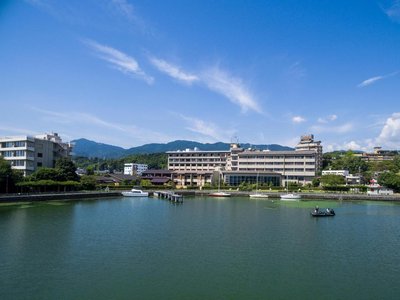
Biwako Ryokusuitei
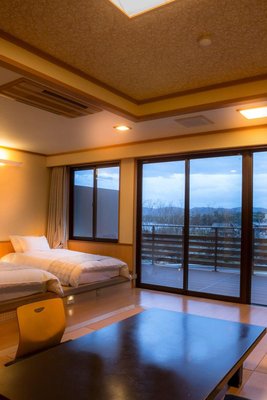
Hotel Kitanoya
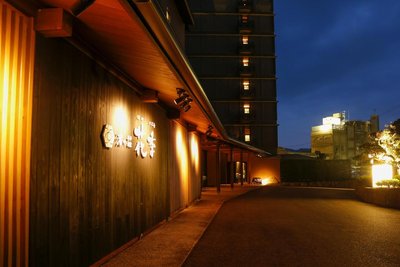
Hanagoyomi
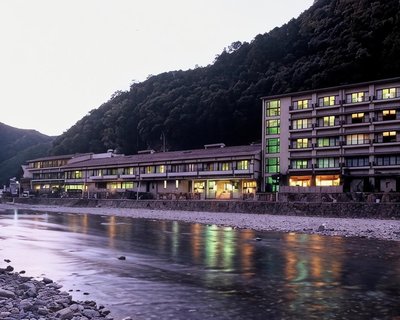
Kawayu Onsen Fujiya
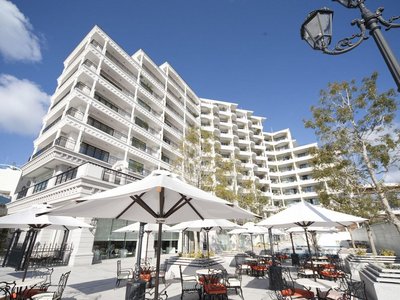
Hotel La Suite Kobe Harborland

The Kukuna
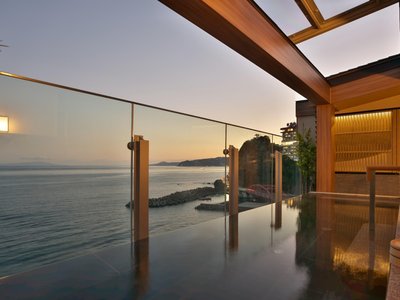
Hotel New Sagamiya
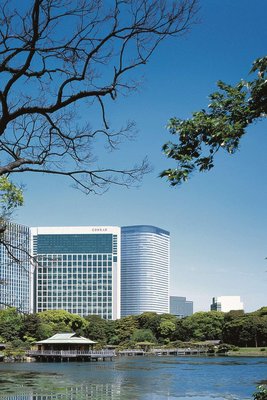
Conrad Tokyo
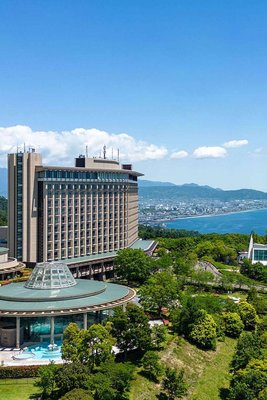
Hilton Odawara Resort & Spa
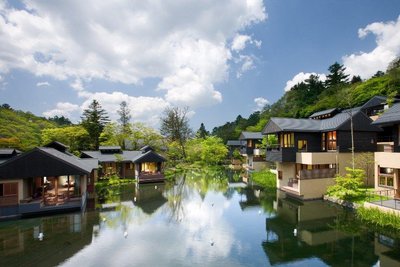
Hoshinoya Karuizawa
Yado Kiramachi
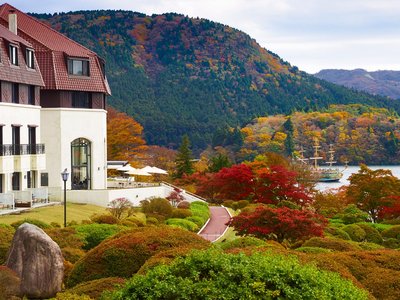
Hotakajyo

Onyado Nono Asakusa Bettei Hot Spring
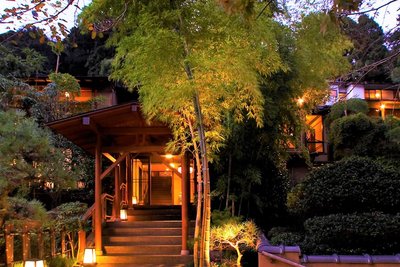
Shiki wo Ajiwau Yado Yamano Chaya
Arimasansoh Goshobessho
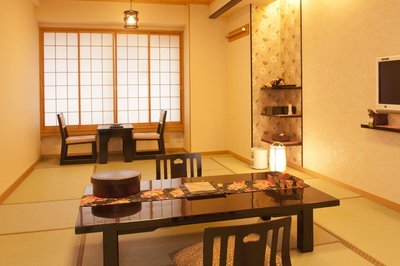
Matsui-Bekkan Hanakanzashi
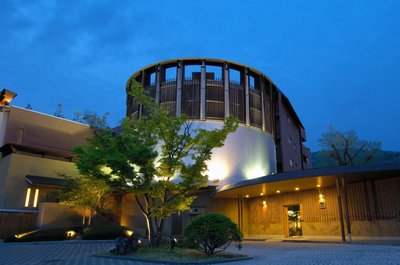
Hoshino Resorts Kai Matsumoto

Taikyourou
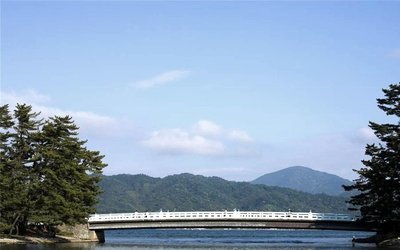
Monjusou Shourotei
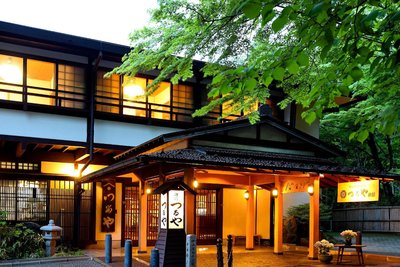
Tsuruya Ryokan
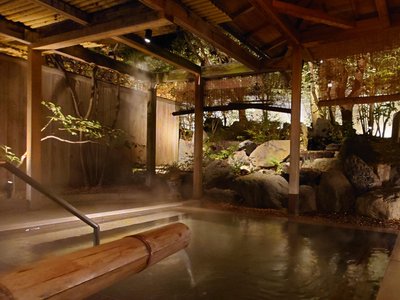
Kasuga Hotel
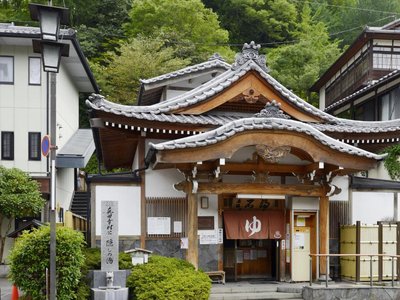
Nakamatsuya Ryokan
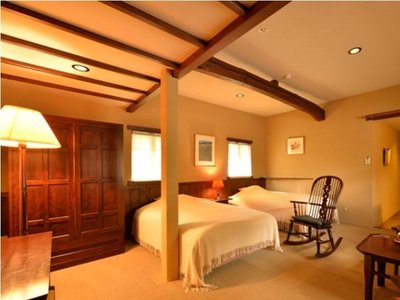
Ryokan Sugimoto
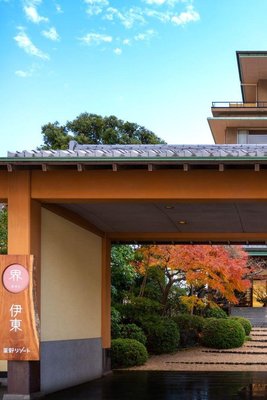
Hoshino Resorts Kai Ito
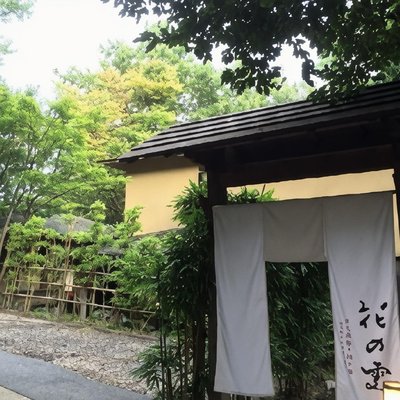
Hana No Kumo
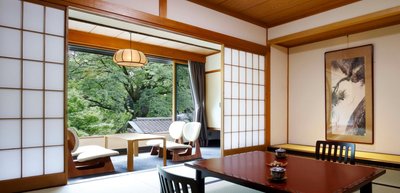
Yoshiike Ryokan
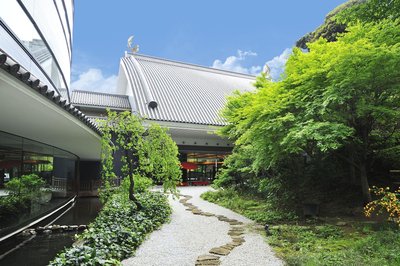
Hotel Gajoen Tokyo
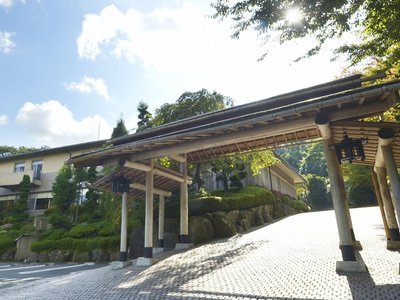
Gora Hanaougi
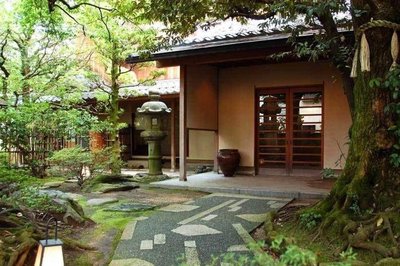
Kocho
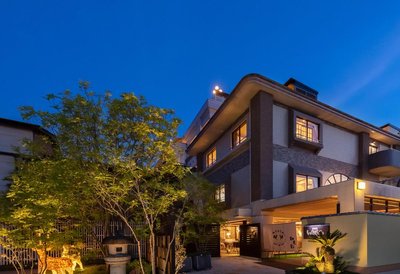
Hotel New Wakasa
Bellustar Tokyo, A Pan Pacific Hotel
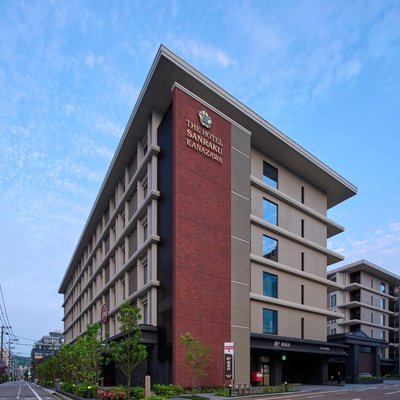
The Hotel Sanraku Kanazawa 21th December 2022 Open
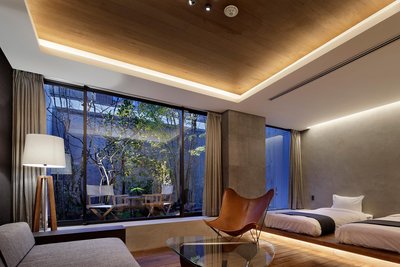
22 PIECES
The Ritz-Carlton, Osaka
JW Marriott Hotel Tokyo
Andaz Tokyo Toranomon Hills- A Concept by Hyatt

The Thousand Kyoto
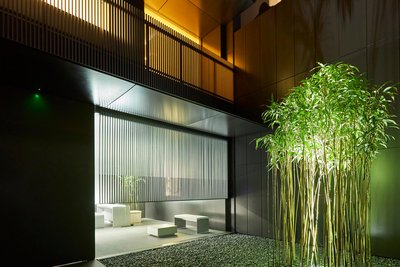
Mogana
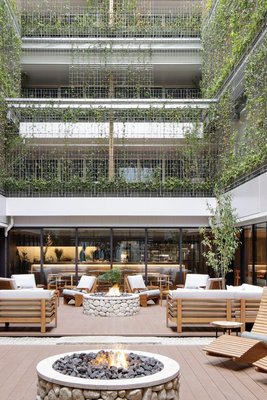
GOOD NATURE HOTEL KYOTO
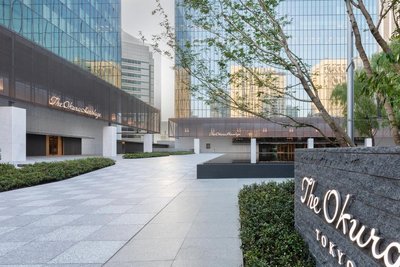
The Okura Tokyo
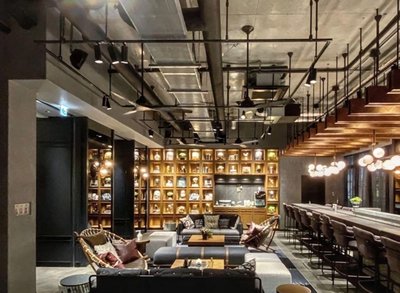
The Lively Azabujuban Tokyo
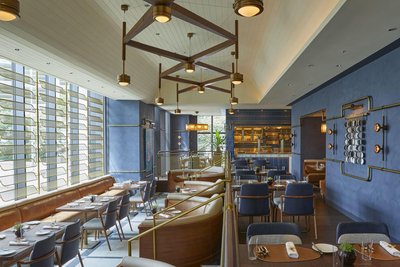
Kimpton Shinjuku Tokyo
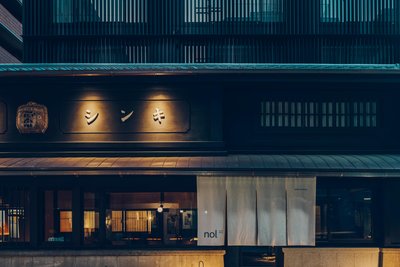
Nol Kyoto Sanjo

HOTEL K5
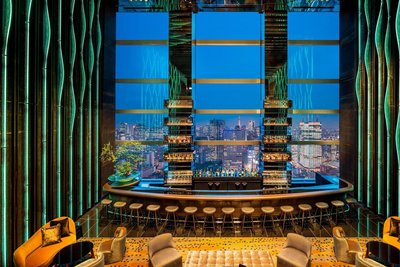
The Prince Gallery Tokyo Kioicho, a Luxury Collection Hotel

Zentis Osaka
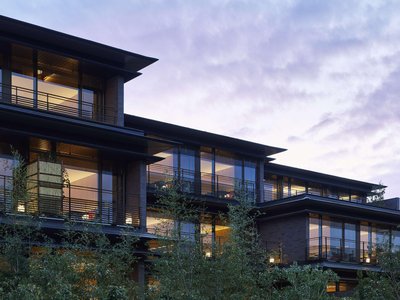
Garrya Nijo Castle Kyoto

W Osaka

Hotel Kanra Kyoto

Aloft Osaka Dojima
Hakone Gora Byakudan
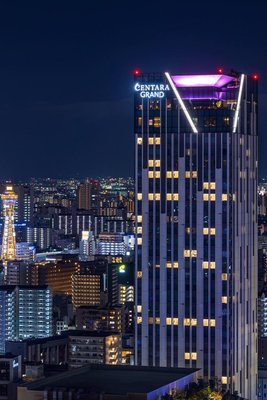
Centara Grand Hotel Osaka
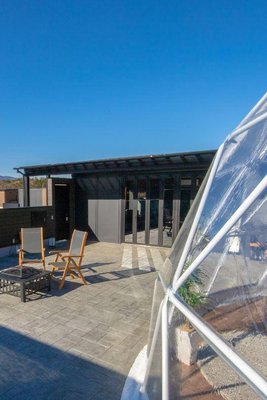
Panoramic Mt. Fuji Views from All Rooms – Vision Glamping Resort & Spa Yamanakako
voco Osaka Central
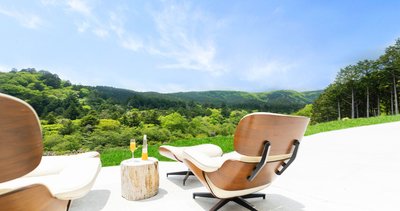
Shelter Garden Nikko
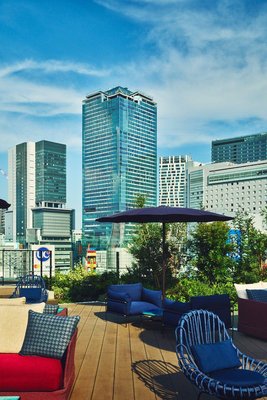
Hotel Indigo Tokyo Shibuya
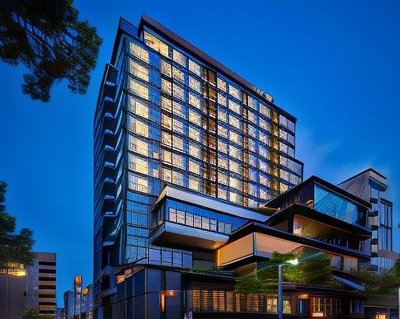
TIAD, AUTOGRAPH COLLECTION
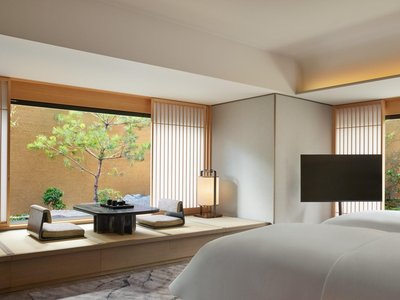
Dusit Thani Kyoto
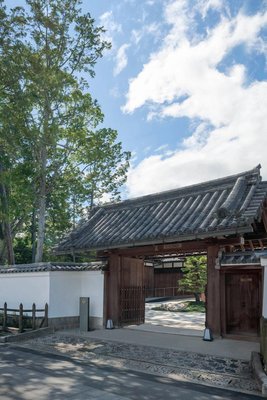
Shisui, a Luxury Collection Hotel, Nara

Hilton Kyoto
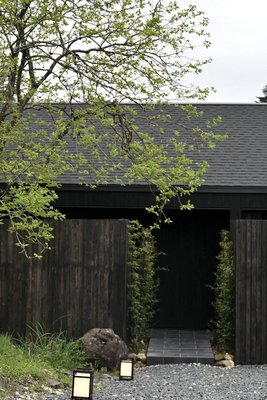
THE LAKOTAN
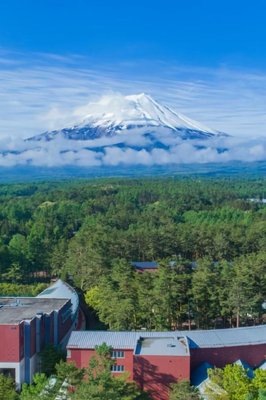
Forest Village (Fuji Premium Resort)
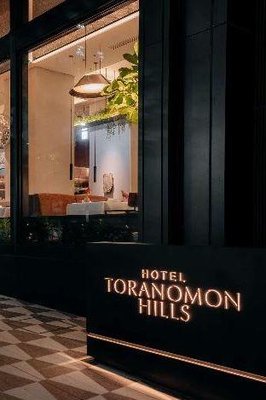
Hotel Toranomon Hills
Osaka Marriott Miyako Hotel
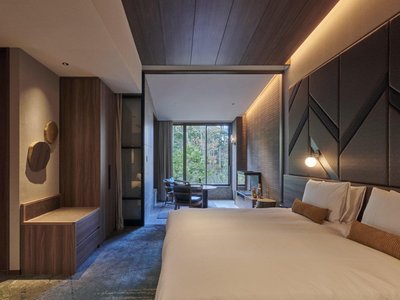
Fufu Kyu-Karuizawa Restful Forest
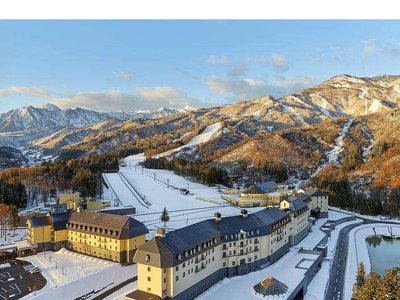
Lotte Arai Resort
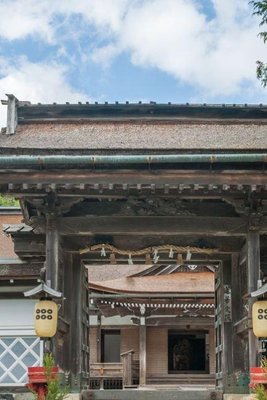
Koyasan Rengejoin
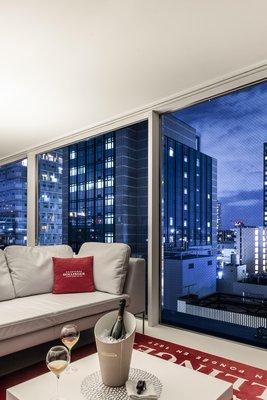
CUVÉE J2 HOTEL OSAKA by Onko Chishin
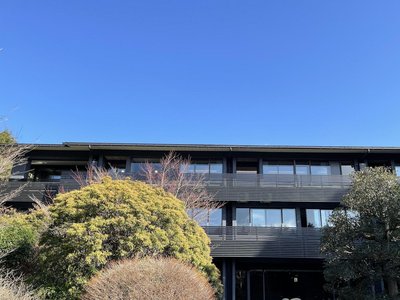
Sengokubara Cocon
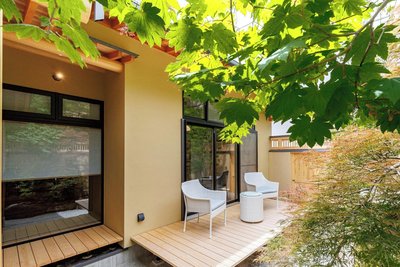
Shoraiso
Bvlgari Hotel Tokyo
Osaka Marriott Miyako Hotel
The Ritz-Carlton, Osaka
Four Seasons Hotel Tokyo at Marunouchi
Mandarin Oriental, Tokyo
The Ritz-Carlton, Tokyo
Andaz Tokyo Toranomon Hills- A Concept by Hyatt
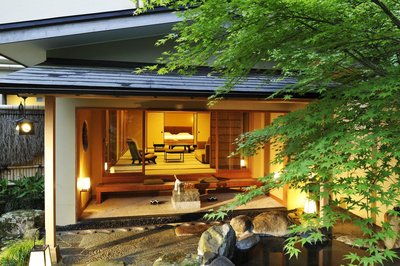
Gora Kadan
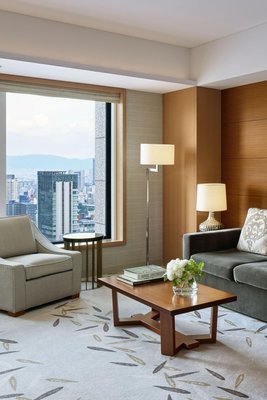
InterContinental Hotel Osaka
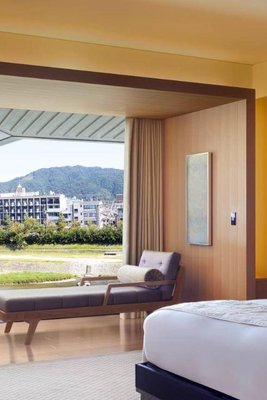
The Ritz-Carlton, Kyoto

Hotel New Otani Tokyo the Main
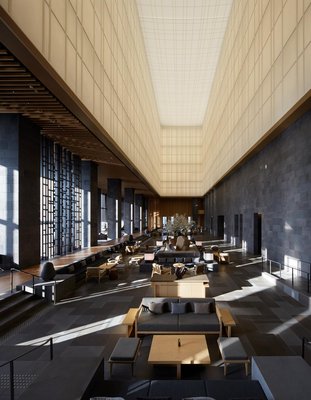
Aman Tokyo
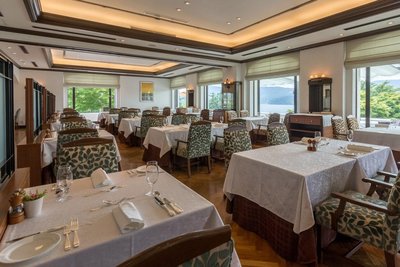
Odakyu Hotel de Yama
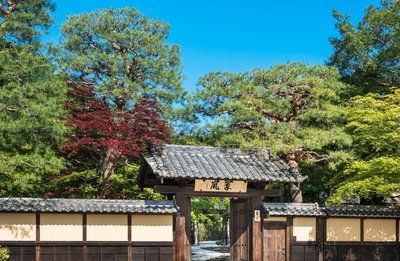
Suiran, a Luxury Collection Hotel, Kyoto
GOOD NATURE HOTEL KYOTO
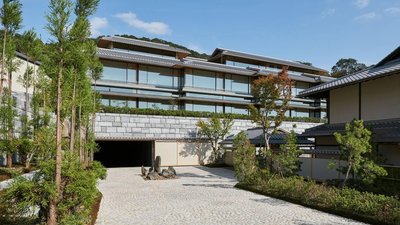
Park Hyatt Kyoto
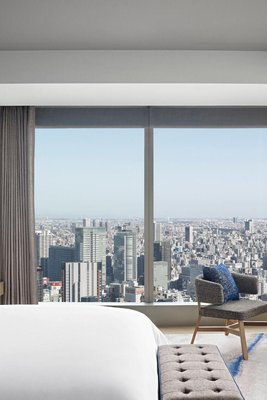
Four Seasons Hotel Tokyo at Otemachi
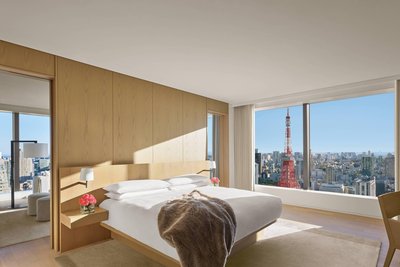
The Tokyo Edition, Toranomon

Hyatt Centric Kanazawa
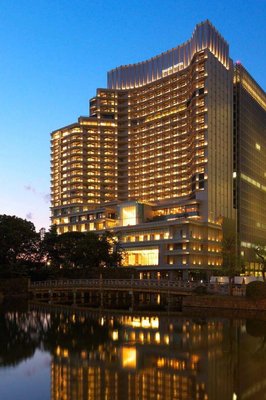
Palace Hotel Tokyo
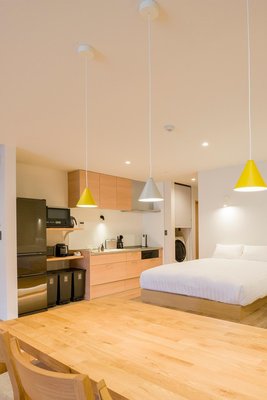
Rakuten STAY VILLA Nasu
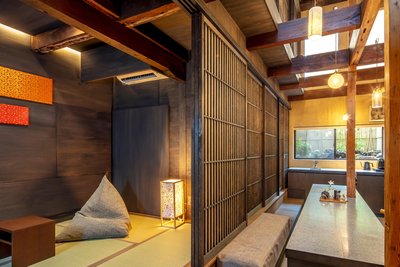
Kyo No Oozora Kihana
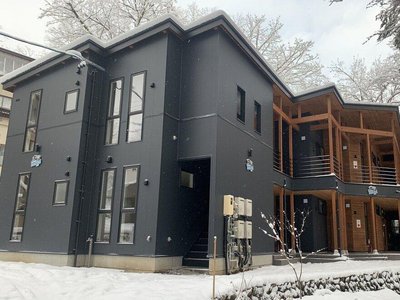
Hakuba Gondola Apartments
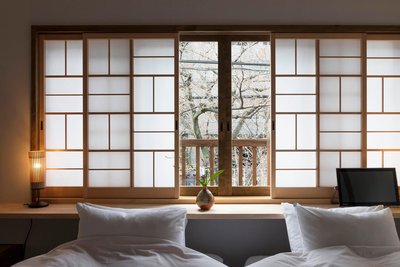
Hanagoromo Machiya House
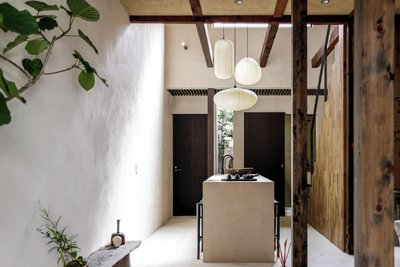
Maana Kiyomizu
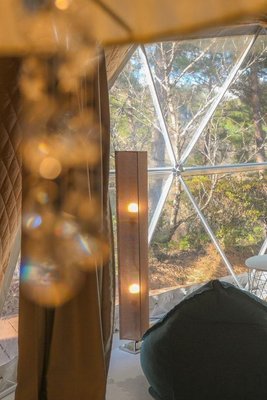
glampark Gekkabijin Nagano
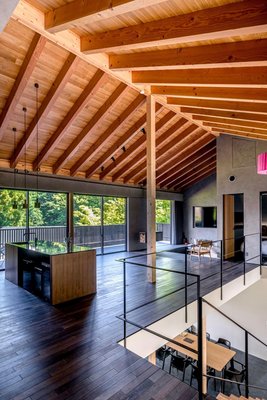
MONS GORA
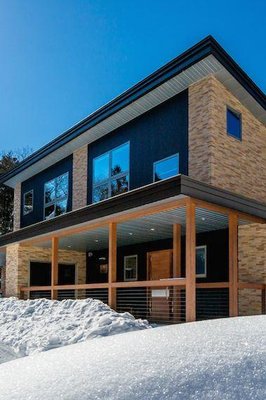
Phoenix Chalets by Hhg
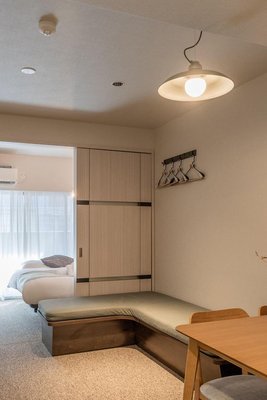
Apartment Hotel 11 Shinsaibashi
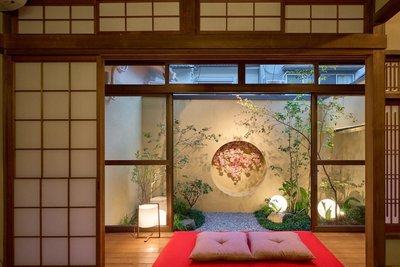
KONJAKUSO Osaka Tengachaya "NIHONCHA" Tea & Relax
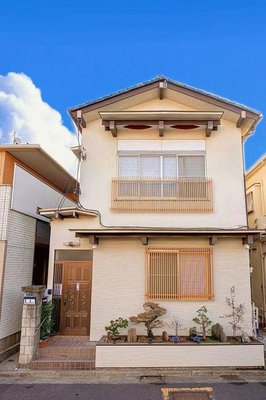
Tokyo Star House-Shinkoiwa
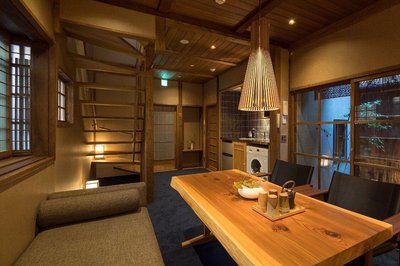
Bonbori an Machiya House
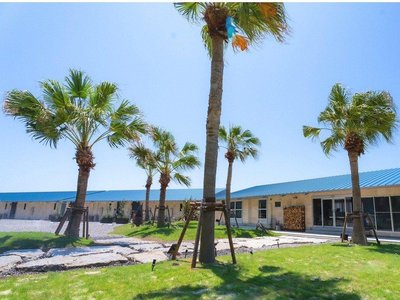
Glamping&Resort Wood Design Park Noma
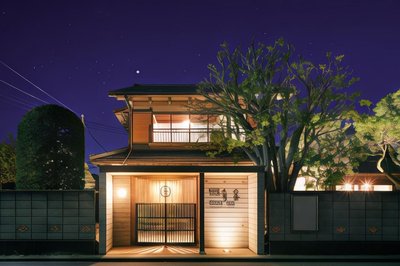
Machi-Jyu
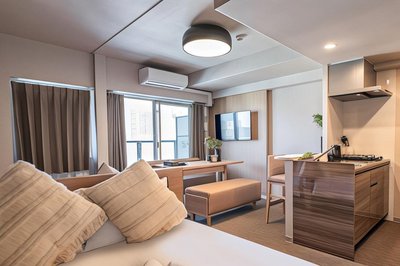
Apartment Hotel 11 Shinsaibashi III
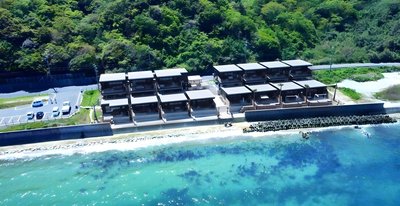
Solavilla Umi Terrace Minamiawaji
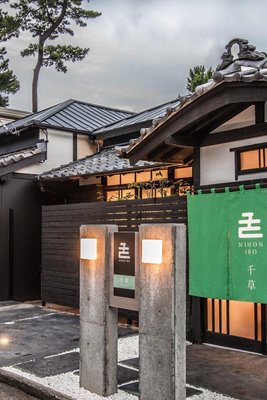
Nihon Iro
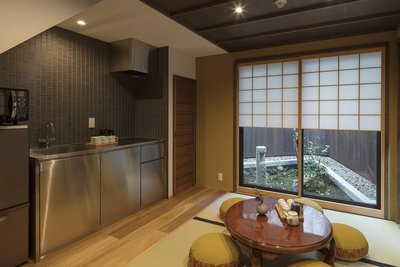
The Machiya Villa Sanjo Shirakawa Koji
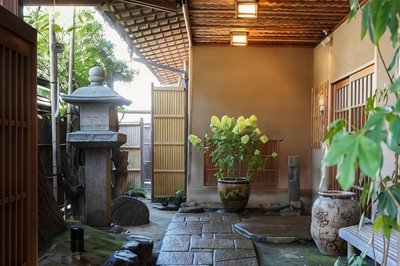
Ryokan Asadaya
Konjaku-So Dotonbori
Bellustar Tokyo, A Pan Pacific Hotel

Hotel Barrière Fouquet's New York
Bvlgari Hotel Tokyo

Shima Kanko Hotel the Bay Suites
Loquat Nishiizu
Byaku Narai
Waldorf Astoria Osaka
Atami Izusan Karaku
Kamo Residences by Reflections
The Tokyo Edition, Ginza
Janu Tokyo
Six Senses Kyoto
Four Seasons Hotel Osaka
Patina Osaka
The Ritz-Carlton, Osaka
JW Marriott Hotel Tokyo
Arimasansoh Goshobessho
Four Seasons Hotel Tokyo at Marunouchi
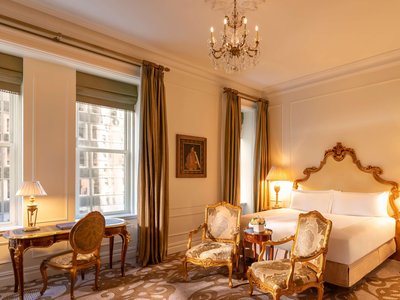
The Plaza - A Fairmont Managed Hotel
Mandarin Oriental, Tokyo
Frequently Asked Questions about Traveling to Higashishirakawa
Questions You Might Need to Know About Traveling to Higashishirakawa
In Tōhakuchō, the top choice for an authentic rural stay is Shirakawa-ya Ryokan, a family-run guesthouse nestled in a quiet valley surrounded by forested mountains. The rooms feature tatami mats and sliding paper doors, with views of seasonal landscapes—snow-covered hills in winter and vibrant autumn foliage in fall. Guests can enjoy private onsen baths fed by natural hot springs, savor farm-to-table meals made from local mountain vegetables, and participate in hands-on workshops like bamboo weaving or rice pounding. This ryokan offers a deep immersion into the village’s quiet, sustainable lifestyle and centuries-old traditions.
The ideal time to visit Tōhakuchō is during spring (April–May) and autumn (October–November). In spring, cherry blossoms and azaleas bloom along the riverbanks, while autumn transforms the valley into a tapestry of red, orange, and gold leaves. These seasons offer perfect weather for hiking the Shirakawa Valley Trail, exploring ancient farming terraces, or visiting historic shrines. Don’t miss the annual Autumn Festival (Tōhaku Autumn Matsuri) in November, featuring traditional dances, folk music, and local crafts. Clear skies also make these months ideal for stargazing at high-altitude observation points.
Travelers in Tōhakuchō can engage in unique cultural experiences such as a pottery workshop at Shirakawa Ceramics Studio, where you’ll shape your own clay piece using traditional hand-building techniques. Another highlight is the Bonfire Festival (Hinoki no Hi) held each summer, where villagers carry torches through the forest paths in a ritual to honor ancestors. You can also visit local farms to learn how to grind rice with stone mills and taste homemade sake brewed from village-grown rice. These immersive activities reveal the community’s deep connection to nature, craftsmanship, and ancestral heritage.
Yes, Tōhakuchō is highly suitable for families. The Shirakawa Kids’ Homestay offers a dedicated playroom, a small on-site farm where children can feed goats and chickens, and daily guided nature walks tailored for kids. The Nature Education Center hosts interactive sessions like bug hunts and forest storytelling led by local guides. The Shirakawa Stream Path is flat and safe for strollers, with clear streams and abundant wildlife. Many restaurants provide child-sized portions and organic ingredients. With low traffic and a strong emphasis on safety and simplicity, this village provides a nurturing environment for family bonding and outdoor learning.
To reach Tōhakuchō from Gifu City, take the Shirakawa Line bus from Gifu Bus Terminal to "Tōhakuchō Town Hall" station, which takes about 1.5 hours. Buses run infrequently, so check schedules in advance. Alternatively, drive via National Route 256, then turn onto Prefectural Route 197—approximately 1.5 hours. For rail travelers, take the JR train to Gifu Station, then transfer to a local shuttle bus. The village has ample parking, but some mountain roads are narrow, so proceed with caution. Consider using the Japan Rail Pass to cover long-distance travel to nearby hubs.
Must-visit trails in Tōhakuchō include the Shirakawa Valley Eco Trail, a 4-km path following the clear-flowing Shirakawa River, lined with dense forest and home to native birds like the Japanese whistling thrush. Scenic lookout points offer panoramic views of the valley and distant Daiho Mountains. Another hidden gem is the Cloud Sea Path, especially magical at dawn when mist swirls around the hilltops. Along the route, informative signage explains local flora and geology. Trails are well-maintained and accessible, making them ideal for hikers of all levels seeking tranquility and connection with nature.
Try Shirakawa Mountain Vegetable Hot Pot, a hearty stew made with fresh wild greens, bamboo shoots, and mushrooms foraged from the surrounding hills. Another must-try is handmade rice dumplings served with mountain honey, crafted using a centuries-old recipe passed down through generations. Don’t miss the local wagyu beef skewers grilled over charcoal, known for their rich flavor and tenderness. During autumn, sample chestnut rice and dried persimmons—delicacies harvested directly from village farms. All dishes emphasize seasonal, zero-waste sourcing, reflecting the community’s philosophy of "one field, one meal."
While not a major hot spring destination, Tōhakuchō features several tranquil onsen lodges. Shirakawa Spring Villa (Shirakawa Senso Sō) offers private outdoor baths fed by natural mineral-rich springs, rich in sulfur and bicarbonate, known for soothing skin and muscles. Rooms are designed with rustic wood interiors and large windows facing the mountains. Another option is Mori no Yu, a secluded retreat set in the forest, offering herbal bath blends and forest bathing integration. Both properties limit guest numbers for privacy, so HopeGoo ahead is essential. These serene spots provide a perfect blend of wellness and nature immersion.
Evening activities in Tōhakuchō are uniquely peaceful and meaningful. Join the Stargazing Night Program at the High Ridge Observation Point, where local astronomers guide guests through constellations and the Milky Way. Some ryokans host bonfire storytelling sessions, where elders share legends of the valley and mountain spirits under a canopy of stars. During full moon season, experience a Moonlight Tea Ceremony in a garden setting, sipping matcha with traditional sweets. With minimal light pollution and a slow-paced rhythm, nights here are about stillness, wonder, and reconnecting with the cosmos.
For the best views, choose accommodations along the Shirakawa Riverbank or on hillside terraces. View Mountain Villa offers panoramic vistas of the valley and eastern peaks, with sunrise views that paint the sky in golden hues. Its elevated position also provides unobstructed views of the entire village and surrounding farmland. Another top pick is Cloud Residence, located on a gentle slope overlooking the rice terraces—ideal for watching seasonal changes from your window. These locations combine serenity, privacy, and breathtaking scenery, making them perfect for photography, meditation, or simply unwinding in nature’s embrace.
Higashishirakawa Overview
City Summary
Higashi Shirakawa Village is located in the eastern part of Gifu Prefecture, Japan, surrounded by mountains. Known for its traditional thatched-roof houses, rich natural scenery, and strong rural charm, this peaceful village offers an authentic glimpse into traditional Japanese countryside life.
Must-See Attractions
The main attractions in Higashi Shirakawa Village include the Gassho-style village, with its UNESCO-listed thatched-roof houses. Visitors can also explore the Higashi Shirakawa Village Folk Museum to learn about local history and culture. The surrounding landscape, such as the terraced rice fields of Shirakawa and clear streams, is equally breathtaking.
Food Guide
The village's culinary culture focuses on locally sourced ingredients, with specialties like wild vegetable dishes and traditional rural cuisine, including Hoba Miso and Hida beef. Small restaurants and guesthouses in the village serve these authentic dishes.
Transportation Guide
Transportation in Higashi Shirakawa Village relies mainly on buses and rental cars. Buses from Gifu City or Takayama Station can reach the village, but schedules are limited. Driving offers more flexibility, with ample parking available. Walking is ideal for exploring the compact village.
Best Time to Visit
The best times to visit are spring (April to June) and autumn (September to November), when the weather is pleasant and the scenery is stunning. Summer is great for escaping the heat, while winter showcases snowy landscapes, though road conditions may vary.
Travel Tips
- Wear comfortable shoes: The village has many cobbled paths and slopes; non-slip footwear is recommended.
- Respect local customs: Follow guidelines when visiting traditional buildings.
- Carry cash: Many local shops do not accept credit cards.
- Book accommodation early: Especially during peak seasons, lodgings fill up quickly.
- Check the weather: Mountain weather can change rapidly; bring rain gear and warm clothing.
Useful Information
The primary language in Higashi Shirakawa Village is Japanese, with limited English proficiency. A translation app or basic Japanese phrases can be helpful. Internet coverage is generally good, but some mountainous areas may have weak signals. Cash is preferred for payments, though some larger establishments accept credit cards. Medical facilities are limited; for emergencies, visiting nearby cities is advised.