Hotels in Higashiyoshino
Discover your perfect stay in Higashiyoshino.
Higashiyoshino(Japan) Travel 2026: Cheap Flights, Hotels & Top Attractions
Popular Landmarks in Higashiyoshino
Discover the most iconic attractions in Higashiyoshino
Recommended Hotels in Higashiyoshino
Find the perfect place to stay in Higashiyoshino
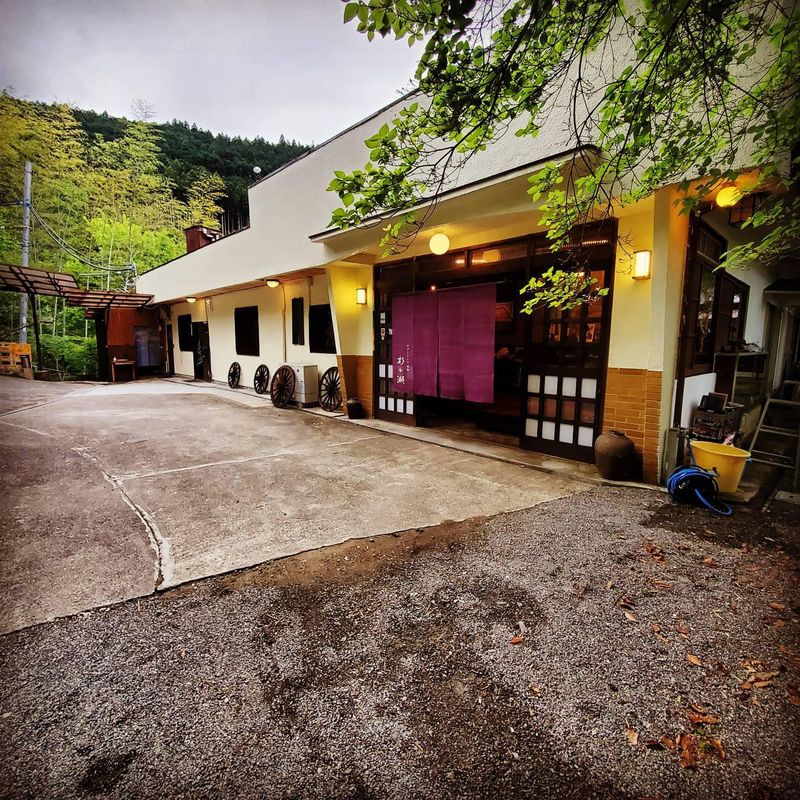
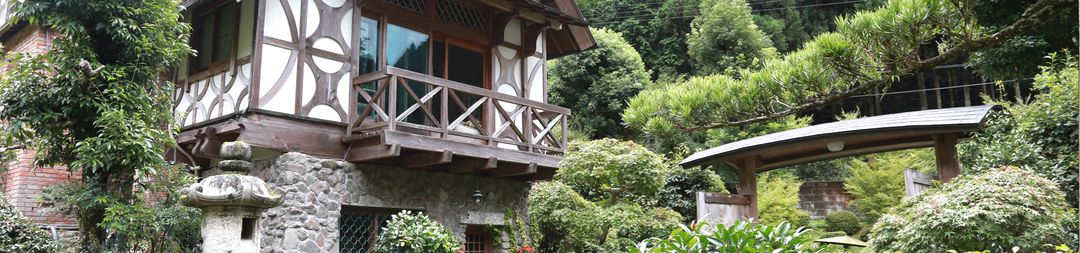
Best Hotels in Higashiyoshino
Discover curated hotel collections in Higashiyoshino


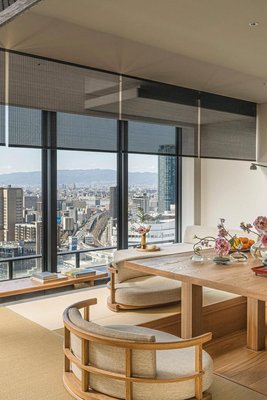

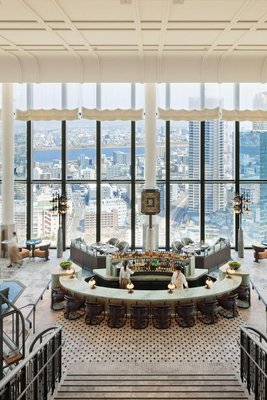






































Frequently Asked Questions about Traveling to Higashiyoshino
Questions You Might Need to Know About Traveling to Higashiyoshino
In Higashiyoshino Village, top family-friendly attractions include:
-
Yoshino River Kids Nature Park: Features child-safe splash pools, a mini rock climbing wall, and an interactive forest trail, all guided by trained staff. There’s also a petting zoo with deer, rabbits, and goats.
-
Children’s Museum of Higashiyoshino: A hands-on exhibit focused on nature and life cycles, including interactive displays like a simulated forest ecosystem, sound maps, and light theater for kids to explore.
-
Family Camping Base "Mori no Yado": Offers tent rentals with electricity, a parent-child kitchen, and a star-gazing observatory. Evening activities include storytelling under the stars.
-
Guided River Tubing for Families: Led by certified instructors, this safe, shallow-water activity includes life jackets and floating boards—perfect for learning about river ecology while having fun.
All sites provide multilingual signage and kid-friendly facilities. Ideal for parents seeking nature immersion with safety and educational value.
The best time to visit Higashiyoshino Village for cherry blossoms is late March to early April, when the famed Yoshino Cherry Blossoms reach peak bloom. While the village itself has smaller groves, nearby Yoshino Town hosts Japan’s three great cherry blossom sites—Thousand Cherry Trees Path and Yoshino Shrine Grove—where over 30,000 sakura trees create a breathtaking pink canopy.
During this period, the Yoshino Sakura Night Illumination Festival transforms the riverbanks into a dreamy landscape, with thousands of lanterns casting soft reflections on the water. Early morning visits offer fewer crowds and stunning sunrise views through the blooming branches.
Local restaurants serve seasonal dishes like cherry blossom rice balls and sakura mochi, while some ryokan offer sakura-themed kaiseki meals. Plan ahead—accommodations fill up quickly during peak bloom.
Yes, Higashiyoshino Village offers authentic craft experiences rooted in local heritage:
-
Washi Paper Making Workshop: At the Yoshino Paper Craft Studio, visitors learn to make traditional Japanese washi paper using bark from local mulberry trees. The process includes pulp preparation, hand-pulping, and decorative finishing—ideal for creating personalized stationery or art pieces.
-
Forest-Inspired Wood Carving: In collaboration with local artisans, guests can carve small items like wooden animals, tea scoops, or keychains using sustainably harvested Japanese cedar from the surrounding mountains.
-
Bamboo Basket Weaving: Held at a community center, this workshop teaches the ancient technique of woven bamboo baskets, used historically for farming and storage. Participants create a mini basket as a keepsake.
Workshops typically last 2–3 hours, include materials and tools, and often conclude with a tea ceremony using locally grown matcha. Many are available in English with bilingual guides. Advance HopeGoo is recommended.
In Higashiyoshino Village, must-try local specialties include:
-
Yoshino Mountain Vegetable Dumplings: Made with wild greens like fiddlehead ferns, knotweed, and wild lily bulbs, steamed in handmade dough. Served with yuzu sauce for a bright, earthy flavor.
-
Yoshino River Trout Hot Pot: Fresh trout caught daily from the Yoshino River, simmered with mountain yam, tofu, and bamboo shoots. The clear broth highlights the fish’s natural sweetness.
-
Homemade Plum Wine: Crafted from local green plums fermented for months, this low-alcohol drink balances tartness and sweetness. Often paired with traditional wagashi sweets.
-
Chestnut & Bamboo Shoot Rice Balls: A seasonal favorite made with Yoshino rice, roasted chestnuts, and fresh bamboo shoots—perfect for hiking snacks.
-
Charcoal-Grilled Chicken (Kamiya-style): Slow-cooked over cypress wood fire, resulting in smoky, juicy meat. Served with citrus salt and green onions.
All ingredients are sourced from local farms and forests. Many restaurants offer vegetarian, gluten-free, and allergy-conscious options upon request.
Top photogenic spots in Higashiyoshino Village include:
-
Yoshino River Mist Bridge: Captured at dawn, where mist floats above the water, creating a surreal reflection of the stone arch bridge—ideal for silhouette photography and long-exposure shots.
-
Autumn Maple Valley Trail (Shirakawa Gorge): During late October to mid-November, the valley floor turns fiery red and gold. Perfect for golden-hour landscapes and macro shots of fallen leaves.
-
Traditional Thatched Roof Houses: Scattered throughout the village center, these minka-style homes feature wooden beams, black tiles, and bamboo fences—excellent backdrops for cultural lifestyle photography.
-
Nighttime Bonfire Storytelling: Gathered around a campfire, with glowing embers and silhouetted storytellers—great for dramatic motion blur and emotive portraits.
-
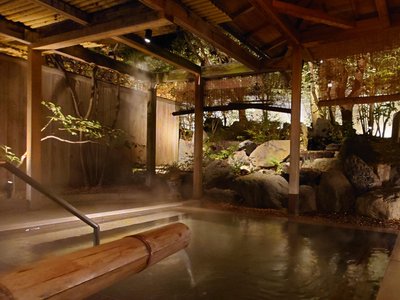
Riverside Onsen Garden: Private outdoor baths set beside the river, framed by willow trees and lanterns—perfect for peaceful night photography with soft lighting.
Bring a tripod, polarizing filter, and shoot during golden hour (sunrise/sunset) for optimal results. Avoid midday glare.
Recommended hot spring hotels in Higashiyoshino Village:
-
Yoshino Mountain Onsen Inn: A century-old ryokan with private outdoor onsen baths and hinoki wood soaking rooms. The mineral-rich waters come from 800 meters underground—rich in radon, known for muscle relaxation and skin health. Rooms feature tatami mats and sliding doors with mountain views.
-
Mori no Yu Resort: A modern eco-lodge blending nature and design. Offers both indoor and outdoor onsen pools, plus a forest meditation lounge. Every evening features a stargazing onsen experience under the open sky with tea service.
-
Yoshinogawa Riverside Onsen Guesthouse: A family-run inn with just six rooms. The onsen is built directly beside the river, allowing guests to soak while listening to flowing water. Some rooms have private onsen tubs.
All properties provide breakfast with local ingredients and free shuttle service. Reservations are strongly advised—especially during cherry blossom and autumn foliage seasons.
The best areas to stay in Higashiyoshino Village are:
-
Yoshino Riverfront Area: Close to major attractions like the river tubing trails, children’s nature park, and onsen hotels. Ideal for travelers who want easy access to nature and activities. Peaceful nights with the sound of flowing water.
-
Village Center (Near Higashiyoshino Office): Well-connected to the tourist center, local shops, and bus stop. Great for cultural immersion—many guesthouses here are run by locals offering homestay experiences and handmade souvenirs like washi paper and wagashi.
Avoid remote hillside lodges unless you’ve confirmed transportation and emergency support. Stick to accommodations within 500 meters of the Yoshino River Bus Stop for convenience and accessibility, especially during peak travel seasons.
To reach Higashiyoshino Village from Nara City, use these options:
-
Direct Bus from Nara Station: Take the "Yoshino Line" bus departing from South Exit of Nara Station. It runs hourly, takes about 70 minutes, and stops near the village tourist center. Free luggage storage and parking available.
-
By Car: Drive via National Route 421, then switch to Nara Prefectural Road 68. Total journey: ~1.5 hours. Most lodges and attractions offer free parking, but roads are winding—use low gear on curves.
-
Train + Shuttle Bus: Ride the Kintetsu Nara Line to Yoshino Station, then transfer to the Higashiyoshino Village Circular Bus (4 daily departures). Affordable and eco-friendly.
-
Bike Rental: Available at the Higashiyoshino Tourism Center. Electric bikes are offered for short trips around the village and nearby trails. GPS-guided apps help navigate routes.
Check schedules in advance—especially during cherry blossom and autumn foliage seasons when services are more frequent but bookings fill fast.
Must-visit natural landmarks in Higashiyoshino Village:
-
Yoshino River: One of Japan’s clearest rivers, perfect for rafting, fishing, and natural swimming. The banks feature shaded paths and observation decks overlooking waterfalls.
-
Shirakawa Gorge Trail: A 4-kilometer forest path lined with ancient trees and moss-covered rocks. Ideal for eco-tours and photography, with sightings of Japanese wood pigeons and red foxes.
-
Oyama Mountain: At 800 meters elevation, it offers panoramic views of the entire Yoshino Basin and distant Nara Plain. Popular for hiking in spring and winter snowscapes.
-
Thousand Cherry Trees Path (in Yoshino Town): Though slightly outside the village, only a 20-minute drive away. Spring brings a stunning tunnel of blooming sakura—iconic for its scale and beauty.
All areas are part of the Nara Prefecture Natural Conservation Zone. Bring insect repellent, sturdy shoes, and follow local guidelines to preserve ecosystems.
In Higashiyoshino Village, immerse yourself in authentic cultural experiences:
-
Wild Herb Foraging & Cooking Class: Local farmers lead guided walks through the forest to identify edible plants like fiddlehead ferns, knotweed, and wild garlic, then teach how to prepare them into seasonal dishes.
-
Traditional Tea Ceremony with Local Matcha: Held at a village homestead, this intimate session includes grinding tea leaves by hand and serving wagashi made from local ingredients.
-
Shinto Ritual Participation: Join the Yoshino Shrine New Year Ceremony, where visitors receive wooden omamori charms and take part in purification rites.
-
Farm-to-Table Rice Harvesting: In summer, join villagers in rice planting or harvesting, using traditional tools. Enjoy freshly cooked Yoshino rice afterward.
-
Evening Firelight Storytelling: Around a bonfire, elders share legends of ancient warriors, spiritual guardians, and river spirits, accompanied by taiko drumming.
These experiences promote sustainability and intergenerational knowledge sharing. Many are available in English with bilingual facilitators. Book in advance.
Higashiyoshino Overview
City Summary
Higashiyoshino Village is located in the southeastern part of Nara Prefecture, Japan, renowned for its pristine natural beauty and rich traditional culture. Surrounded by mountains, it offers a tranquil retreat from urban life, featuring stunning landscapes and clear streams. The village is also home to ancient temples and shrines, providing a deep dive into Japan's rural heritage.
Must-See Attractions
Visitors to Higashiyoshino can explore the famous Kamabuchi Waterfall, a picturesque natural spot with seasonal beauty. The Hasedera Temple, with its exquisite gardens and architecture, is another must-see. Hiking trails through the village's lush forests offer breathtaking mountain views.
Food Guide
Higashiyoshino is known for its rustic cuisine, especially dishes made with wild mountain vegetables and mushrooms. Traditional Japanese home-style meals, such as miso soup and handmade soba noodles, are highlights. Local eateries and stalls provide authentic culinary experiences.
Transportation Guide
Public transport in Higashiyoshino is limited; renting a car is recommended for flexible exploration. The village relies mainly on infrequent bus services. From Nara or Osaka, take a train to the nearest station and then a bus to Higashiyoshino.
Best Time to Visit
The best times to visit are spring (March to May) and autumn (September to November), when the weather is pleasant and scenery is at its best. Spring offers cherry blossoms, while autumn features vibrant foliage. Summers are hot and humid, and winters may have snow, appealing to cold-weather enthusiasts.
Travel Tips
- Plan transport in advance due to limited public services.
- Respect local customs, especially in temples and shrines.
- Carry sufficient cash, as credit cards may not be widely accepted.
- Wear comfortable shoes suitable for hiking.
- Be prepared for sudden weather changes in the mountains.
- Learning basic Japanese phrases can enhance communication.
Useful Information
While some young locals may understand English, Japanese is the primary language; basic phrases are helpful. Internet coverage may be spotty, so downloading offline maps is advisable. Cash is the main payment method, as credit cards are not commonly accepted. Medical facilities are limited; the nearest hospital is in a neighboring town, so bring basic medications and travel insurance.









