Hotels in Higashiyoshino
Discover your perfect stay in Higashiyoshino.
Higashiyoshino(Japan) Travel 2026: Cheap Flights, Hotels & Top Attractions
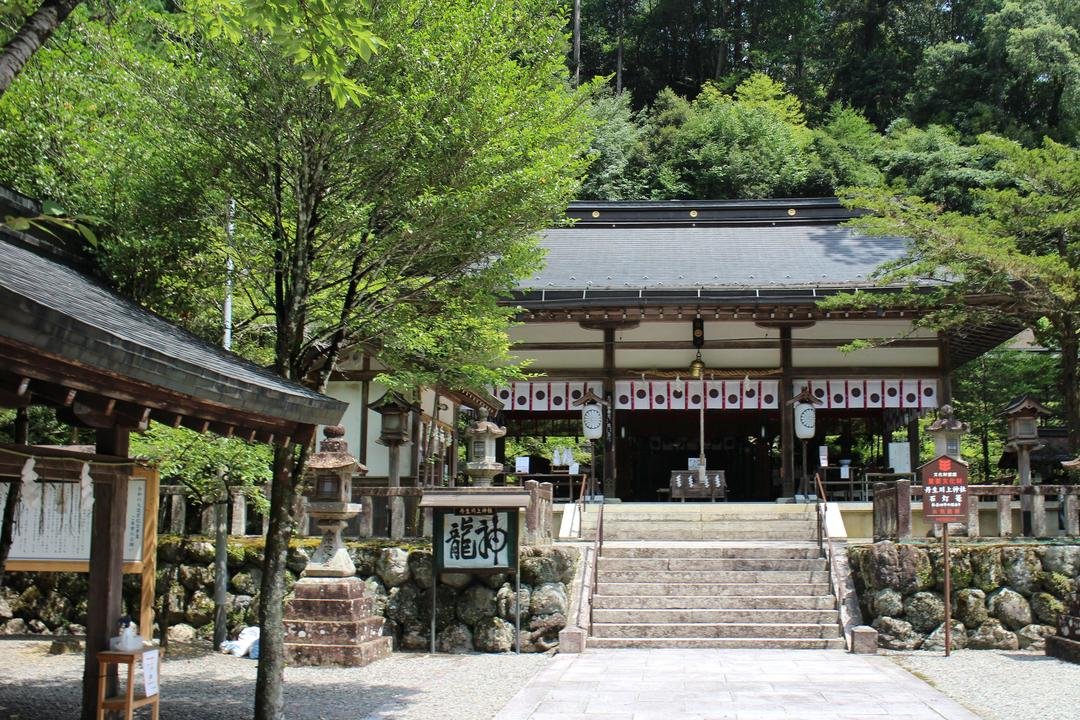
Popular Landmarks in Higashiyoshino
Discover the most iconic attractions in Higashiyoshino
Recommended Hotels in Higashiyoshino
Find the perfect place to stay in Higashiyoshino
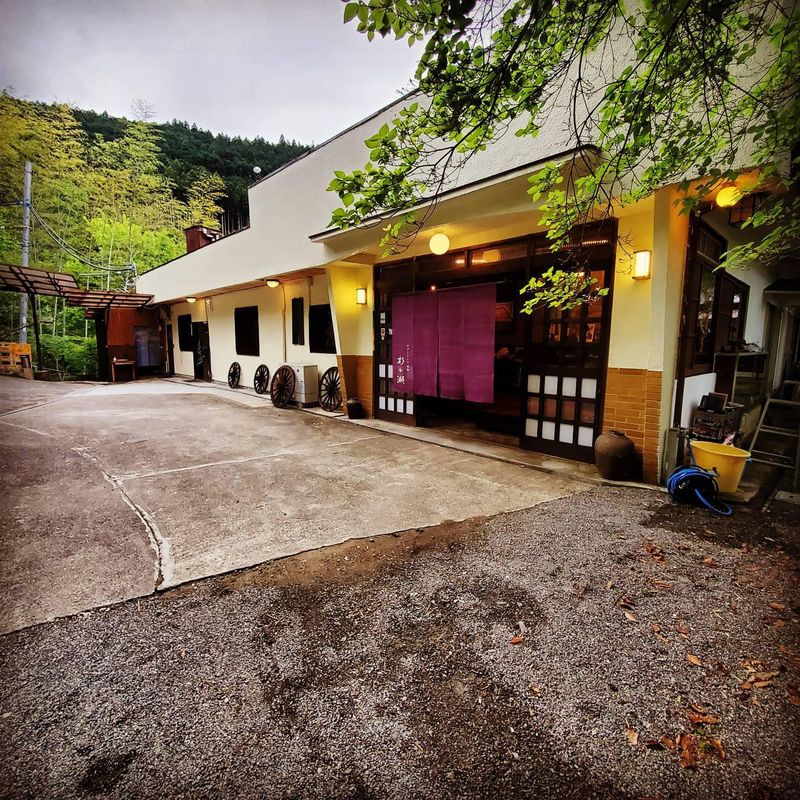
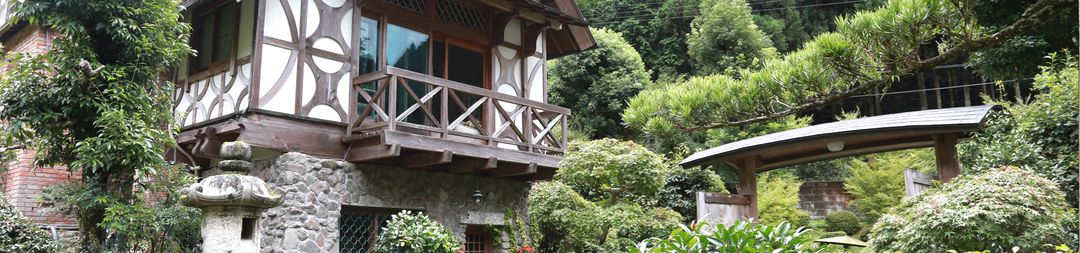
Best Hotels in Higashiyoshino
Discover curated hotel collections in Higashiyoshino


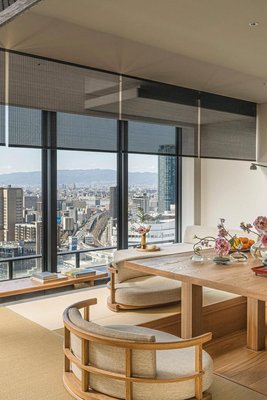

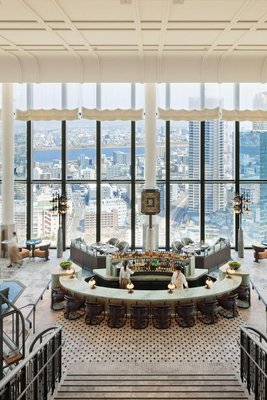
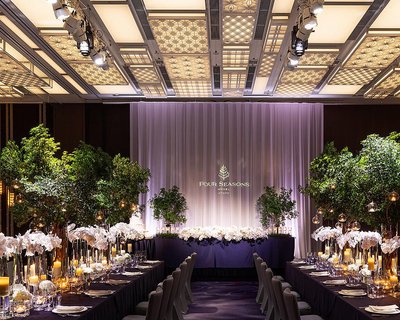












































Frequently Asked Questions about Traveling to Higashiyoshino
Questions You Might Need to Know About Traveling to Higashiyoshino
Higashiyoshino Overview
City Summary
Higashiyoshino Village is located in the southeastern part of Nara Prefecture, Japan, renowned for its pristine natural beauty and rich traditional culture. Surrounded by mountains, it offers a tranquil retreat from urban life, featuring stunning landscapes and clear streams. The village is also home to ancient temples and shrines, providing a deep dive into Japan's rural heritage.
Must-See Attractions
Visitors to Higashiyoshino can explore the famous Kamabuchi Waterfall, a picturesque natural spot with seasonal beauty. The Hasedera Temple, with its exquisite gardens and architecture, is another must-see. Hiking trails through the village's lush forests offer breathtaking mountain views.
Food Guide
Higashiyoshino is known for its rustic cuisine, especially dishes made with wild mountain vegetables and mushrooms. Traditional Japanese home-style meals, such as miso soup and handmade soba noodles, are highlights. Local eateries and stalls provide authentic culinary experiences.
Transportation Guide
Public transport in Higashiyoshino is limited; renting a car is recommended for flexible exploration. The village relies mainly on infrequent bus services. From Nara or Osaka, take a train to the nearest station and then a bus to Higashiyoshino.
Best Time to Visit
The best times to visit are spring (March to May) and autumn (September to November), when the weather is pleasant and scenery is at its best. Spring offers cherry blossoms, while autumn features vibrant foliage. Summers are hot and humid, and winters may have snow, appealing to cold-weather enthusiasts.
Travel Tips
- Plan transport in advance due to limited public services.
- Respect local customs, especially in temples and shrines.
- Carry sufficient cash, as credit cards may not be widely accepted.
- Wear comfortable shoes suitable for hiking.
- Be prepared for sudden weather changes in the mountains.
- Learning basic Japanese phrases can enhance communication.
Useful Information
While some young locals may understand English, Japanese is the primary language; basic phrases are helpful. Internet coverage may be spotty, so downloading offline maps is advisable. Cash is the main payment method, as credit cards are not commonly accepted. Medical facilities are limited; the nearest hospital is in a neighboring town, so bring basic medications and travel insurance.