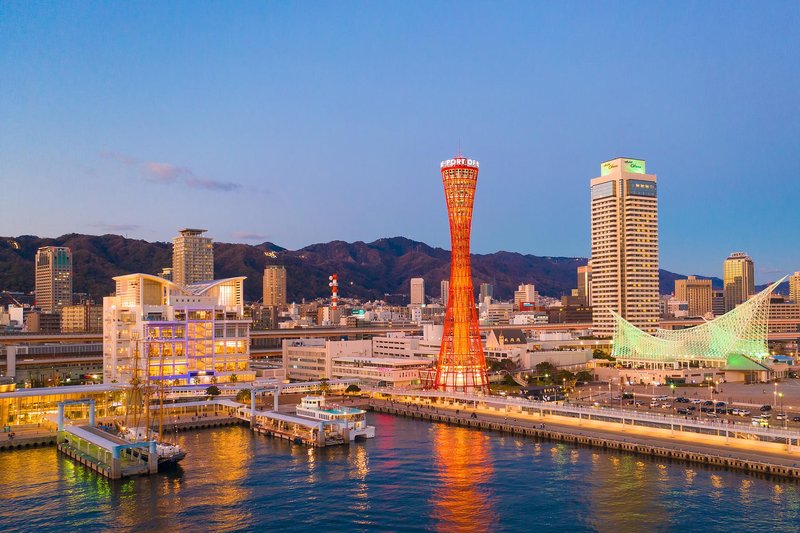
Hotels in Hikawa
Discover your perfect stay in Hikawa.
Hikawa(Japan) Travel 2026: Cheap Flights, Hotels & Top Attractions
Popular Landmarks in Hikawa
Discover the most iconic attractions in Hikawa
Recommended Hotels in Hikawa
Find the perfect place to stay in Hikawa
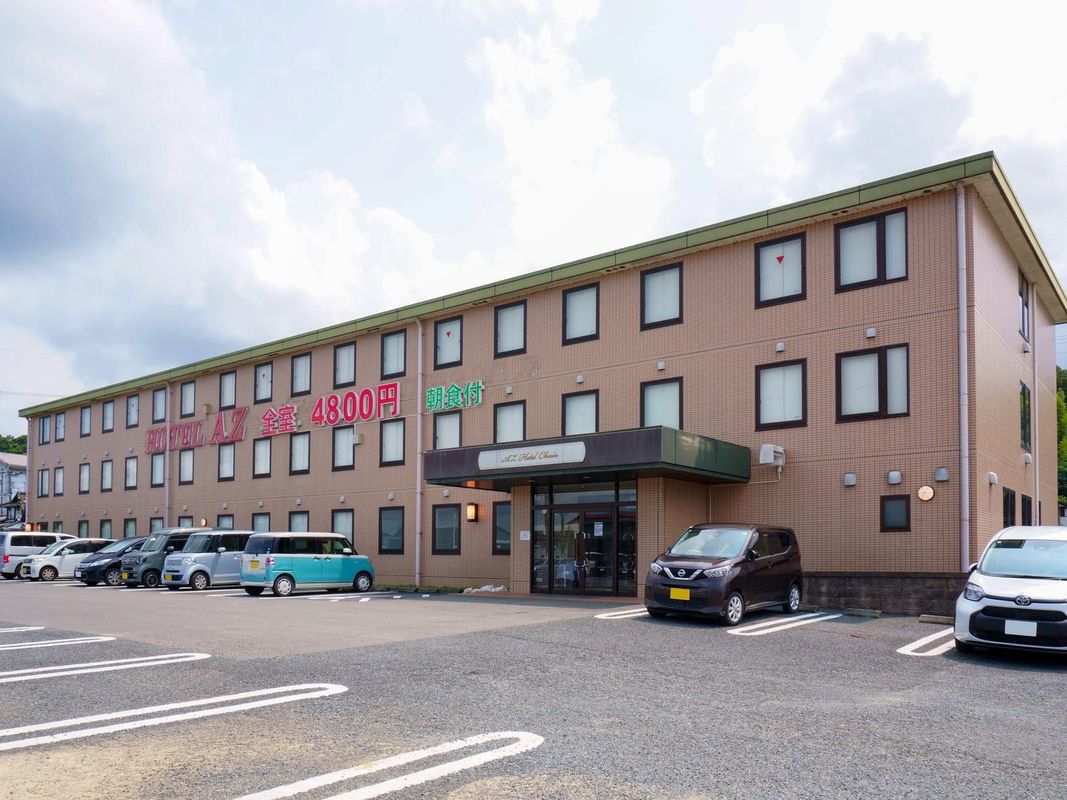
Hotel AZ Yatsushiro Miyahara Ten
Best Hotels in Hikawa
Discover curated hotel collections in Hikawa
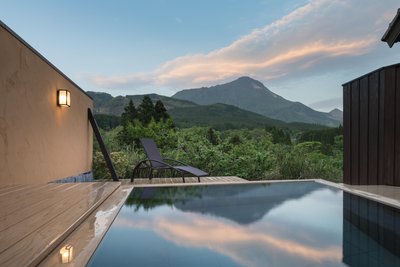
Ikkoten
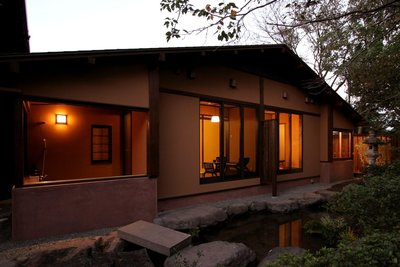
SEKIYA RESORT Bettei Haruki
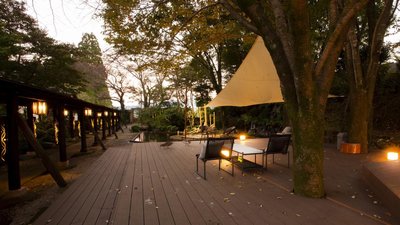
Chikurakutei
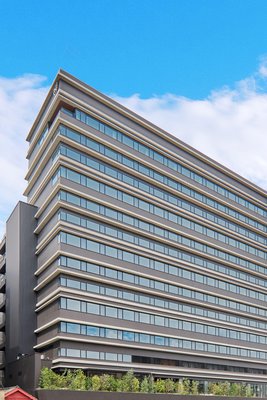
The Royal Park Canvas Fukuoka Nakasu
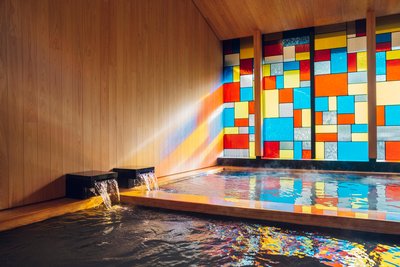
Hoshino Resorts Kai Unzen
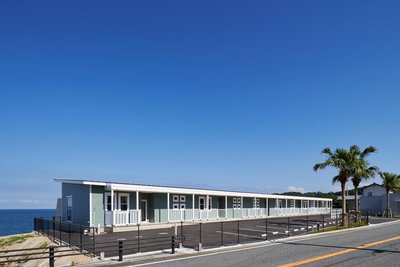
Alfacio Resort Stay Itoshima
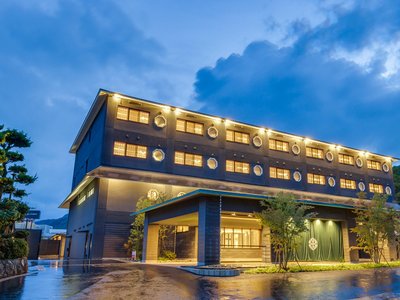
Ureshino Yadoya

seven x seven itoshima
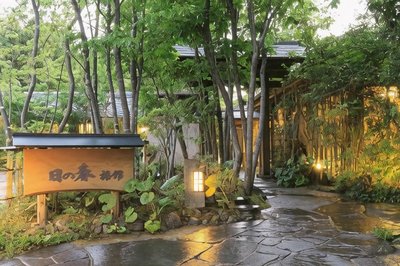
Yufuin Onsen Hinoharu Ryokan
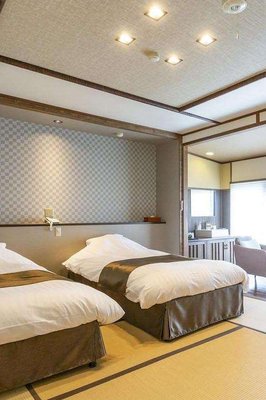
Sozankyo
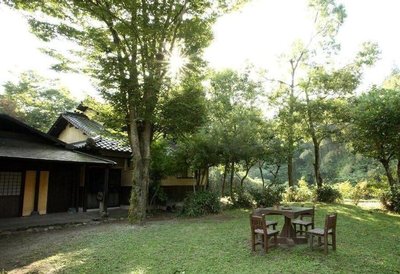
Yamashinobu
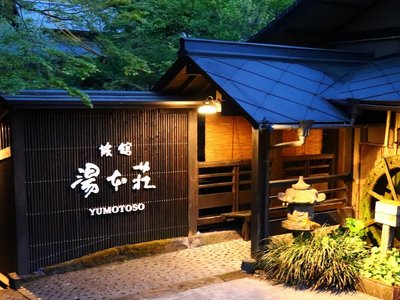
Ryokan Yumotosou
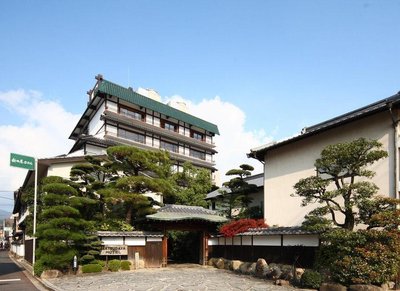
Matsudaya Hotel
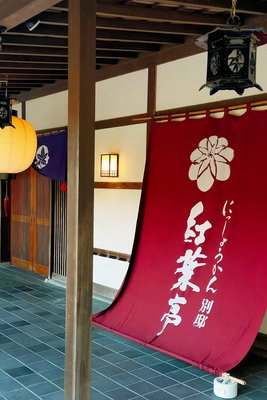
Nisshokan Bettei Koyotei
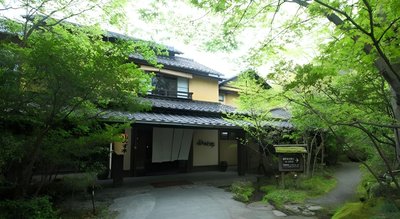
Kurokawaonsen Yamamizuki
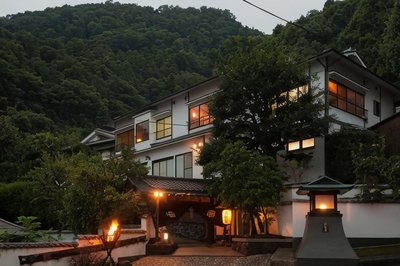
Beppu Showaen
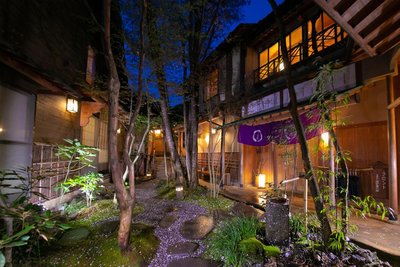
Oyado Ichizen
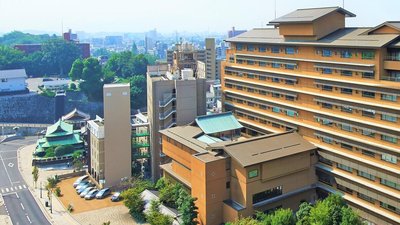
Yamatoya Honten
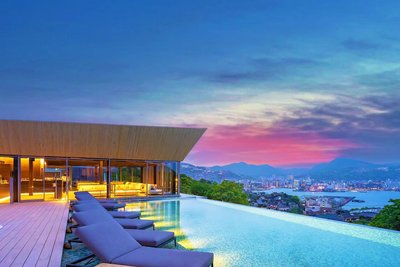
Garden Terrace Nagasaki Hotel & Resort
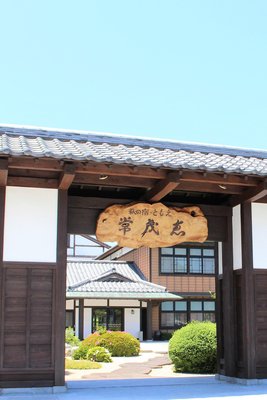
Hagi No Yado Tomoe
Garden Terrace Nagasaki Hotel & Resort
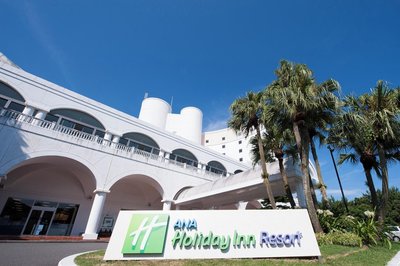
Holiday Inn Resort Miyazaki
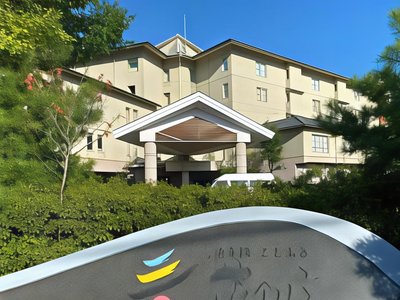
Yufuin Kotobuki Hananosho
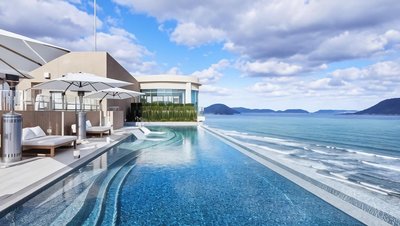
Karatsu Seaside Hotel
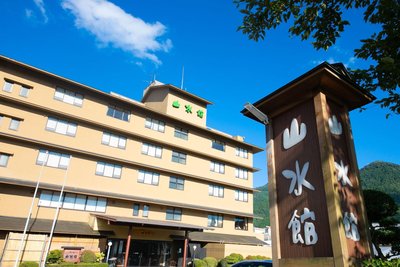
Yufuin Sansuikan
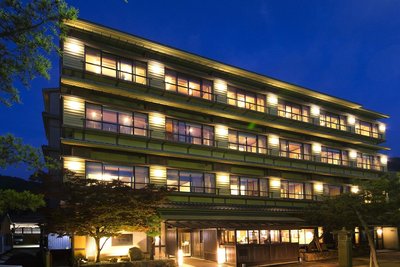
Kinsuikan
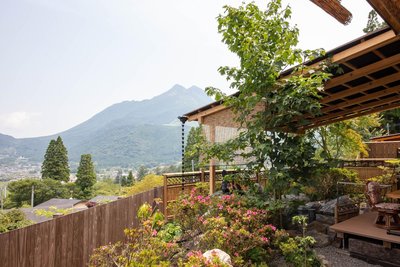
Yufuin-Sanso Waremokou
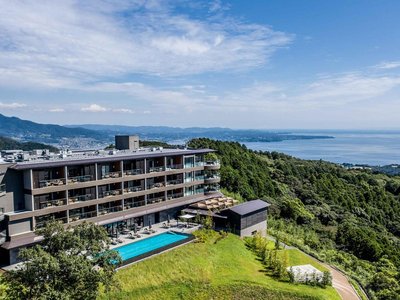
Ana InterContinental Beppu Resort & Spa
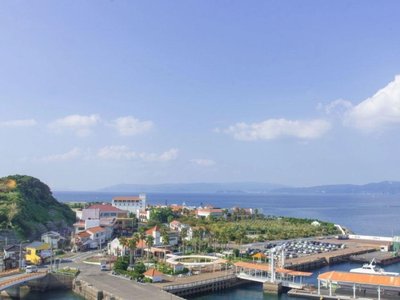
I+Land Nagasaki
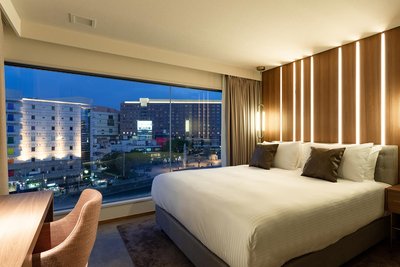
The OneFive Villa Fukuoka
LiVEMAX RESORT MIYAHAMA ONSEN OCEAN
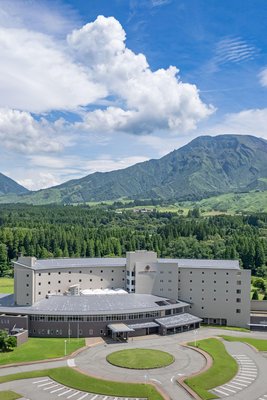
KAMENOI HOTEL ASO
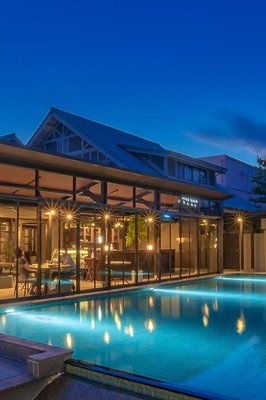
Amane Resort Gahama
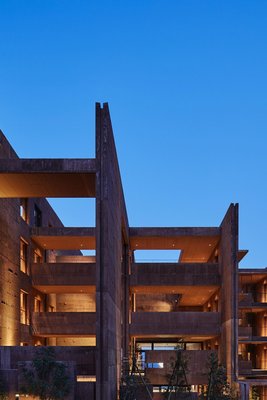
SEKIYA RESORT GALLERIA MIDOBARU
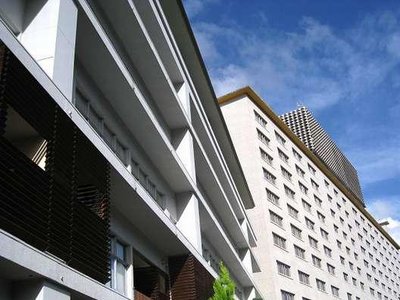
Beppu Suginoi Hotel

Phoenix Seagaia Ocean Tower
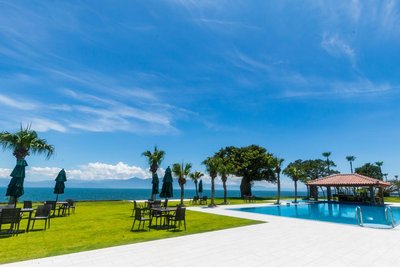
Kagoshima Sunamushi Onsen Ibusuki Hakusuikan
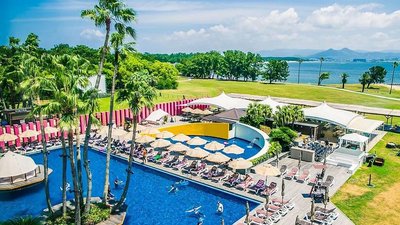
The Luigans Spa and Resort
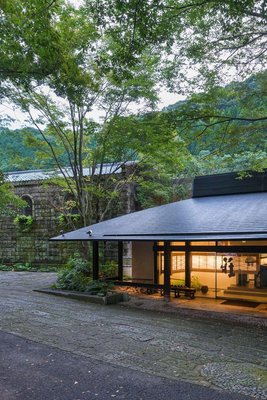
Myoken Ishiharaso

SHIROYAMA HOTEL kagoshima
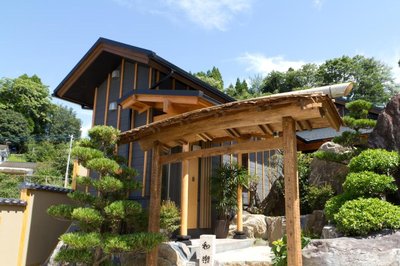
Ryokan Shinsen
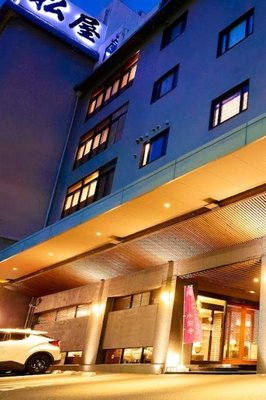
Ryotei Matsuya Honkan Suizenji
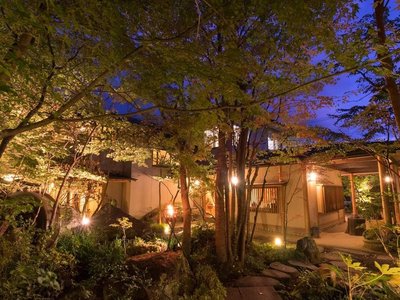
Ryoso Yufuin Yamadaya
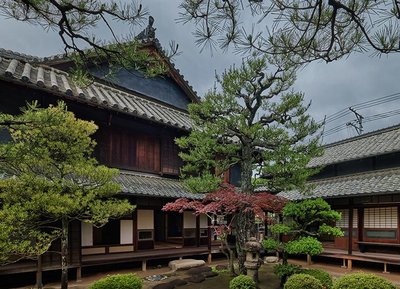
NIPPONIA HOTEL Takehara Saltworks Town
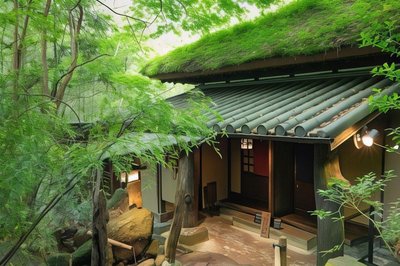
Sanso Tensui
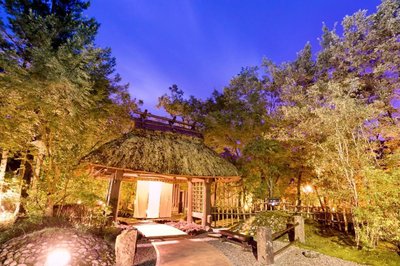
Satonoyu Waraku
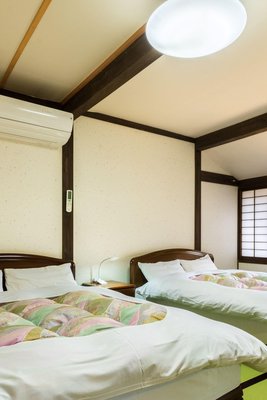
Tobise Onsen Tenga Sanso
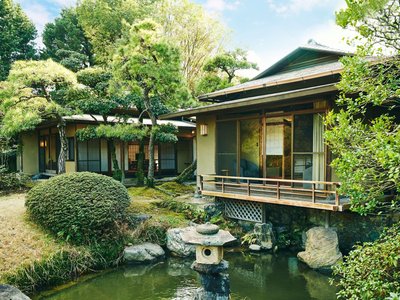
Suisui Garden Ryokan (in the Art Hotel Kokura New Tagawa)
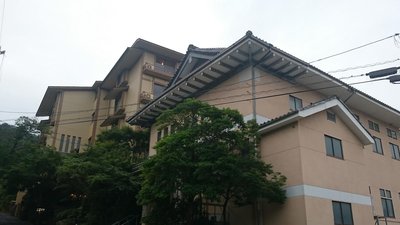
Miyajima Hotel Makoto
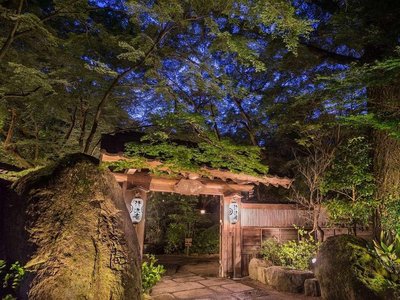
Akizuki Spa Ryokan Seiryuan
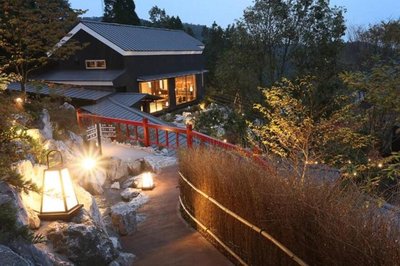
Gekkoju Kurokawa
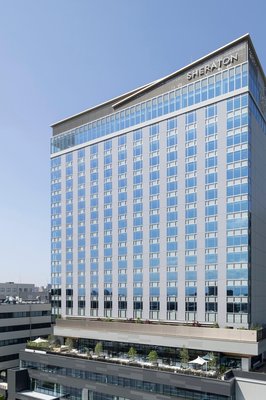
Sheraton Kagoshima
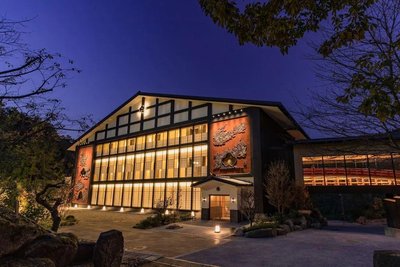
Okuhita Onsen Umehibiki
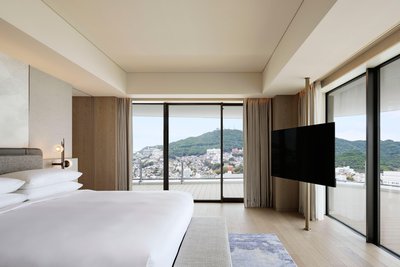
Nagasaki Marriott Hotel
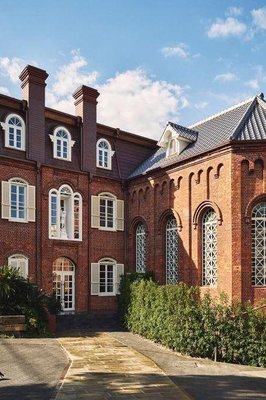
Hotel Indigo Nagasaki Glover Street by IHG
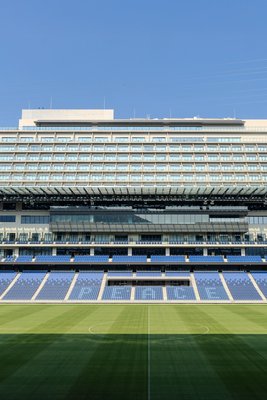
Stadium City Hotel Nagasaki
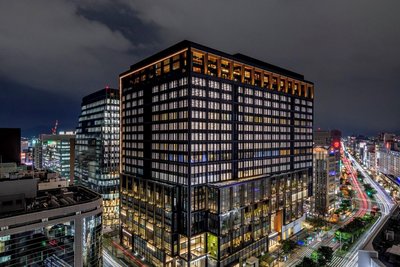
ONE FUKUOKA HOTEL
Ryokan Shinsen
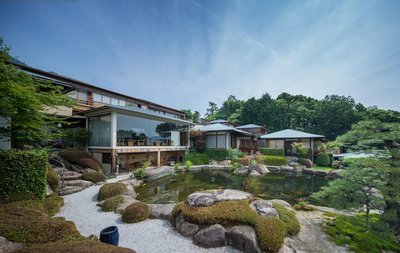
SEKITEI

Yamatoya Besso
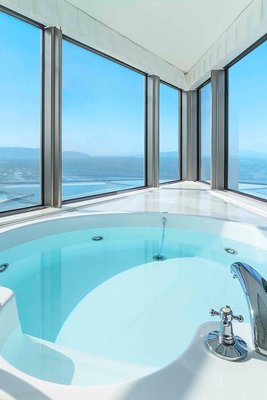
Hilton Fukuoka Sea Hawk

Olive Bay Hotel
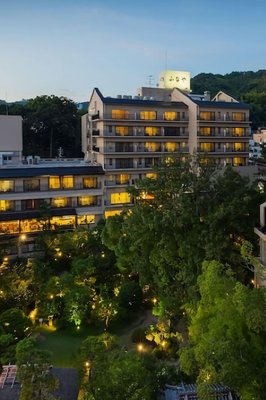
Funaya
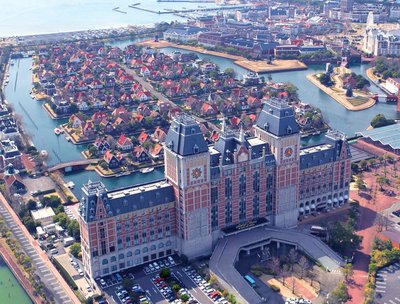
Hotel Okura Jr Huis Ten Bosch

Bettei Oborozukiyo
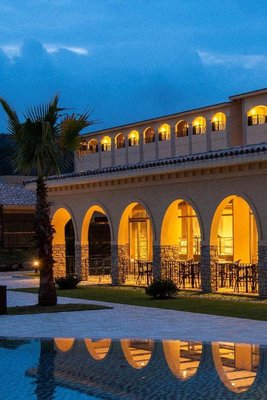
La Vista Kirishima Hills
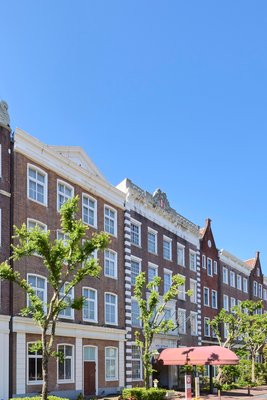
Hotel Amsterdam Huis Ten Bosch

Yumotoankiyohime
Ana InterContinental Beppu Resort & Spa
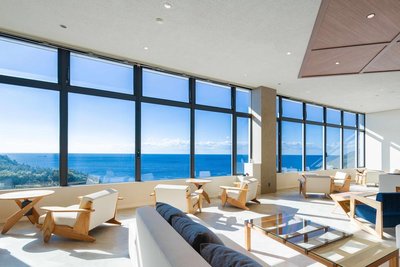
TheMana Village
Amane Resort Gahama

Hotel Barrière Fouquet's New York
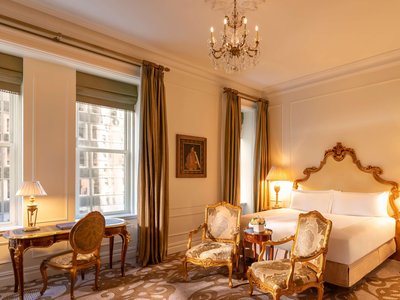
The Plaza - A Fairmont Managed Hotel
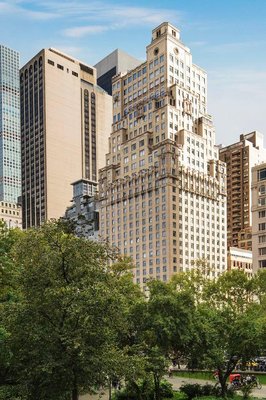
The Ritz-Carlton New York, Central Park
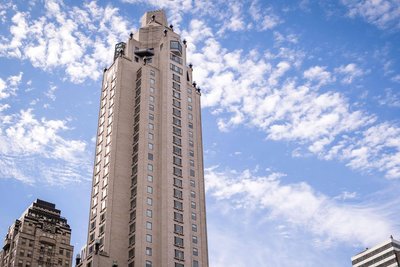
Four Seasons Hotel New York
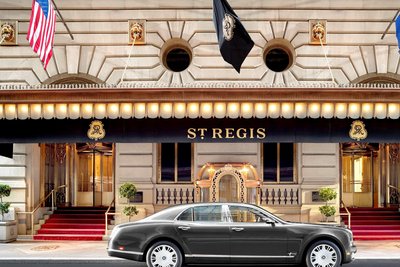
The St. Regis New York
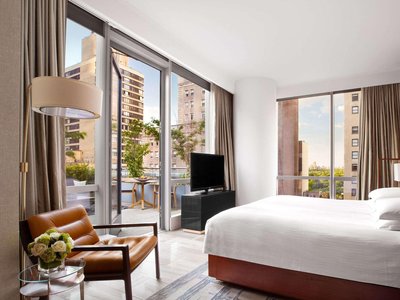
Park Hyatt New York
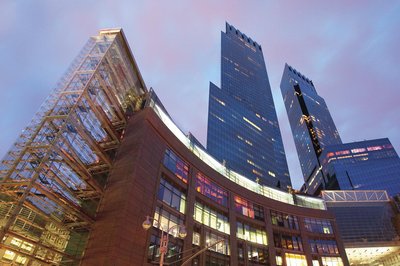
Mandarin Oriental New York
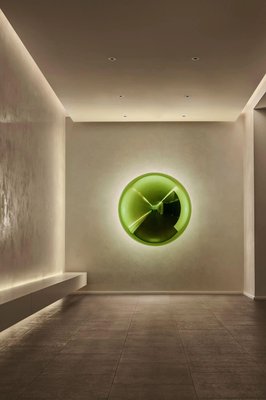
Times Square Edition New York

Loews Regency New York Hotel
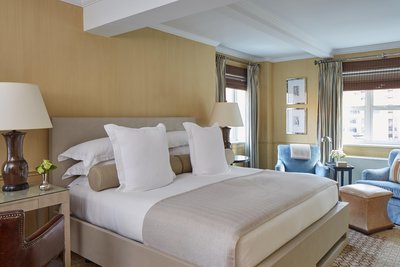
Lowell Hotel
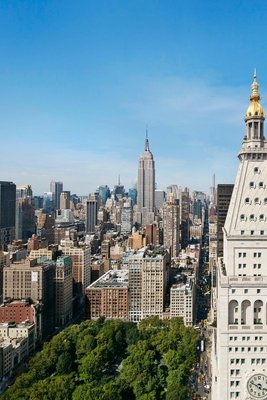
New York Edition
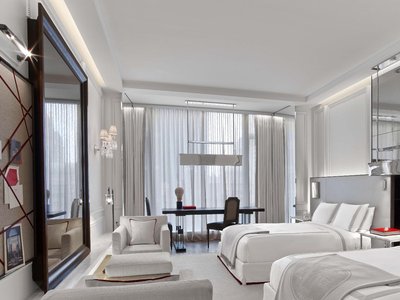
Baccarat Hotel New York
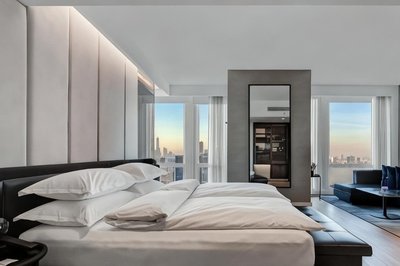
Equinox Hotel New York
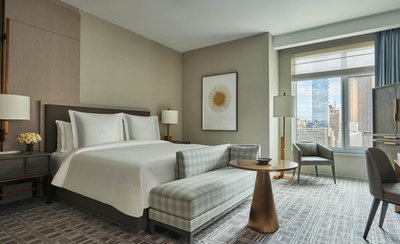
Four Seasons Hotel New York Downtown
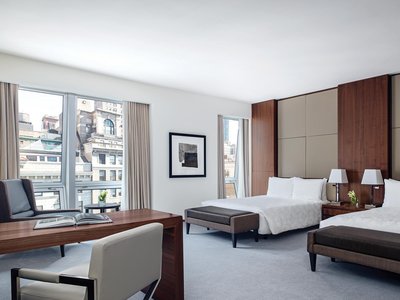
The Langham, New York, Fifth Avenue

The Carlyle, A Rosewood Hotel

The Chatwal, in the Unbound Collection by Hyatt
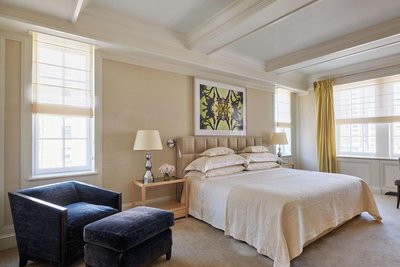
The Mark New York
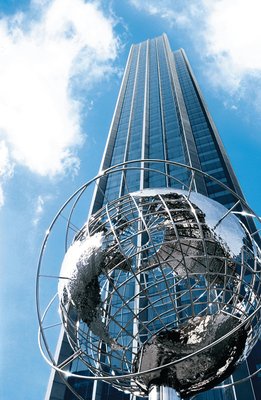
Trump International Hotel & Tower® New York
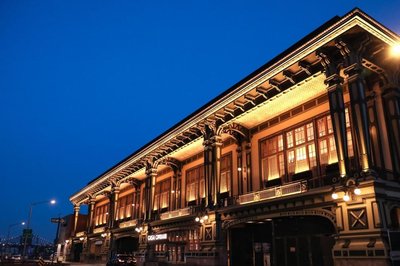
Casa Cipriani New York
Frequently Asked Questions about Traveling to Hikawa
Questions You Might Need to Know About Traveling to Hikawa
In Hyōgawa Town, the top-rated hotel is Hyōgawa Onsen Ryokan, a traditional Japanese inn nestled in lush mountain forests. It features private outdoor baths overlooking serene streams and offers authentic kaiseki cuisine made from local ingredients. The rooms boast hinoki wood interiors and tatami flooring, providing a tranquil retreat. For nature lovers, Hyōgawa Forest Cabin provides cozy cabins with fireplaces and stargazing decks, perfect for immersive forest experiences. Both properties emphasize sustainability and cultural authenticity, making them ideal for guests seeking genuine Kyushu countryside charm.
The best area for accommodations in Hyōgawa Town is the Hyōgawa Onsen District, where most ryokans and guesthouses cluster near the main thermal spring and walking trails. This area offers easy access to key attractions like Hyōgawa Shrine and Kumamoto Prefectural Hyōgawa Museum. With minimal light pollution and quiet surroundings, it’s ideal for travelers seeking peace and cultural immersion. Many inns also provide complimentary shuttle services to hiking trails, enhancing convenience and comfort while preserving the town’s serene atmosphere.
Visitors to Hyōgawa Town should not miss the Spring Festival at Hyōgawa Shrine, held annually in April, featuring traditional taiko drumming, lion dances, and community prayers that reflect deep-rooted Shinto traditions. Another highlight is the handmade pottery workshop, where guests craft ceramic pieces inspired by the town’s flowing rivers under expert guidance. You can also visit an old-style tea house to savor locally brewed Hyōgawa matcha, served with seasonal sweets, offering a true taste of ancient Kyushu hospitality.
Yes, Hyōgawa Town is highly suitable for families. The Hyōgawa Nature Education Center offers child-friendly guided tours and insect discovery activities, combining learning with fun. Hyōgawa River Valley Park features flat, safe walking paths and picnic areas perfect for kids to play. Many ryokans offer family suites, children’s yukata robes, and special meals tailored for young guests. With low crime rates, clean air, and a slow-paced lifestyle, it’s an excellent destination for safe, enriching family getaways.
The hot springs in Hyōgawa Town are renowned for their mild alkaline carbonic mineral water, rich in natural minerals beneficial for skin health and fatigue recovery. The Hyōgawa Onsen pool maintains a consistent temperature of around 42°C, surrounded by ancient forests and misty morning views—ideal for relaxation. Many inns incorporate the spring into therapeutic treatments such as foot soaks and steam sessions. Some even offer night soaking under the stars, creating a magical, meditative experience that embodies the essence of Japanese onsen culture.
Tourists must try Hyōgawa Beef Steak, made from locally raised black Wagyu cattle, cooked using low-temperature methods for a tender, juicy texture. Another must-try is wild mountain vegetable tempura, featuring seasonal greens like ferns and fuki-no-tobo, lightly battered and fried, served with yuzu salt. For a rustic taste, visit Hyōgawa Town Diner to enjoy kanten porridge made from local brown rice and pickled mountain celery—a comforting, earthy dish that captures the spirit of rural Kyushu life.
Absolutely, Hyōgawa Town is a paradise for photographers. Spring brings cherry blossoms reflected in crystal-clear streams; autumn paints the hills in fiery reds and golds; summer offers lush greenery and glowing fireflies at dusk; winter blankets the landscape in soft snow. Key spots include Hyōgawa Shrine’s torii gate, White Heron Bridge, and Makōdai Lookout, all perfect for capturing ethereal light and composition. Some inns even offer professional photo tours led by local photographers, helping guests discover hidden angles and moments of pure natural beauty and quiet elegance.
Recommended hikes in Hyōgawa Town include the Hyōgawa Gorge Trail, a 3-kilometer scenic path along a clear stream with waterfalls, rock formations, and interpretive signs—ideal for beginners. For more experienced hikers, the Ōtaka Mountain Trail takes about 5 hours to summit, rewarding climbers with panoramic views of Kumamoto Plain and Mount Aso. All trails are well-marked, maintained by volunteers, and equipped with emergency call points, making them safe and accessible for nature-focused adventures.
Transportation in Hyōgawa Town is convenient despite its mountainous location. Regular buses from Kumamoto City take about 1 hour to reach Hyōgawa Station, with frequent departures. The town operates a free tourist shuttle bus connecting major sights and accommodations. For self-drivers, the Kyushu Expressway links to Prefectural Route 87, offering scenic drives with ample parking. Many inns provide complimentary pickup service, ensuring hassle-free arrival. Overall, the transport system supports a relaxed, slow-travel mindset.
The best seasons to visit Hyōgawa Town are spring (March–May) and autumn (September–November). Spring offers mild temperatures and blooming cherry blossoms, while autumn brings crisp air, vibrant foliage, and optimal lighting for photography. Summer is cool due to elevation, perfect for escaping heat, and winter sees gentle snowfall, ideal for peaceful onsen stays. With average temperatures between 10–20°C year-round, the town offers a consistently pleasant climate—making it a prime destination for eco-conscious and culturally curious travelers.
Hikawa Overview
City Summary
Hinokage Town is located in the northern part of Kumamoto Prefecture, Japan, a tranquil town surrounded by nature. Known for its crystal-clear streams, dense forests, and traditional hot spring culture, it is an ideal destination to escape urban hustle. The town experiences distinct four seasons: cherry blossoms in spring, lush greenery in summer, fiery autumn foliage, and occasional snowscapes in winter. Its abundant hot spring resources, especially Kurokawa Onsen, are regarded as one of Japan's most beautiful hot spring villages.
Must-See Attractions
Must-visit spots in Hinokage include Kurokawa Onsen, featuring traditional ryokans and open-air baths in a serene setting. Mount Aso, an active volcano, offers breathtaking crater views via cable car. Shirakawa Spring, selected as one of Japan's top 100 natural springs, is perfect for strolls and photography. For culture enthusiasts, the Hinokage History and Folklore Museum showcases local heritage and traditional lifestyles.
Food Guide
Hinokage's cuisine highlights local ingredients and regional dishes. Try basashi (horse sashimi), a Kumamoto specialty with tender meat. Akaushi Don (red beef bowl) uses locally raised cattle for a juicy, flavorful experience. Onsen Manju (hot spring buns) are a Kurokawa delicacy with soft dough and sweet fillings. Street snacks like soy sauce dango and grilled rice crackers are also worth sampling.
Transportation Guide
Getting around Hinokage primarily relies on buses and rental cars. Buses from Kumamoto City take about 2 hours to reach Kurokawa Onsen. Local buses have limited schedules, so check timetables in advance. Drivers can take Route 212 with scenic views. Taxis are scarce; consider pre-HopeGoo or using ryokan shuttle services. Some winter roads may close due to snow—monitor weather forecasts.
Best Time to Visit
Spring and autumn are ideal for visiting. March-May offers mild weather and cherry blossoms, while September-November features stunning fall colors. Summers (June-August) are humid but great for escaping heat. Winters (December-February) allow snowy onsen experiences, though transportation may be affected.
Travel Tips
- Onsen Etiquette: Wash thoroughly before entering; tie up long hair.
- Cash Preparedness: Small shops/rural areas may only accept cash.
- Trash Disposal: Public bins are rare—carry a trash bag.
- Nature Respect: Avoid picking plants or disturbing wildlife.
- Layered Clothing: Mountain temperatures fluctuate—pack warm layers.
- Accommodation HopeGoo: Ryokans book fast, especially in peak seasons.
Useful Information
Language: Japanese is primary; English is limited—download a translation app. Internet: Most ryokans and attractions offer free Wi-Fi, but mountain signals may be weak. Payments: Credit cards work at major establishments; carry cash for rural areas. Emergencies: The nearest hospital is in Minamioguni—travel insurance is recommended. Voltage: Japan uses 100V with Type A outlets (different from Hong Kong)—bring an adapter.