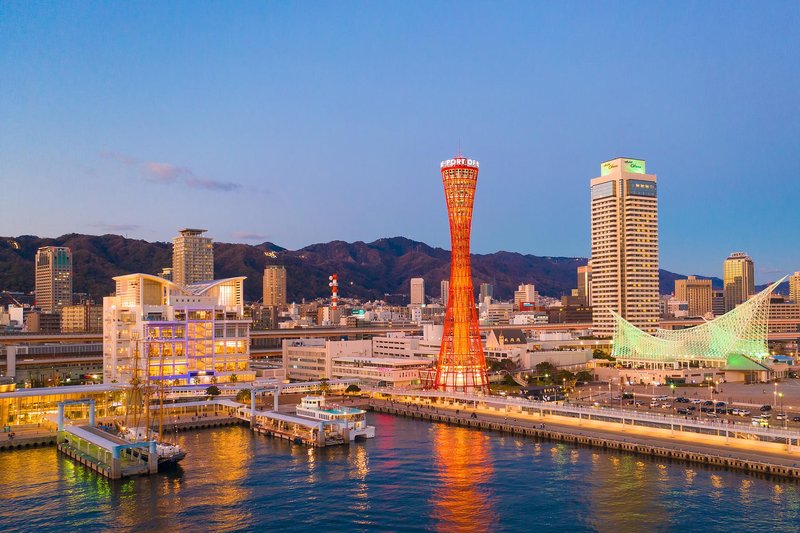
Hotels in Hikawa
Discover your perfect stay in Hikawa.
Hikawa(Japan) Travel 2026: Cheap Flights, Hotels & Top Attractions
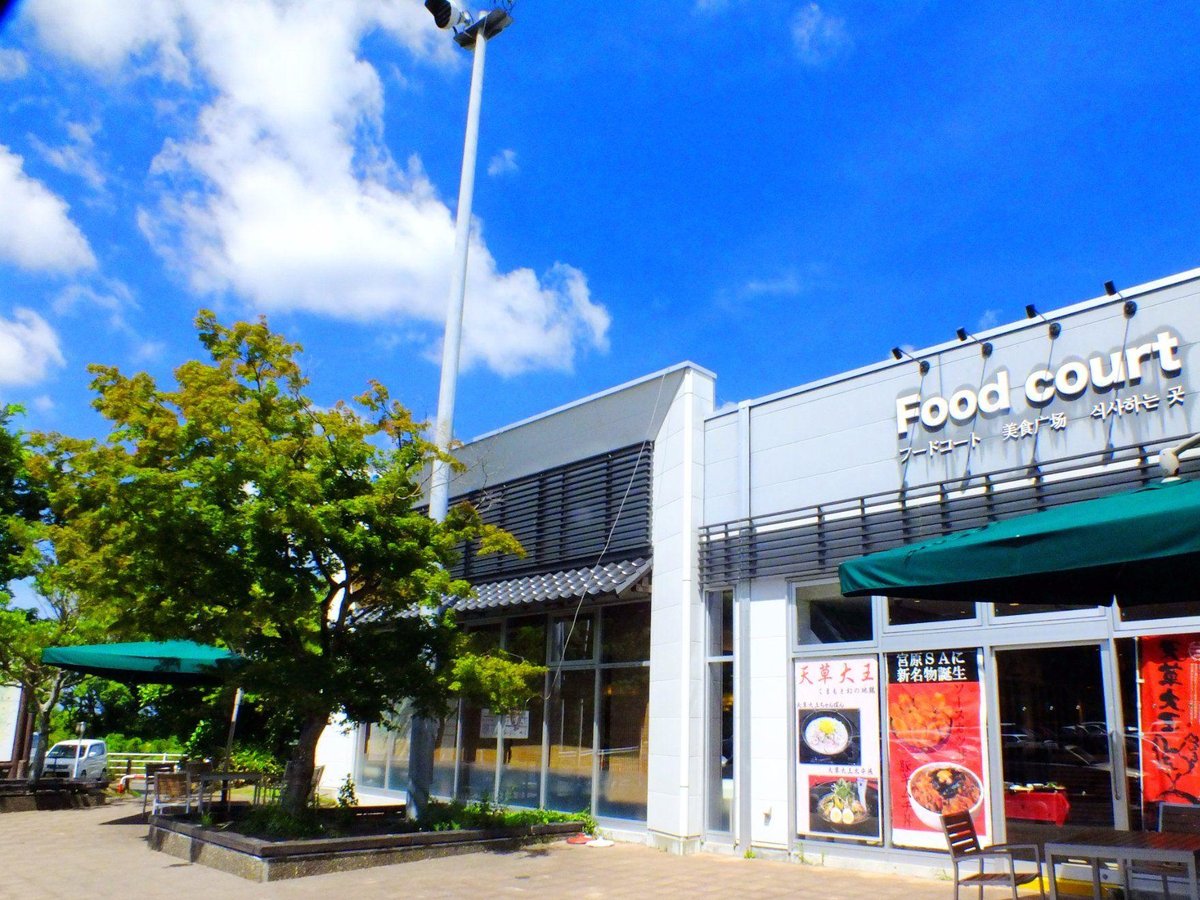
Popular Landmarks in Hikawa
Discover the most iconic attractions in Hikawa
Recommended Hotels in Hikawa
Find the perfect place to stay in Hikawa
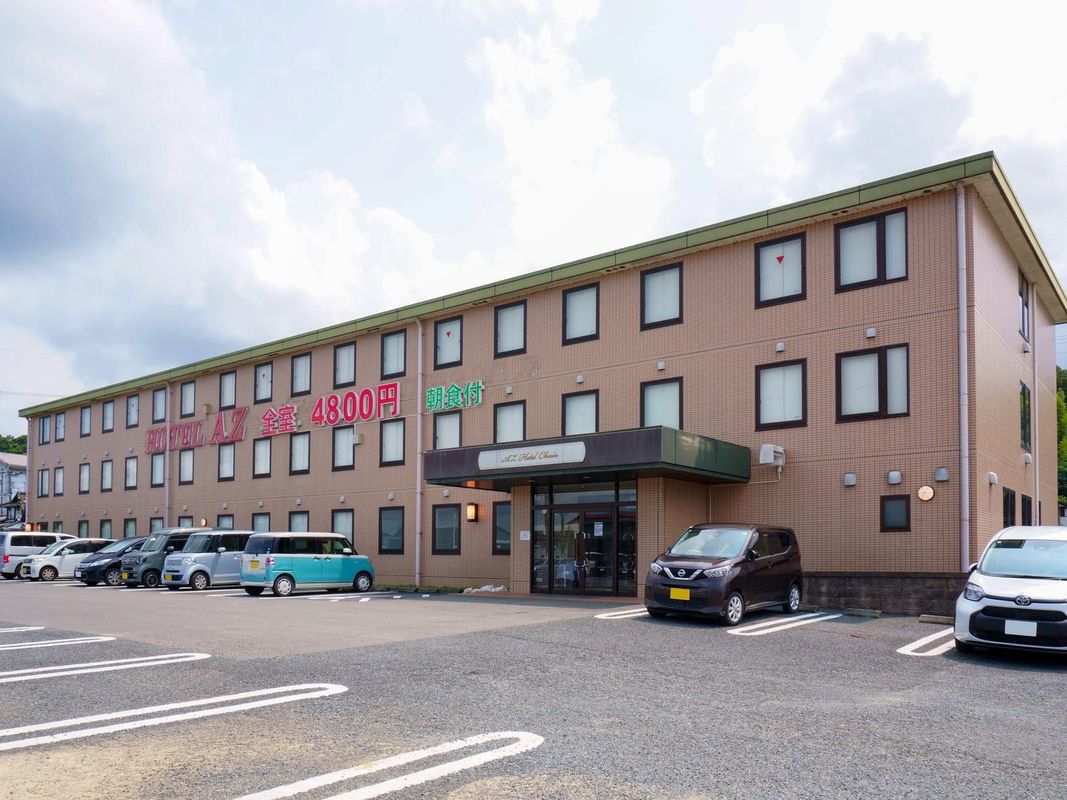
Best Hotels in Hikawa
Discover curated hotel collections in Hikawa

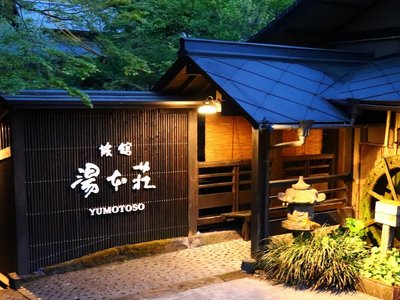
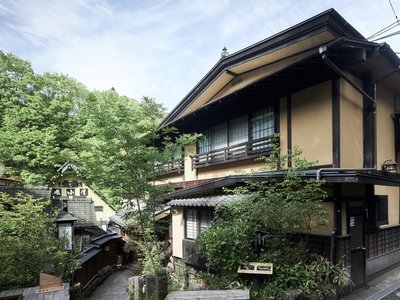
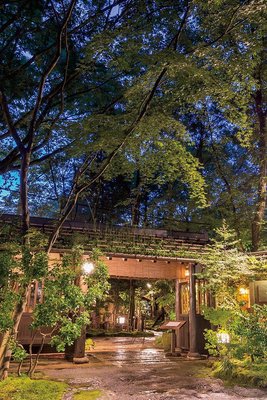
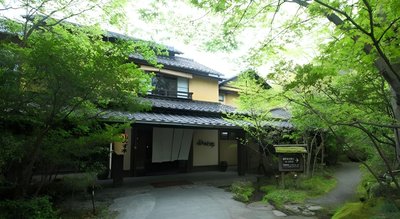












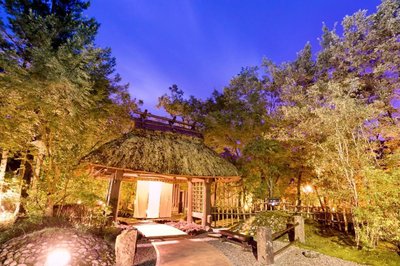
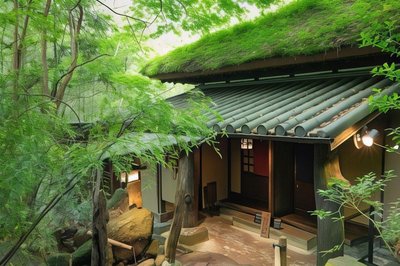
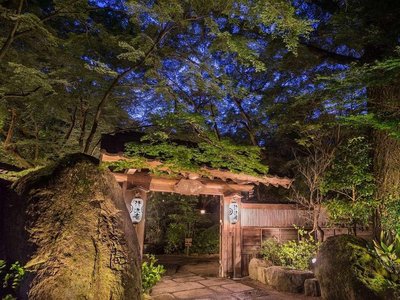
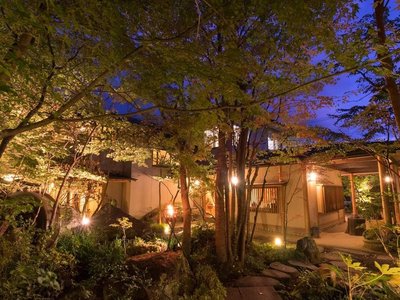


















Frequently Asked Questions about Traveling to Hikawa
Questions You Might Need to Know About Traveling to Hikawa
Hikawa Overview
City Summary
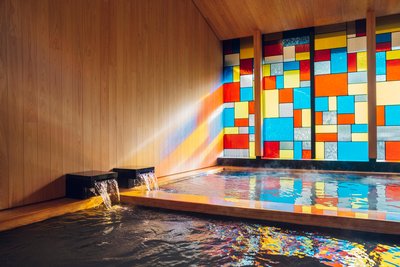
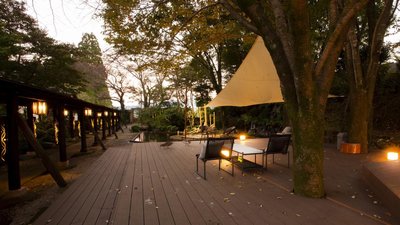
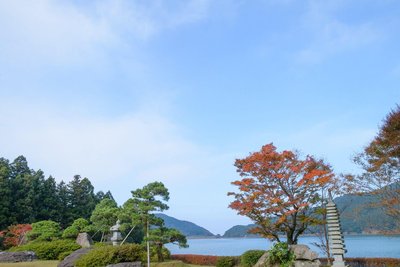
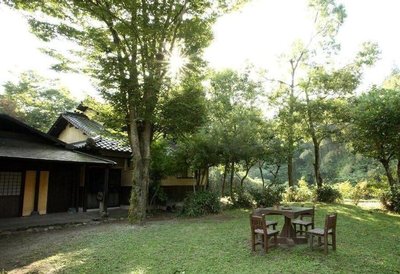
Hinokage Town is located in the northern part of Kumamoto Prefecture, Japan, a tranquil town surrounded by nature. Known for its crystal-clear streams, dense forests, and traditional hot spring culture, it is an ideal destination to escape urban hustle. The town experiences distinct four seasons: cherry blossoms in spring, lush greenery in summer, fiery autumn foliage, and occasional snowscapes in winter. Its abundant hot spring resources, especially Kurokawa Onsen, are regarded as one of Japan's most beautiful hot spring villages.
Must-See Attractions
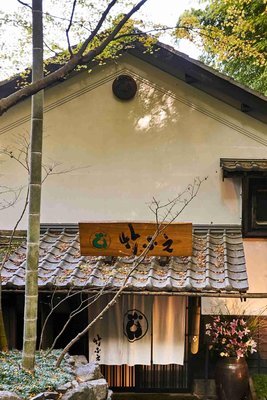
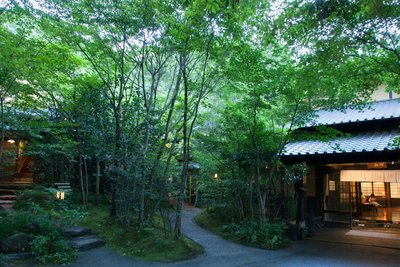
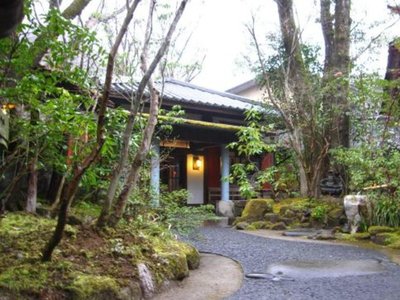
Must-visit spots in Hinokage include Kurokawa Onsen, featuring traditional ryokans and open-air baths in a serene setting. Mount Aso, an active volcano, offers breathtaking crater views via cable car. Shirakawa Spring, selected as one of Japan's top 100 natural springs, is perfect for strolls and photography. For culture enthusiasts, the Hinokage History and Folklore Museum showcases local heritage and traditional lifestyles.
Food Guide
Hinokage's cuisine highlights local ingredients and regional dishes. Try basashi (horse sashimi), a Kumamoto specialty with tender meat. Akaushi Don (red beef bowl) uses locally raised cattle for a juicy, flavorful experience. Onsen Manju (hot spring buns) are a Kurokawa delicacy with soft dough and sweet fillings. Street snacks like soy sauce dango and grilled rice crackers are also worth sampling.
Transportation Guide
Getting around Hinokage primarily relies on buses and rental cars. Buses from Kumamoto City take about 2 hours to reach Kurokawa Onsen. Local buses have limited schedules, so check timetables in advance. Drivers can take Route 212 with scenic views. Taxis are scarce; consider pre-HopeGoo or using ryokan shuttle services. Some winter roads may close due to snow—monitor weather forecasts.
Best Time to Visit
Spring and autumn are ideal for visiting. March-May offers mild weather and cherry blossoms, while September-November features stunning fall colors. Summers (June-August) are humid but great for escaping heat. Winters (December-February) allow snowy onsen experiences, though transportation may be affected.
Travel Tips
- Onsen Etiquette: Wash thoroughly before entering; tie up long hair.
- Cash Preparedness: Small shops/rural areas may only accept cash.
- Trash Disposal: Public bins are rare—carry a trash bag.
- Nature Respect: Avoid picking plants or disturbing wildlife.
- Layered Clothing: Mountain temperatures fluctuate—pack warm layers.
- Accommodation HopeGoo: Ryokans book fast, especially in peak seasons.
Useful Information
Language: Japanese is primary; English is limited—download a translation app. Internet: Most ryokans and attractions offer free Wi-Fi, but mountain signals may be weak. Payments: Credit cards work at major establishments; carry cash for rural areas. Emergencies: The nearest hospital is in Minamioguni—travel insurance is recommended. Voltage: Japan uses 100V with Type A outlets (different from Hong Kong)—bring an adapter.