Hotels in Himeshima
Discover your perfect stay in Himeshima.
Himeshima(Japan) Travel 2026: Cheap Flights, Hotels & Top Attractions
Popular Landmarks in Himeshima
Discover the most iconic attractions in Himeshima
Recommended Hotels in Himeshima
Find the perfect place to stay in Himeshima
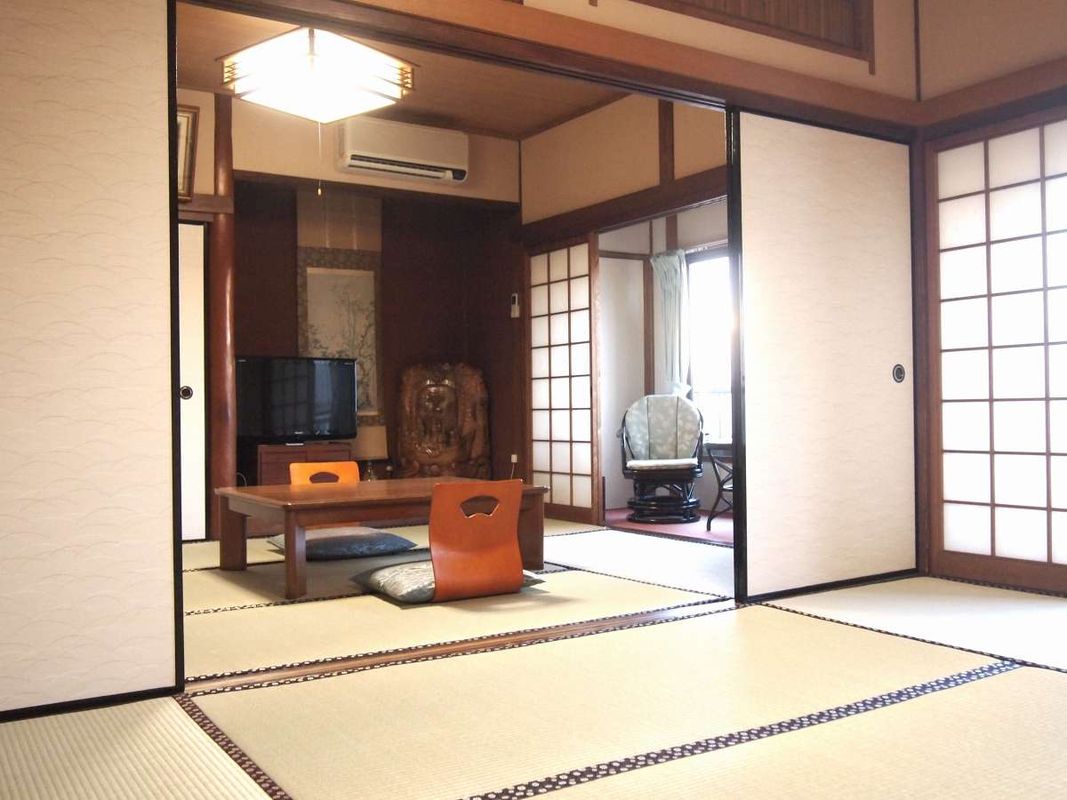
Anzai Ryokan
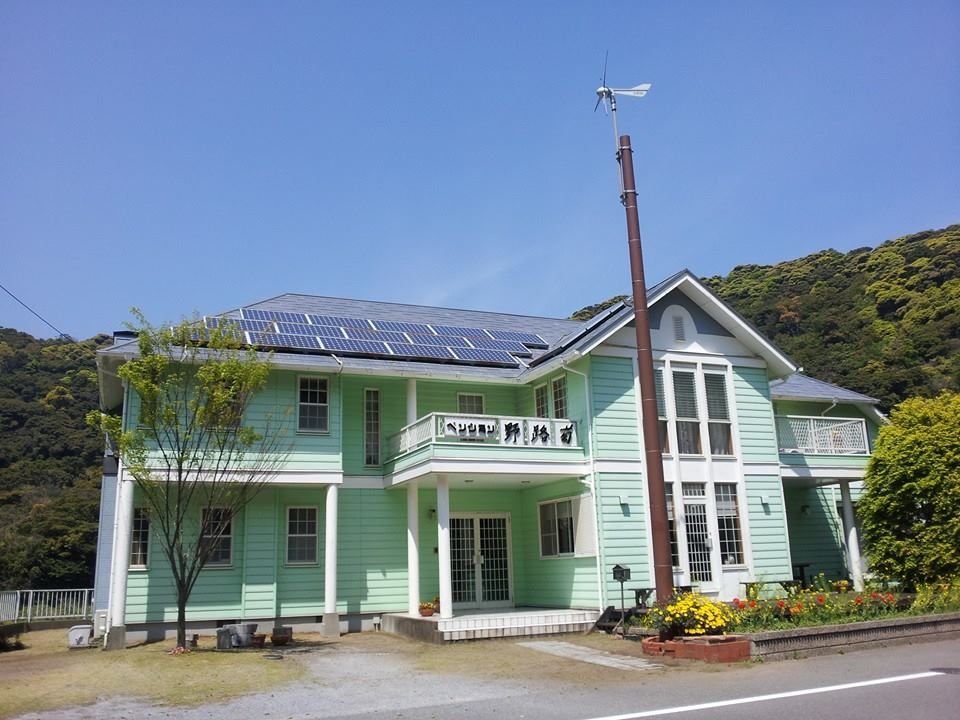
Pension Nojigiku
Best Hotels in Himeshima
Discover curated hotel collections in Himeshima
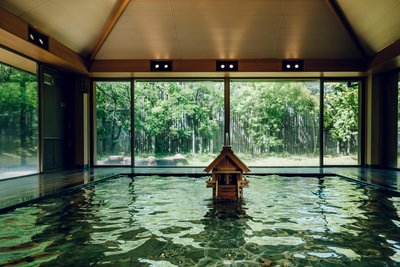
Hoshino Resorts KAI Tamatsukuri

Koran No Yu Kinkouro
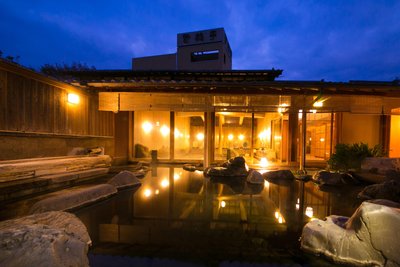
Yakakutei
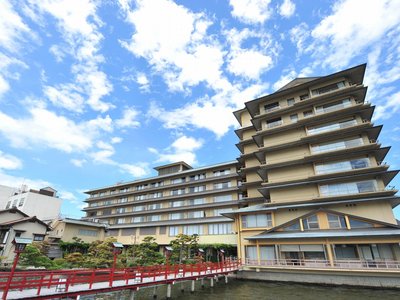
Bokoro Ryokan
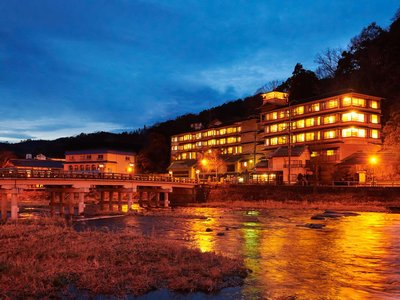
Mansuirou
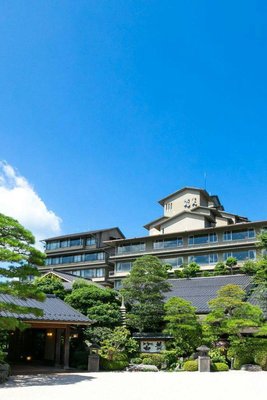
Kasuien Minami
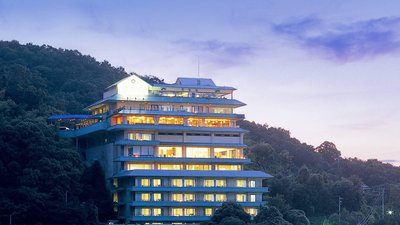
Hotel Hanajyukai
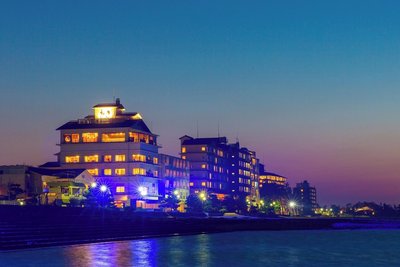
Kaike Shogetsu
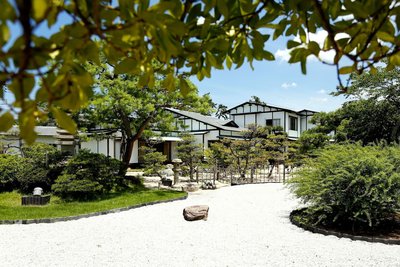
Kaike Fuga
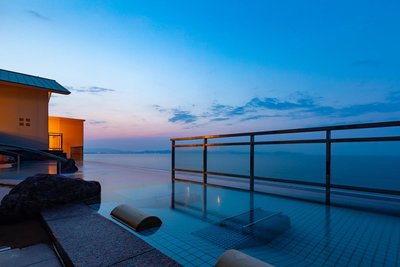
Kaike Yugetsu
Bihadanoyu Koshikano Onsen
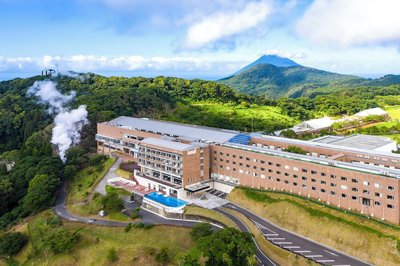
Amafuru-OKA

Tamatsukuri Onsen Yunosuke No Yado Chorakuen
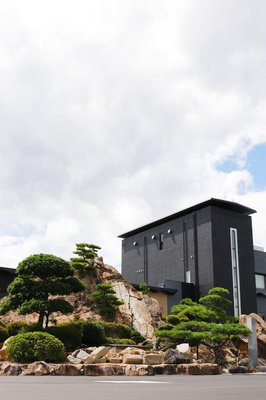
The Chelsea Breath
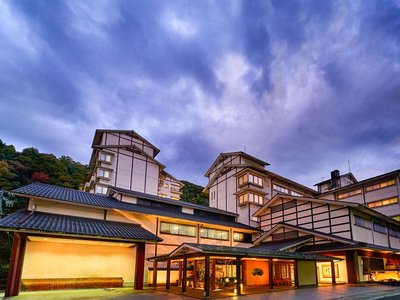
Ooedo Onsen Monogatari Premium Saiki Bekkan (Old: Yukai Resort Saiki Bekkan)
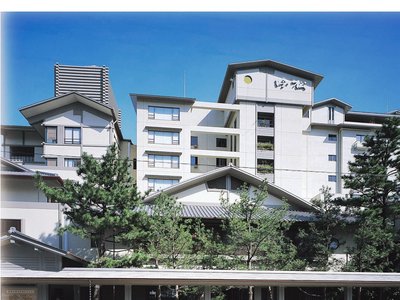
Fufurotenburonoyado Ginsyou

Kirishima Hotel
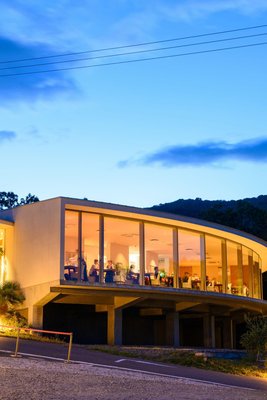
Resort Hotel Moana Coast
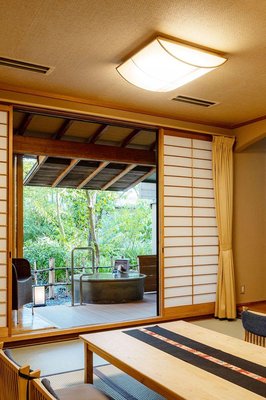
KIFU NO SATO
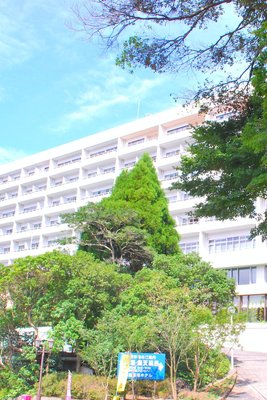
Kirishima Kokusai Hotel

AoAwo Naruto Resort
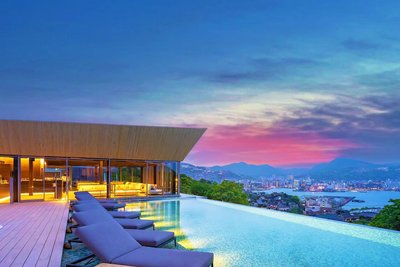
Garden Terrace Nagasaki Hotel & Resort

Holiday Inn Resort Miyazaki
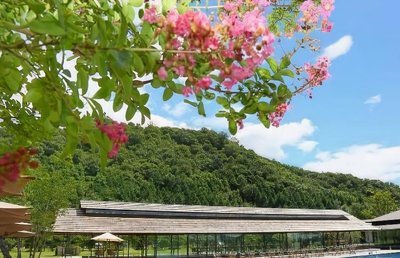
Bella Vista Spa and Marina Onomichi

Yufuin Kotobuki Hananosho
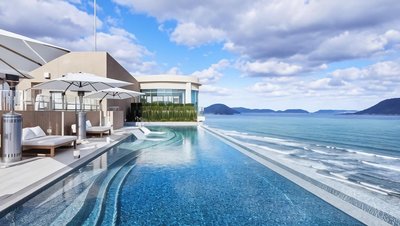
Karatsu Seaside Hotel
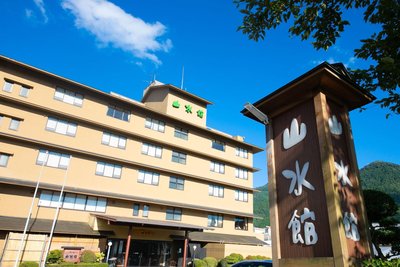
Yufuin Sansuikan
Kaike Shogetsu
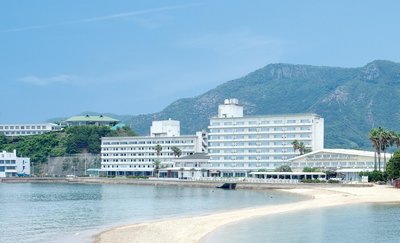
Shodoshima International Hotel
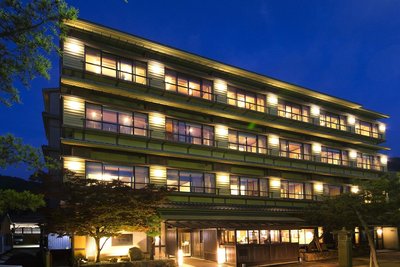
Kinsuikan
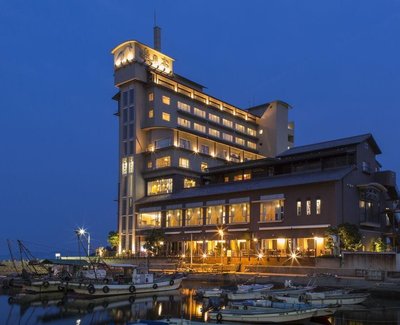
Hotel Ofutei
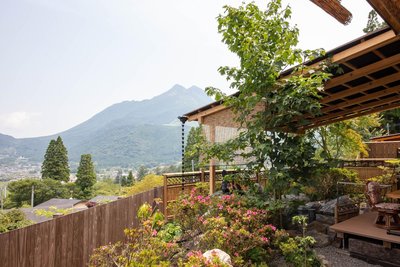
Yufuin-Sanso Waremokou
Kaike Yugetsu
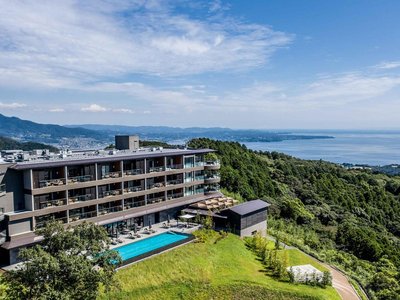
Ana InterContinental Beppu Resort & Spa
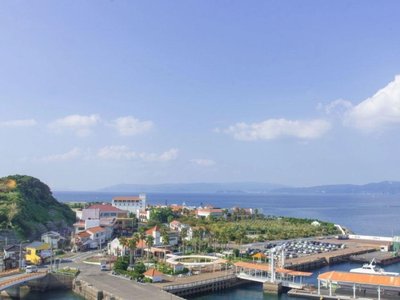
I+Land Nagasaki
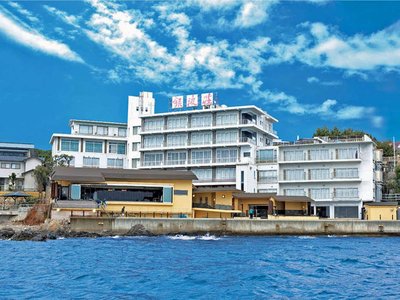
Ginpaso

The OneFive Villa Fukuoka
LiVEMAX RESORT MIYAHAMA ONSEN OCEAN
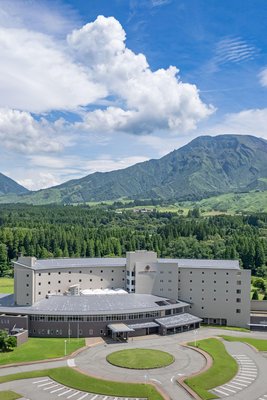
KAMENOI HOTEL ASO
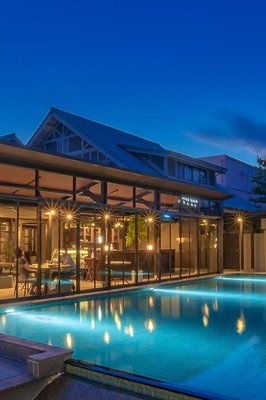
Amane Resort Gahama
Hoshino Resorts KAI Tamatsukuri
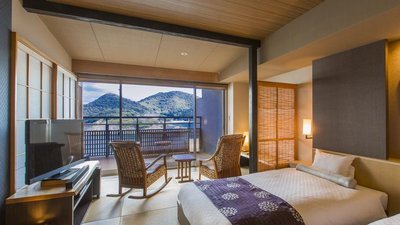
Migiwatei Ochi Kochi
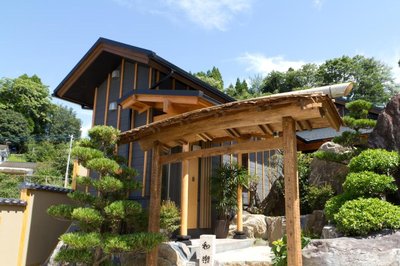
Ryokan Shinsen

Ryotei Matsuya Honkan Suizenji
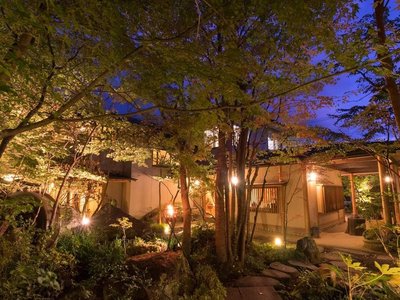
Ryoso Yufuin Yamadaya
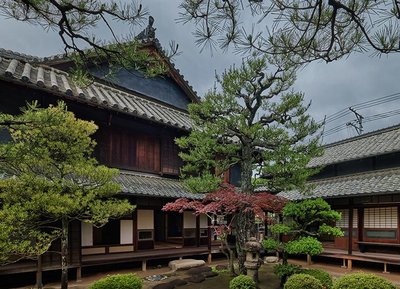
NIPPONIA HOTEL Takehara Saltworks Town
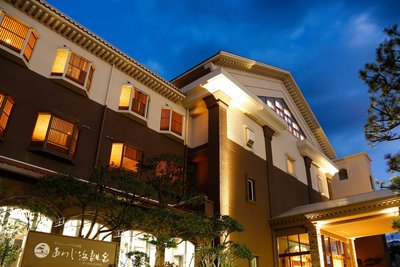
Awaji Hamarikyu
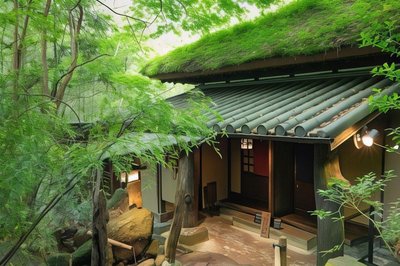
Sanso Tensui
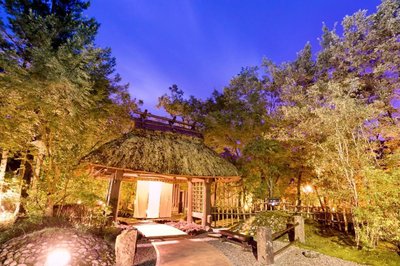
Satonoyu Waraku
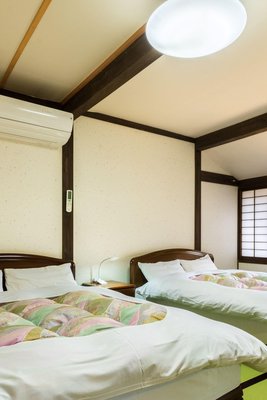
Tobise Onsen Tenga Sanso
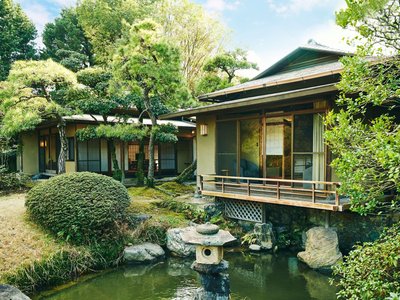
Suisui Garden Ryokan (in the Art Hotel Kokura New Tagawa)
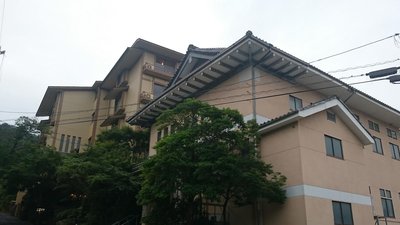
Miyajima Hotel Makoto
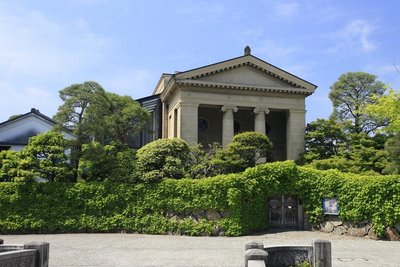
Ryori Ryokan Tsurugata
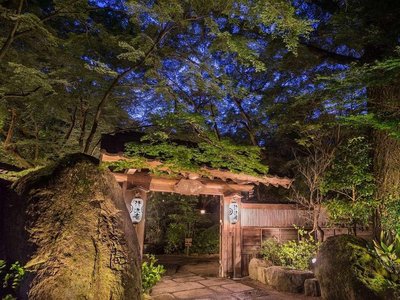
Akizuki Spa Ryokan Seiryuan
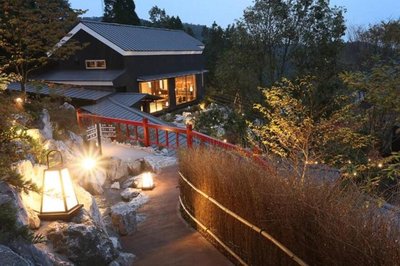
Gekkoju Kurokawa
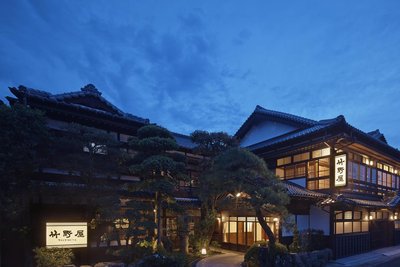
Takenoya
Frequently Asked Questions about Traveling to Himeshima
Questions You Might Need to Know About Traveling to Himeshima
In Himejima Village, top eco-friendly stays include Umi-no-Mori Lodge, a solar-powered cabin nestled in native cedar forests, and Shio no Yado, a zero-waste ryokan built from reclaimed fishing boats. Both feature rainwater harvesting, compost toilets, and farm-to-table meals using organic produce from on-site gardens. Guests can join daily sustainability workshops like seaweed weaving or coral reef monitoring, fostering deep connection with nature while minimizing environmental impact.
The East Coast Seaside District is ideal for panoramic views, offering direct access to White Sand Beach and Sea-Cave Cliffs. Stays like Tsukimi-misaki Cottage and Shio-no-Yado boast private infinity pools and floor-to-ceiling windows facing the Pacific. Morning sunrises paint the sky in gold over the ocean, while night skies reveal milky-way constellations—perfect for romantic getaways and quiet retreats.
Himejima Village offers rare Amami Sea-Diver Experience Programs, where guests learn traditional diving techniques from local ama divers and harvest fresh abalone and sea urchins. Afterward, enjoy a ceremonial meal featuring sea-urchin sushi and kombu stew. The annual Lantern Festival in autumn sees thousands of handmade paper lanterns lit along the shore—a moving tribute to marine spirits and community resilience.
Yes, Tsukimi-misaki Cottage provides a private open-air onsen with ocean-facing views, accessible only to guests. Another standout is Shio-no-Yado, which features a glass-walled bath overlooking the tide pool, heated by geothermal energy. Both properties offer personalized service, including midnight kaiseki dinners and sunrise meditation sessions, blending comfort with immersive natural serenity.
Several premium lodges like Umi-no-Mori Lodge and Shio-no-Yado offer shuttle services from Oita Airport or Usuki Ferry Terminal, costing around ¥1,500 per vehicle. Drivers use hybrid SUVs and provide guided commentary on volcanic rock formations en route. For self-drivers, free eco-parking is available at all accommodations, with GPS-enabled maps provided to help navigate forest trails and coastal paths safely.
Must-try dishes include freshly harvested octopus, wild sea urchin sushi, and bamboo-steamed rice cooked in locally sourced bamboo. Visit the Harbor Market to sample seaweed rolls and salt-grilled mackerel from Aunt Akutsu’s stall. Don’t miss Akebi Tea House’s signature perilla plum wine and wild berry jam, made from seasonal island fruits—ideal as gifts or keepsakes.
The best seasons are spring (March–May) and autumn (September–November), when temperatures hover between 18–24°C and the sea is crystal clear. Spring brings cherry blossoms and coral blooms; autumn hosts the Lantern Festival and Ama Harvest Festival. Avoid summer due to heat and typhoon risks. Winter offers solitude, perfect for stargazing and exclusive onsen access.
Travelers reach Himejima via Futamata Ferry from Usuki Port (40-minute ride), with up to 6 daily departures. From Oita Airport, take a bus to Usuki Port first. No public buses run within the village—rent electric bicycles or walk. Some lodges offer shared e-bikes for exploring the Sea-Cave Trail, Shrine Path, and Lighthouse Route, all eco-friendly and well-marked.
Nighttime highlights include Stargazing Sessions at the Observatory Ruins, where guides explain constellations like Orion and the Milky Way core. Join the Ama Night Story Circle, gathering around a bonfire to hear ancient tales of sea deities. For peace seekers, book a private onsen meditation package at Shio-no-Yado, where silence meets the rhythm of waves—an unforgettable sensory retreat.
Must-see sites include Black Rock Bay Sea Caves, Cliffside Starlight Platform, and the Centennial Cedar Forest Trail. The Starlight Platform offers unobstructed views of the Milky Way, while the Cedar Forest Trail shelters rare Japanese red pine and deer ferns, often shrouded in morning mist. Interpretive signs detail geological history and conservation efforts—ideal for families and nature enthusiasts alike.
Himeshima Overview
City Summary
Himeshima Village is a small island village in Oita Prefecture, Japan, renowned for its natural beauty and ancient legends. It is said to be the mythical hiding place of Amaterasu, the Shinto sun goddess, giving it a sacred and serene coastal atmosphere. The island boasts rich historical sites like Himeshima Shrine and unique marine ecosystems, making it ideal for travelers interested in cultural exploration and scenic landscapes.
Must-See Attractions
Himeshima Shrine is the island's central attraction, linked to the myth of Amaterasu and shrouded in mystery. The Himeshima Lighthouse offers panoramic views of the island and the azure sea. Don't miss the basalt columnar joints, a geological marvel showcasing nature's artistry.
Food Guide
Himeshima is famous for its seafood cuisine. Try freshly caught sea bream and squid. The local specialty, octopus rice, is a must-eat, paired with unique island sauces. Small eateries also serve traditional Japanese set meals, full of rustic flavors.
Transportation Guide
To reach Himeshima, take a ferry from Kunisaki Peninsula in Oita Prefecture (about 30 minutes). The island has no public transport; walking or renting a bicycle is recommended. Roads are flat, perfect for cycling. Taxis are limited and require advance HopeGoo.
Best Time to Visit
The best times to visit are spring (March-May) and autumn (September-November), with mild weather and fewer tourists. Summers are warm but may have typhoons; winters can be windy.
Travel Tips
- Respect local culture: Himeshima Shrine is sacred—keep quiet.
- Eco-consciousness: The island's nature is fragile; avoid littering.
- Transport planning: Ferry schedules are limited; check in advance.
- Food preferences: Some seafood is raw; opt for cooked dishes if needed.
- Weather checks: The island's weather changes quickly; confirm forecasts.
Useful Information
Language: Japanese is primary; some signs have basic English. Internet coverage is decent but spotty in areas. Payment is mostly cash; few shops accept cards. Medical facilities are limited—bring essentials. For emergencies, contact the village office or ferry staff.









