Hotels in Hino
Discover your perfect stay in Hino.
Hino(Japan) Travel 2026: Cheap Flights, Hotels & Top Attractions
Popular Landmarks in Hino
Discover the most iconic attractions in Hino
Recommended Hotels in Hino
Find the perfect place to stay in Hino
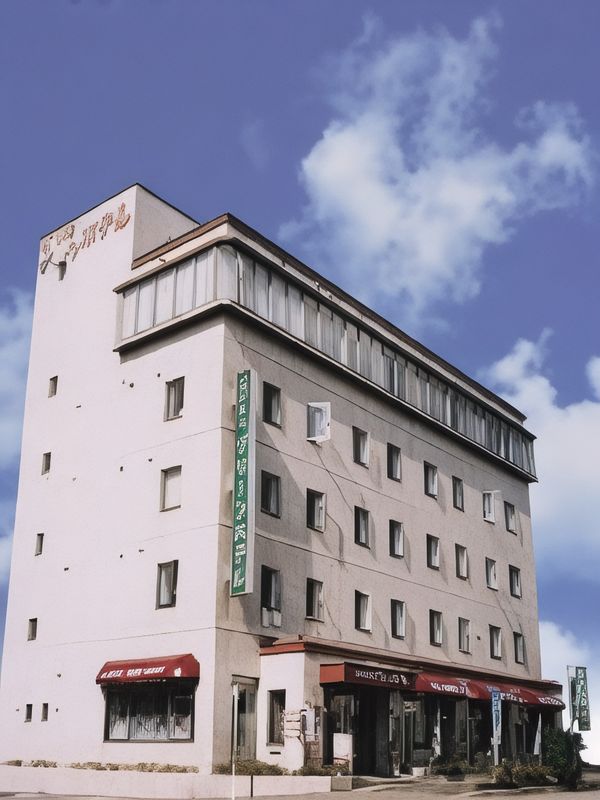
Best Hotels in Hino
Discover curated hotel collections in Hino

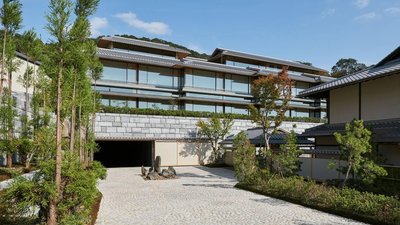

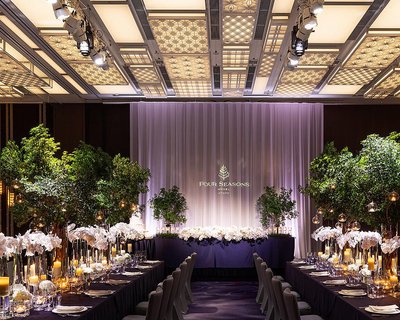
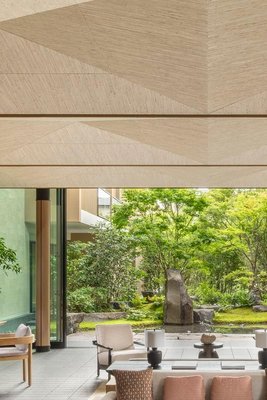

































Frequently Asked Questions about Traveling to Hino
Questions You Might Need to Know About Traveling to Hino
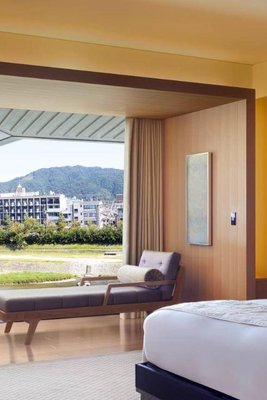
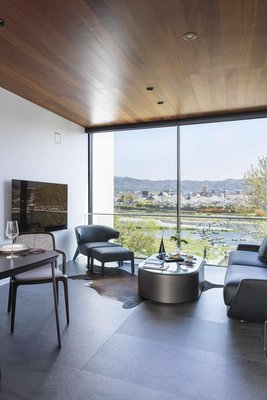
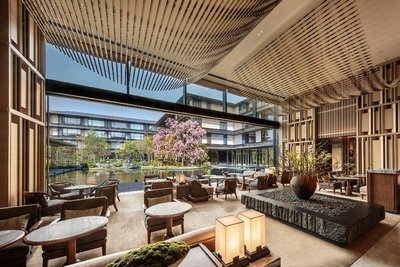
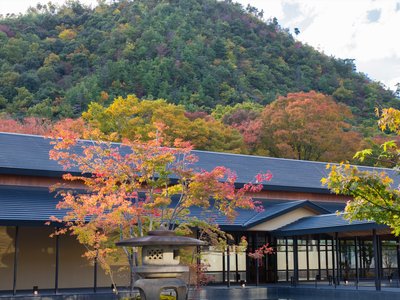
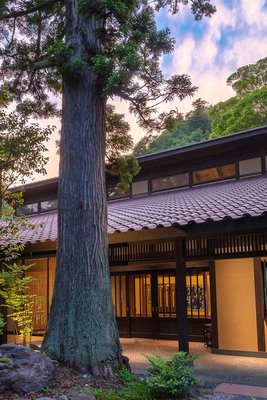
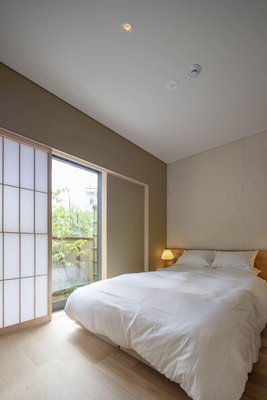
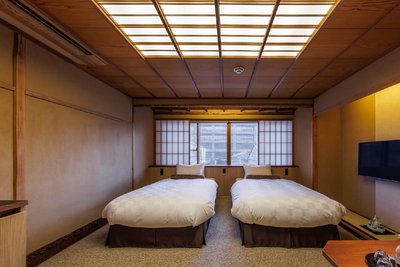
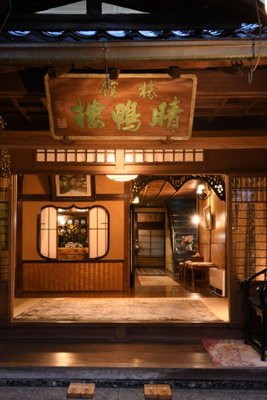
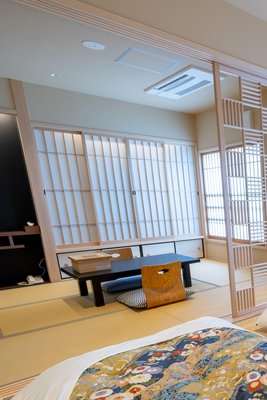
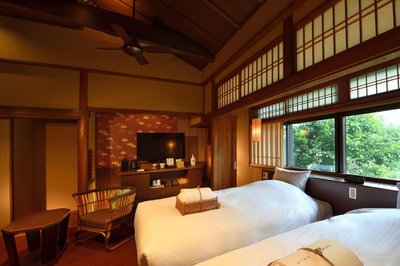
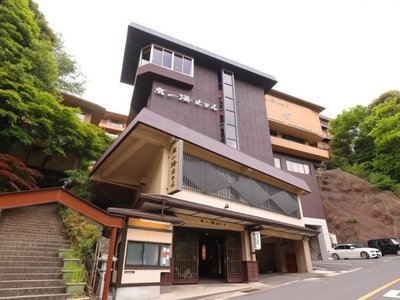
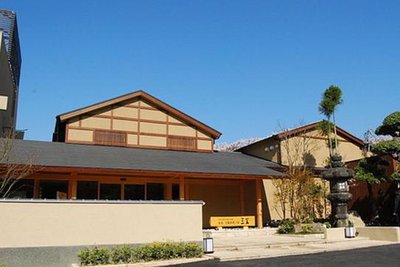
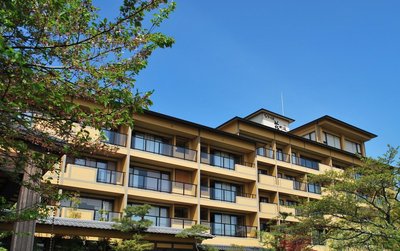
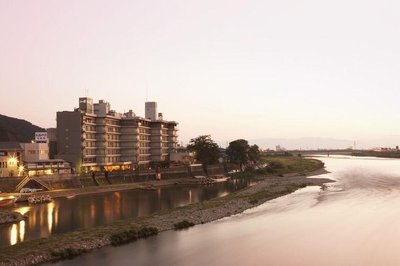
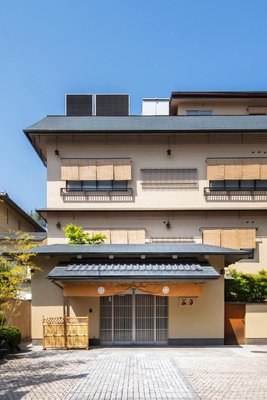
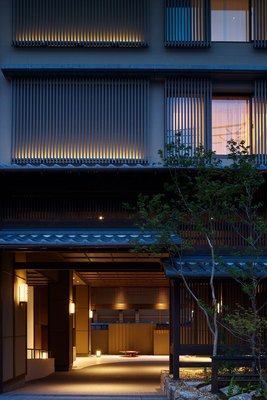
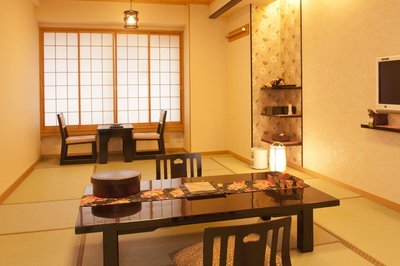
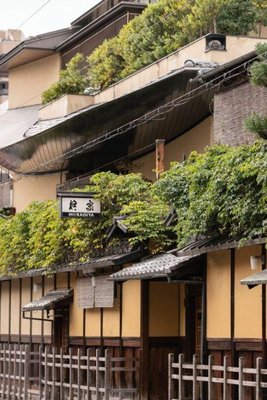
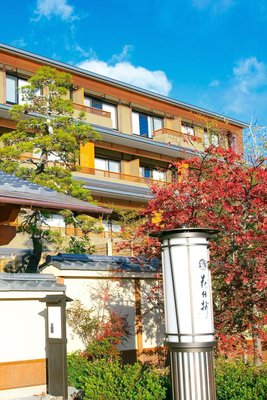
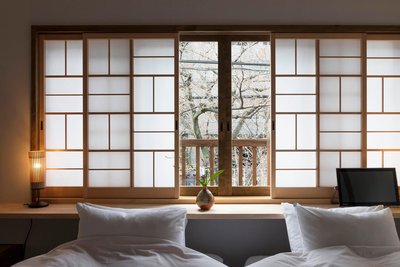
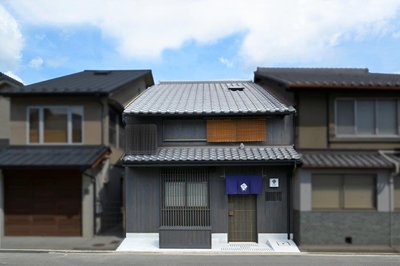
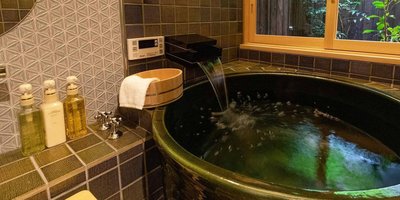
In Hino Town, stay at Hino Onsen Ryokan, a traditional Japanese inn offering family rooms, private onsen baths, and hands-on cultural workshops. Located near Lake Biwa, it features tatami rooms with lake views and serves organic kaiseki meals. Families can explore the Hino Cultural Center and participate in tea ceremony or local crafts. The peaceful riverside setting makes it ideal for children and elders alike, blending nature, tradition, and comfort.
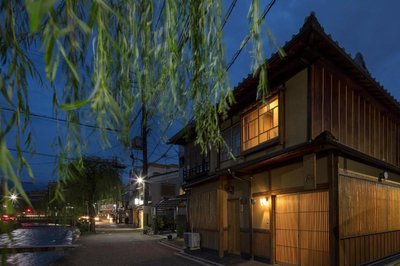
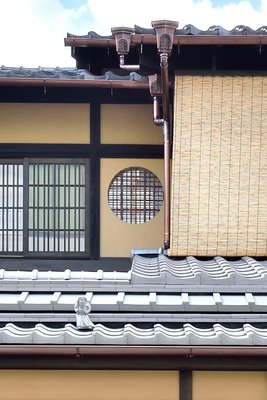
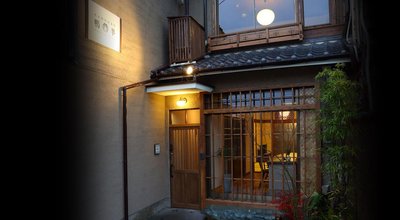
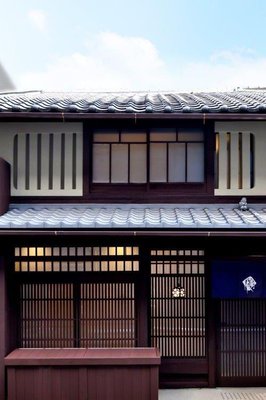
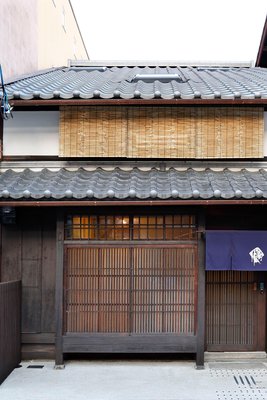
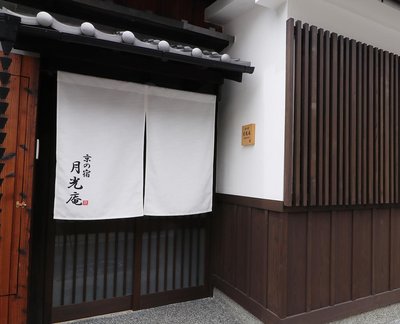
The Hino Town Central District is the prime choice for lodging, close to Hino Station with easy access to local shops and transport. It hosts boutique ryokans like Lakeview Stay, offering walkable access to Lake Biwa Trail and Historic Streets of Hino. Enjoy morning markets with fresh fish and seasonal produce, and evening strolls along the river. This vibrant yet tranquil zone perfectly balances convenience and authentic rural charm.
Hino Town shines with traditional tea ceremonies and fishing heritage. Join a Tea Ceremony Workshop at the Hino Cultural Center, where expert masters guide you through matcha preparation and etiquette. For a deeper connection, take a local fishing tour—board a small boat on Lake Biwa, learn ancient techniques, and enjoy freshly caught Biwa carp. These immersive activities reflect the town’s deep-rooted harmony between people, water, and tradition.
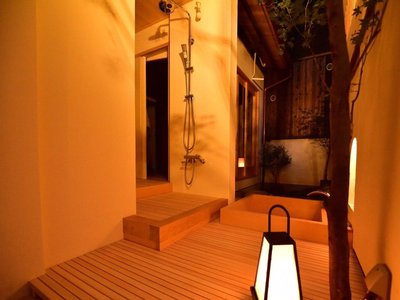
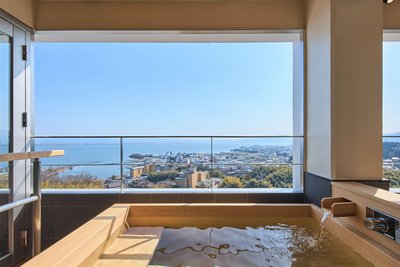
Hino Onsen Kōen is the top-rated ryokan in Hino Town. Nestled on the western shore of Lake Biwa, it features private outdoor baths with panoramic lake views. The natural mineral-rich waters, sourced from 300 meters underground, are renowned for skin health. The inn serves daily meals using local ingredients, including fresh lake trout sushi and lotus root stew. At night, join their stargazing sessions—the low light pollution offers breathtaking views of the Milky Way, perfect for photographers and dreamers.
Hino Town is a photographer’s paradise. Capture morning mist along Lake Biwa's boardwalk, where fog gently lifts over still waters. Explore the historic wooden district for vintage architecture and candid street scenes. In autumn, visit Maple Valley Pathway, where crimson leaves create a fiery canopy. For night shots, the Hino Observatory offers clear skies ideal for Milky Way and meteor photography. Bring a tripod and shoot during golden hour or twilight for ethereal results.
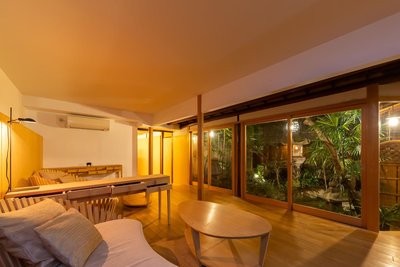
For couples, book a stay at Lovers' Cottage by Lake Hino, featuring a private onsen bath, cozy tatami room, and a secluded garden. Enjoy an intimate lakefront dinner under candlelight, served with grilled lake trout and cherry blossom mochi. Take a sunset boat ride on Lake Biwa, listening to lapping waves and distant bird calls. With minimal distractions and stunning natural beauty, this retreat offers a deeply personal and unforgettable experience.
Must-try dishes include grilled Biwa carp, cooked over hinoki wood charcoal for a smoky flavor, served with plum sauce. Another highlight is lotus root tempura, crisp and sweet, made from locally grown tubers. Visit the Hino Market to pick your own fresh fish and have it prepared on-site. Don’t miss matcha mochi with tofu soup at Cha-an Restaurant, a delicate dessert that embodies the region’s love for tea and simplicity.
Explore Hino Town’s rich wetland ecosystem through guided Lake Biwa Wetland Tours, where you’ll spot herons, egrets, and kingfishers among reeds. In spring, hike the Cherry Blossom Trail along the lakeshore, lined with blooming sakura. During summer, attend the Firefly Night Festival, witnessing thousands of glowworms illuminate the Hino River banks. In winter, try ice fishing on the lake under supervision—experience the quiet thrill of catching Biwa minnows amidst frozen landscapes.
Yes, Hino Town is well-connected. From Namba Station in Osaka, take the Kintetsu Limited Express (~1 hour) to Hino Station, then transfer to local buses or taxis. Free tourist shuttle buses link major attractions like Lake Biwa Trail, Cultural Center, and ryokans. Rent bicycles for scenic lake rides—well-marked paths and rest stops ensure safety. Visitors driving can use the Central Parking Lot, located near key routes, making exploration effortless.
Seniors will appreciate Hino Onsen Wellness Center, offering therapeutic baths and aromatherapy massages. Daily Tai Chi and Eight-Section Brocade classes are held at the lakeside park, promoting gentle movement and mindfulness. Participate in tea meditation sessions or haiku writing workshops at the cultural center, fostering reflection and creativity. Stroll leisurely along the Ancient Trail, admiring century-old trees and babbling brooks, while sipping warm green tea—a serene way to enjoy life’s quiet pleasures.
Hino Overview
City Summary
Hino Town, located in the southeastern part of Shiga Prefecture, Japan, is a rural town renowned for its traditional ceramics and preserved Edo-period streets. As one of the birthplaces of "Shigaraki-yaki" pottery, it offers tranquil natural landscapes and hands-on craft experiences, ideal for cultural immersion.
Must-See Attractions
Must-visit sites include the Hino Traditional Crafts Museum showcasing local ceramics and textiles, Saimyoji Temple with its national treasure wooden Buddha, and the historic Kamagake district. Join a pottery workshop to create Shigaraki-yaki, or admire the stunning spider lily fields in autumn.
Food Guide
Local cuisine features countryside dishes like "funazushi" (fermented crucian carp sushi) and "Omi beef". Don’t miss grilled dango (rice dumplings) and matcha served in Shigaraki-yaki cups at street stalls, blending culinary art with craftsmanship.
Transportation Guide
No subway available. Take JR trains from Kyoto/Osaka to Omihachiman Station, then a 30-minute bus ride. Within town, use buses or taxis; walking is feasible between attractions. Renting a bicycle is ideal for rural paths, but note some steep slopes.
Best Time to Visit
Best seasons are spring (March-May) for cherry blossoms and autumn (September-November) for foliage, with mild weather and fewer crowds. Summers are humid, while winters offer serene snowscapes.
Travel Tips
- Remove shoes in temples and respect no-photography zones.
- Book pottery workshops in advance; some accept only Japanese reservations.
- Rural buses have limited schedules—check timetables.
- Cash is primary; many small shops don’t accept cards.
- Avoid entering private farmlands without permission.
- Practice strict trash sorting; public bins are scarce.
Useful Information
Japanese is dominant; basic English signs exist at tourist spots. Mobile coverage is good but weak in remote areas. Use nationwide IC cards (e.g., ICOCA) for public transport. Dial 110 (police) or 119 (ambulance) for emergencies. Drugstores cluster in the town center; some close on Sundays. Carry sufficient cash, as ATMs are mainly at post offices or convenience stores.









