Hotels in Hinode
Discover your perfect stay in Hinode.
Hinode(Japan) Travel 2026: Cheap Flights, Hotels & Top Attractions
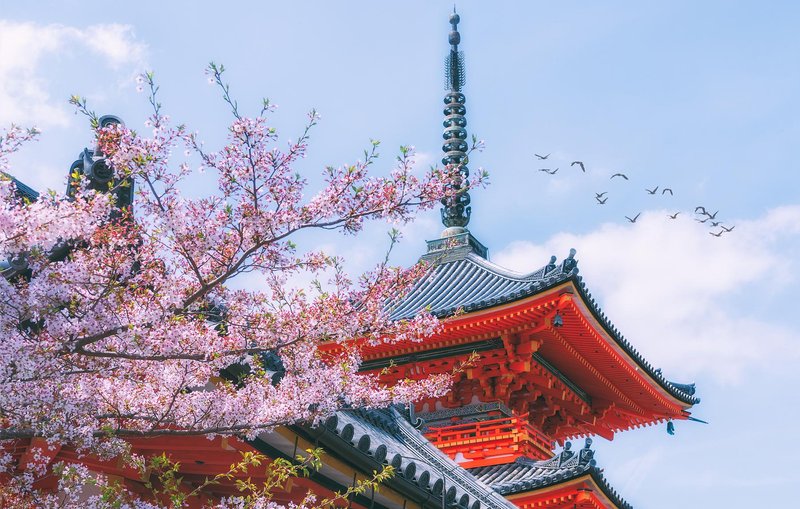
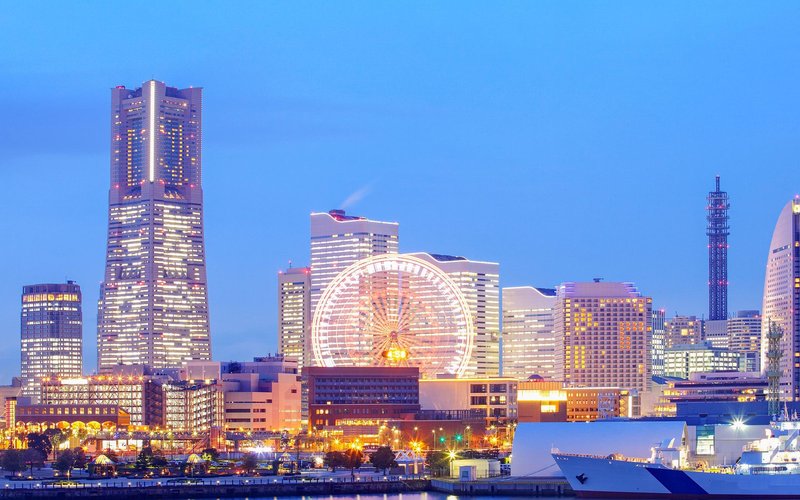
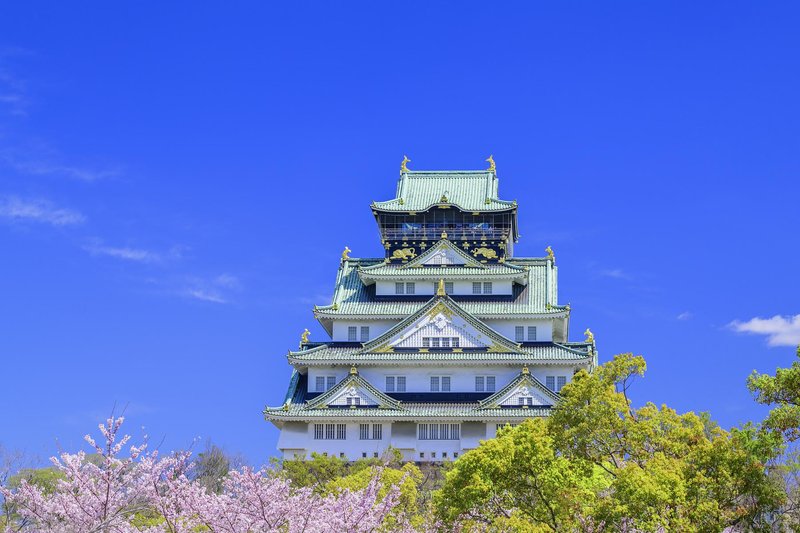
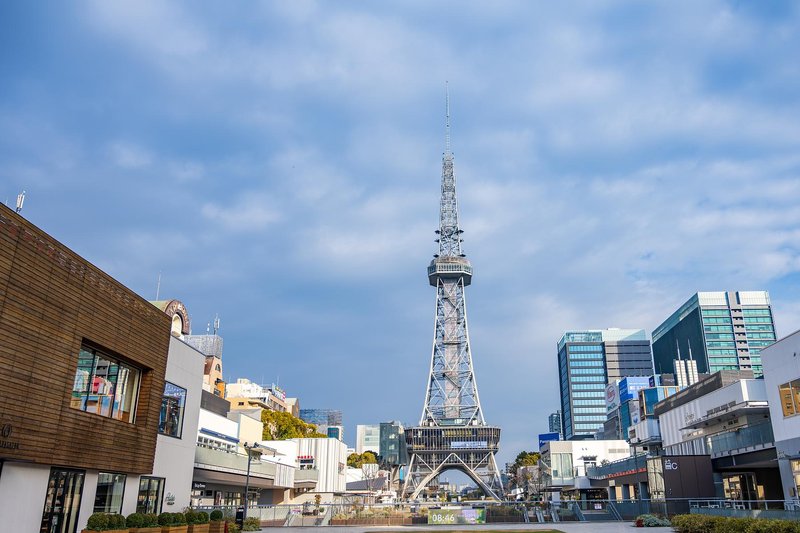
Popular Landmarks in Hinode
Discover the most iconic attractions in Hinode
Recommended Hotels in Hinode
Find the perfect place to stay in Hinode
Minsyuku Sunrise & Hot Spring Tokyo
Frequently Asked Questions about Traveling to Hinode
Questions You Might Need to Know About Traveling to Hinode
In Hinoshima-chō, the top choice for families is Hinomaru Inn, a cozy, welcoming hotel just a 5-minute walk from Hinoshima Shrine. It offers spacious family rooms, free breakfast for children, and accessible facilities for elderly guests. The hotel also hosts regular Japanese tea ceremony workshops, allowing kids and parents to engage with local traditions. For a more upscale option, consider Tokyo Metropolitan Park Resort, located near Hinoshima Park, which features garden-view rooms, private courtyards, and an on-site hot spring bath—perfect for relaxation after a day of sightseeing. Both properties are within walking distance of community parks and convenience stores.
The most culturally rich area in Hinoshima-chō is the Kuromon-cho District, a preserved stretch of Meiji-to-Shōwa-era wooden townhouses. Cobblestone alleys lead past artisan pottery shops, century-old sweet shops, and traditional tea houses. During cherry blossom season (late March–early April), the entire street transforms into a pink tunnel, ideal for photography and leisurely strolls. The Hinoshima Cultural Center hosts monthly woodcraft workshops and kimono try-on events, offering visitors an immersive look into Edo-period life. Locals often gather here for neighborhood festivals, creating a warm, genuine atmosphere.
Stay in the Hinoshima-chō Station Area for maximum convenience. Just a 5-minute walk from Hinoshima-chō Station, you can access the Toei Oedo Line to reach Asakusa Temple, Ueno Park, and Ginza in under 20 minutes. This zone hosts several reliable business hotels and boutique guesthouses like Hinomaru Stay, featuring 24/7 self-check-in and free luggage storage. Nearby, Hinoshima Plaza offers a large shopping complex with restaurants, drugstores, and convenience stores. Start your day with fresh bread and matcha desserts from the morning market beside the station—a perfect way to begin a vibrant Tokyo adventure.
Don’t miss the Hatsumōde Festival at Hinoshima Shrine, held annually from January 1st to 3rd. Thousands of visitors in kimonos carry omamori (lucky charms) and lanterns, writing wishes on ema plaques. Guests can craft their own protective amulets during workshops and enjoy traditional tea rituals. On weekends, locals host Machi-kai Tea Gatherings, where visitors sip home-brewed Hinoshima matcha with red bean mochi while listening to elders share stories about the neighborhood’s history. These intimate, heartfelt interactions offer a rare glimpse into everyday Japanese life.
Evening highlights include the Lantern Walk in Old Town—every Friday and Saturday night, paper lanterns illuminate the narrow streets of Kuromon-cho, creating a dreamy, Edo-style ambiance. Explore hidden izakaya bars like Kogikuya, serving fresh seafood and house-brewed sake. Some venues offer tatami private rooms perfect for couples or small groups. For tranquility, visit Hinoshima Spa & Onsen, where you can soak in an open-air bath under the stars. The area remains quiet yet alive, making it ideal for experiencing the soft, poetic side of Tokyo after dark.
The top photogenic spot is Sakura Corridor – Hinoshima-dori, where over 200 cherry trees bloom in late March, forming a stunning pink tunnel. Best shot times: early morning mist or golden hour. Another favorite is the Thousand Bamboo Grove at Hinoshima Shrine, a stylized bamboo structure with copper lanterns and red walls—ideal for kimono or hanfu photos. Rooftop terraces of old townhouses also offer panoramic views of the illuminated streets. Bring a wide-angle lens and avoid midday sun for the most flattering lighting and depth in your shots.
Must-try specialties include Hinoshima Grilled Tofu, made with mountain spring water for a silky texture, served with soy sauce and dashi broth at Machiya Dining House. Another highlight is Red Bean Mochi Soup, a winter-only dish served hot at roadside stalls and tea houses. For a full traditional breakfast, book the Morning Harmony Set at Hinoshima Tea Experience, featuring natto, miso soup, grilled mackerel, and rice balls—all sourced from local organic farms. Don’t miss the Hinoshima Market, open daily at dawn, where you can buy handmade jams and fresh seafood as souvenirs.
Absolutely. Hitori Kaze is a standout choice—a minimalist guesthouse designed for solo explorers. Each room features a single tatami mat, private bathroom, and smart lighting system. Guests can enjoy a curated Solo Coffee Moment, complete with hand-brewed coffee and a selected book. Another excellent option is Yoru-no-Mori Lodge, a secluded courtyard-style inn with shared reading nooks and meditation spaces. Hosts organize weekly events like urban walking tours and haiku nights, helping solo travelers connect with others in a relaxed setting—perfect for introspective travelers seeking comfort and community.
For couples, Tsukikage Ryokan stands out with its semi-open wooden lattice windows that frame moonlit garden views. Deluxe suites feature private onsen baths, scented candles, and custom futons. The hotel offers exclusive experiences like couple’s sushi-making class and stargazing tea sessions on the shrine-side terrace. Some rooms even provide cherry blossom season packages, with petals drifting into the room through the window. A personalized map guides couples to secret viewpoints and love-lock bridges—making memories under the stars.
Yes, Hinoshima-chō Station is well-connected via the Toei Oedo Line, linking directly to Shinjuku, Shibuya, Roppongi, and beyond in under 20 minutes. The station features clear multilingual signage and Suica card compatibility. From here, it’s a 10-minute walk to key attractions like Hinoshima Shrine and Kuromon-cho District. Additionally, the Machi-Loop Bus runs on weekends and holidays, connecting major sites. For trips to Asakusa or Ueno, transfer at Nishi-Kasumigaseki Station. With efficient transit and pedestrian-friendly streets, exploring Hinoshima-chō without a car is both easy and enjoyable.
Hinode Overview
City Summary
Hinode Town in western Tokyo Metropolis blends natural beauty with traditional countryside charm. Known for its Edo-period post town ruins and proximity to Chichibu-Tama-Kai National Park, it offers mountain vistas ideal for escaping urban crowds. Spring cherry blossoms and autumn foliage attract photographers.
Must-See Attractions
Top sights include the historic Hinode Post Town Ruins, showcasing Edo-era architecture; Hamura Weir, one of Japan's oldest waterworks with scenic trails. Hikers can explore Okutama Lake and Mitake Mountain for waterfalls and forests. The Local History Museum displays agricultural tools and crafts.
Food Guide
Local cuisine features mountain dishes: soba noodles use premium buckwheat from Okutama; grilled river trout (iwana) highlights fresh flavors. In winter, try hot pots with wild vegetables. Street vendors sell mochi dumplings (yomogi dango) coated in red bean or soybean powder.
Transportation Guide
Getting around: Take JR Ome Line from Shinjuku to Hinode Station (~70 mins; 1-2 trains hourly). Rent bicycles near the station or walk—some trails require cars/buses (e.g., "Oku 07" to Okutama Lake). Taxis are scarce.
Best Time to Visit
Best seasons: April (cherry blossoms) and October-November (fall colors). Summer (July-August) is humid but cooler than central Tokyo. Winter (December-February) may close some trails. Weekdays are less crowded.
Travel Tips
- Safety: Hiking trails can be slippery—wear sturdy shoes.
- Etiquette: Ask permission before photographing private properties.
- Environment: Pack out trash; open fires prohibited.
- Cash: Rural shops often accept yen only.
- Language: Basic Japanese greetings (e.g., "arigato") are appreciated.
- Gear: Winter requires warm layers; summer needs insect repellent.
Useful Information
Essentials: No English signage—download offline Google Maps. Wi-Fi is limited to stations/visitor centers. Cash dominates; withdraw yen at convenience store ATMs. Emergencies: dial #110 (police) or #119 (ambulance). Hospitals are in Ome City. Voltage: 100V, Type A plugs. Consider Tokyo Wide Pass for round-trips.