Hotels in Hinohara
Discover your perfect stay in Hinohara.
Hinohara(Japan) Travel 2026: Cheap Flights, Hotels & Top Attractions
Popular Landmarks in Hinohara
Discover the most iconic attractions in Hinohara
Recommended Hotels in Hinohara
Find the perfect place to stay in Hinohara
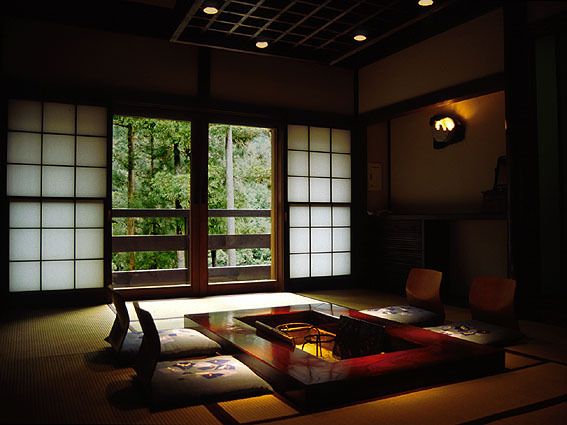
Kabutoya Ryokan
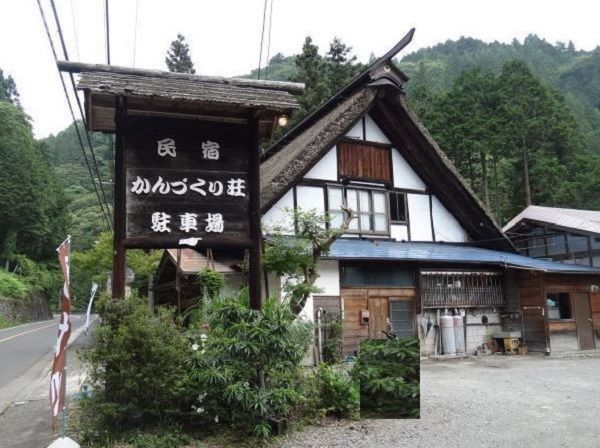
Minshuku Kanzukuriso
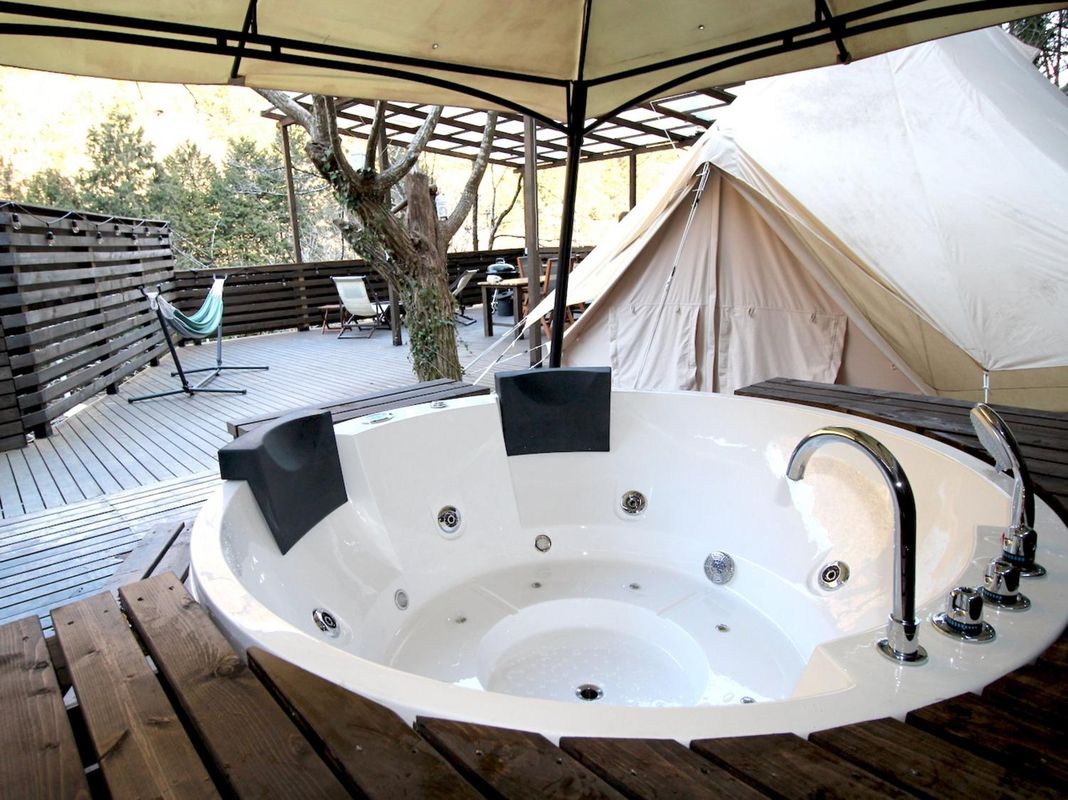
Fureaihiroba Glamping
Frequently Asked Questions about Traveling to Hinohara
Questions You Might Need to Know About Traveling to Hinohara
In Kihara Village, the top choice for nature immersion is Kihara Forest Cabin, a handcrafted wooden lodge nestled deep within the Daisetsu National Park forest. Each room features tatami mats, underfloor heating, and floor-to-ceiling windows framing panoramic mountain views. Guests can join morning tea ceremonies or night sky gazing sessions, fully embracing the village’s quiet, sustainable lifestyle. The lodge uses locally sourced timber and emphasizes harmony with nature—ideal for travelers seeking authentic rural Japan.
The best hiking season in Kihara Village is autumn (October to November), when maple trees blaze in crimson across the Kihara Highland Trail, offering stunning valley vistas. Spring (April to May) brings blooming cherry blossoms and fresh greenery, while summer (June to August) provides cool temperatures perfect for high-altitude trekking. Trails feature rest stops and observation decks; wear sturdy hiking boots and carry a light backpack. Families and experienced hikers alike will enjoy the well-maintained paths and serene atmosphere.
Visitors to Kihara Village can take part in hands-on traditional woodworking workshops, crafting bamboo items under local artisans’ guidance. Join a mountain tea ceremony to learn ancient methods of preparing matcha, accompanied by stories from elder villagers about the village’s 100-year history. Don’t miss the annual Hinomatsuri Fire Festival in winter—a sacred ritual involving bonfires to ward off evil spirits. Dress in yukata and participate in the procession for an unforgettable glimpse into Japanese mountain spirituality.
The ideal area for accommodation in Kihara Village is the Kihara Highland, situated at around 1,200 meters elevation with crisp air and sweeping views. Most lodges here are built into the mountainside, offering direct access to Kihara Lake and the entrance to Daisetsu National Park. With minimal light pollution, it's perfect for stargazing. Staying here allows full immersion in the slow-paced, tranquil rhythm of mountain life, far from urban noise.
Kihara Village’s onsen hotels boast natural sulfur-rich springs and open-air baths set amidst lush forests. At Kihara Onsen Ryokan, a centuries-old hinoki wood inn, guests soak in private outdoor tubs facing the woods, where the warm water soothes muscles and clears the mind. The inn follows a "one guest, one bath" policy to preserve water quality. Traditional kaiseki meals and kimono rentals enhance the experience, making it a must-visit for authentic Japanese onsen culture.
Yes, Kihara Village is highly family-friendly. The Kihara Nature Education Center offers interactive programs like plant identification, insect observation, and seasonal craft activities. Family-oriented lodges such as Mori no Yume Kids Stay provide dedicated play zones, including pottery-making, forest scavenger hunts, and nighttime firefly watching. The flat, safe trails around Kihara Lake are ideal for strollers, and many restaurants serve kid-friendly local dishes—perfect for a peaceful, engaging getaway.
From Tokyo, take the JR East Shinkansen to Suzaka Station in Nagano Prefecture, then transfer to a local bus bound for Kihara Village—approximately 1 hour. For more convenience, rent a car or book a private transfer via tour operators, which takes about 3.5 hours via the Jōshin-etsu Expressway. Scenic routes through the Northern Alps make the journey memorable. Opt for guided tours that include pickup for a stress-free arrival.
Must-try dishes in Kihara Village include Kihara Mountain Vegetable Hot Pot, simmered with wild greens and chicken; Kiso-style buckwheat noodles made from locally milled flour; and wood-fired grilled fish cooked over pine charcoal. Restaurants like Yama no Mi Dining Hall source ingredients directly from nearby farms, ensuring freshness. Don’t miss taking home Kihara Honey and wild mushroom dried packs—unique regional specialties loved by visitors.
Absolutely. Kihara Village is designated a Dark Sky Preserve, free from light pollution, making it one of Japan’s premier stargazing destinations. From September to October, witness the Perseid Meteor Shower under a clear sky. The village features an Astronomy Viewing Plaza equipped with telescopes and expert-led night tours. Bring thermal layers and bug repellent—lying on the grass beneath the Milky Way is an unforgettable experience.
Top photography locations in Kihara Village include Kihara Lake at dawn mist, where fog floats above the still waters reflecting red maples and snow-capped peaks; the Autumn Maple Valley Trail with its fiery foliage; and the Thousand Cedar Grove, a straight avenue of tall cedars casting dramatic light beams. Use a wide-angle lens and tripod for sunrise shots. Winter scenes with snow-laden trees and glowing lanterns also offer striking visuals. Arrive early for the best light and solitude.
Hinohara Overview
City Summary
Hinohara Village, located in the Okutama region of western Tokyo, is a serene hamlet surrounded by mountains, renowned for its pristine natural beauty and abundant hot spring resources. It offers a perfect escape from the hustle and bustle of the city. From the fresh greenery of spring and cool streams of summer to the autumn foliage and snowy landscapes of winter, each season has its unique charm. Hinohara is also famous for its traditional Japanese rural culture and handicrafts, making it an ideal spot to explore countryside life in Japan.
Must-See Attractions
Key attractions in Hinohara include the famous "Hinohara Onsen," where visitors can enjoy natural hot spring baths while admiring the surrounding scenic views. The "Hinohara Lake" is a great spot for fishing and boating activities. Hiking enthusiasts can explore numerous trails in the area, such as the path leading to "Kosode Mountain," which offers stunning waterfalls and a rich variety of wildlife.
Food Guide
Hinohara's culinary culture is deeply influenced by its natural surroundings, with wild vegetables and river fish as staple ingredients. Must-try local dishes include "sansai tempura" (wild vegetable tempura) and "grilled sweetfish," both made with fresh, locally sourced ingredients. Small eateries and hot spring inns in the village serve these specialties, allowing visitors to savor authentic rural flavors.
Transportation Guide
The most convenient way to reach Hinohara is by taking the JR Chuo Line from central Tokyo to Ome Station, then transferring to a bus bound for Okutama, which takes about an hour. Within the village, transportation mainly relies on walking or renting bicycles, as the distance between attractions is short and the routes are scenic, perfect for leisurely exploration. It's advisable to check the bus schedule in advance to avoid missing a ride.
Best Time to Visit
Hinohara is beautiful year-round, but the best times to visit are spring (April to May) and autumn (October to November), when the weather is mild and the natural scenery is at its most stunning. Summer offers cool temperatures ideal for escaping the heat, while winter provides snowy landscapes and soothing hot springs.
Travel Tips
- Respect local customs: Thoroughly wash your body before entering a hot spring, and swimsuits are prohibited in the baths.
- Waste disposal: Carry your trash back to your accommodation or designated collection points to protect the environment.
- Proper attire: Wear non-slip shoes and suitable outdoor clothing for hiking to cope with the variable mountain weather.
- Book ahead: Hot spring inns are often fully booked during peak seasons, so reservations are recommended.
- Eco-consciousness: Avoid single-use plastics; bring reusable water bottles and shopping bags.
- Follow signs: Adhere to trail markers in nature reserves and stay on designated paths.
Useful Information
In terms of language, the villagers primarily speak Japanese, though some hot spring inns and restaurants may offer basic English service. Internet coverage is limited, so downloading offline maps is advisable. Cash is the primary payment method, as credit cards may not be accepted in small shops. In emergencies, dial 119 for an ambulance or fire service. The village lacks major hospitals; the nearest medical facilities are in Ome City, so bringing common medications is recommended.









