Hotels in Ōhira
Discover your perfect stay in Ōhira.
Ōhira(Japan) Travel 2026: Cheap Flights, Hotels & Top Attractions
Popular Landmarks in Ōhira
Discover the most iconic attractions in Ōhira
Recommended Hotels in Ōhira
Find the perfect place to stay in Ōhira

Business Hotel Shinbashi (Miyagi)
Best Hotels in Ōhira
Discover curated hotel collections in Ōhira
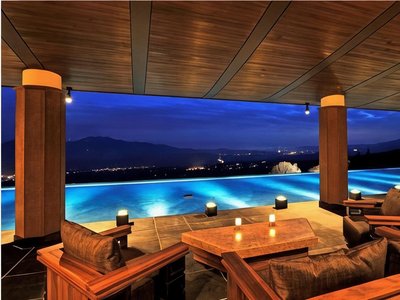
Akakura Kanko Hotel
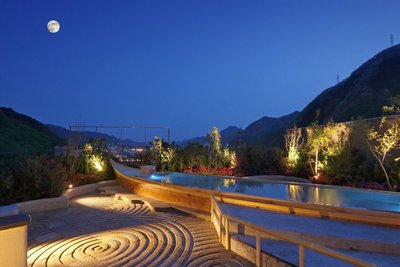
Asaya
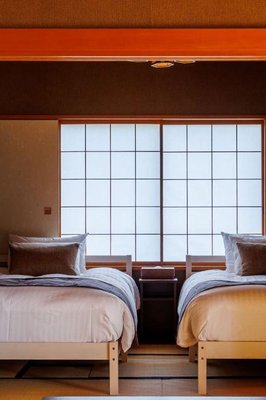
Sado Resort Hotel Azuma

Komatsu-Kan Kofu-Tei
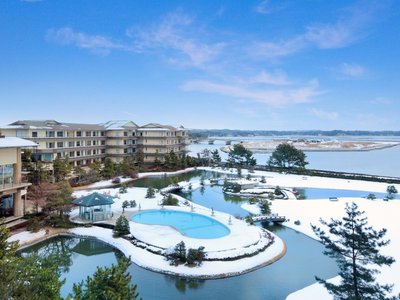
Matsushima Ichinobo
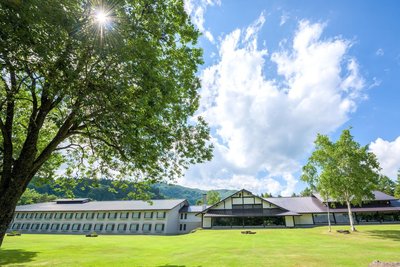
Towada Prince Hotel
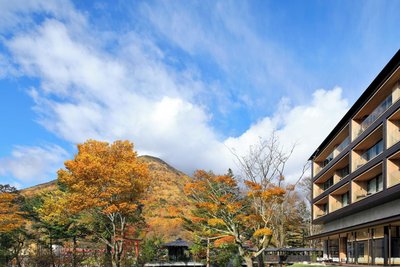
The Ritz-Carlton, Nikko
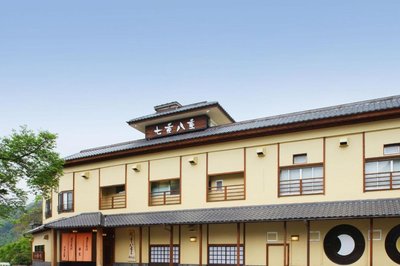
Nanaeyae

La Vista Kusatsu Hills
Frequently Asked Questions about Traveling to Ōhira
Questions You Might Need to Know About Traveling to Ōhira
In Owara Village, recommend staying at Owara Village Nature Home, a traditional Japanese wooden house converted into a cozy, eco-friendly guesthouse. It features an open-air courtyard, private hot spring bath, and farm-to-table breakfast using local organic ingredients. Families can enjoy hands-on experiences like rice planting workshops or guided forest hikes along the Owara River. Its peaceful location surrounded by nature makes it ideal for reconnecting with the outdoors while ensuring comfort and safety.
The best time to visit Owara Village is during autumn (September to November) when the maple trees turn vibrant red. Don’t miss the Owara Red Leaf Festival held in late October, featuring traditional Noh performances, craft markets, and lantern processions. For spring travelers, the Cherry Blossom Festival along the Owara River offers breathtaking views of pink blossoms framing old-style farmhouses. Both events highlight the village’s deep-rooted cultural heritage and serene countryside charm.
Stay in the central district or near Owara Station for the best balance of safety and convenience. This area is well-connected via JR East Japan’s Owara Station, with direct trains to Sendai City in about 45 minutes. The neighborhood has reliable lighting, local convenience stores, pharmacies, and community dining halls. It’s also within walking distance of the Owara Village Cultural Center and regional specialty shops, offering easy access to authentic rural life without sacrificing modern amenities.
Immerse yourself in Owara Village’s heritage by participating in a traditional lacquerware workshop, where you’ll craft your own handmade item using age-old techniques. Visit the Owara Village Folk Museum to learn about local sake brewing methods and centuries-old farming practices. During summer, join the Bonfire Festival, where villagers carry handcrafted torches in a ceremonial procession symbolizing purification and gratitude. These activities offer genuine insight into the community’s identity and traditions.
Yes, the Owara River Eco Trail is a must-ride, stretching 8 km through lush oak forests and wetland parks, offering views of Mount Iwate in the distance. Starting from Owara Village Office, the trail includes rest stops, drinking fountains, and shaded paths. You may spot wild deer and white egrets along the way. Some sections are wheelchair-accessible. Best visited early morning to avoid heat and enjoy tranquil scenery—perfect for families and nature lovers.
While Owara Village currently lacks large-scale onsen resorts, some guesthouses provide private hot spring baths. For example, Owara Village Nature Home features an outdoor onsen filled with natural mineral-rich groundwater, perfect for relaxation after a day of hiking. For more extensive options, consider visiting Ōsaki Onsen Area, just a 20-minute drive away, which offers multiple public baths and spa services. HopeGoo in advance is recommended, especially during peak seasons.
Must-try dishes include Miyagi beef sukiyaki, tender and flavorful, served with fresh locally grown Kyokugiku greens and rice. Another highlight is "Akishio" sake, a seasonal brew made using traditional methods by local farmers—light, crisp, and slightly sweet. At Matsuya Dining Hall, sample buckwheat noodles with pickled mountain vegetables, a rustic yet delicious taste of northern Japanese cuisine. Most restaurants source ingredients directly from nearby farms, emphasizing freshness and authenticity.
Travel from Sendai City via JR Tohoku Main Line to Owara Station, taking about 45 minutes with frequent departures and fares starting at ¥600. From the station, it’s a 10-minute walk to the village center. Alternatively, drive via the Tōhoku Expressway then National Route 4, a 35-minute journey with scenic views. For convenience, book the village’s shuttle bus service, available upon request—ideal for guests with luggage or mobility needs. Advance HopeGoo is required.
Capture stunning shots at the Owara River mist scene at dawn, where fog curls over the water, reflecting ancient farmhouses and distant mountains—perfect for minimalist photography. The autumn maple tunnel along village roads creates a crimson canopy ideal for long-exposure shots. Try capturing golden rice fields at sunset, where light glimmers across ripening crops. Also photograph the stone lanterns and wooden gates at Owara Village Shrine—rich in atmosphere and detail. Bring a tripod and wide-angle lens for best results.
Some guesthouses, like Owara Village Nature Home, provide basic Chinese-speaking staff and bilingual guides. Rooms include Chinese-language travel cards and emergency contacts. However, the primary language remains Japanese. We recommend confirming language support via email ahead of arrival. For deeper cultural engagement, hiring a local guide is advised. Most signage at key attractions includes Chinese translations, making independent exploration easier.
Ōhira Overview
City Summary
Ōhira Village, located in the central part of Miyagi Prefecture, Japan, is a serene rural town known for its traditional Japanese countryside scenery and rich agricultural culture. The village features vast rice fields and orchards, with stunning seasonal views, particularly cherry blossoms in spring and golden rice fields in autumn. Ōhira preserves ancient folk traditions, such as harvest festivals and handicraft making, making it an ideal destination for experiencing rural Japanese life.
Must-See Attractions
Key attractions in Ōhira include Ōhira Shrine and local farms. The shrine is a peaceful spot for meditation and reflection, while the farms offer fruit and vegetable picking experiences. Traditional workshops showcase handicrafts like pottery and textiles, with opportunities for visitors to participate.
Food Guide
Ōhira's cuisine centers on fresh, locally grown produce. Must-try dishes include Miyagi beef and rice-based meals. Small village eateries serve homestyle dishes made with seasonal ingredients. Visitors can also purchase local jams and pickled goods as souvenirs.
Transportation Guide
Transportation in Ōhira relies on buses and cars. Buses from Sendai take about an hour. The village lacks a subway system, so renting a car or using taxis is recommended for flexible exploration. Public buses have limited schedules, so check timetables in advance. Self-driving offers scenic rural views.
Best Time to Visit
The best times to visit are spring (March-May) and autumn (September-November). Spring brings cherry blossoms, while autumn features golden rice fields. Summers are hot, and winters are cold with fewer tourists.
Travel Tips
- Respect local customs and maintain quiet at shrines.
- Rural shops close early; plan shopping and meals ahead.
- Drivers should be cautious on narrow village roads.
- Try local produce to support the community.
- Carry cash, as some small shops may not accept cards.
- Learn basic Japanese phrases for better communication.
Useful Information
Japanese is the primary language in Ōhira, with limited English proficiency. Mobile networks are reliable, but signal may be weak in remote farms. Cash is preferred, though some larger venues accept cards. Medical facilities are limited; the nearest hospital is in a neighboring city. Post offices and ATMs are available in the village center but operate on limited hours.