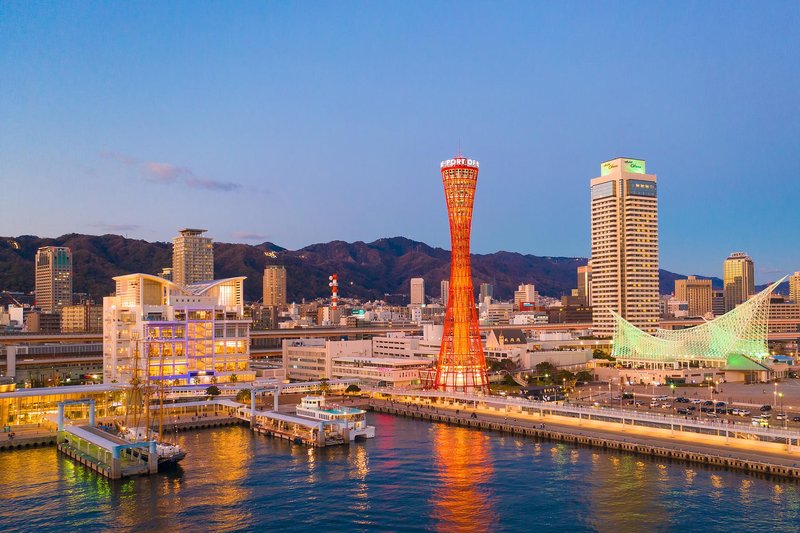
Hotels in Hiraizumi
Discover your perfect stay in Hiraizumi.
Hiraizumi(Japan) Travel 2026: Cheap Flights, Hotels & Top Attractions
Popular Landmarks in Hiraizumi
Discover the most iconic attractions in Hiraizumi
Recommended Hotels in Hiraizumi
Find the perfect place to stay in Hiraizumi
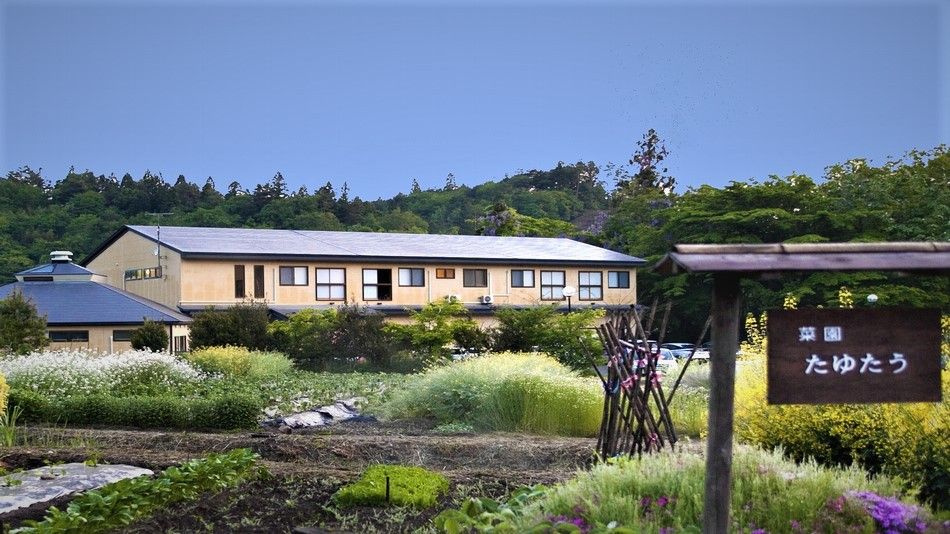
Shizukatei
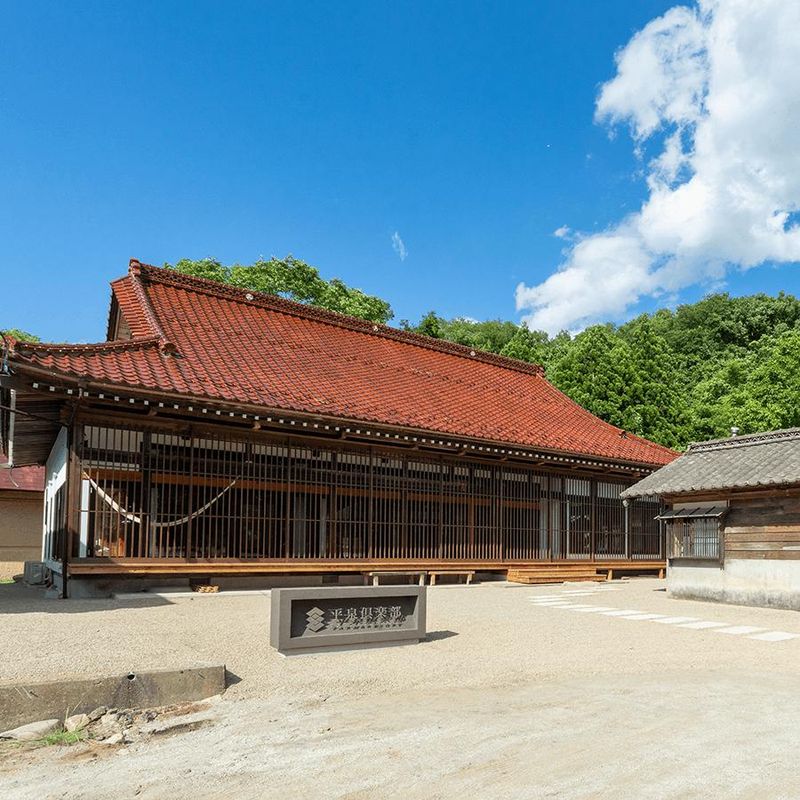
Hiraizumi Club -Farm&Resort- Vacation Stay
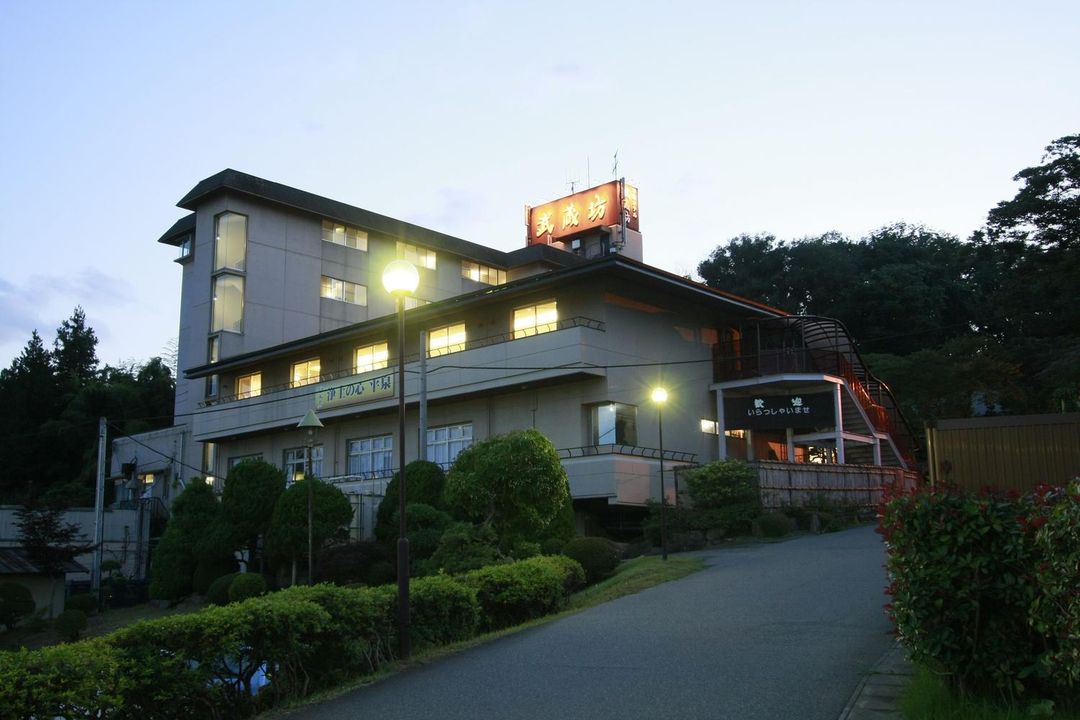
Musashibou
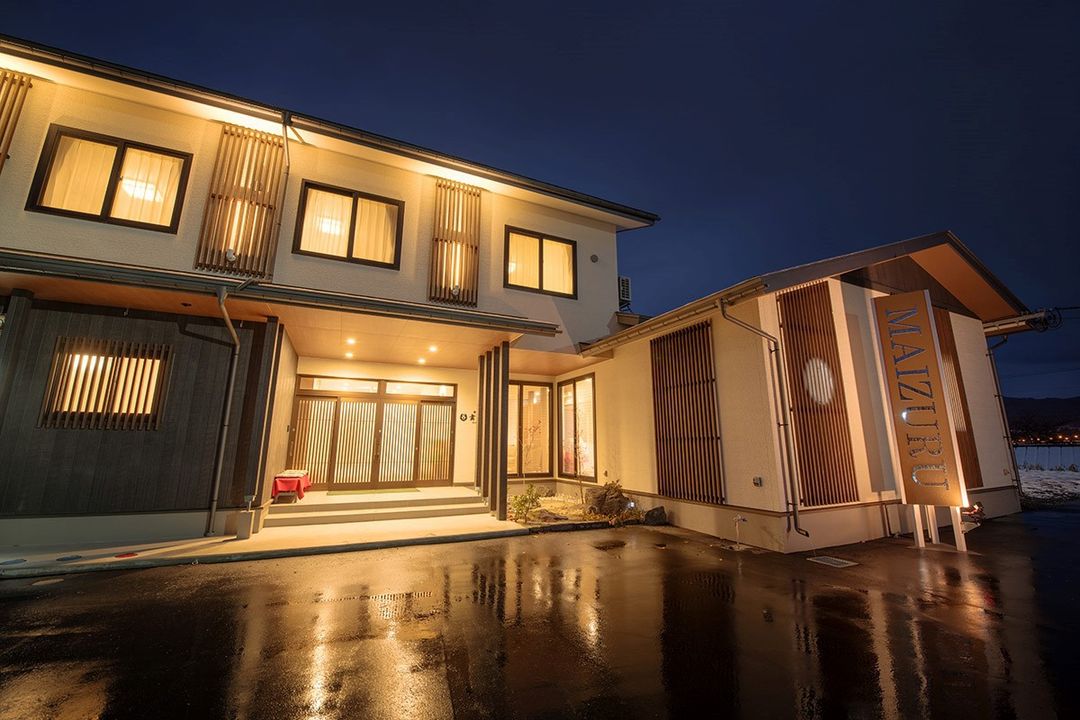
Maizuru Inn
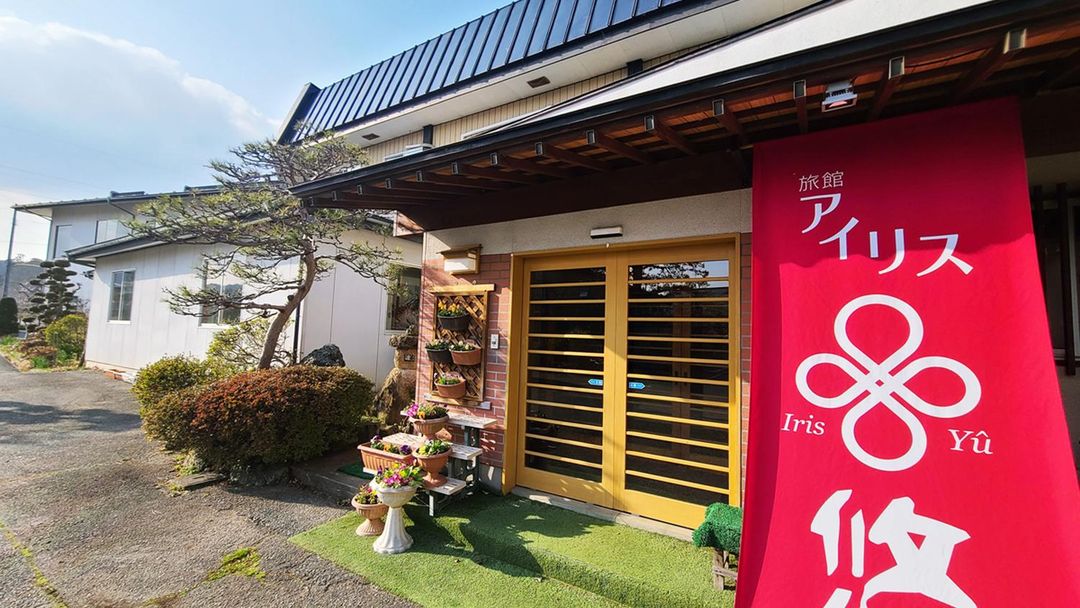
Iris Yu
Best Hotels in Hiraizumi
Discover curated hotel collections in Hiraizumi

Crowne Plaza - ANA RESORT APPI KOGEN
Zao Onsen Omiya Ryokan
Zao Kokusai Hotel
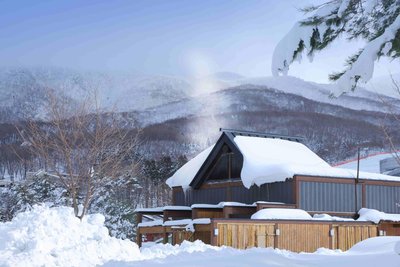
Kinosato
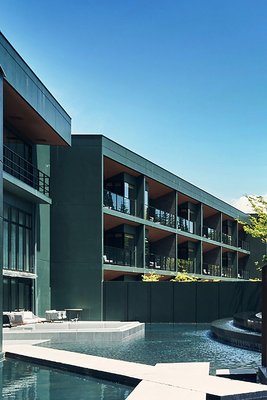
ANA InterContinental Appi Kogen Resort
Auberge Suzukane
Crowne Plaza - ANA RESORT APPI KOGEN
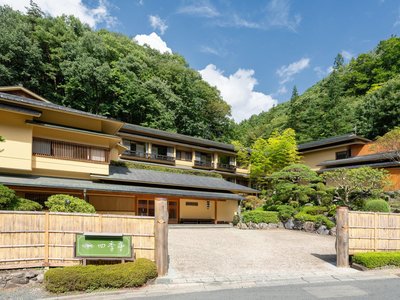
Shikitei Morioka TsunagiOnsen
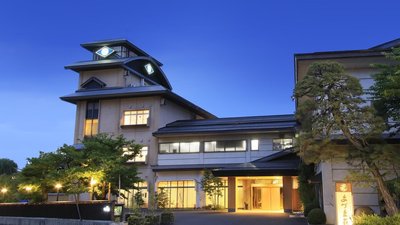
Shouhakutei Azumaso

Hayamakan
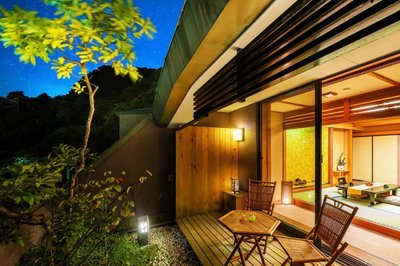
Konjakutei
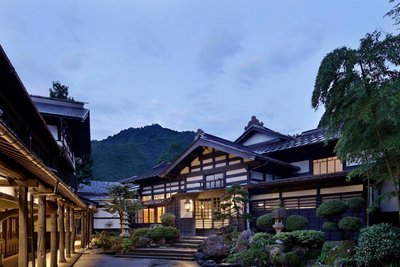
Ryugon
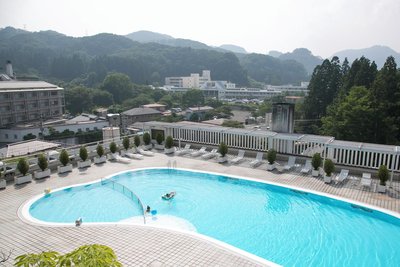
Sakan
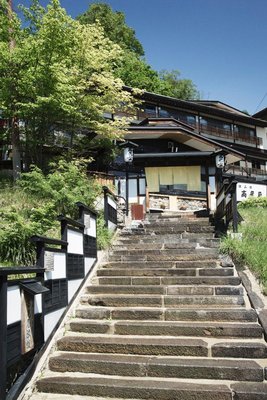
Takamiya Ryokan Miyamaso
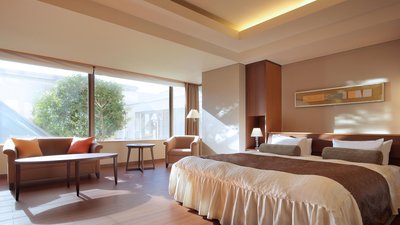
Onyado Toho
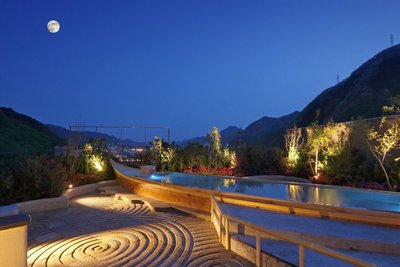
Asaya
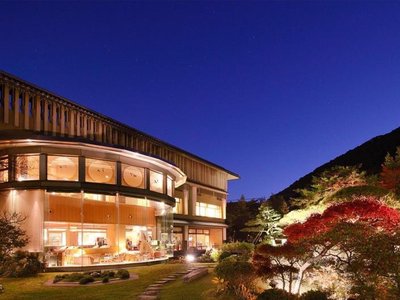
Shikisai Ichiriki
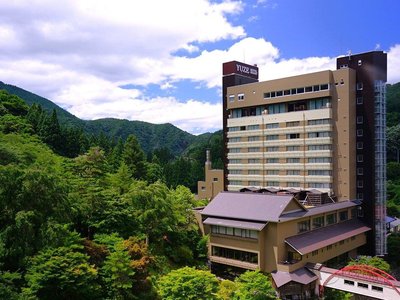
Yuze Hotel
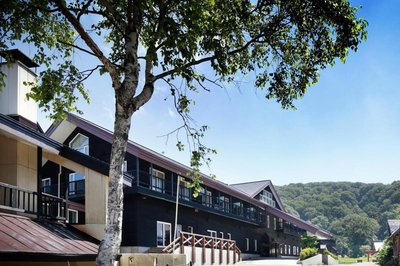
Hotel Jogakura
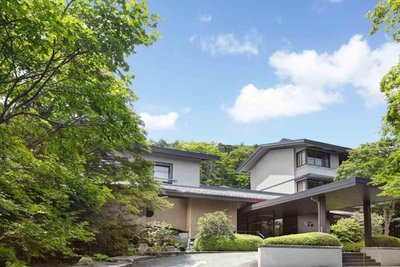
Nasu Onsen Sanraku
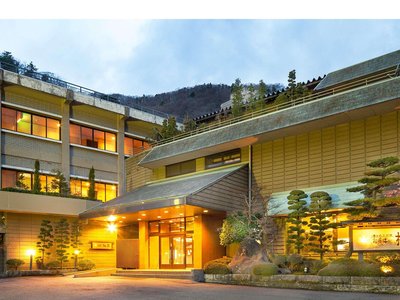
Shofuro Matsuya

Komatsu-Kan Kofu-Tei
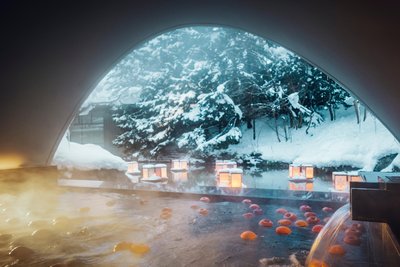
Hoshino Resorts Kai Tsugaru
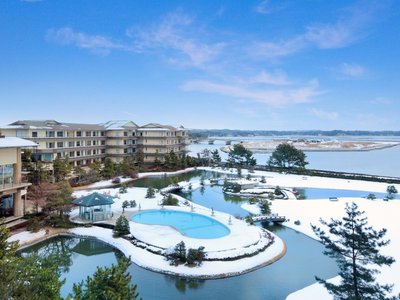
Matsushima Ichinobo
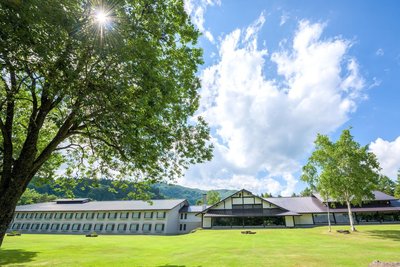
Towada Prince Hotel
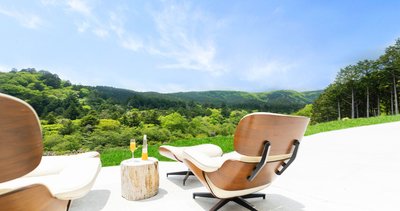
Shelter Garden Nikko
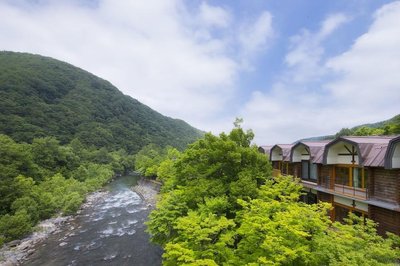
Hoshino Resorts Oirase Keiryu Hotel
Asaya

The Westin Sendai Hotel

Yukemuri No Yado Inazumi Onsen
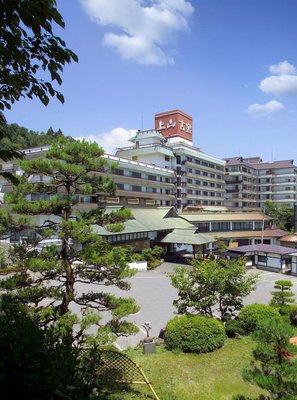
Hotel Koyo
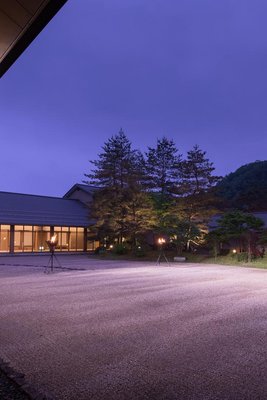
Kashoen
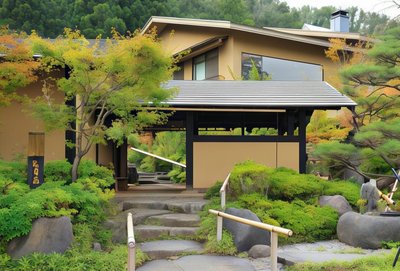
Meigetsuso
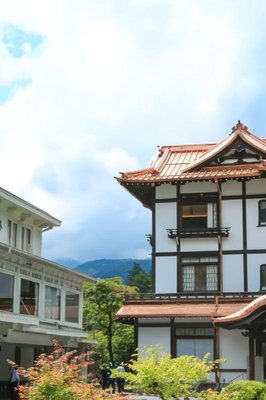
Nikko Kanaya Hotel
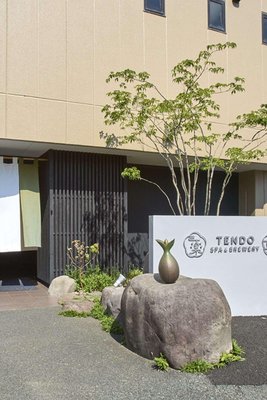
Yubo Ichiraku TENDO SPA&BREWERY
ANA InterContinental Appi Kogen Resort
Asaya
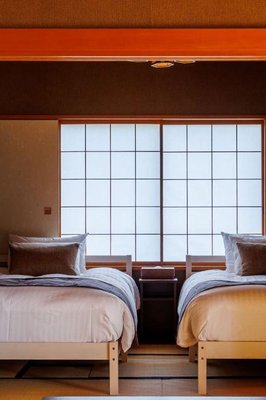
Sado Resort Hotel Azuma
Komatsu-Kan Kofu-Tei
Matsushima Ichinobo
Towada Prince Hotel
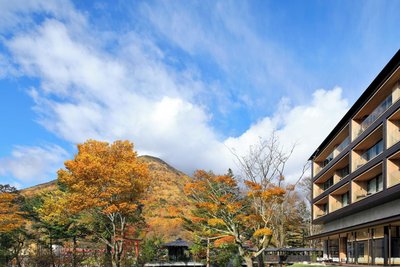
The Ritz-Carlton, Nikko
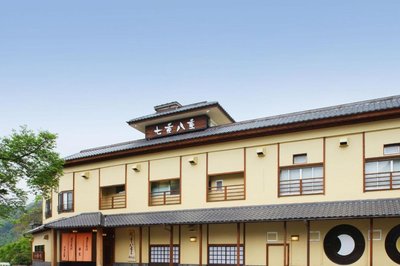
Nanaeyae
Frequently Asked Questions about Traveling to Hiraizumi
Questions You Might Need to Know About Traveling to Hiraizumi
In Hiraizumi, stay at Hiraizumi Ryokan, a traditional inn nestled near Chūson-ji Temple. Its rooms feature hinoki wood interiors and tatami mats, offering serene views of the surrounding world heritage sites. Guests can participate in authentic Zen meditation sessions, kaiseki dining, and tea ceremony workshops led by local masters. The inn also provides guided tours to Mōtsū-ji Garden and Jōgyō-in, deepening understanding of Heian-era Buddhist culture. Perfect for travelers seeking an immersive, tranquil experience in one of Japan’s most sacred landscapes.
The central district of Hiraizumi is ideal for lodging, located just steps from Chūson-ji, Mōtsū-ji, and Jōgyō-in—three UNESCO World Heritage Sites. This area offers easy access to walking paths, local eateries, and cultural shops. Many ryokans provide complimentary shuttle services to temples. Staying here allows visitors to enjoy peaceful evenings along historic streets, with nearby tea houses and artisan markets adding charm. It's the perfect base for exploring Hiraizumi’s spiritual heart with convenience and authenticity.
Hiraizumi offers profound cultural experiences centered on Buddhist heritage. Join a morning Zen meditation session at Chūson-ji, led by resident monks, to feel the stillness of Pure Land ideals. Explore the pond-and-stream garden at Mōtsū-ji, designed to reflect paradise, with seasonal guides explaining its symbolic layout. Participate in washi paper-making, matcha preparation, or traditional calligraphy workshops. These activities connect visitors deeply with Hiraizumi’s legacy as a 12th-century Buddhist center, blending art, nature, and spirituality in daily practice.
Yes, visit Hiraizumi Onsen Yūzen no Yado, a secluded hot spring inn at the foot of Chūson-ji Temple. Its natural hot springs are rich in minerals and excellent for relaxation. The inn features wooden architecture, private onsen baths, and open-air terraces overlooking Seiryō Mountain. Each evening, guests enjoy a kaiseki dinner using local ingredients like Iwate beef and mountain vegetables. With no distractions, this retreat offers a peaceful escape into nature and tradition, ideal before or after visiting world heritage sites.
Must-see sites include Chūson-ji Temple (Golden Hall), Mōtsū-ji Garden, and Jōgyō-in. Chūson-ji’s Golden Hall stands as a masterpiece of Heian-period Buddhist art, adorned with gold leaf. Mōtsū-ji boasts a meticulously designed pond-and-stream garden, considered one of Japan’s most representative examples of Pure Land aesthetics. Jōgyō-in features a long corridor surrounded by water, symbolizing the journey to enlightenment. Together, these sites represent the spiritual vision of Fujiwara no Hidehira, making Hiraizumi a cornerstone of Japanese cultural history.
Absolutely. Children love the coloring workshop at Chūson-ji, where they paint miniature versions of the Golden Hall. At Mōtsū-ji, families can join nature scavenger hunts and learn about plants through interactive signs. The Hiraizumi Municipal Museum often hosts kimono try-on events and pottery classes for kids. Many ryokans provide kids’ yukata robes and bento boxes with local treats. These activities blend fun and education, helping young travelers appreciate Hiraizumi’s ancient traditions in a joyful way.
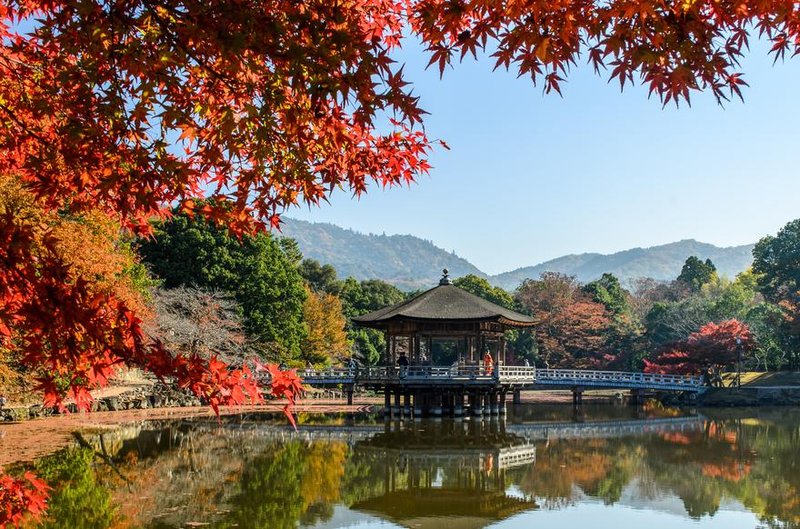
The best spot for fall colors is Mōtsū-ji Garden, especially in late October to early November. Crimson maples, golden ginkgos, and evergreen pines create a breathtaking landscape reflected perfectly in the pond. Chūson-ji’s approach path is lined with centuries-old maple trees, offering a dramatic climb with panoramic views. Jōgyō-in’s lantern-lit corridor becomes a magical red tunnel at dusk. Visit early morning or evening to avoid crowds and fully absorb the ethereal beauty of Hiraizumi’s autumn season.
Try Hiraizumi soba made with mountain spring water, Iwate beef sushi, and dandelion tempura—a regional specialty. At tea houses near Chūson-ji, sample shōjin ryōri (vegetarian temple cuisine), including tofu rolls, kuzu jelly, and pickled greens. During festivals, enjoy Goshin-meshi (prayer rice balls) and local sake brewed from mountain barley. These dishes reflect Hiraizumi’s Buddhist roots and rural simplicity, offering a taste of northeastern Japan’s soulful flavors.
Take the Shinkansen from Tokyo to Morioka Station (about 3 hours), then transfer to the Iwate Bus to Hiraizumi (approx. 40 minutes). Some hotels offer free airport shuttles. Alternatively, rent a car for flexibility. The Iwate Prefecture Tourist Pass grants unlimited bus rides within the region, saving time and money. Despite its rural setting, Hiraizumi has reliable public transport links, making it accessible for both solo travelers and groups.
Experience the night illumination at Chūson-ji, where the Golden Hall glows under soft lights, creating a dreamlike atmosphere. Mōtsū-ji Garden hosts night walks with lanterns, accompanied by chanting and ambient sounds, evoking a Pure Land vision. The historic town street lights up with warm glow, featuring evening food stalls selling grilled skewers and sweet snacks. During Obon Festival, join the fire dance and floating lantern ceremony—a moving tribute to ancestors. These experiences bring Hiraizumi’s spiritual heritage to life after dark.
Hiraizumi Overview
City Summary
Hiraizumi in Iwate Prefecture is a UNESCO World Heritage Site that flourished as the political center of the Oshu Fujiwara clan in the 12th century. Known for its Pure Land Gardens and the golden Chuson-ji Konjikido, the town preserves Heian-period Buddhist artistry at its peak, offering a unique glimpse into Japan's medieval spiritual aesthetics.
Must-See Attractions
Top attractions cluster in the heritage zone: Chuson-ji Temple's gold-leafed Konjikido mausoleum, Motsu-ji Temple's meticulously reconstructed Pure Land garden, and the ruins of Kanjizaiō-in showcasing perfect harmony between architecture and nature. Don't miss multimedia exhibits at Hiraizumi Cultural Heritage Center, and stroll along Kitakami River at dusk for magical views.
Food Guide
Local specialties include buckwheat noodles (try "Wanko Soba" eating challenge) and Iwate beef. Street vendors sell sweet/savory mochi dumplings, while summer cold noodles with mountain vegetables are refreshing. Look for sake brewed with pure groundwater from the Satetsu River.
Transportation Guide
From Tokyo, take Tohoku Shinkansen to Ichinoseki Station (2.5hrs), then transfer to JR Tohoku Line for 10mins to Hiraizumi. The town's "Runrun" loop bus (10 trips/day, ¥150/ride) connects key sites - opt for a day pass (¥500) or rent bicycles (¥1000/day). Taxis charge ¥650起步价, with most sights within 5mins' drive. Walking suffices for the compact historic district.
Best Time to Visit
Prime seasons are May-Jun for wisteria/blooms and Sep-Nov for autumn foliage. Avoid July-Aug rains and Jan-Feb deep snow. Weekdays see fewer domestic tour groups.
Travel Tips
- Remove shoes before entering temple buildings
- Photography prohibited in Konjikido (other areas allow without flash)
- Check bus schedules carefully due to limited frequency
- Most eateries accept cash only - ATM at 7-11 near station
- Rural roads lack nighttime lighting; return before dark
- Cover your bowl to signal "full" during Wanko Soba
- Winter snow may disrupt transport - monitor weather alerts
Useful Information
Language: Major signs have English, but download a translation app for complex queries. Network: Free Wi-Fi at stations/key facilities; prepaid SIMs (SoftBank/DOCOMO) recommended. Currency: Credit cards accepted only at Chuson-ji shop; carry sufficient yen. Medical: Hiraizumi Clinic (9am-5pm) for minor issues; serious cases go to Ichinoseki General Hospital (15min drive). Etiquette: Purify hands/mouth at "temizuya" shrines (left→right→mouth→dipper handle). Voltage: 100V (Type A plugs as in USA) - no adapter needed for most devices.