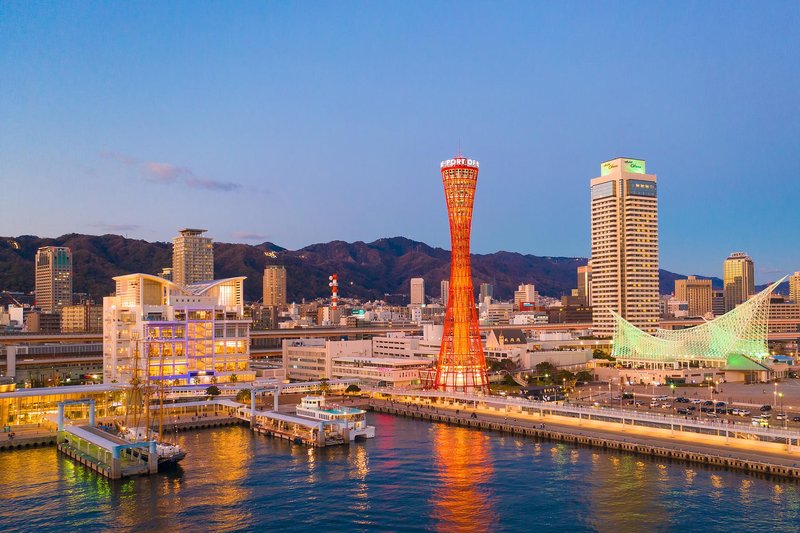
Hotels in Hirakawa
Discover your perfect stay in Hirakawa.
Hirakawa(Japan) Travel 2026: Cheap Flights, Hotels & Top Attractions
Popular Landmarks in Hirakawa
Discover the most iconic attractions in Hirakawa
Recommended Hotels in Hirakawa
Find the perfect place to stay in Hirakawa
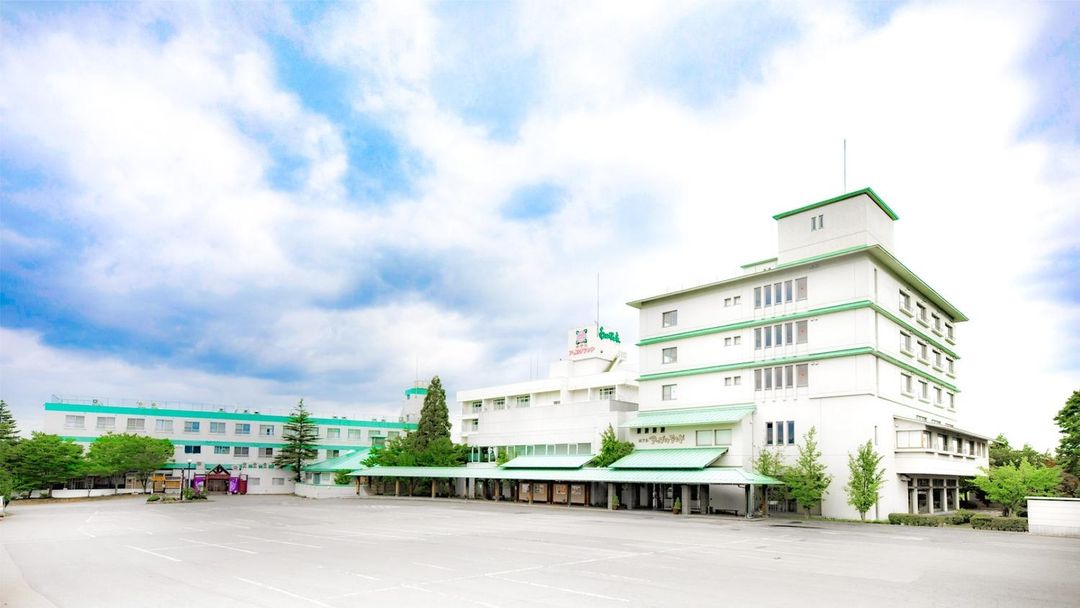
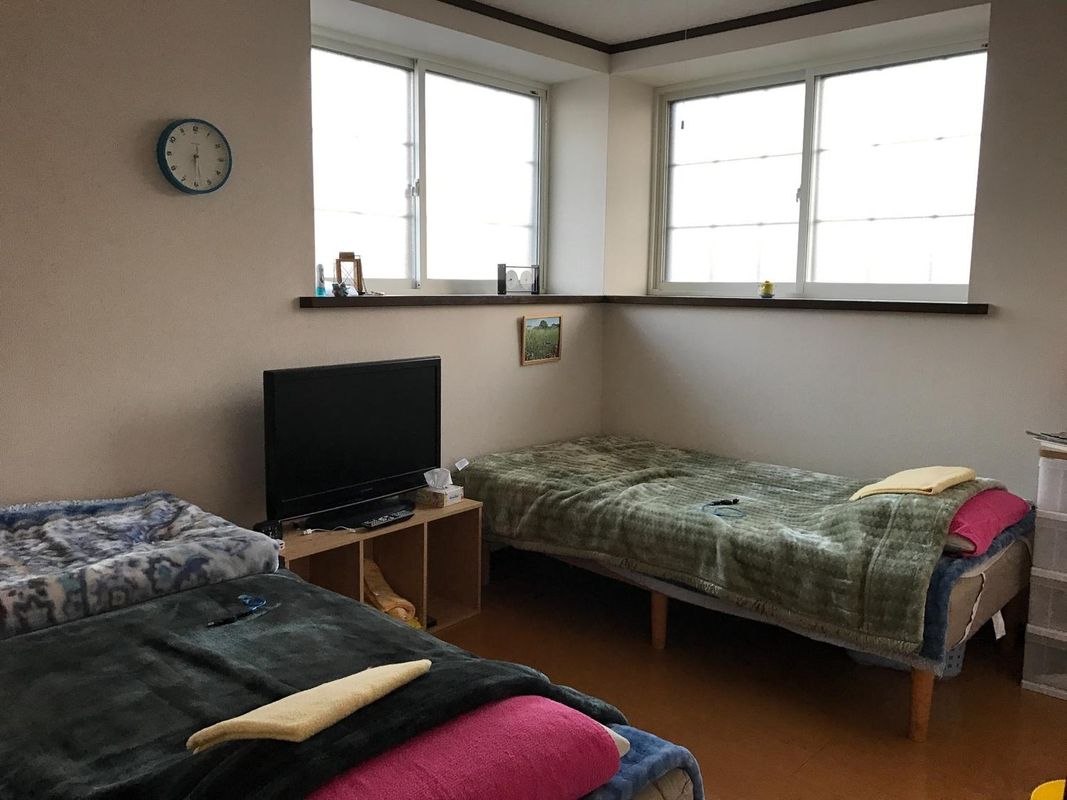
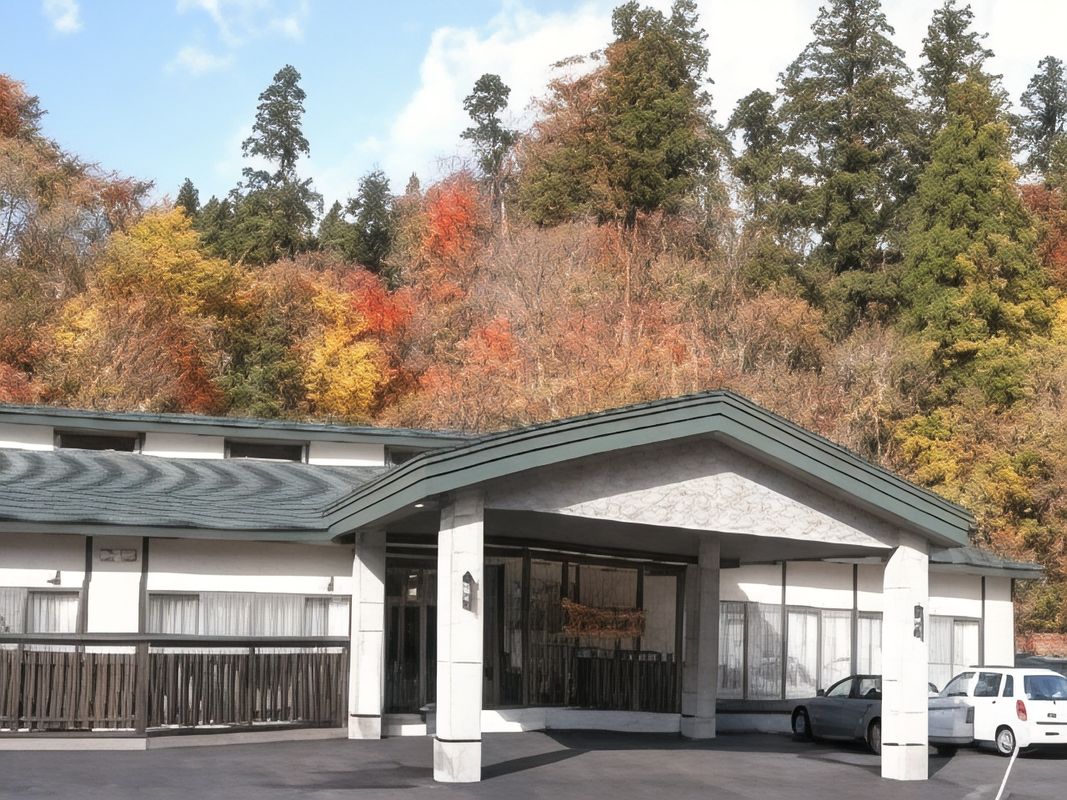
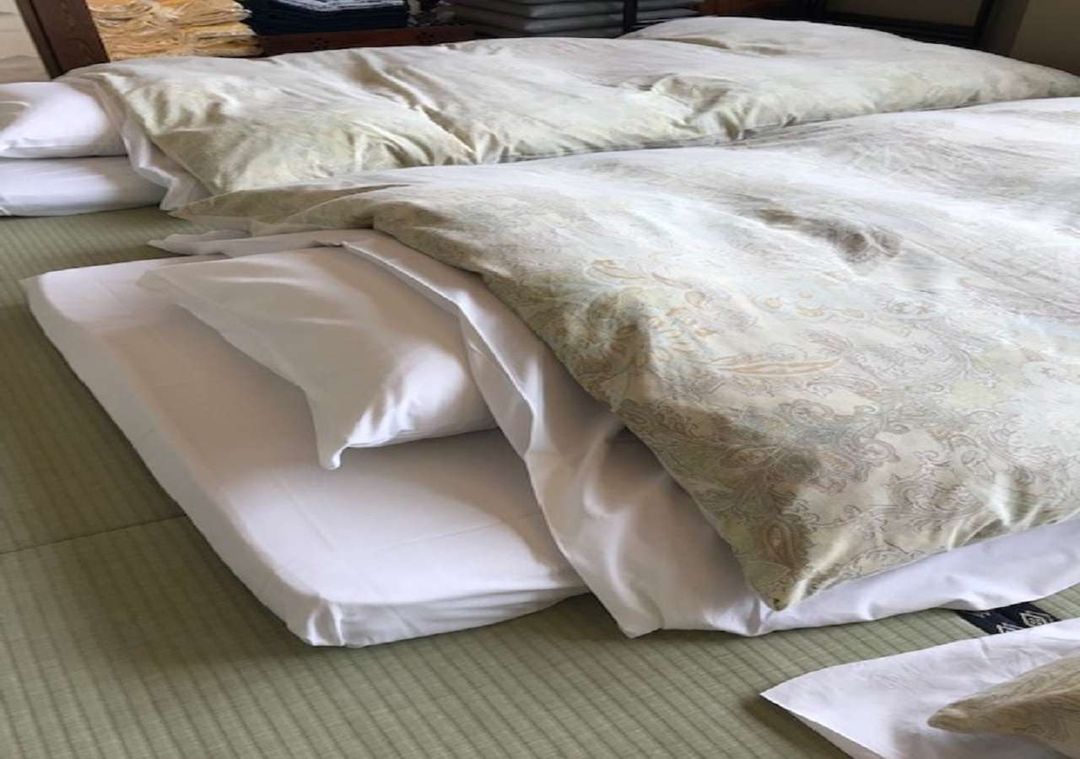
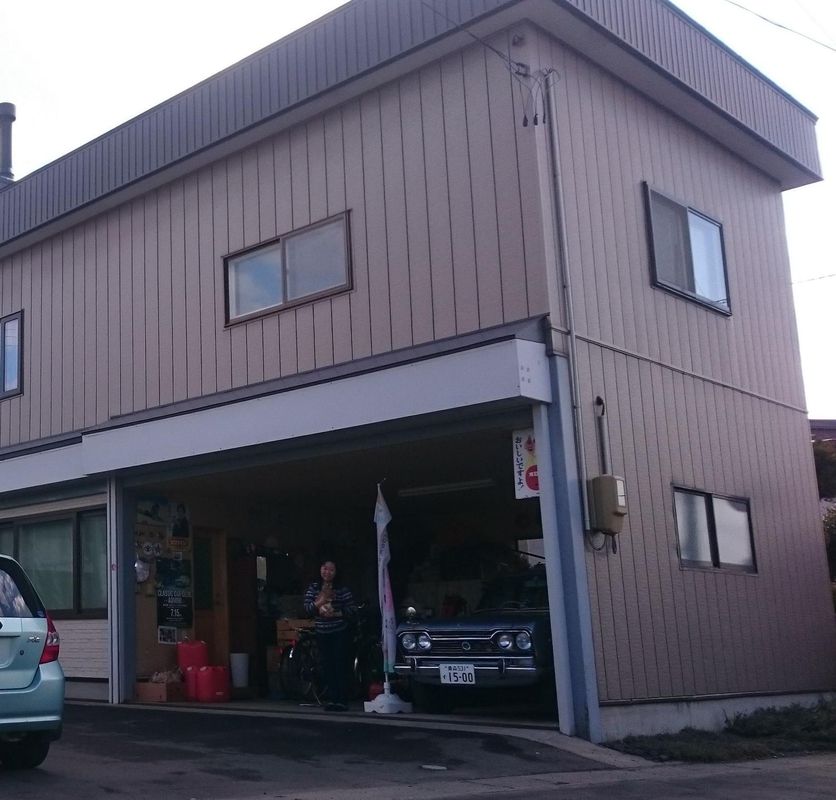
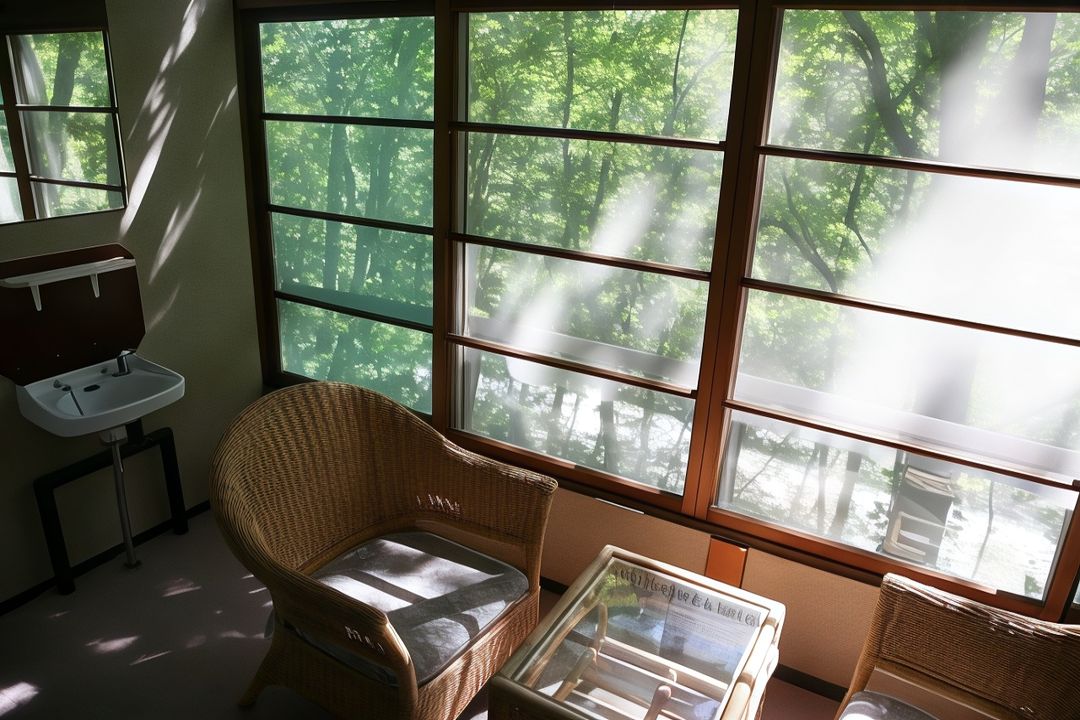
Best Hotels in Hirakawa
Discover curated hotel collections in Hirakawa

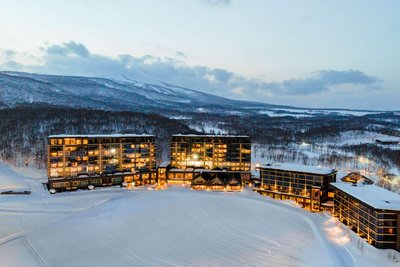
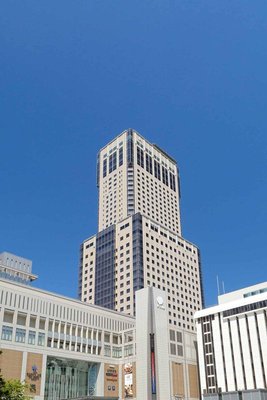
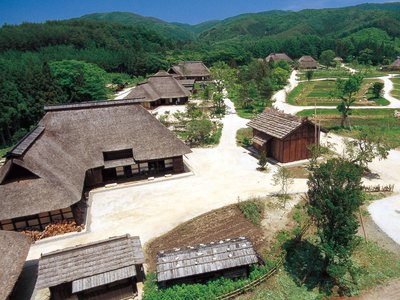
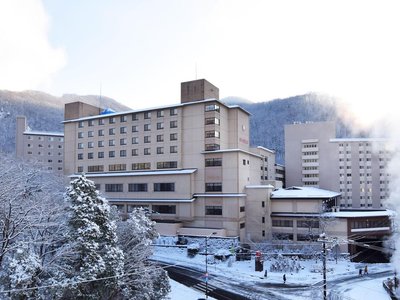











Frequently Asked Questions about Traveling to Hirakawa
Questions You Might Need to Know About Traveling to Hirakawa
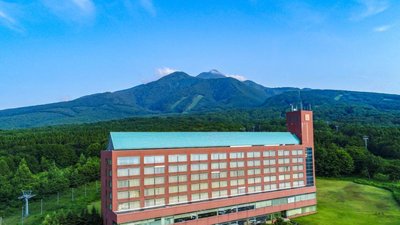
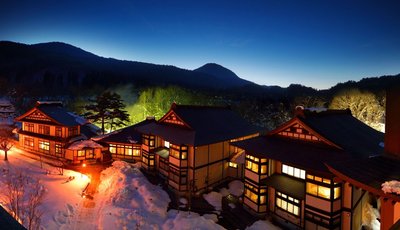
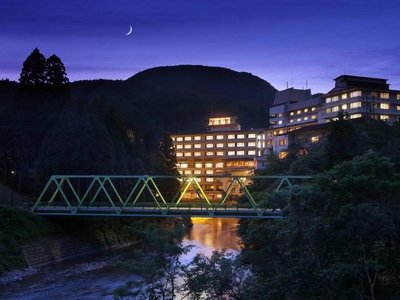
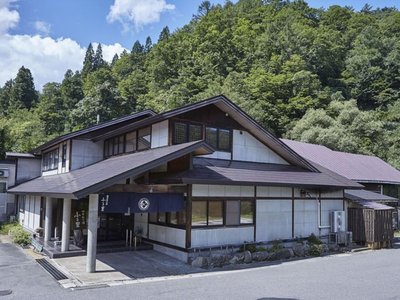
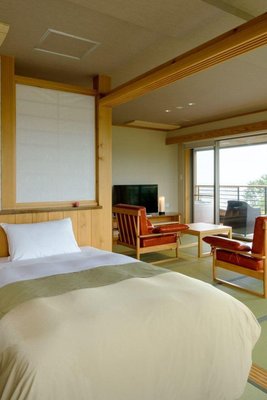
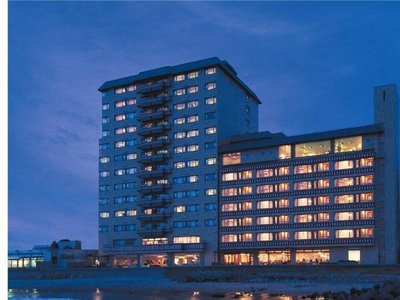
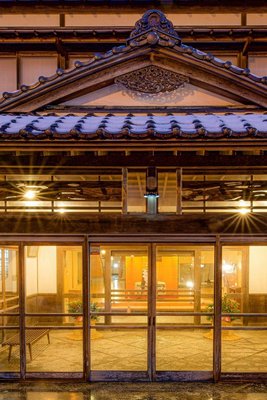
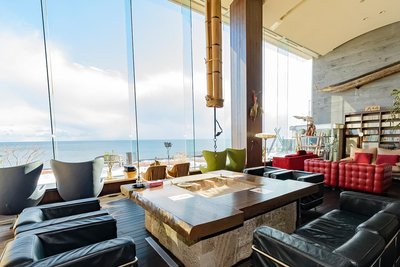
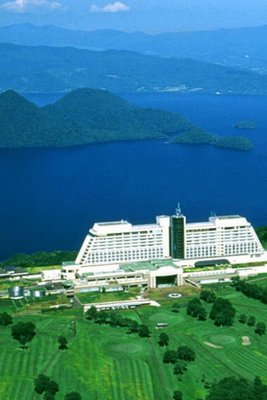
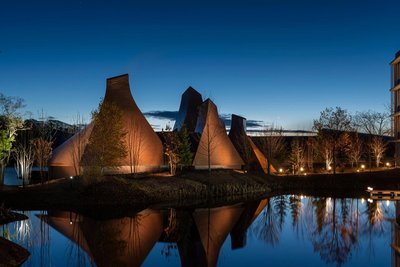
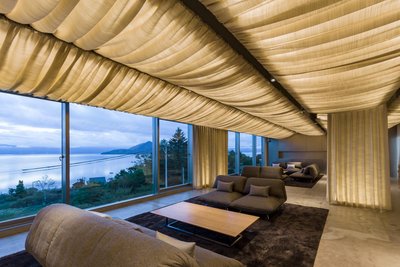
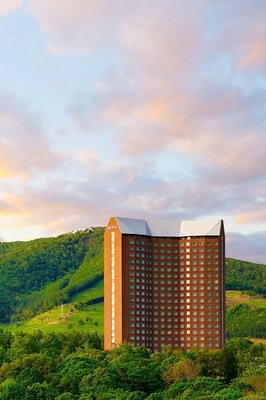
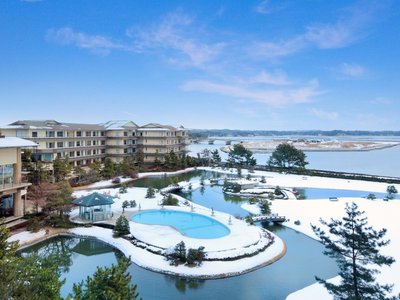
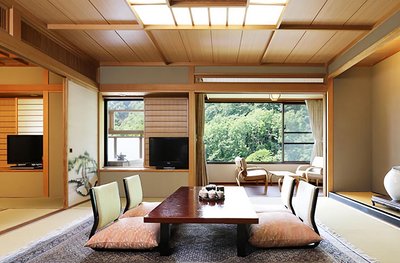
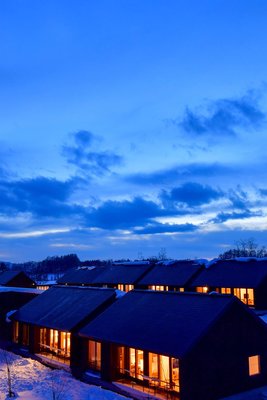
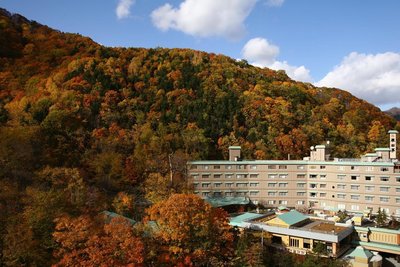
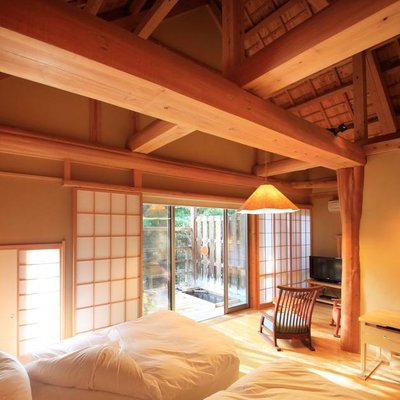
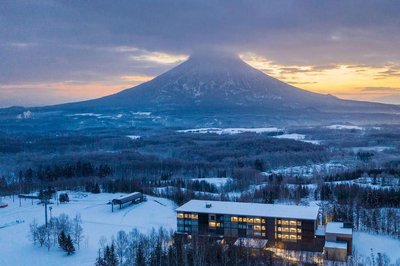
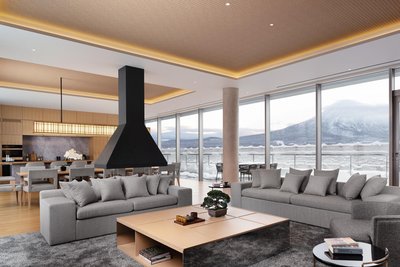
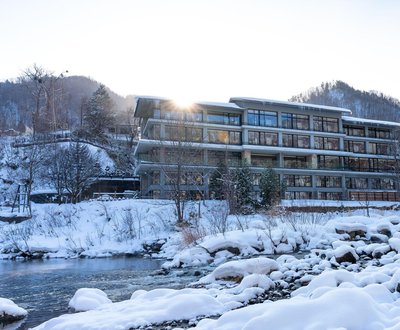
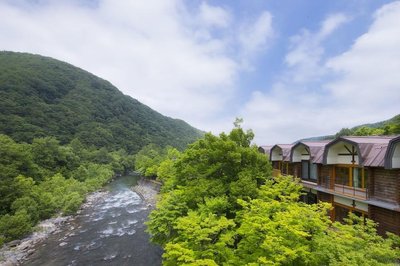
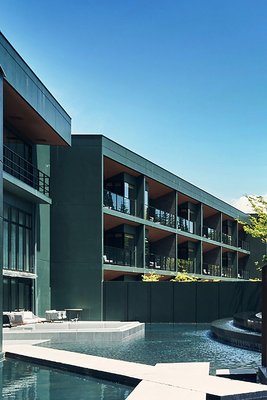
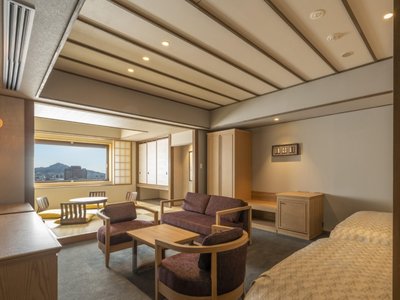
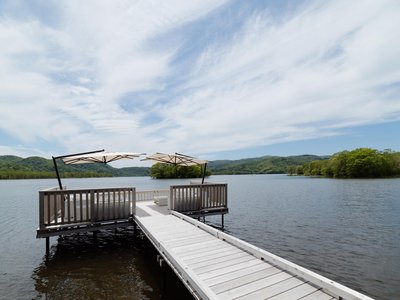
In Hirakawa City, the top choice for lake views is Hirakawa Onsen Ryokan, located just steps from Lake O-numa. This traditional Japanese inn offers private onsen baths and large windows framing panoramic views of the serene lake, especially magical at sunrise when mist curls over the water. Another excellent option is Hyatt Regency Aomori Hirakawa, which features modern rooms with floor-to-ceiling glass overlooking the surrounding countryside and seasonal gardens. Both properties provide access to local culture, including Tsugaru folk performances and kaiseki dining, making them ideal for travelers seeking tranquility and authenticity near nature.
For first-time visitors, the central business district and O-numa Park vicinity are the best areas to stay. The central district offers easy access to Hirakawa Station, shopping centers, and restaurants, while the park area provides peaceful surroundings near Lake O-numa and the historic Tsugaru Railway line. Staying near the park allows guests to enjoy morning walks along the lakeside path, visit the Hirakawa Municipal Museum, and experience authentic Tsugaru hospitality. Many ryokans and boutique hotels here blend modern comfort with traditional design, offering an ideal balance between convenience and immersion in local culture.
In Hirakawa City, immerse yourself in Tsugaru shamisen workshops, where you can learn to play this iconic regional instrument. Visit the Hirakawa City Museum to explore ancient fishing villages and the legacy of the Tsugaru Domain. Don’t miss the annual O-numa Festival, featuring traditional dance, craft markets, and local cuisine. You can also join hands-on sessions at local pottery studios, creating your own Tsugaru-style ceramics. These experiences offer deep insight into the region’s heritage, blending music, art, and history in a welcoming, interactive way.
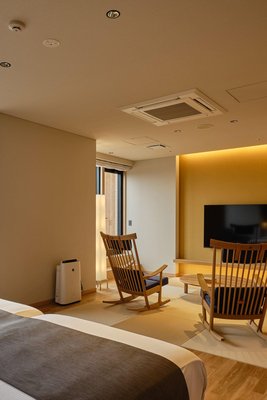
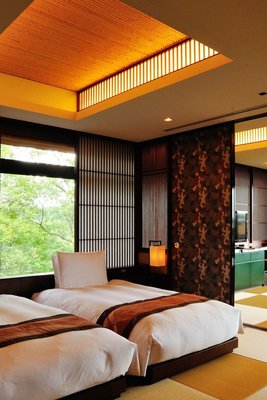
Yes, Hyatt Regency Aomori Hirakawa is a top family-friendly hotel, featuring a kids’ playroom, spacious family suites, and organized activities like paper lantern making and wood carving workshops. Another great option is Hirakawa Family Onsen Inn, offering multi-guest tatami rooms with private onsen baths and wheelchair-accessible facilities. The inn also hosts seasonal events such as family cooking classes using local ingredients. With proximity to O-numa Park and children’s playgrounds, these hotels ensure a safe, engaging experience for all ages, combining comfort with cultural learning.
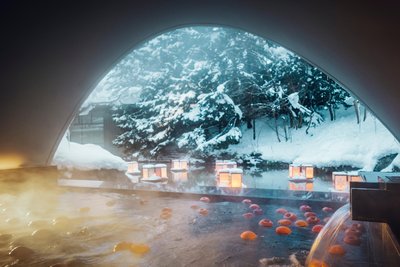
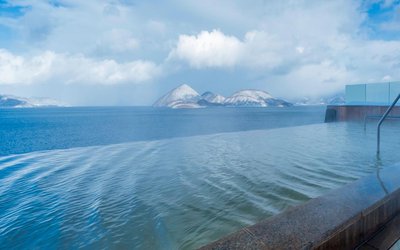
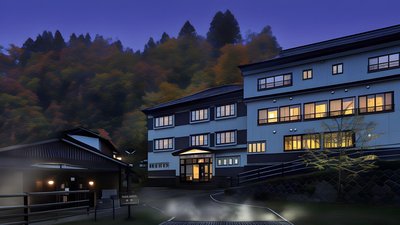
Hirakawa City boasts rich natural hot spring resources, particularly around O-numa Onsen, known for its bicarbonate-sodium mineral water that soothes muscles and improves skin health. Many ryokans offer outdoor onsen baths with views of the lake and mountains—perfect for evening relaxation under the stars. Hirakawa Onsen Ryokan features night-time bathing sessions with ambient lighting and tranquil soundscapes. Some spas even incorporate herbal therapy and aromatherapy, enhancing the healing experience. Whether you seek rejuvenation or romance, the city’s thermal waters deliver a deeply restorative journey.
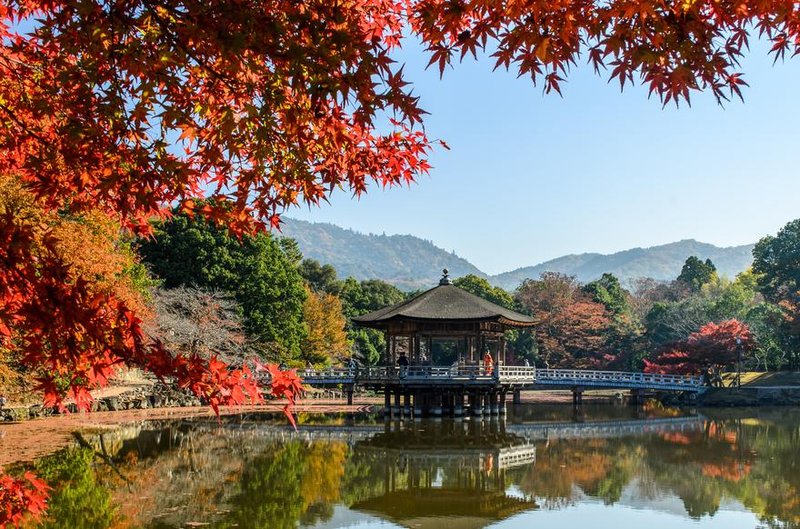
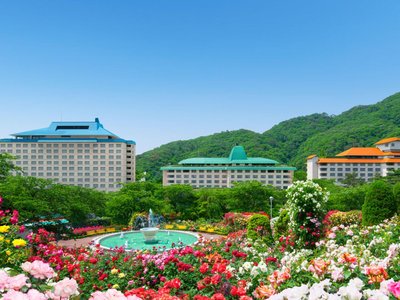
The most photogenic spots include the seasonal flower paths at O-numa Park, where cherry blossoms in spring and fiery maple trees in autumn create stunning backdrops. The historic platform at Hirakawa Station along the Tsugaru Railway line offers vintage charm, often used in films. The glass atrium garden at Hyatt Regency Aomori Hirakawa blends modern architecture with traditional Japanese landscaping, ideal for artistic shots. At dusk, the reflection of lights on Lake O-numa creates dreamy visuals—perfect for long-exposure photography. These locations capture the soul of Hirakawa’s quiet beauty.
Must-try dishes in Hirakawa City include Tsugaru soba, a hearty buckwheat noodle dish with a clear, savory broth. Enjoy fresh Lake O-numa fish—such as salmon and trout—prepared as grilled, sashimi, or in hot pots. Visit Hirakawa Market for live seafood stalls serving fresh oyster sushi and uni rice balls. Don’t miss Tsugaru mochi, a sweet rice cake often filled with red bean paste, perfect as a souvenir. Some hotels offer private kaiseki dinners featuring seasonal ingredients and local recipes, delivering a full sensory journey through regional flavors.
Yes, Hirakawa City has reliable public transport via the Tsugaru Railway, connecting to Aomori and Hirosaki with frequent daily services. The city bus network covers major attractions like O-numa Park and the Municipal Museum. For tourists, the Aomori Prefecture Travel Pass offers discounted rides across regional lines. Many hotels provide free shuttle services from Hirakawa Station, ensuring seamless travel. While rural routes may be less frequent, overall connectivity is strong, especially during peak seasons. Using digital apps like Google Maps or Japan Transit Planner helps navigate efficiently.
Hirakawa City appeals to travelers seeking nature retreats, cultural depth, and slow-paced exploration. It’s ideal for those who love onsen wellness, traditional arts like Tsugaru shamisen, and family-oriented activities. Nature lovers will appreciate the scenic Lake O-numa and forest trails, while photographers and rail enthusiasts find inspiration in the vintage railway stations and seasonal landscapes. The low population density and clean air make it perfect for digital nomads and wellness seekers wanting to disconnect and reconnect with nature.
The best times to visit Hirakawa City are spring (March–May) and autumn (September–November). Spring brings blooming cherry blossoms and azaleas at O-numa Park, while autumn features vibrant foliage reflecting on the lake’s surface. Weather is mild, perfect for hiking and cycling. Summer can be humid with occasional rain, though festivals like the O-numa Festival add charm. Winter offers snow-covered landscapes and cozy onsen experiences, but some roads may be icy. Avoid July–August for peak heat and humidity. Plan ahead to enjoy the city’s natural beauty at its most picturesque.
Hirakawa Overview
City Summary
Hirosaki City, located in southwestern Aomori Prefecture, Japan, boasts stunning natural landscapes and deep-rooted traditions. Renowned for its idyllic rural scenery, hot springs, and apple orchards, it offers an authentic experience of Japan's countryside serenity and agricultural heritage. The stark contrast between snowy winters and vibrant summer fields showcases its distinct seasonal beauty.
Must-See Attractions
Must-visit spots include Hirosaki Park, famous for cherry blossoms in spring and autumn (30-min walk from JR Hirosaki Station). Don’t miss apple-picking at local farms or crafting Tsugaru glassware at workshops. Historic Hirosaki Castle and Neputa Mura Museum highlight regional culture, while onsens like Kuroishi Onsen provide relaxation.
Food Guide
Aomori apples are a national treasure – try fresh picks or apple desserts. Local specialties include "Jappa-jiru" (miso stew with fish) and "Tsugaru soba" noodles. Farmers’ markets sell fresh produce and preserves. In winter, warm up with "kiritanpo" hot pot, a regional comfort food.
Transportation Guide
Buses and taxis are primary options; some hotels offer shuttles. From Aomori Station, take JR Ou Line to Hirosaki Station (40 mins), then transfer to buses. Renting a car is convenient but requires snow tires in winter. Check bus schedules in advance as services are limited between attractions.
Best Time to Visit
Best visited May-October for mild weather and festivals. September-November offers apple harvest and autumn foliage. Winter (December-February) suits onsen lovers but pack heavy保暖 gear. Avoid Golden Week (early May) for fewer crowds.
Travel Tips
- Onsen etiquette: Wash thoroughly before entering, no swimsuits allowed
- Confirm snow tires if driving in winter
- Carry cash as many small shops don’t accept cards
- Keep noise levels low in public areas
- Follow strict trash sorting rules (bins are scarce)
- Book farm visits in peak seasons
Useful Information
Japanese is primary; major attractions have English signs. Limited public WiFi – rent a pocket WiFi or get a local SIM. Cash dominates payments, though credit cards work at hotels. Dial 119 for emergencies; Hirosaki City Hospital has 24/7 ER. Multilingual guides are available at Aomori Tourist Info Center (JR Aomori Station). Some ryokans offer English-speaking staff.