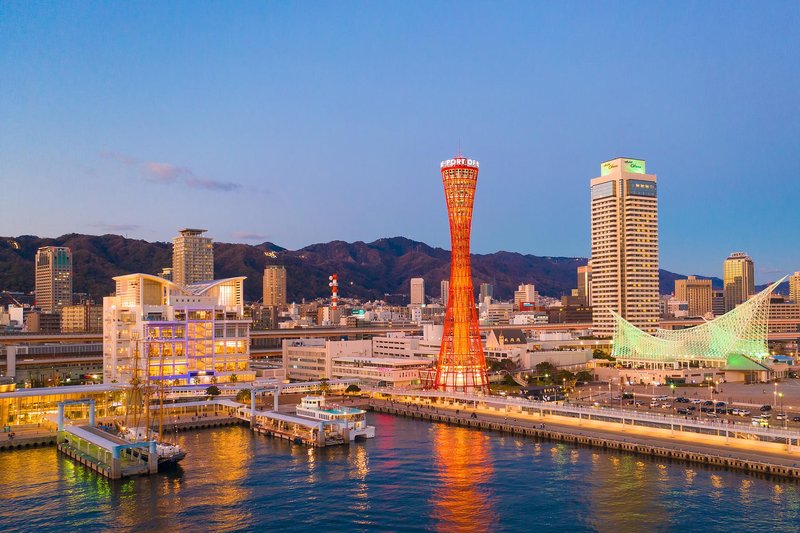
Hotels in Hirao
Discover your perfect stay in Hirao.
Hirao(Japan) Travel 2026: Cheap Flights, Hotels & Top Attractions
Popular Landmarks in Hirao
Discover the most iconic attractions in Hirao
Best Hotels in Hirao
Discover curated hotel collections in Hirao
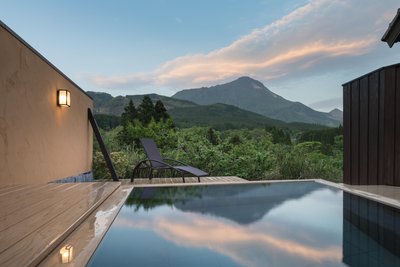
Ikkoten
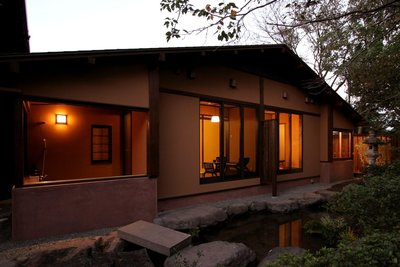
SEKIYA RESORT Bettei Haruki
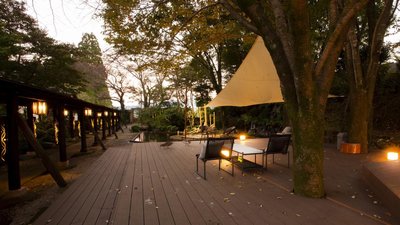
Chikurakutei
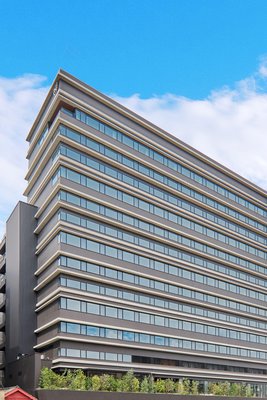
The Royal Park Canvas Fukuoka Nakasu
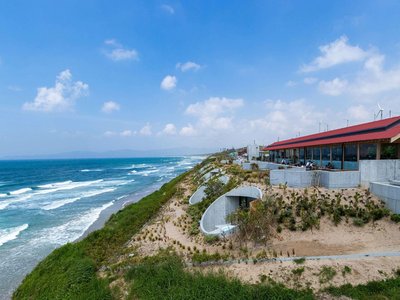
Izumo Hotel the Cliff
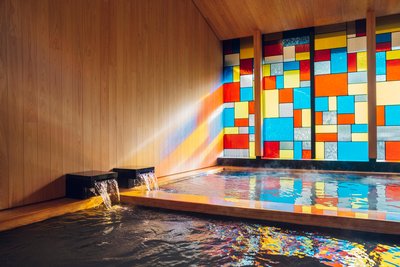
Hoshino Resorts Kai Unzen
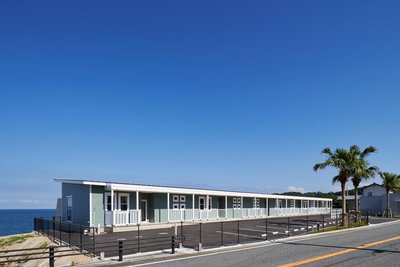
Alfacio Resort Stay Itoshima
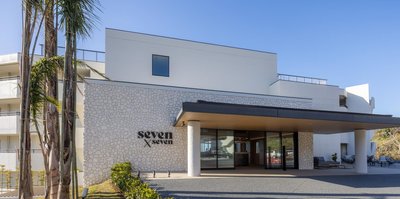
seven x seven itoshima
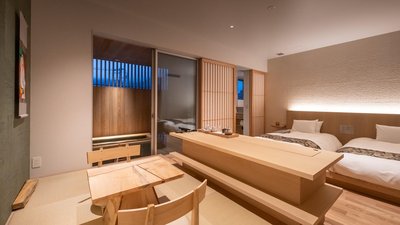
Japanese Auberge Kararako
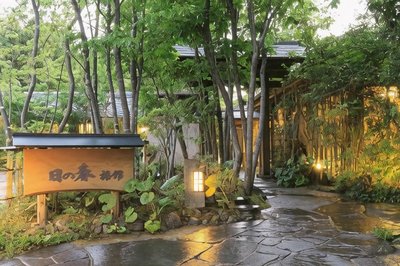
Yufuin Onsen Hinoharu Ryokan
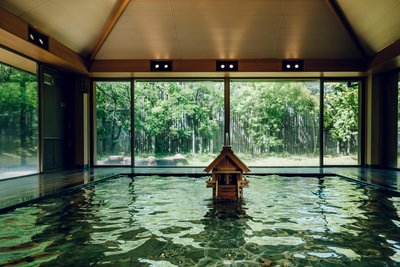
Hoshino Resorts KAI Tamatsukuri
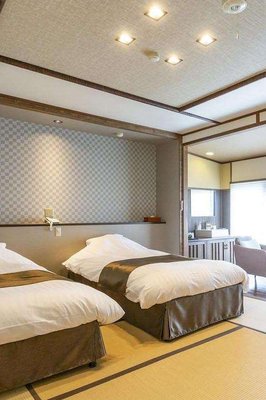
Sozankyo
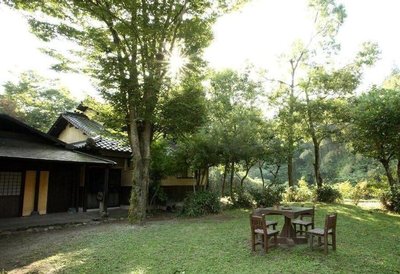
Yamashinobu
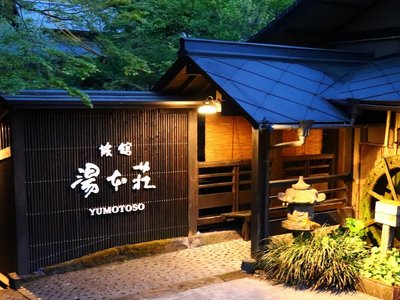
Ryokan Yumotosou
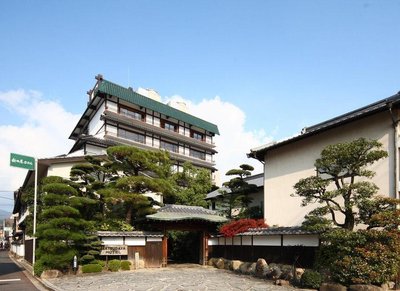
Matsudaya Hotel
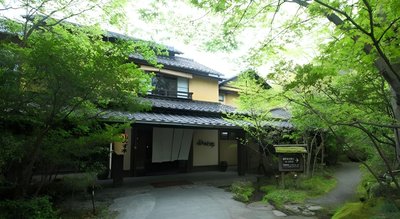
Kurokawaonsen Yamamizuki
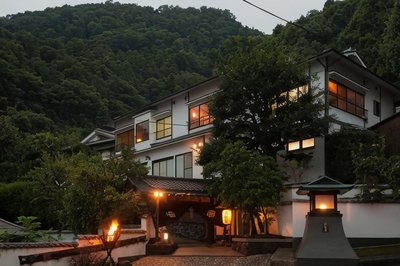
Beppu Showaen
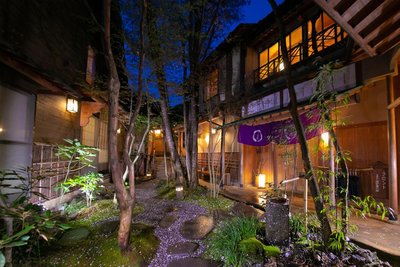
Oyado Ichizen
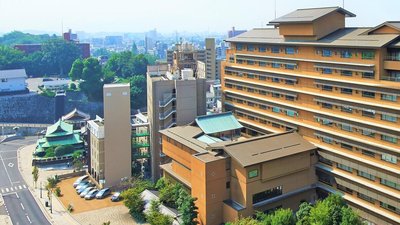
Yamatoya Honten
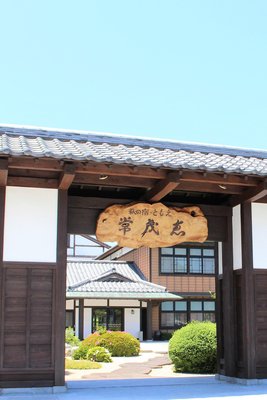
Hagi No Yado Tomoe
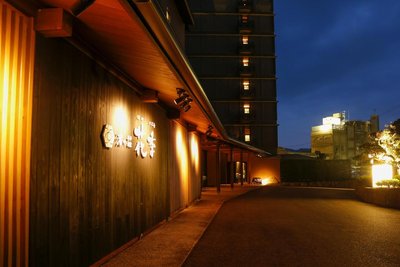
Hanagoyomi
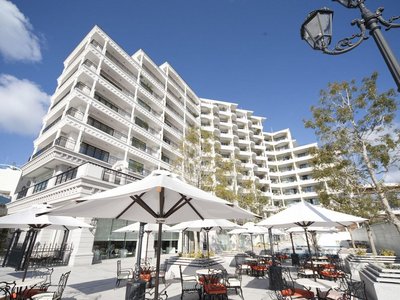
Hotel La Suite Kobe Harborland

AoAwo Naruto Resort
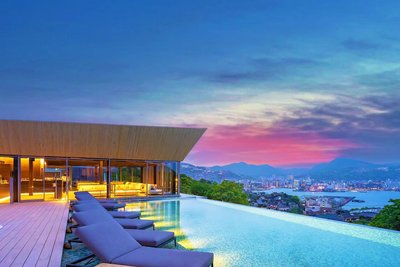
Garden Terrace Nagasaki Hotel & Resort
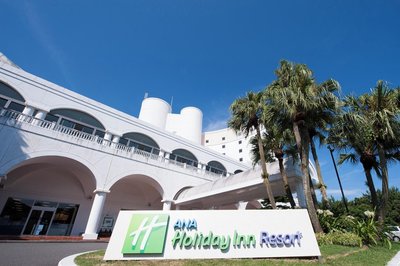
Holiday Inn Resort Miyazaki
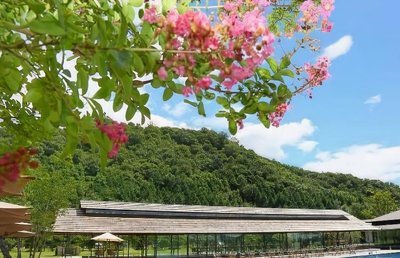
Bella Vista Spa and Marina Onomichi
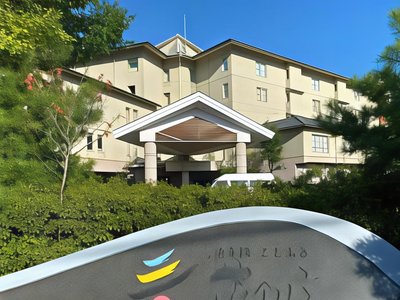
Yufuin Kotobuki Hananosho
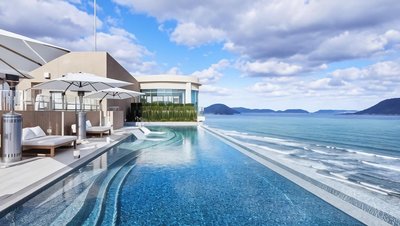
Karatsu Seaside Hotel
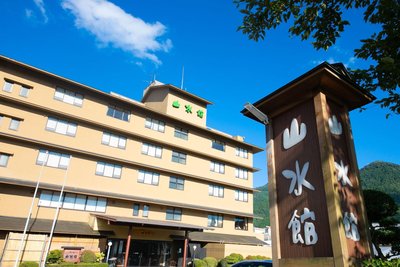
Yufuin Sansuikan
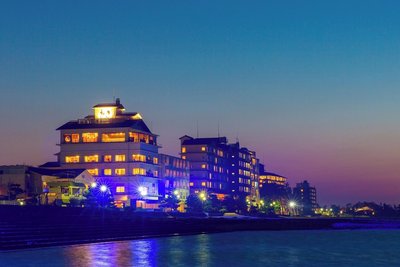
Kaike Shogetsu
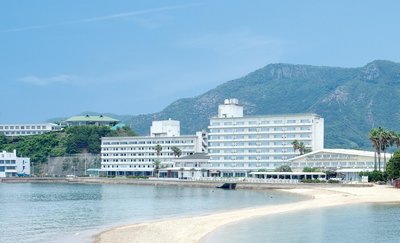
Shodoshima International Hotel
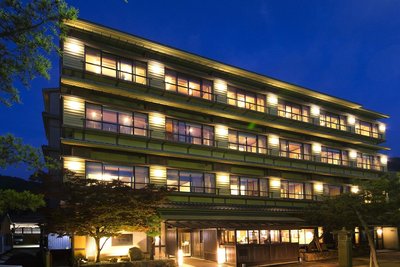
Kinsuikan
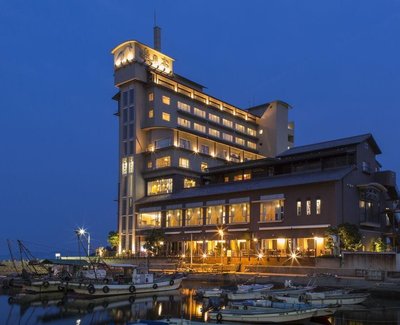
Hotel Ofutei
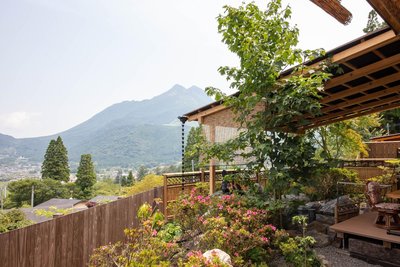
Yufuin-Sanso Waremokou
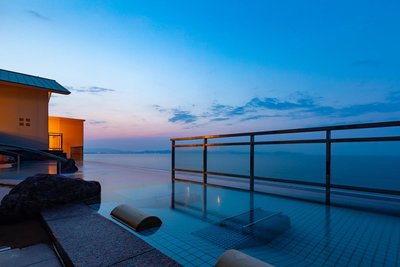
Kaike Yugetsu
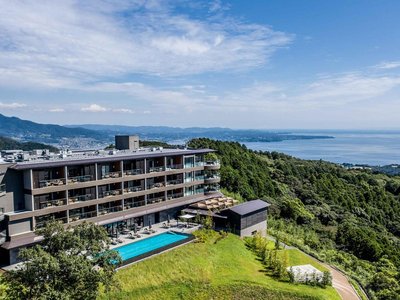
Ana InterContinental Beppu Resort & Spa
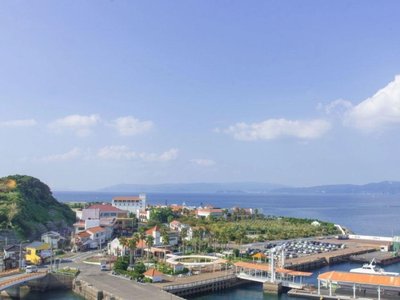
I+Land Nagasaki
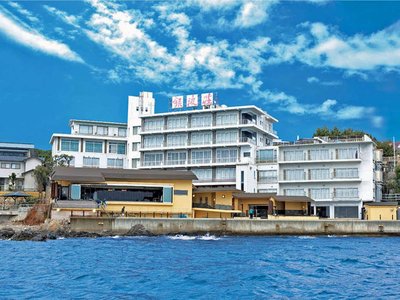
Ginpaso
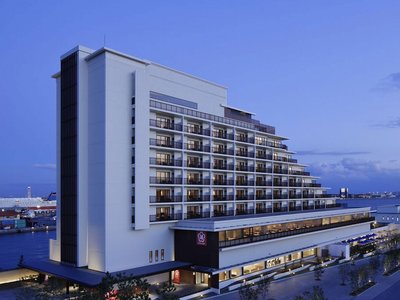
Kobe Minato Onsen Ren
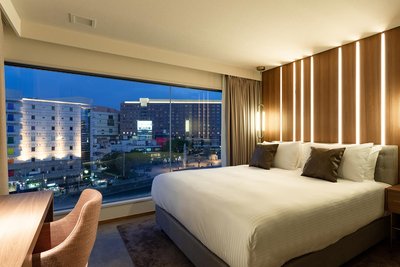
The OneFive Villa Fukuoka
Hoshino Resorts KAI Tamatsukuri
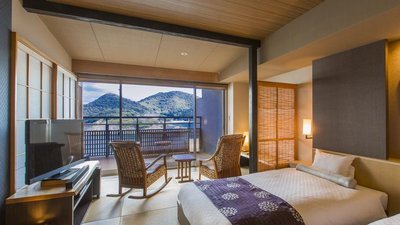
Migiwatei Ochi Kochi
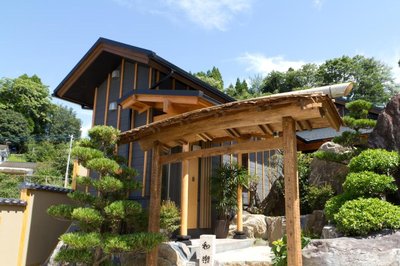
Ryokan Shinsen
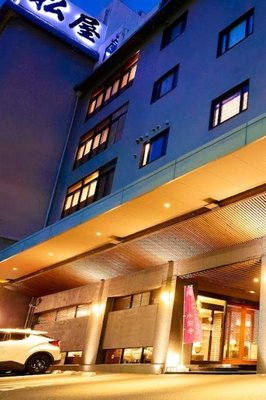
Ryotei Matsuya Honkan Suizenji
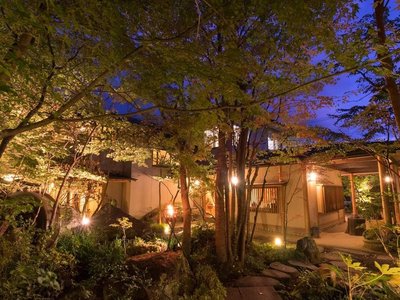
Ryoso Yufuin Yamadaya
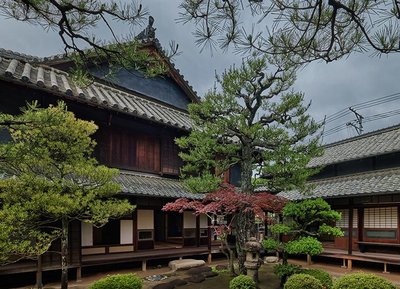
NIPPONIA HOTEL Takehara Saltworks Town
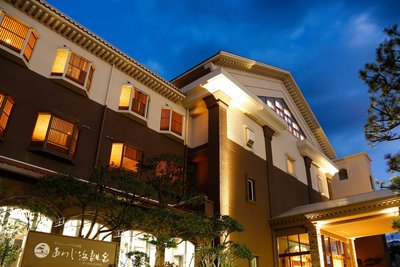
Awaji Hamarikyu
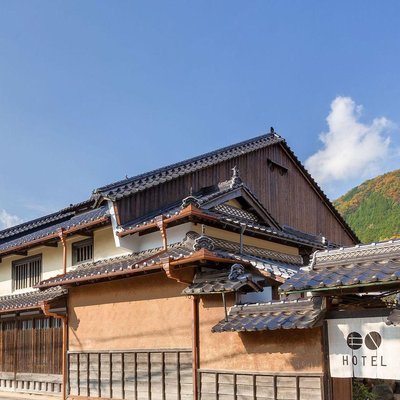
EN Takeda Castle Town Hotel
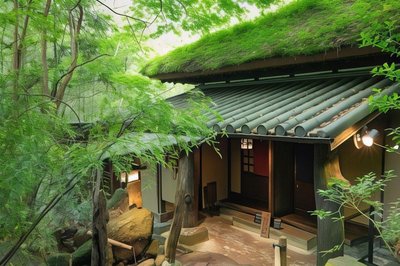
Sanso Tensui
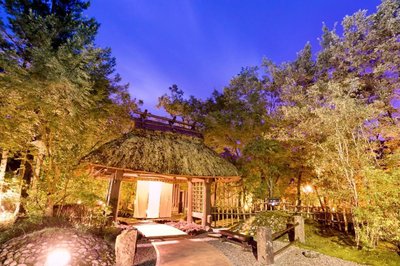
Satonoyu Waraku
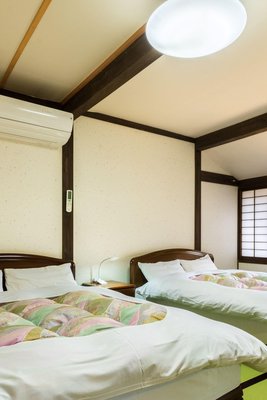
Tobise Onsen Tenga Sanso
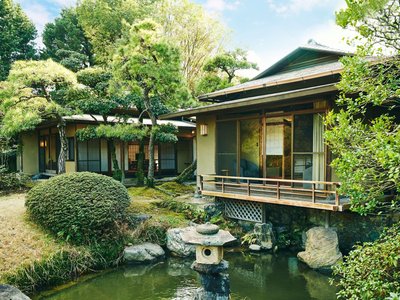
Suisui Garden Ryokan (in the Art Hotel Kokura New Tagawa)
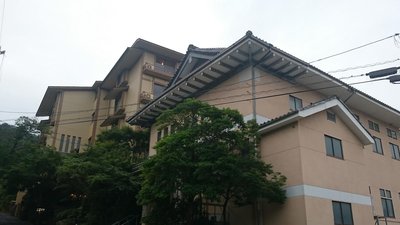
Miyajima Hotel Makoto
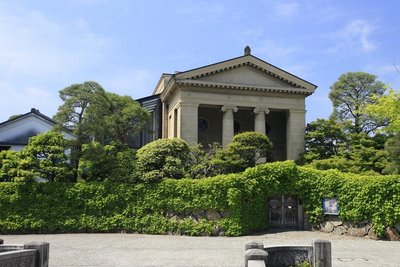
Ryori Ryokan Tsurugata
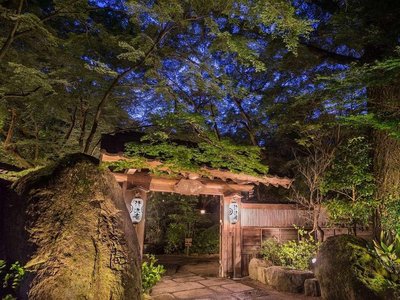
Akizuki Spa Ryokan Seiryuan
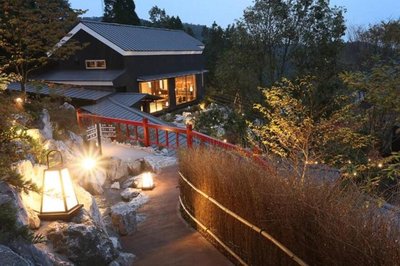
Gekkoju Kurokawa
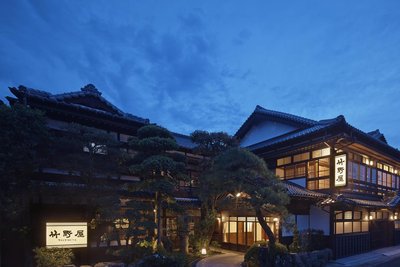
Takenoya
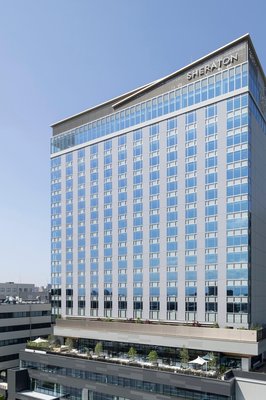
Sheraton Kagoshima
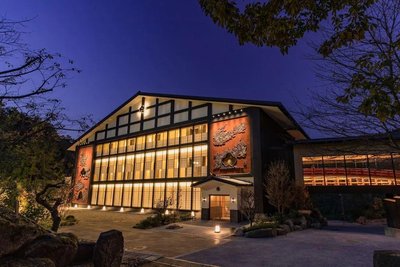
Okuhita Onsen Umehibiki
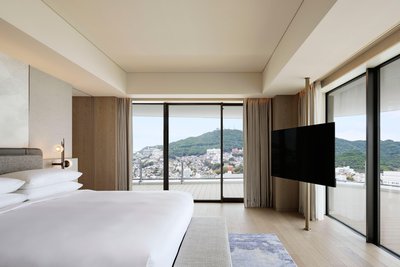
Nagasaki Marriott Hotel
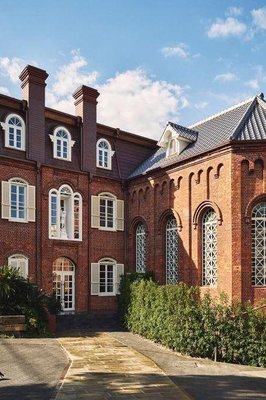
Hotel Indigo Nagasaki Glover Street by IHG
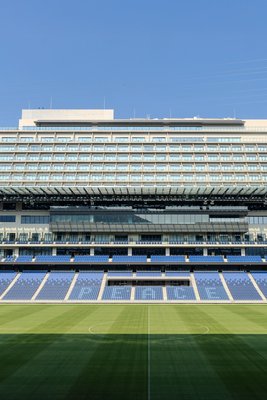
Stadium City Hotel Nagasaki
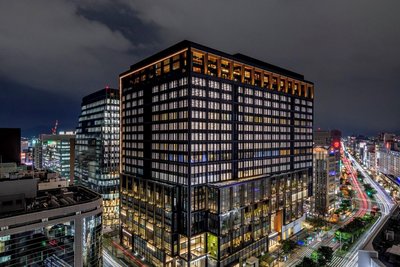
ONE FUKUOKA HOTEL
Hotel La Suite Kobe Harborland
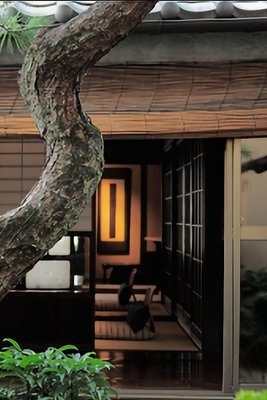
Shimayado Mari
AoAwo Naruto Resort
Ryokan Shinsen
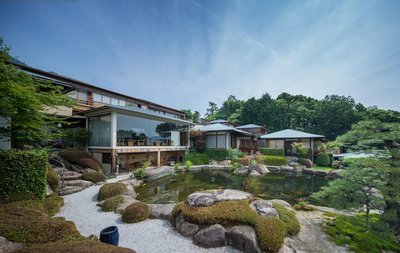
SEKITEI

Yamatoya Besso
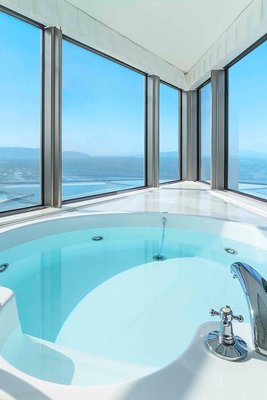
Hilton Fukuoka Sea Hawk

Olive Bay Hotel
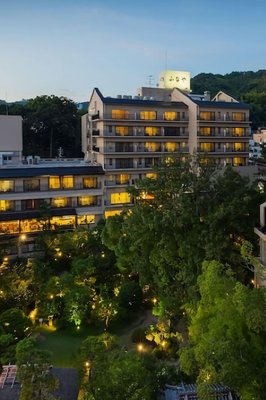
Funaya
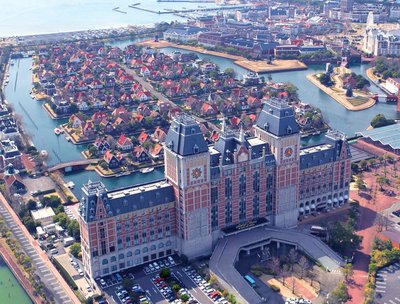
Hotel Okura Jr Huis Ten Bosch
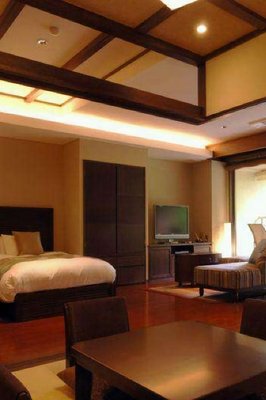
Bettei Oborozukiyo
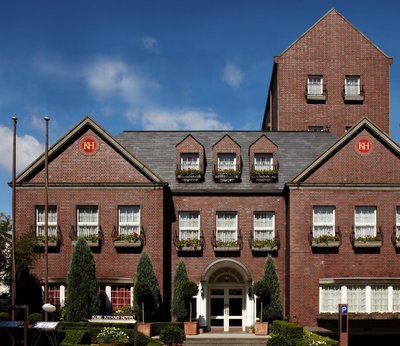
Kobe Kitano Hotel
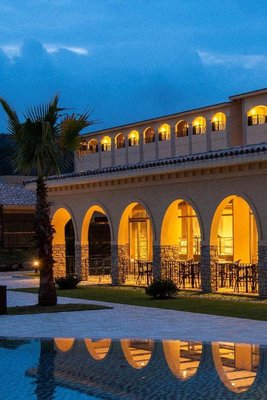
La Vista Kirishima Hills
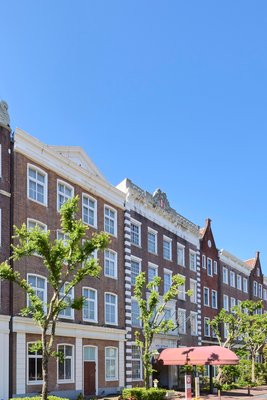
Hotel Amsterdam Huis Ten Bosch
Frequently Asked Questions about Traveling to Hirao
Questions You Might Need to Know About Traveling to Hirao
In Hiraoka Town, the top family-friendly hotel is Umi Kaze Minshuku (Sea Breeze Cottage), nestled along the coast with direct views of Oshima Island. This cozy guesthouse offers Japanese-style tatami rooms with kitchenettes and outdoor decks perfect for kids to enjoy sea breezes. Families can participate in guided intertidal zone foraging tours, where children learn to collect clams and sea urchins before cooking them into fresh seafood bowls at the inn.
Another excellent choice is Yamaguchi Prefectural Nature Park Resort, a cluster of wooden villas with private hot springs and spacious gardens. Just a 5-minute walk from Hiraoka River Trail, it’s ideal for nature-loving families. Both accommodations emphasize local ingredients and eco-conscious practices, making them perfect for authentic, low-impact rural experiences in Yamaguchi Prefecture.
The prime area to stay in Hiraoka Town is the Hiraoka Port District, located right beside the Oshima Ferry Terminal. This coastal neighborhood offers tranquil harbor views, traditional fishing village charm, and easy access to key attractions like the Hiraoka Marine Park and tidal flat eco-tours.
Most lodgings here—such as Hiraoka Town Tourist Inn and small boutique inns—are within walking distance of the Hiraoka Community Center, which features public baths and exhibitions on local maritime history. At night, guests can join the Night Lantern Walk through the old fishing alley lit by centuries-old paper lanterns. With its mix of convenience and cultural authenticity, this area strikes the perfect balance for travelers seeking both comfort and connection to place.
Hiraoka Town offers unforgettable cultural experiences centered around its maritime heritage. The highlight is the Intertidal Foraging & Seafood Cooking Workshop, led by local fishermen who guide visitors through the Hiraoka River estuary during low tide to harvest oysters, sea urchins, and clams. Participants then prepare their catch into a signature seafood donburi bowl at Umi Kaze Minshuku, tasting the freshest flavors of the sea.
Another must-try is the Hiraoka Fishing Lantern Festival, held annually in summer. Thousands of paper lanterns are lit along the harbor at dusk, symbolizing gratitude to the ocean, accompanied by traditional taiko drumming and craft markets. Visitors can also try handloom weaving workshops, using ancient looms to create cotton handkerchiefs adorned with wave patterns—perfect souvenirs that carry the spirit of Hiraoka’s coastal identity.
For solo travelers seeking peace and solitude, Shizukanoyu Minshuku is an exceptional choice. This secluded wooden cabin nestled in the hills offers six private rooms, each with a private courtyard and open-air hot spring bath overlooking the Hiraoka River. The minimalist design, natural wood finishes, and ambient sounds of flowing water create a meditative atmosphere perfect for introspection.
Another unique option is the Oshima Ferry-side No-Cellphone Cabin Project, a government-supported micro-stay initiative offering off-grid cabins with no electricity or internet. Guests must bring their own supplies but are rewarded with uninterrupted star gazing and the sound of waves. Ideal for digital detox and deep connection with nature, this experience embodies the essence of Japanese rural serenity.
Photography enthusiasts will love Umi no Meguri View Minshuku, a glass-walled retreat perched above the harbor with panoramic views of Oshima Island and Hiraoka Port. Its rooftop platform features professional-grade tripods and lighting guides, perfect for capturing sunrise, harbor lights, and Milky Way shots.
Another standout is Old Post Office Art Hostel, a repurposed 1930s post office transformed into an art-driven lodging. The red-brick façade and vintage mailboxes are preserved, while interiors feature rotating exhibitions and themed rooms inspired by seasonal landscapes—"Spring Tides," "Autumn Mist," "Winter Snow." Each room includes projection art and dynamic lighting. The hostel hosts a monthly Residency Program for Photographers, attracting creatives from across Japan and abroad.
Oshima Onsen Villa stands out as Hiraoka Town’s premier hot spring resort, located just steps from the Oshima Ferry Terminal. Its natural sulfur-rich waters originate from deep underground, maintaining a steady 42°C temperature and known for skin-rejuvenating properties.
Another highlight is Hiraoka River Onsen Ryokan, a wooden ryokan blending traditional Japanese architecture with modern design. Its "Moonlight Bath" opens only at night, reflecting starlight and harbor lights in mirrored pools for a dreamlike ambiance. The inn also offers a hot spring + local cuisine package, featuring dishes made with freshly caught Hiraoka sea bream, grilled over charcoal and served with regional pickles—perfect for sensory immersion in Yamaguchi’s coastal bounty.
While remote, Hiraoka Town is accessible via scheduled buses from Yamaguchi Shinnan-Yō Station, departing every 30–60 minutes with a 40-minute ride. The route passes scenic farmland and coastline, offering great photo opportunities.
For added convenience, the Hiraoka Town Tourism Shuttle Service operates daily between major stations and key sites like the Oshima Ferry Terminal and Tidal Flat Guided Tours. Guests can reserve online in advance. Alternatively, rent electric bicycles along the Hiraoka River Greenway for eco-friendly exploration. Reservations are essential during peak seasons like cherry blossom time and the Fishing Lantern Festival.
Couples should book Umi no Yume Couple's Onsen Cottage, a secluded wooden villa built into the hillside with a private hot spring bath and floating deck overlooking the sea. At night, the deck glows softly under handmade lanterns, creating a magical setting for stargazing and intimate moments.
Another unforgettable option is Sunset Cabin at Oshima Ferry Pier, limited to one HopeGoo per night. Guests enjoy a private boat ride to Oshima’s western shore, where they savor a candlelit dinner of kombu stew with sea bream and local sake. Back on board, soothing koto music plays as the sky darkens. This highly curated experience emphasizes privacy, beauty, and emotional connection—ideal for celebrating love in a serene coastal haven.
Visitors to Hiraoka Town must try Hiraoka Sea Bream Donburi, a regional specialty made with fresh fish caught that morning and cooked with local rice in a cast-iron pot. Served at Umi Kaze Minshuku or Hiraoka Market Café, it’s rich in umami and aroma.
Another must-try is the Intertidal Harvest Feast, a multi-course meal featuring clams, sea urchin, and mussels gathered during the guided tour, prepared simply with lemon and yuzu vinegar. Don’t miss Hiraoka Traditional Soybean Curd, crafted using a century-old recipe with deep flavor and silky texture, often paired with homemade pickles. All ingredients are sourced directly from local farmers and fishers, ensuring freshness and sustainability.
Hiraoka Town is ideal for travelers seeking slow travel, nature therapy, and authentic cultural immersion. It appeals strongly to backpackers, photographers, families, and artistic souls looking for off-the-beaten-path experiences.
Eco-conscious visitors will appreciate the town’s thriving intertidal ecosystems, home to migratory birds and rare marine species—perfect for wildlife observation. Cultural researchers and artists find inspiration in the fishing traditions, handloom weaving, and quiet village rhythms. Due to its remote location and limited infrastructure, it’s less suitable for those seeking urban amenities or high-frequency sightseeing. Hiraoka Town is a sanctuary for those who value stillness, simplicity, and meaningful connection with the natural world.
Hirao Overview
City Summary
Hirao Town in Yamaguchi Prefecture is a coastal gem known for its whaling heritage and fishing culture. The town preserves unique whale processing facilities from the Edo period, blending historical significance with stunning seaside landscapes. Ideal for travelers seeking authentic cultural immersion.
Must-See Attractions
Top attractions include the Whale Museum showcasing Edo-era whaling artifacts, Tabuse River Estuary for traditional fishing boats, and Hirao Goten Ruins of Tokugawa shogunate. Don't miss hands-on fishing experiences like whale cuisine workshops or coastal fishing tours.
Food Guide
Savor whale specialties like sashimi and tempura. Fresh fugu (pufferfish) and sea bream at fish markets are must-tries, especially the winter-only fugu hot pot. Street food lovers should sample whale meat buns - a local delicacy.
Transportation Guide
Take JR Sanyo Line from Hiroshima/Shimonoseki to Hirao Station (1.5hrs). Explore on foot or rental bicycles (most sights within 20min walk). Limited taxis require advance HopeGoo. Some fishing villages require boat transfers - check schedules at tourist offices.
Best Time to Visit
Best in April-May (cherry blossoms) and October-November (fall foliage, 15-25°C). Avoid rainy summers (Jun-Aug) and windy winters (Dec-Feb). Crowds peak during August Obon festival.
Travel Tips
- Maintain solemnity at whaling heritage sites
- Bargaining at fish markets is considered rude
- Seek permission before photographing narrow alleys
- Some shrines restrict female visitors - observe signs
- Carry snacks as most shops close by evening
- Bicycle rentals require passport copies as deposit
Useful Information
Language: Basic English works at tourist spots; translation apps recommended. Internet: Free Wi-Fi at stations/visitor centers; stable 4G coverage. Payment: Cash preferred, credit cards only at major restaurants. International ATM at post office. Emergency: Hirao Municipal Hospital offers 24/7 care (+81-820-56-0110). Ensure travel insurance covers medical evacuation. Contacts: Police #9110, Tourist Office 0820-56-2311.