Hotels in Hirono
Discover your perfect stay in Hirono.
Hirono(Japan) Travel 2026: Cheap Flights, Hotels & Top Attractions
Popular Landmarks in Hirono
Discover the most iconic attractions in Hirono
Recommended Hotels in Hirono
Find the perfect place to stay in Hirono
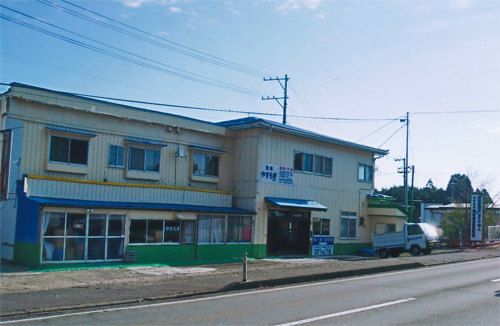
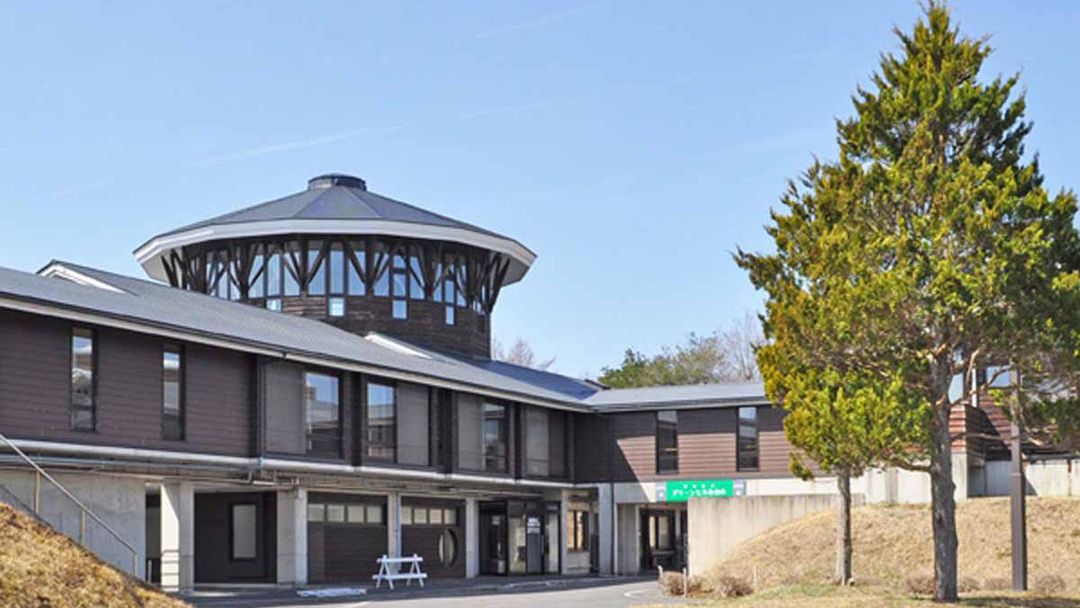
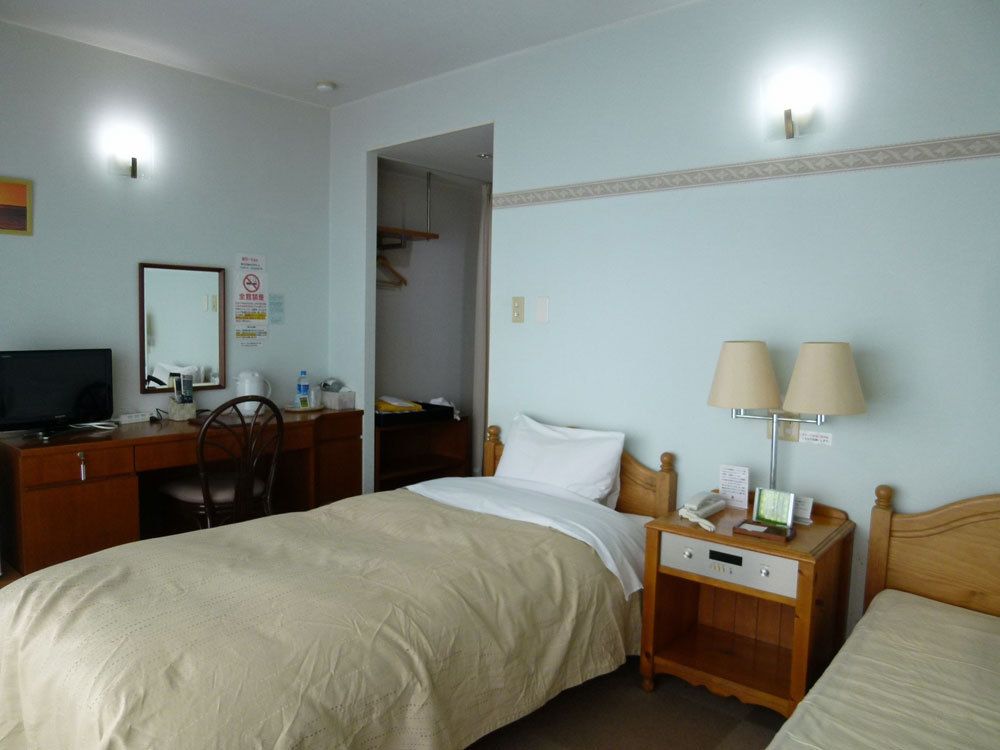
Best Hotels in Hirono
Discover curated hotel collections in Hirono







































Frequently Asked Questions about Traveling to Hirono
Questions You Might Need to Know About Traveling to Hirono
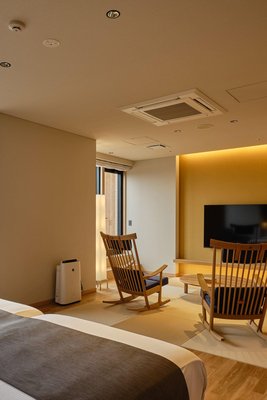
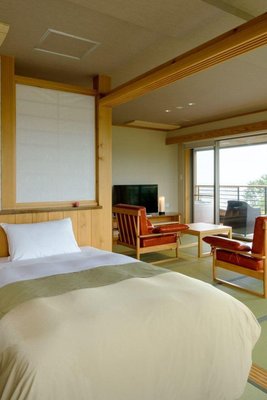
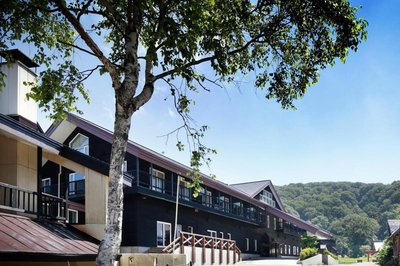
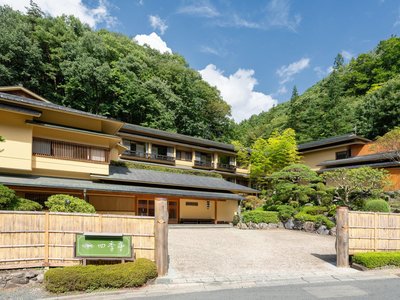
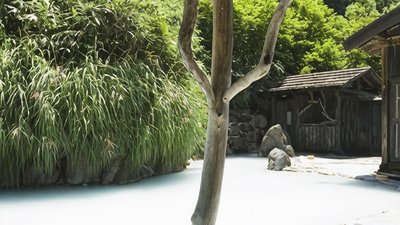
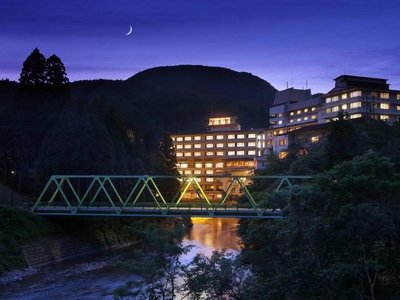
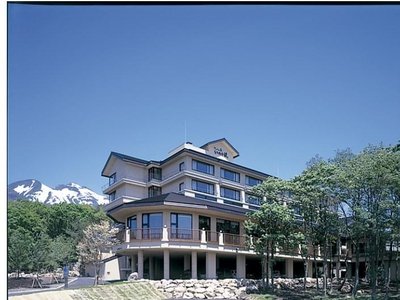
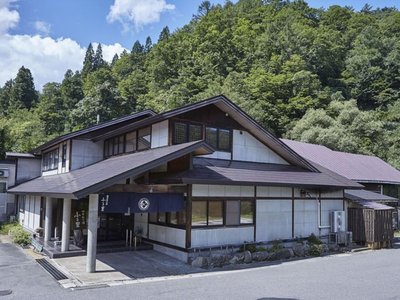
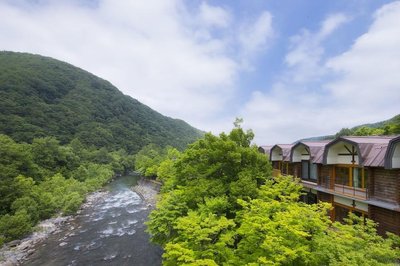
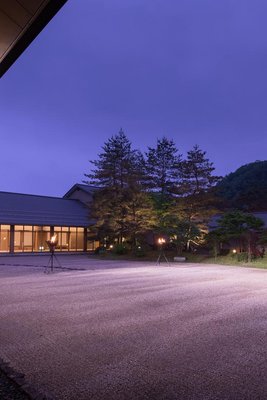
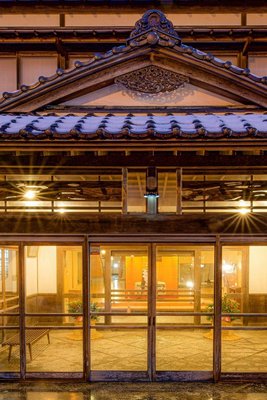
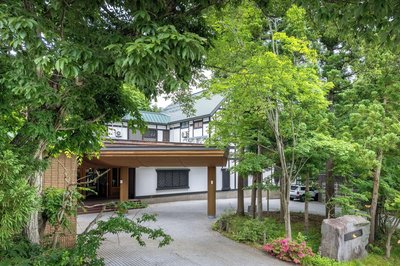
In Ono Town, the top choice for traditional Japanese ambiance is Ono Town Hot Spring Inn, nestled along the Kitakami River. This ryokan features authentic wooden architecture, private outdoor onsen baths, and seasonal kaiseki meals using local ingredients like fresh Kitakami trout and Morioka cold noodles. Guests can enjoy morning walks through Aoba Mountain Park, followed by tea ceremonies in a tatami room overlooking cherry blossoms. The inn also hosts cultural workshops on washi paper art and Tsugaru folk songs, offering deep immersion into regional heritage. Its serene location makes it ideal for travelers seeking quiet, authenticity, and natural beauty.
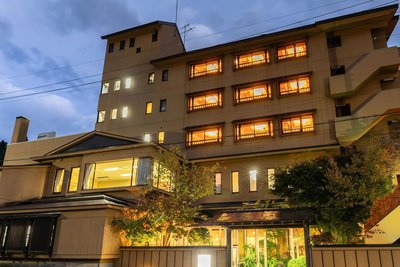
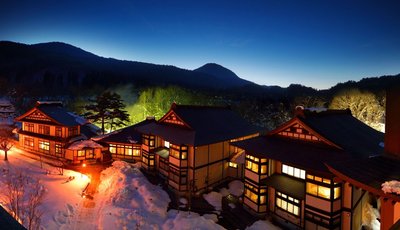
The central district of Ono Town, near Ono Station and the Kitakami River, provides the most convenient access to major attractions. This area is within walking distance of Aoba Mountain Park, Ono Town Cultural Hall, and the local food street. Stay at Ono Town Guesthouse, a charming former farmhouse turned boutique inn, which offers tatami rooms, a garden tea lounge, and free bicycles for exploring nearby rice fields and forest trails. Evening views of Yahata Mountain’s night lights add charm, making it perfect for couples and slow travelers who value both convenience and tranquility.
Ono Town offers a rich array of unique cultural experiences. Don’t miss the Kitakami River Lantern Festival, held annually in summer, where locals float handmade paper lanterns down the river as a symbol of gratitude and remembrance. Visitors can also participate in washi paper workshops, learning to craft bookmarks or lamps from locally sourced mulberry bark. During spring, join the Cherry Blossom Tea Ceremony in Aoba Mountain Park, sipping matcha beneath blooming trees while listening to live Tsugaru dialect folk songs. These immersive activities provide genuine insight into the town’s traditions, craftsmanship, and community spirit.
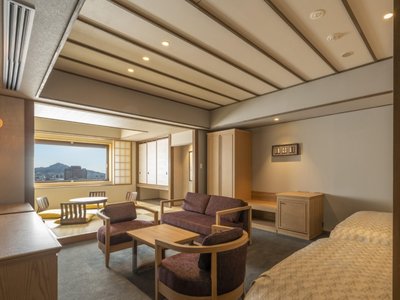
Yes, Ono Town Hot Spring Inn and Ono Town Guesthouse are excellent family-friendly options. Both offer spacious family tatami rooms, children’s onsen baths, and dedicated play areas. Daily activities include hands-on farming experiences—children can plant local Iwate onions and learn to make onsen eggs. Evenings feature family-friendly onsen tours with stargazing guides, combining relaxation with educational fun. With multilingual staff and amenities like baby cots and high chairs, these inns ensure a comfortable, engaging stay for all ages, making them ideal for multi-generational travel.
Must-try dishes include fresh Kitakami River trout sashimi, served with Iwate citrus vinegar for a bright, clean taste. Another highlight is Morioka cold noodles with homemade chicken broth, featuring tender noodles and rich stock made from local free-range chickens. Don’t skip the Ono Town soba mochi—soft dumplings made from regional buckwheat flour, coated in honey and sesame seeds. These delicacies are available at Ono Town Market Street stalls and cozy old-style eateries, many of which offer packed bento boxes perfect for picnics along the Kitakami River or Aoba Mountain trail.
Yes, most recommended hotels in Ono Town provide basic Chinese services. Ono Town Hot Spring Inn and Ono Town Guesthouse have staff fluent in Mandarin, and guest rooms include Chinese-language travel guides and maps. Facility signage—such as in the onsen bathhouses and restaurant menus—features simplified Chinese translations. For special requests like wheelchair access or baby beds, pre-HopeGoo via website or phone is advised. Additionally, multilingual audio guides (rental fee: ¥500/day) are available at the town information center, helping visitors explore Kitakami River history and Tsugaru culture with ease.
Absolutely. Aoba Mountain Trail (3.2 km) offers scenic views of Iwate red pine forests and waterfall clusters, culminating in panoramic vistas of Ono Town and distant Yahata Mountain. The path includes rest shelters and observation decks, with Chinese-language signposts and first aid kits. Best visited early morning to avoid heat, with frequent sightings of wild deer and birds. For longer hikes, connect to the Kitakami River Eco Trail (6 km), ideal for families and beginners. Interpretive boards explain wetland ecosystems and endangered plant conservation, blending recreation with environmental education.
Yes, Ono Town Hot Spring Inn and Ono Town Guesthouse are centrally located near Ono Station and the Kitakami River, just a 5-minute walk from Aoba Mountain Park and Ono Town Cultural Hall. Access to Yahata Mountain Observation Deck is about 10 minutes by car or bus, with hotel-provided shuttle services available upon request. Nearby attractions include farm experiences, local food streets, and rice field paths. Free bicycle rentals allow easy exploration, while the town information center near the station offers real-time updates on events and maps, ensuring seamless sightseeing.
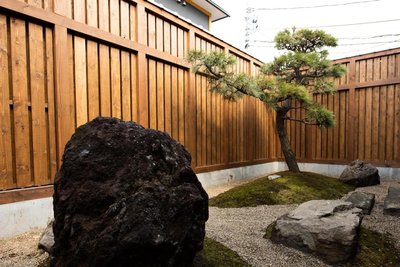
Extremely. Ono Town Hot Spring Inn features a kare-sansui dry landscape garden that transforms into a misty masterpiece at dawn—perfect for still-life and long-exposure shots. The Aoba Mountain Trail offers stunning seasonal backdrops: cherry blossoms in spring, fiery maple leaves in autumn, and snow-covered peaks in winter. The inn provides free photography kits (tripods, filters, cloths) and offers guided sessions for capturing river reflections and golden-hour farmland scenes. During the Lantern Festival, nighttime shots of floating lights against starry skies are unforgettable. Workshops at washi paper studios and old eateries also present rich lighting and texture for portrait and lifestyle photography.
The best times to visit are spring (April–May) and autumn (October–November). Spring brings blooming cherry trees at Aoba Mountain Park and vibrant greenery along the Kitakami River, ideal for festivals and tea ceremonies. Autumn paints Yahata Mountain in fiery reds and golds, with crisp, comfortable weather perfect for hiking. The Kitakami River Lantern Festival in August offers dramatic night scenes, though crowds are larger. Winter is peaceful, with warm onsen baths amid snow-covered landscapes. Avoid July Obon Festival and December New Year holidays, when local demand spikes. Check the Ono Town Tourism Association website for seasonal event calendars to plan your trip around peak experiences.
Hirono Overview
City Summary
Yono-cho, located in the eastern part of Iwate Prefecture, Japan, is a coastal town known for its pristine natural scenery and traditional culture. With its crystal-clear waters, unspoiled coastline, and fishing village charm, it is an ideal destination for those seeking to escape urban hustle. The town's fishing culture runs deep, and visitors can experience authentic rural Japanese life.
Must-See Attractions
Key attractions in Yono-cho include Taneichi Beach, where the clear waters are perfect for swimming and diving in summer. Taneichi Fishing Port offers a glimpse into the local fishing culture, with fishermen busy at work in the early morning. The Yono-cho Historical Folk Museum showcases the area's history and traditional crafts, providing insight into the region.
Food Guide
Yono-cho is famous for its seafood cuisine, particularly fresh abalone, sea urchin, and oysters. Don't miss the sea urchin rice bowl, made with locally harvested sea urchin. Grilled abalone and seafood hot pot are also must-try dishes. Local izakayas and small eateries serve authentic fishing village flavors at affordable prices.
Transportation Guide
Public transportation in Yono-cho is limited, so renting a car is recommended. From Morioka, take a JR bus for about 2 hours to reach Yono-cho. There is no subway in the town; buses and taxis are the main options. Taxis are scarce, so HopeGoo in advance is advised. Bicycles are a great way to explore, and many lodgings offer rental services.
Best Time to Visit
The best time to visit is summer (June to August), when the weather is warm and ideal for beach activities. Autumn (September to November) is also pleasant, with fewer crowds and serene fishing village views. Winters are cold, and some attractions may close.
Travel Tips
- Respect local fishermen and avoid disrupting their work.
- Follow safety signs when engaging in beach activities.
- Some restaurants only accept cash, so carry enough yen.
- Dispose of trash properly and keep the environment clean.
- Learning a few basic Japanese phrases will make interactions smoother.
- Sun protection is essential in summer due to strong UV rays.
Useful Information
Japanese is the primary language in Yono-cho, and English is not widely spoken, so a translation app is helpful. Network coverage is good, but some remote areas may have weak signals. Cash is the main payment method, though credit cards are accepted at larger establishments. For medical emergencies, clinics are available in town, but serious cases may require travel to Morioka. Post offices and ATMs can be found in the town center.









