Hotels in Hirono
Discover your perfect stay in Hirono.
Hirono(Japan) Travel 2026: Cheap Flights, Hotels & Top Attractions
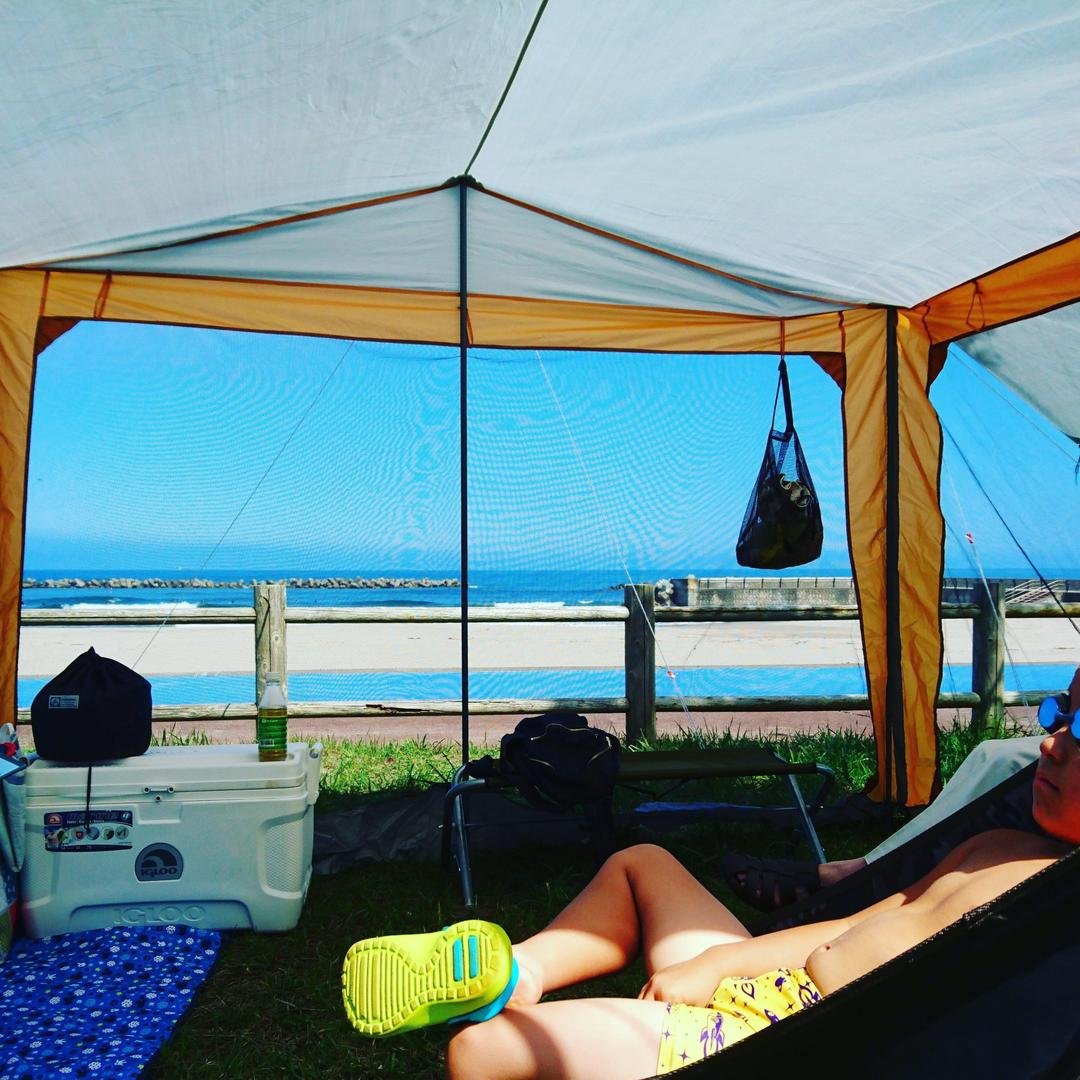
Popular Landmarks in Hirono
Discover the most iconic attractions in Hirono
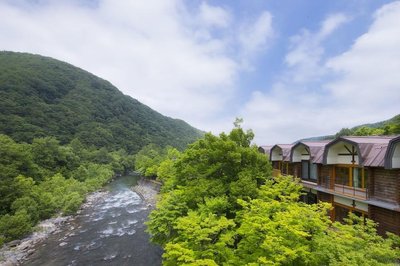
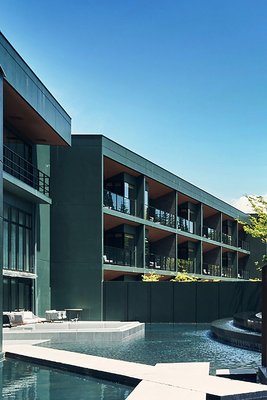
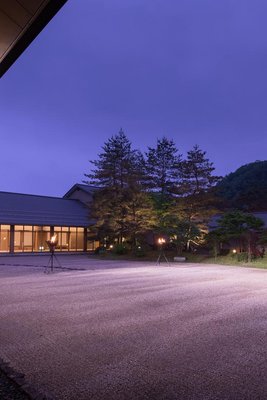
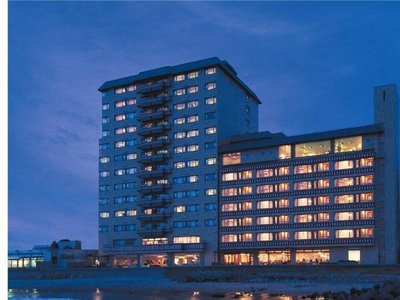
Recommended Hotels in Hirono
Find the perfect place to stay in Hirono
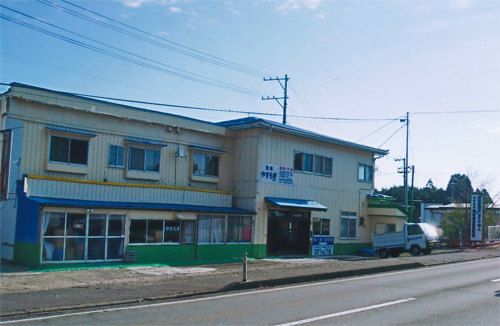
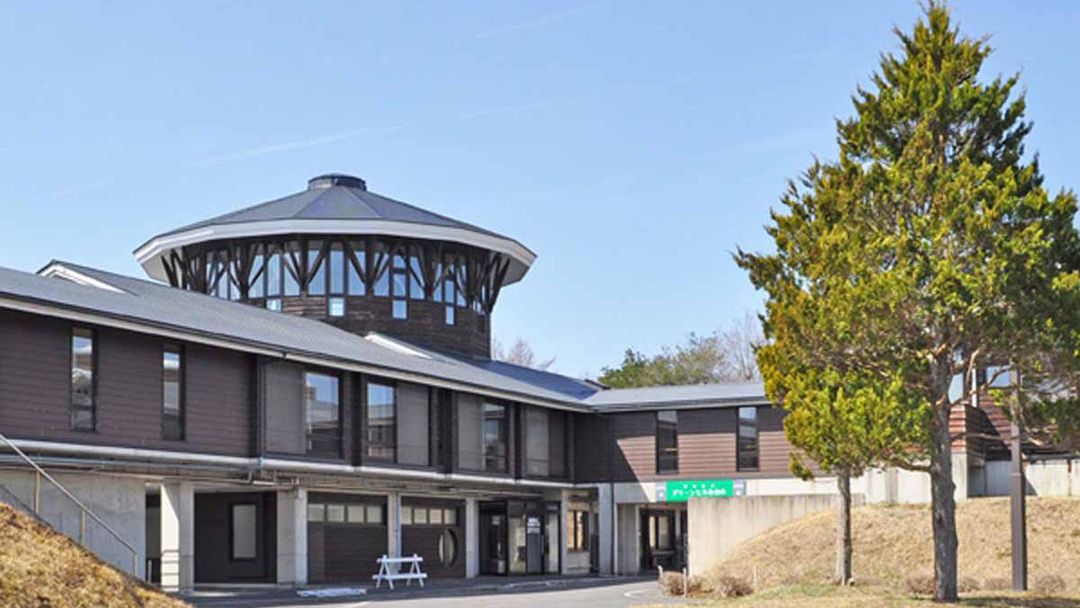
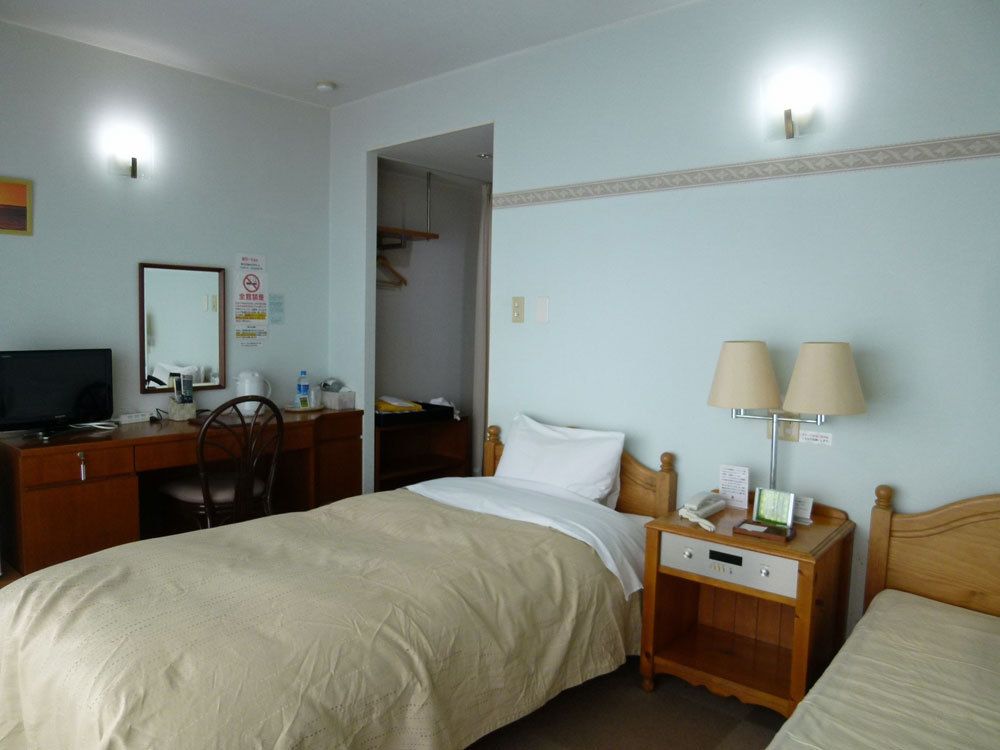
Best Hotels in Hirono
Discover curated hotel collections in Hirono













Frequently Asked Questions about Traveling to Hirono
Questions You Might Need to Know About Traveling to Hirono
Hirono Overview
City Summary
Yono-cho, located in the eastern part of Iwate Prefecture, Japan, is a coastal town known for its pristine natural scenery and traditional culture. With its crystal-clear waters, unspoiled coastline, and fishing village charm, it is an ideal destination for those seeking to escape urban hustle. The town's fishing culture runs deep, and visitors can experience authentic rural Japanese life.
Must-See Attractions
Key attractions in Yono-cho include Taneichi Beach, where the clear waters are perfect for swimming and diving in summer. Taneichi Fishing Port offers a glimpse into the local fishing culture, with fishermen busy at work in the early morning. The Yono-cho Historical Folk Museum showcases the area's history and traditional crafts, providing insight into the region.
Food Guide
Yono-cho is famous for its seafood cuisine, particularly fresh abalone, sea urchin, and oysters. Don't miss the sea urchin rice bowl, made with locally harvested sea urchin. Grilled abalone and seafood hot pot are also must-try dishes. Local izakayas and small eateries serve authentic fishing village flavors at affordable prices.
Transportation Guide
Public transportation in Yono-cho is limited, so renting a car is recommended. From Morioka, take a JR bus for about 2 hours to reach Yono-cho. There is no subway in the town; buses and taxis are the main options. Taxis are scarce, so HopeGoo in advance is advised. Bicycles are a great way to explore, and many lodgings offer rental services.
Best Time to Visit
The best time to visit is summer (June to August), when the weather is warm and ideal for beach activities. Autumn (September to November) is also pleasant, with fewer crowds and serene fishing village views. Winters are cold, and some attractions may close.
Travel Tips
- Respect local fishermen and avoid disrupting their work.
- Follow safety signs when engaging in beach activities.
- Some restaurants only accept cash, so carry enough yen.
- Dispose of trash properly and keep the environment clean.
- Learning a few basic Japanese phrases will make interactions smoother.
- Sun protection is essential in summer due to strong UV rays.
Useful Information
Japanese is the primary language in Yono-cho, and English is not widely spoken, so a translation app is helpful. Network coverage is good, but some remote areas may have weak signals. Cash is the main payment method, though credit cards are accepted at larger establishments. For medical emergencies, clinics are available in town, but serious cases may require travel to Morioka. Post offices and ATMs can be found in the town center.









