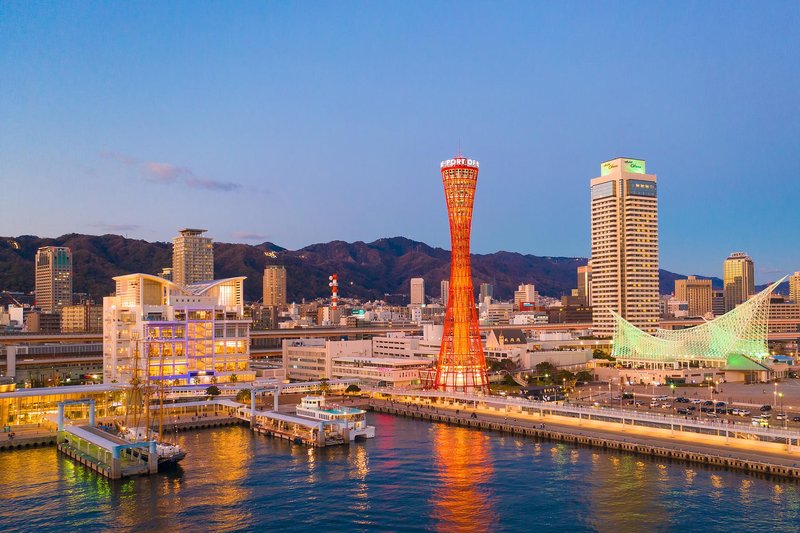
Hotels in Hirono
Discover your perfect stay in Hirono.
Hirono(Japan) Travel 2026: Cheap Flights, Hotels & Top Attractions
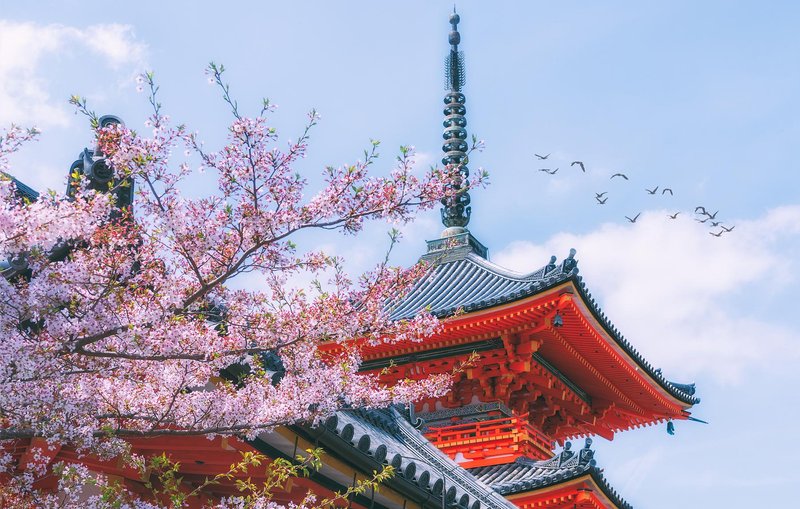
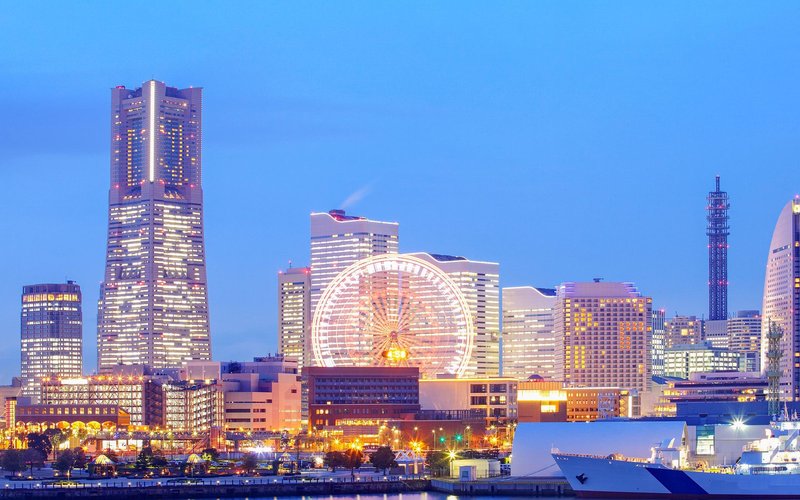
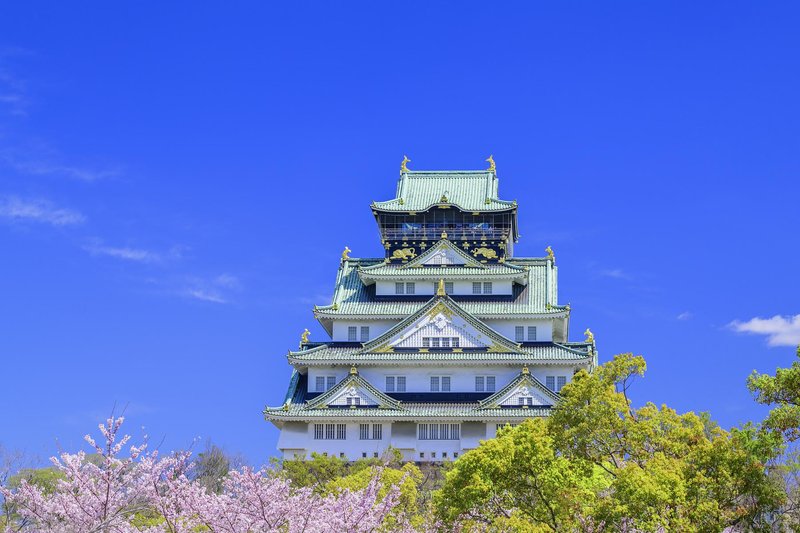
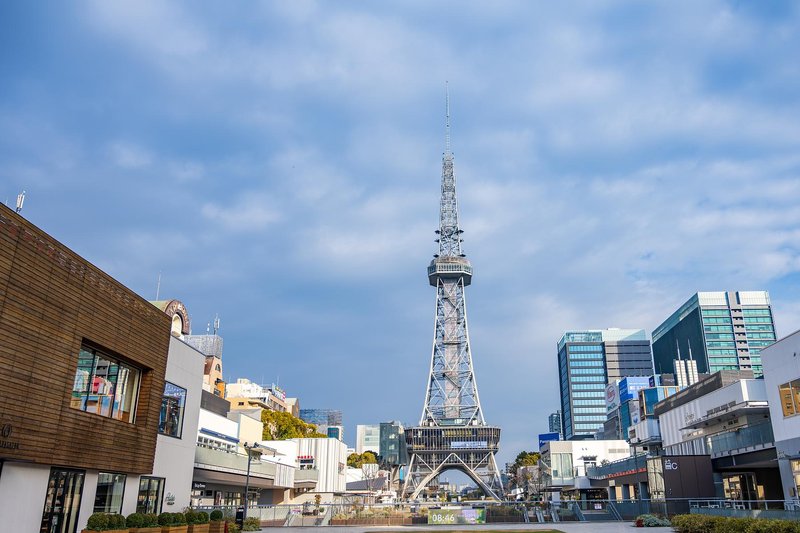
Popular Landmarks in Hirono
Discover the most iconic attractions in Hirono
Recommended Hotels in Hirono
Find the perfect place to stay in Hirono
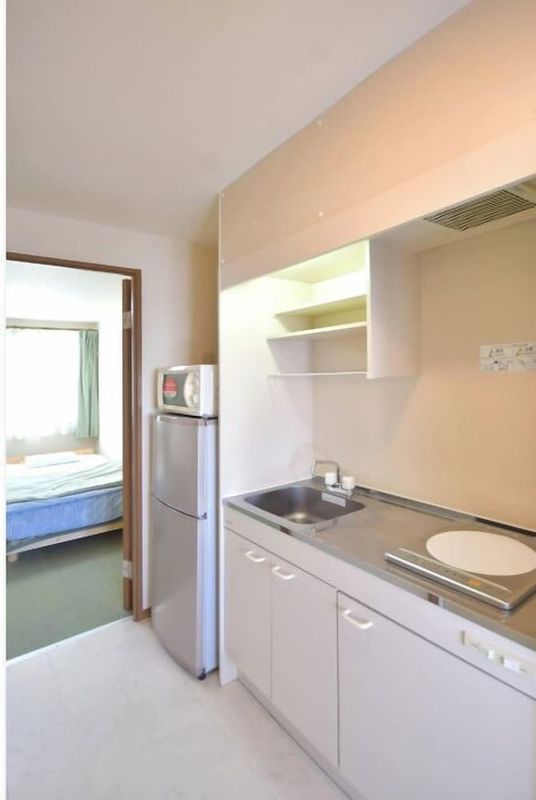
Tabist Minshuku Takikawa Hirono
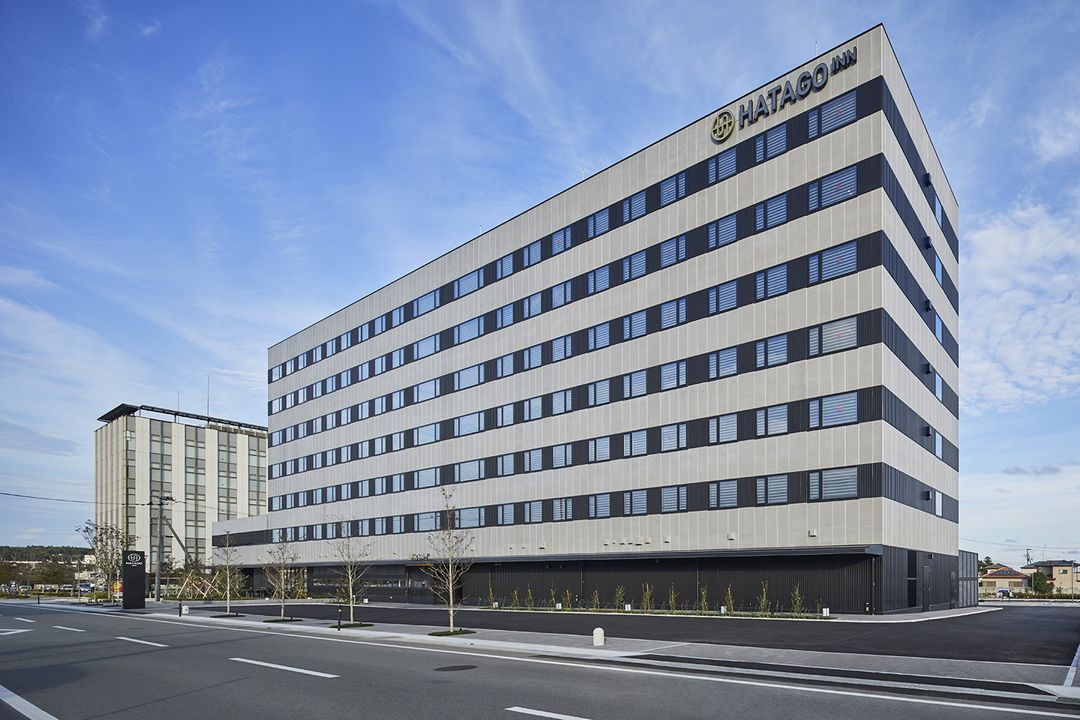
Hatago Inn Fukushima Hirono
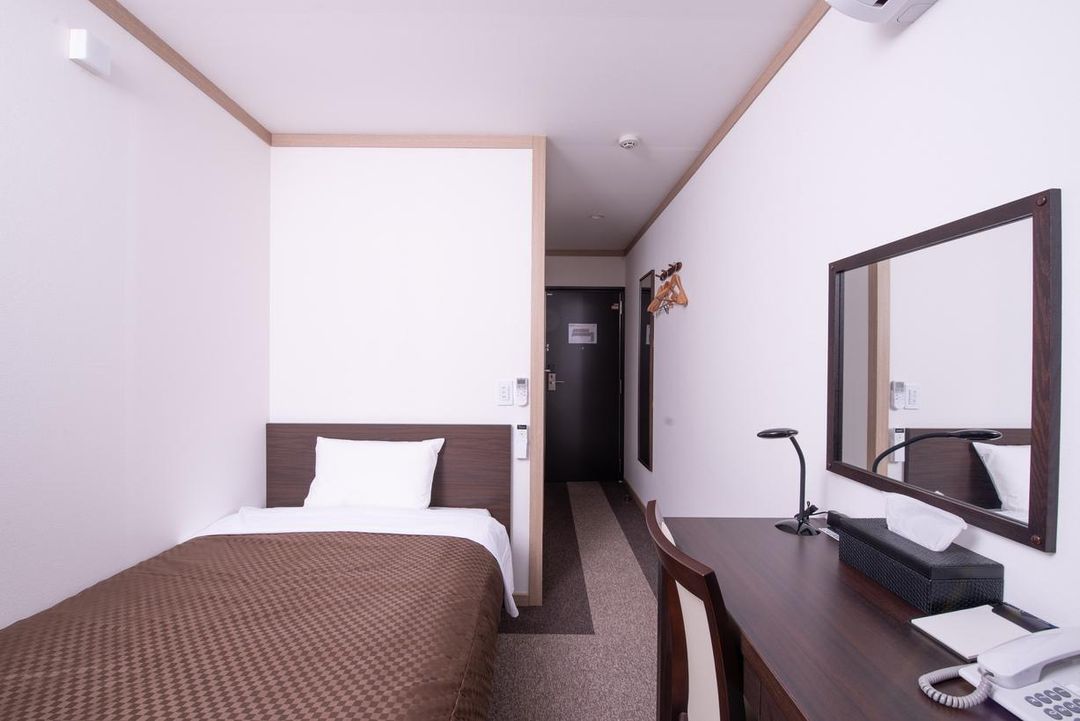
Hotel Frente Hirono
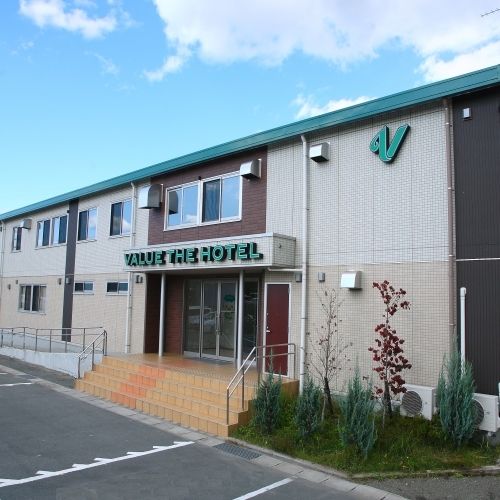
Value the Hotel Fukushima Hirono
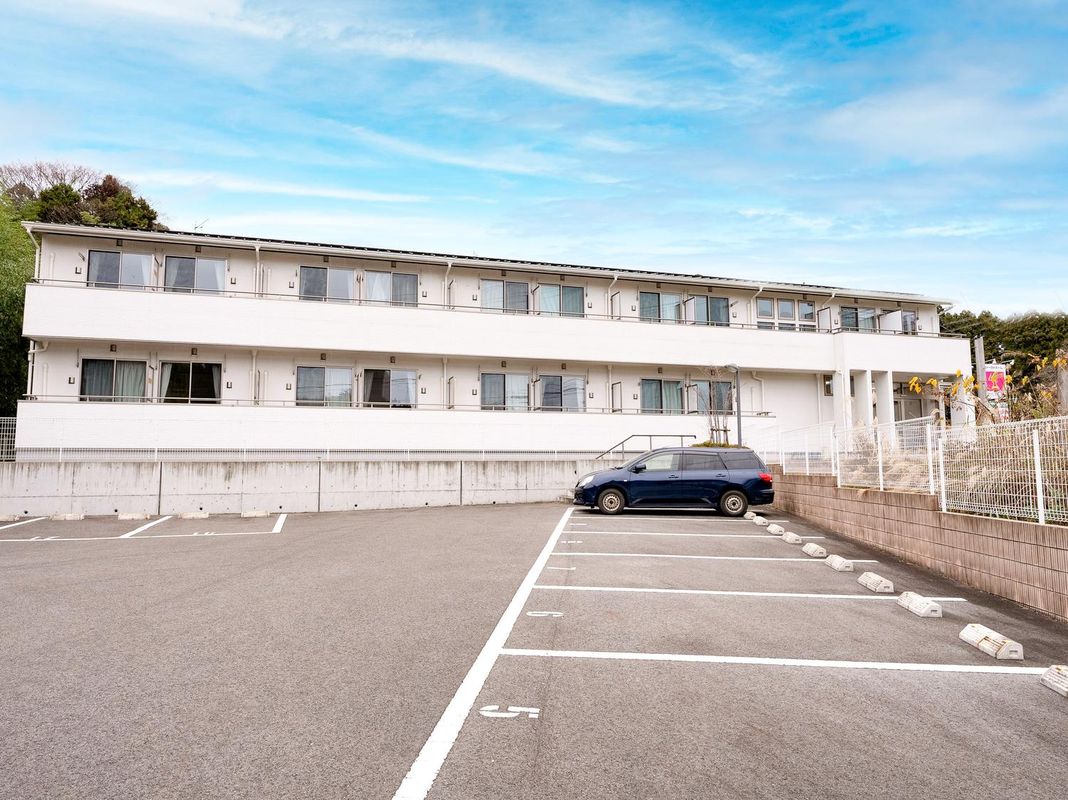
Hirononomori Maehama Bekkan - Male Only
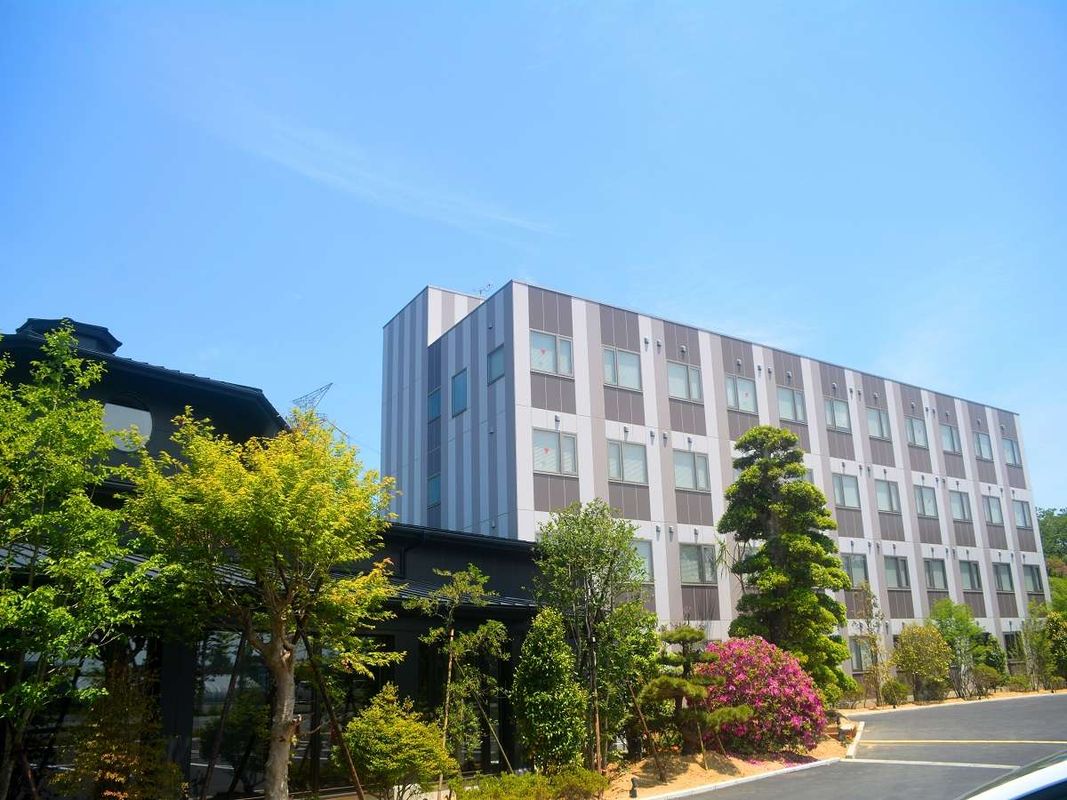
Hotel Futabatei
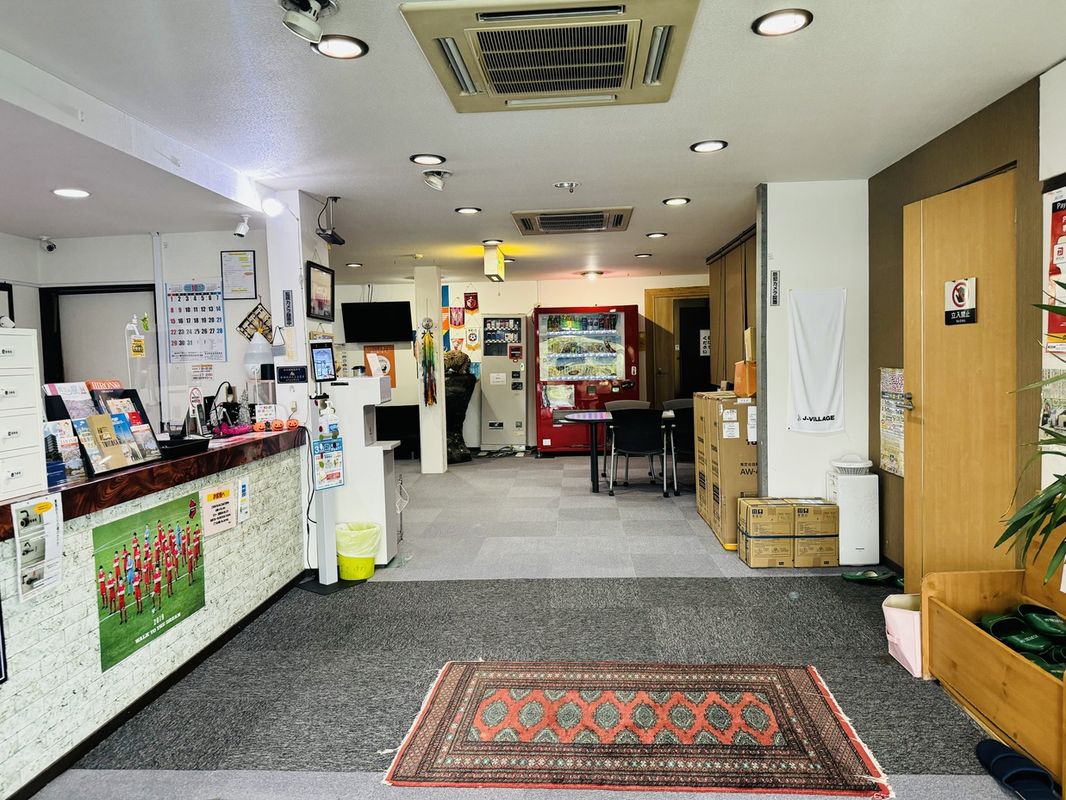
Ryokan Iwasawasou
Best Hotels in Hirono
Discover curated hotel collections in Hirono
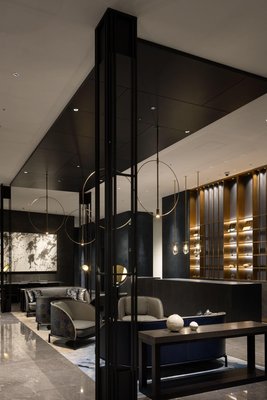
Bellustar Tokyo, A Pan Pacific Hotel

Bvlgari Hotel Tokyo
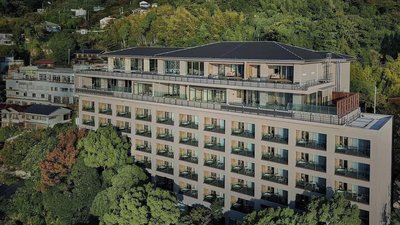
Atami Izusan Karaku
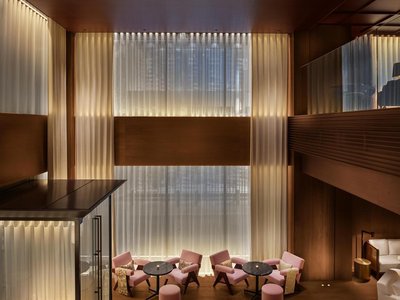
The Tokyo Edition, Ginza
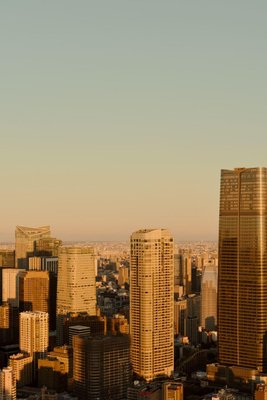
Janu Tokyo
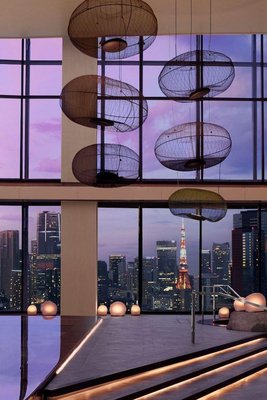
JW Marriott Hotel Tokyo
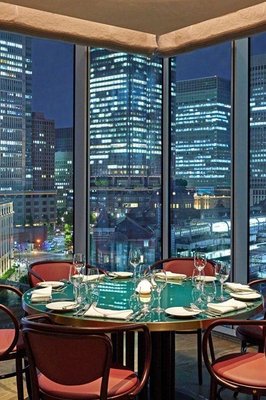
Four Seasons Hotel Tokyo at Marunouchi

Mandarin Oriental, Tokyo
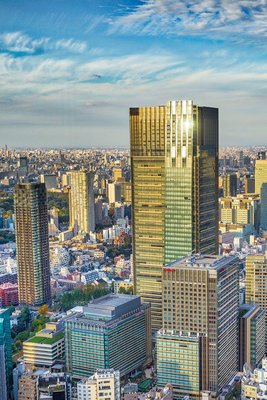
The Ritz-Carlton, Tokyo
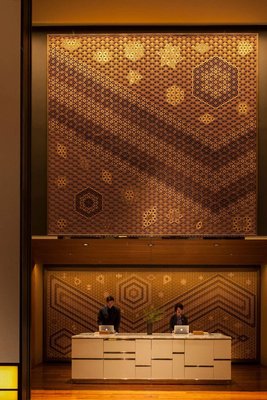
Andaz Tokyo Toranomon Hills- A Concept by Hyatt
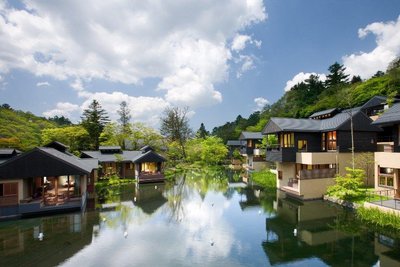
Hoshinoya Karuizawa
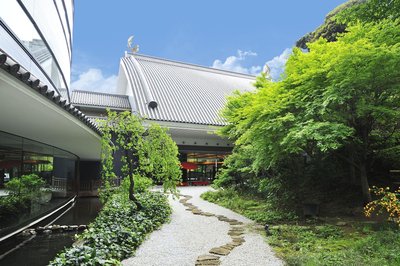
Hotel Gajoen Tokyo
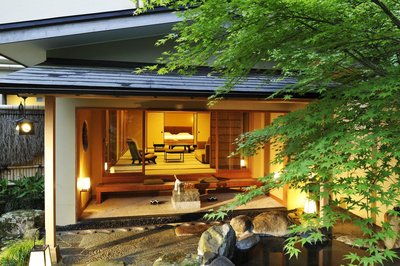
Gora Kadan
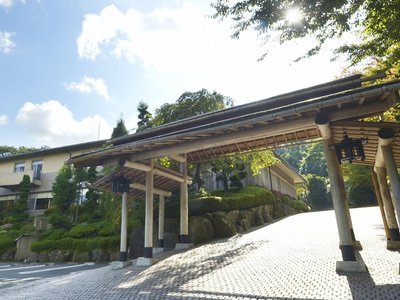
Gora Hanaougi
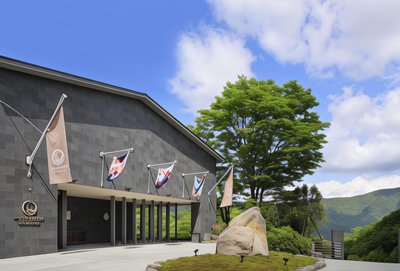
The Hiramatsu Hotels & Resorts Sengokuhara Hakone
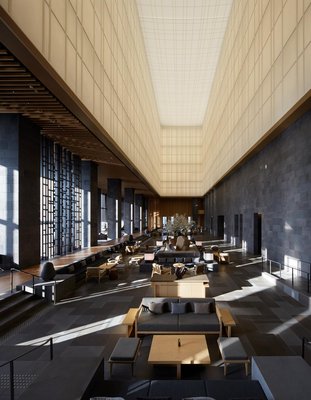
Aman Tokyo
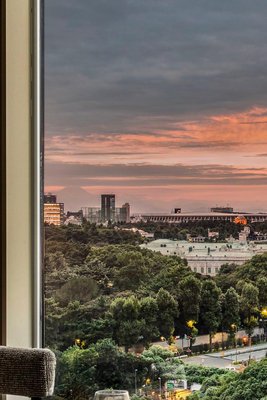
Hotel New Otani Tokyo, Executive House Zen
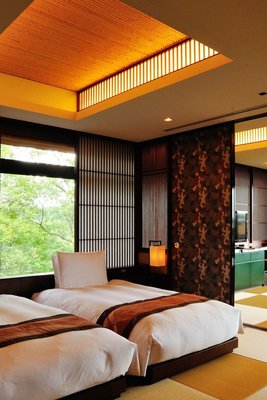
Chikusenso Onsen
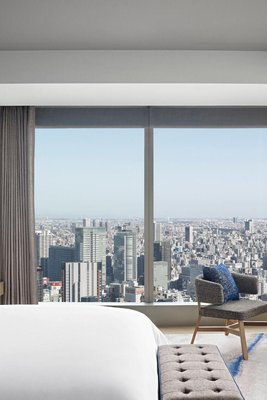
Four Seasons Hotel Tokyo at Otemachi
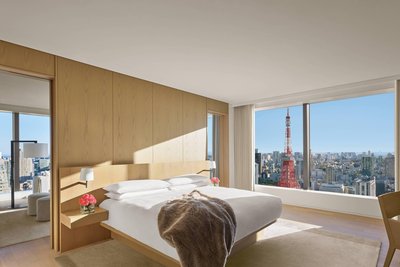
The Tokyo Edition, Toranomon
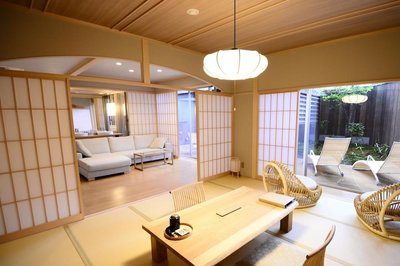
Hakone Gora Byakudan
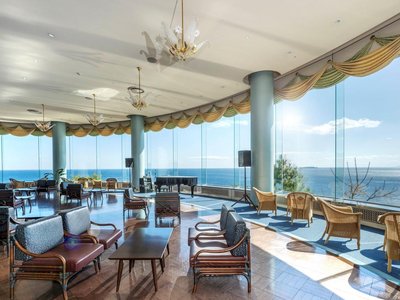
Hotel New Akao
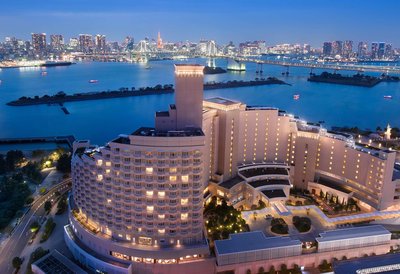
Hilton Tokyo Odaiba
JW Marriott Hotel Tokyo
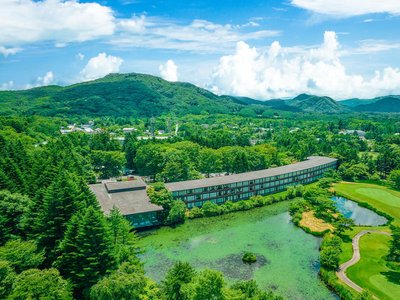
The Prince Karuizawa

The Kukuna
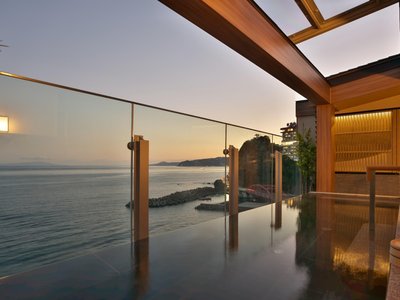
Hotel New Sagamiya
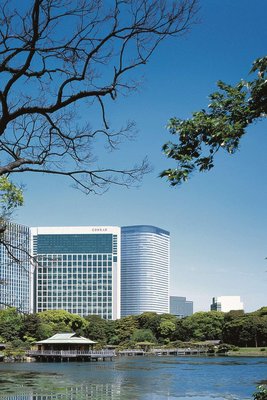
Conrad Tokyo
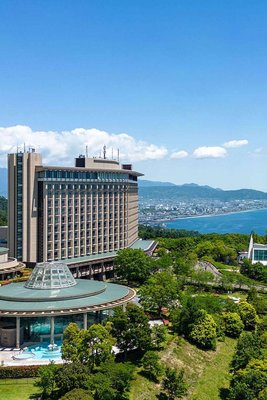
Hilton Odawara Resort & Spa
Hoshinoya Karuizawa
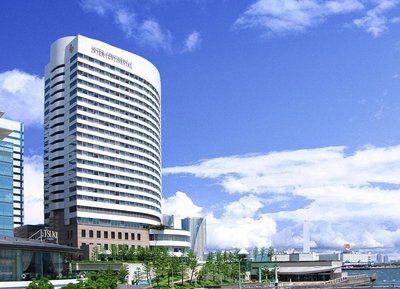
InterContinental Tokyo Bay
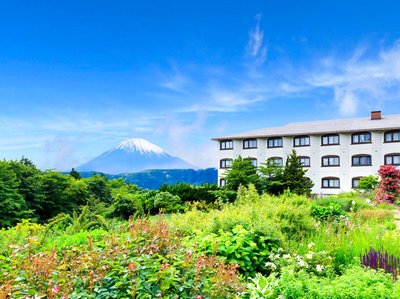
Hotel Green Plaza Hakone
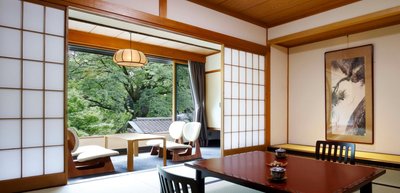
Yoshiike Ryokan
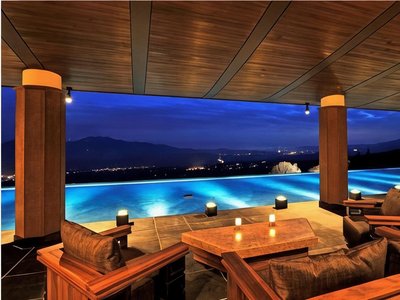
Akakura Kanko Hotel
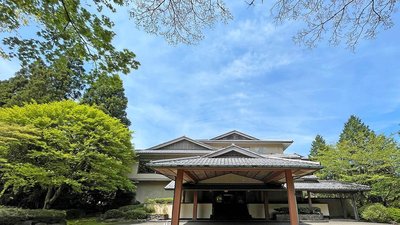
Ryuguden
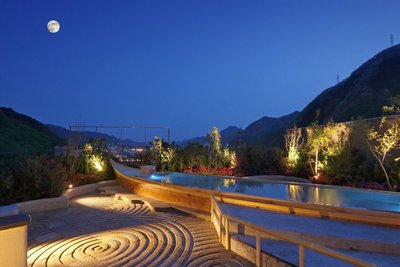
Asaya
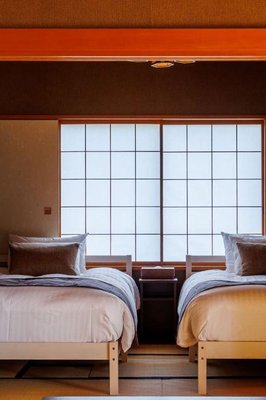
Sado Resort Hotel Azuma
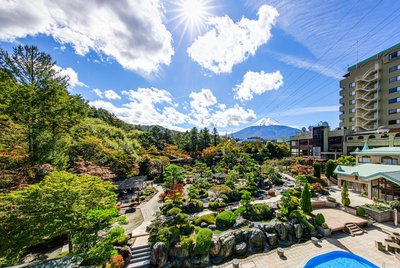
Kaneyamaen
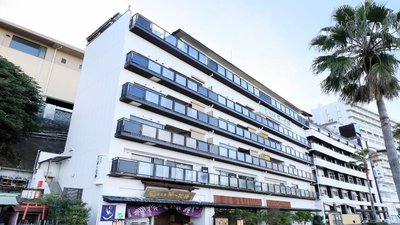
Syukaen Yunohanazen

Komatsu-Kan Kofu-Tei
Hakone Gora Byakudan
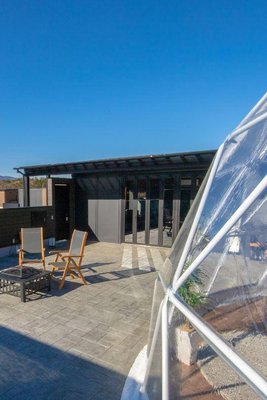
Panoramic Mt. Fuji Views from All Rooms – Vision Glamping Resort & Spa Yamanakako
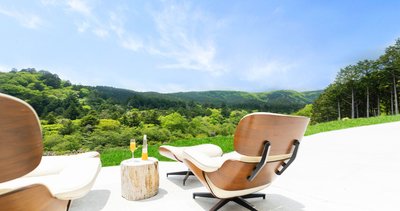
Shelter Garden Nikko
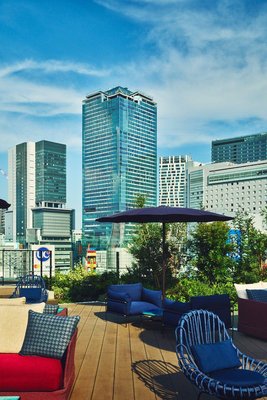
Hotel Indigo Tokyo Shibuya
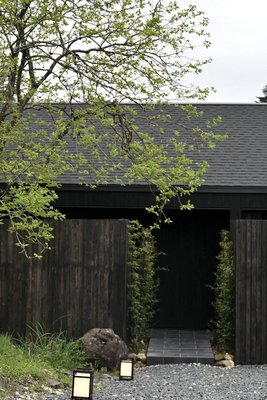
THE LAKOTAN
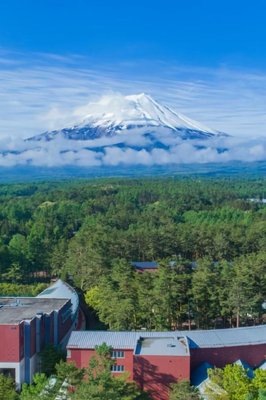
Forest Village (Fuji Premium Resort)

Hotel Toranomon Hills

Fufu Kyu-Karuizawa Restful Forest
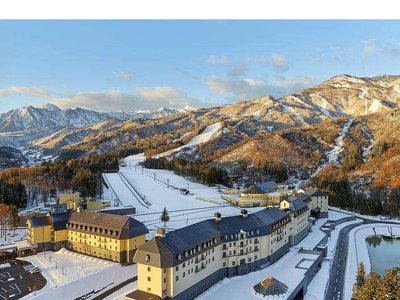
Lotte Arai Resort
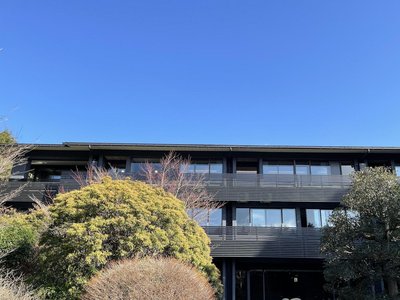
Sengokubara Cocon
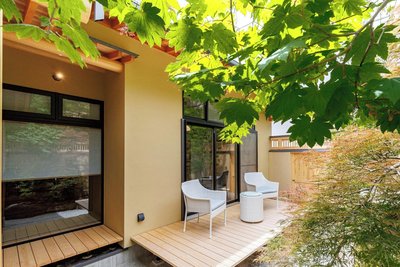
Shoraiso
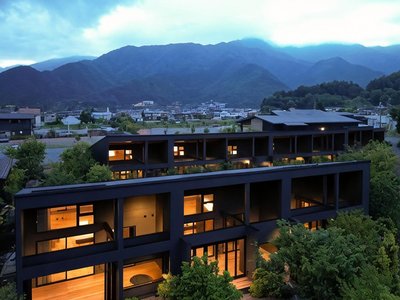
7C Villa and Winery

Hotel la Vigne Hakuba by Onko Chishin
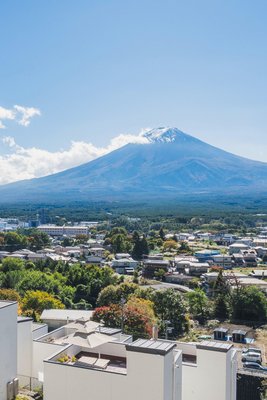
THE TOKI FujiKawaguchiko
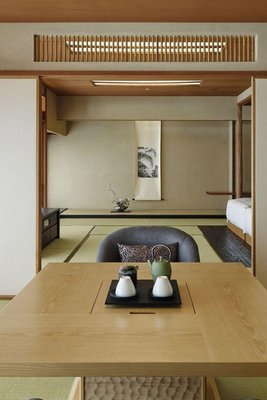
Takanawa Hanakohro (in Grand Prince Hotel Takanawa)
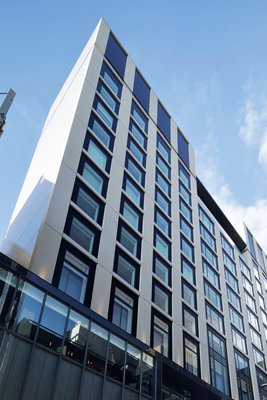
Hyatt Centric Ginza Tokyo
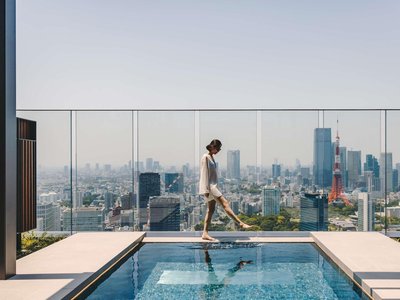
Fairmont Tokyo
The Prince Karuizawa
Conrad Tokyo
Hilton Odawara Resort & Spa
Bvlgari Hotel Tokyo
Four Seasons Hotel Tokyo at Marunouchi
Mandarin Oriental, Tokyo
The Ritz-Carlton, Tokyo
Andaz Tokyo Toranomon Hills- A Concept by Hyatt
Gora Kadan

Hotel New Otani Tokyo the Main
Aman Tokyo
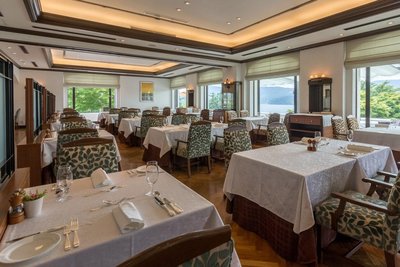
Odakyu Hotel de Yama
Four Seasons Hotel Tokyo at Otemachi
The Tokyo Edition, Toranomon
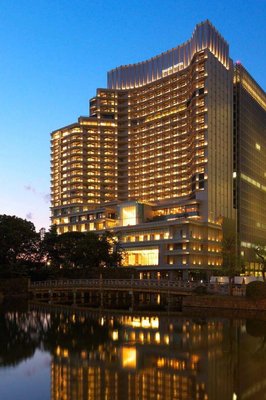
Palace Hotel Tokyo
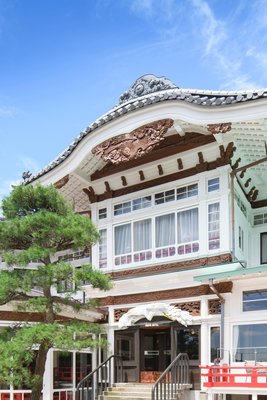
Fujiya Hotel
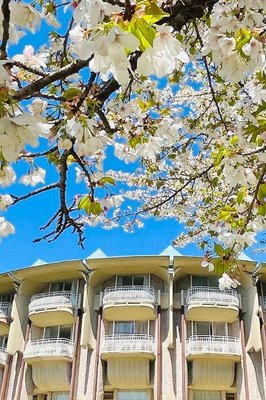
The Prince Hakone Lake Ashinoko
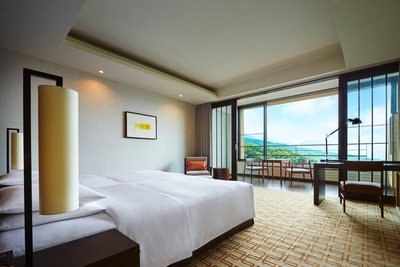
Hyatt Regency Hakone Resort and Spa
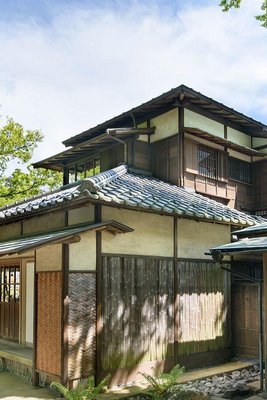
Hakone Suishoen
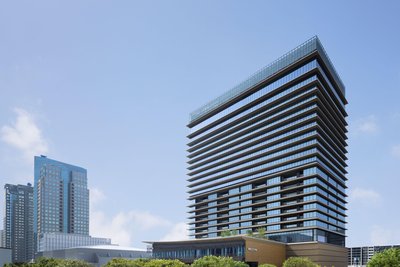
The Westin Yokohama

The Peninsula Tokyo

Imperial Hotel, Tokyo

Rakuten STAY VILLA Nasu
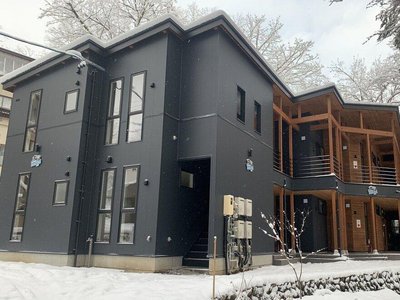
Hakuba Gondola Apartments
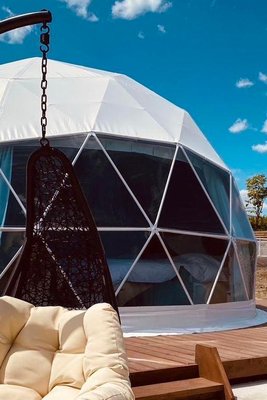
chillout glamping zao
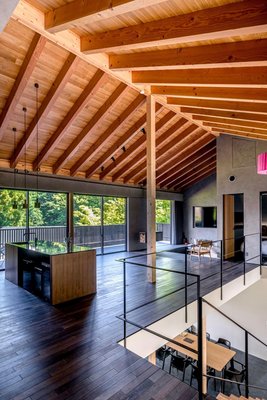
MONS GORA

Phoenix Chalets by Hhg
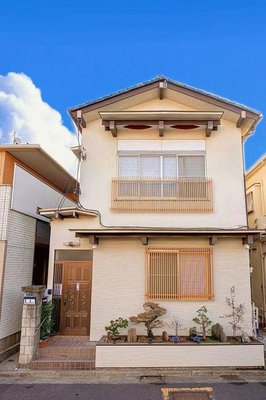
Tokyo Star House-Shinkoiwa
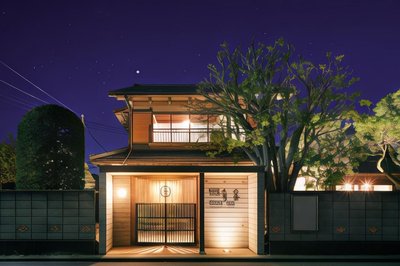
Machi-Jyu
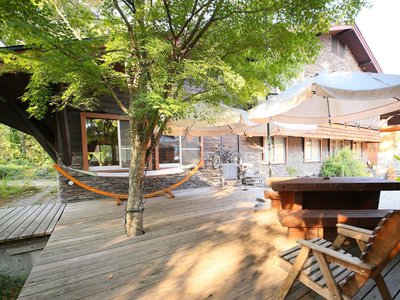
Kunugi Relaxation with 4 Modern Rooms

Modern Ryokan Kishi-ke

Petals Tokyo - Floating Hotel

The Flow Kamakura
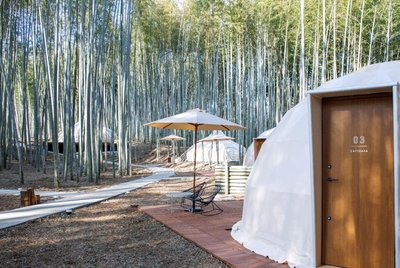
THE BAMBOO FOREST
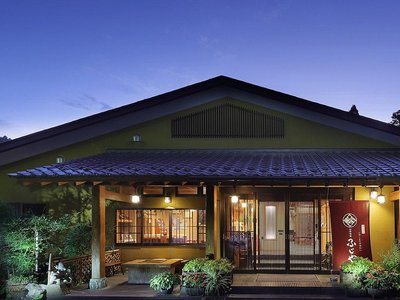
Shikimitei Fujiya
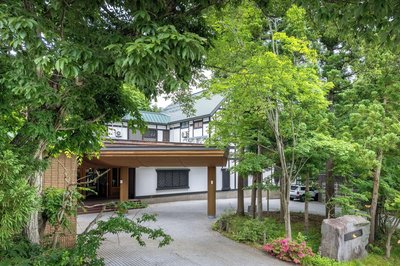
Forest Resort Yamanote Hotel

Hotel Barrière Fouquet's New York

The Plaza - A Fairmont Managed Hotel
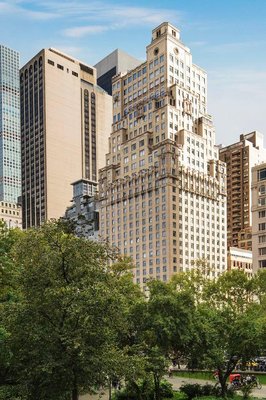
The Ritz-Carlton New York, Central Park
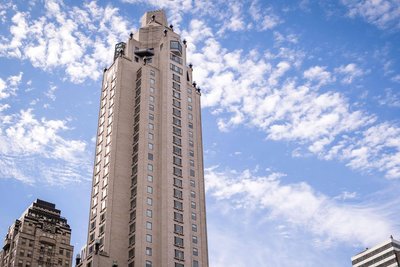
Four Seasons Hotel New York

The St. Regis New York

Park Hyatt New York
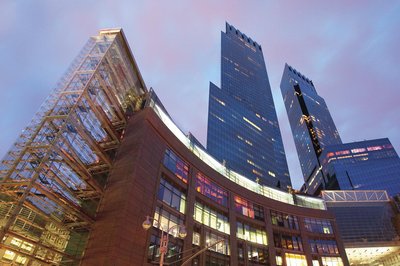
Mandarin Oriental New York

Times Square Edition New York

Loews Regency New York Hotel

Lowell Hotel
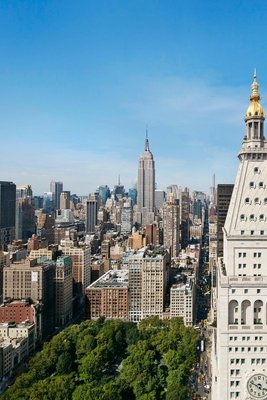
New York Edition

Baccarat Hotel New York

Equinox Hotel New York

Four Seasons Hotel New York Downtown

The Langham, New York, Fifth Avenue

The Carlyle, A Rosewood Hotel

The Chatwal, in the Unbound Collection by Hyatt

The Mark New York
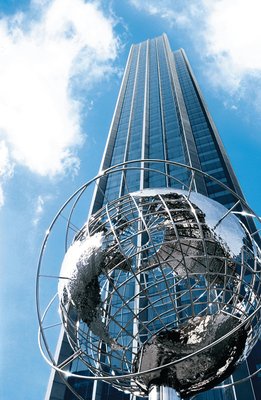
Trump International Hotel & Tower® New York
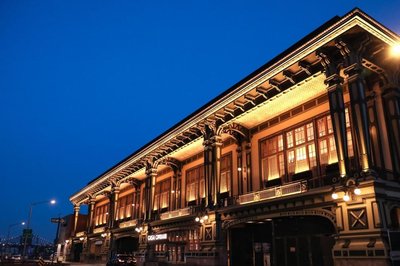
Casa Cipriani New York
Frequently Asked Questions about Traveling to Hirono
Questions You Might Need to Know About Traveling to Hirono
In Hinata-machi, the top choice is Hinata Town Tourist Hotel, located in the heart of town near Hinata Park and the Fukushima Prefectural Museum Branch. This hotel offers comfortable Japanese-style rooms, free Wi-Fi, and a restaurant serving local specialties like Hinata beef and Fukushima rice. Guests can enjoy walking trails along the Hinata River, especially stunning during cherry blossom season in spring and vibrant autumn foliage. Its central location makes it ideal for exploring rural Fukushima with ease.
The central district of Hinata-machi is the most convenient place to stay. It’s close to Hinata Station, main shopping streets, convenience stores, and restaurants. The area is quiet at night and well-connected to attractions like Hinata Park and the Hinata River Trail. It also serves as a great base for day trips to nearby destinations such as Kōriyama City or Aizu-Wakamatsu, making it ideal for travelers seeking comfort and accessibility in a peaceful rural setting.
Visitors to Hinata-machi can take part in traditional rice farming workshops, where locals guide guests through planting and harvesting rice. Another highlight is the annual Hinata Rice Field Lantern Festival, where thousands of lanterns illuminate the paddies, creating a magical nighttime landscape perfect for photography. Don’t miss the Hinata Historical Archives, which showcase the town’s Edo-period legacy as a major grain storage hub. Sample locally made wagashi (Japanese sweets) using regional rice for an authentic taste of community heritage.
Yes, Hinata-machi is highly suitable for families. The town features family-friendly facilities like Hinata Park, which includes playgrounds, open grasslands, and a children’s farm where kids can plant vegetables and pick strawberries. Many restaurants offer kid-friendly menus and family meal sets. Several hotels provide family rooms and baby beds. With easy train access from Fukushima City, and a calm, safe environment, it’s an excellent destination for relaxing family getaways with nature and culture.
Hinata-machi is famous for Fukushima rice and Hinata beef. Local eateries like Hinata-tei serve freshly cooked Fukushima rice with homemade sauces—deliciously chewy and fragrant. Try the Hinata beef sukiyaki, made from premium black Wagyu raised locally, known for its rich flavor and tenderness. Street vendors also sell handmade mochi and caramelized barley candy. During the annual Rice Festival, sample creative rice dishes like rice ice cream and rice dumplings—perfect for food lovers seeking authentic regional flavors.
The Hinata River Walking Path, stretching 3 km, is a must-visit, offering shaded trails with views of seasonal blossoms and fall colors. The Hinata Wetland Conservation Area is a haven for migratory birds, especially ducks and egrets, making it ideal for birdwatching and photography. For panoramic views, head to Ozasa Mountain Observation Deck, where you can see the entire Hinata plain and distant Iwaki Mountains. Sunrise and sunset here are breathtaking, and the area is popular among photographers and nature enthusiasts.
Despite being a rural town, Hinata-machi has good transport links. Hinata Station is served by JR East trains connecting to Fukushima City and Kōriyama City, with frequent services every 30–45 minutes. Free shuttle buses run between key attractions and accommodations. From Fukushima Airport, it’s about one hour by taxi or rental car, passing through scenic farmland and forest roads. For non-drivers, guided tour vans are available upon reservation, offering door-to-door service and personalized itineraries.
Top photo locations include the Hinata Rice Field Light Corridor, where morning and evening light reflect beautifully on flooded paddies, creating a painterly effect. The Rice Field Lantern Festival turns fields into a glowing river of light—ideal for dreamlike night photography. Ozasa Mountain Observation Deck offers 360-degree views of the town and surrounding mountains, perfect for sunrise and starry sky shots. The historic wooden district with weathered walls and stone paths evokes old Japan, providing rich backdrops for cultural and lifestyle photography.
While Hinata-machi doesn’t have natural hot springs, several high-quality onsen resorts lie within 15 km. Fukushima Prefectural Onsen Resort – Hinata Branch offers indoor and outdoor baths with mineral-rich waters that soothe muscles and promote relaxation. Some hotels even feature unique treatments like rice baths and beef bone broth soaks. Enjoy dinner featuring Hinata beef hot pot and Fukushima rice after soaking—perfect for a full-body wellness experience. Book in advance, especially on weekends and holidays.
Don’t miss the Spring Hinata Festival, featuring traditional dance performances, rice cooking contests, and craft markets celebrating agricultural heritage. The summer Rice Field Lantern Festival transforms paddies into luminous art installations—magical for night photography. In autumn, the Rice Food Festival brings chefs nationwide to compete in creative rice-based dishes. Winter hosts the Snow Lantern Prayer Festival, where lanterns glow in snowy fields, symbolizing hope and harvest blessings. These events blend tradition, nature, and community spirit in unforgettable ways.
Hirono Overview
City Summary
Hirono Town, located in the eastern part of Fukushima Prefecture, Japan, is a tranquil small town known for its natural beauty and rural charm. With fresh air, abundant agricultural products, and hot springs, it is an ideal destination for those seeking to escape the hustle and bustle of the city. Surrounded by beautiful mountains and fields, Hirono offers stunning seasonal scenery, particularly during cherry blossom season in spring and autumn foliage season.
Must-See Attractions
Key attractions in Hirono include local hot spring facilities, such as Hirono Onsen, perfect for relaxation. The town's farms and orchards offer fruit-picking experiences, while nearby hiking trails provide opportunities to enjoy the picturesque countryside.
Food Guide
Hirono's cuisine focuses on local produce, with fresh vegetables and fruits like summer watermelons and autumn apples being highlights. Traditional Japanese dishes such as soba noodles and grilled fish are also recommended. Many restaurants use locally sourced ingredients for freshness and flavor.
Transportation Guide
Public transportation in Hirono is limited, so renting a car is advisable for flexible exploration. Buses are available but infrequent, requiring advance planning. From Fukushima or Koriyama, take a train to Kintetsu Hirono Station and transfer to a bus or taxi.
Best Time to Visit
The best times to visit are spring (April-May) and autumn (September-November), when the weather is pleasant and the scenery is at its best. Summers can be hot, while winters are cold but ideal for hot spring visits.
Travel Tips
- Respect local customs, such as showering before entering hot springs.
- Drive carefully on narrow and winding mountain roads.
- Some farms require reservations for fruit-picking; book in advance.
- Carry cash, as some small shops may not accept cards.
- Learn basic Japanese phrases for better communication.
- Be prepared for sudden weather changes in mountainous areas.
Useful Information
Japanese is the primary language in Hirono, with limited English proficiency. A translation app or basic Japanese phrases can be helpful. Mobile coverage is generally good but may be weak in remote areas. Cash is preferred, though some larger establishments accept cards. Medical facilities are concentrated in the town center; travel insurance is recommended for emergencies.