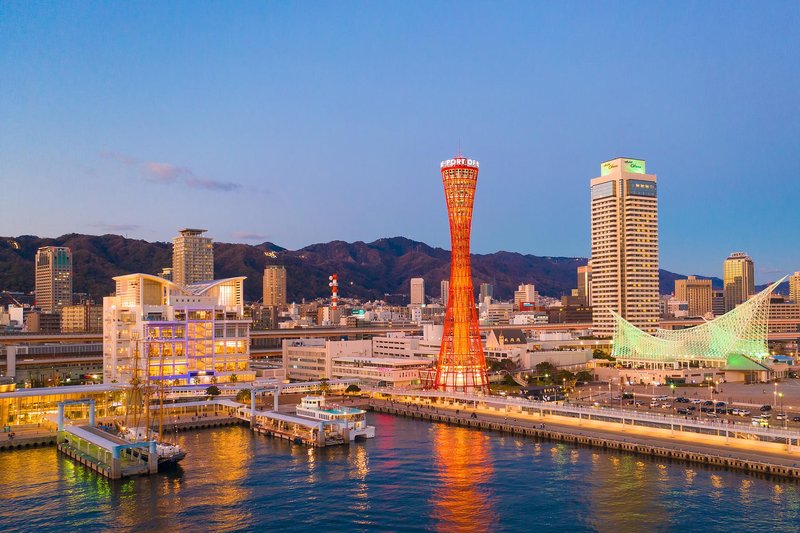
Hotels in Hiroshima
Discover your perfect stay in Hiroshima.
Hiroshima(Japan) Travel 2026: Cheap Flights, Hotels & Top Attractions
Popular Landmarks in Hiroshima
Discover the most iconic attractions in Hiroshima
Recommended Hotels in Hiroshima
Find the perfect place to stay in Hiroshima
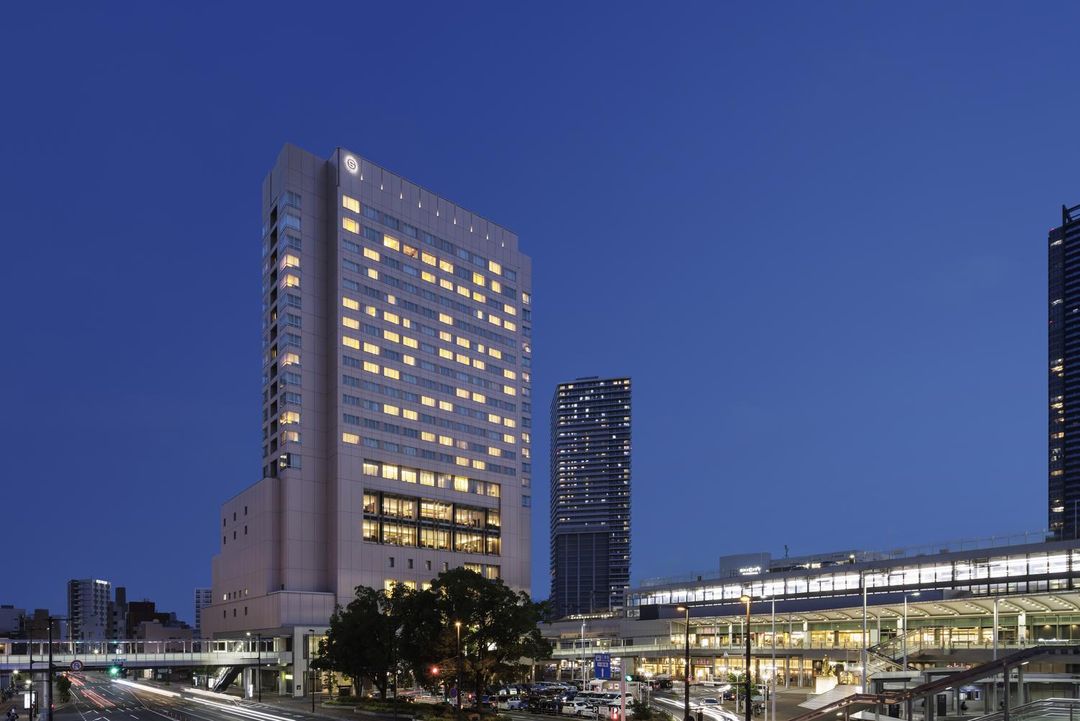
Sheraton Grand Hiroshima Hotel
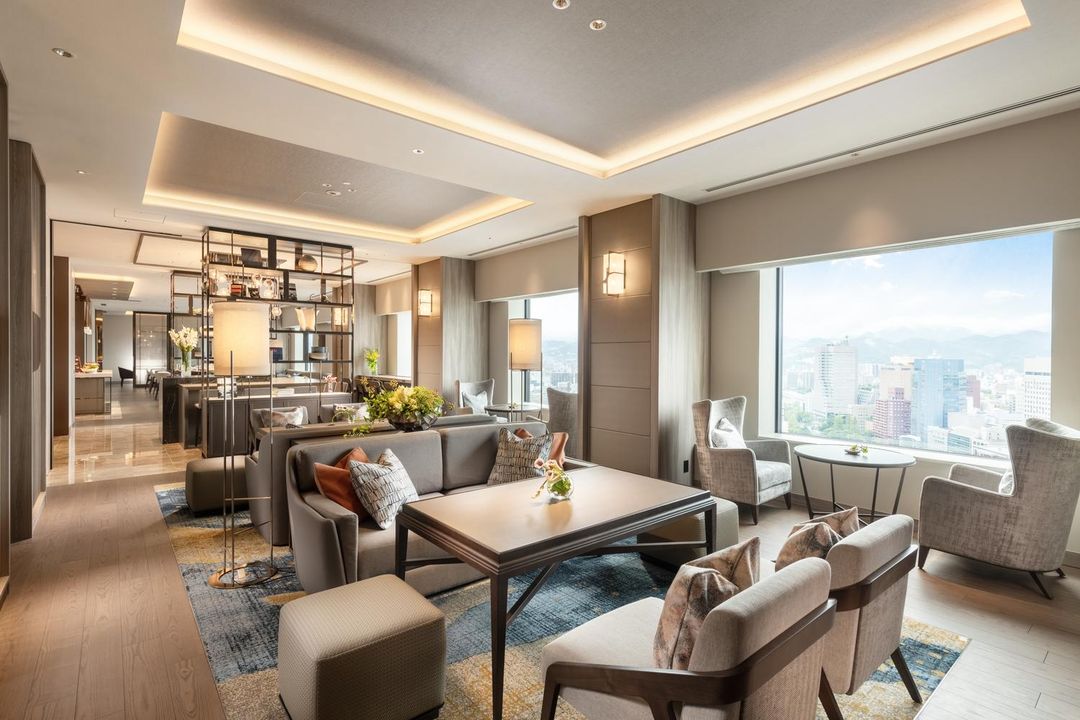
Hilton Hiroshima
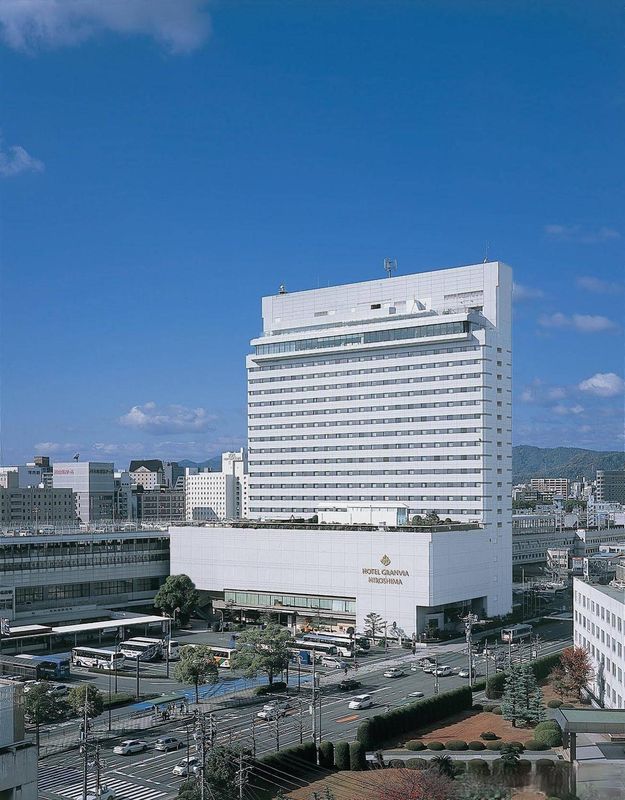
Hotel Granvia Hiroshima
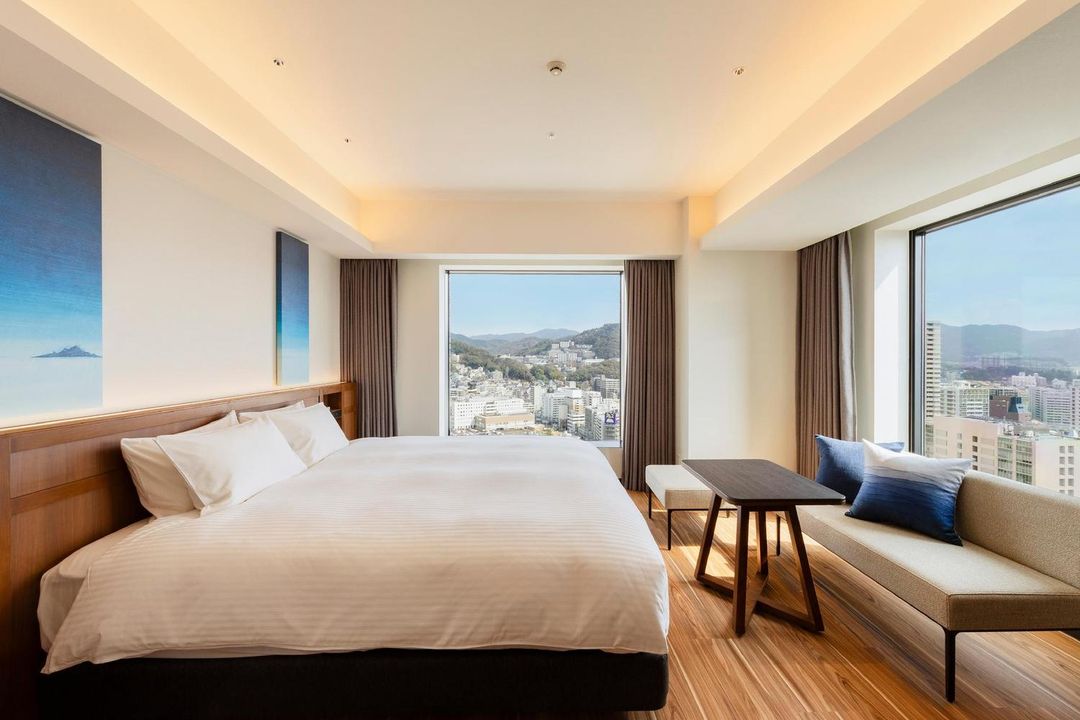
HOTEL GRANVIA HIROSHIMA SOUTH GATE
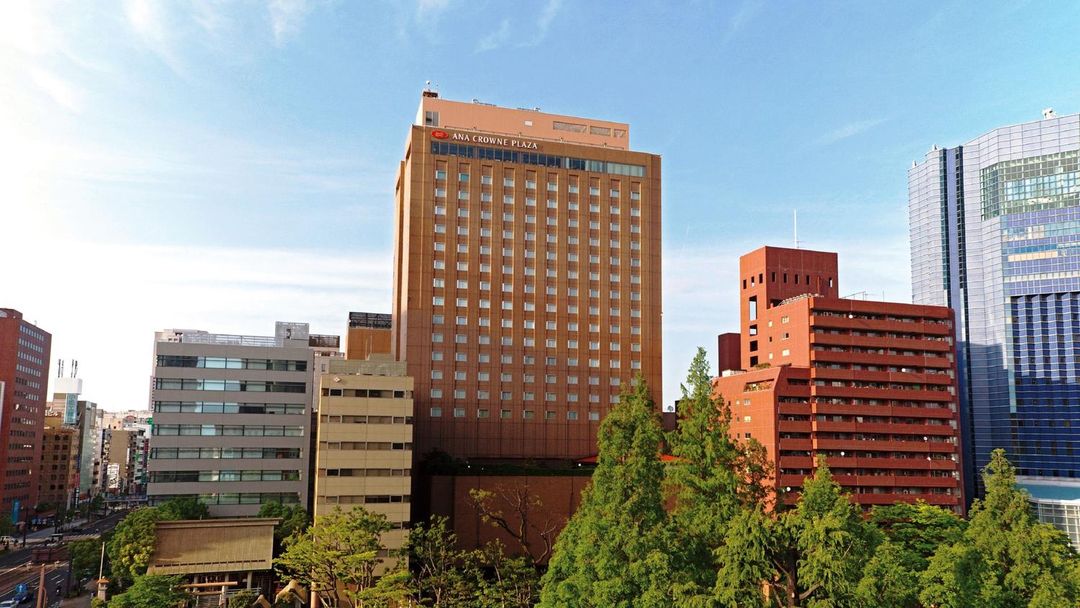
ANA Crowne Plaza Hiroshima
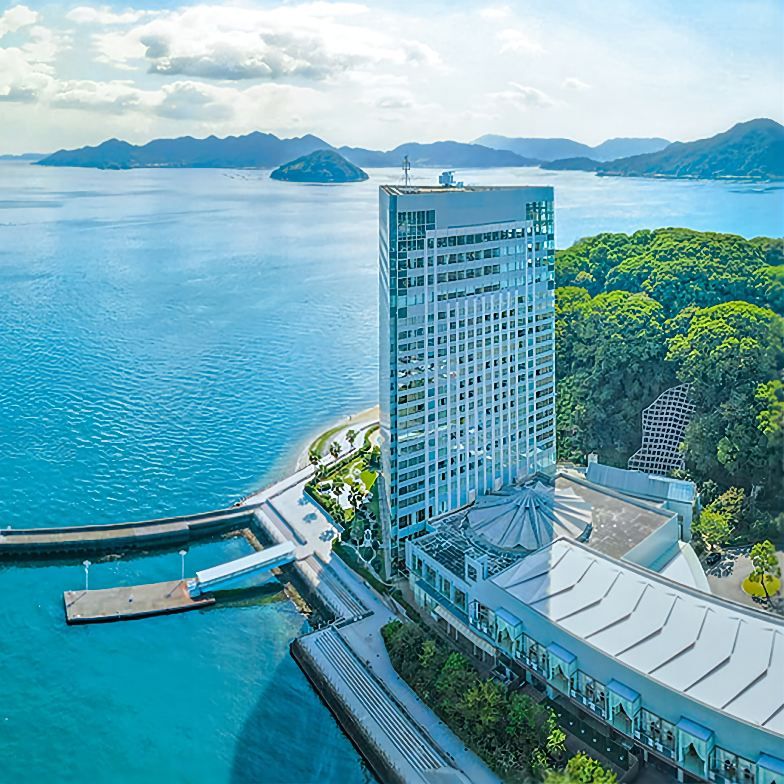
Grand Prince Hotel Hiroshima
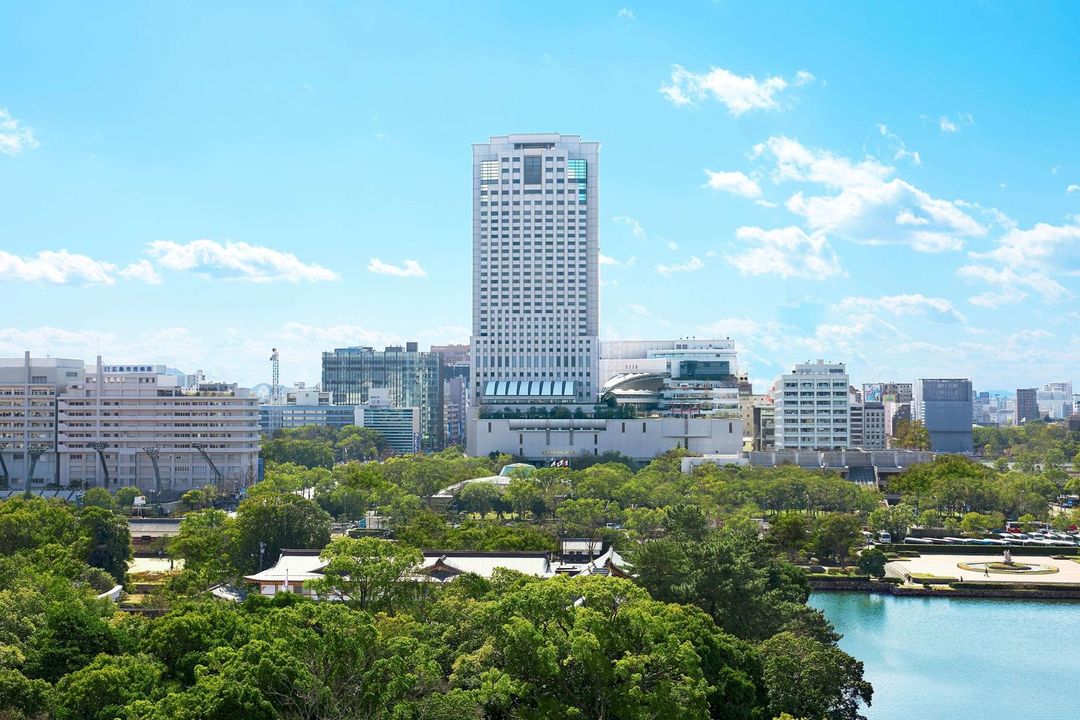
Rihga Royal Hotel Hiroshima
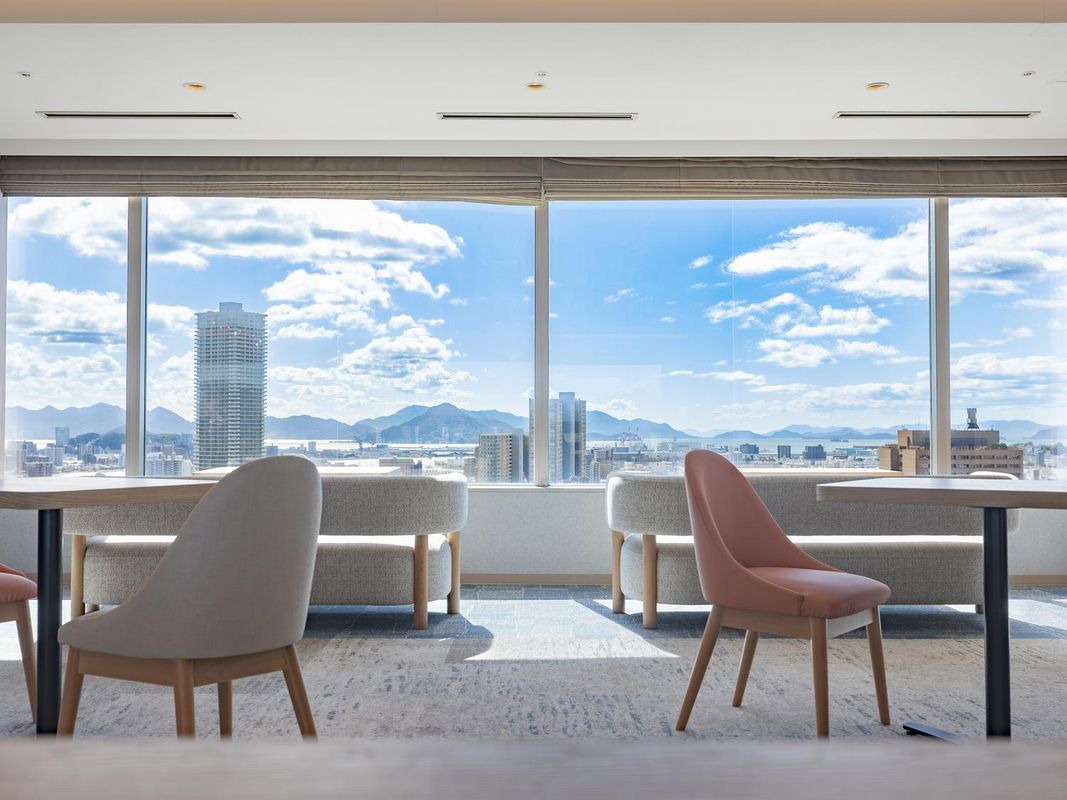
Mitsui Garden Hotel Hiroshima
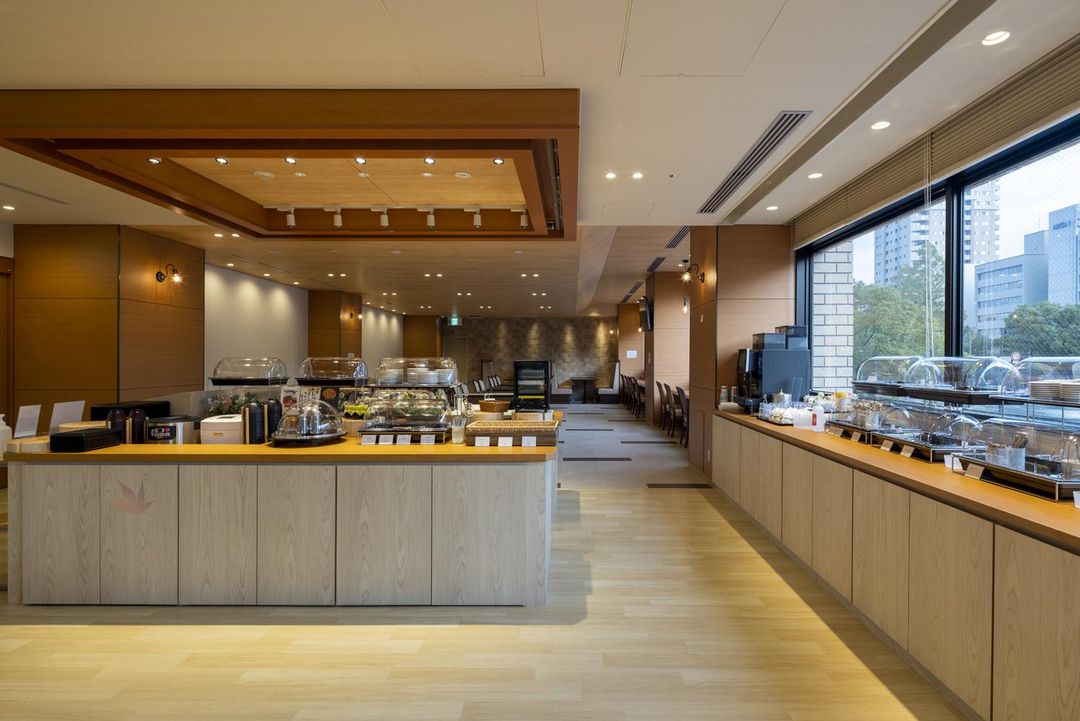
Dormy Inn Hiroshima Annex
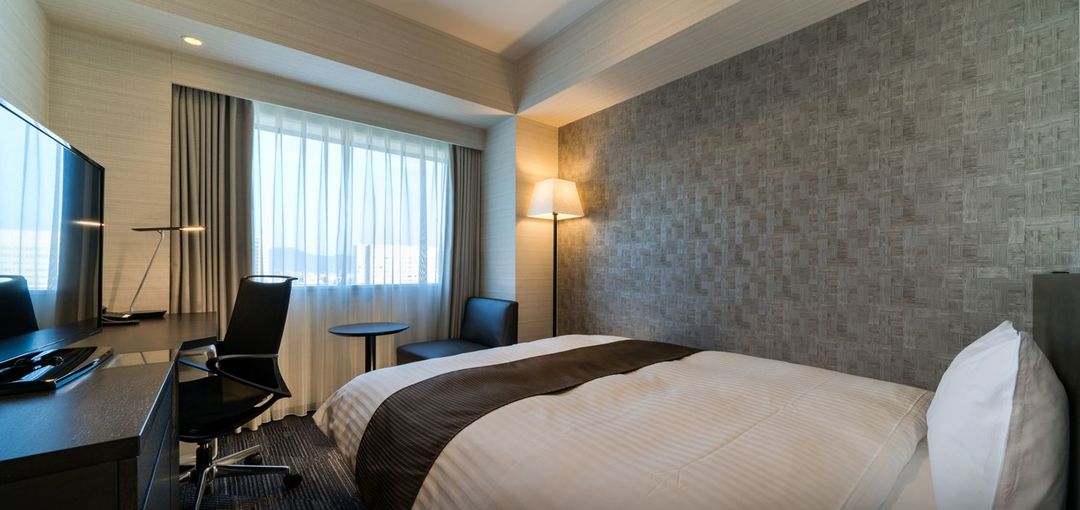
Daiwa Roynet Hotel Hiroshima-Ekimae
Best Hotels in Hiroshima
Discover curated hotel collections in Hiroshima
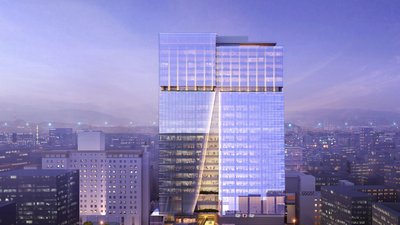
The Ritz-Carlton, Fukuoka
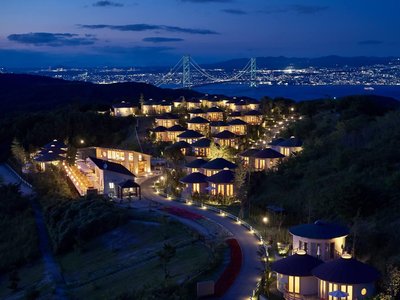
Grand Chariot Hokutoshichisei 135°
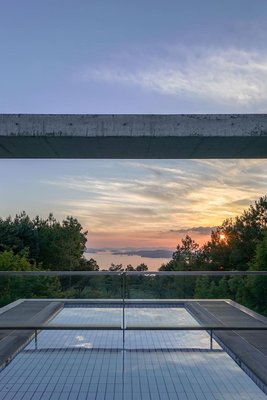
SETOUCHI RETREAT by Onko Chishin
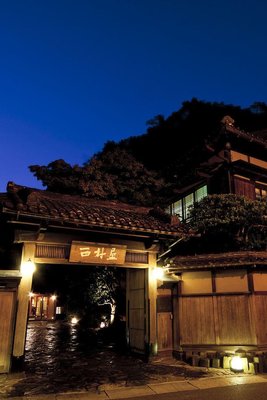
Nishimuraya Honkan
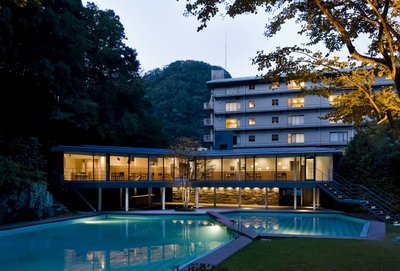
Kinosaki Onsen Nishimuraya Hotel Shogetsutei
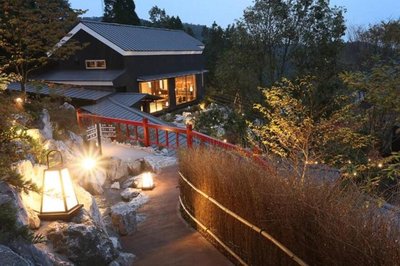
Gekkoju Kurokawa
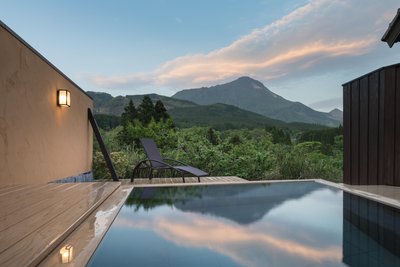
Ikkoten
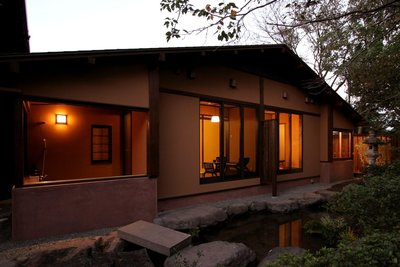
SEKIYA RESORT Bettei Haruki
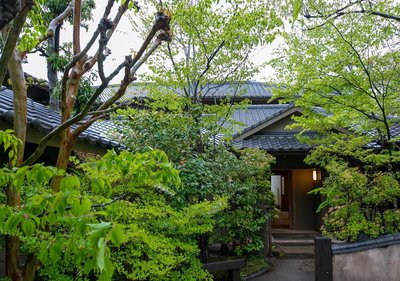
Yufuin Onsen Hinoharu Ryokan
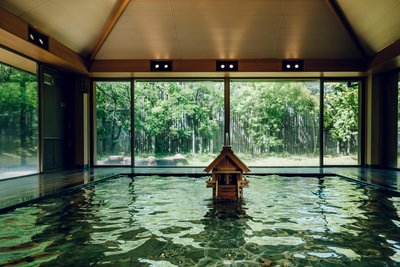
Hoshino Resorts KAI Tamatsukuri
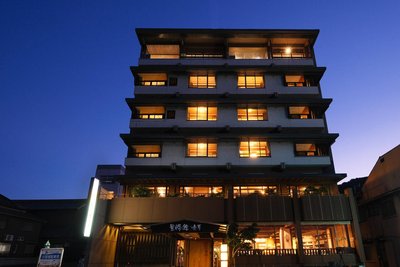
Keishokan Sazanamitei
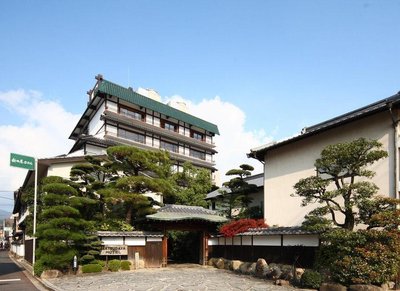
Matsudaya Hotel
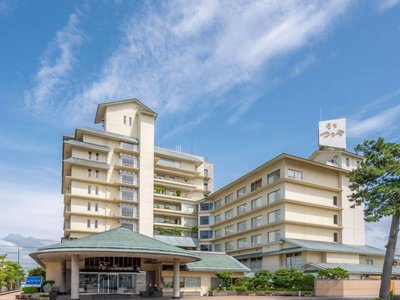
Kaike Tsuruya
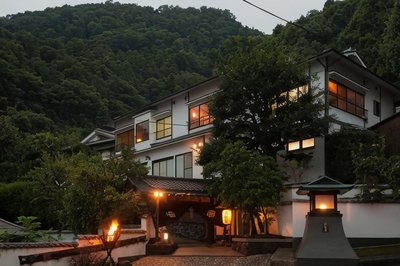
Beppu Showaen
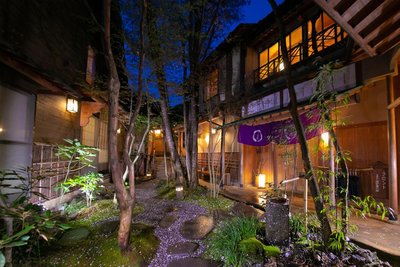
Oyado Ichizen
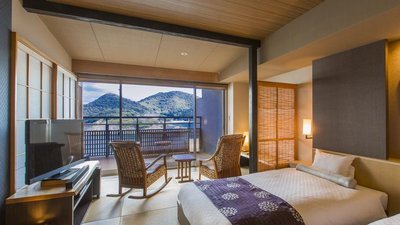
Migiwatei Ochi Kochi
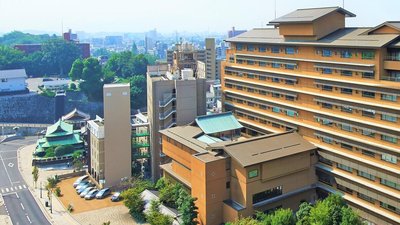
Yamatoya Honten
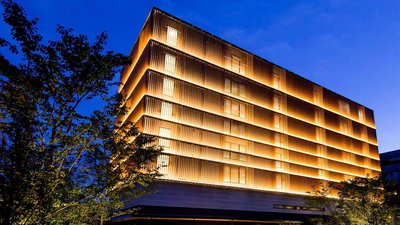
Dogo Miyu

Yamatoya Besso
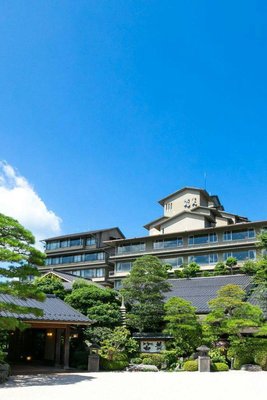
Kasuien Minami
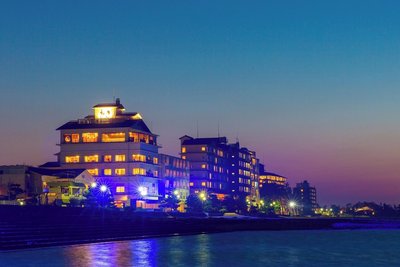
Kaike Shogetsu
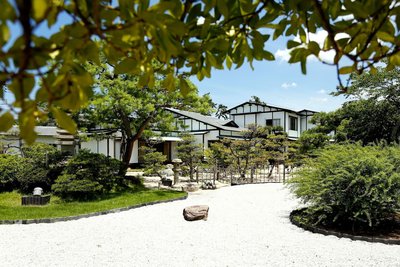
Kaike Fuga
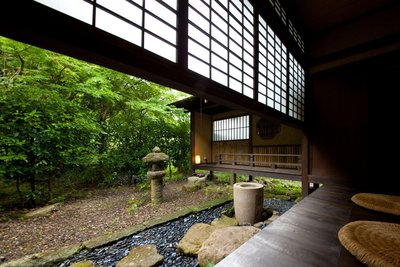
Yufuin Gettouan
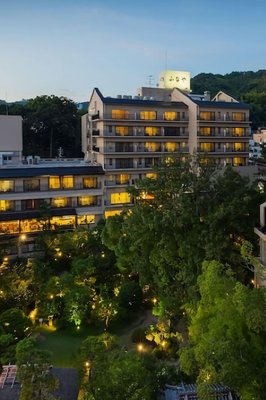
Funaya
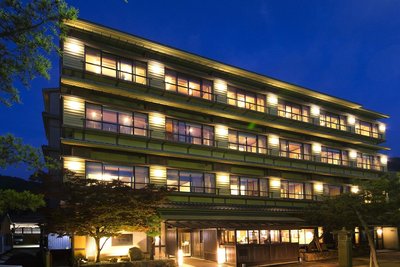
Kinsuikan
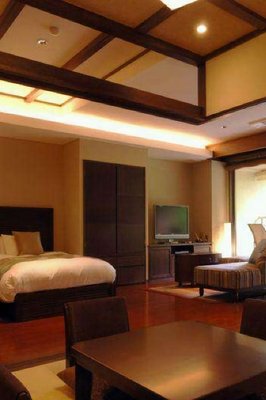
Bettei Oborozukiyo
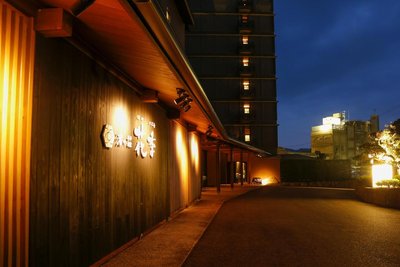
Hanagoyomi

AoAwo Naruto Resort
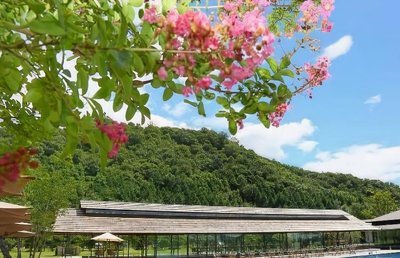
Bella Vista Spa and Marina Onomichi
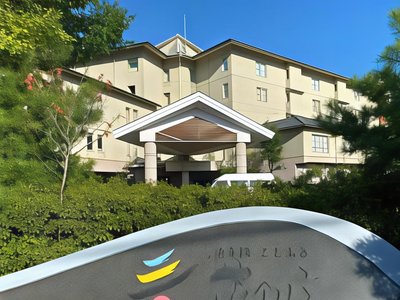
Yufuin Kotobuki Hananosho
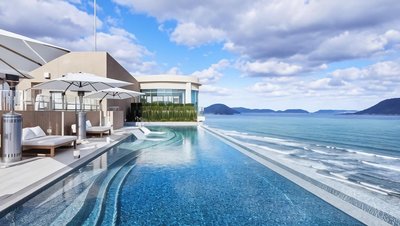
Karatsu Seaside Hotel
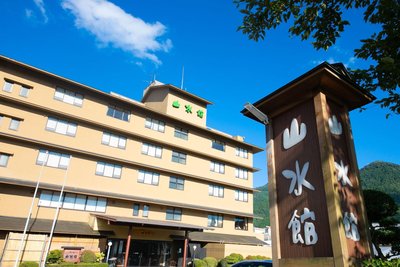
Yufuin Sansuikan
Kaike Shogetsu
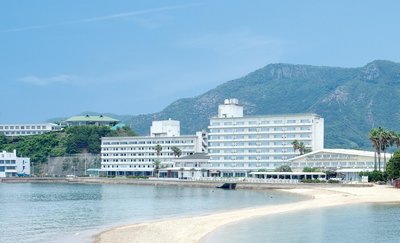
Shodoshima International Hotel
Kinsuikan
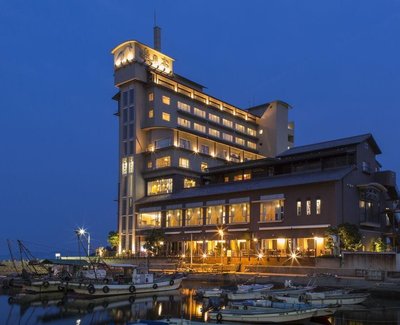
Hotel Ofutei
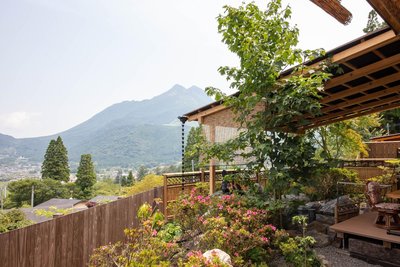
Yufuin-Sanso Waremokou
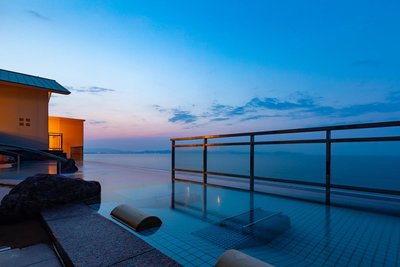
Kaike Yugetsu
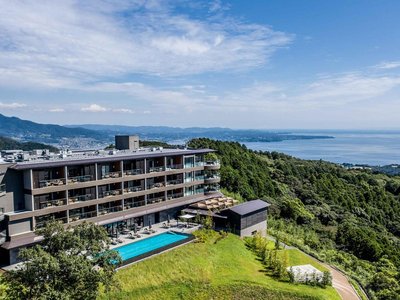
Ana InterContinental Beppu Resort & Spa
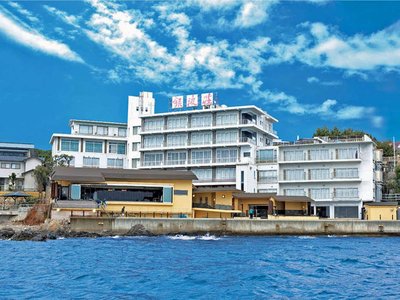
Ginpaso
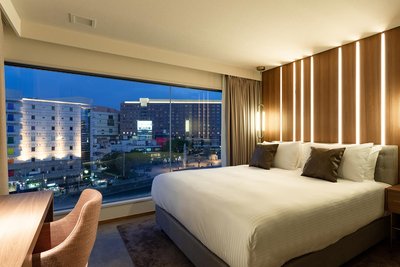
The OneFive Villa Fukuoka
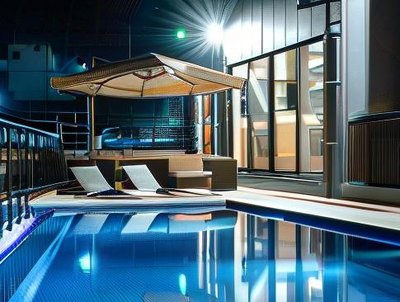
LiVEMAX RESORT MIYAHAMA ONSEN OCEAN
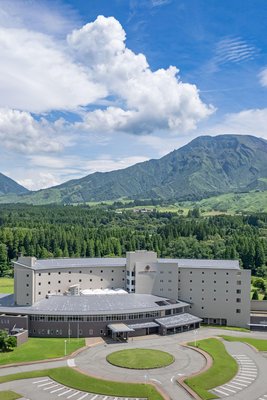
KAMENOI HOTEL ASO
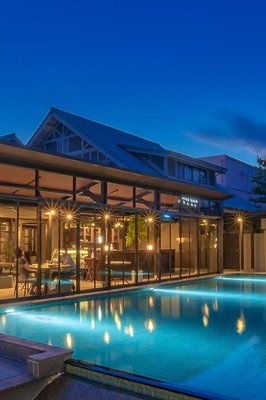
Amane Resort Gahama
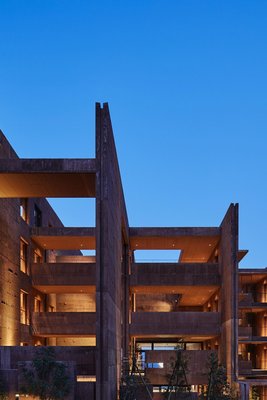
SEKIYA RESORT GALLERIA MIDOBARU
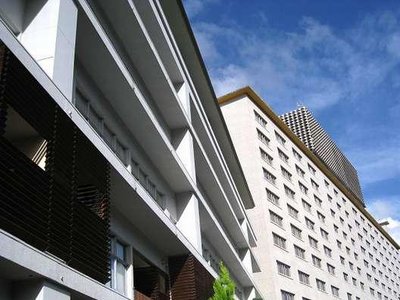
Beppu Suginoi Hotel
Hoshino Resorts KAI Tamatsukuri
Migiwatei Ochi Kochi
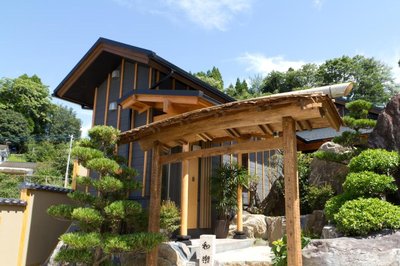
Ryokan Shinsen
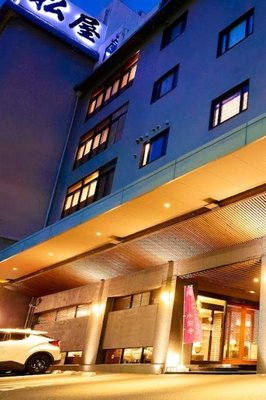
Ryotei Matsuya Honkan Suizenji
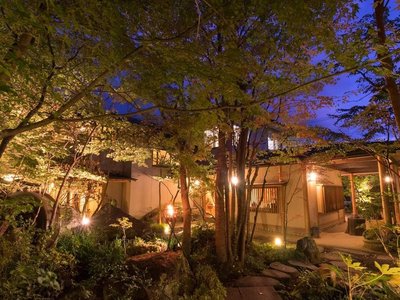
Ryoso Yufuin Yamadaya
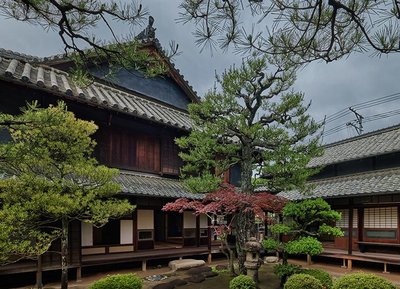
NIPPONIA HOTEL Takehara Saltworks Town
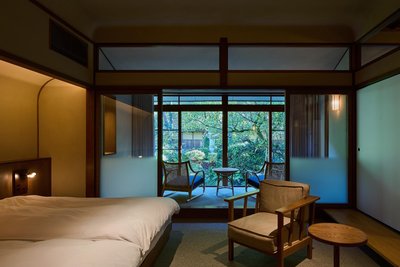
Mikiya' Famous for Shiga Naoya at Kinosaki Hot Springs
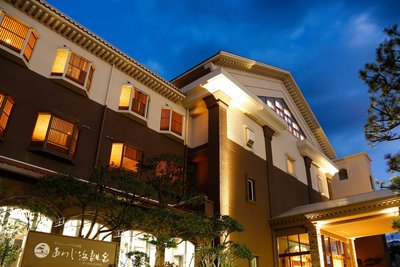
Awaji Hamarikyu
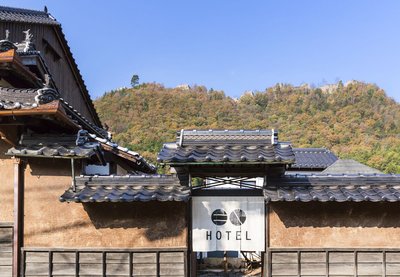
EN Takeda Castle Town Hotel
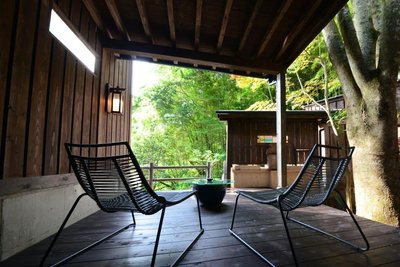
Sanso Tensui
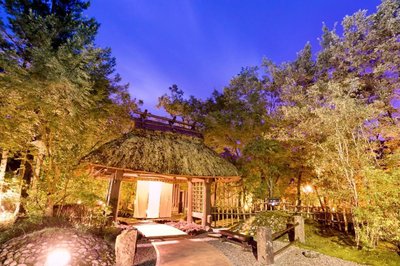
Satonoyu Waraku
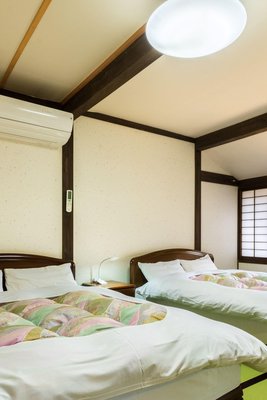
Tobise Onsen Tenga Sanso
Nishimuraya Honkan
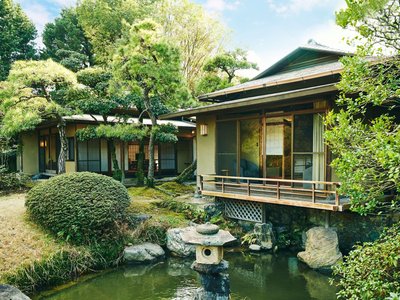
Suisui Garden Ryokan (in the Art Hotel Kokura New Tagawa)
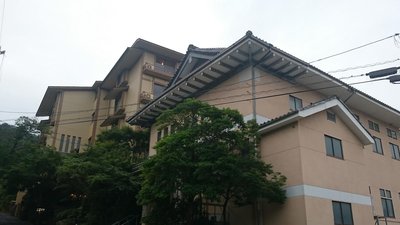
Miyajima Hotel Makoto
Kinosaki Onsen Nishimuraya Hotel Shogetsutei
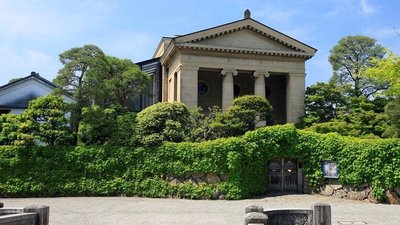
Ryori Ryokan Tsurugata
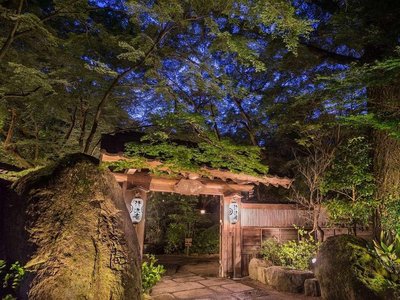
Akizuki Spa Ryokan Seiryuan
Gekkoju Kurokawa
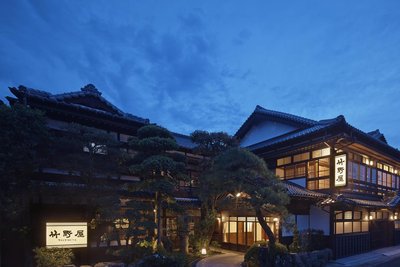
Takenoya
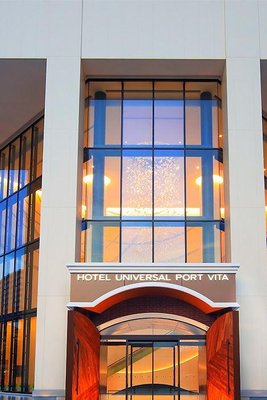
HOTEL UNIVERSAL PORT VITA

The Park Front Hotel at Universal Studios Japan
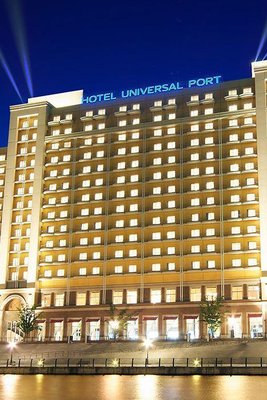
HOTEL UNIVERSAL PORT
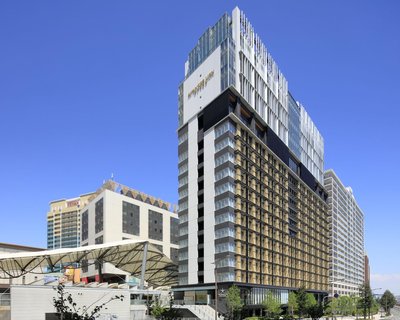
THE SINGULARI HOTEL & SKYSPA at UNIVERSAL STUDIOS JAPAN
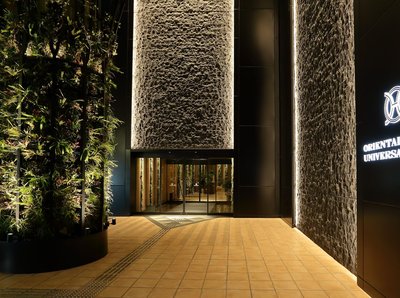
Oriental Hotel Universal City
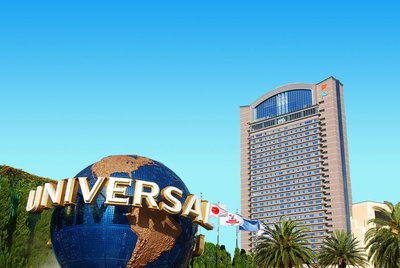
Hotel Keihan Universal Tower
Frequently Asked Questions about Traveling to Hiroshima
Questions You Might Need to Know About Traveling to Hiroshima
For an exceptional stay in Hiroshima City, consider Hotel Grand Hyatt Hiroshima, located near Hiroshima Station with panoramic views of the Ota River. It offers elegant Japanese-Western fusion rooms, a rooftop spa, and access to local dining hotspots. For luxury and history, The Ritz-Carlton, Hiroshima is ideal—nestled beside the river with serene gardens, traditional kaiseki meals, and direct links to the Peace Memorial Park. Both provide excellent service and cultural immersion.
Hiroshima Central District, particularly around Hondori and Nishi-dori, is perfect for first-time travelers. It’s within walking distance of Hiroshima Station, major shopping streets, restaurants, and key attractions like Peace Memorial Park. The area is well-lit, safe, and filled with English signage. Easy access to the Miyajima-bound train makes day trips effortless, ensuring a seamless and stress-free introduction to the city’s charm.
Visitors must visit the Hiroshima Peace Memorial Park and the iconic Atomic Bomb Dome to reflect on history and peace. Don’t miss live performances of Taiko drumming or Geiko dances at local festivals. Try making Hiroshima-style okonomiyaki yourself—mixing cabbage, meat, and batter on a griddle. These hands-on experiences deepen your understanding of Hiroshima’s resilience and unique cultural identity.
Start your day at Peace Memorial Park and the A-Bomb Dome, then head to Miyajima Island via train. Explore the stunning Itsukushima Shrine and its floating torii gate. Hike up Mt. Misen for panoramic views or stroll along the island’s scenic trails. Return to downtown Hiroshima in the afternoon and enjoy okonomiyaki and fresh oysters at Hatchōbashi. End your day with a riverside walk along the Ota River under the city lights.
Yes, Hilton Hiroshima is highly recommended for families. It features a children’s playroom, family suites, baby cots, and kid-friendly amenities. Located near Hiroshima Castle and Chidoriga-hama Park, it’s ideal for outdoor activities. The hotel also hosts regular workshops—like origami, pottery, and lantern-making—offering fun, educational experiences. With spacious rooms and multilingual staff, it ensures a comfortable and memorable stay for all ages.
Hiroshima’s nightlife thrives on local cuisine and riverfront ambiance. Visit Hondori or Nishi-dori for lively izakayas serving crispy takoyaki and kushikatsu. Stroll along the Ota River at night, enjoying illuminated bridges and skyline views. For culture lovers, check out concerts or theater shows at Hiroshima Civic Center. The city’s relaxed vibe and abundant food options make it perfect for evening exploration.
Absolutely. Hiroshima has an efficient network including Hiroden streetcars, JR lines, and city buses. The Hiroshima Tourist Pass grants unlimited rides on most public transit, saving time and money. Bike rentals are widely available—perfect for cycling along the Ota River Greenway. With clear signage, English announcements, and user-friendly apps, navigating the city is simple and enjoyable for international visitors.
Must-try dishes include Hiroshima-style okonomiyaki (a savory pancake with layered ingredients), fresh Miyajima oysters, and Seto Inland Sea nori seaweed. Enjoy them at local stalls in Hatchōbashi or Miyajima Port. The okonomiyaki is cooked on a griddle with cabbage, meat, and noodles, topped with sauce and bonito flakes. These flavors reflect Hiroshima’s coastal heritage and culinary innovation.
Spring brings the Cherry Blossom Festival along the Ota River and Hiroshima Castle, where pink petals drift in the breeze. Summer features the vibrant Hiroshima Gion Festival, with decorated floats and taiko drumming. Autumn sees the Miyajima Red Leaf Festival, painting the island in fiery hues. Winter hosts the Hiroshima Light Festival, illuminating Peace Memorial Park and harbor—each event captures the city’s spirit across seasons.
Hiroshima is exceptionally safe for travelers. The city maintains clean streets, strong police presence, and widespread English signage. Popular areas like Peace Memorial Park and Miyajima Island have dedicated security teams. Nighttime travel is generally safe, though avoiding isolated alleys is advised. Accessibility features—including ramps, elevators, and multilingual information—are standard, making it welcoming for seniors, families, and international visitors alike.
Hiroshima Overview
City Summary
Hiroshima, the capital of Hiroshima Prefecture, is globally known for the 1945 atomic bombing and has since been rebuilt as a city symbolizing peace. It boasts rich cultural heritage, including the Hiroshima Peace Memorial Park and Atomic Bomb Dome, and serves as the gateway to Miyajima, famous for its floating Itsukushima Shrine. Hiroshima uniquely blends tragic history with modern vibrancy.
Must-See Attractions
Must-see attractions in Hiroshima include the Hiroshima Peace Memorial Park and Atomic Bomb Dome, which poignantly reflect the city's history. Hiroshima Castle (Carp Castle) showcases traditional Japanese architecture. A ferry ride to Miyajima offers a visit to the UNESCO-listed Itsukushima Shrine with its iconic floating torii gate. At night, explore Hondori Shopping Arcade for local shopping and dining.
Food Guide
Hiroshima is famous for Hiroshima-style okonomiyaki, a layered savory pancake with noodles, vegetables, and meat. Other highlights include oysters (particularly from Miyajima) and Hiroshima-style tsukemen. Okonomi-mura is a great spot to sample various okonomiyaki versions.
Transportation Guide
Hiroshima has an efficient tram system covering major attractions. The Hiroshima Electric Railway provides easy access to Peace Memorial Park and Hiroshima Station. To reach Miyajima, take the JR Sanyo Line from Hiroshima Station to Miyajimaguchi Station, then transfer to a ferry. Buses and taxis are available, but trams are the most cost-effective option.
Best Time to Visit
The best times to visit are spring (March-May) and autumn (September-November) for mild weather. Summers are hot and humid, while winters are cold but less crowded. Avoid Golden Week (late April-early May) and Obon (mid-August) to escape peak crowds.
Travel Tips
- Maintain silence at Peace Memorial Park to respect the solemn atmosphere.
- Many Hiroshima restaurants close early, so dine early or make reservations.
- Purchase a tram day pass for unlimited rides and savings.
- While Miyajima's deer are cute, avoid feeding them for safety.
- Learning basic Japanese phrases like "arigatou" (thank you) helps with local interactions.
- Carry cash as some small shops don't accept cards.
Useful Information
English signage is common in tourist areas, but basic Japanese is helpful. Good mobile coverage is available; prepaid SIMs can be bought at airports or convenience stores. Cash is preferred, though credit cards are accepted at larger establishments. For emergencies, dial 110 (police) or 119 (ambulance). Pharmacies are widespread, but bring essential medications. Tap water is safe to drink; eco-conscious travelers can carry reusable bottles.