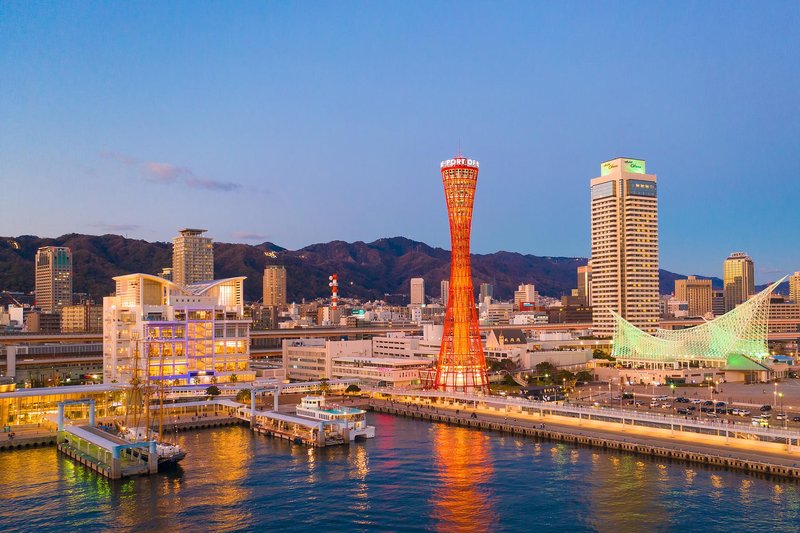
Hotels in Hiroshima
Discover your perfect stay in Hiroshima.
Hiroshima(Japan) Travel 2026: Cheap Flights, Hotels & Top Attractions
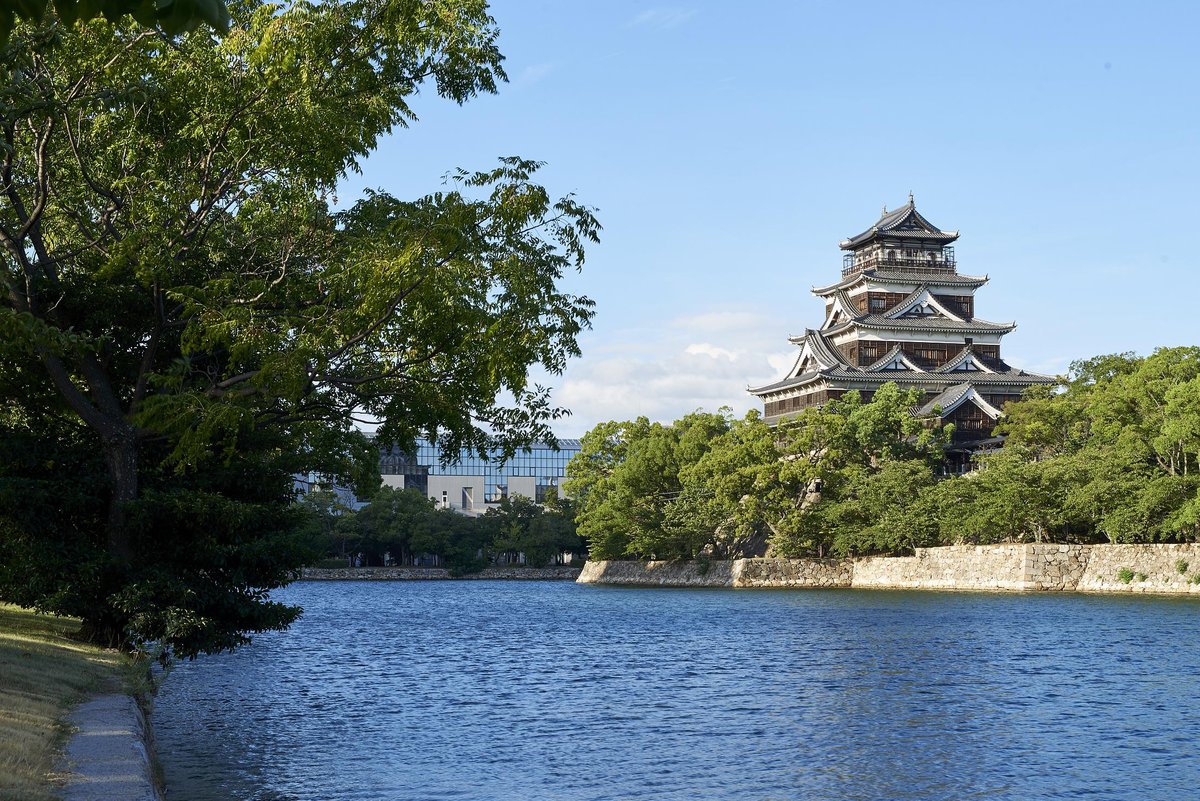
Popular Landmarks in Hiroshima
Discover the most iconic attractions in Hiroshima
Recommended Hotels in Hiroshima
Find the perfect place to stay in Hiroshima
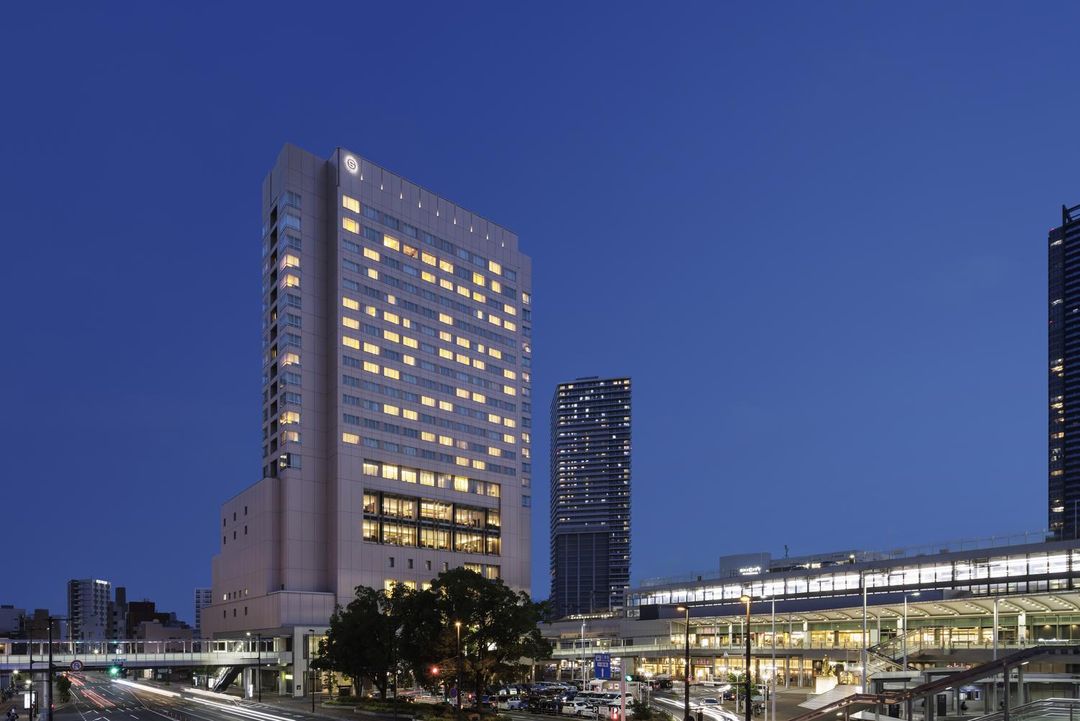
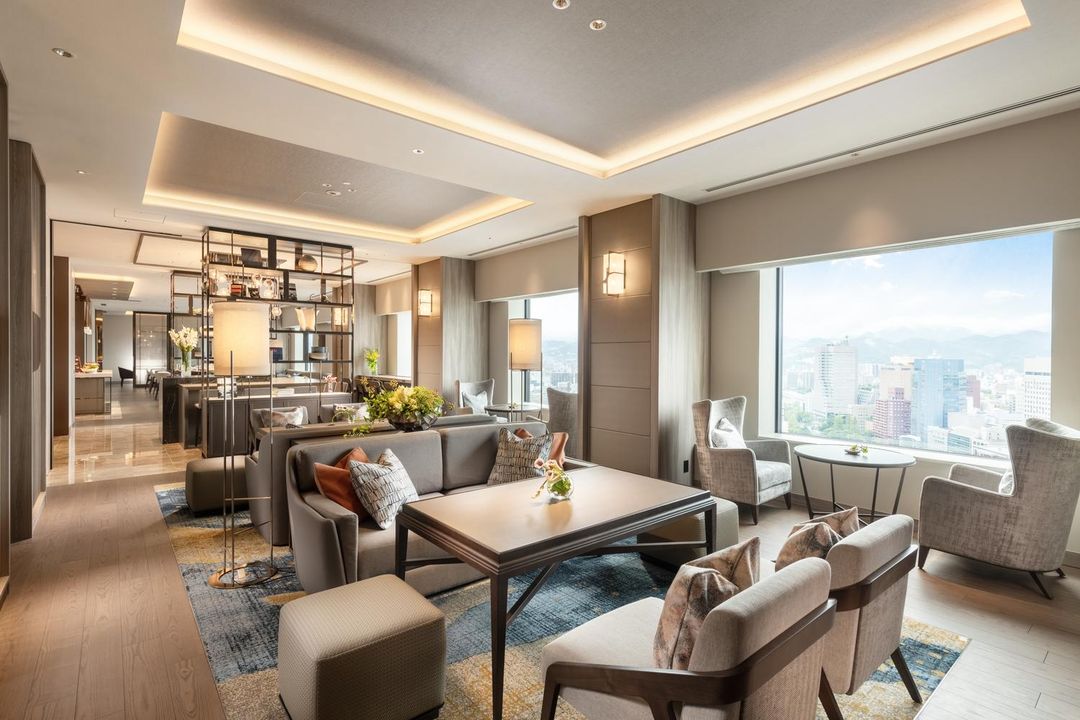
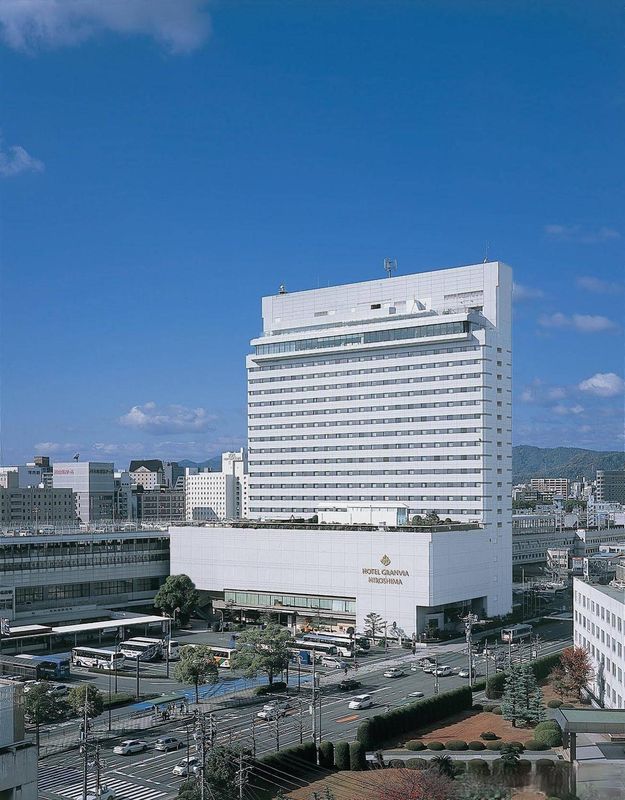
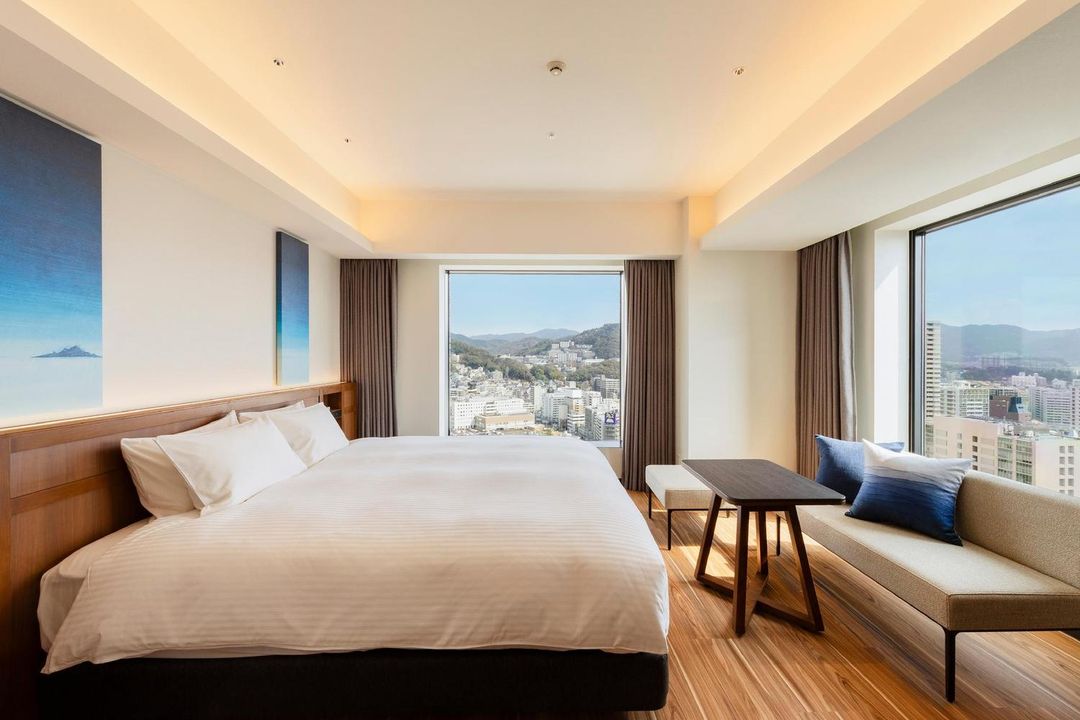
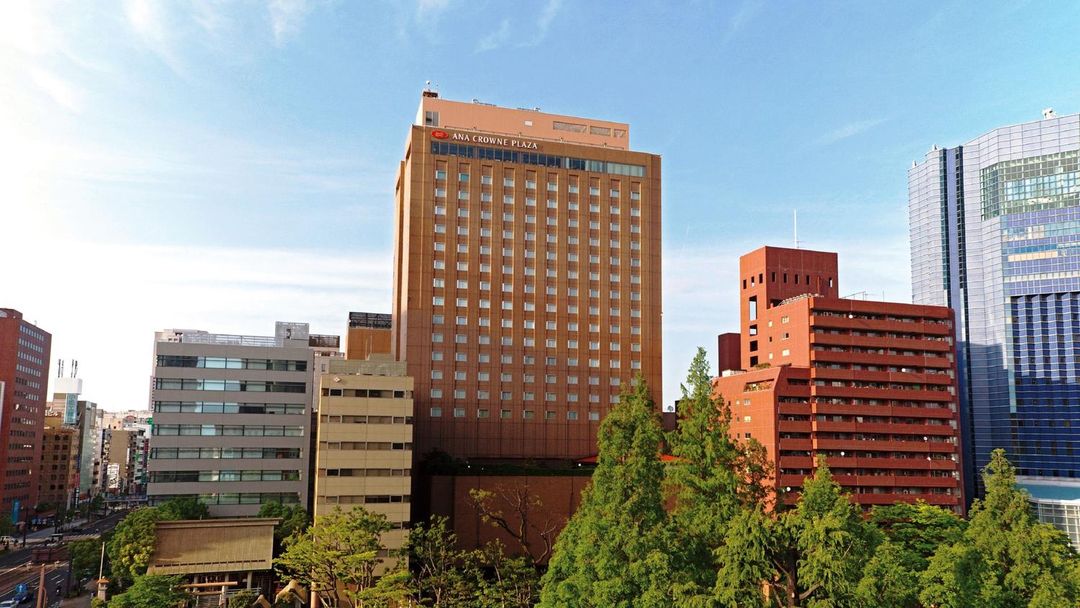
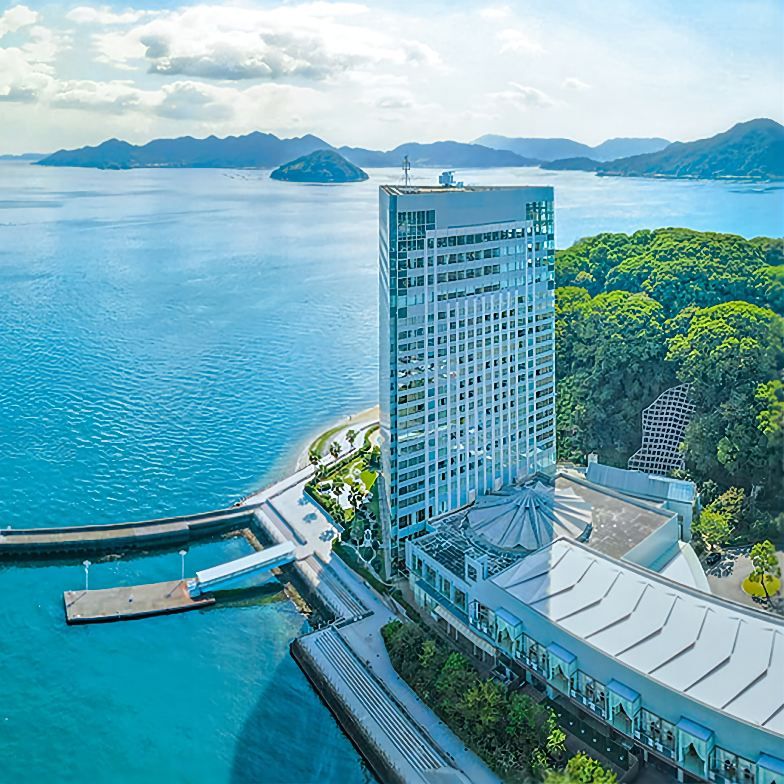
Best Hotels in Hiroshima
Discover curated hotel collections in Hiroshima
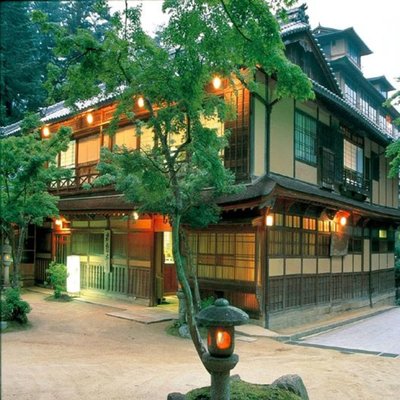
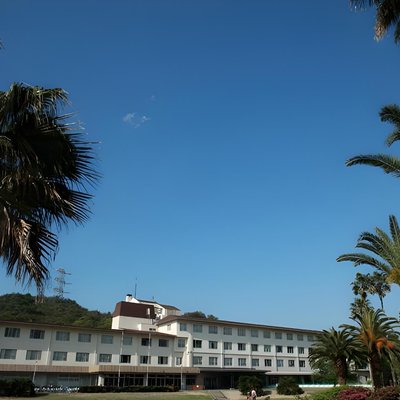
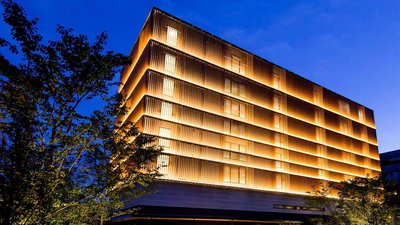
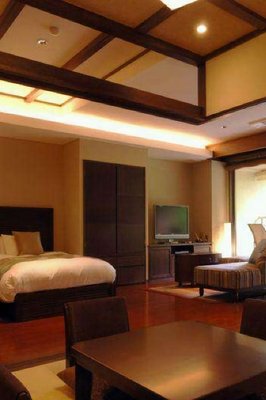



Frequently Asked Questions about Traveling to Hiroshima
Questions You Might Need to Know About Traveling to Hiroshima
Hiroshima Overview
City Summary
Hiroshima, the capital of Hiroshima Prefecture, is globally known for the 1945 atomic bombing and has since been rebuilt as a city symbolizing peace. It boasts rich cultural heritage, including the Hiroshima Peace Memorial Park and Atomic Bomb Dome, and serves as the gateway to Miyajima, famous for its floating Itsukushima Shrine. Hiroshima uniquely blends tragic history with modern vibrancy.
Must-See Attractions
Must-see attractions in Hiroshima include the Hiroshima Peace Memorial Park and Atomic Bomb Dome, which poignantly reflect the city's history. Hiroshima Castle (Carp Castle) showcases traditional Japanese architecture. A ferry ride to Miyajima offers a visit to the UNESCO-listed Itsukushima Shrine with its iconic floating torii gate. At night, explore Hondori Shopping Arcade for local shopping and dining.
Food Guide
Hiroshima is famous for Hiroshima-style okonomiyaki, a layered savory pancake with noodles, vegetables, and meat. Other highlights include oysters (particularly from Miyajima) and Hiroshima-style tsukemen. Okonomi-mura is a great spot to sample various okonomiyaki versions.
Transportation Guide
Hiroshima has an efficient tram system covering major attractions. The Hiroshima Electric Railway provides easy access to Peace Memorial Park and Hiroshima Station. To reach Miyajima, take the JR Sanyo Line from Hiroshima Station to Miyajimaguchi Station, then transfer to a ferry. Buses and taxis are available, but trams are the most cost-effective option.
Best Time to Visit
The best times to visit are spring (March-May) and autumn (September-November) for mild weather. Summers are hot and humid, while winters are cold but less crowded. Avoid Golden Week (late April-early May) and Obon (mid-August) to escape peak crowds.
Travel Tips
- Maintain silence at Peace Memorial Park to respect the solemn atmosphere.
- Many Hiroshima restaurants close early, so dine early or make reservations.
- Purchase a tram day pass for unlimited rides and savings.
- While Miyajima's deer are cute, avoid feeding them for safety.
- Learning basic Japanese phrases like "arigatou" (thank you) helps with local interactions.
- Carry cash as some small shops don't accept cards.
Useful Information
English signage is common in tourist areas, but basic Japanese is helpful. Good mobile coverage is available; prepaid SIMs can be bought at airports or convenience stores. Cash is preferred, though credit cards are accepted at larger establishments. For emergencies, dial 110 (police) or 119 (ambulance). Pharmacies are widespread, but bring essential medications. Tap water is safe to drink; eco-conscious travelers can carry reusable bottles.