Hotels in Hoa Binh
Discover your perfect stay in Hoa Binh.
Hoa Binh(Vietnam) Travel 2026: Cheap Flights, Hotels & Top Attractions
Popular Landmarks in Hoa Binh
Discover the most iconic attractions in Hoa Binh
Recommended Hotels in Hoa Binh
Find the perfect place to stay in Hoa Binh
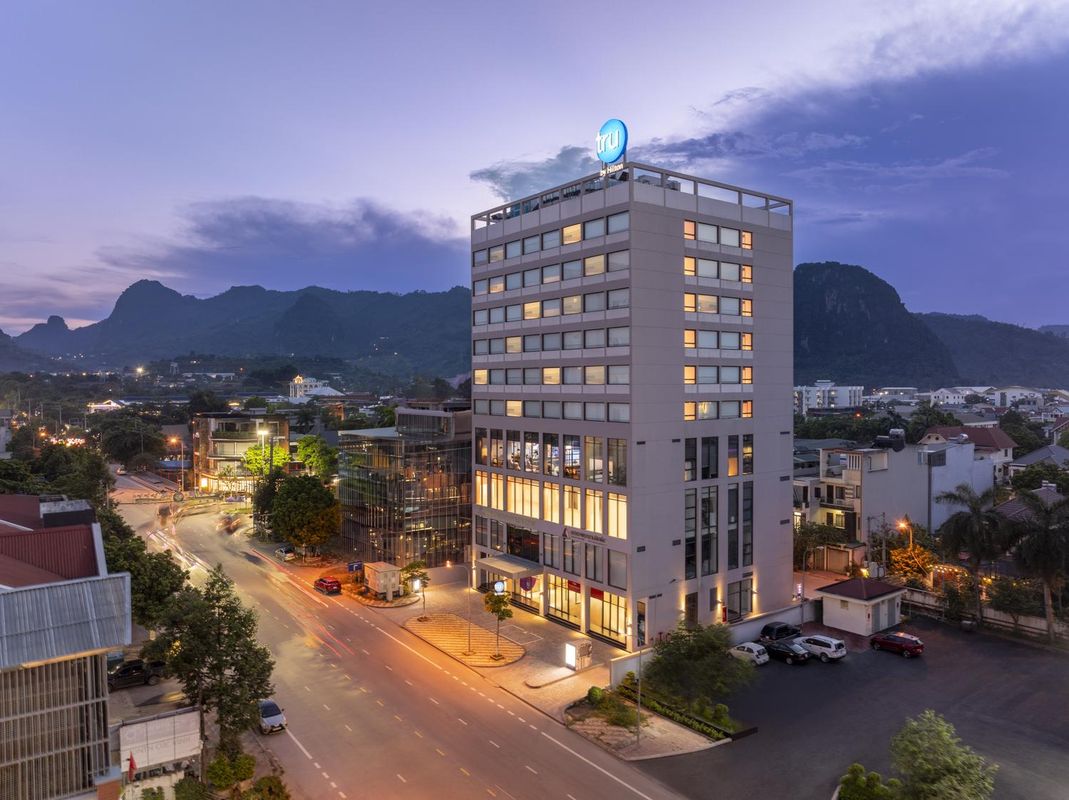
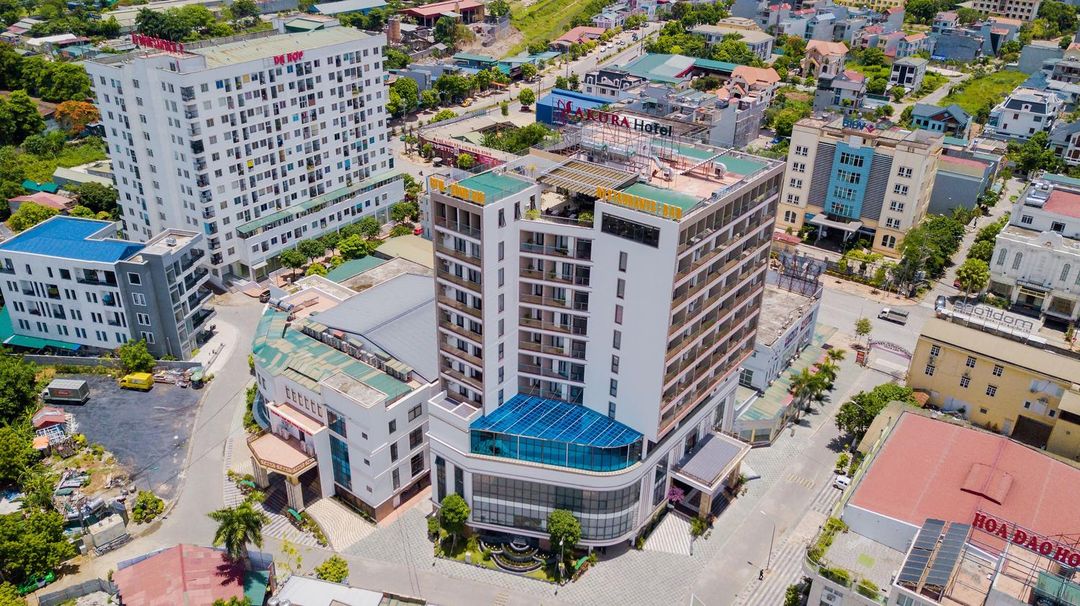
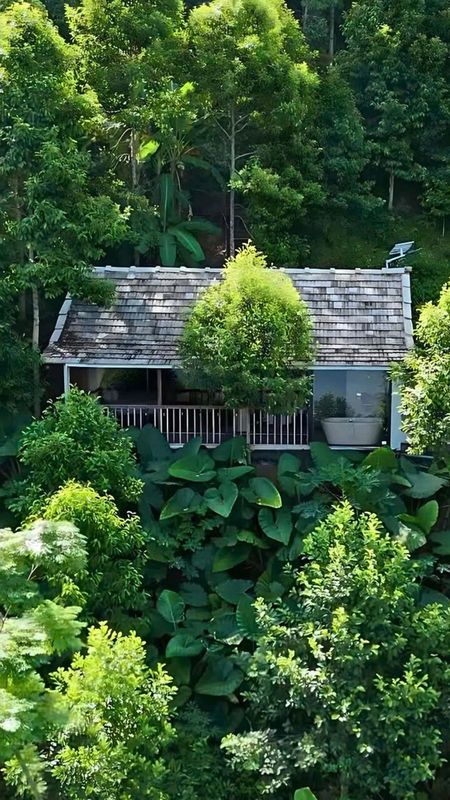
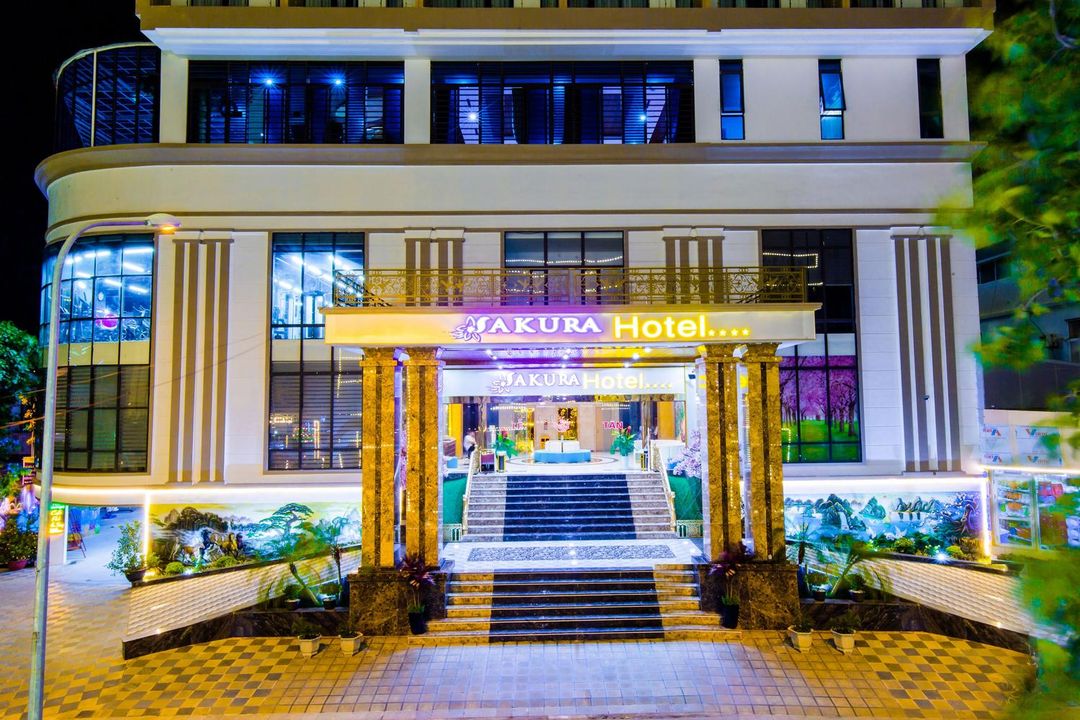
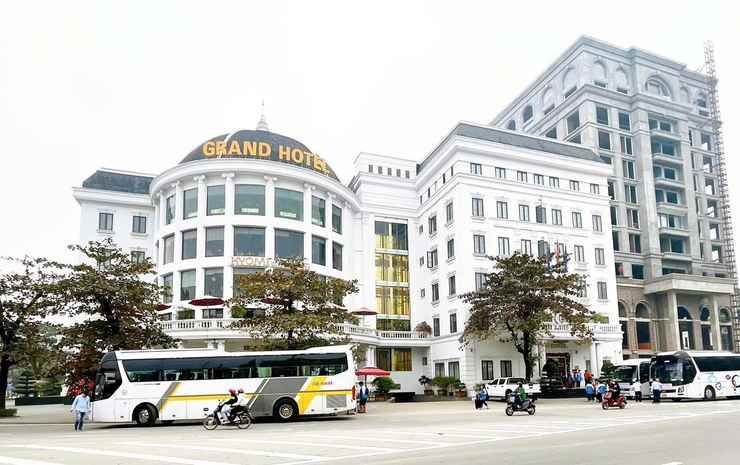
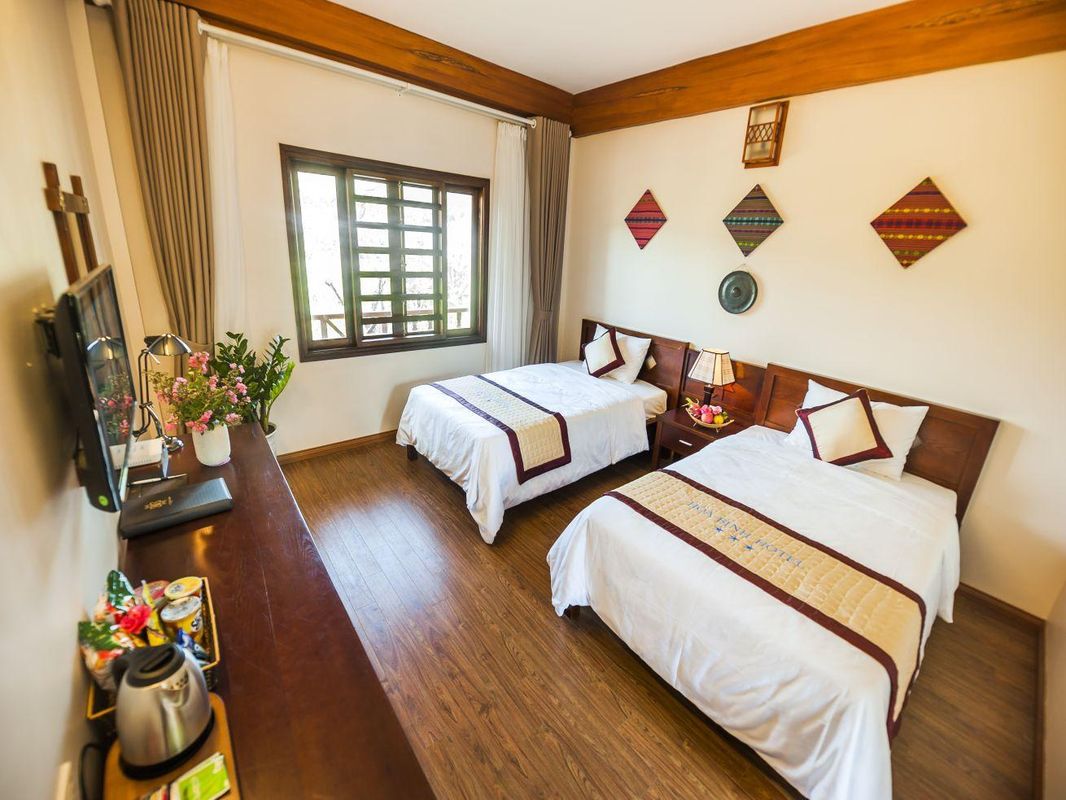
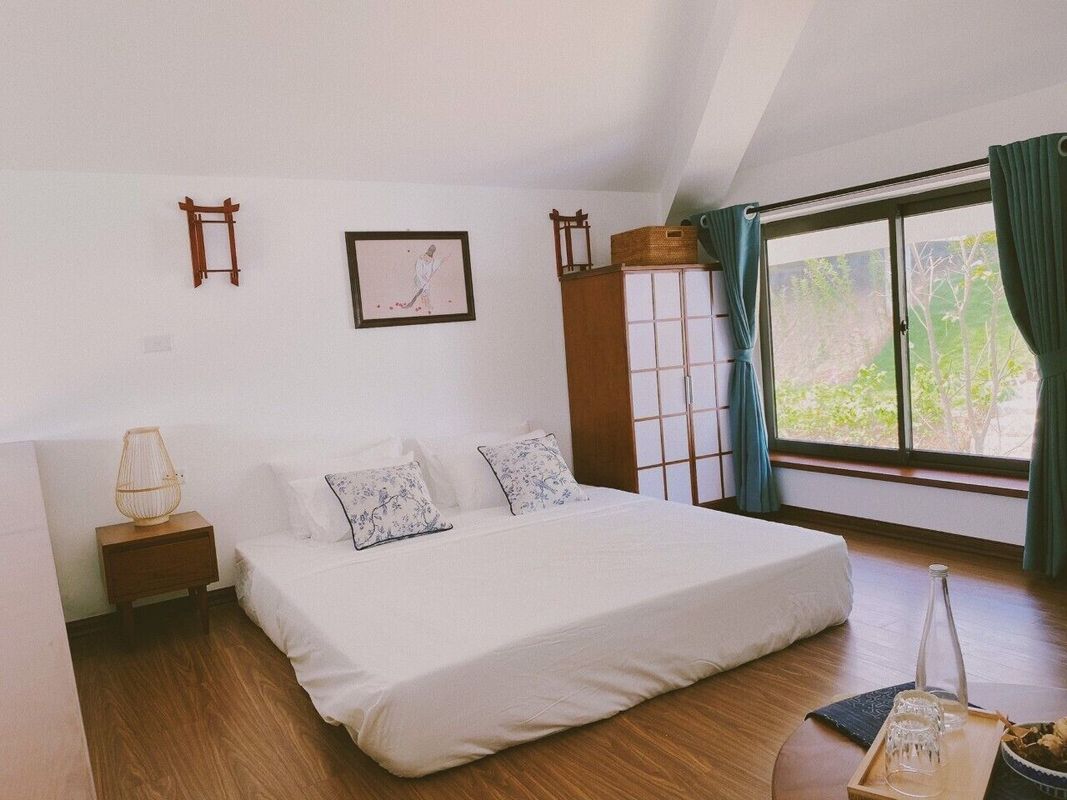
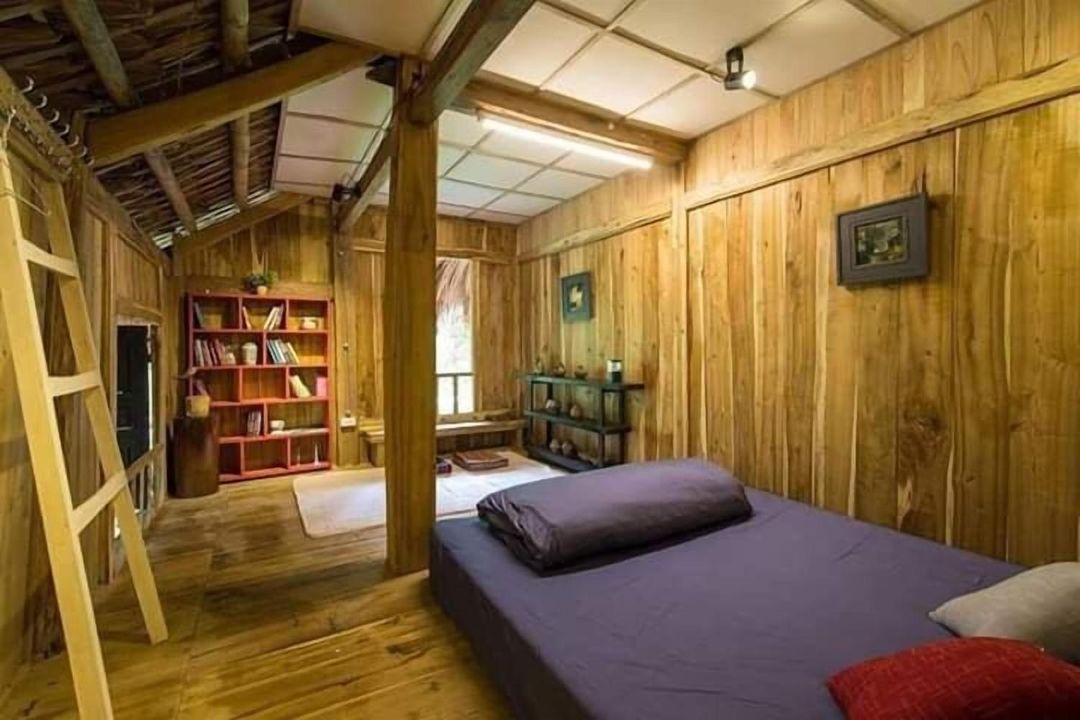
Best Hotels in Hoa Binh
Discover curated hotel collections in Hoa Binh














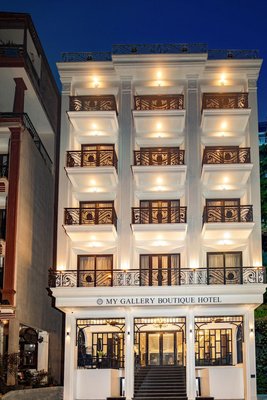



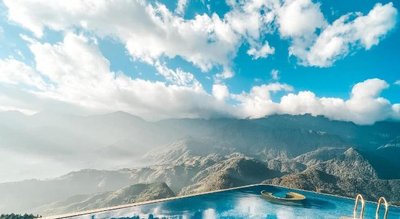
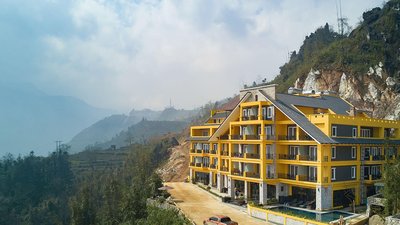
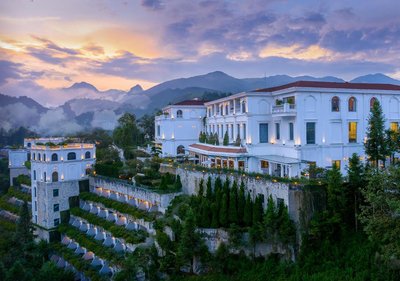
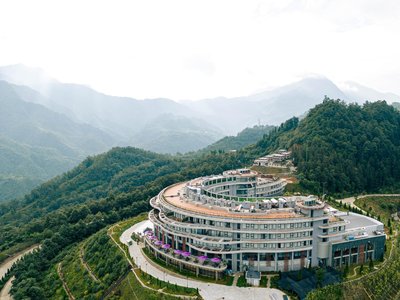
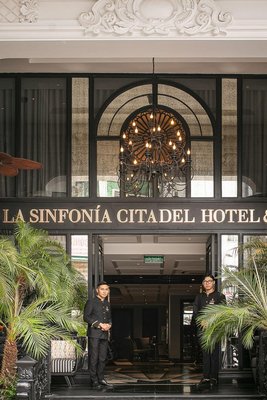
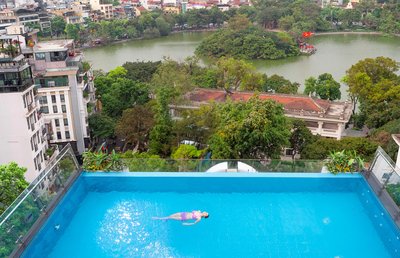
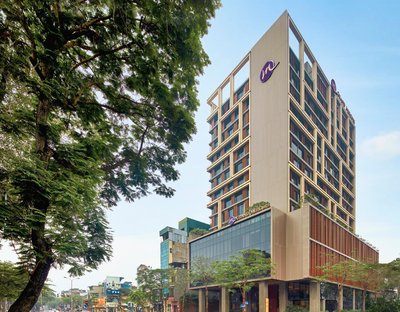



























Frequently Asked Questions about Traveling to Hoa Binh
Questions You Might Need to Know About Traveling to Hoa Binh
Hoa Binh Overview
City Summary
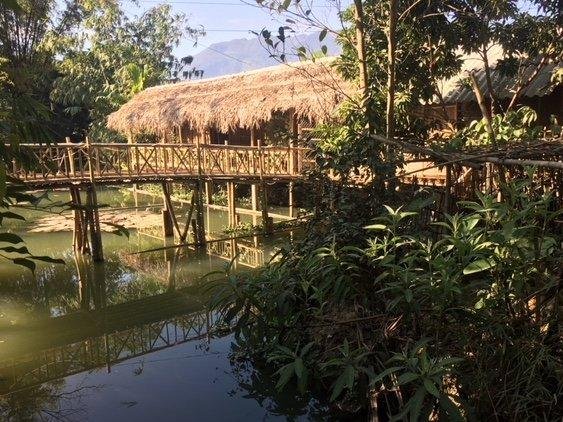
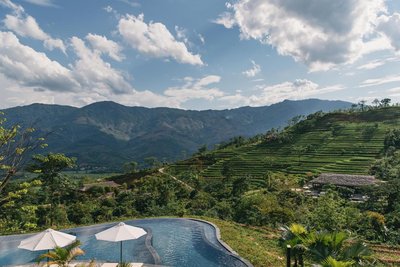
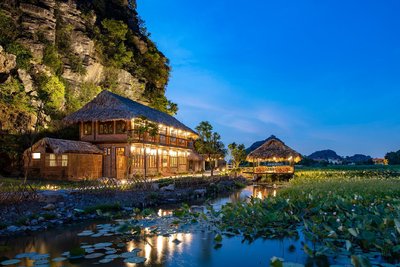
Hoa Binh is a province in northwestern Vietnam, renowned for its stunning natural landscapes and rich ethnic minority cultures. It is an ideal destination for exploring Vietnam's mountainous culture and ecotourism. Hoa Binh features vast rice terraces, dense forests, and traditional villages of the Thai and Muong ethnic groups, showcasing the pristine beauty of rural Vietnam.
Must-See Attractions
The main attractions in Hoa Binh include Hoa Binh Lake, one of Vietnam's largest artificial lakes, surrounded by lush hills and perfect for boating and fishing. The Muong Cultural Village offers insights into the lifestyle and traditions of local ethnic minorities. Additionally, the Hoa Binh Terraced Fields present a spectacular golden view during the harvest season, making it a paradise for photographers.
Food Guide
In Hoa Binh, visitors can savor authentic mountainous dishes such as grilled wild boar and bamboo-tube rice, which are traditional delicacies of the local ethnic groups. Street food like sticky rice and sour soup is also popular, reflecting the unique culinary culture of Vietnam's highlands.
Transportation Guide
Transportation in Hoa Binh is primarily by bus and motorbike. Frequent buses run from Hanoi to Hoa Binh, taking about 2-3 hours. Renting a motorbike is recommended for exploring the surrounding countryside and attractions. Taxis and private vehicles are also available but more expensive.
Best Time to Visit
The best time to visit Hoa Binh is from September to November when the weather is cool, and the terraced fields turn golden during the harvest season. Avoid the rainy season (May to August) as the roads can be muddy and difficult to navigate.
Travel Tips
- Respect local culture: Follow local customs when visiting ethnic minority villages.
- Dress appropriately: The highland areas can be chilly, so bring warm clothing.
- Carry cash: Electronic payments are not widely accepted in rural areas.
- Stay safe: Wear a helmet when riding a motorbike and be cautious on mountainous roads.
- Travel sustainably: Do not litter and help protect the natural environment.
Useful Information
The official language in Hoa Binh is Vietnamese, but some people in tourist areas may speak basic English. Internet coverage is decent, but signals can be unstable in mountainous regions. Cash is the primary payment method, as credit cards are not widely accepted in rural areas. Medical facilities are limited, so bring essential medications. Emergency contacts: Police 113, Ambulance 115.