Hotels in Hokuei
Discover your perfect stay in Hokuei.
Hokuei(Japan) Travel 2026: Cheap Flights, Hotels & Top Attractions
Popular Landmarks in Hokuei
Discover the most iconic attractions in Hokuei
Recommended Hotels in Hokuei
Find the perfect place to stay in Hokuei
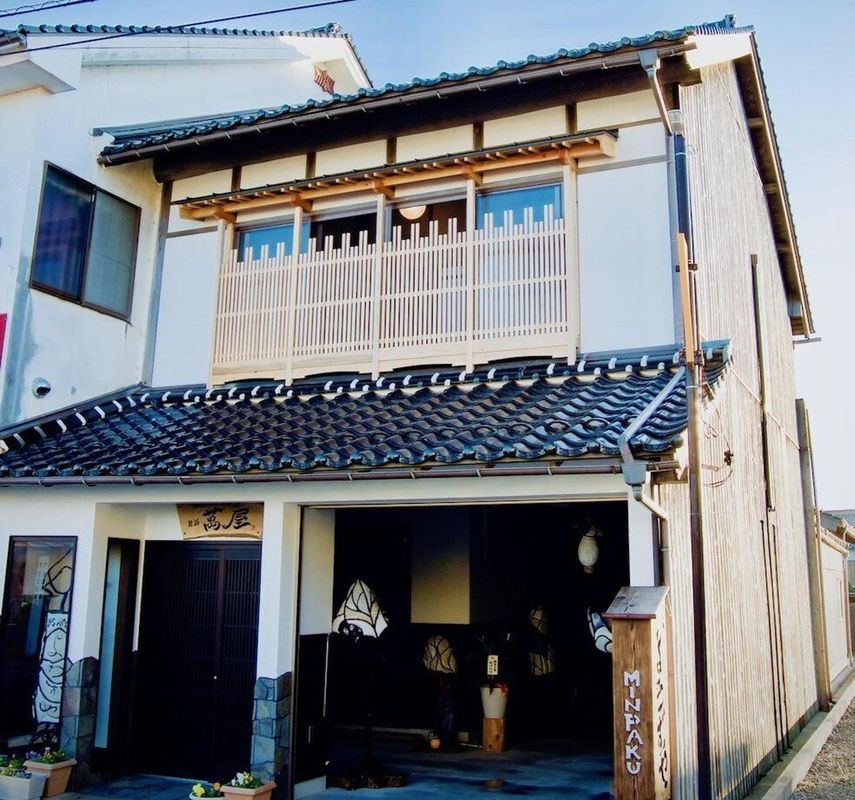
Minpaku Yorozuya
Best Hotels in Hokuei
Discover curated hotel collections in Hokuei
Osaka Marriott Miyako Hotel
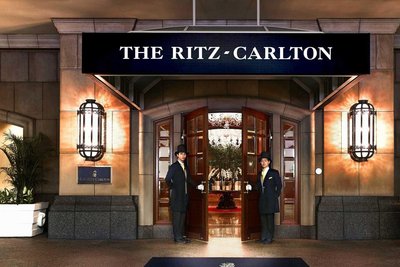
The Ritz-Carlton, Osaka
InterContinental Hotel Osaka
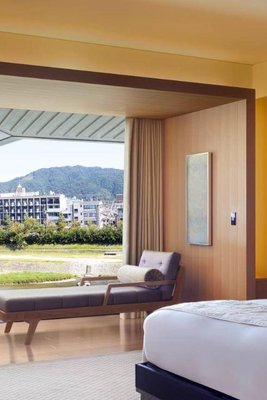
The Ritz-Carlton, Kyoto
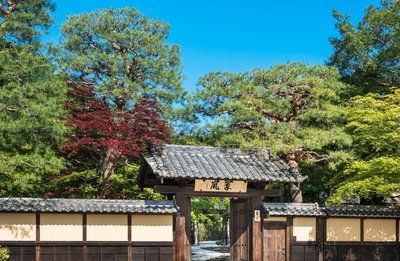
Suiran, a Luxury Collection Hotel, Kyoto
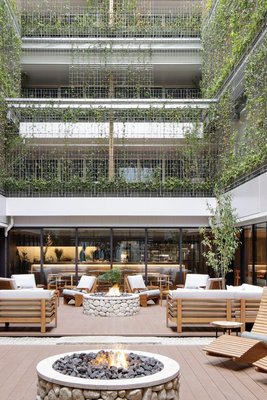
GOOD NATURE HOTEL KYOTO
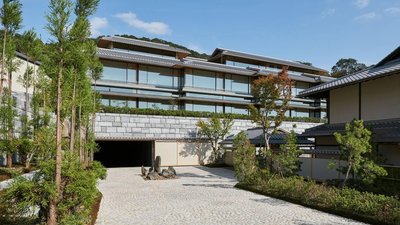
Park Hyatt Kyoto

Hyatt Centric Kanazawa
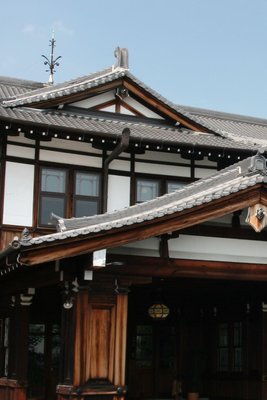
Nara Hotel
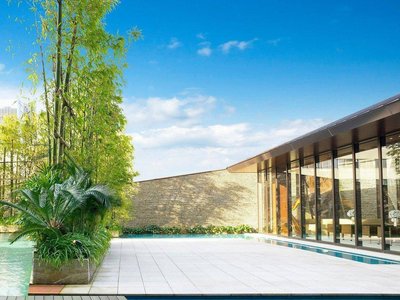
ORIENTAL HOTEL
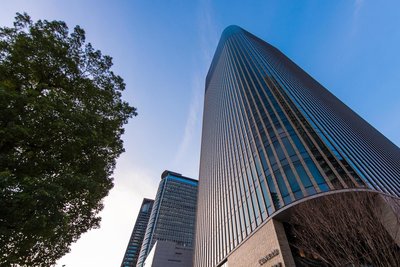
Conrad Osaka
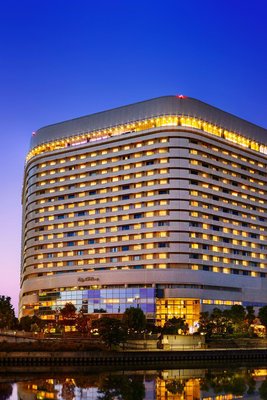
Hotel New Otani Osaka
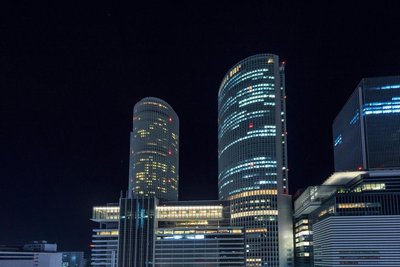
Nagoya Marriott Associa Hotel
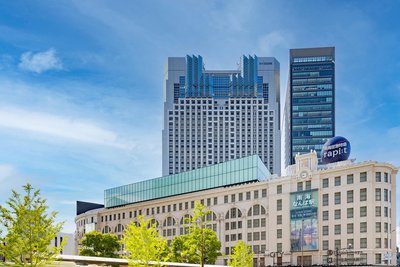
Swissotel Nankai Osaka
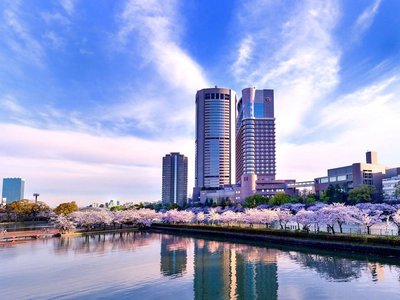
Imperial Hotel Osaka
The St. Regis Osaka
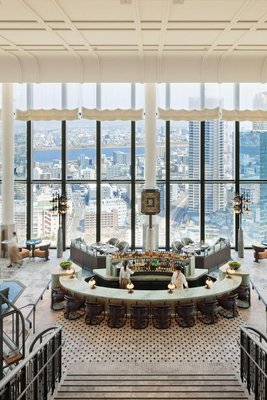
Waldorf Astoria Osaka
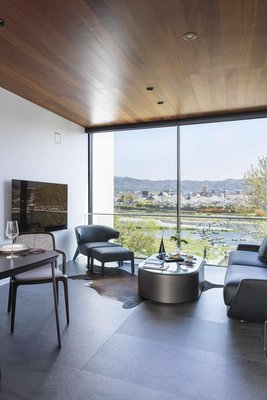
Kamo Residences by Reflections
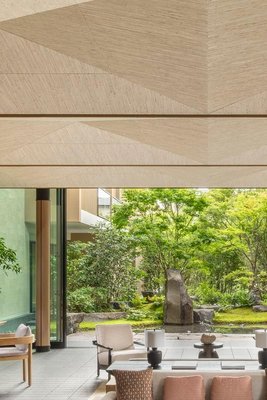
Six Senses Kyoto
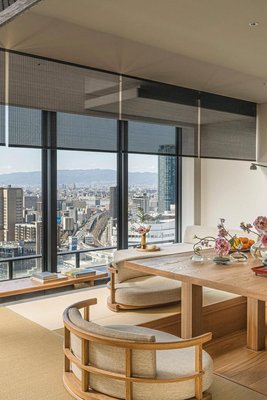
Four Seasons Hotel Osaka
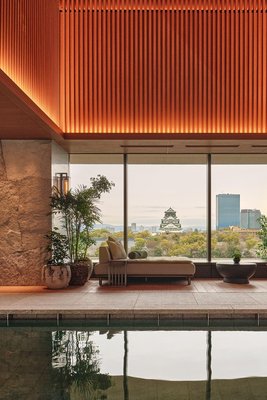
Patina Osaka
The Ritz-Carlton, Osaka
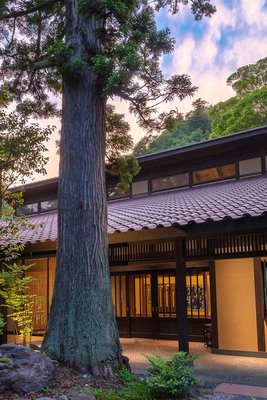
Arimasansoh Goshobessho
The Ritz-Carlton, Kyoto
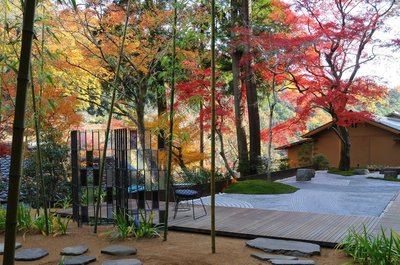
HOSHINOYA Kyoto
Suiran, a Luxury Collection Hotel, Kyoto
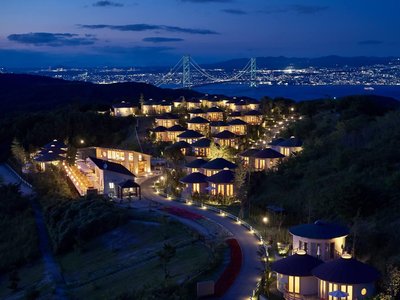
Grand Chariot Hokutoshichisei 135°
Park Hyatt Kyoto
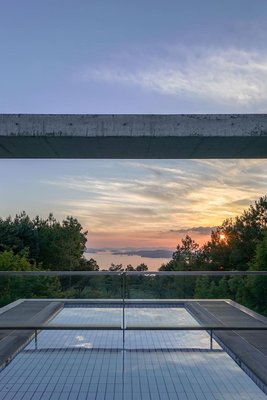
SETOUCHI RETREAT by Onko Chishin
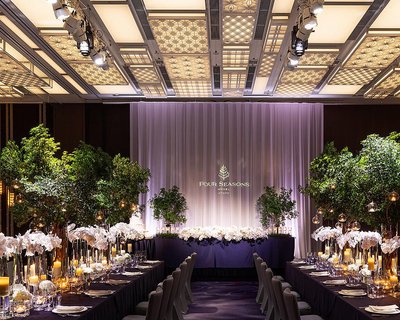
Four Seasons Hotel Kyoto
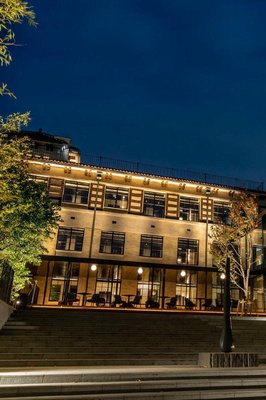
The Hotel Seiryu Kyoto Kiyomizu - a Member of the Leading Hotels of the World-
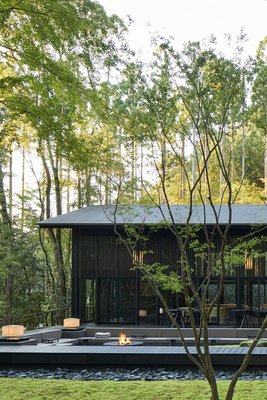
Aman Kyoto
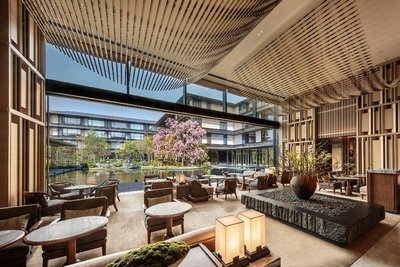
Hotel the Mitsui Kyoto, a Luxury Collection Hotel & Spa
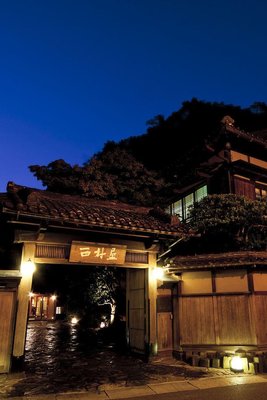
Nishimuraya Honkan
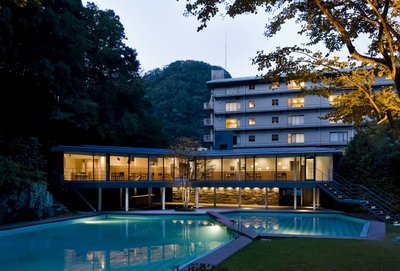
Kinosaki Onsen Nishimuraya Hotel Shogetsutei
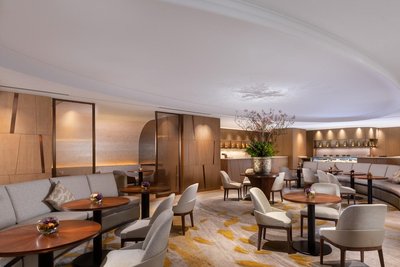
The Westin Miyako Kyoto (KASUI-EN)
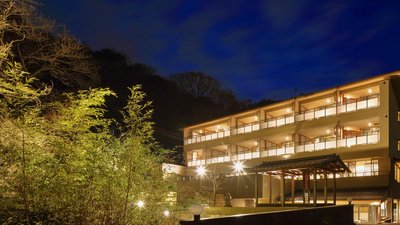
Okuno Hosomichi

XYZ Private Spa and Seaside Resort
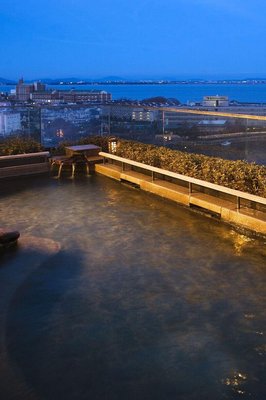
Yumotokan
Arimasansoh Goshobessho
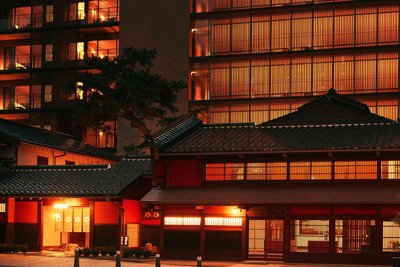
Hoshino Resorts Kai Kaga
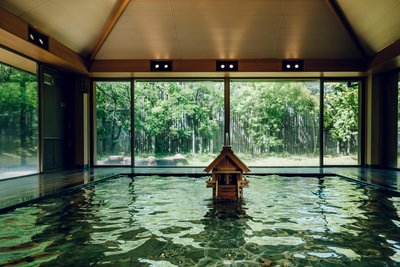
Hoshino Resorts KAI Tamatsukuri

Taikyourou
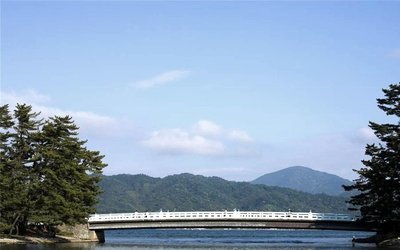
Monjusou Shourotei
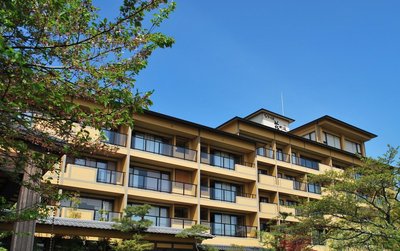
BIWAKO HANAKAIDO
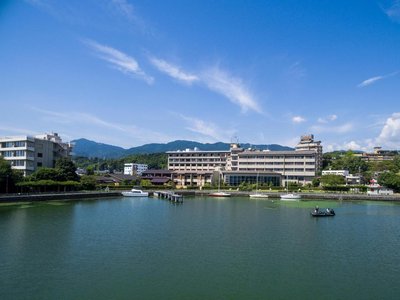
Biwako Ryokusuitei
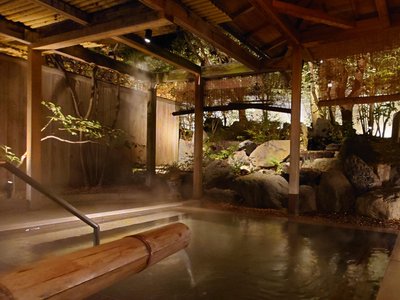
Kasuga Hotel
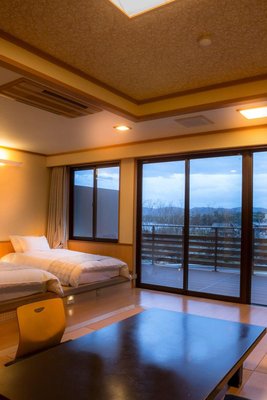
Hotel Kitanoya
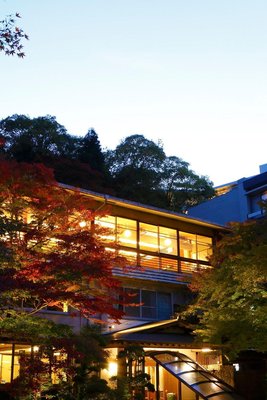
Negiya Ryofukaku
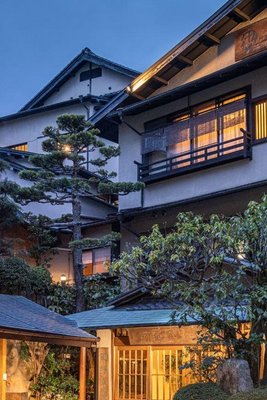
Arima Onsen Tocen Goshobo
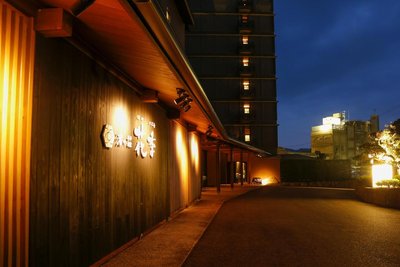
Hanagoyomi
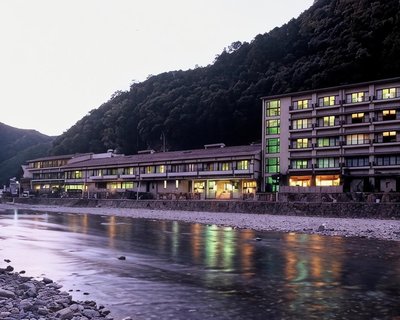
Kawayu Onsen Fujiya
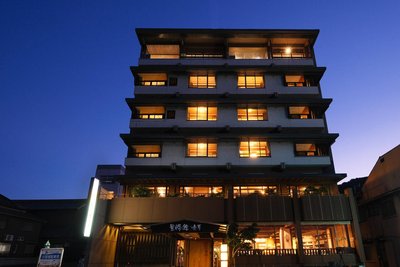
Keishokan Sazanamitei
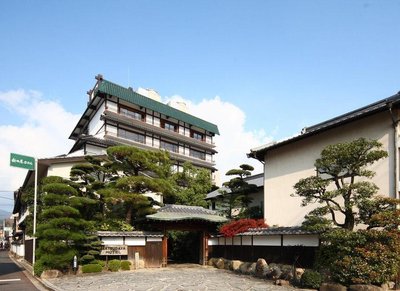
Matsudaya Hotel
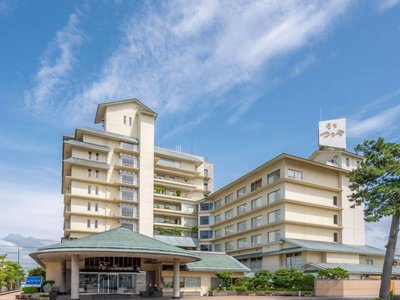
Kaike Tsuruya
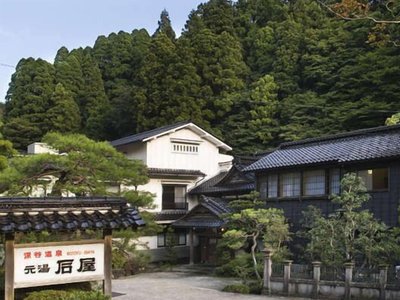
Motoyu Ishiya
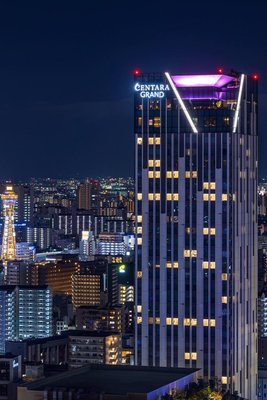
Centara Grand Hotel Osaka
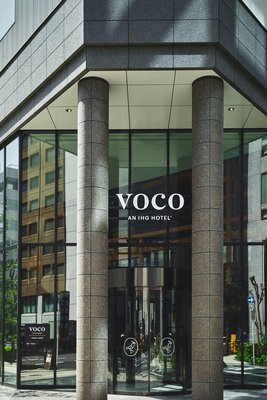
voco Osaka Central
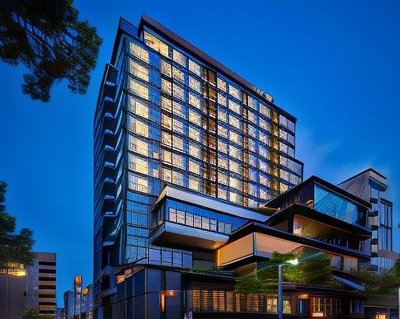
TIAD, AUTOGRAPH COLLECTION
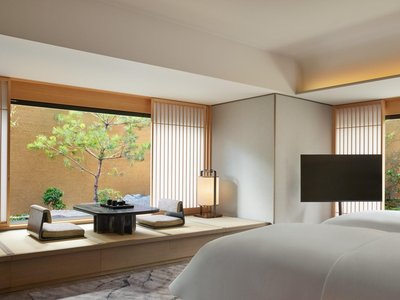
Dusit Thani Kyoto
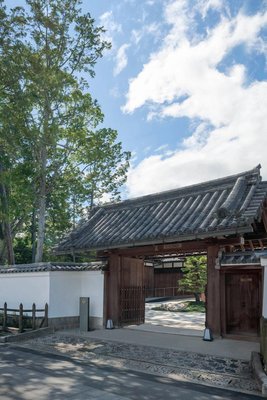
Shisui, a Luxury Collection Hotel, Nara

Hilton Kyoto
Osaka Marriott Miyako Hotel
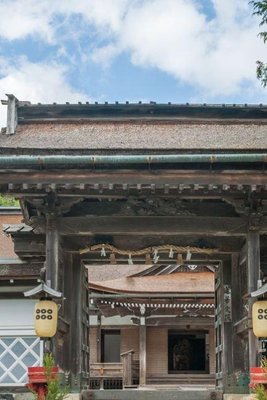
Koyasan Rengejoin
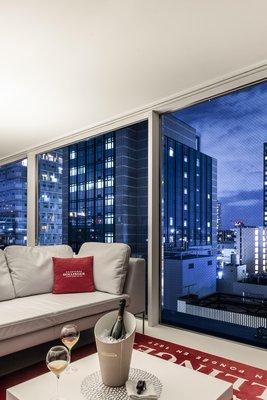
CUVÉE J2 HOTEL OSAKA by Onko Chishin
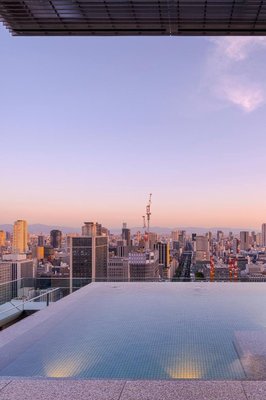
Candeo Hotels Osaka The Tower
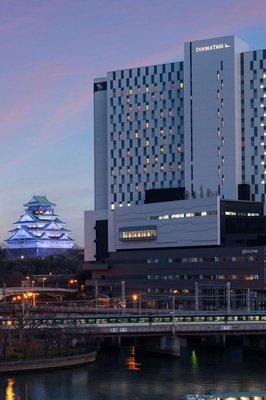
DoubleTree by Hilton Osaka Castle
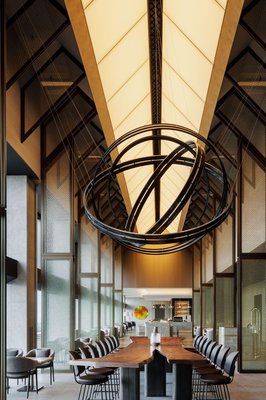
The Osaka Station Hotel, Autograph Collection
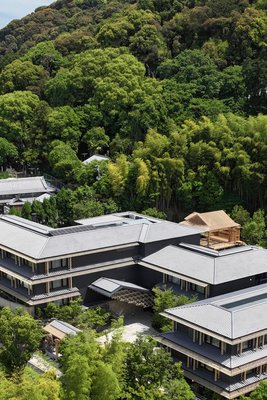
Banyan Tree Higashiyama Kyoto
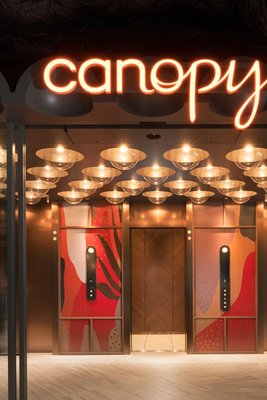
Canopy by Hilton Osaka Umeda
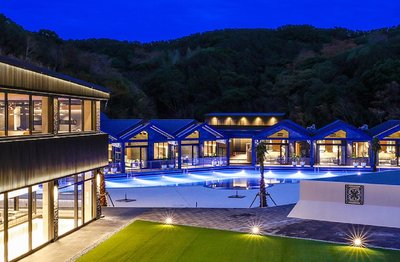
FIVE SPRING RESORT THE SHIRAHAMA
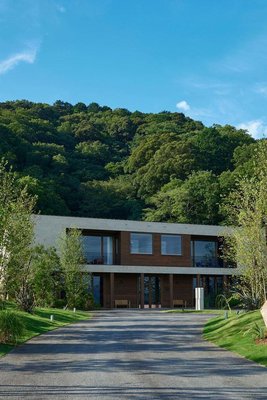
HACIENDA VISON
Arima Onsen Tocen Goshobo
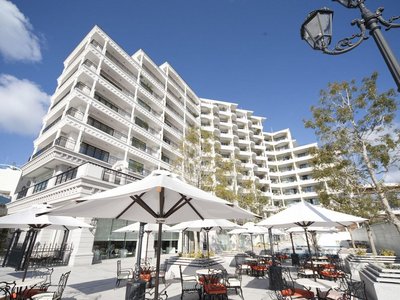
Hotel La Suite Kobe Harborland
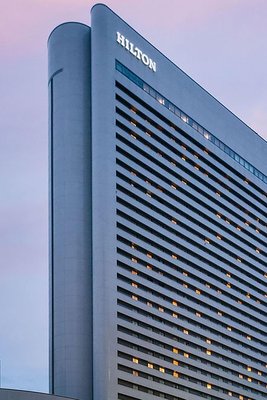
Hilton Osaka Hotel
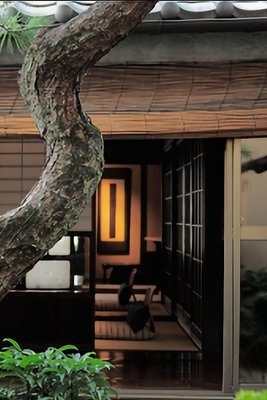
Shimayado Mari
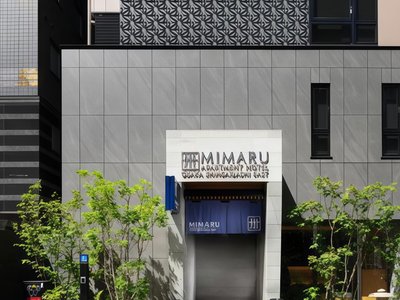
MIMARU Osaka Shinsaibashi East
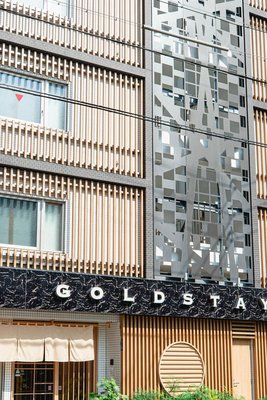
Gold Stay Nagoya OSU
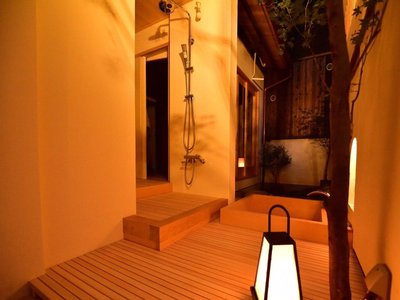
Yado Kiramachi
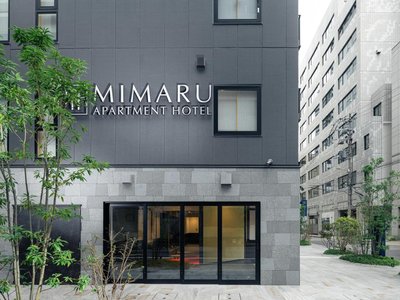
MIMARU Osaka Shinsaibashi North
Okuno Hosomichi
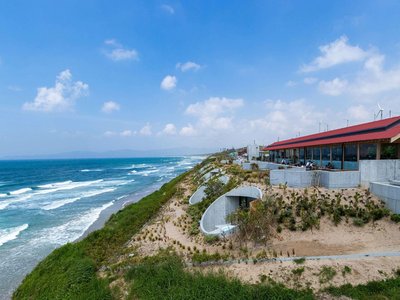
Izumo Hotel the Cliff
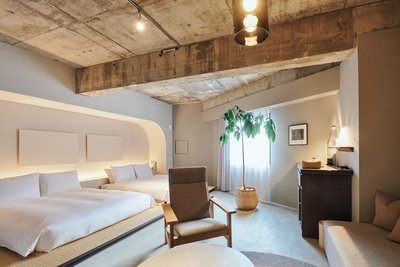
Korinkyo

GOLD STAY Nagoya Sakae
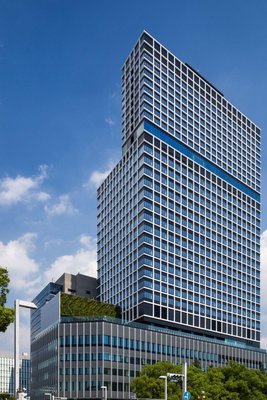
The Royal Park Hotel Iconic Nagoya
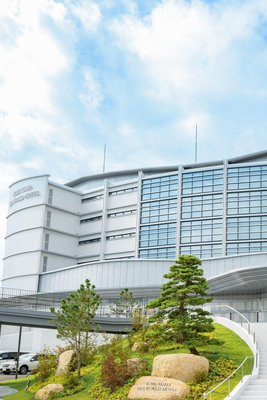
Kobe Suma Sea World Hotel
Yumotokan
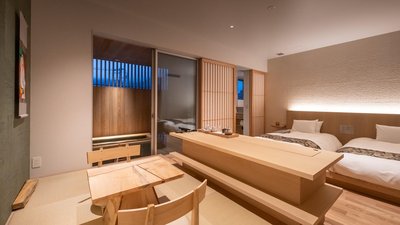
Japanese Auberge Kararako
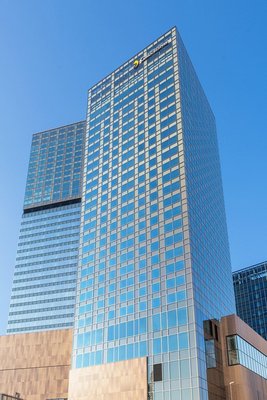
Hotel Hankyu GRAN RESPIRE OSAKA
Hoshino Resorts Kai Kaga
Hoshino Resorts KAI Tamatsukuri
Taikyourou
Monjusou Shourotei
BIWAKO HANAKAIDO
Biwako Ryokusuitei
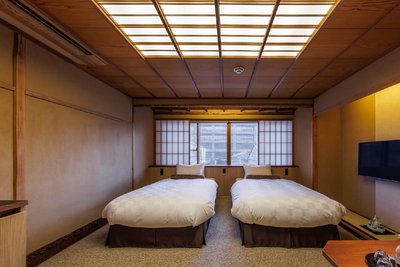
Kyoto Ryokan Sakanoue
XYZ Private Spa and Seaside Resort
Osaka Marriott Miyako Hotel
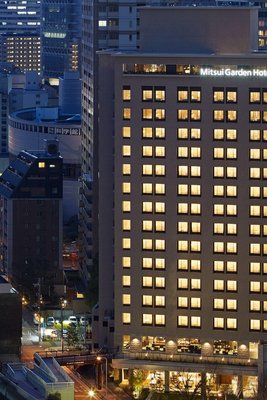
Mitsui Garden Hotel Osaka Premier
BIWAKO HANAKAIDO
Biwako Ryokusuitei
Hotel Kitanoya
Hanagoyomi
Kawayu Onsen Fujiya
Hotel La Suite Kobe Harborland

AoAwo Naruto Resort
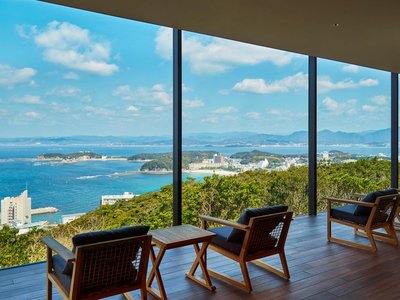
Infinito Hotel and Spa
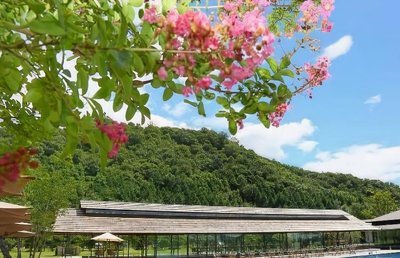
Bella Vista Spa and Marina Onomichi
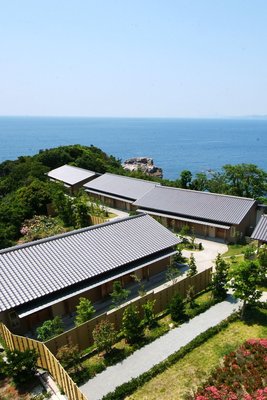
Hamachidorinoyu Kaisyu
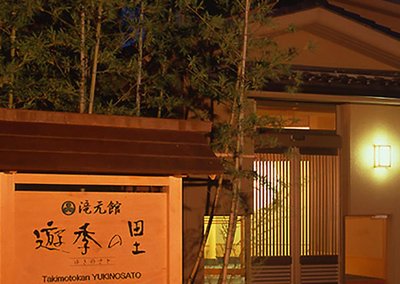
Takimotokan Yuki No Sato
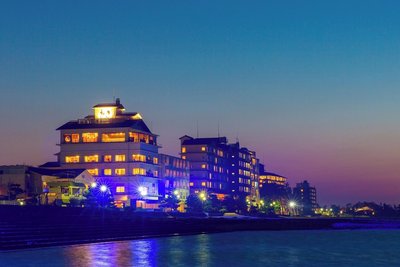
Kaike Shogetsu
The Ritz-Carlton, Kyoto
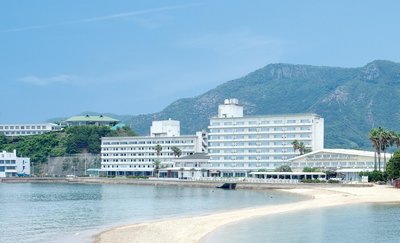
Shodoshima International Hotel
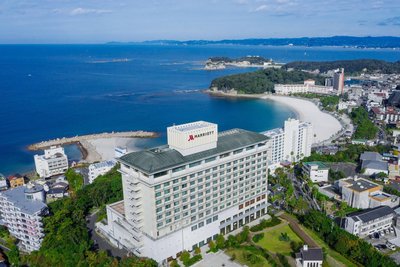
Nanki-Shirahama Marriott Hotel
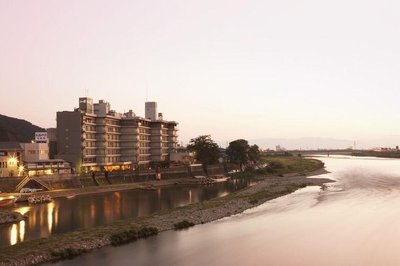
Juhachiro
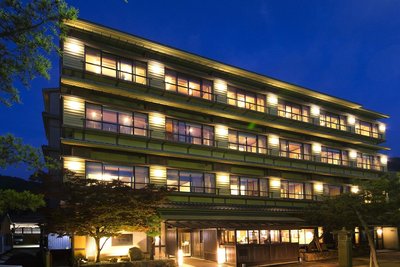
Kinsuikan
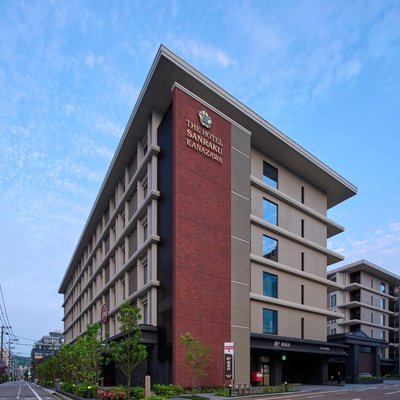
The Hotel Sanraku Kanazawa 21th December 2022 Open
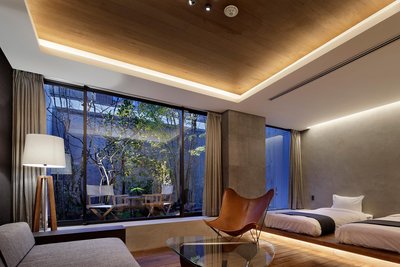
22 PIECES
The Ritz-Carlton, Osaka

The Thousand Kyoto
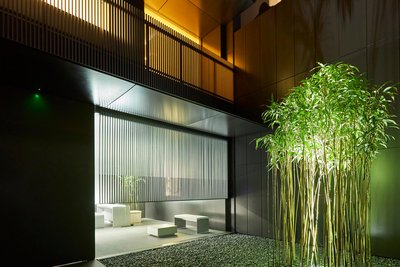
Mogana
GOOD NATURE HOTEL KYOTO
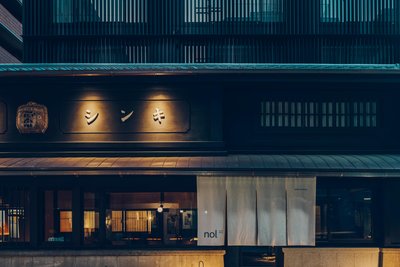
Nol Kyoto Sanjo
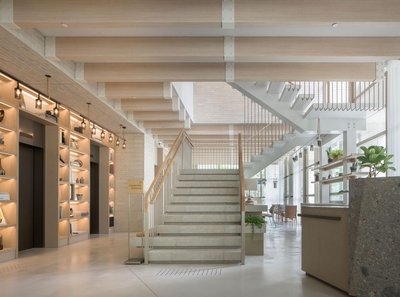
Zentis Osaka

Garrya Nijo Castle Kyoto
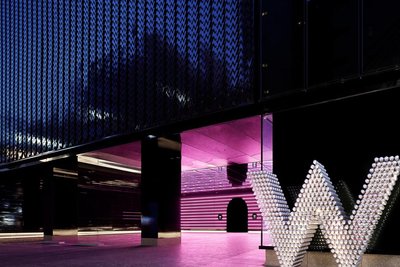
W Osaka

Hotel Kanra Kyoto

Aloft Osaka Dojima
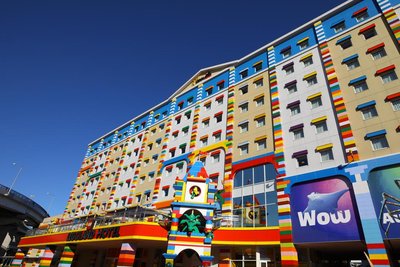
Legoland Japan Hotel

HOTEL UNIVERSAL PORT VITA

The Park Front Hotel at Universal Studios Japan

HOTEL UNIVERSAL PORT

THE SINGULARI HOTEL & SKYSPA at UNIVERSAL STUDIOS JAPAN
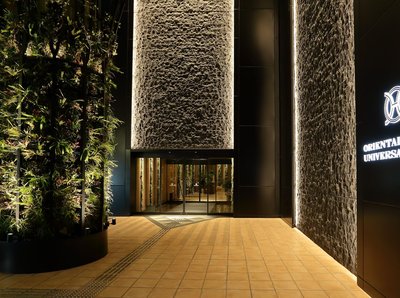
Oriental Hotel Universal City

Hotel Keihan Universal Tower
Yado Kiramachi
Arimasansoh Goshobessho
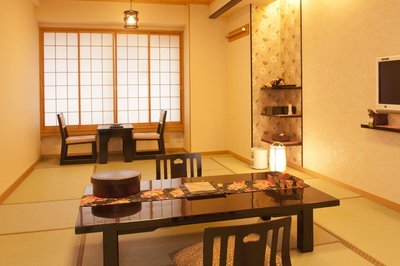
Matsui-Bekkan Hanakanzashi
Hoshino Resorts KAI Tamatsukuri
Taikyourou
Monjusou Shourotei
Kasuga Hotel
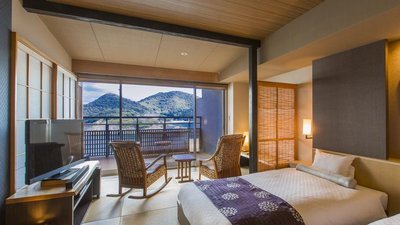
Migiwatei Ochi Kochi
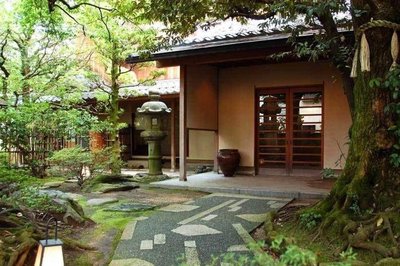
Kocho
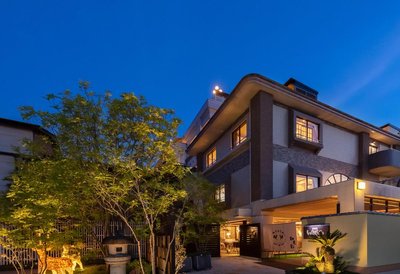
Hotel New Wakasa
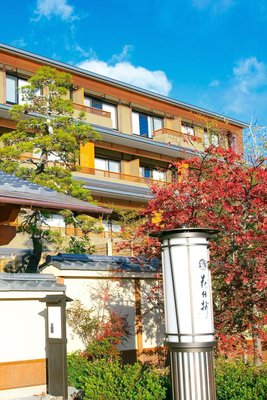
Kyoto Arashiyama Onsen Kadensho (Kyoritsu Resort)
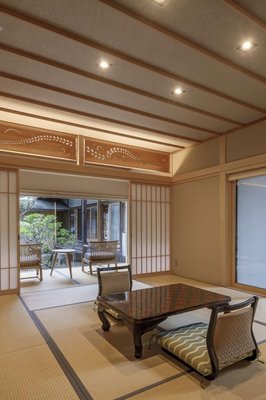
Ichijoin
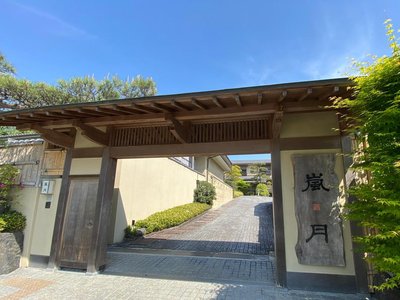
Rangetsu
The Ritz-Carlton, Kyoto
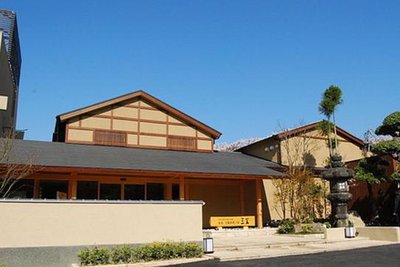
Mikasa
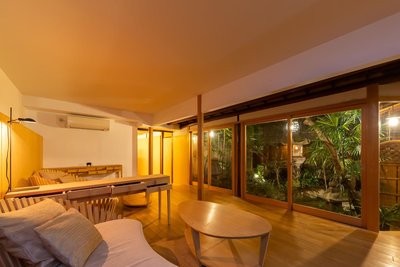
Izuyasu Traditional Kyoto Inn Serving Kyoto Cuisine
HOSHINOYA Kyoto
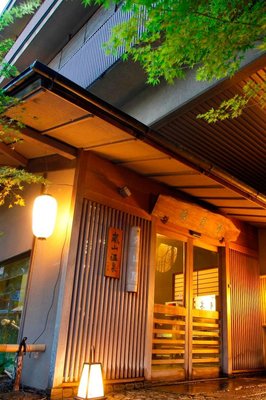
Togetsutei
Juhachiro
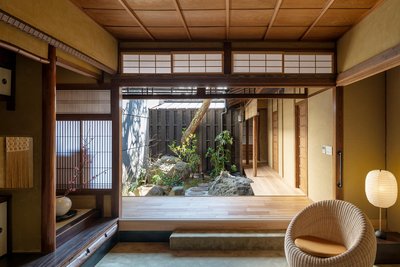
Nazuna Kyoto Gosho
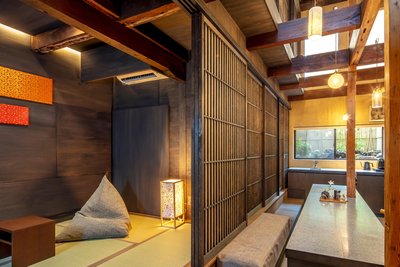
Kyo No Oozora Kihana
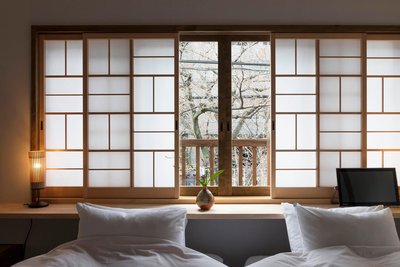
Hanagoromo Machiya House
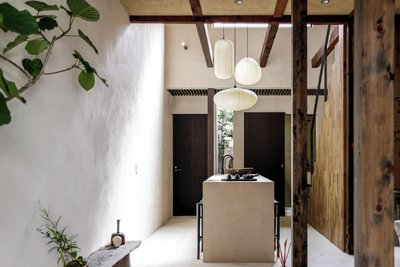
Maana Kiyomizu
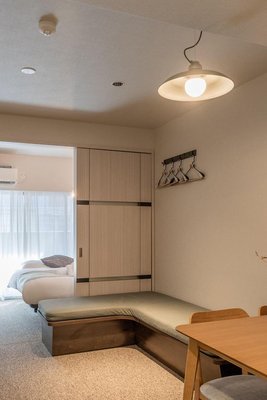
Apartment Hotel 11 Shinsaibashi
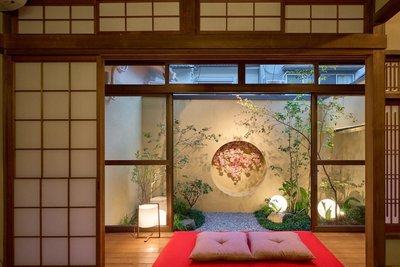
KONJAKUSO Osaka Tengachaya "NIHONCHA" Tea & Relax
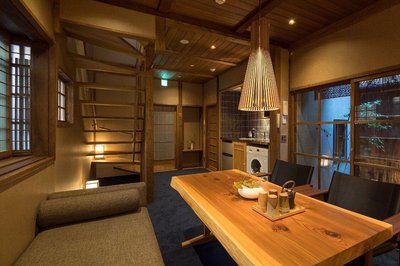
Bonbori an Machiya House
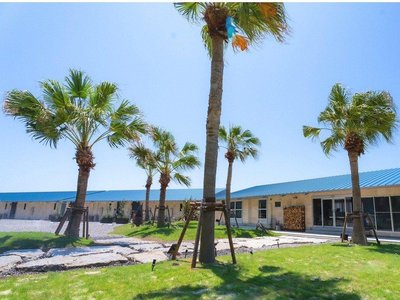
Glamping&Resort Wood Design Park Noma
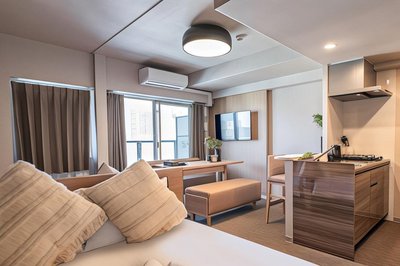
Apartment Hotel 11 Shinsaibashi III
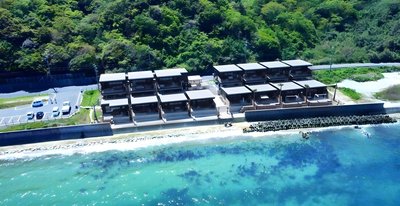
Solavilla Umi Terrace Minamiawaji
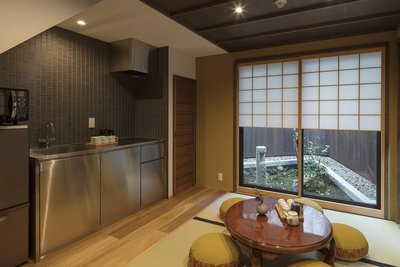
The Machiya Villa Sanjo Shirakawa Koji
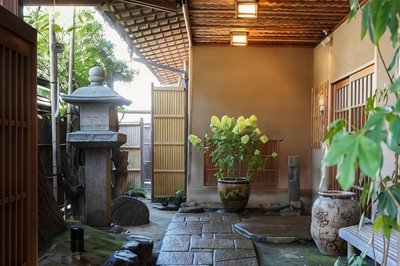
Ryokan Asadaya
Konjaku-So Dotonbori
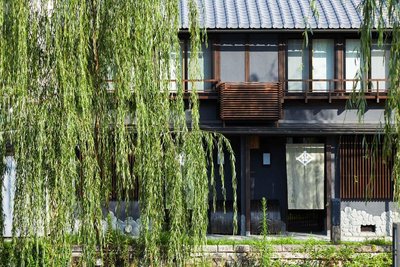
Gion Shirakawa No Yado

Kitashirakawa Natural Radium Onsen
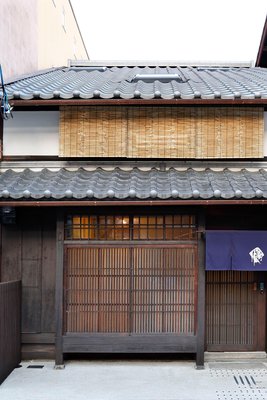
Kyo No Ondokoro Kamanza Nijo #2
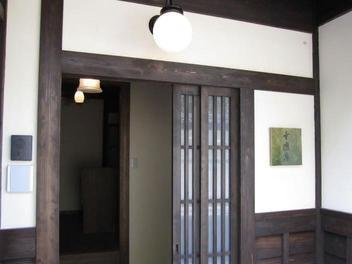
Gion Koyu an Machiya House
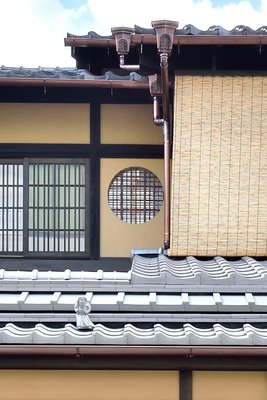
Kyo No Ondokoro Gokomachi Ebisugawa #3

Sana Mane - Glamp Domes
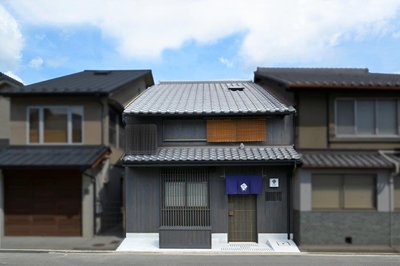
Kyo No Ondokoro Goshonishi #6
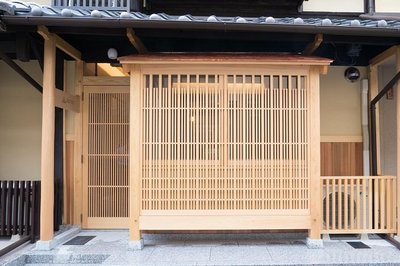
Kyomachiya Suite Rikyu
Frequently Asked Questions about Traveling to Hokuei
Questions You Might Need to Know About Traveling to Hokuei
For a tranquil countryside escape in Hokuei Town, stay at Hokuei-machi Minshuku House, a beautifully restored traditional Japanese farmhouse offering authentic tatami rooms and private garden views. Nestled near Mount Daisen Natural Park, it provides easy access to forest trails and morning sunrise hikes. The owners serve homemade kaiseki meals using local ingredients from nearby farms, emphasizing seasonal flavors of Tottori Prefecture. Alternatively, choose Daisen Onsen Resort, a luxury ryokan with natural hot springs rich in minerals that soothe muscles and skin. Its open-air baths overlook snow-capped peaks, perfect for stargazing at night. Both properties offer immersive rural experiences with minimal tourism impact.
The best area for quiet and nature immersion in Hokuei Town is the Daisen foothills region, located just steps away from Mount Daisen Natural Park and Daisen Onsen. This serene zone offers pristine air, lush forests, and gentle mountain streams—ideal for hiking, birdwatching, and meditation. Accommodations here include eco-friendly guesthouses and small ryokans with private outdoor onsen, allowing guests to fully disconnect. The surrounding landscape features seasonal beauty: cherry blossoms in spring, vibrant foliage in autumn, and snow-covered vistas in winter. Nearby cultural spots like the Hokuei Historical Archive and artisan pottery studios add depth to your stay. With low visitor density and strong community ties, this area delivers an authentic rural Japanese experience.
Visitors to Hokuei Town can participate in hands-on traditional pottery workshops at Hokuei Pottery Village, where local artisans guide you through shaping clay, glazing, and firing your own piece using locally sourced soil. The finished work becomes a personal souvenir. Another highlight is the annual Mount Daisen Cherry Blossom Festival, held at Daisen Shrine, featuring historical parades, Noh theater performances, and craft markets showcasing regional heritage. During winter, the Snow Lantern Festival transforms the village into a glowing wonderland with handmade paper lanterns lining narrow alleys. These events reflect the deep-rooted traditions of Inaba culture, offering travelers genuine connections to local life and history.
Hot spring hotels in Hokuei Town stand out due to their naturally mineral-rich waters sourced from depths exceeding 300 meters. Daisen Onsen Ryokan is a prime example, offering therapeutic baths high in sodium, calcium, and bicarbonate—excellent for relieving joint pain and improving circulation. The hotel’s Edo-period architecture includes private open-air onsen with panoramic views of snowy Mount Daisen. Guests enjoy multi-course kaiseki dinners crafted from fresh Tottori seafood, wild vegetables, and house-brewed sake. Some rooms feature garden terraces ideal for evening relaxation or stargazing. With its emphasis on wellness, tradition, and connection to nature, this ryokan delivers a deeply restorative experience.
Yes, Hokuei Town offers several family-friendly accommodations perfect for children. Stay at Daisen Nature Education Center Inn, designed specifically for families with activities like guided nature walks, insect spotting, and nighttime firefly viewing. The inn features a kids’ playroom, safe outdoor trails, and a stream-side water area supervised by staff. Meals are nutritionally balanced and include allergy-friendly options. Nearby Mount Daisen Natural Park has gentle hiking paths ideal for all ages. The peaceful setting allows parents to relax while kids explore freely. With low noise levels and abundant greenery, this destination fosters bonding and learning through nature—making it an excellent choice for a stress-free family vacation.
A true hidden gem is Yama no Oto Cottage, tucked away on a hillside overlooking Mount Daisen. Accessible only by a 15-minute walk, this century-old farmhouse-turned-guesthouse preserves original wooden beams and sliding shoji doors. The owner, a retired teacher, hosts intimate talks about local legends, farming practices, and seasonal rituals. Guests can pick organic herbs and vegetables from the garden for use in meals. Each evening includes a quiet mindfulness session amid the sounds of wind and pine trees. Due to limited availability and no public advertising, reservations are essential. This secluded retreat offers a rare, soulful connection to rural Japan—perfect for those seeking authenticity beyond the tourist trail.
Most hotels in Hokuei Town provide convenient transportation support. Daisen Onsen Ryokan and Hokuei-machi Minshuku House offer free shuttle buses to and from Hokuei Station, taking just 10 minutes. For self-drivers, parking is complimentary, and hotels supply detailed maps and route guides. Additionally, the town operates a Community Bus System connecting major attractions and restaurants—guests receive a pass valid for unlimited rides. Some hotels also partner with local bike rental services, enabling exploration along the scenic Daisen Greenway Trail, passing tea fields, rivers, and historic villages. Though not highly urbanized, the town’s thoughtful transport network ensures seamless access to all key sites, especially suited for slow travel enthusiasts.
Absolutely. Hokuei Town offers exceptional value compared to major cities like Kyoto or Osaka. A traditional ryokan with private onsen and Japanese-style rooms typically costs ¥8,000–12,000 per night—up to 50% less than similar establishments elsewhere. Meal-inclusive packages, including breakfast and dinner, average ¥4,000 per person per night, far below city restaurant prices. Lower operational costs due to rural location contribute to affordability without sacrificing quality. More importantly, guests receive more than lodging—they gain immersive experiences: cooking with locals, crafting pottery, and relaxing in nature. For budget-conscious travelers seeking meaningful stays, Hokuei Town delivers unmatched value and authenticity.
While most hotels in Hokuei Town do not provide full-time Chinese service, several guesthouses have basic Mandarin-speaking staff. Daisen Onsen Ryokan and Hokuei-machi Minshuku House can handle simple inquiries like check-in, directions, and meal requests in Chinese. All properties include multilingual brochures with Chinese translations covering travel tips, transport details, and emergency contacts. For deeper assistance, visitors can book free Chinese-guided tours via the Tottori Prefecture Tourism Association website or through platforms like HopeGoo. It’s recommended to confirm language support in advance and carry a translation app. Despite the language barrier, locals are warm and patient—using gestures and visual aids often suffices for daily needs.
The best times to visit Hokuei Town are spring (March–May) and autumn (September–November). During these seasons, temperatures range from 15–22°C, ideal for hiking, soaking in hot springs, and enjoying scenic views. Spring brings the Mount Daisen Cherry Blossom Festival, with blooming sakura framing red torii gates at Daisen Shrine. Autumn showcases fiery maple leaves and golden rice paddies, creating breathtaking landscapes. Both periods attract fewer tourists, ensuring quieter stays and better room availability. Summer offers cool mountain air for escape from heat, while winter features the enchanting Snow Lantern Festival and cozy onsen experiences. Avoid peak holidays like Golden Week and Obon for smoother visits. Overall, spring and autumn strike the perfect balance between comfort, beauty, and rich local events.
Hokuei Overview
City Summary
Nakayamacho in Tottori Prefecture is a charming town globally renowned as the birthplace of the manga "Detective Conan". It blends rural landscapes with anime culture, featuring statues and art installations of Conan characters. The town preserves traditional Japanese architecture and farmland scenery, while the Conan Museum and themed streets showcase unique cultural appeal.
Must-See Attractions
Top attraction is the Gosho Aoyama Manga Factory, showcasing the creation process of "Detective Conan" with interactive exhibits. Conan Bridge and Conan statue at the station are must-photo spots. Stroll along the Yura River for seasonal views, and visit local farm markets for authentic rural experiences.
Food Guide
Don't miss Tottori Wagyu beef sukiyaki with melt-in-your-mouth texture. Snow crab is a winter delicacy, best paired with local sake. Street vendors sell Conan-themed desserts like cookies and jellies, perfect for fans.
Transportation Guide
Take JR Sanin Line from Tottori Station to Yura Station (30 mins/¥500). Attractions are walkable; renting bicycles (¥1000/day) is ideal for exploring. Taxis are limited—book in advance.
Best Time to Visit
Best seasons are spring (Mar-May) for cherry blossoms or autumn (Sep-Nov) for mild weather. Summer brings typhoons; winter snow may disrupt transport.
Travel Tips
- Do not climb on Conan statues for photos
- Rural roads lack lighting—return before sunset
- Most eateries accept cash only
- Avoid entering farmland without permission
- Dispose trash at designated points
- Flash photography prohibited in museums
Useful Information
Japanese is primary language; stations have basic English signs. Free Wi-Fi "Nakayamacho Tourism" covers the town. ATMs are in convenience stores; credit cards accepted only at major venues. Dial 110 (police) or 119 (ambulance) for emergencies; nearest hospital is in Kurayoshi (30-min drive). Download a Japanese translation app for communication.









