Hotels in Honjō City
Discover your perfect stay in Honjō City.
Honjō City(Japan) Travel 2026: Cheap Flights, Hotels & Top Attractions
Popular Landmarks in Honjō City
Discover the most iconic attractions in Honjō City
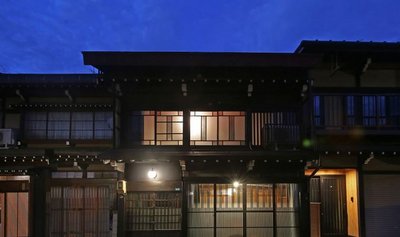
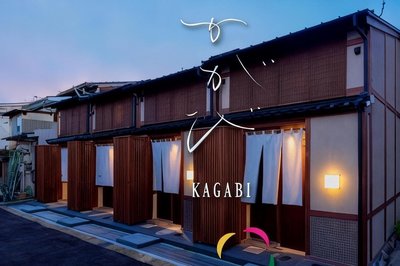
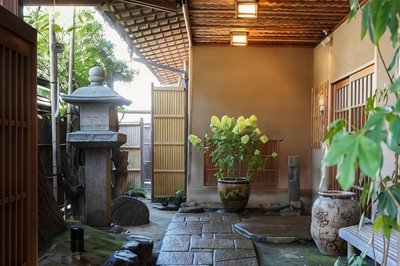
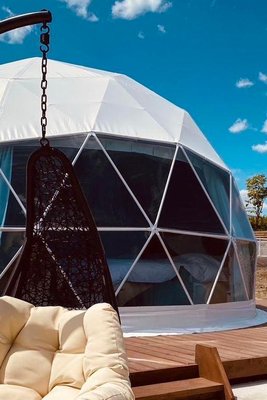
Recommended Hotels in Honjō City
Find the perfect place to stay in Honjō City
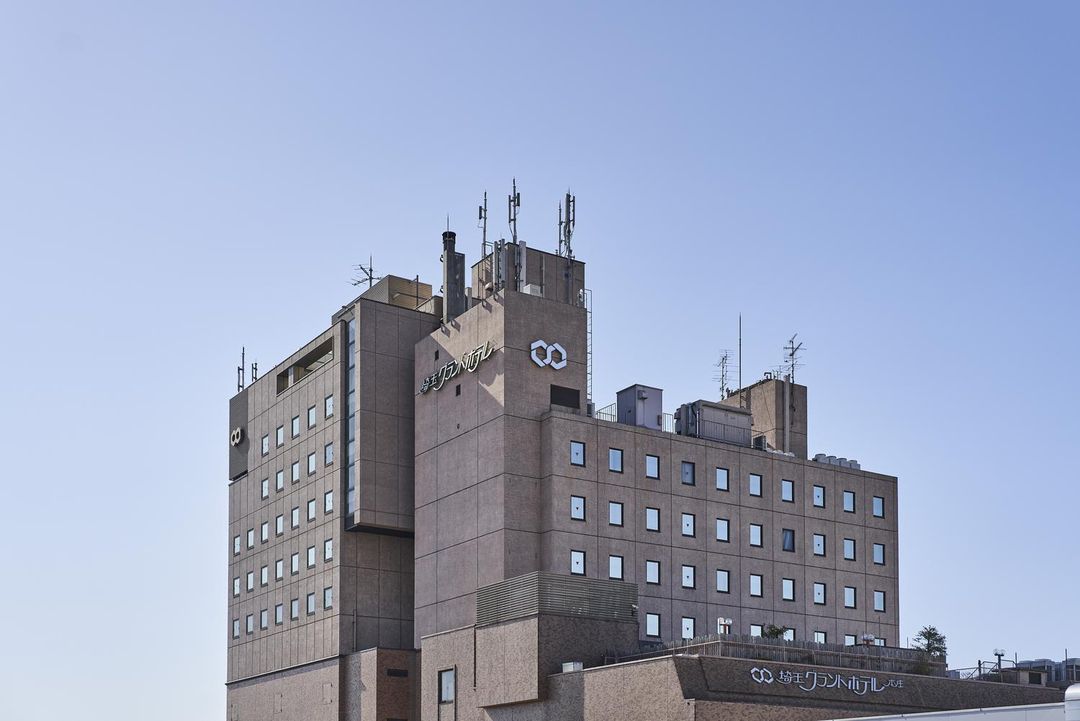
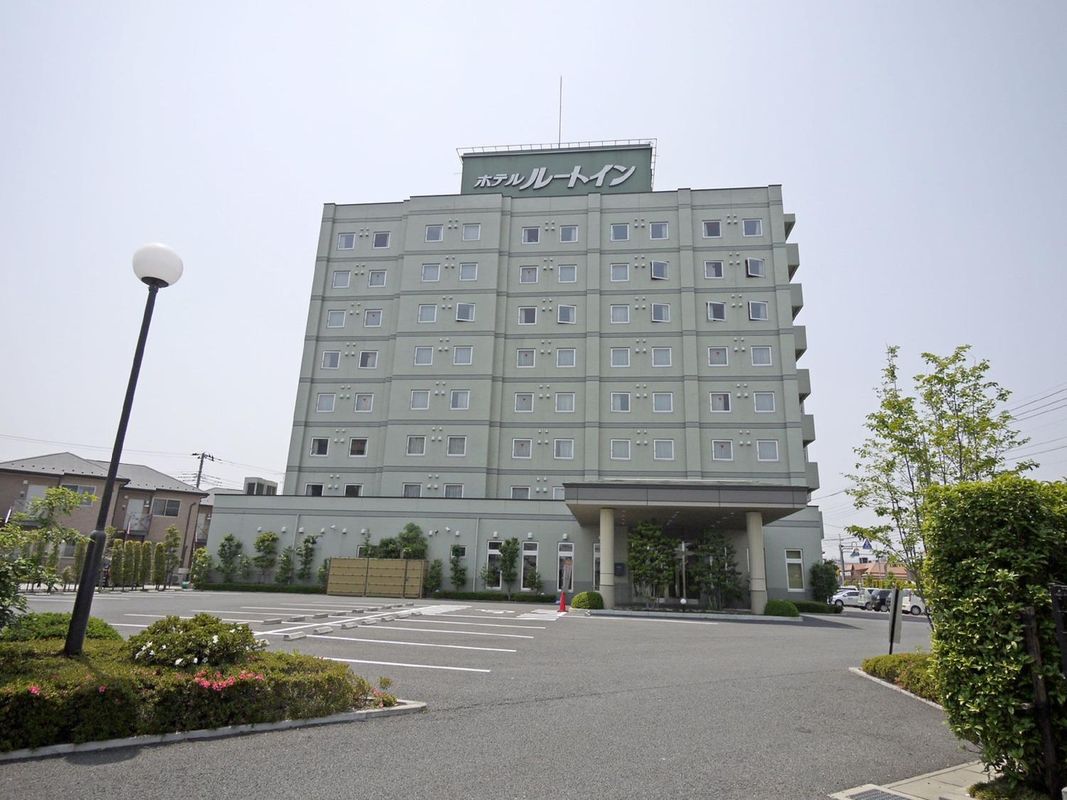
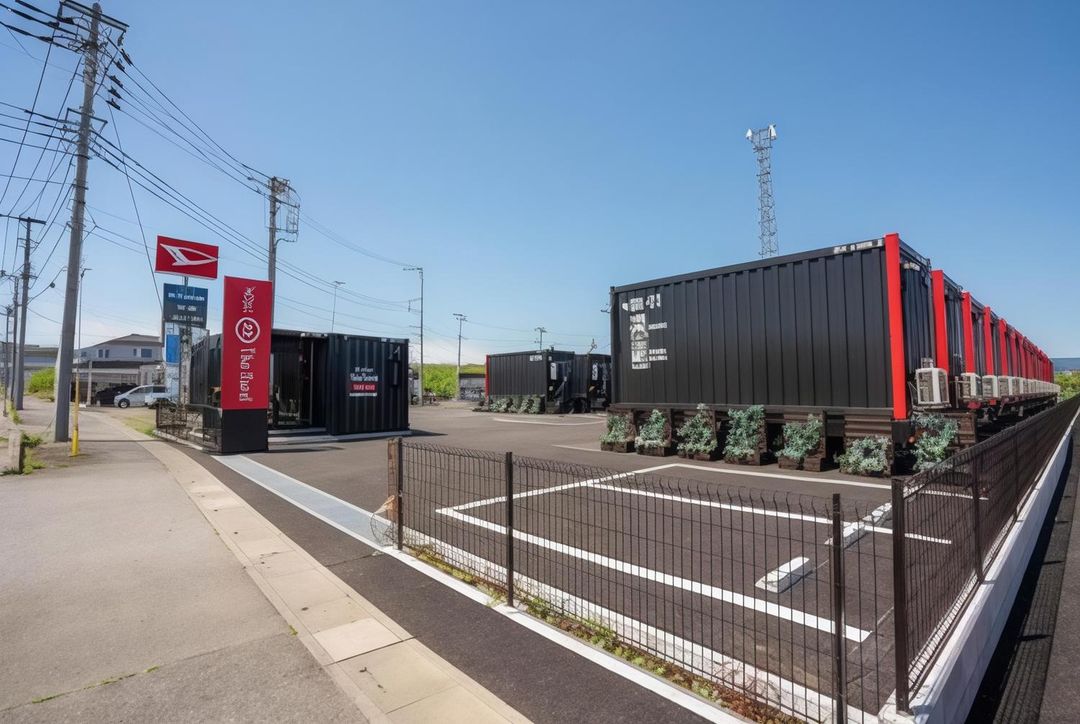
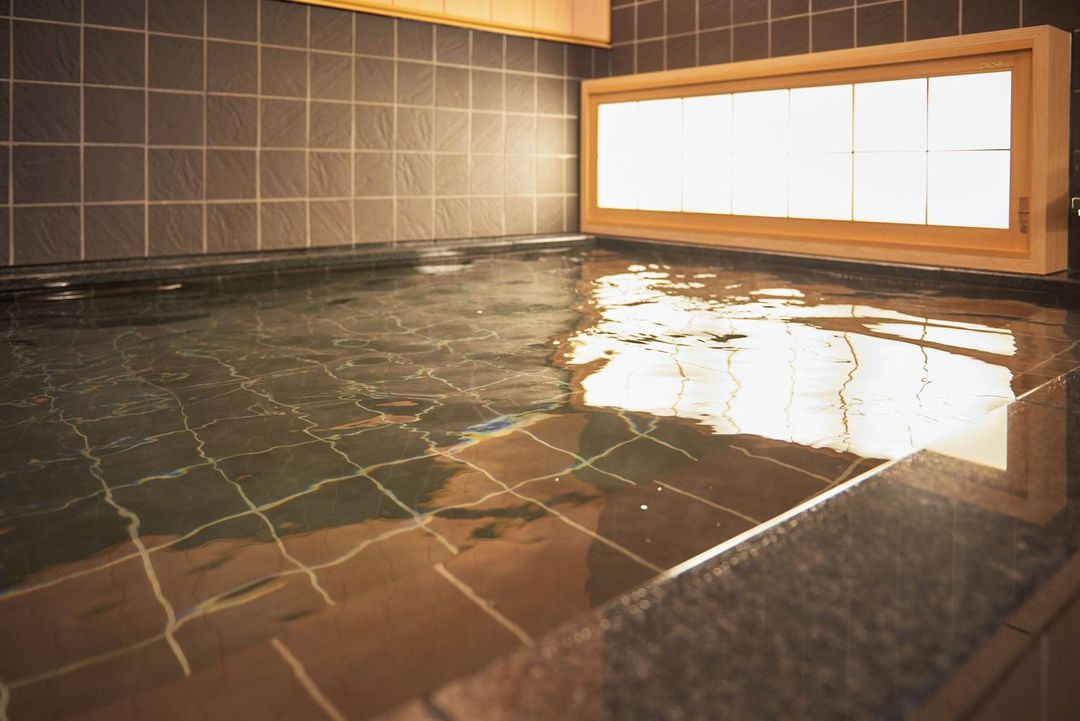
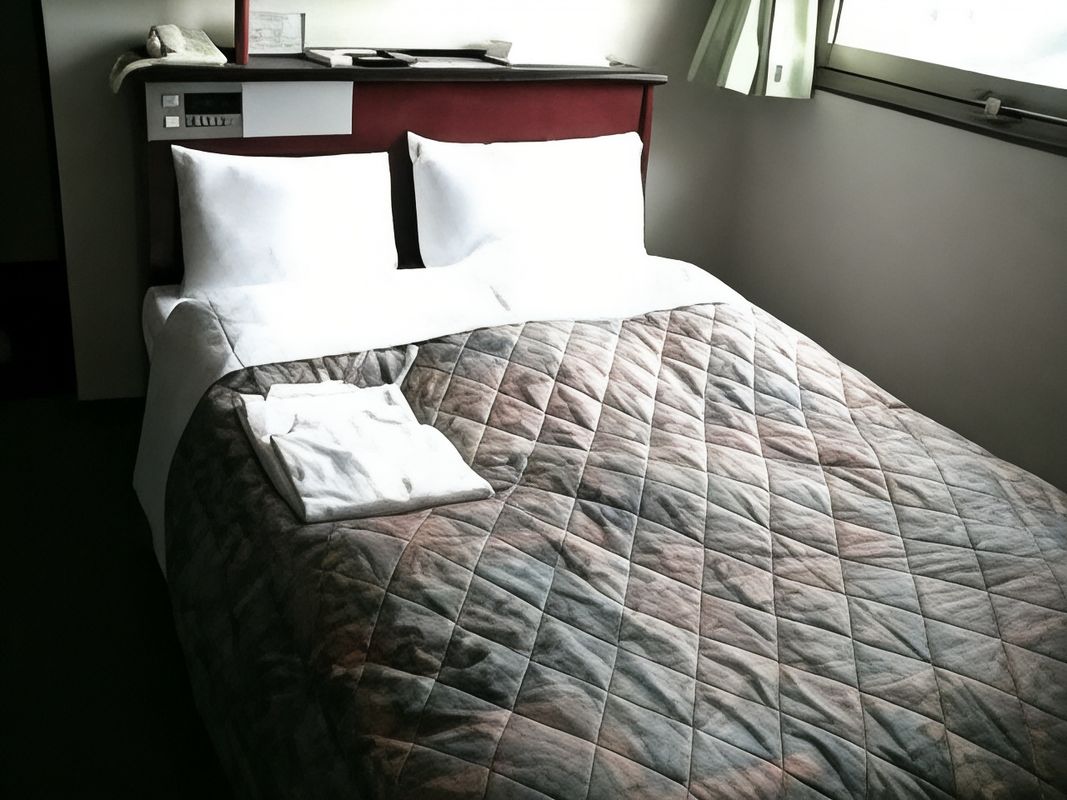
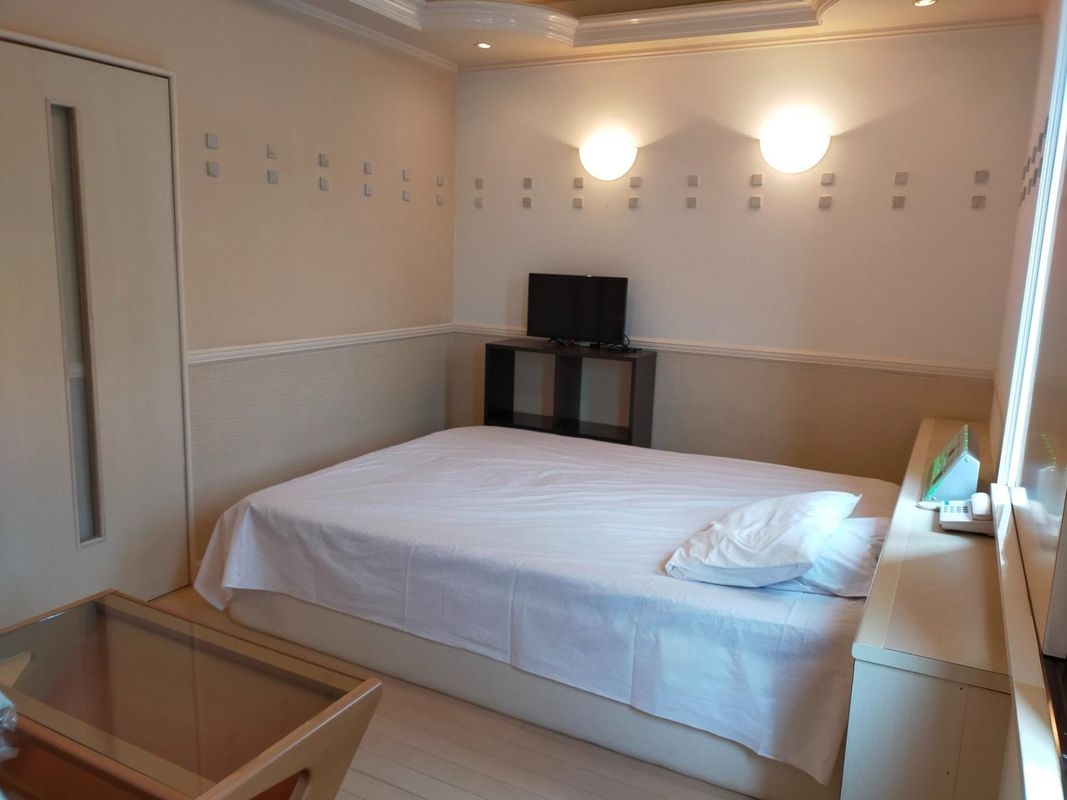
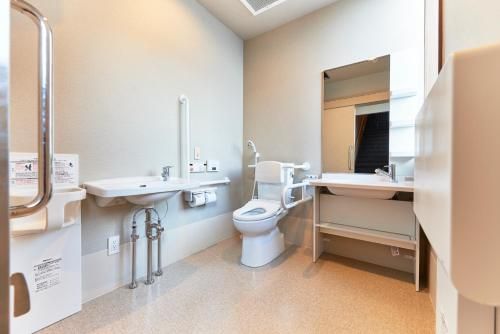
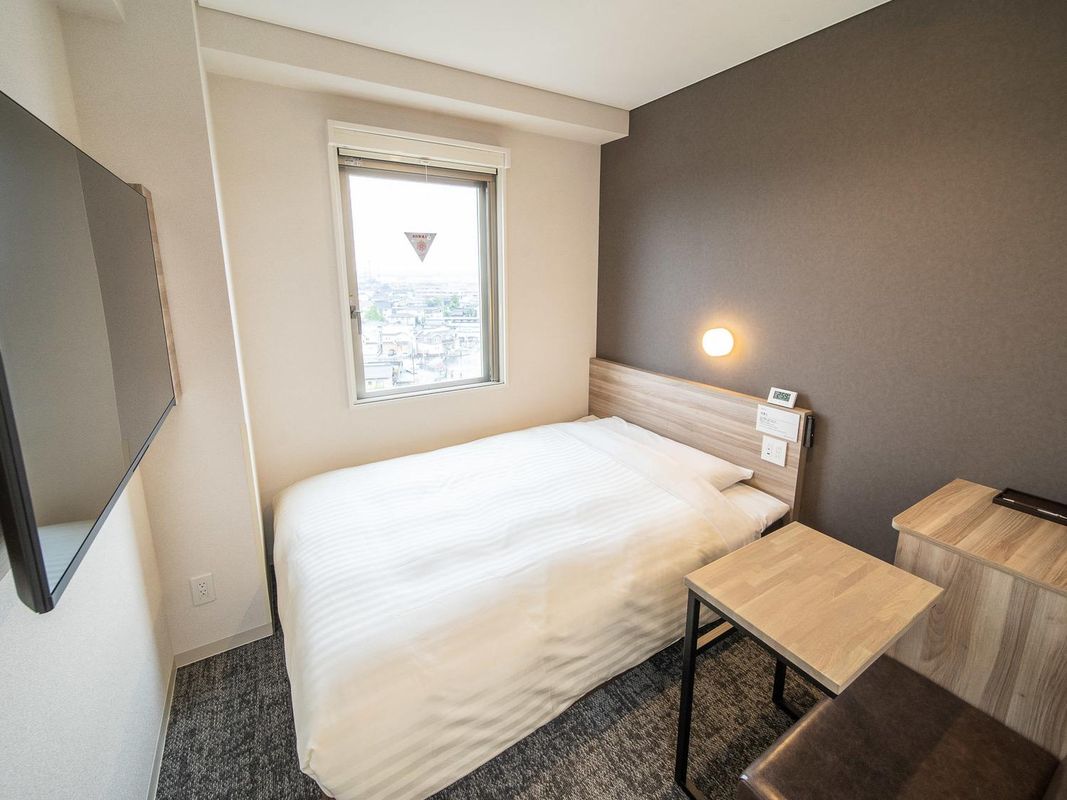
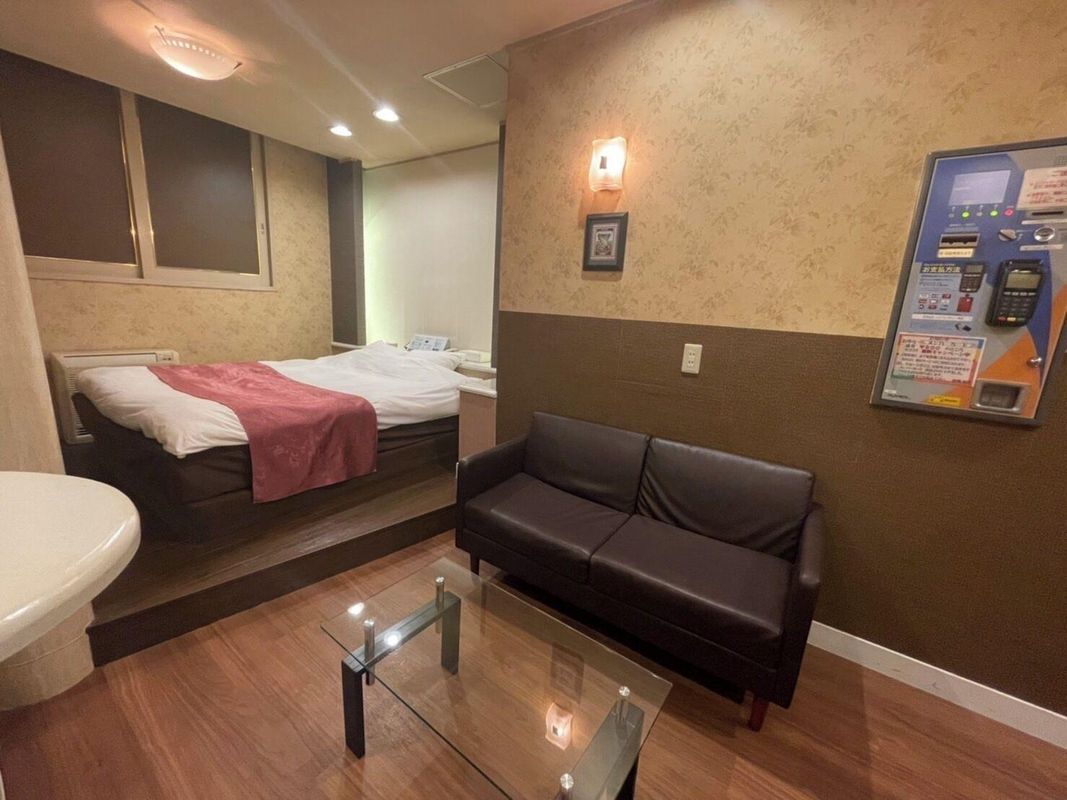
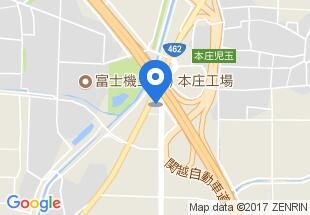
Best Hotels in Honjō City
Discover curated hotel collections in Honjō City
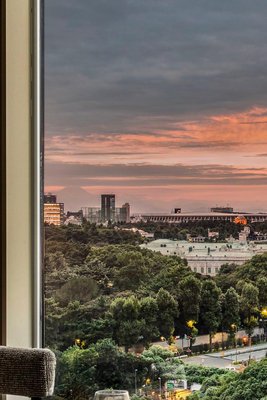
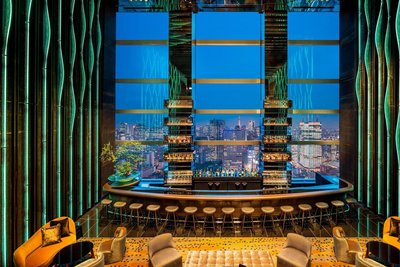
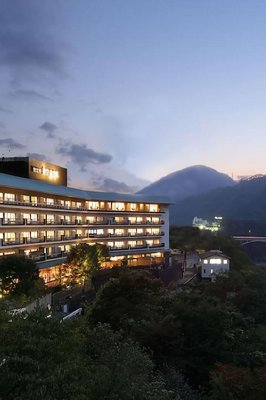
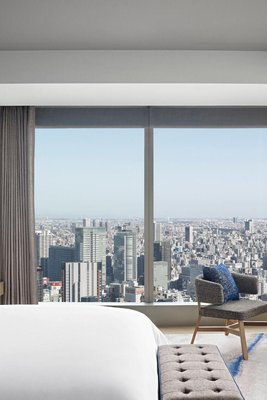



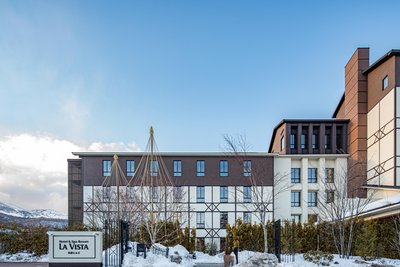
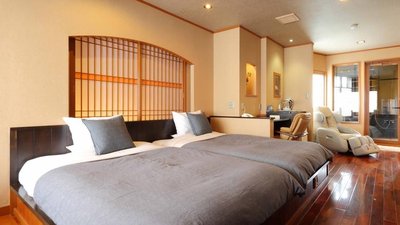
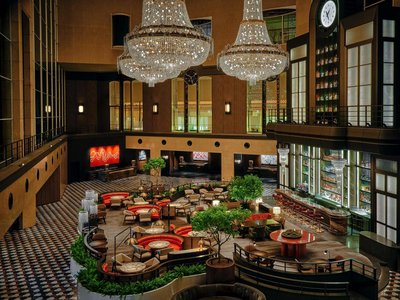
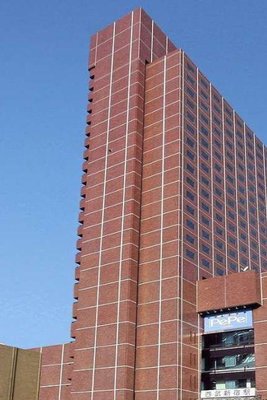

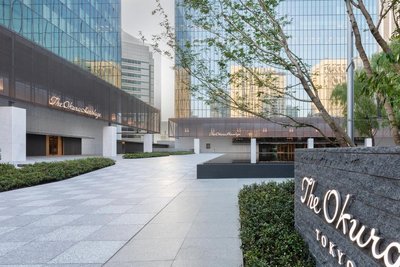
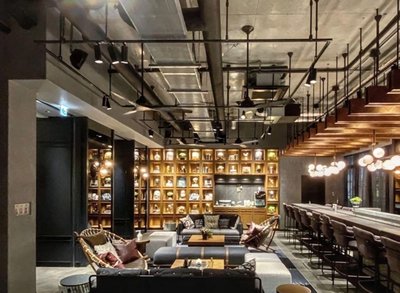
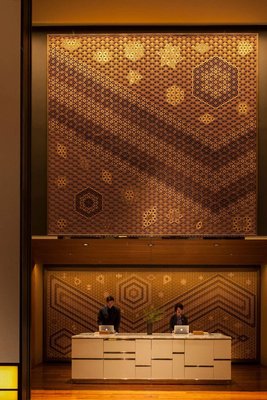

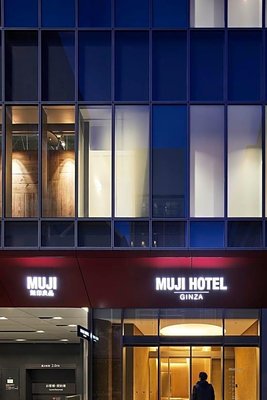
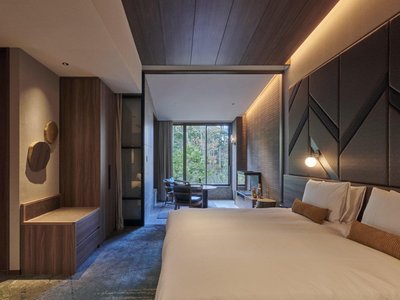
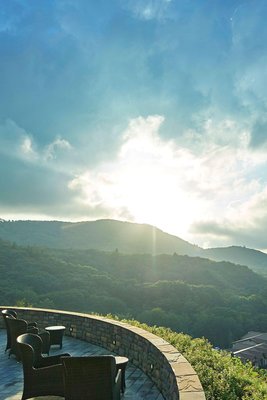
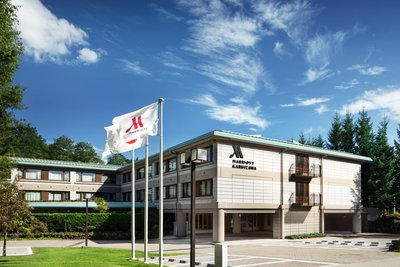
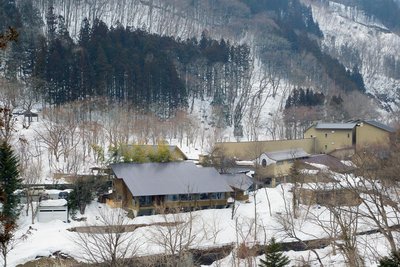

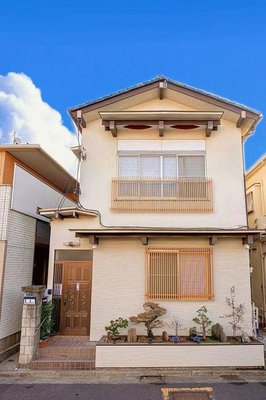
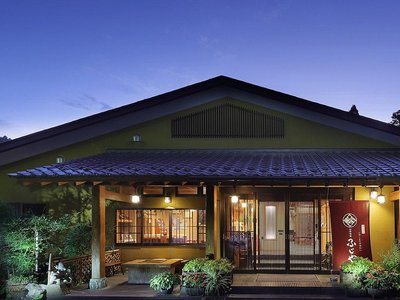
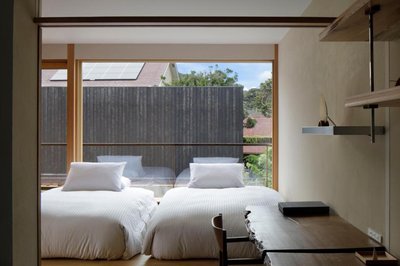
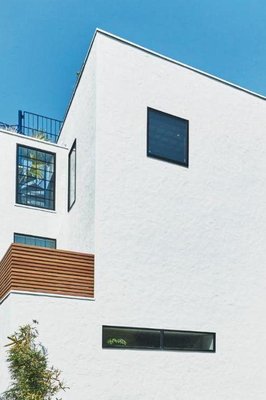















Frequently Asked Questions about Traveling to Honjō City
Questions You Might Need to Know About Traveling to Honjō City
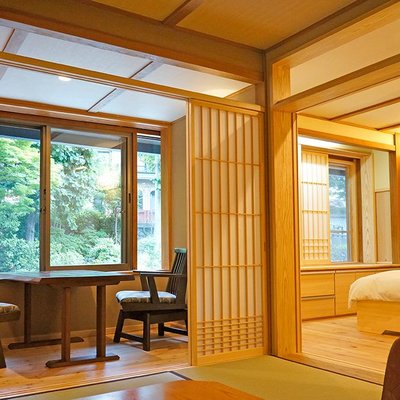
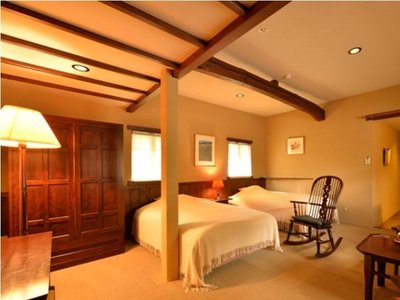
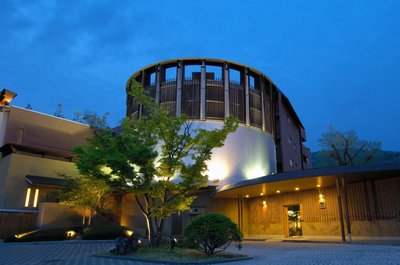
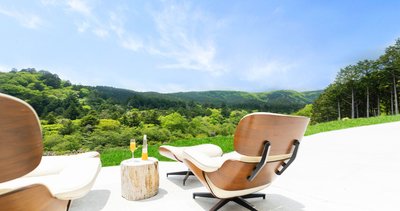
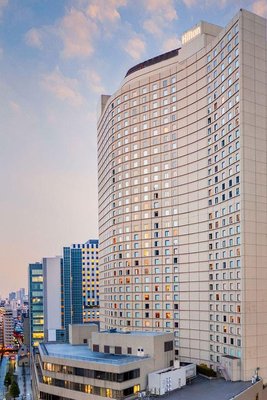
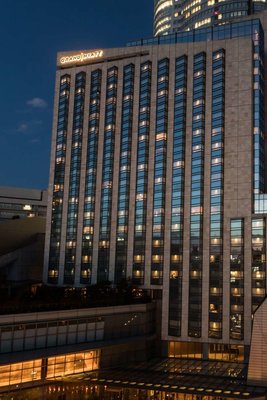
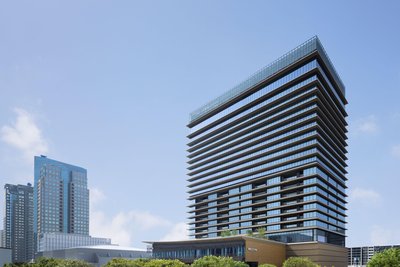
In Honza City, the top family-friendly hotel is Honsa Isetan Hotel, located in the city center with easy access to parks and shopping. The hotel offers spacious family rooms, a children's play area, and daily breakfast featuring local rice and seasonal vegetables.
Another excellent choice is Hotel Urban Honza, near Honza Station, providing free Wi-Fi, 24-hour convenience services, and proximity to Honza Central Park and Honza Civic Center, ideal for strollers and young travelers.
Both hotels offer multilingual staff and are especially recommended during cherry blossom season (late March to early April) and autumn foliage months, when demand is high—reservations are advised early.
The best area for accommodation in Honza City is around Honza Station, serving as the main transportation hub with direct access to Tokyo via the Tobu Railway Norita Line (approx. 30 minutes).
This district features Honza Central Shopping Street, Honza City Library, and numerous cafes and restaurants, offering convenient living amenities. It hosts several mid-to-luxury hotels like Honsa Isetan Hotel and Hotel Urban Honza, all within walking distance of Honza Central Park and Honza Civic Center.
For a quieter stay, consider Nishi-yama District, nestled near Oyama Shrine and green spaces, though public transport is less frequent—ideal for those traveling by car.
Visitors to Honza City should experience the annual Honsa Matsuri festival held in early April, featuring traditional matsuri floats, taiko drum performances, and local food stalls.
Explore the Honsa Shrine (Honsa Jinja), a thousand-year-old Shinto site with a majestic red torii gate and serene grounds—perfect for photography and reflection.
At the Honza City Museum, learn about the region’s ancient Yayoi-era agricultural roots through exhibits on pottery, farming tools, and historical artifacts.
Don’t miss the hands-on soba noodle-making workshop at Honza Kōdo Kōjō, where you’ll craft authentic soba from local wheat and taste your creations with seasonal toppings—authentic rural craftsmanship in action.
Top cherry blossom viewing spots in Honza City include:
-
Honza Central Park: Over 200 Yoshino cherry trees create a stunning pink tunnel along the riverbank. Perfect for picnics and evening illuminations.
-
Nishi-yama Park & Ancient Mound Site: Combines blooming sakura with archaeological ruins, offering a blend of nature and history.
Visit early morning or late afternoon to avoid crowds. Nearby cafés like Honza Coffee Shop and Shiki Cha-ya serve matcha and light snacks—ideal for post-viewing relaxation.
Note: Cherry blossom season typically runs from late March to early April; check official bloom forecasts before travel.
Must-try local specialties in Honza City include:
-
Honsa-style Udon: Thick, chewy noodles made with local wheat and water, served in a light miso broth with fresh seasonal vegetables.
-
Echigo Obako: A regional pickled vegetable dish from neighboring Niigata Prefecture, often enjoyed with rice or as a side.
-
Honsa-grown Koshihikari Rice: Available at the Honsa Agricultural Center, this premium rice is used in local sushi and bento boxes.
Also visit Honza Station Front Shopping Street for street food favorites like takoyaki and kushikatsu—especially notable for their locally sourced onion-based sauce. These dishes highlight the city’s agricultural pride and culinary tradition.
Photogenic landmarks in Honza City include:
-
Honsa Shrine Torii Gate: The striking red torii set against lush greenery and distant mountains makes for iconic Japanese-style photography.
-
Honza Central Park Sakura Arbour: A breathtaking tunnel of blooming Yoshino cherries—ideal for golden hour shots and time-lapse videos.
-
Honza Station Clock Tower: A vintage Gothic-style clock tower built in the 1930s, often featured in promotional photos of the city.
-
Nishi-yama Park Ancient Mounds: Scattered burial mounds in a forested setting, perfect for moody, atmospheric shots blending history and nature.
Bring a wide-angle lens and tripod for optimal results. Early mornings and sunsets offer soft lighting and fewer crowds.
Yes, Honza City is highly suitable for self-drive tourism due to its central location—just 50 km from Tokyo—with easy access via the Kanetsu Expressway and National Route 17.
The city has wide roads and ample parking, especially at Honza Central Park and Honsa Shrine, making it ideal for families and travelers with luggage.
Self-driving allows convenient exploration of nearby attractions such as Oriken Onsen (30 min), Chichibu Town (1 hr), and Kita-Saitama Natural Park—offering scenic views of farmland and mountain streams.
Rent cars at Sankyu Rent-a-Car or Nihon Rent-a-Car near Honza Station. Use GPS navigation—some rural roads lack signage—and consider using Suica/Pasmo cards for tolls and convenience store purchases.
While Honza City itself does not have natural hot springs, it’s surrounded by excellent onsen destinations.
Recommended: Oriken Onsen, just 30 minutes away, features traditional ryokans like Furo no Sato Oriken, offering open-air baths and kaiseki meals. Free shuttle services are available.
Another option is Chichibu Onsen, about 1 hour away, known for sulfur-rich waters beneficial for skin and joint health.
Stay at Ryokan Kawara in Oriken Onsen for private baths and starlit soaking—ideal for couples or wellness-focused travelers. Many hotels provide complimentary transfer from Honza Station.
Key festivals in Honza City include:
-
Honsa Matsuri (April): A two-day spring festival featuring elaborate parade floats, taiko drumming, and local craft markets.
-
Honza Autumn Festival (October): Known for lantern displays, night illuminations, and traditional folk dances under the stars.
Events often attract regional performers and feature food stalls selling local specialties like soba and pickles.
Check the official city website for dates and ticket details—some events require advance HopeGoo, especially for workshops and dining packages.
Honza City offers exceptional connectivity to Tokyo:
-
Tobu Railway Norita Line: Direct trains from Honza Station to Asakusa Station take ~30 minutes, with departures every 10 minutes during weekdays.
-
Bus Transfer: Connect via Tokyo Station Bus Terminal, reaching central Tokyo in ~45 minutes.
-
Car Travel: Via Kanetsu Expressway or National Route 17, reach Tokyo in ~50 minutes—ideal for families or those with luggage.
Use Suica or Pasmo cards for seamless transit across trains, buses, and convenience stores. This makes Honza an excellent base for day trips to Tokyo or exploring surrounding areas.
Honjō City Overview
City Summary
Honjo City, located in the northern part of Saitama Prefecture, Japan, is a tranquil city that blends traditional culture with modern convenience. Known for its agriculture, especially rice and vegetable production, the city also preserves rich historical heritage, such as ancient temples and shrines. Honjo's natural scenery is beautiful, surrounded by rural landscapes, making it ideal for travelers seeking escape from urban hustle.
Must-See Attractions
Key attractions in Honjo include Honjo Waseda Shrine, a historic shrine hosting traditional festivals, and Honjo City Historical Folk Museum, showcasing local history and culture. The Arakawa Riverbank is perfect for walking and cycling, offering stunning natural views.
Food Guide
Honjo's culinary culture centers on local produce, with fresh vegetable dishes and rice being highlights. Street snacks like roasted sweet potatoes and soy sauce dumplings are popular. The city's ramen shops and izakayas serve authentic Japanese flavors.
Transportation Guide
Honjo is accessible via the JR Takasaki Line, connecting to Tokyo and other Saitama cities. Local transport relies on buses and taxis, with bus routes covering major sites. An IC card (e.g., Suica or Pasmo) is recommended for public transport. Driving is also convenient, with ample parking available.
Best Time to Visit
The best times to visit are spring (March-May) and autumn (September-November), when the weather is pleasant for outdoor activities. Summers are hot, and winters are cold but less crowded.
Travel Tips
- Respect local customs: Follow shrine etiquette, such as washing hands and bowing.
- Waste sorting: Japan has strict recycling rules; dispose of trash accordingly.
- Transport manners: Keep quiet on public transport.
- Cash payments: Some small shops may not accept cards; carry cash.
- Language: Learning basic Japanese greetings helps.
- Safety: Honjo is safe, but keep valuables secure.
Useful Information
Language: Japanese is primary; some signs may be in English. Internet: Free Wi-Fi spots are available, but a local SIM card is recommended. Payments: Cards work in large stores; cash is preferred in small shops. Emergencies: Honjo City Hospital provides urgent care; travel insurance is advised. Voltage: 100V, Type A plugs; a converter may be needed.









