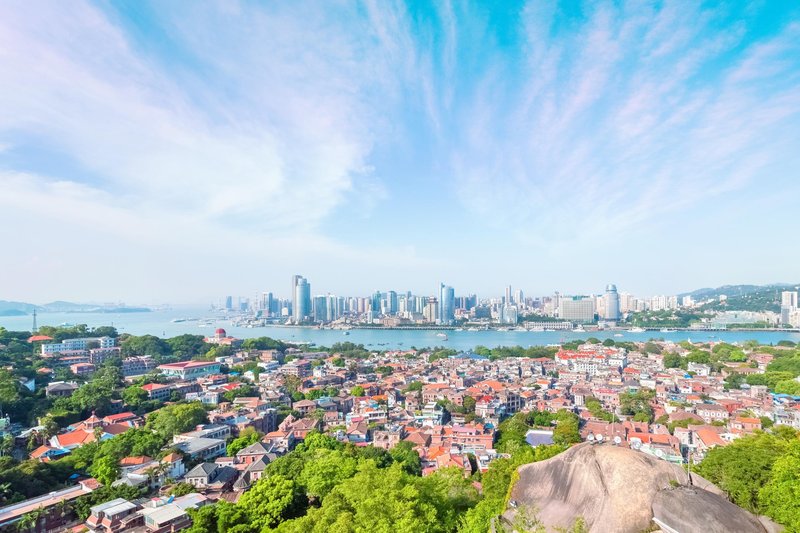
Hotels in Howrah
Discover your perfect stay in Howrah.
Howrah(India) Travel 2026: Cheap Flights, Hotels & Top Attractions
Popular Landmarks in Howrah
Discover the most iconic attractions in Howrah
Recommended Hotels in Howrah
Find the perfect place to stay in Howrah
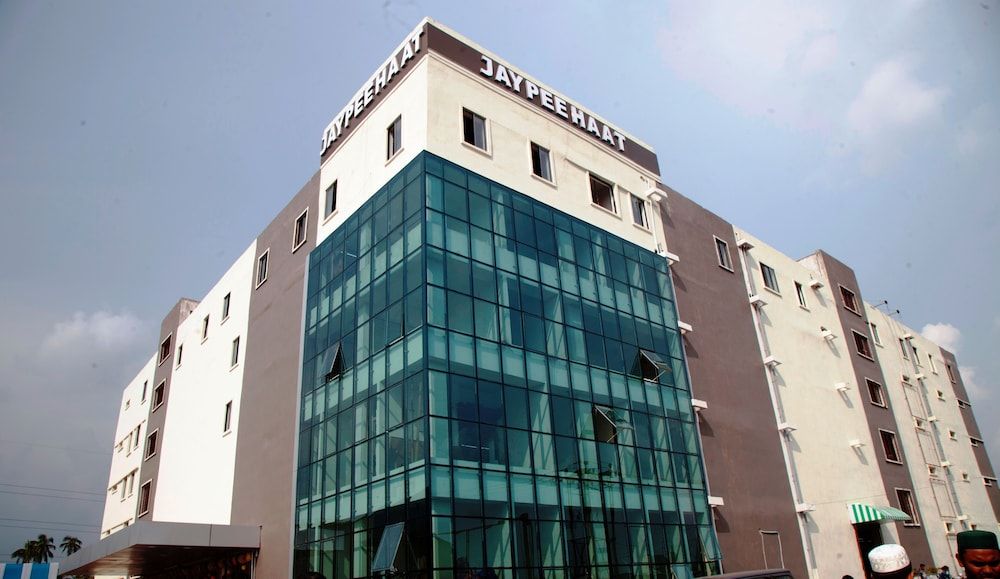
Hotel Jaypee Inn
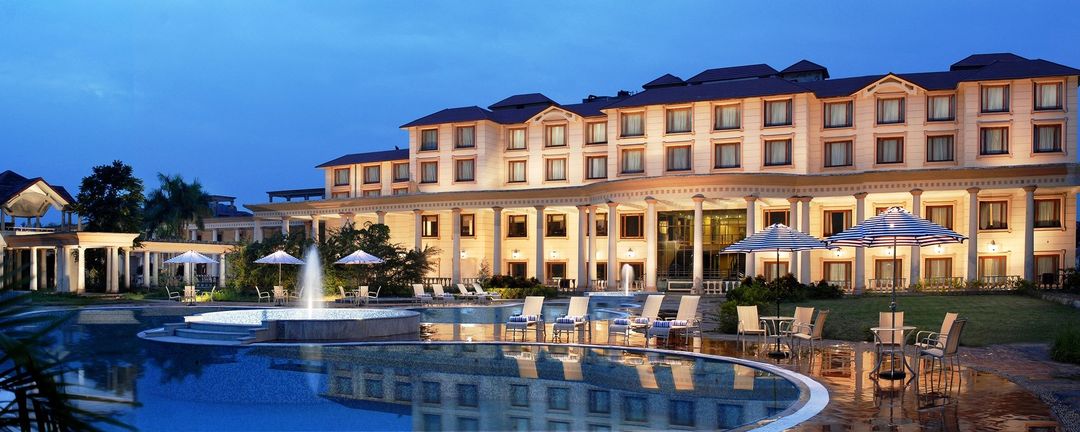
Fortune Park Panchwati, Kolkata - Member ITC Hotels' Group
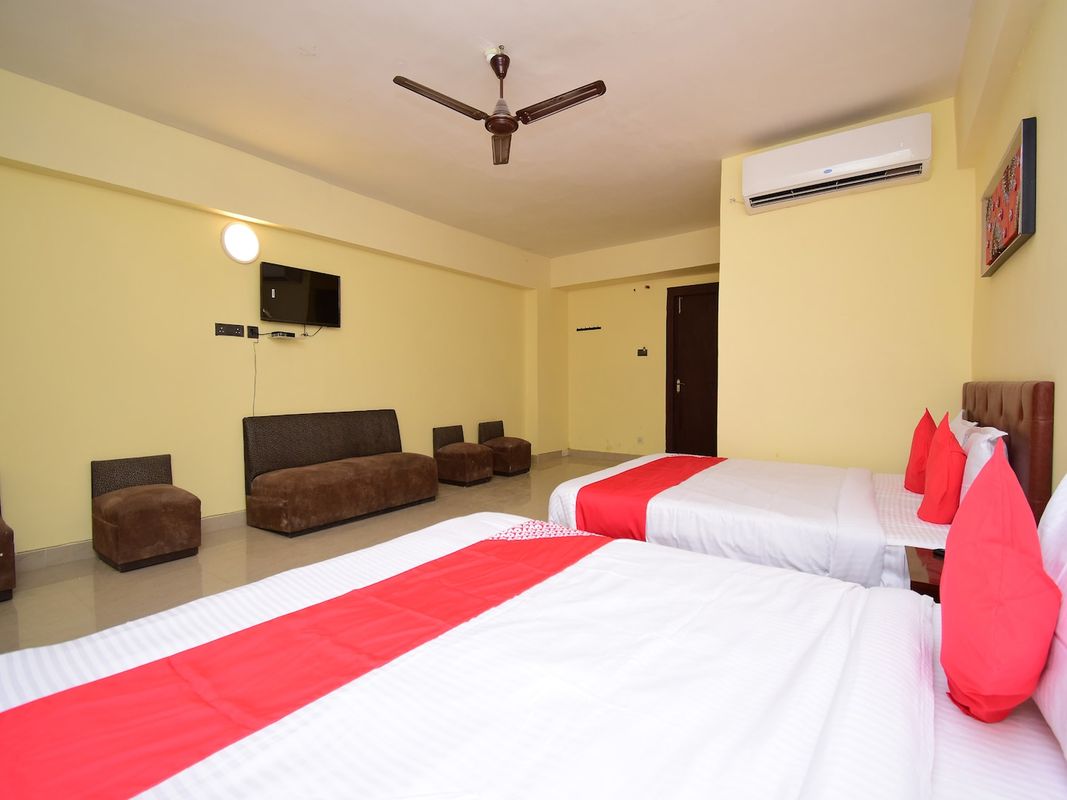
OYO 29385 Bengal Inn
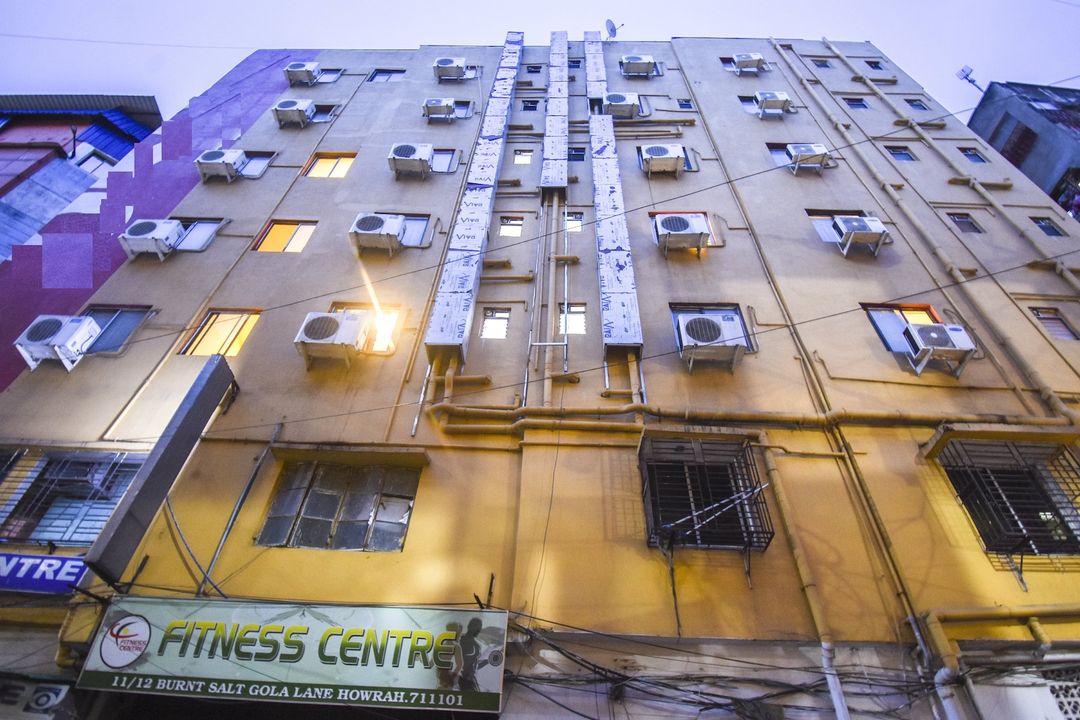
Kiaan Inn
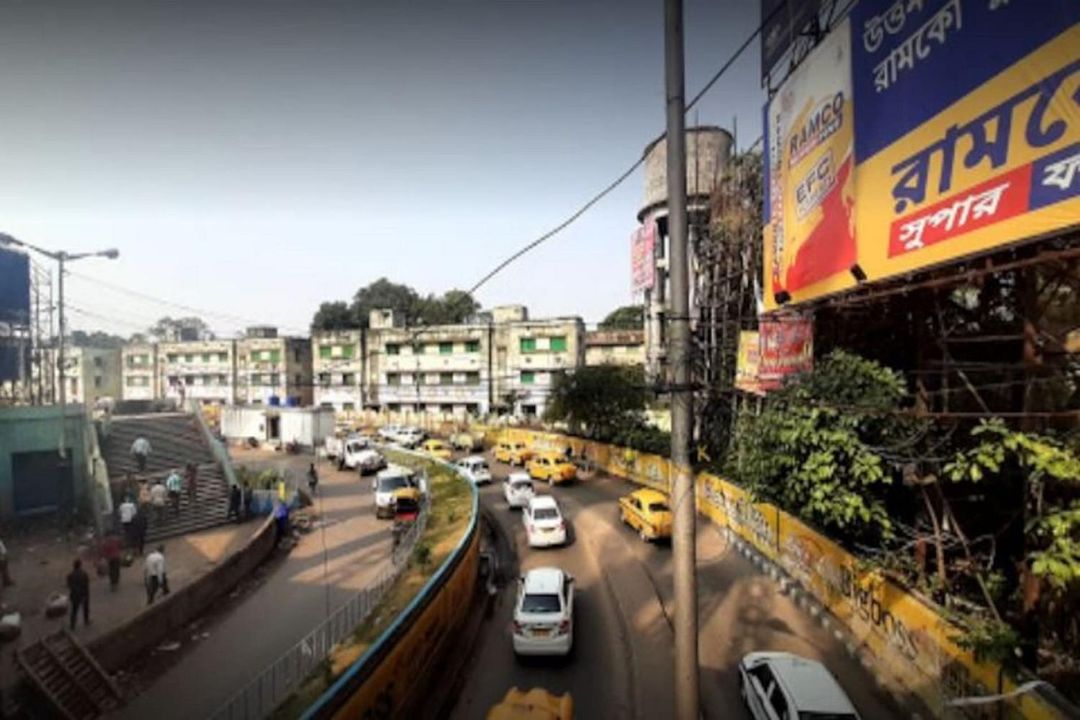
Goroomgo Dev Guest House Howrah Kolkata
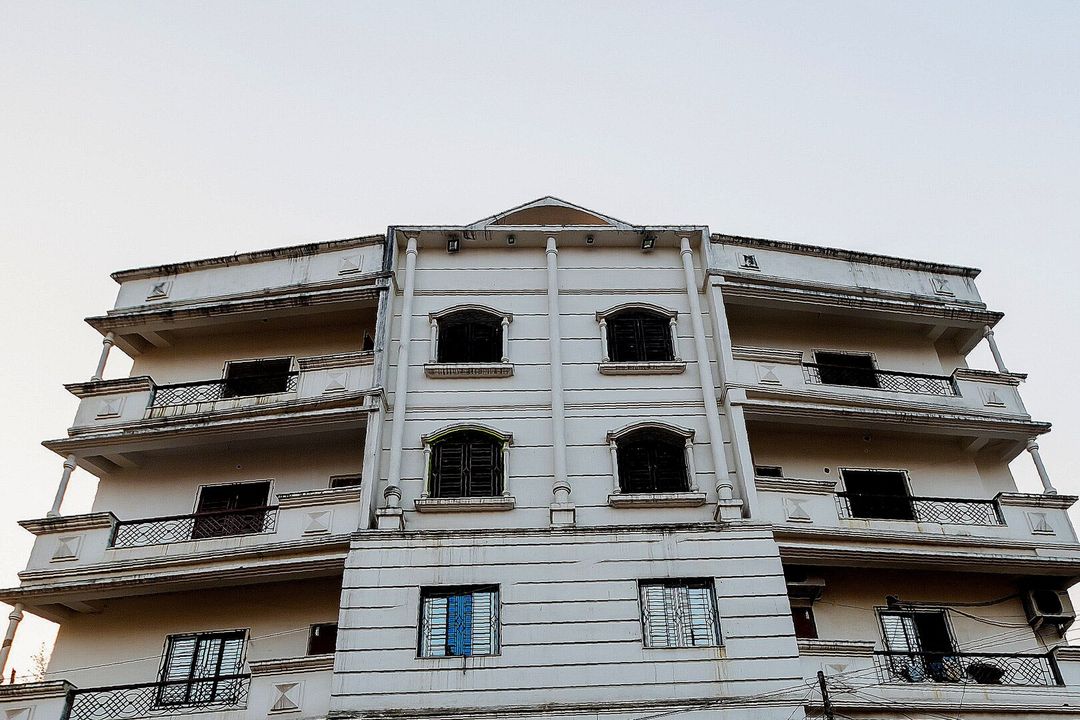
OYO 10471 Hotel Samrat Palace
Best Hotels in Howrah
Discover curated hotel collections in Howrah
Grand Mirage Dhanbad, a Member of Radisson Individuals
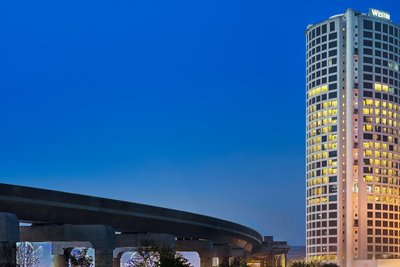
The Westin Kolkata Rajarhat
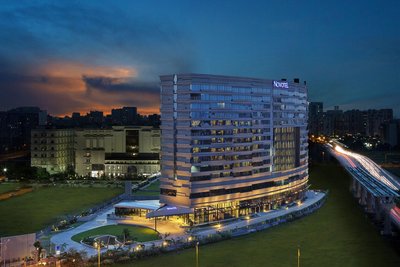
Novotel Kolkata - Hotel & Residences
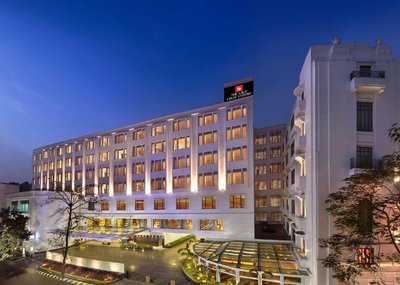
The Lalit Great Eastern Kolkata
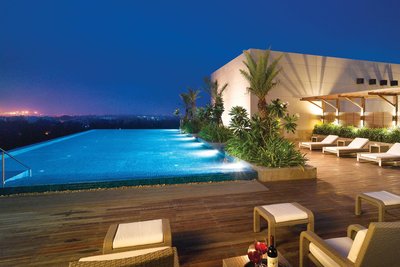
Taj City Centre New Town, Kolkata
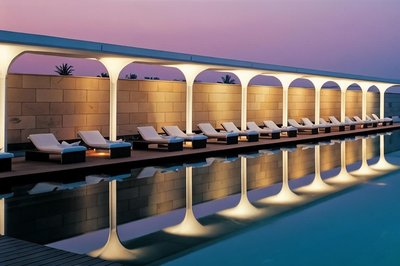
ITC Sonar, a Luxury Collection Hotel, Kolkata
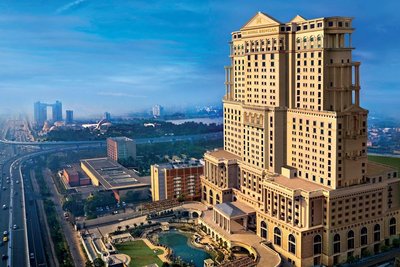
ITC Royal Bengal, a Luxury Collection Hotel, Kolkata
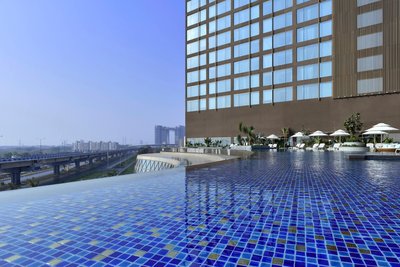
JW Marriott Hotel Kolkata
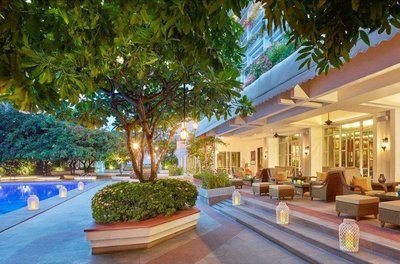
Taj Bengal
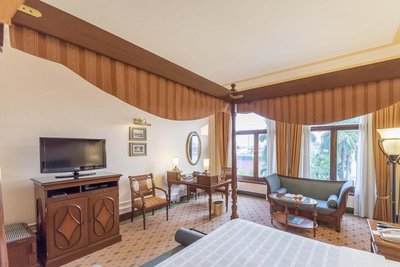
The Oberoi Grand Kolkata
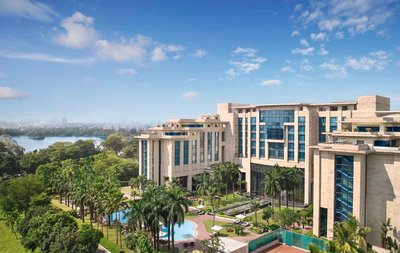
Hyatt Regency Kolkata

Hyatt Centric Ballygunge Kolkata
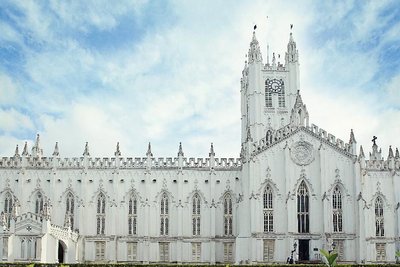
Vivanta Kolkata EM Bypass
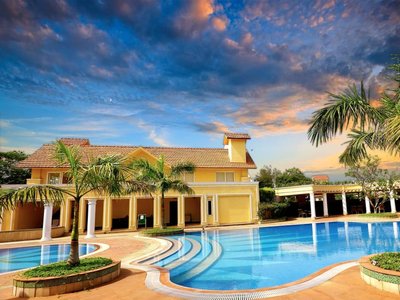
Country Roads

Sonotel Hotels & Resorts Pvt Ltd
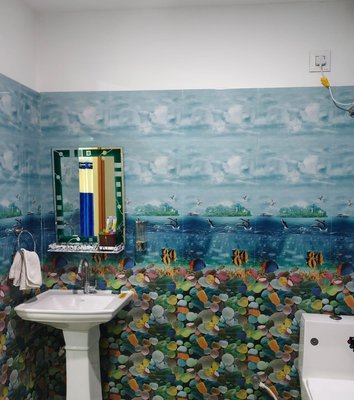
Jungle Avengers Resort
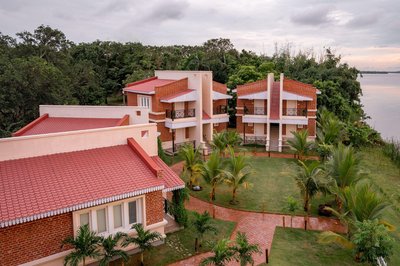
JALCHHABI HOTEL & RESORT
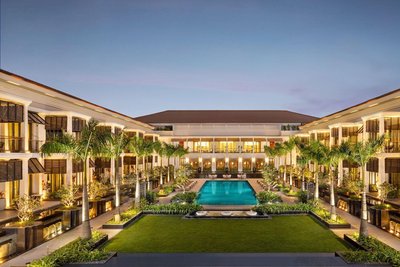
Taj Taal Kutir
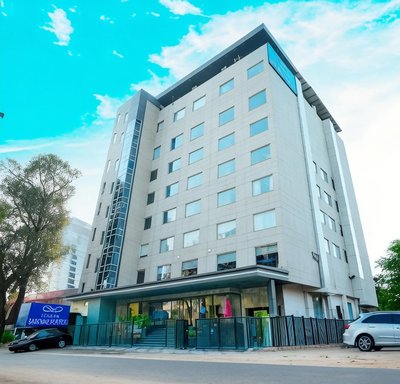
Ishaan Sarovar Portico Deoghar
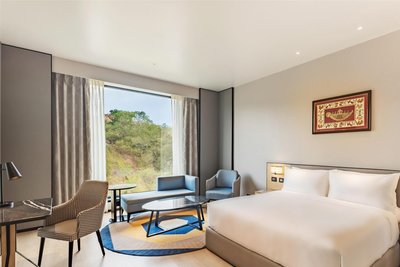
Radisson Hotel Jamshedpur

AltAir Boutique Hotel
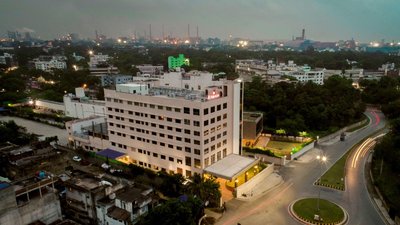
Ramada by Wyndham Jamshedpur
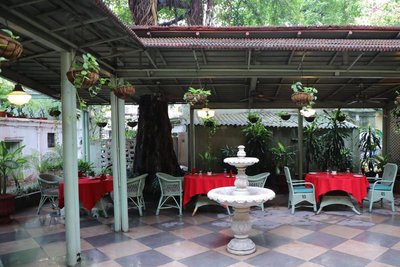
The Elgin Fairlawn, Kolkata
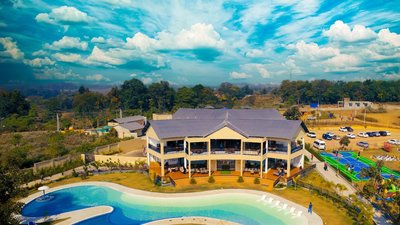
Kushal Palli Resorts- A Unit of PearlTree Hotels & Resorts Pvt. Ltd
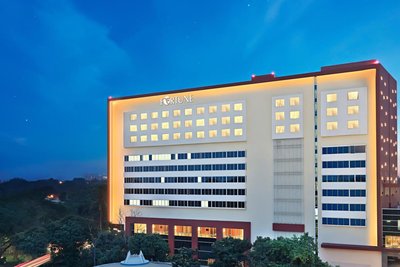
Fortune Park Pushpanjali, Durgapur - Member ITC Hotels' Group
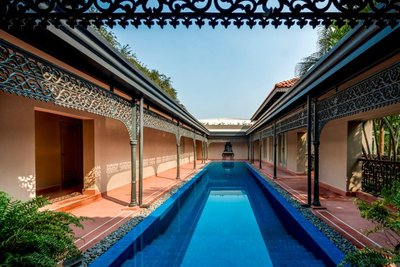
Raajkutir - Ihcl SeleQtions
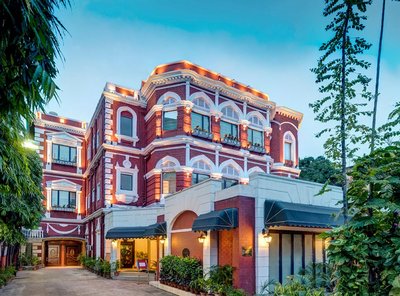
The Astor
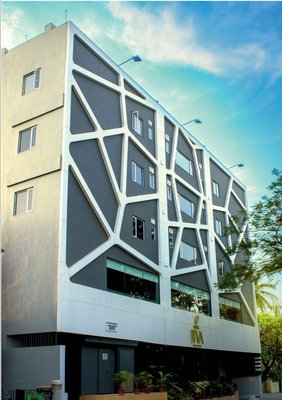
Hotel Jiva
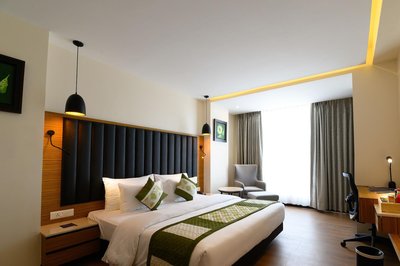
Novanta Jamshedpur
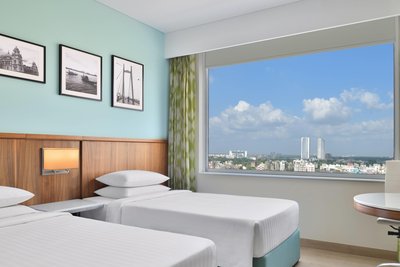
Fairfield by Marriott Kolkata
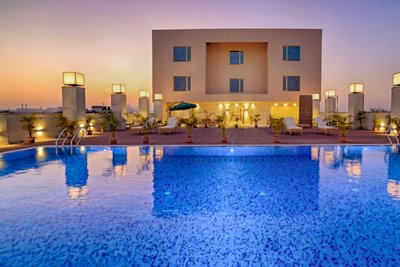
Vivanta Jamshedpur, Golmuri

Vivana
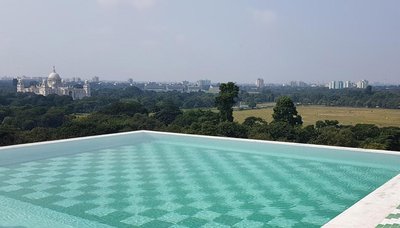
The Glenburn Penthouse
Frequently Asked Questions about Traveling to Howrah
Questions You Might Need to Know About Traveling to Howrah
In Howrah, the Hyatt Regency Howrah is a top choice, located just steps from the Howrah Bridge and offering panoramic views of the Ganges River. Its modern amenities, Indian-inspired dining, and proximity to Howrah Railway Station make it ideal for both business and leisure travelers. Another excellent option is the Taj Hotel Howrah, blending colonial-era architecture with luxury services, perfect for those seeking heritage charm. For budget-conscious visitors, City Hotel Howrah provides clean, comfortable rooms at affordable rates, close to major attractions. Staying near the Howrah Bridge or railway hub ensures easy access to Kolkata’s cultural sites and transportation networks.
For an authentic experience, consider homestays in local neighborhoods like Kankurgachi or Shyambazar, where you can interact with residents and enjoy home-cooked meals.
The Howrah Bridge and Howrah Railway Station areas are the most convenient for accommodations. These districts offer excellent connectivity to Kolkata city center, local markets, and riverfront attractions. The Howrah City Center is bustling with life—ideal for travelers who enjoy vibrant street scenes, traditional shops, and religious sites like the Cathedral of the Holy Virgin. Areas near Hastinapur and Rabindra Sarobar are quieter, safer, and suitable for families or those seeking a peaceful stay. Avoid industrial zones; instead, prioritize hotels along main roads or riverside promenades for better security, cleanliness, and scenic views.
Visitors to Howrah should not miss the Ganges morning rituals at the riverbank ghats, where devotees perform prayers, bathe, and offer flowers—deeply spiritual and visually striking. Explore the Howrah Cathedral, a stunning example of British colonial architecture, and wander through Howrah Market, a sensory delight filled with spices, textiles, and street food. Take a ride on the historic Kolkata-Howrah railway line, one of India’s busiest commuter routes, for a true glimpse into daily Indian life. During festivals like Diwali or Kumbh Mela, join the Ganges Night Light Festival, where illuminated boats and lanterns create a magical atmosphere along the riverbanks.
Howrah offers rich West Bengal cuisine. Must-try dishes include Mughlai curry, a fragrant meat stew served with steamed rice, and Biryani, especially the Howrah-style Biryani with aromatic basmati and tender meat. Don’t miss Puchka (Pani Puri)—crispy hollow balls filled with spicy tamarind water and potatoes—available at every street corner. For healthy options, try Dhokla (fermented chickpea cake) or Savara (spiced lentil dumplings). At Anand Restaurant, sample their famous Chhena Poda, a sweet dessert made from cottage cheese and baked to perfection—a beloved local favorite. Pair your meal with jolokia chai (spicy milk tea) for a full sensory experience.
Driving in Howrah is not recommended due to heavy traffic, especially around the Howrah Bridge and railway station during peak hours. Public transport is more efficient: the Kolkata Metro Line 1 (Red Line) stops directly at Howrah Station, while buses and auto-rickshaws cover most local routes affordably. Use ride-hailing apps like Uber or Ola for reliable, metered rides. Walking along the Ganges Riverfront or main boulevards is also safe and rewarding, offering immersive views of local life. If you must drive, avoid rush hours and stick to designated parking zones near hotels or malls to prevent congestion and fines.
Howrah Riverfront Park features playgrounds, shaded walkways, and open lawns—perfect for children to run and parents to relax. The Howrah Cathedral offers quiet interiors and beautiful stained-glass windows, making it a great spot for family photos and cultural learning. Howrah Zoo, though modest in size, houses native animals like Bengal tigers, giraffes, and monkeys—ideal for kids’ curiosity. Evening visits to the Ganges sunset viewing points provide breathtaking backdrops for family memories. Avoid midday heat; plan outings for early mornings or late afternoons to ensure comfort and safety. Many local parks also host weekend cultural events and storytelling sessions.
The best time to visit Howrah is from October to March, when temperatures range between 15–25°C and the weather is dry and pleasant. The monsoon season (June–September) brings heavy rains and humidity, which can disrupt travel plans and cause flooding. Summers (April–June) are extremely hot, often exceeding 40°C, making outdoor activities uncomfortable. If attending festivals like Diwali or Kumbh Mela, book accommodations well in advance—crowds surge and prices rise. Avoid traveling during major Hindu holidays unless you’re prepared for high demand and limited availability.
Evening highlights in Howrah include the Ganges Night Light Festival (during festivals), where floating lanterns and colorful lights illuminate the riverbanks. Howrah Market Night Bazaar comes alive with food stalls, live music, and street performers—perfect for a lively night out. Stroll along the Howrah Riverfront Promenade, enjoying cool evening breezes and views of Kolkata’s skyline across the river. Some hotels offer Ganges dinner cruises with live music and regional cuisine—ideal for couples or groups. For a serene experience, visit Howrah Cathedral at dusk, where soft lighting enhances its architectural beauty and creates a peaceful ambiance.
Howrah Market is the heart of local shopping—stocked with spices, handloom fabrics, fresh produce, and souvenirs. Howrah Shopping Complex houses department stores, electronics outlets, and grocery chains for everyday needs. For traditional crafts, explore Nehru Road and nearby lanes selling West Bengal embroidery, bronze sculptures, and handmade paper umbrellas. Local artisans at Ghat-side stalls sell woven baskets, clay lamps, and painted masks—great for unique gifts. Most vendors accept cash, so carry Indian Rupees. Bargaining is common, especially in open-air markets, so don’t hesitate to negotiate for better deals.
Howrah is home to several significant religious landmarks. The Church of the Holy Virgin stands as a majestic example of British colonial ecclesiastical design, with intricate stained-glass windows and peaceful interiors. The Howrah Mosque reflects Islamic architectural elegance and hosts daily prayers—visitors may observe rituals respectfully. Near the Ganges ghats, the Shiva Temple draws pilgrims, especially during Mahashivratri and Kumbh Mela. For spiritual insight, visit the Yoga Center near Howrah University, where guided meditation and classical teachings are offered. These sites reflect the city’s religious diversity and provide deep cultural context for travelers.
Howrah Overview
City Summary
Howrah is a significant city in West Bengal, India, located on the west bank of the Hooghly River, opposite Kolkata. Known for its rich historical heritage, bustling markets, and unique cultural vibe, Howrah serves as the gateway to Kolkata. The city boasts numerous historical buildings and religious sites, such as the iconic Howrah Bridge and the Indian Institute of Engineering Science and Technology. Howrah is also a major railway hub, with Howrah Station being one of the busiest in India.
Must-See Attractions
Key attractions in Howrah include the Howrah Bridge, a cantilever bridge that connects Howrah to Kolkata and is beautifully lit at night. The Indian Institute of Engineering Science and Technology is one of India's premier engineering institutions with a picturesque campus. Additionally, Howrah Station, one of India's oldest railway stations, features grand architecture and is worth a visit.
Food Guide
Howrah offers a variety of street food, including local favorites like Samosa, Puri, and sweets such as Lassi and Barfi. The culinary culture is heavily influenced by Bengali flavors, with seafood and rice being staples.
Transportation Guide
Transportation in Howrah primarily includes trains, buses, and taxis. Howrah Station is a major railway hub connecting various parts of the country. The city has an extensive bus network, though it can be crowded. Taxis and auto-rickshaws are convenient for short distances. Avoid traveling during peak hours.
Best Time to Visit
The best time to visit is from October to March when the weather is cool and pleasant, avoiding the summer heat and monsoon floods.
Travel Tips
- Keep valuables secure and avoid displaying them in crowded areas.
- Respect local religious customs, such as removing shoes before entering temples.
- Drink bottled water to avoid stomach issues.
- Dress modestly, especially in religious sites.
- Learn basic Hindi or Bengali phrases for better communication.
- Avoid traveling alone to remote areas at night.
Useful Information
The primary languages are Bengali and Hindi, with English widely understood in tourist areas. Network coverage is good but may be unstable. Cash is the main form of payment, though some businesses accept credit cards. Emergency numbers are 102 (ambulance) and 100 (police). Carry essential medications and consider travel insurance.