Hotels in Hugelsheim
Discover your perfect stay in Hugelsheim.
Hugelsheim(Germany) Travel 2026: Cheap Flights, Hotels & Top Attractions
Popular Landmarks in Hugelsheim
Discover the most iconic attractions in Hugelsheim
Recommended Hotels in Hugelsheim
Find the perfect place to stay in Hugelsheim
Frequently Asked Questions about Traveling to Hugelsheim
Questions You Might Need to Know About Traveling to Hugelsheim
In Hohenschwangau, the best choice is Schlosshotel Hohenschwangau, located just steps from Neuschwanstein Castle. This elegant castle hotel blends Bavarian heritage with modern luxury, offering rooms with panoramic views of the Alps and moated castle grounds.
Another excellent option is Hotel Alpenhof, a family-run inn known for its cozy atmosphere and homemade Bavarian breakfasts featuring local cheeses and fresh pastries. Both properties provide convenient access to guided tours of the castle and nearby hiking trails in the Allgäu Alps.
Guests appreciate the hotel staff’s personalized service and the on-site restaurant serving traditional German dishes like Schweinshaxe and spaetzle. Stay here for an authentic alpine experience close to one of Europe’s most iconic landmarks.
The Hohenschwangau village center provides the ideal balance of scenic beauty and peaceful lodging. Here, you’ll find boutique inns like Gasthof zur Krone, nestled among flower-filled gardens and historic timber-framed houses.
This area offers easy walking access to Neuschwanstein Castle, Alpsee Lake, and the Hohenschwangau Castle ruins, while remaining secluded enough for tranquility. Many accommodations feature private balconies overlooking the Lech Valley, perfect for sunrise or sunset views.
Additionally, the proximity to forest trails and the Bavarian Alpine Trail makes it ideal for nature lovers seeking quiet retreats. The village maintains a traditional charm with minimal traffic, ensuring a restful stay amidst breathtaking mountain scenery.
Visitors to Hohenschwangau can immerse themselves in Bavarian culture through several unique experiences. Join a guided tour of Neuschwanstein Castle with a historian who shares stories of King Ludwig II’s visionary dreams and architectural legacy.
Attend the annual Festival of the Bavarian Highlands, held in July, featuring folk dancing, traditional costumes, live music, and local food stalls showcasing sausages, pretzels, and Apfelstrudel.
Don’t miss the chance to participate in a woodcarving workshop at the local craftsman’s studio, where you can create your own miniature Bavarian knight or cuckoo clock — a memorable keepsake.
These authentic activities offer deep insight into regional traditions, craftsmanship, and the romantic spirit that defines this corner of Germany.
Near Hohenschwangau, nature lovers will enjoy Alpsee Lake, a crystal-clear alpine lake surrounded by pine forests and dotted with small islands. It’s perfect for swimming, paddleboarding, or simply relaxing on the shore.
The Allgäu Alps offer extensive hiking and biking trails, including the popular Alpine Trail Path 1, which winds through meadows filled with wildflowers and leads to scenic viewpoints like Königssee Lookout.
For birdwatchers, the Lech River Valley is home to rare species such as the white-tailed eagle and black grouse. Early morning walks along the riverbank reveal mist-covered landscapes reminiscent of postcard scenes.
These natural wonders combine pristine wilderness with accessible trails, making Hohenschwangau an ideal base for outdoor enthusiasts seeking both adventure and serenity.
Yes, Hohenschwangau offers many family-friendly adventures. Visit the Children’s Discovery Park (Kinderwelt Alpsee), featuring interactive nature trails, treehouses, and a mini farm where kids can feed goats and collect eggs.
Join a guided family hiking tour through the Bavarian Forest Reserve, complete with scavenger hunts and wildlife spotting challenges. For a fun indoor activity, try the Cuckoo Clock Workshop at the local museum, where children build their own wooden clocks.
Families can also rent bikes and ride along the Alpsee Cycle Path, a flat, safe route suitable for all ages. On weekends, the town hosts a family market with face painting, puppet shows, and live storytelling.
With child-safe facilities and engaging programs, Hohenschwangau ensures a joyful and enriching experience for all ages.
Must-try dishes in Hohenschwangau include Schweinshaxe (roasted pork knuckle) served with sauerkraut and dumplings, a hearty Bavarian staple often enjoyed at Gasthaus Alpenstern.
Try Apfelstrudel made with locally grown apples, baked fresh daily at Bäckerei Müller — best paired with a cup of coffee or herbal tea.
Another highlight is Alpsee Cheese, a creamy cow’s milk cheese aged in wooden barrels, available at the weekly farmers’ market.
Don’t forget to sample Bavarian honey wine (Sekt), crafted from wildflower nectar and served chilled at local taverns. These flavors reflect the region’s agricultural roots and artisanal pride, offering a true taste of Bavaria.
Traveling from Munich to Hohenschwangau is convenient via train or car. Take the Regionalbahn (RB 15) from Munich Hauptbahnhof to Füssen, then transfer to the Bus 251 or local shuttle to Hohenschwangau, a 15-minute ride.
Alternatively, drive via the A96 highway, taking the “Füssen” exit, then follow signs to Hohenschwangau (approx. 1 hour). Parking is available near the castle and town center.
For tourists, the Munich–Füssen Day Trip Pass includes round-trip rail travel and entry to Neuschwanstein Castle. Use the DB Navigator app for real-time schedules and seat reservations to ensure a smooth journey.
Key historical sites in Hohenschwangau include Neuschwanstein Castle, built by King Ludwig II as a personal retreat and inspired by Romantic opera. Guided tours reveal hidden chambers, royal apartments, and intricate murals depicting Wagnerian themes.
Visit Hohenschwangau Castle, the childhood home of Ludwig II, now a museum showcasing royal artifacts, period furniture, and personal letters.
Also explore the Old Town Hall (Altes Rathaus), a 16th-century building with half-timbered façades and a bell tower that chimes every hour. Its interior hosts rotating exhibitions on regional history.
These structures reflect Bavaria’s royal legacy and architectural ambition, making them essential stops for history enthusiasts.
The best time to visit Hohenschwangau is from May to September, when the weather is mild, skies are clear, and the surrounding mountains are lush green. This period offers ideal conditions for hiking, photography, and visiting Neuschwanstein Castle without crowds.
Late summer (August–September) features vibrant foliage and fewer tourists compared to peak July visits. Spring (April–May) brings blooming alpine flowers and gentle temperatures, perfect for families.
Winter months (December–February) offer a magical snow-covered landscape, though some trails may be closed due to snow. While quieter, access to certain attractions may be limited.
Plan your trip during the shoulder seasons for optimal weather, fewer visitors, and full access to all attractions.
Hohenschwangau offers a calm, traditional nightlife centered around local taverns and seasonal events. Enjoy live Bavarian folk music at Gasthof zur Krone, where locals gather for beer, schnapps, and accordion tunes on weekend evenings.
During summer, the Alpsee Open-Air Concert Series features classical and jazz performances under the stars, drawing audiences from nearby towns.
For a more lively option, take a short drive to Füssen, where you’ll find pubs, nightclubs, and themed bars catering to younger travelers.
Overall, Hohenschwangau prioritizes peace and community over nightlife intensity — perfect for those seeking a restful, authentic Bavarian evening experience.
Hugelsheim Overview
City Summary
Hügelsheim is a tranquil town in Baden-Württemberg, Germany, known for its rural charm and wine culture. With a history dating back to Roman times, the town is surrounded by vineyards and forests, making it an ideal escape from urban life. Its core appeal lies in its relaxed pace, traditional German village atmosphere, and high-quality wine production.
Must-See Attractions
Key attractions in Hügelsheim include St. Michael's Church, a historic church with exquisite architecture. The local wineries are a must-visit, offering authentic German wines. The scenic trails around the town are perfect for hiking and cycling.
Food Guide
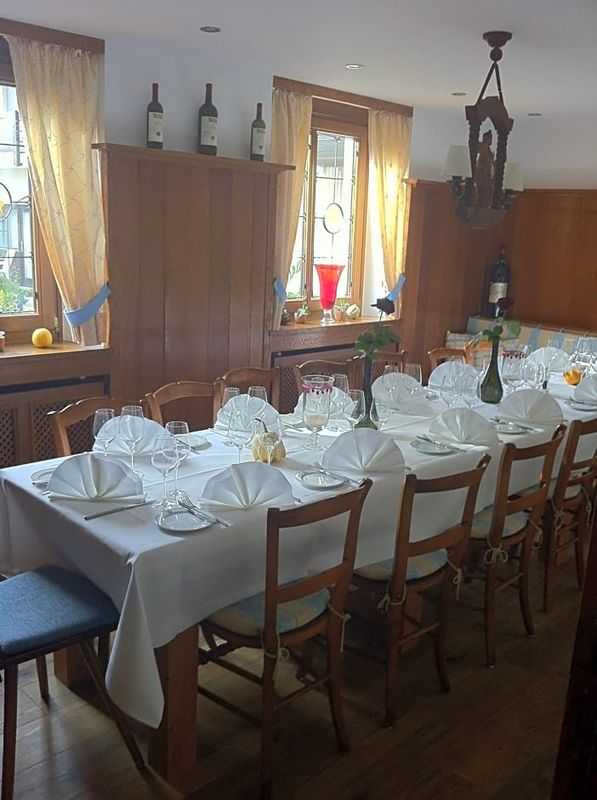
While street food is rare in Hügelsheim, local restaurants serve traditional German dishes like sausages, sauerkraut, and pork knuckle. Don’t miss the local wines, especially Riesling and Pinot Noir. The town’s restaurants offer a cozy atmosphere for leisurely dining.
Transportation Guide
Hügelsheim relies mainly on buses and trains to connect with nearby cities like Stuttgart. Walking or biking is the most convenient way to get around town. Taxis are limited, so HopeGoo in advance is advised. Driving is also a good option, with well-maintained roads.
Best Time to Visit
The best time to visit is spring or autumn, when the weather is pleasant and the vineyards are at their most beautiful. Summers are busier, while winters are quieter, ideal for those seeking peace.
Travel Tips
- Safety: Hügelsheim is safe, but keep an eye on personal belongings.
- Etiquette: Wait to be seated in restaurants.
- Customs: Locals enjoy wine with dinner; respect this tradition.
- Language: English is understood in tourist areas, but learning a few German phrases helps.
- Payment: Cash is still widely used; carry some euros.
- Internet: Public Wi-Fi is scarce; consider a local SIM card.
Useful Information
Language: German is the main language; English is understood in tourist areas. Internet: Public Wi-Fi is limited; a local SIM card is recommended. Payment: Cash and cards are accepted, but small shops may only take cash. Emergency: Local clinics are available; major hospitals are in Stuttgart. Voltage: 230V, with European plugs. Drinking water: Tap water is safe.