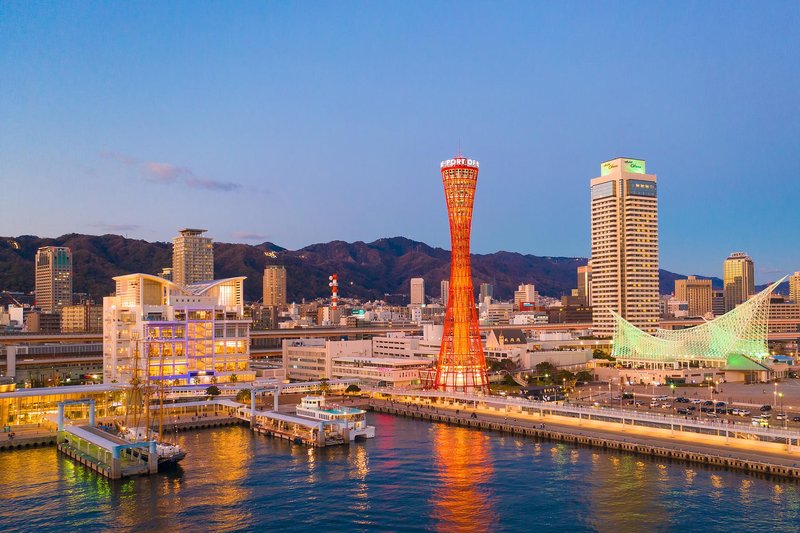
Hotels in Ibara
Discover your perfect stay in Ibara.
Ibara(Japan) Travel 2026: Cheap Flights, Hotels & Top Attractions
Popular Landmarks in Ibara
Discover the most iconic attractions in Ibara
Recommended Hotels in Ibara
Find the perfect place to stay in Ibara
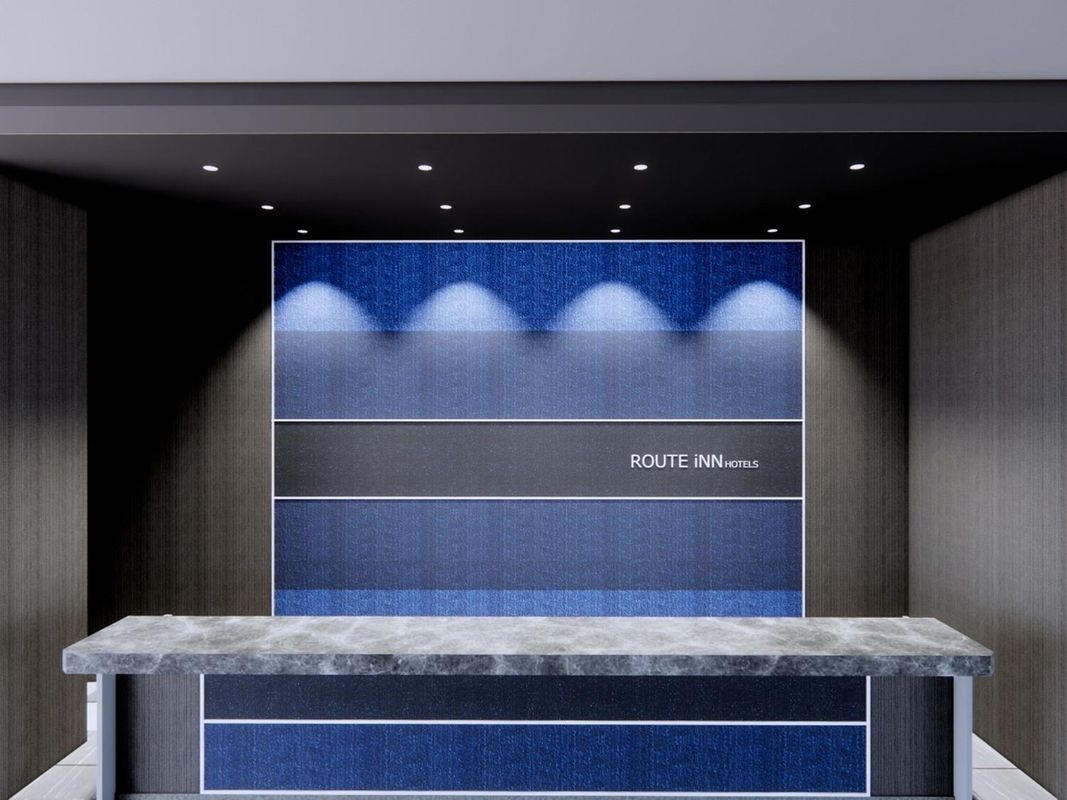
Hotel Route Inn Okayama Ibara
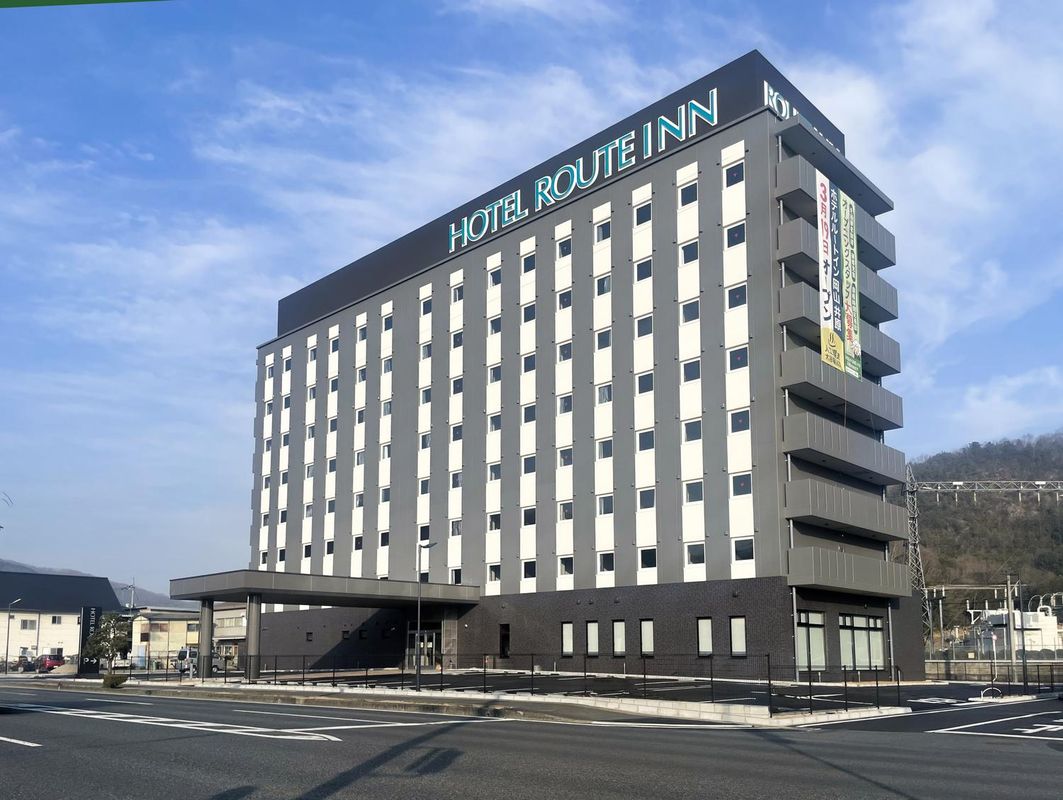
HOTEL ROUTE-INN OKAYAMA IBARA
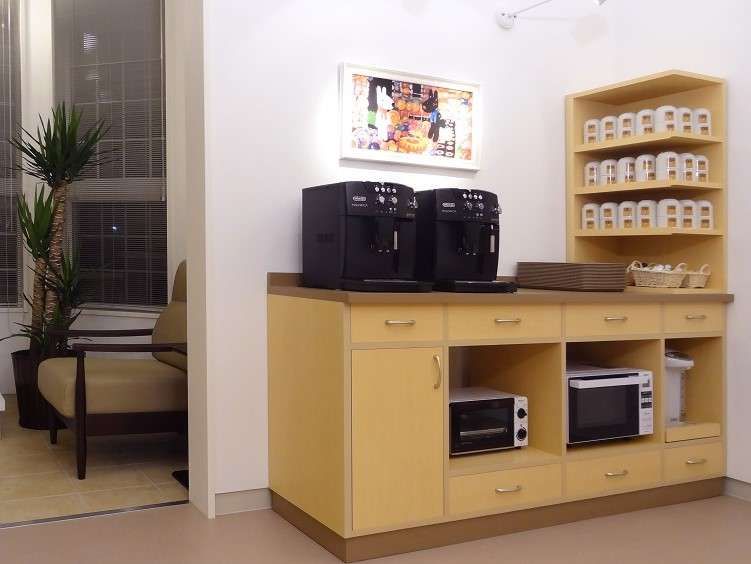
Family Lodge Hatagoya Ibara
Best Hotels in Ibara
Discover curated hotel collections in Ibara
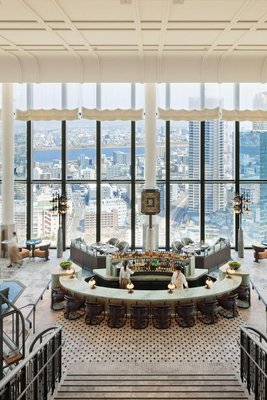
Waldorf Astoria Osaka
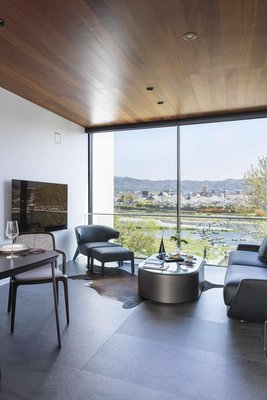
Kamo Residences by Reflections
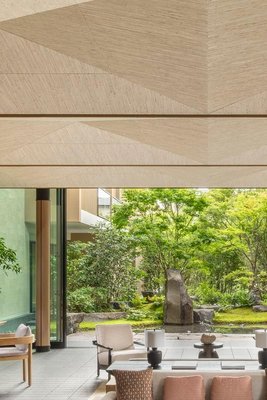
Six Senses Kyoto
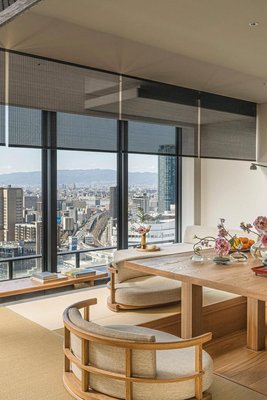
Four Seasons Hotel Osaka
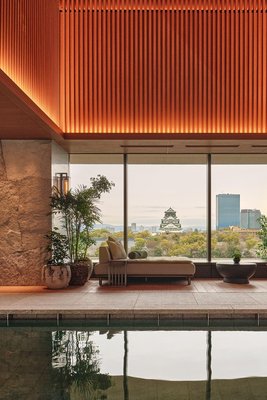
Patina Osaka
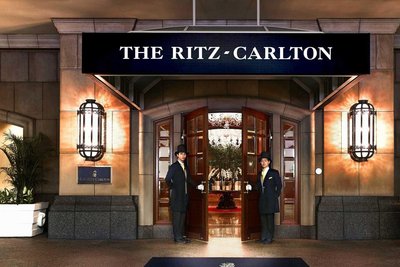
The Ritz-Carlton, Osaka
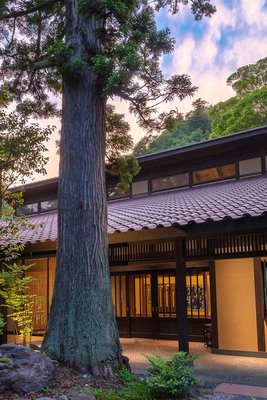
Arimasansoh Goshobessho
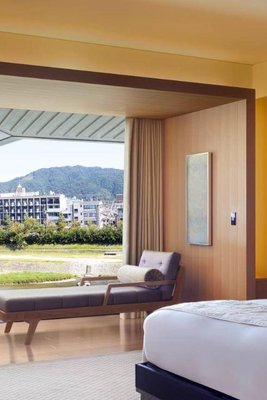
The Ritz-Carlton, Kyoto
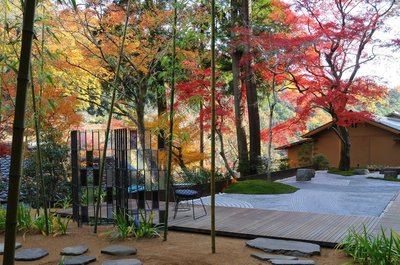
HOSHINOYA Kyoto
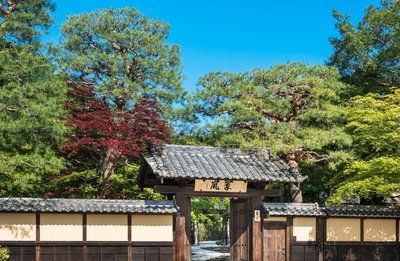
Suiran, a Luxury Collection Hotel, Kyoto
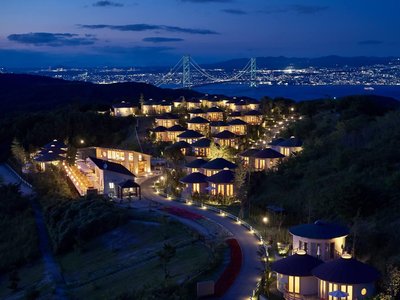
Grand Chariot Hokutoshichisei 135°
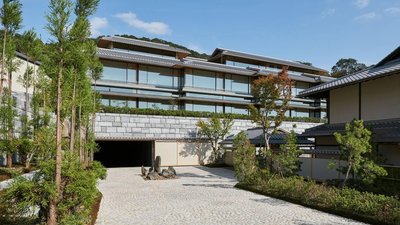
Park Hyatt Kyoto
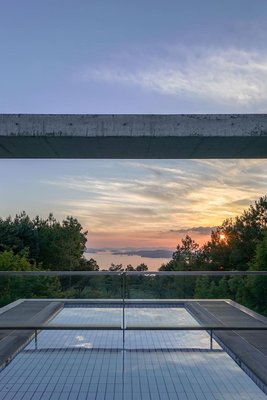
SETOUCHI RETREAT by Onko Chishin
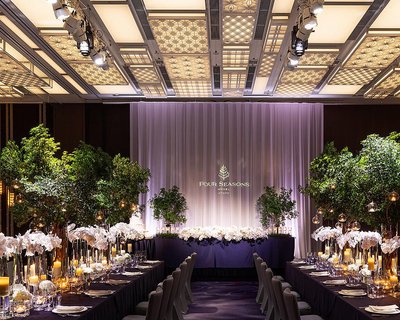
Four Seasons Hotel Kyoto
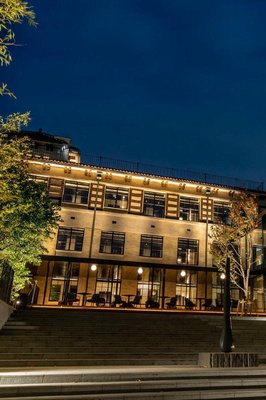
The Hotel Seiryu Kyoto Kiyomizu - a Member of the Leading Hotels of the World-
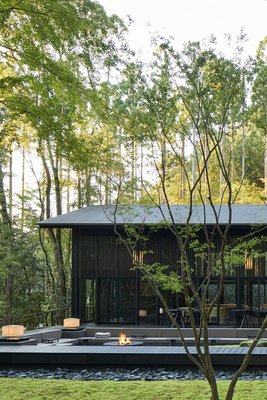
Aman Kyoto
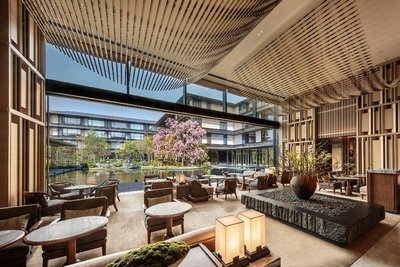
Hotel the Mitsui Kyoto, a Luxury Collection Hotel & Spa
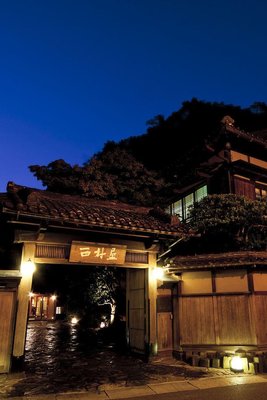
Nishimuraya Honkan
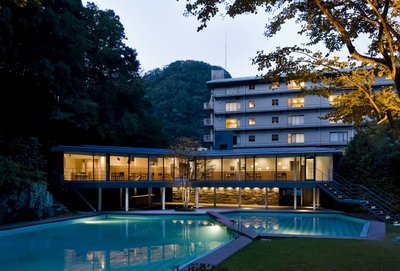
Kinosaki Onsen Nishimuraya Hotel Shogetsutei
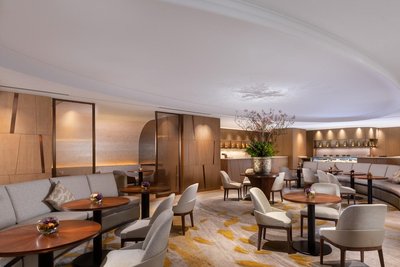
The Westin Miyako Kyoto (KASUI-EN)
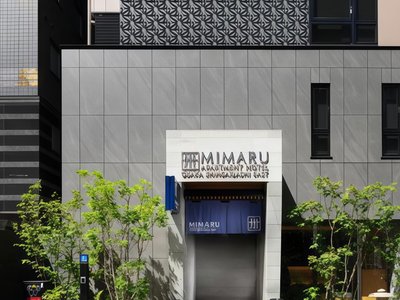
MIMARU Osaka Shinsaibashi East
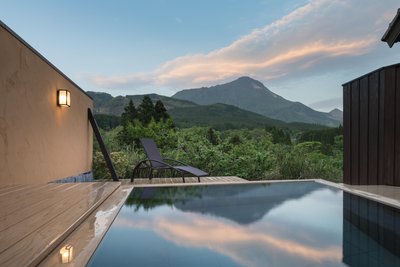
Ikkoten
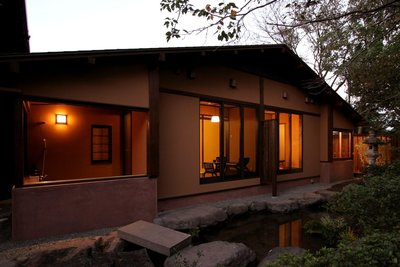
SEKIYA RESORT Bettei Haruki
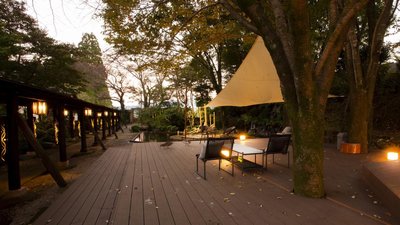
Chikurakutei
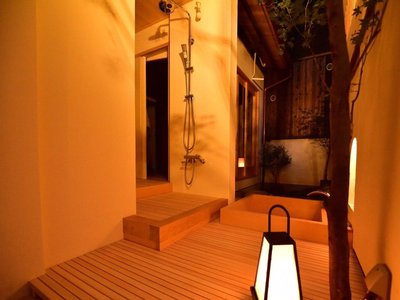
Yado Kiramachi
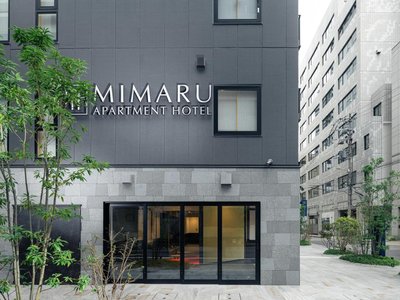
MIMARU Osaka Shinsaibashi North
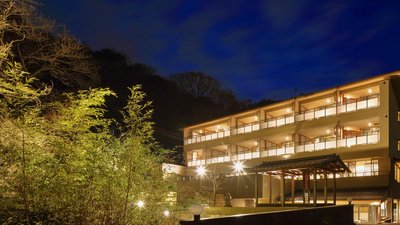
Okuno Hosomichi
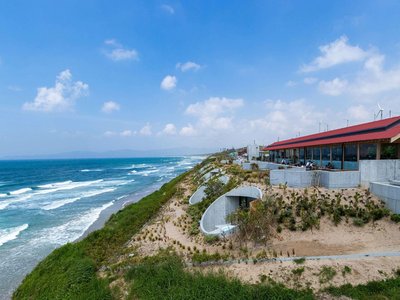
Izumo Hotel the Cliff
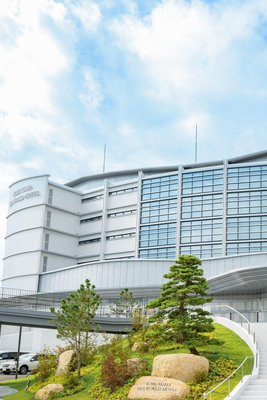
Kobe Suma Sea World Hotel
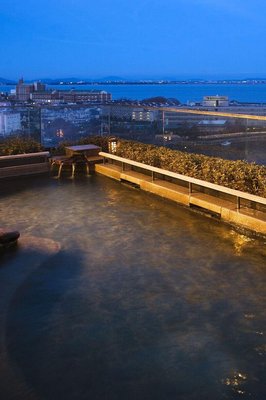
Yumotokan
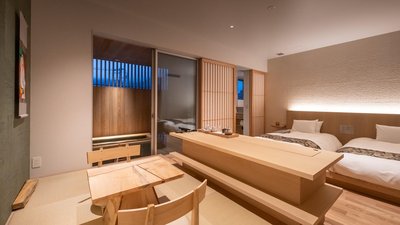
Japanese Auberge Kararako
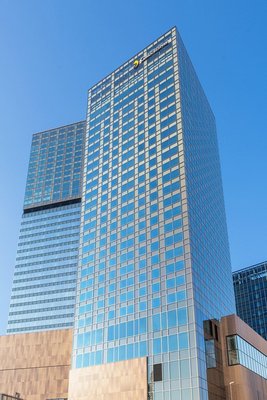
Hotel Hankyu GRAN RESPIRE OSAKA
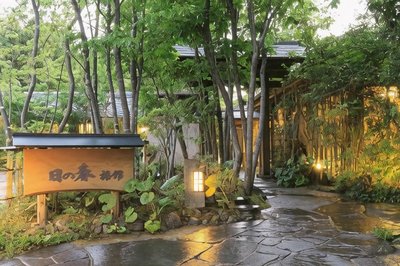
Yufuin Onsen Hinoharu Ryokan
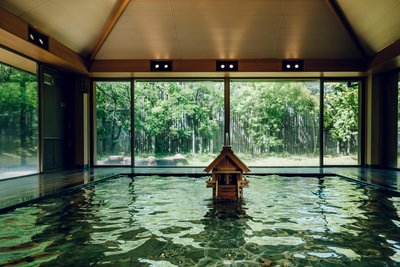
Hoshino Resorts KAI Tamatsukuri
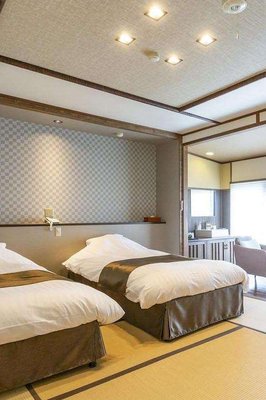
Sozankyo

Taikyourou
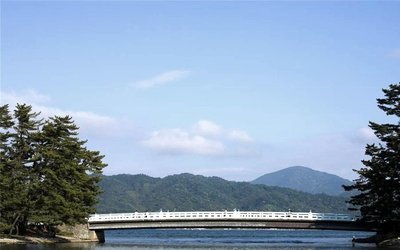
Monjusou Shourotei
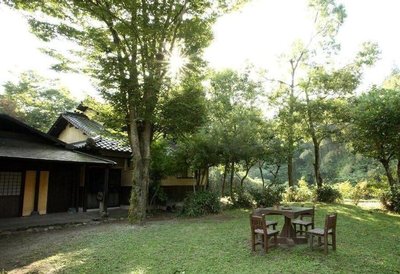
Yamashinobu
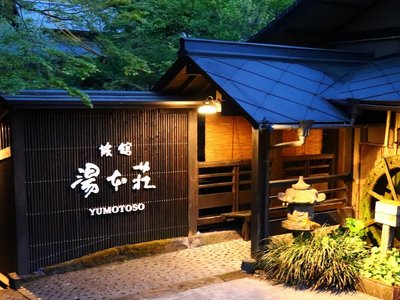
Ryokan Yumotosou
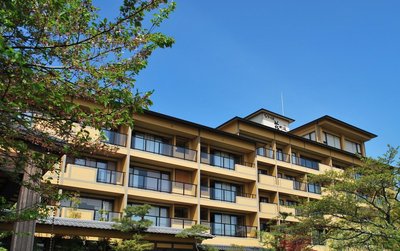
BIWAKO HANAKAIDO
Yado Kiramachi
Arimasansoh Goshobessho
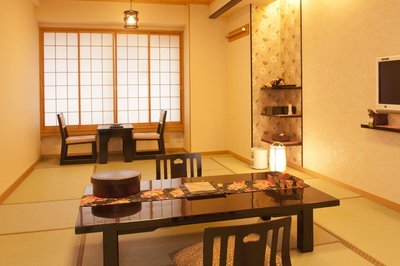
Matsui-Bekkan Hanakanzashi
Hoshino Resorts KAI Tamatsukuri
Taikyourou
Monjusou Shourotei
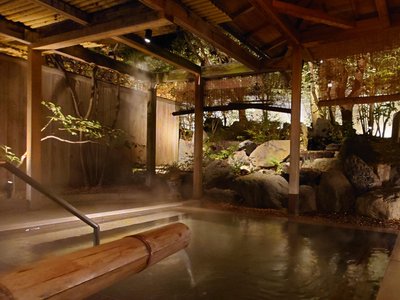
Kasuga Hotel
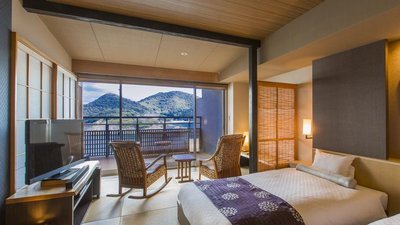
Migiwatei Ochi Kochi
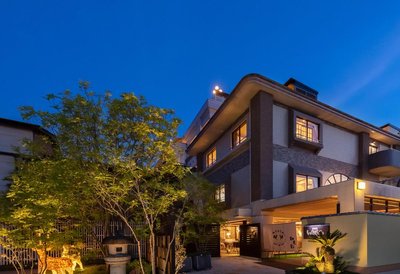
Hotel New Wakasa
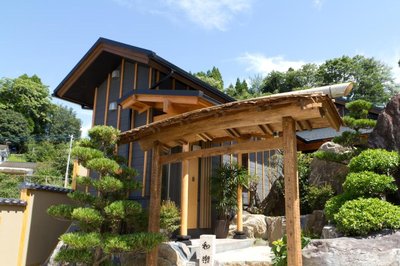
Ryokan Shinsen
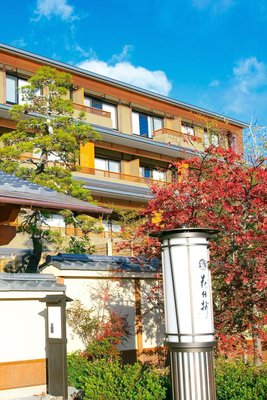
Kyoto Arashiyama Onsen Kadensho (Kyoritsu Resort)
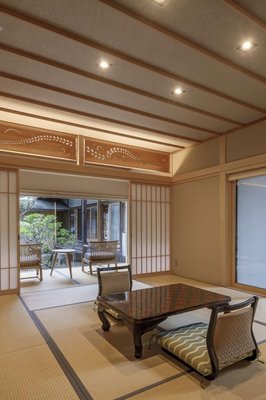
Ichijoin
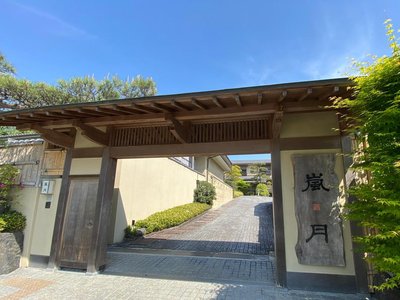
Rangetsu
The Ritz-Carlton, Kyoto
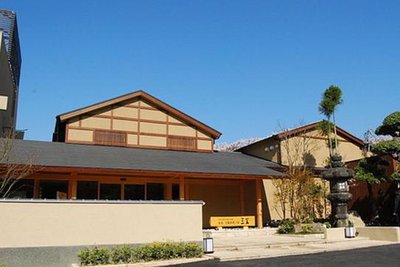
Mikasa
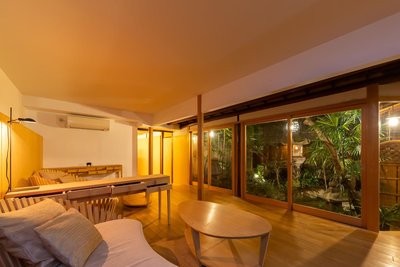
Izuyasu Traditional Kyoto Inn Serving Kyoto Cuisine
HOSHINOYA Kyoto
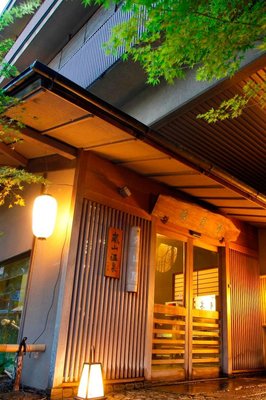
Togetsutei
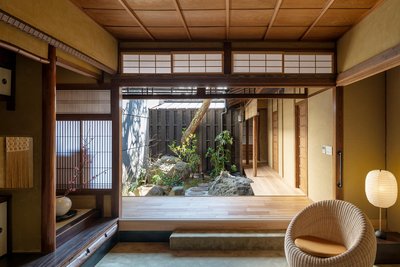
Nazuna Kyoto Gosho
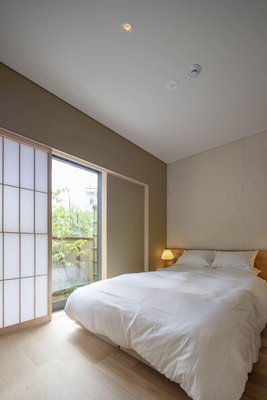
CAMPTON KIYOMIZU
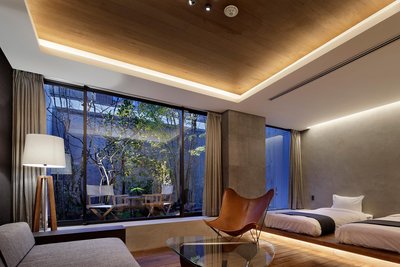
22 PIECES
The Ritz-Carlton, Osaka
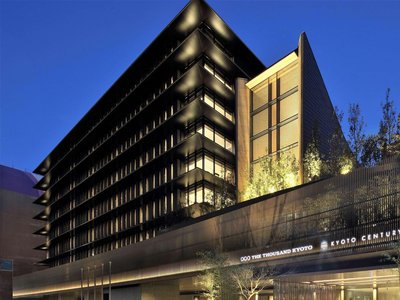
The Thousand Kyoto
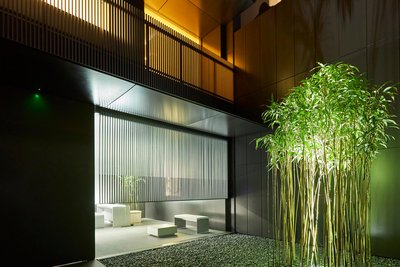
Mogana
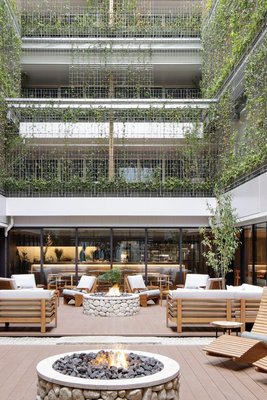
GOOD NATURE HOTEL KYOTO
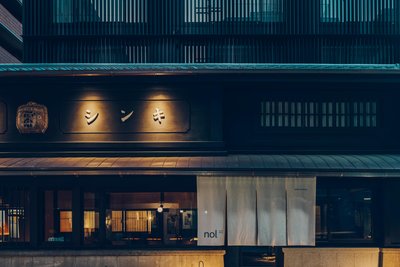
Nol Kyoto Sanjo
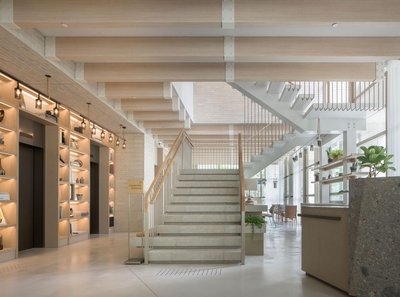
Zentis Osaka
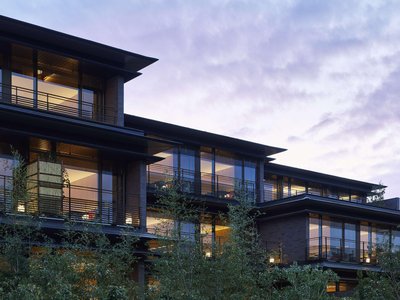
Garrya Nijo Castle Kyoto
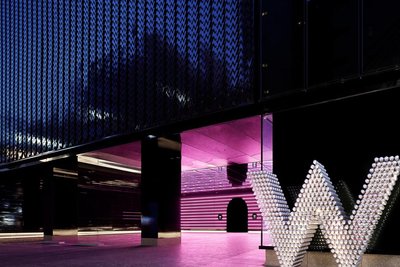
W Osaka
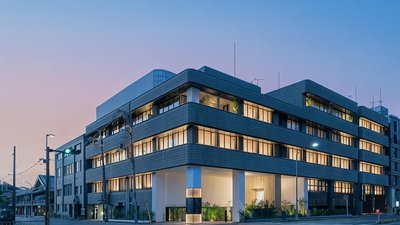
Hotel Kanra Kyoto
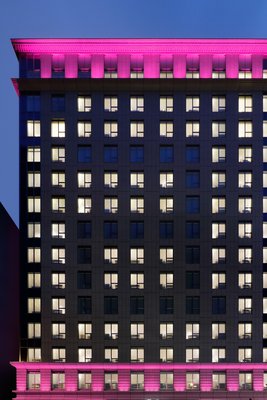
Aloft Osaka Dojima
Waldorf Astoria Osaka
Kamo Residences by Reflections
Six Senses Kyoto
Four Seasons Hotel Osaka
Patina Osaka
The Ritz-Carlton, Osaka
Arimasansoh Goshobessho
The Ritz-Carlton, Kyoto
HOSHINOYA Kyoto
Suiran, a Luxury Collection Hotel, Kyoto
Grand Chariot Hokutoshichisei 135°
Park Hyatt Kyoto
SETOUCHI RETREAT by Onko Chishin
Four Seasons Hotel Kyoto
The Hotel Seiryu Kyoto Kiyomizu - a Member of the Leading Hotels of the World-
Aman Kyoto
Hotel the Mitsui Kyoto, a Luxury Collection Hotel & Spa
Nishimuraya Honkan
Kinosaki Onsen Nishimuraya Hotel Shogetsutei
The Westin Miyako Kyoto (KASUI-EN)
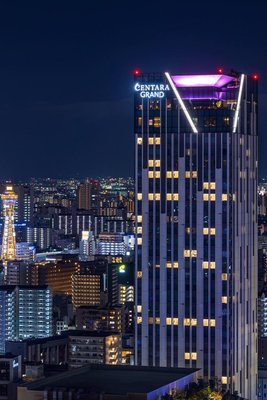
Centara Grand Hotel Osaka
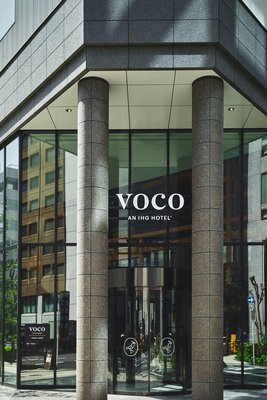
voco Osaka Central
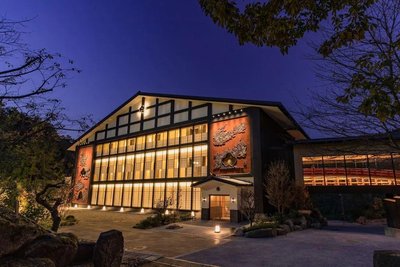
Okuhita Onsen Umehibiki
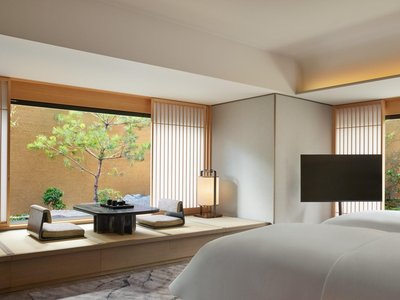
Dusit Thani Kyoto
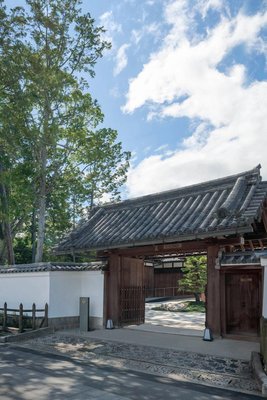
Shisui, a Luxury Collection Hotel, Nara
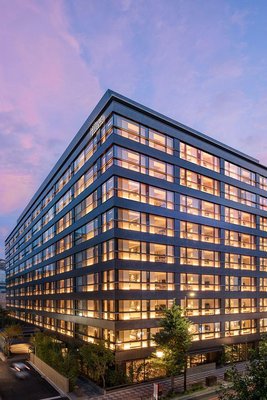
Hilton Kyoto
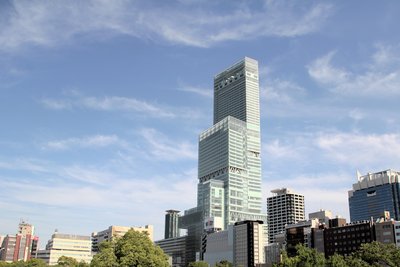
Osaka Marriott Miyako Hotel
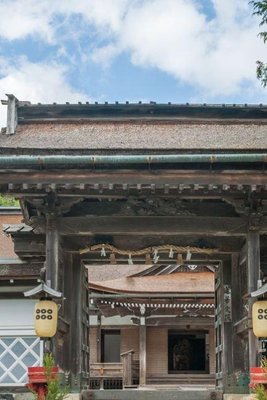
Koyasan Rengejoin
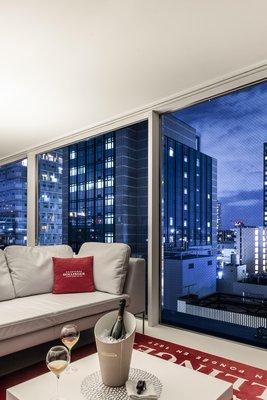
CUVÉE J2 HOTEL OSAKA by Onko Chishin
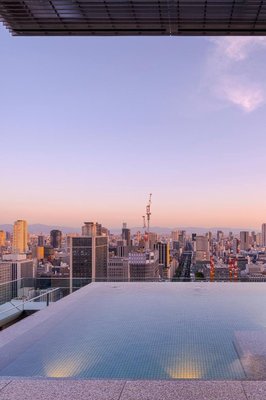
Candeo Hotels Osaka The Tower
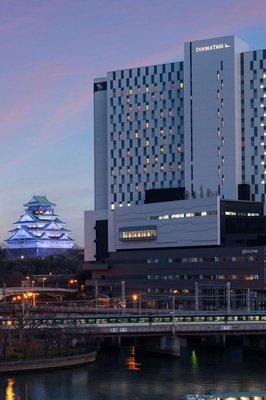
DoubleTree by Hilton Osaka Castle
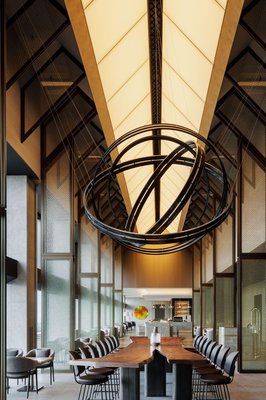
The Osaka Station Hotel, Autograph Collection
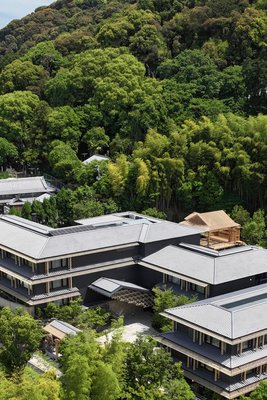
Banyan Tree Higashiyama Kyoto
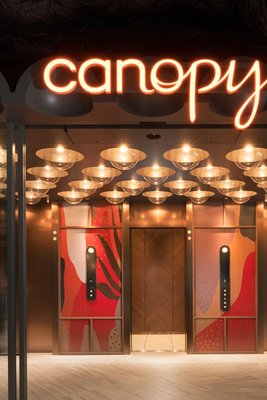
Canopy by Hilton Osaka Umeda
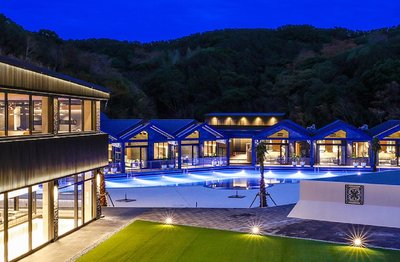
FIVE SPRING RESORT THE SHIRAHAMA
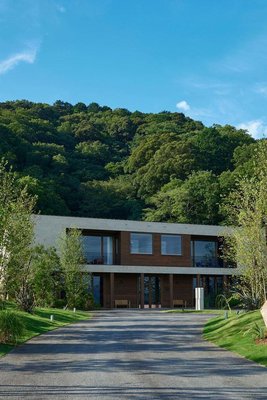
HACIENDA VISON
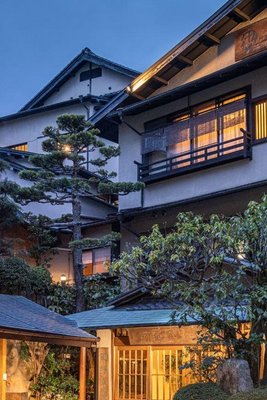
Arima Onsen Tocen Goshobo
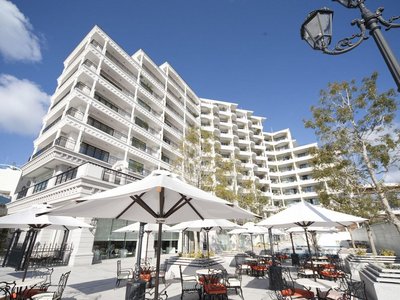
Hotel La Suite Kobe Harborland
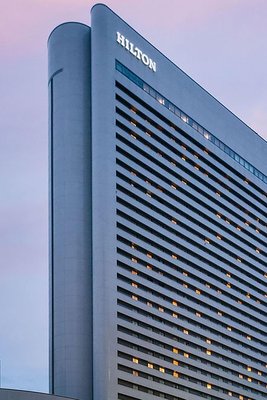
Hilton Osaka Hotel
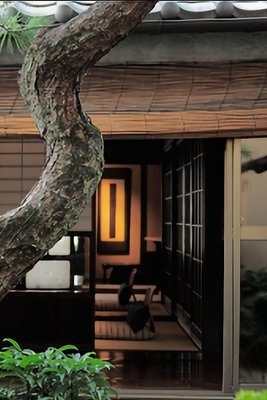
Shimayado Mari
Osaka Marriott Miyako Hotel
The Ritz-Carlton, Osaka
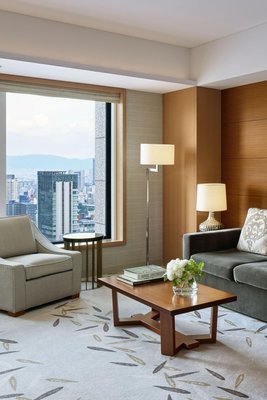
InterContinental Hotel Osaka
The Ritz-Carlton, Kyoto
Suiran, a Luxury Collection Hotel, Kyoto
GOOD NATURE HOTEL KYOTO
Park Hyatt Kyoto
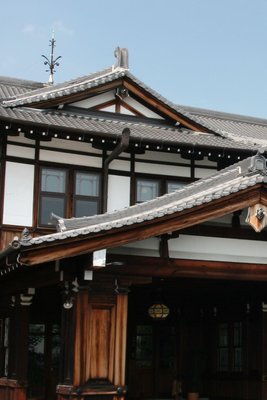
Nara Hotel
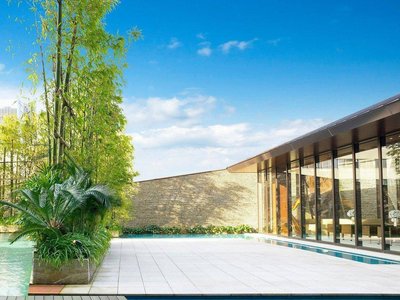
ORIENTAL HOTEL
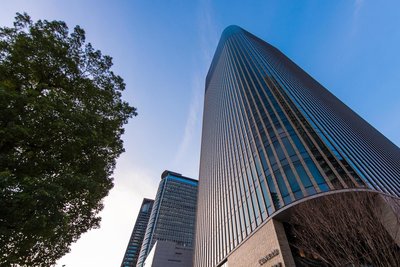
Conrad Osaka
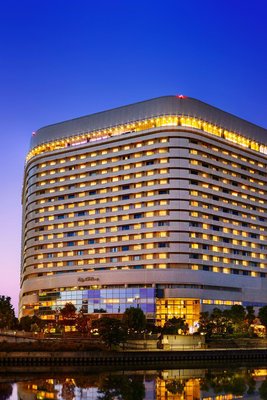
Hotel New Otani Osaka
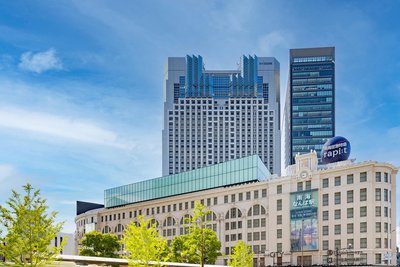
Swissotel Nankai Osaka
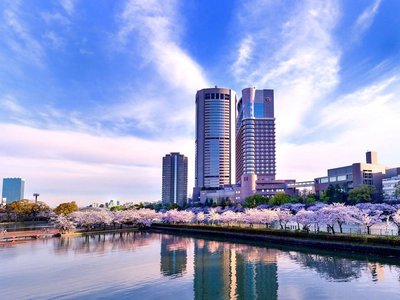
Imperial Hotel Osaka
The St. Regis Osaka
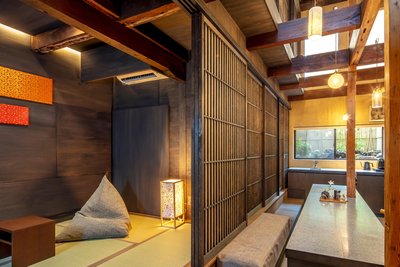
Kyo No Oozora Kihana
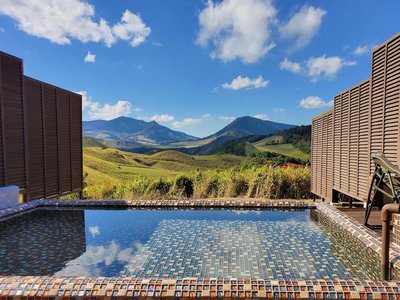
Grand Verde Resort
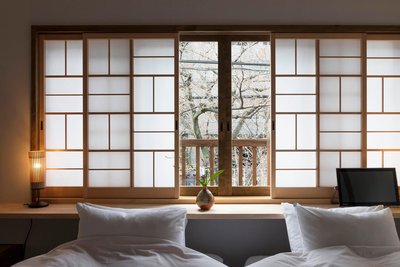
Hanagoromo Machiya House
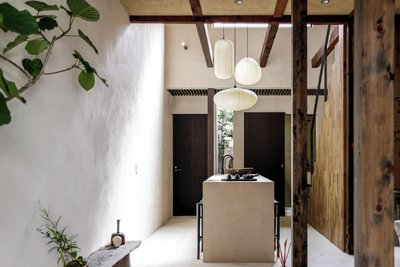
Maana Kiyomizu
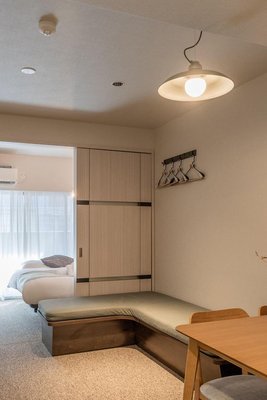
Apartment Hotel 11 Shinsaibashi
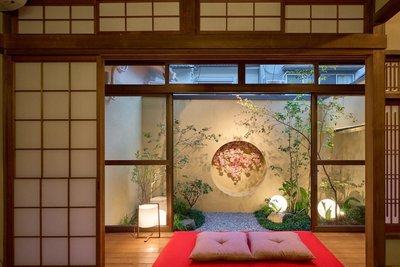
KONJAKUSO Osaka Tengachaya "NIHONCHA" Tea & Relax
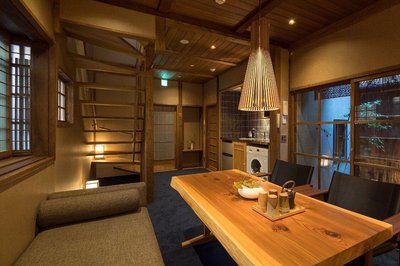
Bonbori an Machiya House
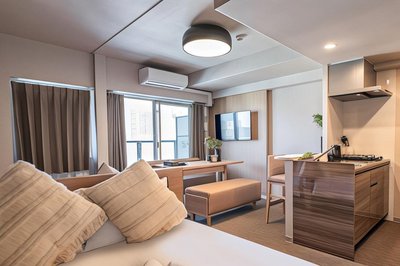
Apartment Hotel 11 Shinsaibashi III
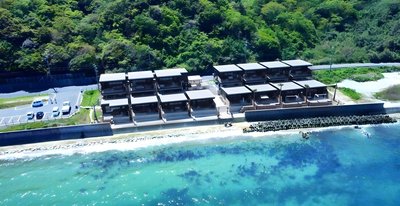
Solavilla Umi Terrace Minamiawaji
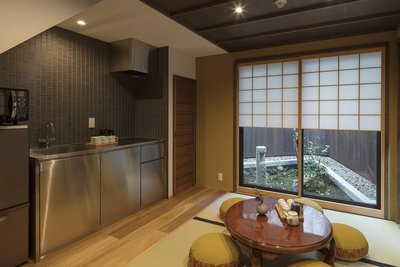
The Machiya Villa Sanjo Shirakawa Koji
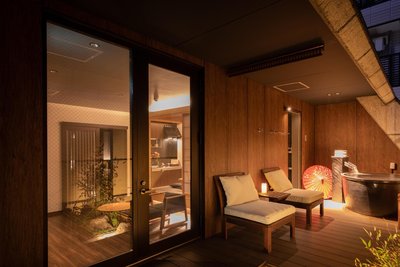
Konjaku-So Dotonbori
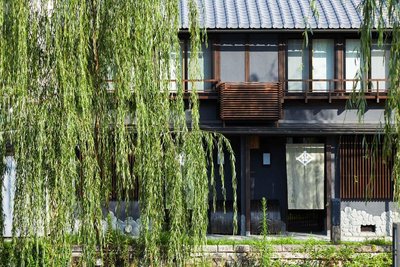
Gion Shirakawa No Yado

Kitashirakawa Natural Radium Onsen
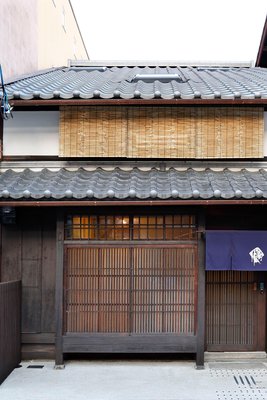
Kyo No Ondokoro Kamanza Nijo #2
Gion Koyu an Machiya House
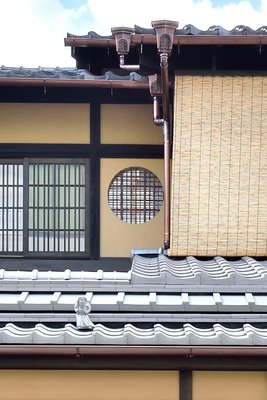
Kyo No Ondokoro Gokomachi Ebisugawa #3
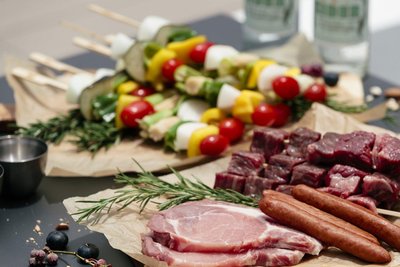
Sana Mane - Glamp Domes
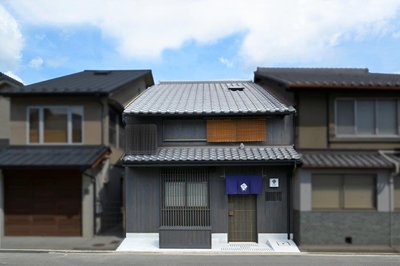
Kyo No Ondokoro Goshonishi #6
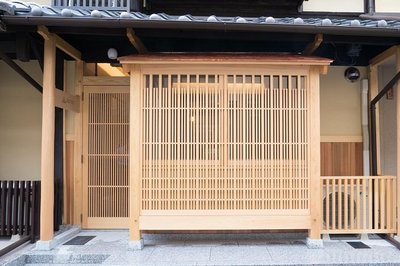
Kyomachiya Suite Rikyu
Kyoisuke
Frequently Asked Questions about Traveling to Ibara
Questions You Might Need to Know About Traveling to Ibara
In Ibara City, the top choice for traditional charm is Ibara Onsen Hotel, a serene ryokan nestled beside the Ibara River. This wooden-style inn features authentic tatami rooms, private onsen baths, and seasonal kaiseki cuisine made from local ingredients. Guests can enjoy quiet mornings with views of misty hills and evening strolls through cherry blossom-lined paths. The hotel also offers cultural experiences like tea ceremonies and washi paper workshops, deeply rooted in the region’s heritage.
The Ibara City Center District and Ibara Onsen Street are ideal for first-time visitors. The former provides easy access to Ibara Station and nearby attractions, while the latter offers tranquil accommodation in historic hot spring lodges. Both areas are within walking distance of Kogura Castle Ruins and the Ibara River Trail, perfect for exploring local history and nature. Many guesthouses provide free rental of yukata and offer guided tours of traditional crafts, enhancing the immersive experience.
Visitors to Ibara City can participate in the Kogura Castle Festival, held annually in spring, featuring samurai processions, taiko drumming, and period costumes. Another highlight is Ibara Washi Paper Making, a centuries-old craft using kozo bark from local forests. At the Ibara Handicraft Workshop, travelers can create their own handmade paper, learning about sustainable traditions and the artistry behind Japan’s finest washi. These experiences connect guests deeply with regional identity.
Yes, Ibara City boasts excellent natural onsen with mineral-rich alkaline carbonated springs known for skin rejuvenation and stress relief. Top facilities include Ibara Onsen Hotel and Shiratori no Yado, both offering private soaking tubs with mountain or river views. Some rooms even feature open-air baths facing the forest canopy. After a soak, guests can enjoy matcha served in bamboo cups and local sweet rice cakes, completing a peaceful ritual immersed in nature.
Absolutely. Ibara City is highly family-friendly, with safe, scenic environments and child-oriented activities. The Ibara River Natural Park features shallow pools and interactive nature trails perfect for kids. The Ibara City Museum includes hands-on exhibits on local history and crafts. Many hotels, such as Ibara Onsen Hotel, provide kid-sized toiletry kits and host workshops like origami, tea ceremony basics, and washi paper art—ideal for bonding across generations.
Must-try dishes include Okayama Ramen with rich pork broth and soft-boiled eggs, and Kibi Dango, chewy rice dumplings coated in red bean paste or black sugar. At Old-Style Restaurants along the Onsen Street, sample fresh river fish dishes like fugu hot pot and sashimi platters. Some eateries offer a "Local Ingredient Day Menu," featuring farm-to-table meals from nearby producers, showcasing the region’s commitment to freshness and sustainability.
The best times to visit are spring (March–May) and autumn (October–November). Spring brings blooming cherry blossoms along the Ibara River, creating picturesque photo spots. Autumn paints the hills in fiery reds and golds around Kogura Castle Ruins, ideal for hiking and photography. With mild temperatures and low humidity, these seasons offer perfect conditions for outdoor activities, festivals, and relaxing onsen stays.
Start with a morning visit to Kogura Castle Ruins, exploring ancient stone walls and historical displays. Head to Ibara River Nature Trail for a peaceful walk or bike ride. In the afternoon, check into Ibara Onsen Hotel for a kaiseki dinner and private onsen bath. End the day with a lantern-lit stroll along the river promenade. This balanced mix of culture, nature, and relaxation captures the essence of Ibara City in just one day.
Yes, Ibara City is accessible via JR West Railway at Ibara Station, with direct trains from Okayama and Osaka (~30 minutes). Local buses connect major sites like Ibara Onsen Street, Kogura Castle, and the Ibara City Museum. Renting a bicycle along the Ibara River Greenway is recommended for flexible exploration. Many hotels also offer shuttle services, making it easy to navigate even without a car.
The night scene in Ibara City is defined by the Ibara River Lantern Display and Kogura Castle Night Illumination. Every evening, soft lanterns line the riverbanks, reflecting in the water like stars. During festivals, Kogura Castle Ruins are illuminated, turning the ancient fortress into a glowing silhouette against the dark sky. Staying at Ibara Onsen Hotel, guests can enjoy panoramic views from private terraces, sipping warm green tea under the stars—a serene, unforgettable moment in the heart of nature.
Ibara Overview
City Summary
Ibara City in southwestern Okayama Prefecture is a tranquil town renowned for its Bingo Kasuri traditional textiles with 600 years of history. Blending craft heritage and rural landscapes, its Harugawa Sakura Tunnel ranks among western Japan's top cherry blossom spots. The city preserves Edo-period merchant streets alongside modern astronomical observatories.
Must-See Attractions
Visit the Kasuri-no-Sato Museum for hands-on textile workshops and admire ukiyo-e at Ibara Art Museum. Bisei Astronomical Park in the starry sky reserve offers telescope observations. Walk along Old Yakage Street with preserved Edo-era buildings, and don't miss the 2km cherry blossom corridor along Harugawa River in spring.
Food Guide
Savor Okayama flavors like Ibara Ramen (soy-based broth with chashu), Bingo Hoto (flat noodles stew), and white peach desserts. At Asaichi Shopping Street, try kusa mochi (herb rice cakes) wrapped in kasuri cloth. Summer specialties include unagi don made with Yoshii River eels.
Transportation Guide
Take the Hakubi Line from Okayama Station (50min to Ibara Station). The town loop bus (500 yen/day pass) and bicycle rentals (1000 yen/day) serve central areas. For Bisei Town, use the Ibara Railway. Taxis start at 680 yen, but rural bus schedules are infrequent - check timetables in advance.
Best Time to Visit
Early April offers perfect cherry blossoms and mild temperatures (15-20°C), avoiding Golden Week crowds. Autumn foliage (Oct-Nov) is picturesque, but some attractions reduce hours in winter (Dec-Feb).
Travel Tips
- Textile workshop visits require advance HopeGoo; touching operating looms is prohibited
- Bring warm layers for stargazing at Bisei - observatories offer blanket rentals
- 80% rural restaurants are cash-only; carry small bills under 5000 yen
- Limited coin lockers at Ibara Station - large luggage can be stored at tourism association
- When photographing historic streets, respect residents' privacy
- Sun protection is essential - Okayama has Japan's highest UV index levels
Useful Information
Language: Basic English at stations/tourist sites; translation apps recommended WiFi: Look for "Ibara Free Wi-Fi" hotspots in public areas Payments: IC cards accepted at major stores, but most SMEs are cash-only Emergency: Ibara City Hospital (0866-62-1111) has 24/7 ER; travel health insurance advised Etiquette: Remove shoes in textile workshops; no food/drink in exhibition areas Voltage: 100V, Type A plugs (same as Tokyo)