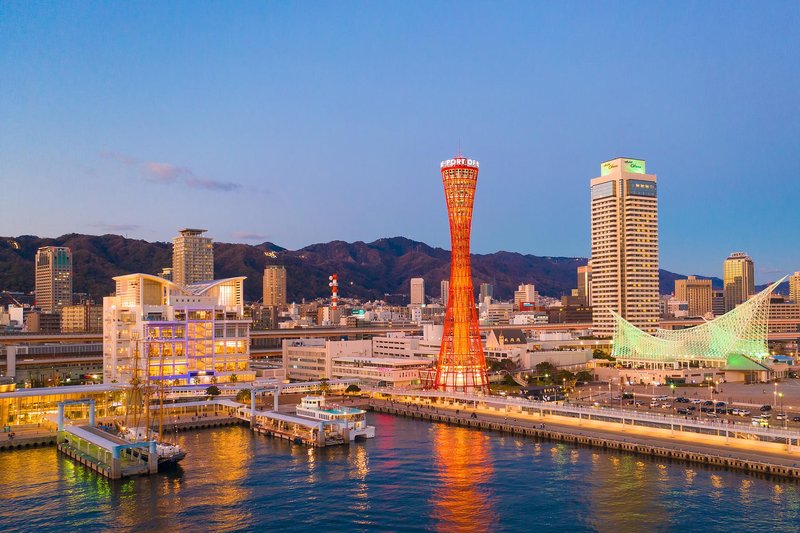
Hotels in Ibaraki
Discover your perfect stay in Ibaraki.
Ibaraki(Japan) Travel 2026: Cheap Flights, Hotels & Top Attractions
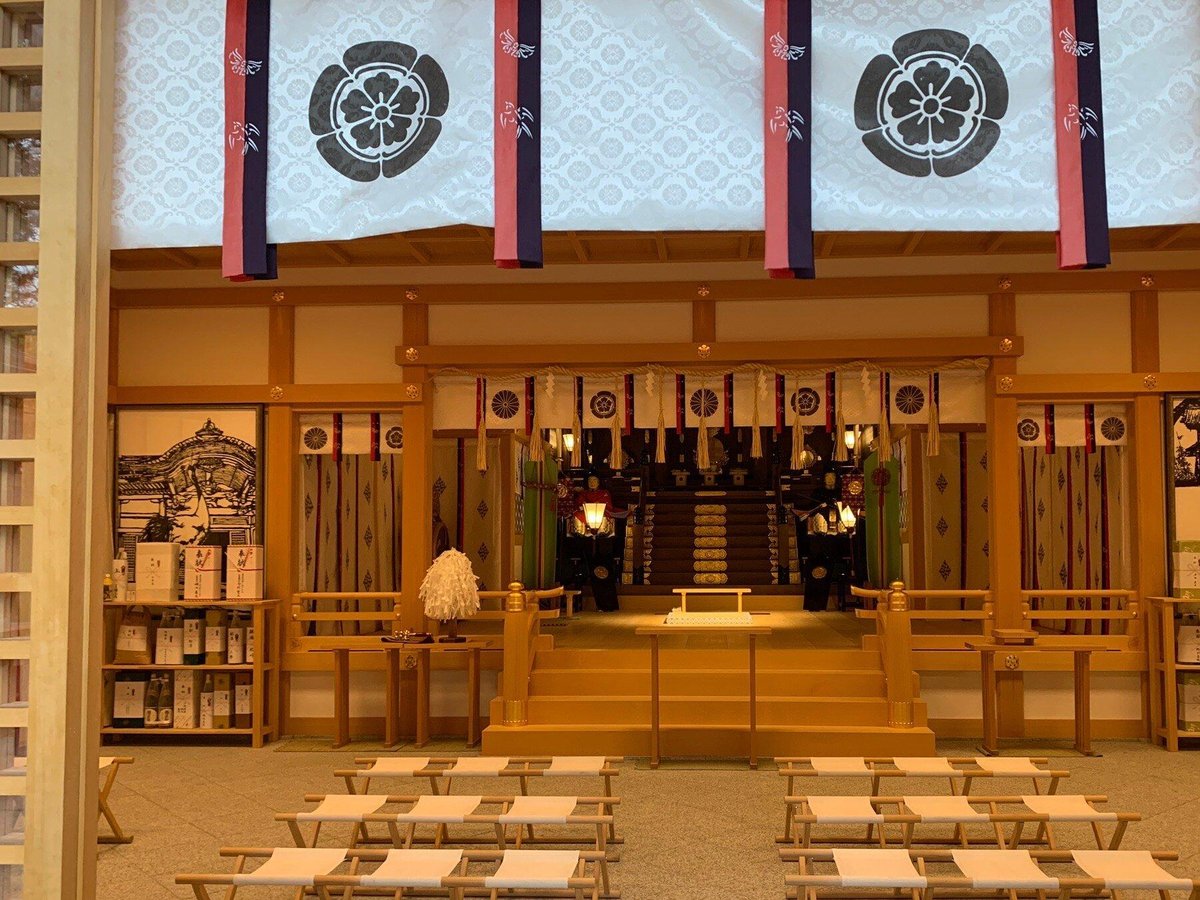
Popular Landmarks in Ibaraki
Discover the most iconic attractions in Ibaraki
Recommended Hotels in Ibaraki
Find the perfect place to stay in Ibaraki
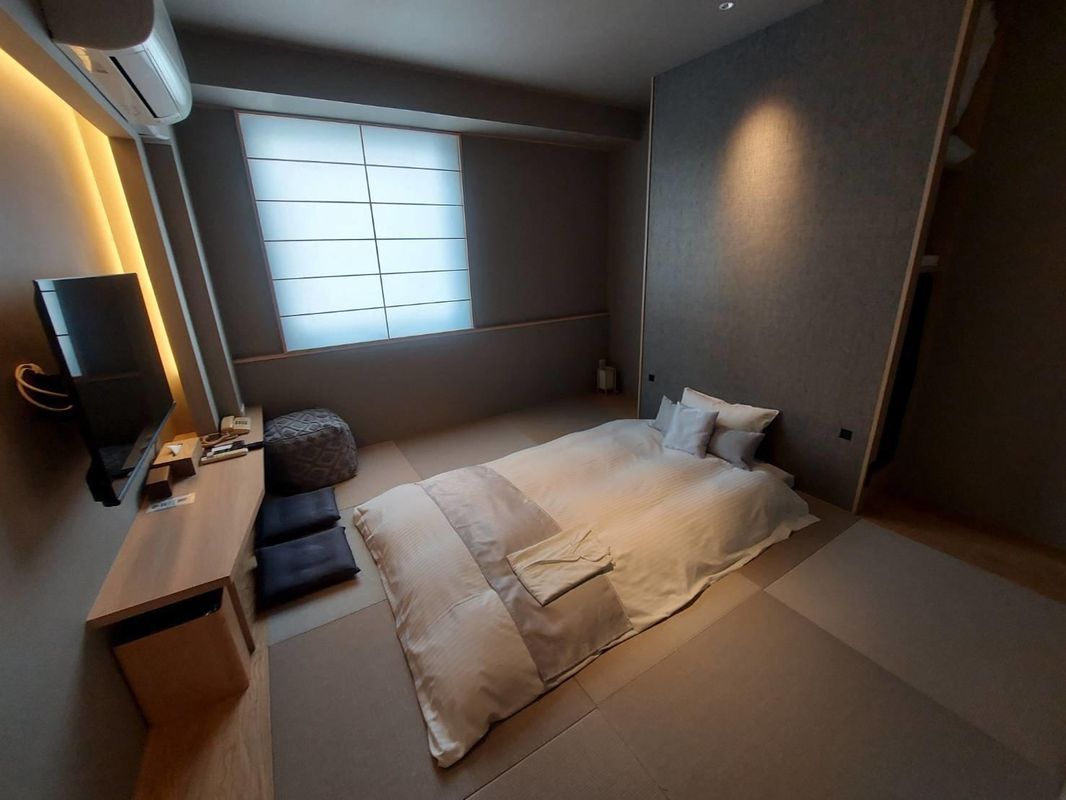
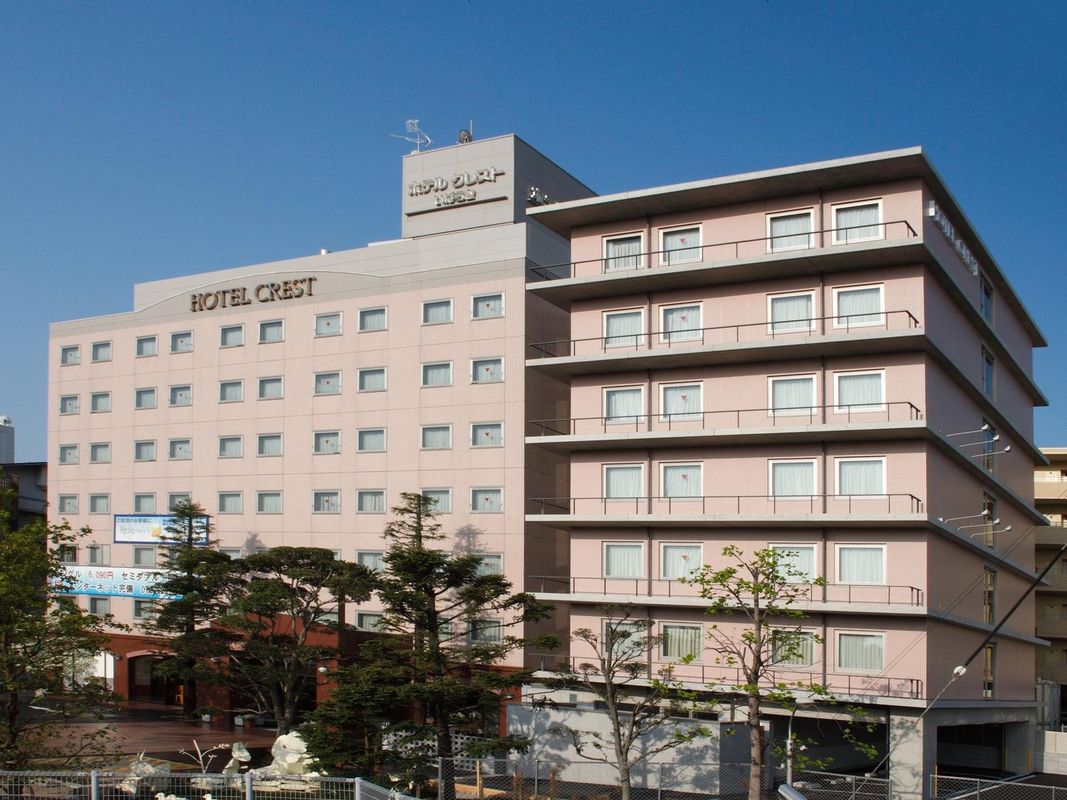
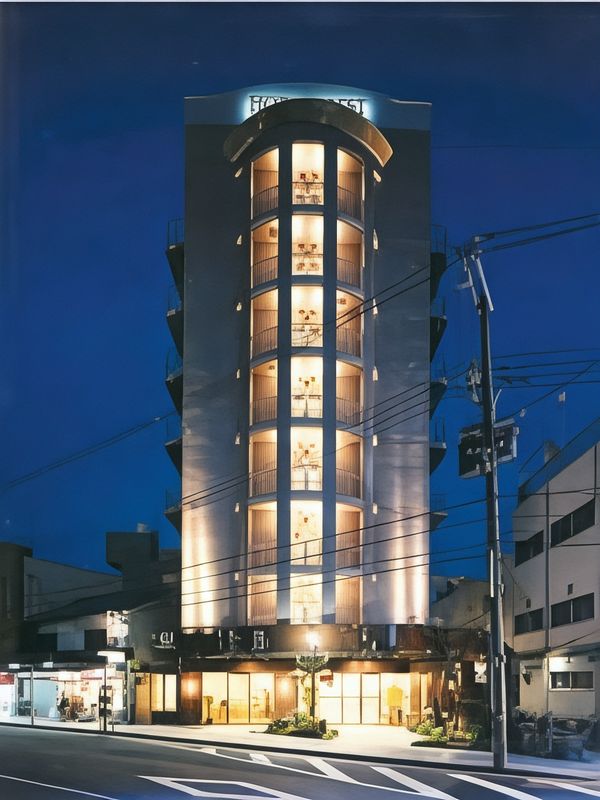
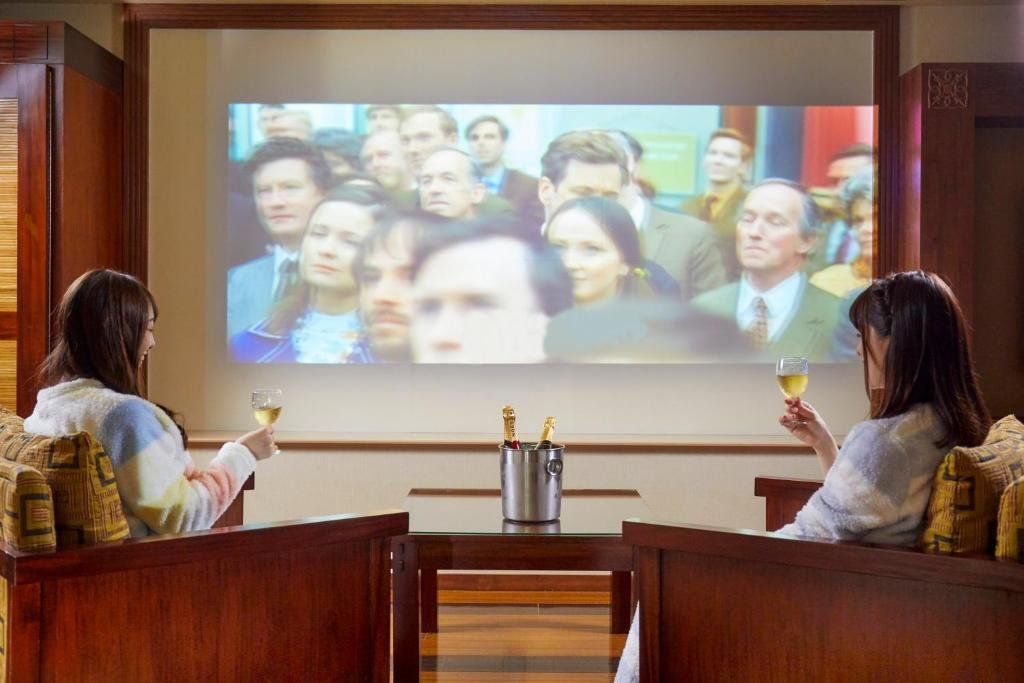
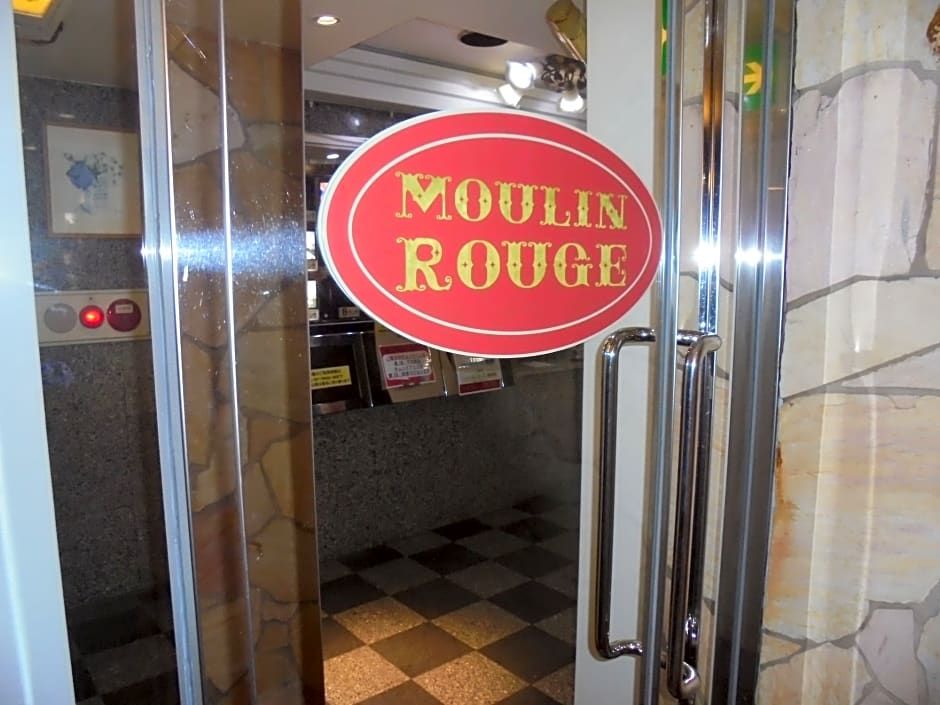

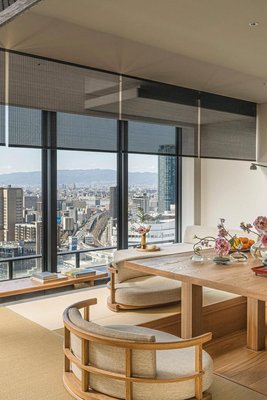
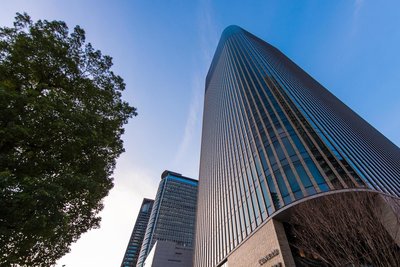
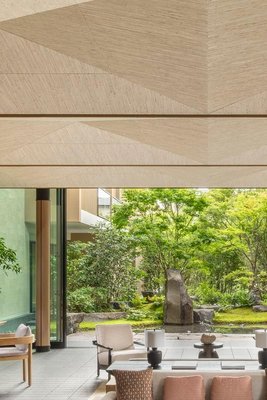
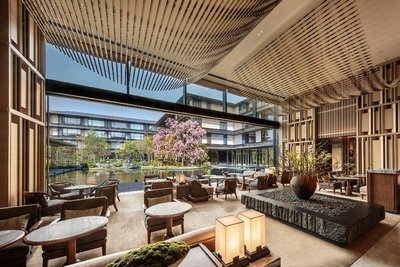
Best Hotels in Ibaraki
Discover curated hotel collections in Ibaraki








Frequently Asked Questions about Traveling to Ibaraki
Questions You Might Need to Know About Traveling to Ibaraki
Ibaraki Overview
City Summary
Ibaraki City, located in the northern part of Osaka Prefecture, Japan, is a city that blends modernity with tradition. It boasts rich cultural heritage such as Ibaraki Shrine and Old Ibaraki River, while also being a vibrant area for modern art and commerce. Known for its peaceful living environment and convenient access to Osaka, it is an ideal destination to experience Kansai culture.
Must-See Attractions
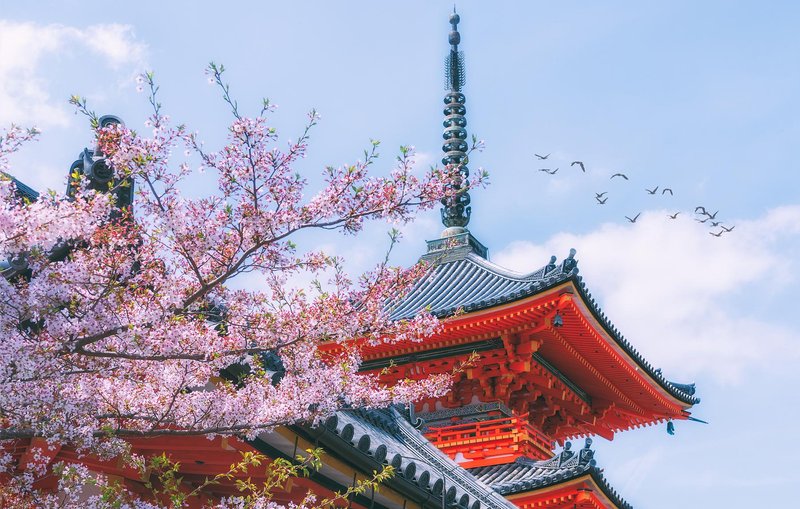
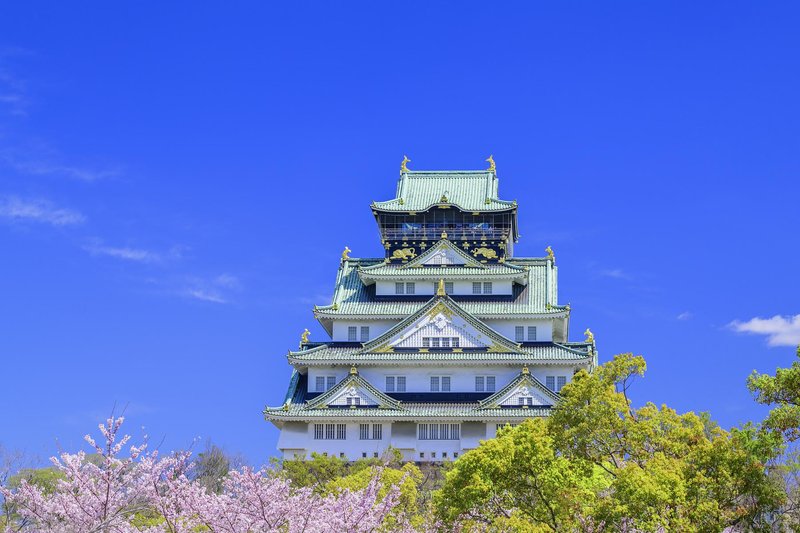
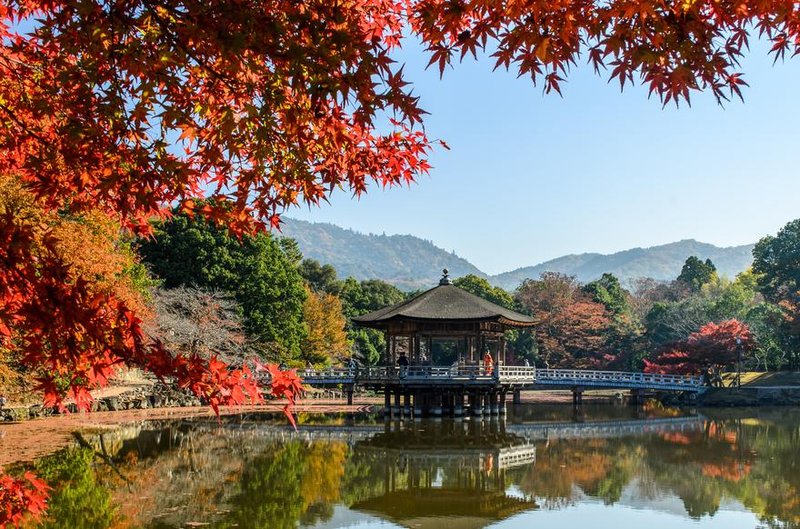
Major attractions in Ibaraki City include the historic Ibaraki Shrine, a central place of worship with various traditional festivals held annually. The Old Ibaraki River offers scenic walking paths along its banks. Additionally, the Ibaraki City Cultural Property Museum showcases local historical artifacts, and Kurusuno Mori Park is perfect for nature lovers.
Food Guide
Ibaraki City's culinary scene is heavily influenced by Osaka's famous dishes. Must-try items include takoyaki (octopus balls) and okonomiyaki (savory pancakes). Street food stalls are common, especially at night markets featuring kushikatsu (deep-fried skewers) and oden (hot pot). Traditional Japanese restaurants also offer fresh sushi and tempura.
Transportation Guide
Ibaraki City has excellent transportation links, primarily via Hankyu Railway and JR lines connecting to Osaka and surrounding areas. The city has a comprehensive bus network for short trips. Taxis are widely available but relatively expensive. Tourists are advised to purchase an ICOCA card for easy access to public transport.
Best Time to Visit
The best times to visit are spring (March to May) and autumn (September to November), when the weather is mild and perfect for outdoor activities. Spring features cherry blossoms, while autumn showcases vibrant foliage. Summers are hot and humid, and winters are cold but less crowded.
Travel Tips
- Respect local customs, such as removing shoes before entering shrines.
- Practice proper waste disposal and follow recycling rules.
- Keep noise levels low in public spaces.
- Queue orderly when using public transportation.
- Some restaurants, especially high-end ones, require reservations.
- Carry cash as some small shops do not accept credit cards.
Useful Information
The official language is Japanese, but some tourist spots offer English services. Free Wi-Fi hotspots are available, but purchasing a local SIM card is recommended for better connectivity. Cash is the primary payment method, though some shops accept credit cards. In emergencies, dial 110 for police or 119 for medical assistance. Pharmacies are common, but bringing personal medications is advisable.