Hotels in Ibigawa
Discover your perfect stay in Ibigawa.
Ibigawa(Japan) Travel 2026: Cheap Flights, Hotels & Top Attractions
Popular Landmarks in Ibigawa
Discover the most iconic attractions in Ibigawa
Recommended Hotels in Ibigawa
Find the perfect place to stay in Ibigawa
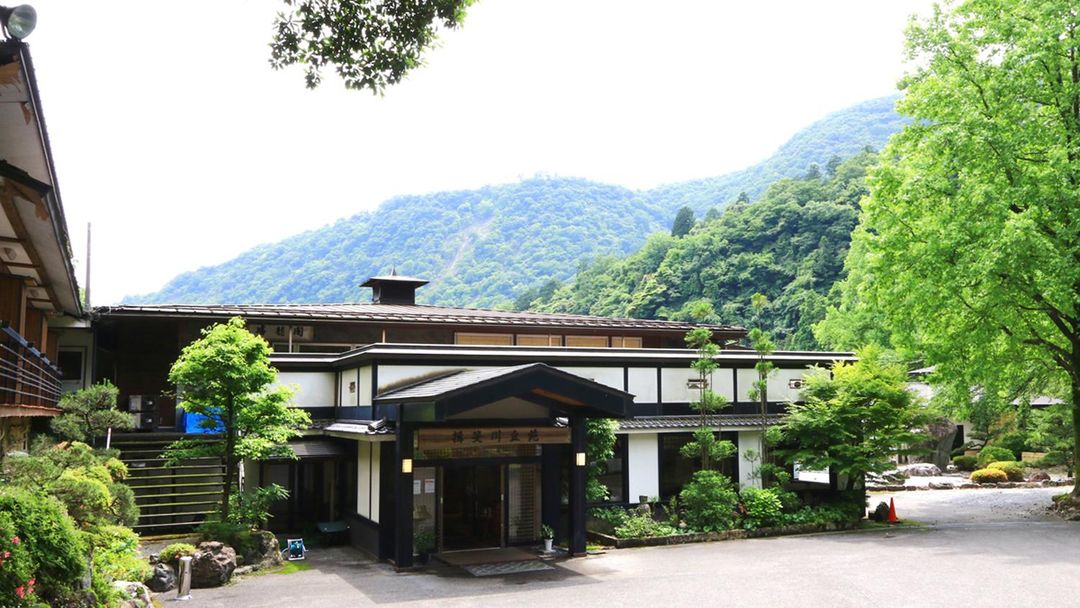
Ibigawa Kyuen
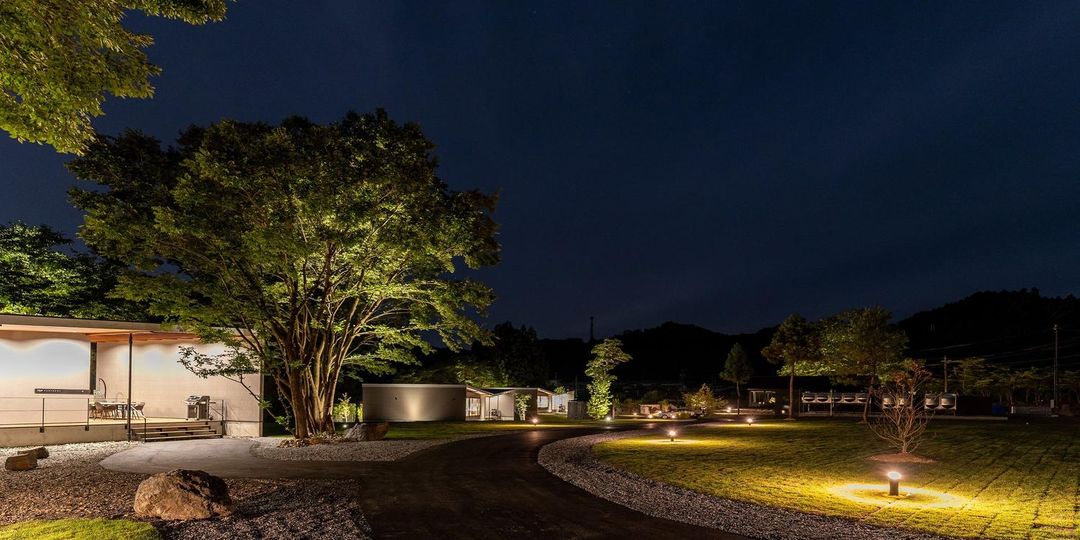
TEF TANIGUMI
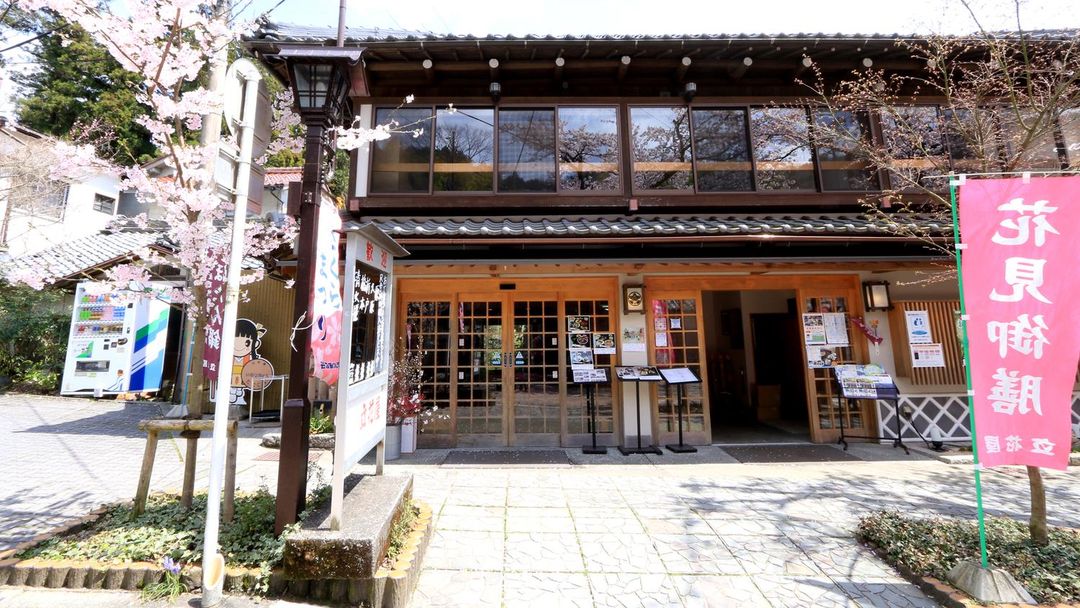
Tachibanaya Ryokan
Best Hotels in Ibigawa
Discover curated hotel collections in Ibigawa
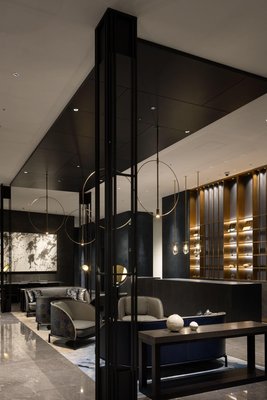
Bellustar Tokyo, A Pan Pacific Hotel
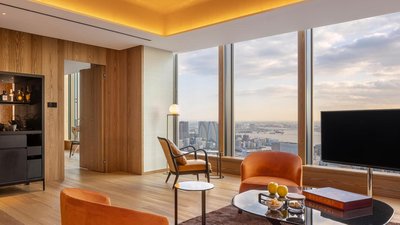
Bvlgari Hotel Tokyo
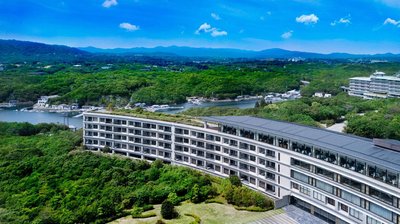
Shima Kanko Hotel the Bay Suites
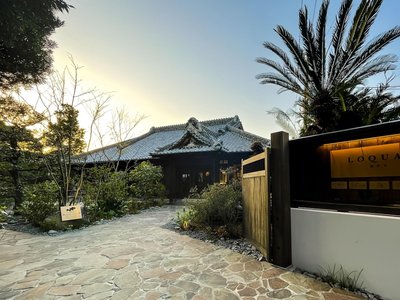
Loquat Nishiizu
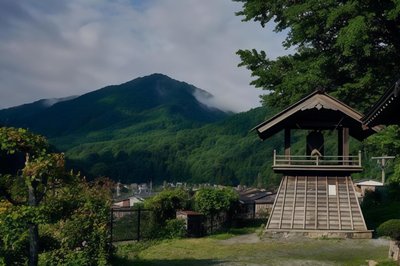
Byaku Narai
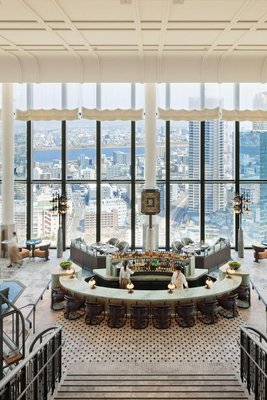
Waldorf Astoria Osaka
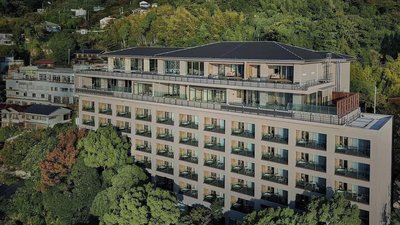
Atami Izusan Karaku
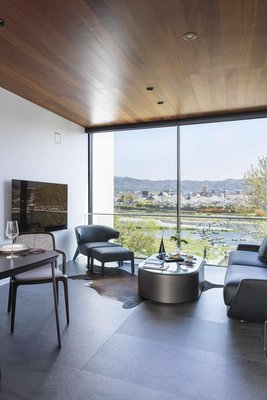
Kamo Residences by Reflections
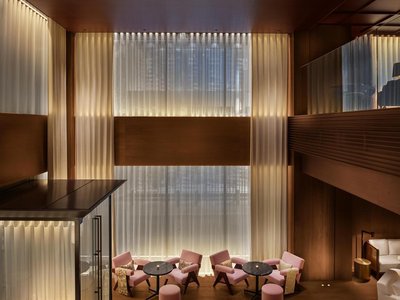
The Tokyo Edition, Ginza
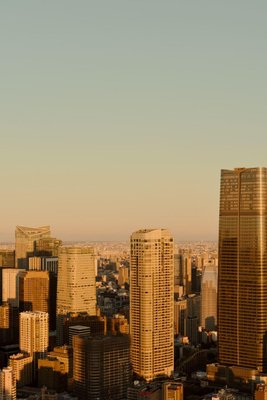
Janu Tokyo
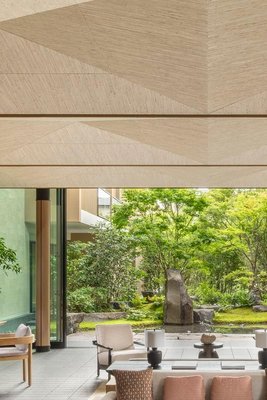
Six Senses Kyoto
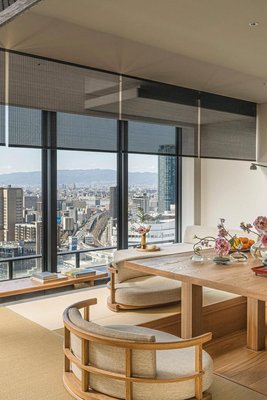
Four Seasons Hotel Osaka
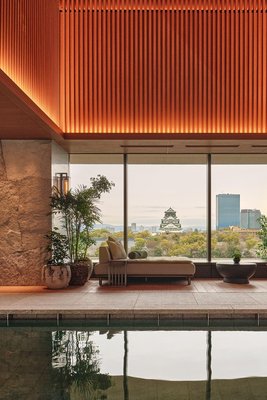
Patina Osaka

The Ritz-Carlton, Osaka
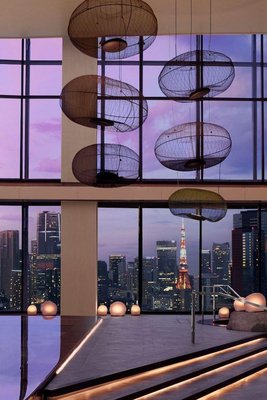
JW Marriott Hotel Tokyo
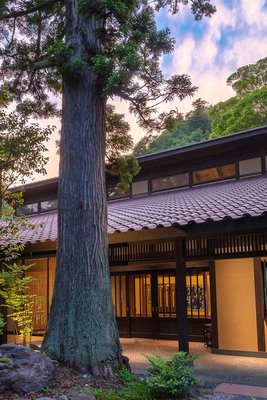
Arimasansoh Goshobessho
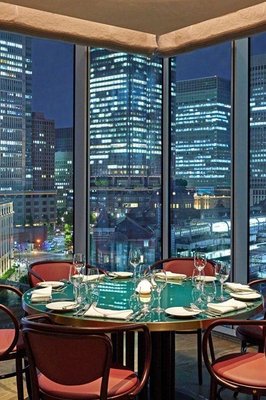
Four Seasons Hotel Tokyo at Marunouchi

Mandarin Oriental, Tokyo
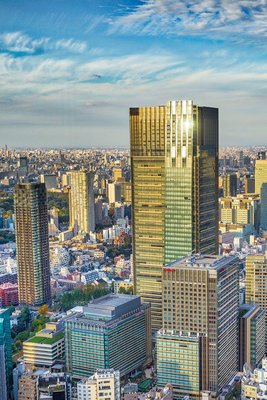
The Ritz-Carlton, Tokyo
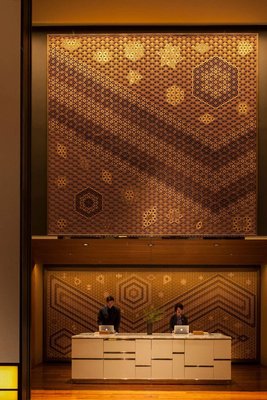
Andaz Tokyo Toranomon Hills- A Concept by Hyatt

Toba International Hotel Shiojitei
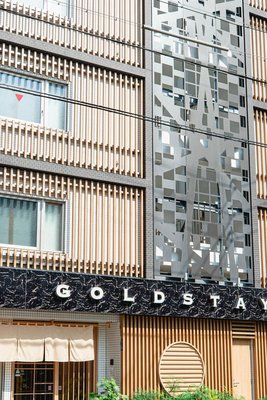
Gold Stay Nagoya OSU
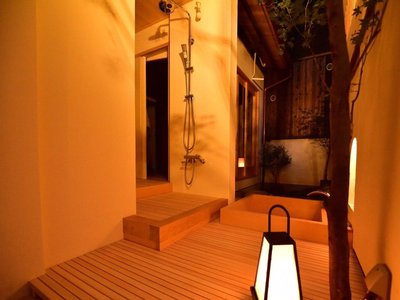
Yado Kiramachi
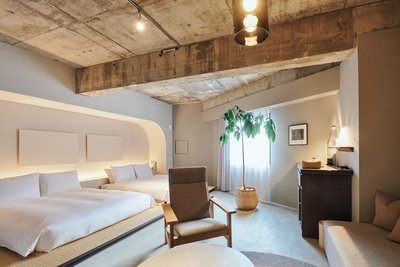
Korinkyo

GOLD STAY Nagoya Sakae
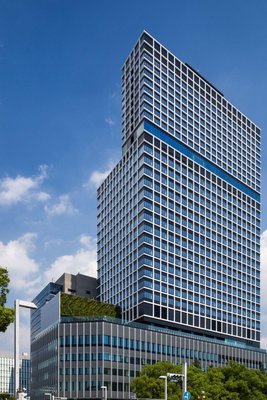
The Royal Park Hotel Iconic Nagoya
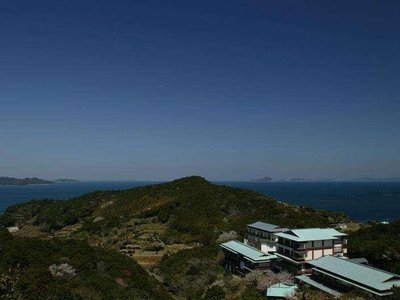
Hanashinsui
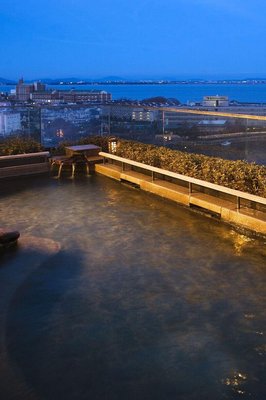
Yumotokan
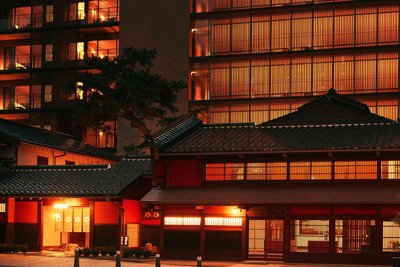
Hoshino Resorts Kai Kaga
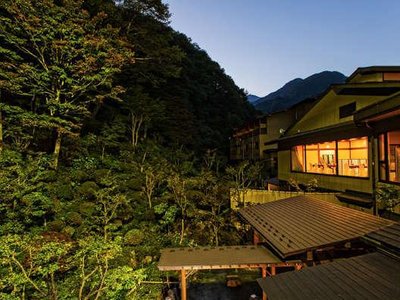
Futari Shizuka

Taikyourou
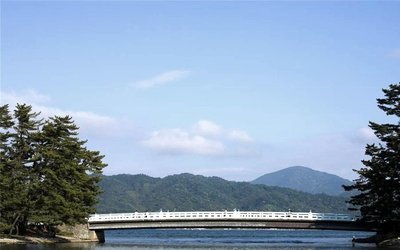
Monjusou Shourotei
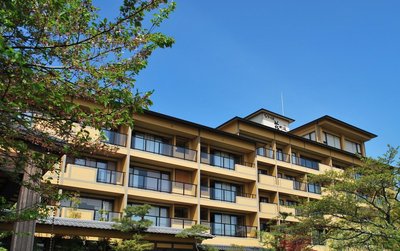
BIWAKO HANAKAIDO
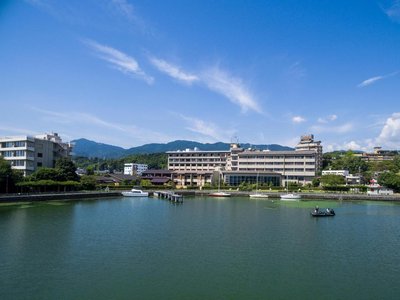
Biwako Ryokusuitei
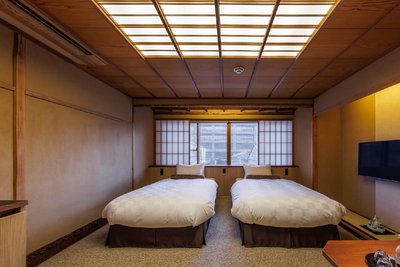
Kyoto Ryokan Sakanoue
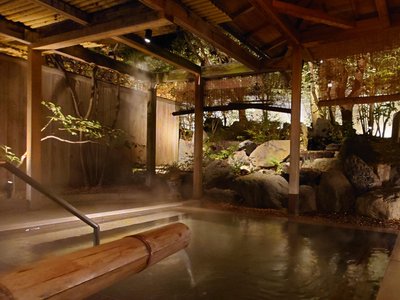
Kasuga Hotel
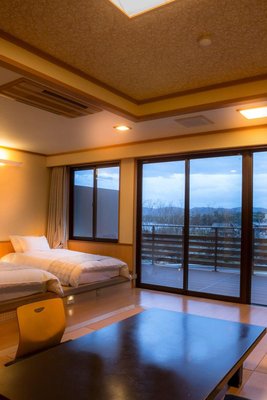
Hotel Kitanoya
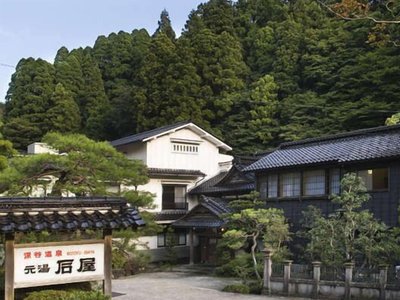
Motoyu Ishiya
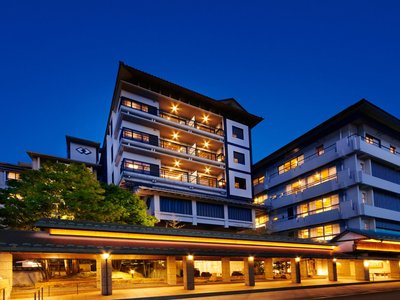
Yunokuni Tensyo
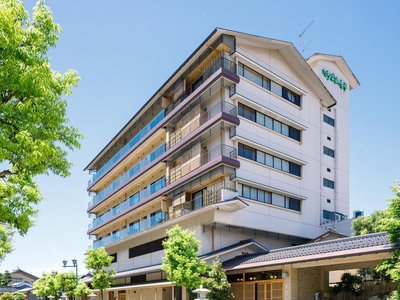
Tachibana Shikitei
Yado Kiramachi
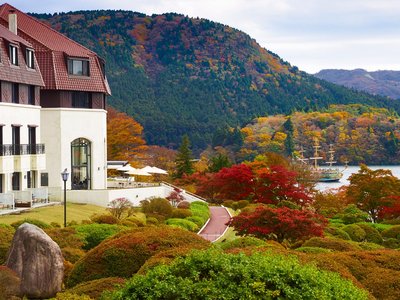
Hotakajyo

Onyado Nono Asakusa Bettei Hot Spring
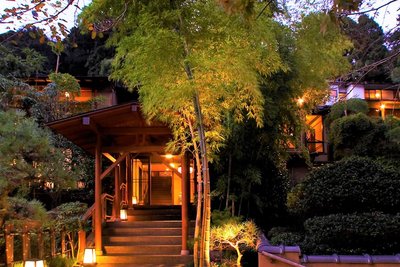
Shiki wo Ajiwau Yado Yamano Chaya
Arimasansoh Goshobessho
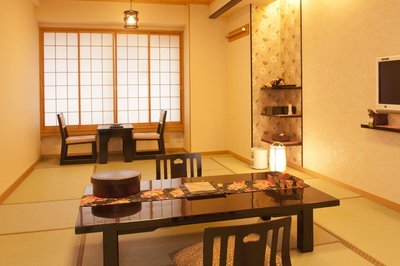
Matsui-Bekkan Hanakanzashi
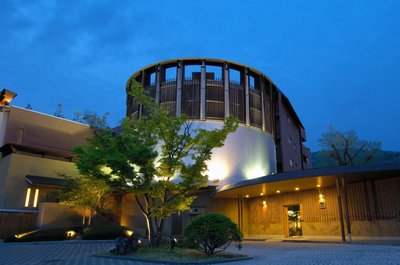
Hoshino Resorts Kai Matsumoto
Taikyourou
Monjusou Shourotei
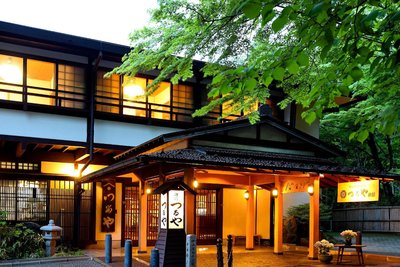
Tsuruya Ryokan
Kasuga Hotel
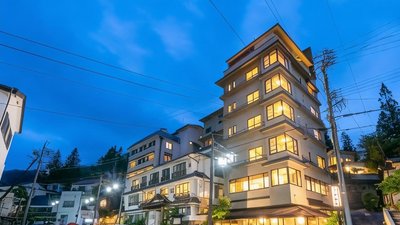
Nakamatsuya Ryokan
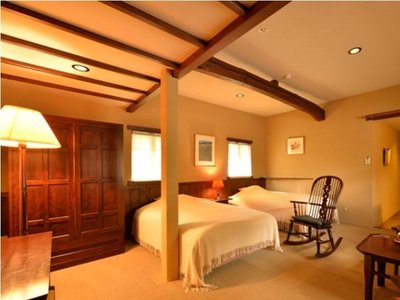
Ryokan Sugimoto
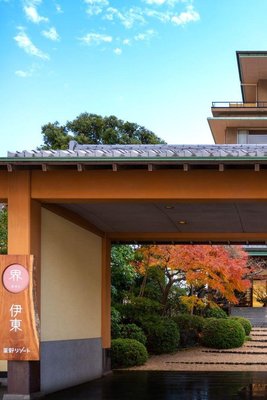
Hoshino Resorts Kai Ito
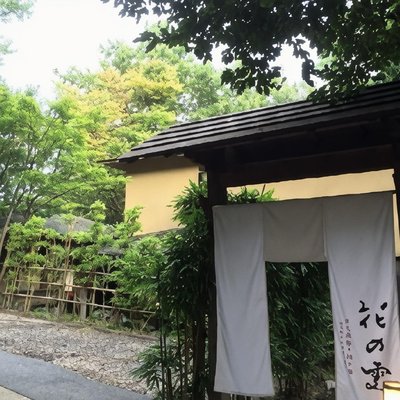
Hana No Kumo
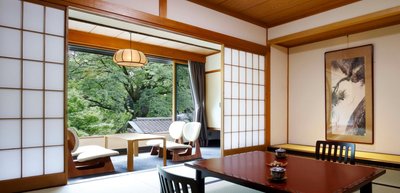
Yoshiike Ryokan
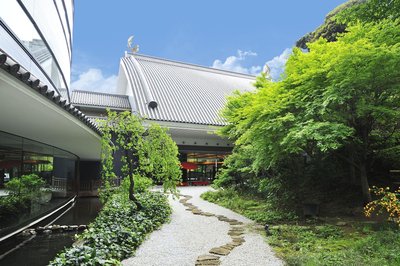
Hotel Gajoen Tokyo
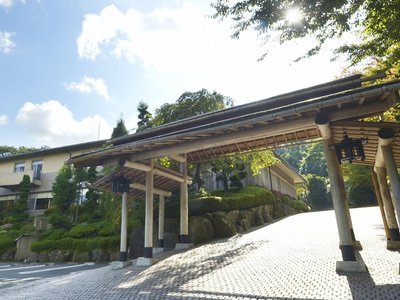
Gora Hanaougi
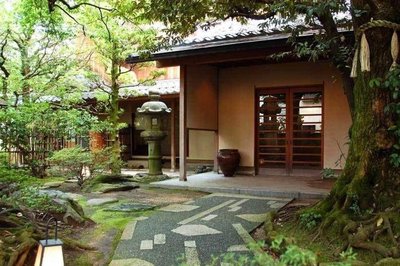
Kocho
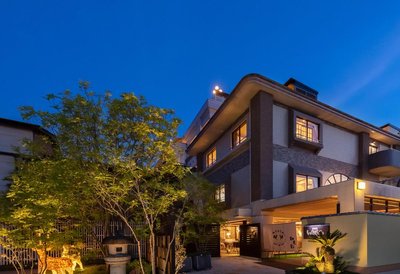
Hotel New Wakasa
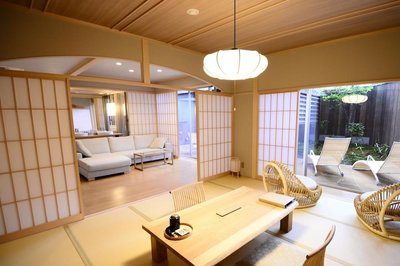
Hakone Gora Byakudan
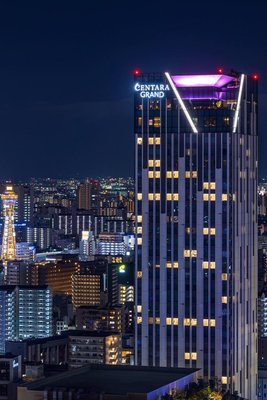
Centara Grand Hotel Osaka
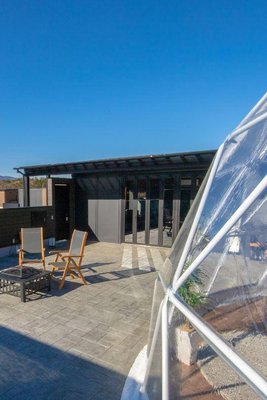
Panoramic Mt. Fuji Views from All Rooms – Vision Glamping Resort & Spa Yamanakako
voco Osaka Central
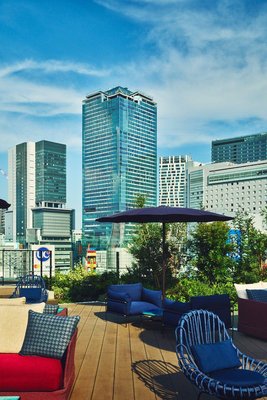
Hotel Indigo Tokyo Shibuya
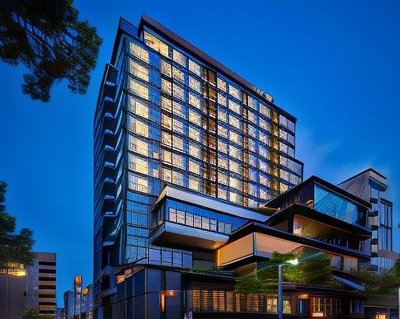
TIAD, AUTOGRAPH COLLECTION
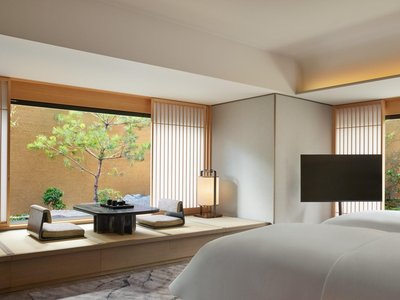
Dusit Thani Kyoto
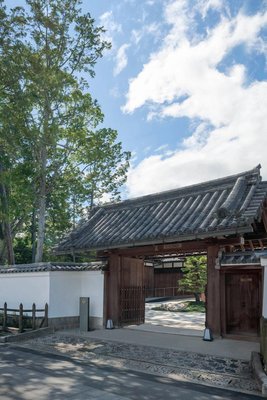
Shisui, a Luxury Collection Hotel, Nara
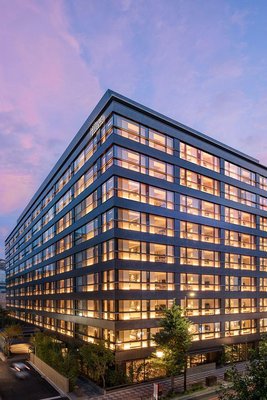
Hilton Kyoto
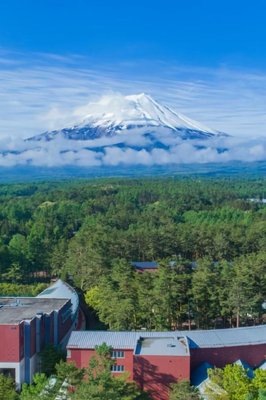
Forest Village (Fuji Premium Resort)
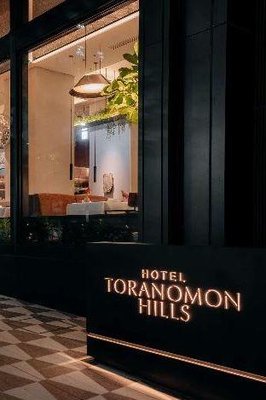
Hotel Toranomon Hills
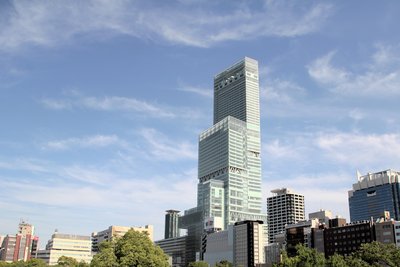
Osaka Marriott Miyako Hotel
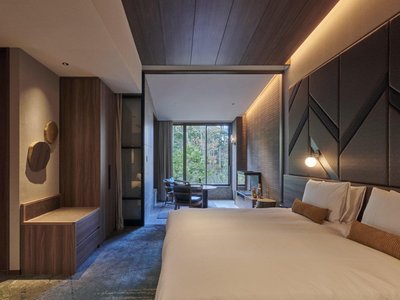
Fufu Kyu-Karuizawa Restful Forest
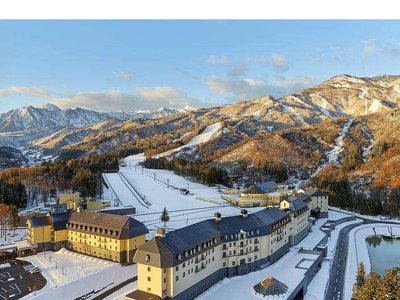
Lotte Arai Resort
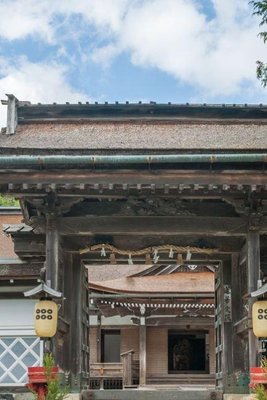
Koyasan Rengejoin
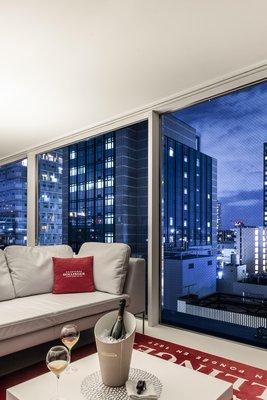
CUVÉE J2 HOTEL OSAKA by Onko Chishin
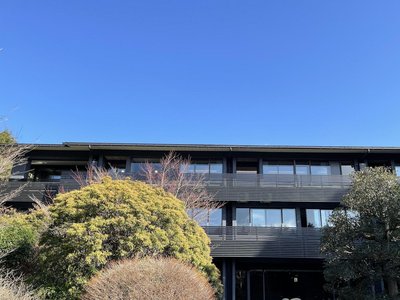
Sengokubara Cocon
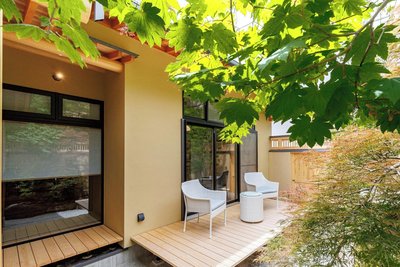
Shoraiso
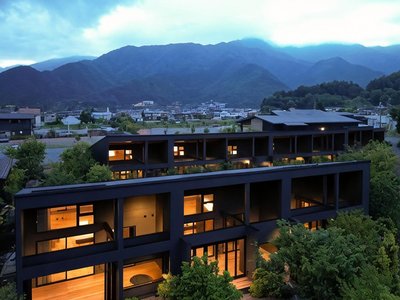
7C Villa and Winery
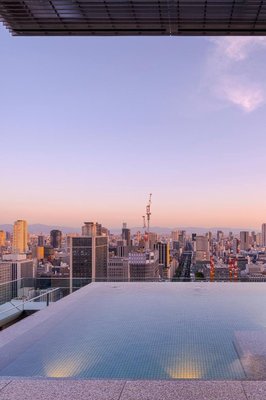
Candeo Hotels Osaka The Tower
Bvlgari Hotel Tokyo
Osaka Marriott Miyako Hotel
The Ritz-Carlton, Osaka
Four Seasons Hotel Tokyo at Marunouchi
Mandarin Oriental, Tokyo
The Ritz-Carlton, Tokyo
Andaz Tokyo Toranomon Hills- A Concept by Hyatt
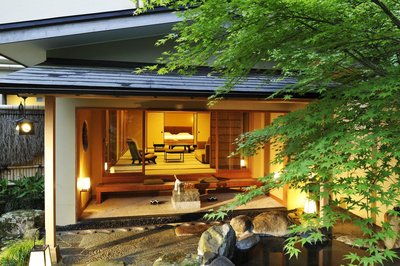
Gora Kadan
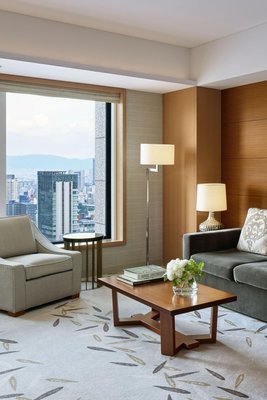
InterContinental Hotel Osaka
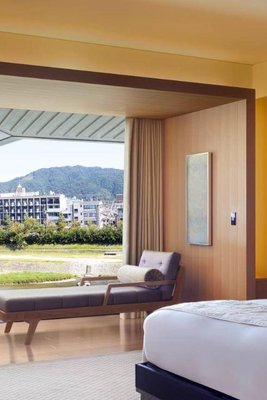
The Ritz-Carlton, Kyoto

Hotel New Otani Tokyo the Main
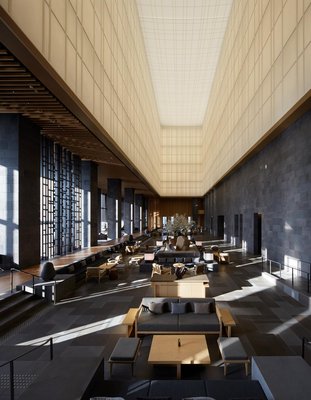
Aman Tokyo
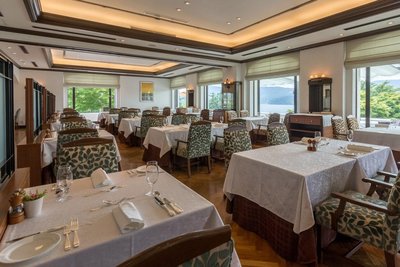
Odakyu Hotel de Yama
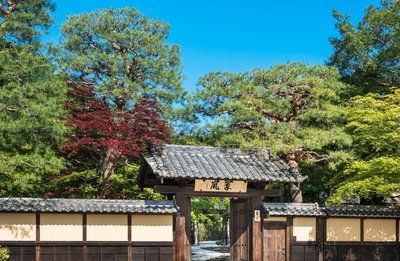
Suiran, a Luxury Collection Hotel, Kyoto
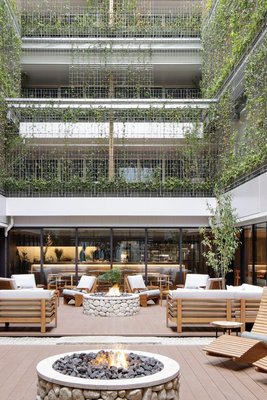
GOOD NATURE HOTEL KYOTO
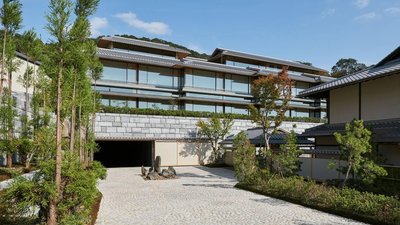
Park Hyatt Kyoto
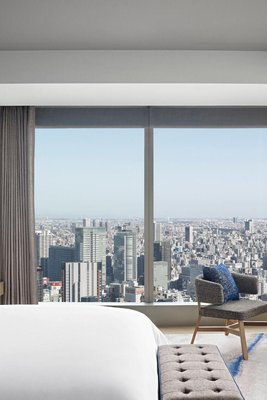
Four Seasons Hotel Tokyo at Otemachi
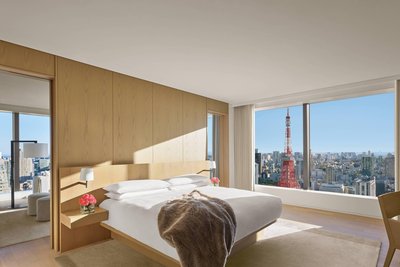
The Tokyo Edition, Toranomon

Hyatt Centric Kanazawa
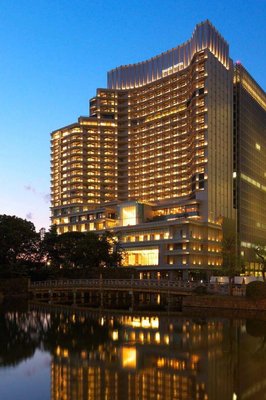
Palace Hotel Tokyo
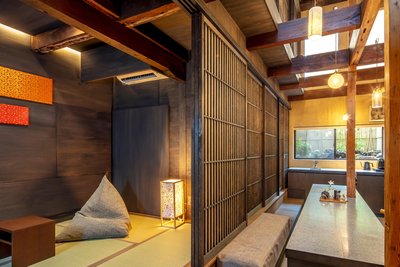
Kyo No Oozora Kihana
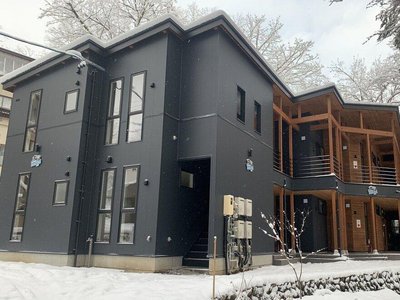
Hakuba Gondola Apartments
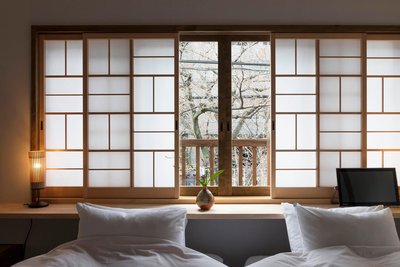
Hanagoromo Machiya House
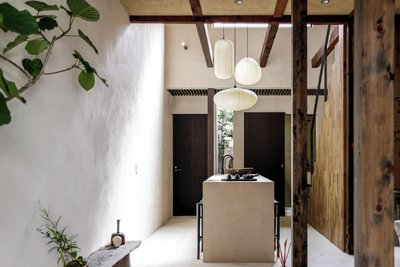
Maana Kiyomizu
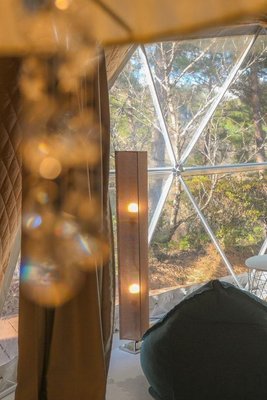
glampark Gekkabijin Nagano
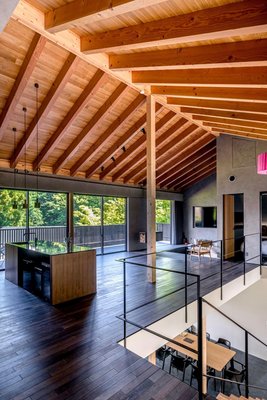
MONS GORA
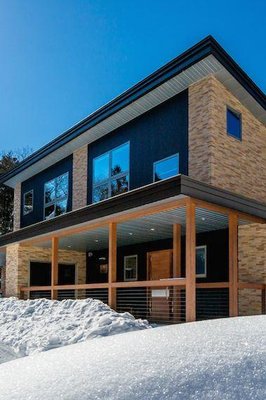
Phoenix Chalets by Hhg
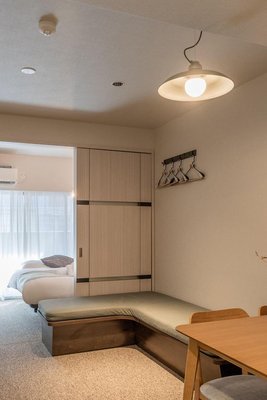
Apartment Hotel 11 Shinsaibashi
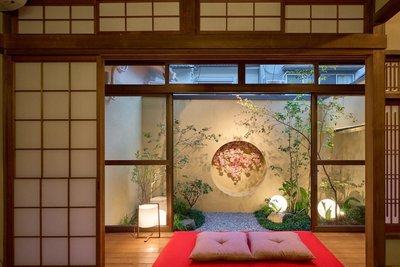
KONJAKUSO Osaka Tengachaya "NIHONCHA" Tea & Relax
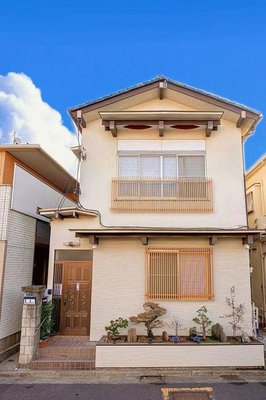
Tokyo Star House-Shinkoiwa
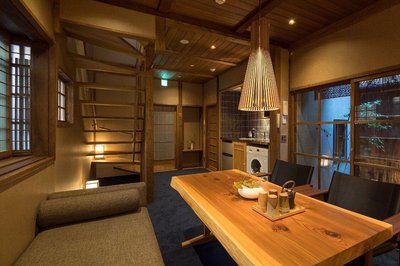
Bonbori an Machiya House
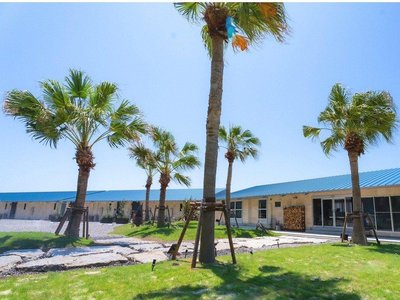
Glamping&Resort Wood Design Park Noma
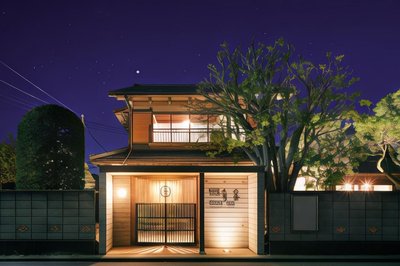
Machi-Jyu
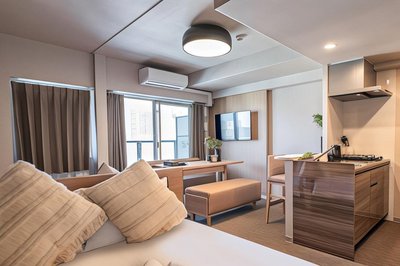
Apartment Hotel 11 Shinsaibashi III
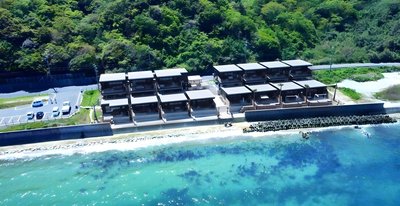
Solavilla Umi Terrace Minamiawaji
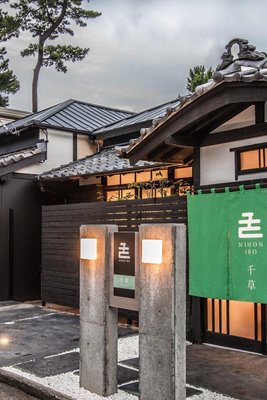
Nihon Iro
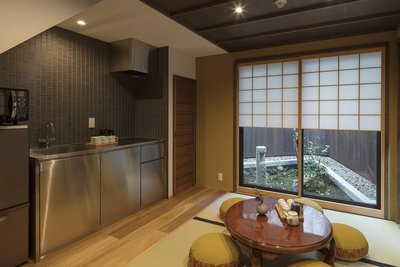
The Machiya Villa Sanjo Shirakawa Koji
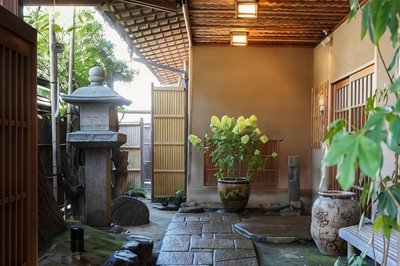
Ryokan Asadaya
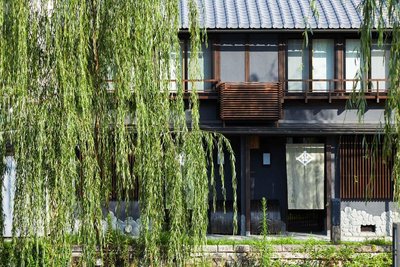
Gion Shirakawa No Yado

Kitashirakawa Natural Radium Onsen

Hotel Barrière Fouquet's New York
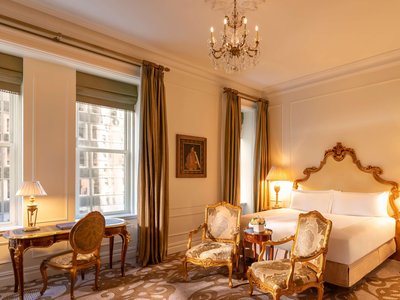
The Plaza - A Fairmont Managed Hotel
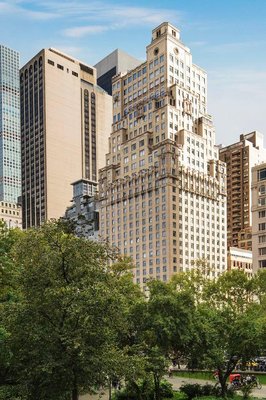
The Ritz-Carlton New York, Central Park
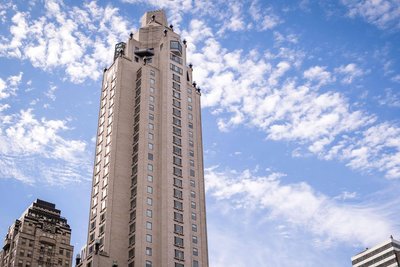
Four Seasons Hotel New York

The St. Regis New York
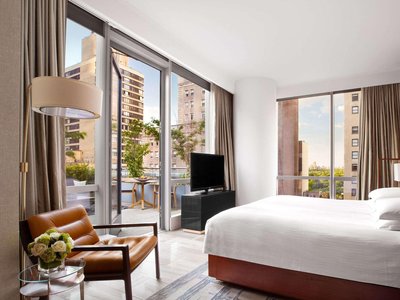
Park Hyatt New York
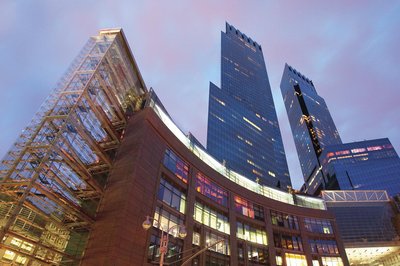
Mandarin Oriental New York
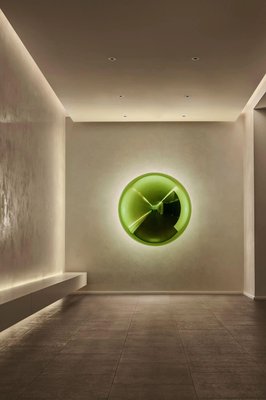
Times Square Edition New York

Loews Regency New York Hotel

Lowell Hotel
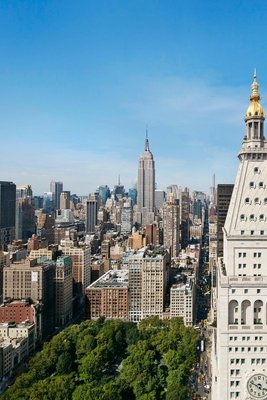
New York Edition
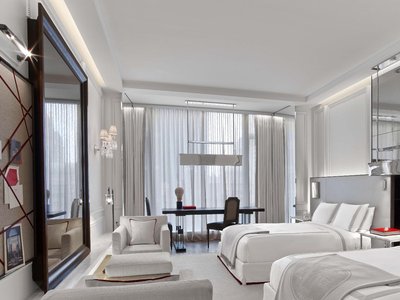
Baccarat Hotel New York

Equinox Hotel New York

Four Seasons Hotel New York Downtown
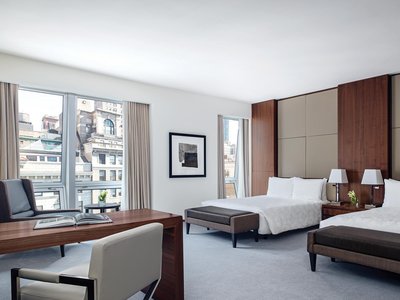
The Langham, New York, Fifth Avenue

The Carlyle, A Rosewood Hotel

The Chatwal, in the Unbound Collection by Hyatt

The Mark New York
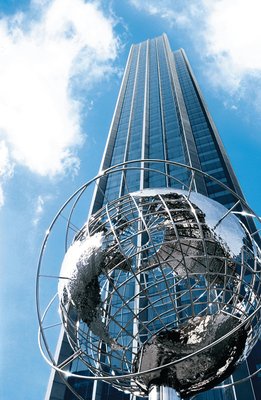
Trump International Hotel & Tower® New York
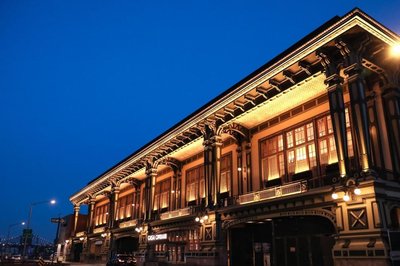
Casa Cipriani New York
Frequently Asked Questions about Traveling to Ibigawa
Questions You Might Need to Know About Traveling to Ibigawa
In Ibi Town, the top choice is Ibi River Onsen Ryokan, nestled along the clear Ibi River with private open-air baths and organic kaiseki meals. Its rooms feature traditional hinoki wood interiors and panoramic views of seasonal mountainscapes, offering an authentic Satoyama lifestyle experience. Another standout is Yamano Yu Onsen Inn, renowned for its natural thermal springs and forest bathing trails, perfect for travelers seeking tranquility and wellness amidst pristine nature. Both provide deep cultural immersion and serene mountain living.
The best area for peaceful, scenic stays is the upstream villages of Kosaka and Nakamura, located along the Ibi River in the heart of the Hida Mountains. These secluded spots offer clean air, lush forests, and minimal light pollution—ideal for stargazing and hiking. Many guesthouses are converted from century-old wooden farmhouses, preserving Hida architectural heritage with tatami floors, shoji screens, and exposed timber beams. Guests enjoy slow-paced local life, artisanal crafts, and intimate hospitality.
For hands-on Hida carpentry experiences, stay at Hida Mokkō Soubou, a boutique inn housed in a restored 100-year-old workshop. Daily workshops include wood carving, joinery demonstrations, and storytelling sessions by a third-generation master craftsman whose work adorns historic shrines in Hida-Koguchi. Guests can craft small wooden keepsakes using locally sourced hinoki and Japanese cedar. Evening gatherings around a hearth deepen cultural connection through oral traditions and craftsmanship history.
Must-try experiences include the Spring Festival (April), where locals parade along the Ibi River in traditional attire, performing Hida Taiko drumming and lantern dances. Visit the Nakamura Folk Museum to explore preserved loom weaving, bamboo baskets, and lacquerware from the Edo period. Don’t miss the washi paper-making workshop, where you’ll craft handmade paper using kōzo bark from local trees—take home a unique, sustainable souvenir reflecting Hida’s artisan legacy.
Yes, Hida no Ie Minshuku is a top-rated family-friendly option in Nakamura, offering spacious suites, children’s play areas, and a riverside garden with shallow pools for safe splashing. Meals feature organic mountain vegetables and wild foraged ingredients sourced directly from local farms. The inn provides family DIY woodworking kits, allowing parents and kids to build a small piece together. With low noise levels and a strong sense of community, it’s ideal for families seeking nature-based, educational, and relaxing holidays.
Absolutely—Ibi Town is best explored by car due to limited public transit. It’s about 1.5 hours from Nagoya via scenic routes through Mino Road and Hida Highlands. Roads are narrow but well-maintained, with clear signage to key sites like Ibi Falls, Nakamura Old Houses, and Yamano Yu Onsen. Without a car, take a rapid train from Gifu Station to Hida-Koguchi, then transfer to a community bus—but schedules are infrequent. Planning ahead is essential for a smooth journey.
The prime spot for autumn colors is Kotake Mountain Trail and the upper Ibi River canyon in Kosaka Village. By late November, vibrant reds and golds of maple and ginkgo trees blanket the valley, creating stunning reflections on the river surface. Early mornings bring misty scenes perfect for photography. Scenic overlooks and tea huts along the trail serve warm matcha mochi, enhancing the immersive fall experience. The combination of crisp air, rustling leaves, and alpine silence makes it unforgettable.
Photographers should visit the old wooden bridge and reed marshes in Nakamura, especially at dawn or dusk when soft light enhances reflections. The cliffside trail in Kosaka Valley offers dramatic vistas of the Ibi River winding through deep gorges, ideal for long-exposure shots with morning fog. The Hida Mokkō Soubou inn courtyard, blending dry landscape design with natural elements, is perfect for minimalist compositions. Bring a tripod—nighttime captures of starlight above steam rising from onsen pools create cinematic moments.
Local cuisine highlights mountain flavors and traditional fermentation techniques. Must-try dishes include Hida beef sukiyaki, made with grass-fed local beef; wild mountain vegetable tempura (ferns, dandelion, and more); and malt sake stewed chicken using locally brewed rice wine. Many inns serve full kaiseki meals featuring pickled wild greens and dried persimmons. Don’t miss the artisanal sourdough bakery in Nakamura, which uses local chestnut honey and whole-grain flour—perfect for a wholesome breakfast.
Ibi Town has a continental climate with distinct seasons: cool summers (~20°C), cold winters with heavy snowfall (30–50 cm), and frequent spring rains. The best time to visit is spring (April–June) and autumn (September–November), when temperatures are mild and scenery is breathtaking. Winter offers snowy landscapes ideal for skiing and onsen relaxation. Pack layered clothing, especially for hiking or visiting remote areas. The rainy season (June–July) requires waterproof gear. Overall, the crisp, clean air and quiet environment make it perfect for nature lovers and wellness seekers.
Ibigawa Overview
City Summary
Located in Gifu Prefecture, Japan, Ibigawa Town is blessed with abundant natural resources and rich history, offering a perfect escape from urban hustle. With its fresh air, scenic countryside, and traditional Japanese rural charm, it's an ideal spot to explore hidden gems in central Japan.
Must-See Attractions
Must-see attractions in Ibigawa Town include the magnificent Ibi River, with its ever-changing natural scenery throughout the seasons—cherry blossoms in spring and vibrant foliage in autumn. Ancient shrines and temples like Unryu-ji and Ibigawa Shrine reflect the town’s deep historical roots. Outdoor enthusiasts can enjoy hiking or cycling along the Ibi River.
Food Guide
Local cuisine in Ibigawa Town focuses on fresh, natural ingredients. Don't miss dishes featuring freshwater fish like ayu (sweetfish) and trout. Fresh produce is also a highlight, with seasonal fruits and vegetables available at local farms or markets, offering an authentic rural dining experience.
Transportation Guide
Transportation in Ibigawa Town mainly relies on local buses, but schedules can be infrequent, so check timetables in advance. From Gifu City, take the JR Tokaido Line to Ogaki Station, then transfer to a bus bound for Ibigawa Town. Renting a car provides more flexibility for exploring the area.
Best Time to Visit
The best times to visit are spring (March to May) and autumn (September to November), when the weather is pleasant and the natural scenery is at its most beautiful, avoiding summer heat and winter cold.
Travel Tips
- Plan ahead, as public facilities in Ibigawa Town are limited.
- Respect local customs, especially when visiting shrines or temples.
- Mountain weather can change quickly—bring appropriate clothing.
- Rural restaurants may have limited hours; check in advance or make reservations.
Useful Information
In Ibigawa Town, cash is widely accepted, but credit card usage is limited. Japanese is the primary language, with limited English proficiency; consider using a translation app. For emergencies, dial 110 (police) or 119 (ambulance). Mobile coverage is good in central areas but may be weaker in remote locations.









