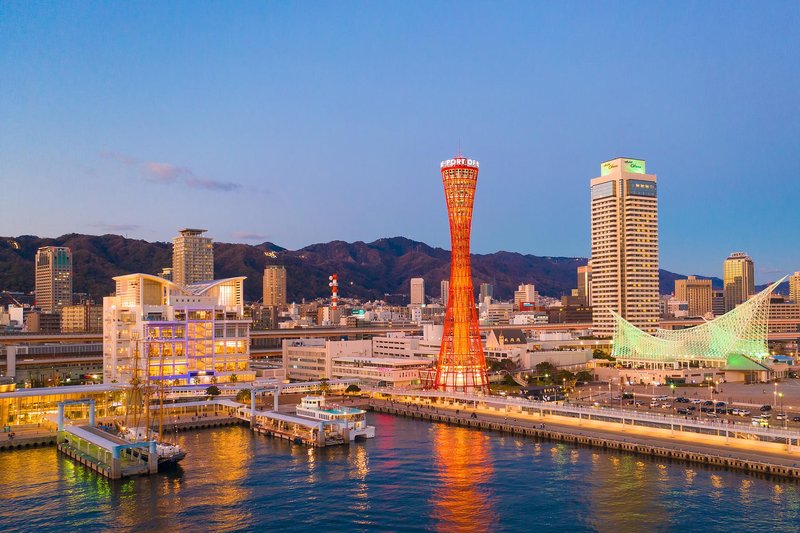
Hotels in Ichikawamisato
Discover your perfect stay in Ichikawamisato.
Ichikawamisato(Japan) Travel 2026: Cheap Flights, Hotels & Top Attractions
Popular Landmarks in Ichikawamisato
Discover the most iconic attractions in Ichikawamisato
Recommended Hotels in Ichikawamisato
Find the perfect place to stay in Ichikawamisato
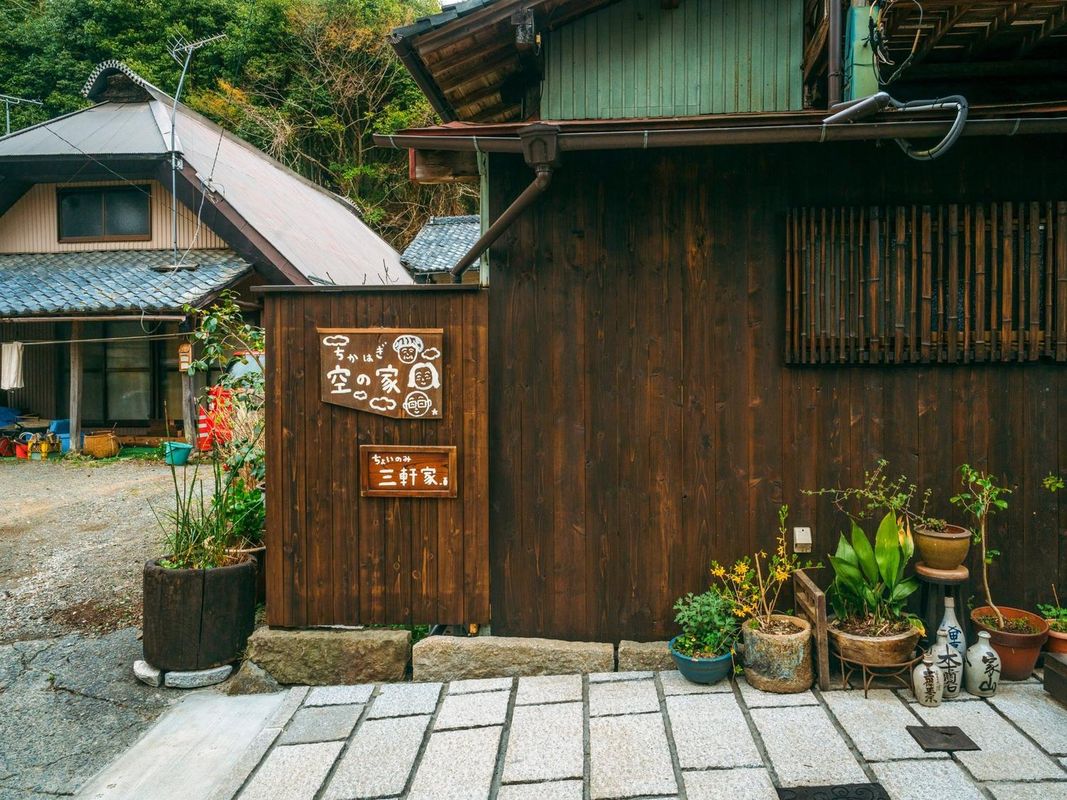
Chikahagi Kuu House
Best Hotels in Ichikawamisato
Discover curated hotel collections in Ichikawamisato
Bellustar Tokyo, A Pan Pacific Hotel
Bvlgari Hotel Tokyo
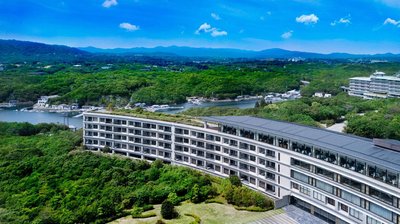
Shima Kanko Hotel the Bay Suites
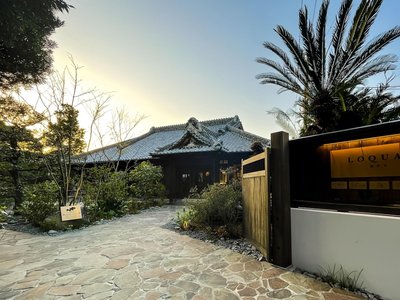
Loquat Nishiizu
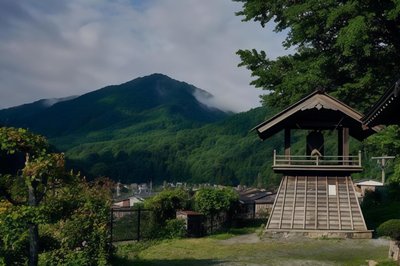
Byaku Narai
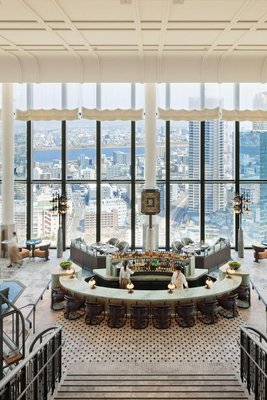
Waldorf Astoria Osaka
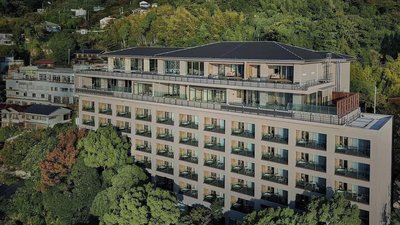
Atami Izusan Karaku
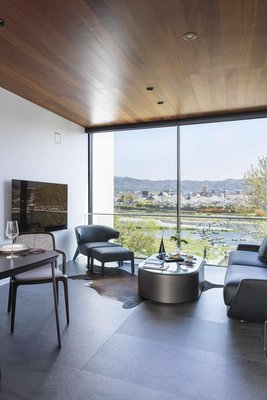
Kamo Residences by Reflections
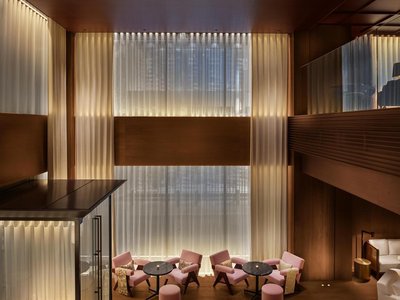
The Tokyo Edition, Ginza
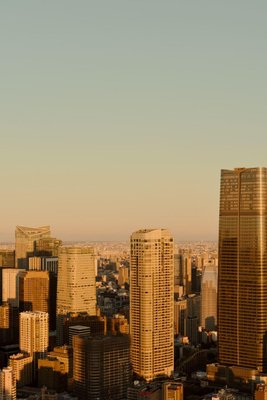
Janu Tokyo
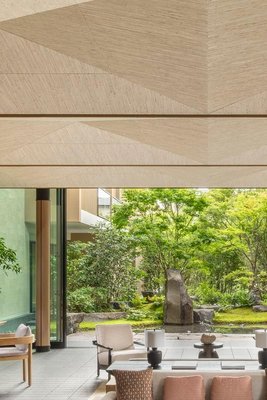
Six Senses Kyoto
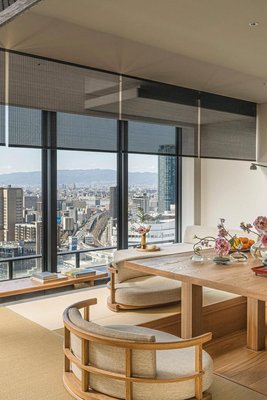
Four Seasons Hotel Osaka
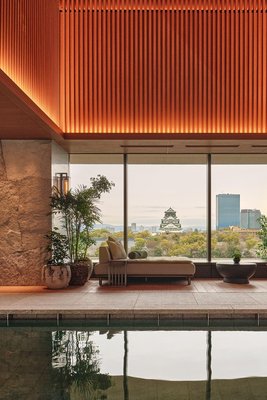
Patina Osaka

The Ritz-Carlton, Osaka
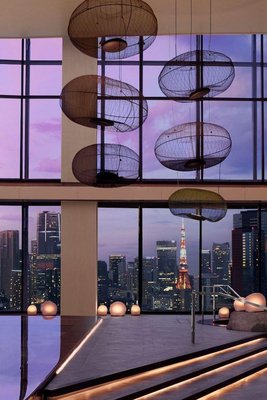
JW Marriott Hotel Tokyo
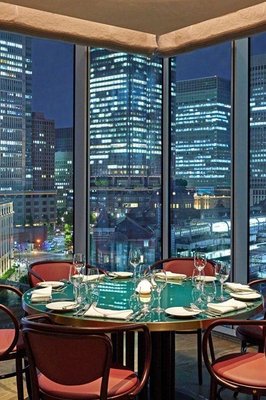
Four Seasons Hotel Tokyo at Marunouchi

Mandarin Oriental, Tokyo
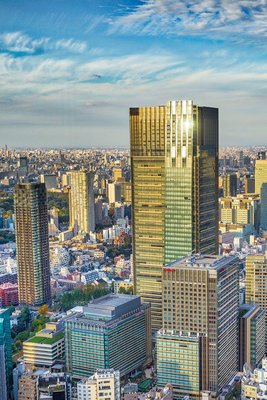
The Ritz-Carlton, Tokyo
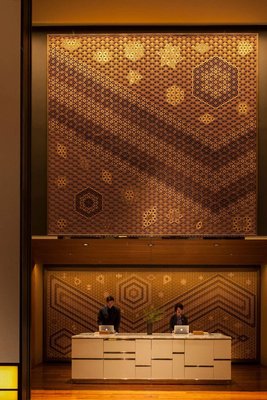
Andaz Tokyo Toranomon Hills- A Concept by Hyatt
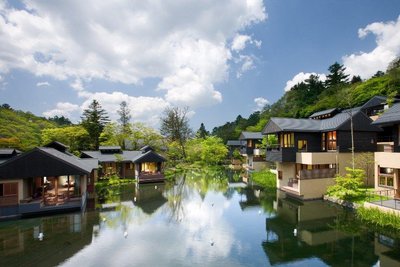
Hoshinoya Karuizawa
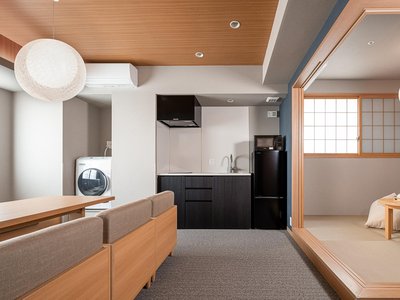
MIMARU SUITES Tokyo Asakusa
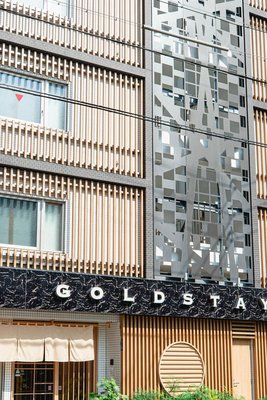
Gold Stay Nagoya OSU
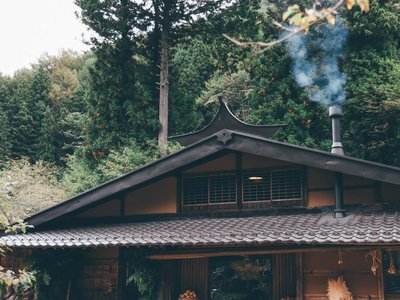
La Terra Resort
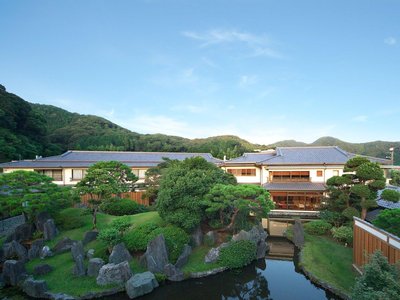
Kagetsutei

karaksa hotel colors Tokyo Yaesu
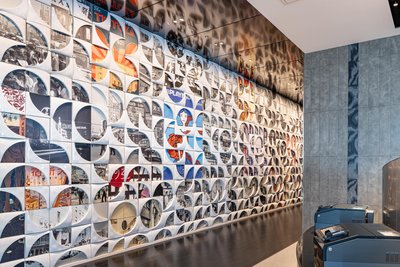
HOTEL GROOVE SHINJUKU, A PARKROYAL Hotel

GOLD STAY Nagoya Sakae
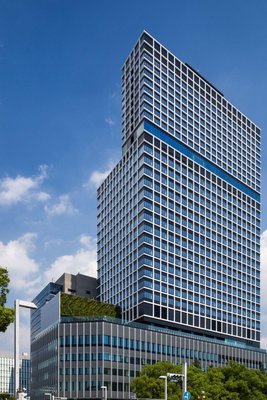
The Royal Park Hotel Iconic Nagoya
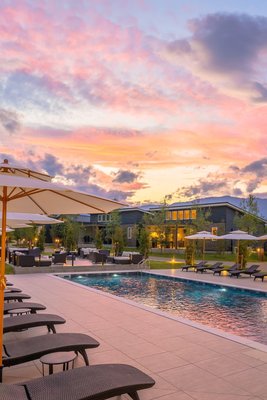
Awaumi Fujikawaguchiko Resort
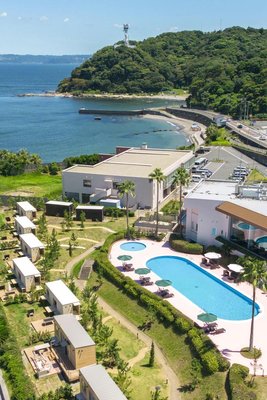
La vista Yokosuka Kannonzaki Terrace
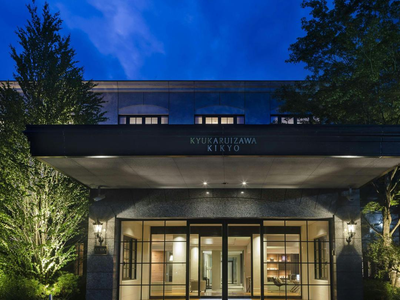
Fufu Karuizawa Wind of Sunshine
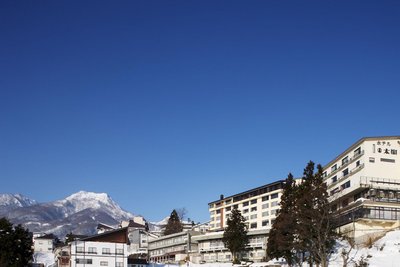
Hotel Taiko, Akakura Onsen

Scapes the Suite
Hotel Metropolitan Tokyo Marunouchi
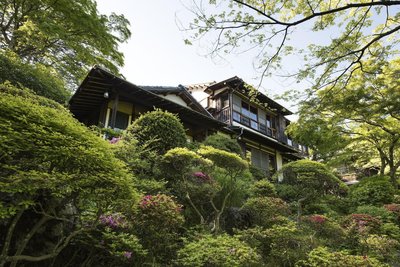
Gora Kansuiro
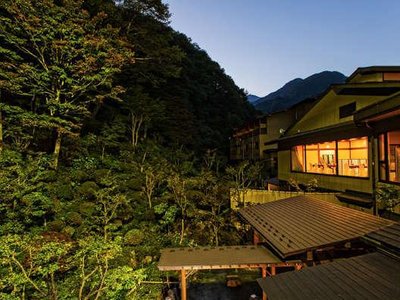
Futari Shizuka
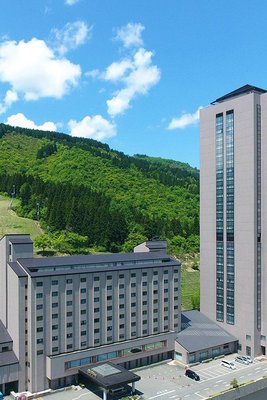
Naspa New Otani
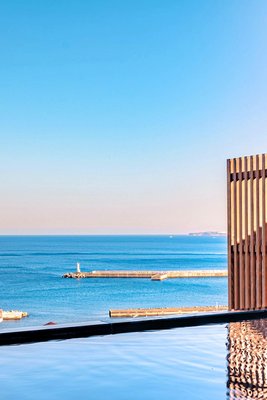
HOTEL KANICHI
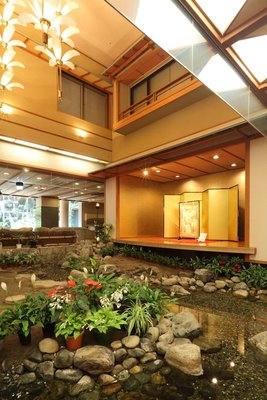
Hotel Futaba
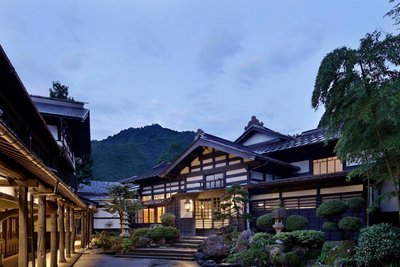
Ryugon
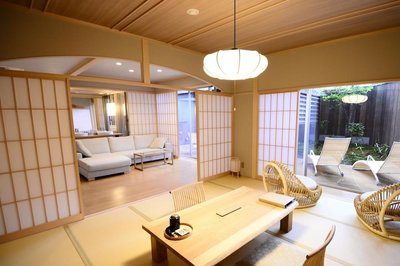
Hakone Gora Byakudan
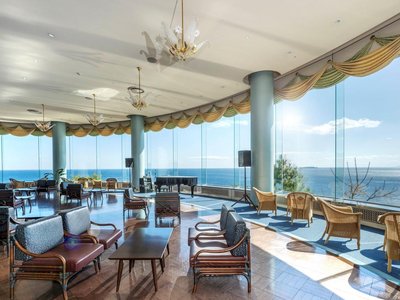
Hotel New Akao
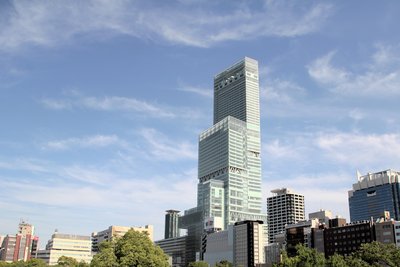
Osaka Marriott Miyako Hotel
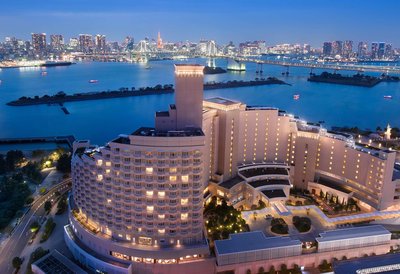
Hilton Tokyo Odaiba
JW Marriott Hotel Tokyo
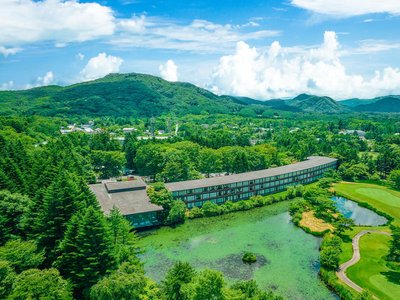
The Prince Karuizawa
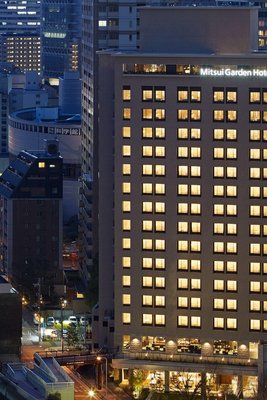
Mitsui Garden Hotel Osaka Premier
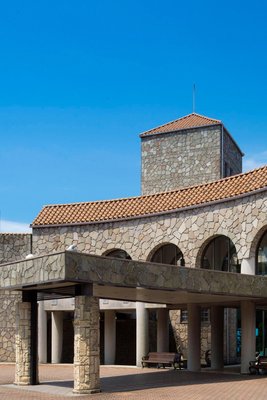
Izumigo Hotel Altia Toba
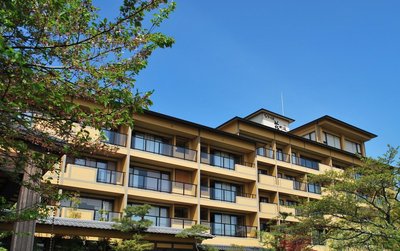
BIWAKO HANAKAIDO
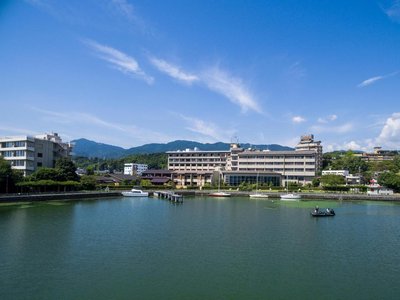
Biwako Ryokusuitei
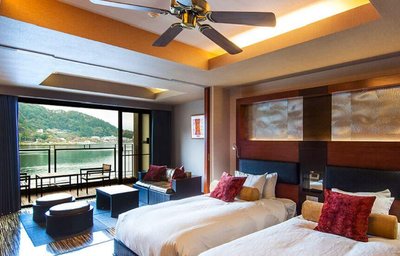
The Kukuna
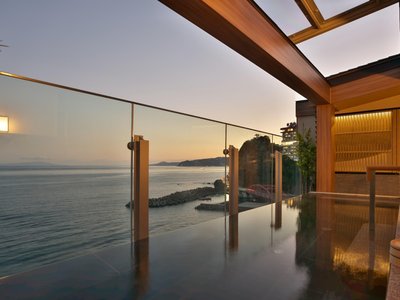
Hotel New Sagamiya
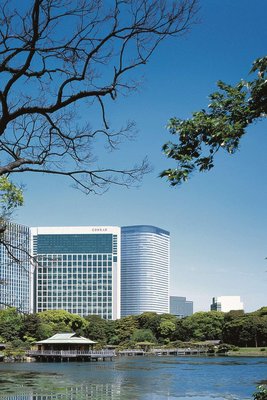
Conrad Tokyo
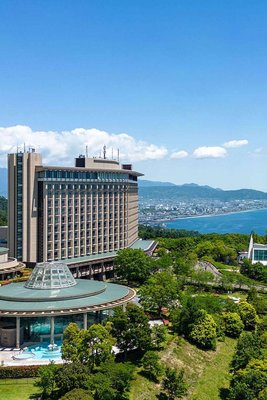
Hilton Odawara Resort & Spa
Hoshinoya Karuizawa
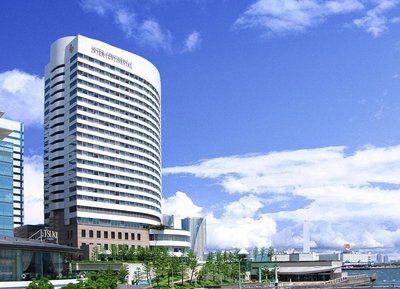
InterContinental Tokyo Bay
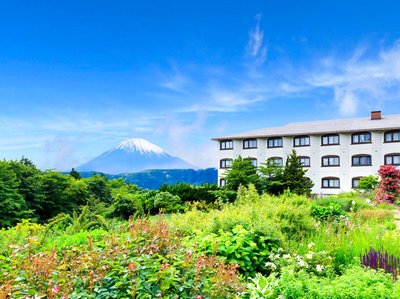
Hotel Green Plaza Hakone
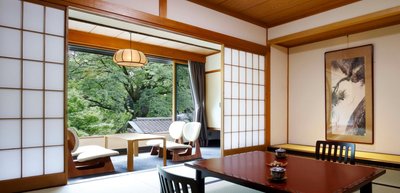
Yoshiike Ryokan
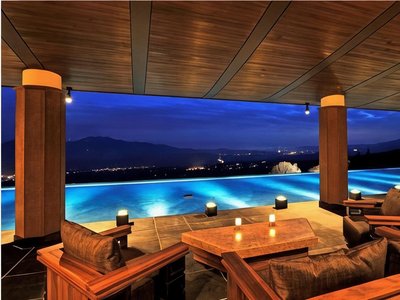
Akakura Kanko Hotel
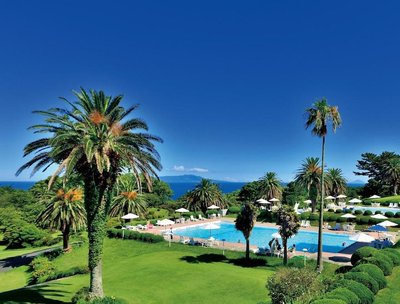
Kawana Hotel
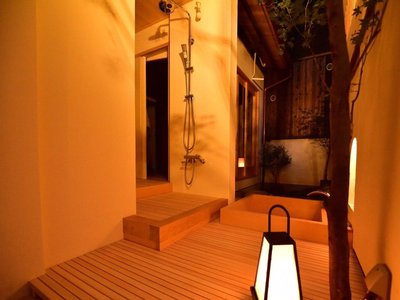
Yado Kiramachi
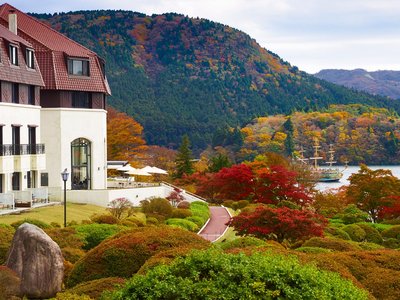
Hotakajyo
Auberge Suzukane

Onyado Nono Asakusa Bettei Hot Spring
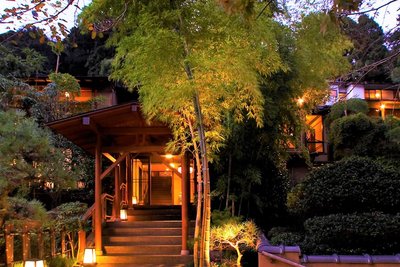
Shiki wo Ajiwau Yado Yamano Chaya
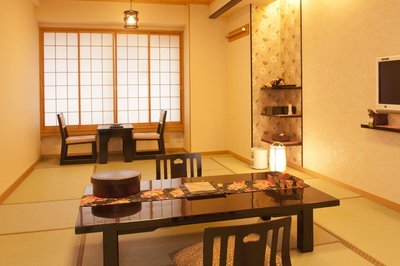
Matsui-Bekkan Hanakanzashi
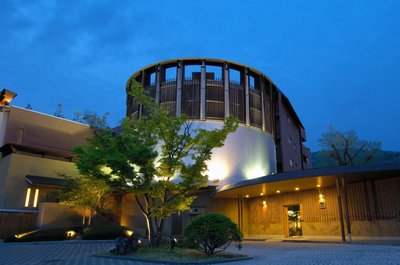
Hoshino Resorts Kai Matsumoto
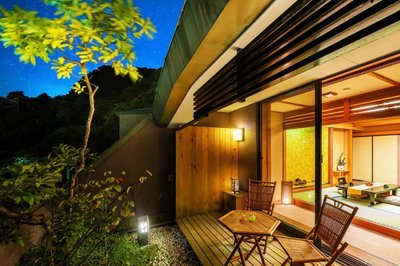
Konjakutei
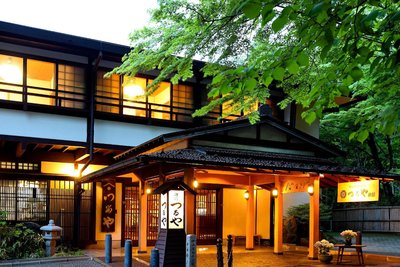
Tsuruya Ryokan
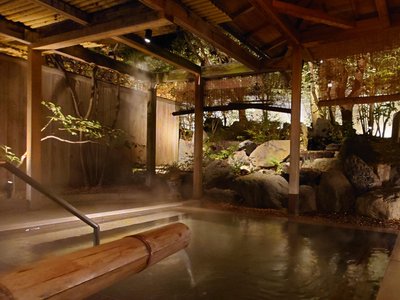
Kasuga Hotel
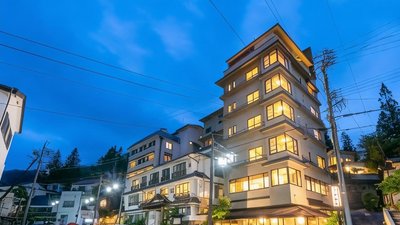
Nakamatsuya Ryokan
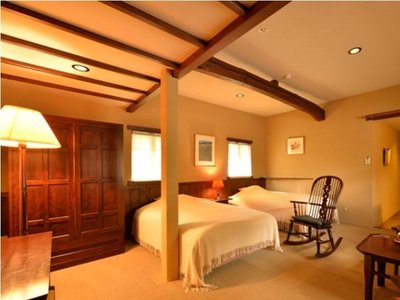
Ryokan Sugimoto
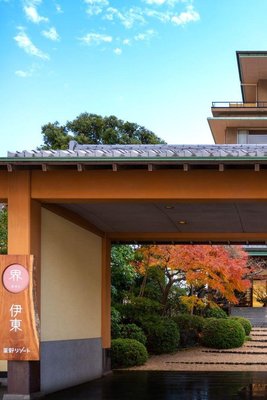
Hoshino Resorts Kai Ito
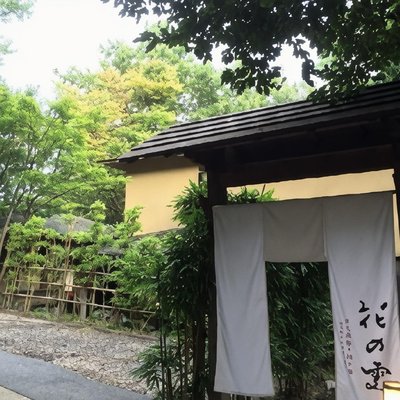
Hana No Kumo
Yoshiike Ryokan
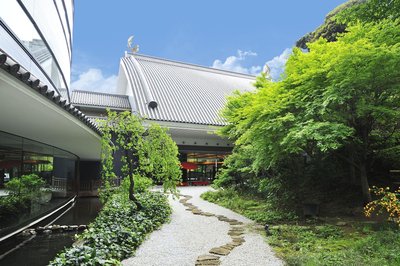
Hotel Gajoen Tokyo
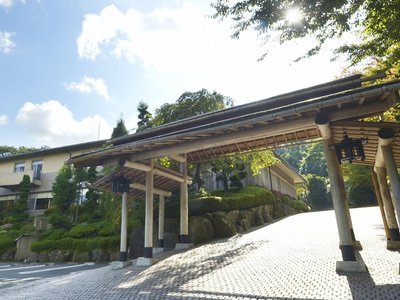
Gora Hanaougi
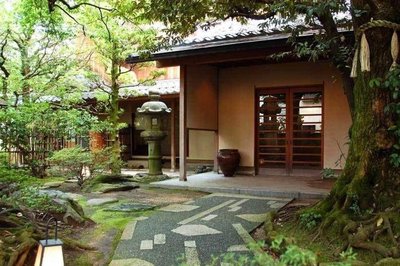
Kocho
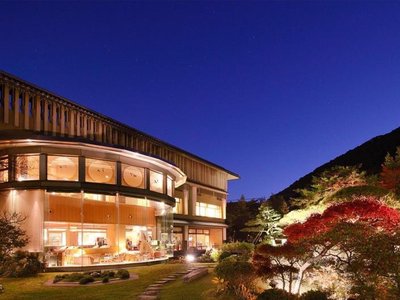
Shikisai Ichiriki
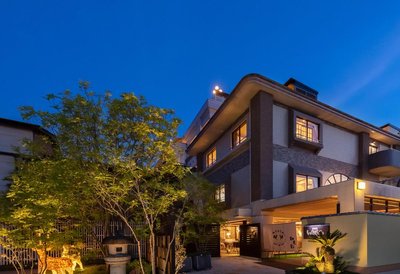
Hotel New Wakasa
Bellustar Tokyo, A Pan Pacific Hotel
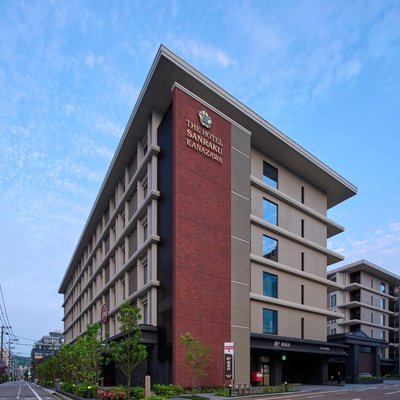
The Hotel Sanraku Kanazawa 21th December 2022 Open
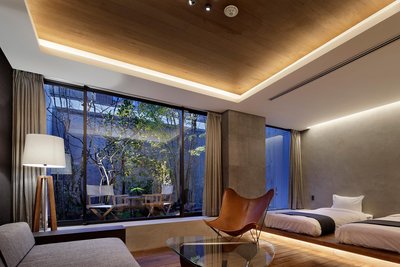
22 PIECES
The Ritz-Carlton, Osaka
JW Marriott Hotel Tokyo
Andaz Tokyo Toranomon Hills- A Concept by Hyatt

The Thousand Kyoto
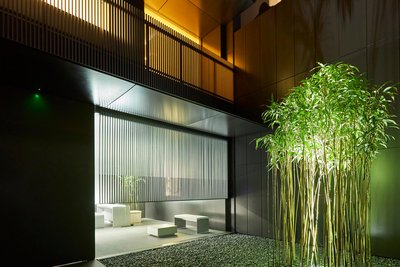
Mogana
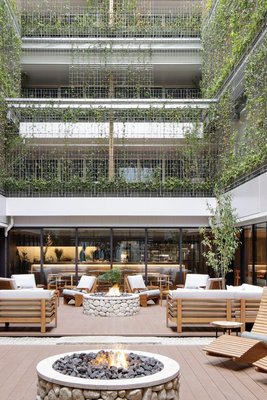
GOOD NATURE HOTEL KYOTO
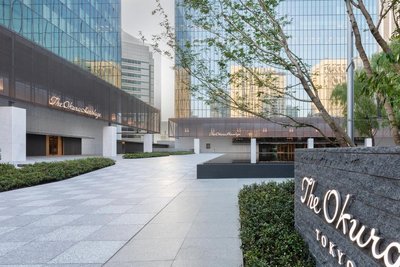
The Okura Tokyo
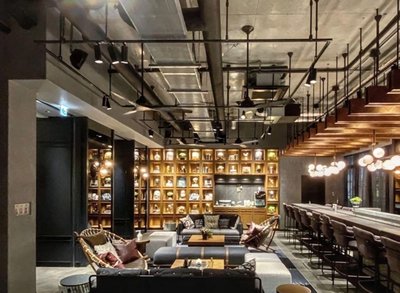
The Lively Azabujuban Tokyo
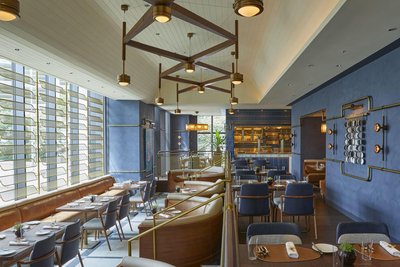
Kimpton Shinjuku Tokyo
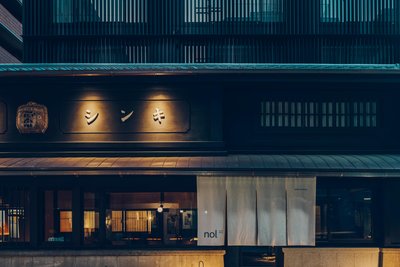
Nol Kyoto Sanjo

HOTEL K5
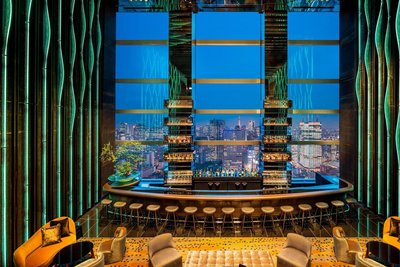
The Prince Gallery Tokyo Kioicho, a Luxury Collection Hotel
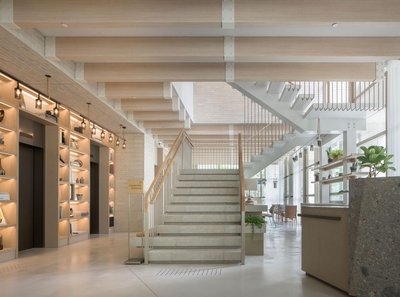
Zentis Osaka
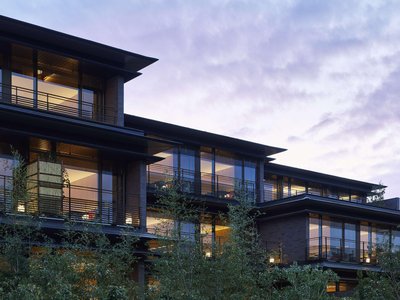
Garrya Nijo Castle Kyoto
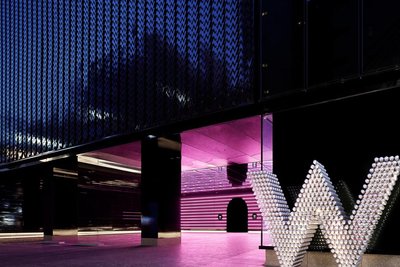
W Osaka
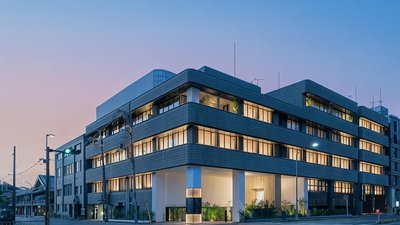
Hotel Kanra Kyoto

Aloft Osaka Dojima
Hakone Gora Byakudan
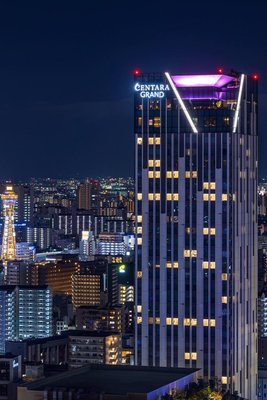
Centara Grand Hotel Osaka
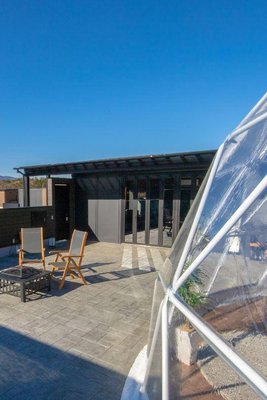
Panoramic Mt. Fuji Views from All Rooms – Vision Glamping Resort & Spa Yamanakako
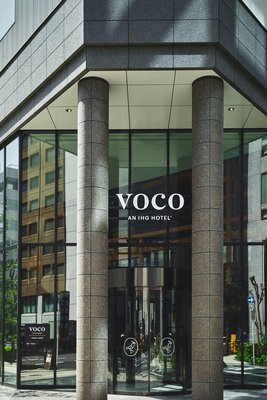
voco Osaka Central
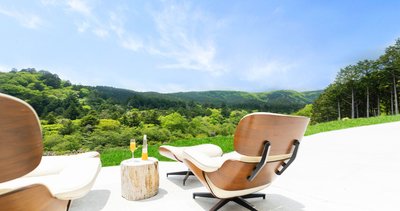
Shelter Garden Nikko
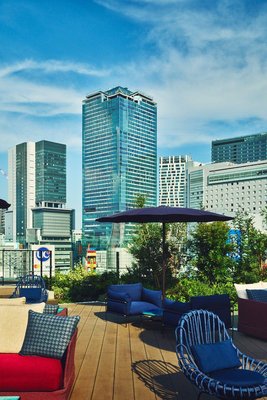
Hotel Indigo Tokyo Shibuya
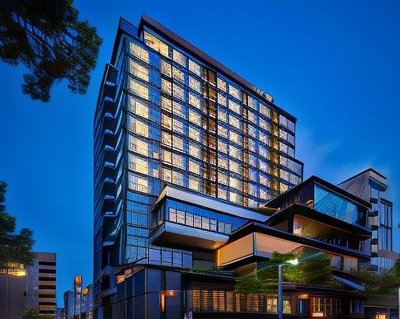
TIAD, AUTOGRAPH COLLECTION
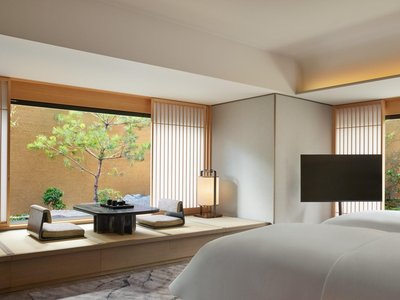
Dusit Thani Kyoto
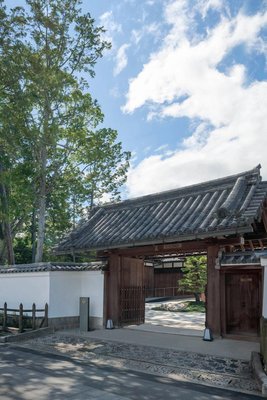
Shisui, a Luxury Collection Hotel, Nara
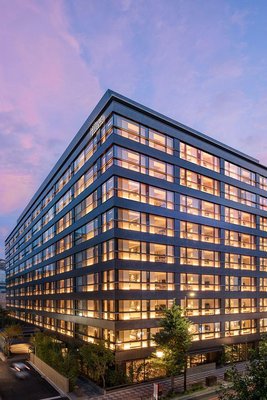
Hilton Kyoto
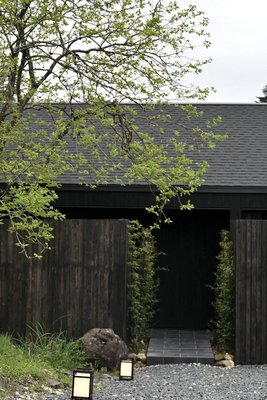
THE LAKOTAN
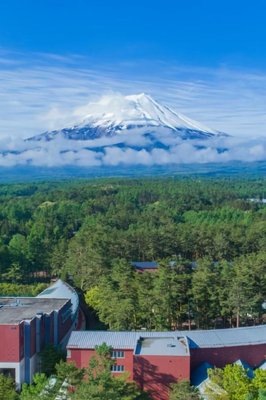
Forest Village (Fuji Premium Resort)
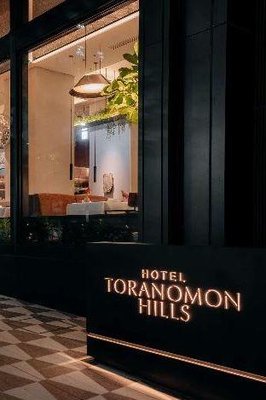
Hotel Toranomon Hills
Osaka Marriott Miyako Hotel
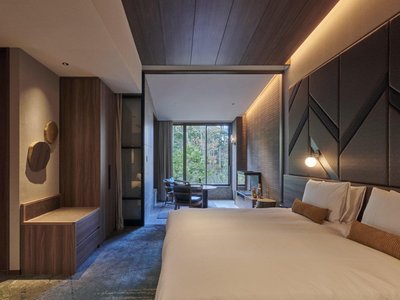
Fufu Kyu-Karuizawa Restful Forest
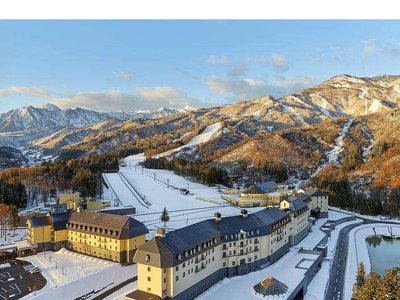
Lotte Arai Resort
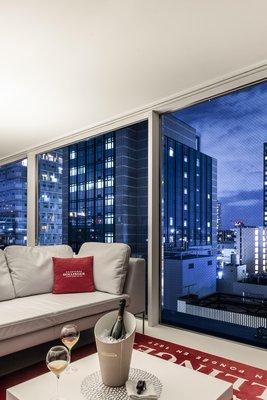
CUVÉE J2 HOTEL OSAKA by Onko Chishin
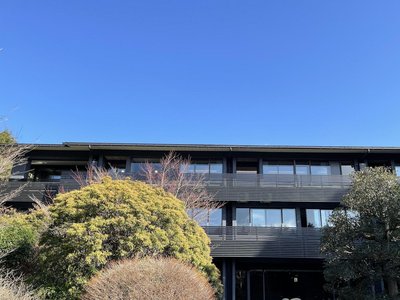
Sengokubara Cocon
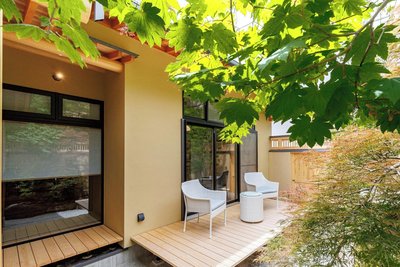
Shoraiso
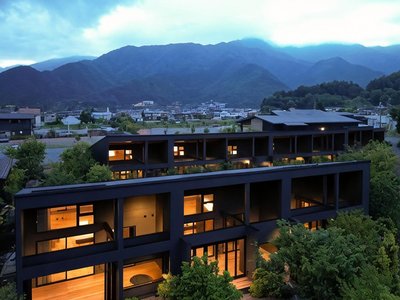
7C Villa and Winery
Bvlgari Hotel Tokyo
Osaka Marriott Miyako Hotel
The Ritz-Carlton, Osaka
Four Seasons Hotel Tokyo at Marunouchi
Mandarin Oriental, Tokyo
The Ritz-Carlton, Tokyo
Andaz Tokyo Toranomon Hills- A Concept by Hyatt
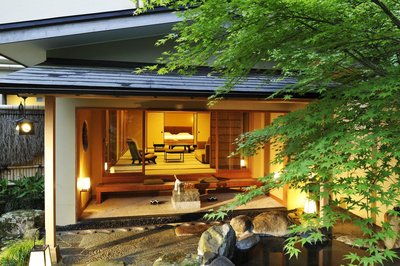
Gora Kadan
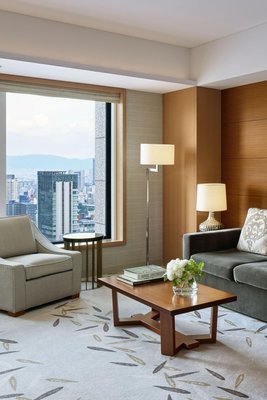
InterContinental Hotel Osaka
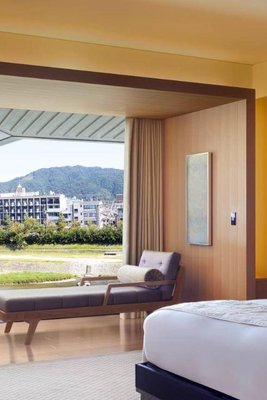
The Ritz-Carlton, Kyoto
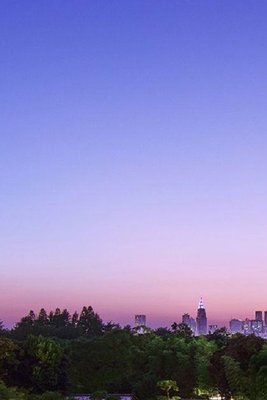
Hotel New Otani Tokyo the Main
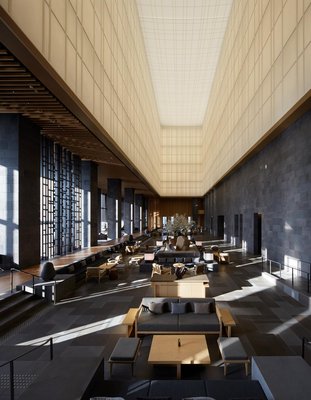
Aman Tokyo
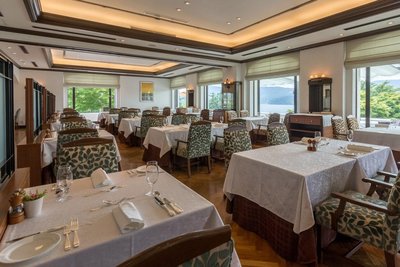
Odakyu Hotel de Yama
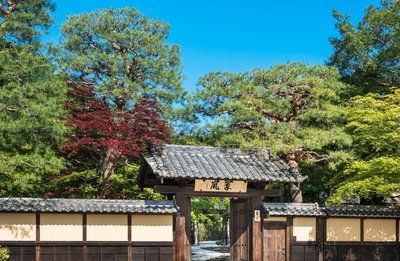
Suiran, a Luxury Collection Hotel, Kyoto
GOOD NATURE HOTEL KYOTO
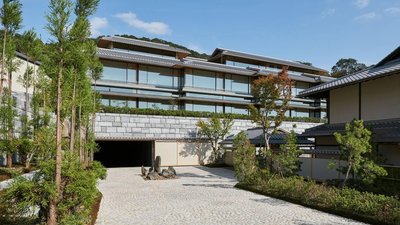
Park Hyatt Kyoto
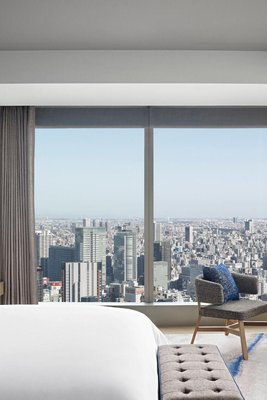
Four Seasons Hotel Tokyo at Otemachi
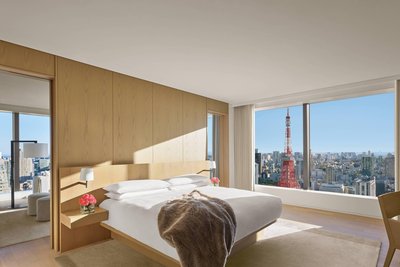
The Tokyo Edition, Toranomon

Hyatt Centric Kanazawa
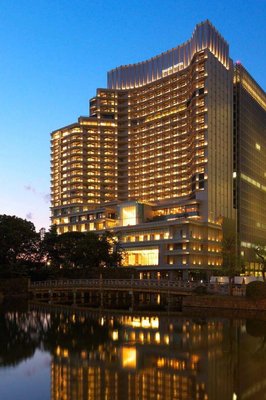
Palace Hotel Tokyo
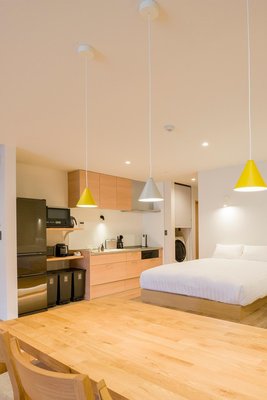
Rakuten STAY VILLA Nasu
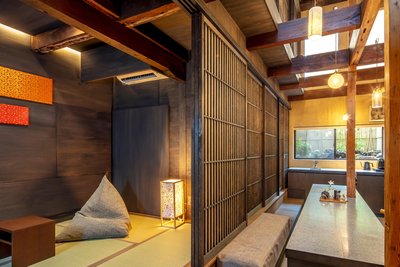
Kyo No Oozora Kihana
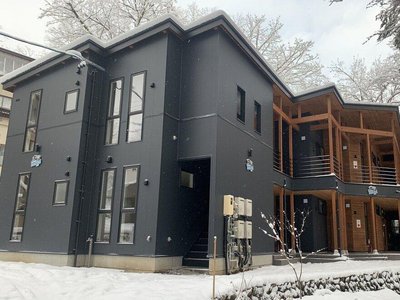
Hakuba Gondola Apartments
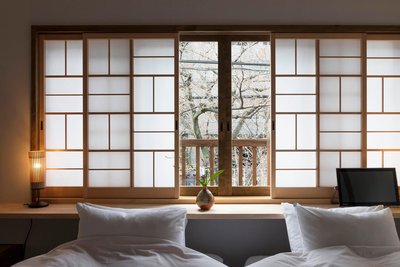
Hanagoromo Machiya House
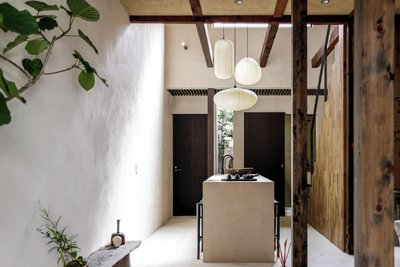
Maana Kiyomizu
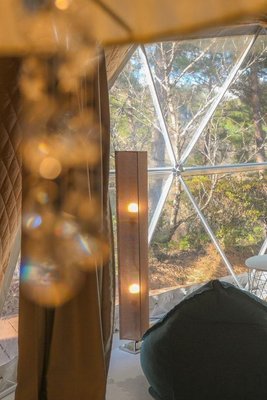
glampark Gekkabijin Nagano
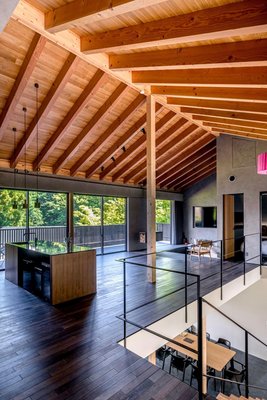
MONS GORA
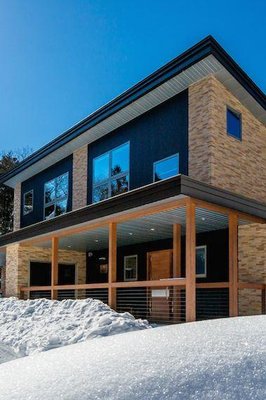
Phoenix Chalets by Hhg
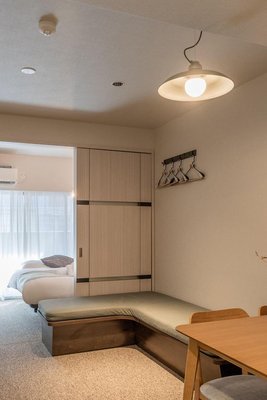
Apartment Hotel 11 Shinsaibashi
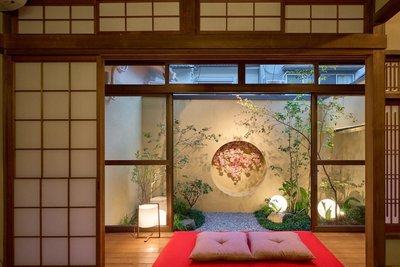
KONJAKUSO Osaka Tengachaya "NIHONCHA" Tea & Relax
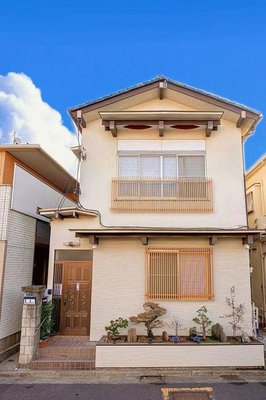
Tokyo Star House-Shinkoiwa
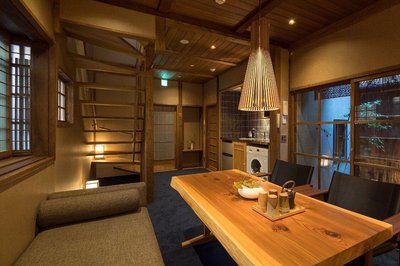
Bonbori an Machiya House
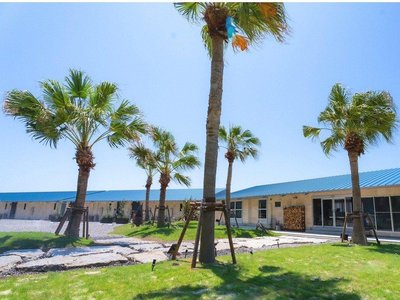
Glamping&Resort Wood Design Park Noma
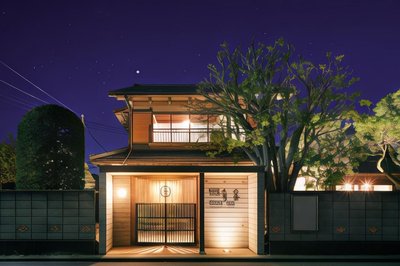
Machi-Jyu
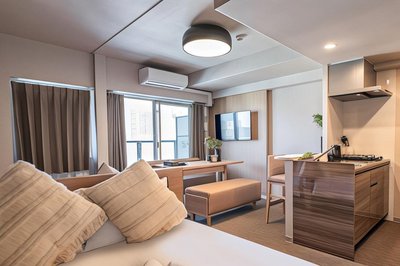
Apartment Hotel 11 Shinsaibashi III
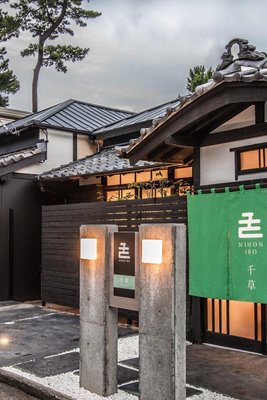
Nihon Iro
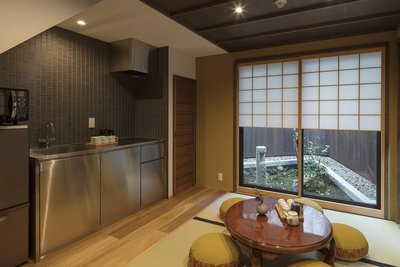
The Machiya Villa Sanjo Shirakawa Koji
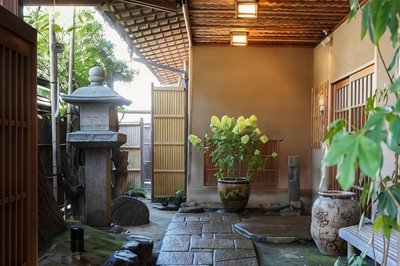
Ryokan Asadaya
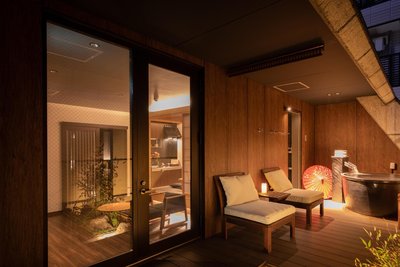
Konjaku-So Dotonbori
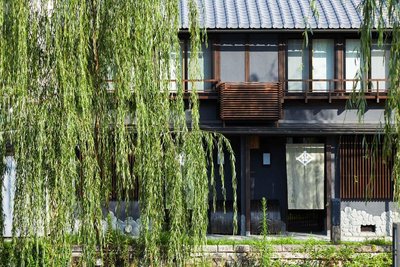
Gion Shirakawa No Yado

Hotel Barrière Fouquet's New York
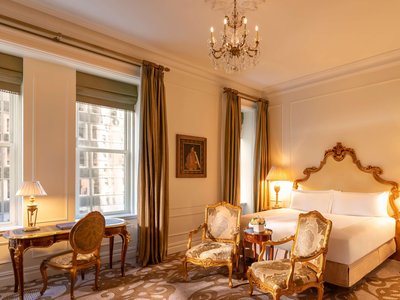
The Plaza - A Fairmont Managed Hotel
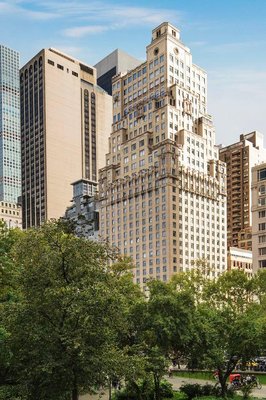
The Ritz-Carlton New York, Central Park
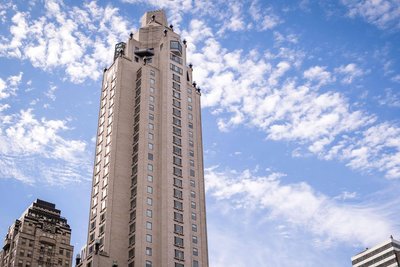
Four Seasons Hotel New York
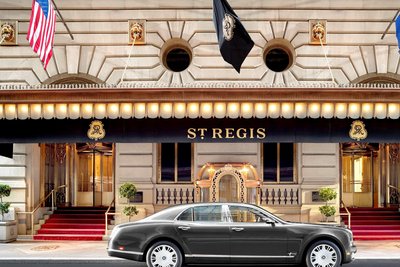
The St. Regis New York
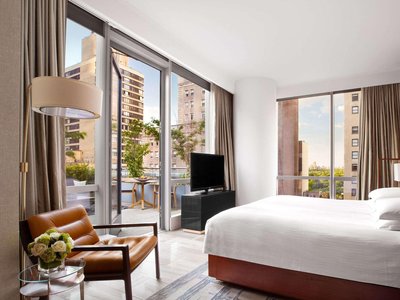
Park Hyatt New York
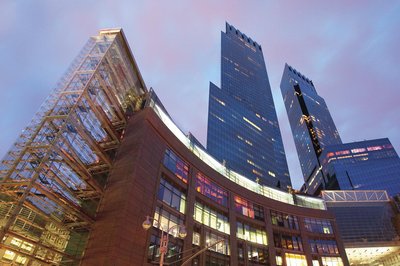
Mandarin Oriental New York
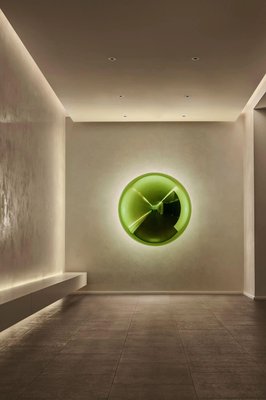
Times Square Edition New York

Loews Regency New York Hotel
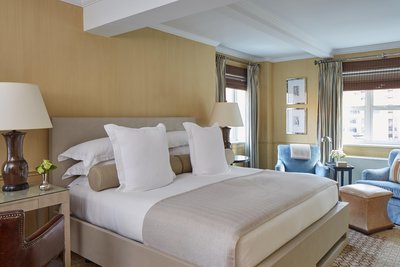
Lowell Hotel
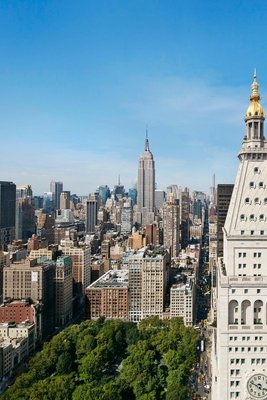
New York Edition
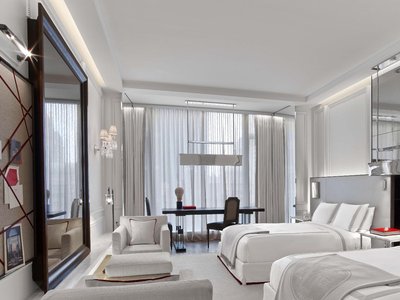
Baccarat Hotel New York

Equinox Hotel New York

Four Seasons Hotel New York Downtown
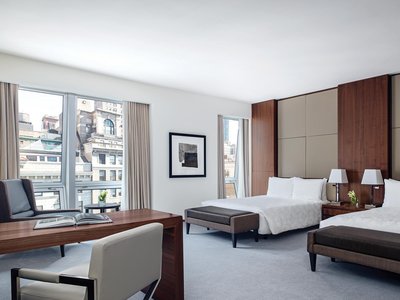
The Langham, New York, Fifth Avenue

The Carlyle, A Rosewood Hotel

The Chatwal, in the Unbound Collection by Hyatt
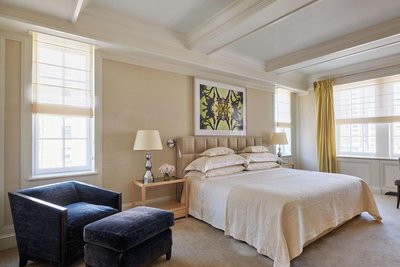
The Mark New York
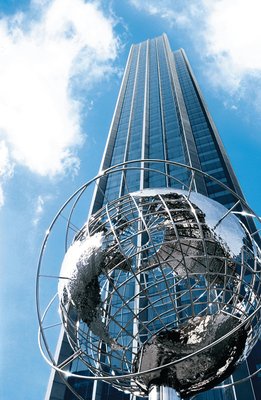
Trump International Hotel & Tower® New York
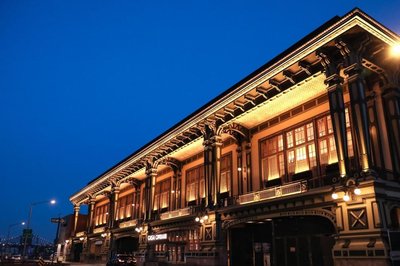
Casa Cipriani New York
Frequently Asked Questions about Traveling to Ichikawamisato
Questions You Might Need to Know About Traveling to Ichikawamisato
In Ichikawa-Mitsukuni, the top choice for families is Mitsukuni Onsen no Yado, a traditional Japanese inn nestled in the mountains of Yamanashi Prefecture. This ryokan features private outdoor baths, tatami-mat rooms with futons, and kid-friendly amenities like on-site playgrounds and children's meals. The natural hot spring water, rich in silica and radon, is ideal for skin health and relaxation. Guests can enjoy local dishes such as grilled trout and mountain vegetable rice, while gazing at views of Mount Fuji from the veranda. Located near hiking trails and cherry blossom fields, it’s perfect for a peaceful, culturally immersive getaway.
The inn also offers seasonal activities like pottery workshops and tea ceremonies, making it ideal for intergenerational travel.
The best area for tranquil, scenic stays in Ichikawa-Mitsukuni is the Mitsukuni Onsen District, where historic wooden houses line narrow lanes surrounded by lush forests and mountain views. This region is known for its serene atmosphere, low tourist traffic, and proximity to nature trails leading to Mount Koma and the Southern Alps. Accommodations here range from intimate guesthouses to traditional ryokan with private baths. Many offer panoramic windows facing the sunrise over Mount Fuji, especially popular during winter. Staying here allows guests to experience authentic rural life, with access to local markets, farm-to-table dining, and stargazing under clear night skies.
It’s an ideal retreat for those seeking solitude, mindfulness, and connection with nature.
In Ichikawa-Mitsukuni, visitors can participate in the rare Mitsukuni Pottery Workshop, where you’ll learn the centuries-old craft of "Mitsukuni-yaki" ceramics using local clay. Held at the Mitsukuni Ceramics Village, this hands-on session includes shaping, glazing, and firing your own piece. Additionally, the annual Yamanashi Agricultural Festival showcases fresh grapes, homemade plum wine, and traditional folk dances. During spring, join a cherry blossom tea ceremony in a forest clearing overlooking Mount Fuji—where every sip is paired with breathtaking scenery. These experiences offer deep insight into the town’s heritage, craftsmanship, and sustainable lifestyle.
The hot springs in Ichikawa-Mitsukuni are renowned for their high concentration of radon and silica, known for improving circulation and skin health—earning them the nickname "Beauty Springs." The water flows directly from underground sources, maintaining a warm 45°C (113°F) year-round. Many ryokan feature open-air onsen baths with panoramic views of Mount Fuji and surrounding alpine landscapes. At Mitsukuni Onsen no Yado, guests can enjoy a "Stargazing Bath" under the night sky, where the steam mingles with the Milky Way. Some resorts also offer herbal steam rooms and therapeutic massage treatments, enhancing the overall wellness experience. The mineral-rich waters are particularly beneficial after hiking or sightseeing.
A minimum of 2 to 3 days is recommended for a meaningful visit to Ichikawa-Mitsukuni. Day one: Arrive and check into a ryokan, then explore the Mitsukuni Onsen District, attend a pottery workshop, and enjoy a kaiseki dinner. Day two: Hike through the Mount Koma trail or visit the Southern Alps viewpoints, followed by a morning at a local farm market. Day three: Participate in grape harvesting or take part in a tea ceremony amid cherry blossoms. This itinerary balances relaxation, culture, and nature. It allows time to savor slow living, connect with locals, and appreciate the town’s seasonal beauty—from spring blooms to autumn harvests.
Must-try foods in Ichikawa-Mitsukuni include Yamanashi wine, especially red varieties made from local grapes; plum wine (ume-shu); and dried grapes, often served as snacks. Local restaurants like Mitsukuniya serve wagyu beef and eel rice bowls made with ingredients sourced from nearby farms. Another highlight is the Mitsukuni Nabe, a hearty hot pot featuring mountain vegetables, chicken, and tofu, perfect for cold weather. Street vendors also sell salted fish (shiozake) and rice flour dumplings (mochi). These dishes reflect the region’s agricultural roots and culinary traditions passed down through generations.
The most photogenic spots in Ichikawa-Mitsukuni include the historic wooden alleyways of Mitsukuni Onsen, where red lanterns glow against aged timber walls—ideal for vintage-style shots. The cherry blossom path along the Fuji River in spring creates a dreamy tunnel of pink petals. For dramatic views, head to the Southern Alps viewing platform at dawn, where mist rolls over valleys and mirrors the snow-capped peaks. The pottery kiln garden and rooftop onsen terraces of ryokan also make stunning backdrops. Use wide-angle lenses and shoot during golden hour for maximum impact. These locations capture both the timeless charm and natural grandeur of the region.
From Tokyo, take the JR Chūō Line to Omiya Station, then transfer to the Chūō Rapid Service to Ōtsuki Station, followed by a connecting bus or taxi to Ichikawa-Mitsukuni, a journey of about 2 hours. Alternatively, book a private car service for a direct ride with scenic views of Mount Fuji and the Kōfu Basin. For eco-conscious travelers, rent a bicycle at Ōtsuki Station and ride along the Fuji River Greenway, passing rice paddies and orchards. HopeGoo buses in advance is advised, especially during peak seasons like cherry blossom or autumn foliage periods.
Guesthouses in Ichikawa-Mitsukuni are typically restored old farmhouses with exposed beams, shoji screens, and handcrafted furniture. Mitsukuni House offers free Wi-Fi, electric vehicle charging stations, and home-cooked breakfasts featuring local grapes, pickled plums, and wild rice. Hosts often share stories of village life and invite guests to join daily rituals like morning meditation or herb gathering. Some guesthouses provide farm visits and tea ceremony sessions, blending hospitality with cultural exchange. The focus is on authenticity, sustainability, and creating meaningful connections—with nature and community—making them ideal for long-term stays and digital nomads.
Key events in Ichikawa-Mitsukuni include the Mitsukuni Matsuri in summer, featuring taiko drumming, fireworks, and neighborhood parades. The Yamanashi Grape Festival in autumn celebrates harvest season with wine tastings, cooking contests, and vineyard tours. In spring, the Cherry Blossom Lantern Festival lights up the town with paper lanterns beneath blooming trees. During winter, the Snow Light Path illuminates walking trails with soft glow, creating a magical atmosphere. These festivals not only showcase local traditions but also foster community spirit and offer opportunities to interact with residents—making them unforgettable cultural experiences.
Ichikawamisato Overview
City Summary
Located in Yamanashi Prefecture, Japan, Ichikawamisato is a picturesque town known for its stunning natural landscapes and rich traditional culture. Surrounded by Mount Fuji, the town offers clear rivers and dense forests, making it an ideal escape from urban noise. Its traditional crafts and hot spring culture provide unique experiences for visitors.
Must-See Attractions
In Ichikawamisato, visitors can explore local shrines and temples to immerse themselves in traditional Japanese culture. The cherry blossom tunnel along the Fuji River is a highlight in spring, while autumn foliage colors the mountains beautifully. Don’t miss the local hot springs, where natural thermal waters offer deep relaxation.
Food Guide
Ichikawamisato’s cuisine features fresh local ingredients. Try Yamanashi’s famous "Hōtō" (a thick noodle soup) and desserts made from fruits grown near Mount Fuji. Small local eateries also serve unique river fish dishes.
Transportation Guide
Public transport in Ichikawamisato relies on buses and trains, connecting to nearby cities like Kofu and Fujiyoshida. A local transport card is recommended for convenience. Walking or biking is ideal for exploring the town’s scenic routes. Car rentals are a good option for those visiting remote natural spots.
Best Time to Visit
The best times to visit are spring (March-May) and autumn (September-November), when the weather is pleasant and scenery stunning. Summers are mild around Mount Fuji, while winters appeal to snow lovers.
Travel Tips
- Respect local customs, especially when visiting shrines.
- Shops and restaurants close early; plan meals accordingly.
- Bring your own towel for hot spring facilities.
- Mountain weather changes quickly; pack appropriate clothing.
- Some attractions may require reservations during peak seasons.
Useful Information
Japanese is the main language, with some English information available at tourist spots. WiFi coverage is limited; consider a local SIM card. Cash is widely used; credit cards are accepted at larger establishments. Emergency services are centered in the town, with hospitals providing basic care.