Hotels in Ikeda
Discover your perfect stay in Ikeda.
Ikeda(Japan) Travel 2026: Cheap Flights, Hotels & Top Attractions
Popular Landmarks in Ikeda
Discover the most iconic attractions in Ikeda
Recommended Hotels in Ikeda
Find the perfect place to stay in Ikeda
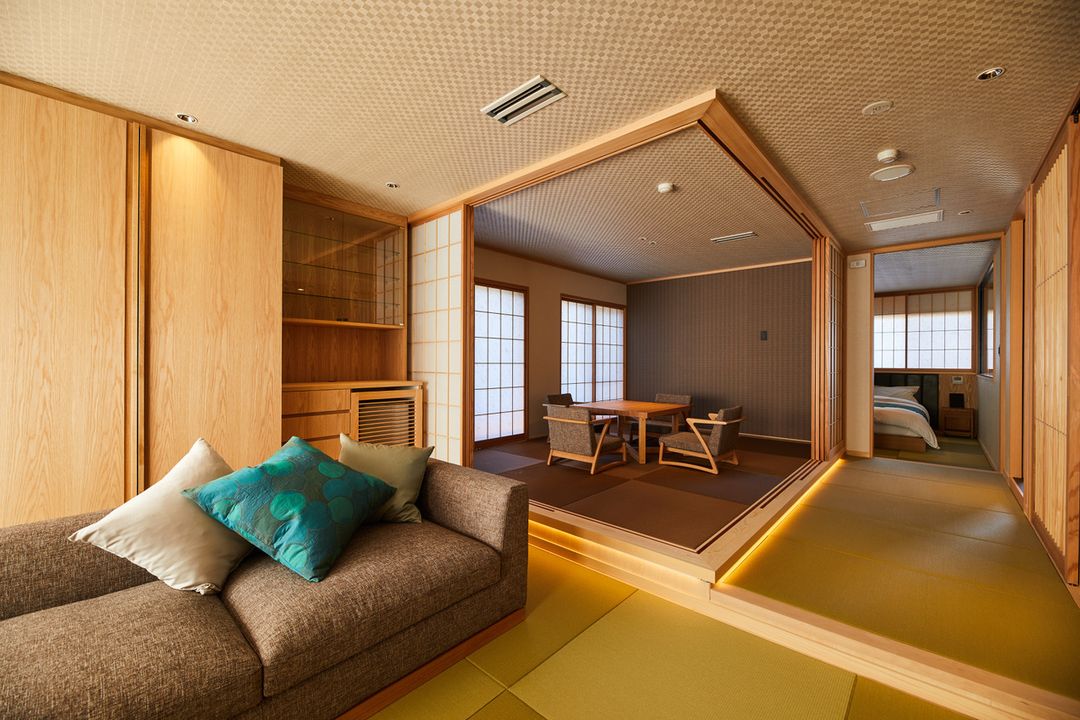
Ikeda Onsen Ryokan Tachikawa
Best Hotels in Ikeda
Discover curated hotel collections in Ikeda
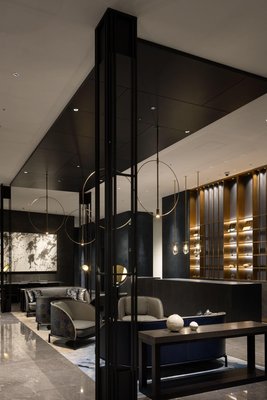
Bellustar Tokyo, A Pan Pacific Hotel
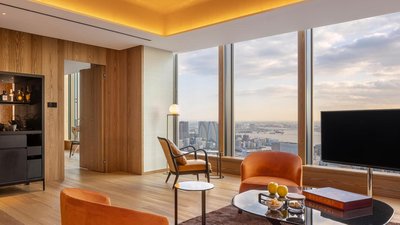
Bvlgari Hotel Tokyo

Shima Kanko Hotel the Bay Suites
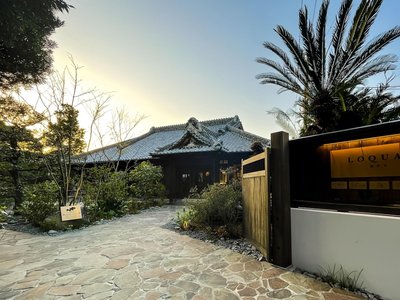
Loquat Nishiizu
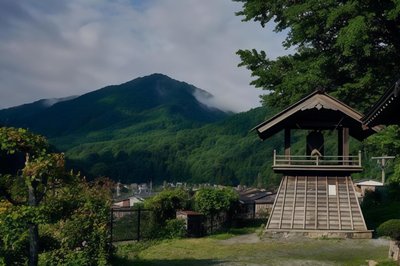
Byaku Narai
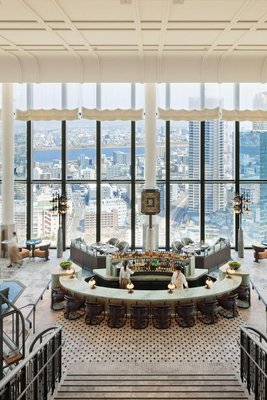
Waldorf Astoria Osaka
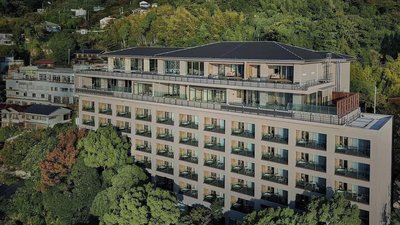
Atami Izusan Karaku
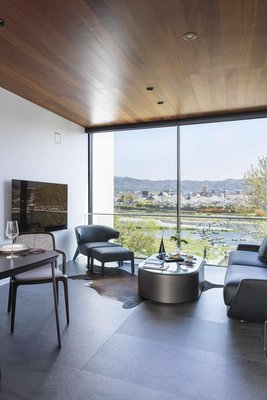
Kamo Residences by Reflections
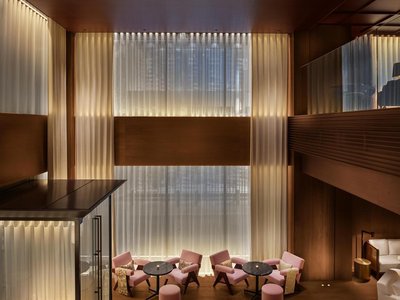
The Tokyo Edition, Ginza
Janu Tokyo
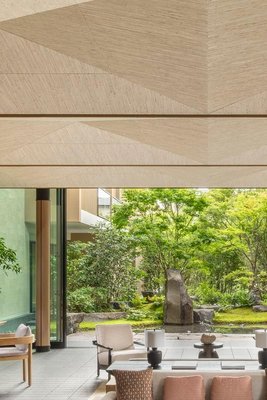
Six Senses Kyoto
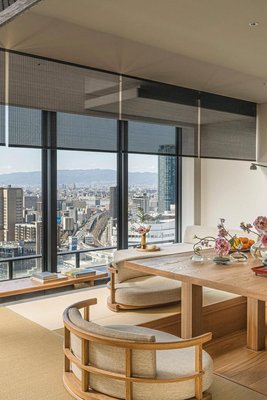
Four Seasons Hotel Osaka
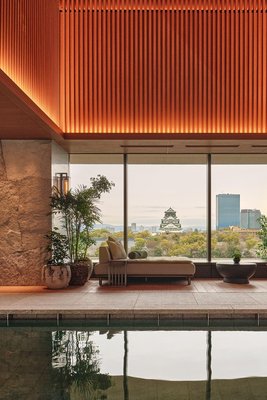
Patina Osaka

The Ritz-Carlton, Osaka
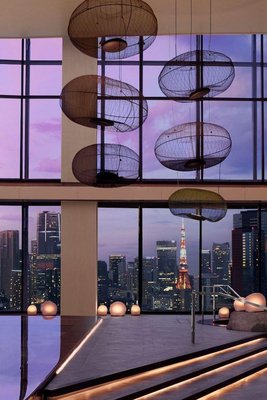
JW Marriott Hotel Tokyo
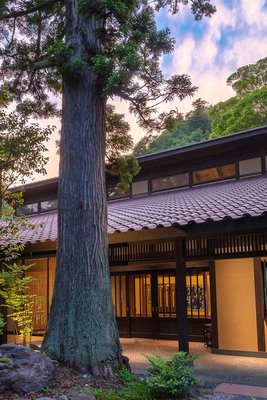
Arimasansoh Goshobessho
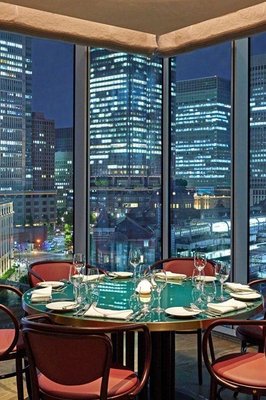
Four Seasons Hotel Tokyo at Marunouchi

Mandarin Oriental, Tokyo
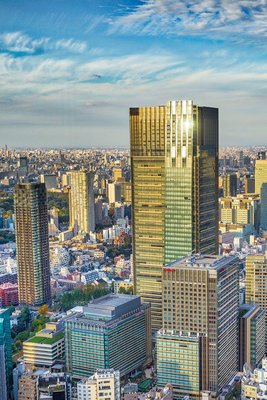
The Ritz-Carlton, Tokyo
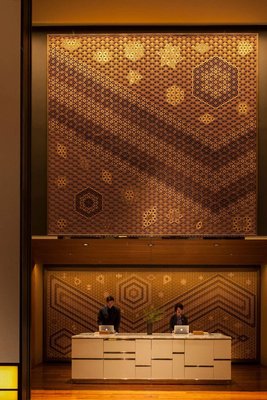
Andaz Tokyo Toranomon Hills- A Concept by Hyatt
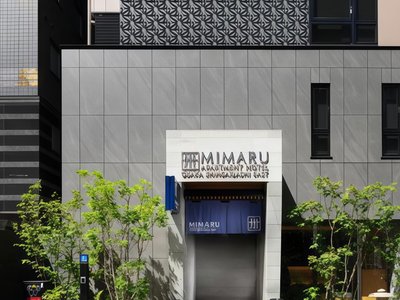
MIMARU Osaka Shinsaibashi East

Toba International Hotel Shiojitei
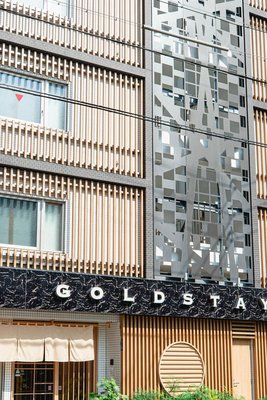
Gold Stay Nagoya OSU
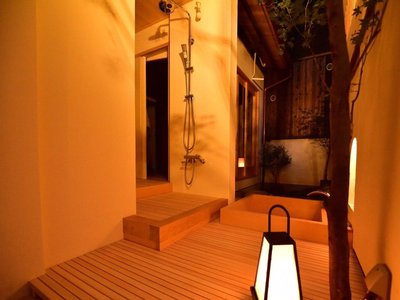
Yado Kiramachi
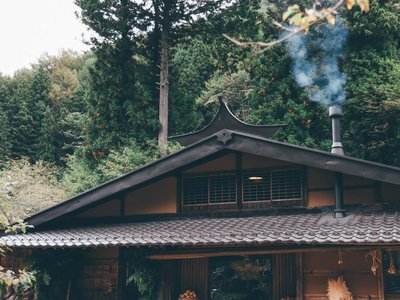
La Terra Resort
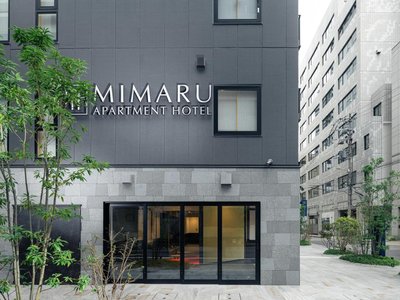
MIMARU Osaka Shinsaibashi North
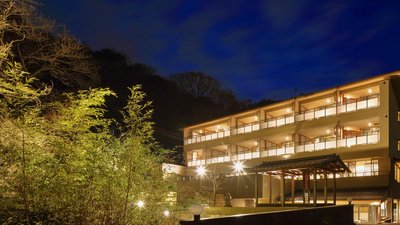
Okuno Hosomichi
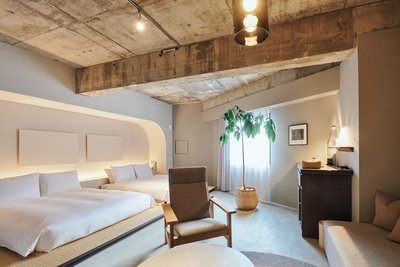
Korinkyo

GOLD STAY Nagoya Sakae
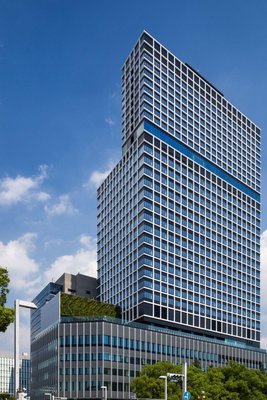
The Royal Park Hotel Iconic Nagoya
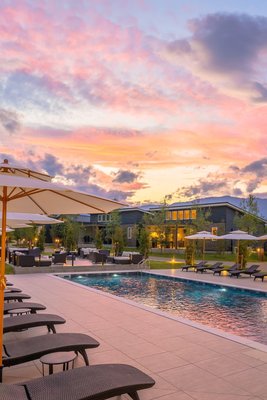
Awaumi Fujikawaguchiko Resort
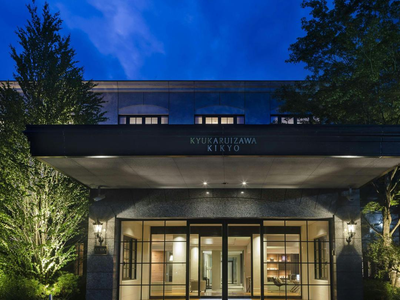
Fufu Karuizawa Wind of Sunshine
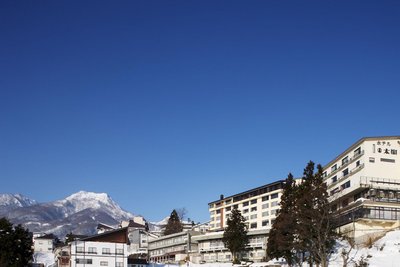
Hotel Taiko, Akakura Onsen
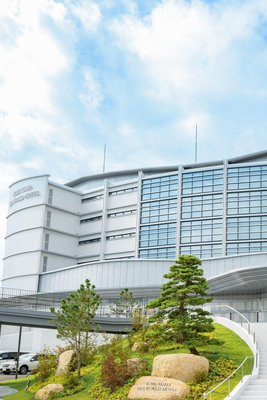
Kobe Suma Sea World Hotel
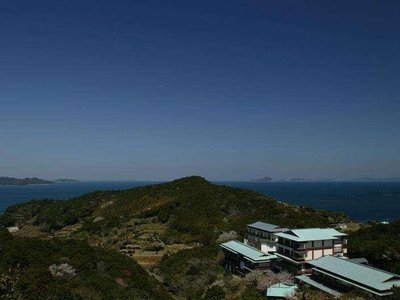
Hanashinsui
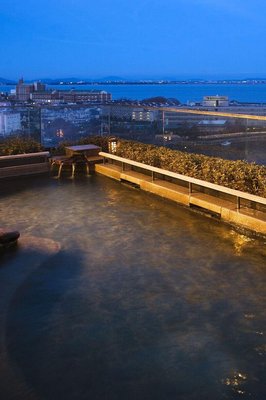
Yumotokan
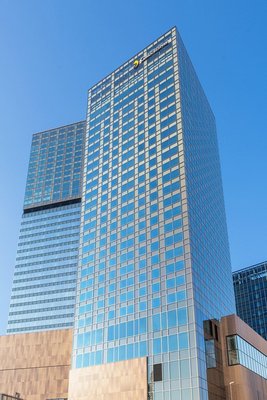
Hotel Hankyu GRAN RESPIRE OSAKA
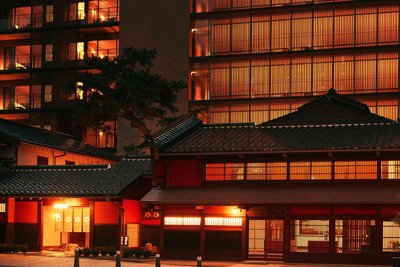
Hoshino Resorts Kai Kaga
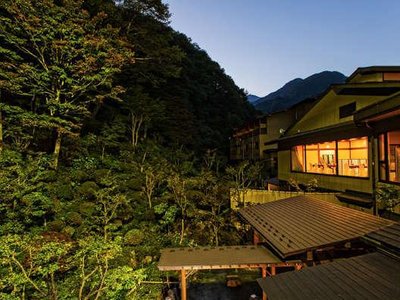
Futari Shizuka

Taikyourou
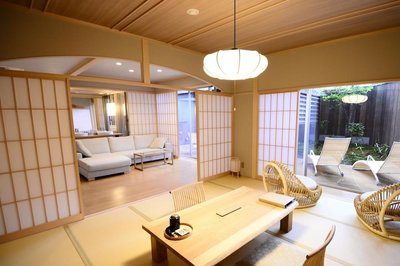
Hakone Gora Byakudan
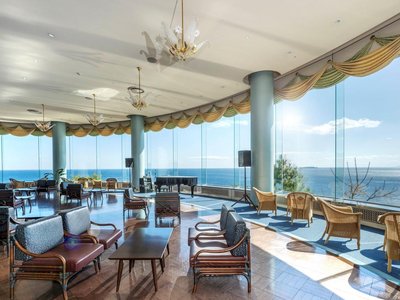
Hotel New Akao
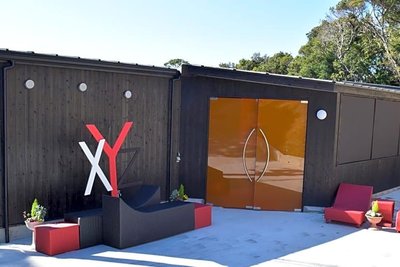
XYZ Private Spa and Seaside Resort
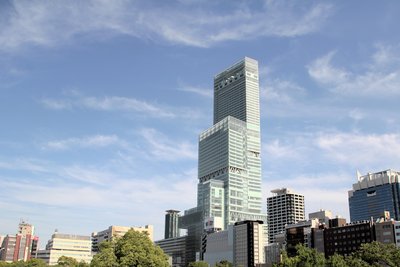
Osaka Marriott Miyako Hotel
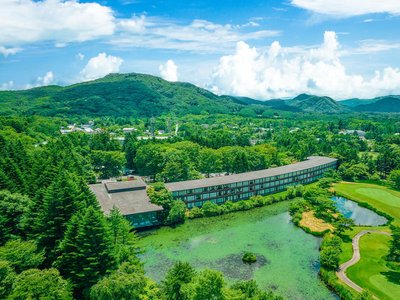
The Prince Karuizawa
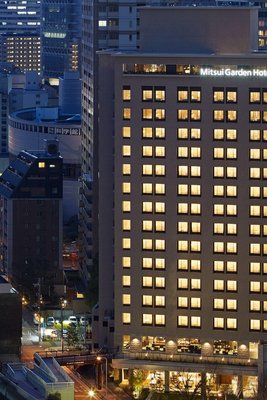
Mitsui Garden Hotel Osaka Premier
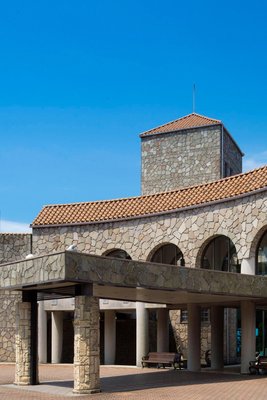
Izumigo Hotel Altia Toba
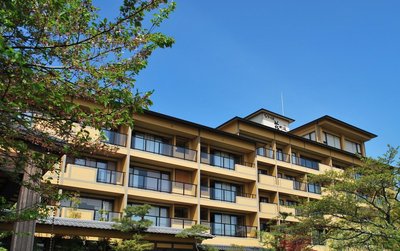
BIWAKO HANAKAIDO
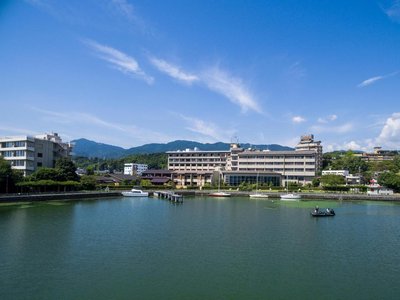
Biwako Ryokusuitei
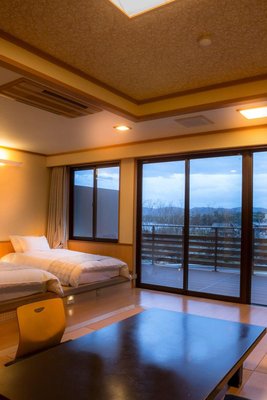
Hotel Kitanoya
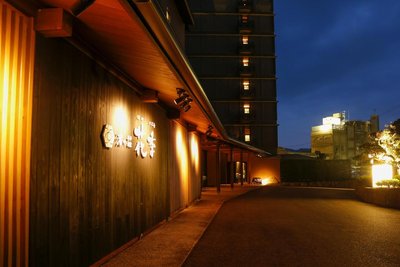
Hanagoyomi
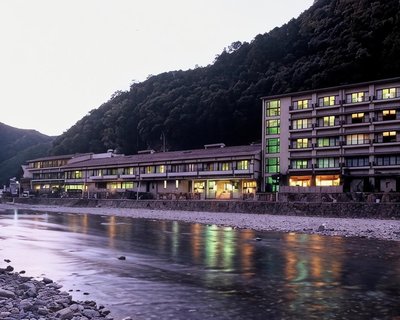
Kawayu Onsen Fujiya
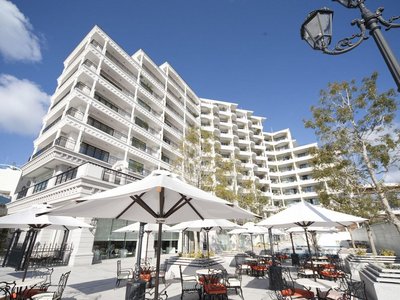
Hotel La Suite Kobe Harborland
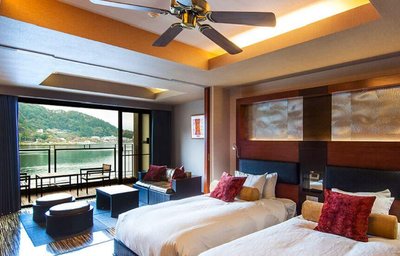
The Kukuna
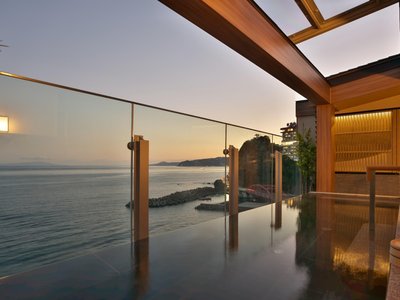
Hotel New Sagamiya
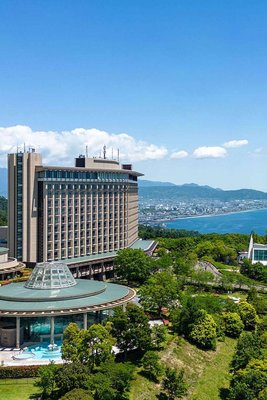
Hilton Odawara Resort & Spa
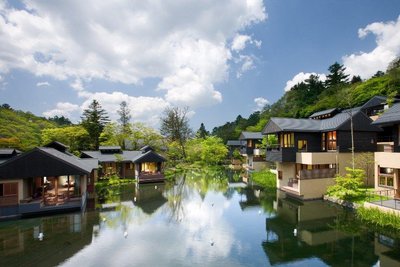
Hoshinoya Karuizawa
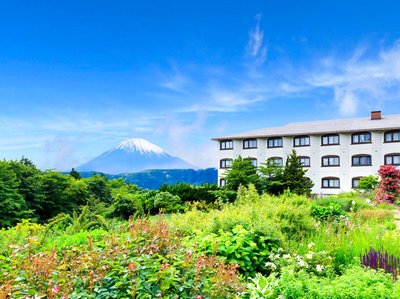
Hotel Green Plaza Hakone
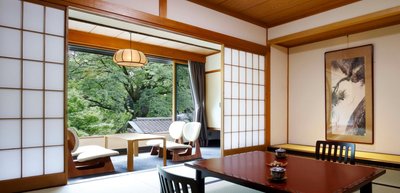
Yoshiike Ryokan
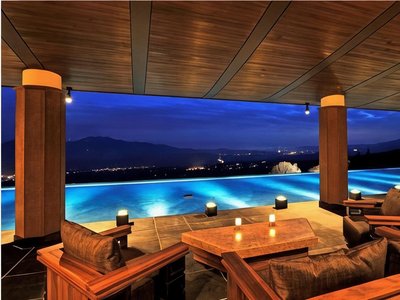
Akakura Kanko Hotel
Yado Kiramachi
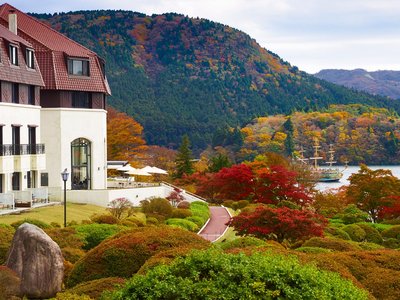
Hotakajyo

Onyado Nono Asakusa Bettei Hot Spring
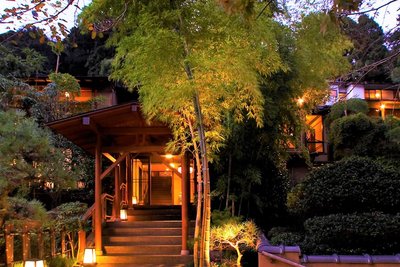
Shiki wo Ajiwau Yado Yamano Chaya
Arimasansoh Goshobessho
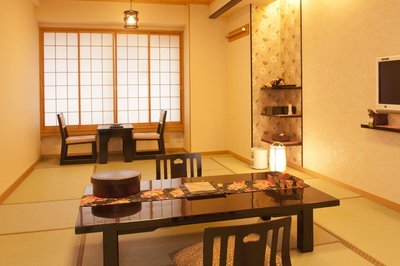
Matsui-Bekkan Hanakanzashi
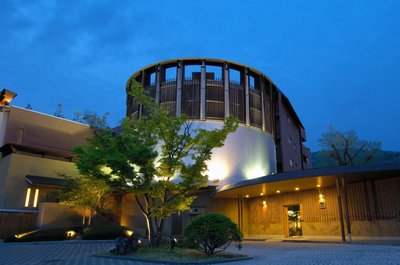
Hoshino Resorts Kai Matsumoto
Taikyourou
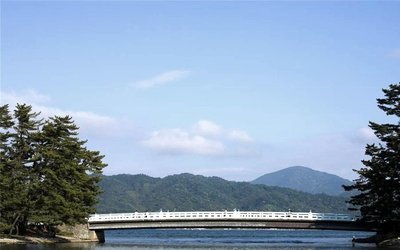
Monjusou Shourotei
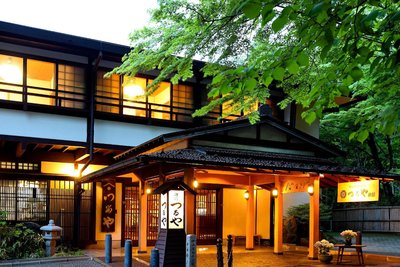
Tsuruya Ryokan
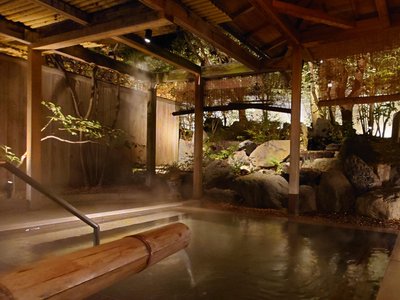
Kasuga Hotel
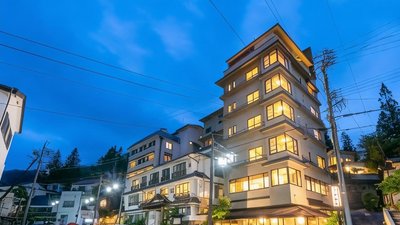
Nakamatsuya Ryokan
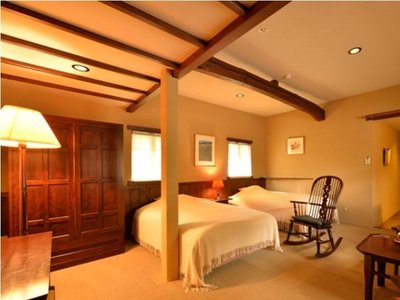
Ryokan Sugimoto
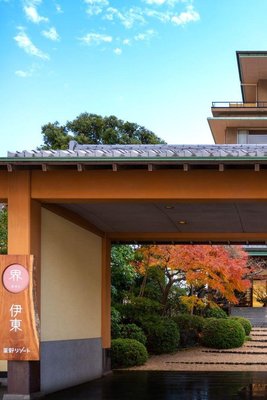
Hoshino Resorts Kai Ito
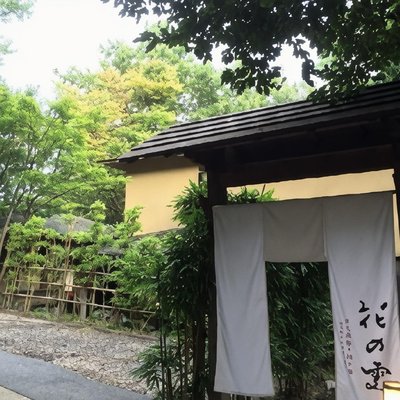
Hana No Kumo
Yoshiike Ryokan
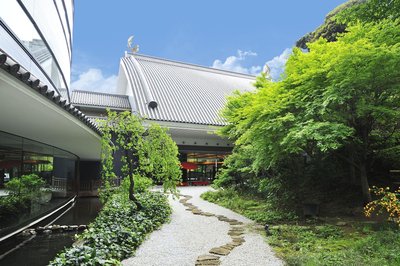
Hotel Gajoen Tokyo
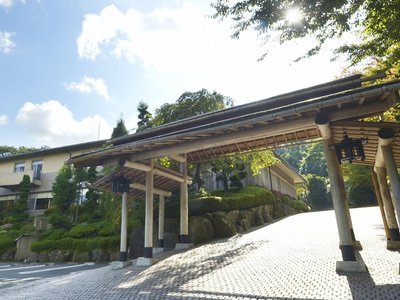
Gora Hanaougi
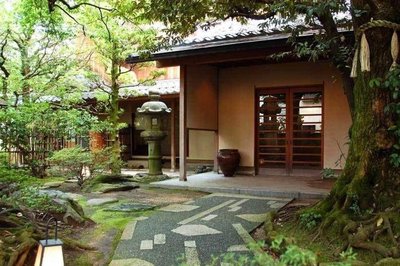
Kocho
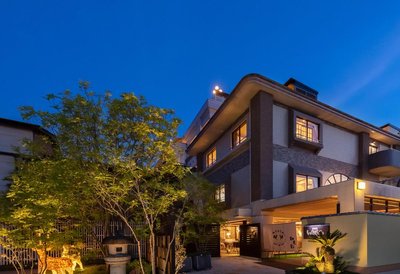
Hotel New Wakasa
Bellustar Tokyo, A Pan Pacific Hotel
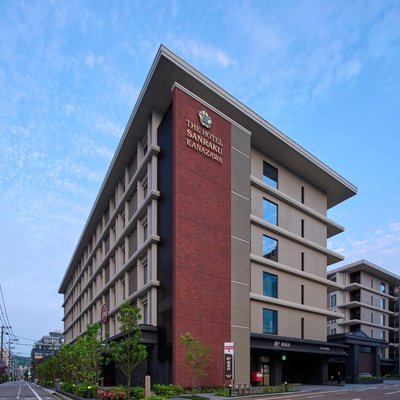
The Hotel Sanraku Kanazawa 21th December 2022 Open
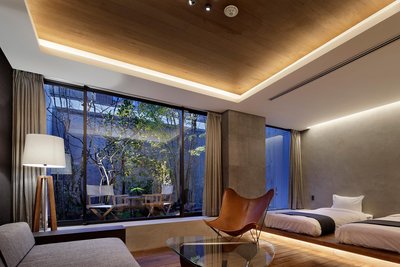
22 PIECES
The Ritz-Carlton, Osaka
JW Marriott Hotel Tokyo
Andaz Tokyo Toranomon Hills- A Concept by Hyatt

The Thousand Kyoto
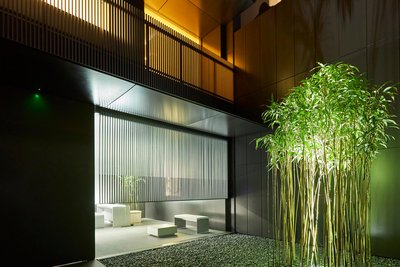
Mogana
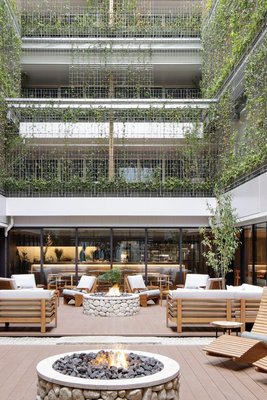
GOOD NATURE HOTEL KYOTO
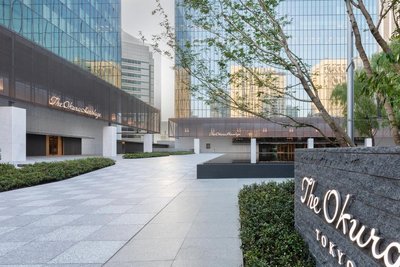
The Okura Tokyo
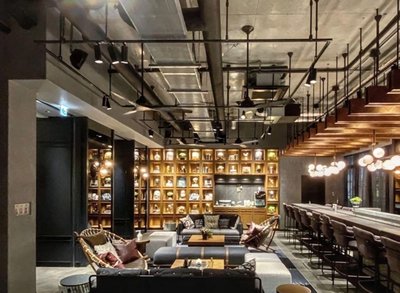
The Lively Azabujuban Tokyo
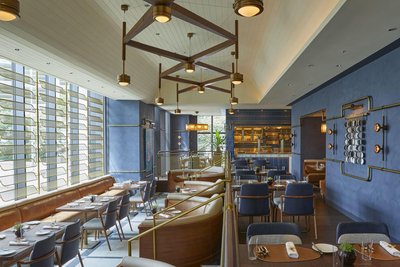
Kimpton Shinjuku Tokyo
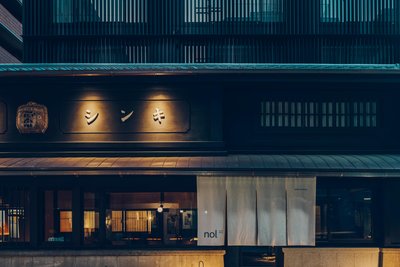
Nol Kyoto Sanjo

HOTEL K5
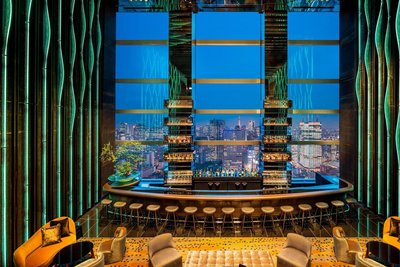
The Prince Gallery Tokyo Kioicho, a Luxury Collection Hotel
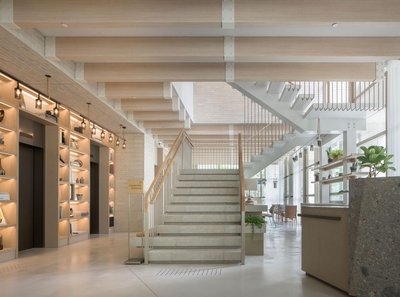
Zentis Osaka
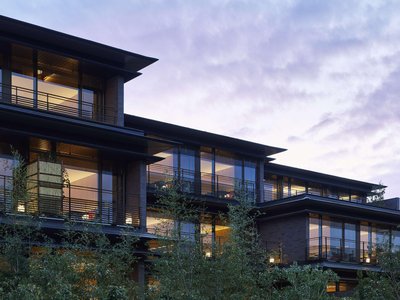
Garrya Nijo Castle Kyoto
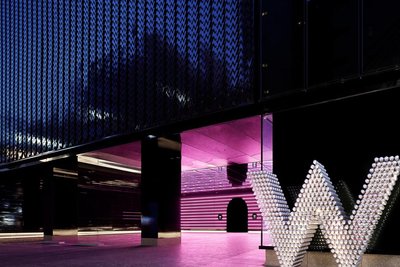
W Osaka
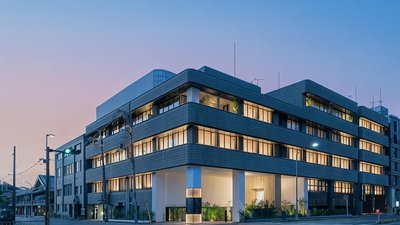
Hotel Kanra Kyoto
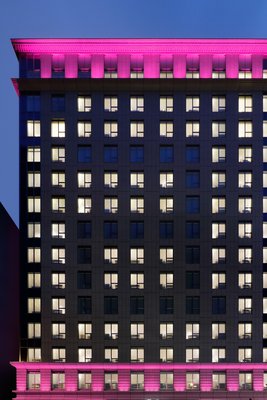
Aloft Osaka Dojima
Hakone Gora Byakudan
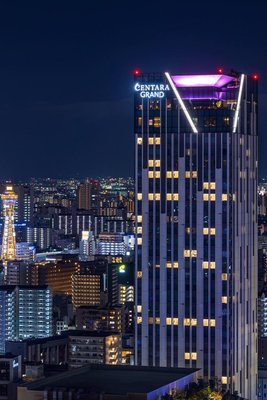
Centara Grand Hotel Osaka
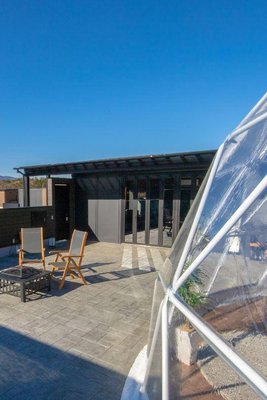
Panoramic Mt. Fuji Views from All Rooms – Vision Glamping Resort & Spa Yamanakako
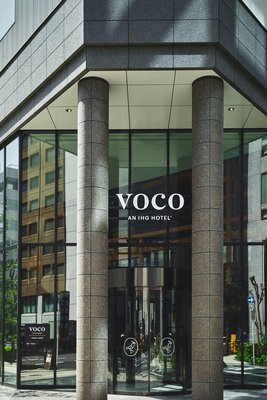
voco Osaka Central
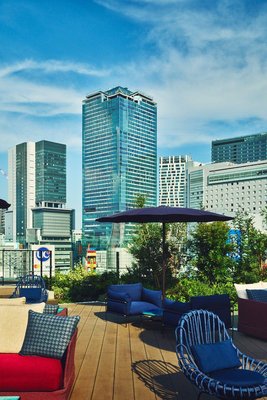
Hotel Indigo Tokyo Shibuya
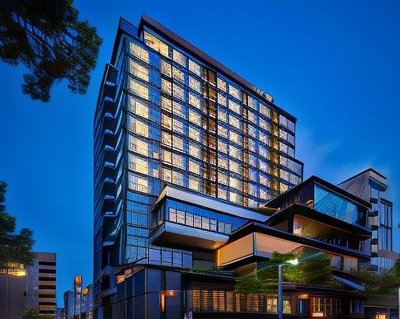
TIAD, AUTOGRAPH COLLECTION
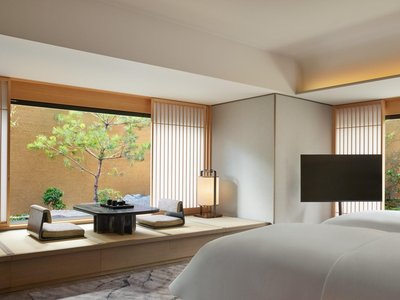
Dusit Thani Kyoto
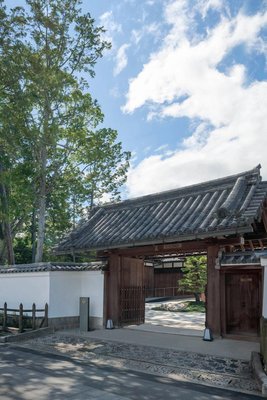
Shisui, a Luxury Collection Hotel, Nara

Hilton Kyoto
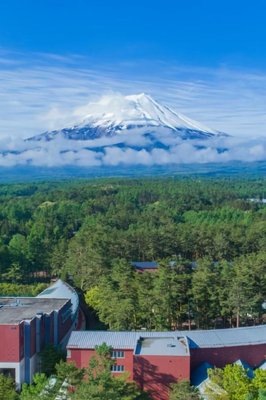
Forest Village (Fuji Premium Resort)

Hotel Toranomon Hills
Osaka Marriott Miyako Hotel
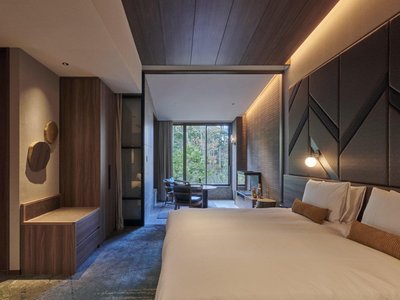
Fufu Kyu-Karuizawa Restful Forest
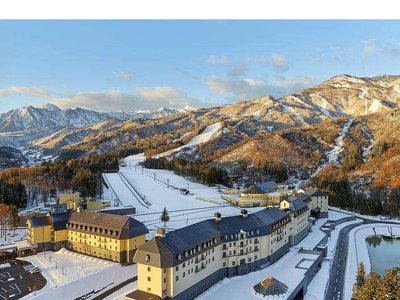
Lotte Arai Resort
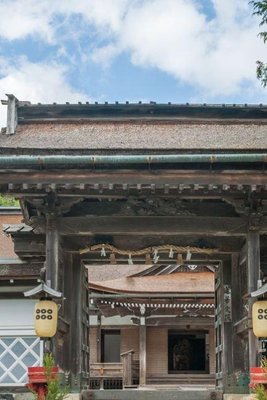
Koyasan Rengejoin
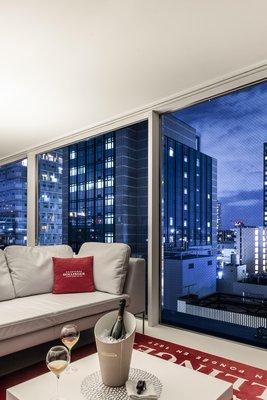
CUVÉE J2 HOTEL OSAKA by Onko Chishin
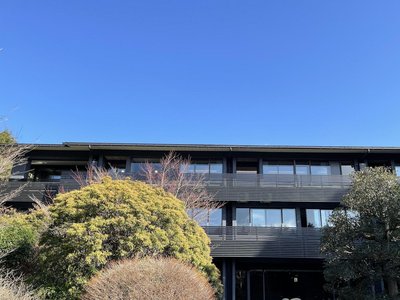
Sengokubara Cocon
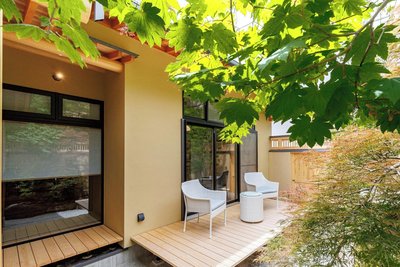
Shoraiso
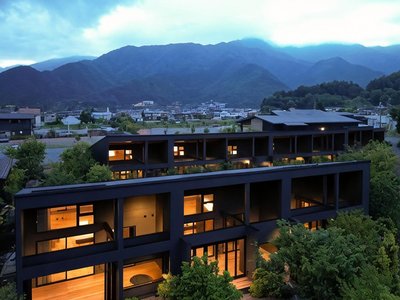
7C Villa and Winery
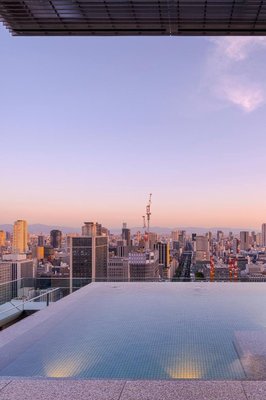
Candeo Hotels Osaka The Tower
Bvlgari Hotel Tokyo
Osaka Marriott Miyako Hotel
The Ritz-Carlton, Osaka
Four Seasons Hotel Tokyo at Marunouchi
Mandarin Oriental, Tokyo
The Ritz-Carlton, Tokyo
Andaz Tokyo Toranomon Hills- A Concept by Hyatt
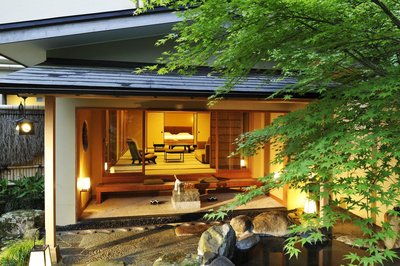
Gora Kadan
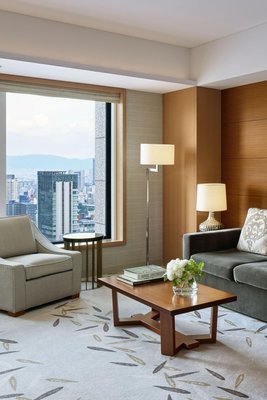
InterContinental Hotel Osaka
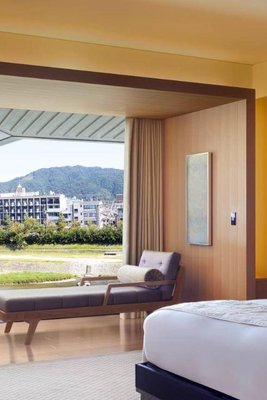
The Ritz-Carlton, Kyoto

Hotel New Otani Tokyo the Main
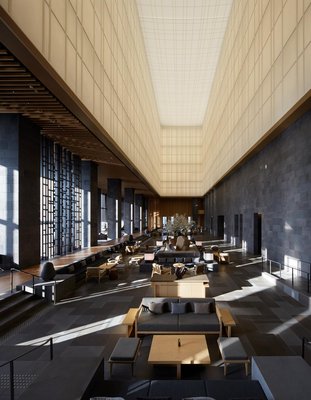
Aman Tokyo
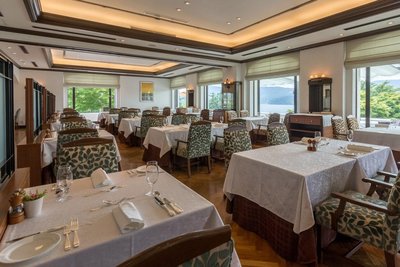
Odakyu Hotel de Yama
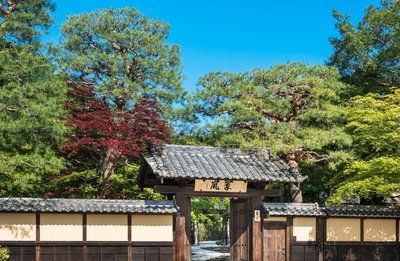
Suiran, a Luxury Collection Hotel, Kyoto
GOOD NATURE HOTEL KYOTO
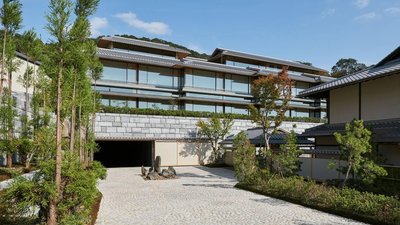
Park Hyatt Kyoto
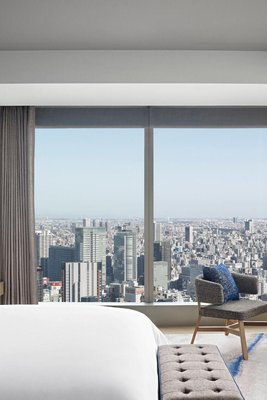
Four Seasons Hotel Tokyo at Otemachi
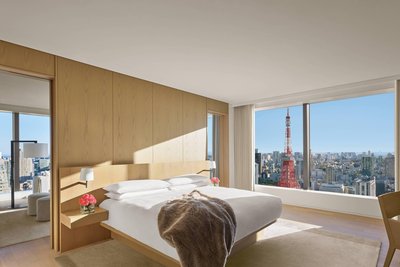
The Tokyo Edition, Toranomon

Hyatt Centric Kanazawa
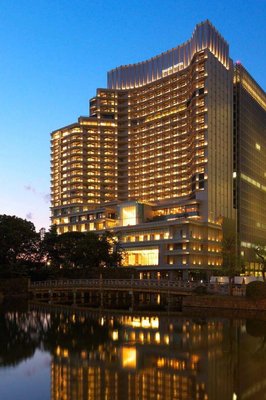
Palace Hotel Tokyo
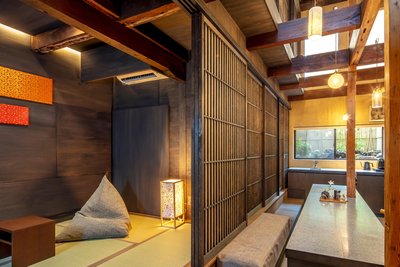
Kyo No Oozora Kihana
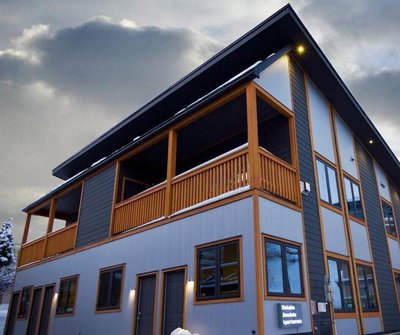
Hakuba Gondola Apartments
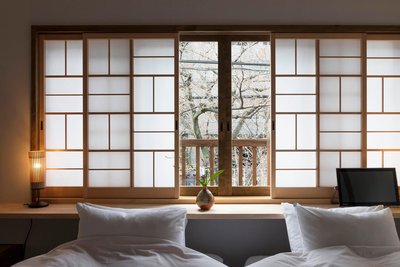
Hanagoromo Machiya House
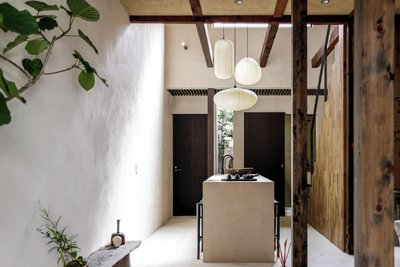
Maana Kiyomizu
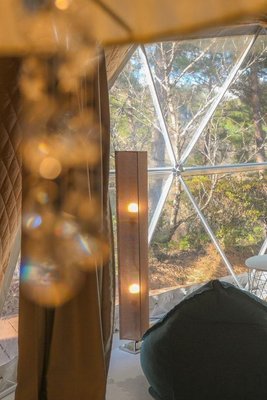
glampark Gekkabijin Nagano
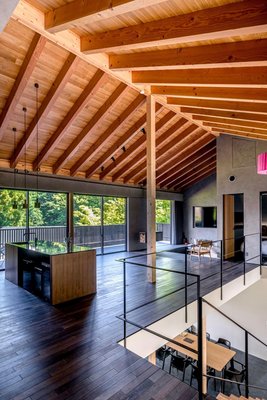
MONS GORA
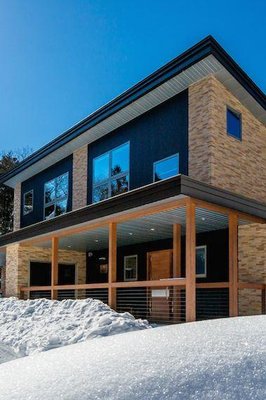
Phoenix Chalets by Hhg
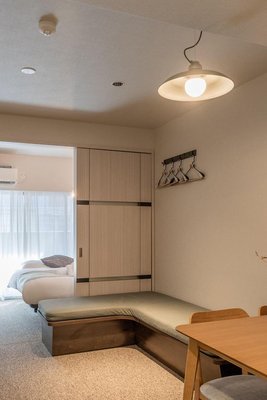
Apartment Hotel 11 Shinsaibashi
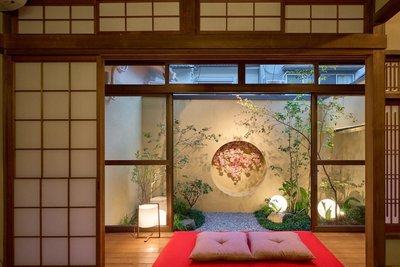
KONJAKUSO Osaka Tengachaya "NIHONCHA" Tea & Relax
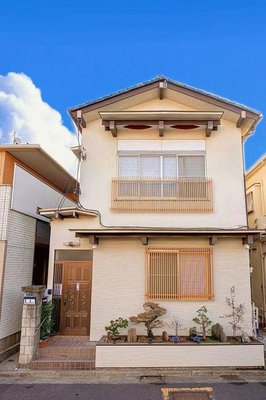
Tokyo Star House-Shinkoiwa
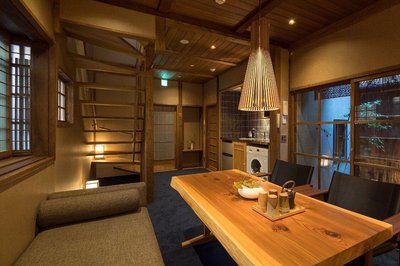
Bonbori an Machiya House
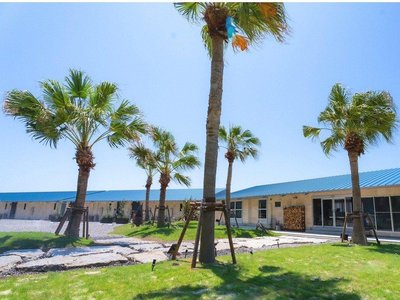
Glamping&Resort Wood Design Park Noma
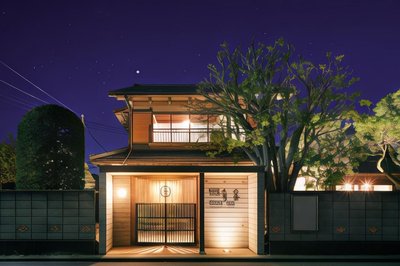
Machi-Jyu
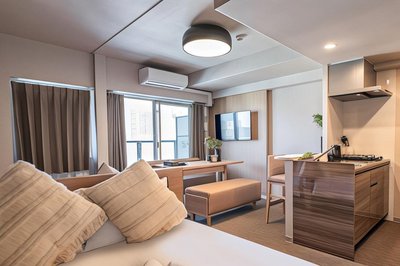
Apartment Hotel 11 Shinsaibashi III
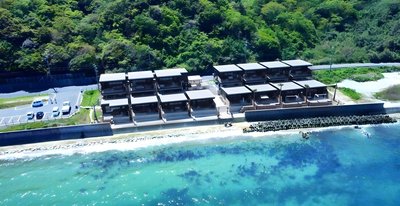
Solavilla Umi Terrace Minamiawaji
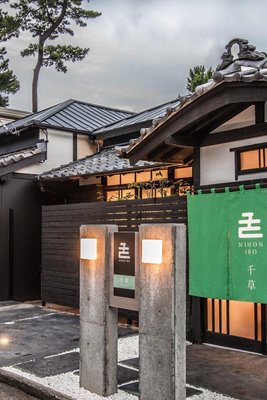
Nihon Iro
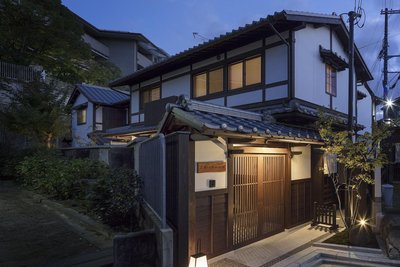
The Machiya Villa Sanjo Shirakawa Koji
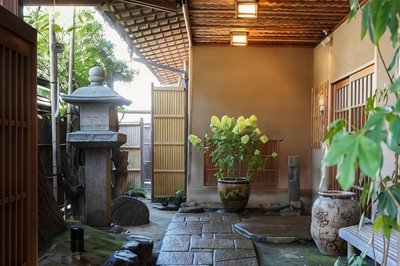
Ryokan Asadaya
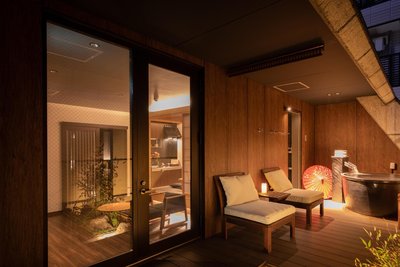
Konjaku-So Dotonbori
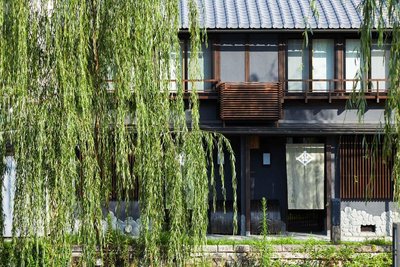
Gion Shirakawa No Yado
Bellustar Tokyo, A Pan Pacific Hotel

Hotel Barrière Fouquet's New York
Bvlgari Hotel Tokyo
Shima Kanko Hotel the Bay Suites
Loquat Nishiizu
Byaku Narai
Waldorf Astoria Osaka
Atami Izusan Karaku
Kamo Residences by Reflections
The Tokyo Edition, Ginza
Janu Tokyo
Six Senses Kyoto
Four Seasons Hotel Osaka
Patina Osaka
The Ritz-Carlton, Osaka
JW Marriott Hotel Tokyo
Arimasansoh Goshobessho
Four Seasons Hotel Tokyo at Marunouchi
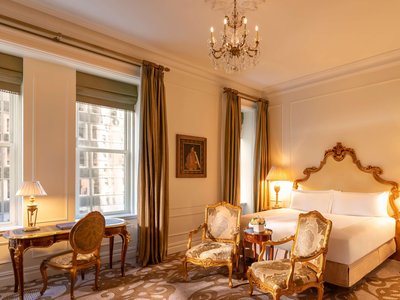
The Plaza - A Fairmont Managed Hotel
Mandarin Oriental, Tokyo
Frequently Asked Questions about Traveling to Ikeda
Questions You Might Need to Know About Traveling to Ikeda
In Ikeda-machi, the top family-friendly option is Ikeda-machi Minshuku Koyama, a cozy Japanese-style homestay nestled at the foot of the Hida Mountains. It features traditional wooden architecture, a garden with seasonal flowers, and an open kitchen where guests can enjoy breakfast made with local organic ingredients.
The property is just a 5-minute walk from Oigawa River Trail and Ikeda Nature Museum, perfect for kids to explore nature. The hosts offer hands-on cultural workshops like washi paper crafting and pottery making, allowing families to experience authentic Hida craftsmanship. Private family rooms with tatami mats are available, and the staff speaks basic English. HopeGoo in advance is recommended, especially during peak season.
The ideal area for staying in Ikeda-machi is the central district, near the Ikeda Town Hall and Ikeda Cultural Center, offering convenient access to shops, restaurants, and public transport. This zone hosts several charming guesthouses and small inns built in traditional Hida wooden architecture, such as Hida-no-Ie Ryokan, which preserves Edo-era timber framing and serves kaiseki meals.
Guests can easily stroll to Oigawa River for morning walks or evening sunsets. For those seeking tranquility, the Kōya Mountain foothills area offers peaceful, forested surroundings with fewer crowds—ideal for nature lovers. However, limited bus service requires renting a car or arranging shuttle pickups.
Visitors to Ikeda-machi should try the Hida Koma textile workshop at Ikeda Handloom Studio, where you can weave your own piece of traditional Hida Koma pattern fabric using natural dyes and hand-operated looms—a craft dating back to the Edo period.
Another highlight is the annual Illuminated Bamboo Lantern Festival in spring, when locals create hundreds of handmade lanterns that line the Oigawa Riverbank, creating a dreamlike glow. Evening tea ceremonies are also offered in old farmhouses, where guests sip locally grown Hida matcha while hearing stories from elder artisans about family legacies and mountain life, deeply enriching the cultural immersion.
Top photogenic locations in Ikeda-machi include the Oigawa River Trail Cherry Blossom Tunnel, where pink blooms arch over the water, creating a mirror-like reflection perfect for macro shots. The Hida Furukawa Bridge at night, lit with warm golden lights against a backdrop of mountains and historic homes, offers cinematic views.
The entrance courtyard of Ikeda Handloom Studio, framed by a vintage wooden gate draped in ivy, is ideal for traditional Japanese-style portraits. For panoramic landscapes, visit the Cloud Viewpoint on Kōya Mountain Foothills, where early mornings often bring misty valleys and distant villages shrouded in fog—perfect for long-exposure photography. Bring a wide-angle lens and shoot during golden hour.
Hot springs in Ikeda-machi are renowned for their natural sulfur-rich waters and serene mountain settings. Hida Furukawa Onsen Ryokan stands out with its open-air bath built into the hillside, offering breathtaking views of the Hida Mountains—especially magical in winter when snow blankets the landscape.
Guests enjoy kaiseki dinners featuring local delicacies like Hida beef, wild mountain vegetables, and seasonal mushrooms. Some rooms even have private terraces overlooking the valley. All guests receive a complimentary evening onsen lecture, explaining the history and healing properties of Hida’s thermal springs—an immersive way to understand Japan’s onsen culture.
Must-try dishes in Ikeda-machi include Hida beef sushi, made with premium black-haired wagyu that melts on the tongue, served with house-made soy sauce and wasabi. Another must is Hida soba noodles, crafted from local buckwheat and served cold or hot—best enjoyed at Old Street Soba Shop.
Don’t miss the seasonal mountain vegetable hot pot (Yamagiku Nabe), simmered with wild ferns, fiddlehead greens, and fresh mushrooms. For souvenirs, visit the Ikeda Local Produce Market to buy vacuum-packed Hida wild vegetable kits and dried mushrooms—perfect gifts or snacks. Arrive early to avoid crowds, especially on weekends.
The best trail for beginners and intermediates is the Oigawa River Valley Walking Path, a 3-kilometer loop through lush forests and past cascading waterfalls, with rest benches and scenic overlooks. You’ll spot Hida trout swimming in crystal-clear streams and hear birdsong echoing through the trees.
For a longer adventure, try the Kōya Mountain Loop Trail (approx. 6 km), starting from the Ikeda Nature Museum and winding through ancient cedar groves to a summit observation deck with sweeping views. Signage provides information on local flora and geology. Bring trekking poles, insect repellent, and wear non-slip shoes. Total time: ~2.5 hours. Check weather forecasts before heading out.
The highlight festival is the Hida Spring Festival held every April, featuring vibrant taiko drum performances and lion dance parades through the town streets, decorated with colorful flags and lanterns.
In October, the Hida Harvest Festival celebrates rice culture with threshing demonstrations, farm tool exhibitions, and hands-on rice planting experiences. Guests can wear straw sandals and harvest real rice, then join a local sake brewing workshop to make their own batch of pure rice wine.
During winter, the Snow Lantern Festival transforms the old village lanes into a fairy-tale world with ice sculptures and paper lanterns. Events require advance registration—check the official website for schedules.
Start at 9:00 AM with a visit to the Ikeda Cultural Center to explore exhibits on Hida’s carpentry and weaving heritage. Then head to the Oigawa River Trail for a 1.5-hour light hike, enjoying cherry blossoms or autumn foliage.
Lunch at Old Street Soba Shop, where you’ll savor Hida soba noodles and mountain vegetable hot pot. In the afternoon, participate in a handloom weaving workshop at Ikeda Handloom Studio, creating a keepsake fabric. Wrap up at the Ikeda Nature Museum, watching a short film on local wildlife and browsing the gift shop.
End the day at Hida Furukawa Onsen Ryokan, soaking in the natural hot spring, followed by a kaiseki dinner. Total duration: ~8 hours—ideal for a relaxed, immersive experience of Hida’s nature and traditions.
Access to Ikeda-machi is primarily via bus or car. From Gifu City, take the Meitetsu Bus or Hida Transportation Bus, departing hourly (~1 hour ride). Limited daily departures—check schedules online in advance.
For self-drive, use the Tōkai Expressway then switch to National Route 156, passing through the Hida Mountain Tunnel—scenic but with winding roads; drive cautiously. There’s no subway or local bus system within the town, so renting an electric scooter or bicycle is ideal for exploring.
For remote areas like the Kōya Mountain foothills, pre-book a town tour taxi through local agencies—drivers are knowledgeable and offer guided tours. Reserve ahead, especially during holidays.
Ikeda Overview
City Summary
Ikeda Town, located in the southwestern part of Gifu Prefecture, Japan, is a tranquil town surrounded by nature, renowned for its magnificent mountain scenery and traditional Japanese countryside charm. The town boasts a cool climate with four distinct seasons, offering stunning views of cherry blossoms in spring and autumn foliage. Ikeda Town is also beloved for its pure water sources and handicrafts.
Must-See Attractions
When visiting Ikeda Town, don't miss Ikeda Lake, a perfect spot for walking and picnicking. The Ikeda Town Historical Folk Museum showcases the local culture and history and is worth a visit. For a closer encounter with nature, explore the hiking trails around Ikeda Town to enjoy the fresh air and serene atmosphere of the mountains.
Food Guide
Though small, Ikeda Town offers unique local cuisine. Be sure to try the soba noodles, made with crisp mountain water, known for their distinctive flavor. Seasonal wild vegetable dishes are also a must-try, especially in spring. Additionally, the town's handmade tofu is renowned for its delicate texture and simple taste.
Transportation Guide
Public transportation in Ikeda Town is limited, so renting a car is recommended for exploring the area. If using public transport, buses are available from Gifu City, but schedules are infrequent, so plan ahead. Most attractions within the town are within walking distance, making it ideal for leisurely strolls.
Best Time to Visit
The best times to visit are spring (April to May) and autumn (October to November), when the weather is pleasant and the scenery is at its best. Summers can be hot, while winters may bring snow, appealing to those who enjoy snowy landscapes.
Travel Tips
- Shops and restaurants in Ikeda Town have limited operating hours, so check in advance and plan meals accordingly.
- Mountain weather can change quickly; bring warm clothing and rain gear.
- Respect local customs and maintain quietness when visiting shrines or temples.
- If driving, confirm parking availability beforehand.
- For hiking, wear comfortable shoes and carry sufficient water.
- Cash is preferred in most establishments; carry enough local currency.
Useful Information
Japanese is the main language spoken in Ikeda Town, with limited English proficiency. A translation app may be helpful. WiFi is limited; consider bringing a mobile hotspot. Medical facilities are scarce, with the nearest hospital in a neighboring city, so bring basic medications. Most businesses accept only cash, though a few may take credit cards.