Hotels in Ikoma
Discover your perfect stay in Ikoma.
Ikoma(Japan) Travel 2026: Cheap Flights, Hotels & Top Attractions
Popular Landmarks in Ikoma
Discover the most iconic attractions in Ikoma
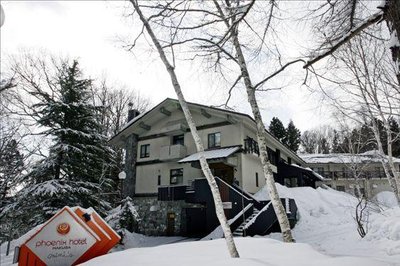
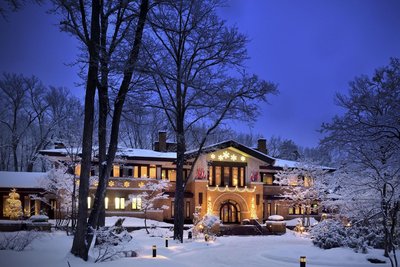
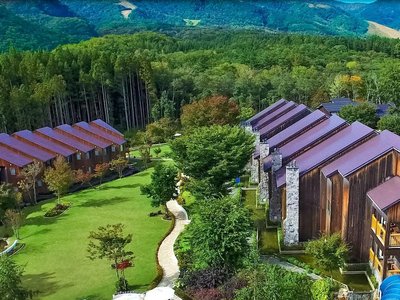
Recommended Hotels in Ikoma
Find the perfect place to stay in Ikoma
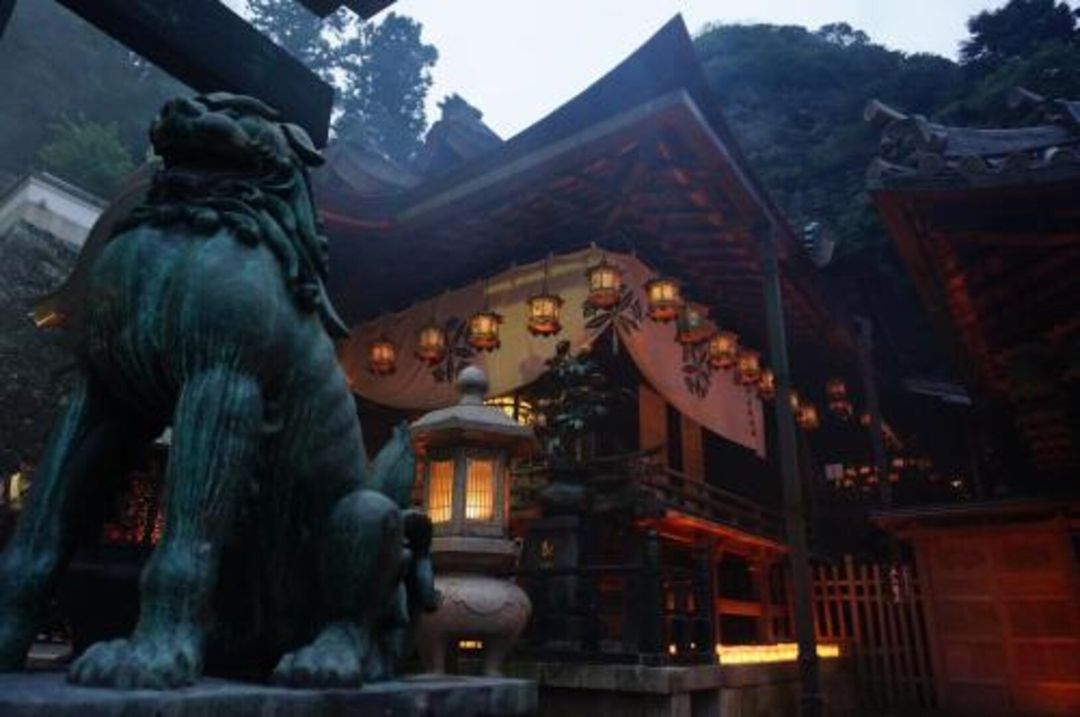
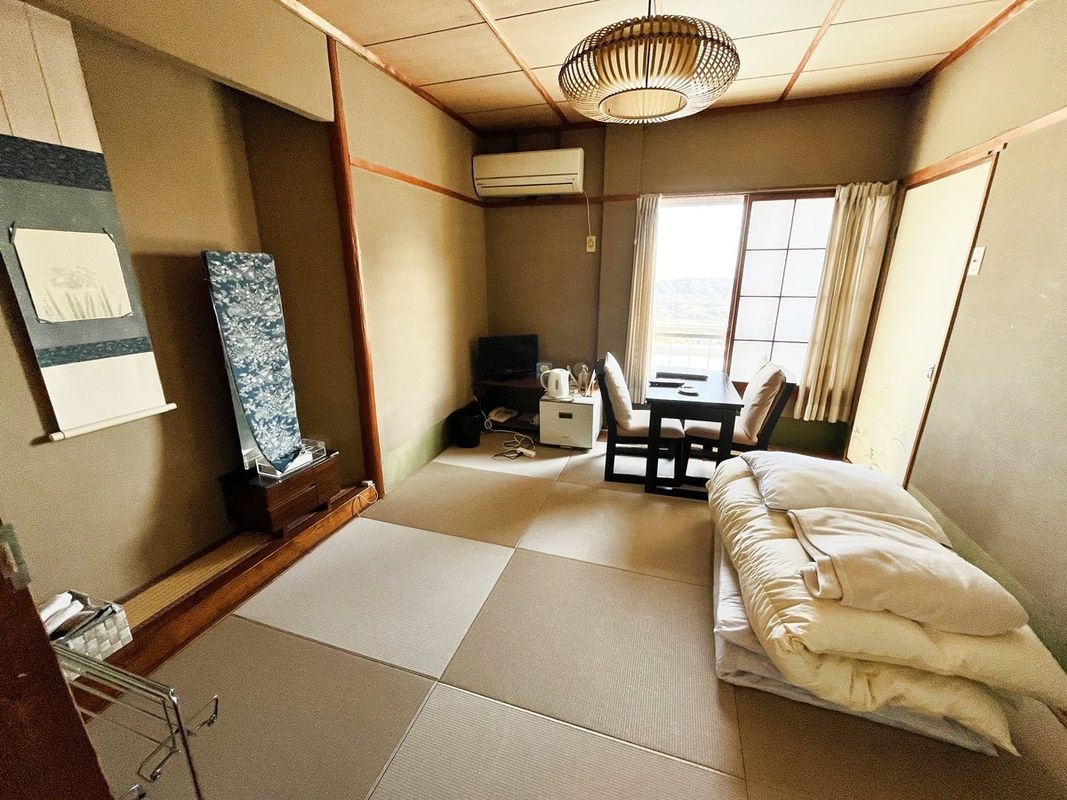
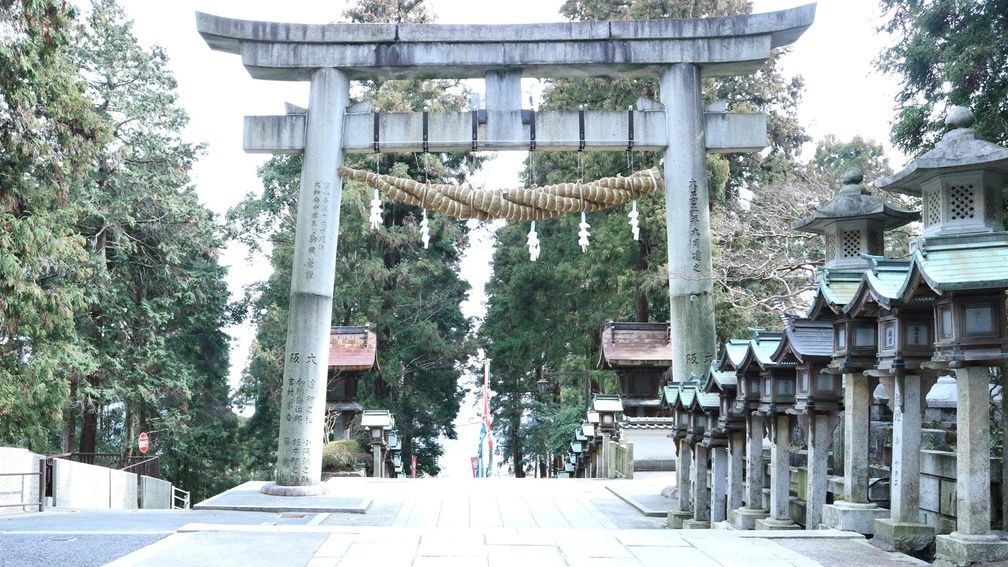
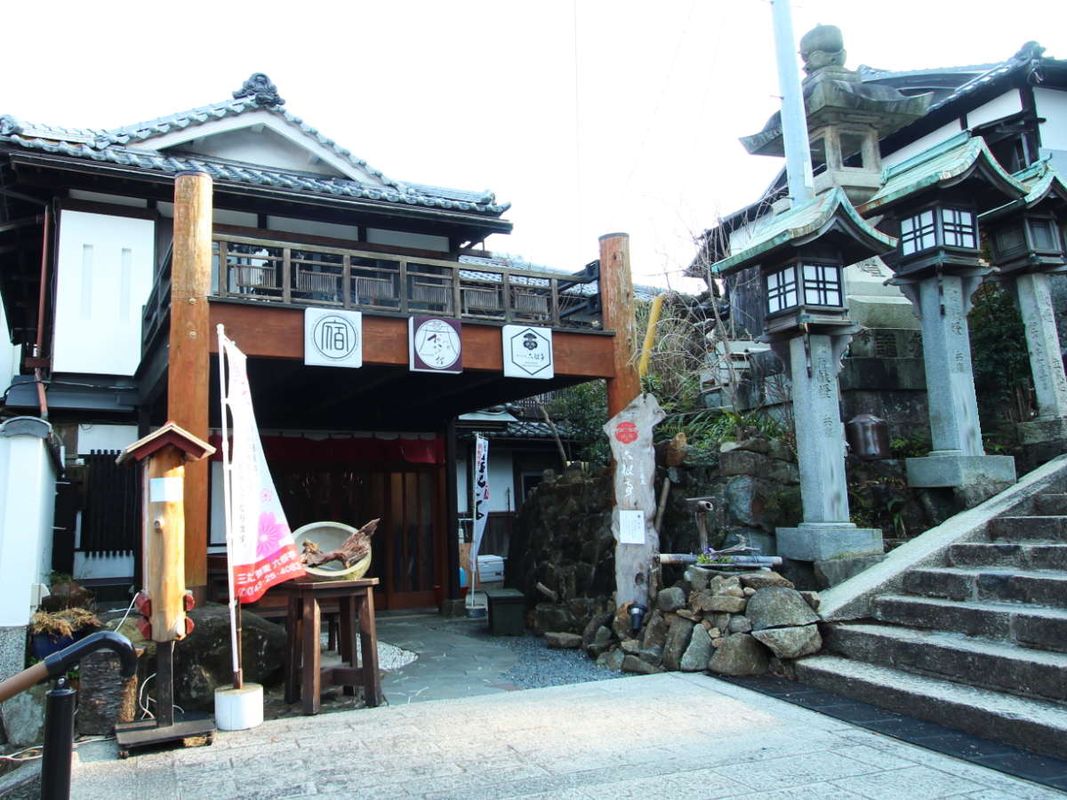
Best Hotels in Ikoma
Discover curated hotel collections in Ikoma


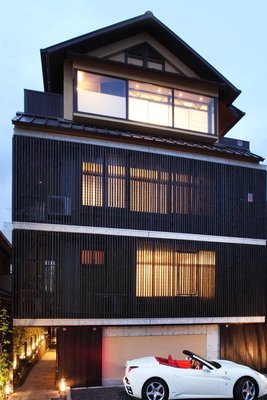
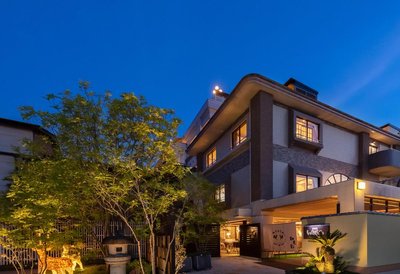
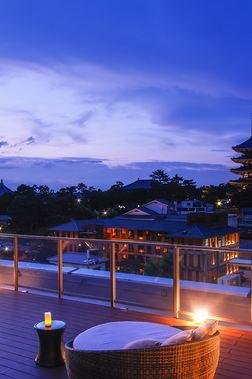
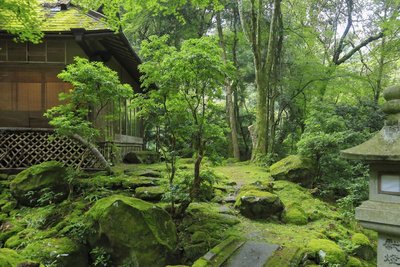



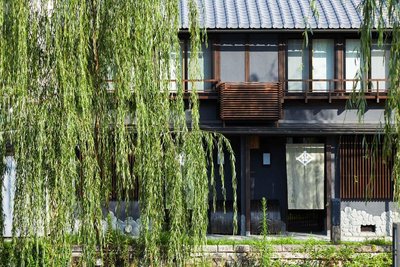
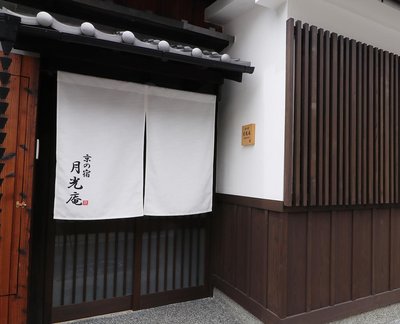
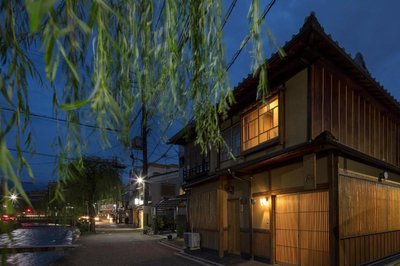
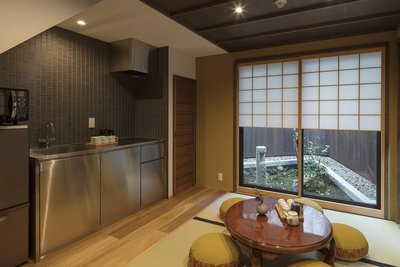
Frequently Asked Questions about Traveling to Ikoma
Questions You Might Need to Know About Traveling to Ikoma
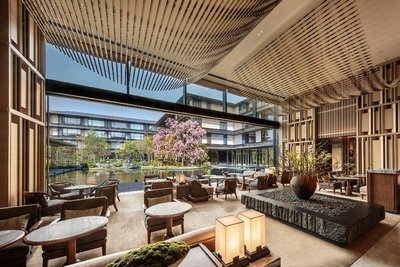
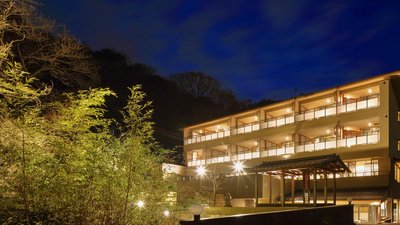
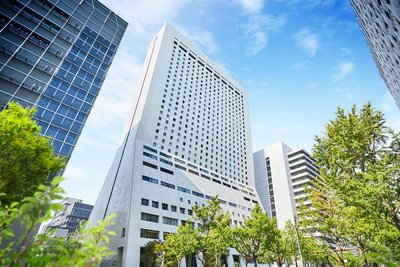
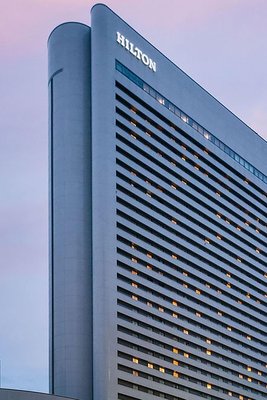
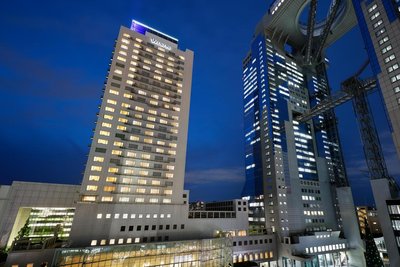
In Mukōyama City, the top choice for families is Mukōyama Mountain Onsen Hotel, nestled at the foot of Mount Mukōyama. This hotel offers spacious rooms, private hot springs, and child-friendly amenities. It's just a 5-minute walk from the Mukōyama Cable Car, making it easy to explore nature together.
Another excellent option is Mukōyama City Resort Hotel, featuring an indoor swimming pool, kids' activity corners, and breakfast with local Nara flavors. Located near Mukōyama Cultural Center and a fresh market, it allows families to enjoy authentic local life while staying comfortable and safe.
The best area for accommodations in Mukōyama City is the Mukōyama Slope District, known for its peaceful environment and proximity to natural attractions. It’s just minutes from the Mukōyama Cable Car and Mukōyama Observatory, ideal for sightseeing and hiking.
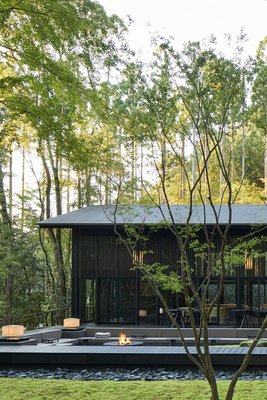
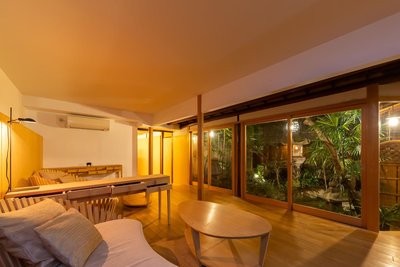
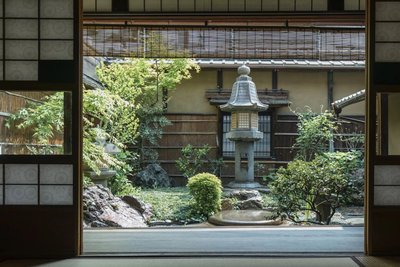
This district hosts many ryokan and boutique guesthouses like Mukōyama Mountain Onsen Villa, offering privacy and traditional Japanese design. Nearby, you’ll find Mukōyama City Cultural Center and local markets, perfect for experiencing daily life in Nara Prefecture. With low noise levels and strong security, it’s a top pick for travelers seeking tranquility and nature immersion.
One must-try cultural experience in Mukōyama City is attending the Mukōyama Shrine Festival, held annually in spring. The festival features lion dances, taiko drumming, and traditional prayers—offering deep insight into Nara’s heritage.
Visit the Mukōyama City Handicraft Museum for workshops in pottery and paper umbrella making using traditional persimmon tannin techniques. For history lovers, explore Mukōyama Castle Ruins, where guided tours reveal stories of Toyotomi Hideyoshi’s military presence during the Sengoku period, blending architecture, warfare, and regional identity.
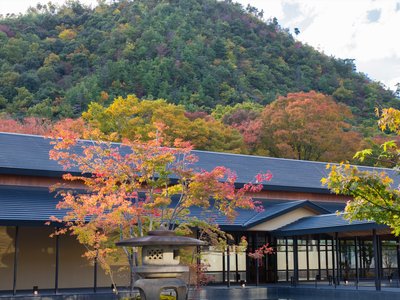
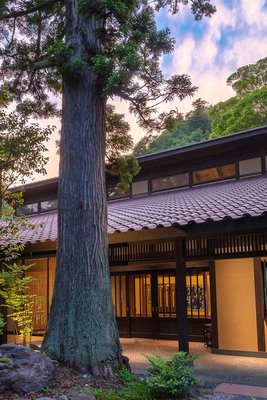
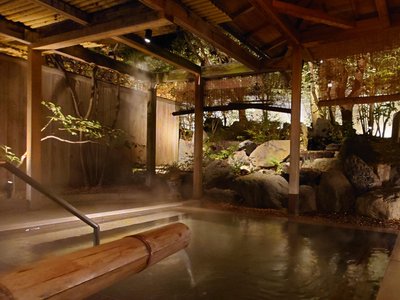
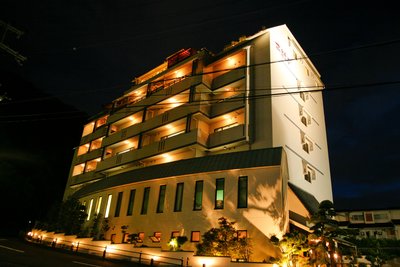
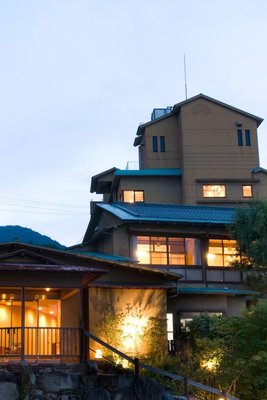
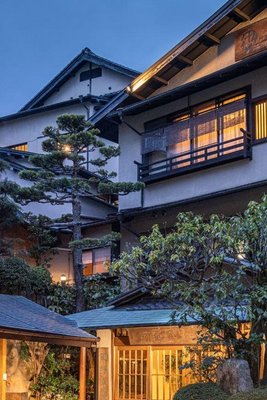
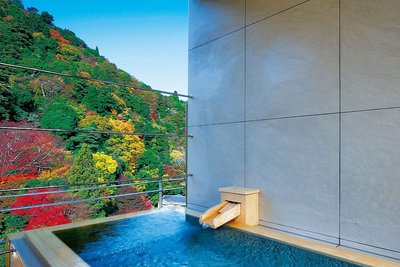
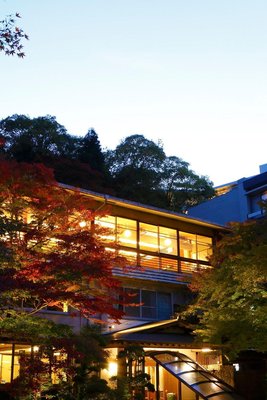
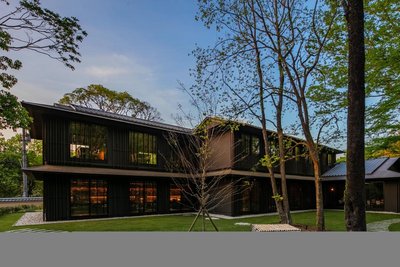
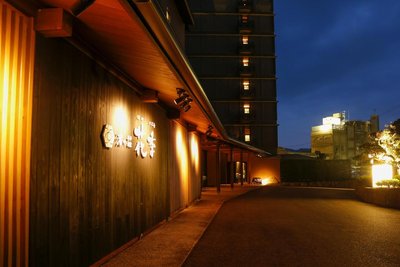
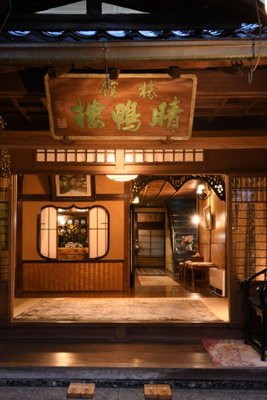
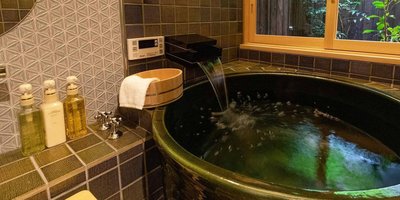
Mukōyama City’s onsen hotels stand out for their natural sulfur springs and forest wellness concept. Mukōyama Mountain Onsen Inn uses century-old wooden architecture, with open-air baths overlooking the Mukōyama River Valley, offering panoramic views of changing seasons.
Another highlight is Morino-yu Mukōyama Private Villa, which features quiet bathing spaces, meditation zones, and herbal aromatherapy treatments. All hotels serve kaiseki meals made with local ingredients. Some even offer "Onsen + Tea Ceremony" combo experiences, allowing guests to immerse in Japanese aesthetic traditions while relaxing.
Yes, Mukōyama City is excellent for hiking, especially for beginners and intermediate trekkers. The Mukōyama Circular Trail (approx. 6 km) winds through the Mukōyama Shrine Approach, cherry groves, and scenic overlooks with views of Osaka Plain and Nara City.
Another popular route is the Mukōyama River Ecological Trail, starting from Mukōyama Bridge, following the stream through moss-covered forests rich in ferns and native birds. Interpretive signs explain local ecology and geology. Visit early morning or late afternoon to avoid heat and enjoy crisp mountain air—ideal for connecting with Nara’s natural heritage.
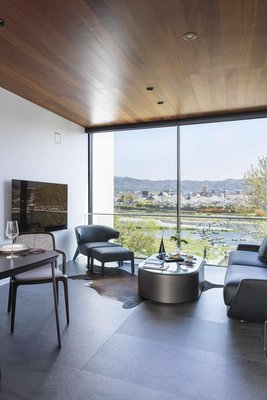
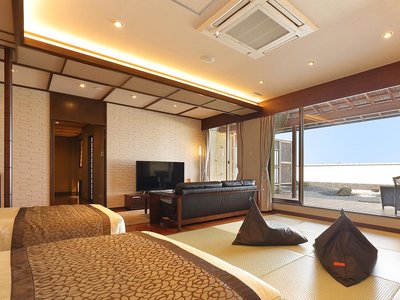
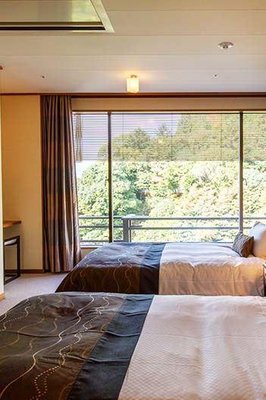
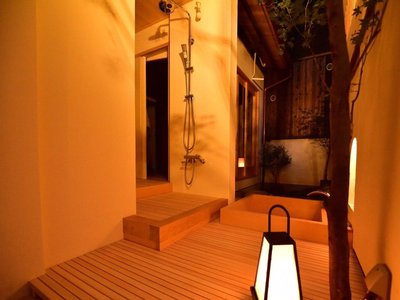
For couples seeking romance, Mukōyama Starlight Ryokan is unmatched—a secluded inn with only 8 rooms, each featuring a private outdoor bath and floor-to-ceiling windows for stargazing.
It offers a "Candlelight Dinner for Two" using local ingredients like Nara pickles, Wagyu beef, and plum wine, accompanied by live shamisen music. Couples can also book a sunset viewing tour via cable car to the summit, sharing warm matcha tea as the sky turns gold. Everything is designed with minimalist Japanese elegance, creating a deeply intimate and serene atmosphere.
Must-try dishes in Mukōyama City include wild mountain vegetable tempura, made with locally foraged ferns, wild parsley, and dandelions—crispy and served with yuzu salt. Another highlight is Nara-zuke rice balls, combining pickled vegetables with sticky rice, tangy and refreshing.
Try the Mukōyama River grilled fish set, featuring wild crucian carp from the Mukōyama River, slow-grilled over charcoal and paired with house-made sauce. Dining spots like Senbonya Restaurant preserve Showa-era wooden interiors, where staff share local stories. At night, visit the Mukōyama Street Night Market for handmade soba noodles—freshly milled and cooked on-site—perfect for tasting authentic local flavor.
Mukōyama City is ideal for road trips, with well-maintained roads and scenic routes. Must-visit attractions include the Mukōyama Cable Car, leading to a panoramic viewpoint overlooking Osaka Bay and the Nara Basin.
Don’t miss the Mukōyama River Waterfall Group, three small cascades perfect for photography and picnics. Mukōyama Castle Ruins Park features preserved stone walls and moats—great for biking exploration. The Mukōyama Forest Park has multiple drive-in trails with observation decks and picnic areas. Start early to avoid traffic, and stop by the Mukōyama Agricultural Direct Sales Store for fresh produce and artisanal honey.
Mukōyama City hosts vibrant seasonal events throughout the year. In spring, the Mukōyama Cherry Blossom Festival (late March–early April) transforms the mountain into a pink canopy. Attend the "Cherry Blossom Tea Ceremony" and join paper folding workshops.
During summer, the Mukōyama River Firefly Festival (early July) illuminates the streams with lanterns, guiding glowing fireflies—perfect for families. Autumn brings the Mukōyama Red Leaf Festival, where the hills blaze in crimson; take the cable car to capture stunning photos. In winter, the Mukōyama Light Festival decorates the ruins and paths with thousands of lanterns, creating a magical, fairy-tale-like atmosphere.
Mukōyama City is a photographer’s dream. Key spots include the Mukōyama Cable Car Terminal, where the cable car ascends through misty mornings—ideal for dynamic shots.
The Mukōyama River Waterfalls create rainbows when sunlight hits the spray—perfect for long-exposure photography. The Mukōyama Shrine Torii Path, lined with red maple trees in autumn, produces stunning mirror-like reflections on wet stone paths.
For urban charm, explore Mukōyama Old Town’s wooden machiya houses and lantern-lit alleys, especially at golden hour. For astrophotography, head to the light-pollution-free slopes with dedicated star-gazing platforms and astronomy guides—ideal for capturing the Milky Way above the mountains.
Ikoma Overview
City Summary
Ikoma City, nestled in Nara Prefecture, Japan, is a tranquil blend of nature and culture. Dominated by Mount Ikoma, it boasts historic sites like Hozan-ji Temple of the Shingon sect. Known for its railway heritage as a key hub of Kintetsu Railway, the city harmonizes traditional machiya houses with modern amenities.
Must-See Attractions
Visit Ikoma Sanjo Amusement Park via vintage cable cars for Osaka Plain views. Explore Hozan-ji Temple's Shugendo practices and grand wooden architecture. The nostalgic shopping streets near Kintetsu Ikoma Station contrast with the contemporary Ikoma City Library. At night, ascend Mount Ikoma for city lights or summer events at the Ikoma Yokai Museum.
Food Guide
Savor local Ikoma udon noodles with springy texture, or kakinoha sushi (persimmon-leaf-wrapped fish). Street stalls offer takoyaki and okonomiyaki with regional twists. Warm up with Ikoma zenzai (red bean soup) and mochi in winter. Cafés near temples serve matcha desserts paired with panoramic views.
Transportation Guide
Accessible via Kintetsu Ikoma Line (30min from Osaka-Namba). Limited local buses require schedule checks. Taxis (¥700 initial fare) suit short trips. Rent bicycles (¥500/day) for old-town exploration, but note steep mountain slopes. The Shigi-Ikoma Ropeway connects key attractions with scenic rides.
Best Time to Visit
Prime seasons are April (cherry blossoms) and November (autumn foliage). Summer (Jun-Aug) hosts festivals despite humidity, while winter (Dec-Feb) may bring mountain snow. Avoid Golden Week (early May) and Obon (mid-Aug) for fewer crowds.
Travel Tips
- Maintain silence at temples; some prohibit photography
- Ropeway last rides often depart by 5PM
- Wear non-slip shoes for mountain trails
- Carry cash for small vendors
- Dispose trash at accommodations
- Tattoo covers may be required at onsens
- Many museums close on Wednesdays
- Lunch sets (11:00-14:00) offer best value
Useful Information
Language: Basic English works at stations/hotels; multilingual brochures available. Internet: Free Wi-Fi in convenience stores; consider IIJmio SIM cards. Payment: ICOCA IC cards for transit/convenience stores; credit cards limited to major retailers. Emergencies: Ikoma Municipal Hospital handles 24/7 cases (dial 119). Voltage: 100V, Type A plugs. Post offices (e.g., Ikoma Station) provide international mail until ~17:00.









