Hotels in Imabari
Discover your perfect stay in Imabari.
Imabari(Japan) Travel 2026: Cheap Flights, Hotels & Top Attractions
Popular Landmarks in Imabari
Discover the most iconic attractions in Imabari
Recommended Hotels in Imabari
Find the perfect place to stay in Imabari
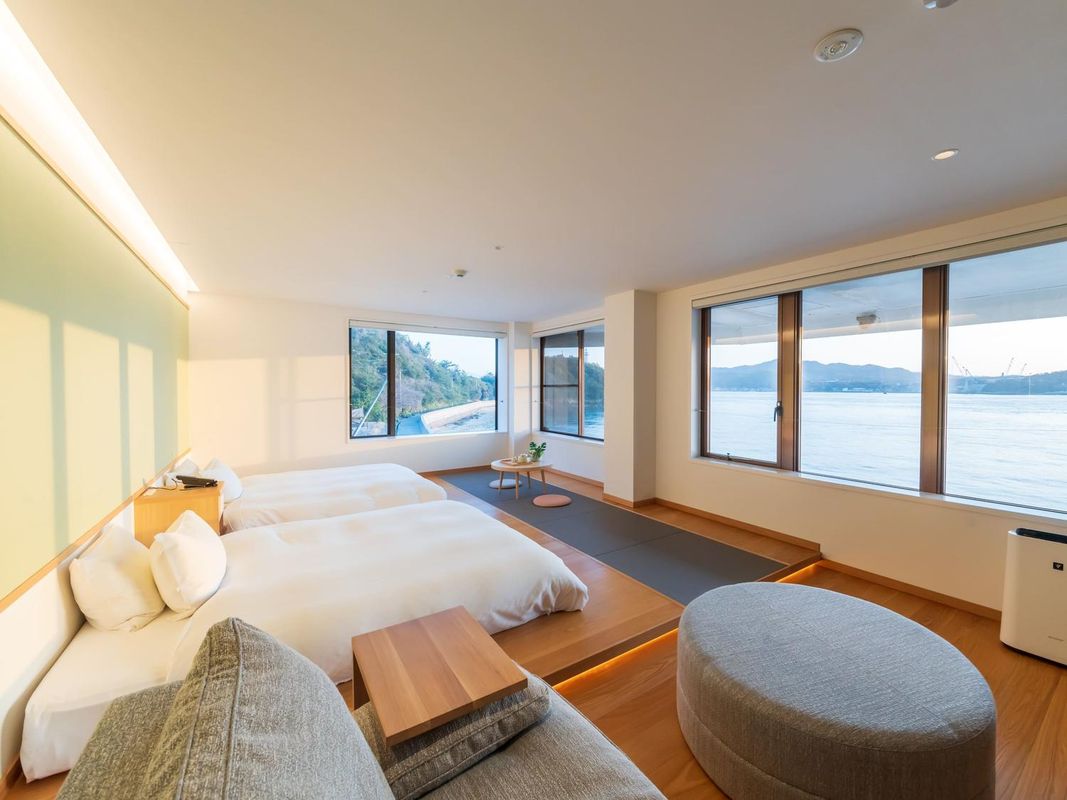
Glamprook Shimanami
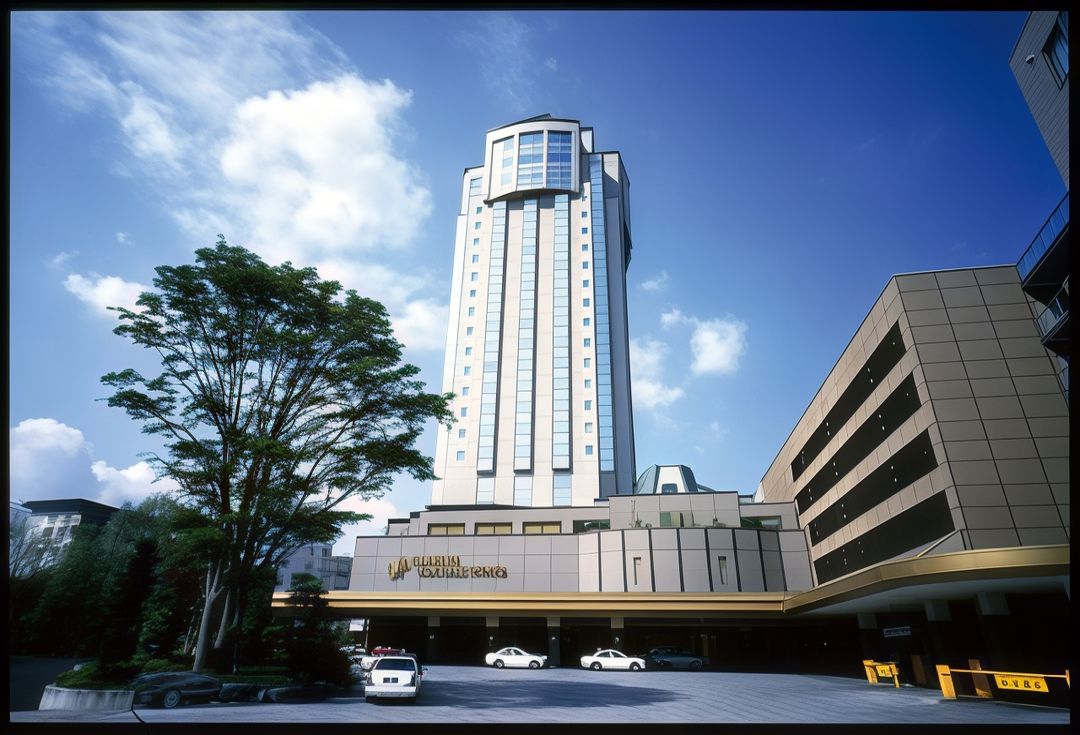
IMABARI KOKUSAI HOTEL
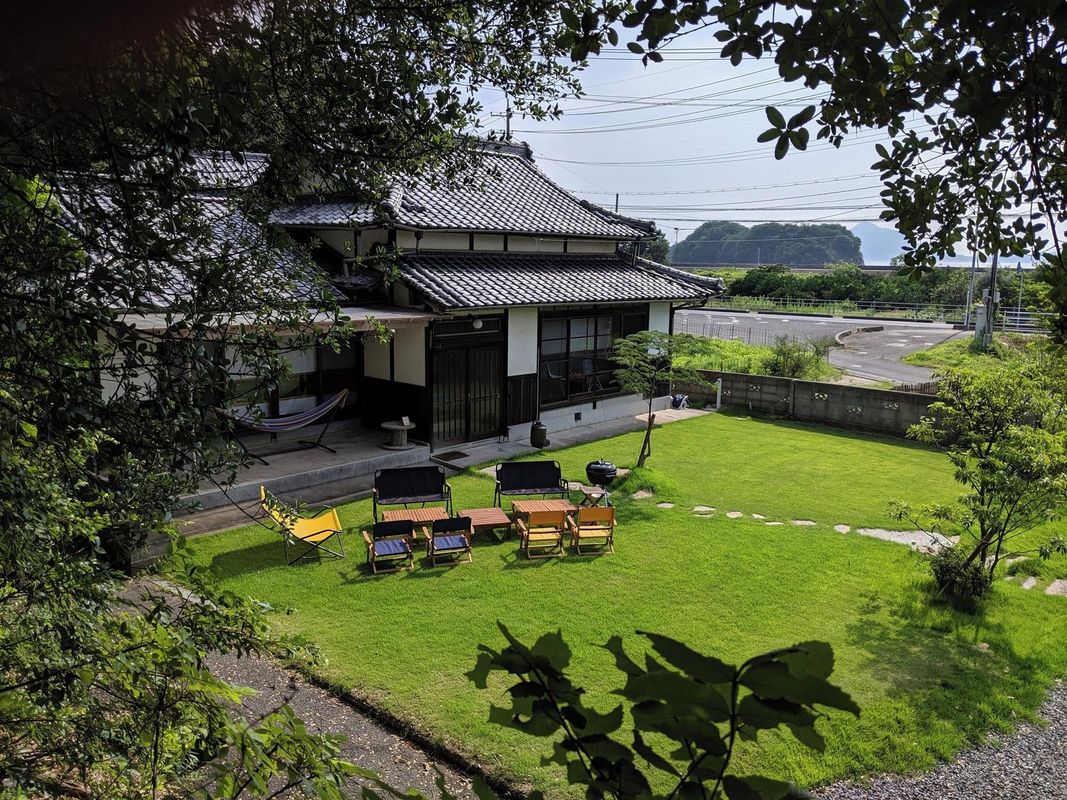
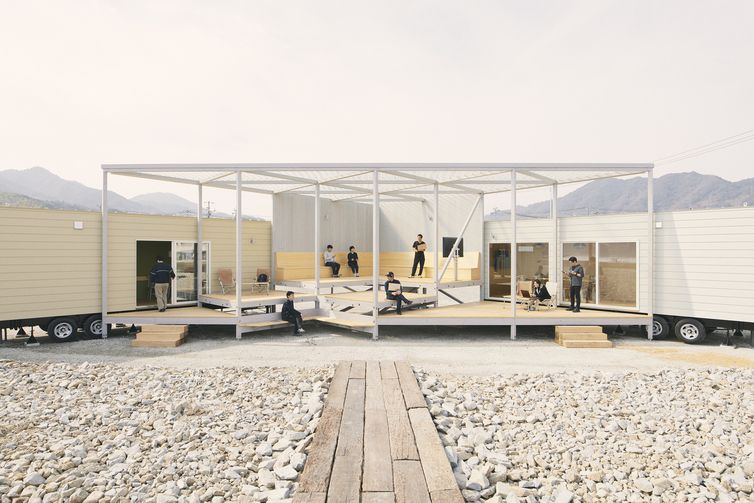
OMISHIMA SPACE HANARE
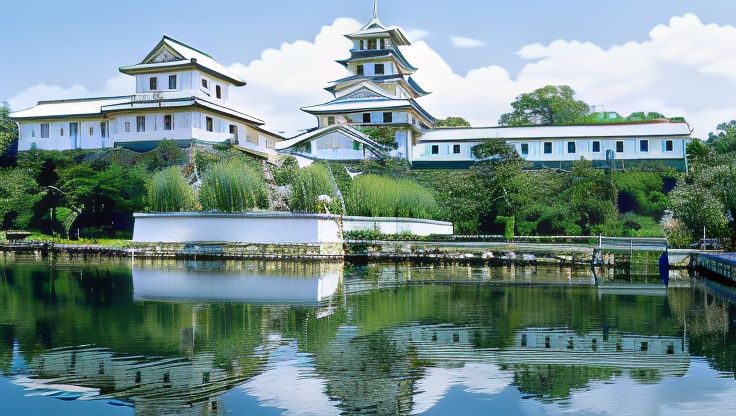
Kyukamura Setouchi-Toyo
Wakka
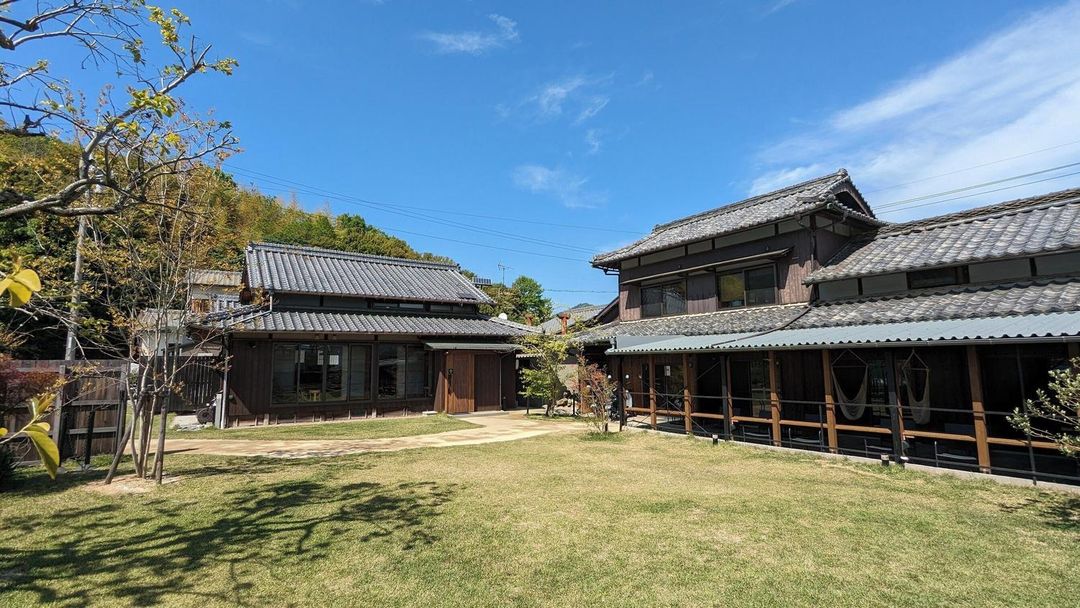
OMISHIMA SPACE OMOYA
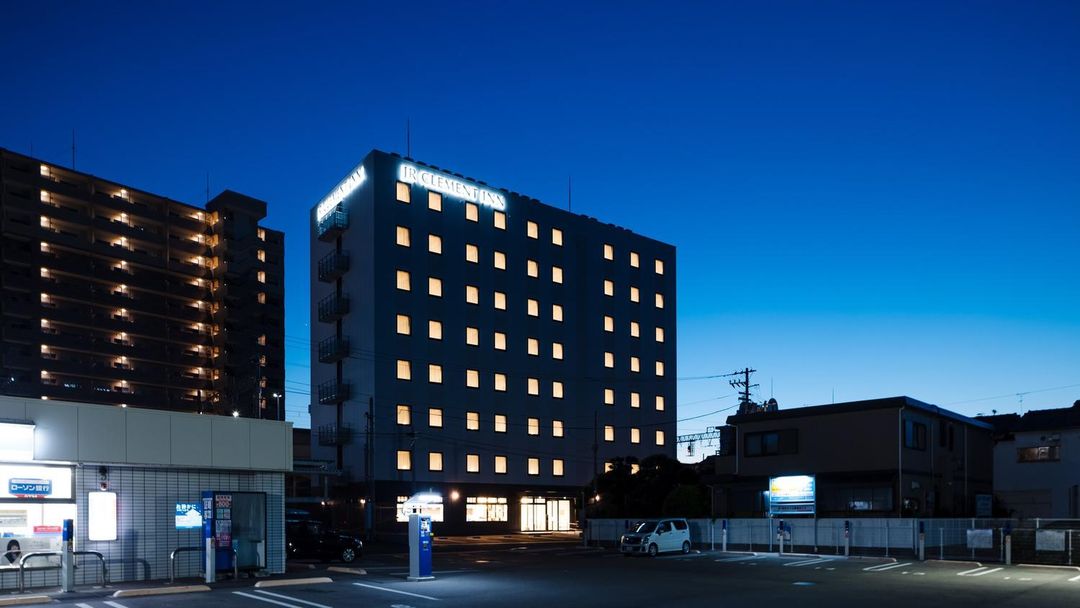
Jr Clement Inn Imabari
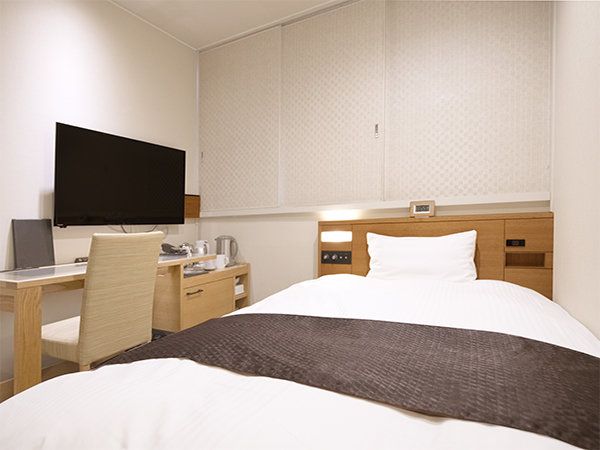
Hotel Kikusui Imabari
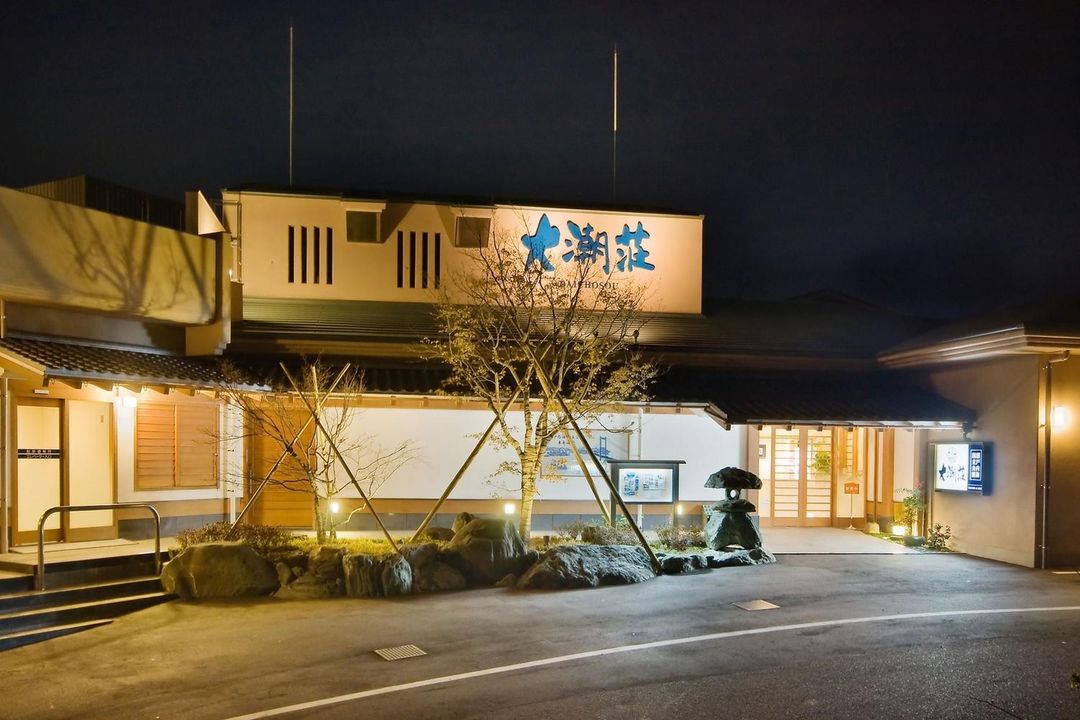
Daichoso
Best Hotels in Imabari
Discover curated hotel collections in Imabari
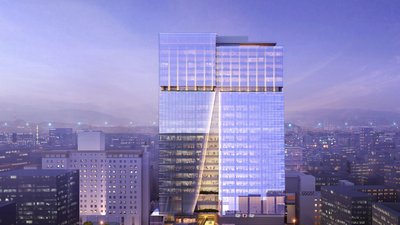
The Ritz-Carlton, Fukuoka
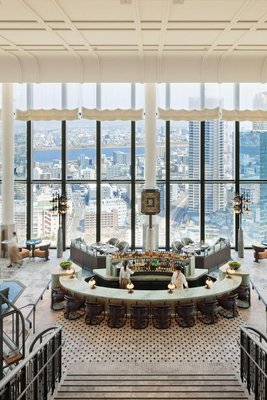
Waldorf Astoria Osaka
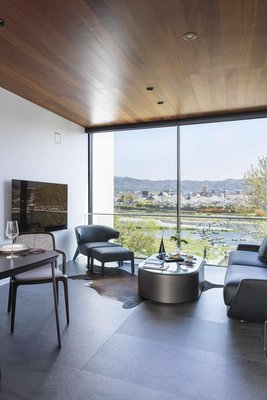
Kamo Residences by Reflections
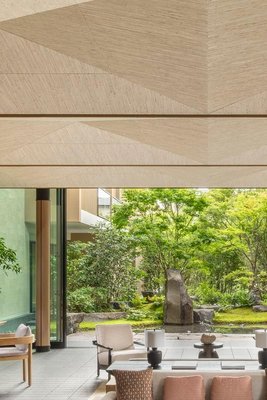
Six Senses Kyoto
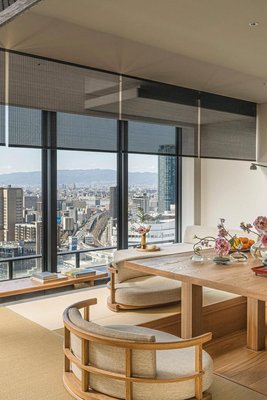
Four Seasons Hotel Osaka
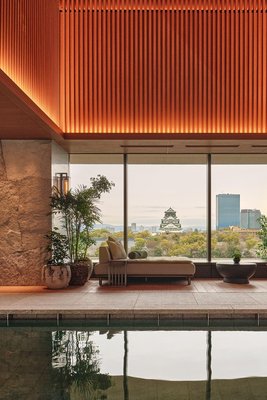
Patina Osaka
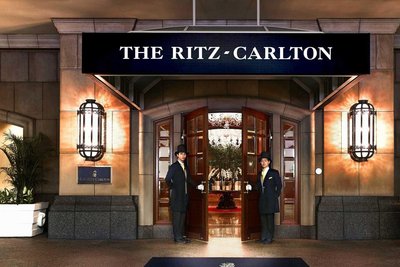
The Ritz-Carlton, Osaka
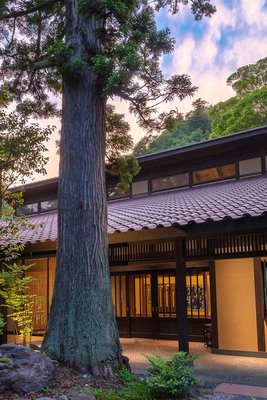
Arimasansoh Goshobessho
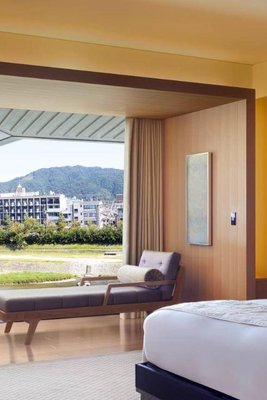
The Ritz-Carlton, Kyoto
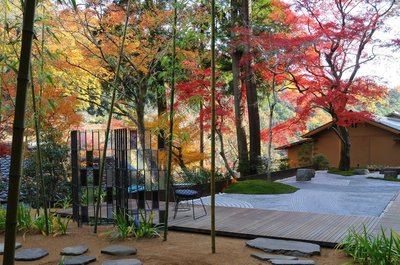
HOSHINOYA Kyoto
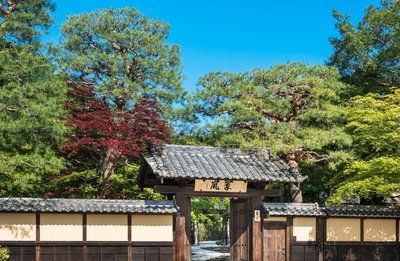
Suiran, a Luxury Collection Hotel, Kyoto
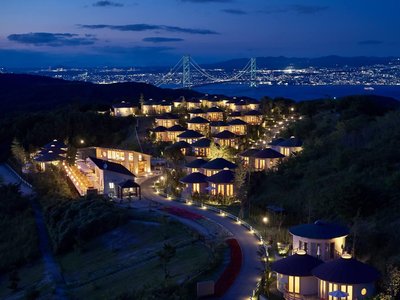
Grand Chariot Hokutoshichisei 135°
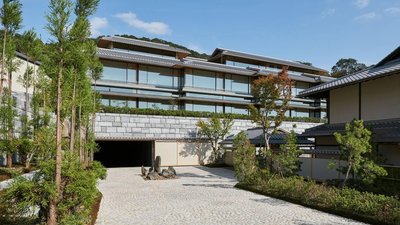
Park Hyatt Kyoto
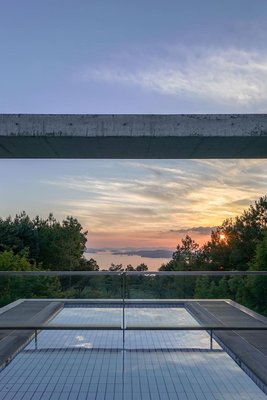
SETOUCHI RETREAT by Onko Chishin
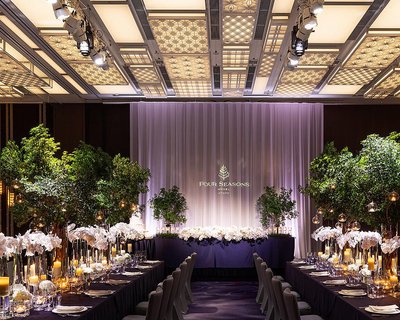
Four Seasons Hotel Kyoto
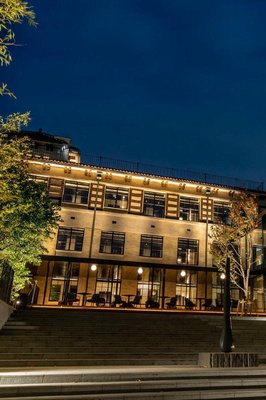
The Hotel Seiryu Kyoto Kiyomizu - a Member of the Leading Hotels of the World-
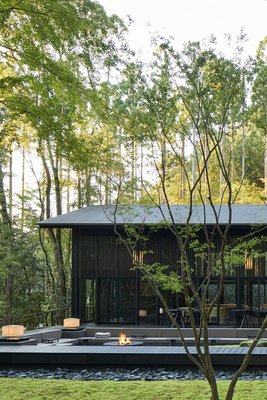
Aman Kyoto
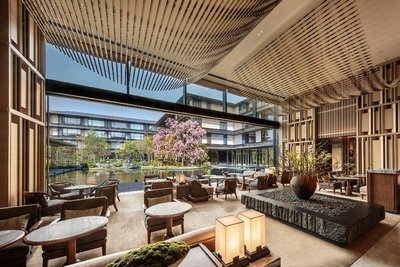
Hotel the Mitsui Kyoto, a Luxury Collection Hotel & Spa
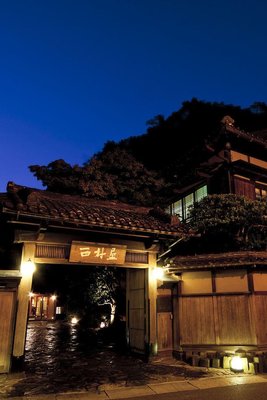
Nishimuraya Honkan
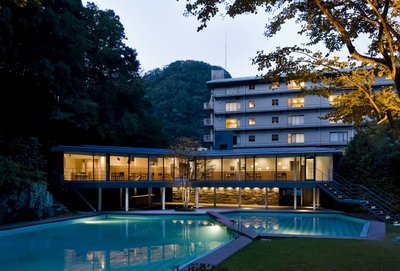
Kinosaki Onsen Nishimuraya Hotel Shogetsutei
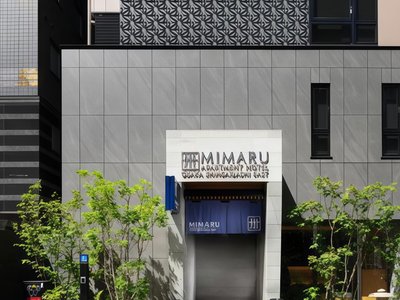
MIMARU Osaka Shinsaibashi East
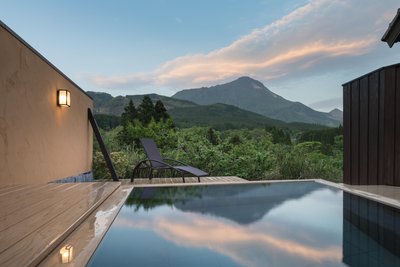
Ikkoten
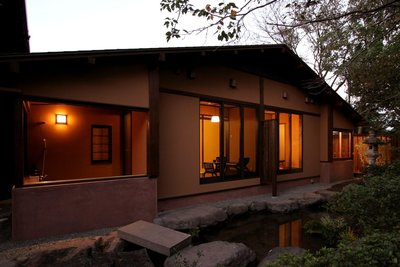
SEKIYA RESORT Bettei Haruki
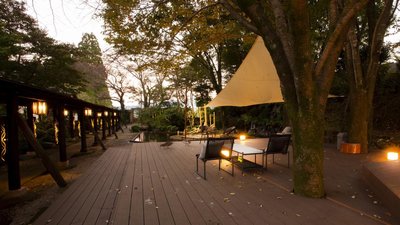
Chikurakutei
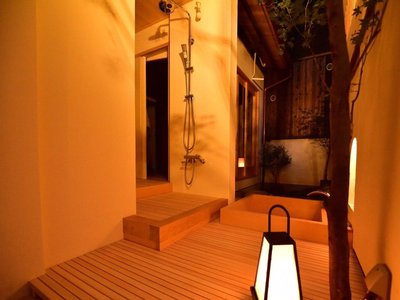
Yado Kiramachi
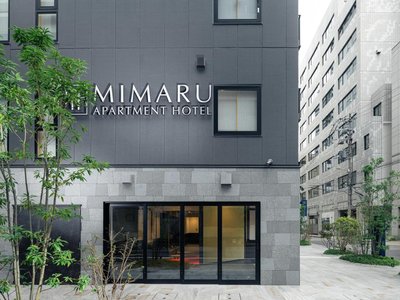
MIMARU Osaka Shinsaibashi North
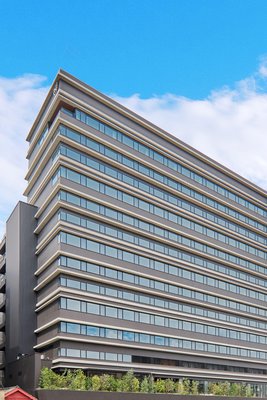
The Royal Park Canvas Fukuoka Nakasu
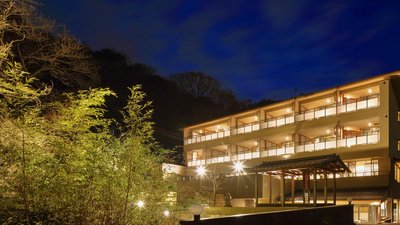
Okuno Hosomichi
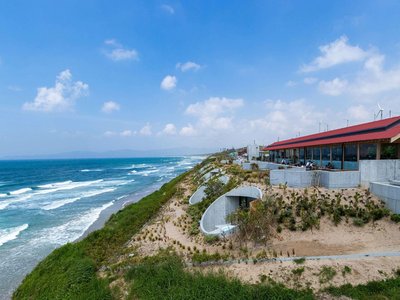
Izumo Hotel the Cliff
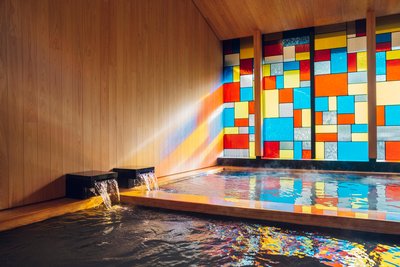
Hoshino Resorts Kai Unzen
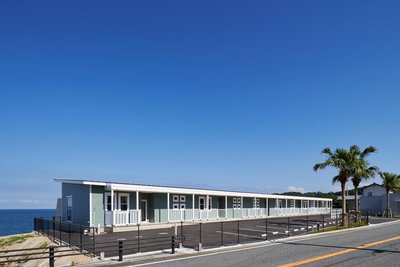
Alfacio Resort Stay Itoshima
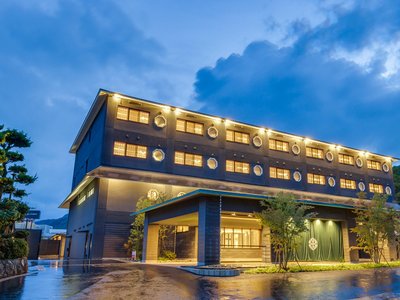
Ureshino Yadoya
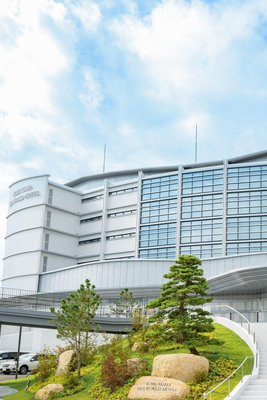
Kobe Suma Sea World Hotel
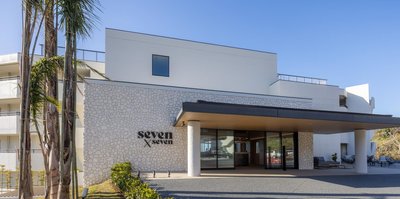
seven x seven itoshima
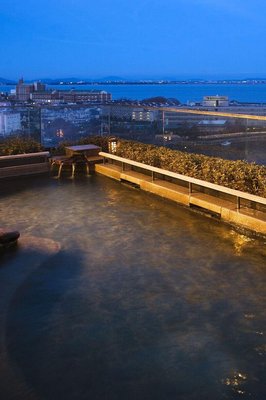
Yumotokan
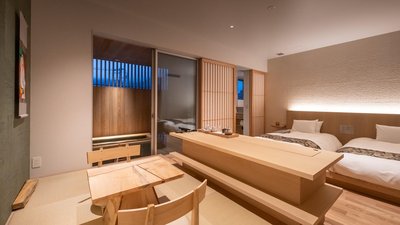
Japanese Auberge Kararako
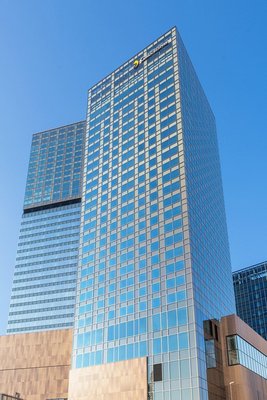
Hotel Hankyu GRAN RESPIRE OSAKA
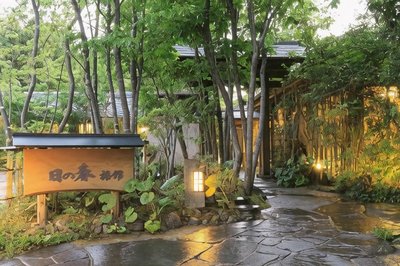
Yufuin Onsen Hinoharu Ryokan
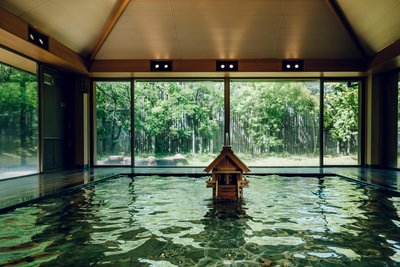
Hoshino Resorts KAI Tamatsukuri
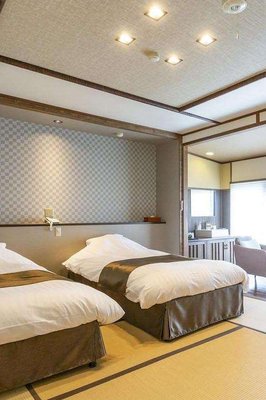
Sozankyo
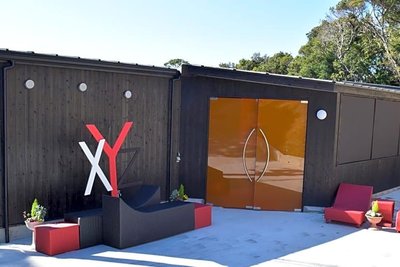
XYZ Private Spa and Seaside Resort
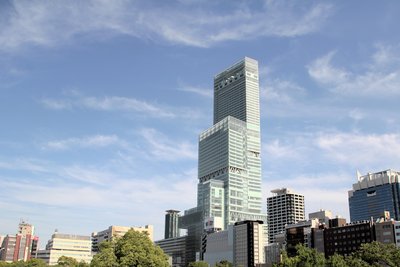
Osaka Marriott Miyako Hotel
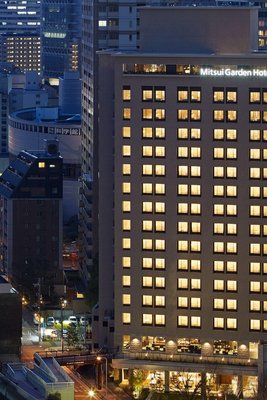
Mitsui Garden Hotel Osaka Premier
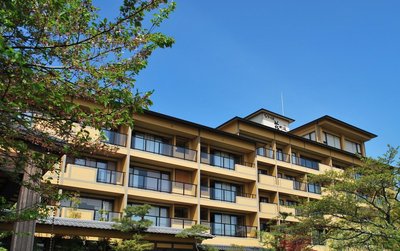
BIWAKO HANAKAIDO
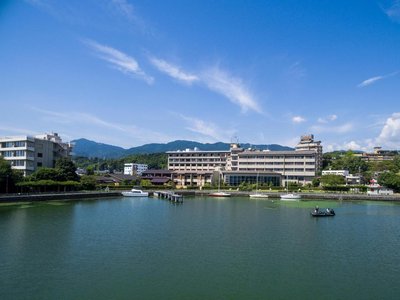
Biwako Ryokusuitei
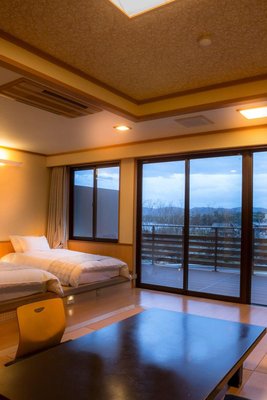
Hotel Kitanoya
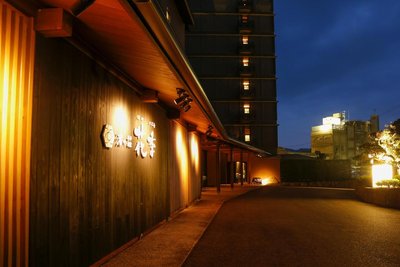
Hanagoyomi
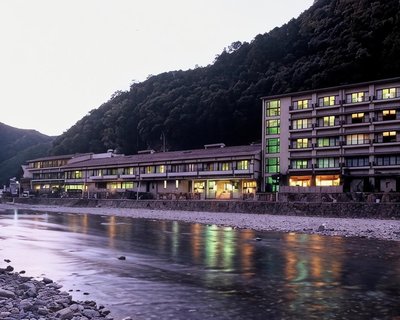
Kawayu Onsen Fujiya
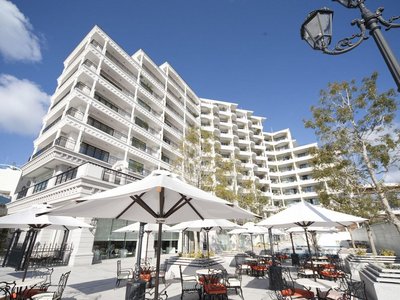
Hotel La Suite Kobe Harborland

AoAwo Naruto Resort
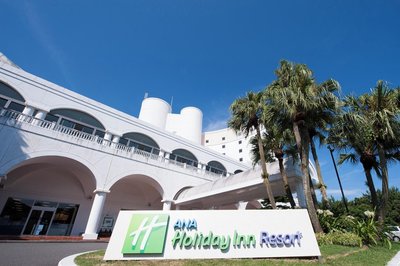
Holiday Inn Resort Miyazaki
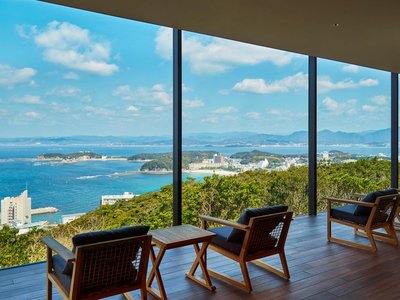
Infinito Hotel and Spa
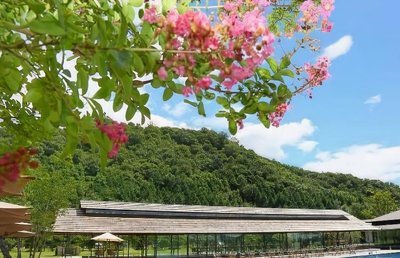
Bella Vista Spa and Marina Onomichi
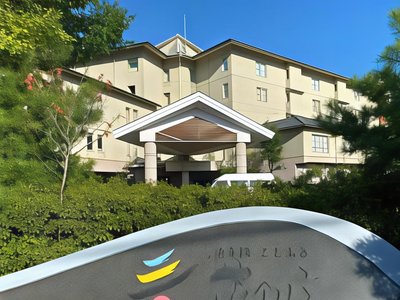
Yufuin Kotobuki Hananosho
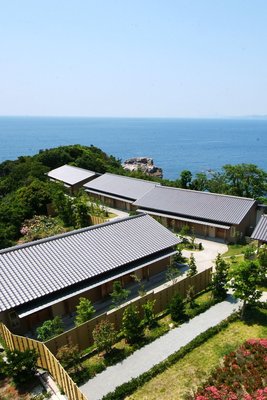
Hamachidorinoyu Kaisyu
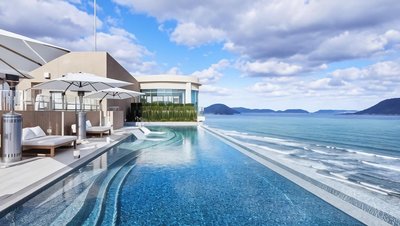
Karatsu Seaside Hotel
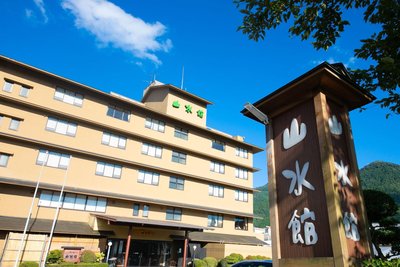
Yufuin Sansuikan
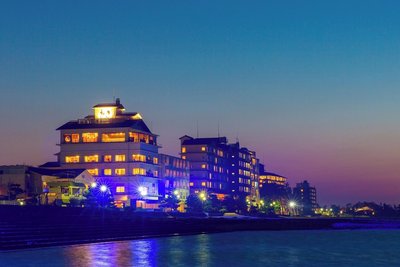
Kaike Shogetsu
The Ritz-Carlton, Kyoto
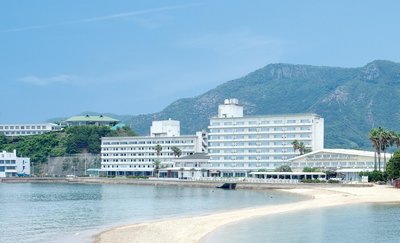
Shodoshima International Hotel
Yado Kiramachi
Arimasansoh Goshobessho
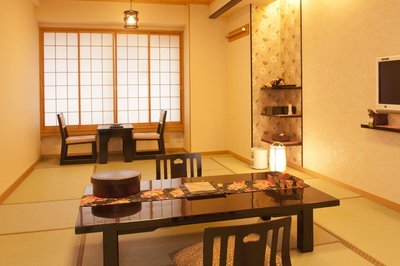
Matsui-Bekkan Hanakanzashi
Hoshino Resorts KAI Tamatsukuri

Taikyourou
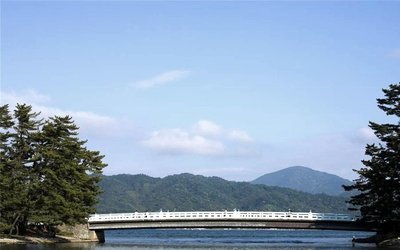
Monjusou Shourotei
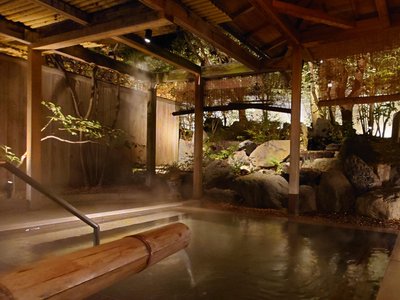
Kasuga Hotel
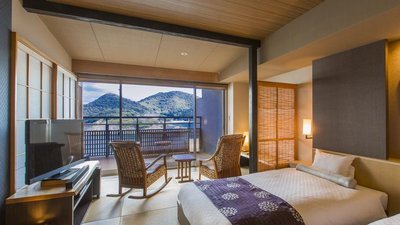
Migiwatei Ochi Kochi
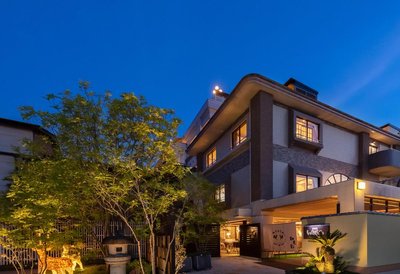
Hotel New Wakasa
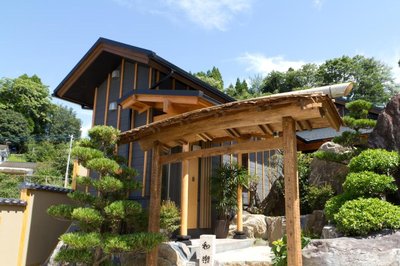
Ryokan Shinsen
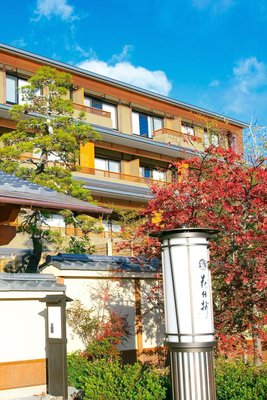
Kyoto Arashiyama Onsen Kadensho (Kyoritsu Resort)
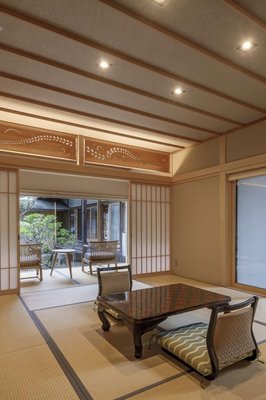
Ichijoin
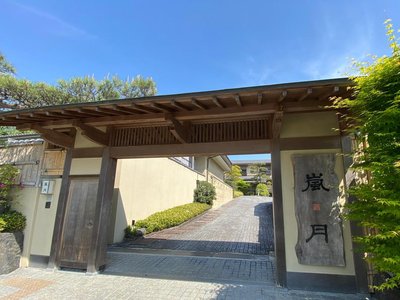
Rangetsu
The Ritz-Carlton, Kyoto
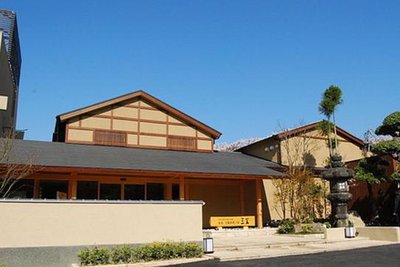
Mikasa
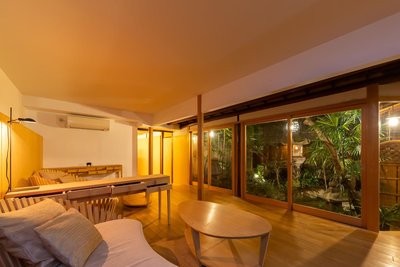
Izuyasu Traditional Kyoto Inn Serving Kyoto Cuisine
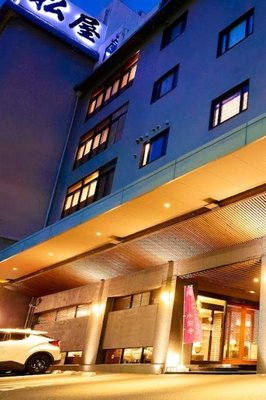
Ryotei Matsuya Honkan Suizenji
HOSHINOYA Kyoto
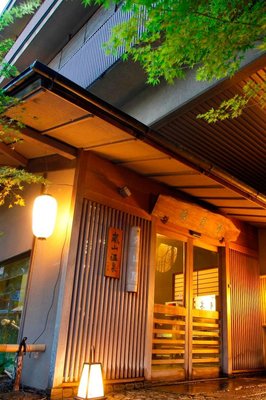
Togetsutei
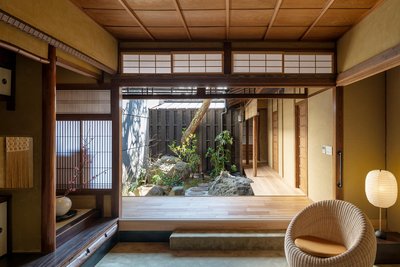
Nazuna Kyoto Gosho
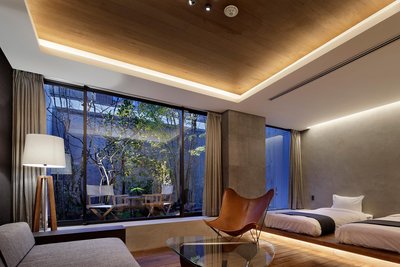
22 PIECES
The Ritz-Carlton, Osaka
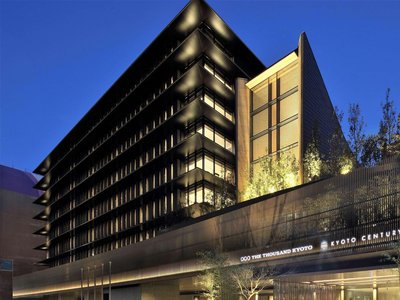
The Thousand Kyoto
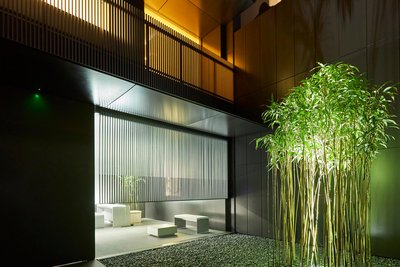
Mogana
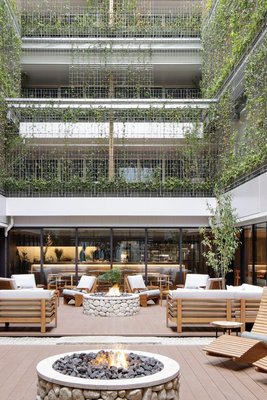
GOOD NATURE HOTEL KYOTO
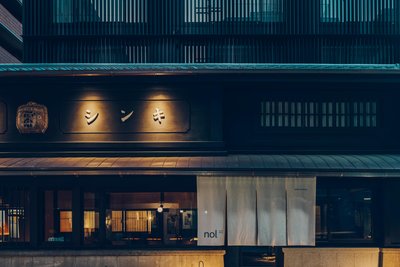
Nol Kyoto Sanjo
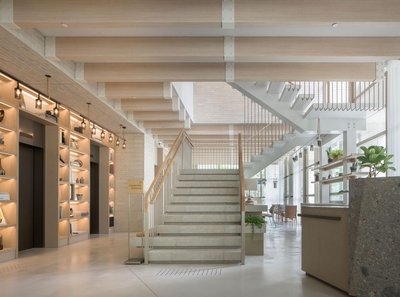
Zentis Osaka
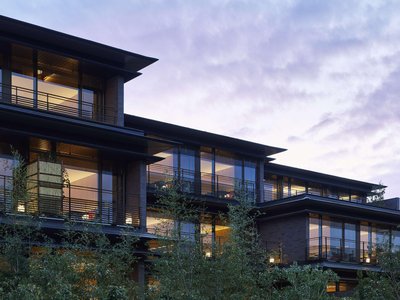
Garrya Nijo Castle Kyoto
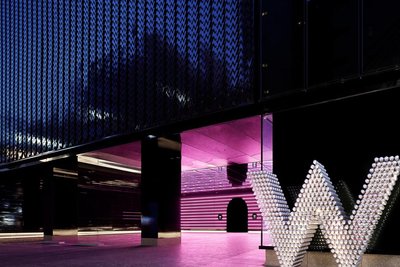
W Osaka
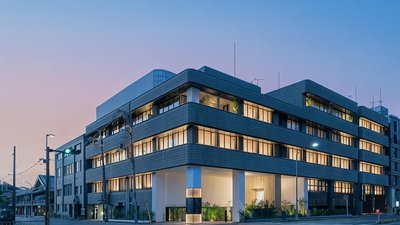
Hotel Kanra Kyoto
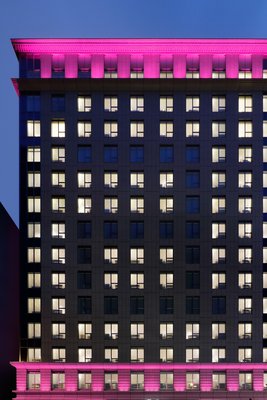
Aloft Osaka Dojima
The Ritz-Carlton, Fukuoka
Osaka Marriott Miyako Hotel
The Ritz-Carlton, Osaka
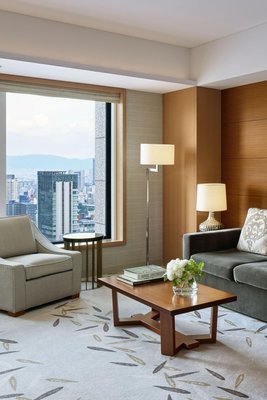
InterContinental Hotel Osaka
The Ritz-Carlton, Kyoto
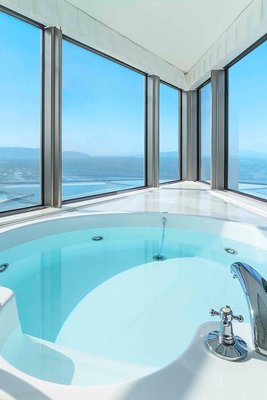
Hilton Fukuoka Sea Hawk
Suiran, a Luxury Collection Hotel, Kyoto
GOOD NATURE HOTEL KYOTO
Park Hyatt Kyoto
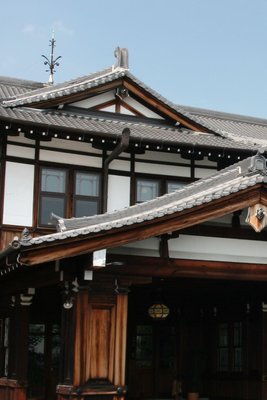
Nara Hotel
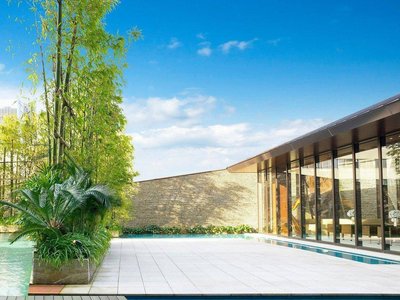
ORIENTAL HOTEL
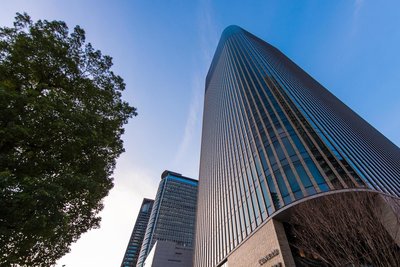
Conrad Osaka
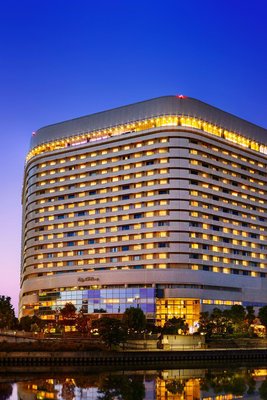
Hotel New Otani Osaka
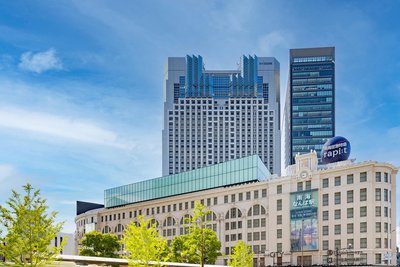
Swissotel Nankai Osaka
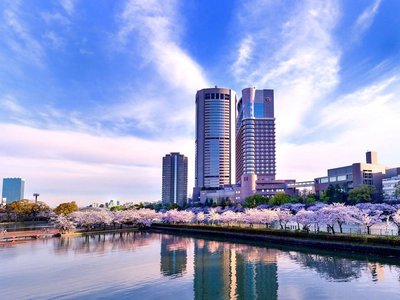
Imperial Hotel Osaka
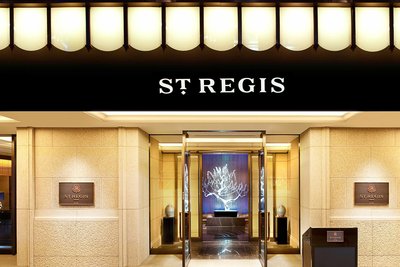
The St. Regis Osaka
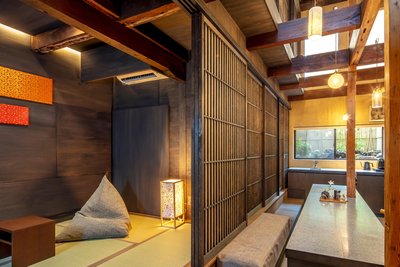
Kyo No Oozora Kihana
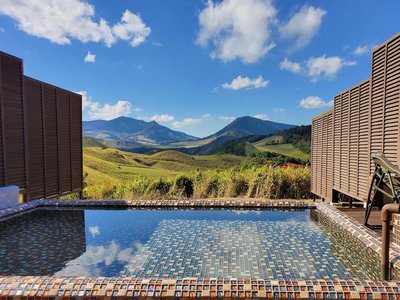
Grand Verde Resort
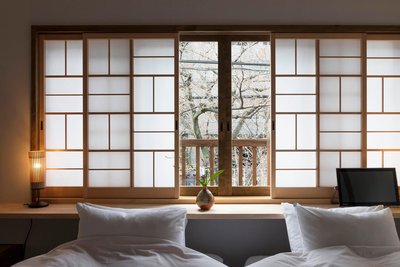
Hanagoromo Machiya House
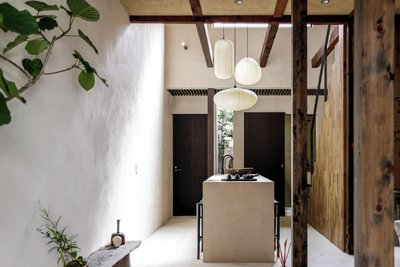
Maana Kiyomizu
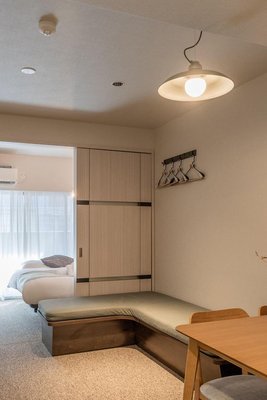
Apartment Hotel 11 Shinsaibashi
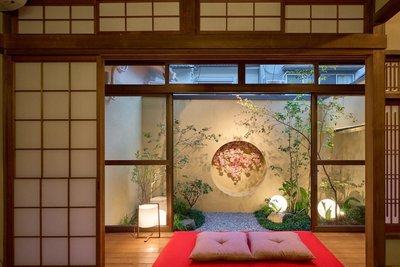
KONJAKUSO Osaka Tengachaya "NIHONCHA" Tea & Relax
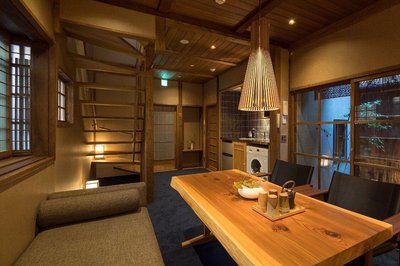
Bonbori an Machiya House
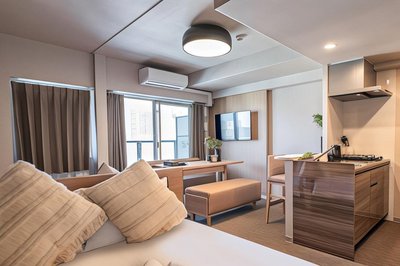
Apartment Hotel 11 Shinsaibashi III
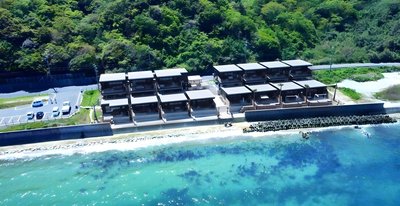
Solavilla Umi Terrace Minamiawaji
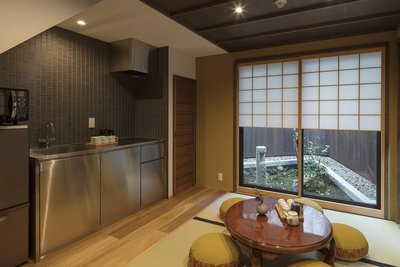
The Machiya Villa Sanjo Shirakawa Koji
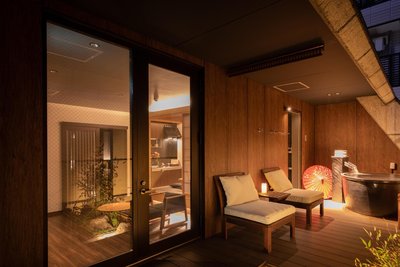
Konjaku-So Dotonbori
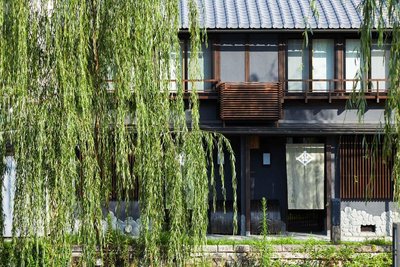
Gion Shirakawa No Yado

Kitashirakawa Natural Radium Onsen
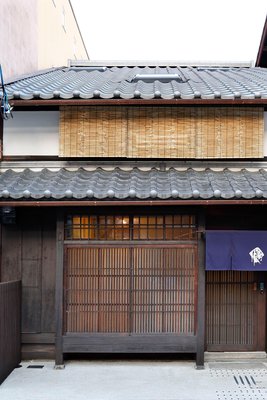
Kyo No Ondokoro Kamanza Nijo #2
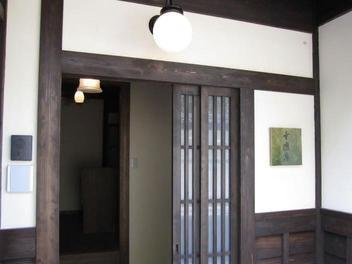
Gion Koyu an Machiya House
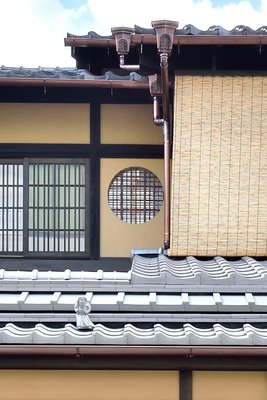
Kyo No Ondokoro Gokomachi Ebisugawa #3

Sana Mane - Glamp Domes
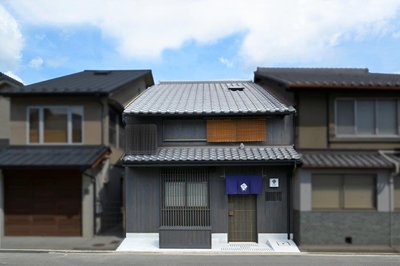
Kyo No Ondokoro Goshonishi #6
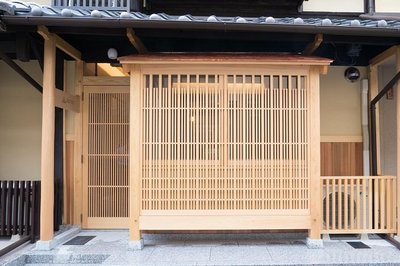
Kyomachiya Suite Rikyu
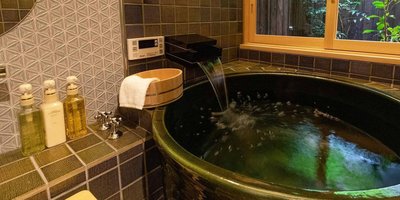
Kyoisuke
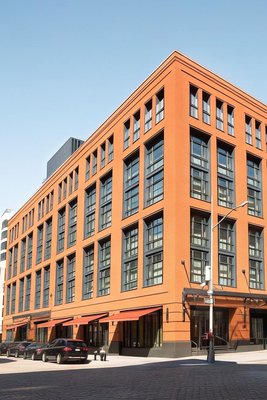
Hotel Barrière Fouquet's New York
The Ritz-Carlton, Fukuoka
Waldorf Astoria Osaka
Kamo Residences by Reflections
Six Senses Kyoto
Four Seasons Hotel Osaka
Patina Osaka
The Ritz-Carlton, Osaka
Arimasansoh Goshobessho
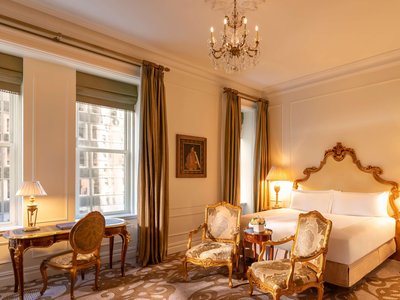
The Plaza - A Fairmont Managed Hotel
The Ritz-Carlton, Kyoto
HOSHINOYA Kyoto
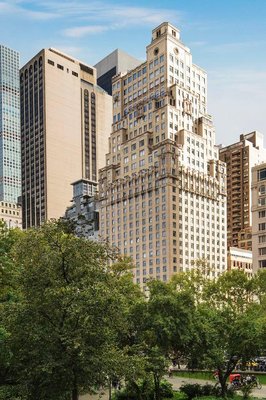
The Ritz-Carlton New York, Central Park
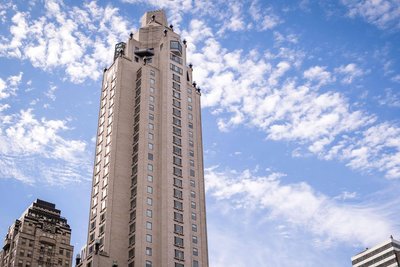
Four Seasons Hotel New York
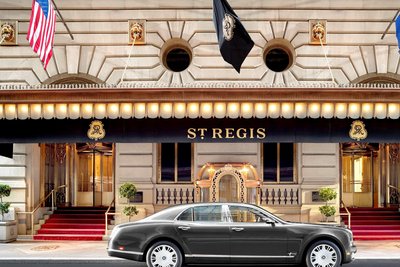
The St. Regis New York
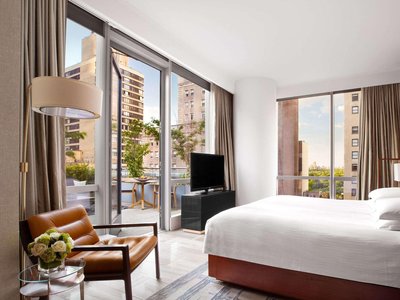
Park Hyatt New York
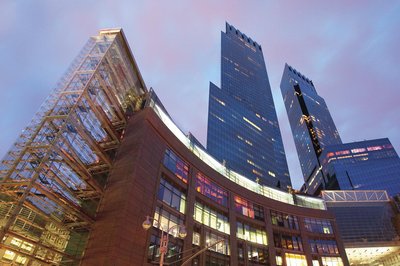
Mandarin Oriental New York
Times Square Edition New York
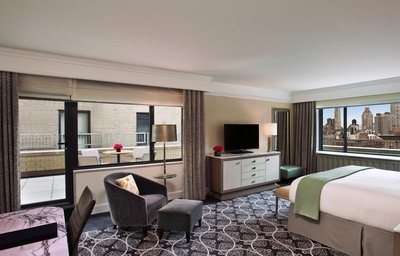
Loews Regency New York Hotel
Suiran, a Luxury Collection Hotel, Kyoto
Frequently Asked Questions about Traveling to Imabari
Questions You Might Need to Know About Traveling to Imabari
In Imabari City, the best hotels with sea views include Imabari Port Resort Hotel, offering spacious rooms overlooking the harbor and sunset over Seto Inland Sea. Another excellent choice is Imabari Castle Hotel, located near the reconstructed Imabari Castle Ruins, where guests enjoy panoramic sea vistas from private balconies.
Both properties feature modern Japanese design, traditional tatami rooms, and complimentary local Imabari towels as welcome gifts. The Port Resort Hotel also provides access to a rooftop hot spring bath with ocean views, perfect for evening relaxation. Early HopeGoo is recommended, especially during cherry blossom season and autumn festivals.
For first-time visitors, central Imabari and the Imabari Port area are ideal. Central Imabari offers easy access to Imabari Station, Imabari City Hall, and key attractions like Imabari Castle Ruins and the Imabari City Museum. It’s walkable and well-connected by local buses.
The Port area, meanwhile, is perfect for travelers seeking tranquility and scenic views. Several ryokan (traditional inns), such as Imabari Port Onsen Ryokan, offer private hot springs and harbor-facing rooms. This district also hosts fresh seafood markets and quiet parks—ideal for a peaceful stay with authentic local charm.
A must-try experience in Imabari City is participating in a handmade Imabari towel workshop at the Imabari Towel Memorial Hall or partner studios. Visitors learn the entire process—from spinning yarn to dyeing—and can create their own mini towel.
Another highlight is the Imabari Lantern Festival, held annually in autumn, where thousands of paper lanterns illuminate the riverbanks, creating a dreamlike atmosphere. Don’t miss exploring the Imabari Castle Ruins, a reconstructed Edo-period fortress offering insights into the city’s historical significance as a strategic port during the Sengoku period. These experiences reflect Imabari’s identity as both a textile hub and a historic maritime town.
Tourists should definitely try Imabari beef, known for its tender, rich flavor—best enjoyed in sukiyaki or grilled at local restaurants. Another must-try is Imabari uni don, a bowl of fresh Seto Inland Sea sea urchin served over steaming white rice, delivering a sweet, briny taste.
Don’t skip Imabari udon, famous for its chewy texture and served in small eateries across the city. Visit Imabari Station Front Diner for a classic version. For an authentic experience, head to Imabari Port Market, where you can buy freshly caught fish and shellfish and have them prepared on-site. These dishes showcase Imabari’s deep connection to the sea.
Yes, Imabari City is highly suitable for families. The city features several family-friendly attractions, including the Imabari City Children’s Science Museum, which offers interactive experiments and nature exhibits perfect for kids.
Imabari Port Park has large grassy areas, playgrounds, and picnic spots—ideal for outdoor fun. Families can also join Imabari towel-making workshops, where children learn basic weaving techniques and take home their creations. The city’s flat terrain and accessible paths make it easy to explore with strollers. Overall, Imabari offers a safe, relaxed environment with ample amenities for a memorable family vacation.
Top photo spots in Imabari City include the Imabari Castle Ruins, especially during cherry blossoms or autumn foliage, when the stone walls and turrets contrast beautifully with seasonal colors. The Imabari Port Lighthouse and sea suspension bridge provide dramatic backdrops for sunset shots.
The Imabari City Art Museum features a striking glass-and-wood façade that creates dynamic light patterns—perfect for architectural photography. For unique visuals, visit the Imabari Towel Exhibition Hall’s glass corridor, where sunlight filters through colorful towels, casting vibrant shadows. Bring a wide-angle lens and tripod for stunning morning mist or night festival lighting.
Public transportation in Imabari City is convenient and efficient. The main hub is Imabari Station, connected via JR Shikoku Line to Matsuyama (approx. 40 minutes) and other regional cities. Local buses circle the city, linking major sites like Imabari Castle Ruins, port area, and city hall.
Ferry services connect to nearby islands such as Oshima and Ijima, with frequent departures and affordable fares. Many hotels offer free shuttle services. Travelers can save money using the Shikoku Kōsen Pass, which covers trains, buses, and ferries. With walkable distances and bike rental options, getting around Imabari is smooth and stress-free.
Absolutely, Imabari City is perfect for romantic getaways. Couples can stay at Imabari Port Onsen Ryokan, where private outdoor baths overlook the sea, and enjoy serene evenings under the stars. The Imabari Castle Ruins glow beautifully during seasonal night illuminations—ideal for quiet walks and shared memories.
During the Imabari Lantern Festival, couples can light a paper lantern together, symbolizing lasting love. A hands-on towel-making workshop allows partners to craft a personalized keepsake. Morning rides along Oshima Coast Path offer peaceful views of fishing boats setting sail—a quiet, intimate moment. Imabari’s calm pace and natural beauty make it a hidden gem for couples seeking romance.
Imabari City has a humid subtropical climate with four distinct seasons. Spring (March–May) is ideal—warm temperatures and cherry blossoms make it one of the best times to visit. Summer (June–August) is hot and humid, with occasional typhoons; avoid peak July but enjoy summer festivals and beach escapes.
Autumn (September–November) offers clear skies and comfortable weather—perfect for hiking and photography. Winter (December–February) is mild with little snow, making it a great option for those seeking sun and warmth. The best overall window is late October to early November, combining pleasant weather with the Imabari Lantern Festival and fall foliage. Always pack rain gear and sunscreen depending on the season.
Solo travelers will appreciate Imabari City’s peaceful atmosphere and welcoming spaces. Head to the Imabari Castle Ruins for quiet contemplation on ancient stone walls, or relax at the Imabari Port Library, which features cozy reading nooks and café corners.
Join a personalized Imabari towel workshop—a meditative, creative experience perfect for self-reflection. For nature immersion, rent a bicycle and ride the Oshima Coastal Trail, where you’ll enjoy uninterrupted sea views and bird songs. Stay at a single-room ryokan like Imabari Port Onsen Ryokan, with private hot spring access. The city’s low crowds and slow rhythm make it ideal for introspection and personal growth.
Imabari Overview
City Summary
Imabari City, located in Ehime Prefecture, faces the Seto Inland Sea and is renowned for its island scenery and traditional shipbuilding industry. The Shimanami Kaido cycling route connects multiple islands, making it a paradise for cyclists. The city preserves historical sites like Imabari Castle and Towel Museum, blending tradition with modernity.
Must-See Attractions
Imabari Castle features a rare water moat design. The Towel Museum showcases local craftsmanship. Cycle across Shimanami Kaido to enjoy sea views. Visit Murakami Suigun Museum to learn about pirate culture. Don't miss the scenic Oyamazumi Shrine on Omishima Island.
Food Guide
Try fresh seafood like sea bream and Seto Inland Sea oysters. Local specialty Imabari ramen has chicken broth and thin noodles. Street stalls offer taiyaki (fish-shaped cakes) and takoyaki (octopus balls).
Transportation Guide
Use buses and taxis within the city. Ferries connect nearby islands. Cycling is ideal for exploring Shimanami Kaido. Accessible by bus from Matsuyama or Hiroshima airports (1-2 hours).
Best Time to Visit
Spring (March-May) is perfect for cycling. Autumn (September-November) offers clear skies. Summer has beach activities, while winter sees fewer tourists.
Travel Tips
- Remove shoes when entering temples.
- Wear safety gear when cycling Shimanami Kaido.
- Carry cash as it's widely used.
- Visit fish markets early for freshest catch.
- Check ferry schedules affected by weather.
- No touching exhibits at Towel Museum.
Useful Information
Japanese is main language; some English signs in tourist areas. Limited WiFi - rent a pocket WiFi. Credit cards accepted at major stores. Emergency number: 119. Voltage is 100V, two-flat-pin plugs. Post offices offer international services.









