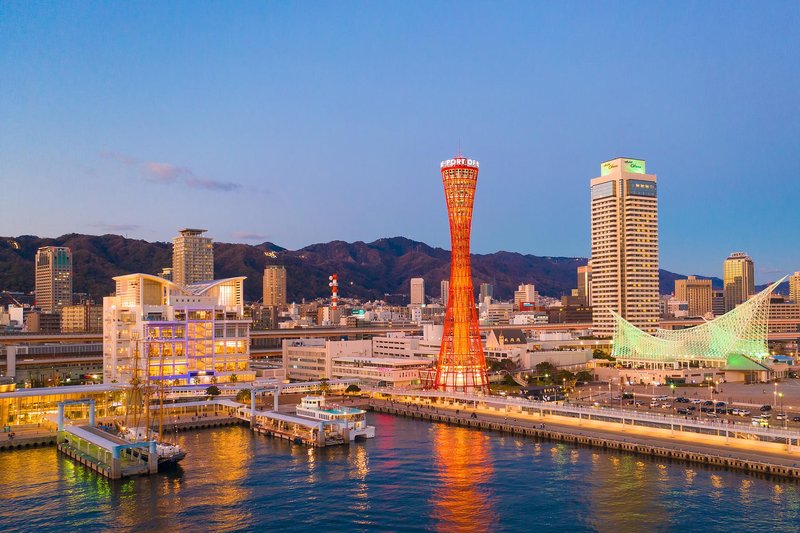
Hotels in Imari
Discover your perfect stay in Imari.
Imari(Japan) Travel 2026: Cheap Flights, Hotels & Top Attractions
Popular Landmarks in Imari
Discover the most iconic attractions in Imari
Recommended Hotels in Imari
Find the perfect place to stay in Imari
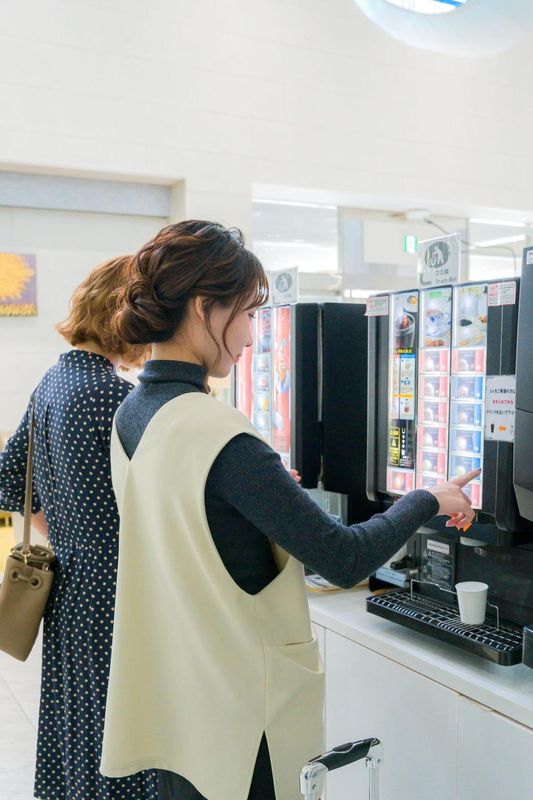
Imari Grand Hotel

Business Hotel Shinten
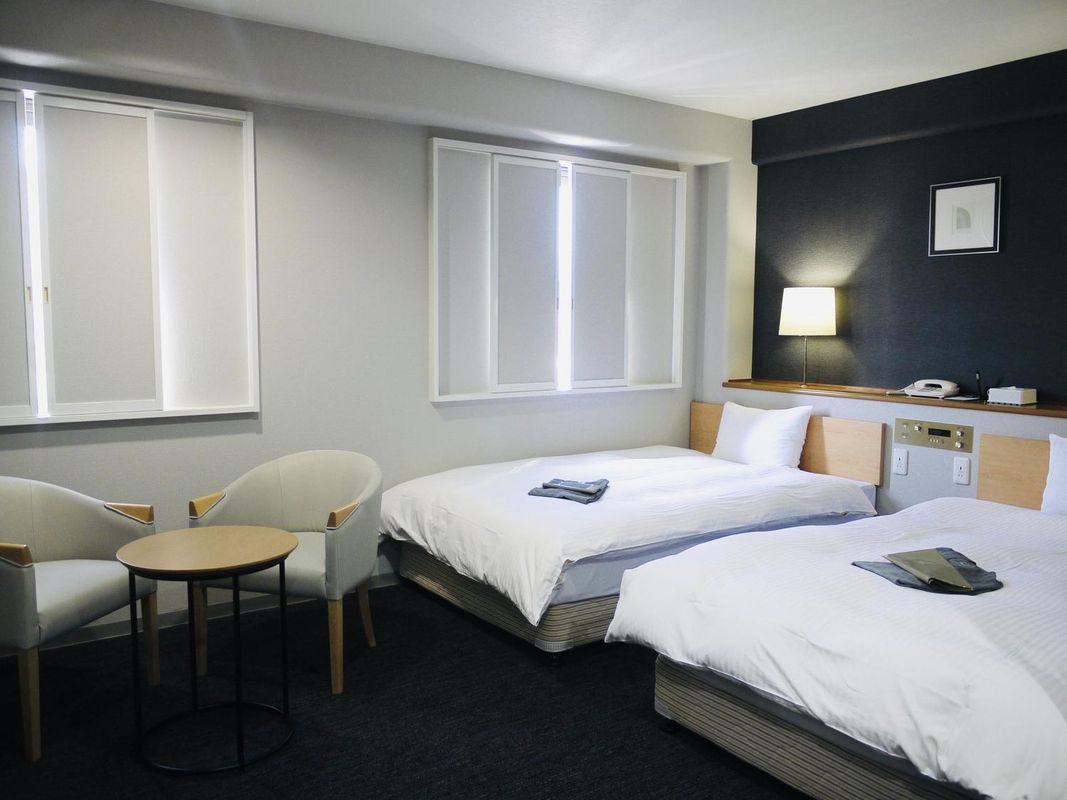
Central Hotel Imari
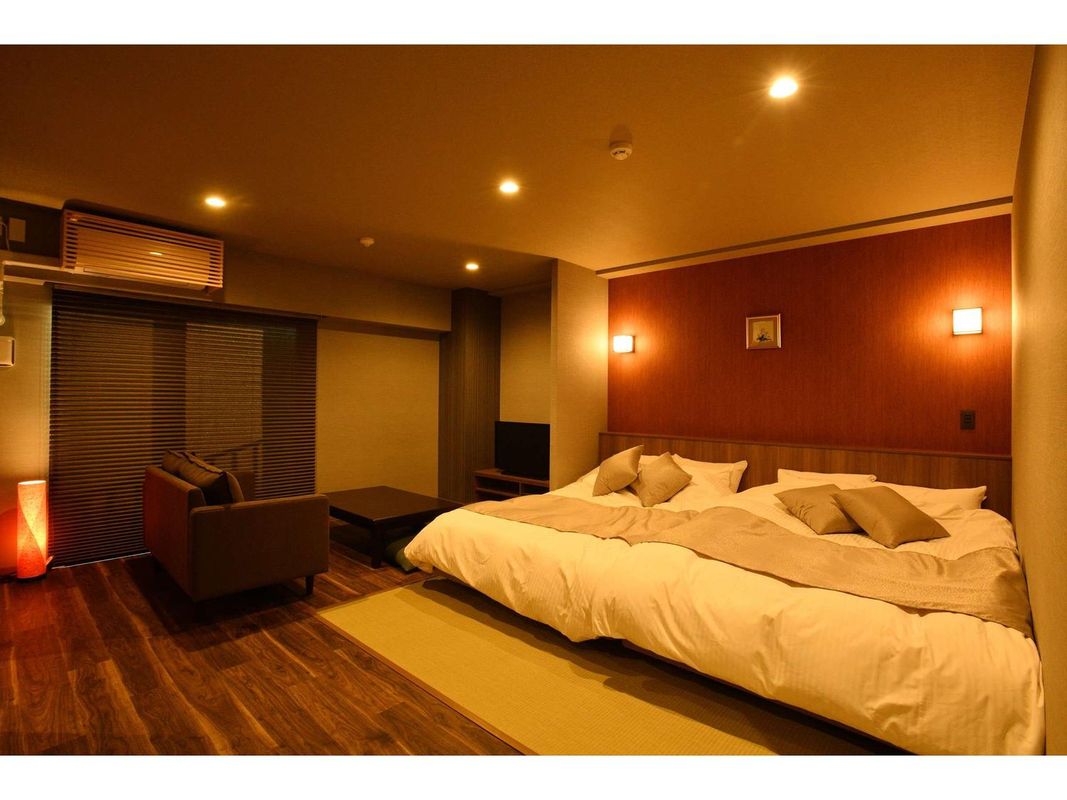
Hotel Imari Aioibashi Bettei
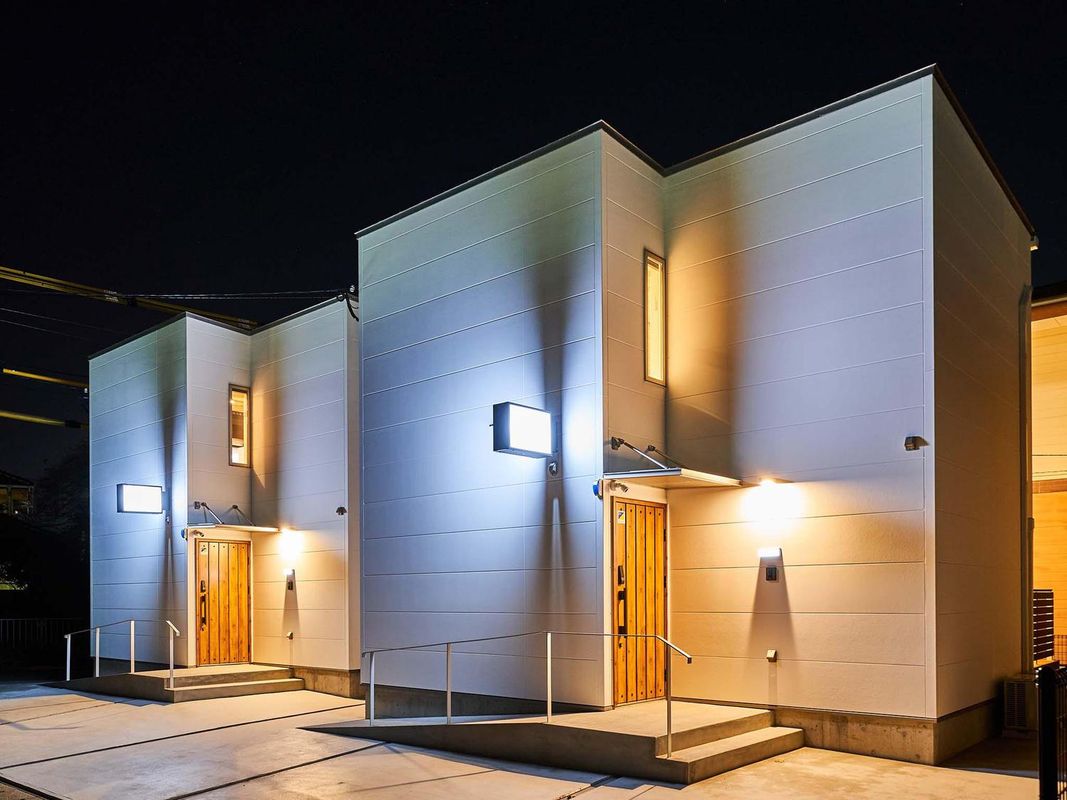
Rakuten STAY HOUSE x WILL STYLE Saga Imari
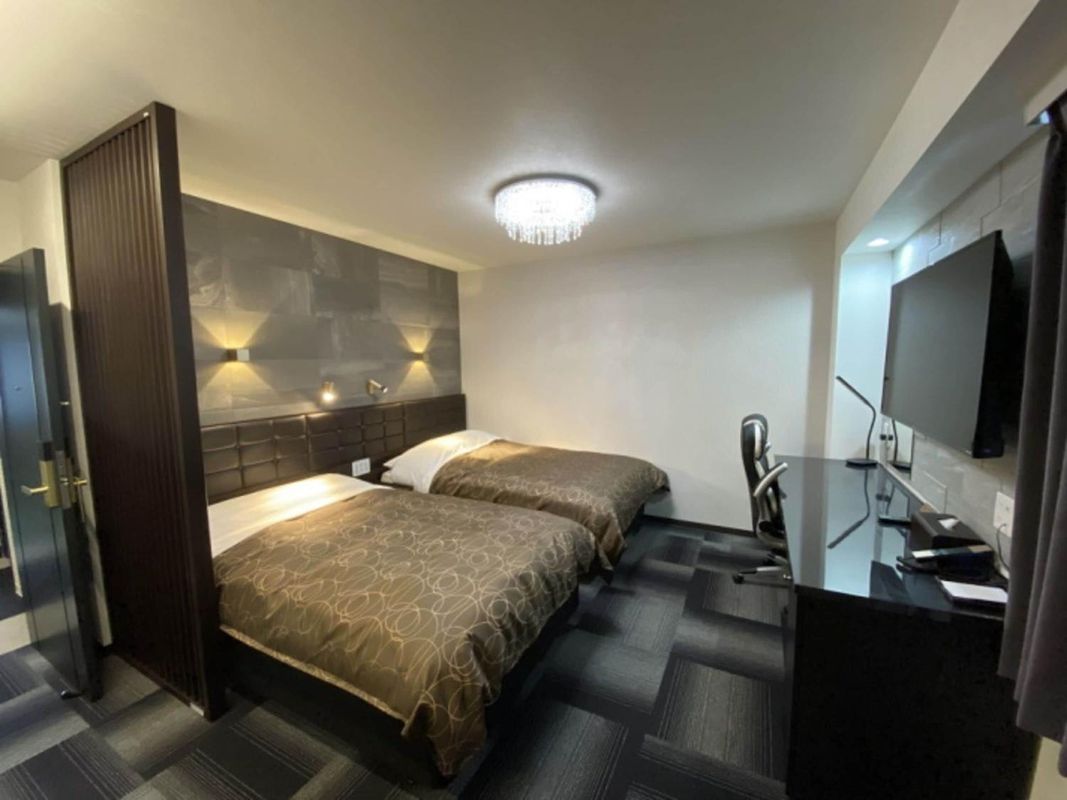
Hotel Win
Central Hotel Imari
Best Hotels in Imari
Discover curated hotel collections in Imari
Ikkoten
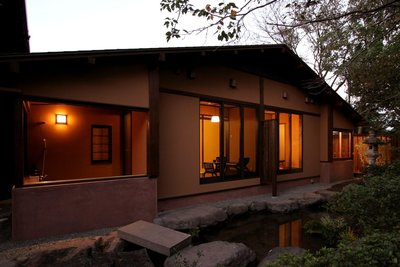
SEKIYA RESORT Bettei Haruki
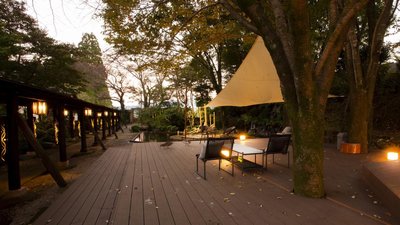
Chikurakutei
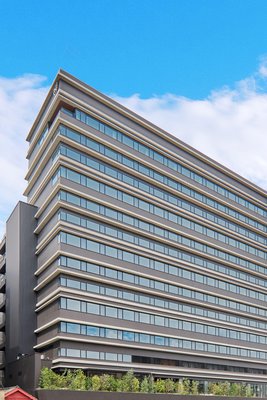
The Royal Park Canvas Fukuoka Nakasu
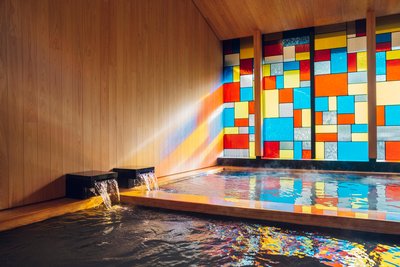
Hoshino Resorts Kai Unzen
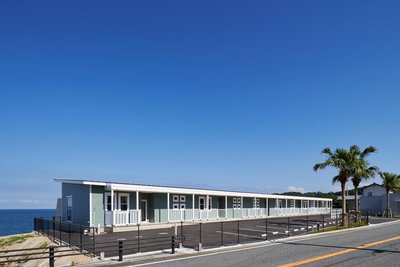
Alfacio Resort Stay Itoshima
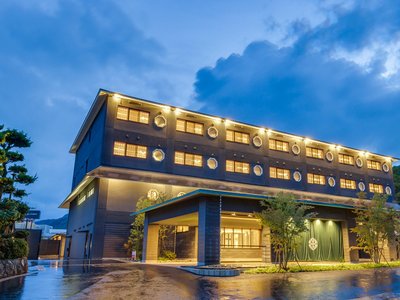
Ureshino Yadoya
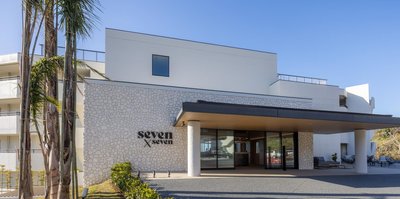
seven x seven itoshima
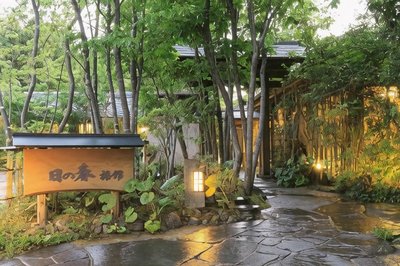
Yufuin Onsen Hinoharu Ryokan
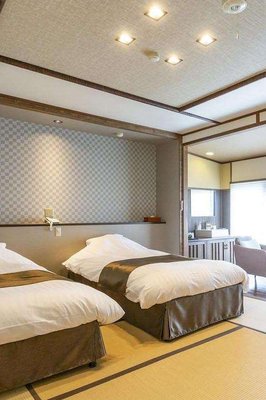
Sozankyo
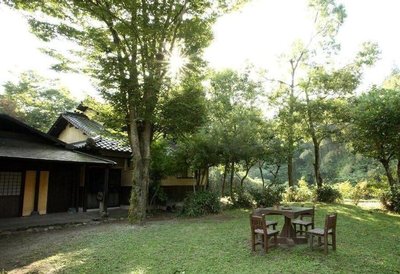
Yamashinobu
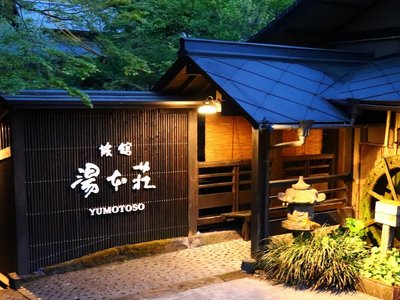
Ryokan Yumotosou
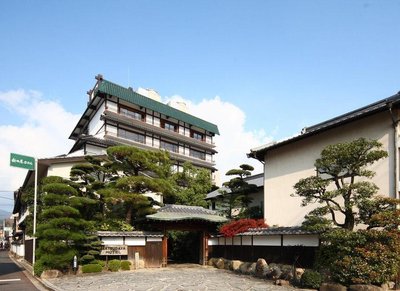
Matsudaya Hotel
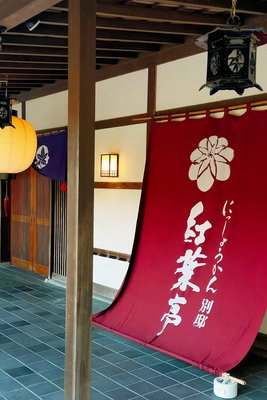
Nisshokan Bettei Koyotei
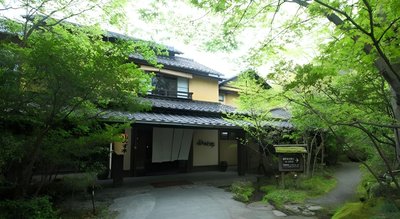
Kurokawaonsen Yamamizuki
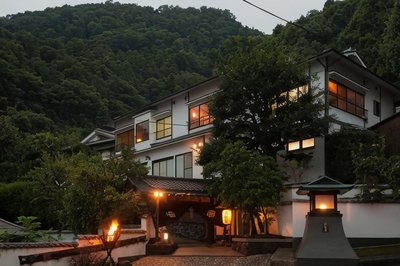
Beppu Showaen
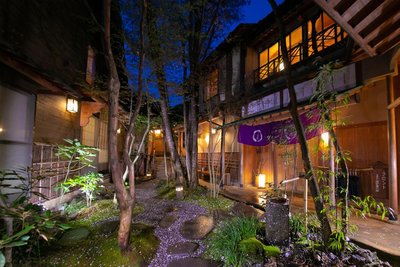
Oyado Ichizen
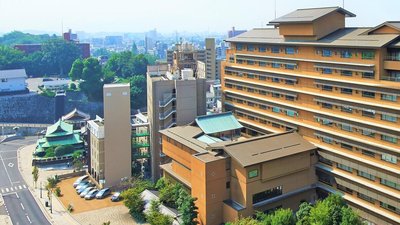
Yamatoya Honten
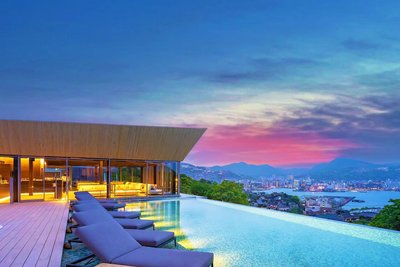
Garden Terrace Nagasaki Hotel & Resort
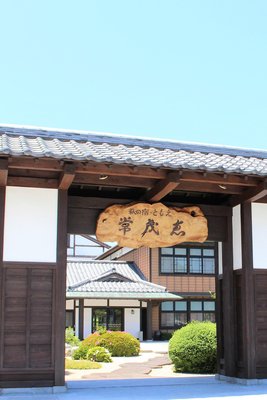
Hagi No Yado Tomoe
Garden Terrace Nagasaki Hotel & Resort
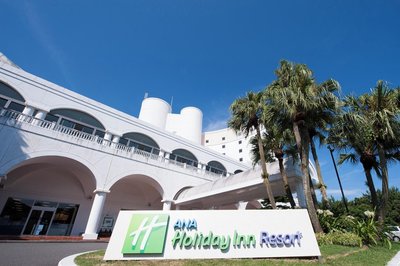
Holiday Inn Resort Miyazaki
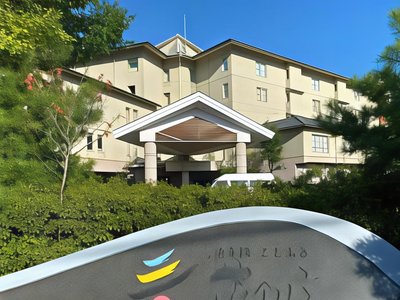
Yufuin Kotobuki Hananosho
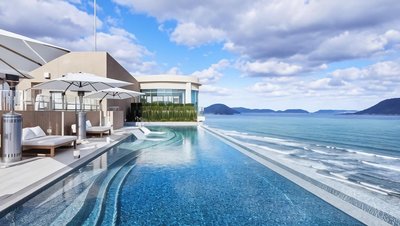
Karatsu Seaside Hotel
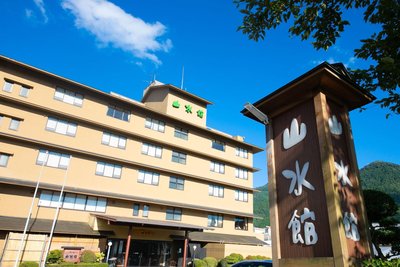
Yufuin Sansuikan
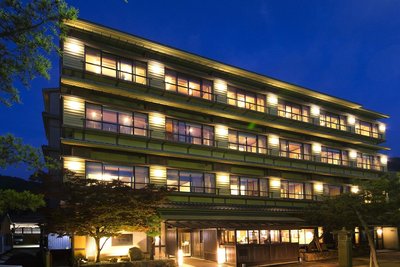
Kinsuikan
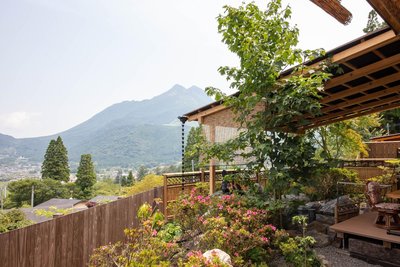
Yufuin-Sanso Waremokou
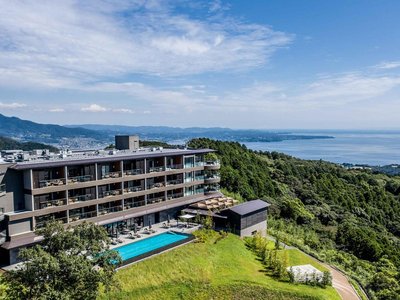
Ana InterContinental Beppu Resort & Spa
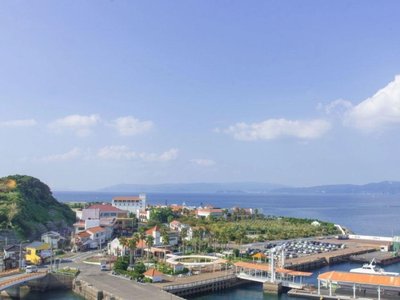
I+Land Nagasaki
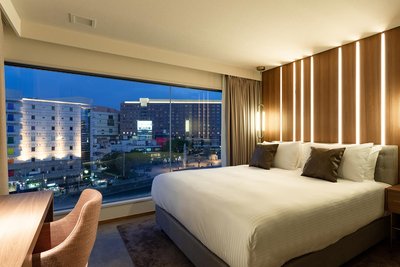
The OneFive Villa Fukuoka
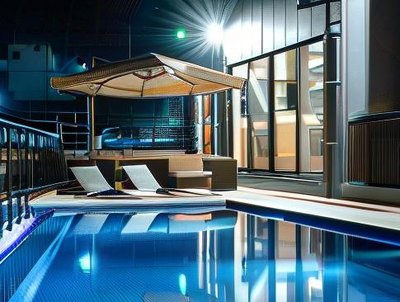
LiVEMAX RESORT MIYAHAMA ONSEN OCEAN
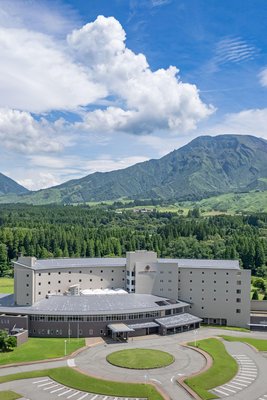
KAMENOI HOTEL ASO
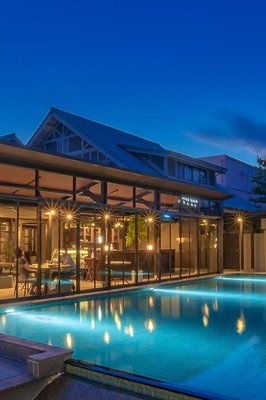
Amane Resort Gahama
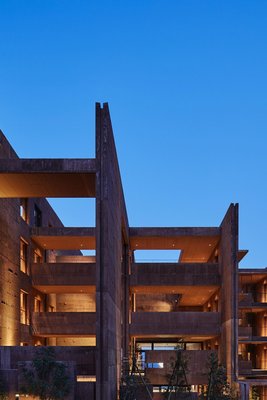
SEKIYA RESORT GALLERIA MIDOBARU
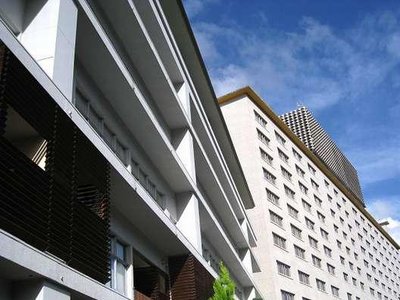
Beppu Suginoi Hotel

Phoenix Seagaia Ocean Tower
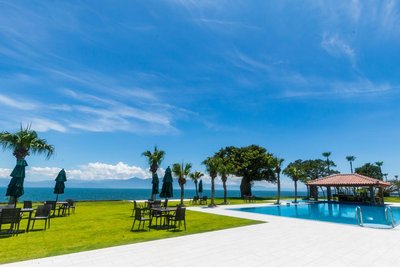
Kagoshima Sunamushi Onsen Ibusuki Hakusuikan
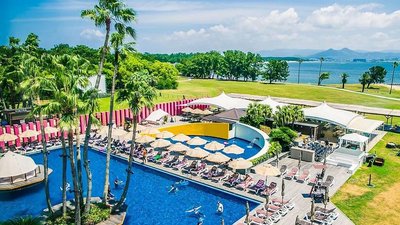
The Luigans Spa and Resort
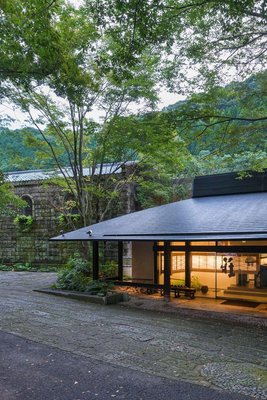
Myoken Ishiharaso

SHIROYAMA HOTEL kagoshima
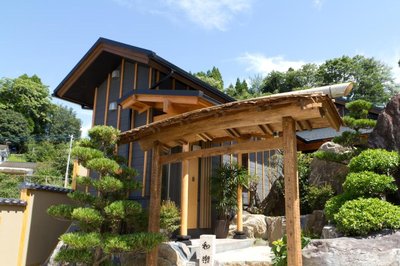
Ryokan Shinsen
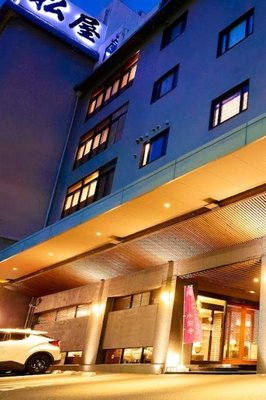
Ryotei Matsuya Honkan Suizenji
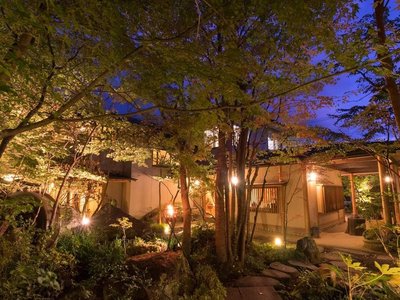
Ryoso Yufuin Yamadaya
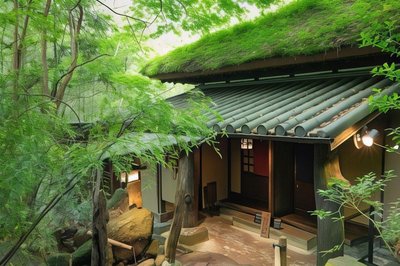
Sanso Tensui
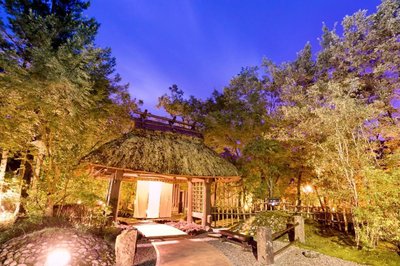
Satonoyu Waraku
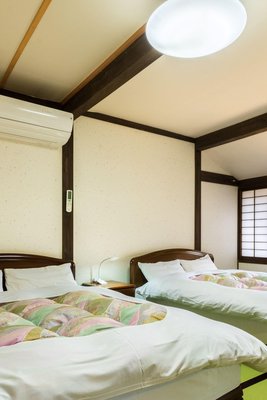
Tobise Onsen Tenga Sanso
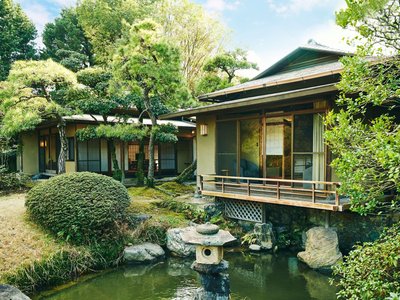
Suisui Garden Ryokan (in the Art Hotel Kokura New Tagawa)
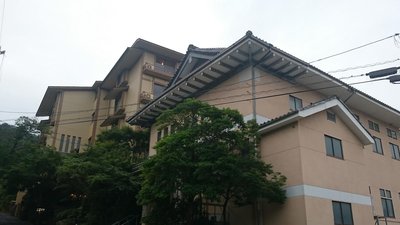
Miyajima Hotel Makoto
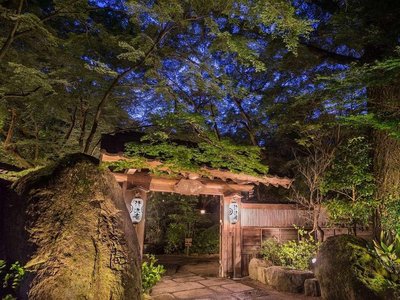
Akizuki Spa Ryokan Seiryuan
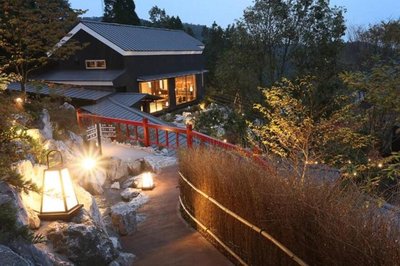
Gekkoju Kurokawa
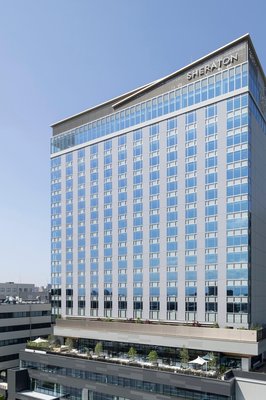
Sheraton Kagoshima
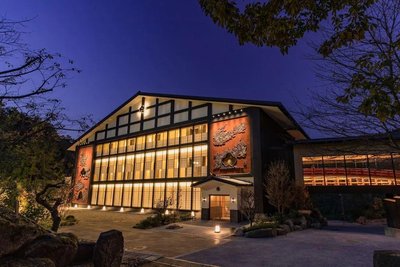
Okuhita Onsen Umehibiki
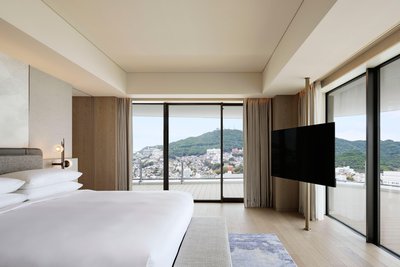
Nagasaki Marriott Hotel
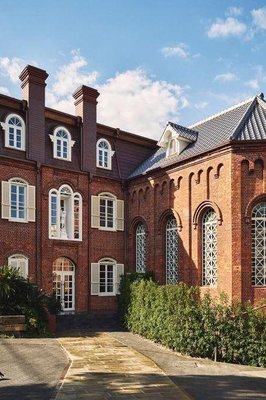
Hotel Indigo Nagasaki Glover Street by IHG
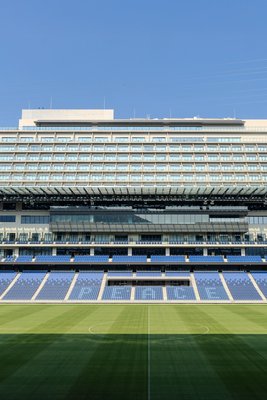
Stadium City Hotel Nagasaki
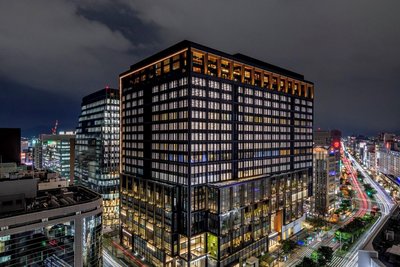
ONE FUKUOKA HOTEL
Ryokan Shinsen
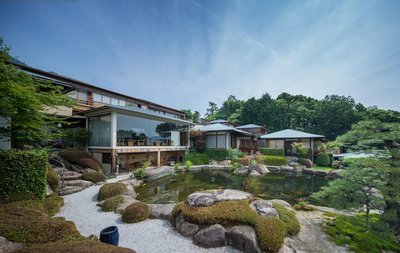
SEKITEI

Yamatoya Besso
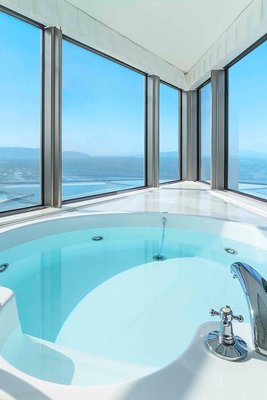
Hilton Fukuoka Sea Hawk

Olive Bay Hotel
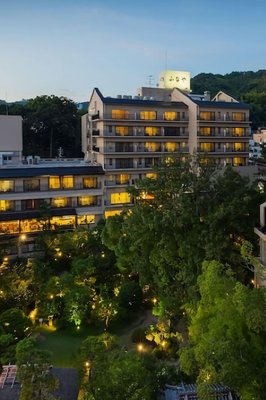
Funaya
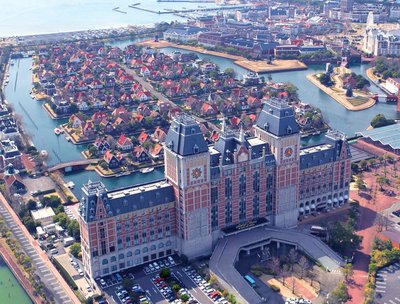
Hotel Okura Jr Huis Ten Bosch
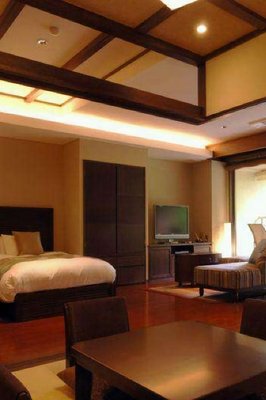
Bettei Oborozukiyo
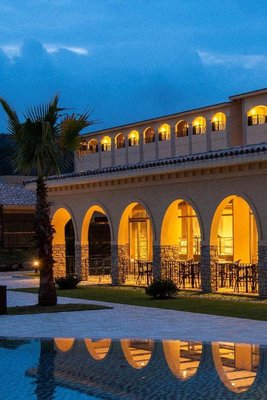
La Vista Kirishima Hills
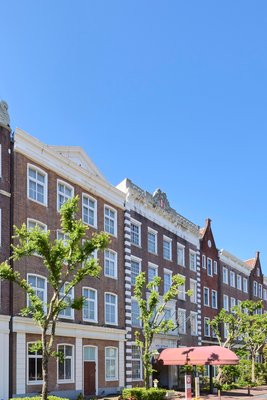
Hotel Amsterdam Huis Ten Bosch

Yumotoankiyohime
Ana InterContinental Beppu Resort & Spa
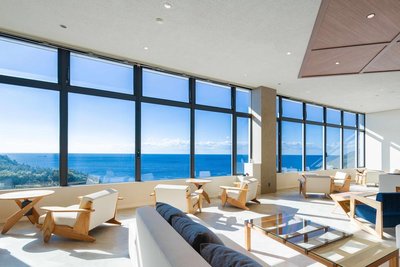
TheMana Village
Amane Resort Gahama
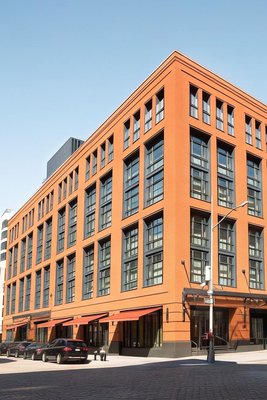
Hotel Barrière Fouquet's New York
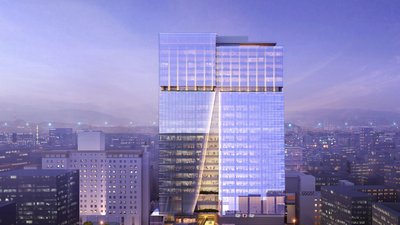
The Ritz-Carlton, Fukuoka
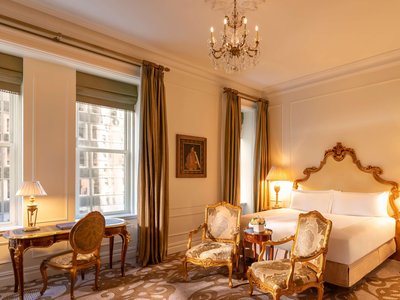
The Plaza - A Fairmont Managed Hotel
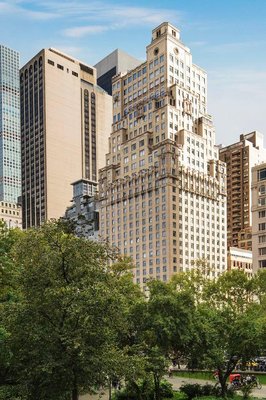
The Ritz-Carlton New York, Central Park
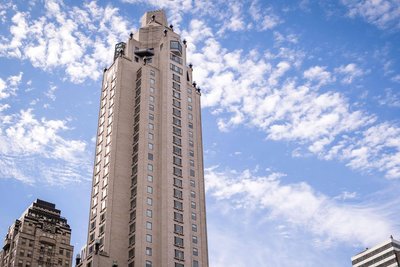
Four Seasons Hotel New York
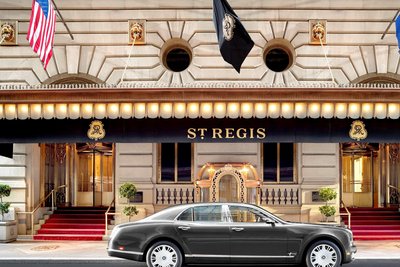
The St. Regis New York
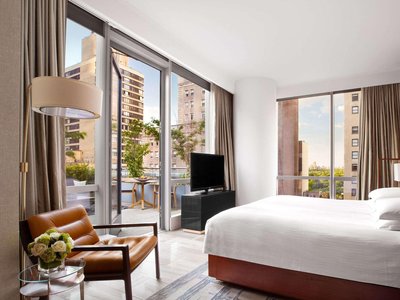
Park Hyatt New York
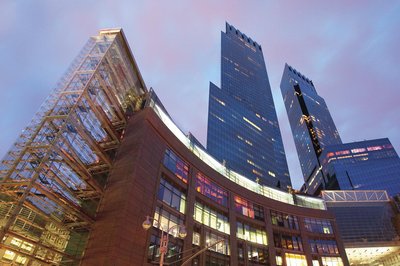
Mandarin Oriental New York
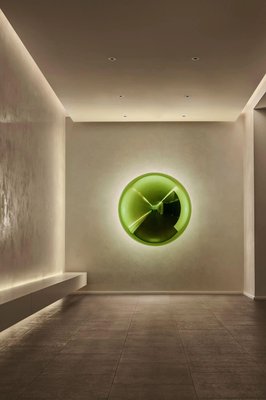
Times Square Edition New York

Loews Regency New York Hotel
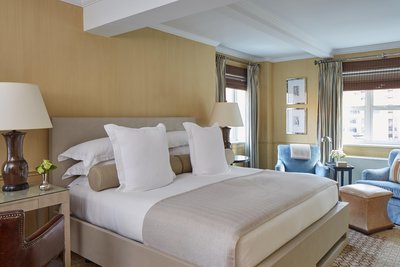
Lowell Hotel
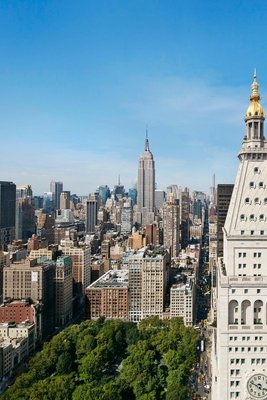
New York Edition
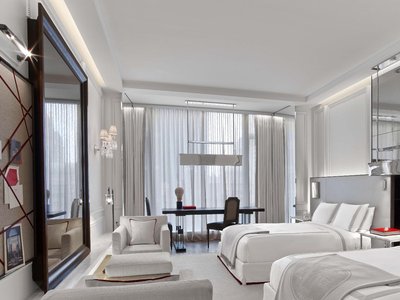
Baccarat Hotel New York
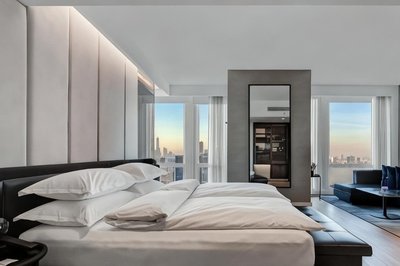
Equinox Hotel New York

Four Seasons Hotel New York Downtown
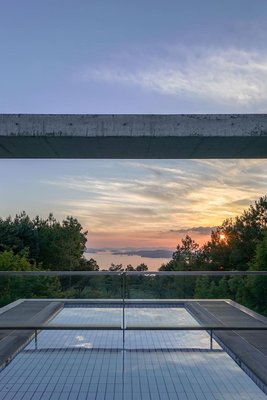
SETOUCHI RETREAT by Onko Chishin
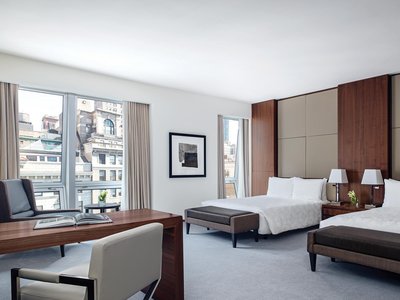
The Langham, New York, Fifth Avenue

The Carlyle, A Rosewood Hotel

The Chatwal, in the Unbound Collection by Hyatt
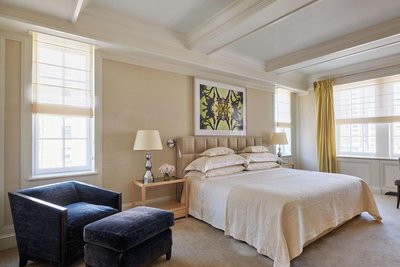
The Mark New York
Frequently Asked Questions about Traveling to Imari
Questions You Might Need to Know About Traveling to Imari
In Izumi City, stay at Izumi Hotel, a boutique property blending modern comfort with traditional Ryokan aesthetics. Located near Izumi Bay and the Izumi Kiln Ruins, it features rooms themed around Izumi porcelain, including private tea ceremonies. For a more immersive experience, RISONARE Izumi by UNIK offers hot springs, forest views, and access to local cultural workshops. Both properties are within walking distance of Izumi Castle Ruins and Ohura Catholic Church, ideal for travelers seeking authentic Japanese hospitality and heritage.
The best areas for accommodation are central Izumi City and the Izumi Bay coastal zone. Central Izumi offers proximity to Izumi Station, shopping streets, restaurants, and the Izumi Porcelain Market. The coastal zone provides serene views of the bay, quieter surroundings, and easy access to Ohura Catholic Church and Dobu Ferry Terminal. Many guesthouses here feature private gardens and traditional tatami rooms, perfect for travelers wanting to experience local life and nature.
Experience Izumi porcelain firsthand at Izumi Pottery Village, where artisans guide visitors through hand-pulling, glazing, and firing ceramics. The Saga Prefectural Ceramics Museum houses rare historical pieces and interactive exhibits on the city’s role as a global export hub during the Edo period. Some luxury hotels, like RISONARE Izumi, offer "Ceramic Tea Experience" packages combining tea ceremony with porcelain appreciation, allowing guests to engage deeply with Japan’s refined ceramic traditions.
Must-see historical sites include Izumi Castle Ruins, where remnants of moats and stone walls offer panoramic views of Izumi Bay. Another highlight is Ohura Catholic Church, a rare 19th-century Western-style church preserved in its original form, featuring stained-glass windows and a bell tower. The Matsuura Historical Museum displays Edo-era documents revealing Izumi’s legacy as a center of export ceramics. These sites provide rich context for understanding the city’s maritime and cultural significance.
Try Izumi beef, renowned for its tenderness and marbling—best enjoyed grilled at a specialty restaurant. Other local delicacies include Saga pork, kama-soba noodle soup with seafood broth, and umeboshi plum wine. Street snacks like tenmusu (tempura rice balls) and kinpira sugar candy are available at Izumi Station Front Market. Many hotels also offer "local ingredient dinner experiences" paired with regional sake, providing an authentic taste of Izumi’s culinary heritage.
Yes, Izumi City is highly family-friendly. Attractions include the Izumi Children’s Science Museum, Izumi Natural Park with a small zoo and hiking trails, and child-friendly pottery workshops at Izumi Pottery Village. The Izumi Bay Seaside Park features playgrounds and sandy beaches ideal for kids. Most hotels provide cribs, kid meals, and family rooms. With low crime rates and reliable public transport, families can explore safely and comfortably, making it perfect for cultural and outdoor adventures.
Transportation in Izumi City is convenient via the Nishi-Kyushu Shinkansen, connecting directly to Izumi Station from Fukuoka or Nagasaki in about one hour. Local buses cover major attractions like Izumi Castle Ruins, Ohura Catholic Church, and Porcelain Market. Tourist shuttle services offer multilingual guides. For flexibility, renting a car is recommended to reach scenic spots along Tōtōmi Bay and Arima Bay. Taxis are readily available near stations, ideal for late-night travel or luggage-heavy trips.
The best times to visit are spring (March–May) and autumn (September–November). Spring brings cherry blossoms at Izumi Park and Castle Ruins Park, creating picturesque scenes. Autumn offers mild weather perfect for hiking and sightseeing. These seasons have fewer crowds than Golden Week or Obon. Summer hosts the Izumi Summer Festival with traditional dances and fireworks; winter features the Izumi Light Festival, illuminating historic streets. Avoid peak holidays for a more peaceful experience.
Photography lovers should visit Ohura Catholic Church for its Gothic architecture and stained-glass windows. The Izumi Castle Ruins offer dramatic silhouettes against the sea at sunset. The white sand beach and tidal rock formations along Izumi Bay create natural frames for landscape shots. Izumi Porcelain Street with its vintage storefronts and hand-painted signs exudes nostalgic charm. At RISONARE Izumi, the Zen garden blending with ocean views provides serene compositions—ideal for long-exposure photography. Bring a wide-angle lens and tripod for best results.
Shop for authentic souvenirs at Izumi Porcelain Street, home to over 50 ceramic boutiques selling everything from daily tableware to collectible Imari blue ware. Try Izumi Blue Porcelain—a signature style known for its intricate patterns. The Ohura Town Market offers local specialties like umeboshi, Saga pork sausages, and Izumi green tea. Izumi Station Front Department Store has a duty-free counter for international travelers. Some hotels even provide custom gift-boxing services, turning your purchases into elegant, culturally meaningful keepsakes.
Imari Overview
City Summary
Imari City in Saga Prefecture is globally renowned for its porcelain industry, with 400 years of Imari ware tradition. Nestled along Imari Bay, the city blends harbor culture with ceramic artistry, featuring the Matsuura Railway vintage train and scenic mountain-coastal landscapes.
Must-See Attractions
Visit Imari Nabeshima Kiln Park showcasing Edo-period official kiln ruins and modern studios. Okawachiyama village preserves traditional climbing kilns where you can paint ceramics. At dusk, head to Imari Bay for sunsets and summer fireworks festivals.
Food Guide
Savor Saga beef teppanyaki with local Imari curry. Port eateries serve fresh seafood bowls - try sea bream chazuke. For dessert, Arita-yaki pudding served in artisan porcelain is a must.
Transportation Guide
Take JR Chikuhi Line from Fukuoka Airport to Imari Station (90 mins). The city is best explored via Matsuura Railway, loop buses, or rental bikes. Taxis to Arita Town cost ¥3000 for 20-minute rides.
Best Time to Visit
Apr-May for ceramic fairs, Oct-Nov for crisp autumn hikes. Avoid July-August typhoon season. Winter offers exclusive kiln openings with fewer tourists.
Travel Tips
- Book kiln tours in advance; never touch unfired works
- Seafood markets are freshest at dawn, many close after noon
- Tax-free shopping available for ceramics over ¥5000
- Matsuura Railway has limited schedules; check timetables
- Avoid "unlucky directions" when visiting shrines to prevent ceramic mishaps
- Local dialect uses "~tai" as polite speech suffix
Useful Information
Tourist info centers provide multilingual guides but English proficiency is low. Major stores accept IC cards/credit; rural kilns are cash-only. Medical facilities require travel to Karatsu City (emergency #7119). Free WiFi at stations and municipal buildings; pocket WiFi rentals recommended. Special packaging required for ceramic shipments - Yamato Transport near the port handles international deliveries.