Hotels in Inagawa
Discover your perfect stay in Inagawa.
Inagawa(Japan) Travel 2026: Cheap Flights, Hotels & Top Attractions
Popular Landmarks in Inagawa
Discover the most iconic attractions in Inagawa
Recommended Hotels in Inagawa
Find the perfect place to stay in Inagawa
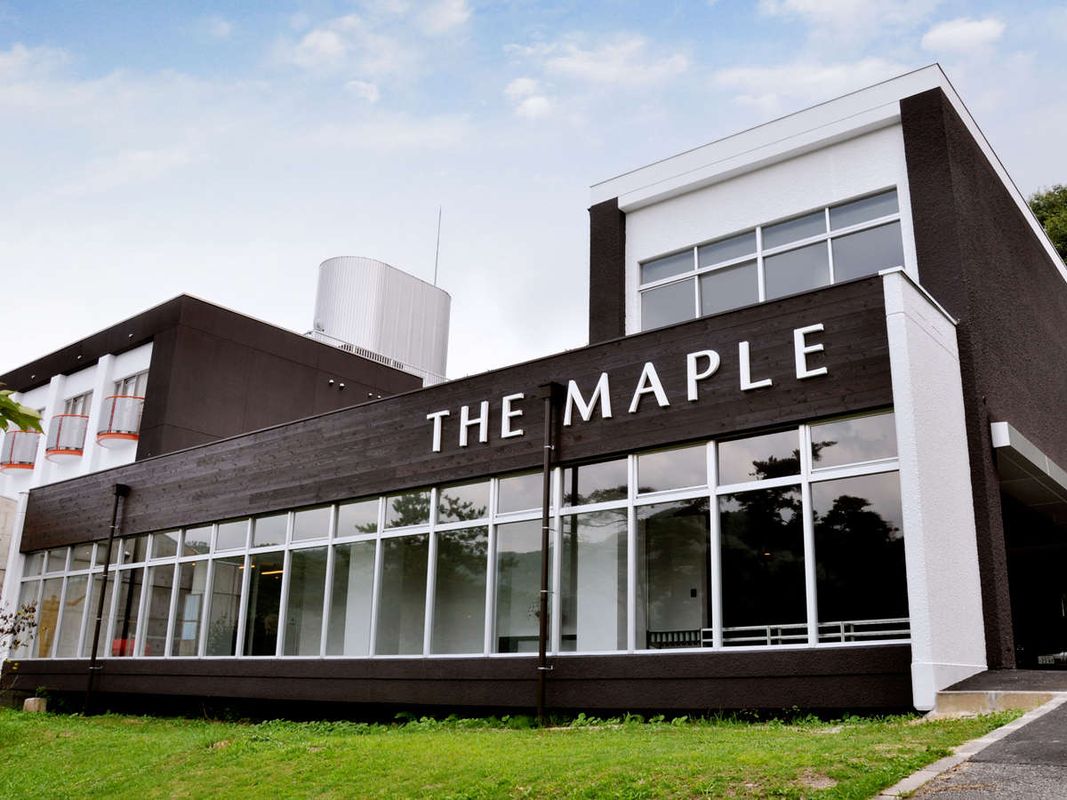
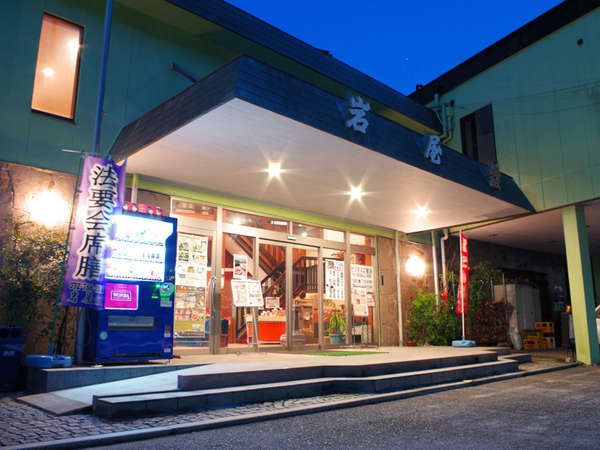
Best Hotels in Inagawa
Discover curated hotel collections in Inagawa
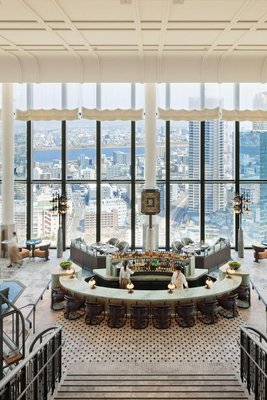
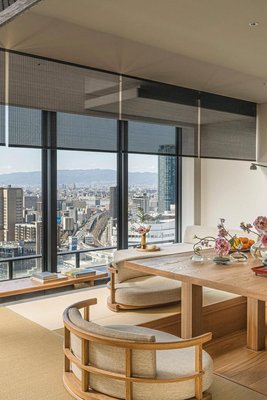

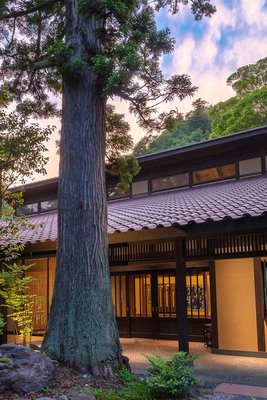

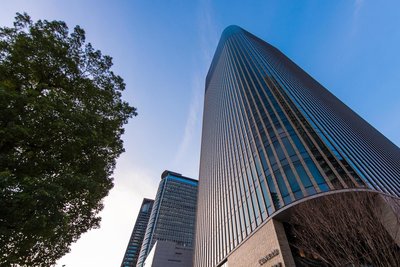
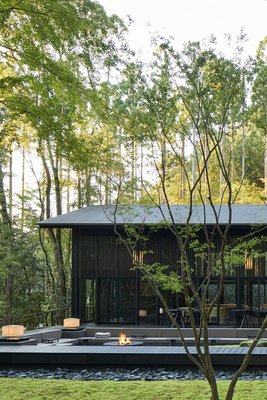
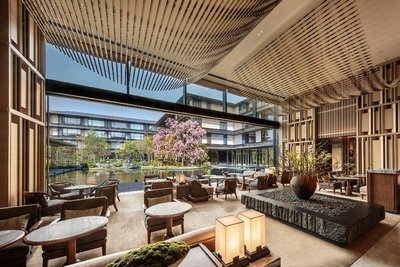




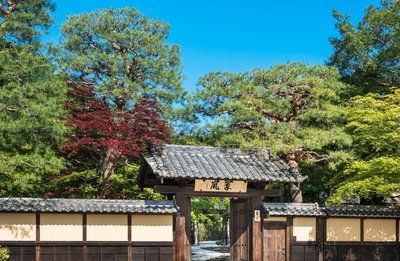
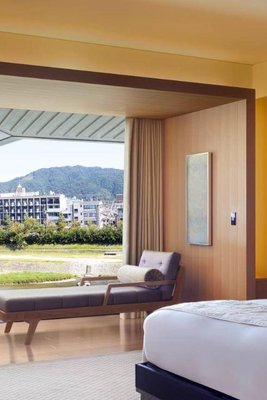
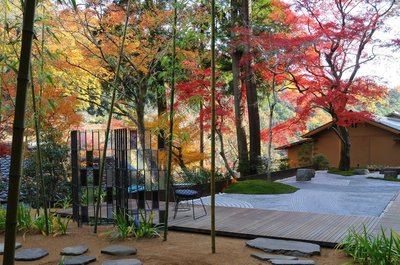
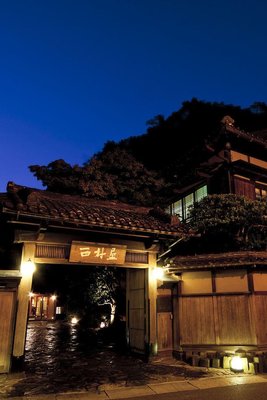

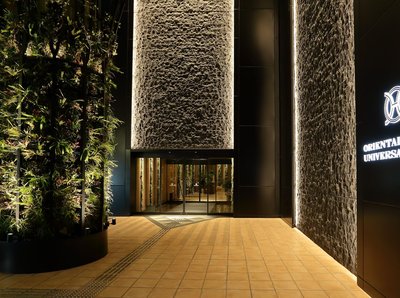

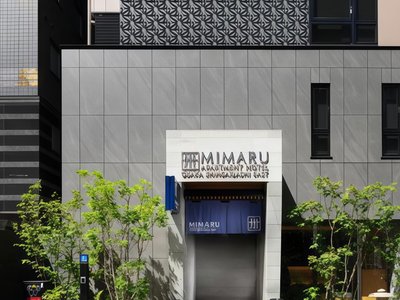


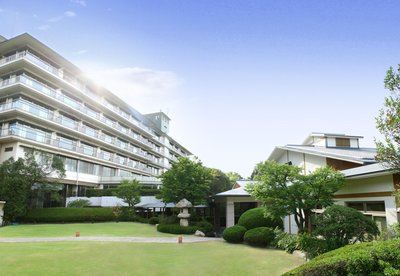
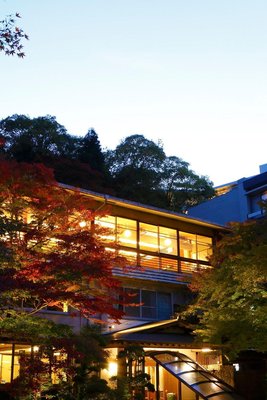


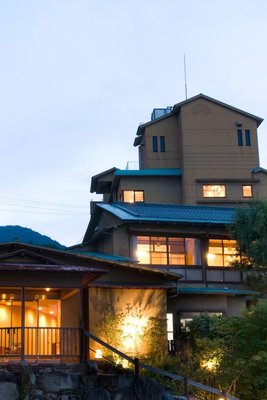

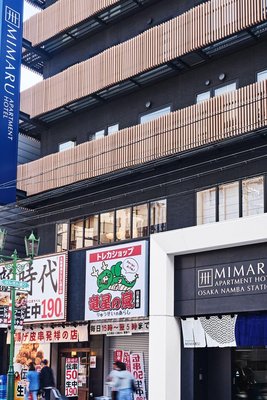












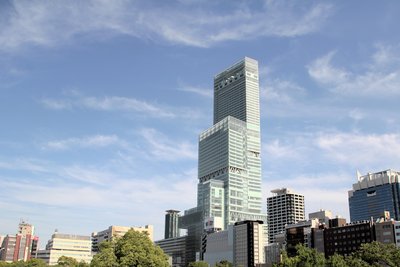





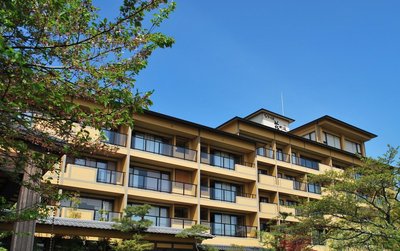
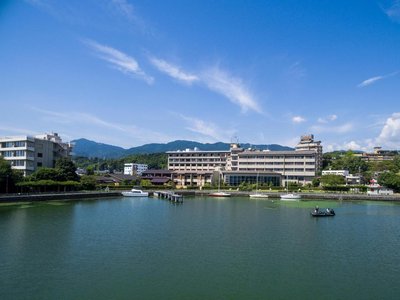


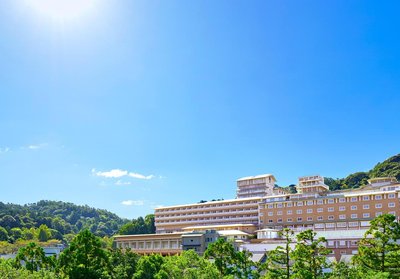
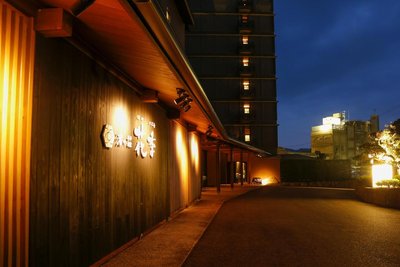
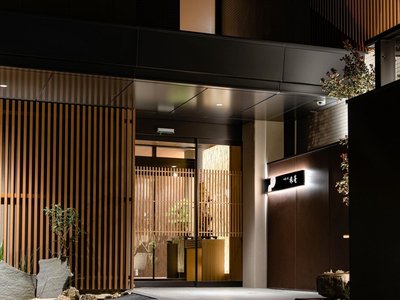
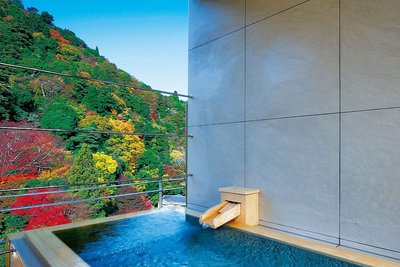
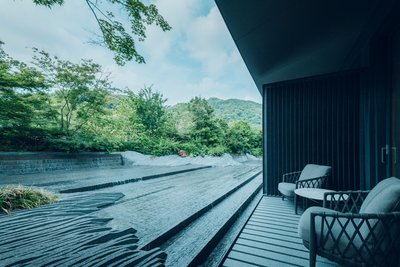


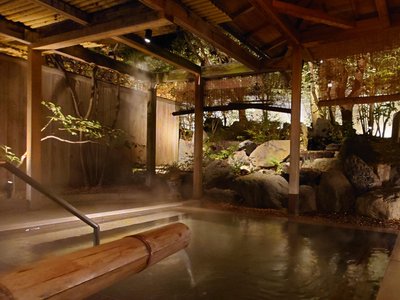

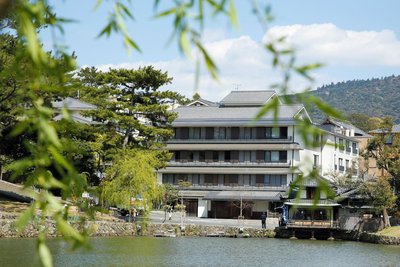
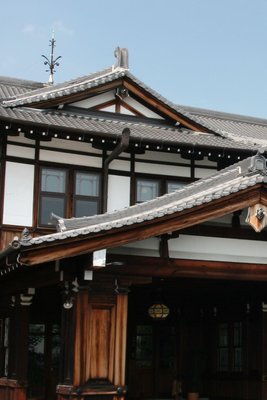
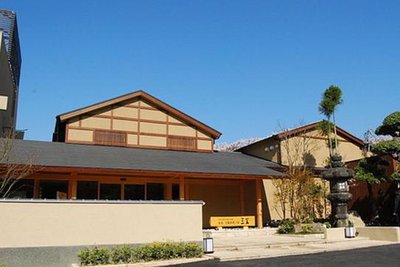

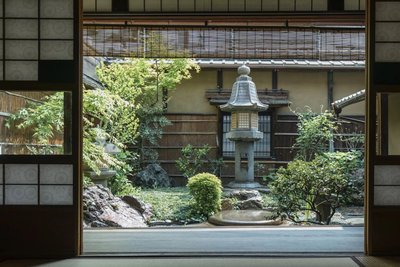


























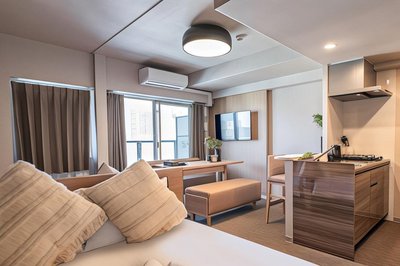
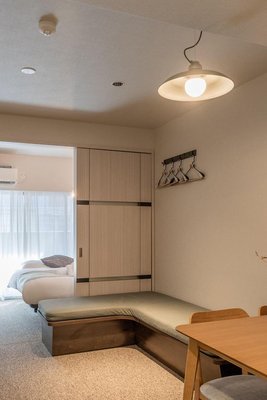
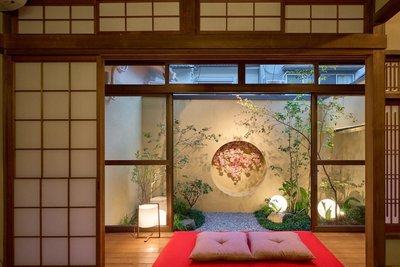
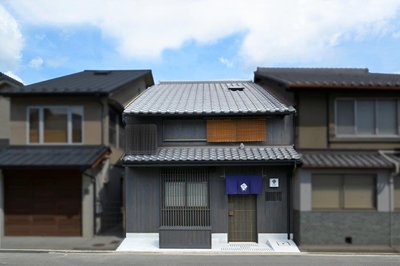

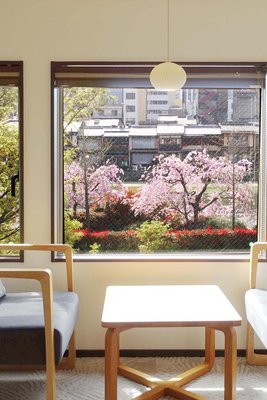
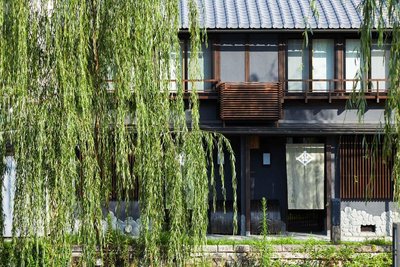




















Frequently Asked Questions about Traveling to Inagawa
Questions You Might Need to Know About Traveling to Inagawa
In Hinokawa Town, the top choice for families is Hinokawa Town Tourist Inn, a locally-run inn offering Japanese-style tatami rooms and spacious family suites. Located just steps from the Hinokawa River, it provides serene views of seasonal landscapes and hosts child-friendly activities like rice planting workshops. The inn features a dedicated kids' corner, and guests can enjoy meals made with fresh local ingredients, including Biwa Lake fish dry rice and regional soy milk drinks. Nearby attractions include Otsu Shrine, easily accessible on foot, making it ideal for cultural exploration with children.
Stay packages often include breakfast featuring farm-to-table dishes, ensuring a warm, authentic experience rooted in Shiga’s rural traditions.
The most peaceful accommodation lies along the Hinokawa Riverfront, where tranquil scenery meets quiet residential streets. Staying near the Hinokawa Town Office is ideal—offering easy access to community events like the Summer Lantern Festival and Autumn Rice Harvest Festival. Most lodgings here blend traditional Japanese architecture with modern comforts, creating an atmosphere perfect for slow living. With minimal traffic and abundant greenery, this area is especially favored by travelers seeking mindfulness, nature immersion, and a genuine connection to rural Shiga life.
Hinokawa Town offers rare hands-on cultural experiences such as washi paper-making workshops at the century-old Hinokawa Washi Craft Studio, where visitors craft handmade paper using local kozo fibers. Additionally, Kurokawa Sake Brewery offers immersive tours through traditional sake brewing, allowing guests to monitor fermentation and sample aged batches. These experiences often include a local meal featuring dishes like carp sushi and vegetable tempura, deepening your understanding of Shiga’s culinary heritage. Many programs also feature storytelling sessions with artisans, connecting you directly to the town’s living traditions.
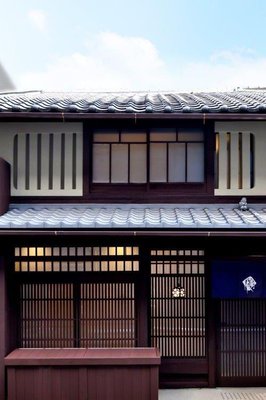
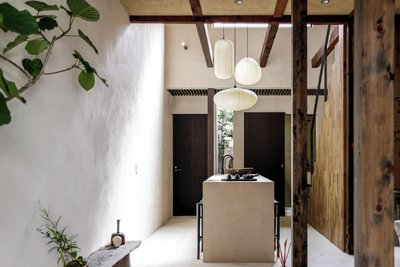
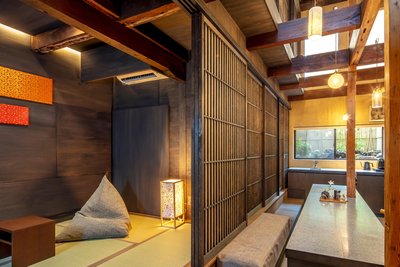
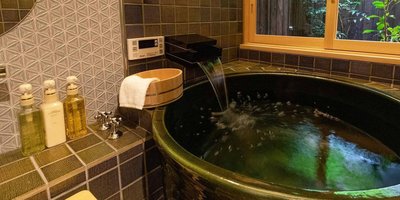
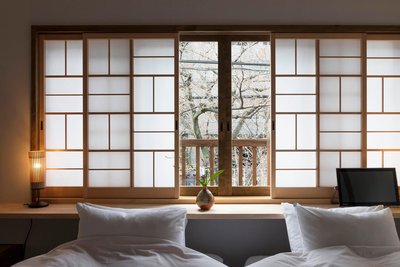
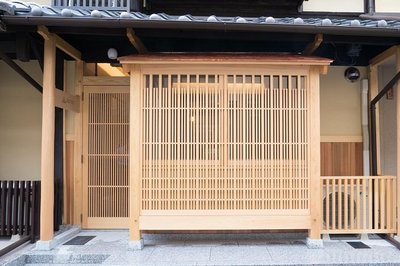
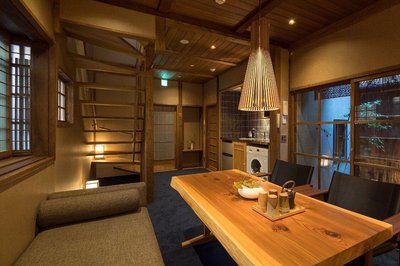
Yes, Hinokawa Town Boutique Stay is a hidden gem perfect for short getaways. Nestled in a historic alleyway, this boutique inn preserves Edo-era wooden architecture while offering modern amenities like private courtyards and Japanese soaking tubs. Each room features handcrafted furnishings and eco-conscious design. Guests receive free electric bike rentals to explore nearby rice fields and scenic streams. The inn also hosts "Morning Mist Walks" led by staff, guiding visitors through untouched trails to observe wild birds and morning fog over the river—ideal for photographers and wellness seekers.
Absolutely. Hotels like Otsuya Ryokan run a "One Meal, One Story" program, where each dish comes with a narrative about its ingredients and preparation. Meals might include lotus root soup from local harvests or grilled fish seasoned with mountain herbs. Some establishments host "Dinner with Locals" nights, pairing meals with conversations between guests and farmers or chefs, sharing insights into daily life and sustainable farming. These intimate dining experiences turn meals into meaningful cultural exchanges, enriching your stay beyond the plate.
Nighttime in Hinokawa Town shines with magical moments. Join the Firefly Night Walk (late June to early July) along the Hinokawa River, where hundreds of fireflies illuminate the dark waters like floating stars. Some inns host Moonlight Tea Ceremonies in garden settings, serving locally grown genmaicha tea with handmade wagashi sweets, evoking a sense of wabi-sabi. For a deeper cultural journey, participate in the Old Street Lantern Walk, guided through centuries-old wooden houses and stone paths, listening to tales of local legends and ancestral stories passed down through generations.
Many hotels in Hinokawa Town prioritize ecological balance. Green River House, for example, operates a zero-plastic policy using bamboo and biodegradable toiletries. Its gardens use rainwater harvesting systems, growing seasonal vegetables for in-house meals. The inn partners with local conservation groups to offer the "One-Day Eco Guardian" program, where guests help clean riverbanks, monitor water quality, and track wildlife footprints. Through these initiatives, travelers don’t just visit nature—they actively protect the Biwa Lake watershed ecosystem.
Yes, many hotels are designed with senior comfort in mind. Anraku-an Guesthouse features barrier-free access, non-slip flooring, and emergency call systems in every room. Low beds and grab bars ensure safety and ease of movement. Daily gentle activities include morning tai chi sessions and ikebana flower arrangement workshops, promoting relaxation and mental well-being. Just a 10-minute walk leads to a public foot bath with natural hot spring water, ideal for joint relief. The peaceful, low-traffic environment makes it perfect for seniors seeking restorative, stress-free retreats.
Yes, several hotels in Hinokawa Town offer multilingual services. Hinokawa Town Tourist Inn provides Chinese, English, and Korean-language brochures and employs staff fluent in international guest communication. Some inns even offer translation devices and voice-guided audio tours to help foreign visitors understand local festivals and history. Additionally, real-time chat support via mobile app ensures assistance throughout your stay, enhancing accessibility and peace of mind for international travelers.
Extremely convenient. Hinokawa Town sits centrally in Shiga Prefecture, making it a perfect base for exploring key sites. From most hotels, a 15–25 minute ride by bus or electric bike reaches Otsu Castle Ruins and the western shores of Lake Biwa. Nearby attractions like Kurokawa Sake Brewery and Washi Paper Workshops are within walking distance. Some hotels offer bundled "Day Trip Passes" that include tickets and shuttle services, simplifying travel planning. Whether you seek culture, nature, or tranquility, staying in Hinokawa Town puts you at the heart of a seamless Shiga adventure.
Inagawa Overview
City Summary
Inagawa Town is located in the eastern part of Shiga Prefecture, Japan, a tranquil small town surrounded by nature, known for its clear rivers and rich ecology. It is an ideal escape from urban noise, where visitors can experience different natural landscapes throughout the seasons, especially the autumn leaves and spring cherry blossoms. Inagawa Town also retains traditional Japanese rural charm, making it a great place to understand Japan's countryside culture.
Must-See Attractions
The main attractions in Inagawa Town include the Inagawa River and its surrounding natural parks, where visitors can walk, fish, or engage in other outdoor activities. Additionally, local traditional shrines and temples are worth a visit to learn about Shinto culture and history. For nature lovers, nearby hiking trails and bird-watching spots provide opportunities to get close to nature.
Food Guide
Local specialties of Inagawa Town include fresh vegetables grown by local farmers and traditional Japanese dishes. Recommended dishes include sushi and tempura made with local ingredients, which are not only delicious but also reflect the freshness and authenticity of local produce. Family-run restaurants in the town offer a cozy dining environment, perfect for experiencing authentic Japanese home-style meals.
Transportation Guide
Public transportation in Inagawa Town is relatively limited, so visitors are advised to drive or rent a car for more flexibility in exploring the surrounding areas. Major attractions within the town can be reached on foot or by bicycle. From major cities in Shiga Prefecture such as Otsu or Kusatsu, buses or taxis can be taken to reach Inagawa Town, with a travel time of approximately 30 to 60 minutes.
Best Time to Visit
The best time to visit is during spring (March to May) and autumn (September to November), when the weather is pleasant and the scenery is most beautiful. Summers are hot and humid, while winters are colder but with fewer tourists, suitable for those who prefer quieter travels.
Travel Tips
- Be cautious when drinking local spring water to ensure it's potable.
- Respect local culture and traditions, especially when visiting shrines.
- Bring mosquito repellent, as mosquitoes are prevalent in summer.
- Check public transport schedules in advance to avoid missing connections.
- Drivers should be mindful of narrow rural roads.
- Some restaurants may require reservations, especially during peak travel seasons.
Useful Information
Language: Japanese is the main language, with limited English communication; a translation app is recommended. Network: WiFi coverage in town is limited; consider purchasing a local SIM card or using international roaming. Payment: Cash is preferred, as some restaurants and shops may not accept credit cards. Emergency: The nearest hospital is in a neighboring town; travel insurance is recommended for emergencies.









