Hotels in Inakadate
Discover your perfect stay in Inakadate.
Inakadate(Japan) Travel 2026: Cheap Flights, Hotels & Top Attractions
Popular Landmarks in Inakadate
Discover the most iconic attractions in Inakadate
Recommended Hotels in Inakadate
Find the perfect place to stay in Inakadate
Best Hotels in Inakadate
Discover curated hotel collections in Inakadate







































Frequently Asked Questions about Traveling to Inakadate
Questions You Might Need to Know About Traveling to Inakadate
In Tashikita Village, the top choice is Tashikita Farmstay, a renovated traditional farmhouse nestled amidst colorful rice field art. Each room features a private garden with panoramic views of the seasonal rice paddies. Guests can participate in hands-on activities like planting rice seedlings or making local wagashi sweets. The hosts serve breakfast using organic ingredients from their own farm, and guided tours to the Tashikita Rice Art Center are available. This immersive experience offers a genuine taste of rural Aomori life.
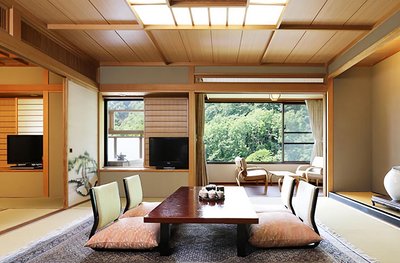
The ideal area for staying in Tashikita Village is the central rice field district, close to the Tashikita Rice Art Center and Aomori Prefectural Natural Museum. This zone offers quiet surroundings and unobstructed views of the countryside. Recommended lodgings include Tashikita Village Tourist Inn and Paddyfield Cottage, both featuring wooden architecture, tatami rooms, and onsen baths. Many accommodations provide shuttle services to nearby attractions, ensuring easy access while preserving the village's peaceful atmosphere.
Must-try experiences in Tashikita Village include creating rice field art—a summer tradition where locals and visitors paint large-scale designs using colored rice varieties. You can also join workshops at Tashikita Washi Paper Studio, learning to craft lanterns and envelopes from Aomori’s traditional washi paper. Don’t miss the homestyle "Kunimitsu meal", featuring locally raised black pork, seasonal vegetables, and house-brewed sake, offering an authentic taste of northern Japanese rural cuisine.
Absolutely! Tashikita Village is perfect for families. Children can enjoy interactive programs like planting rice seedlings, harvesting grains, and feeding goats at the Kids’ Farm. Many guesthouses offer family activity kits with materials for making straw dolls and scavenger hunt maps. The Rice Art Center features child-friendly exhibits with projection displays showing rice growth stages. It’s an ideal place for kids to learn about agricultural life through fun, hands-on experiences.
While there are no large-scale onsen resorts in Tashikita Village, several boutique guesthouses offer private hot spring baths. Yamanokawa Onsen Cottage features an open-air stone bath filled with natural mineral-rich water, perfect for soaking while gazing at the rice fields and distant mountains. Another option is Paddyfield No. 2, which has a small wooden outdoor bath lit by lanterns at night. Though modest in size, these onsen deliver a deeply relaxing, authentic rural healing experience.
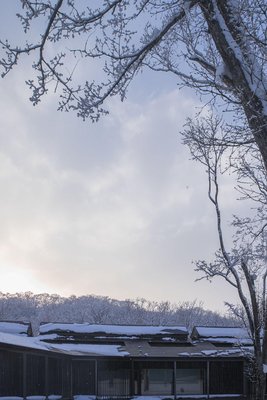
Tashikita Village shines in every season: Spring (March) brings cherry blossoms and fresh green rice shoots; Summer (June–August) is peak time for colorful rice field art, with daily changing themes; Autumn (September–November) showcases golden harvest fields ideal for photography; Winter transforms the landscape into a serene snow-covered canvas, with events like snow walks and evening onsen talks. Traditional festivals like Year-End Rituals and New Year’s Prayer Ceremonies add cultural depth to the seasonal rhythm.
From Aomori City, take the JR East Aomori Line to Tashikita Station, a 40-minute ride with frequent departures. Upon arrival, it’s a 5-minute walk to the Tashikita Rice Art Center. Alternatively, rent an electric bicycle to explore scenic rural roads. For drivers, follow the Tohoku Expressway to National Route 4, taking about 30 minutes. Free parking is available near the village center—arrive early to avoid weekend crowds.
In Tashikita Village, must-try dishes include Tashikita Black Pork BBQ, made from locally raised pigs, and Paddyfield Rice Bowl, a hearty meal of freshly cooked rice with seasonal vegetables. Visit Paddyfield Dining Hall for the signature Field Bento Box, served in bamboo containers with pickled vegetables and homemade miso soup. Nearby, handmade tofu workshop offers warm tofu with yuzu vinegar. Many guesthouses serve farm-to-table dinners using ingredients grown on-site, reflecting Aomori’s sustainable culinary philosophy.
The rice field art in Tashikita Village began in 1993 as a community project using different colored rice varieties (purple, red, yellow). Before planting, precise planning and surveying ensure accurate patterns. After sowing, the fields gradually reveal intricate designs—such as mythical creatures or seasonal motifs—by mid-summer. These artworks remain visible until harvest in October, when guided tours and viewing platforms allow visitors to appreciate the living masterpieces. It’s a celebration of agriculture, art, and community spirit.
Yes, Tashikita Village is a photographer’s dream. The vast rice field art creates a dynamic canvas—ideal for sunrise mist shots or golden hour silhouettes. Key spots include the Rice Art Center Viewing Platform, rural footpaths, and mountain trails. Use wide-angle lenses for sweeping landscapes or telephoto for detailed textures. Winter snow scenes offer minimalist compositions. Guided photography tours are available to help locate optimal times and angles, enhancing your storytelling potential.
Inakadate Overview
City Summary
Inakadate Village in Aomori Prefecture, Japan, is famous for its rice paddy art. Farmers create gigantic artistic designs in vast rice fields using differently colored rice plants, attracting visitors worldwide. The village offers a glimpse into traditional Japanese rural life and stunning natural beauty.
Must-See Attractions
The must-see attraction is the annual Rice Paddy Art Exhibition, where visitors can view the spectacular designs from observation decks. The village's farmers' market offers fresh local produce and farming experiences. Nearby attractions like Hirosaki Castle and Lake Towada are also worth visiting.
Food Guide
Local cuisine focuses on farm-fresh ingredients. Try Aomori apples and traditional rice-based sweets. Village restaurants serve hearty dishes like homemade curry rice and buckwheat noodles.
Transportation Guide
To reach Inakadate, take a bus from Aomori Station or Hirosaki Station (30-40 minutes). Walking or renting a bike is ideal for exploring the village. Driving is convenient, with ample parking. Check bus schedules in advance to avoid delays.
Best Time to Visit
The best time to visit is July to October, when the rice paddy art is at its peak. Summers are mild, and autumn offers golden rice fields. Avoid winter due to heavy snow.
Travel Tips
- Respect farmers' work: Do not step into the rice fields.
- Book observation decks: Reservations may be needed in peak season.
- Carry cash: Many small shops don't accept cards.
- Wear comfortable shoes: Village paths are rustic.
- Use sunscreen: Summers can be sunny.
- Keep quiet: The village values tranquility.
Useful Information
Language: English signage is limited; learn basic Japanese or use a translation app. Internet: Wi-Fi is sparse; consider a mobile hotspot. Payment: Cash is preferred; some places accept cards. Emergencies: The nearest hospital is in Hirosaki; bring basic medicines. Etiquette: Remove shoes when entering homes or restaurants.