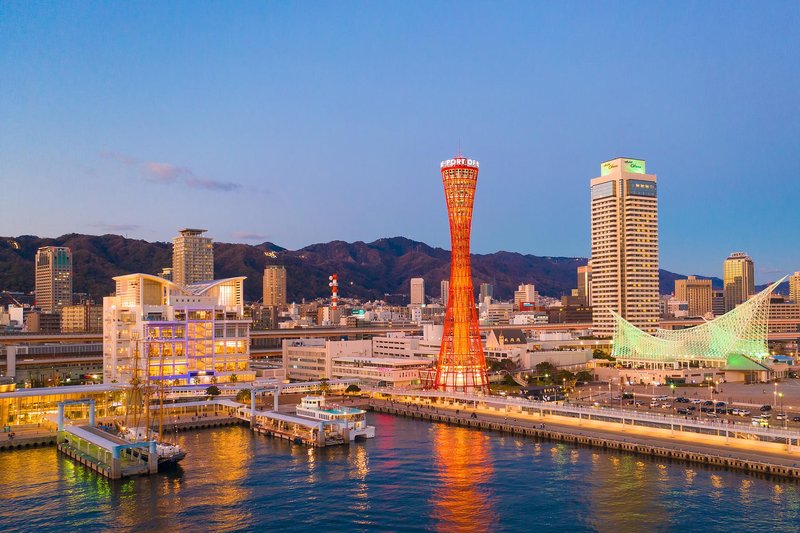
Hotels in Inashiki
Discover your perfect stay in Inashiki.
Inashiki(Japan) Travel 2026: Cheap Flights, Hotels & Top Attractions
Popular Landmarks in Inashiki
Discover the most iconic attractions in Inashiki
Recommended Hotels in Inashiki
Find the perfect place to stay in Inashiki
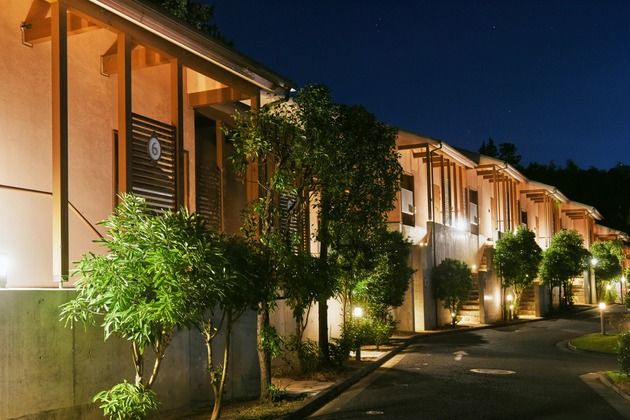
Time Resort Kakureya
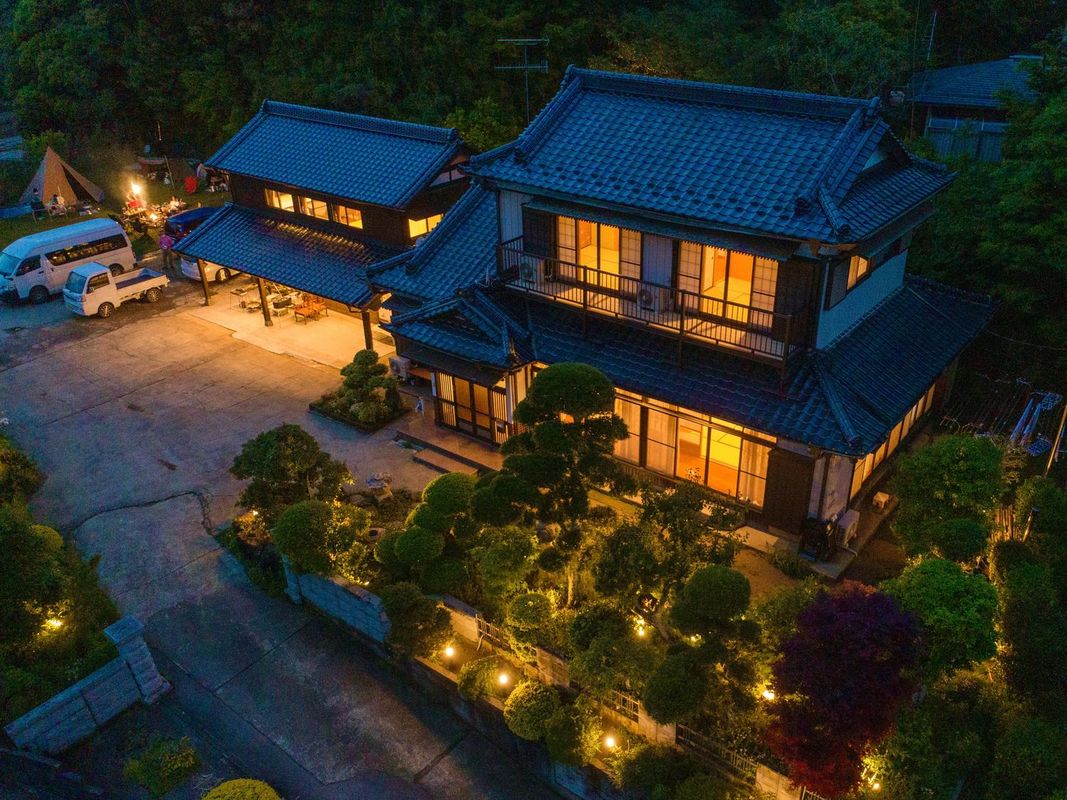
HOUSE of INASHIKI
Best Hotels in Inashiki
Discover curated hotel collections in Inashiki
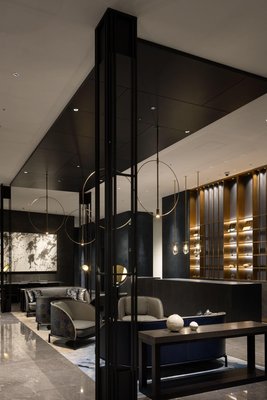
Bellustar Tokyo, A Pan Pacific Hotel
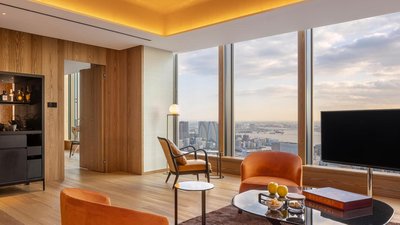
Bvlgari Hotel Tokyo
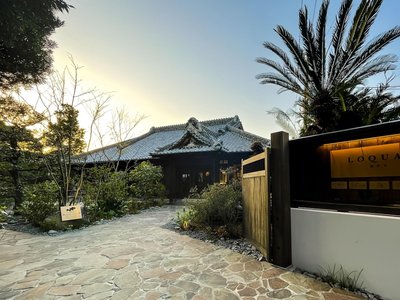
Loquat Nishiizu
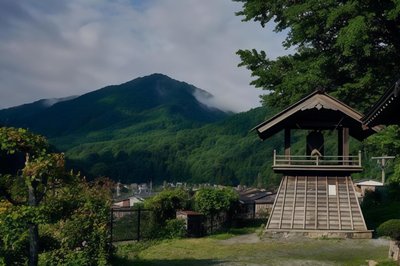
Byaku Narai
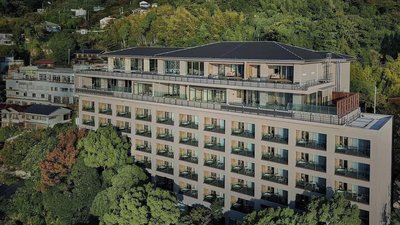
Atami Izusan Karaku
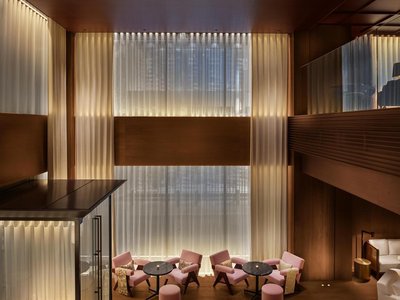
The Tokyo Edition, Ginza
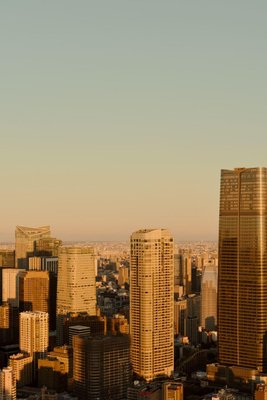
Janu Tokyo
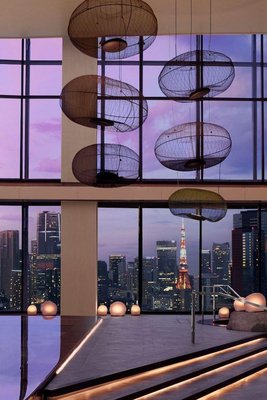
JW Marriott Hotel Tokyo
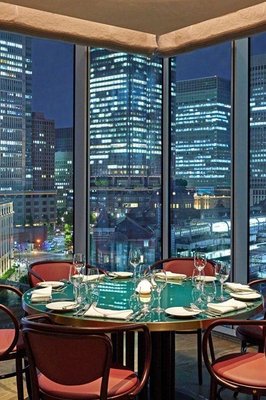
Four Seasons Hotel Tokyo at Marunouchi

Mandarin Oriental, Tokyo
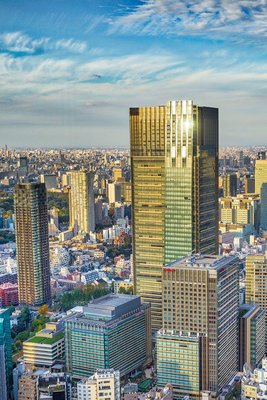
The Ritz-Carlton, Tokyo
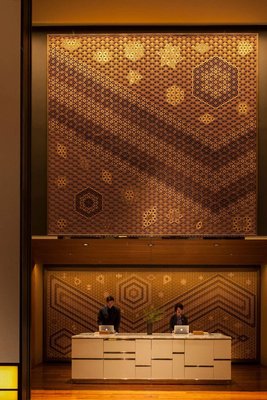
Andaz Tokyo Toranomon Hills- A Concept by Hyatt
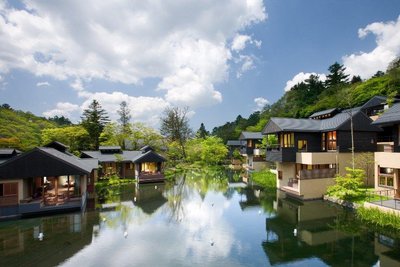
Hoshinoya Karuizawa
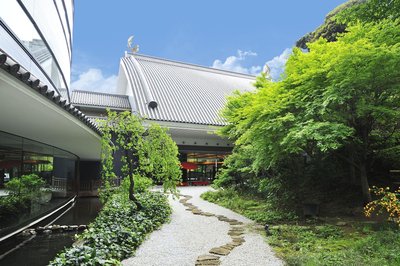
Hotel Gajoen Tokyo
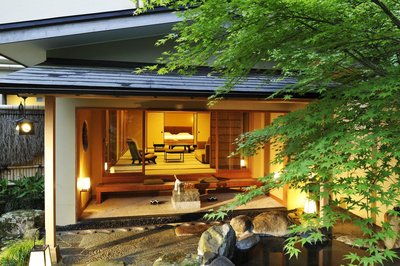
Gora Kadan
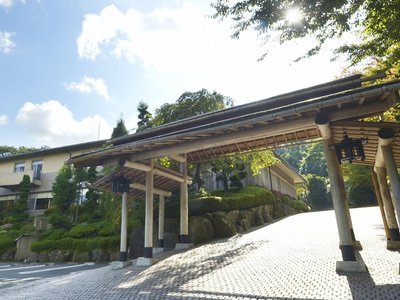
Gora Hanaougi
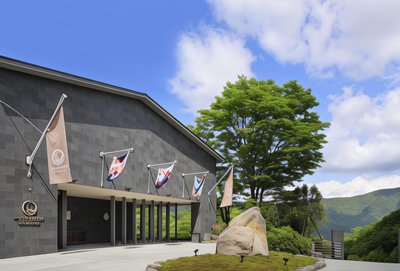
The Hiramatsu Hotels & Resorts Sengokuhara Hakone
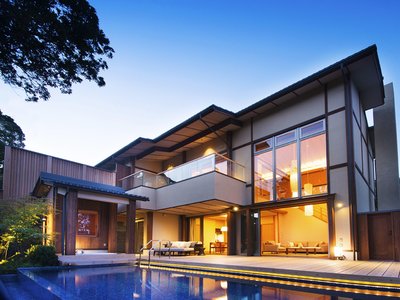
Abba Resorts Izu - Zagyosoh
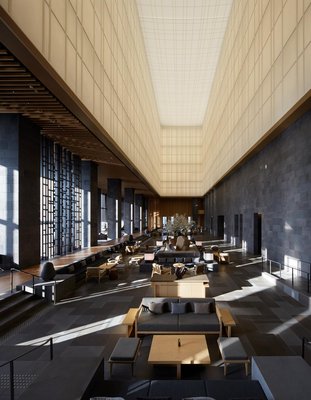
Aman Tokyo
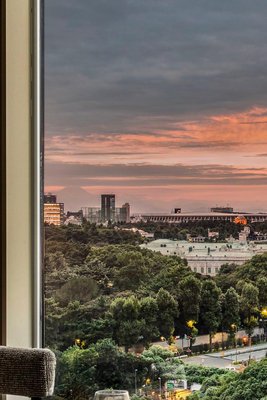
Hotel New Otani Tokyo, Executive House Zen
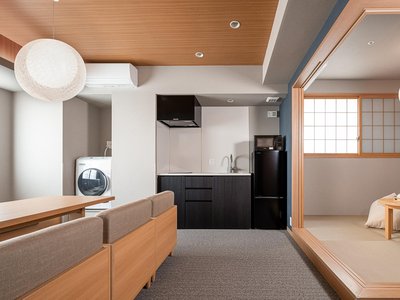
MIMARU SUITES Tokyo Asakusa
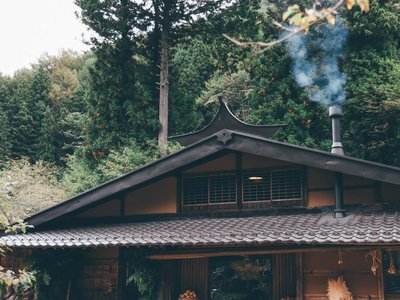
La Terra Resort
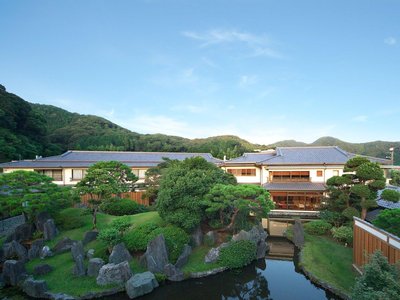
Kagetsutei
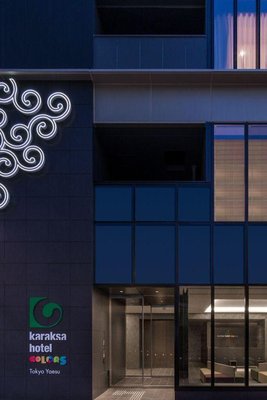
karaksa hotel colors Tokyo Yaesu
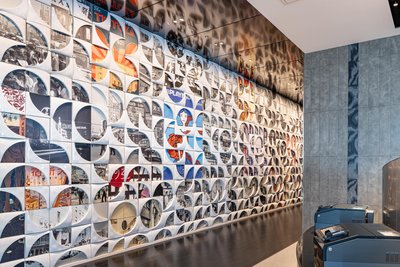
HOTEL GROOVE SHINJUKU, A PARKROYAL Hotel

EN Resort Grandeco Hotel
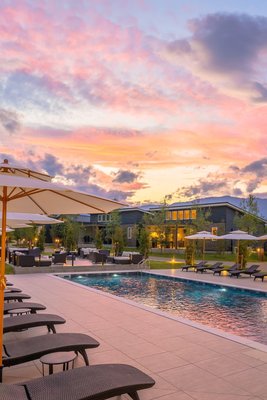
Awaumi Fujikawaguchiko Resort
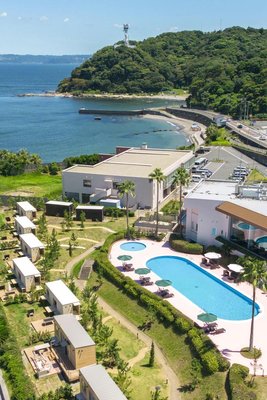
La vista Yokosuka Kannonzaki Terrace
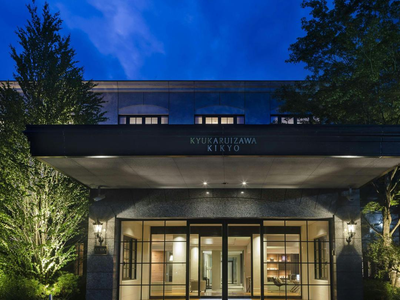
Fufu Karuizawa Wind of Sunshine
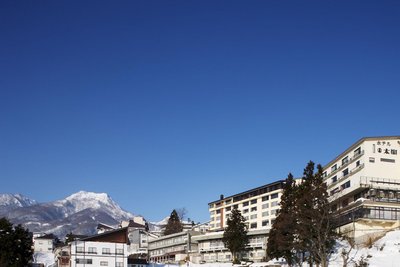
Hotel Taiko, Akakura Onsen
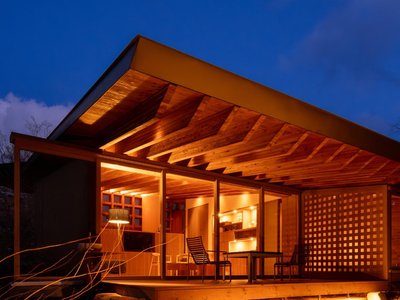
Nasu Mukunone
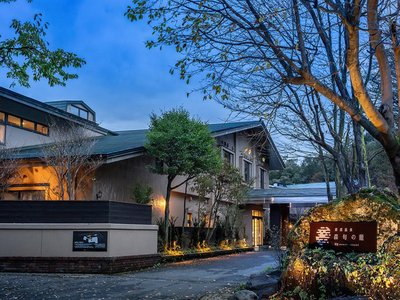
Nasu Onsen Shinshun no Kago Hewitt Resort

Scapes the Suite
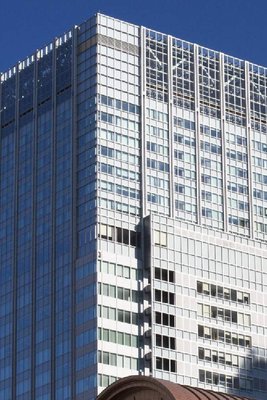
Hotel Metropolitan Tokyo Marunouchi
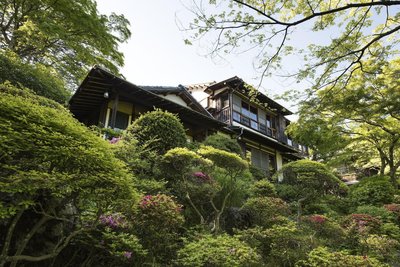
Gora Kansuiro
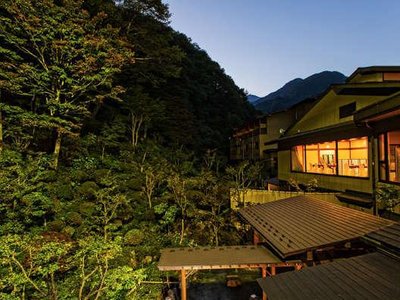
Futari Shizuka
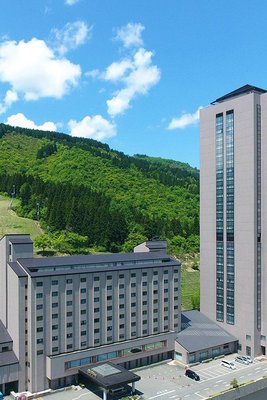
Naspa New Otani
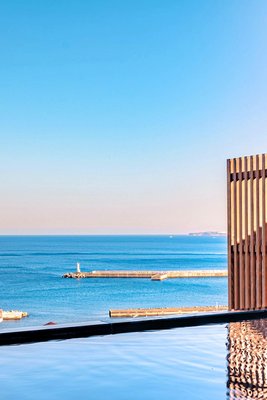
HOTEL KANICHI
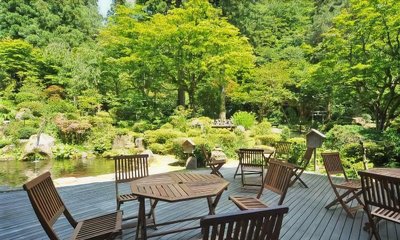
Choseikan
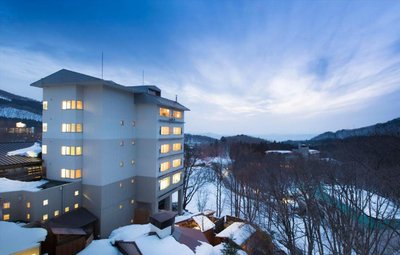
Takamiya Hotel Lucent
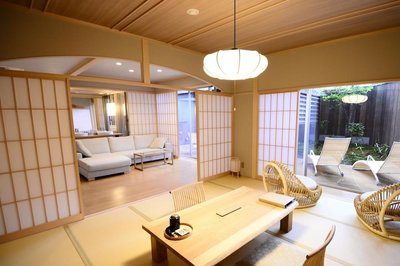
Hakone Gora Byakudan
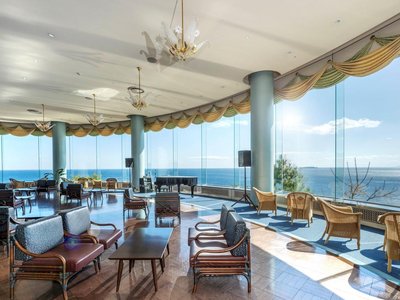
Hotel New Akao
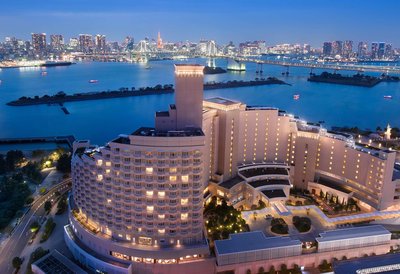
Hilton Tokyo Odaiba
JW Marriott Hotel Tokyo
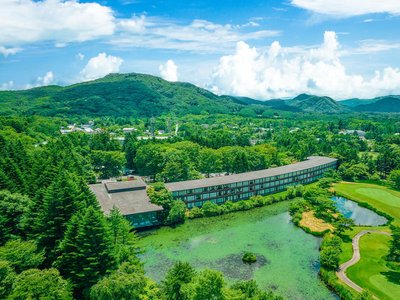
The Prince Karuizawa
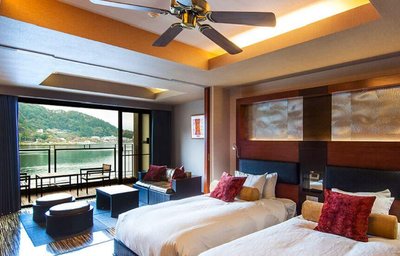
The Kukuna
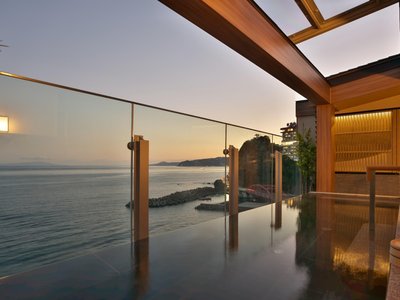
Hotel New Sagamiya
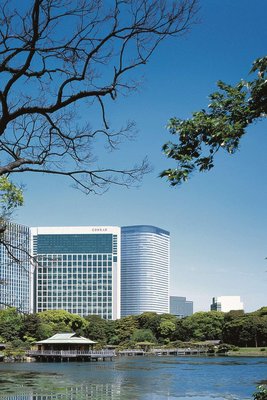
Conrad Tokyo
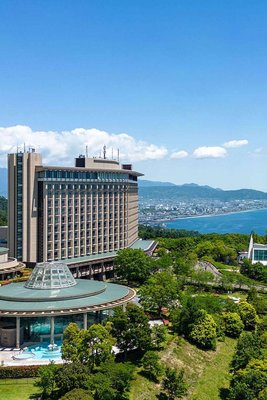
Hilton Odawara Resort & Spa
Hoshinoya Karuizawa
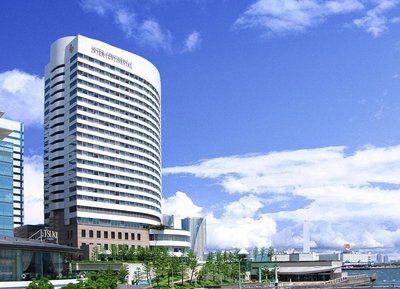
InterContinental Tokyo Bay
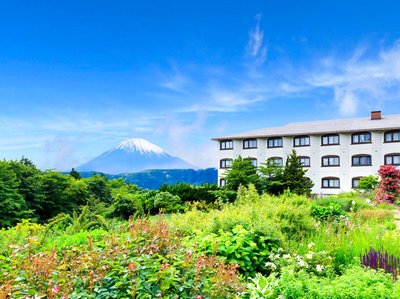
Hotel Green Plaza Hakone
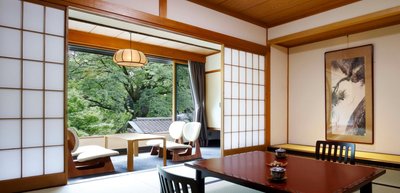
Yoshiike Ryokan
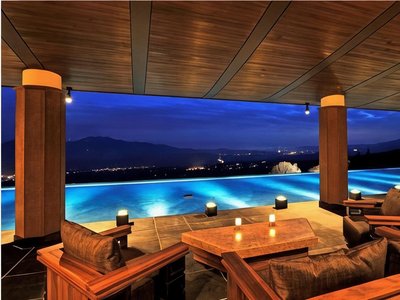
Akakura Kanko Hotel
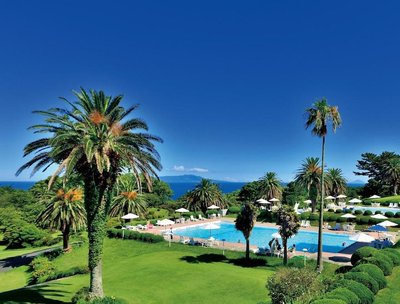
Kawana Hotel
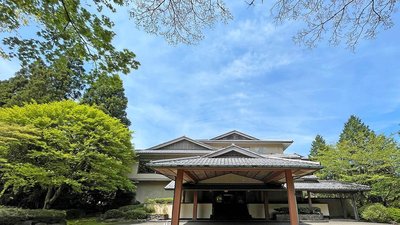
Ryuguden
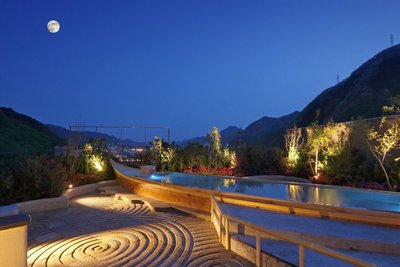
Asaya
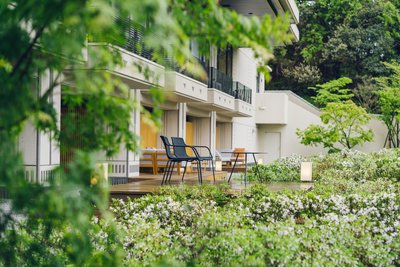
Hoshino Resorts Kai Enshu
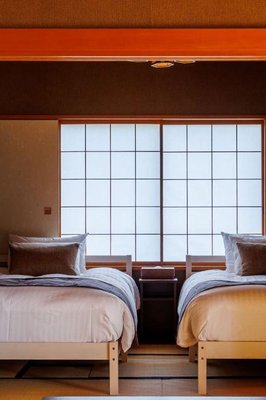
Sado Resort Hotel Azuma
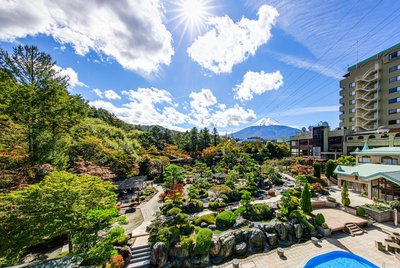
Kaneyamaen
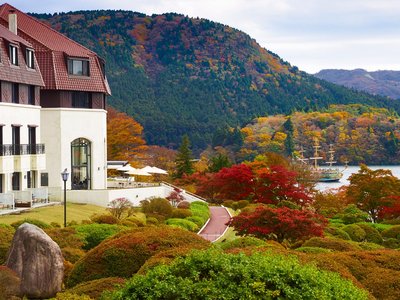
Hotakajyo
Auberge Suzukane

Onyado Nono Asakusa Bettei Hot Spring
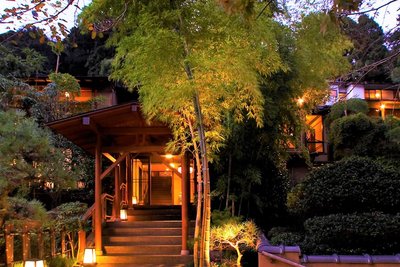
Shiki wo Ajiwau Yado Yamano Chaya
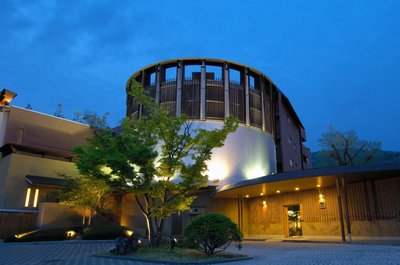
Hoshino Resorts Kai Matsumoto
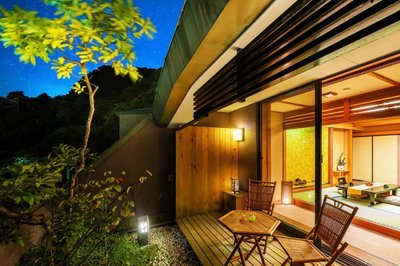
Konjakutei
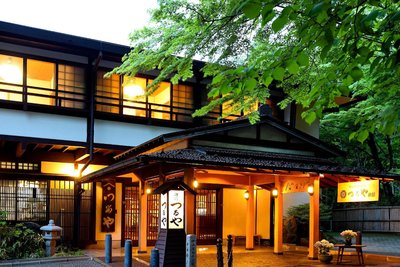
Tsuruya Ryokan
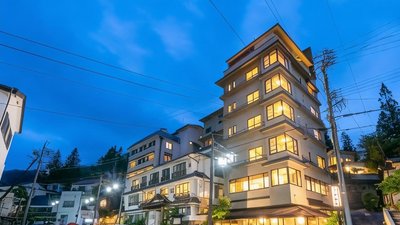
Nakamatsuya Ryokan
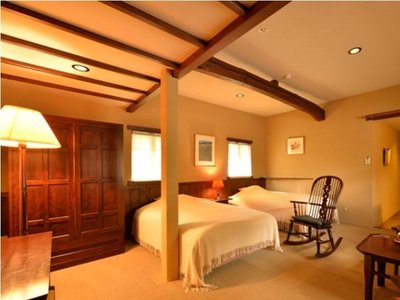
Ryokan Sugimoto
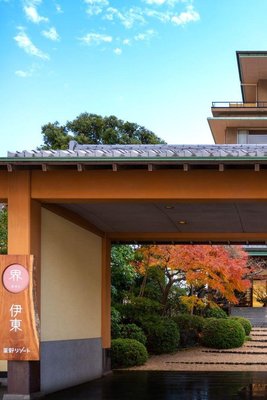
Hoshino Resorts Kai Ito
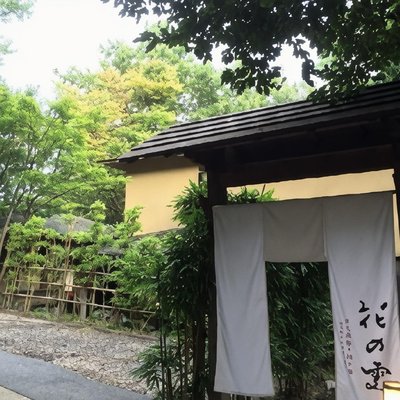
Hana No Kumo
Yoshiike Ryokan
Hotel Gajoen Tokyo
Gora Hanaougi
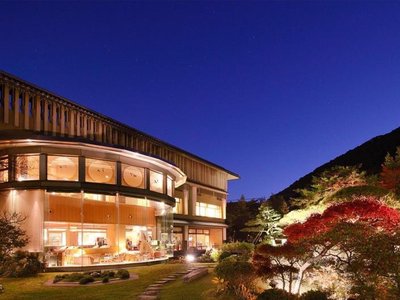
Shikisai Ichiriki
Sado Resort Hotel Azuma
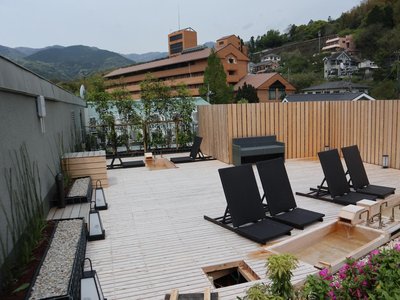
Fukiya Ryokan
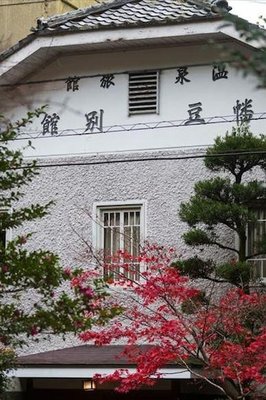
Oku-Mikawa・Yuya Onsen HAZU Bekkan
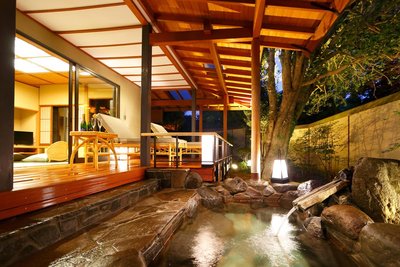
Yoshiharu Ryokan – Izu Nagaoka Onsen
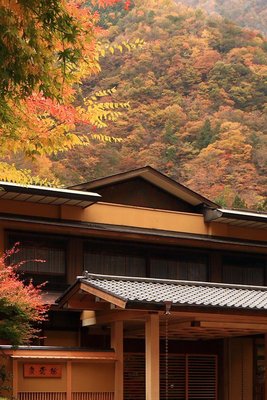
Nishiyama Onsen Keiunkan
Bellustar Tokyo, A Pan Pacific Hotel
JW Marriott Hotel Tokyo
Andaz Tokyo Toranomon Hills- A Concept by Hyatt
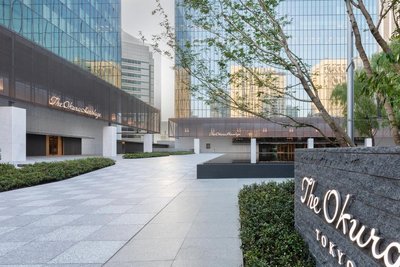
The Okura Tokyo
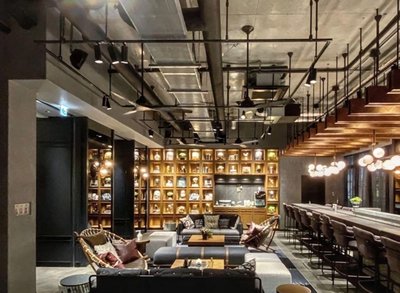
The Lively Azabujuban Tokyo
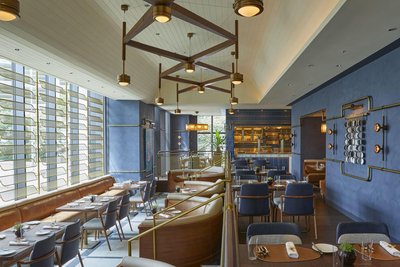
Kimpton Shinjuku Tokyo

HOTEL K5
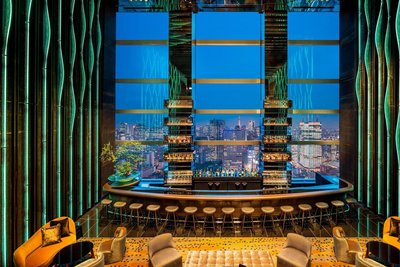
The Prince Gallery Tokyo Kioicho, a Luxury Collection Hotel
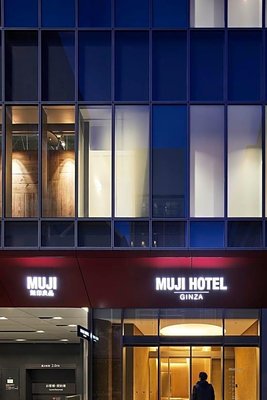
Muji Hotel Ginza
Hakone Gora Byakudan
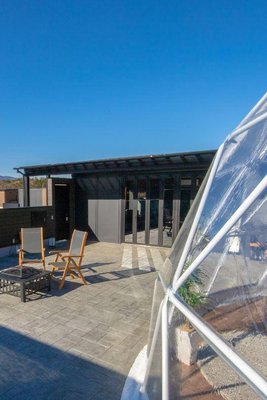
Panoramic Mt. Fuji Views from All Rooms – Vision Glamping Resort & Spa Yamanakako
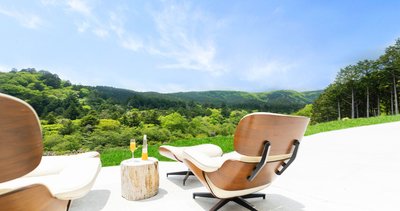
Shelter Garden Nikko
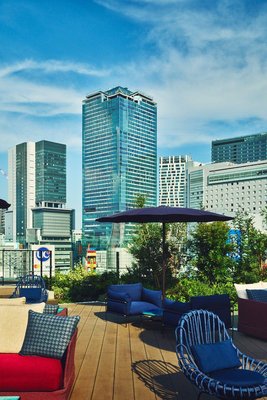
Hotel Indigo Tokyo Shibuya
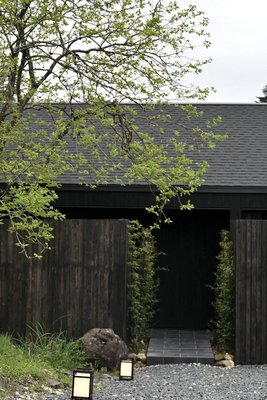
THE LAKOTAN
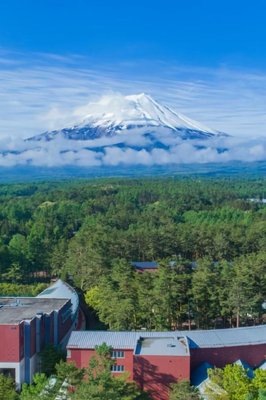
Forest Village (Fuji Premium Resort)
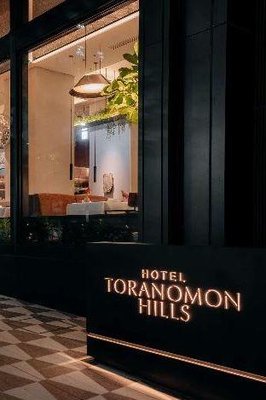
Hotel Toranomon Hills
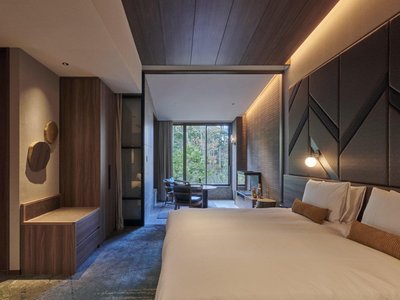
Fufu Kyu-Karuizawa Restful Forest
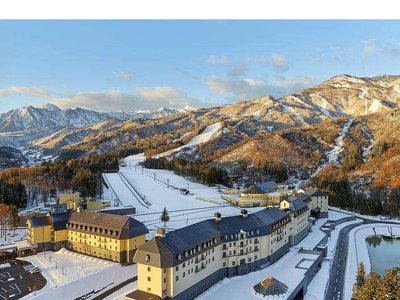
Lotte Arai Resort
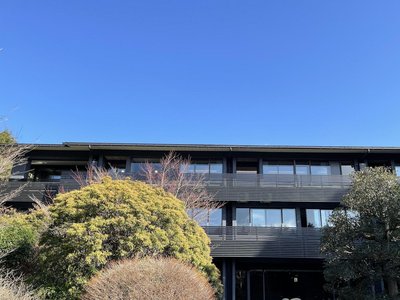
Sengokubara Cocon
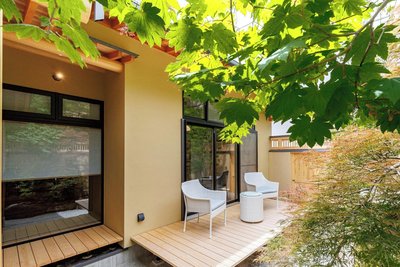
Shoraiso
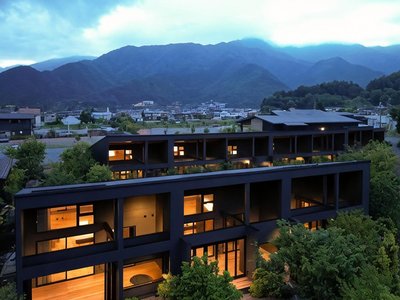
7C Villa and Winery
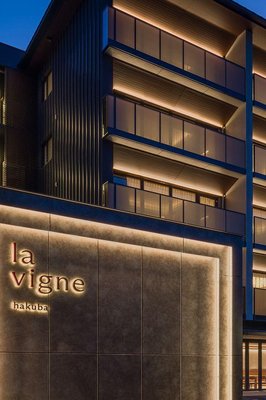
Hotel la Vigne Hakuba by Onko Chishin
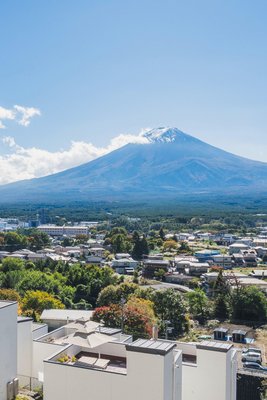
THE TOKI FujiKawaguchiko
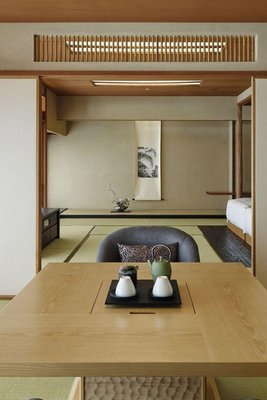
Takanawa Hanakohro (in Grand Prince Hotel Takanawa)
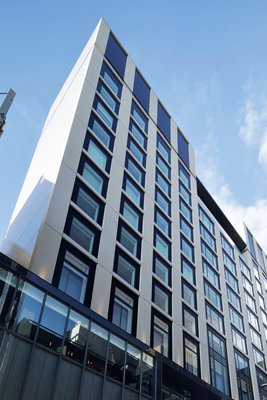
Hyatt Centric Ginza Tokyo
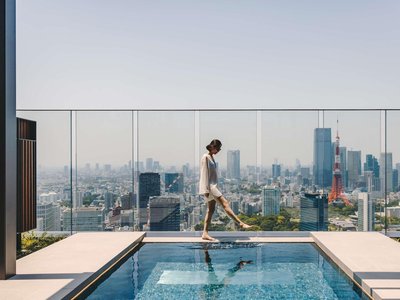
Fairmont Tokyo
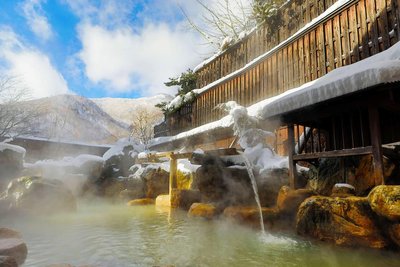
Miyamaouanbekkan yumegurinoyado hirayukan
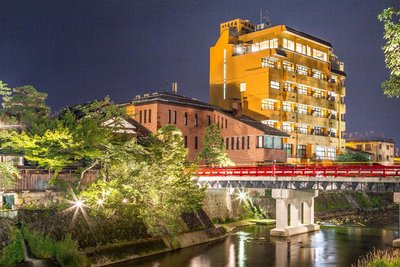
HONJIN HIRANOYA BEKKAN
The Prince Karuizawa
Bvlgari Hotel Tokyo
Four Seasons Hotel Tokyo at Marunouchi
Mandarin Oriental, Tokyo
The Ritz-Carlton, Tokyo
Andaz Tokyo Toranomon Hills- A Concept by Hyatt
Gora Kadan
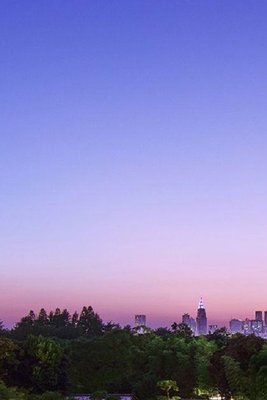
Hotel New Otani Tokyo the Main
Aman Tokyo
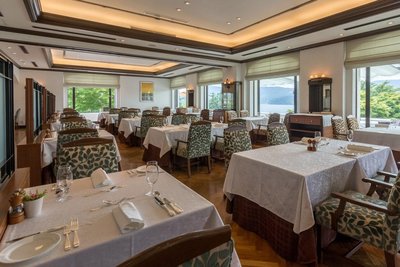
Odakyu Hotel de Yama
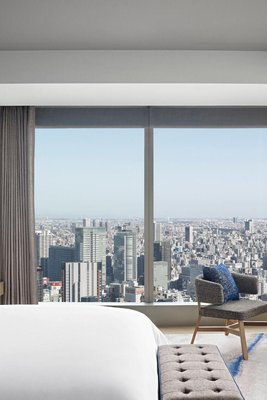
Four Seasons Hotel Tokyo at Otemachi
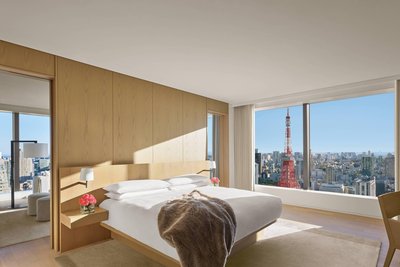
The Tokyo Edition, Toranomon
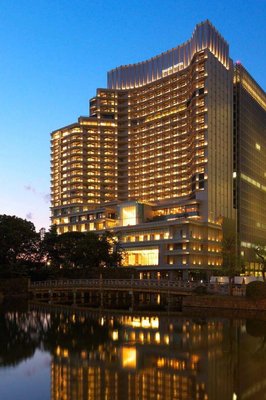
Palace Hotel Tokyo
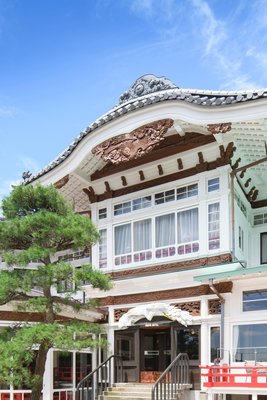
Fujiya Hotel
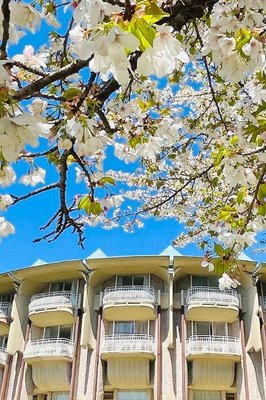
The Prince Hakone Lake Ashinoko
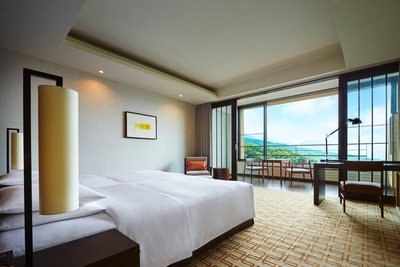
Hyatt Regency Hakone Resort and Spa
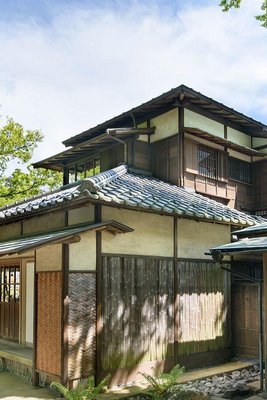
Hakone Suishoen
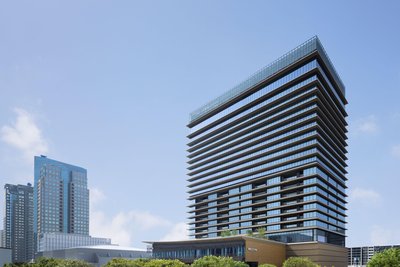
The Westin Yokohama
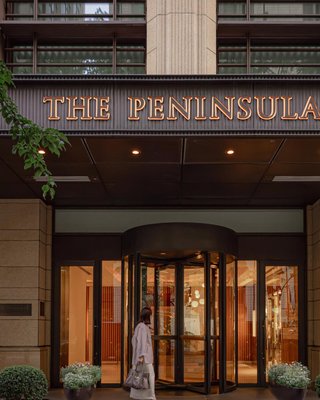
The Peninsula Tokyo

Imperial Hotel, Tokyo
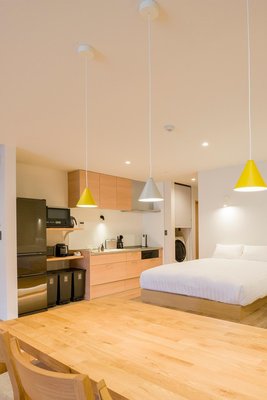
Rakuten STAY VILLA Nasu
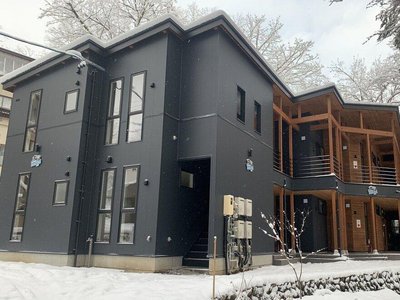
Hakuba Gondola Apartments
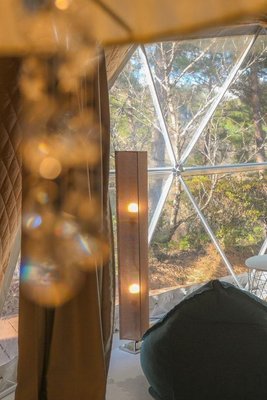
glampark Gekkabijin Nagano
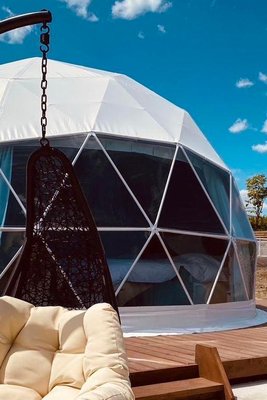
chillout glamping zao
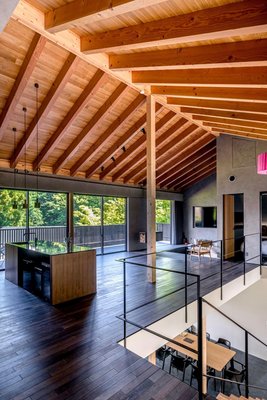
MONS GORA
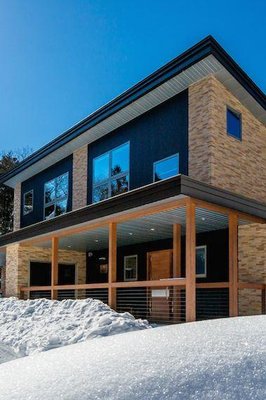
Phoenix Chalets by Hhg
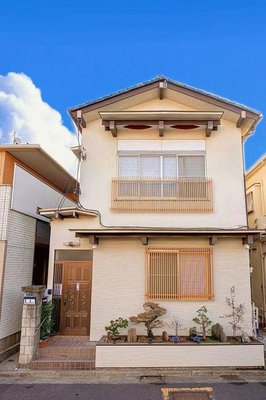
Tokyo Star House-Shinkoiwa
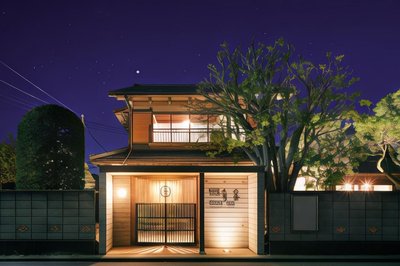
Machi-Jyu
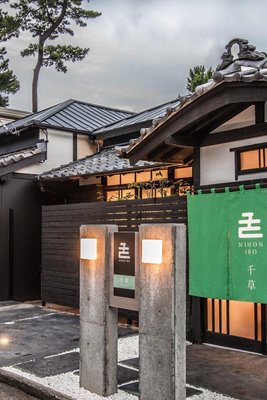
Nihon Iro
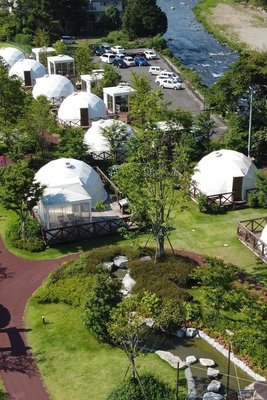
Ufufu Village
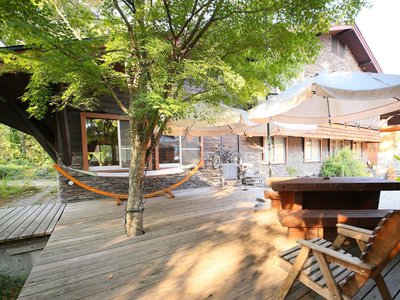
Kunugi Relaxation with 4 Modern Rooms
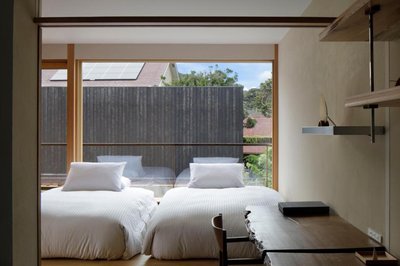
Modern Ryokan Kishi-ke
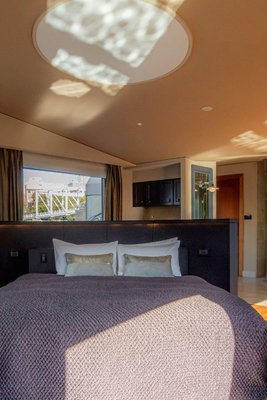
Petals Tokyo - Floating Hotel
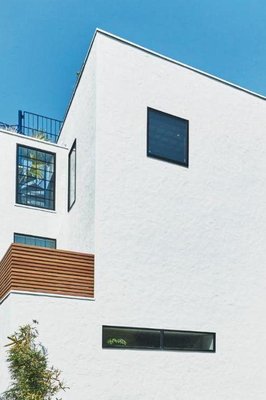
The Flow Kamakura
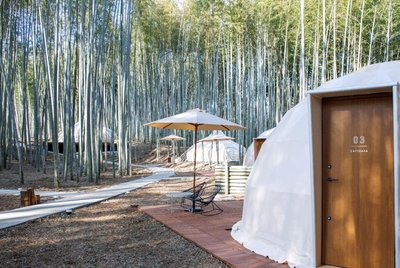
THE BAMBOO FOREST
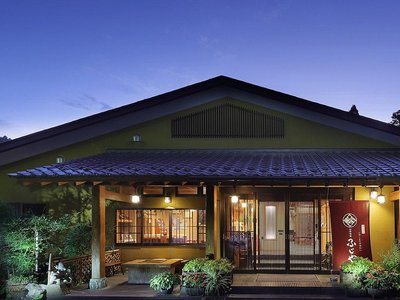
Shikimitei Fujiya
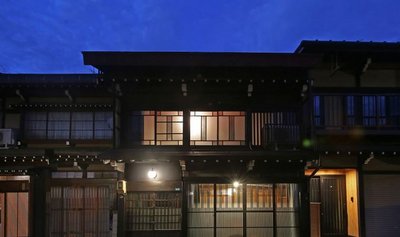
Iori Stay Hida

Hotel Barrière Fouquet's New York
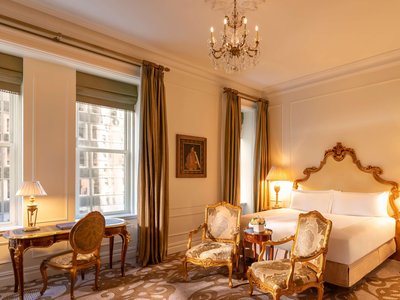
The Plaza - A Fairmont Managed Hotel
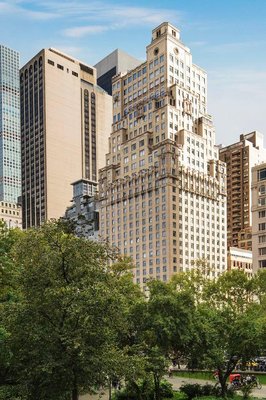
The Ritz-Carlton New York, Central Park
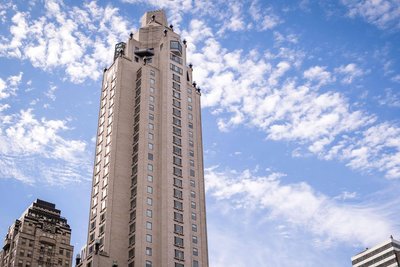
Four Seasons Hotel New York
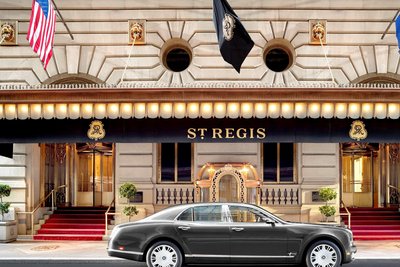
The St. Regis New York
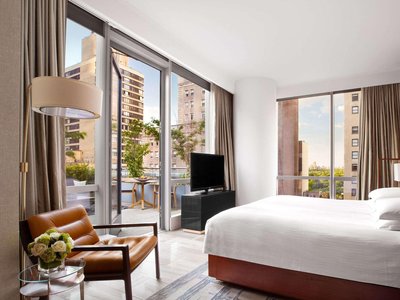
Park Hyatt New York
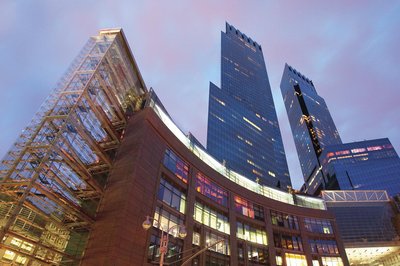
Mandarin Oriental New York
Times Square Edition New York
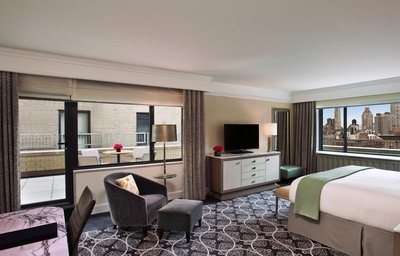
Loews Regency New York Hotel
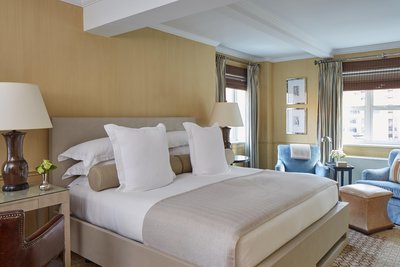
Lowell Hotel
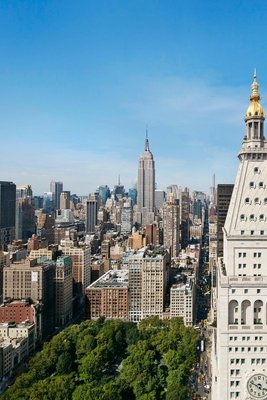
New York Edition
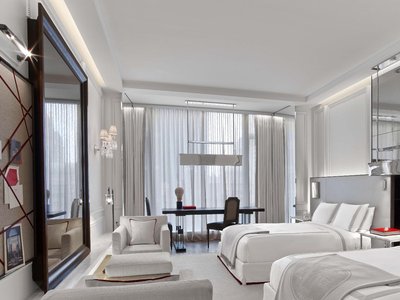
Baccarat Hotel New York
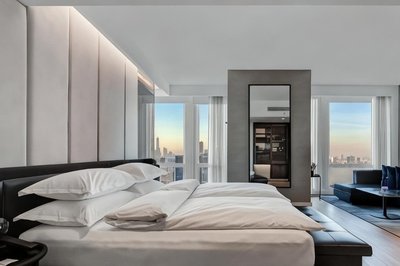
Equinox Hotel New York
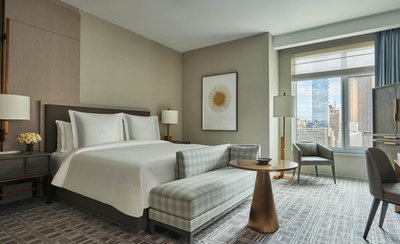
Four Seasons Hotel New York Downtown
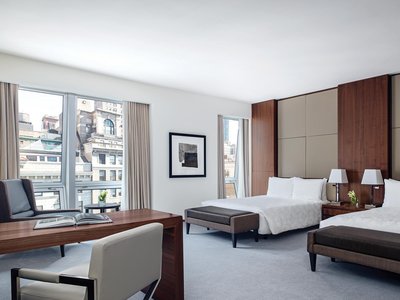
The Langham, New York, Fifth Avenue
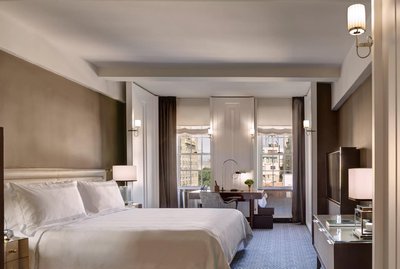
The Carlyle, A Rosewood Hotel

The Chatwal, in the Unbound Collection by Hyatt
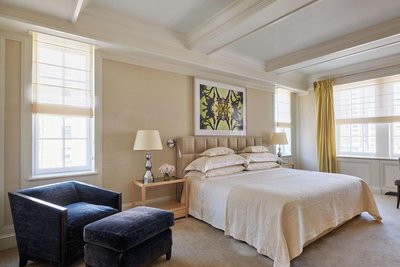
The Mark New York
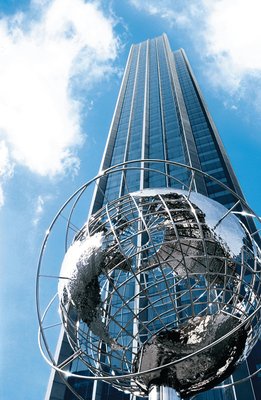
Trump International Hotel & Tower® New York
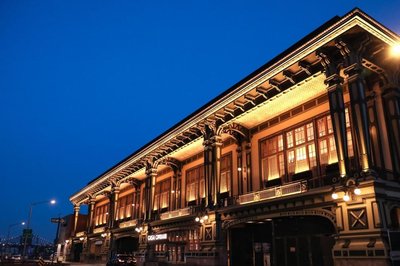
Casa Cipriani New York
Frequently Asked Questions about Traveling to Inashiki
Questions You Might Need to Know About Traveling to Inashiki
In Ibaraki City, the best family-friendly hotel is Ibaraki Prefectural Nature Park Resort Hotel, located near Oarai Coast. This resort offers spacious family rooms, a children’s play area, and organized outdoor activities like beach scavenger hunts and marine life discovery walks. It's just steps away from Oarai Shrine and Oarai Aquarium, making it ideal for families seeking both relaxation and cultural immersion. The hotel also features a kid-friendly buffet breakfast with local seafood and seasonal fruits.
The best area for accommodations in Ibaraki City is Oarai Town, known for its scenic seaside location and proximity to major attractions. Staying here puts you within walking distance of Oarai Shrine, Oarai Aquarium, and Oarai Beach. Many guesthouses offer traditional Japanese-style rooms with tatami mats and private onsen baths. Hotels like Oarai Onsen Ryokan provide access to hot springs and local cuisine, while also serving as a convenient base for day trips to Tokyo and Mito City.
Visitors to Ibaraki City should attend the annual Oarai Tanabata Festival, where colorful handmade decorations and lanterns are hung across the town, symbolizing wishes for health and happiness. Another must-try is the Oarai Sea Fishing Experience, led by local fishermen who teach traditional techniques for catching sea bream and eel. History enthusiasts will appreciate visiting the Old Oarai Town Hall, now a local history museum showcasing post-war development and regional heritage through archival photos and artifacts.
Yes, Oarai Onsen Ryokan is a highly recommended ryokan offering authentic Japanese hot spring experiences. Its natural mineral-rich waters come from a depth of 300 meters, known for improving skin health and relieving muscle fatigue. The hotel features both indoor and outdoor open-air baths, with views of the surrounding forest and sea. Guests enjoy kaiseki dinner made with fresh local seafood and breakfast featuring rice from nearby farms. Additional amenities include tea ceremonies, kimono rentals, and seasonal flower arrangements.
Tourists must visit Umi no Yume, a direct market-to-table restaurant at Oarai Fish Market, offering fresh daily catches like sashimi-grade yellowtail, eel sushi, and grilled mackerel. Another top pick is Umayoshiya, famous for its charcoal-grilled local white shrimp served with a side of regional sake. Both restaurants are located along Oarai Port, providing panoramic ocean views. Their menus highlight seasonal ingredients sourced directly from local fishing boats, ensuring an authentic taste of Ibaraki’s coastal cuisine.
The best photography spots in Ibaraki City include Oarai Coast, especially during sunrise when golden light reflects off black rock formations and sea caves. Capture the iconic Oarai Shrine Torii gate reflected in tidal pools for dramatic compositions. The Nanboku National Park trails offer year-round beauty—spring cherry blossoms, summer greenery, and autumn red foliage. Bring a tripod and polarizing filter to enhance water reflections and sky gradients. For night photography, consider the Oarai Lighthouse and the coastal promenade lit by soft street lamps.
The Oarai Shrine Line operated by East Japan Railway offers a charming local train experience. The trains feature ocean-themed interiors with wave-patterned windows and net-inspired seats. Stops include Oarai Station and Shrine Entrance Station, offering views of the Pacific Ocean and distant hills. During festivals, special themed trains run with performances, traditional crafts, and storytelling sessions. This route provides a slow-paced, immersive journey into rural Ibaraki’s culture and scenery.
At night, explore Oarai Port Night Market, where over 20 stalls serve grilled squid, takoyaki, and local craft beer. For a quieter option, walk the Oarai Coastal Path illuminated by soft ambient lights, creating a serene atmosphere. The Oarai Aquarium hosts nightly "Underwater Adventure Tours," using special lighting to reveal nocturnal deep-sea creatures. Some ryokans also offer "Stargazing Nights" with telescopes and guided astronomy talks, perfect for spotting constellations under the dark skies free from light pollution.
Seasonal highlights include the Oarai Tanabata Festival in spring, featuring elaborate paper decorations and traditional drum performances. In summer, the Oarai Beach Music Festival brings live concerts on the shore, featuring indie bands and classical ensembles. Autumn brings the Oarai Crab Festival, celebrating local specialties like nine-legged crab and true crab, with cooking contests and tasting booths. Winter features the Oarai Snow Lantern Festival, where ice sculptures and paper lanterns create a magical winter wonderland.
Travelers can easily reach major cities via the Jōban Line, connecting Tokyo Station to Oarai Station in about 1 hour. Trains stop at Tsuchiura and Mito, offering transfer options. For those driving, the Higashi-Kanto Expressway runs through the city, reaching Tokyo in approximately 90 minutes. The Oarai Bus Terminal provides shuttle services to Nanboku National Park and Oarai Aquarium. Consider purchasing the Ibaraki Prefecture Tourist Pass for unlimited rides on local trains and buses, maximizing convenience and value.
Inashiki Overview
City Summary
Inashiki City, located in the southern part of Ibaraki Prefecture, Japan, is a tranquil city renowned for its agricultural landscapes and natural beauty. Featuring vast rice fields and wetlands, it is an ideal destination for birdwatching and experiencing traditional Japanese rural culture. Key attractions include historical sites from the Edo period and outdoor activities like boating and cycling.
Must-See Attractions
Top attractions in Inashiki include Inashiki Shrine, a historically significant wooden shrine, and Lake Kasumigaura, Japan's second-largest lake, offering boating and fishing. Culture enthusiasts can visit the Ibaraki Prefectural Inashiki History and Folklore Museum to learn about local history and agricultural development.
Food Guide
Inashiki's cuisine centers on local produce, with fresh rice and freshwater fish dishes as highlights. Street food includes grilled fish skewers and rice crackers, while local restaurants serve traditional Japanese set meals featuring seasonal vegetables and lake fish.
Transportation Guide
The primary transportation options in Inashiki are buses and bicycles. The city's bus network covers major attractions but has limited schedules, so check timetables in advance. Renting a bicycle is ideal for exploring the rural scenery. From Tokyo, the train journey takes about 2 hours; consider purchasing a JR Pass for cost savings.
Best Time to Visit
The best times to visit are spring (March to May) and autumn (September to November), when the weather is mild and scenery picturesque. Summers are humid, and winters are cold but less crowded.
Travel Tips
- Respect farmland and natural areas; avoid trespassing on private property.
- Some attractions require reservations, so check ahead.
- Bring mosquito repellent, especially in summer.
- Learn basic Japanese phrases like "arigatou" (thank you).
- Check public transport schedules to avoid delays.
- Maintain quiet, particularly near shrines and temples.
Useful Information
Japanese is the primary language, with limited English proficiency; a translation app is recommended. Network coverage is good, with free Wi-Fi at major sites and restaurants. Cash is preferred, though credit cards are accepted at larger establishments. Medical facilities include Inashiki Municipal Hospital, but travel insurance is advised.