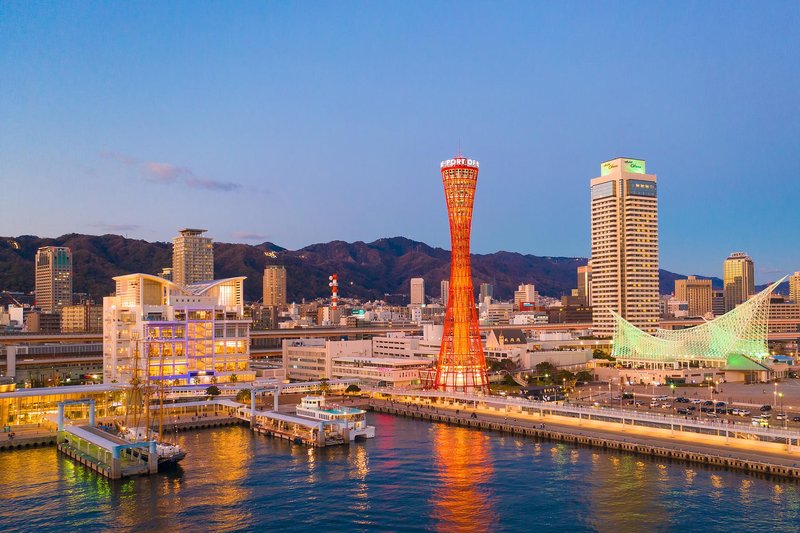
Hotels in Inawashiro
Discover your perfect stay in Inawashiro.
Inawashiro(Japan) Travel 2026: Cheap Flights, Hotels & Top Attractions
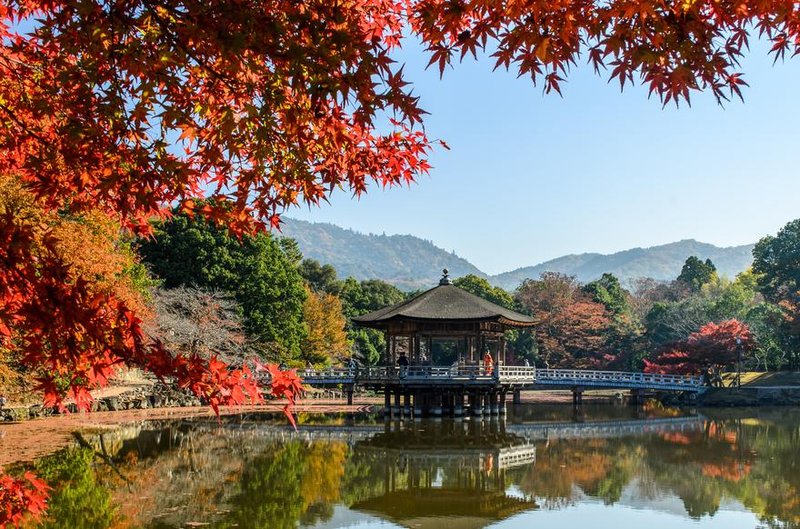
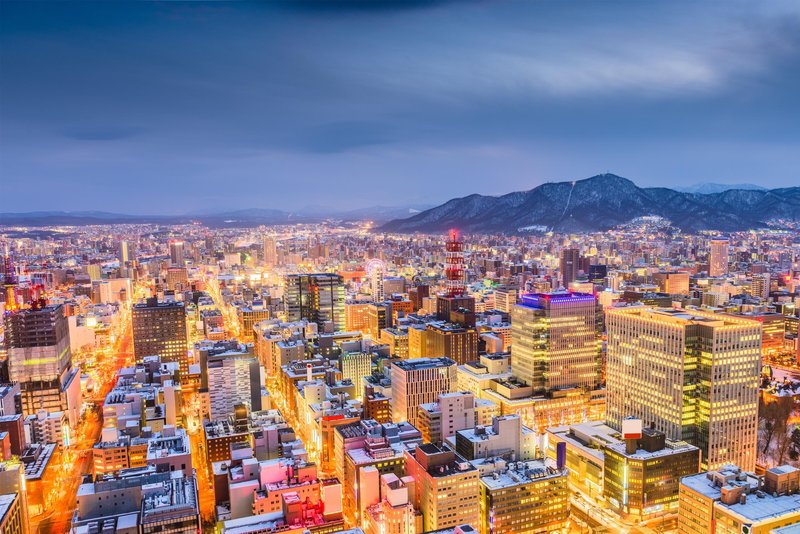
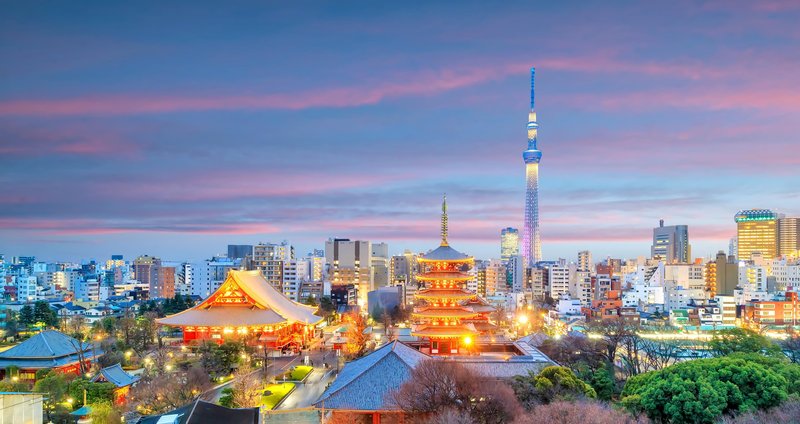
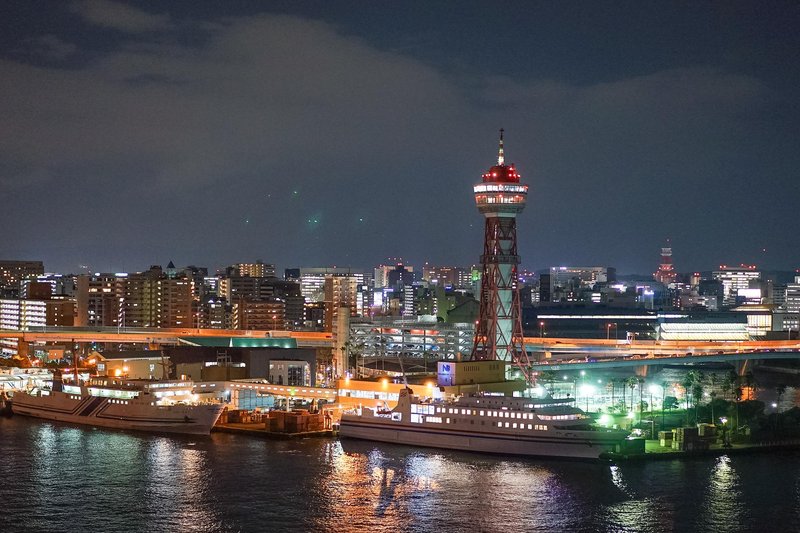
Popular Landmarks in Inawashiro
Discover the most iconic attractions in Inawashiro
Recommended Hotels in Inawashiro
Find the perfect place to stay in Inawashiro
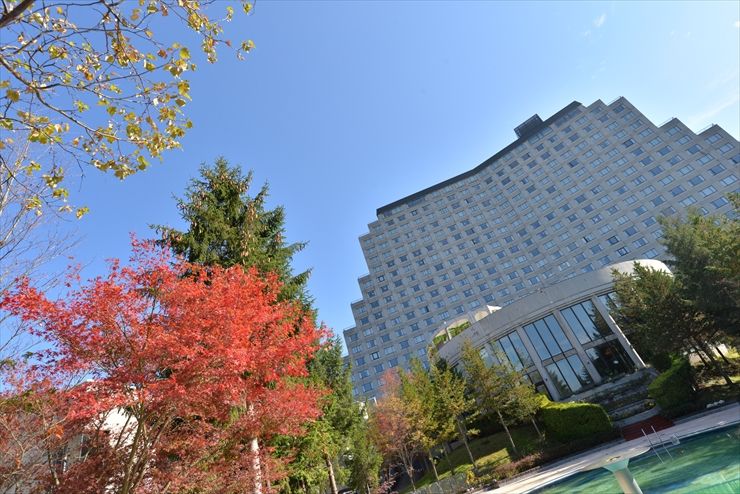
Hotel Listel Inawashiro Wing Tower
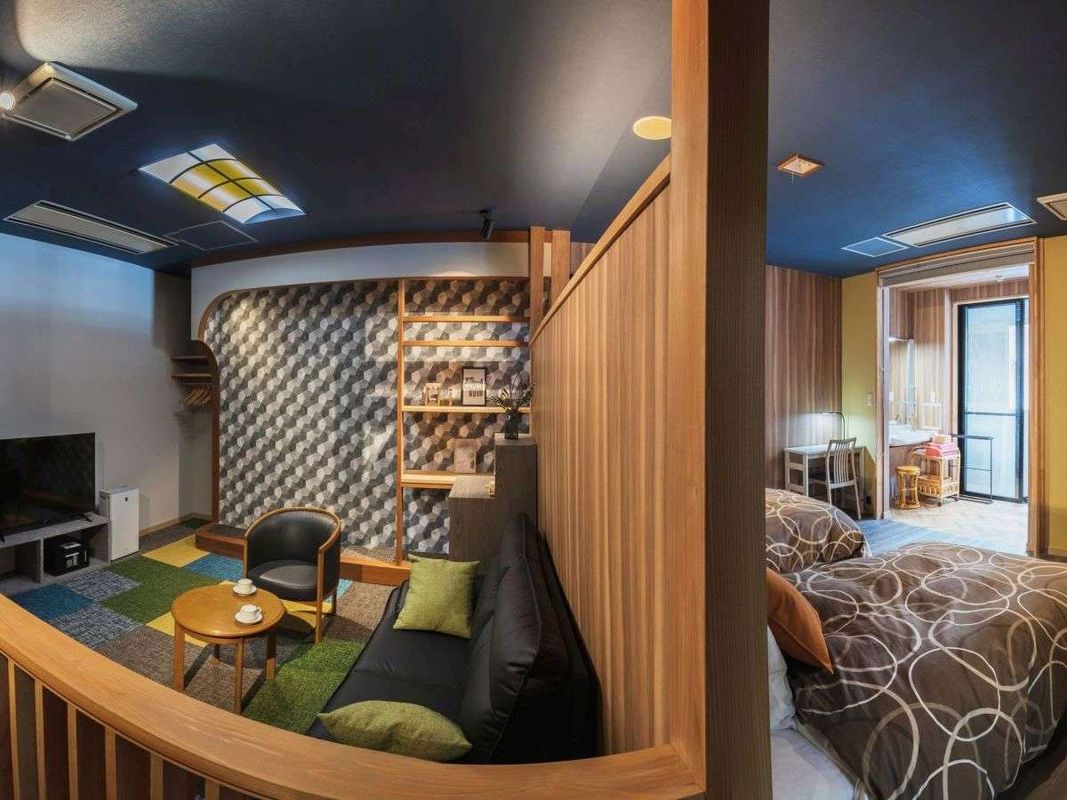
Takamiya Hotel Bonari No Mori
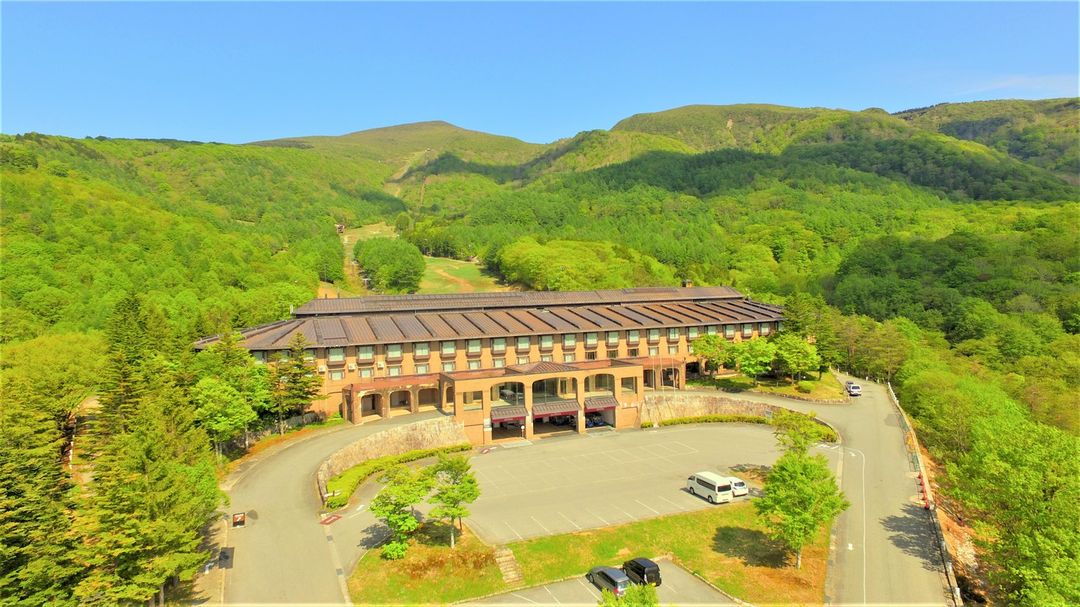
Hotel de Premiere Minowa
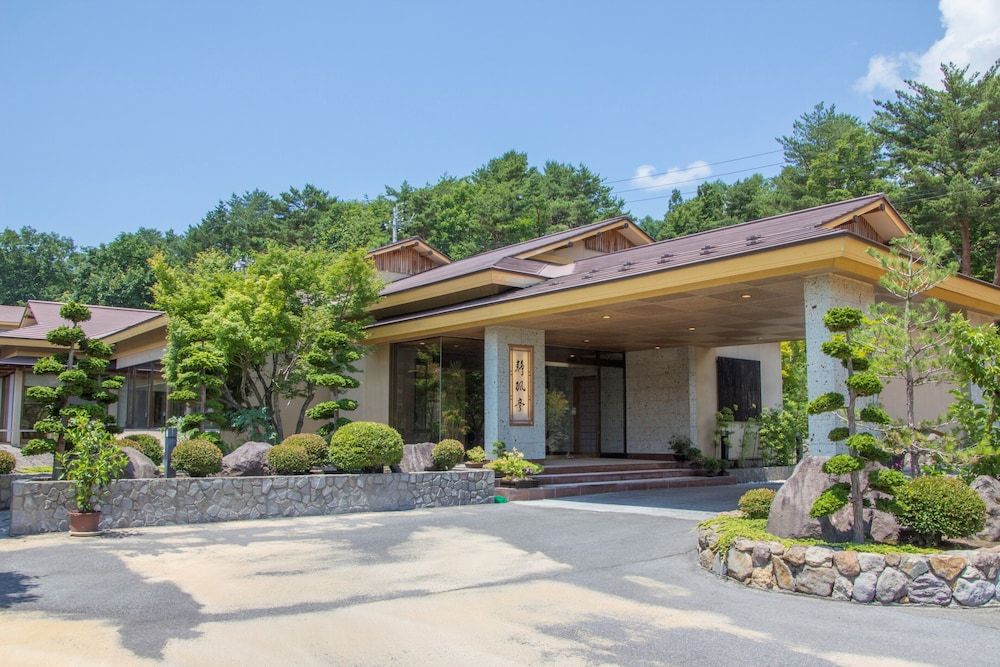
Seifutei
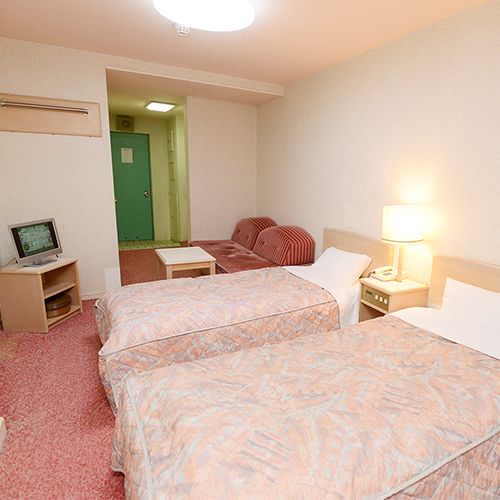
Hotel Listel Inawashiro Main Building Condominium
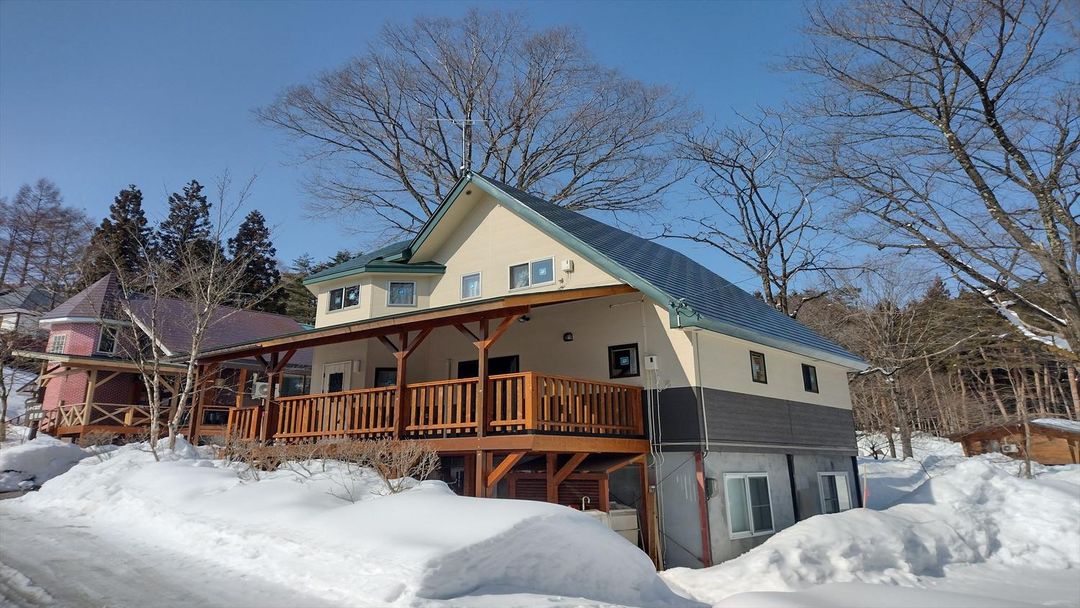
All Resort Service Holiday Homes and Cottages to Rent
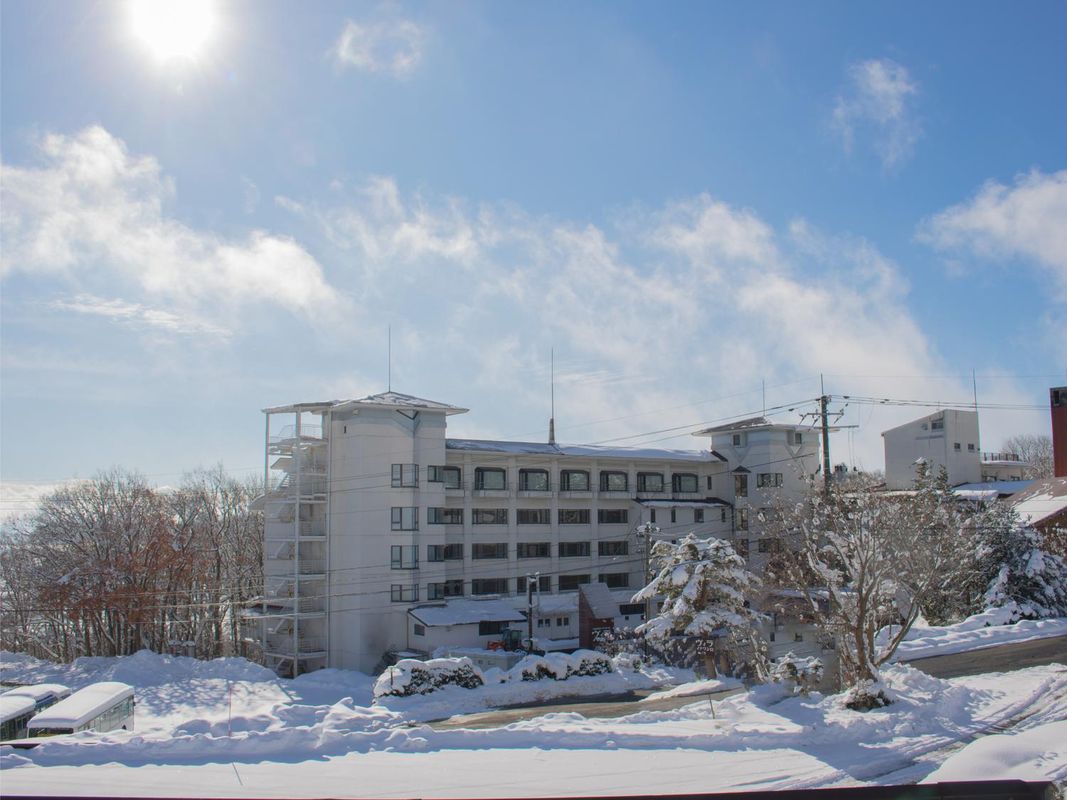
Villa Inawashiro
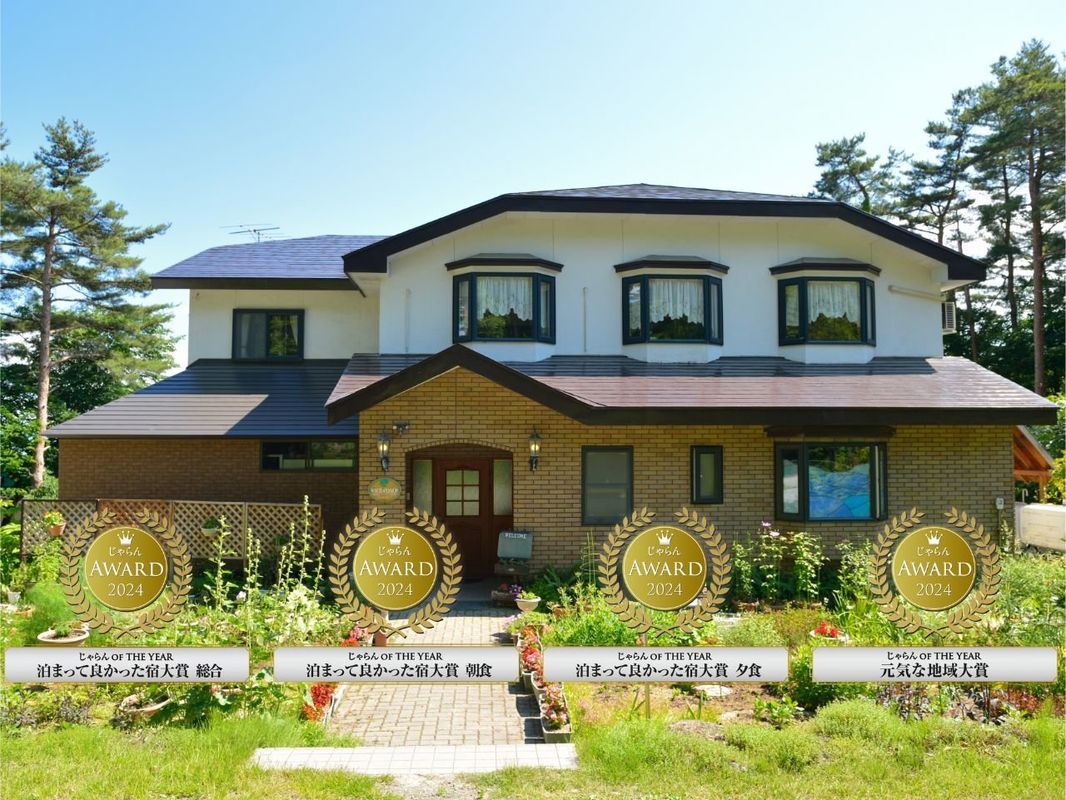
Healing Inn White Pension
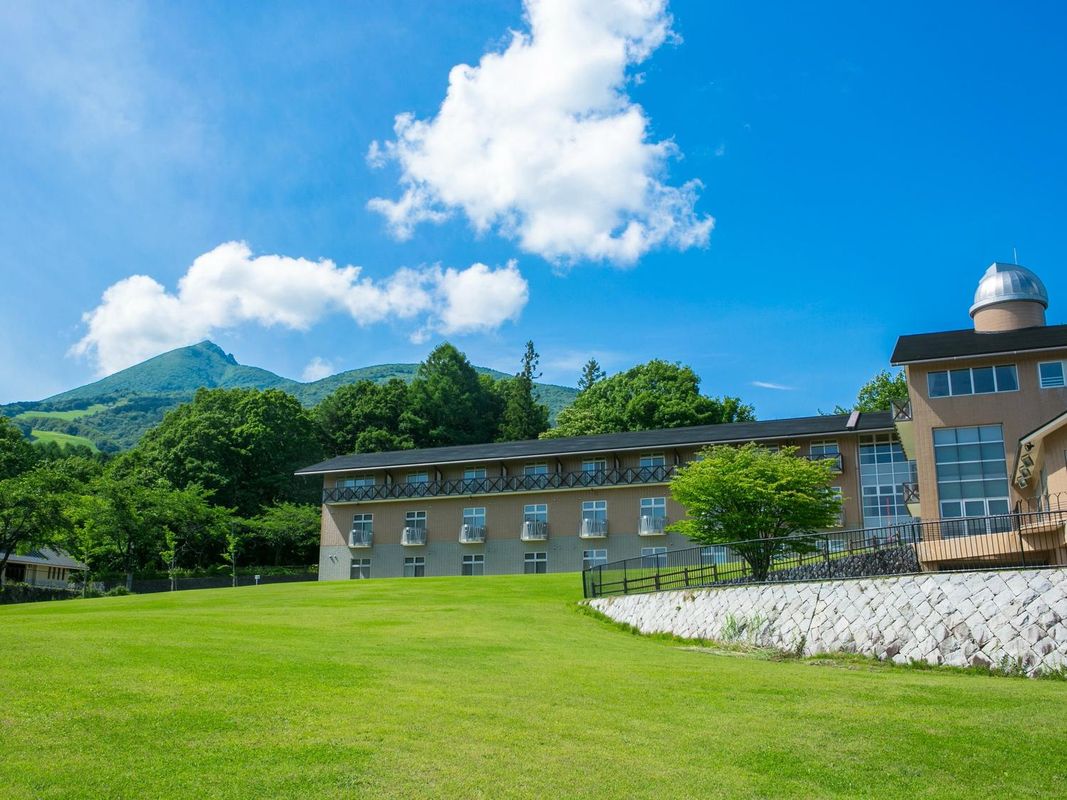
Inawashiro Shikinosato
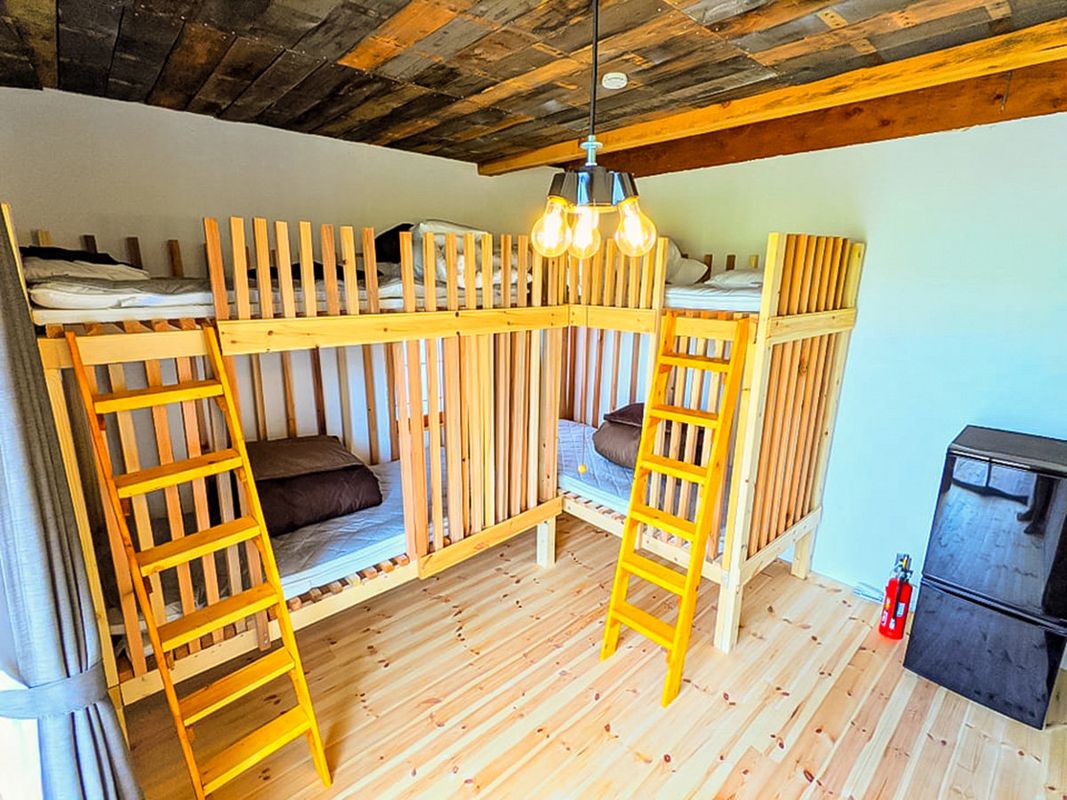
Guest House Inawashiro~Hanbog~
Best Hotels in Inawashiro
Discover curated hotel collections in Inawashiro
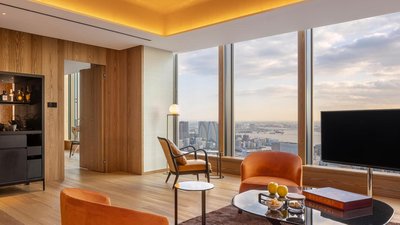
Bvlgari Hotel Tokyo
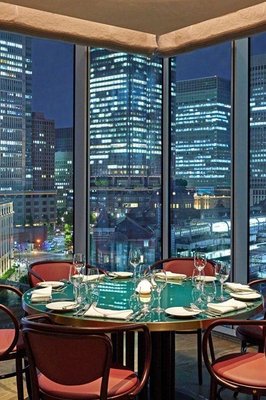
Four Seasons Hotel Tokyo at Marunouchi

Mandarin Oriental, Tokyo
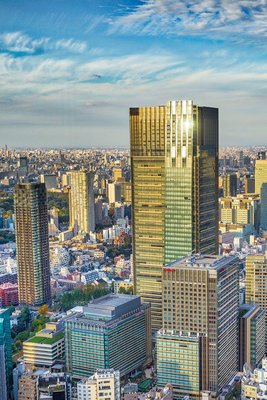
The Ritz-Carlton, Tokyo
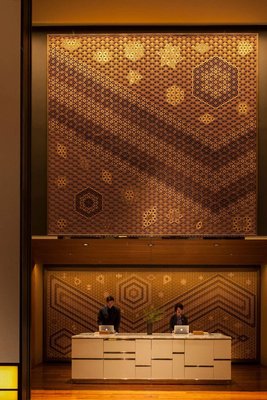
Andaz Tokyo Toranomon Hills- A Concept by Hyatt
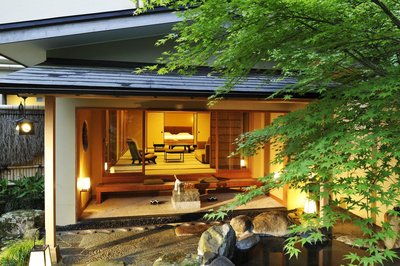
Gora Kadan
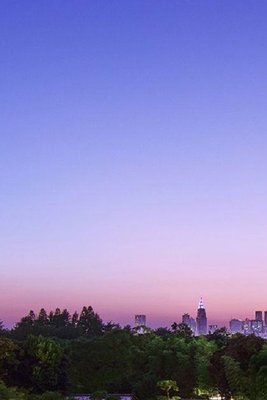
Hotel New Otani Tokyo the Main
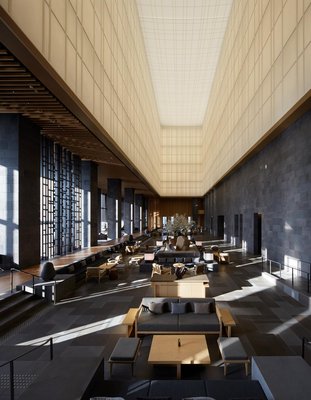
Aman Tokyo
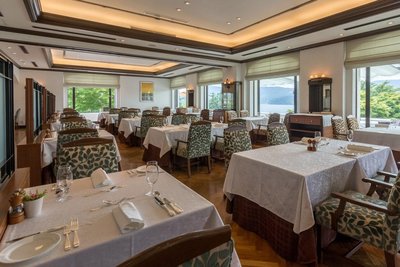
Odakyu Hotel de Yama
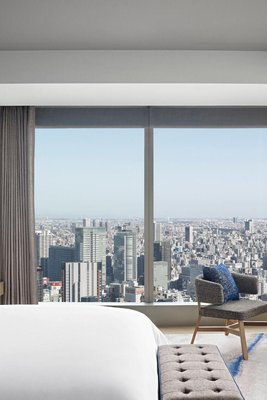
Four Seasons Hotel Tokyo at Otemachi
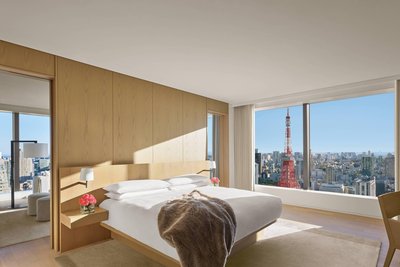
The Tokyo Edition, Toranomon
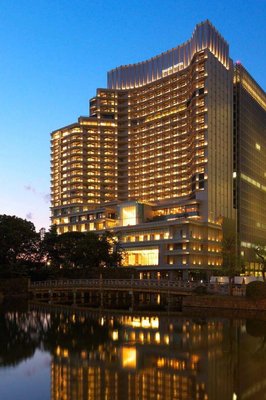
Palace Hotel Tokyo
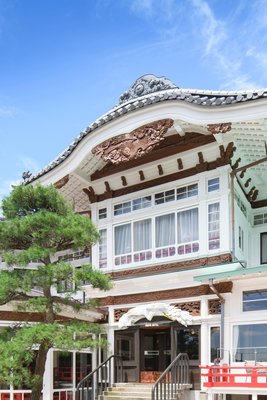
Fujiya Hotel
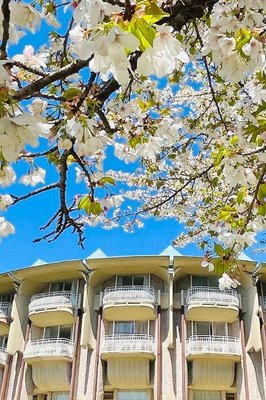
The Prince Hakone Lake Ashinoko
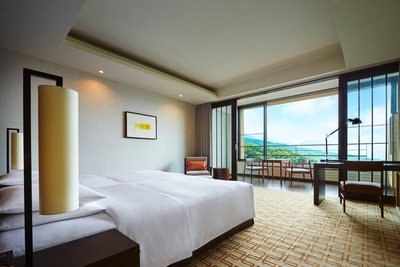
Hyatt Regency Hakone Resort and Spa
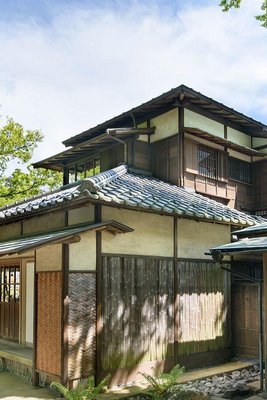
Hakone Suishoen
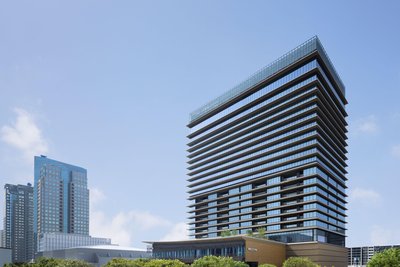
The Westin Yokohama
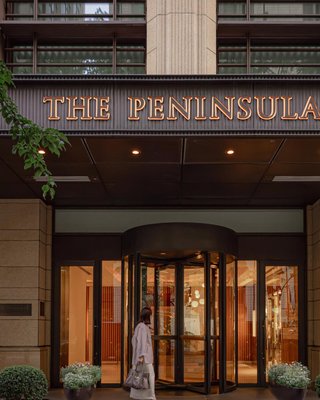
The Peninsula Tokyo

Imperial Hotel, Tokyo
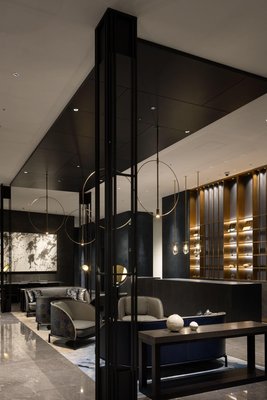
Bellustar Tokyo, A Pan Pacific Hotel
Bvlgari Hotel Tokyo
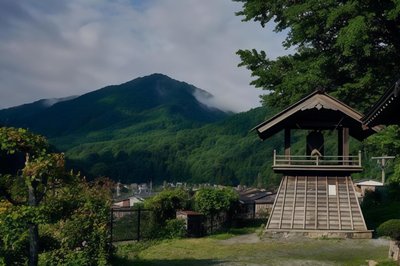
Byaku Narai
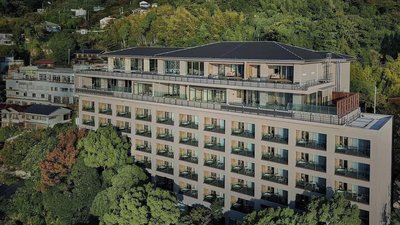
Atami Izusan Karaku
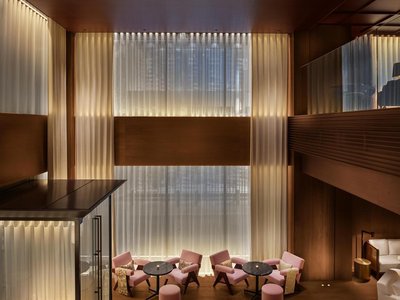
The Tokyo Edition, Ginza
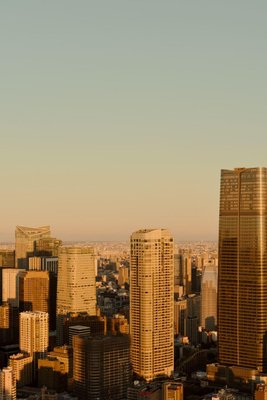
Janu Tokyo
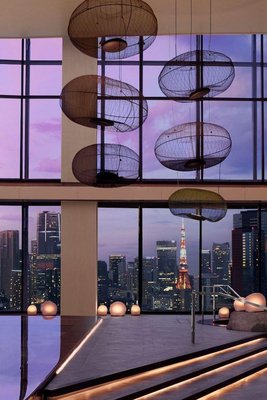
JW Marriott Hotel Tokyo
Four Seasons Hotel Tokyo at Marunouchi
Mandarin Oriental, Tokyo
The Ritz-Carlton, Tokyo
Andaz Tokyo Toranomon Hills- A Concept by Hyatt
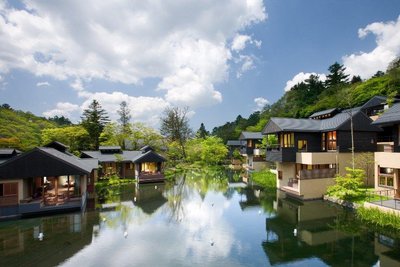
Hoshinoya Karuizawa
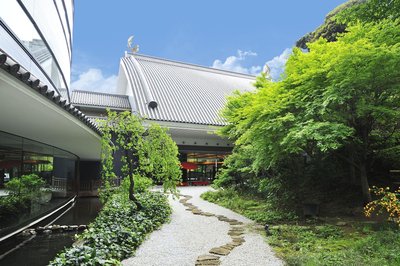
Hotel Gajoen Tokyo
Gora Kadan
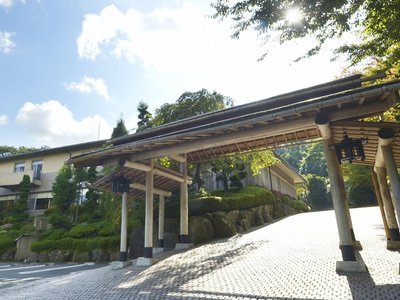
Gora Hanaougi
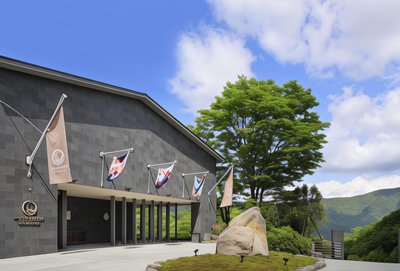
The Hiramatsu Hotels & Resorts Sengokuhara Hakone
Aman Tokyo
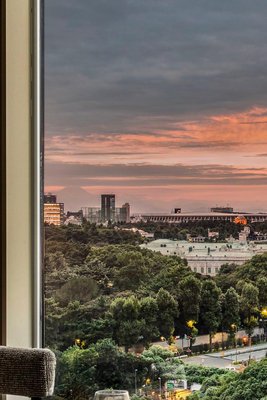
Hotel New Otani Tokyo, Executive House Zen
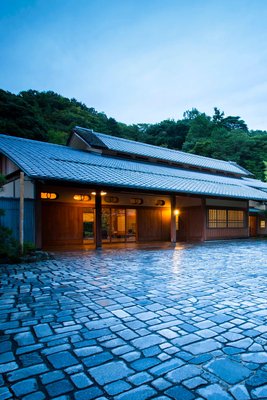
Sanyo-so
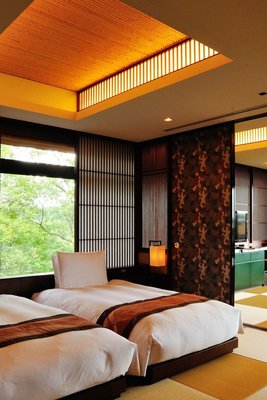
Chikusenso Onsen

The Address Akakura
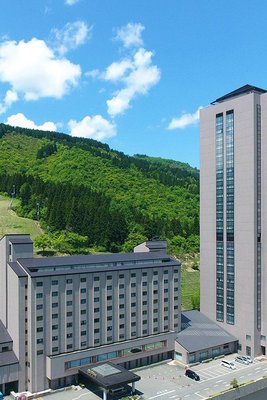
Naspa New Otani
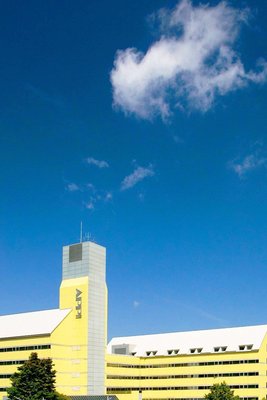
Crowne Plaza - ANA RESORT APPI KOGEN
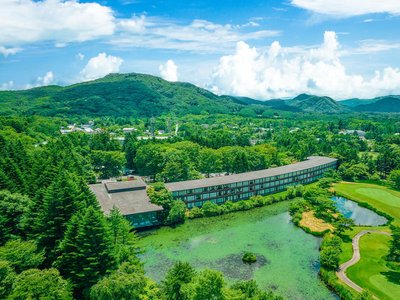
The Prince Karuizawa
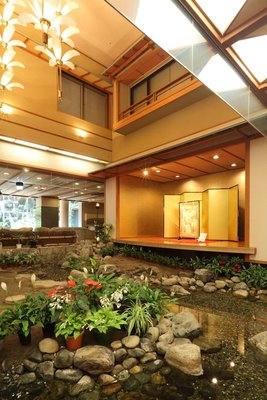
Hotel Futaba
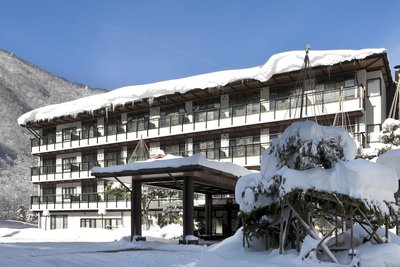
Okada Ryokan Warakutei
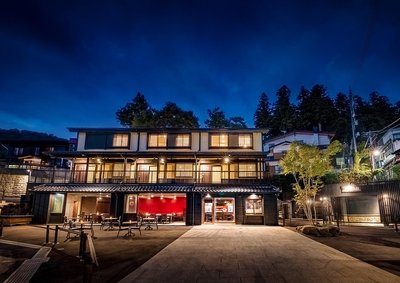
Ryokan Sakaya
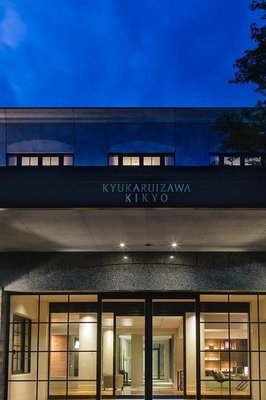
Kyukaruizawa Kikyo, Curio Collection by Hilton
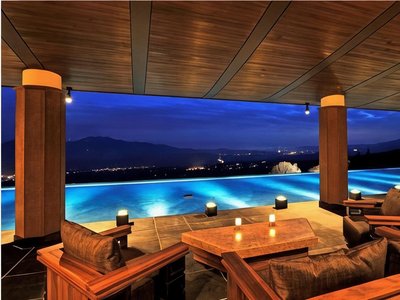
Akakura Kanko Hotel
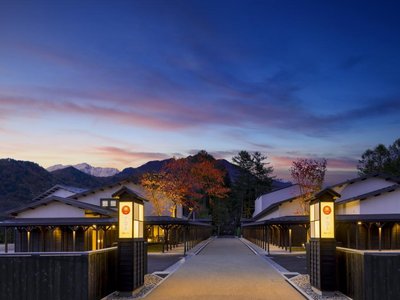
Hoshino Resorts KAI Alps
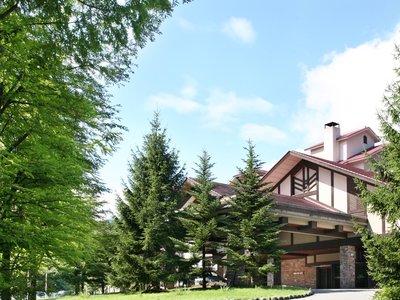
Hakuba Tokyu Hotel
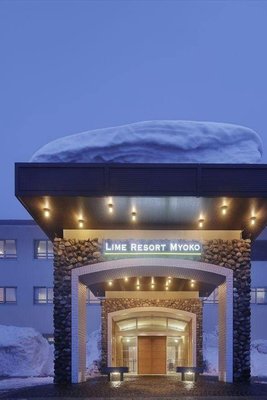
Lime Resort Myoko
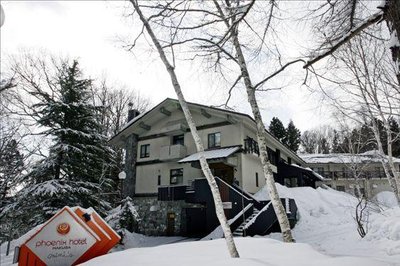
Phoenix Hotel by Hhg
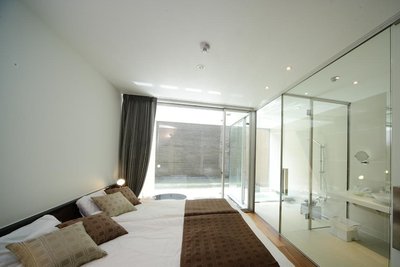
Four Seasons Yuzawa Quattro
Courtyard by Marriott Hakuba
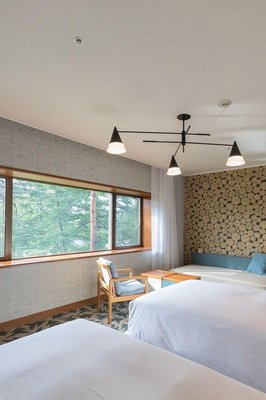
Karuizawa Prince Hotel East
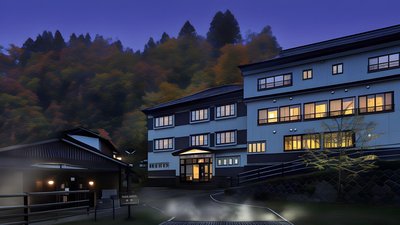
Zao Onsen Omiya Ryokan
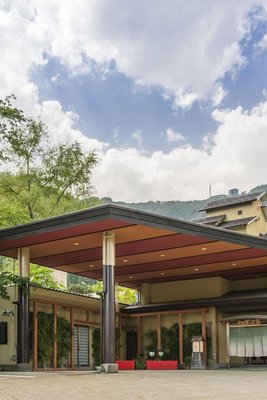
Shosenkaku Kagetsu
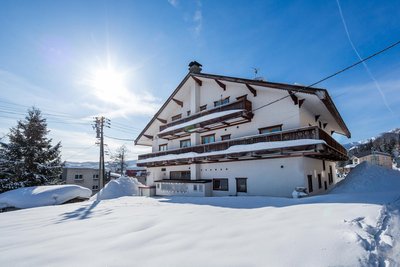
Marillen Hotel by Hhg
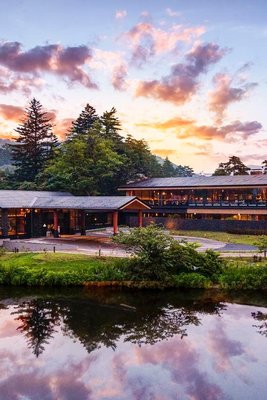
Karuizawa Prince Hotel West
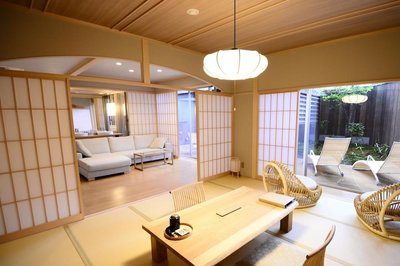
Hakone Gora Byakudan
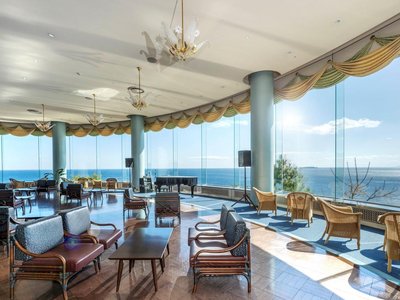
Hotel New Akao
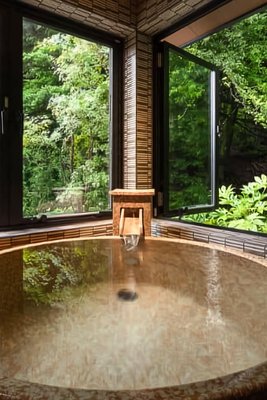
Hakkai Konohanakan
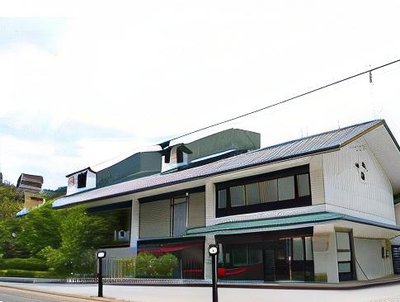
Auberge Suzukane

Onyado Nono Asakusa Bettei Hot Spring
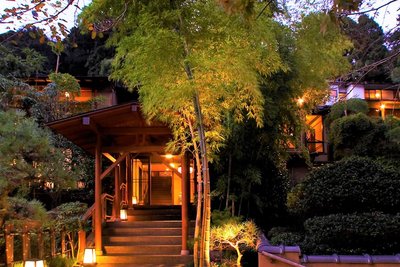
Shiki wo Ajiwau Yado Yamano Chaya
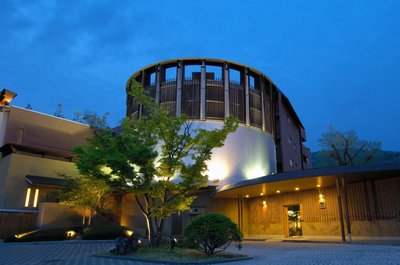
Hoshino Resorts Kai Matsumoto
The Address Akakura
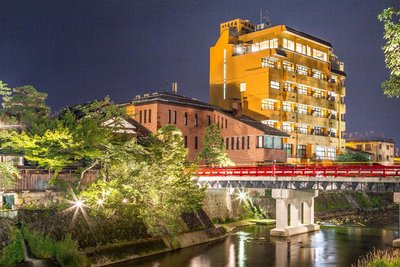
HONJIN HIRANOYA BEKKAN
Crowne Plaza - ANA RESORT APPI KOGEN
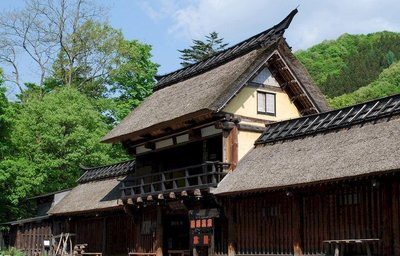
Kayabukinosato Yakushionsen Hatago
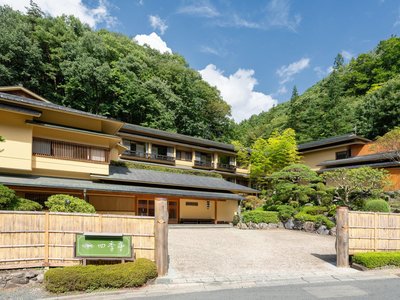
Shikitei Morioka TsunagiOnsen
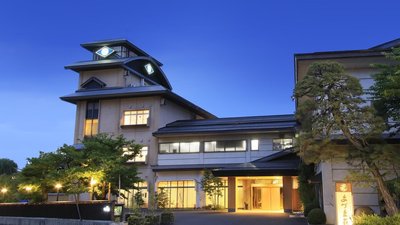
Shouhakutei Azumaso
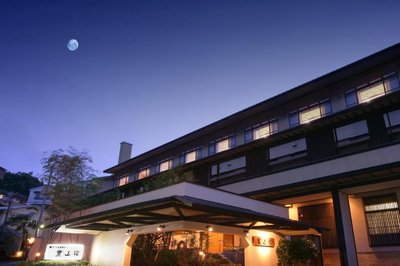
Hayamakan
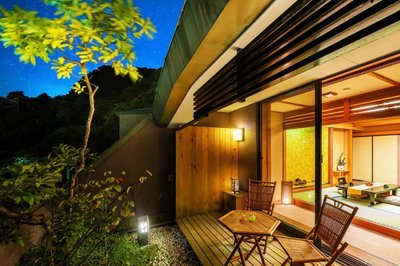
Konjakutei
Hotel Futaba
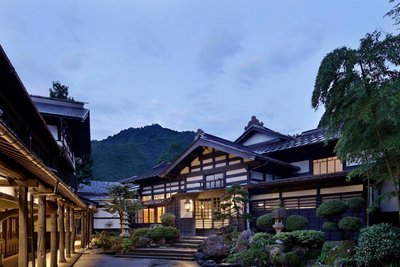
Ryugon

Tokinoniwa
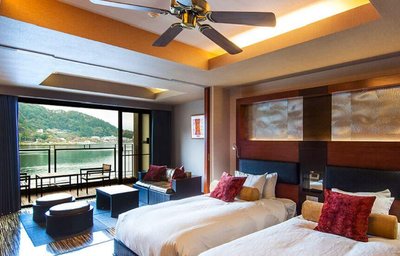
The Kukuna
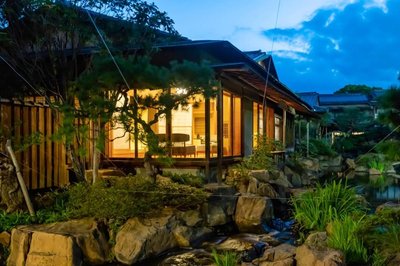
Tokiwa Hotel
Hakone Gora Byakudan
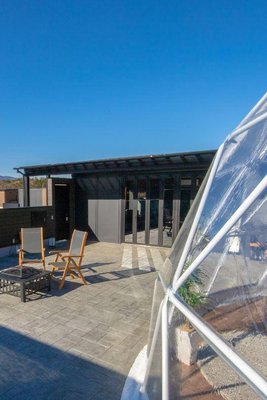
Panoramic Mt. Fuji Views from All Rooms – Vision Glamping Resort & Spa Yamanakako
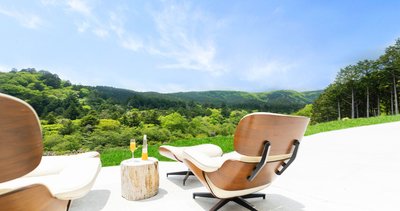
Shelter Garden Nikko
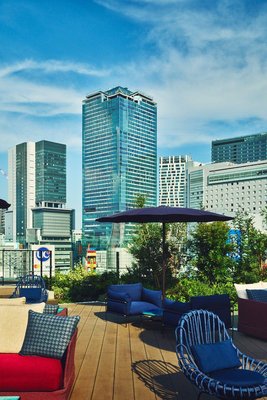
Hotel Indigo Tokyo Shibuya
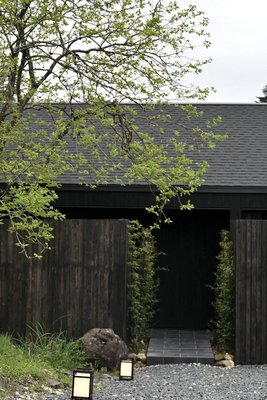
THE LAKOTAN
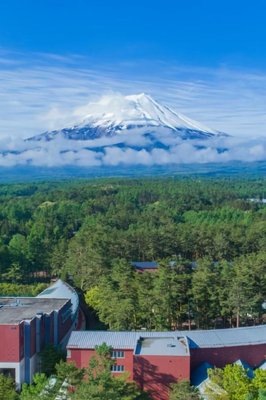
Forest Village (Fuji Premium Resort)
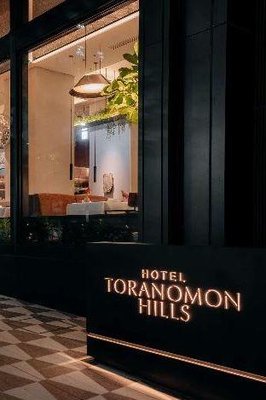
Hotel Toranomon Hills
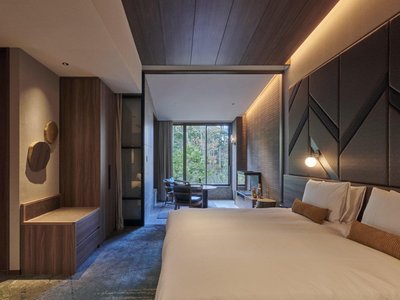
Fufu Kyu-Karuizawa Restful Forest
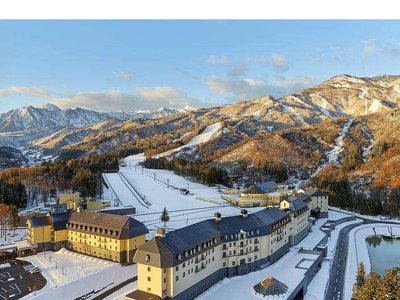
Lotte Arai Resort
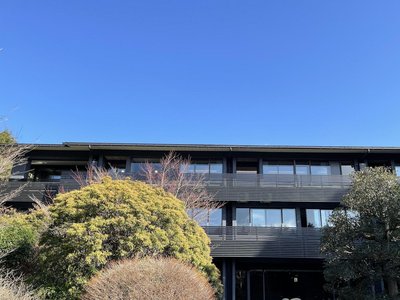
Sengokubara Cocon
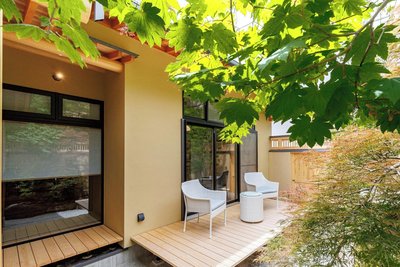
Shoraiso
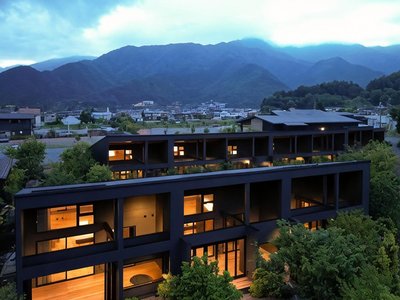
7C Villa and Winery
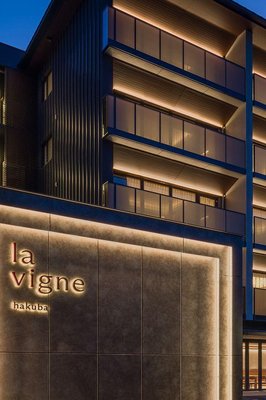
Hotel la Vigne Hakuba by Onko Chishin
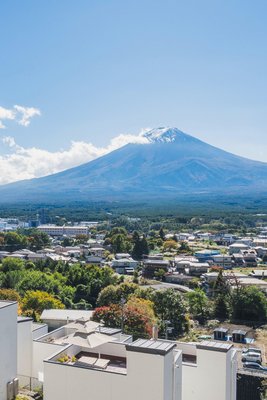
THE TOKI FujiKawaguchiko
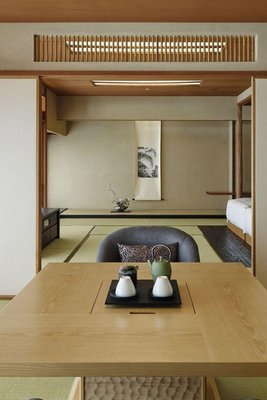
Takanawa Hanakohro (in Grand Prince Hotel Takanawa)
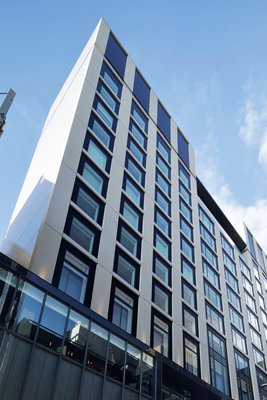
Hyatt Centric Ginza Tokyo
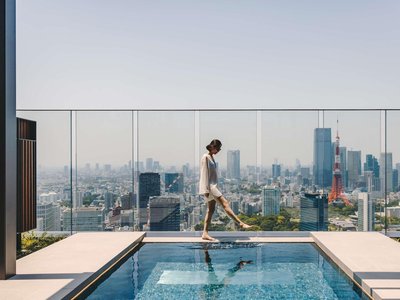
Fairmont Tokyo
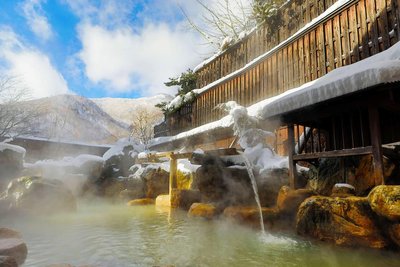
Miyamaouanbekkan yumegurinoyado hirayukan
HONJIN HIRANOYA BEKKAN
The Prince Karuizawa
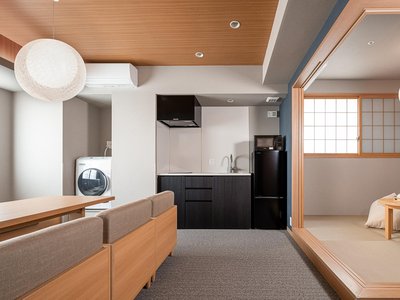
MIMARU SUITES Tokyo Asakusa

La Terra Resort

karaksa hotel colors Tokyo Yaesu
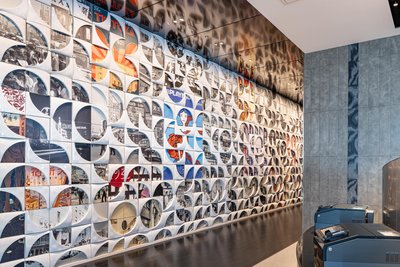
HOTEL GROOVE SHINJUKU, A PARKROYAL Hotel

EN Resort Grandeco Hotel
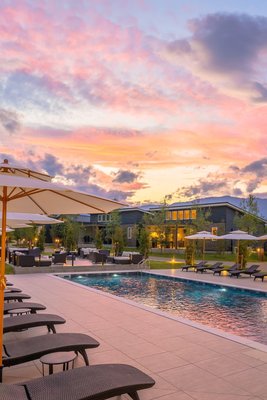
Awaumi Fujikawaguchiko Resort
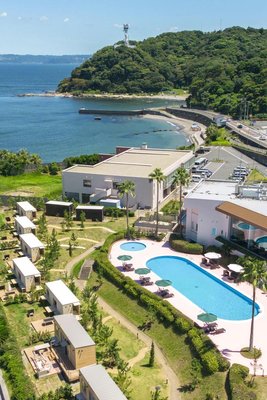
La vista Yokosuka Kannonzaki Terrace
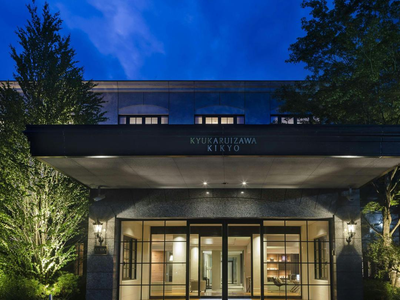
Fufu Karuizawa Wind of Sunshine
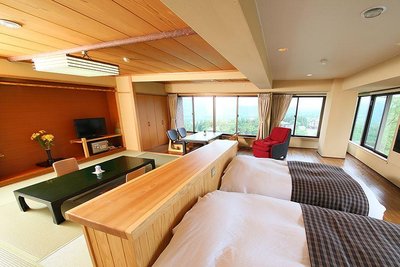
Hotel Taiko, Akakura Onsen
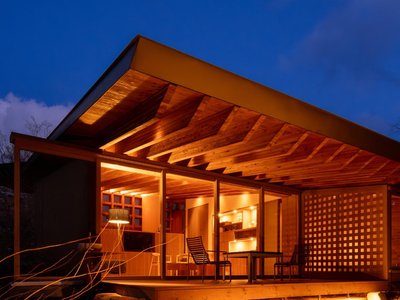
Nasu Mukunone
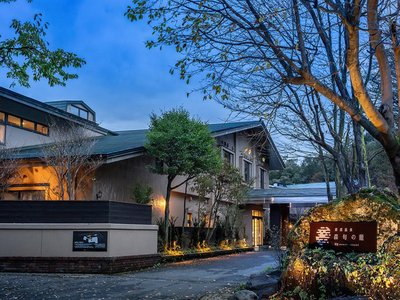
Nasu Onsen Shinshun no Kago Hewitt Resort

Scapes the Suite
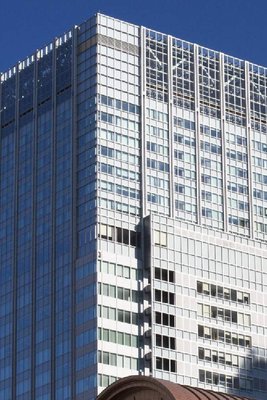
Hotel Metropolitan Tokyo Marunouchi
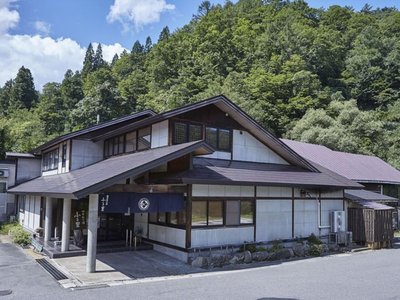
Fulsato
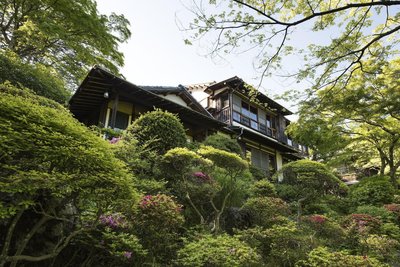
Gora Kansuiro
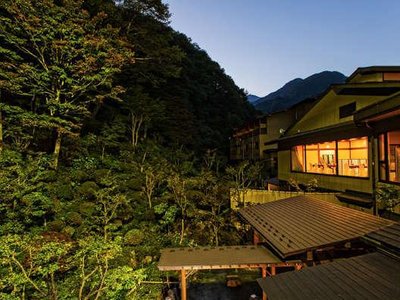
Futari Shizuka
Naspa New Otani
Crowne Plaza - ANA RESORT APPI KOGEN
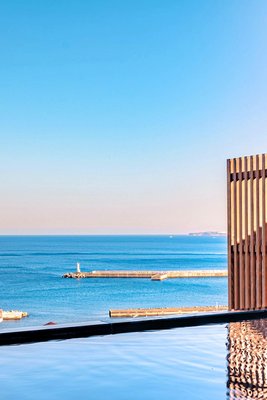
HOTEL KANICHI
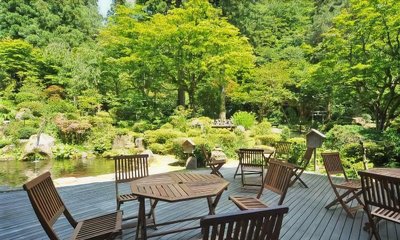
Choseikan
Hakone Gora Byakudan
Hotel New Akao
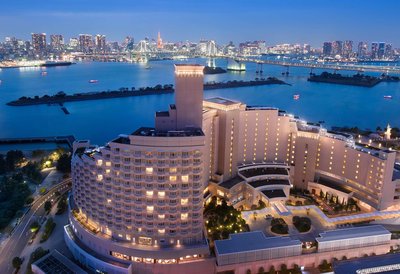
Hilton Tokyo Odaiba
JW Marriott Hotel Tokyo
The Prince Karuizawa
The Kukuna
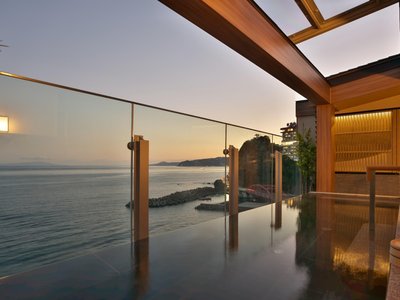
Hotel New Sagamiya
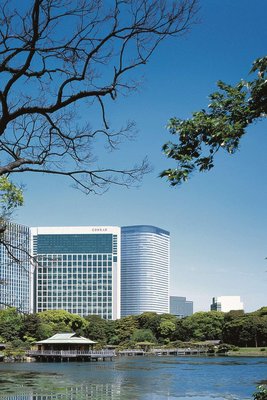
Conrad Tokyo
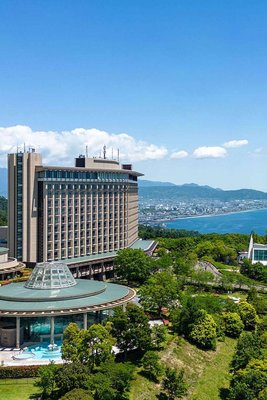
Hilton Odawara Resort & Spa
Hoshinoya Karuizawa
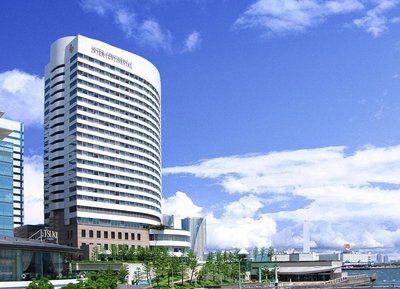
InterContinental Tokyo Bay
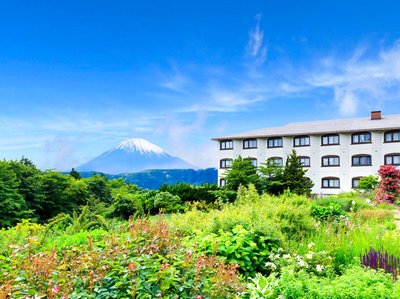
Hotel Green Plaza Hakone
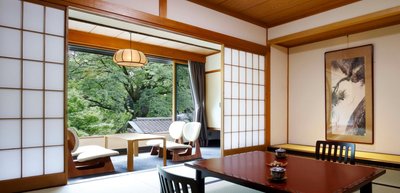
Yoshiike Ryokan
Akakura Kanko Hotel
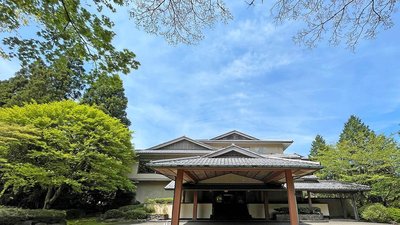
Ryuguden
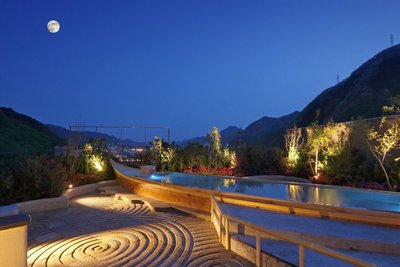
Asaya
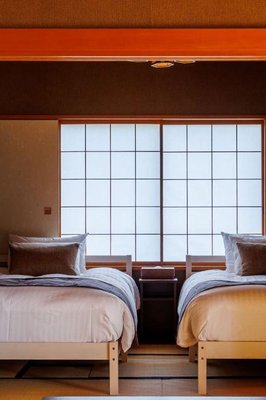
Sado Resort Hotel Azuma
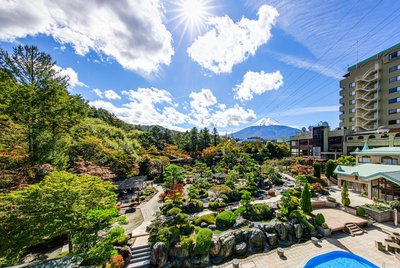
Kaneyamaen
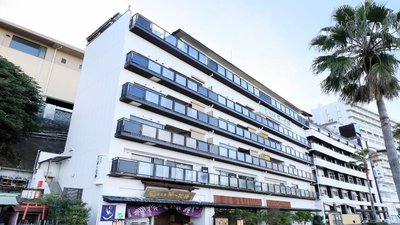
Syukaen Yunohanazen
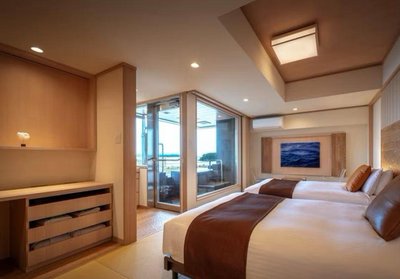
Komatsu-Kan Kofu-Tei
Bellustar Tokyo, A Pan Pacific Hotel
JW Marriott Hotel Tokyo
Andaz Tokyo Toranomon Hills- A Concept by Hyatt
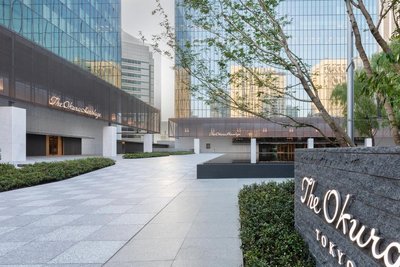
The Okura Tokyo
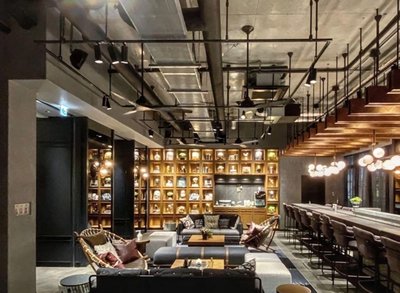
The Lively Azabujuban Tokyo
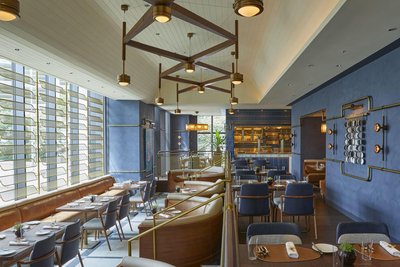
Kimpton Shinjuku Tokyo

HOTEL K5
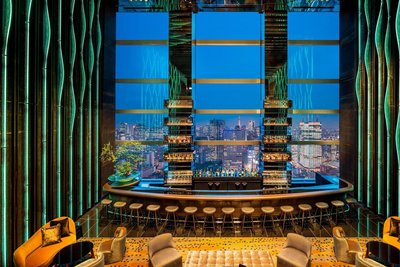
The Prince Gallery Tokyo Kioicho, a Luxury Collection Hotel
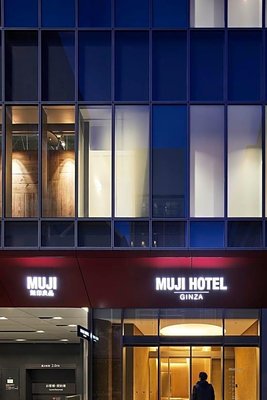
Muji Hotel Ginza
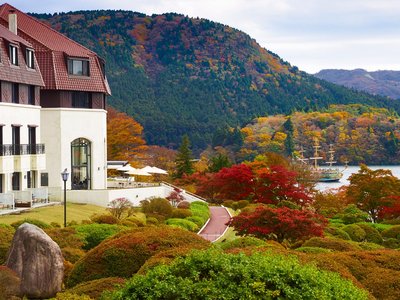
Hotakajyo
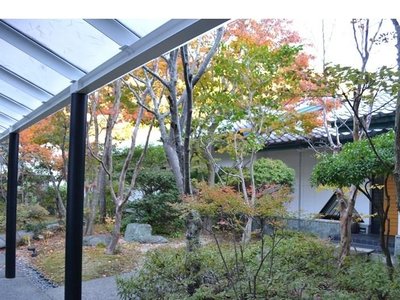
Auberge Suzukane
Onyado Nono Asakusa Bettei Hot Spring
Shiki wo Ajiwau Yado Yamano Chaya
Hoshino Resorts Kai Matsumoto
Konjakutei
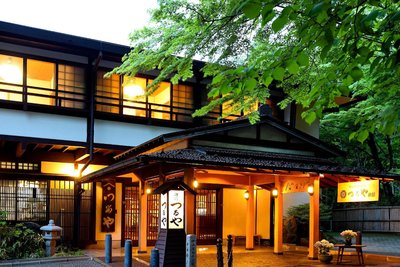
Tsuruya Ryokan
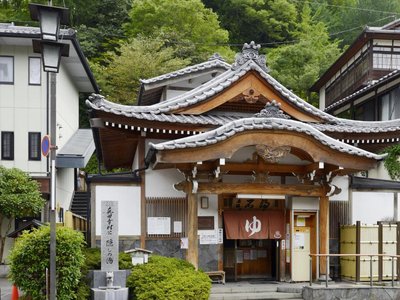
Nakamatsuya Ryokan
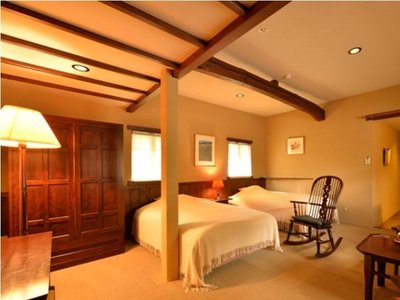
Ryokan Sugimoto
Yoshiike Ryokan
Hotel Gajoen Tokyo
Gora Hanaougi
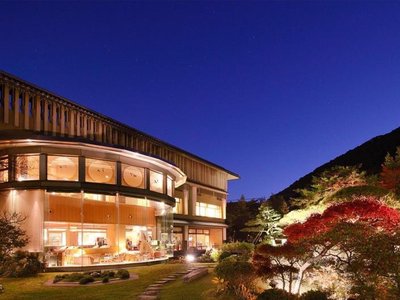
Shikisai Ichiriki
Sado Resort Hotel Azuma
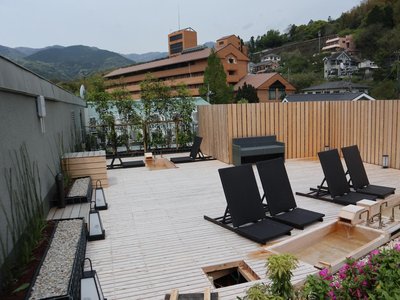
Fukiya Ryokan
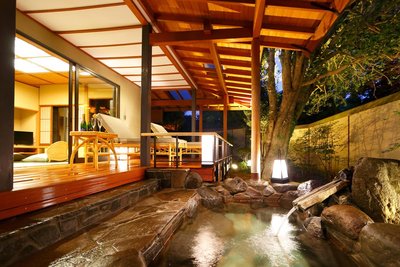
Yoshiharu Ryokan – Izu Nagaoka Onsen
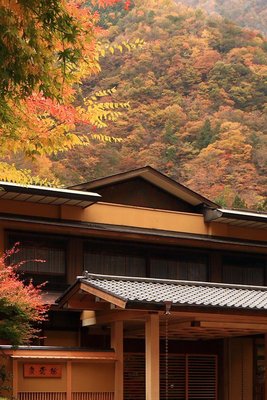
Nishiyama Onsen Keiunkan
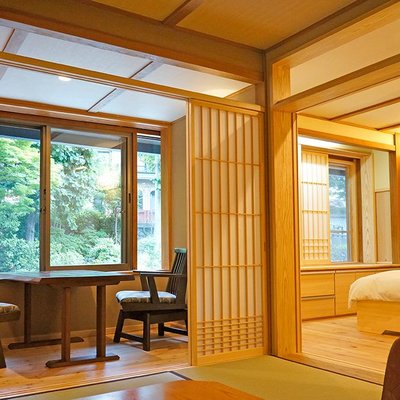
Sumiyosiya Ryokan
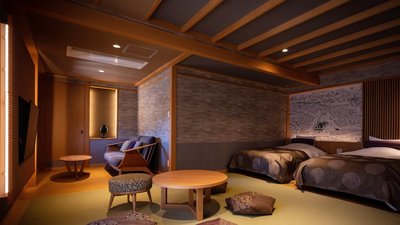
Naraya
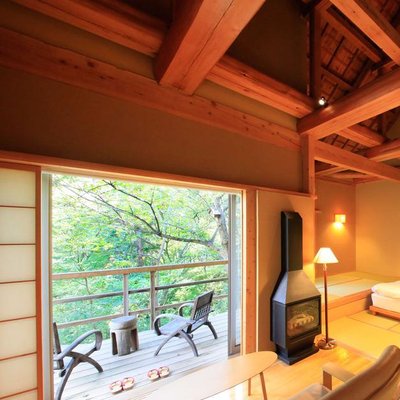
Daikon-No-Hana
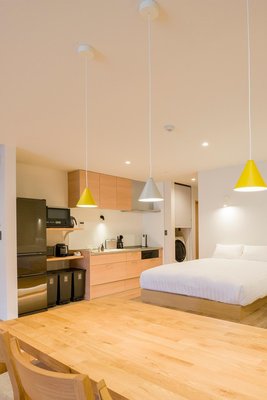
Rakuten STAY VILLA Nasu
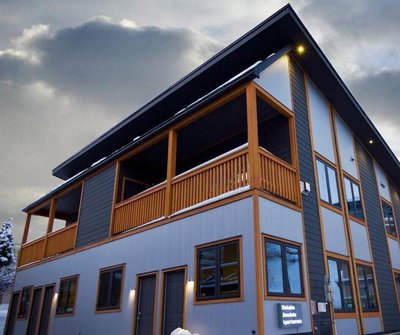
Hakuba Gondola Apartments
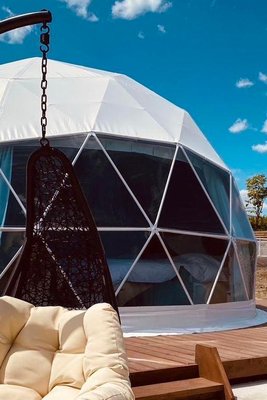
chillout glamping zao
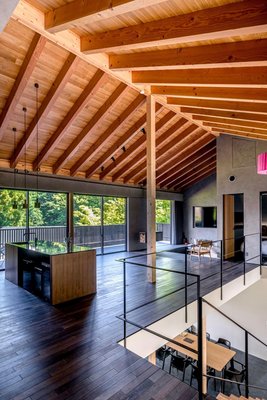
MONS GORA
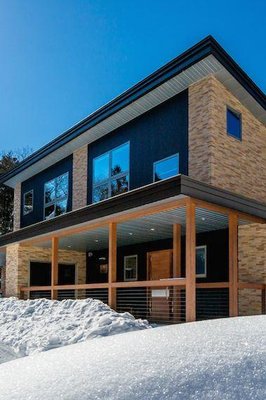
Phoenix Chalets by Hhg
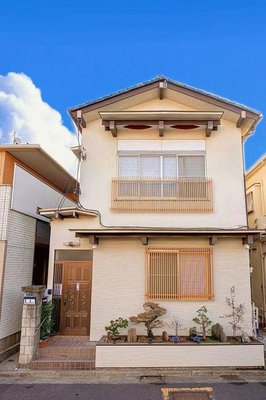
Tokyo Star House-Shinkoiwa
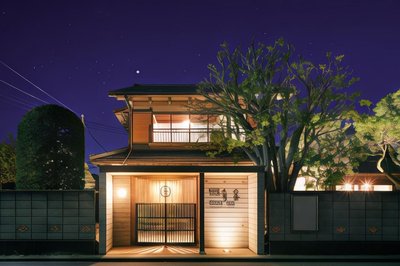
Machi-Jyu
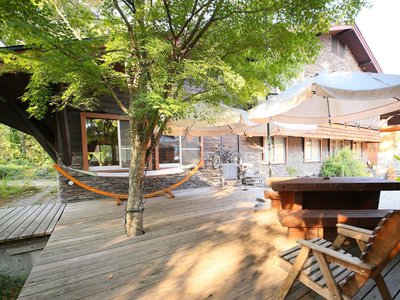
Kunugi Relaxation with 4 Modern Rooms
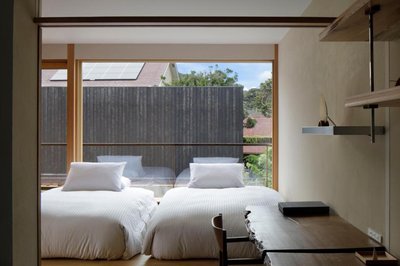
Modern Ryokan Kishi-ke
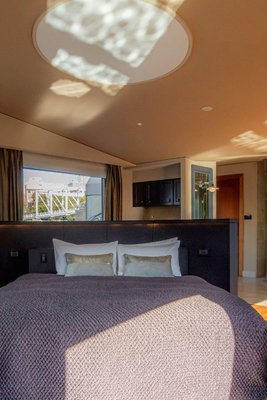
Petals Tokyo - Floating Hotel
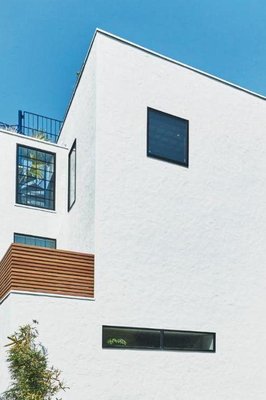
The Flow Kamakura
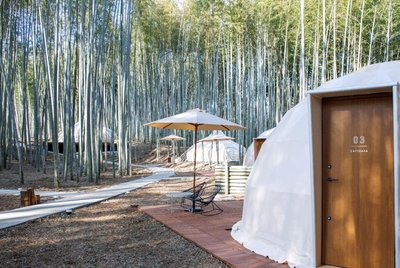
THE BAMBOO FOREST
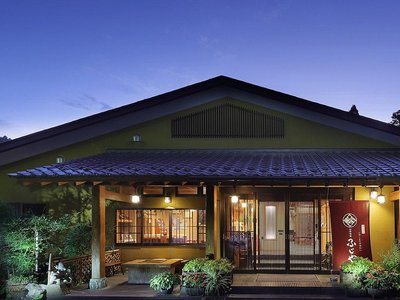
Shikimitei Fujiya
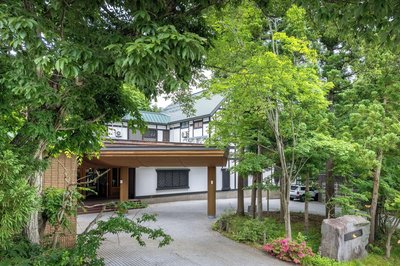
Forest Resort Yamanote Hotel
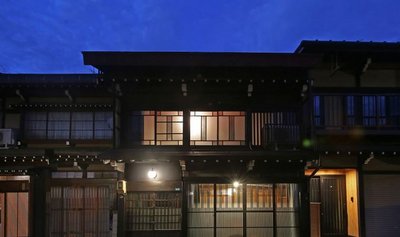
Iori Stay Hida
Frequently Asked Questions about Traveling to Inawashiro
Questions You Might Need to Know About Traveling to Inawashiro
In Iwamuro, the top family-friendly hotel is Hana no Yado Hana no Sato, located right by Lake Biwako. This charming Japanese-style inn offers spacious rooms with tatami mats and private lake-view balconies. Families can enjoy a children’s play area, outdoor onsen baths, and daily breakfast featuring fresh local fish and mountain vegetables.
The property is just steps from the Iwamuro Pier and Tendo Temple, making it easy to explore cultural sites and take boat rides. During cherry blossom season (late March–early April), families can join special tea ceremonies using sakura leaves, creating unforgettable memories.
Many rooms also include traditional wooden interiors and low tables for authentic experiences. HopeGoo early is recommended—especially during peak seasons like spring and summer.
Key features: lakeside views, kid-friendly facilities, local cuisine, and proximity to nature and culture.
The best area for quiet, scenic stays in Iwamuro is the lakefront zone near the Iwamuro Pier and Tendo Temple. This stretch offers serene, tree-lined paths and panoramic views of Lake Biwako, ideal for travelers seeking peace and natural beauty.
Hotels here, such as Biwako Onsen Hotel and Shiratori So, blend modern comfort with traditional Japanese architecture. Many feature private outdoor hot springs overlooking the water, perfect for morning relaxation or evening stargazing.
The area is well-maintained, safe, and free from commercial noise—ideal for couples, solo travelers, or those wanting to disconnect. Morning walks along the shore reveal misty skies and reflections of distant hills, while sunset views paint the lake in golden hues.
Nearby attractions include hiking trails in Fukushima Prefectural Natural Park and seasonal events like the Lake Festival, but the core charm lies in its tranquil rhythm and untouched scenery.
Highlights: peaceful atmosphere, stunning lake vistas, cultural proximity, and eco-conscious design.
Visitors to Iwamuro can enjoy several unique cultural experiences rooted in tradition and nature. The highlight is the Lake Festival (Biwako Matsuri) held annually in summer, where locals wear yukata, parade through the streets, perform taiko drumming, and release paper cranes for good fortune.
Another must-visit is Tendo Temple, a thousand-year-old Buddhist site housing rare statues and calligraphy. Its garden becomes a famous spot for autumn foliage viewing, especially in November.
For immersive adventure, try fishing on Lake Biwako—locals provide equipment and guided tours. Catch your own carp or bass, then enjoy a grilled meal on-site, experiencing the "from lake to table" tradition.
Seasonal highlights include cherry blossom tea ceremonies in spring and mountain mushroom foraging in fall. These activities connect guests with local rhythms, craftsmanship, and seasonal cycles—offering deep insight into Iwamuro’s soul.
Cultural value: authenticity, interactivity, seasonal relevance, and environmental harmony.
Yes, Iwamuro has several distinctive onsen hotels that blend natural resources with Japanese hospitality. Top among them is Biwako Onsen Hotel, which features indoor and outdoor baths fed by natural hot spring water, recycled through a sustainable lake-water system. The mineral-rich waters soothe muscles and support skin health.
Another standout is Shiratori So Ryokan, a private villa-style inn offering secluded onsen cabins with direct lake access. Some rooms include open-air baths with panoramic views of sunrise over the water—a truly magical experience.
All onsen facilities prioritize eco-friendliness, using geothermal energy and minimizing waste. Many hotels offer dinner packages with locally sourced ingredients, including freshwater fish from Lake Biwako and mountain vegetables.
These accommodations are ideal for relaxation, romantic getaways, or wellness-focused travel. Guests often describe the feeling of floating between sky and lake as transcendent.
Key advantages: natural thermal water, scenic settings, privacy, sustainability.
A stay of 2 to 3 days is ideal for fully experiencing Iwamuro. On Day 1, check into a lakeside hotel and visit Tendo Temple and the Iwamuro Pier, enjoying a peaceful walk along the shore at dusk.
Day 2 focuses on active exploration: take a boat tour around Lake Biwako, go fishing, or hike through Fukushima Prefectural Natural Park, where you’ll discover hidden waterfalls and ancient trees. Enjoy lunch at a local restaurant serving fresh biwako fish soup.
On Day 3, participate in hands-on activities like tofu-making or sake brewing at a local farm. Alternatively, join a seasonal event such as the cherry blossom festival or autumn leaf tour.
The pace is unhurried, allowing time for reflection and connection with nature. It’s perfect for slow travel, photography, or recharging away from urban life.
Ideal for: nature lovers, families, photographers, and wellness seekers.
Must-try dishes in Iwamuro include Biwako Fish Hot Pot, made with freshly caught carp and bass simmered in a delicate kombu and katsuobushi broth. Locals add wild mountain vegetables and mushrooms, creating a rich, umami-packed meal.
Another highlight is grilled lake fish, served charcoal-roasted with a touch of soy and citrus. The crispy skin and tender flesh make it a favorite among visitors.
Don’t miss Fukushima sake and handmade tofu—both produced locally using traditional methods. In spring, sample sakura salted carp, a seasonal delicacy where fish is cured with cherry blossoms for a fragrant, slightly salty taste.
Some guesthouses offer full culinary experiences, guiding guests through fishing, cleaning, and cooking their catch. These "from lake to table" programs deepen appreciation for local food culture.
Best enjoyed at lakeside restaurants, farmers’ markets, or within guesthouse dining rooms.
Signature flavors: freshness, seasonality, craftsmanship, regional pride.
The best times to visit Iwamuro are spring (March to May) and autumn (September to November). Spring brings vibrant cherry blossoms along the Iwamuro Pier and Tendo Temple, transforming the area into a pink-hued paradise perfect for photography and walking.
Autumn offers stunning foliage throughout Fukushima Prefectural Natural Park, with maple, ginkgo, and oak trees ablaze in red, gold, and orange. The weather is cool and clear—ideal for hiking and sightseeing.
Summer is warm and lively, great for boating and fishing, though crowds increase. Winter sees occasional snowfall, turning the lake into a quiet, icy landscape with ethereal beauty.
Spring and autumn stand out for their balance of pleasant temperatures, low tourist density, and peak natural beauty—making them the most rewarding seasons for a meaningful visit.
Top reasons: optimal weather, breathtaking scenery, cultural events, and solitude.
Yes, Iwamuro offers exceptional photo opportunities for both amateur and professional photographers. The lakefront at dawn provides mirror-like reflections of the sky and surrounding hills—perfect for long-exposure shots.
The Iwamuro Pier and the bridge leading to the small island create strong leading lines, ideal for framing landscapes with depth and perspective.
Tendo Temple’s courtyard, with its stone lanterns, moss gardens, and centuries-old trees, offers timeless compositions rich in texture and contrast—especially beautiful during seasonal changes.
In autumn, the park’s maple trails become a living canvas of color. Early morning fog adds mystery to forest scenes, while late afternoon light enhances the glow of falling leaves.
Many guesthouses offer free photography tours led by local artists who know hidden viewpoints and lighting patterns. Bring a tripod and polarizing filter to capture the shimmering water and vivid colors.
Perfect for: landscape, portrait, street, and nature photography.
Key appeal: natural drama, artistic composition, accessibility, and seasonal variety.
Transportation in Iwamuro is simple and eco-friendly. From Fukushima City, take the Fukushima Transportation Bus to Iwamuro Station, a 40-minute ride with frequent departures—ideal for visitors without cars.
Travelers from Tokyo can reach Fukushima via the Tohoku Shinkansen, then transfer to a bus or taxi. Total journey time: about 2 hours.
Once in town, renting a bicycle is highly recommended—dedicated lanes run along the lake, covering approximately 10 km. Many guesthouses offer free rentals.
For longer excursions, Lake Biwako Cruises operate daily, offering scenic views and easy access to the island. Car rental services are also available for those wishing to explore remote trails or nearby forests.
Overall, the transport system supports low-impact travel, prioritizing walking, cycling, and public transit—perfect for mindful and sustainable tourism.
Advantages: affordability, convenience, green mobility, and scenic routes.
Iwamuro boasts several unique guesthouses blending heritage, artistry, and nature. Shiratori So stands out as a wooden ryokan transformed from a former farmhouse, featuring private onsen cabins, handcrafted furniture, and a Zen garden. Each room reflects local materials and seasonal themes.
Another gem is Lakeview Garden Stay, a boutique-style home where the owner—a retired soldier—curated a space filled with books, handmade ceramics, and a cozy café serving local coffee and sweets. The garden blooms with lavender and bamboo.
For spiritual seekers, Tendo Temple Guesthouse offers short-term stays with morning meditation sessions and temple visits. Guests may participate in rituals and learn about Buddhist traditions.
Some guesthouses host workshops: rice planting, mushroom foraging, or pottery making. These programs foster deep connections with the land and community.
More than just lodging, these spaces offer cultural immersion, personalized service, and a sense of belonging—ideal for travelers craving authenticity over standard hotels.
Unique traits: local craftsmanship, storytelling, sustainability, human-centered design.
Inawashiro Overview
City Summary
Inawashiro Town, located in Fukushima Prefecture, Japan, is renowned for its natural beauty and hot springs. The town is home to Lake Inawashiro, Japan's third-largest lake, which offers stunning seasonal views and activities like winter sports and summer water activities. The area's abundant hot springs make it an ideal destination for relaxation.
Must-See Attractions
Lake Inawashiro is a must-visit, with winter activities like skiing and ice fishing, and summer options such as boating and swimming. Mount Bandai is a paradise for hikers, while the Urabandai Highlands offer serene forest trails. For history buffs, the Aizu Wakamatsu Castle ruins provide a glimpse into the Sengoku period.
Food Guide
Inawashiro is famous for its lake cuisine, including "wakasagi tempura" (smelt tempura) and "Aizu jidori" (local chicken). Street food like "soy sauce dango" and "Aizu soba" are also worth trying. Many hot spring ryokans serve traditional kaiseki meals.
Transportation Guide
Public transport in Inawashiro is primarily by bus, with services from Koriyama and Aizu-Wakamatsu stations. Renting a car is another good option, as roads are well-maintained. The "Inawashiro Sightseeing Bus" is convenient for touring major spots. Winter driving requires caution due to snow.
Best Time to Visit
The best times to visit are winter (December-February) for skiing and hot springs, and summer (June-August) for outdoor activities. Avoid Golden Week and Obon to escape crowds.
Travel Tips
- Onsen etiquette: Wash before entering, no swimwear allowed.
- Winter gear: Bring warm clothing and anti-slip shoes.
- Cultural respect: Maintain silence at shrines.
- Waste sorting: Follow Japan's strict recycling rules.
- Cash payments: Some small shops may not accept cards.
- Transport bookings: Reserve buses or rental cars in advance during peak seasons.
Useful Information
English is understood in tourist areas, but basic Japanese phrases are helpful. Mobile coverage is good; prepaid SIMs are available at convenience stores. Cash is preferred, though cards are accepted in some places. For emergencies, dial 119; medical facilities are available. Ryokans often offer free Wi-Fi, but observe usage etiquette.