Hotels in Indang
Discover your perfect stay in Indang.
Indang(Philippines) Travel 2026: Cheap Flights, Hotels & Top Attractions
Popular Landmarks in Indang
Discover the most iconic attractions in Indang
Recommended Hotels in Indang
Find the perfect place to stay in Indang
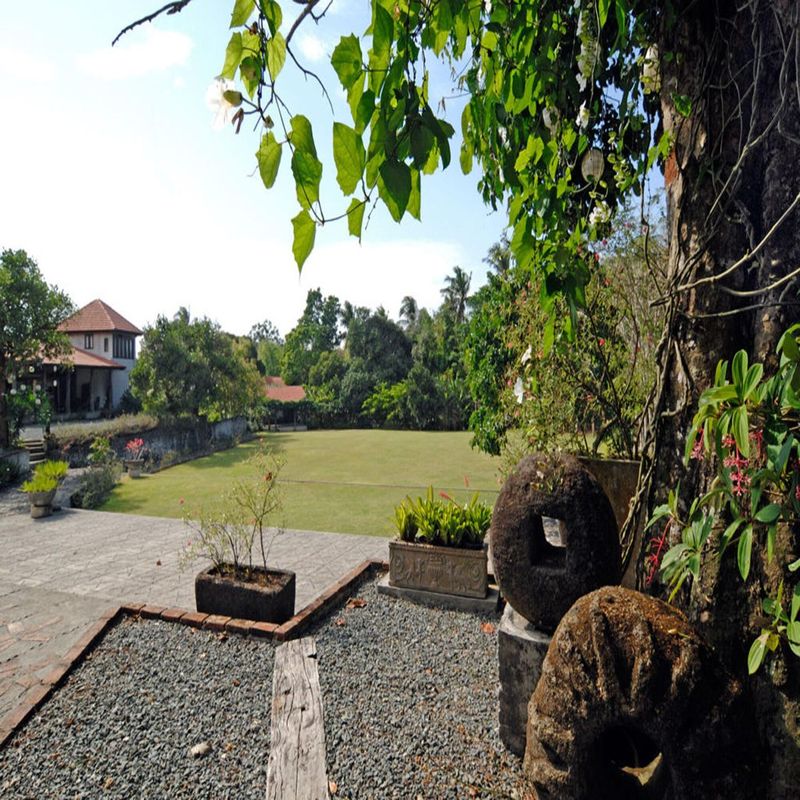
Hacienda Isabella

OYO 1152 Hotel Precious Garden Place
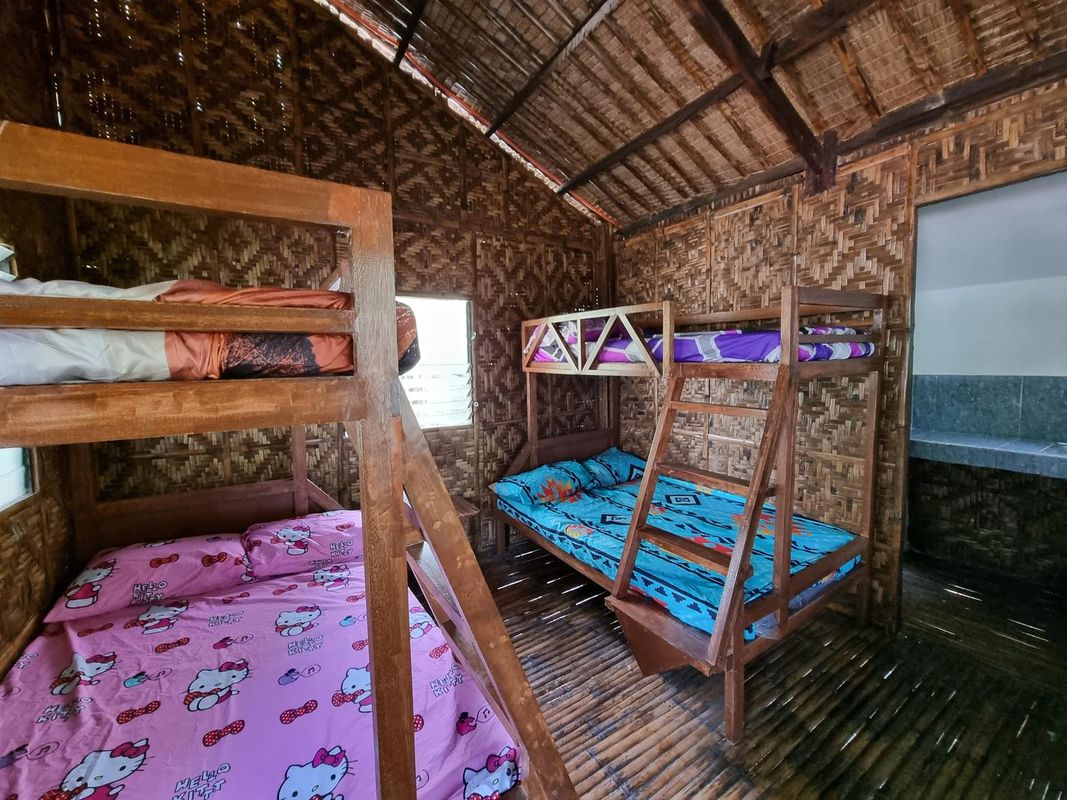
California Breeze Campsite
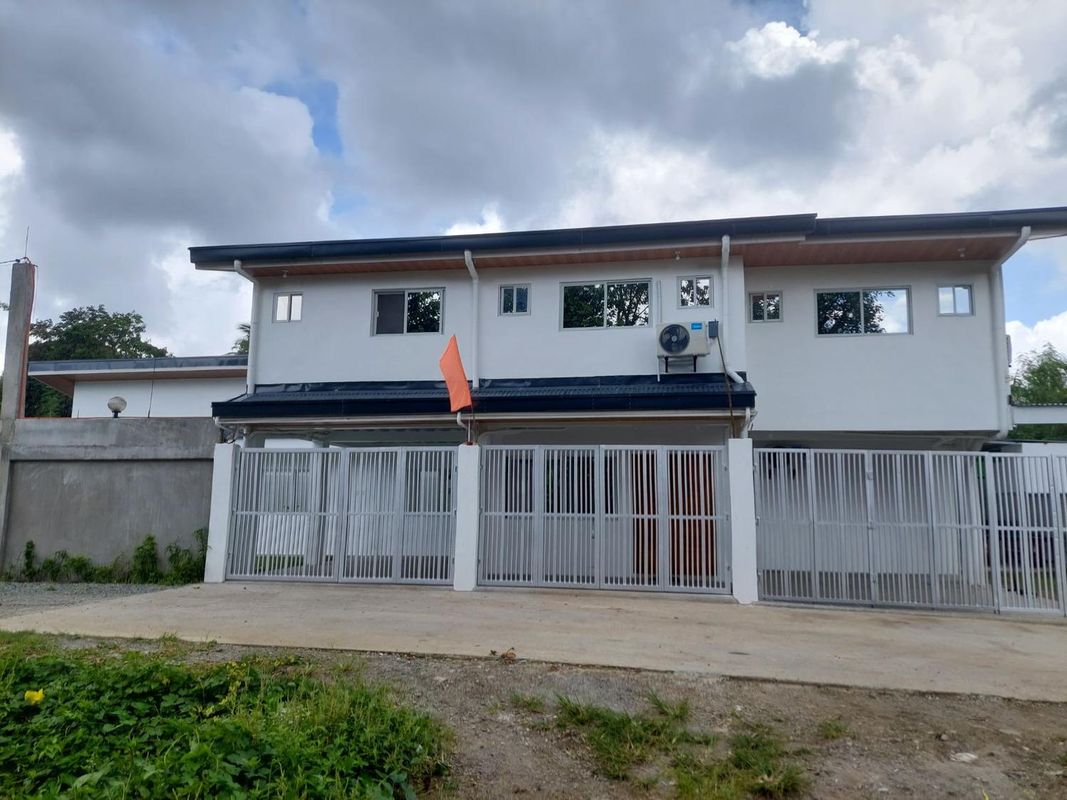
CMJ Private Resort
Best Hotels in Indang
Discover curated hotel collections in Indang
Discovery Boracay
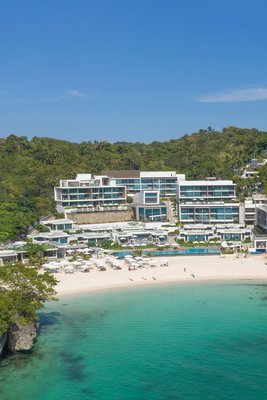
Crimson Resort and Spa Boracay
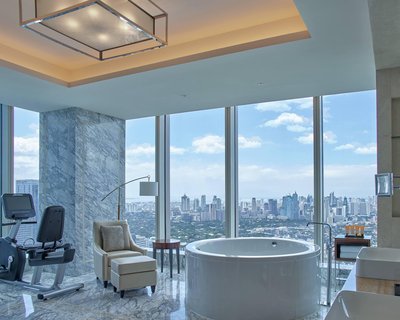
Grand Hyatt Manila
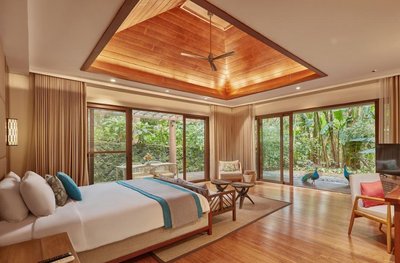
The Farm at San Benito
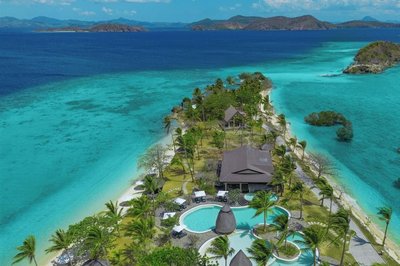
Two Seasons Coron Island Resort
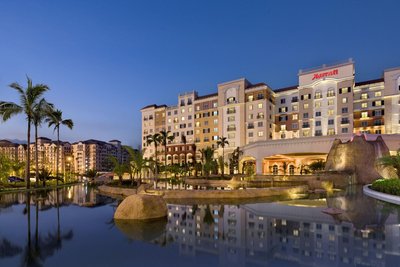
Manila Marriott Hotel at Newport World Resorts
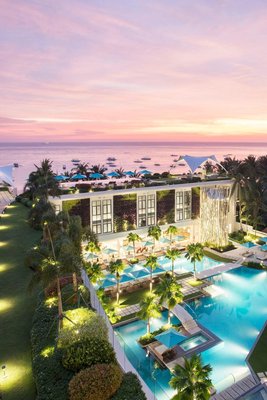
The Lind Boracay
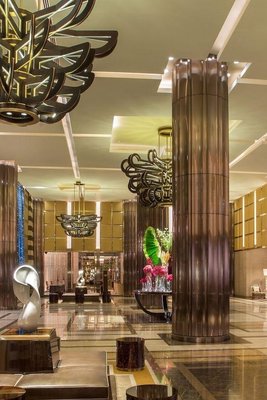
City of Dreams - Nüwa Manila
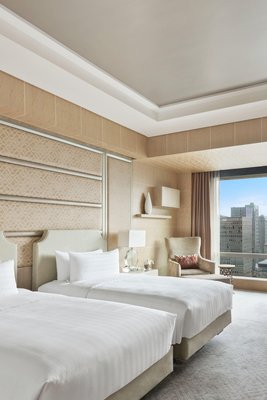
Shangri-La The Fort, Manila
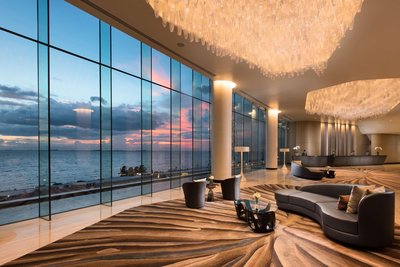
Conrad Manila
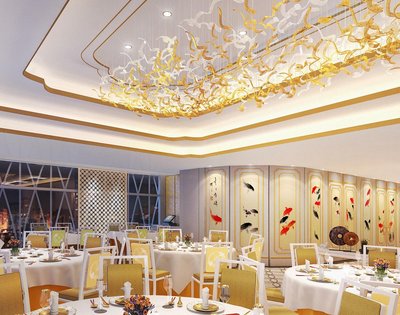
Okada Manila
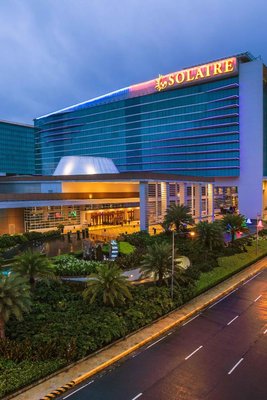
Solaire Resort Entertainment City
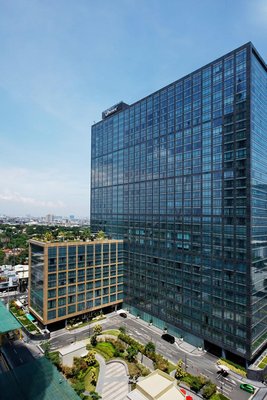
Raffles Makati
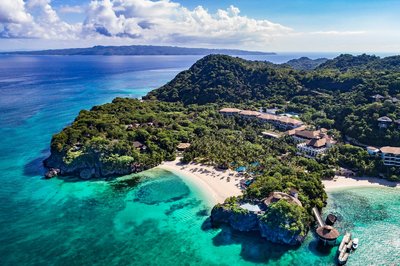
Shangri-La Boracay
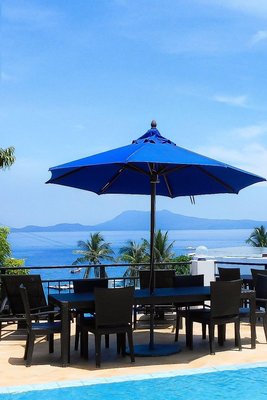
Out of the Blue Resort
Walking Street Condo Beautiful 1 King Bedroom
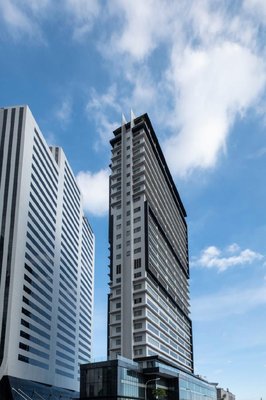
Brittany Hotel BGC
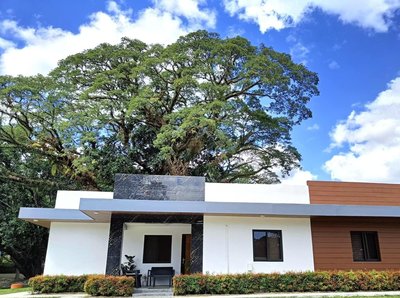
Aurora Villas and Cabin Resort
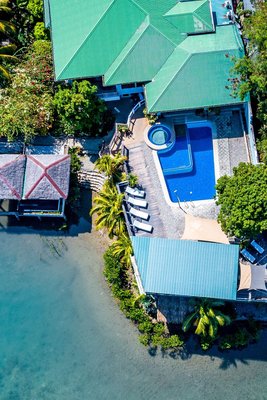
Edgewater Dive & Spa Resort
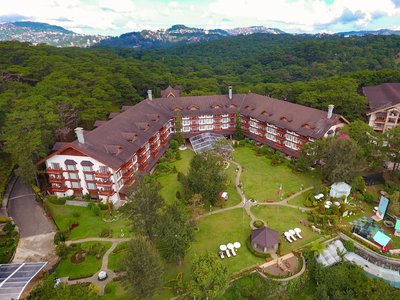
The Manor at Camp John Hay
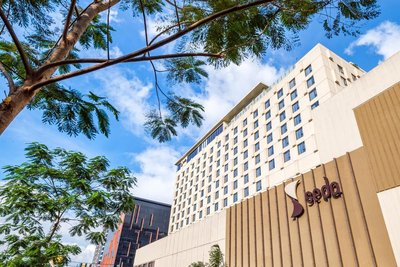
Seda Manila Bay
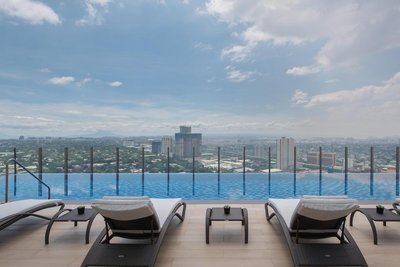
Citadines Benavidez Makati
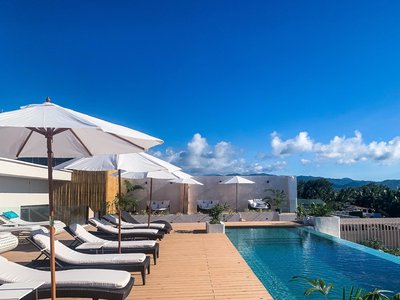
Mandarin Nest Boracay
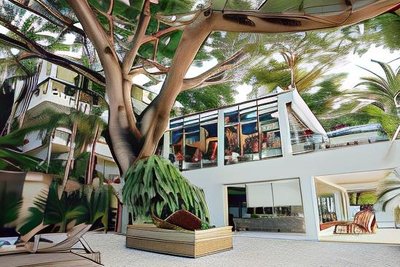
Solitude Acacia Resort
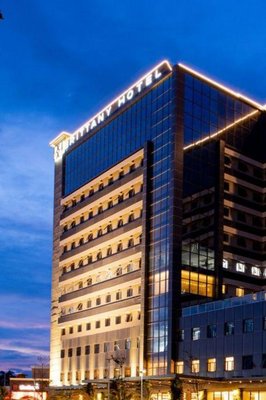
Brittany Hotel Villar City
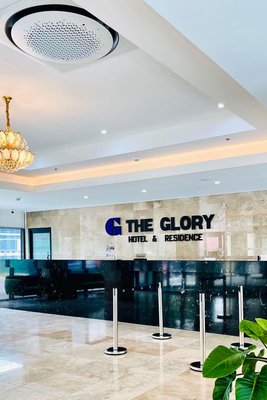
The Glory Hotel and Residence Clark Pampanga
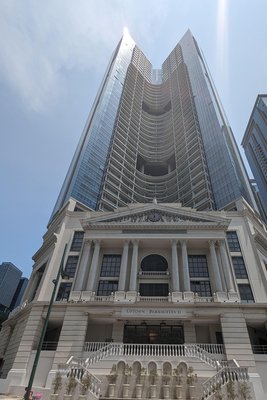
EG Private House - BGC UPTOWN
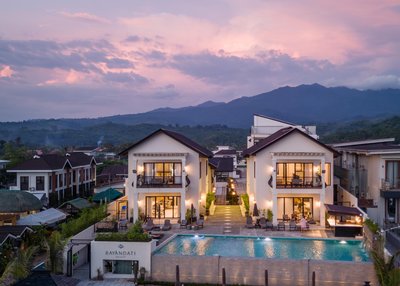
Bayandati Resort
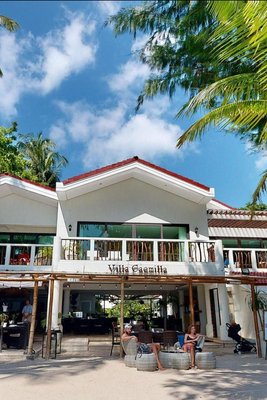
Villa Caemilla Beach Boutique Hotel
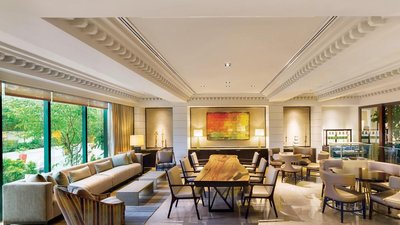
Aruga Apartments by Rockwell
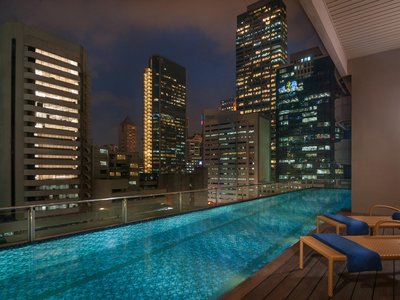
Citadines Salcedo Makati
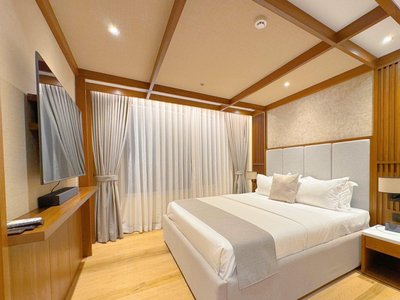
Downtown District Hotel

Asia Grand View Hotel
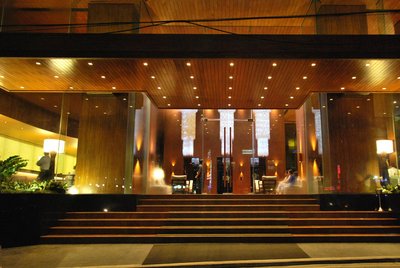
City Garden Grand Hotel
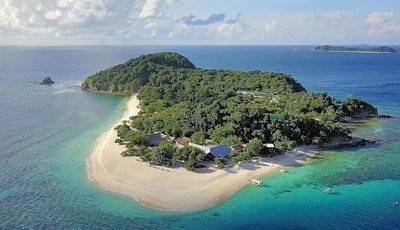
Discovery Coron (formerly Club Paradise Palawan)
Discovery Boracay
Crimson Resort and Spa Boracay
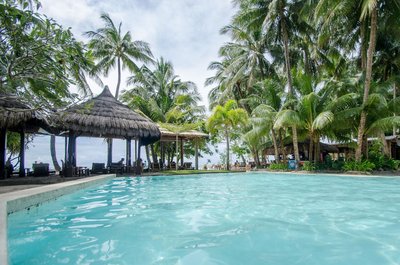
Sea Wind Resort
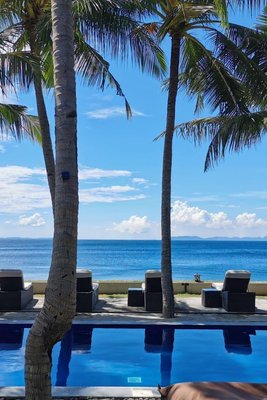
La Chevrerie Resort & Spa
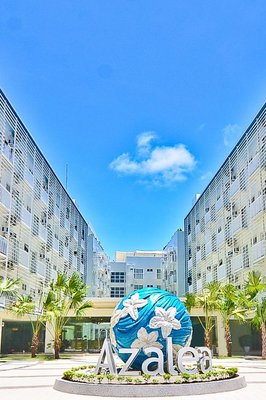
Azalea Hotels & Residences Boracay
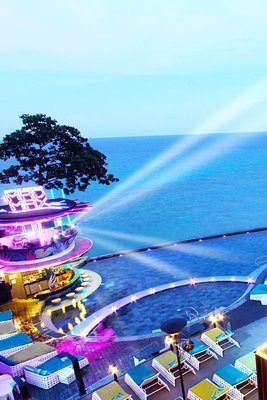
Fairways and Bluewater Boracay
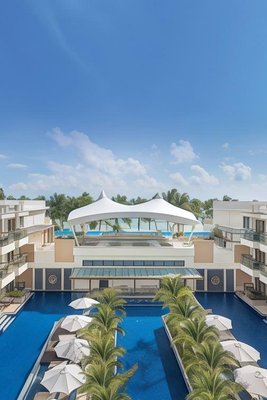
Henann Palm Beach Resort
The Lind Boracay
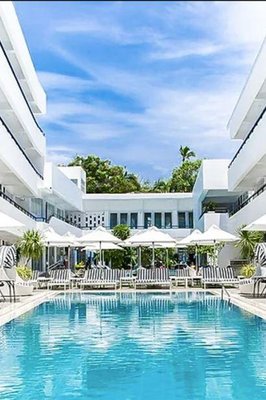
Coast Boracay
Conrad Manila
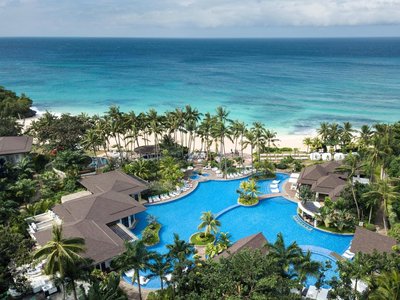
Movenpick Resort & Spa Boracay
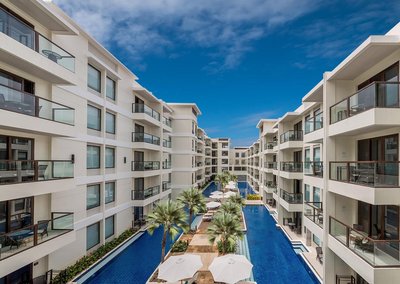
Henann Prime Beach Resort
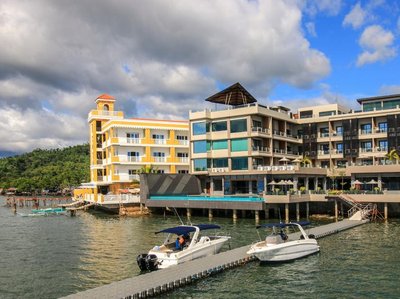
Two Seasons Coron Bayside Hotel
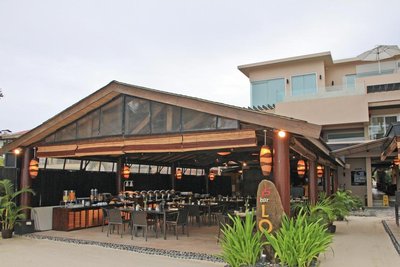
Two Seasons Boracay Resort
Solaire Resort Entertainment City
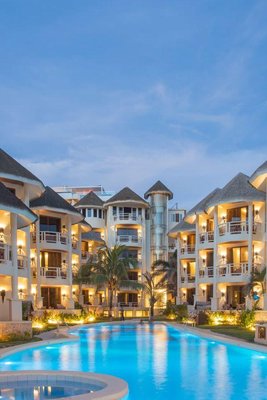
Ambassador in Paradise
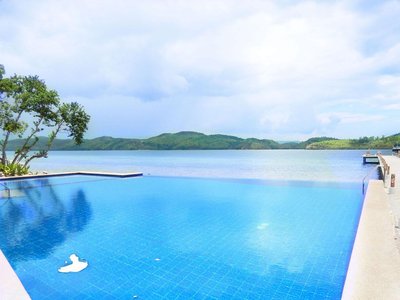
El Rio y Mar Resort
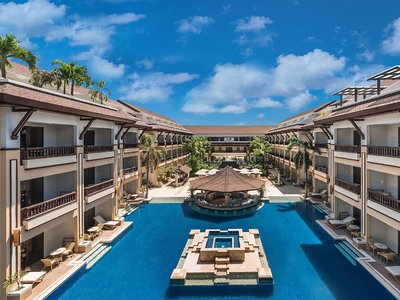
Henann Regency Resort and Spa
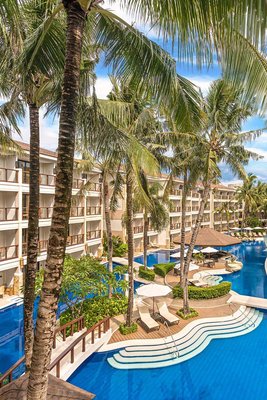
Henann Lagoon Resort
Discovery Boracay
Crimson Resort and Spa Boracay
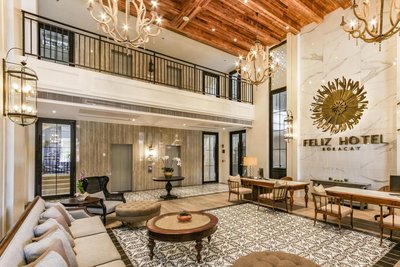
Feliz Hotel Boracay
The Lind Boracay
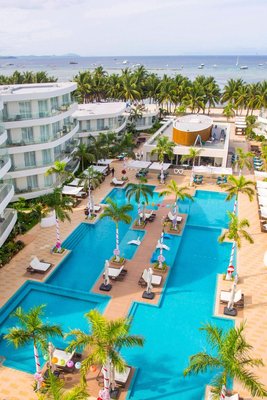
Aqua Boracay
Coast Boracay
Movenpick Resort & Spa Boracay
Okada Manila
Henann Regency Resort and Spa
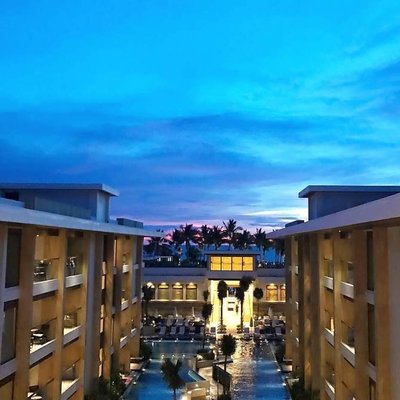
Henann Crystal Sands Resort
Shangri-La Boracay
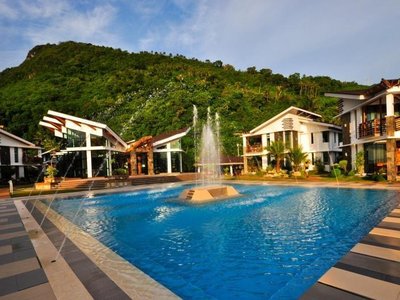
Infinity Resort
Discovery Coron (formerly Club Paradise Palawan)
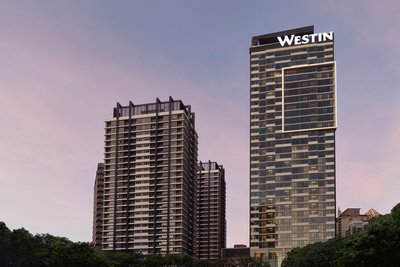
The Westin Manila
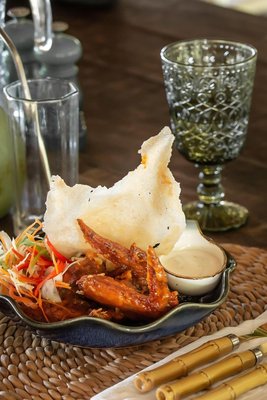
The Beach House Ocam Ocam
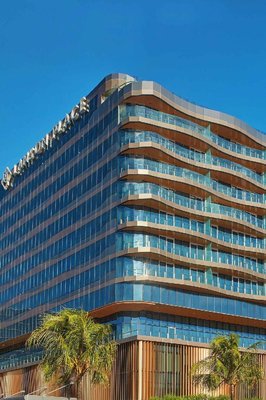
Lanson Place Mall of Asia Manila
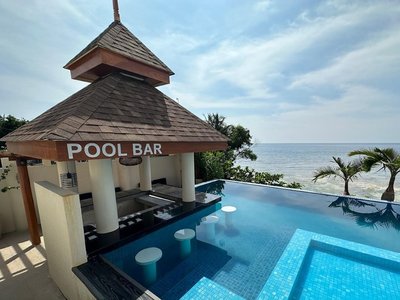
Bel-Is Cove Beach Resort
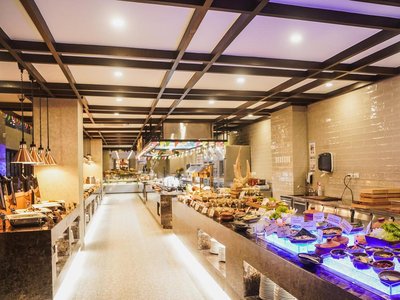
Mandarin Bay Resort & Spa
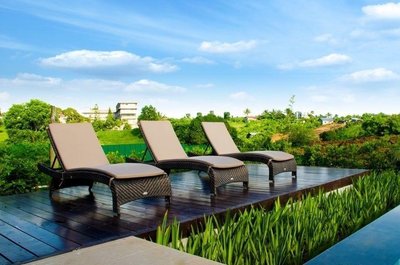
Anya Resort Tagaytay
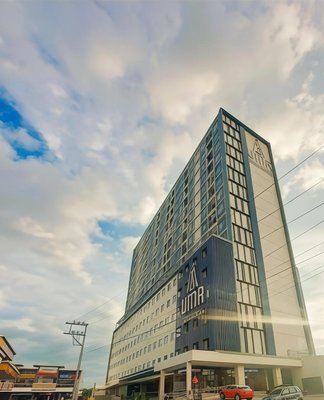
Uma Hotel and Residences
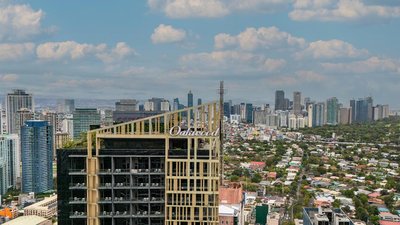
Oakwood Makati Avenue
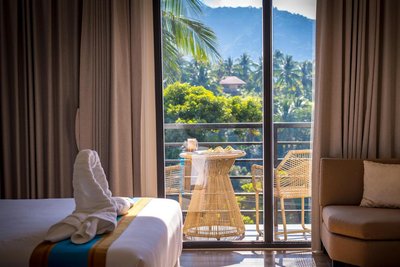
Magarra Hotel
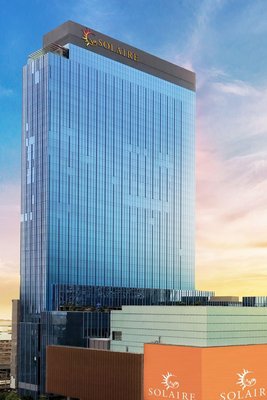
Solaire Resort North
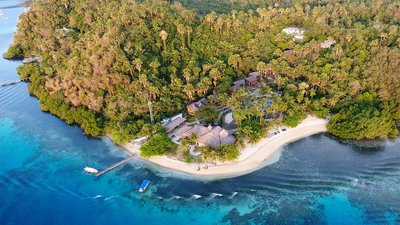
Fridays Puerto Galera
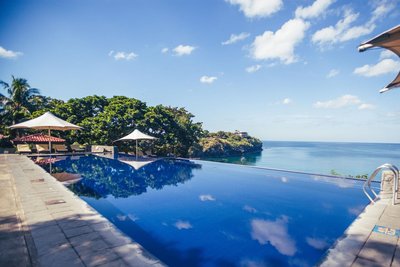
Club Punta Fuego
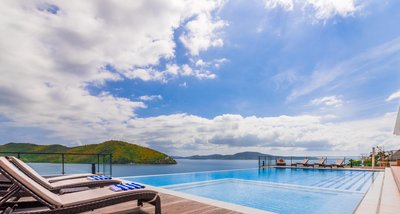
Busuanga Bay Lodge
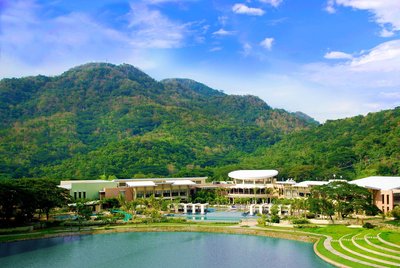
Pico Sands Hotel
Henann Palm Beach Resort
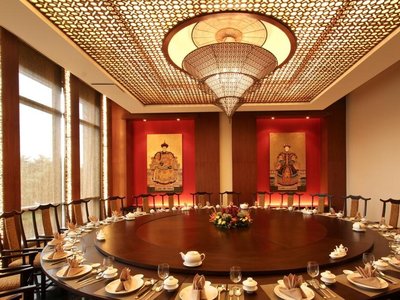
The Bellevue Hotel
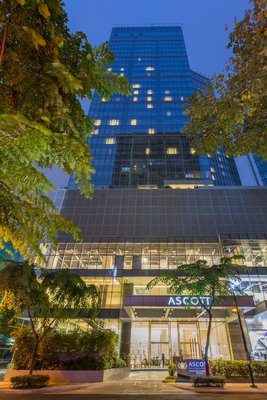
Ascott Bonifacio Global City Manila
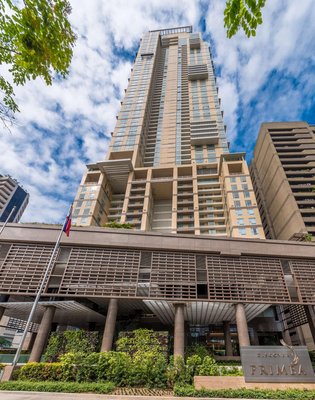
Discovery Primea, Manila
Discovery Boracay
Coast Boracay
Henann Regency Resort and Spa
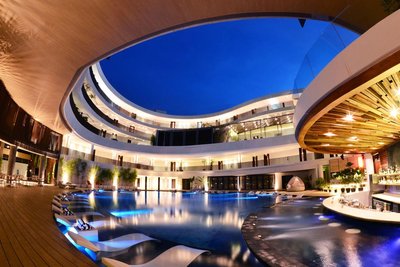
Hue Hotels and Resorts Boracay Managed by HII
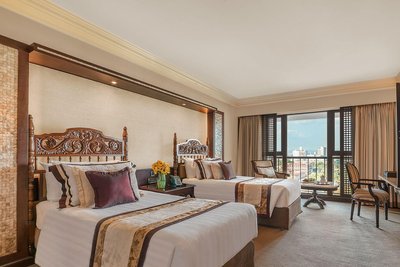
The Manila Hotel
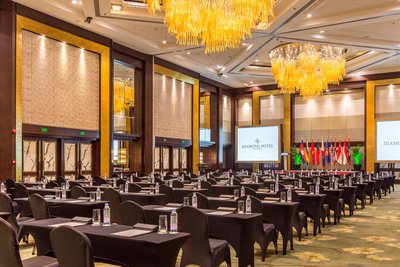
Diamond Hotel Manila
Frequently Asked Questions about Traveling to Indang
Questions You Might Need to Know About Traveling to Indang
For families visiting Inang, consider staying at Lakeside Resort, located right next to Lake Inang. This family-oriented hotel offers a children's pool, kid-friendly activities, free parking, and breakfast included. It's near the Church of Our Lady of the Assumption, making it easy to explore local culture. Nearby markets and restaurants add convenience. Another great option is Alcazar Hotel, known for its clean rooms and warm service, just a 5-minute drive from downtown. Both provide excellent value and safety for family travelers seeking comfort and accessibility.
The downtown area of Inang is the most convenient choice for lodging. It’s close to major attractions like the City Hall and Central Park, with easy access to shopping streets and night markets. Hotels such as Inang Royal Hotel offer modern amenities and excellent location. The area has good lighting and security, ideal for solo travelers or couples. For a quieter stay, the lakeside district offers peaceful views and nature immersion, though it requires a short drive to reach the city center. Choose based on your travel style—downtown for convenience, lakeside for serenity.
Visitors to Inang must visit the Church of Our Lady of the Assumption, a stunning blend of Gothic and Filipino architectural styles, featuring intricate stained glass and historical murals. Don’t miss the annual Christmas Light Festival in December, where streets are adorned with dazzling lights, music shows, and fireworks. Take a traditional bamboo raft tour on Lake Inang to enjoy serene morning views and birdwatching. Local weekend artisan markets also offer handmade crafts like woven baskets, ceramics, and textiles—perfect for connecting with the community and finding unique souvenirs.
Inang’s cuisine shines with fresh seafood and traditional Filipino flavors. Try Paksiw na Isda, a tangy fish stew made with tamarind, chili, and lemongrass—perfectly balanced and refreshing. Another highlight is Inang Lechon, a crispy roasted pig served during festivals, often paired with native rice and pineapple salsa. Street vendors serve Puto Bumbong, sweet sticky rice wrapped in banana leaves and flavored with coconut milk and palm sugar—ideal for a quick snack. For a full culinary experience, head to the Old Town Night Market, where over 30 food stalls offer authentic dishes in a lively atmosphere.
Backpackers will appreciate Inang Youth Hostel, located in the heart of downtown, offering dorm beds, shared kitchens, free Wi-Fi, and 24/7 front desk service. It’s steps away from Central Park and the Old Market, making it perfect for socializing and exploring. Another option is Lakeside Shared Stay, which provides affordable private suites for groups or friends, starting at $25 per night. Includes kitchen facilities and a washing machine. Both hostels foster a friendly, inclusive environment, ideal for meeting fellow travelers and sharing tips.
Lake Inang is the crown jewel of natural attractions in Inang, with its mirror-like surface and misty mornings—ideal for photography. Scenic walking trails and viewing platforms surround the lake, perfect for jogging or biking. During summer, guided bamboo raft tours reveal hidden islands and rich birdlife. Just outside the city, the St. Ignatius Forest Reserve features lush rainforest, waterfalls, and hiking trails. The reserve includes wooden cabins for camping, allowing visitors to immerse in nature and enjoy nighttime wildlife sounds—a refreshing escape from urban life.
Couples should consider Love Lake Villa, a secluded lakeside retreat with private pools, floor-to-ceiling views of Lake Inang, and romantic touches like rose petals and scented candles. The villa offers private dinner setups and couple’s spa treatments. Another top pick is Royal Loft Suite, housed in a restored colonial building with vintage charm. Its balcony overlooks the Church of Our Lady of the Assumption, perfect for sunset views. Both hotels emphasize privacy, elegance, and personalized service—ideal for creating unforgettable moments together.
The highlight festival in Inang is the Christmas Light Festival, held every December, transforming the city into a glowing wonderland with thousands of lights, musical performances, and grand firework displays. Another unique event is the Lakeside Offering Ceremony, held in spring, where locals present flower wreaths and paper cranes to Lake Inang as an act of gratitude to nature. The seasonal Artisan Market features local craftspeople showcasing handwoven textiles, wood carvings, and pottery, with live workshops allowing guests to try their hand at traditional techniques—deepening cultural connection.
The easiest way to travel from Manila to Inang is by bus or private car. South Luzon Express operates multiple daily direct buses, taking about 4 hours with fares around ₱350. Private car rentals start at ₱2,500, offering greater flexibility—ideal for families or groups. Upon arrival at Inang Bus Terminal, transfer via tricycle or taxi (10–15 minutes) to your hotel. For convenience, book transportation in advance, especially during peak seasons. There’s also a small airport (Inang Airport) with limited flights, mainly serving charter or special needs travelers.
Inang is considered one of the safer cities in the Philippines. Downtown and main tourist areas have consistent police patrols and well-lit streets, making it suitable for solo travelers and couples. Most hotels feature 24-hour security and surveillance systems. The local tourism office runs a Safety Information Desk at City Hall Plaza, providing real-time updates and emergency contacts. While generally secure, avoid isolated areas at night. With basic awareness and respect for local customs, visitors can enjoy a safe and memorable trip.
Indang Overview
City Summary
Indang, Cavite is a serene agricultural town in the Calabarzon region of the Philippines, renowned for its cocoa plantations and Spanish colonial architecture. Its uncommercialized rural charm, featuring stone churches and traditional wooden houses, attracts travelers seeking cultural depth. Nearby waterfalls and terraced fields enhance its ecological appeal.
Must-See Attractions
Visit St. Gregory the Great Parish, a Baroque church with 300-year-old stone walls. The Indang Museum displays local farming artifacts, while Malabar Farm offers cocoa cultivation workshops. Stroll along Rizal Avenue at dusk to admire vintage balcony houses and artisan shops.
Food Guide
Must-try Sinigang na Baka sa Bayabas, a sour-spicy beef stew with guava. Street vendors serve Kari-kari (oxtail stew) with homemade shrimp paste. For dessert, savor hot chocolate made from local cocoa beans paired with Puto (rice cakes). Don't miss Adobong Manok (chicken adobo) for its balanced soy-vinegar sauce.
Transportation Guide
Jeepneys are the main transport (fare: ~20 PHP), but confirm routes beforehand. No metro system exists; hire tricycles for day tours (~500 PHP/day). To Manila, take DLTB buses (3-hour ride). Self-drivers should note narrow rural roads. GPS signals may drop in plantations—carry paper maps.
Best Time to Visit
Visit from December to February for cool, dry weather (25-28°C). Avoid July-September typhoon season. Weekends see moderate crowds, but tourist density remains low overall.
Travel Tips
- Dress modestly in churches (no sleeveless tops/shorts).
- Cash-only: 90% of vendors don't accept cards—bring small bills.
- Safety: Avoid remote farms at night due to poor lighting.
- Health: Use insect repellent—mosquitoes are common.
- Bargaining: Negotiate 10-20% discounts at craft markets.
- Eco-tip: Carry a reusable water bottle—filtered water is scarce.
Useful Information
Language: Tagalog dominates; basic English works in tourist spots. Internet: Globe Telecom offers 3G in rural areas. Payments: Only 3 ATMs (BPI/Metrobank)—often out of service. Medical: The town hospital handles minor cases; major issues require transfer to Tanauan City (40-minute drive). Emergency: Tourism Police at +63 917 323 8182. Voltage: 220V, Type A/B plugs. Water: Drink only bottled water; avoid raw salads.
Other Cities You Might Like
Explore more amazing destinations