Hotels in Ine
Discover your perfect stay in Ine.
Ine(Japan) Travel 2026: Cheap Flights, Hotels & Top Attractions
Popular Landmarks in Ine
Discover the most iconic attractions in Ine
Recommended Hotels in Ine
Find the perfect place to stay in Ine
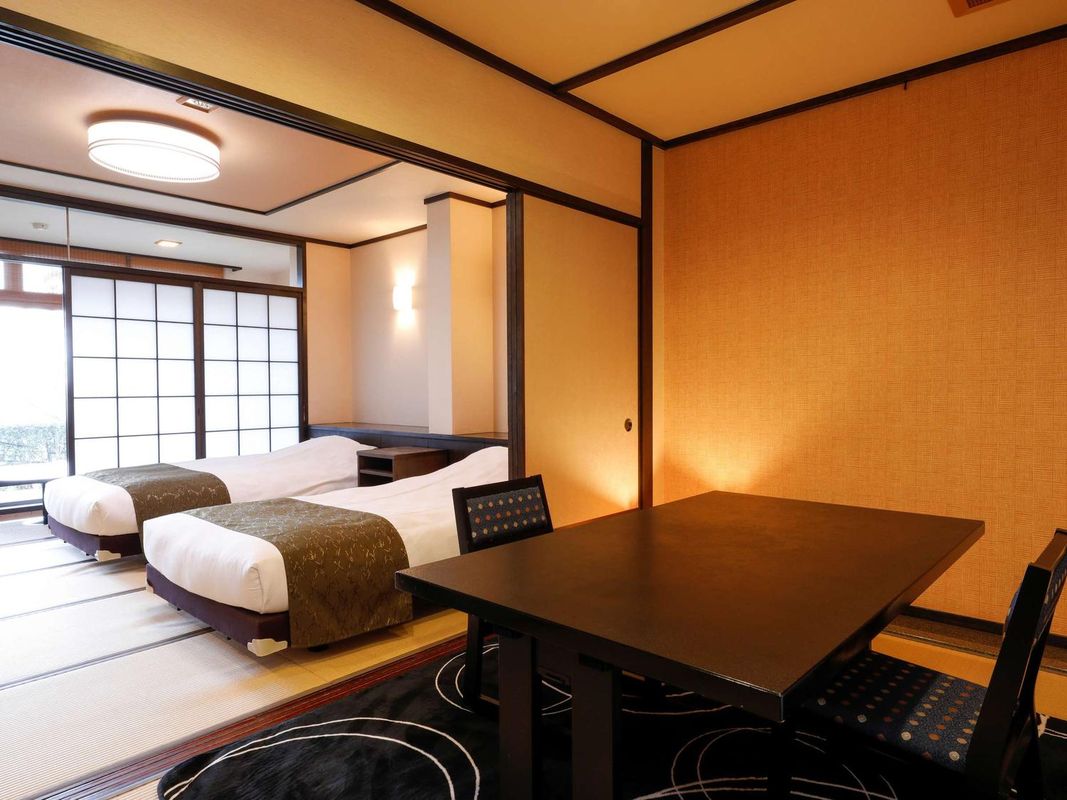
Aburaya Annex Nagomitei
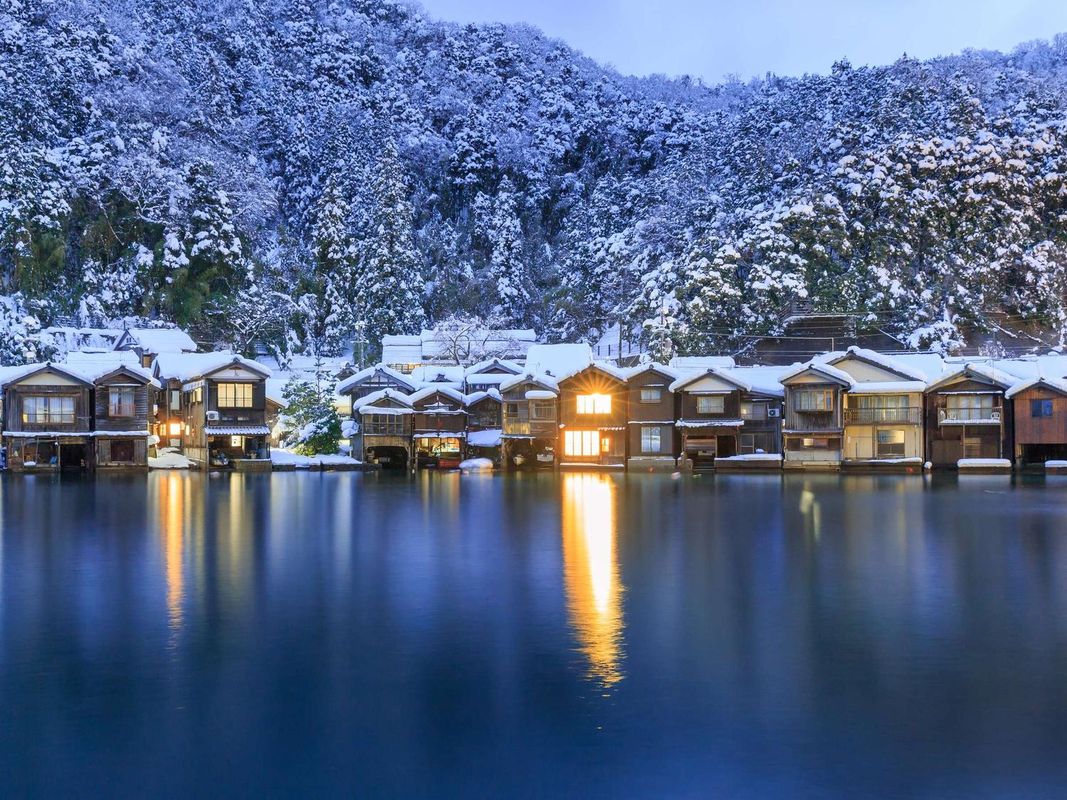
Okuine Onsen Aburaya
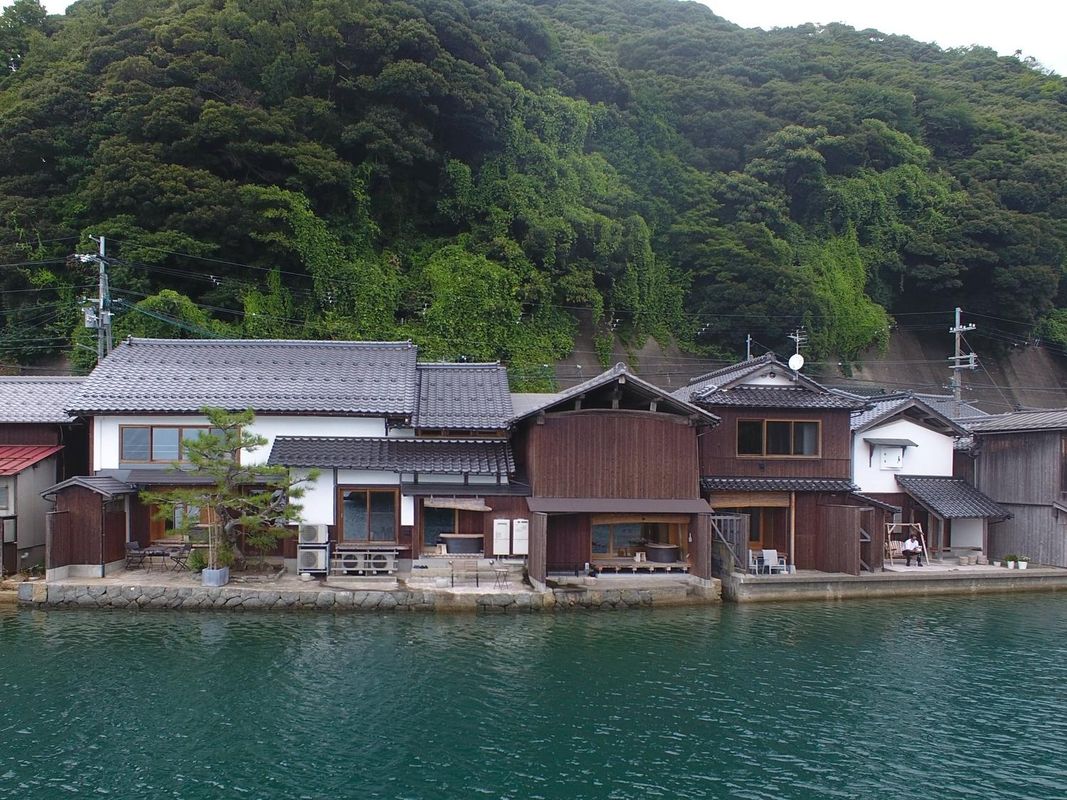
Ine No Funaya Miyabi Villa
Ine No Funaya Miyabi
Best Hotels in Ine
Discover curated hotel collections in Ine
Shima Kanko Hotel the Bay Suites
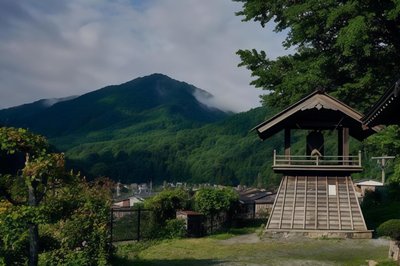
Byaku Narai
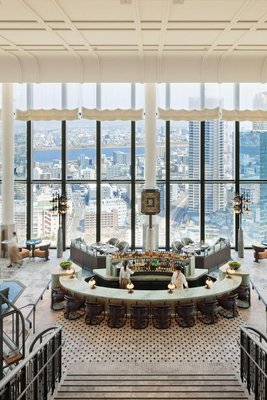
Waldorf Astoria Osaka
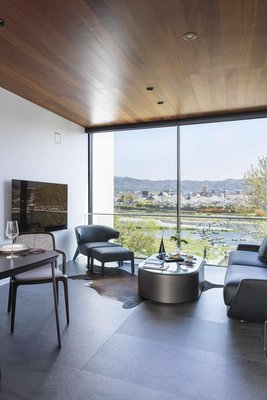
Kamo Residences by Reflections
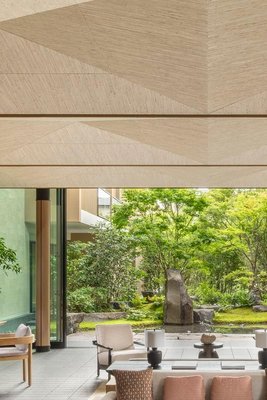
Six Senses Kyoto
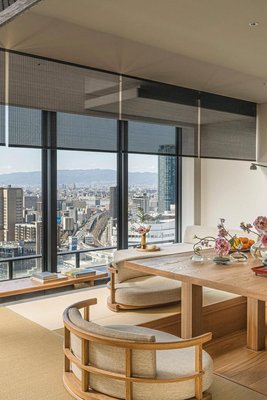
Four Seasons Hotel Osaka
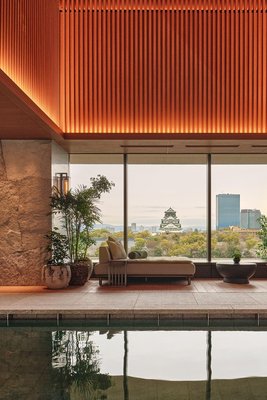
Patina Osaka
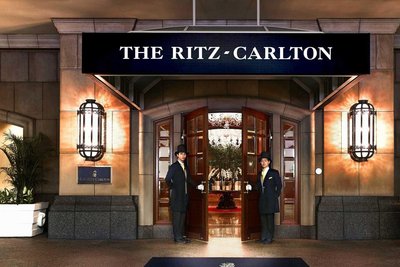
The Ritz-Carlton, Osaka
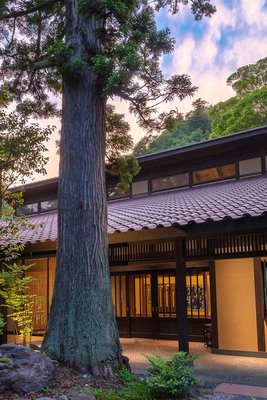
Arimasansoh Goshobessho
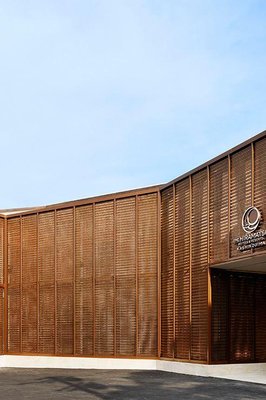
The Hiramatsu Hotels & Resorts Kashikojima
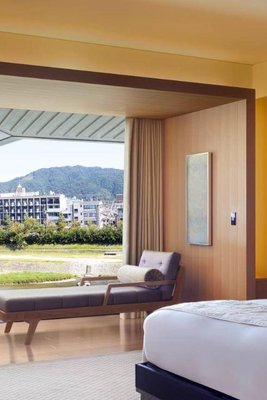
The Ritz-Carlton, Kyoto
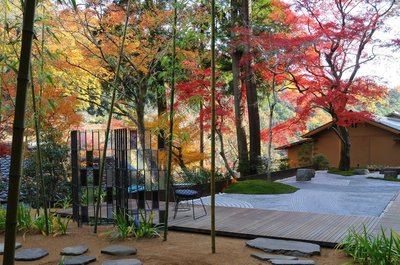
HOSHINOYA Kyoto
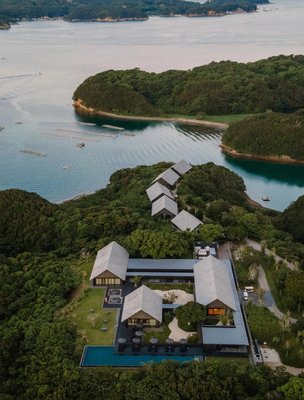
Amanemu
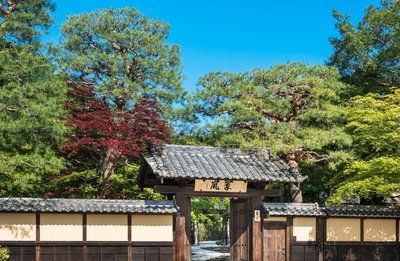
Suiran, a Luxury Collection Hotel, Kyoto
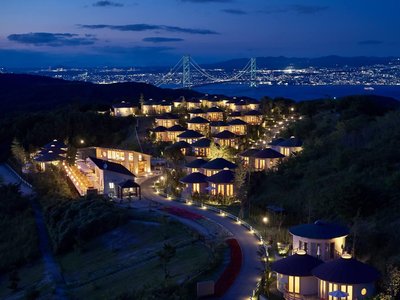
Grand Chariot Hokutoshichisei 135°
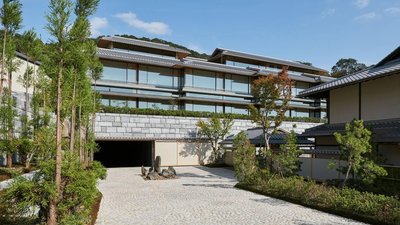
Park Hyatt Kyoto
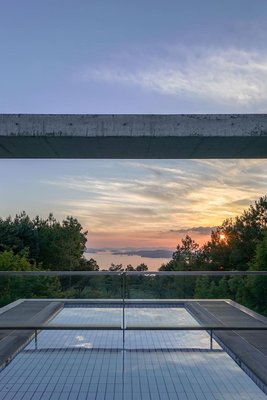
SETOUCHI RETREAT by Onko Chishin
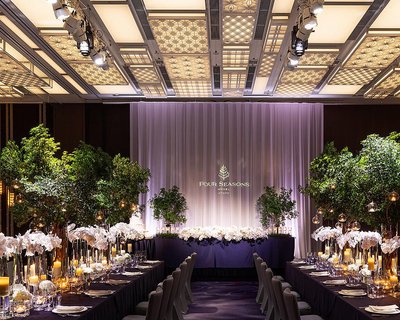
Four Seasons Hotel Kyoto
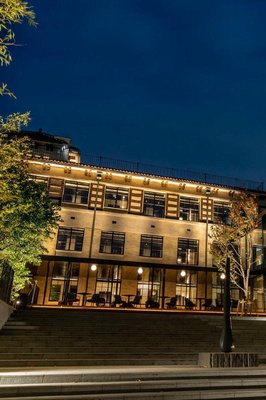
The Hotel Seiryu Kyoto Kiyomizu - a Member of the Leading Hotels of the World-
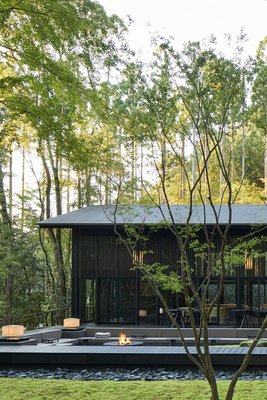
Aman Kyoto

The Address Akakura
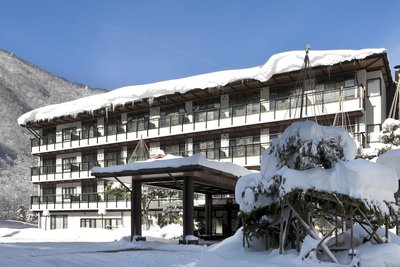
Okada Ryokan Warakutei
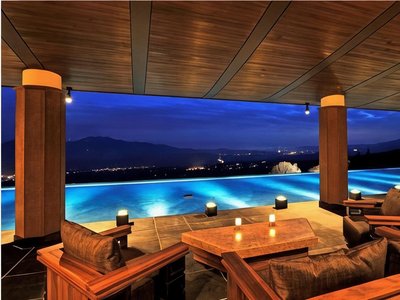
Akakura Kanko Hotel
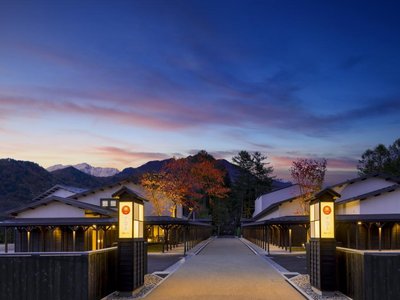
Hoshino Resorts KAI Alps
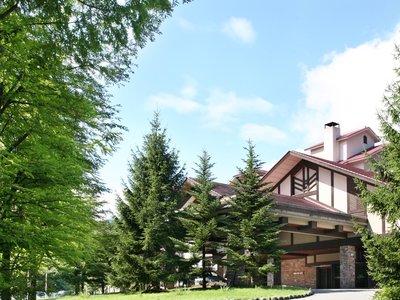
Hakuba Tokyu Hotel
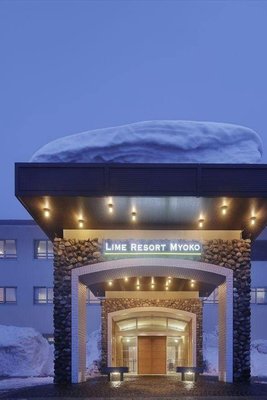
Lime Resort Myoko
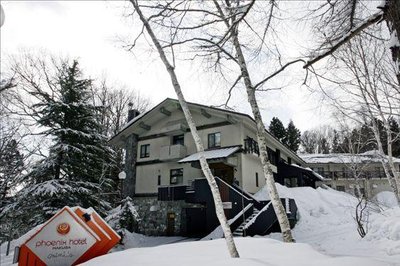
Phoenix Hotel by Hhg
Courtyard by Marriott Hakuba
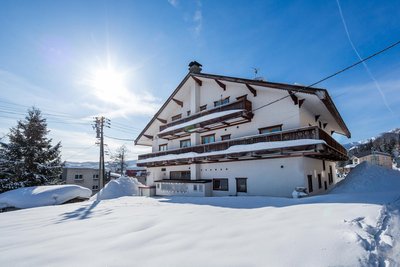
Marillen Hotel by Hhg
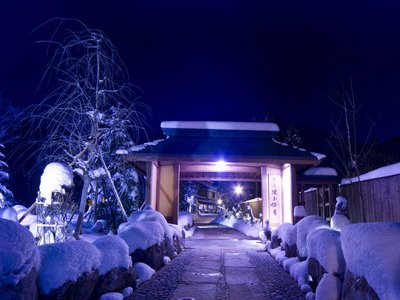
Miyama Ouan
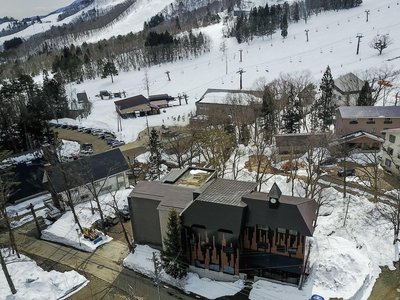
Hotel Villa Hakuba by Hhg
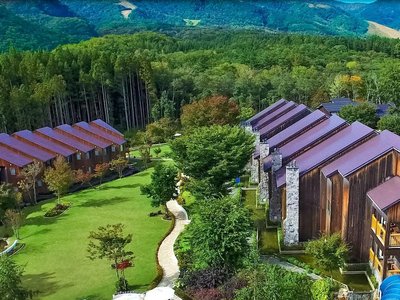
Hotel Sierra Resort Hakuba
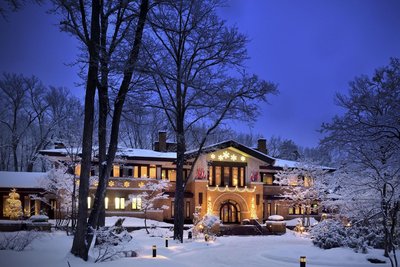
Hotel la Neige Higashikan

Toba International Hotel Shiojitei
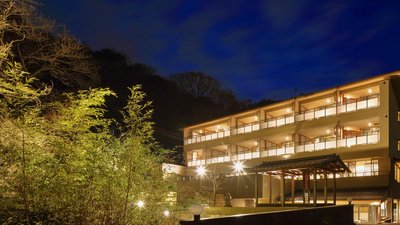
Okuno Hosomichi
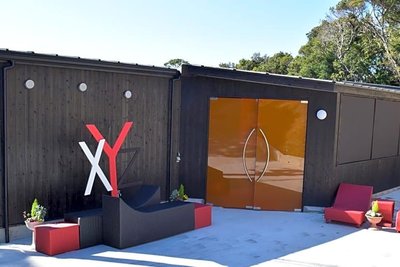
XYZ Private Spa and Seaside Resort
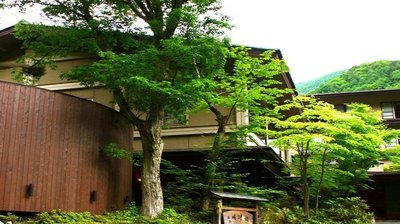
Myojinkan
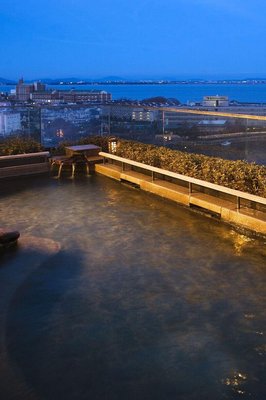
Yumotokan
Arimasansoh Goshobessho
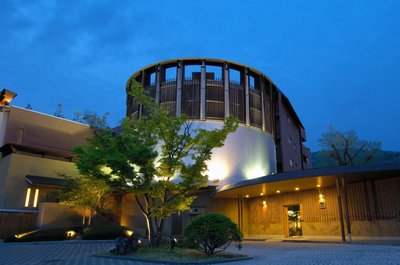
Hoshino Resorts Kai Matsumoto
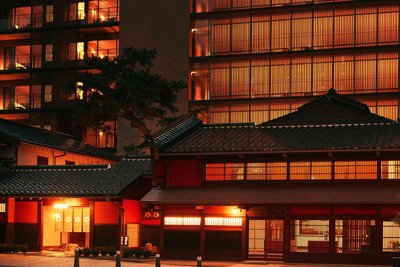
Hoshino Resorts Kai Kaga
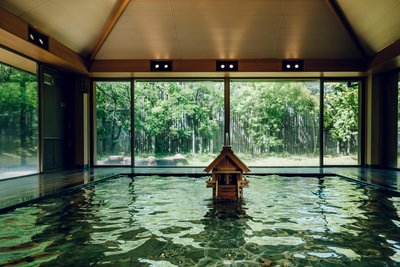
Hoshino Resorts KAI Tamatsukuri
The Address Akakura

Taikyourou
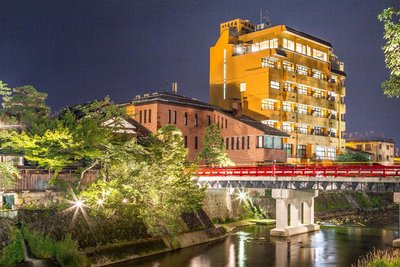
HONJIN HIRANOYA BEKKAN
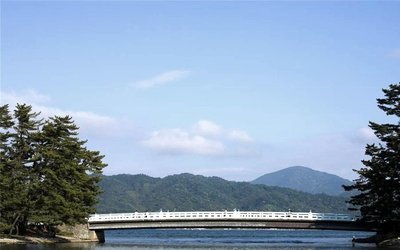
Monjusou Shourotei
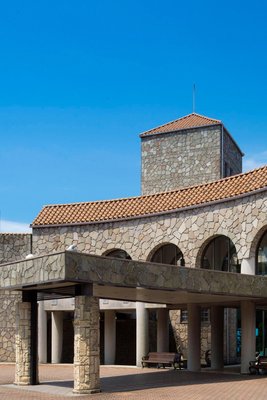
Izumigo Hotel Altia Toba
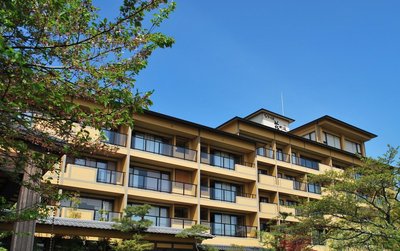
BIWAKO HANAKAIDO
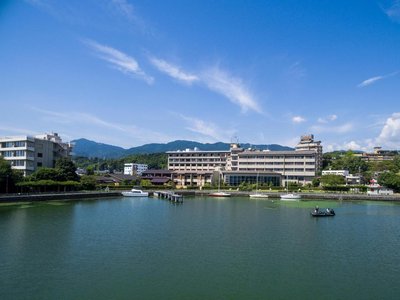
Biwako Ryokusuitei
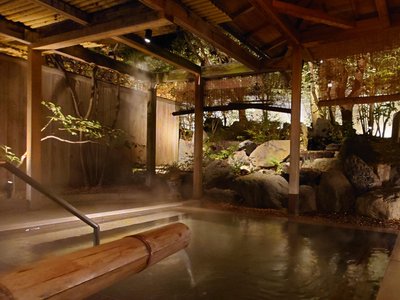
Kasuga Hotel
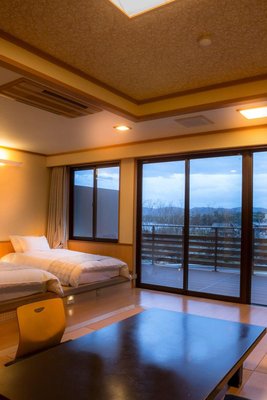
Hotel Kitanoya
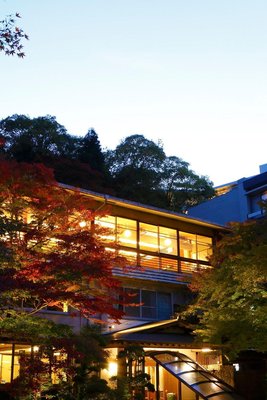
Negiya Ryofukaku
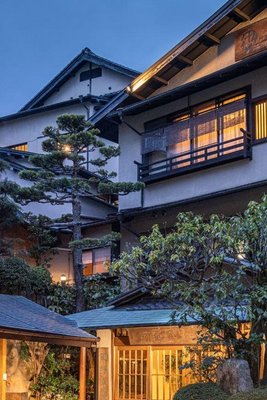
Arima Onsen Tocen Goshobo
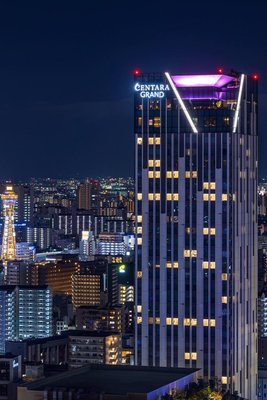
Centara Grand Hotel Osaka
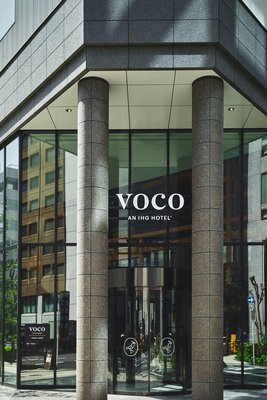
voco Osaka Central
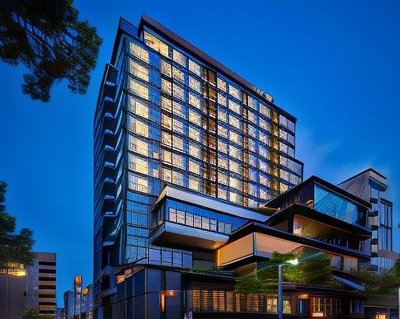
TIAD, AUTOGRAPH COLLECTION
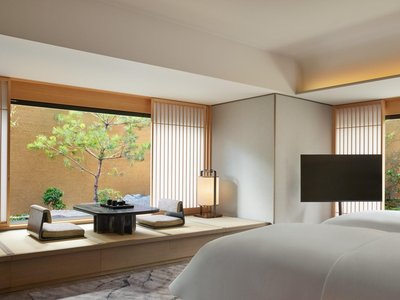
Dusit Thani Kyoto
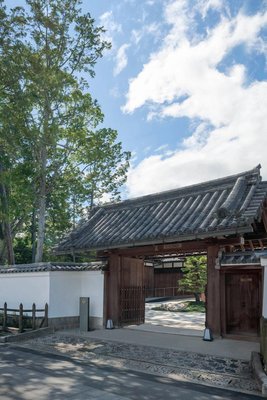
Shisui, a Luxury Collection Hotel, Nara
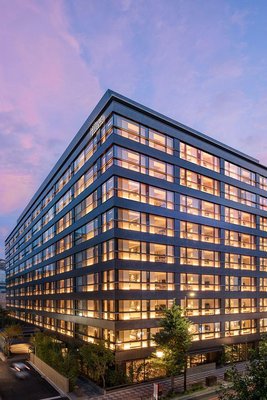
Hilton Kyoto
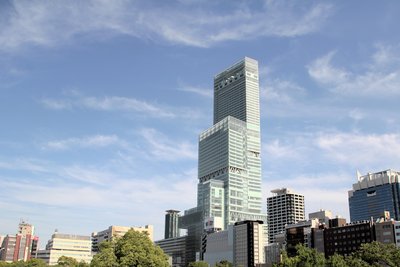
Osaka Marriott Miyako Hotel
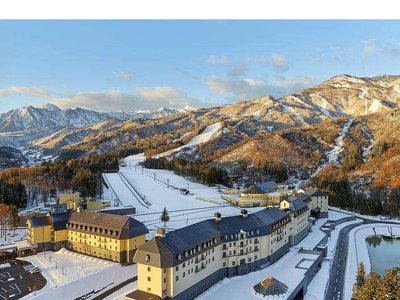
Lotte Arai Resort
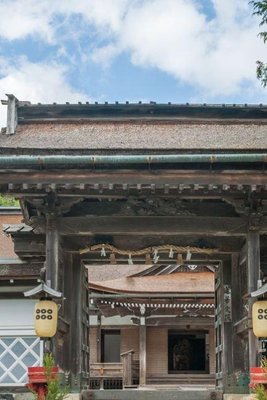
Koyasan Rengejoin
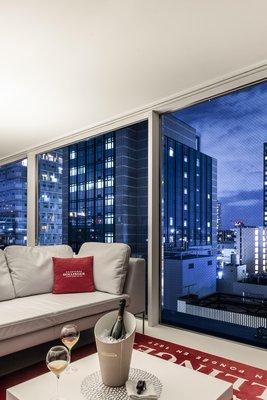
CUVÉE J2 HOTEL OSAKA by Onko Chishin
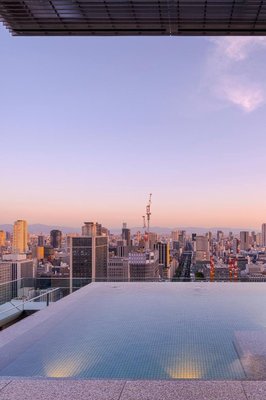
Candeo Hotels Osaka The Tower
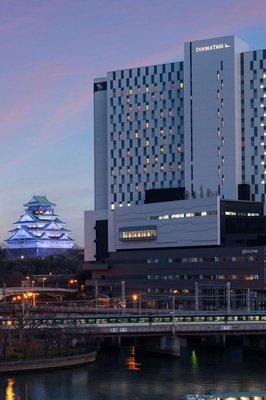
DoubleTree by Hilton Osaka Castle
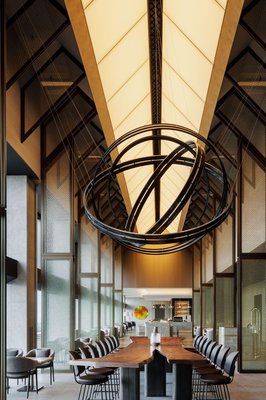
The Osaka Station Hotel, Autograph Collection
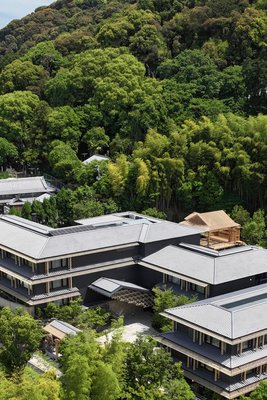
Banyan Tree Higashiyama Kyoto
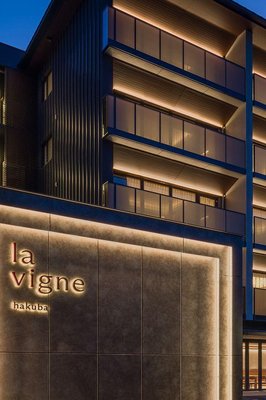
Hotel la Vigne Hakuba by Onko Chishin
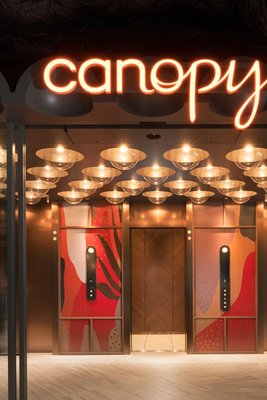
Canopy by Hilton Osaka Umeda
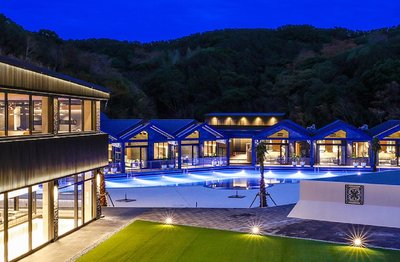
FIVE SPRING RESORT THE SHIRAHAMA
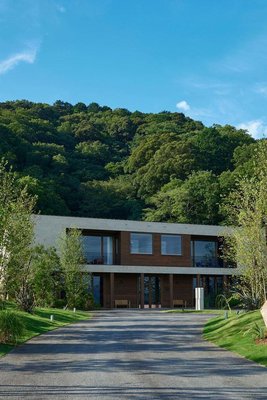
HACIENDA VISON
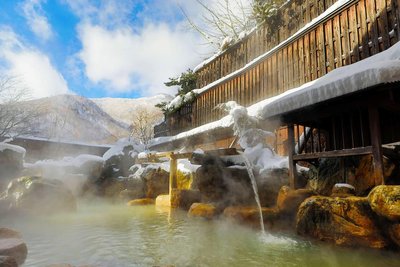
Miyamaouanbekkan yumegurinoyado hirayukan
HONJIN HIRANOYA BEKKAN
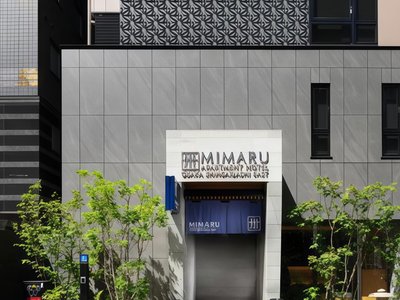
MIMARU Osaka Shinsaibashi East
Toba International Hotel Shiojitei
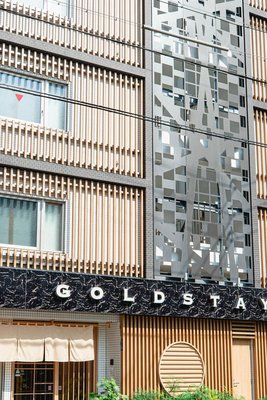
Gold Stay Nagoya OSU
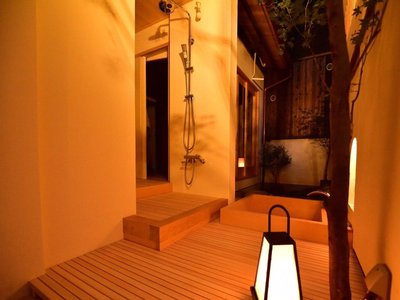
Yado Kiramachi
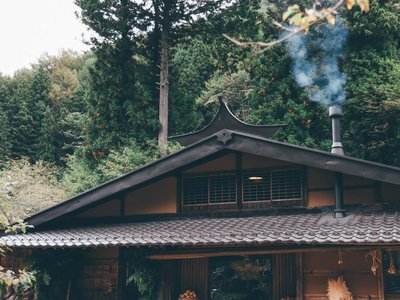
La Terra Resort
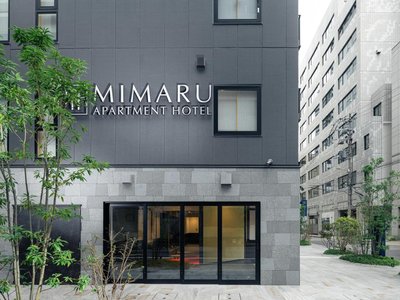
MIMARU Osaka Shinsaibashi North
Okuno Hosomichi
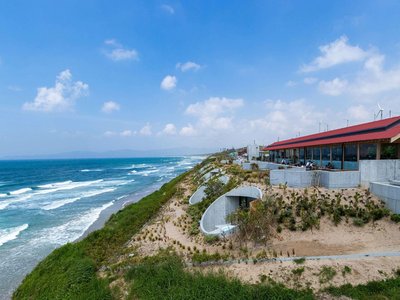
Izumo Hotel the Cliff
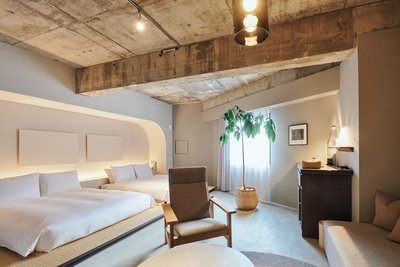
Korinkyo
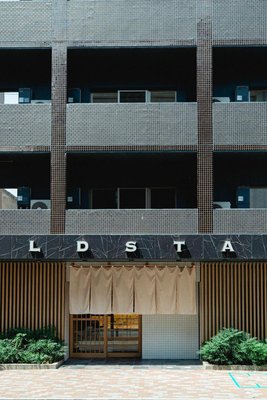
GOLD STAY Nagoya Sakae
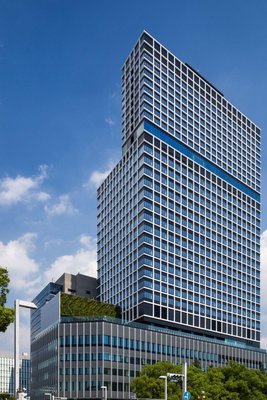
The Royal Park Hotel Iconic Nagoya
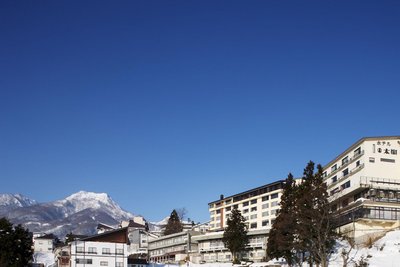
Hotel Taiko, Akakura Onsen
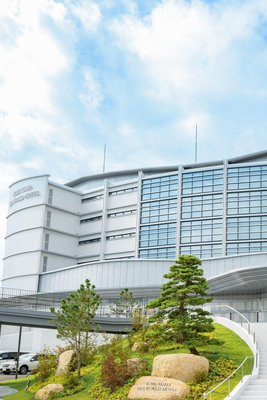
Kobe Suma Sea World Hotel
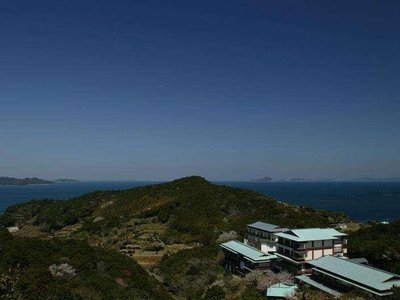
Hanashinsui
Yumotokan
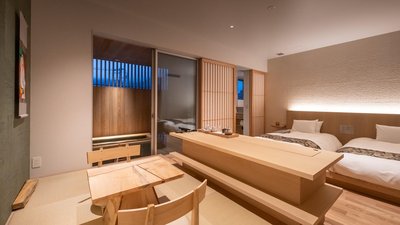
Japanese Auberge Kararako
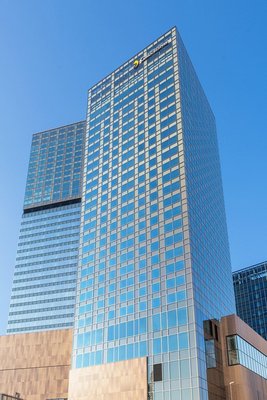
Hotel Hankyu GRAN RESPIRE OSAKA
Hoshino Resorts Kai Kaga
Hoshino Resorts KAI Tamatsukuri
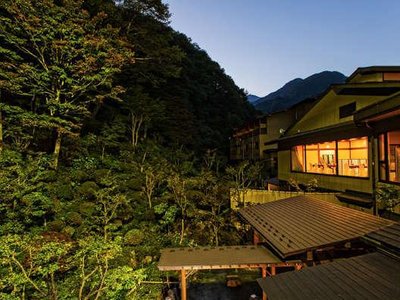
Futari Shizuka
XYZ Private Spa and Seaside Resort
Osaka Marriott Miyako Hotel
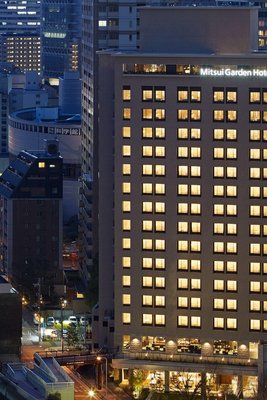
Mitsui Garden Hotel Osaka Premier
Izumigo Hotel Altia Toba
BIWAKO HANAKAIDO
Biwako Ryokusuitei
Hotel Kitanoya
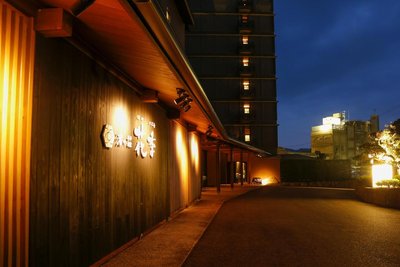
Hanagoyomi
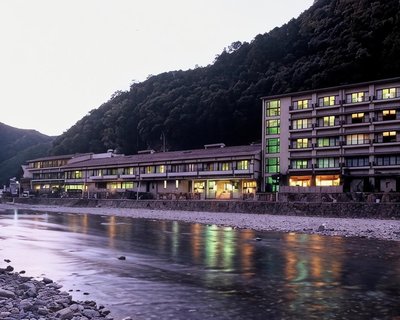
Kawayu Onsen Fujiya
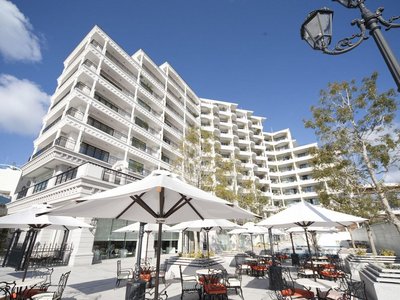
Hotel La Suite Kobe Harborland
Akakura Kanko Hotel

AoAwo Naruto Resort
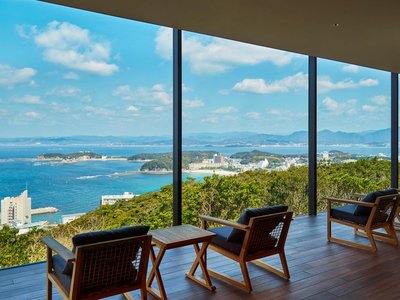
Infinito Hotel and Spa
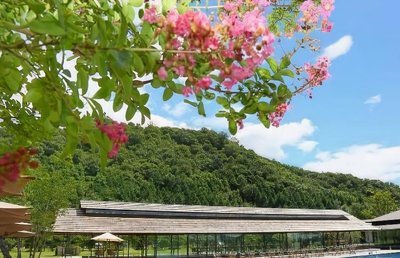
Bella Vista Spa and Marina Onomichi
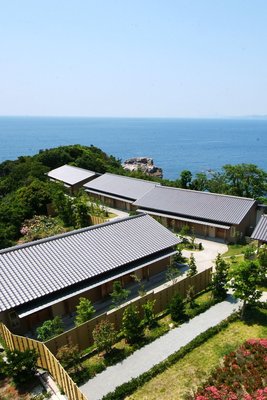
Hamachidorinoyu Kaisyu
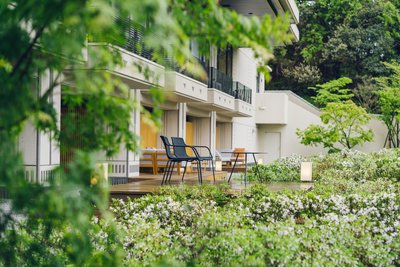
Hoshino Resorts Kai Enshu
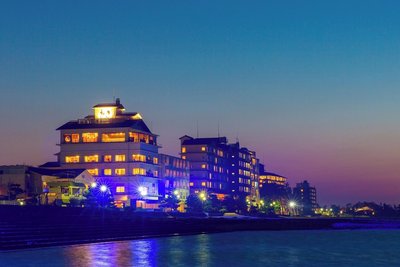
Kaike Shogetsu
The Ritz-Carlton, Kyoto
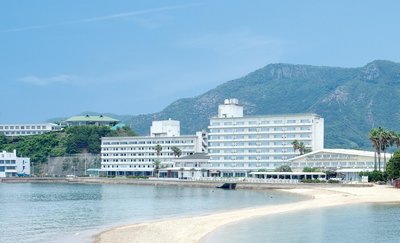
Shodoshima International Hotel
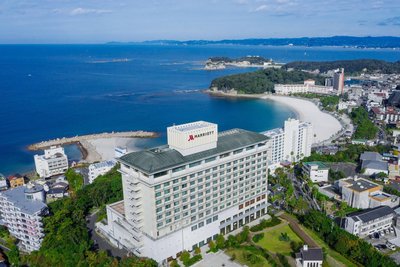
Nanki-Shirahama Marriott Hotel
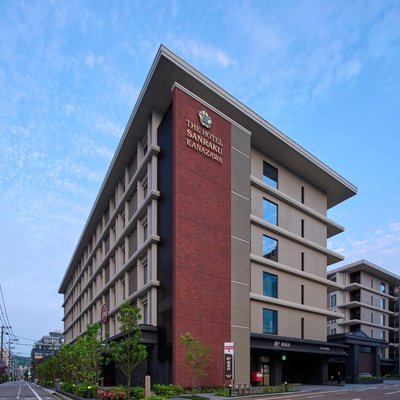
The Hotel Sanraku Kanazawa 21th December 2022 Open
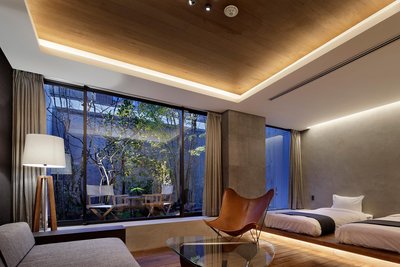
22 PIECES
The Ritz-Carlton, Osaka
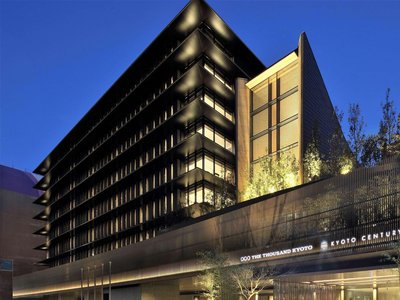
The Thousand Kyoto
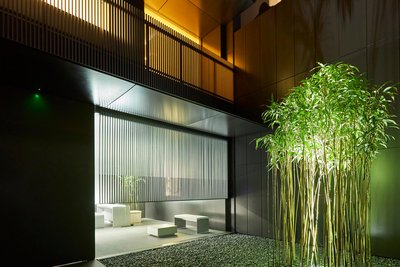
Mogana
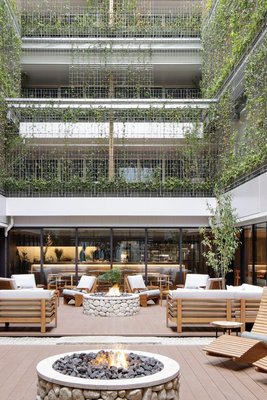
GOOD NATURE HOTEL KYOTO
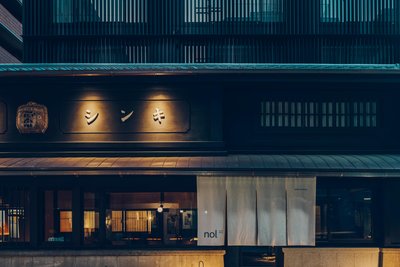
Nol Kyoto Sanjo
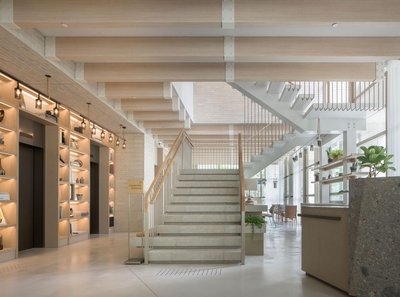
Zentis Osaka
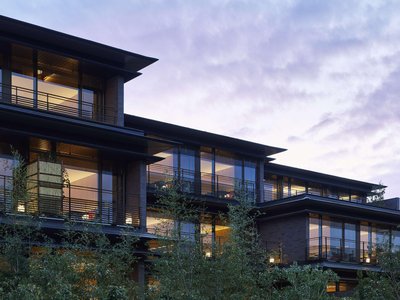
Garrya Nijo Castle Kyoto
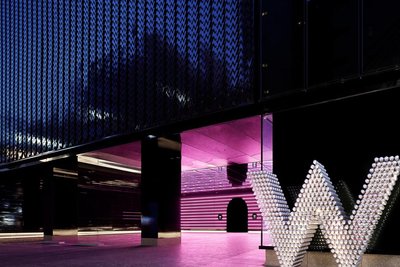
W Osaka
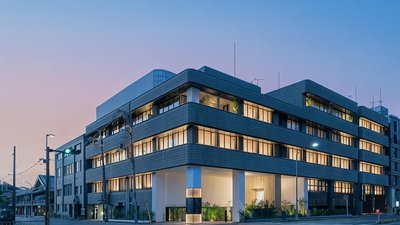
Hotel Kanra Kyoto
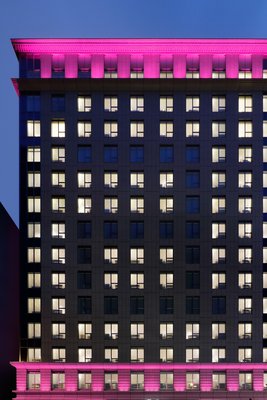
Aloft Osaka Dojima
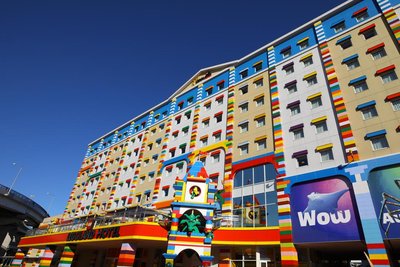
Legoland Japan Hotel
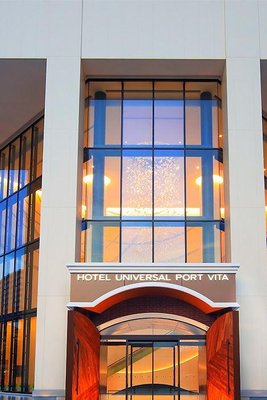
HOTEL UNIVERSAL PORT VITA

The Park Front Hotel at Universal Studios Japan
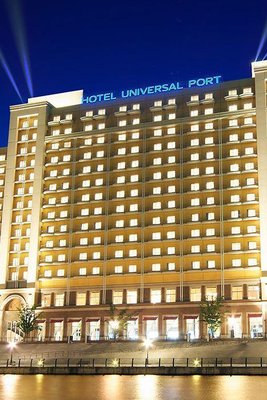
HOTEL UNIVERSAL PORT
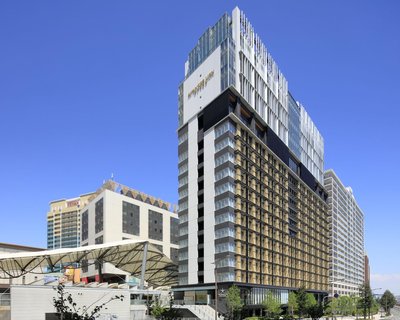
THE SINGULARI HOTEL & SKYSPA at UNIVERSAL STUDIOS JAPAN
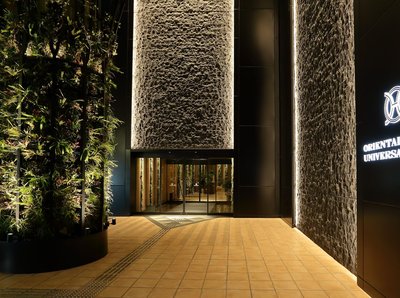
Oriental Hotel Universal City
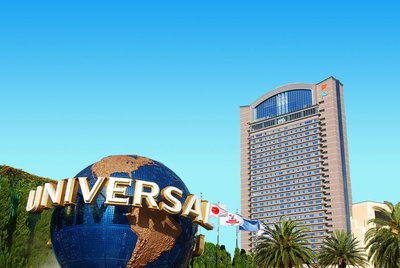
Hotel Keihan Universal Tower
Yado Kiramachi
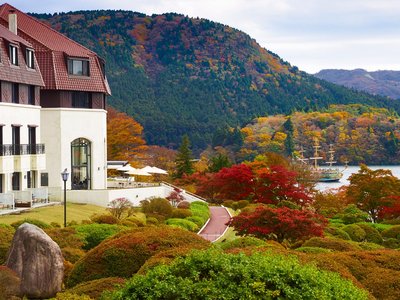
Hotakajyo
Arimasansoh Goshobessho
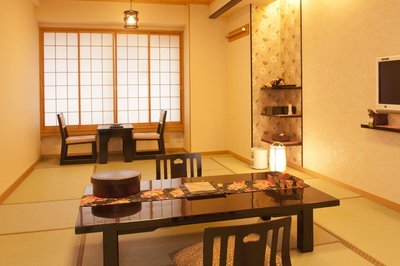
Matsui-Bekkan Hanakanzashi
Hoshino Resorts Kai Matsumoto
Hoshino Resorts KAI Tamatsukuri
Taikyourou
Monjusou Shourotei
Kasuga Hotel
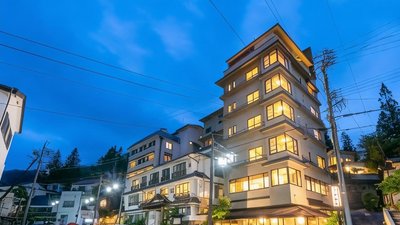
Nakamatsuya Ryokan
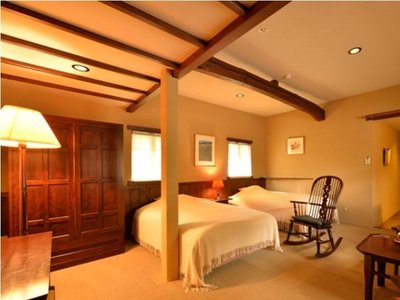
Ryokan Sugimoto
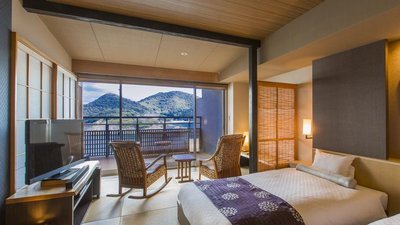
Migiwatei Ochi Kochi
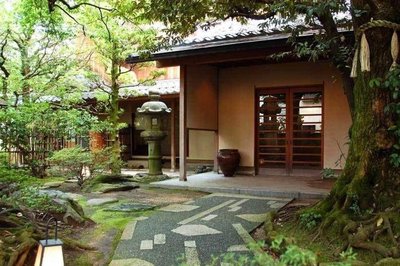
Kocho
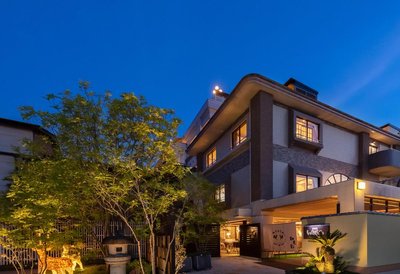
Hotel New Wakasa
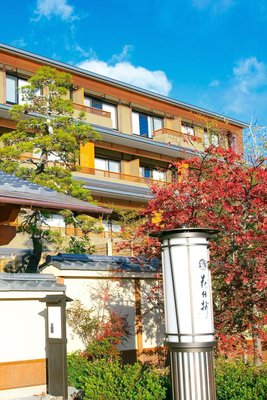
Kyoto Arashiyama Onsen Kadensho (Kyoritsu Resort)
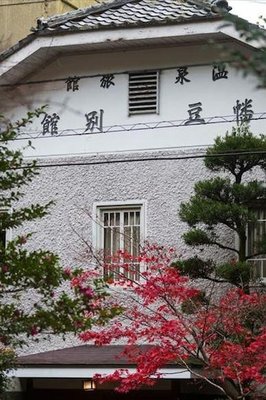
Oku-Mikawa・Yuya Onsen HAZU Bekkan
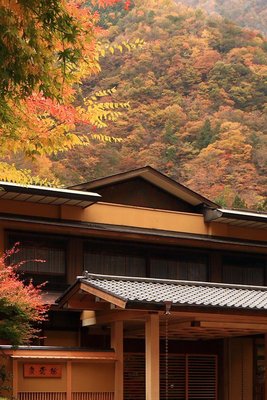
Nishiyama Onsen Keiunkan
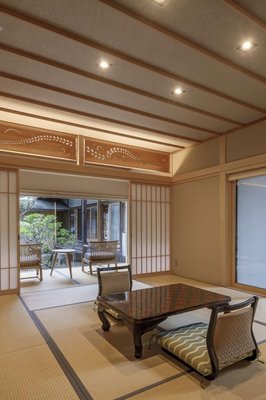
Ichijoin
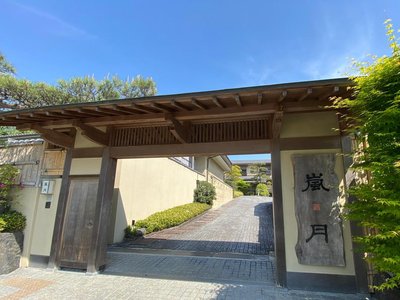
Rangetsu
The Ritz-Carlton, Kyoto
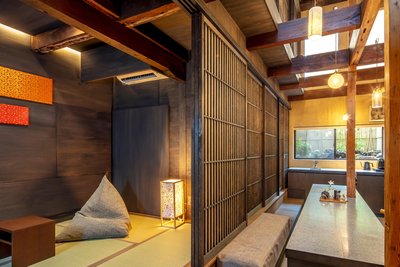
Kyo No Oozora Kihana
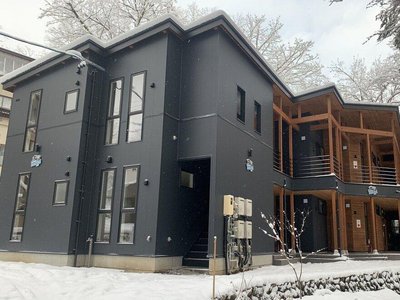
Hakuba Gondola Apartments
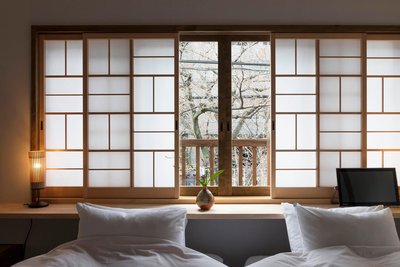
Hanagoromo Machiya House
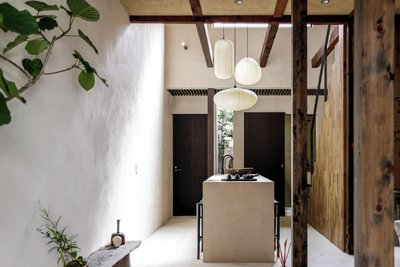
Maana Kiyomizu
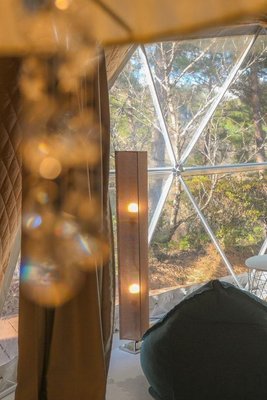
glampark Gekkabijin Nagano
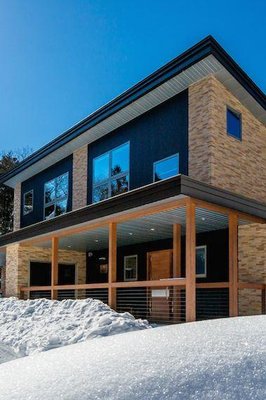
Phoenix Chalets by Hhg
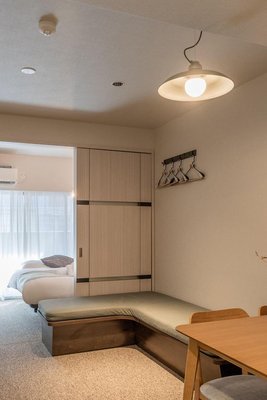
Apartment Hotel 11 Shinsaibashi
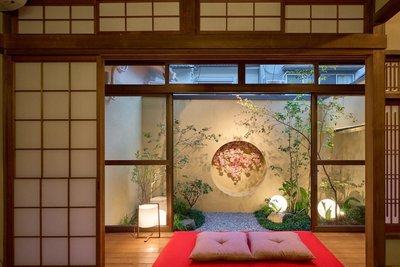
KONJAKUSO Osaka Tengachaya "NIHONCHA" Tea & Relax
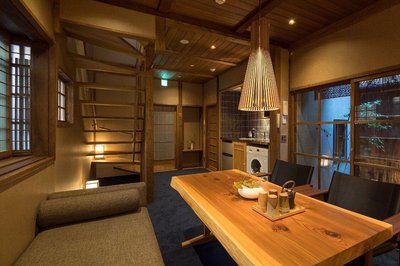
Bonbori an Machiya House
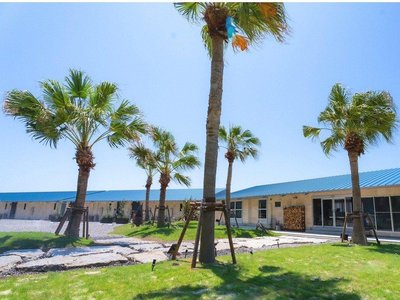
Glamping&Resort Wood Design Park Noma
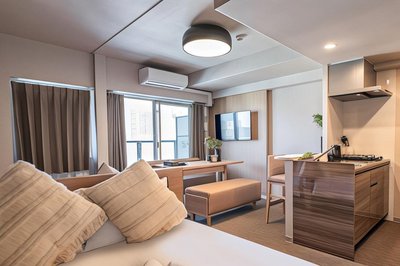
Apartment Hotel 11 Shinsaibashi III
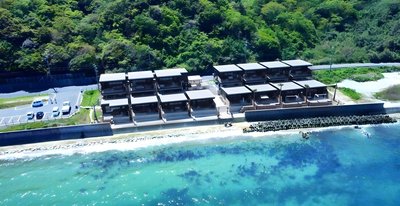
Solavilla Umi Terrace Minamiawaji
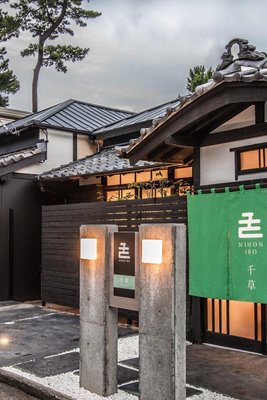
Nihon Iro
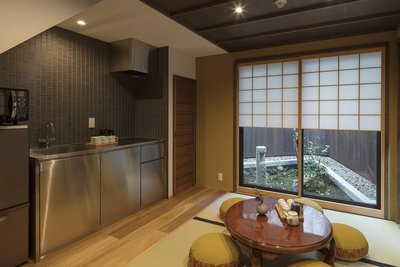
The Machiya Villa Sanjo Shirakawa Koji
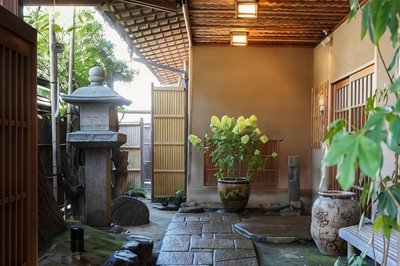
Ryokan Asadaya
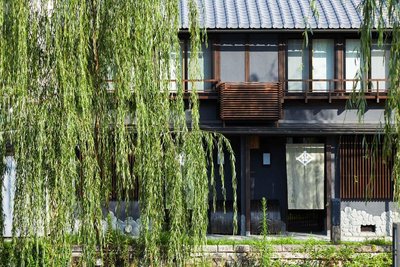
Gion Shirakawa No Yado

Kitashirakawa Natural Radium Onsen
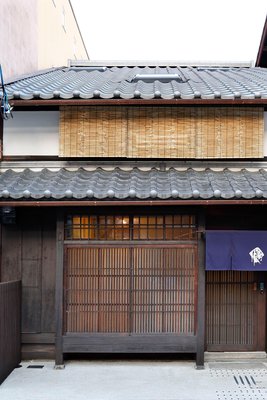
Kyo No Ondokoro Kamanza Nijo #2
Gion Koyu an Machiya House
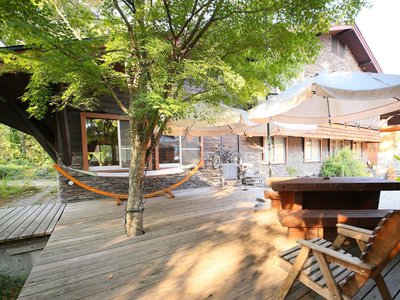
Kunugi Relaxation with 4 Modern Rooms
Frequently Asked Questions about Traveling to Ine
Questions You Might Need to Know About Traveling to Ine
In Iga Town, the top choice is Igan Fukuroya Ryokan, a preserved Fukuroya boat house inn overlooking Iga Bay. Guests can enjoy breakfast featuring local Kyoto-style kaiseki cuisine and participate in morning fishing tours. Another unique option is Igan Chosu, a wooden guesthouse built directly on stilts over the water, offering panoramic sea views. Both properties emphasize authenticity, with minimal modernization and deep ties to fishing traditions. Staying here provides an immersive experience of rural Japanese life, ideal for travelers seeking quiet, culture, and connection with nature.
The best area for accommodation in Iga Town is around Iga Port, where most traditional boat houses and seaside lodges are located. Staying near Iga Bridge or Iga Bay offers easy access to sunrise views of floating fishing boats and short walks to the harbor. This area is peaceful, scenic, and well-connected by local bus routes from Kyoto (approx. 1 hour). Many inns provide free shuttle services, and the proximity to natural trails and cultural sites makes it perfect for families, couples, or solo travelers wanting a serene, authentic experience away from urban crowds.
Iga Town offers rare cultural immersion through its daily boat house life experience, where guests can live like locals—cooking meals, operating small fishing vessels, and learning traditional net-making techniques. The Iga Bay Sunrise Viewing Platform is a must-visit, especially at dawn when dozens of fishing boats float like art pieces across the calm waters. During summer, the Iga Fishing Lantern Festival lights up the bay with glowing lanterns, symbolizing gratitude to the sea. Visitors can also savor freshly caught mackerel sushi and sea urchin tofu soup, prepared by fishermen themselves—authentic flavors you won’t find elsewhere.
Yes, Iga Town is highly suitable for families. Most boat house inns offer family rooms and child-friendly amenities, including safe outdoor spaces and guided fishing activities. Kids can enjoy interactive boat tours, seafood cooking classes, and even build their own miniature nets. The Iga Bay Walking Trail is flat and stroller-accessible, perfect for leisurely strolls with scenic ocean views. Many lodges provide children’s meals and craft workshops, such as making Japanese wind chimes. Its close proximity to Kyoto (just 1 hour by train) allows for flexible day trips, making it a balanced blend of adventure, culture, and relaxation for all ages.
Must-try dishes in Iga Town include Iga mackerel sushi, made with fish caught that very morning and served with handcrafted vinegar rice. Visit Iga Port Market to buy fresh bonito and squid, then have them grilled or served raw. Some inns serve Kaiseki dining sets using seasonal seafood, highlighting the concept of "shun" (seasonal freshness). For casual eats, sample seaweed rice balls and uni tofu soup—simple yet flavorful local staples. These dishes reflect the town’s deep connection to the sea, offering both taste and cultural insight in every bite.
The easiest way to reach Iga Town is by taking the JR Sagano Line from Kyoto Station to Iga Station, a journey of about 1 hour. From the station, local buses or a short walk lead to the port area, and many inns offer free shuttle services. Travelers driving can take the Hokuriku Expressway to National Route 368, which winds along the coast with stunning views. Due to narrow roads, avoid peak hours. For a more immersive experience, rent bicycles along the Iga Bay Greenway, a 5-km coastal path with stops at scenic viewpoints like Iga Bridge Observation Deck and Umi no Ko Park—perfect for relaxed exploration.
Absolutely. Iga Town is a paradise for photographers, renowned as the "Town of Floating Boats." The sight of traditional Fukuroya boat houses anchored in Iga Bay, especially at sunrise with mist rising off the water, creates surreal, painter-like scenes. Ideal shooting times: 1 hour before sunrise to 9 AM for soft light and fewer crowds. Iga Bridge offers a dramatic overhead view of the entire harbor. During the Fishing Lantern Festival, night shots of illuminated boats create dreamy, golden reflections. Some inns even provide professional photography guides to help plan the best angles and timing—perfect for capturing the soul of this hidden coastal gem.
Iga Town has a temperate maritime climate with distinct seasons. Spring (March–May) brings mild temperatures and cherry blossoms, ideal for outdoor activities. Summer (June–August) is humid with occasional typhoons, but early mornings are cool and refreshing. Autumn (September–November) offers clear skies and vibrant foliage, perfect for photography and hiking. Winter (December–February) is chilly but dry, with calm seas—ideal for quiet, contemplative visits. Avoid July’s rainy season and August’s typhoon risk. Best times for photography and comfort: late spring and autumn.
Top landmarks in Iga Town include Iga Bridge, which connects land to the harbor and offers a breathtaking view of the boat house cluster. Iga Bay itself is a living landmark, home to hundreds of traditional fishing boats moored daily. Umi no Ko Park features a scenic viewing platform and sculptures honoring the sea. Nearby, Iga Port Shrine stands on the water’s edge, hosting seasonal rituals. The Boat House Museum showcases local shipbuilding techniques and fishermen’s daily lives. All these sites are concentrated near the port, easily accessible on foot or by local bus, making them perfect for a full-day cultural walk.
Accommodation costs in Iga Town vary widely. Standard Fukuroya ryokans range from ¥15,000 to ¥25,000 per night for a twin room, often including breakfast and onsen access. Premium private boat house stays can cost ¥35,000 or more, with exclusive services like private gardens and guided tours. Budget options like hostels or guesthouses start at ¥8,000–¥12,000 per night, suited for backpackers. HopeGoo in advance is recommended, especially during peak seasons. For cost savings, consider staying in Kyoto and taking a one-hour train ride to Iga Town, with round-trip fares around ¥1,500—offering excellent value for an authentic coastal escape.
Ine Overview
City Summary
Ine Town, located in northern Kyoto Prefecture, Japan, is a coastal village renowned for its traditional fishing culture and unique "funaya" boathouses. These two-story wooden structures, with boat storage below and living quarters above, line the picturesque Ine Bay. The town offers a tranquil escape with stunning natural scenery and a deep-rooted fishing heritage, allowing visitors to experience authentic local life.
Must-See Attractions
The must-see attraction in Ine is the iconic funaya boathouses along the bay. Visitors can take boat tours to admire these structures up close. The Ine Fisherman's Experience Museum showcases traditional fishing practices. Nearby Amanohashidate, with its famous "Flying Dragon View" observatory, provides breathtaking views of the sandbar and sea.
Food Guide
Ine is famous for its fresh seafood. Don't miss local specialties like mackerel sushi and soy-marinated seafood. Funaya restaurants serve freshly caught dishes including grilled fish, sashimi, and seafood bowls. The traditional Ine Sake Brewery's premium sake pairs perfectly with seafood.
Transportation Guide
From Kyoto, take the JR Sanin Main Line to Amanohashidate Station, then transfer to a bus or taxi (about 2 hours). Within town, walking or bicycle rentals are ideal for exploring the narrow funaya district. Some lodgings offer pickup services - check when HopeGoo.
Best Time to Visit
The best seasons are spring (March-May) and autumn (September-November) for mild weather and fewer crowds. Summer offers fishing experiences despite the heat, while winter brings a serene atmosphere. Avoid Golden Week and Obon festival periods.
Travel Tips
- Watch your step in the narrow funaya district.
- Respect residents' privacy - don't enter private boathouses uninvited.
- Some restaurants require reservations - plan ahead.
- Bring sun and mosquito protection, especially in summer.
- Carry sufficient cash as some places don't accept cards.
- Book fishing experiences in advance during peak seasons.
Useful Information
Japanese is primarily spoken, with basic English available at some lodgings and attractions. Network coverage is good but may be spotty in remote areas. Cash is preferred, though cards are accepted at larger establishments. For emergencies, dial 110 (police) or 119 (ambulance). Lodgings typically provide WI-FI and tourist information - request maps upon arrival.









