Hotels in Ino
Discover your perfect stay in Ino.
Ino(Japan) Travel 2026: Cheap Flights, Hotels & Top Attractions
Popular Landmarks in Ino
Discover the most iconic attractions in Ino
Recommended Hotels in Ino
Find the perfect place to stay in Ino
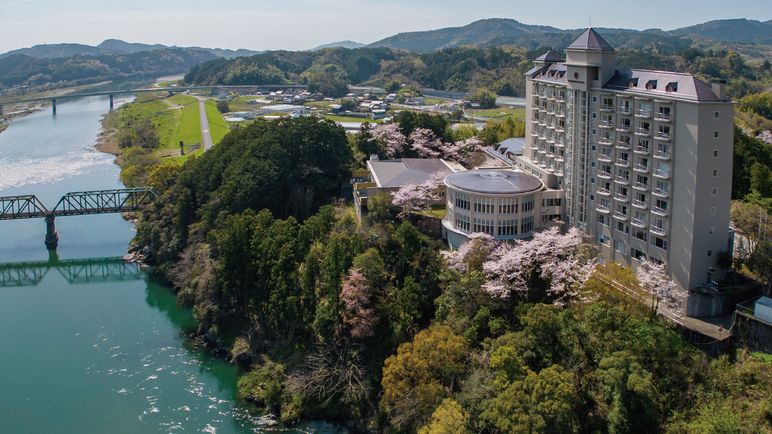
Kamenoi Hotel Kochi
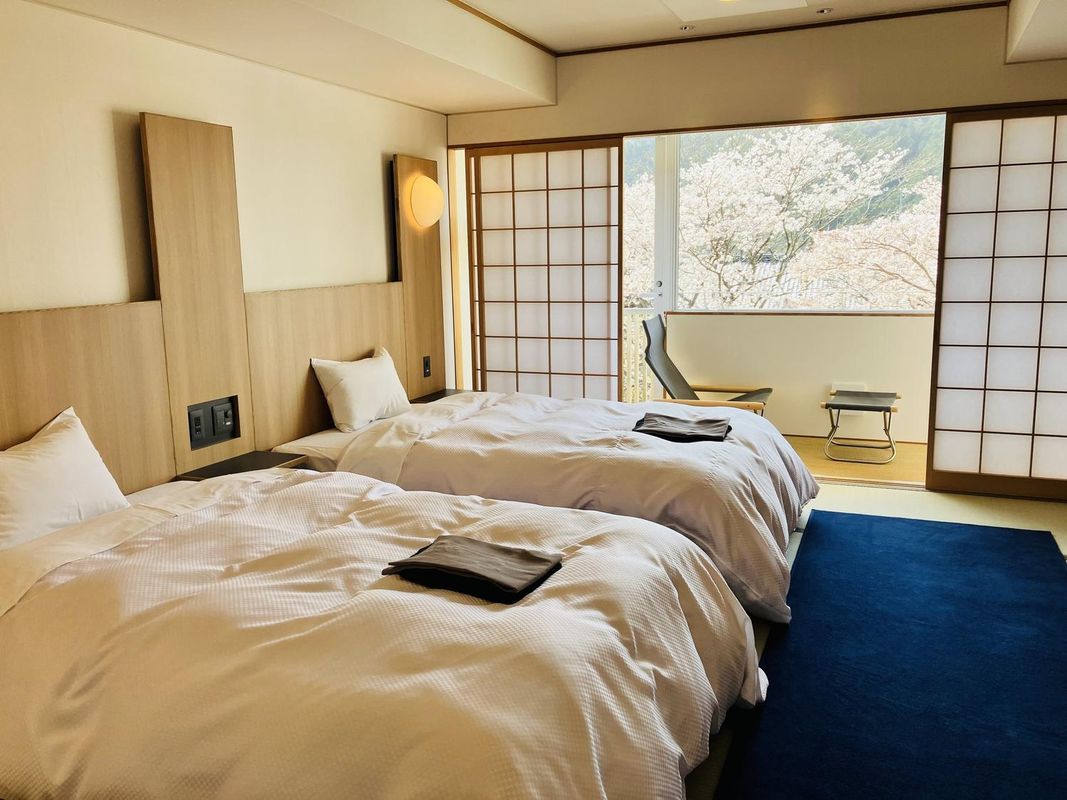
Qraud Tosawashi Kougeimura
Best Hotels in Ino
Discover curated hotel collections in Ino
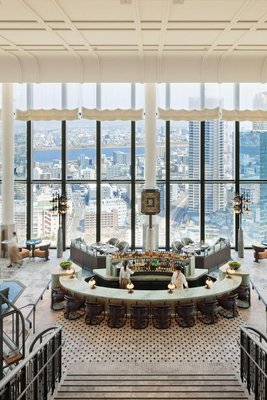
Waldorf Astoria Osaka
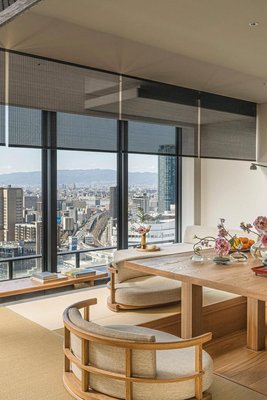
Four Seasons Hotel Osaka

Patina Osaka

The Ritz-Carlton, Osaka
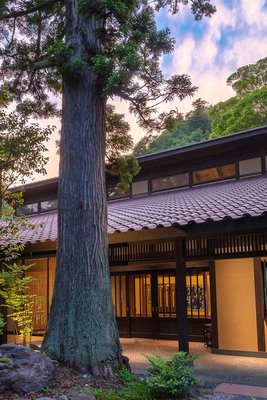
Arimasansoh Goshobessho
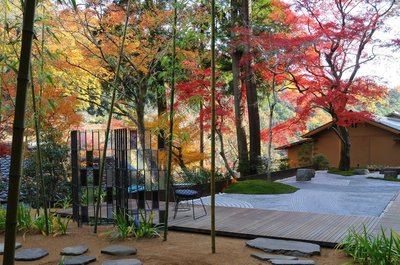
HOSHINOYA Kyoto
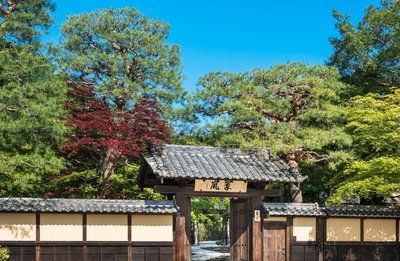
Suiran, a Luxury Collection Hotel, Kyoto
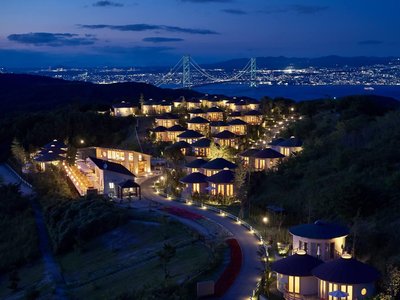
Grand Chariot Hokutoshichisei 135°

SETOUCHI RETREAT by Onko Chishin
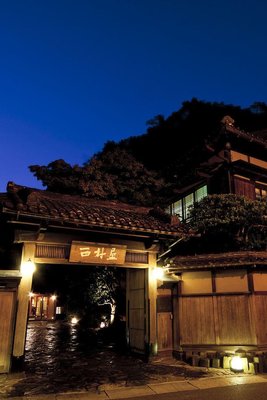
Nishimuraya Honkan
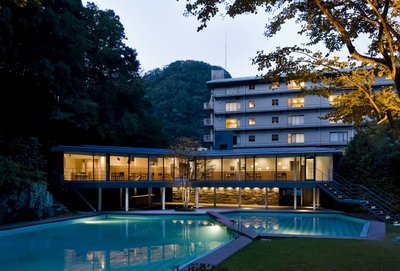
Kinosaki Onsen Nishimuraya Hotel Shogetsutei
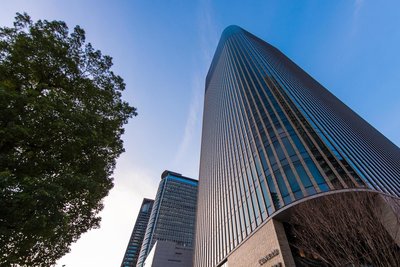
Conrad Osaka
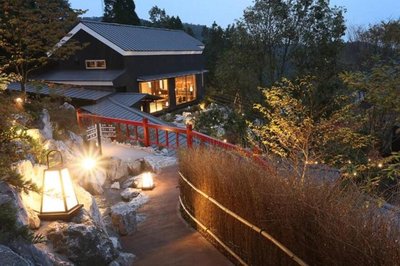
Gekkoju Kurokawa
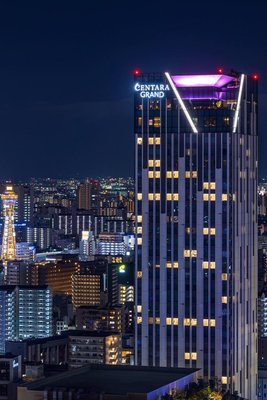
Centara Grand Hotel Osaka
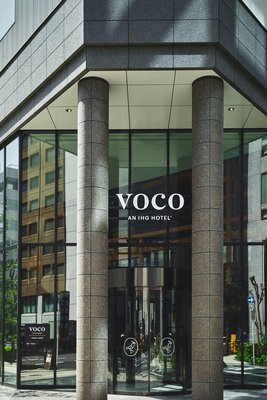
voco Osaka Central
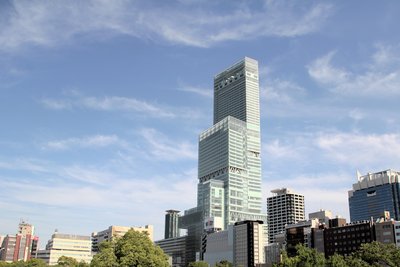
Osaka Marriott Miyako Hotel
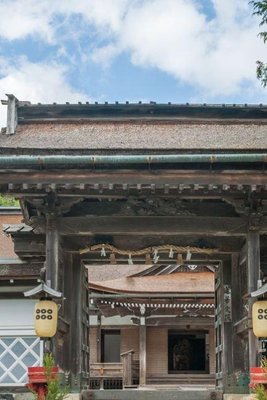
Koyasan Rengejoin

CUVÉE J2 HOTEL OSAKA by Onko Chishin
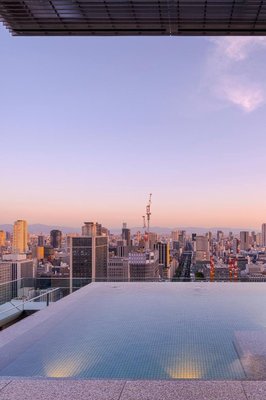
Candeo Hotels Osaka The Tower
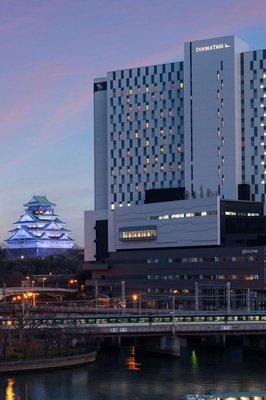
DoubleTree by Hilton Osaka Castle
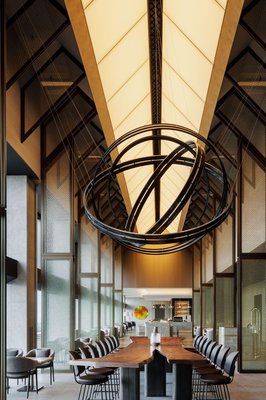
The Osaka Station Hotel, Autograph Collection

Canopy by Hilton Osaka Umeda
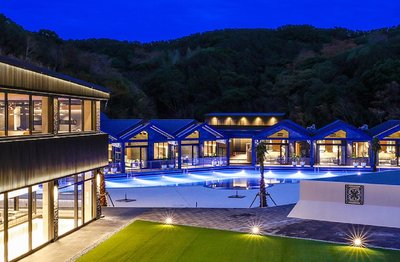
FIVE SPRING RESORT THE SHIRAHAMA
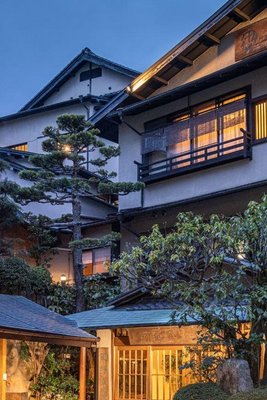
Arima Onsen Tocen Goshobo
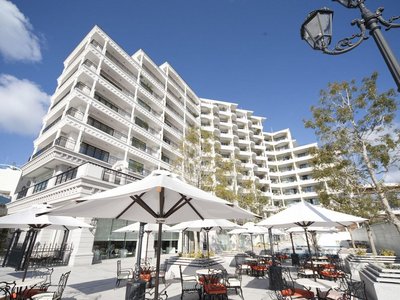
Hotel La Suite Kobe Harborland

Hilton Osaka Hotel
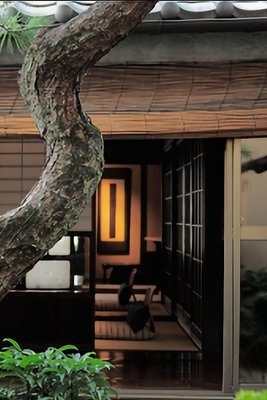
Shimayado Mari

AoAwo Naruto Resort
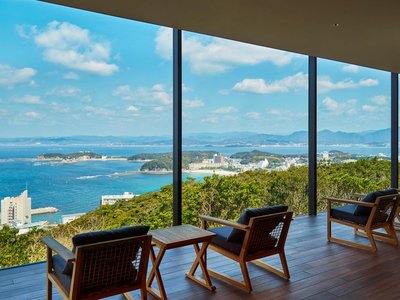
Infinito Hotel and Spa
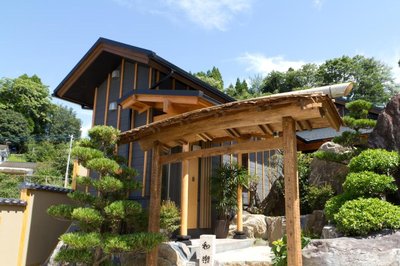
Ryokan Shinsen
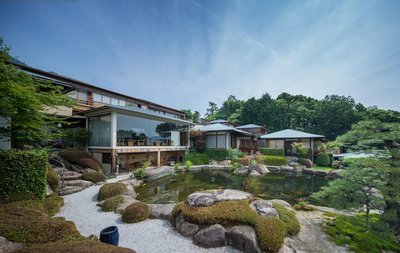
SEKITEI

Yamatoya Besso
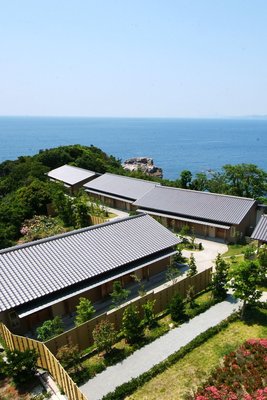
Hamachidorinoyu Kaisyu
Arimasansoh Goshobessho
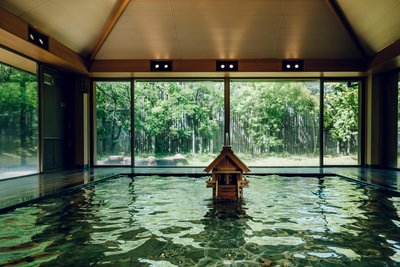
Hoshino Resorts KAI Tamatsukuri

Taikyourou
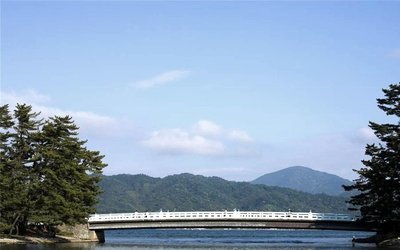
Monjusou Shourotei
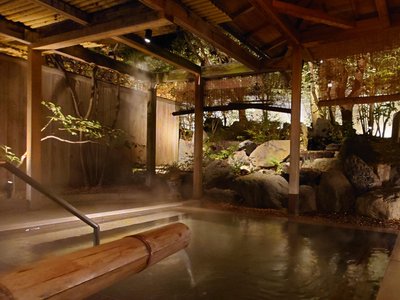
Kasuga Hotel

Migiwatei Ochi Kochi

Hotel New Wakasa
Ryokan Shinsen
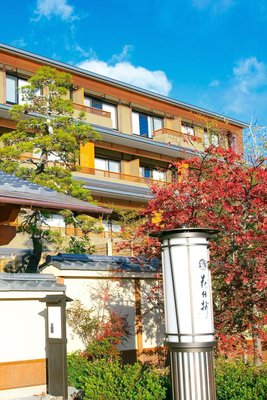
Kyoto Arashiyama Onsen Kadensho (Kyoritsu Resort)
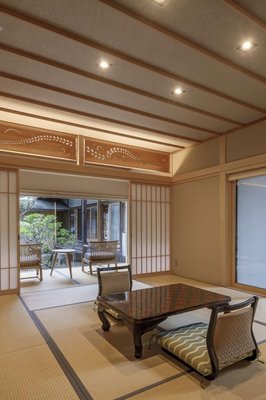
Ichijoin
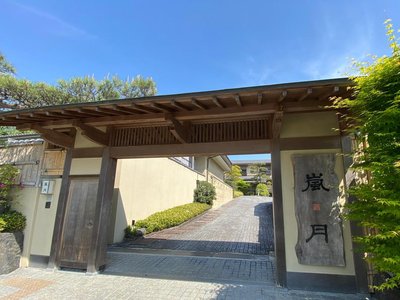
Rangetsu
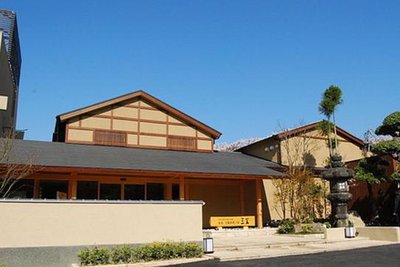
Mikasa
HOSHINOYA Kyoto
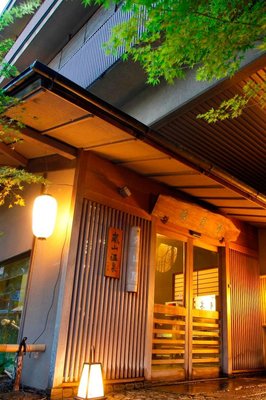
Togetsutei
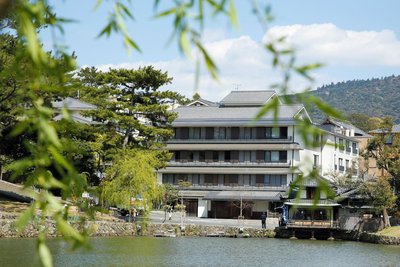
Sarusawaike Yoshidaya
Suiran, a Luxury Collection Hotel, Kyoto
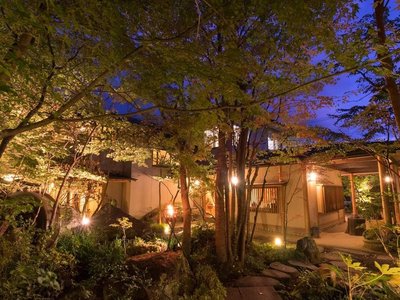
Ryoso Yufuin Yamadaya
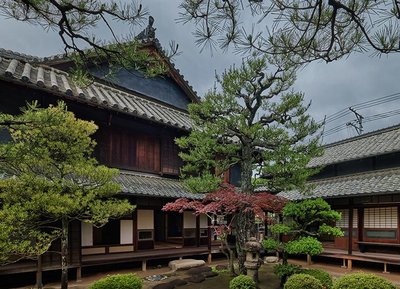
NIPPONIA HOTEL Takehara Saltworks Town
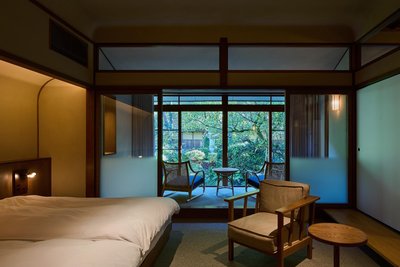
Mikiya' Famous for Shiga Naoya at Kinosaki Hot Springs
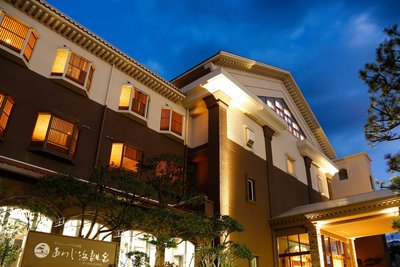
Awaji Hamarikyu
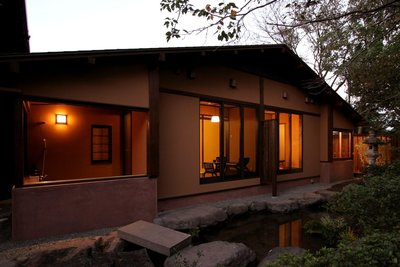
SEKIYA RESORT Bettei Haruki
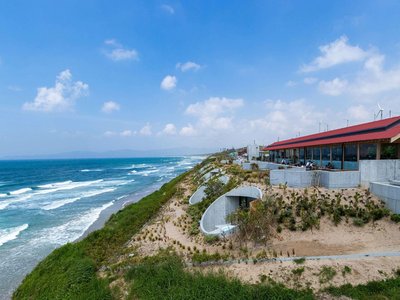
Izumo Hotel the Cliff
Hoshino Resorts KAI Tamatsukuri
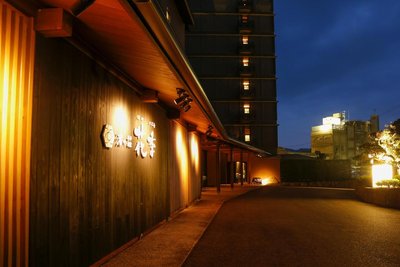
Hanagoyomi
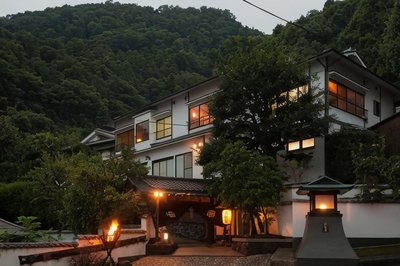
Beppu Showaen
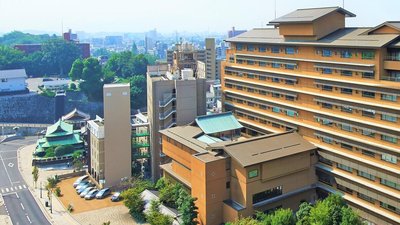
Yamatoya Honten
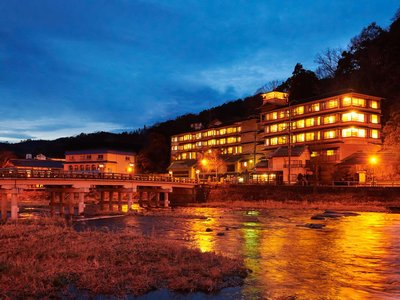
Mansuirou
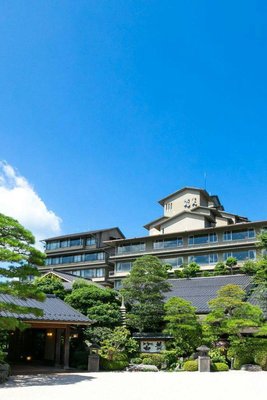
Kasuien Minami
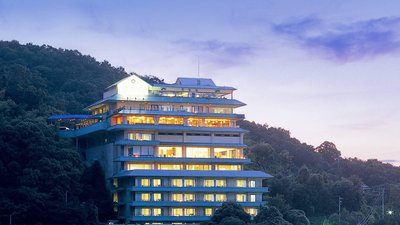
Hotel Hanajyukai
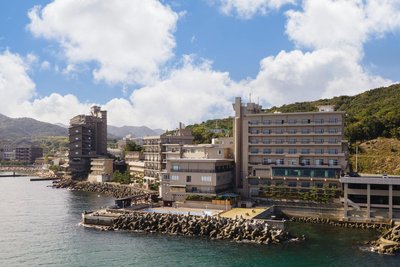
Awakan
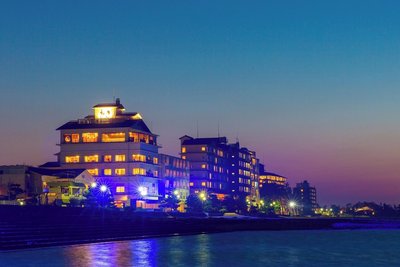
Kaike Shogetsu
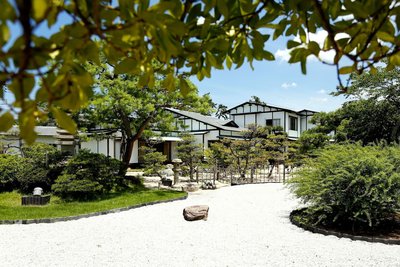
Kaike Fuga
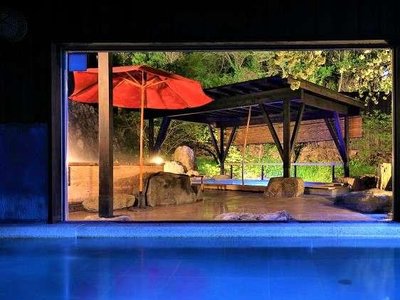
Sodayama Onsen Wa Yawaragi
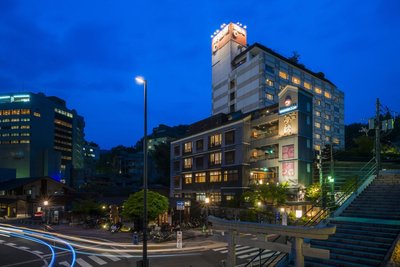
Chaharu Hanare Dogo Yumekura
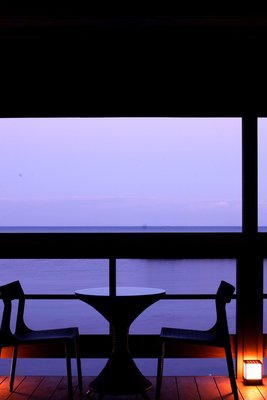
Amahara

Kinsuikan
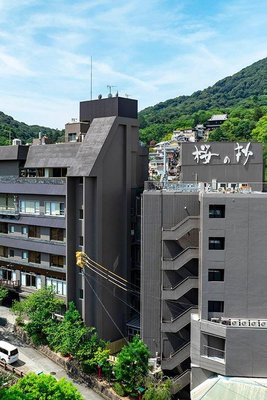
Kotohira Grand Hotel Sakuranosho
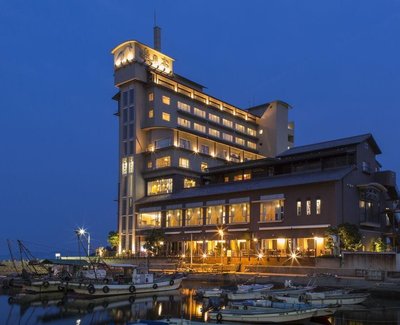
Hotel Ofutei
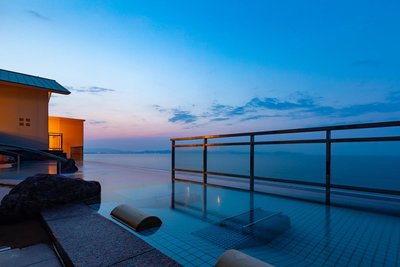
Kaike Yugetsu

Tamatsukuri Onsen Yunosuke No Yado Chorakuen
Osaka Marriott Miyako Hotel
The Ritz-Carlton, Osaka
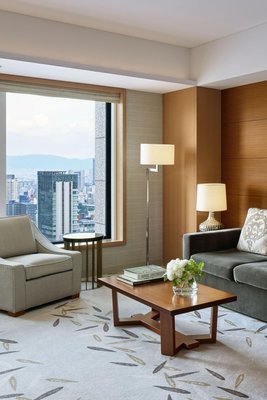
InterContinental Hotel Osaka
Suiran, a Luxury Collection Hotel, Kyoto
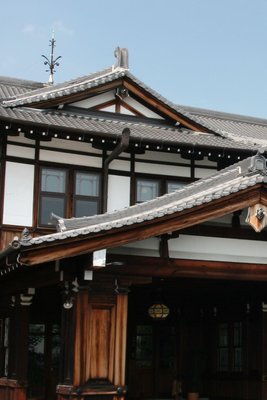
Nara Hotel

ORIENTAL HOTEL
Conrad Osaka
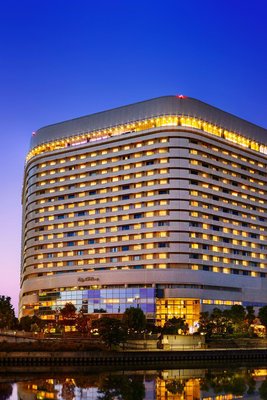
Hotel New Otani Osaka
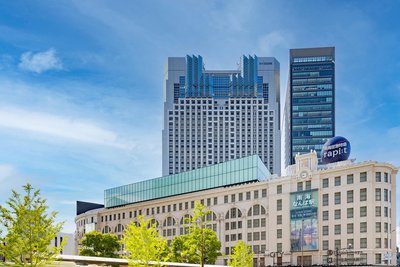
Swissotel Nankai Osaka
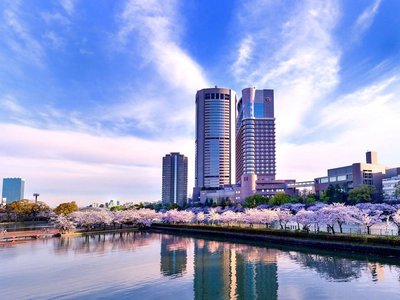
Imperial Hotel Osaka
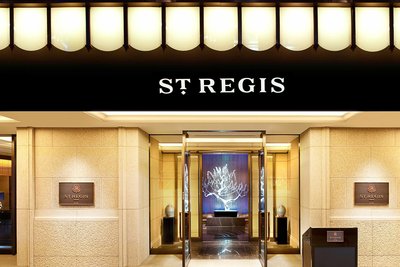
The St. Regis Osaka
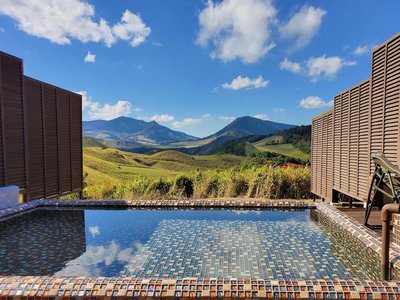
Grand Verde Resort
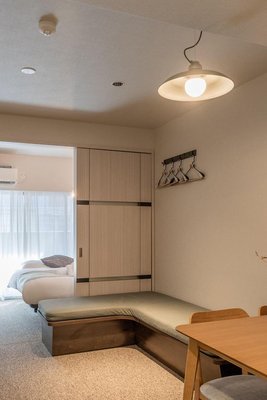
Apartment Hotel 11 Shinsaibashi
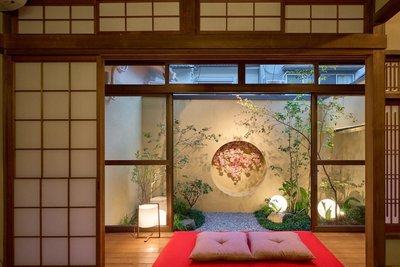
KONJAKUSO Osaka Tengachaya "NIHONCHA" Tea & Relax
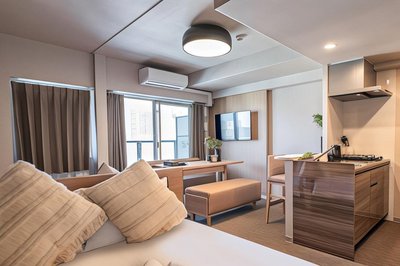
Apartment Hotel 11 Shinsaibashi III
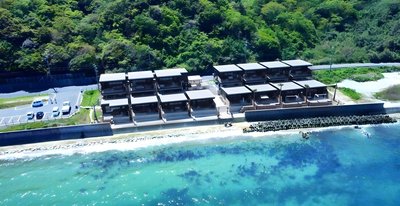
Solavilla Umi Terrace Minamiawaji

Konjaku-So Dotonbori

Sana Mane - Glamp Domes
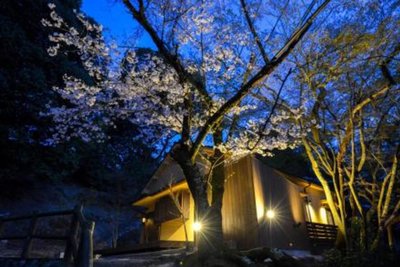
Villa Hamorebi
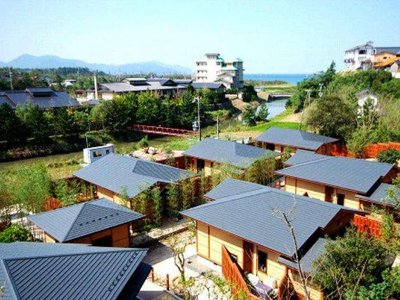
Ujo Soan (Adult Only)
SEKIYA RESORT Bettei Haruki

XYZ Private Spa and Seaside Resort
Hoshino Resorts KAI Tamatsukuri
Hanagoyomi
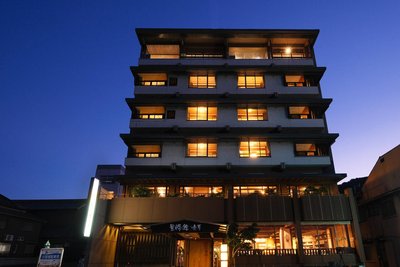
Keishokan Sazanamitei
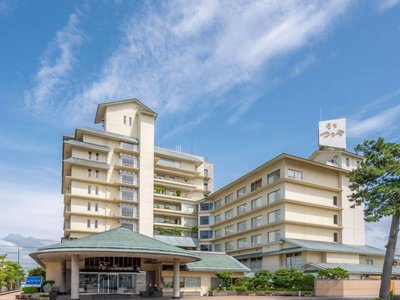
Kaike Tsuruya
Beppu Showaen
Migiwatei Ochi Kochi
Yamatoya Honten
Infinito Hotel and Spa

Dogo Miyu
Yamatoya Besso
Hamachidorinoyu Kaisyu
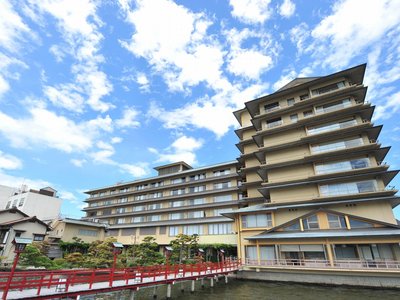
Bokoro Ryokan
Mansuirou
Kasuien Minami
Hotel Hanajyukai
Kaike Shogetsu
Kaike Fuga
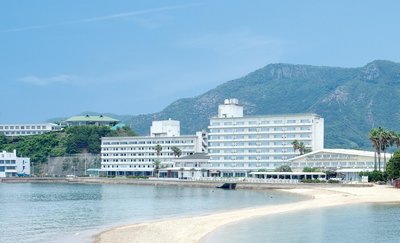
Shodoshima International Hotel

XYZ Private Spa and Seaside Resort
Osaka Marriott Miyako Hotel
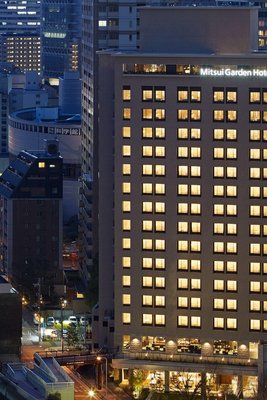
Mitsui Garden Hotel Osaka Premier
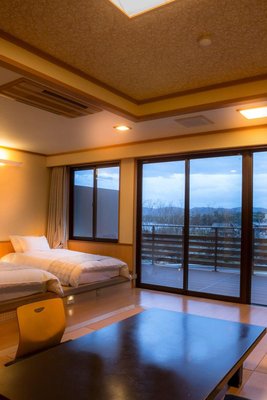
Hotel Kitanoya
Hanagoyomi
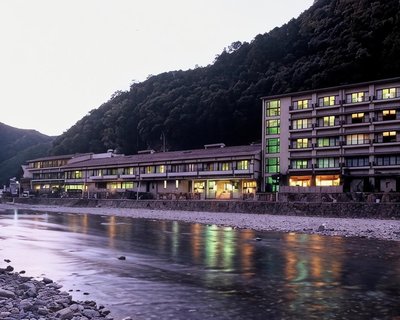
Kawayu Onsen Fujiya
Hotel La Suite Kobe Harborland
AoAwo Naruto Resort

Holiday Inn Resort Miyazaki
Infinito Hotel and Spa
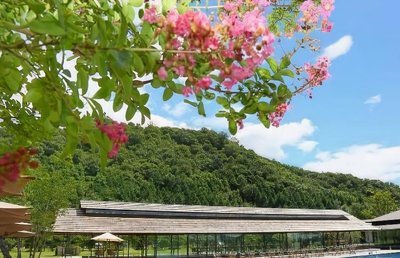
Bella Vista Spa and Marina Onomichi

Yufuin Kotobuki Hananosho
Hamachidorinoyu Kaisyu
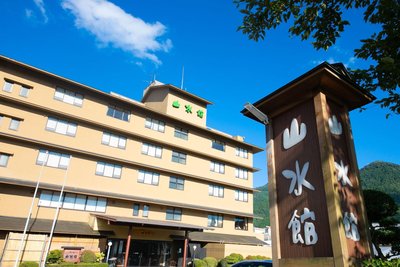
Yufuin Sansuikan
Kaike Shogetsu
Shodoshima International Hotel
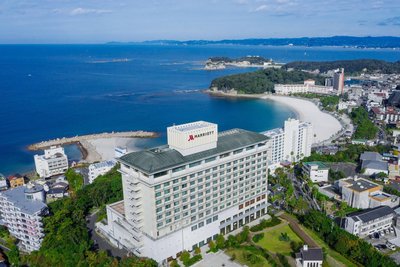
Nanki-Shirahama Marriott Hotel
Kinsuikan
Hotel Ofutei
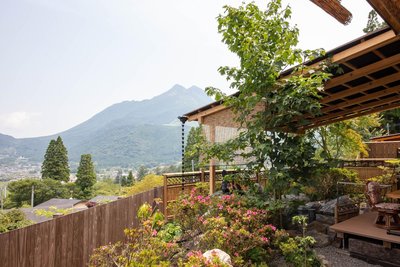
Yufuin-Sanso Waremokou

HOTEL UNIVERSAL PORT VITA

The Park Front Hotel at Universal Studios Japan

HOTEL UNIVERSAL PORT

THE SINGULARI HOTEL & SKYSPA at UNIVERSAL STUDIOS JAPAN
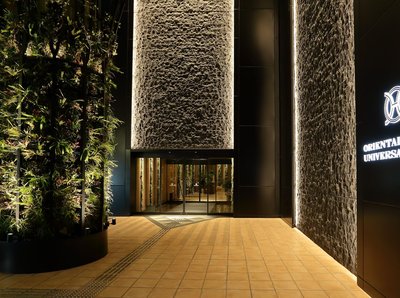
Oriental Hotel Universal City

Hotel Keihan Universal Tower
Frequently Asked Questions about Traveling to Ino
Questions You Might Need to Know About Traveling to Ino
The best area to stay in Ino Town is near Ino River Park, where you can find cozy guesthouses like Ino Nature Stay and Yamato Inn. These accommodations offer direct access to walking trails along the Ino River, perfect for birdwatching and seasonal flower viewing. Many also feature traditional kaiseki meals using locally sourced ingredients such as wild mountain vegetables and fresh fish from the region.
Staying here puts you within a 10-minute walk of Ino Town Cultural Center, where local artisans host workshops on shikki lacquerware and sashiko embroidery—ideal for authentic cultural immersion. The quiet, rural atmosphere makes it perfect for travelers seeking tranquility and connection with nature.
Yes, several ryokans in Ino Town serve authentic kaiseki-style breakfast featuring regional specialties. At Ino Kanko Ryokan, guests enjoy a multi-course meal with local rice, wild mountain greens, fresh river fish, and pickled vegetables grown in nearby farms. The meal is served in a tatami room with sliding doors opening to a garden view.
Another highlight is Yamato Guesthouse, which offers a farm-to-table breakfast experience, including sweet potato porridge and home-dried plum—ingredients sourced directly from local producers. Breakfast is often accompanied by tea brewed from wild herbs collected in the surrounding hills, enhancing the sense of place and tradition.
For photographers, Ino Town offers stunning natural and cultural backdrops. The Maple Bridge over Ino River is ideal during autumn, when crimson leaves mirror perfectly in the still water—especially magical at dawn with mist rising. The Mikazuki Mountain Overlook provides panoramic views of the valley, showcasing seasonal changes from cherry blossoms in spring to fiery foliage in fall.
The former Ino Elementary School, now a cultural center, features preserved wooden classrooms with peeling paint and vintage desks—perfect for documentary-style shots. Don’t miss the Wednesday Market, where locals sell handmade textiles, sweet potatoes, and pickled vegetables; the vibrant colors and candid moments capture authentic rural life in high detail.
When visiting Ino Town, be sure to try kakuni sweet potato dishes—grilled with honey or battered as tempura, these are rich and naturally sweet. Another must-try is Ino River Fish Hot Pot, made with freshly caught sea bream and pure mountain spring water, delivering a delicate, clean broth.
Don’t miss wild mountain vegetable rice balls, wrapped in seaweed and filled with seasonal greens like fern shoots and bamboo sprouts—packed with flavor and texture. During festivals, sample mochi tofu with local sake lees, a traditional dessert prepared by elder villagers, offering a subtle fermentation note and warm finish. These dishes are commonly found at roadside stalls and weekend markets, offering genuine taste of the region.
While Ino Town is rural, public transport is surprisingly accessible. Take the Tosaden Railway from Kōchi Station to Ino Station (~45 minutes), then transfer to local community buses heading to Ino River Park and the hot spring area. On weekends and festival days, a free tourist shuttle bus runs between major sites like Mikazuki Mountain Overlook and the former elementary school cultural center.
Many guesthouses offer complimentary pickup service, especially beneficial for travelers with luggage or limited mobility. For real-time schedules and route planning, download the Kōchi Prefecture Transport App, which includes multilingual support and offline maps—essential for navigating the scenic countryside efficiently.
For slow travelers, Ino Town offers serene and scenic trails. Start with the Ino River Eco Trail (~3 km), a gentle path along the riverbank lined with ferns and home to herons and kingfishers—interpretive signs explain local flora.
Next, try the Mikazuki Mountain Trail, moderately graded with panoramic views of the Ino Basin and distant Shikoku mountains from the summit. Finally, explore the Old Elementary School to Shrine Path (~2.5 km), winding through ancient camphor trees to a secluded shrine nestled in the woods—perfect for reflection and quiet contemplation.
All routes have resting benches, water stations, and clear signage. Bring a map, insect repellent, and a spirit of curiosity to fully embrace the rhythm of rural Japan.
Ino Overview
City Summary
Ino Town, located in the central part of Kochi Prefecture, Japan, is a small town renowned for its natural beauty and traditional culture. The clear waters of the Niyodo River and the surrounding green mountains make it a paradise for outdoor enthusiasts. Ino also preserves rich traditional crafts, such as Japanese papermaking, offering visitors a deep experience of the tranquility and charm of rural Japan.
Must-See Attractions
Key attractions in Ino Town include the Niyodo River, where visitors can enjoy water activities like rafting and fishing. The Ino Japanese Paper Museum showcases traditional papermaking processes, with workshops available. The Ino Town History and Folklore Museum provides insights into the local history and culture.
Food Guide
Ino's cuisine features local ingredients, with recommended dishes including Kochi's famous bonito sashimi and freshwater fish dishes from the Niyodo River. The local farmers' markets also offer fresh vegetables and fruits worth trying.
Transportation Guide
Public transport in Ino relies mainly on buses, connecting to Kochi City and surrounding areas. Renting a car is another convenient option, with ample parking available. Due to scattered attractions, it's advisable to plan routes in advance.
Best Time to Visit
The best time to visit is spring and autumn, with mild weather and beautiful scenery. Summer is hot but ideal for water activities, while winter is quieter for those seeking peace.
Travel Tips
- Respect local culture; keep quiet when visiting temples.
- Follow safety guidelines during water activities.
- Carry cash as some small shops may not accept cards.
- Learn basic Japanese phrases for easier communication.
- Use sunscreen, especially during summer outdoor activities.
- Book accommodations early, particularly in peak seasons.
Useful Information
Japanese is the main language, with limited English; a translation app is helpful. Internet coverage is good, with most lodgings offering WiFi. Cash is preferred, though some places accept cards. Medical facilities include local clinics; dial 119 for emergencies. Pharmacies are limited, so bring essential medications.









