Hotels in Iruma
Discover your perfect stay in Iruma.
Iruma(Japan) Travel 2026: Cheap Flights, Hotels & Top Attractions
Popular Landmarks in Iruma
Discover the most iconic attractions in Iruma
Recommended Hotels in Iruma
Find the perfect place to stay in Iruma
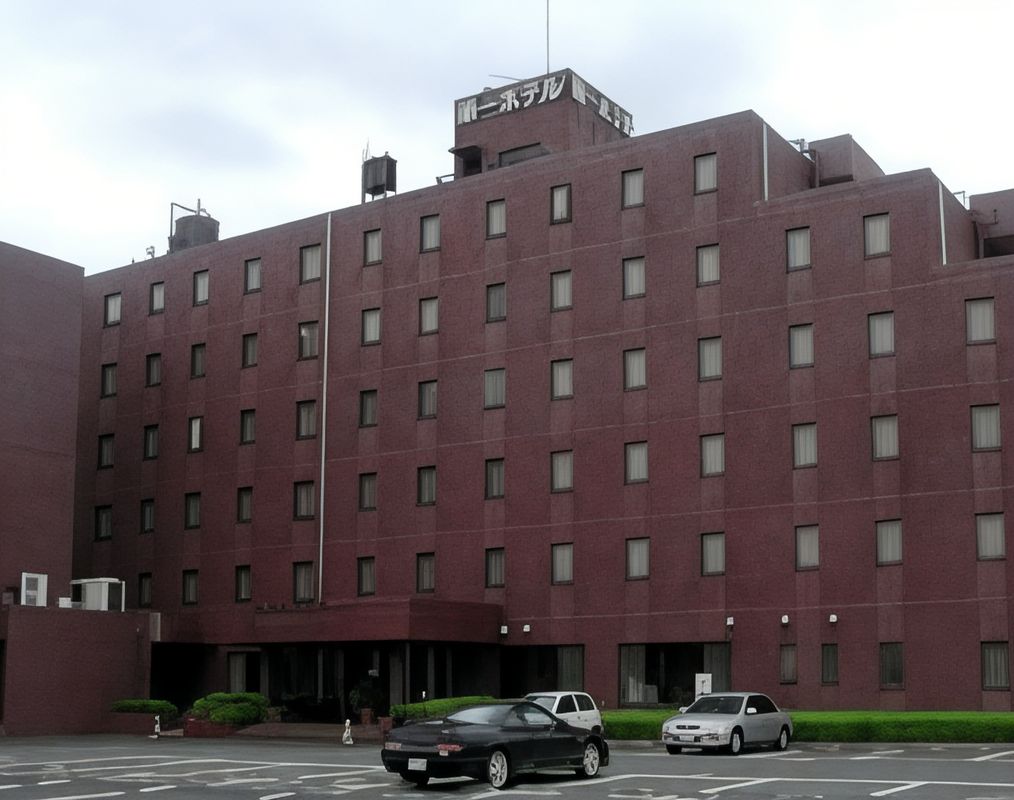
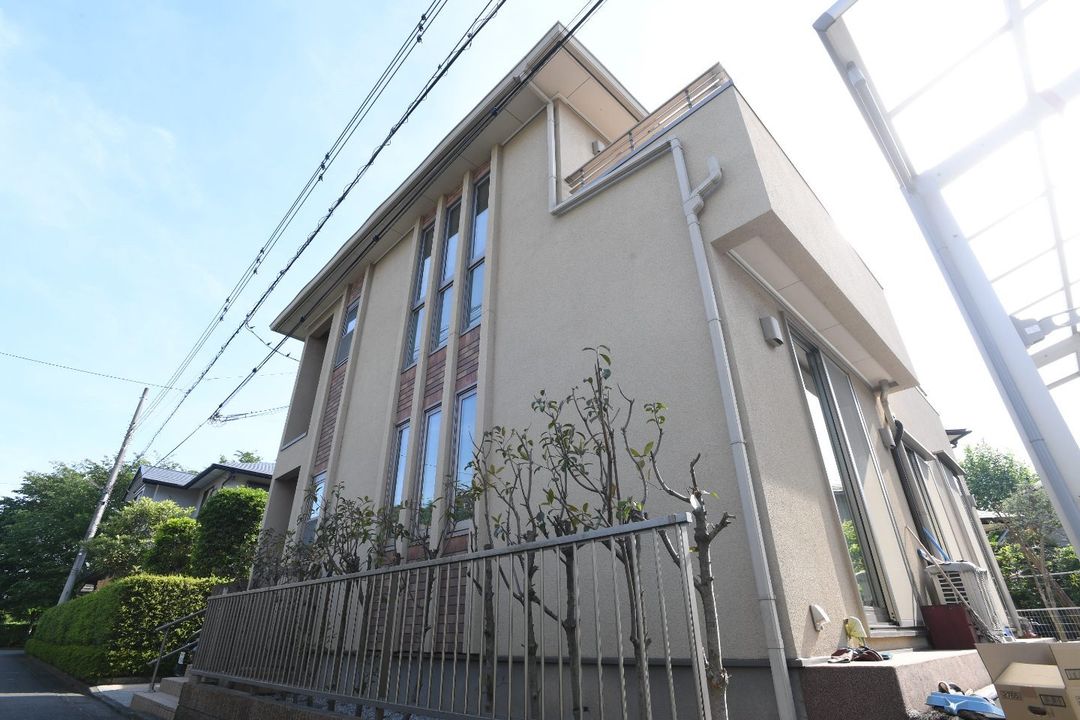
Best Hotels in Iruma
Discover curated hotel collections in Iruma































Frequently Asked Questions about Traveling to Iruma
Questions You Might Need to Know About Traveling to Iruma
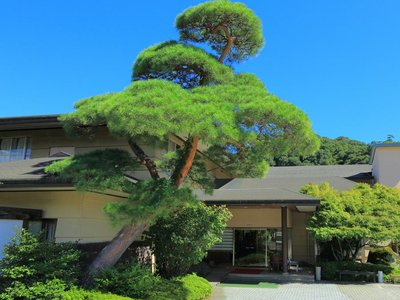
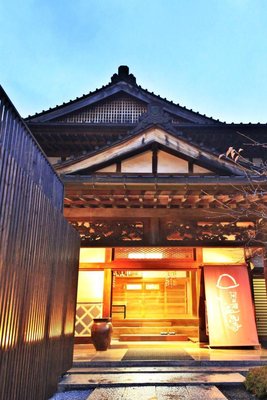
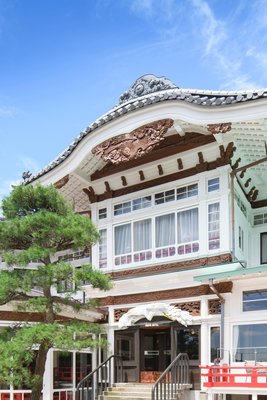
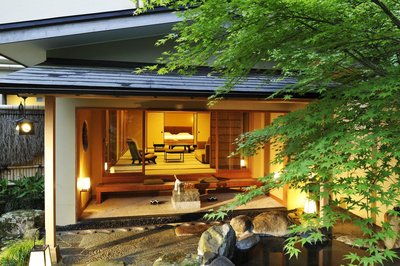
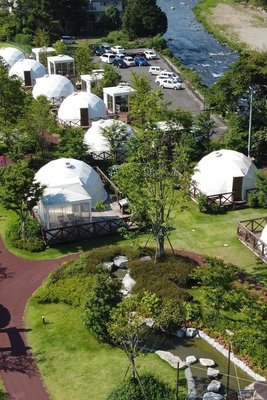
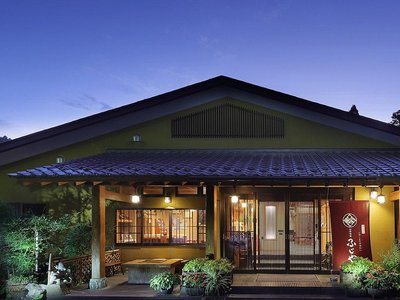
For a peaceful stay in Inagawa City, consider Inagawa City Tourist Hotel or Tokyu Resort Inagawa. The former offers serene tatami rooms with views of the Inagawa River, and guests can enjoy free shuttle service to Omiya Station. The latter features private wooden cottages, a tranquil garden, and an on-site hot spring bath, perfect for unwinding. Both hotels emphasize quiet surroundings, minimal noise pollution, and traditional Japanese hospitality. Many rooms include outdoor verandas ideal for morning tea while listening to birdsong. Located near Omiya Park, they’re also close to nature trails and seasonal festivals, offering a calm retreat from urban life.
Additionally, both properties provide guided nature walks and mindfulness sessions, enhancing the restorative experience.
The best area for convenient hotel access in Inagawa City is the Omiya-dori corridor and the vicinity of Inagawa River. This district is well-connected via the Kosugi Line and Chūō Expressway, making it easy to reach from Tokyo (just 40 minutes by car). Hotels here, such as Inagawa City Tourist Hotel, offer free parking and complimentary bike rentals. The area is pedestrian-friendly, with local cafes, souvenir shops, and markets within walking distance. It’s also close to Omiya Park and the Inagawa Greenway, ideal for morning strolls or evening relaxation. Public transportation hubs like Inagawa Station and Omiya Station ensure seamless travel to nearby attractions including Kōshū Railway destinations and Saitama Prefecture’s cultural sites.
Visitors to Inagawa City can experience authentic local culture through the Inagawa Shrine Spring Festival, a centuries-old event featuring traditional taiko drumming, Shinto dances, and folk rituals rooted in Kanto regional heritage. Another highlight is the Rice Farming Workshop, where guests can participate in planting and harvesting rice using traditional tools, learning about sustainable farming practices. Summer brings the Inagawa Fireworks Festival, held along the riverbank with illuminated stages and dazzling displays. Some hotels even offer kimono rental and guided tours, allowing travelers to stroll through historic streets dressed in traditional attire. These immersive activities provide a deep connection to Saitama’s rural traditions and community spirit.
Yes, Inagawa City has several family-friendly hotels. Inagawa City Tourist Hotel features a children’s playroom, a shared onsen pool, and free breakfast for kids. Tokyu Resort Inagawa offers spacious family cabins, outdoor sand pits, and direct access to Omiya Park, perfect for kids to run and explore. Both hotels provide baby cots, child-sized bathrobes, and themed activities like “Nature Discovery Walks” to local wetlands and Inagawa Ecological Education Center. They also organize family-friendly events such as cooking classes using local ingredients and storytelling sessions based on regional legends. With multilingual staff and kid-friendly menus, these accommodations ensure a stress-free, joyful vacation for families.
Must-try local foods in Inagawa City include Miso Nabe with Inagawa Cabbage, a hearty winter stew made with locally grown vegetables and premium beef, served at many ryokan and restaurants. Another standout is Kōshū Beef Sushi, though not from Kōshū itself, this high-grade wagyu is featured in specialty conveyor belt sushi bars across the city—known for its melt-in-the-mouth texture. Don’t miss black sugar cookies and mugwort rice cakes (kusa-mochi), sold at local artisan markets and nostalgic tea houses. Some hotels host “Local Ingredient Dinners”, where chefs prepare seasonal dishes using produce from nearby farms. These meals highlight the region’s agricultural richness and offer a true taste of Kanto countryside cuisine.
Yes, Inagawa City is highly suitable for self-driving tourists. The city lies just off the Tōhoku Expressway and Kōshū Expressway, making it easily accessible from Tokyo (approx. 40 minutes). Major hotels like Inagawa City Tourist Hotel and Tokyu Resort Inagawa offer free parking and EV charging stations. The city’s road signage is clear and well-maintained, with designated routes to scenic spots like the Inagawa Greenway, Musashino Plateau Trails, and Omiya Park. Bike rentals are available at many hotels, enabling short-distance exploration. GPS navigation works well, and key landmarks—such as Inagawa Shrine and Omiya Station—are clearly marked. A rental car provides the freedom to visit seasonal festivals and hidden gardens at your own pace.
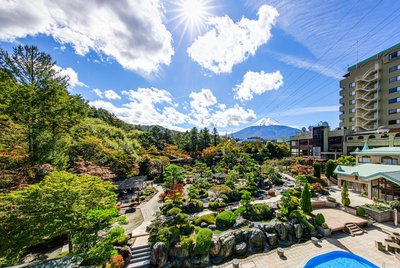
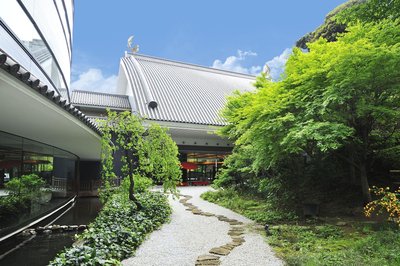
Top photo spots in Inagawa City include the Inagawa River Sunset Path, where golden light reflects on the water and mountains create a dreamy backdrop. The White Swan Pond in Omiya Park is especially photogenic during cherry blossom season, with blooming trees mirrored in the still surface. The red torii gates and stone lanterns at Inagawa Shrine offer striking contrast against greenery, particularly during festivals when people wear kimonos. At Tokyu Resort Inagawa, the modern Japanese garden blends glass walkways with dry landscape rock formations—ideal for artistic shots. Early mornings and twilight hours provide soft lighting and fewer crowds, making them perfect for capturing serene, cinematic moments.
Near Inagawa City, the Inagawa River Corridor is a major natural attraction, stretching over 15 km with lush greenways perfect for cycling, birdwatching, and picnics. The surrounding Musashino Plateau features rolling hills covered in oak and birch forests, offering hiking trails and panoramic views. The Inagawa Ecological Education Center provides guided tours on wetland conservation and native species like kingfishers and ducks. In summer, the riverbanks host firefly viewing events under moonlight—a rare and magical experience. Several hotels partner with eco-tours to offer night walks and photography sessions, allowing guests to witness the region’s biodiversity up close. These natural spaces blend tranquility with ecological awareness, creating unforgettable outdoor adventures.
Creative travelers will enjoy visiting the Inagawa City Art Museum, which showcases contemporary Kanto paintings, ceramics, and experimental installations. Monthly weekend Handmade Markets in Omiya-dori Old Town feature local artisans selling handmade textiles, woodcraft, pottery, and original illustrations. Tokyu Resort Inagawa hosts a dedicated Art Studio, offering workshops in calligraphy, fabric dyeing, and origami. Guests can also join “Literary Stroll Along Inagawa River”, a guided tour inspired by writers like Haruki Murakami and Ryūnosuke Akutagawa, who once drew inspiration from this area. These experiences combine history, creativity, and nature, appealing to those seeking meaningful, culturally rich travel moments.
Inagawa City transforms beautifully across the seasons: spring brings cherry blossoms along the Inagawa River and the vibrant Inagawa Shrine Spring Festival; summer features the Inagawa Fireworks Festival with illuminated stages and sky-high displays; autumn paints the Musashino Plateau in fiery reds and golds, ideal for photography and forest walks; winter blankets the area in misty stillness, enhanced by warm glow from onsen hotels and snow-dusted trees. Each season hosts special events—spring’s farmers’ market, summer’s riverside concerts, fall’s persimmon picking, and winter’s lantern festival—ensuring year-round charm. The city’s rhythm syncs with nature, offering diverse experiences that reflect the essence of rural Saitama.
Iruma Overview
City Summary
Iruma City in Saitama Prefecture blends aviation culture with rural charm, famed for Sayama tea plantations and the JASDF Iruma Air Base. Its proximity to Tokyo (30-min train ride) makes it ideal for day trips combining nature, military exhibits, and traditional tea experiences.
Must-See Attractions
Top attractions include Iruma Air Base Park for aircraft spotting, Sayama Lake's cycling trails, and tea farms offering picking experiences. Don't miss the annual Air Festival (November) showcasing aerobatic displays. The Municipal Museum details local samurai history.
Food Guide
Try tea-flavored soft serve ice cream and dishes featuring Fukaya onions. Must-eats: "Musashino pork" hot pot and premium Iruma Wagyu beef. For snacks, grab regional versions of "Souka Senbei" rice crackers with red bean paste.
Transportation Guide
Take the Seibu Ikebukuro Line from Tokyo (¥620, 30 mins). City buses accept IC cards (Pasmo/Suica). Rent bicycles near stations for rural exploration. Taxis charge ¥410 initially. To Sayama Lake: Seibu Bus "Sayamako" line (¥220, 20 mins).
Best Time to Visit
Visit March-May for cherry blossoms and tea harvest, or September-November for cool weather and aviation events. Avoid humid summers and chilly winters.
Travel Tips
- Book parking early during Air Festival
- Respect no-photography zones at military sites
- Reserve tea experiences in advance
- Check bus schedules carefully
- Carry cash for rural shops
- Bring own towels to onsens
Useful Information
Basic Japanese helps; station info desks speak English. Free WiFi at tourist spots. SIM cards available at convenience stores. Cash preferred (SMBC Bank exchanges currency). Tax refunds at post offices. For emergencies: Iruma City Hospital (24hr). Drugstores cluster near the station.









