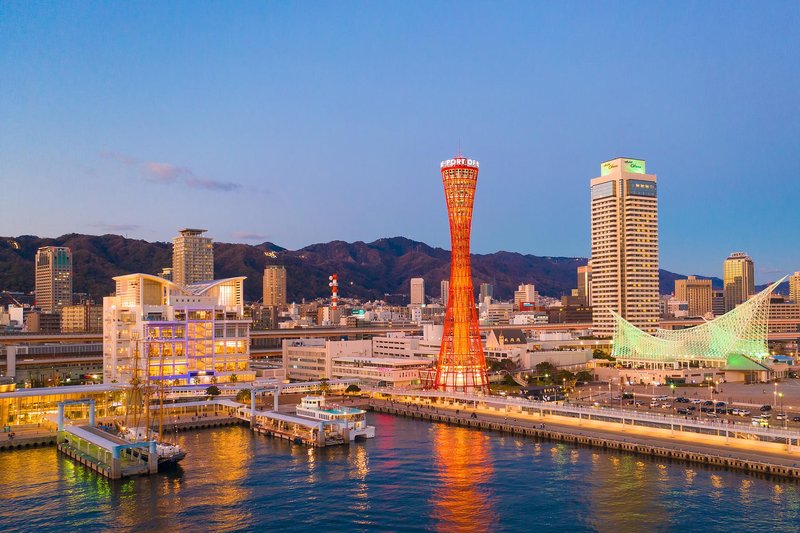
Hotels in Isahaya
Discover your perfect stay in Isahaya.
Isahaya(Japan) Travel 2026: Cheap Flights, Hotels & Top Attractions
Popular Landmarks in Isahaya
Discover the most iconic attractions in Isahaya
Recommended Hotels in Isahaya
Find the perfect place to stay in Isahaya
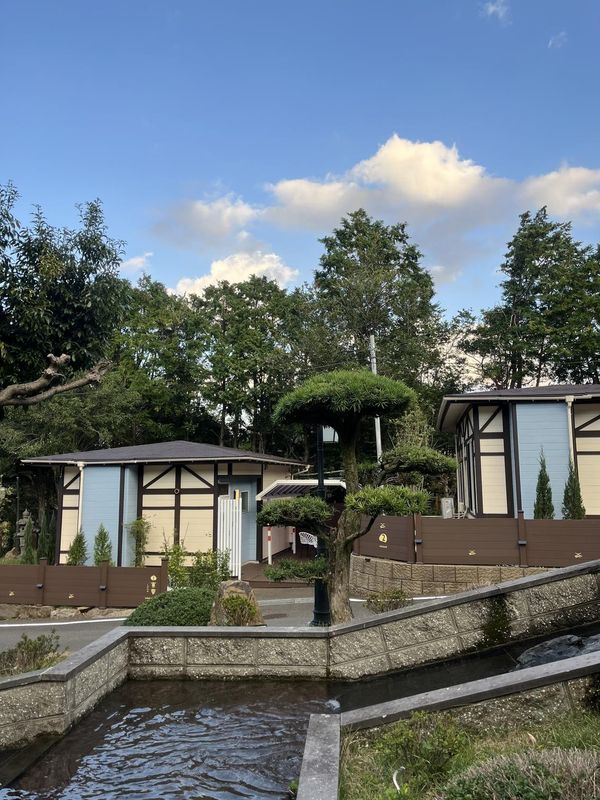
Rong Hua Grand Hotel
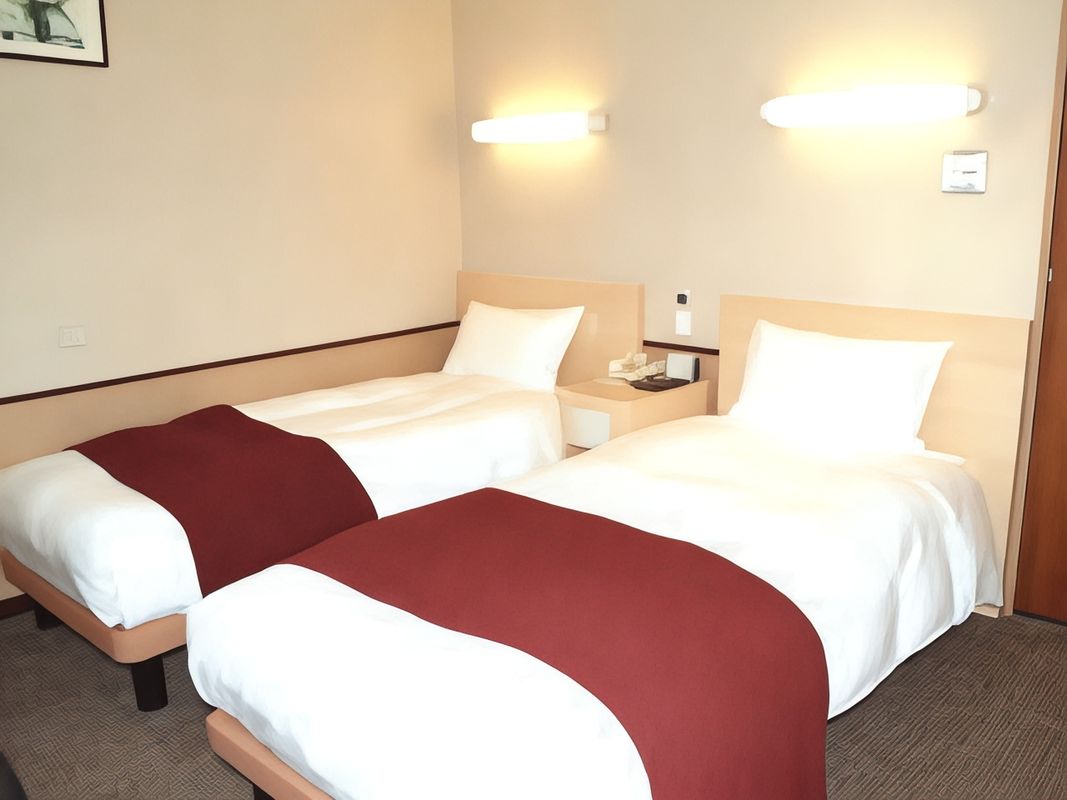
Global Hotel
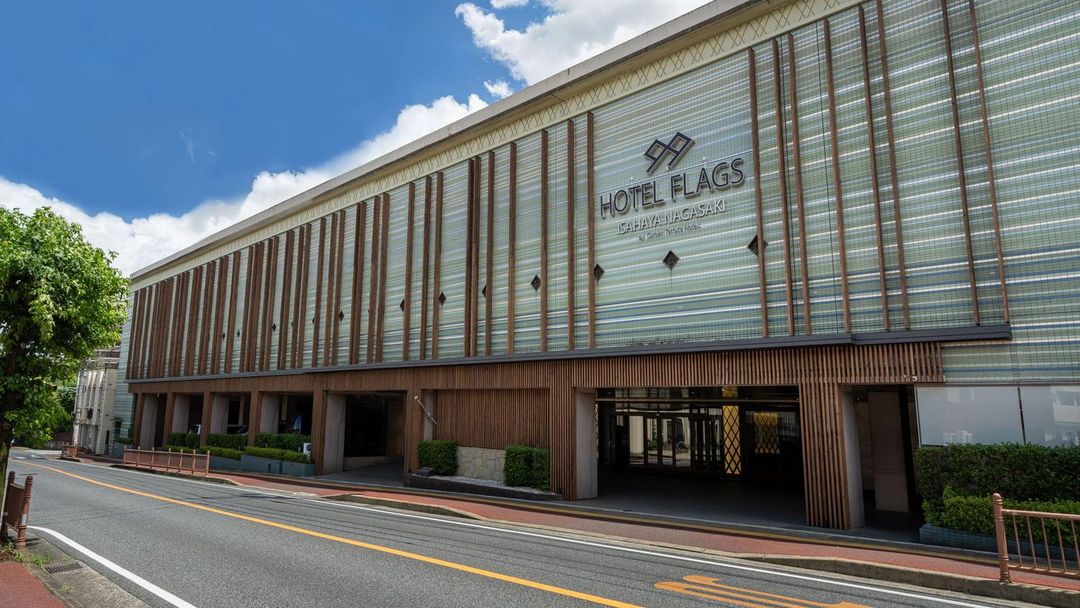
Hotel Flags Isahaya Nagasaki
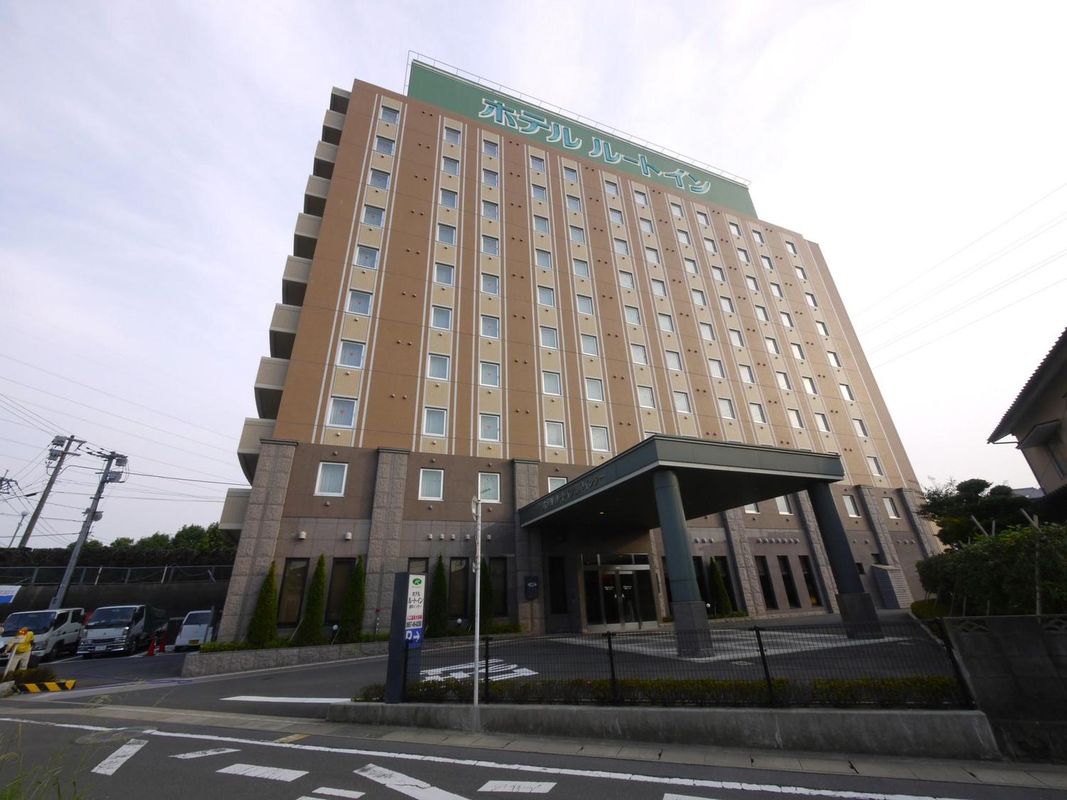
HOTEL ROUTE-INN ISAHAYA INTER
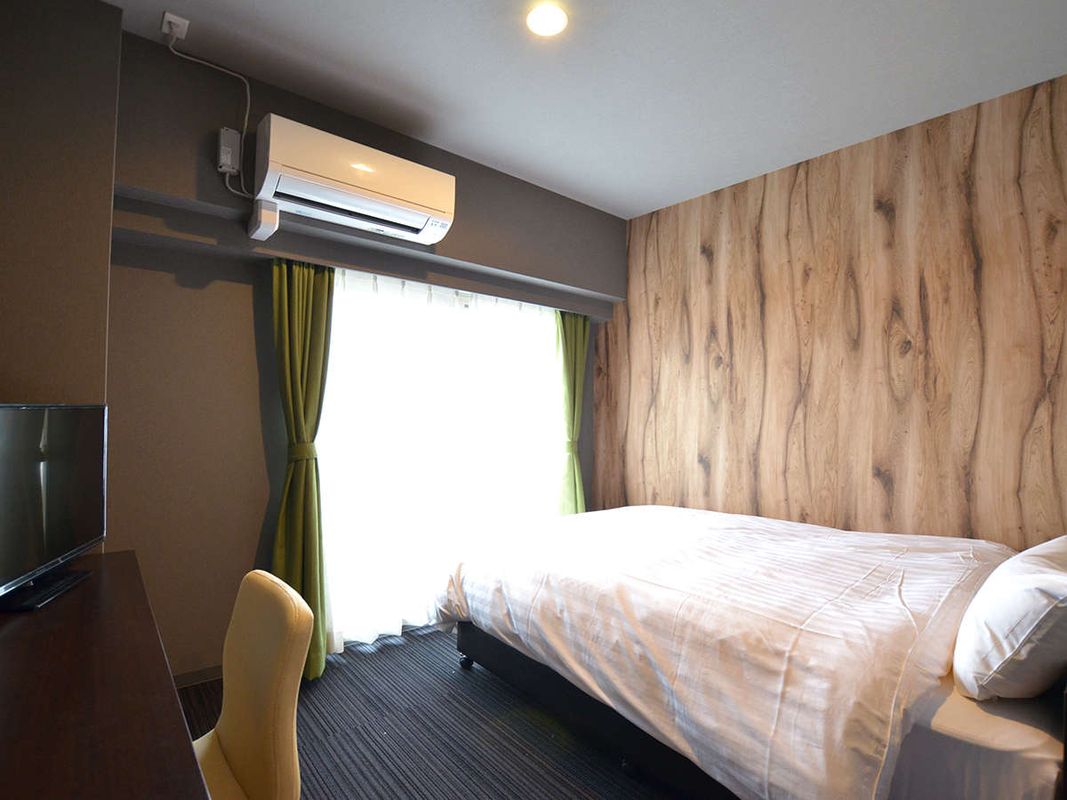
Kikitsu Station Hotel
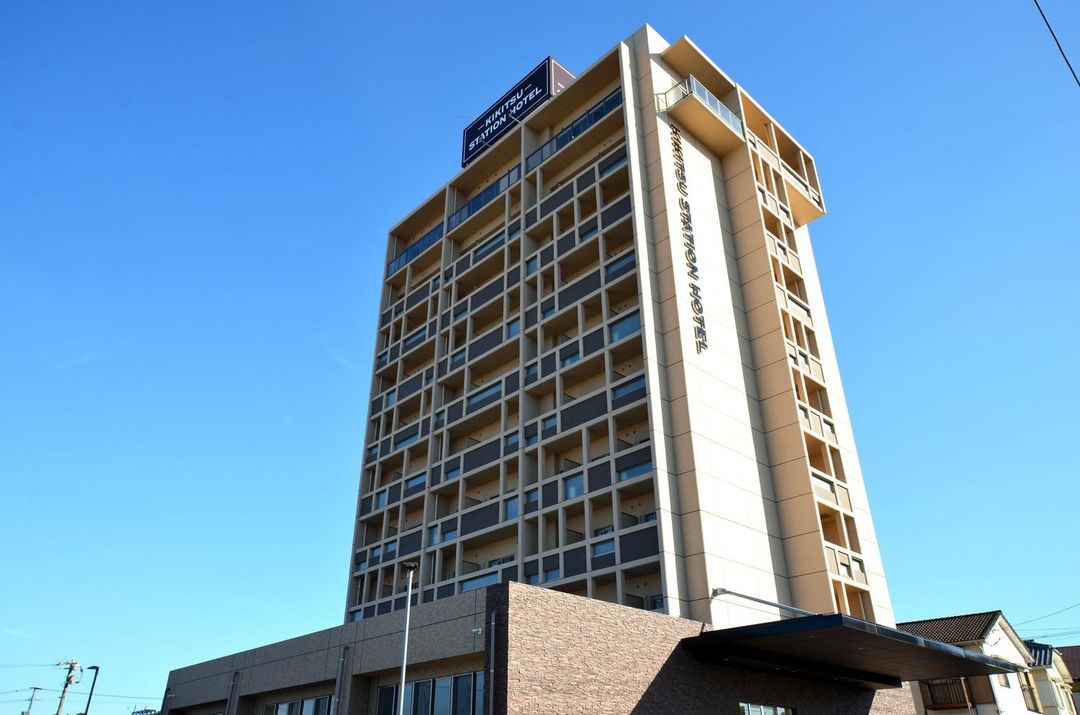
KIKITSU Station Hotel
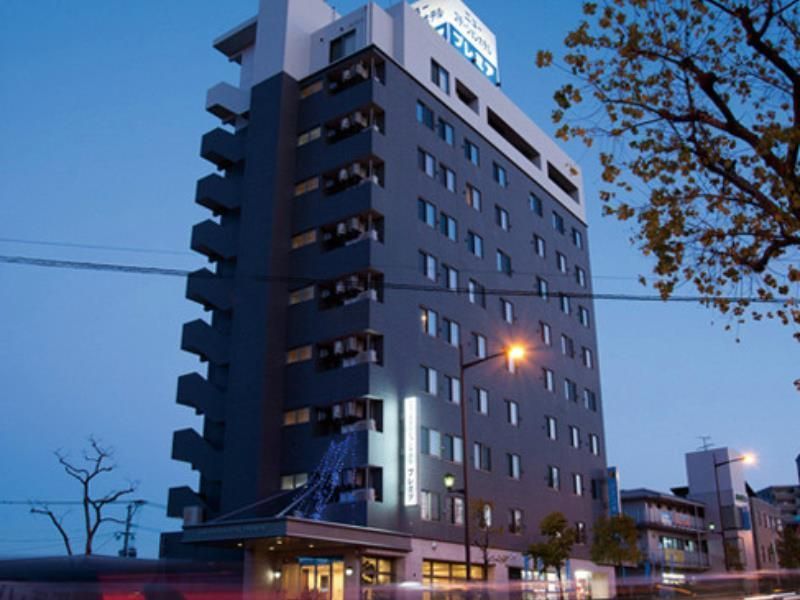
New Station Hotel Premiere
Best Hotels in Isahaya
Discover curated hotel collections in Isahaya
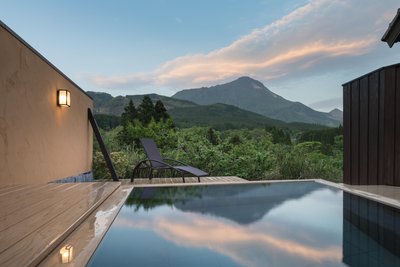
Ikkoten
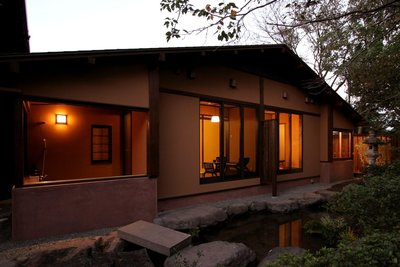
SEKIYA RESORT Bettei Haruki
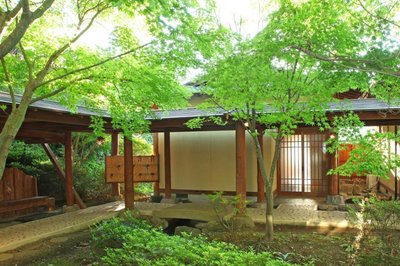
Chikurakutei
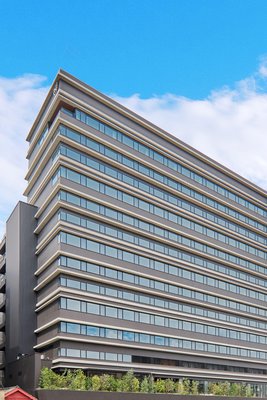
The Royal Park Canvas Fukuoka Nakasu
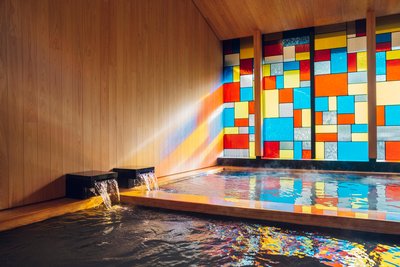
Hoshino Resorts Kai Unzen
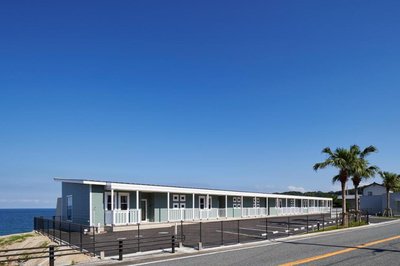
Alfacio Resort Stay Itoshima
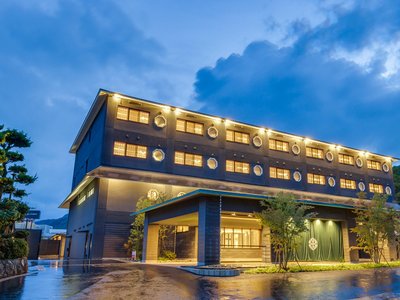
Ureshino Yadoya
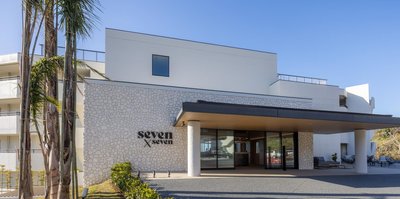
seven x seven itoshima
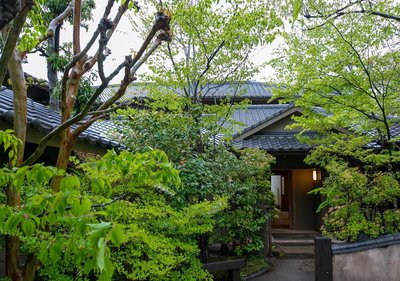
Yufuin Onsen Hinoharu Ryokan
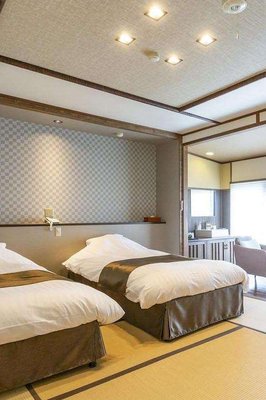
Sozankyo
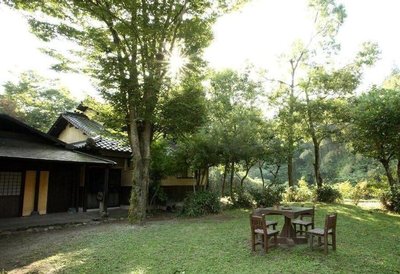
Yamashinobu
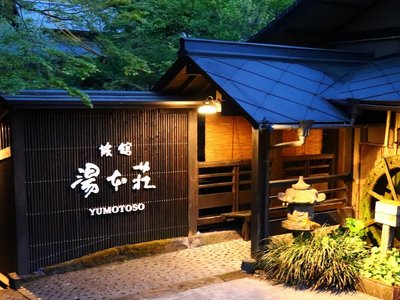
Ryokan Yumotosou
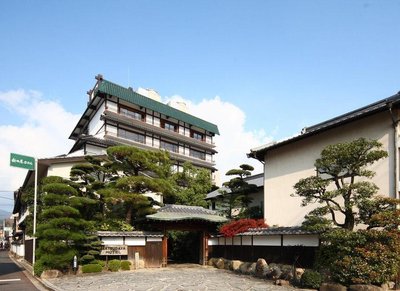
Matsudaya Hotel
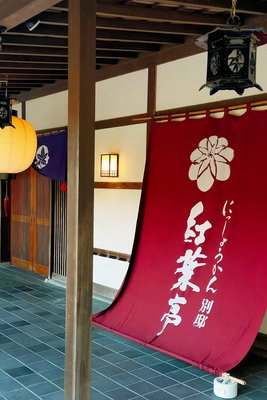
Nisshokan Bettei Koyotei
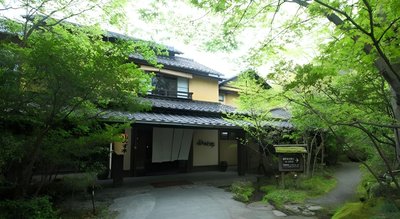
Kurokawaonsen Yamamizuki
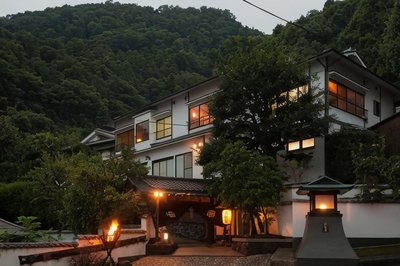
Beppu Showaen
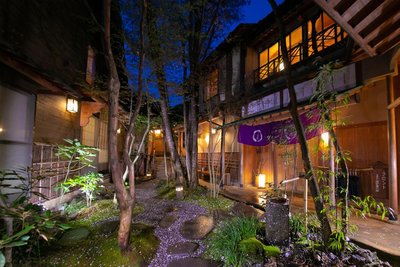
Oyado Ichizen
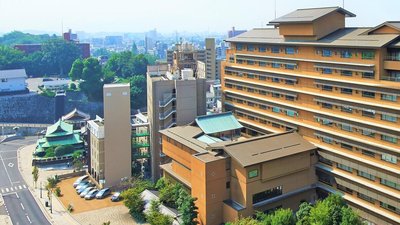
Yamatoya Honten
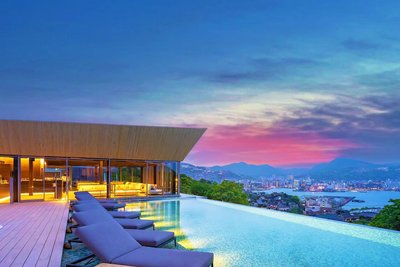
Garden Terrace Nagasaki Hotel & Resort
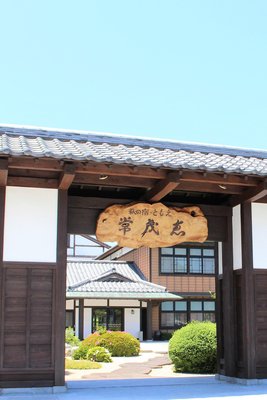
Hagi No Yado Tomoe
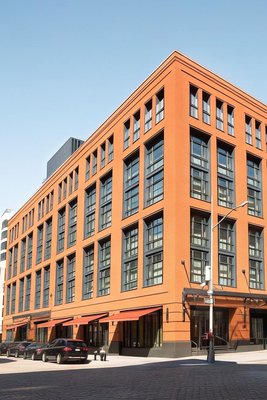
Hotel Barrière Fouquet's New York
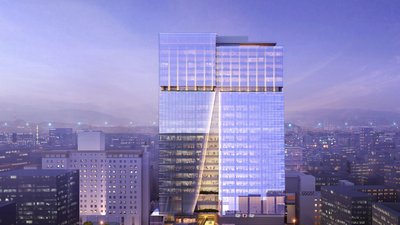
The Ritz-Carlton, Fukuoka
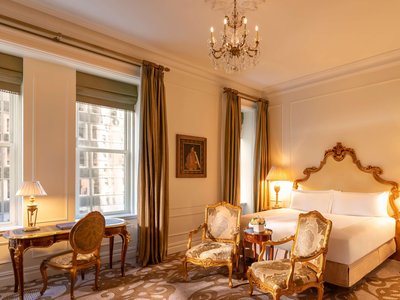
The Plaza - A Fairmont Managed Hotel
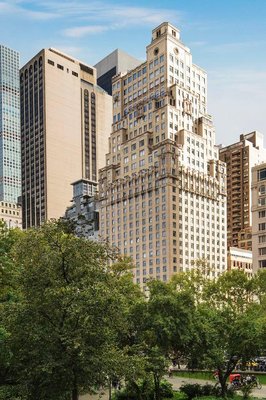
The Ritz-Carlton New York, Central Park
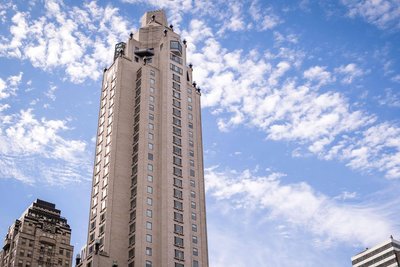
Four Seasons Hotel New York
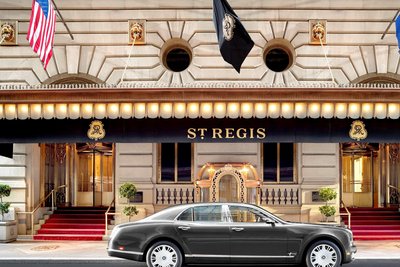
The St. Regis New York
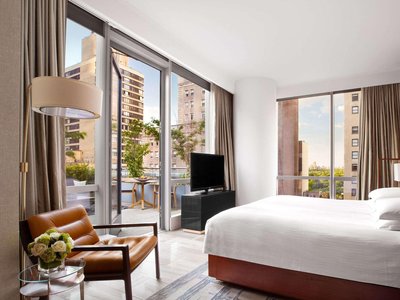
Park Hyatt New York
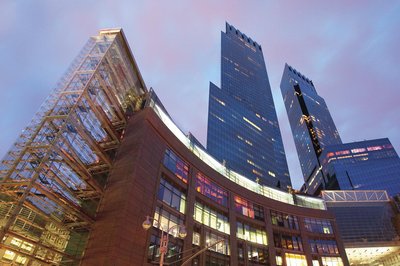
Mandarin Oriental New York
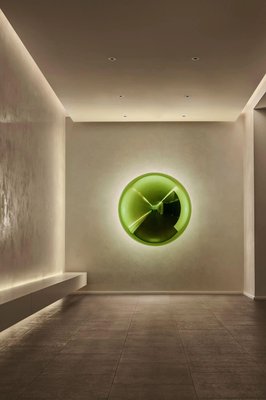
Times Square Edition New York

Loews Regency New York Hotel
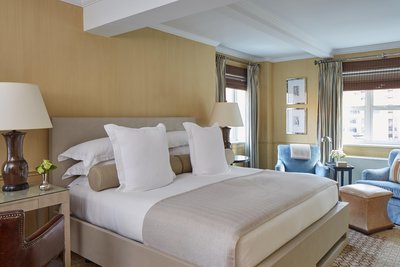
Lowell Hotel
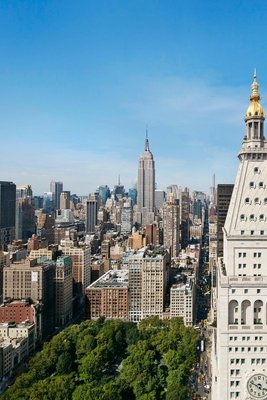
New York Edition
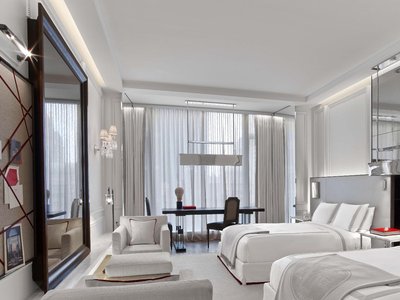
Baccarat Hotel New York
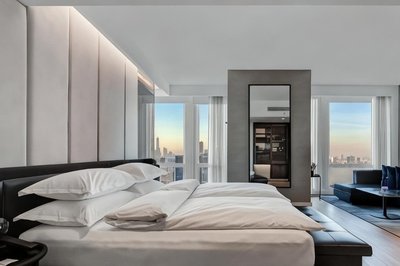
Equinox Hotel New York

Four Seasons Hotel New York Downtown
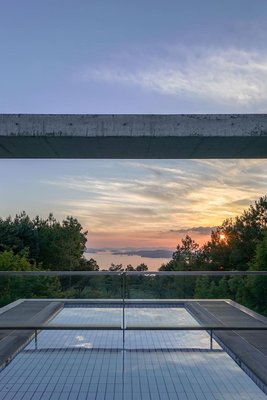
SETOUCHI RETREAT by Onko Chishin
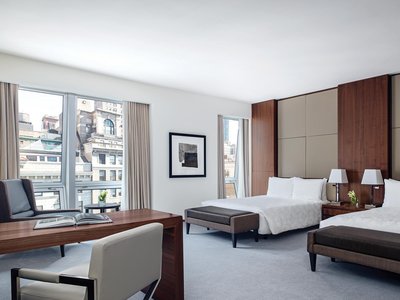
The Langham, New York, Fifth Avenue

The Carlyle, A Rosewood Hotel

The Chatwal, in the Unbound Collection by Hyatt
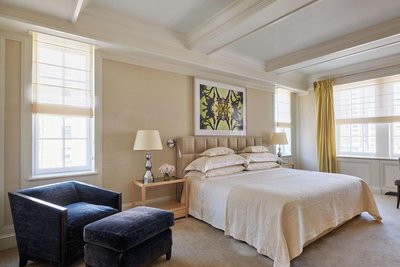
The Mark New York
Frequently Asked Questions about Traveling to Isahaya
Questions You Might Need to Know About Traveling to Isahaya
In Sasebo City, the top choice for a traditional Japanese atmosphere is Sasebo Ryokan & Onsen Inn, a centuries-old guesthouse nestled near the Sasebo Bay. This family-run establishment features authentic tatami rooms, sliding shoji doors, and private outdoor onsen baths with sea views. Guests can enjoy kaiseki meals made from locally sourced seafood and seasonal vegetables. The property also offers guided cultural tours to nearby Nagasaki Peace Park and Oura Catholic Church, blending history and hospitality. Its serene garden and wooden verandas create a peaceful retreat away from urban life.
For first-time visitors, the central Sasebo Station district is the most convenient area to stay. It’s within walking distance of major attractions like Sasebo Port, Kikuchi Shrine, and Nagasaki Prefectural Museum. The area boasts modern hotels such as Hotel Sunroute Plaza Sasebo, which offers free Wi-Fi, 24-hour reception, and direct access to local buses. Restaurants, convenience stores, and shopping centers are plentiful, making it ideal for travelers who want easy access to transportation and daily necessities without sacrificing proximity to scenic spots.
Tourists visiting Sasebo City must experience the Sasebo Naval Memorial Museum, which showcases Japan’s maritime history, including artifacts from the Imperial Navy. Another highlight is attending the Sasebo Kunchi Festival, held annually in October, featuring elaborate floats, traditional dances, and taiko drum performances. Visitors can also participate in local pottery workshops at the Sasebo Ceramics Studio, where they craft their own souvenirs using clay from nearby hills. These experiences offer deep insight into the city’s military heritage and artisanal craftsmanship.
Yes, Sasebo Hot Spring Resorts are highly recommended. The Sasebo Spa & Wellness Resort offers natural mineral-rich baths fed by underground thermal springs, known for improving skin health and relieving stress. The resort features both indoor and open-air baths with panoramic views of the surrounding mountains and bay. Many rooms include private onsen tubs, and guests can enjoy farm-to-table dinners featuring fresh local seafood. It’s especially popular during autumn and winter when the misty mornings enhance the tranquil ambiance.
Visitors can navigate Sasebo City efficiently via local bus services operated by Nagasaki Kotsu, which connect key areas including Sasebo Station, Sasebo Port, and Kikuchi Shrine. Renting a bicycle is another excellent option—many hotels offer free rentals and provide maps of scenic cycling routes along the coast. For longer trips to Goto Islands or Nagasaki City, take the ferry from Sasebo Port or use JR trains. Downloading the Google Maps offline app or purchasing a Sasebo Tourist Pass ensures seamless travel throughout the region.
For families, Sasebo Family Resort & Spa is an ideal choice. This all-inclusive resort features spacious family suites, a children’s playroom, and supervised activities like kite-making workshops and coastal scavenger hunts. The hotel provides complimentary breakfast buffets with kid-friendly options and hosts nightly entertainment with local music and storytelling. Located just minutes from Sasebo Bay Beach, it offers safe swimming areas and beachside BBQ zones. Parents appreciate the 24/7 concierge service and multilingual staff, ensuring a stress-free vacation.
Must-try dishes in Sasebo City include Sasebo-style grilled mackerel (Sasame Nishiki), marinated and grilled over charcoal for a smoky flavor. Another local favorite is Hakata ramen with miso broth, served with thin noodles and pork belly. Don’t miss Goto Island sea urchin sushi, known for its rich, creamy texture. At night markets, sample fried chicken skewers (Yakitori) and steamed rice cakes (Mochi) filled with sweet red bean paste. Pair these with local Sasebo sake, brewed using mountain spring water for a full sensory experience.
The best time to visit Sasebo City is from March to May and September to November, when temperatures are mild and crowds are smaller. Spring brings cherry blossoms along the Sasebo River, while autumn offers vibrant foliage and clear skies perfect for coastal walks. The Sasebo Kunchi Festival in October draws large crowds, ideal for cultural enthusiasts. Avoid July and August due to high humidity and typhoon risk. Winter is quiet but charming, with fewer tourists and opportunities to enjoy hot springs and cozy cafes.
Photographers will love Sasebo Bay at sunrise, where golden light reflects off the calm water and distant ships. The Sasebo Naval Memorial Tower offers a panoramic view of the harbor and is ideal for wide-angle shots. The Kikuchi Shrine’s vermilion torii gate framed by pine trees creates a striking composition. Don’t miss the Sasebo Port Light Tower, illuminated at night with a soft glow over the water. For unique angles, visit the coastal cliffs near Mihara Park, where dramatic waves crash against rocks under dramatic skies.
At night, visitors can enjoy a cruise along Sasebo Bay, where illuminated boats glide past historic sites and lighthouses. The Sasebo Night Market at the port buzzes with food stalls offering grilled seafood, yakitori, and local sweets. For a quieter experience, relax at the Sasebo Spa & Wellness Resort’s rooftop onsen, where you can soak under the stars. The Kikuchi Shrine lights up with paper lanterns during festivals, creating a mystical atmosphere. Some hotels also host live taiko drumming shows or traditional tea ceremonies in the evening.
Isahaya Overview
City Summary
Isahaya City, located in central Nagasaki Prefecture, is a tranquil urban area blending nature and culture. Its key attractions include the spectacular Isahaya Bay reclamation land, historic heritage sites, and river landscapes earning it the nickname "City of Water". Renowned for its agricultural and fishing culture, the rapeseed flower fields in spring and chrysanthemum exhibitions in autumn are iconic sights.
Must-See Attractions
Top attractions feature Isahaya Park with its breathtaking cherry blossom tunnel and century-old trees, while the Isahaya Bay Reclamation Museum showcases unique geo-engineering history. For cultural experiences, stargazing at Shiroyama Plateau and the traditional "Isahaya Spring Festival" are must-dos. Don't miss the illuminated artworks along Honmyo River at night.
Food Guide
Local specialties include Isahaya Ramen (soy-based broth with thick chashu), whale cuisine (legacy of whaling culture), and seafood kama-meshi (using fresh bay catches). Snack recommendations: desserts made with local "Gorēmon" citrus and "komezōni" (festive rice stew). Street food stalls near Isahaya Station offer best value.
Transportation Guide
The city operates primarily on buses and taxis (starting fare ¥650). From Nagasaki, take JR line to Isahaya Station (25min/¥500) - the "Nagasaki-Isahaya Pass" saves transport costs. Drivers should note narrow mountain roads; parking lots cluster near attractions (¥200-300/hour). Rental cycles available near tourist centers (¥500/day).
Best Time to Visit
Peak seasons are March-May (cherry blossoms & rapeseed flowers) and October-November (clear autumn days & chrysanthemum shows). Avoid June-July rainy season. Visit popular spots on weekday mornings to bypass weekend crowds.
Travel Tips
- Bow before torii gates when entering shrines
- Bargaining at fish markets is considered rude
- No slippers allowed in onsen bathing areas
- Watch for wild deer on mountain roads at night
- Strict trash separation (convenience stores have guidelines)
- Most taxi doors are automatic - don't force them open
Useful Information
Language: Basic English works at tourist centers; download translation apps. Internet: Prepaid SIMs available at convenience stores (¥3000/7 days). Payment: Cash dominant; major stores accept VISA/JCB. Emergencies: Isahaya Hospital (0957-22-3111), Police (0957-22-0110). 24hr pharmacy "Sugi Pharmacy Isahaya" stocks common medications. Free Wi-Fi spots marked with blue signage in downtown areas.