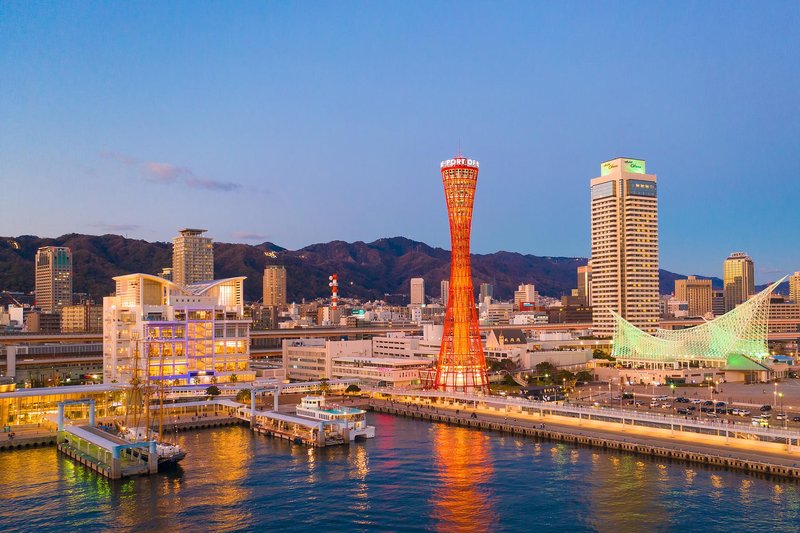
Hotels in Ise
Discover your perfect stay in Ise.
Ise(Japan) Travel 2026: Cheap Flights, Hotels & Top Attractions
Popular Landmarks in Ise
Discover the most iconic attractions in Ise
Recommended Hotels in Ise
Find the perfect place to stay in Ise
PLUFINO RESORT VILLA
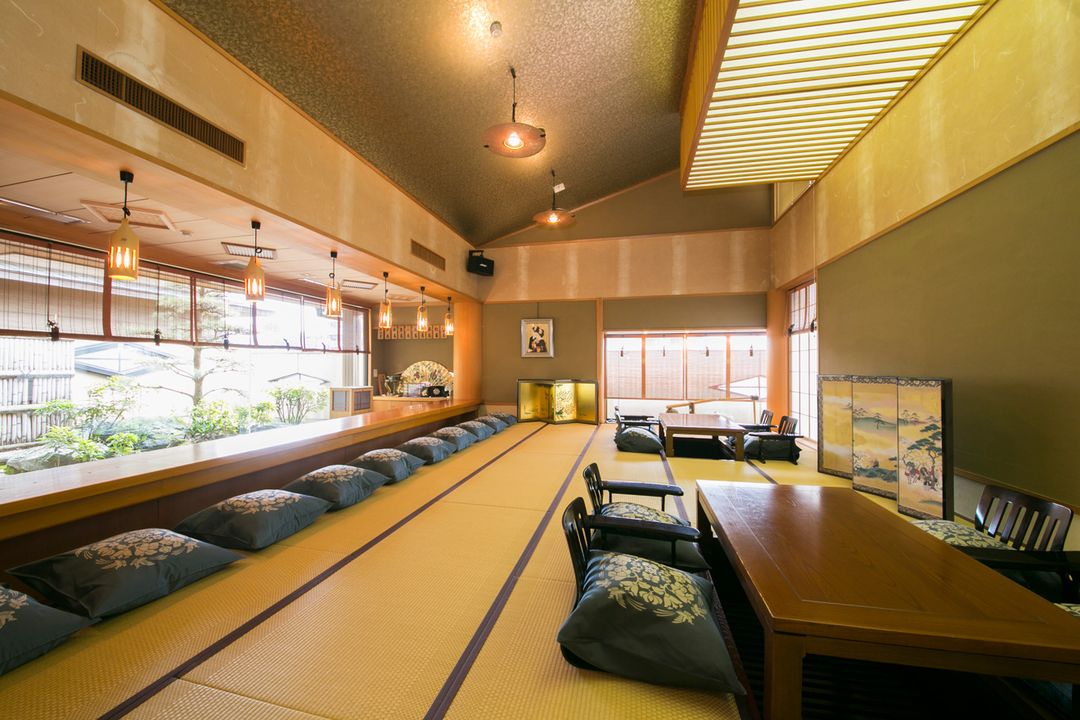
Ryotei Ryokan Kyoheiso
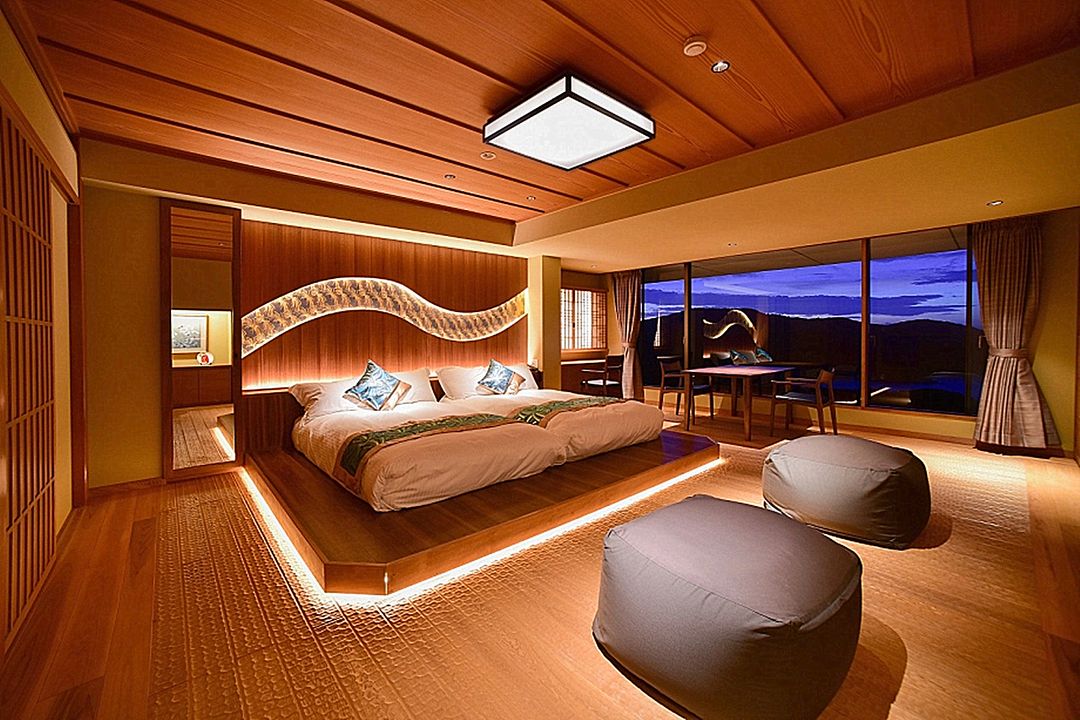
Ryoso Uminocho
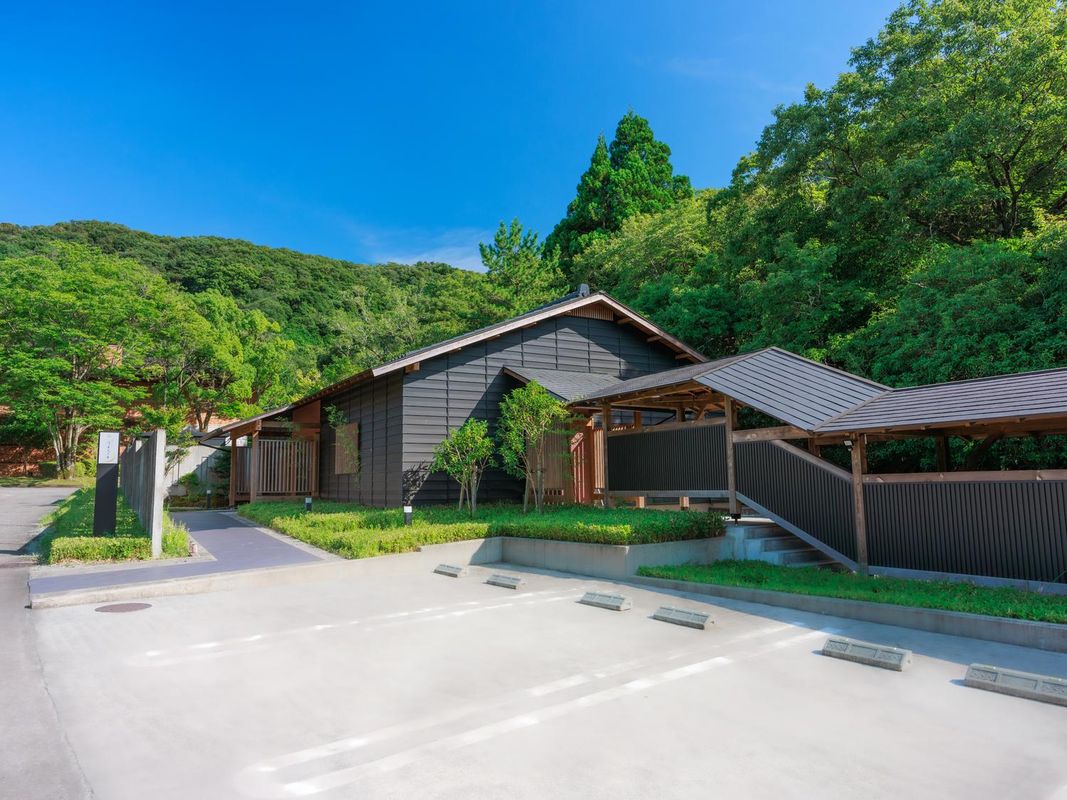
Tsukiyominoza
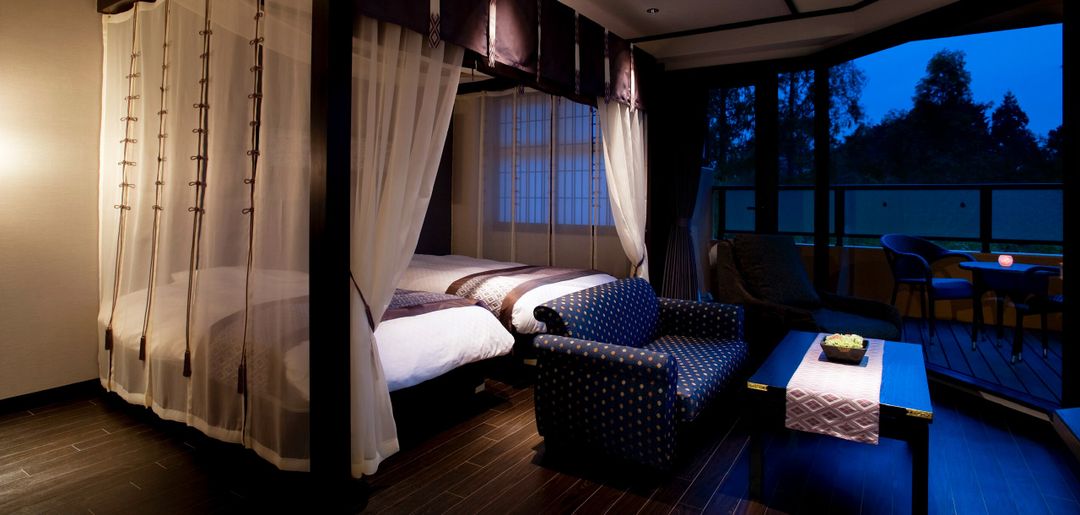
Saiou No Miya
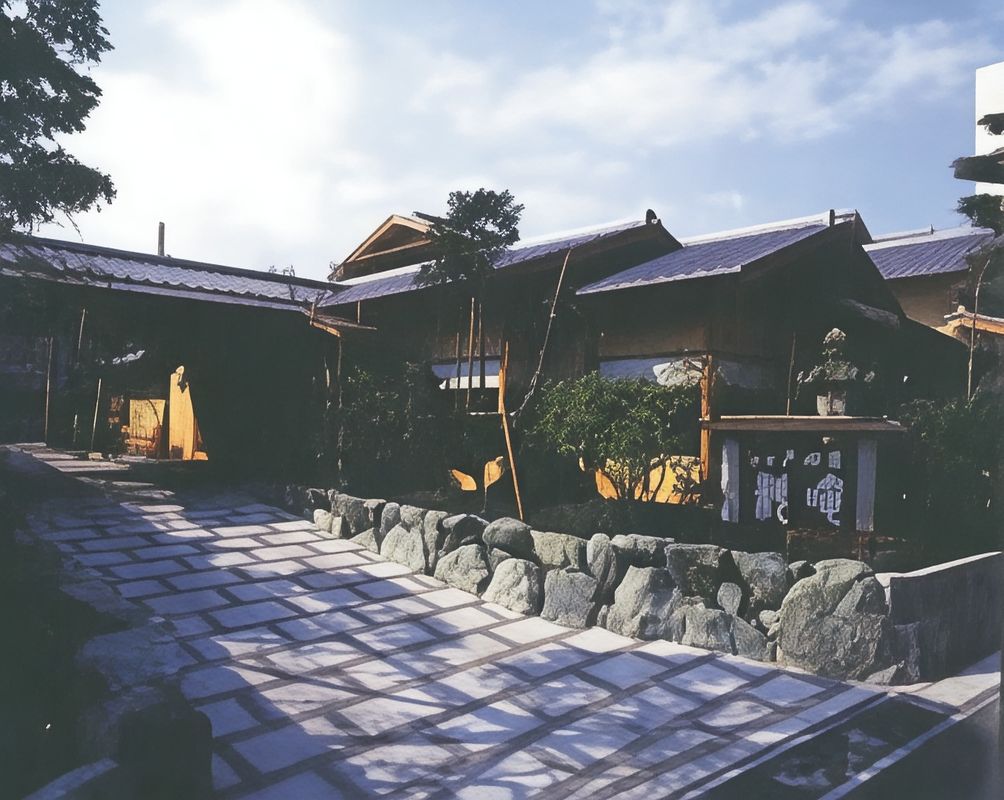
Ise Todaya Ryoan
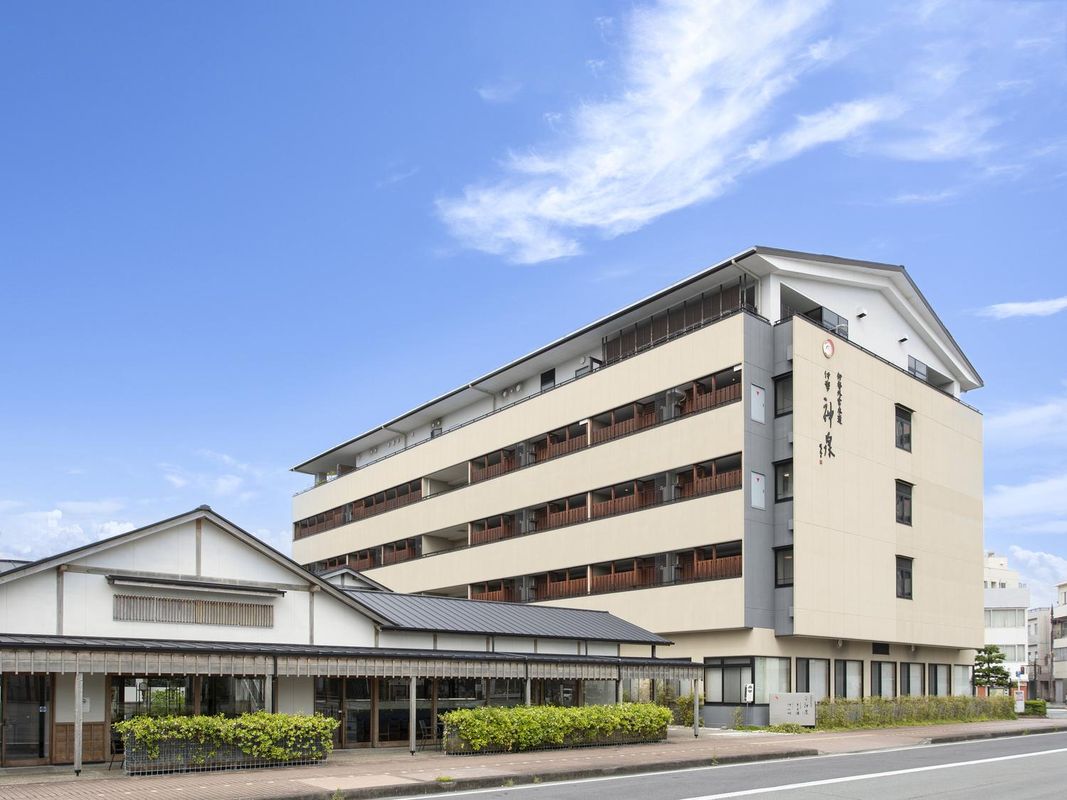
Isegekusando Iseshinsen
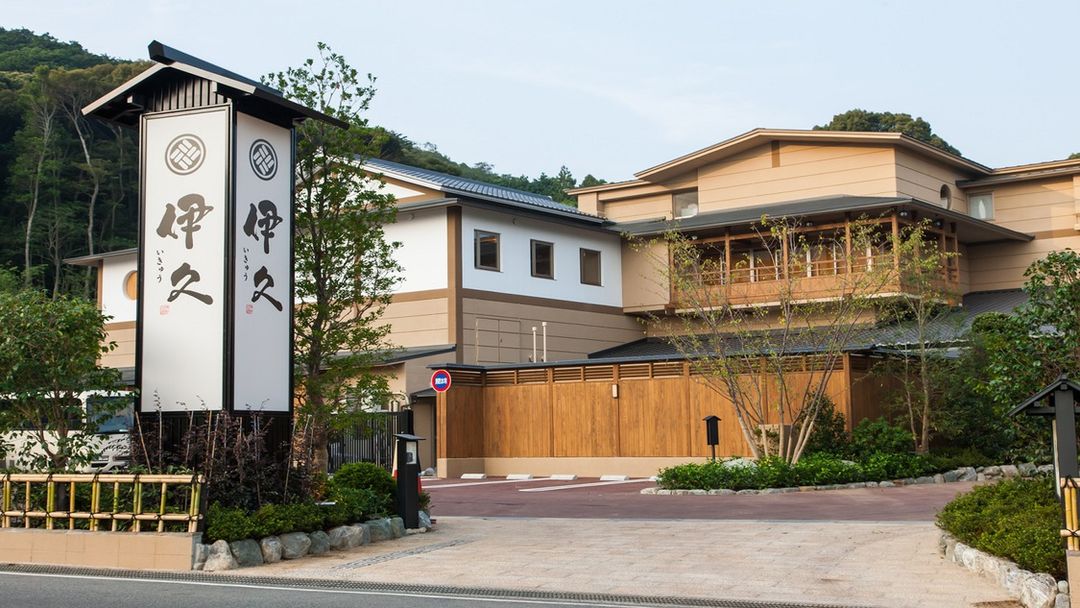
Inishieno yado IKYU
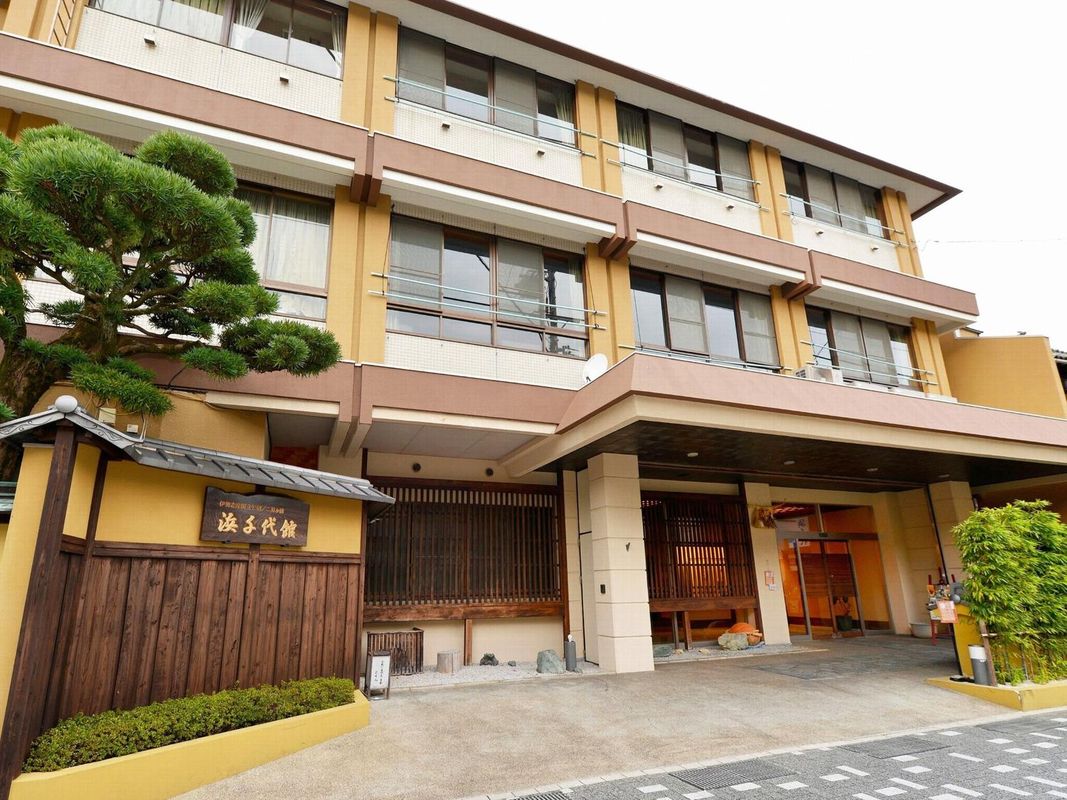
Hamachiyokan
Best Hotels in Ise
Discover curated hotel collections in Ise

Toba International Hotel Shiojitei
Gold Stay Nagoya OSU
GOLD STAY Nagoya Sakae
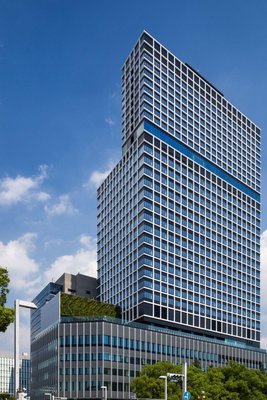
The Royal Park Hotel Iconic Nagoya
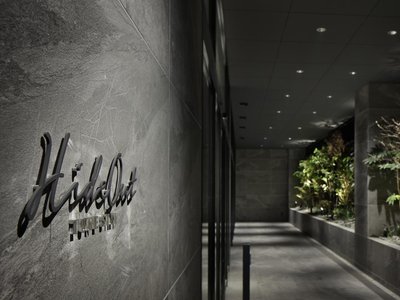
HIDEOUT
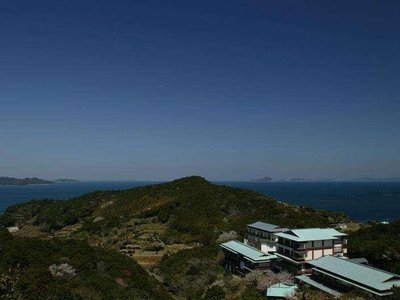
Hanashinsui
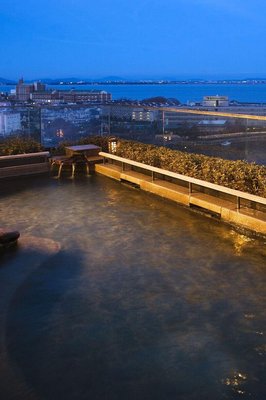
Yumotokan
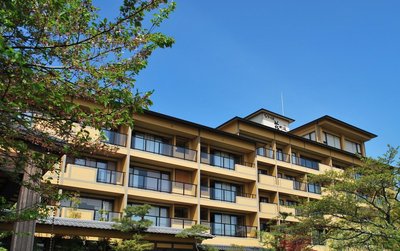
BIWAKO HANAKAIDO
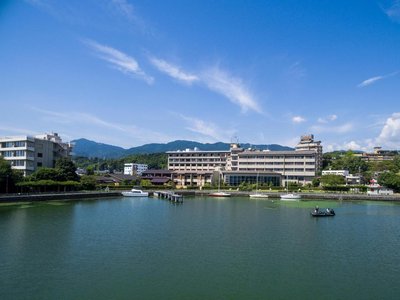
Biwako Ryokusuitei
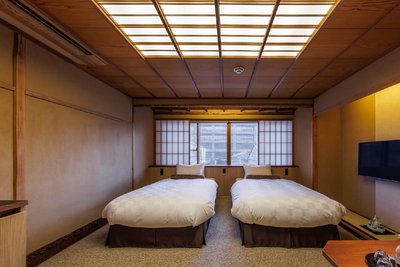
Kyoto Ryokan Sakanoue
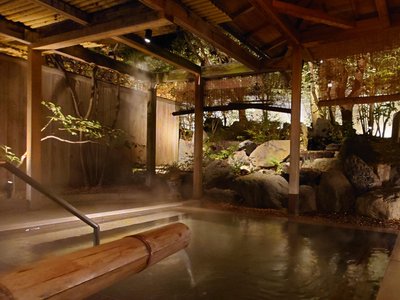
Kasuga Hotel
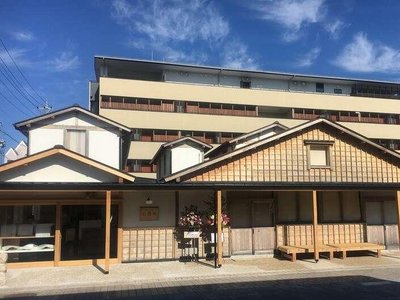
Isegekusando Iseshinsen
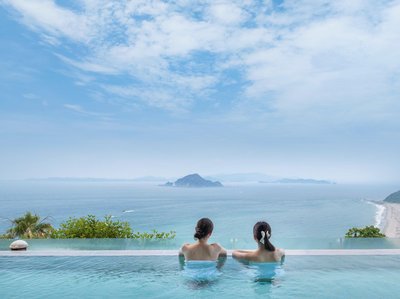
Irago Ocean Resort

TOBA GRAND HOTEL
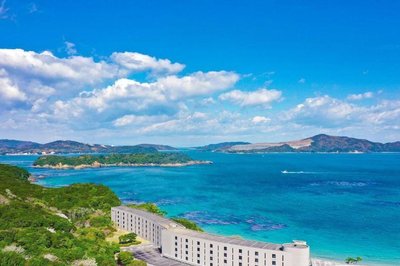
Taoya Shima
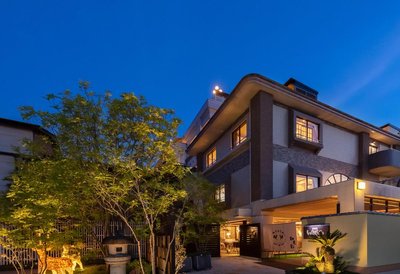
Hotel New Wakasa
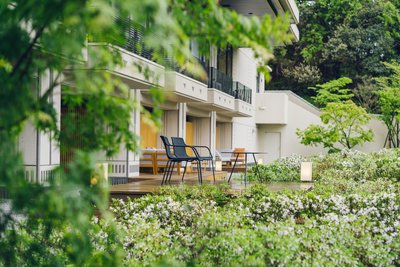
Hoshino Resorts Kai Enshu
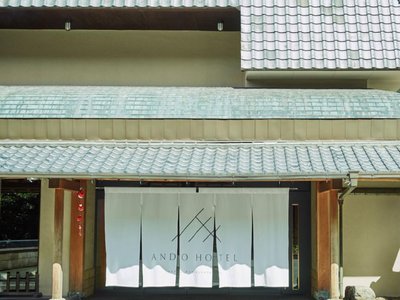
Ando Hotel Nara Wakakusayama -Dlight Life & Hotels-
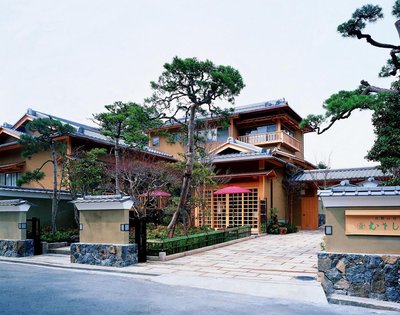
Kotonoyado Musashino
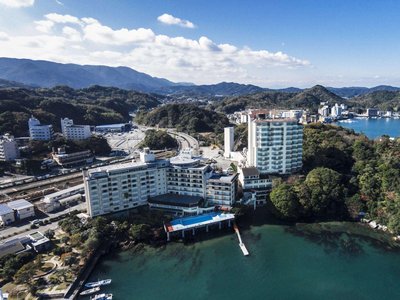
Todaya
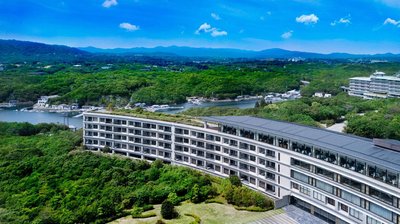
Shima Kanko Hotel the Bay Suites
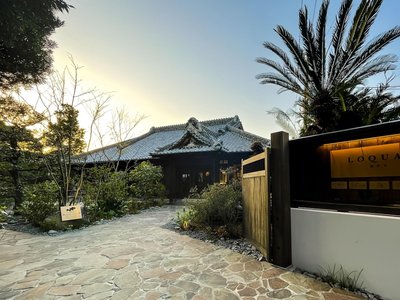
Loquat Nishiizu
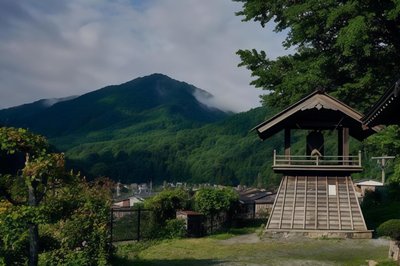
Byaku Narai
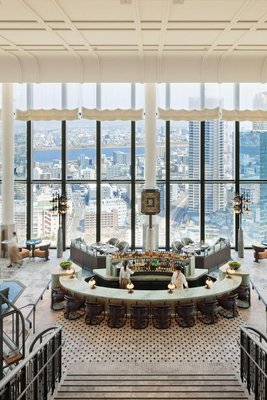
Waldorf Astoria Osaka
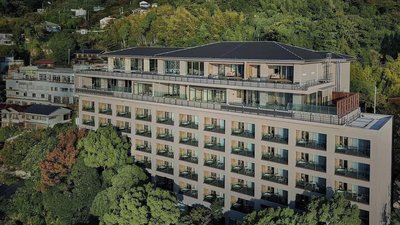
Atami Izusan Karaku
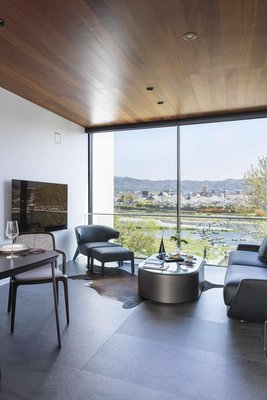
Kamo Residences by Reflections
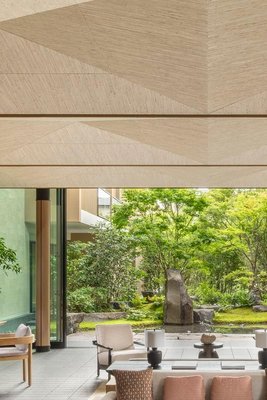
Six Senses Kyoto
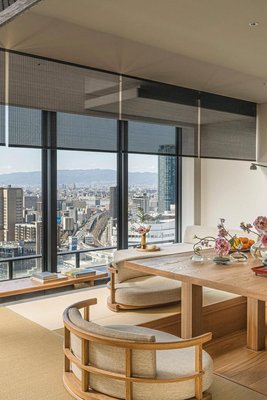
Four Seasons Hotel Osaka
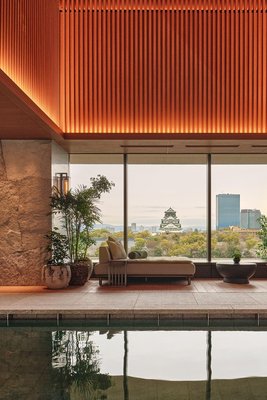
Patina Osaka
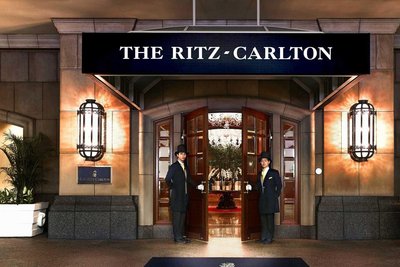
The Ritz-Carlton, Osaka
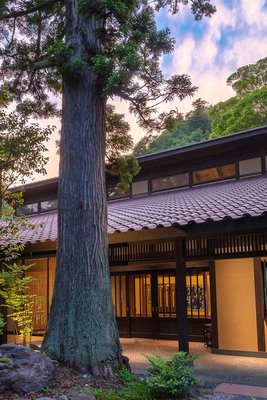
Arimasansoh Goshobessho
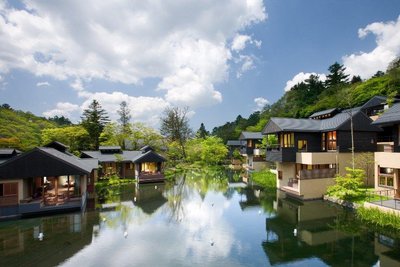
Hoshinoya Karuizawa
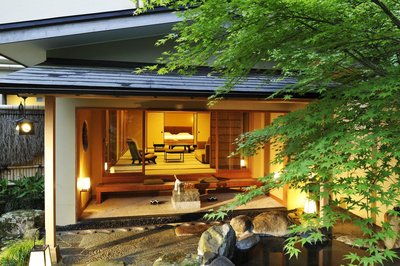
Gora Kadan
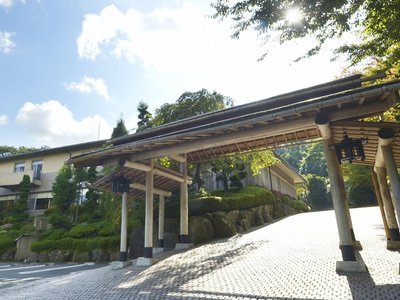
Gora Hanaougi
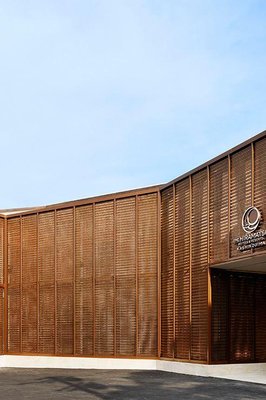
The Hiramatsu Hotels & Resorts Kashikojima
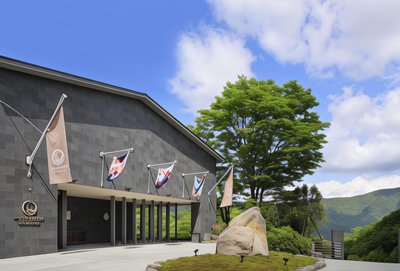
The Hiramatsu Hotels & Resorts Sengokuhara Hakone
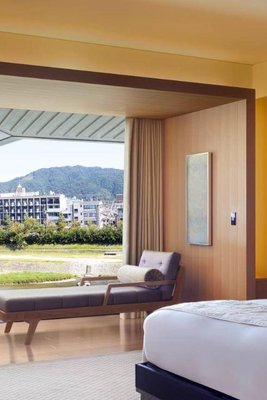
The Ritz-Carlton, Kyoto
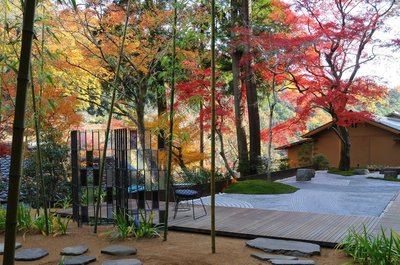
HOSHINOYA Kyoto
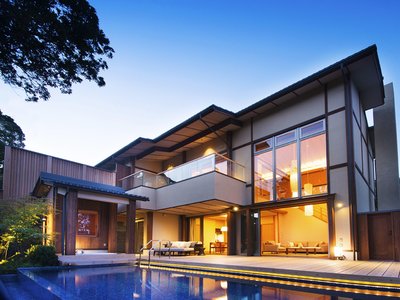
Abba Resorts Izu - Zagyosoh
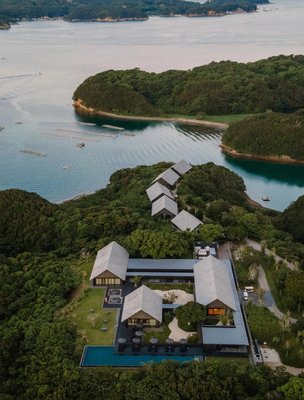
Amanemu
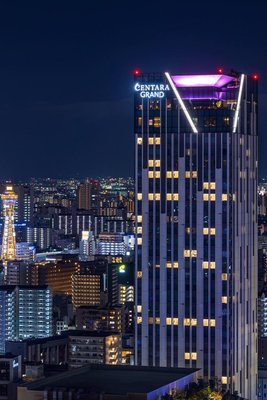
Centara Grand Hotel Osaka
voco Osaka Central
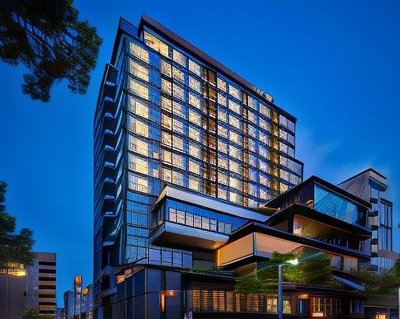
TIAD, AUTOGRAPH COLLECTION
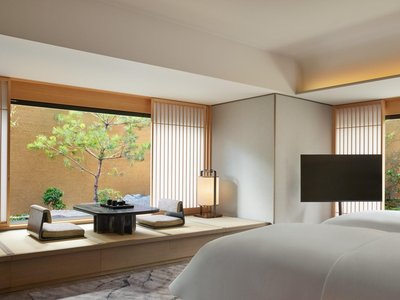
Dusit Thani Kyoto
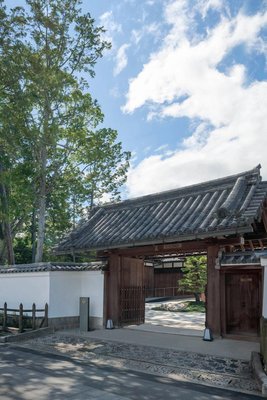
Shisui, a Luxury Collection Hotel, Nara
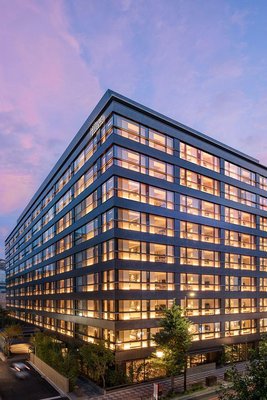
Hilton Kyoto
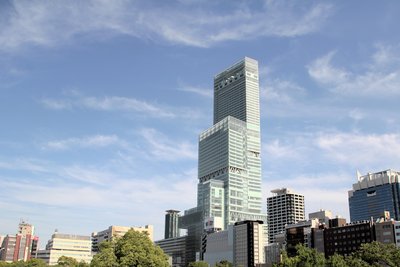
Osaka Marriott Miyako Hotel
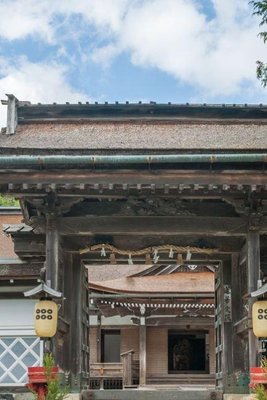
Koyasan Rengejoin
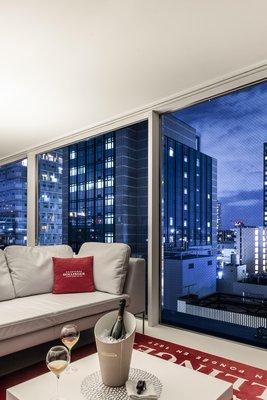
CUVÉE J2 HOTEL OSAKA by Onko Chishin
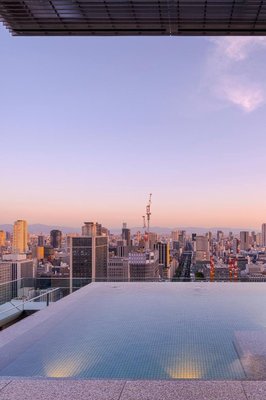
Candeo Hotels Osaka The Tower
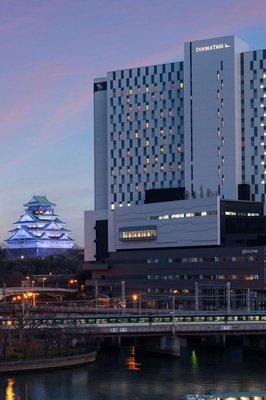
DoubleTree by Hilton Osaka Castle
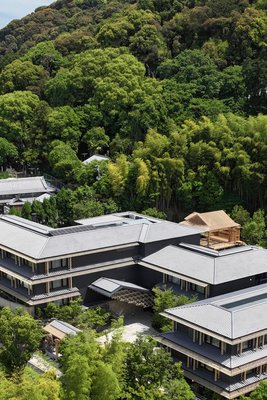
Banyan Tree Higashiyama Kyoto
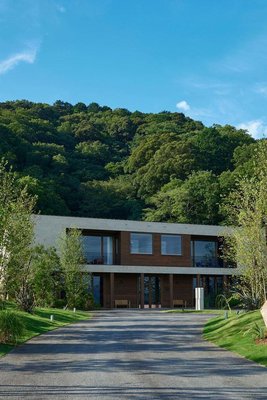
HACIENDA VISON
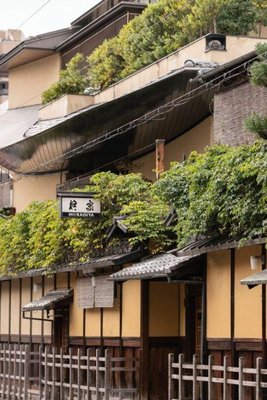
Hiiragiya Ryokan
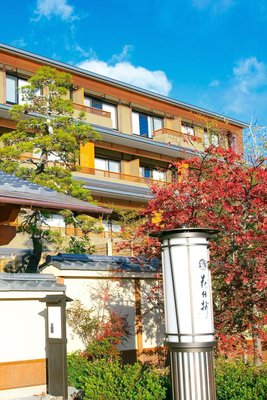
Kyoto Arashiyama Onsen Kadensho (Kyoritsu Resort)
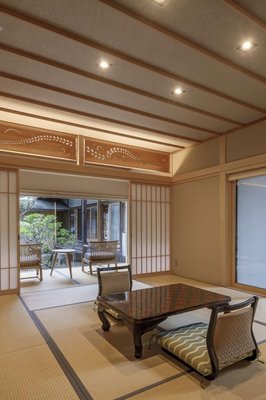
Ichijoin
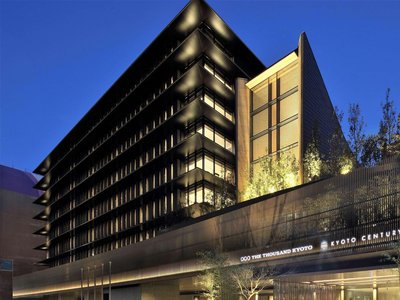
The Thousand Kyoto
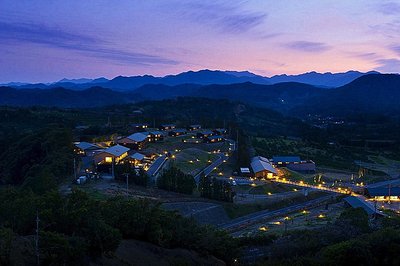
Resort Kumano Club
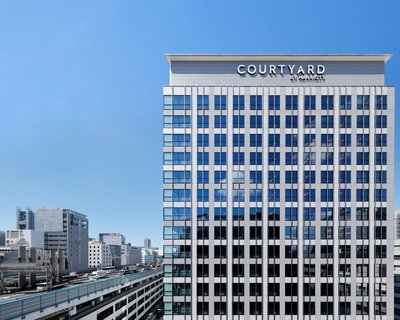
Courtyard Osaka Honmachi
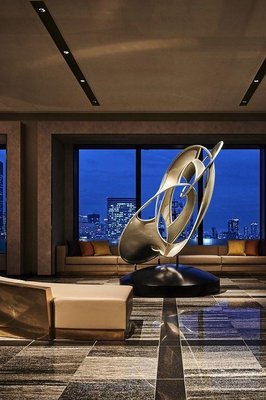
The Royal Park Hotel Iconic Osaka Midosuji
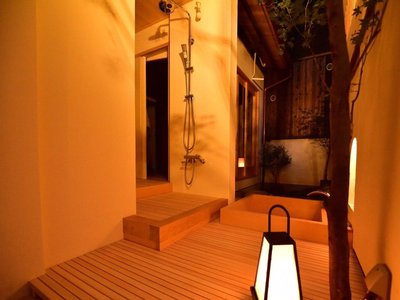
Yado Kiramachi
Arimasansoh Goshobessho
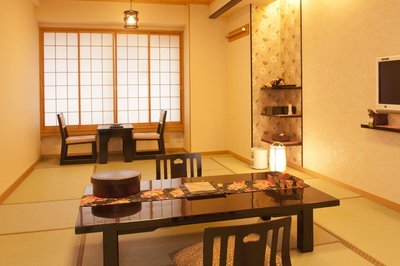
Matsui-Bekkan Hanakanzashi
Kasuga Hotel
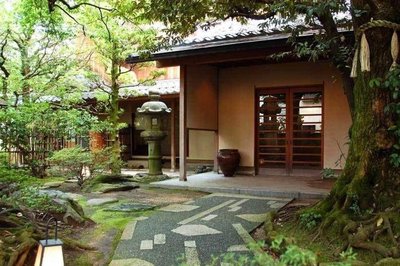
Kocho
Hotel New Wakasa
Kyoto Arashiyama Onsen Kadensho (Kyoritsu Resort)
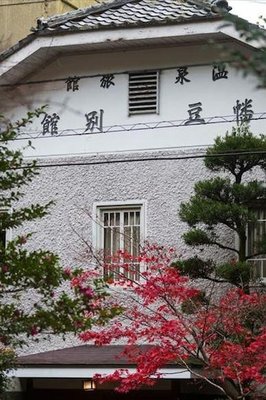
Oku-Mikawa・Yuya Onsen HAZU Bekkan
Ichijoin
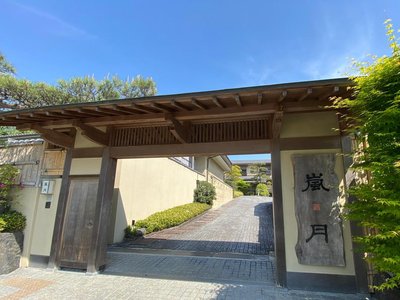
Rangetsu
The Ritz-Carlton, Kyoto
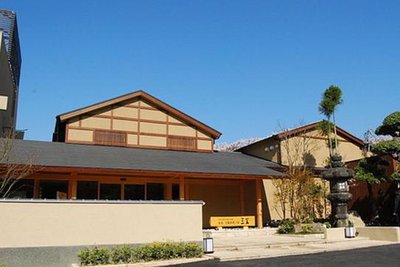
Mikasa
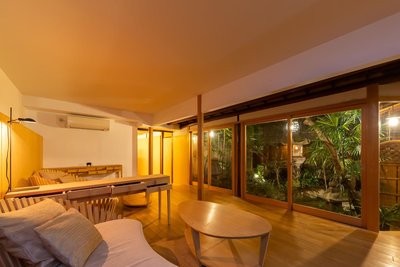
Izuyasu Traditional Kyoto Inn Serving Kyoto Cuisine
HOSHINOYA Kyoto
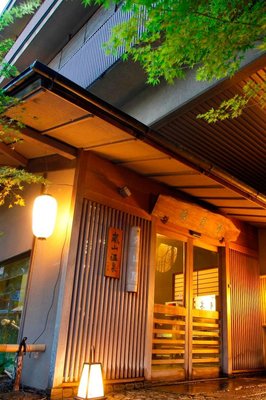
Togetsutei
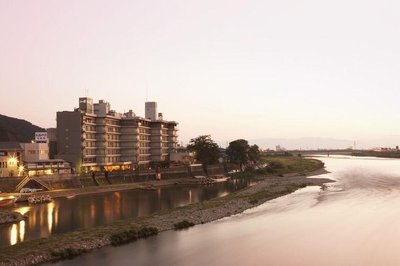
Juhachiro
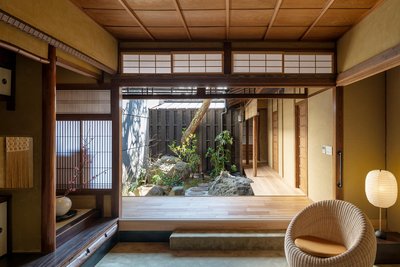
Nazuna Kyoto Gosho
Amanemu
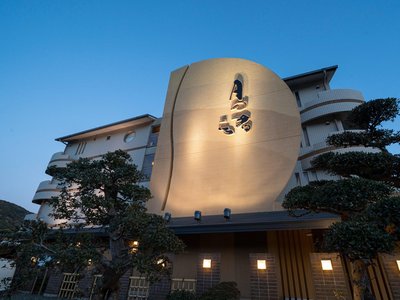
Tsukino Nagisa
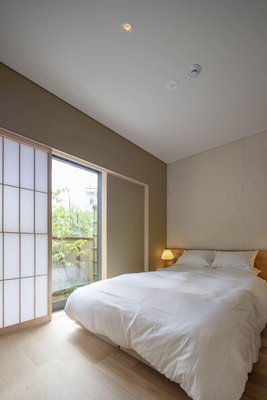
CAMPTON KIYOMIZU
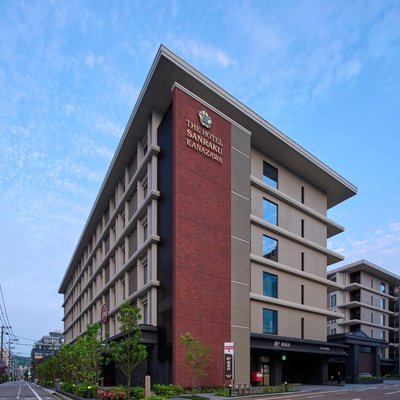
The Hotel Sanraku Kanazawa 21th December 2022 Open
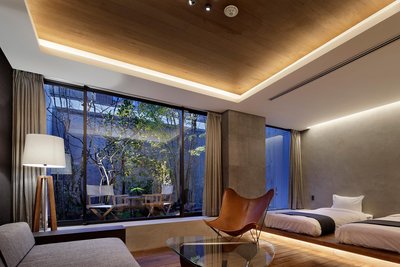
22 PIECES
The Ritz-Carlton, Osaka
The Thousand Kyoto
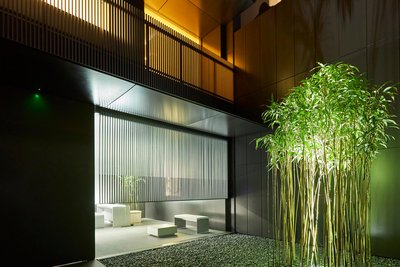
Mogana
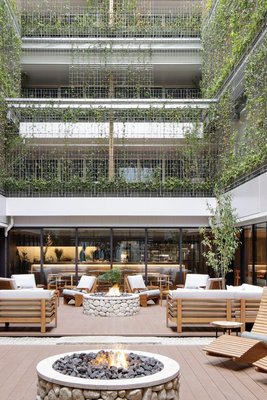
GOOD NATURE HOTEL KYOTO
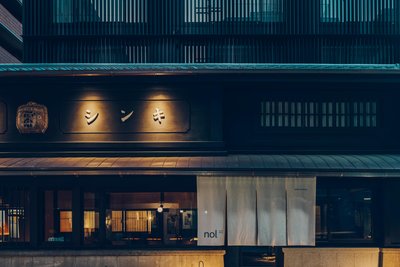
Nol Kyoto Sanjo
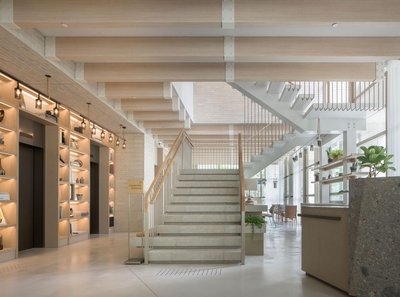
Zentis Osaka
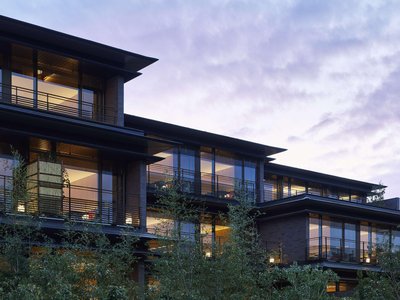
Garrya Nijo Castle Kyoto
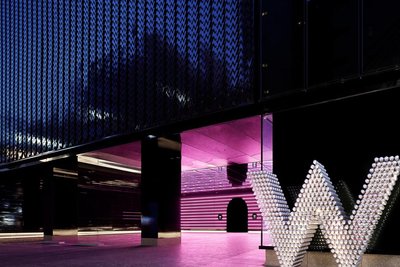
W Osaka
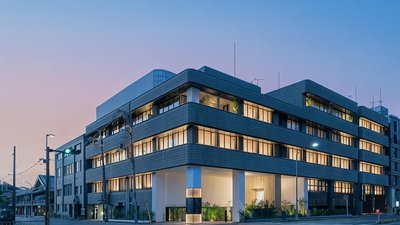
Hotel Kanra Kyoto
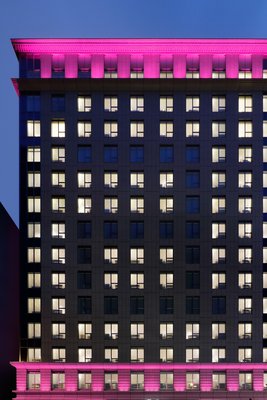
Aloft Osaka Dojima
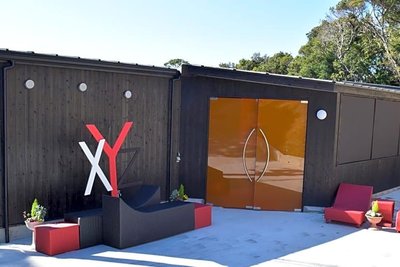
XYZ Private Spa and Seaside Resort
Osaka Marriott Miyako Hotel
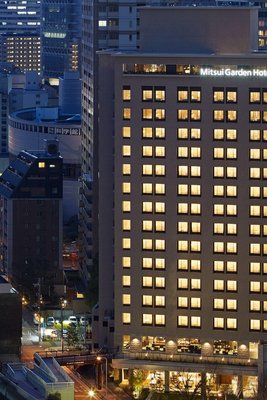
Mitsui Garden Hotel Osaka Premier
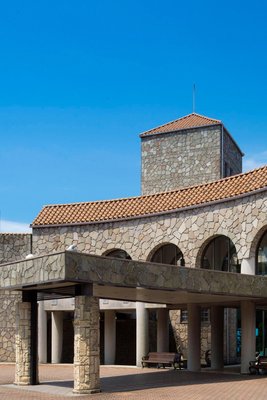
Izumigo Hotel Altia Toba
BIWAKO HANAKAIDO
Biwako Ryokusuitei
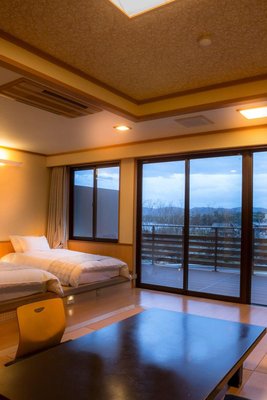
Hotel Kitanoya
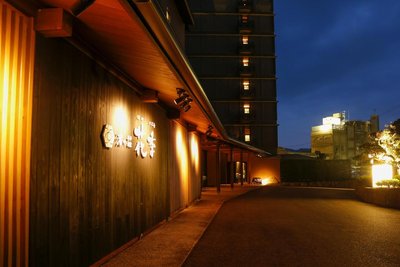
Hanagoyomi
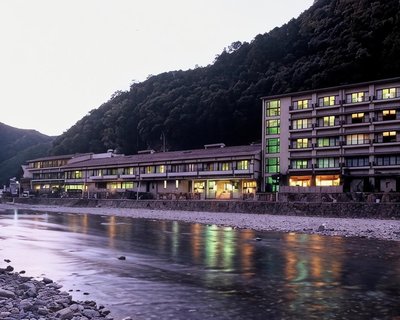
Kawayu Onsen Fujiya
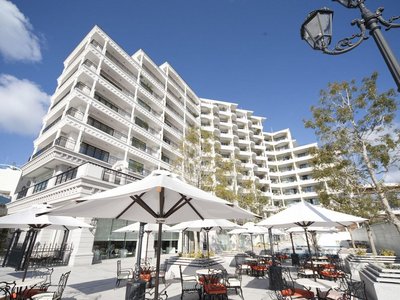
Hotel La Suite Kobe Harborland

AoAwo Naruto Resort
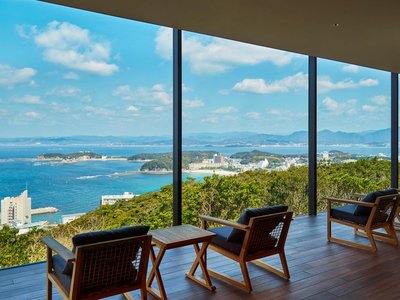
Infinito Hotel and Spa
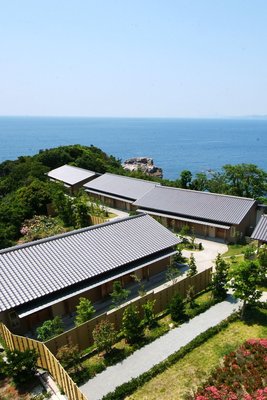
Hamachidorinoyu Kaisyu
Hoshino Resorts Kai Enshu
Takimotokan Yuki No Sato
The Ritz-Carlton, Kyoto
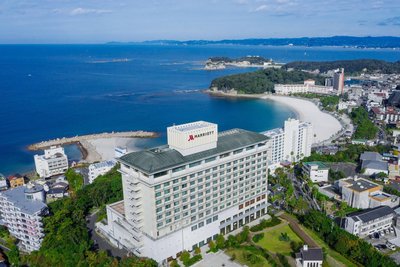
Nanki-Shirahama Marriott Hotel
Juhachiro

Toba International Hotel
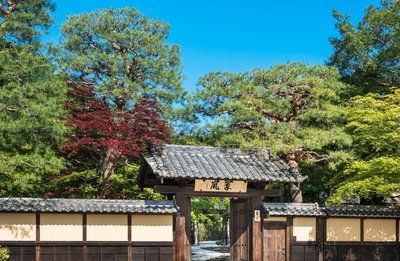
Suiran, a Luxury Collection Hotel, Kyoto
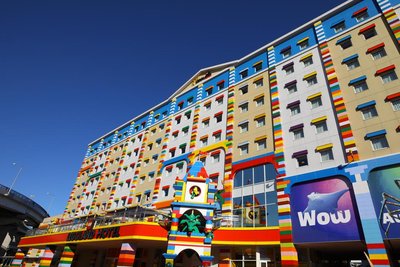
Legoland Japan Hotel
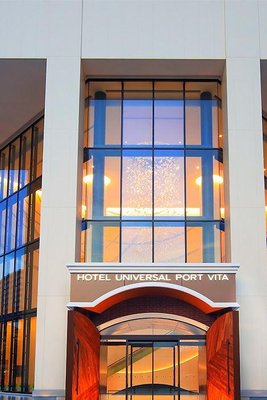
HOTEL UNIVERSAL PORT VITA

The Park Front Hotel at Universal Studios Japan
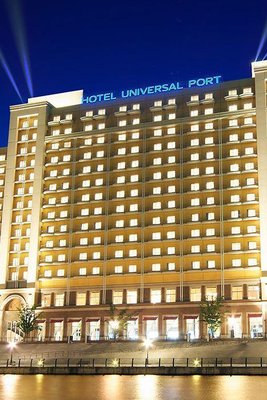
HOTEL UNIVERSAL PORT
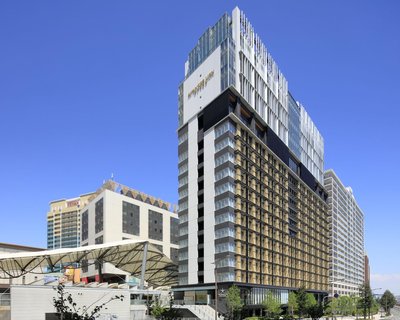
THE SINGULARI HOTEL & SKYSPA at UNIVERSAL STUDIOS JAPAN
Oriental Hotel Universal City
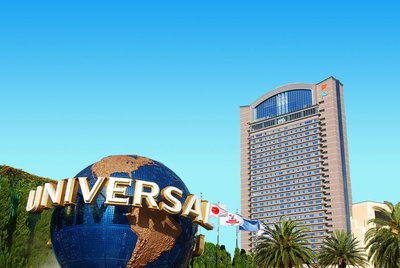
Hotel Keihan Universal Tower
Toba International Hotel Shiojitei
Yumotokan
Arimasansoh Goshobessho
Izumigo Hotel Altia Toba
BIWAKO HANAKAIDO
Biwako Ryokusuitei
Kasuga Hotel
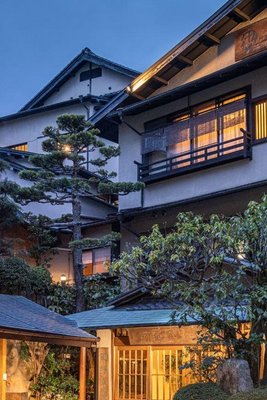
Arima Onsen Tocen Goshobo
Kawayu Onsen Fujiya
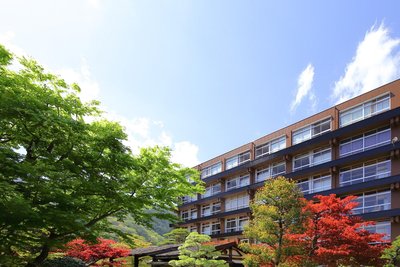
Bosenkan
Isegekusando Iseshinsen
Hoshino Resorts Kai Enshu
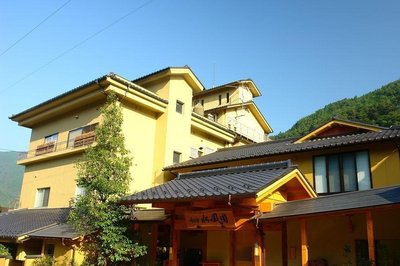
Suihoen
Kyoto Arashiyama Onsen Kadensho (Kyoritsu Resort)
Takimotokan Yuki No Sato
Oku-Mikawa・Yuya Onsen HAZU Bekkan
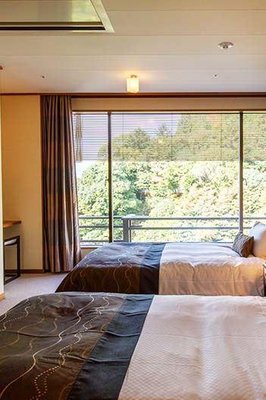
Nakanobo Zuien (Adult Only)
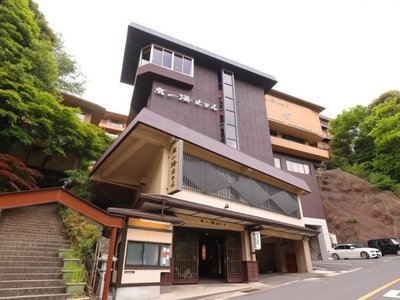
Shikanoyu Hotel
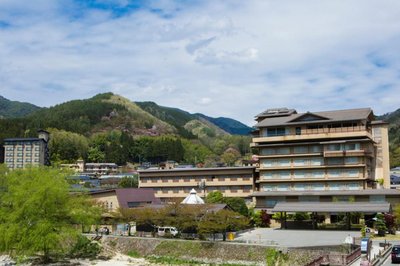
Hirugami Grand Hotel Tenshin
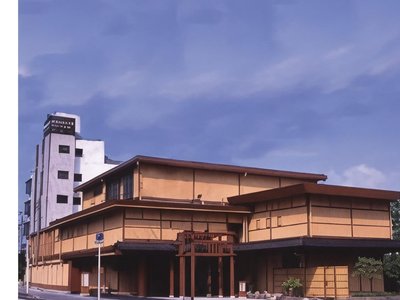
Dantokan Kikunoya
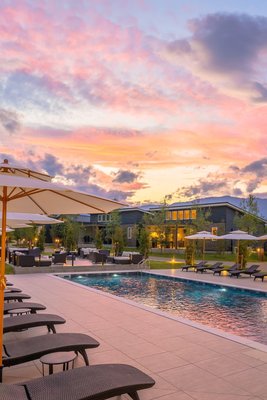
Awaumi Fujikawaguchiko Resort
Amanemu
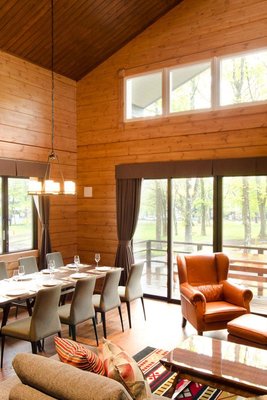
The Prince Villa Karuizawa
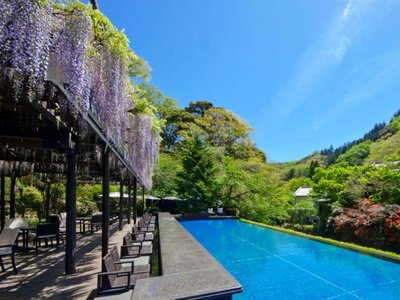
Tofuya Resort & Spa Izu
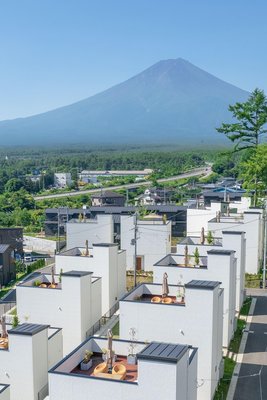
Fuji Granvilla -TOKI-
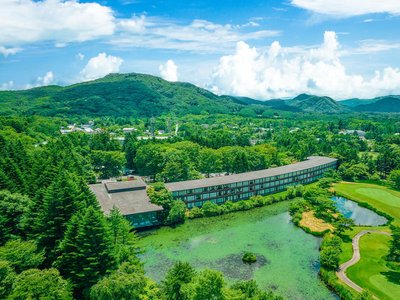
The Prince Karuizawa
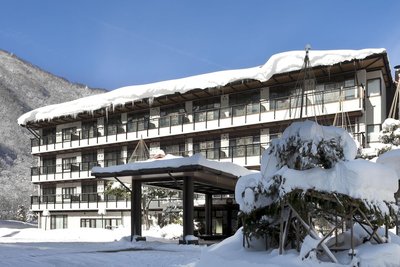
Okada Ryokan Warakutei
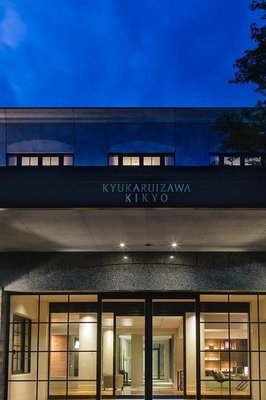
Kyukaruizawa Kikyo, Curio Collection by Hilton
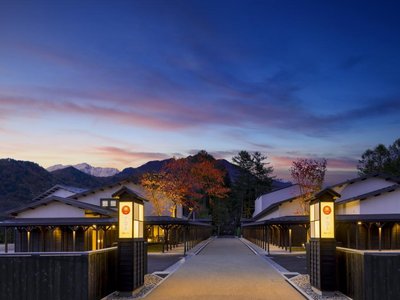
Hoshino Resorts KAI Alps
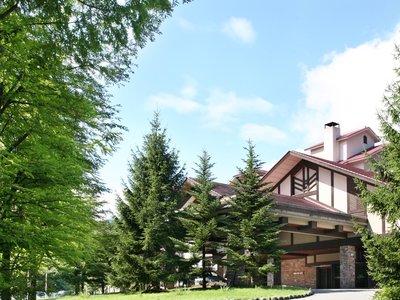
Hakuba Tokyu Hotel
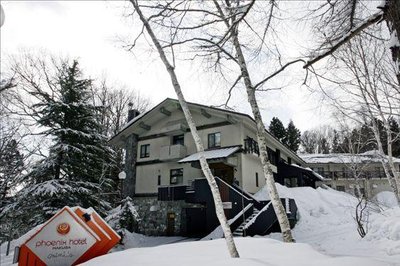
Phoenix Hotel by Hhg
Courtyard by Marriott Hakuba
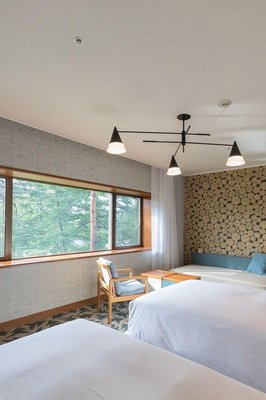
Karuizawa Prince Hotel East
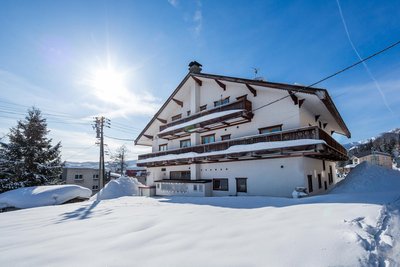
Marillen Hotel by Hhg
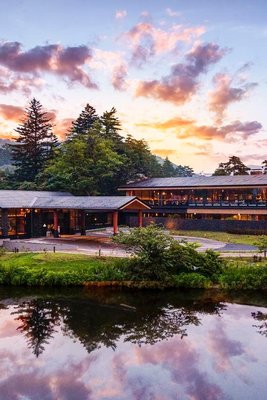
Karuizawa Prince Hotel West
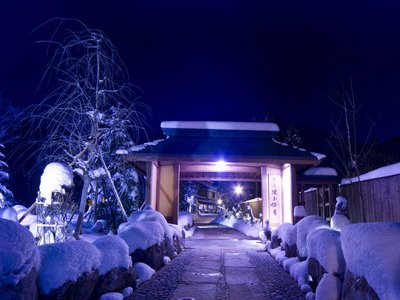
Miyama Ouan
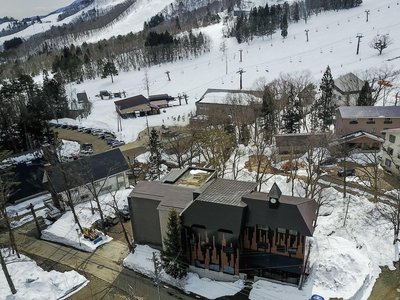
Hotel Villa Hakuba by Hhg
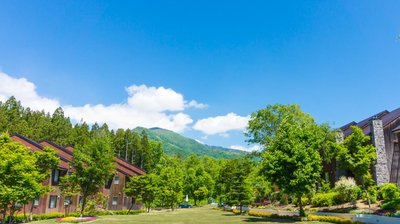
Hotel Sierra Resort Hakuba
Hotel la Neige Higashikan
Osaka Marriott Miyako Hotel
The Ritz-Carlton, Osaka
Gora Kadan
InterContinental Hotel Osaka
The Ritz-Carlton, Kyoto
Odakyu Hotel de Yama
Suiran, a Luxury Collection Hotel, Kyoto
GOOD NATURE HOTEL KYOTO
Park Hyatt Kyoto
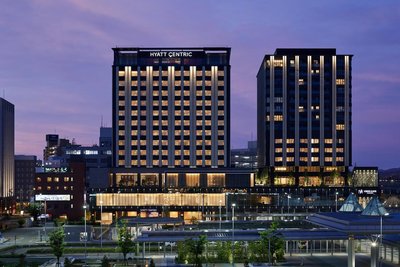
Hyatt Centric Kanazawa
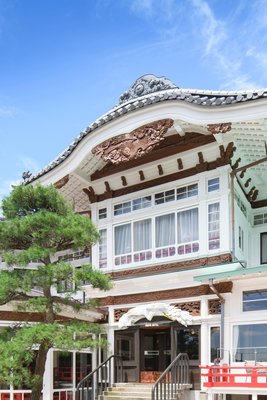
Fujiya Hotel
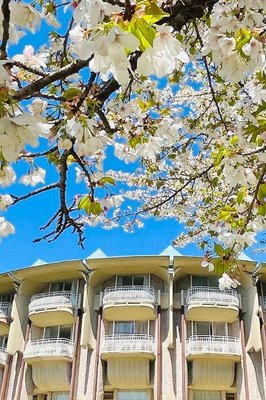
The Prince Hakone Lake Ashinoko
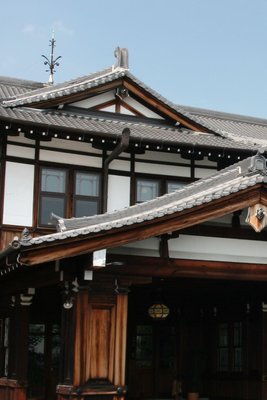
Nara Hotel
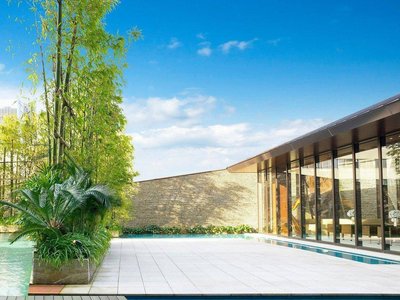
ORIENTAL HOTEL
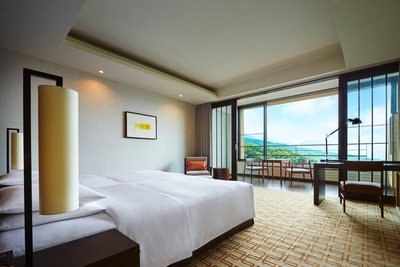
Hyatt Regency Hakone Resort and Spa
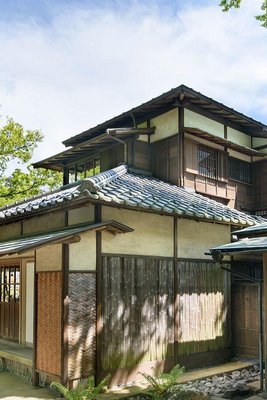
Hakone Suishoen
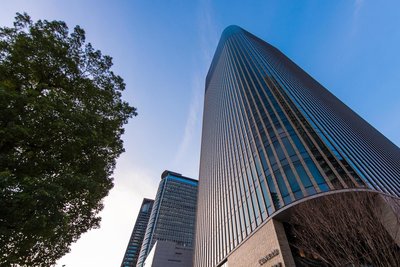
Conrad Osaka
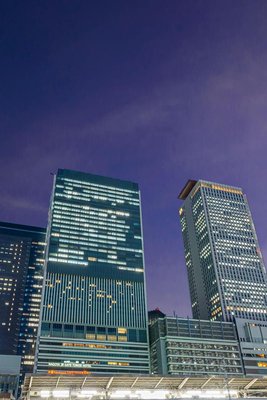
Nagoya JR Gate Tower Hotel (JR-Central Hotels)
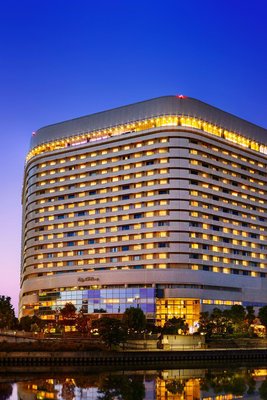
Hotel New Otani Osaka
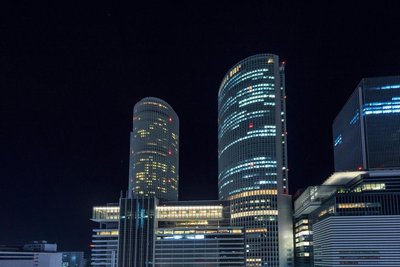
Nagoya Marriott Associa Hotel
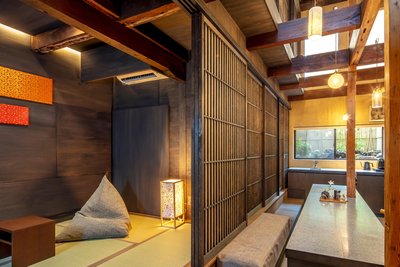
Kyo No Oozora Kihana
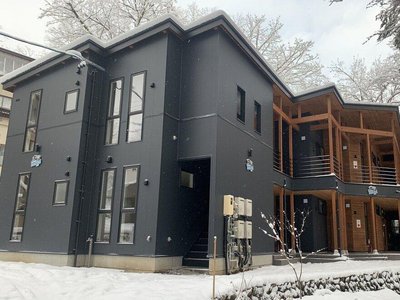
Hakuba Gondola Apartments
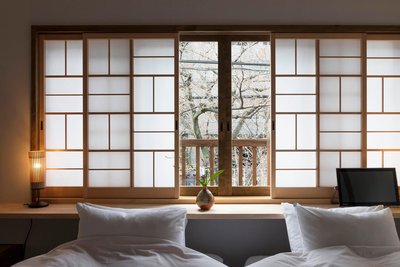
Hanagoromo Machiya House
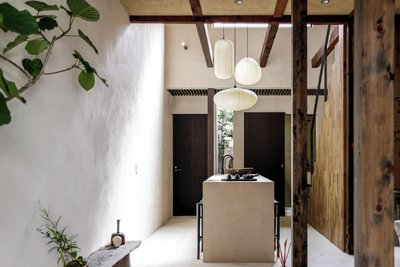
Maana Kiyomizu
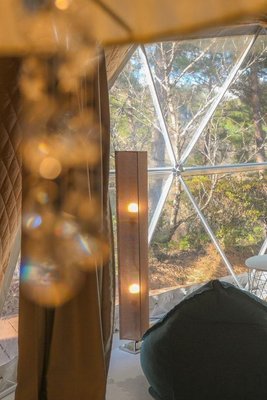
glampark Gekkabijin Nagano
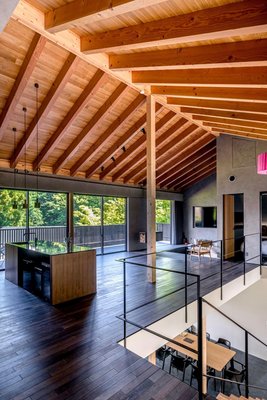
MONS GORA
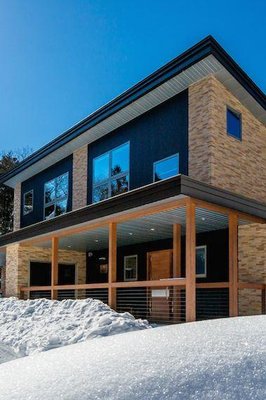
Phoenix Chalets by Hhg
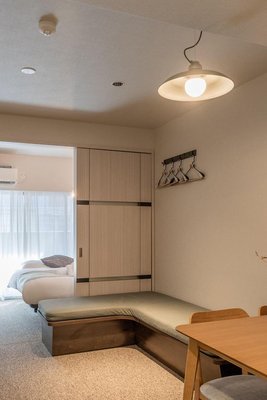
Apartment Hotel 11 Shinsaibashi
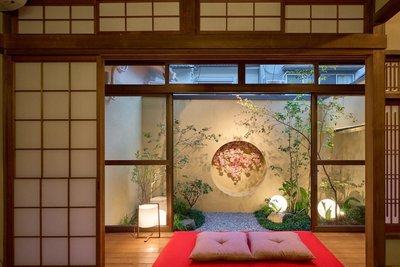
KONJAKUSO Osaka Tengachaya "NIHONCHA" Tea & Relax
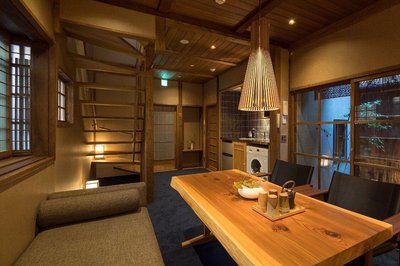
Bonbori an Machiya House
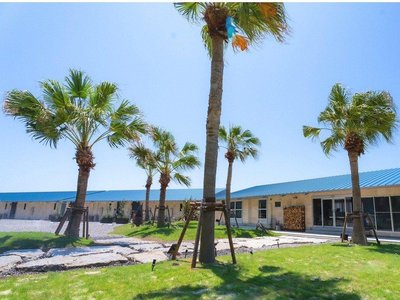
Glamping&Resort Wood Design Park Noma
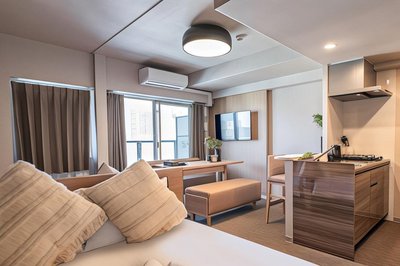
Apartment Hotel 11 Shinsaibashi III
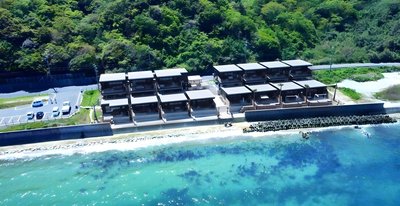
Solavilla Umi Terrace Minamiawaji
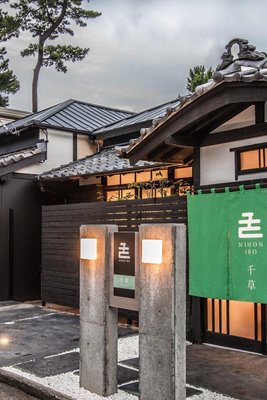
Nihon Iro
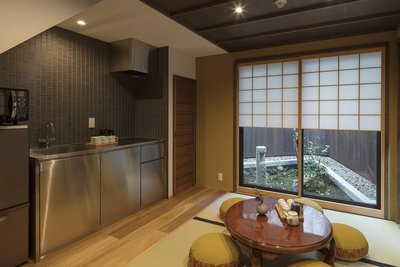
The Machiya Villa Sanjo Shirakawa Koji
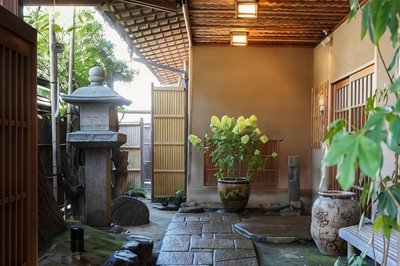
Ryokan Asadaya
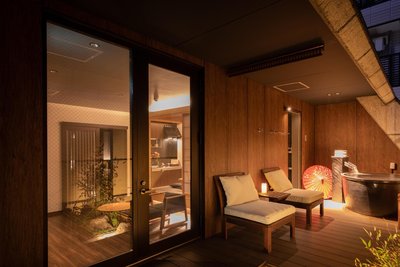
Konjaku-So Dotonbori
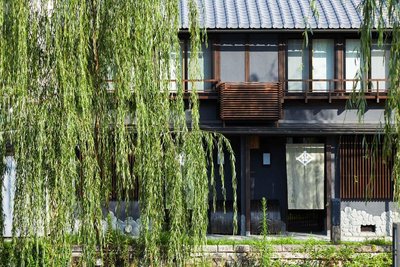
Gion Shirakawa No Yado

Kitashirakawa Natural Radium Onsen
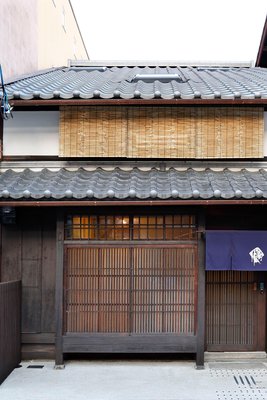
Kyo No Ondokoro Kamanza Nijo #2
Frequently Asked Questions about Traveling to Ise
Questions You Might Need to Know About Traveling to Ise
For stays near Ise Grand Shrine, Ise Imperial Hotel offers prime access to both Inner and Outer Shrines, with traditional Japanese design, tatami rooms, and private gardens. Its proximity allows early morning visits during peak season. Alternatively, Ise Ryokan near the shrine’s main gate provides authentic kaiseki cuisine and a serene atmosphere. Both properties emphasize spiritual tranquility and offer shuttle services for pilgrims seeking a peaceful experience amidst sacred surroundings.
The ideal time to visit Ise City is during Spring (March–May) for cherry blossoms and Autumn (September–November) for vibrant foliage, both enhancing the atmosphere around Ise Shrine. Major festivals like Kannamesai (Harvest Festival) occur in September, offering rare ceremonial glimpses. For quiet contemplation, visit in winter when fewer tourists allow deeper immersion in Shinto rituals. Avoid Golden Week and Obon Season for better access to shrines and accommodations.
Must-try dishes in Ise City include Ise Wagyu beef, renowned for its marbled texture and rich flavor—best enjoyed grilled at Matsuya Gappō. Also sample Amazake rice porridge, a sweet, fermented drink served at local temples. Don’t miss Ise-style sushi made with fresh sea bream from Ise Bay, or kakinoha-zushi (persimmon leaf-wrapped sushi). Visit Ise Market for street food stalls offering these delicacies, often paired with locally brewed sake for an authentic taste of the region.
The eastern district of Ise City, near Outer Shrine and shopping streets, is ideal for families. It features child-friendly restaurants, playgrounds like Ise City Children’s Cultural Center, and easy access to attractions such as Toba Aquarium (20-minute drive). Stay at Ise City Holiday Inn, which offers family rooms, free shuttle service, and kid-sized toiletries. The area is safe, well-connected, and perfect for parents seeking convenience and cultural engagement for young travelers.
The fastest way from Osaka to Ise City is by Kintetsu Limited Express train, departing from Namba Station and arriving at Ise City Station in about 1 hour 40 minutes. Trains run frequently and offer comfortable seating with panoramic views. You can also take a connecting train via Kyoto Station, but it takes longer. Purchase tickets online in advance for discounts, and consider using the JR Pass if traveling across multiple regions. This route ensures seamless access to the sacred site without long transfers.
Key photography locations in Ise City include the Thousand Torii Gates at Inner Shrine, where morning light filters through red gates creating dramatic shadows. The Ootonomiya Gate and Kagura Hall offer intricate woodwork details perfect for macro shots. At dusk, Isuzugawa River reflects lanterns and temple lights beautifully. For coastal scenes, visit Ise-Shima National Park or the Ise Bay Bridge, especially during golden hour. Bring a wide-angle lens and tripod for stunning compositions capturing both nature and spirituality.
In Ise City, participate in Shinto purification rituals at Outer Shrine’s workshop, where you’ll learn Mishiki cleansing ceremonies. Try Ise-ori weaving, a traditional textile craft taught at the Mie Prefecture Cultural Center, where you can make your own sacred sash. Attend the Night Lantern Procession along Isuzugawa River, lighting paper lanterns in honor of ancestors. These immersive activities provide deep insight into Shinto traditions, craftsmanship, and community spirit unique to this sacred city.
Ise Onsen Resort is a top choice for onsen lovers, located just north of the city with natural hot springs rich in minerals. Its open-air baths overlook the Isuzugawa River, offering scenic relaxation. Guests enjoy traditional yukata robes and kaiseki dinners. Another option is Mie Prefectural Onsen Inn, known for its clean facilities and spiritual ambiance. All spas follow strict hygiene standards aligned with shrine purity, making them ideal for rejuvenating after a pilgrimage or sightseeing journey.
For couples, Shinsho No Yado, a boutique ryokan near the shrine, offers private gardens, secluded tatami rooms, and rooftop hot tubs overlooking Isuzugawa River. Enjoy a private kaiseki dinner and receive a symbolic love knot souvenir. Book a nighttime shrine tour together for a mystical walk through the sacred groves under moonlight. The intimate setting, combined with spiritual serenity, makes it a dream destination for love-filled memories in a culturally rich environment.
Yes, car rental is highly recommended for exploring Ise City and surrounding areas like Toba Aquarium and Ise-Shima Peninsula. The city has excellent roads, ample parking near shrines, and clear multilingual signage. Renting a compact car like the Toyota Corolla or Subaru Forester allows flexible travel to hidden spots such as Ise Bay viewpoints and coastal trails. Many tourist sites are not accessible by public transit alone. With GPS and local maps, self-driving enhances your ability to explore at your own pace, especially during festival seasons.
Ise Overview
City Summary
Ise City, located in Mie Prefecture, Japan, is a sacred site of Shintoism, renowned for the Ise Grand Shrine. This city boasts profound religious and cultural heritage, attracting millions of pilgrims and tourists annually. The Ise Grand Shrine consists of the Inner Shrine (Naiku) dedicated to Amaterasu and the Outer Shrine (Geku) dedicated to Toyouke. Beyond its religious significance, Ise is celebrated for its traditional streets, culinary delights, and stunning natural scenery, particularly the coastal views of Ise-Shima National Park.
Must-See Attractions
The Ise Grand Shrine is a must-visit, with Naiku and Geku offering serene spiritual experiences. The picturesque Isuzu River adds to the tranquil atmosphere. Nearby, Okage Yokocho is a charming street recreating the Edo period, filled with traditional crafts and food stalls. Ise-Shima National Park offers hiking and boat tours to admire its breathtaking coastline and islands.
Food Guide
Ise is famous for its "Ise Udon," thick noodles served in a rich soy-based broth. Another must-try is "Akafuku," a red bean paste mochi, a traditional sweet from the shrine. Seafood lovers should not miss the fresh lobster and abalone, especially at the local markets in Ise-Shima.
Transportation Guide
The primary modes of transportation in Ise are buses and trains. The Kintetsu Railway connects Ise to major cities like Nagoya and Osaka, with a travel time of about 2 hours. The city's bus network is extensive, making it easy to reach the shrine and other attractions. Renting a car is also a good option, especially for exploring Ise-Shima National Park. Consider purchasing the "Ise-Shima Free Pass" for unlimited bus and some boat rides.
Best Time to Visit
The best times to visit are spring (March to May) and autumn (September to November), when the weather is mild and ideal for outdoor activities. Summer (June to August) can be hot and humid, but it's a great time for local festivals. Winter (December to February) sees fewer tourists, perfect for those seeking tranquility.
Travel Tips
- When visiting the Ise Grand Shrine, follow Shinto customs, such as purifying yourself at the temizuya before entering.
- Okage Yokocho shops usually close by 5 PM, so plan to visit early.
- Ise Udon broth can be quite salty; adjust to your taste.
- Seafood market prices vary, so compare before buying.
- Public transport in Ise-Shima is infrequent; plan your itinerary in advance.
- Respect local customs by avoiding loud noises or photography in sacred areas.
Useful Information
While English is somewhat understood in tourist areas, learning basic Japanese phrases is helpful. Internet access is widely available, with free Wi-Fi in most hotels and cafes. Cash is the primary payment method, though some shops accept credit cards. For emergencies, dial 110 (police) or 119 (ambulance). Pharmacies are common, but bring essential medications. The voltage is 100V, with two-flat-pin plugs, similar to the US.