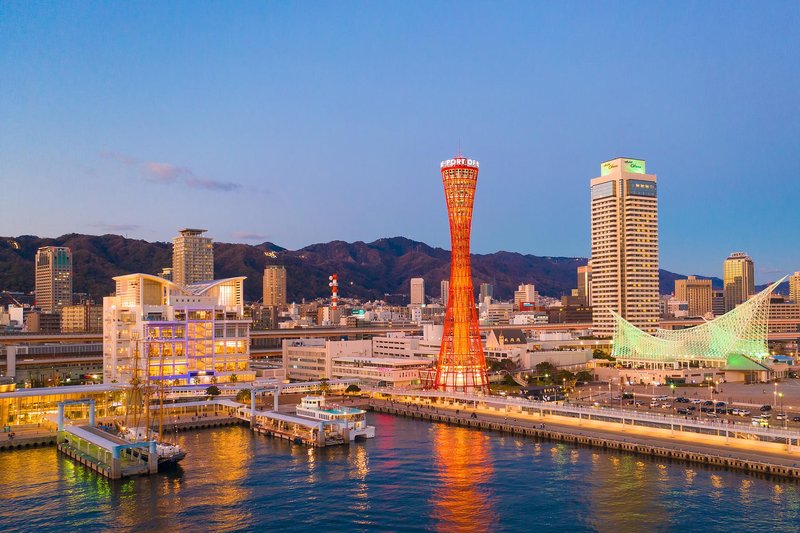
Hotels in Ise
Discover your perfect stay in Ise.
Ise(Japan) Travel 2026: Cheap Flights, Hotels & Top Attractions
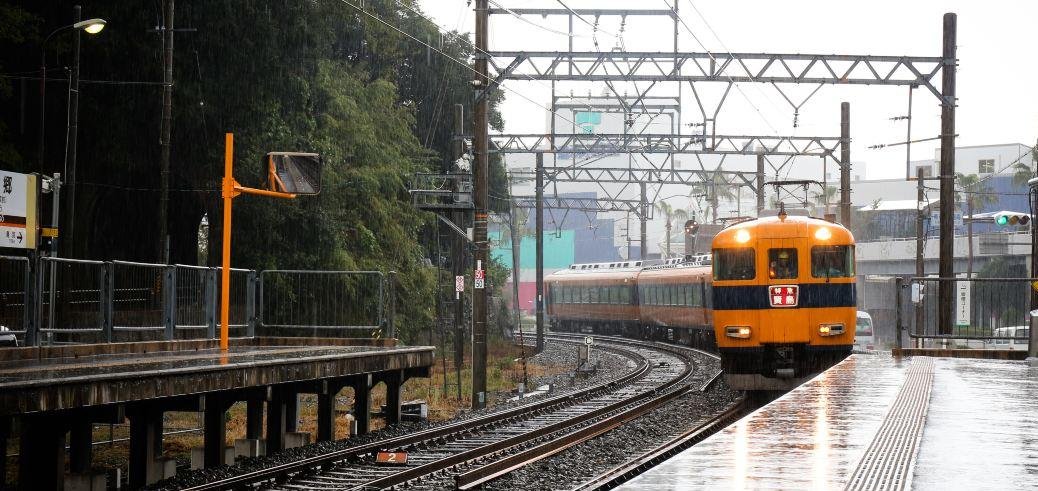
Popular Landmarks in Ise
Discover the most iconic attractions in Ise
Recommended Hotels in Ise
Find the perfect place to stay in Ise
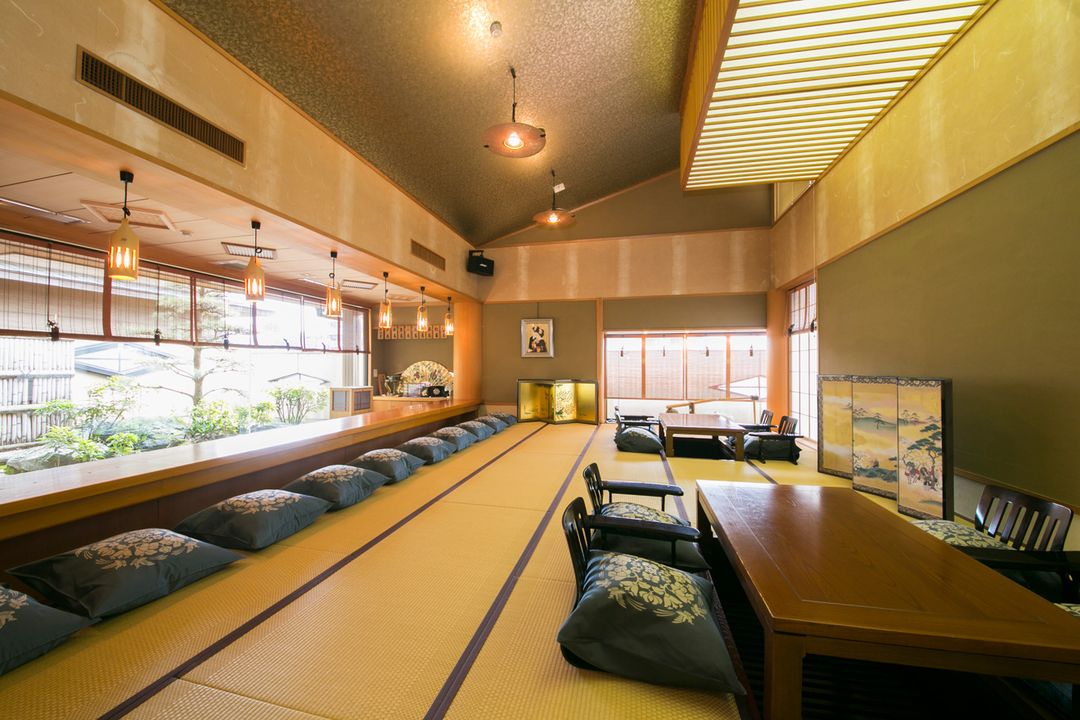
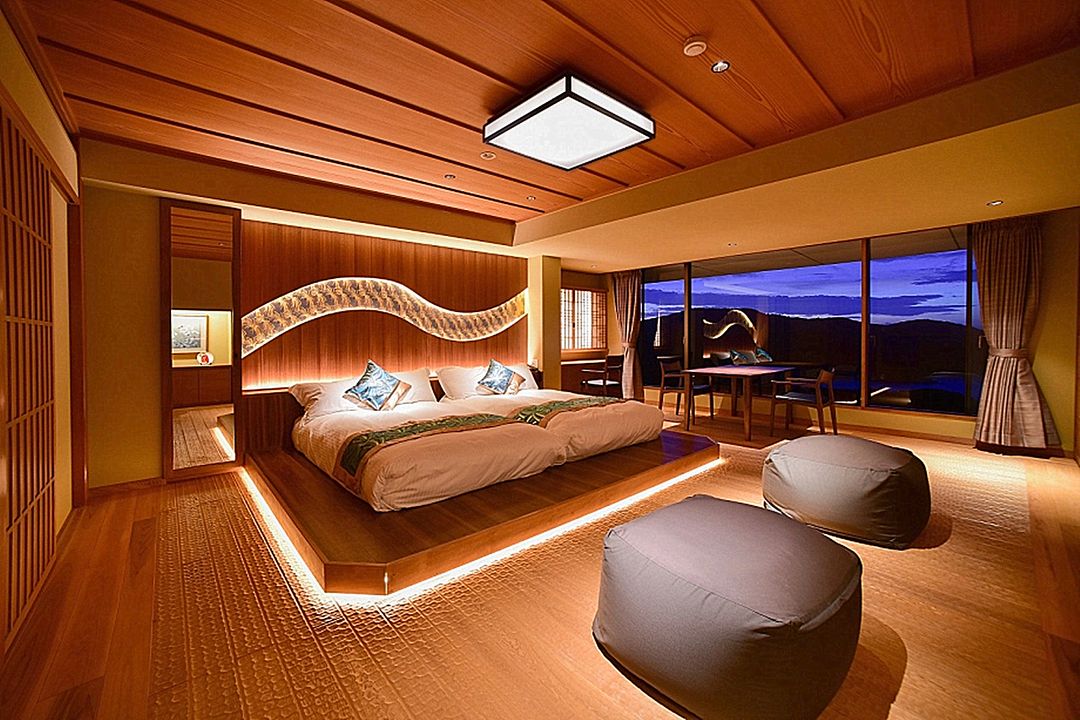
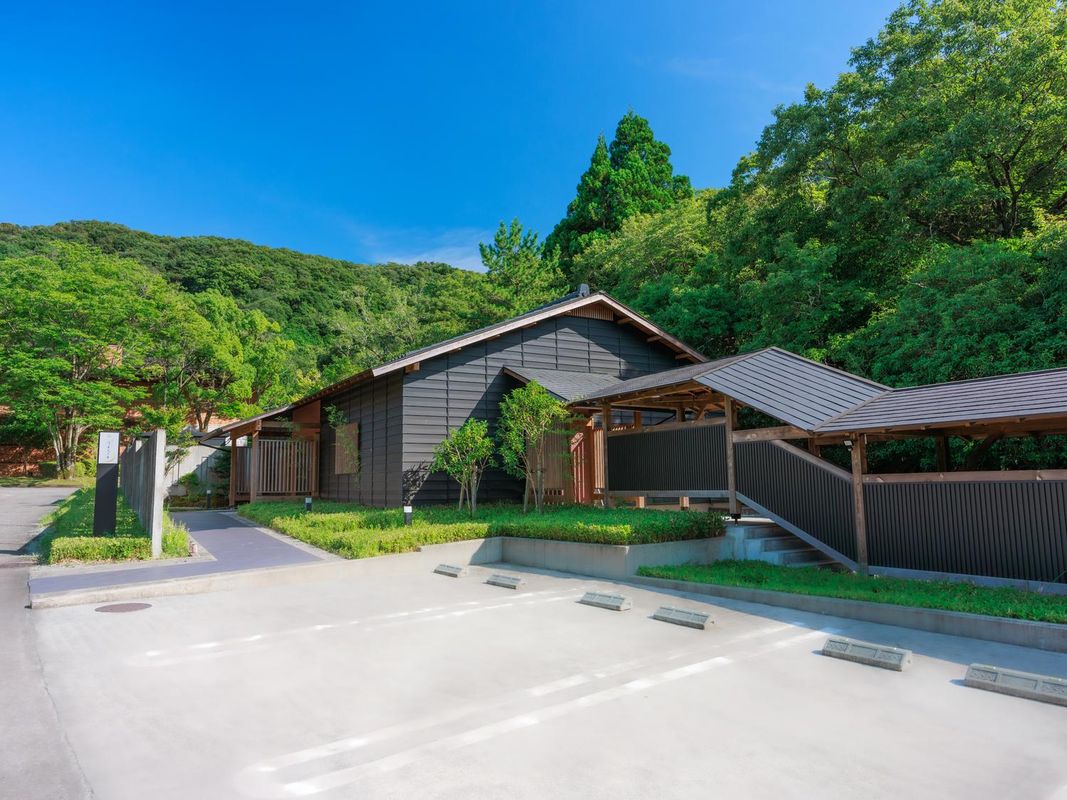
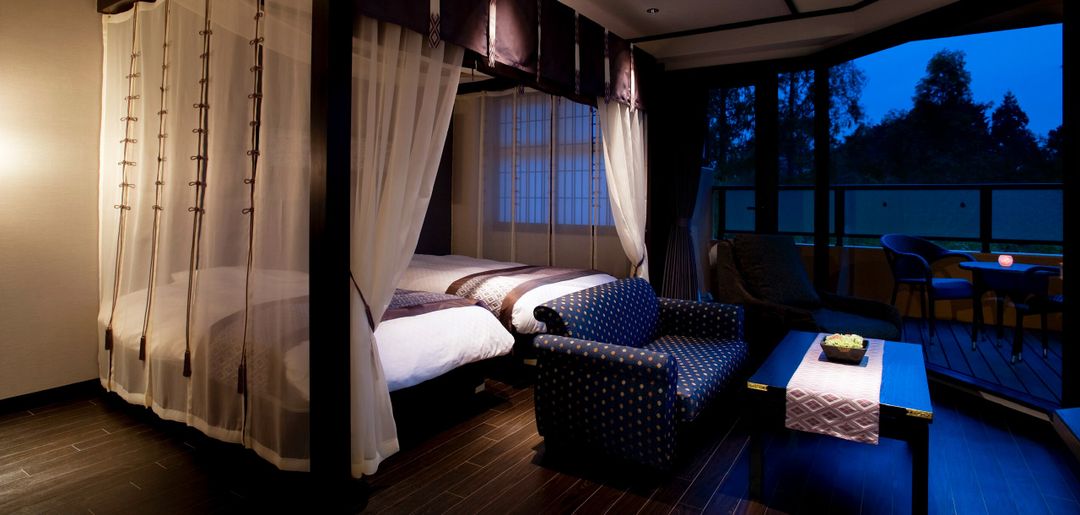
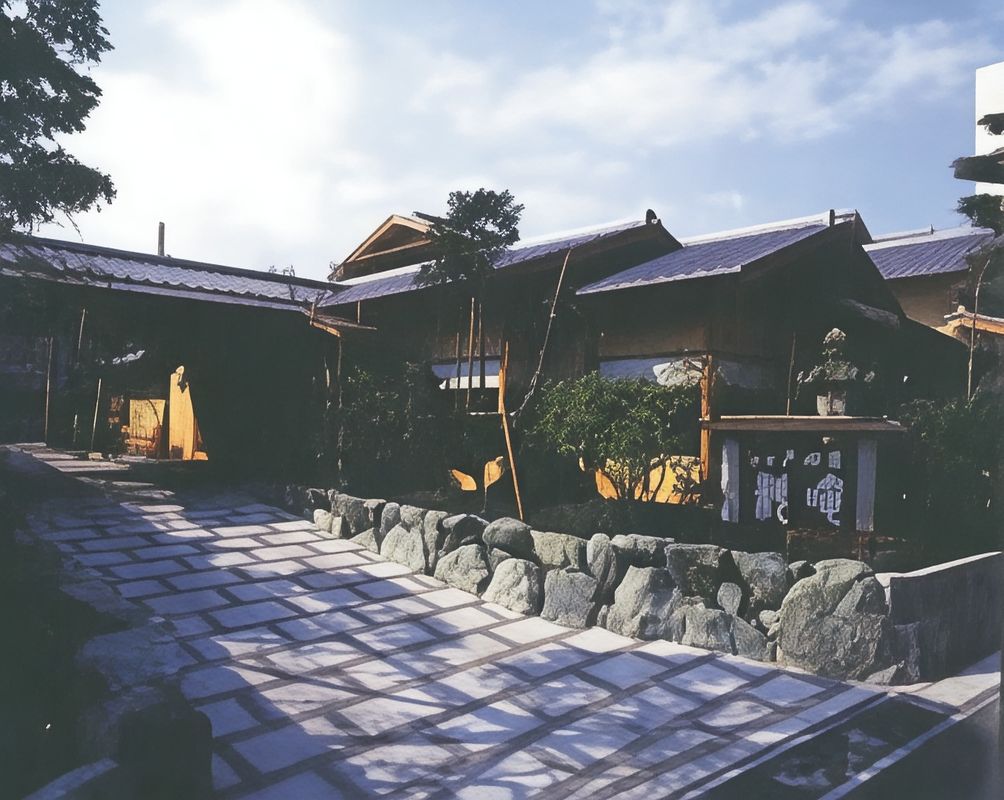
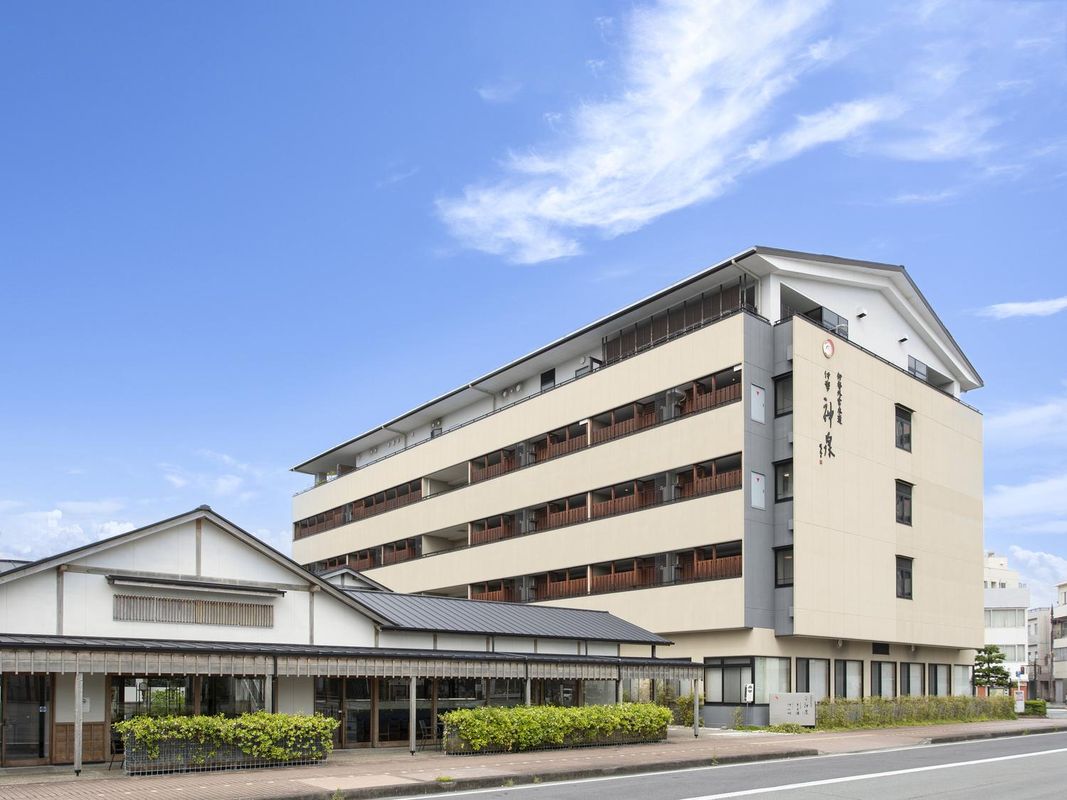
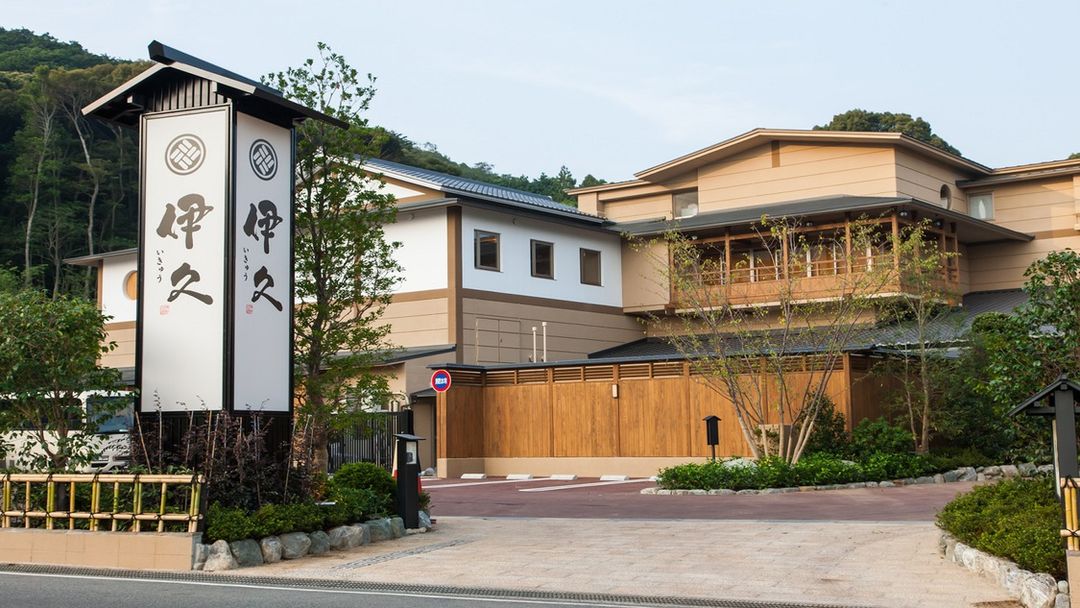
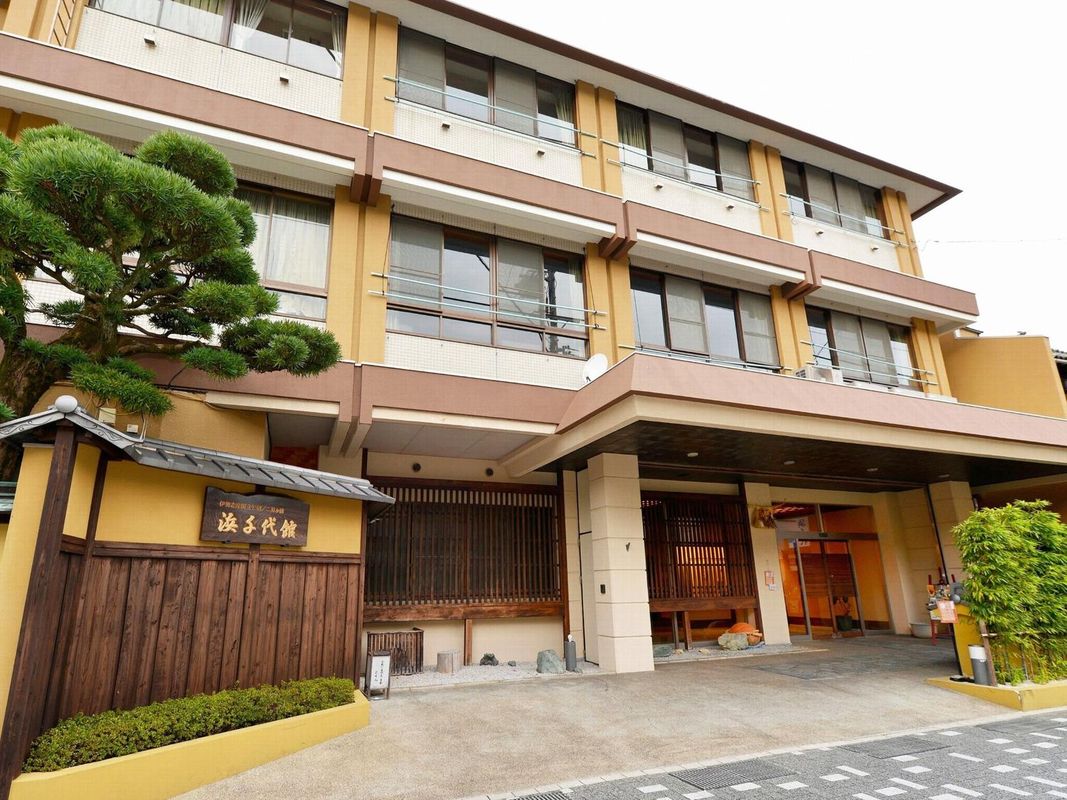
Best Hotels in Ise
Discover curated hotel collections in Ise


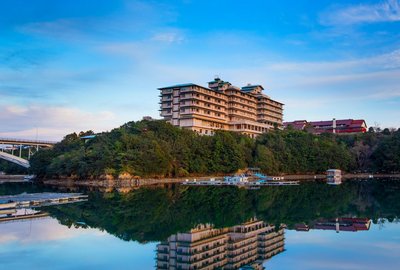
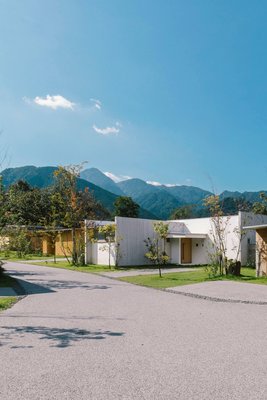
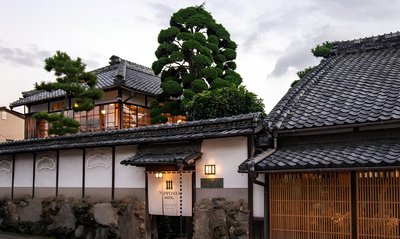
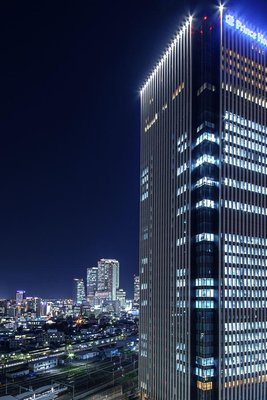


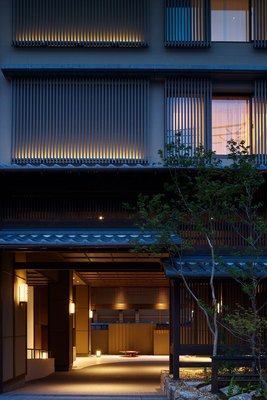
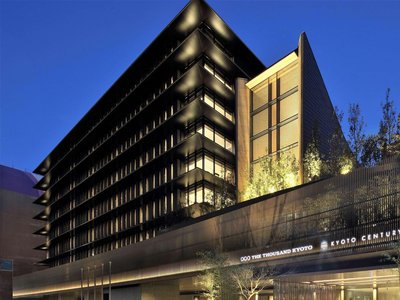
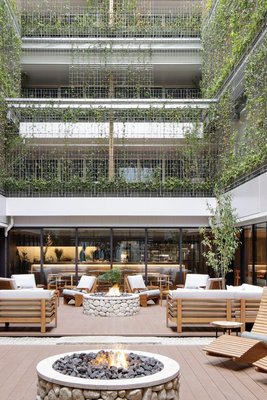
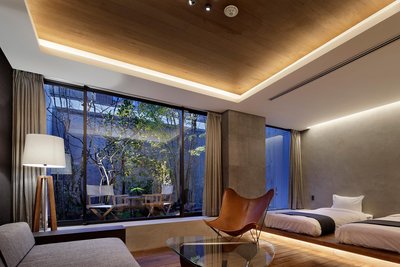


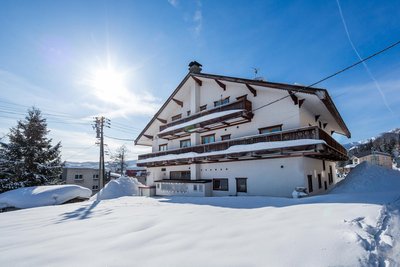
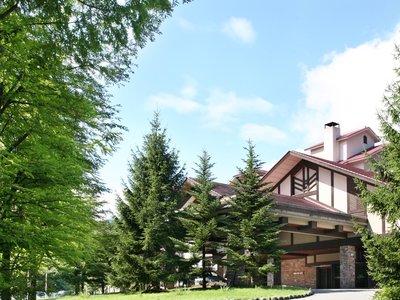
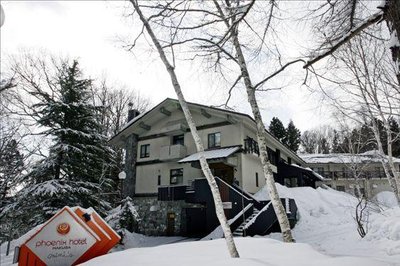
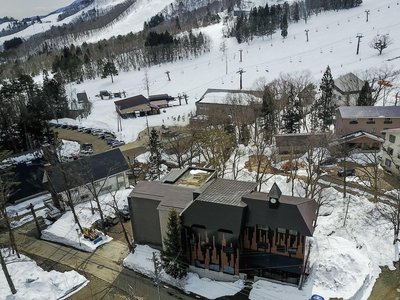

Frequently Asked Questions about Traveling to Ise
Questions You Might Need to Know About Traveling to Ise
Ise Overview
City Summary
Ise City, located in Mie Prefecture, Japan, is a sacred site of Shintoism, renowned for the Ise Grand Shrine. This city boasts profound religious and cultural heritage, attracting millions of pilgrims and tourists annually. The Ise Grand Shrine consists of the Inner Shrine (Naiku) dedicated to Amaterasu and the Outer Shrine (Geku) dedicated to Toyouke. Beyond its religious significance, Ise is celebrated for its traditional streets, culinary delights, and stunning natural scenery, particularly the coastal views of Ise-Shima National Park.
Must-See Attractions
The Ise Grand Shrine is a must-visit, with Naiku and Geku offering serene spiritual experiences. The picturesque Isuzu River adds to the tranquil atmosphere. Nearby, Okage Yokocho is a charming street recreating the Edo period, filled with traditional crafts and food stalls. Ise-Shima National Park offers hiking and boat tours to admire its breathtaking coastline and islands.
Food Guide
Ise is famous for its "Ise Udon," thick noodles served in a rich soy-based broth. Another must-try is "Akafuku," a red bean paste mochi, a traditional sweet from the shrine. Seafood lovers should not miss the fresh lobster and abalone, especially at the local markets in Ise-Shima.
Transportation Guide
The primary modes of transportation in Ise are buses and trains. The Kintetsu Railway connects Ise to major cities like Nagoya and Osaka, with a travel time of about 2 hours. The city's bus network is extensive, making it easy to reach the shrine and other attractions. Renting a car is also a good option, especially for exploring Ise-Shima National Park. Consider purchasing the "Ise-Shima Free Pass" for unlimited bus and some boat rides.
Best Time to Visit
The best times to visit are spring (March to May) and autumn (September to November), when the weather is mild and ideal for outdoor activities. Summer (June to August) can be hot and humid, but it's a great time for local festivals. Winter (December to February) sees fewer tourists, perfect for those seeking tranquility.
Travel Tips
- When visiting the Ise Grand Shrine, follow Shinto customs, such as purifying yourself at the temizuya before entering.
- Okage Yokocho shops usually close by 5 PM, so plan to visit early.
- Ise Udon broth can be quite salty; adjust to your taste.
- Seafood market prices vary, so compare before buying.
- Public transport in Ise-Shima is infrequent; plan your itinerary in advance.
- Respect local customs by avoiding loud noises or photography in sacred areas.
Useful Information
While English is somewhat understood in tourist areas, learning basic Japanese phrases is helpful. Internet access is widely available, with free Wi-Fi in most hotels and cafes. Cash is the primary payment method, though some shops accept credit cards. For emergencies, dial 110 (police) or 119 (ambulance). Pharmacies are common, but bring essential medications. The voltage is 100V, with two-flat-pin plugs, similar to the US.