Hotels in Isehara
Discover your perfect stay in Isehara.
Isehara(Japan) Travel 2026: Cheap Flights, Hotels & Top Attractions
Popular Landmarks in Isehara
Discover the most iconic attractions in Isehara
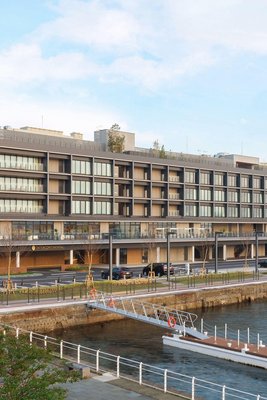
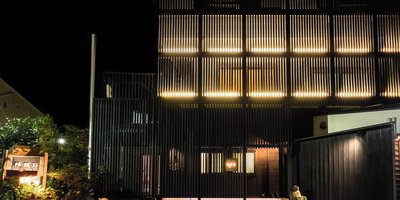
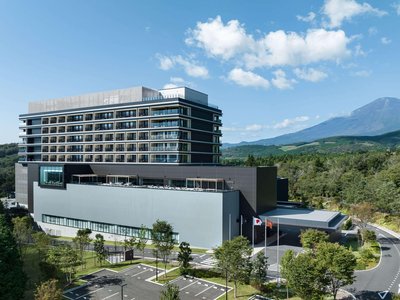
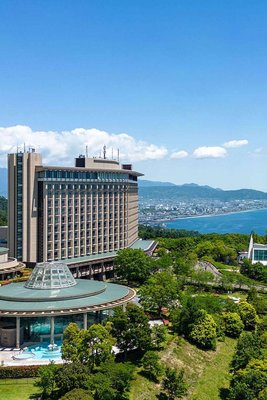
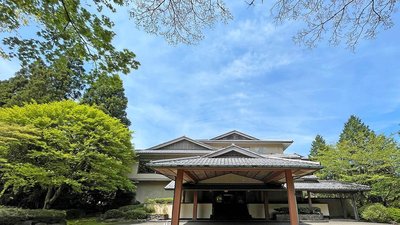
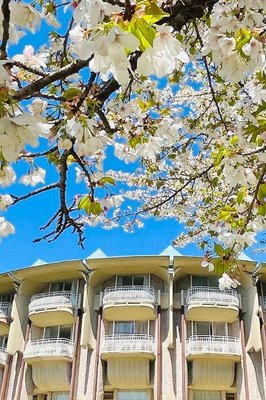
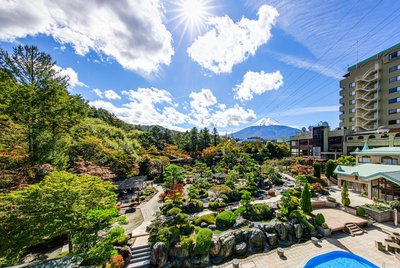
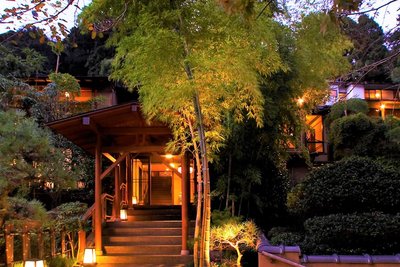
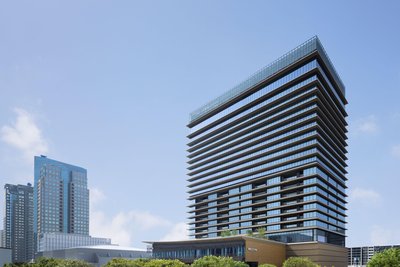
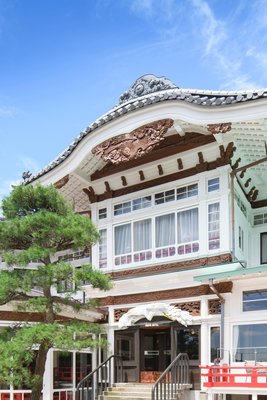
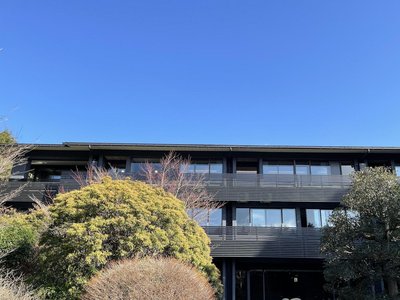
Recommended Hotels in Isehara
Find the perfect place to stay in Isehara
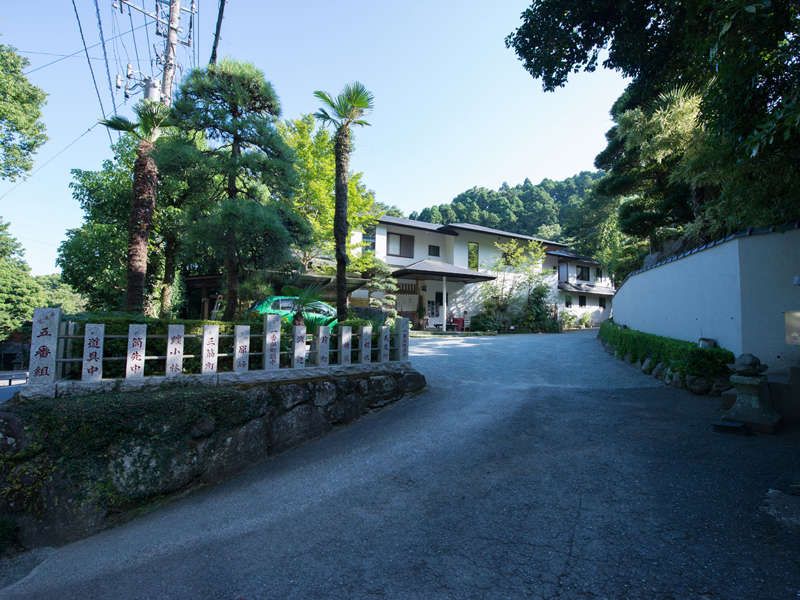
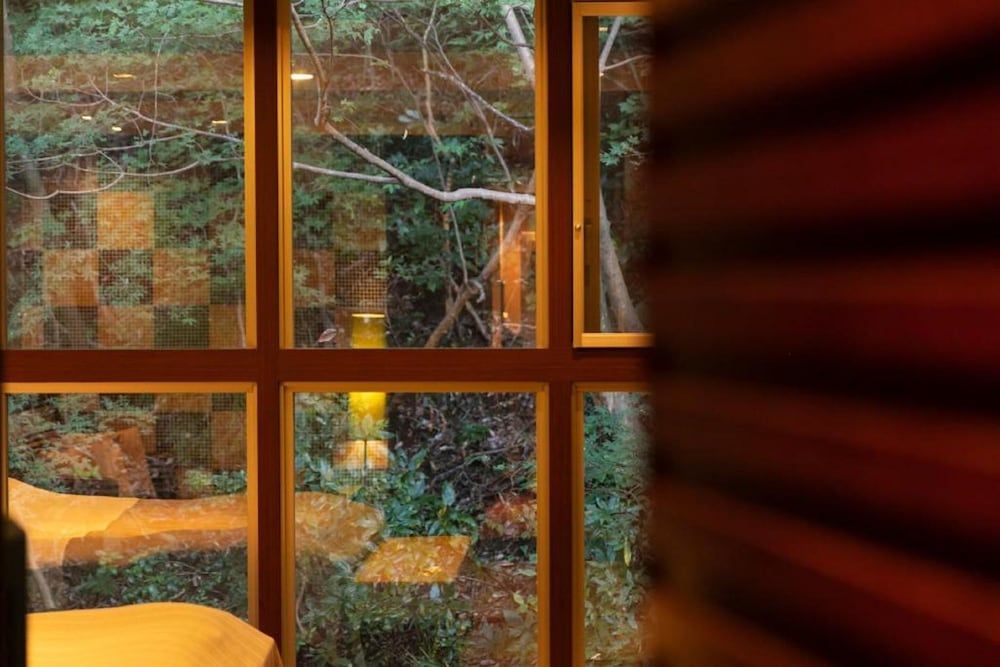
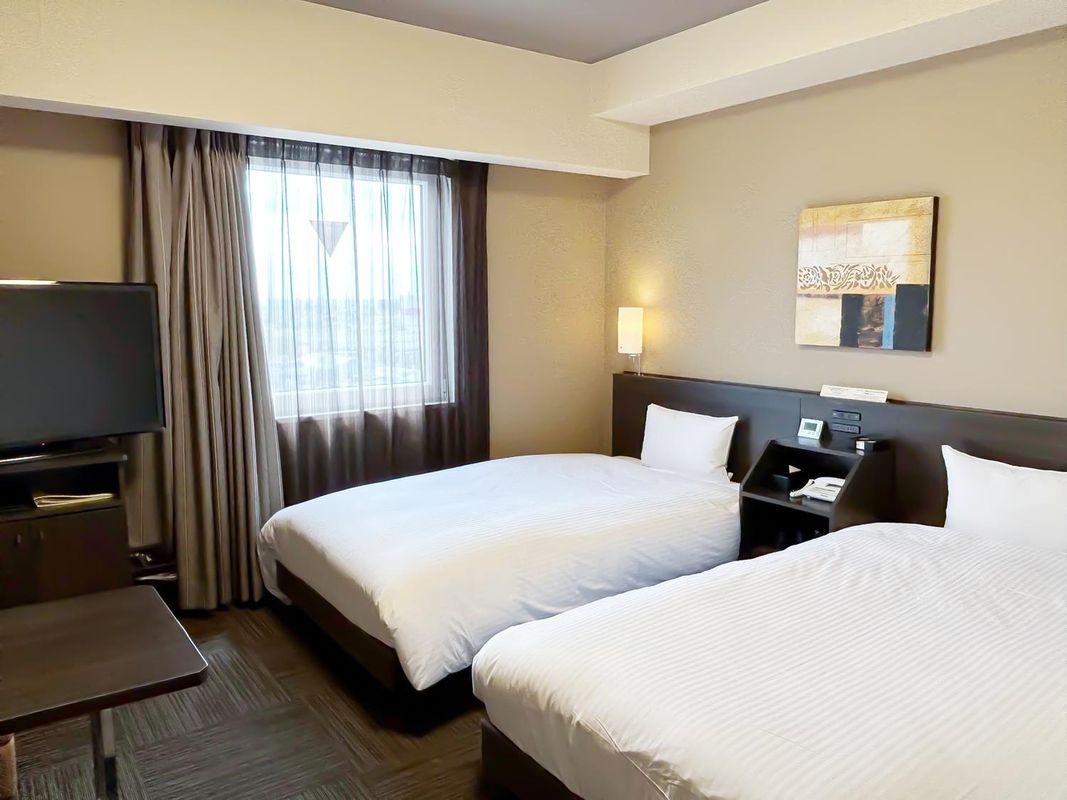

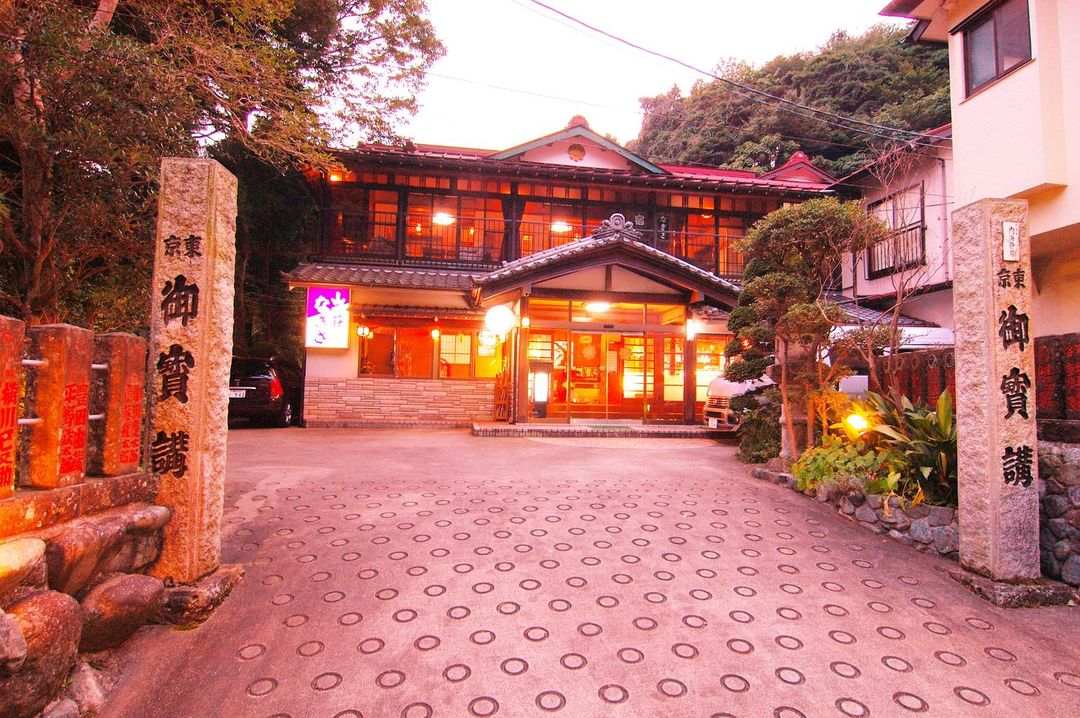
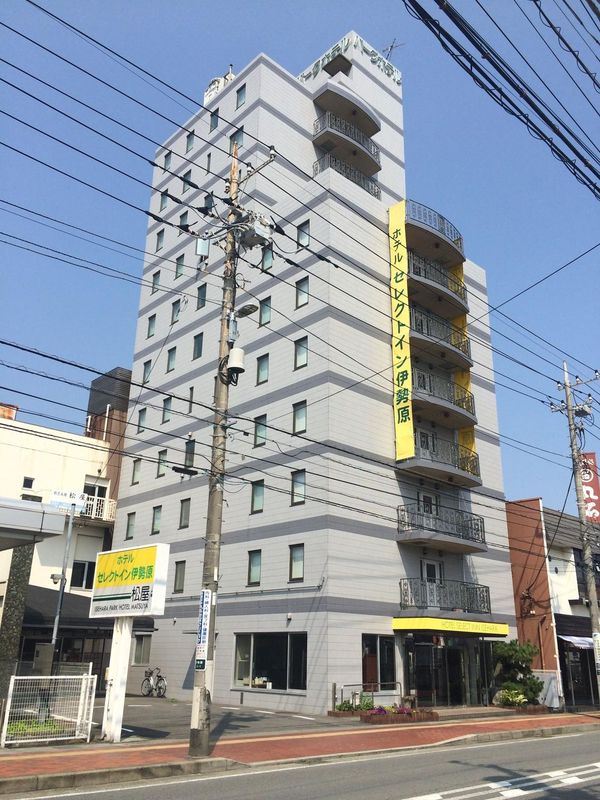
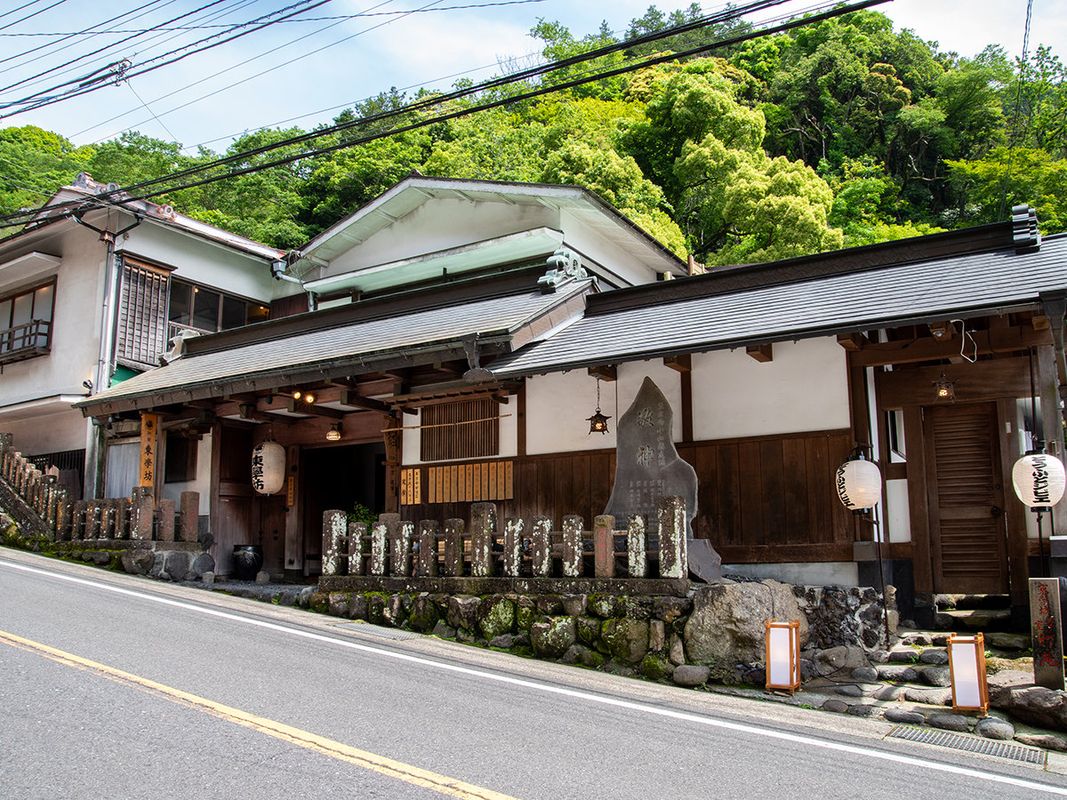
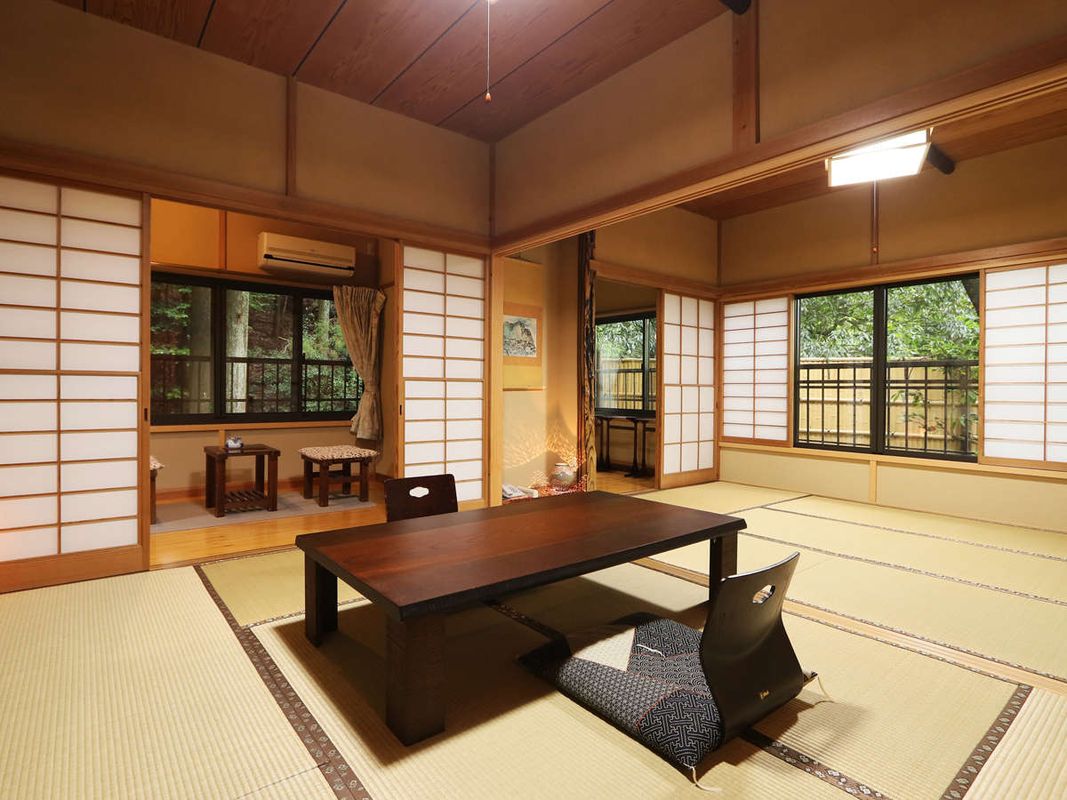
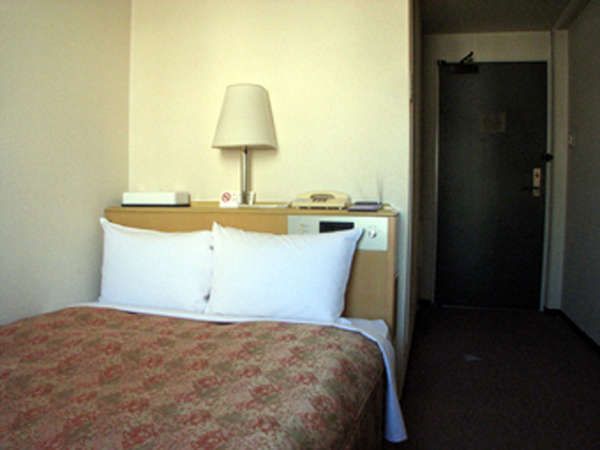
Best Hotels in Isehara
Discover curated hotel collections in Isehara
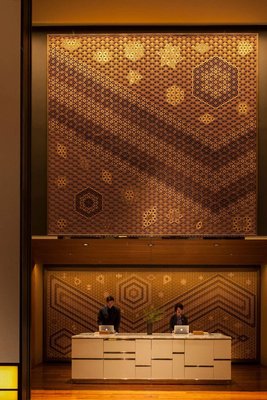

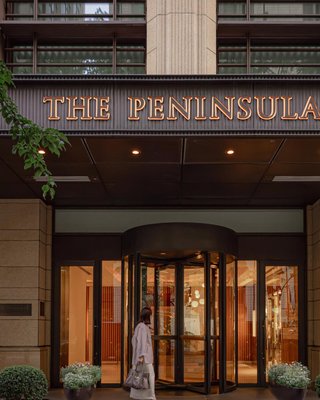
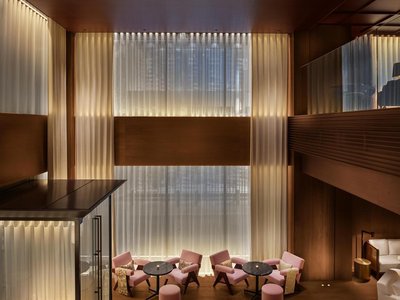
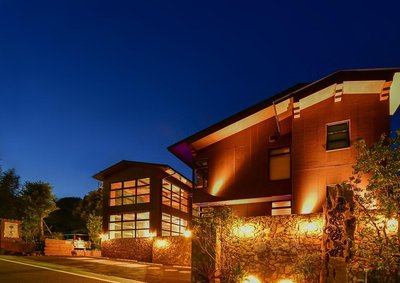
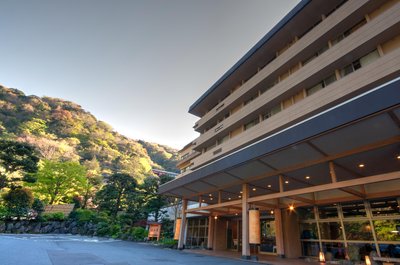
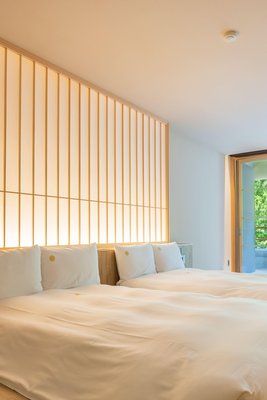
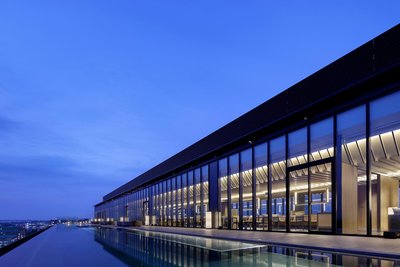
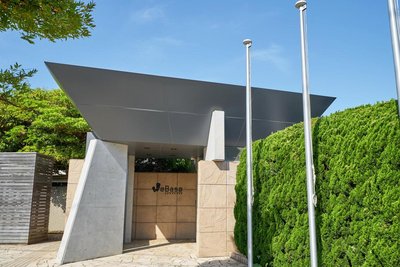
















Frequently Asked Questions about Traveling to Isehara
Questions You Might Need to Know About Traveling to Isehara
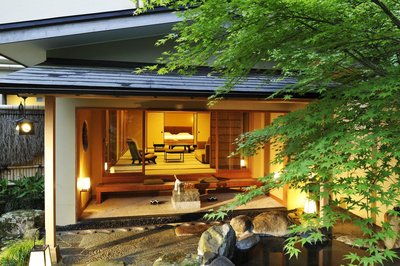
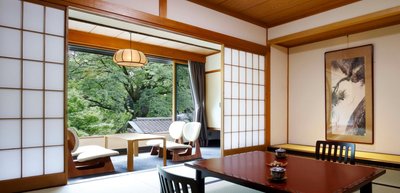
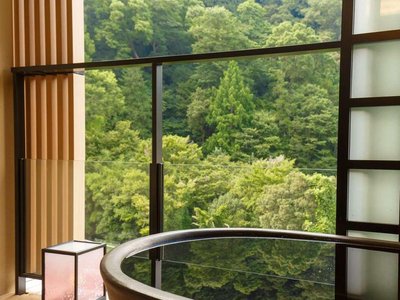
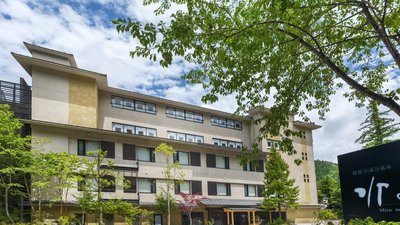
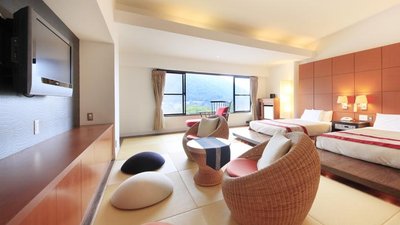
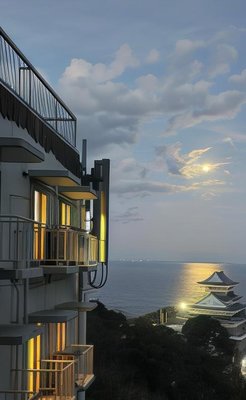
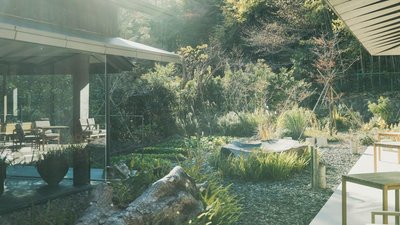
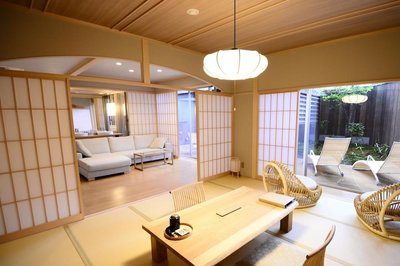
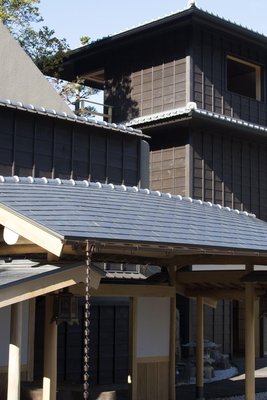
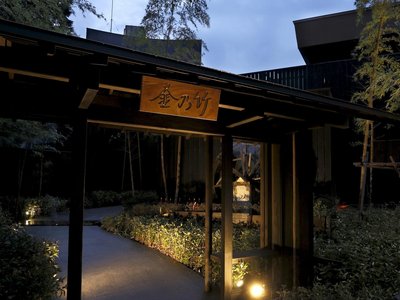
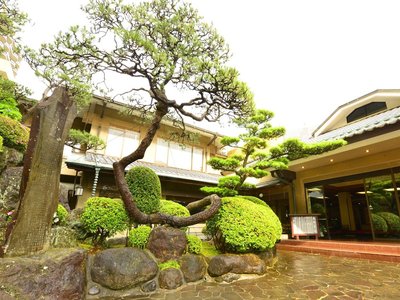
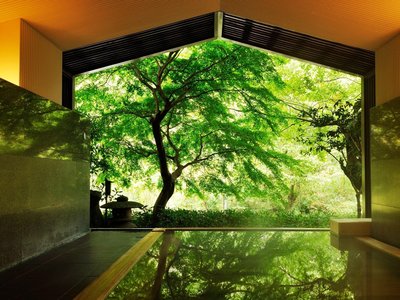
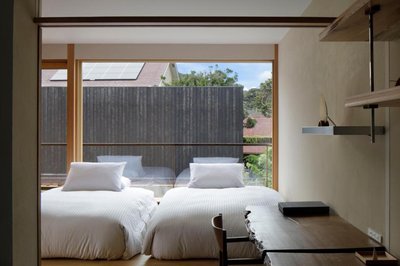
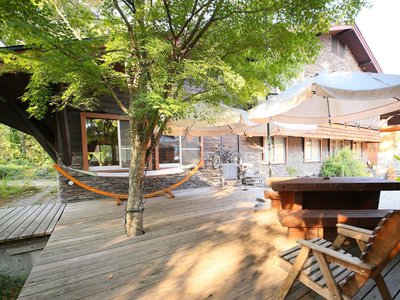
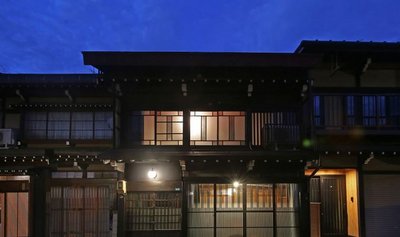
For a peaceful stay surrounded by nature, consider Oyama Estate Inn, a countryside-style ryokan nestled near Mount Oyama Natural Park. This boutique accommodation offers traditional tatami rooms, private onsen baths, and panoramic views of lush forests. Guests can enjoy morning hikes through scenic trails or relax with tea ceremonies using locally sourced ingredients. Located just 15 minutes from Isehara Station, it balances seclusion with accessibility. Nearby, Isezaki Forest Lodge provides eco-friendly cabins with wooden interiors, perfect for families or couples seeking tranquility. Both properties emphasize sustainability and offer farm-to-table breakfasts featuring regional produce like Kanto beef and seasonal vegetables.
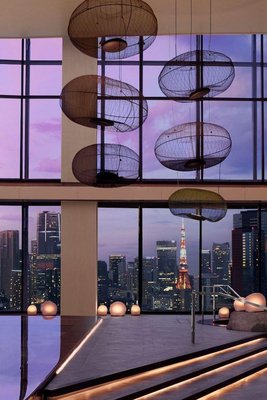
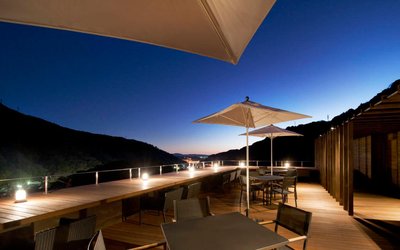
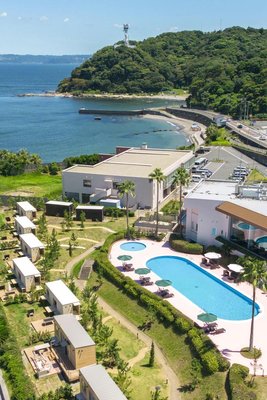
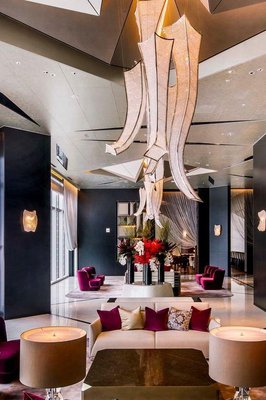
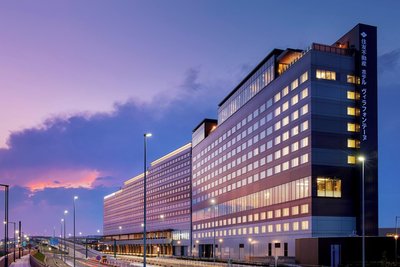
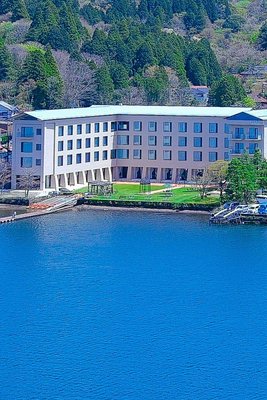
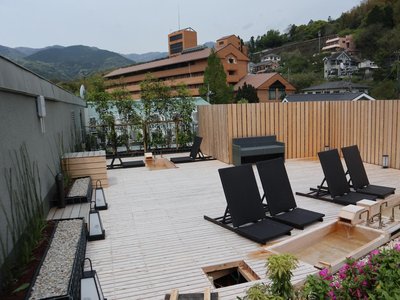
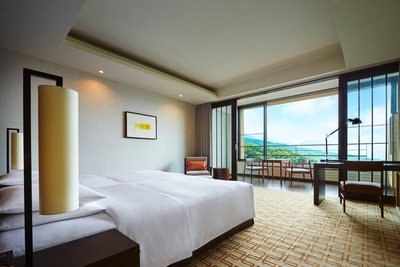
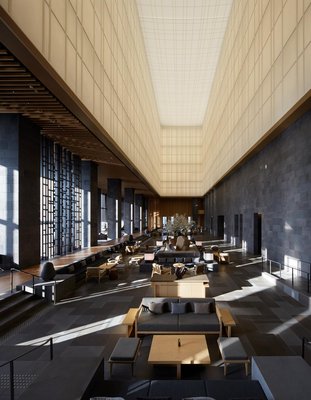
For those preferring modern comforts, Hyatt Regency Isezaki combines luxury with natural ambiance, featuring an indoor pool and garden terrace overlooking the surrounding hills. The hotel is ideal for travelers wanting a serene escape without sacrificing convenience, especially when exploring nearby attractions such as Ninomiya Shrine and Isezaki Castle Ruins.
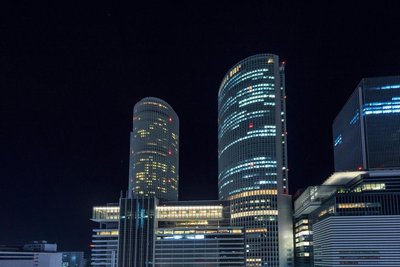
The best area for easy access to Tokyo is Isezaki Station District, where major rail lines converge. The Odakyu Line and JR Sagami Line provide direct connections to Shinjuku (approx. 50 minutes) and other central Tokyo hubs. This district hosts several convenient hotels, including Marriott Isezaki and APA Hotel Isezaki-Eki-mae, both offering modern amenities and quick walkability to shops, restaurants, and transit points. With multiple dining options—from local ramen joints to upscale izakayas—and proximity to Isezaki Commercial Center, this area suits business travelers and weekend explorers alike. Additionally, free parking and luggage storage services are available at many hotels, enhancing convenience for day-trippers heading into Tokyo.
For those seeking quieter surroundings while still being well-connected, neighborhoods near Sagami River Park offer a more relaxed atmosphere with fewer crowds, yet maintain excellent rail links. Public buses also connect these areas to key destinations, making Isehara an ideal base for multi-day trips across Kanagawa Prefecture and beyond.
Visitors to Isehara City can immerse themselves in rich local traditions through several unique experiences. At Ninomiya Shrine, guests can participate in seasonal festivals like the Ninomiya Flower Festival (spring), featuring traditional dance performances, craft markets, and cherry blossom viewing. The shrine’s centuries-old architecture and serene grounds make it a must-visit. For a deeper cultural dive, join a tea ceremony workshop at Cha to Shi Café, where you’ll learn about Japanese tea rituals using locally grown matcha. Another highlight is the Isezaki Agricultural Exchange Park, where tourists can harvest rice, pick seasonal fruits, or try hands-on pottery-making in a traditional kiln. These activities not only foster appreciation for rural life but also support local artisans.
Additionally, explore Isezaki Castle Ruins, a historical site that once served as a strategic fort during the Edo period. Guided walking tours reveal stories of samurai and regional history. Don’t miss the Winter Lantern Festival at Ninomiya Shrine, where hundreds of paper lanterns illuminate the night sky—a breathtaking sight that captures the soul of Isehara’s heritage.
Isehara City is ideal for travelers seeking a blend of urban convenience and natural serenity. It appeals particularly to families, culture enthusiasts, and weekend getaway seekers looking to escape Tokyo’s hustle without long commutes. With a short train ride (under 1 hour) to Shinjuku, it’s a prime destination for business travelers needing a quiet retreat after meetings. Nature lovers will appreciate its proximity to Mount Oyama Natural Park, hiking trails, and riverside parks perfect for picnics or birdwatching. History buffs can explore ancient sites like Isezaki Castle Ruins and Ninomiya Shrine, while foodies will enjoy regional specialties such as Kanto beef, handmade soba noodles, and fresh seafood from nearby coastal towns. The city’s mix of modern facilities and traditional charm makes it suitable for all ages and travel styles.
Hotel prices in Isehara City vary depending on location, season, and quality. Mid-range hotels like APA Hotel Isezaki-Eki-mae and Hotel Vista Isezaki typically cost between ¥6,000 and ¥9,000 per night. Upper mid-tier options such as Marriott Isezaki range from ¥12,000 to ¥18,000, offering premium amenities including spas and business centers. Luxury stays like Hyatt Regency Isezaki or boutique ryokans such as Oyama Estate Inn start at ¥20,000, with packages often including breakfast, onsen access, and cultural experiences. During peak seasons—such as cherry blossom season (late March–early April) and autumn foliage (November)—prices rise by 20–30%. Budget-conscious travelers can find affordable guesthouses and family-run inns starting at ¥5,000 per night, especially outside tourist hotspots. HopeGoo in advance is recommended to secure rates and availability.
Must-try local restaurants in Isehara City include Wagyū-tei, a renowned steakhouse specializing in Kanto beef, known for its marbled texture and rich flavor. Their signature dish—the A5-grade ribeye with truffle butter—is a favorite among visitors. Another highlight is Daiyama Ramen, famous for its deep, slow-simmered pork bone broth and handmade noodles, served with a side of pickled vegetables and miso soup. For a taste of tradition, visit Ninomiya Chōya, a family-run diner offering authentic Kanagawa-style bento boxes with seasonal ingredients. Dessert lovers should head to Cha to Shi Café, where handcrafted matcha cakes and seasonal fruit tarts are made with local produce. All these restaurants are located within walking distance of Isezaki Station, making them easily accessible for both day-trippers and extended stays. Many offer English menus upon request.
Yes, public transportation in Isehara City is highly reliable and well-integrated. The Odakyu Line and JR Sagami Line provide frequent, punctual service connecting Isehara Station directly to Shinjuku (50 min) and Yokohama (30 min). Trains run every 10–15 minutes during peak hours, ensuring smooth commutes. Local bus services cover major attractions, including Mount Oyama Natural Park, Ninomiya Shrine, and Isezaki Castle Ruins, with clear signage and multilingual timetables. Free shuttle buses link hotels near the station to shopping districts and restaurants. For visitors with mobility needs, many stations and hotels offer wheelchair-accessible platforms, elevators, and electric carts. Additionally, the city supports bike-sharing programs near key transit hubs, promoting eco-friendly travel. Overall, Isehara’s transport system ensures seamless access for tourists, whether traveling solo, with family, or on a business trip.
Top photo spots in Isehara City include Ninomiya Shrine’s vermilion torii gate, especially during spring when cherry blossoms frame the entrance in soft pink hues. Mount Oyama Natural Park’s forest trail offers stunning backdrops with sunlight filtering through tall trees—ideal for nature photography. The Isezaki Castle Ruins, with their stone walls and panoramic views over the valley, are perfect for historical and landscape shots. Don’t miss Cha to Shi Café’s courtyard, a beautifully designed Japanese garden with bamboo fences, stone lanterns, and seasonal flowers—great for artistic portraits. For nighttime photos, visit Ninomiya Shrine’s Winter Lantern Festival, where hundreds of glowing paper lanterns light up the temple grounds, creating a magical, ethereal scene. Early mornings and golden hour (just before sunset) are optimal times for capturing vibrant colors and minimal crowds.
Summer in Isehara City comes alive with vibrant events. The Ninomiya Summer Festival (late July) features lively traditional dances, fireworks displays, and bustling street food stalls selling yakitori, shaved ice, and local sweets. Families can enjoy outdoor concerts at Sagami River Park, where musicians perform under the stars. For adventure seekers, Oyama River Rafting Tours offer thrilling rides through cool, clear waters, perfect for beating the heat. The city also hosts Farm-to-Table Pop-Ups at Isezaki Agricultural Exchange Park, where visitors can sample fresh produce, participate in cooking demos, and learn about sustainable farming. Evening strolls along the riverbank with illuminated lanterns create a romantic atmosphere. Visitors should bring sunscreen, hats, and hydration packs—most events occur between June and August.
Top winter attractions in Isehara City include Mount Oyama Natural Park’s snow-covered trails, where visitors can hike through pristine white forests and capture breathtaking photos of frost-laden trees. The Ninomiya Shrine Winter Lantern Festival transforms the historic complex into a glowing wonderland, with hundreds of paper lanterns illuminating the path to the main hall—an unforgettable experience. For relaxation, visit Oyama Onsen no Sato, a rustic hot spring resort offering indoor and outdoor baths with mountain views. Locals also gather at Isezaki Winter Market, a cozy open-air event featuring handmade crafts, warm drinks like sake and cocoa, and seasonal treats like mochi. Those interested in history can tour the Isezaki Castle Ruins in winter, when the absence of foliage reveals intricate stone foundations. Warm clothing and sturdy footwear are essential for enjoying these winter highlights.
Isehara Overview
City Summary
Isehara City, located in western Kanagawa Prefecture, Japan, is renowned for its natural landscapes and historical heritage. Home to the sacred Mt. Oyama Afuri Shrine with a millennium-old Shinto tradition, it blends cultural festivals with modern leisure facilities, offering a perfect retreat for those seeking both spiritual and natural experiences near Tokyo.
Must-See Attractions
The Mt. Oyama Afuri Shrine is the cultural heart of Isehara, featuring lower, middle, and inner shrines accessible via hiking trails with stunning views of Mount Fuji. Isehara Comprehensive Park showcases seasonal flowers, especially vibrant autumn foliage. For relaxation, visit Daiyuzan Saijoji Temple Hot Springs nearby, which combines Zen ambiance with therapeutic waters.
Food Guide
Local specialties include Oyama tofu, made with mountain spring water, and dishes like river fish cuisine and wild vegetable tempura. Don't miss "Oyama Curry," a unique blend of Japanese spices.
Transportation Guide
From Shinjuku Station in Tokyo, take the Odakyu Odawara Line to Isehara Station (70 minutes). Local buses connect to the Oyama Cable Car station (25 minutes). A "Oyama Free Pass" covers transport and discounts. Driving via Route 246 is feasible, but note icy roads in winter.
Best Time to Visit
Spring (March-May) for cherry blossoms and greenery, or autumn (September-November) for hiking amid fall colors. Summer offers festivals despite humidity, while winter may bring snow to higher altitudes.
Travel Tips
- Observe shrine etiquette and wear non-slip shoes for hikes
- Mountain weather changes abruptly; pack rain gear
- Hot springs often require own towels; some ban tattoos
- Check reduced bus schedules on Sundays
- Cash preferred at small establishments
- Maintain quiet respect in residential and sacred areas
Useful Information
Japanese is primary; basic English signs exist at stations. Free WiFi is available at major spots—consider portable WiFi rentals. Purchase IC cards (e.g., Suica) at convenience stores. For emergencies, Isehara Municipal Hospital is 1.5km from the station. ATMs and post offices cluster downtown; credit cards accepted only at larger venues.









