Hotels in Ishikari
Discover your perfect stay in Ishikari.
Ishikari(Japan) Travel 2026: Cheap Flights, Hotels & Top Attractions
Popular Landmarks in Ishikari
Discover the most iconic attractions in Ishikari
Recommended Hotels in Ishikari
Find the perfect place to stay in Ishikari
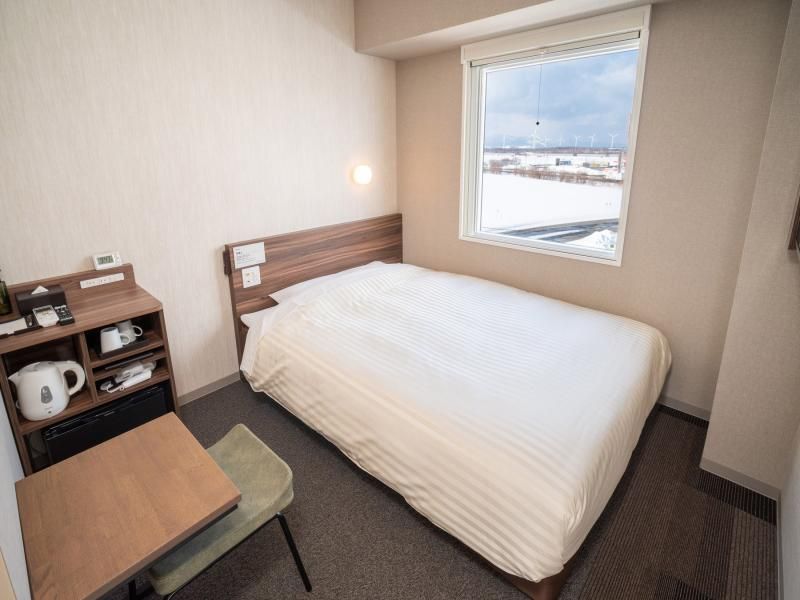
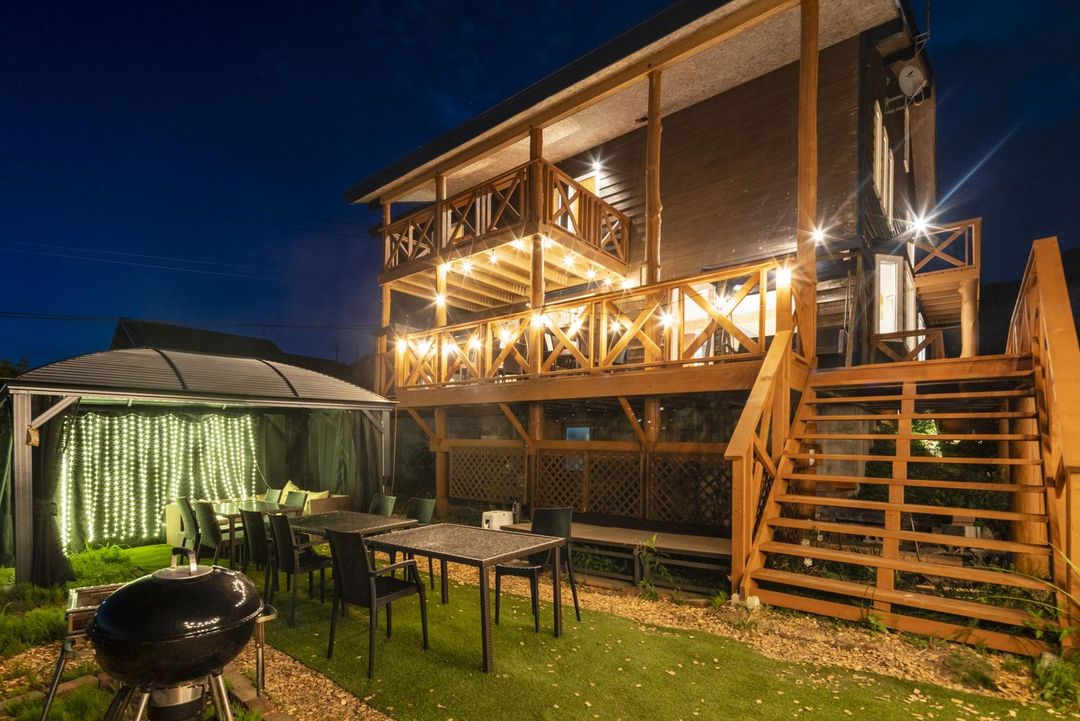
Best Hotels in Ishikari
Discover curated hotel collections in Ishikari



Frequently Asked Questions about Traveling to Ishikari
Questions You Might Need to Know About Traveling to Ishikari
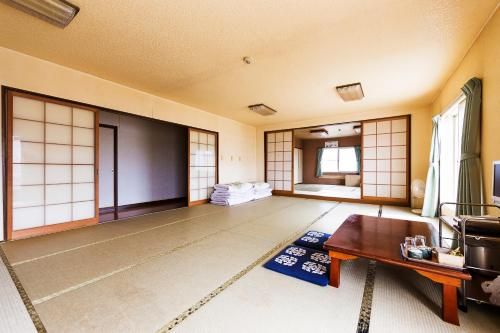
In Ishikari City, the top family-friendly hotel is Ishikari River Onsen Hotel, located along the scenic Ishikari River. This traditional ryokan offers spacious rooms with tatami flooring, private onsen baths, and views of surrounding mountains and riverbanks. Families can enjoy local cuisine featuring fresh Ishikari rice and Hokkaido beef in the on-site restaurant.
Another excellent choice is Hokkaido Ishikari Guest House, a self-catering apartment-style accommodation with kitchenettes and laundry facilities—perfect for longer stays. It’s close to Daitō Park and the Ishikari City Museum, making it ideal for both relaxation and sightseeing. The nearby Ishikari River Nature Trail is great for children to explore nature safely. With warm hospitality and access to outdoor activities, these options provide comfort and authenticity for families visiting Hokkaido’s quieter corners.
The best area for staying in Ishikari City is the central Daitō district, located near Ishikari Station and the main shopping street. This hub offers easy access to key attractions like Daitō Park, the Ishikari City Museum, and local eateries. Many mid-range hotels and guesthouses cluster here, providing convenience for travelers.
For a peaceful retreat, consider staying in the Ishikari River Hot Spring Zone, where quiet ryokans and small inns offer private onsen experiences surrounded by nature. These accommodations are perfect for those seeking serenity and a deeper connection with the natural landscape. Whether you prioritize urban access or rural tranquility, both districts deliver authentic Ishikari experiences with excellent transportation links and local charm.
Visitors to Ishikari City can immerse themselves in unique cultural experiences such as touring the Ishikari City Museum, which showcases the history of the Ainu people and the region’s railway development. During summer, don’t miss the Ishikari River Lantern Festival, where locals light paper lanterns along the riverbank, symbolizing peace and community unity.
Guests can also participate in hands-on agricultural workshops, learning to grow Ishikari rice or harvest seasonal vegetables at local farms. Some guesthouses host Ainu craft workshops, teaching traditional basket weaving and wood carving. For an unforgettable evening, join a guided nighttime storytelling walk along the riverbanks, where local elders share legends about the land and its spirits. These experiences offer deep insight into the city’s heritage and living traditions.
Yes, the hot spring hotels in Ishikari City are absolutely worth visiting. Though not a major spa destination, properties like Ishikari River Onsen Hotel and Kawabe Onsen Yado feature natural mineral-rich waters rich in sodium bicarbonate—excellent for skin health and relaxation.
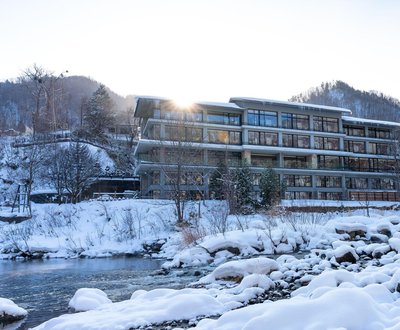
These inns often include private outdoor onsen baths overlooking the Ishikari River, especially magical during winter when steam rises above snow-covered trees. The hotel meals highlight local ingredients: fresh river fish, Hokkaido beef, and Ishikari rice served in traditional kaiseki style. Evening onsen sessions under starlit skies create a serene, meditative atmosphere.
Smaller family-run bathhouses offer a more intimate experience, where hosts serve homemade snacks and share stories about the region’s geothermal history. For those seeking quiet, authentic onsen culture away from crowds, Ishikari delivers a deeply personal and rejuvenating stay.
Self-drive tourists in Ishikari City should consider motels and guesthouses near Ishikari Station or along the Ishikari River. These accommodations typically offer free parking, 24-hour front desk service, and easy access to highways and local attractions.
Recommended options include Ishikari Auto Inn, which features private bathrooms, compact kitchens, and breakfast service—ideal for extended stays or family trips. For a more immersive experience, try Mori no Ie Forest Cabin, nestled beside the Ishikari River Nature Trail, offering bike rentals and quiet forest surroundings. Most lodgings provide well-stocked convenience stores and fuel stations nearby, ensuring hassle-free travel.
With excellent road connectivity and scenic routes through farmland and woodland, Ishikari is perfect for explorers who value flexibility, independence, and the joy of discovering hidden rural gems at their own pace.
Photography enthusiasts will love Ishikari City for its serene landscapes and seasonal beauty. Stay at Ishikari River Onsen Hotel, whose rooftop terrace offers panoramic views of the Ishikari River at sunrise, with mist rising over the water—a perfect shot for long-exposure photography.
The Ginkgo Avenue in Daitō Park transforms into a golden corridor in autumn, ideal for capturing vibrant foliage and soft sunlight filtering through leaves. Early morning or twilight hours bring dramatic lighting for portraits and architectural shots.
Join a local-led riverbank photography tour to discover hidden trails, old bridges, and wildlife like kingfishers and frogs. Some guesthouses even offer photography packages, including equipment rental and expert guidance. Don’t miss the Ishikari River Lantern Festival, where floating lights reflect beautifully on the water—creating dreamlike compositions that capture the soul of the city.
To savor Ishikari City’s local flavors, visit Ishikari Dining Hall at Daitō Market, a beloved local eatery serving fresh Ishikari River carp sashimi, Hokkaido beef hot pot, and rice balls made with regional Ishikari rice. Their signature dish, "River Carp Delight," features lightly seared fish with citrus dressing—a taste of the region’s freshwater bounty.
At Ishikari River Onsen Hotel, the on-site restaurant serves daily farm-to-table meals using organic vegetables and handmade tofu from nearby farms. Try their seasonal hot spring rice box set, a popular takeaway gift. For a true local experience, attend the monthly Ishikari Farm Produce Market, where vendors sell honey, plum wine, and hand-rolled noodles—many available for tasting on-site.
Each dish reflects the rhythm of the seasons and the care of local producers, turning every meal into a celebration of place and tradition.
Near accommodations in Ishikari City, visitors can enjoy a range of outdoor activities. Hike the Ishikari River Nature Trail, a 5-kilometer scenic path with birdwatching points and seasonal blooms—cherry blossoms in spring, red maples in fall.
In summer, rent a paddleboat and glide down the Ishikari River for a peaceful, immersive experience. Winter brings opportunities for snowshoeing and cross-country skiing along designated forest trails. The Daitō Park Ice Rink (seasonal) is great for families and casual skaters.
Many guesthouses offer free bicycle rentals, allowing guests to ride along tree-lined paths to nearby farmlands and riverside viewpoints. Guided ecological tours, such as river ecosystem walks, help visitors identify native plants and animals. Whether you seek adventure or quiet contemplation, Ishikari’s natural spaces invite exploration just steps from your door.
Ishikari City may be small, but it holds meaningful historical sites. The Ishikari City Museum, housed in a former Meiji-era post office, preserves artifacts related to the Ainu people and early railway history. Exhibits include vintage locomotives, traditional tools, and archival photos.
The Old Ishikari River Bridge Ruins are another must-see—an abandoned railway bridge now reclaimed by nature, offering striking contrast between industrial remnants and lush greenery. It’s a favorite spot for photographers and history buffs.
The Centennial Camphor Tree in Daitō Park, planted over 100 years ago, stands as a living monument to the city’s past. Nearby, the Ishikari Cultural Workshop hosts rotating exhibitions on local crafts, calligraphy, and oral histories. These sites collectively preserve the city’s identity, blending memory, nature, and community spirit in a quiet yet powerful way.
Nighttime in Ishikari City is magical. Attend the annual Ishikari River Lantern Festival, where hundreds of paper lanterns float down the river, creating a glowing, ethereal scene accompanied by live folk music and storytelling.
Stroll through Daitō Park after dark, where soft lighting illuminates tree-lined paths and creates a peaceful ambiance. Many guesthouses offer nighttime onsen sessions, where guests soak in private outdoor baths beneath a clear winter sky—ideal for stargazing.
Some local inns host midnight cultural events, such as tea ceremonies, traditional instrument performances, or storytelling circles led by elders sharing legends of the river and forest. Guests might even enjoy a warm bowl of hot spring mochi or homemade sake before bed. These quiet, heartfelt moments make Ishikari’s nights truly unforgettable.
Ishikari Overview
City Summary
Ishikari City in southwestern Hokkaido is famed for the Ishikari River delta and its historic fishing industry. Known as the birthplace of "Ishikari-nabe" salmon hotpot, the city blends seaport culture with wetland ecosystems, offering unique winter swan-watching opportunities. Its Meiji-era development heritage and abundant seafood define its core appeal.
Must-See Attractions
Visit the Ishikari Bay fishing port and Ishikari City Museum for pioneer history. Kouyouyama Park showcases autumn foliage, while Hamamasu Coast features dramatic dunes and sea caves. The Ishikari Lighthouse offers sunset views. Cultural highlights include summer's Salmon Festival and winter swan migration at the river mouth.
Food Guide
Must-try Ishikari-nabe (miso salmon stew) and Hamamasu oysters. Local markets like Ishikari Banya-gai serve fresh grilled seafood. Specialties include salmon roe rice bowls and squid somen noodles. For dessert, try Hokkaido milk soft-serve ice cream, best paired with local craft beer "Ishikari no Ho".
Transportation Guide
From Sapporo, take JR Hakodate Line to Ishikari-Tobetsu Station (40min), then transfer by bus. Limited Hokkaido Chuo Bus services make car rental advisable (snow tires required in winter). Taxis start at ¥2,000. Remote areas like Hamamasu require advance taxi bookings.
Best Time to Visit
May-October is ideal, with summer fishing activities and autumn salmon runs. Winter (Dec-Feb) offers swan watching despite cold weather. Avoid mid-August Obon holiday crowds. Some attractions close seasonally.
Travel Tips
- Carry windproof jackets near the harbor
- Observe "itadakimasu" dining etiquette
- Stay on designated wetland trails
- Check snow clearance before winter drives
- Many old shops accept cash only
- Tattoos may prohibit onsen entry
- Ask permission before photographing fishermen
- Strict waste sorting is enforced
Useful Information
Language: Japanese; basic English signage at tourist sites Wi-Fi: Free "ISHIKARI_Free" in downtown Currency: Credit cards accepted at major stores; cash needed for markets Voltage: 100V (Type A plugs) Emergency: Ishikari City Hospital (+81-133-72-3311) Emergency calls: Police 110/Fire 119 Tourist info: JR Ishikari-Tobetsu Station (9:00-17:00) Religious sites: Soto Zen temples open for visits Post: Central Post Office handles international mail









