Hotels in Itako
Discover your perfect stay in Itako.
Itako(Japan) Travel 2026: Cheap Flights, Hotels & Top Attractions
Popular Landmarks in Itako
Discover the most iconic attractions in Itako
Recommended Hotels in Itako
Find the perfect place to stay in Itako
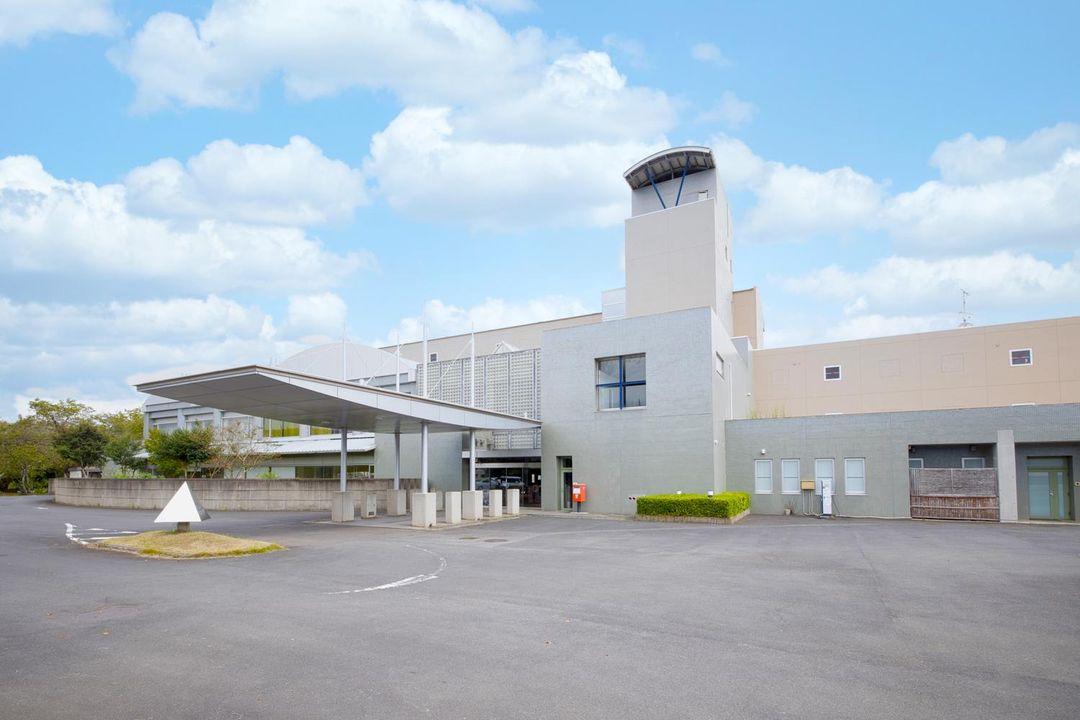
Kamenoi Hotel Itako
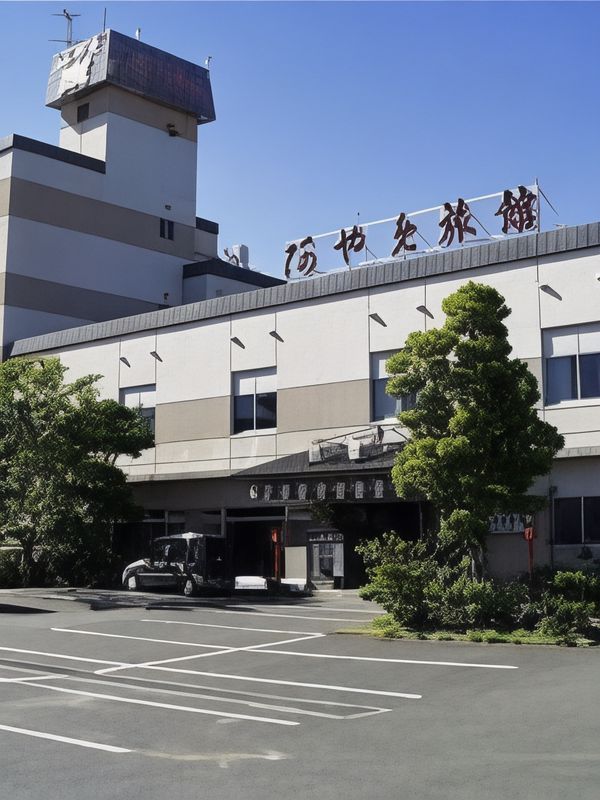
Ayame-Ryokan
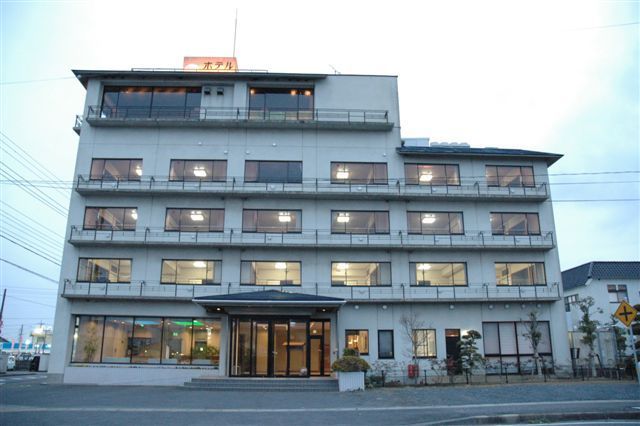
Hotel Shibata
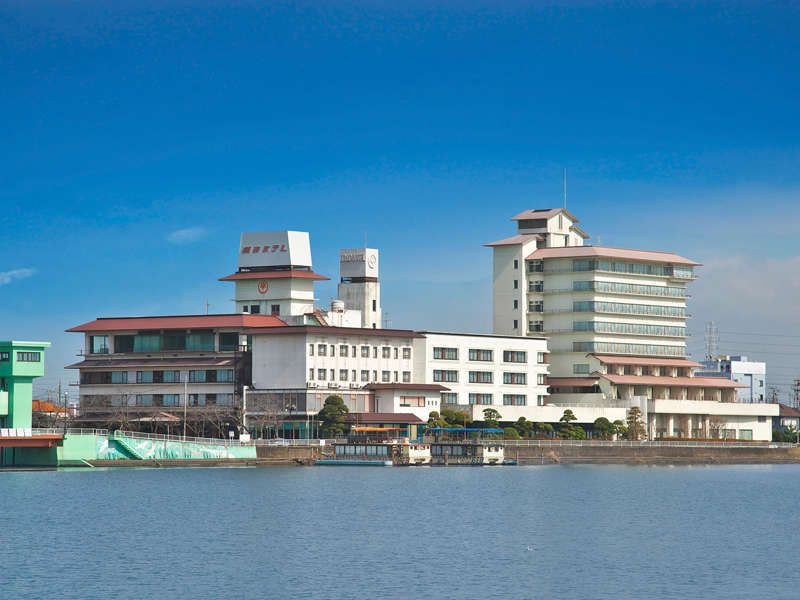
Itako Hotel
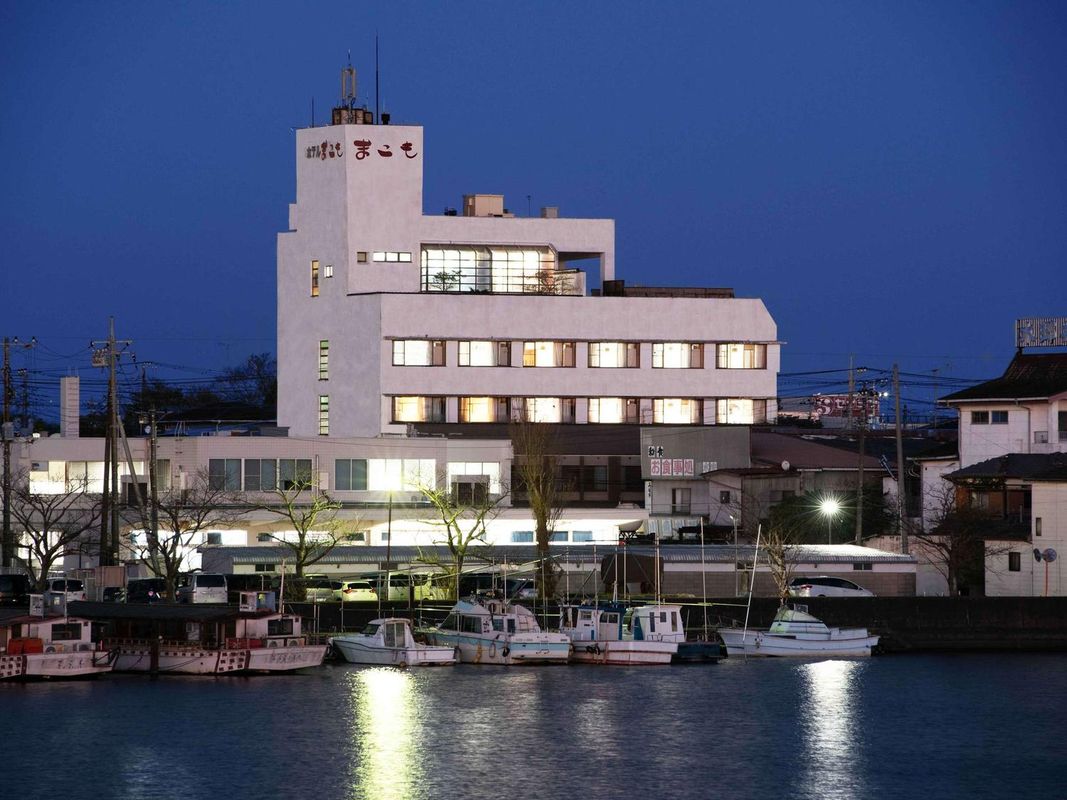
Hotel Shin Makomo
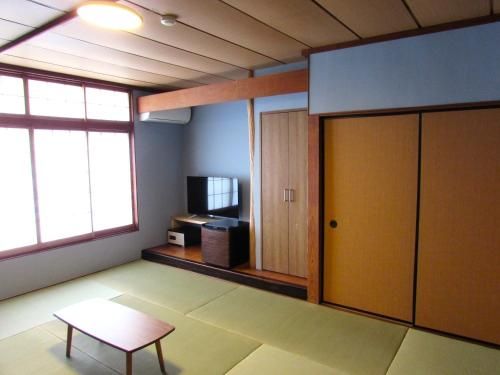
Kappo Ryokan Kasumigaura
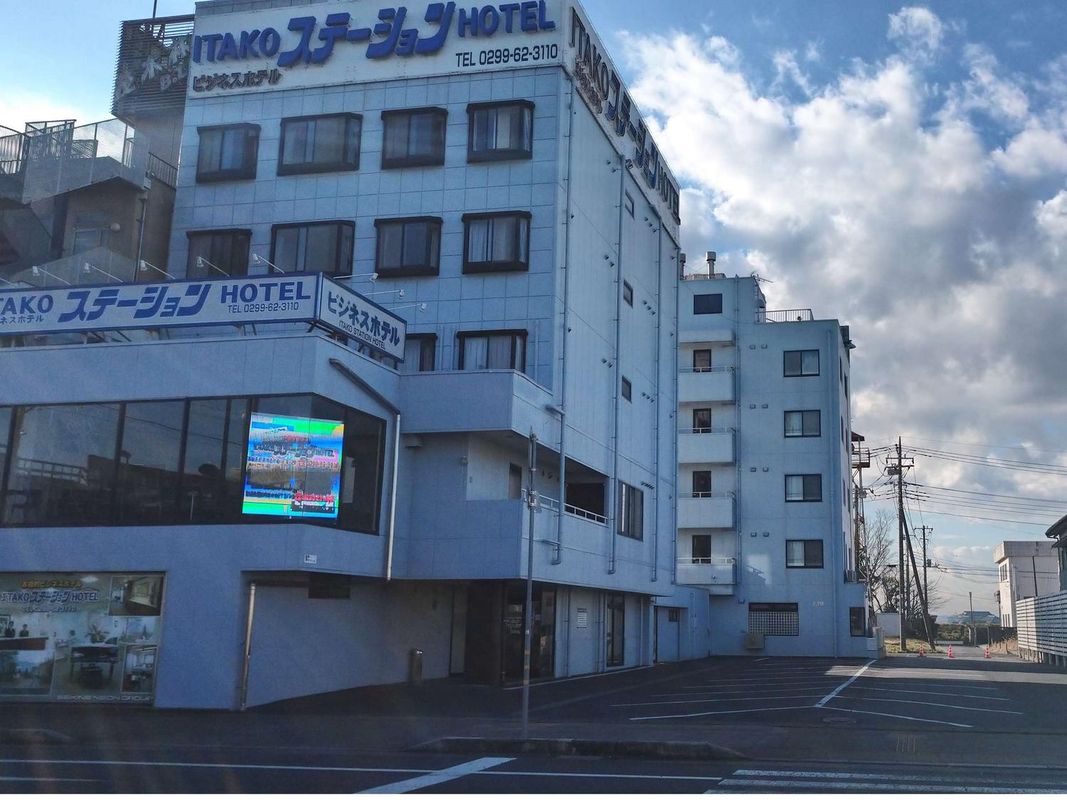
Itako Station Hotel
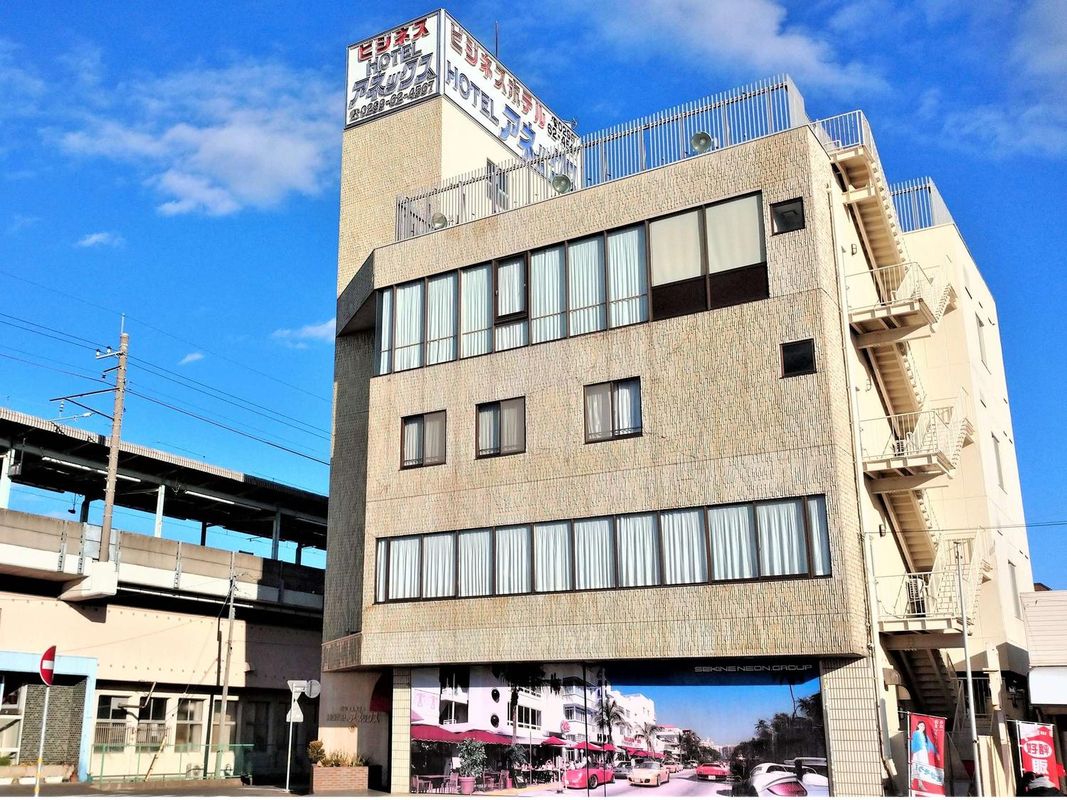
Business Hotel Annex
Best Hotels in Itako
Discover curated hotel collections in Itako
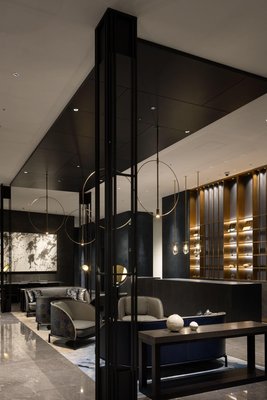
Bellustar Tokyo, A Pan Pacific Hotel
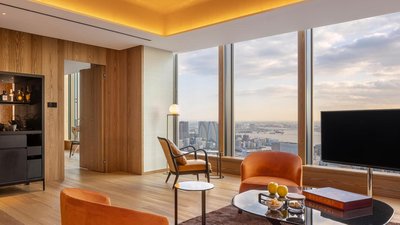
Bvlgari Hotel Tokyo
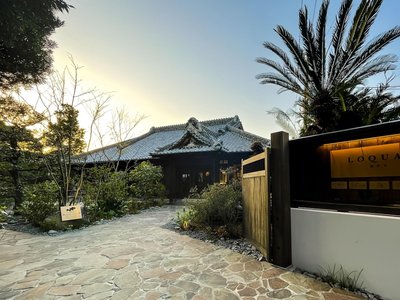
Loquat Nishiizu
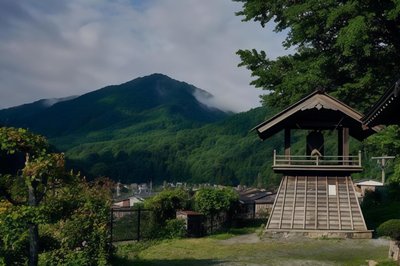
Byaku Narai
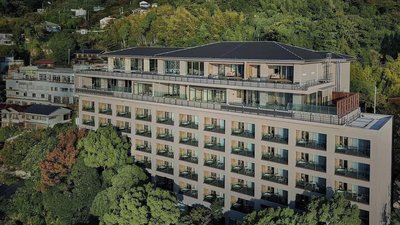
Atami Izusan Karaku
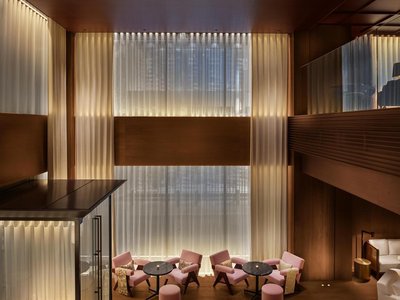
The Tokyo Edition, Ginza
Janu Tokyo
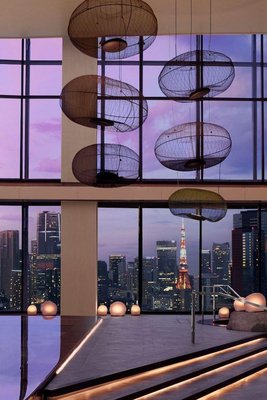
JW Marriott Hotel Tokyo
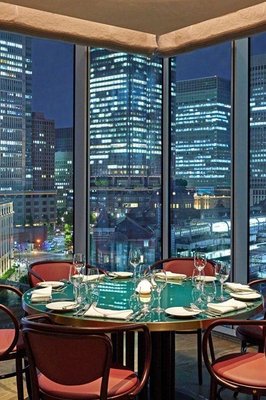
Four Seasons Hotel Tokyo at Marunouchi

Mandarin Oriental, Tokyo
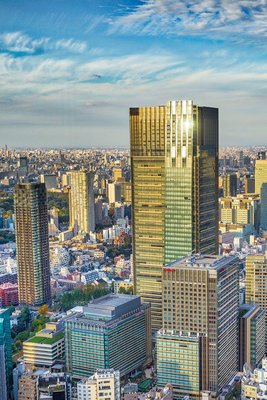
The Ritz-Carlton, Tokyo
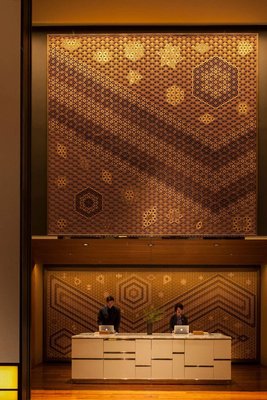
Andaz Tokyo Toranomon Hills- A Concept by Hyatt
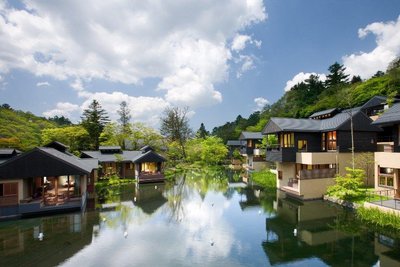
Hoshinoya Karuizawa
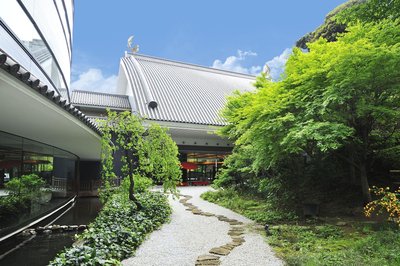
Hotel Gajoen Tokyo
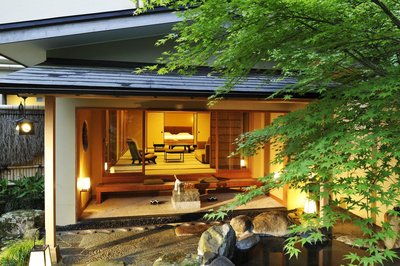
Gora Kadan
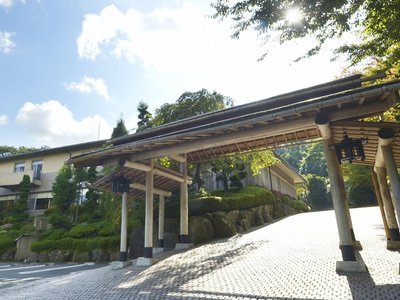
Gora Hanaougi
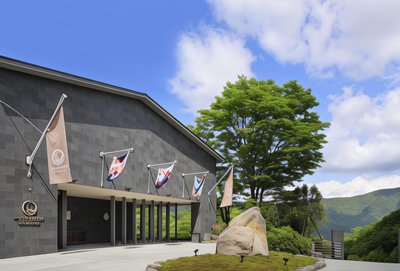
The Hiramatsu Hotels & Resorts Sengokuhara Hakone
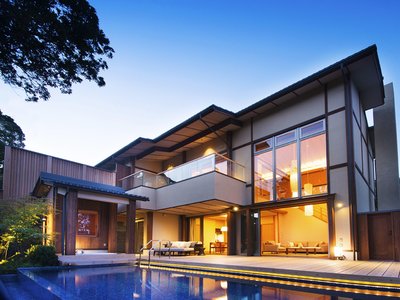
Abba Resorts Izu - Zagyosoh
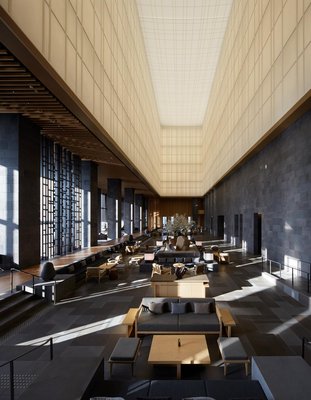
Aman Tokyo
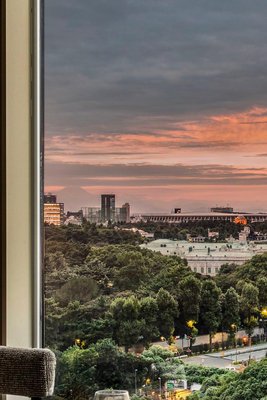
Hotel New Otani Tokyo, Executive House Zen
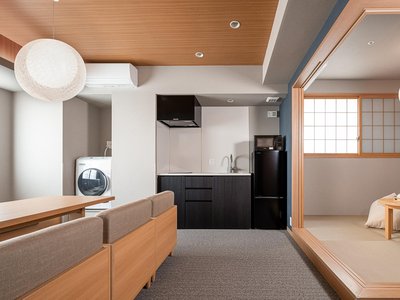
MIMARU SUITES Tokyo Asakusa
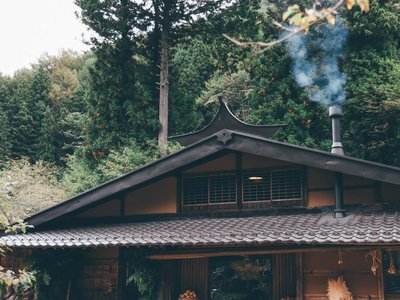
La Terra Resort
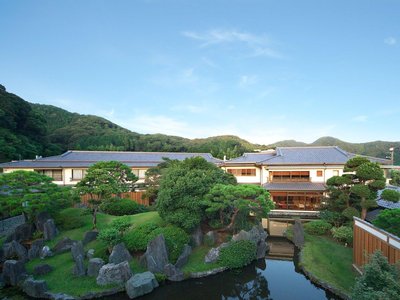
Kagetsutei
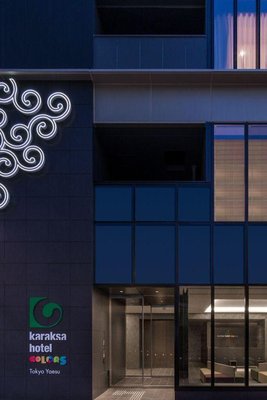
karaksa hotel colors Tokyo Yaesu
HOTEL GROOVE SHINJUKU, A PARKROYAL Hotel

EN Resort Grandeco Hotel
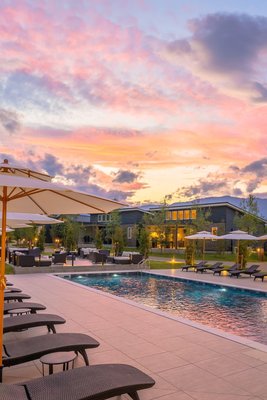
Awaumi Fujikawaguchiko Resort
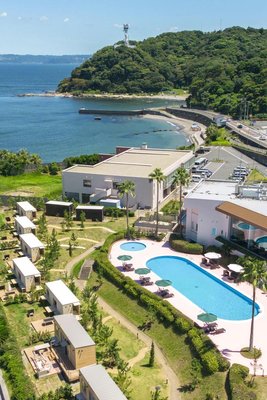
La vista Yokosuka Kannonzaki Terrace
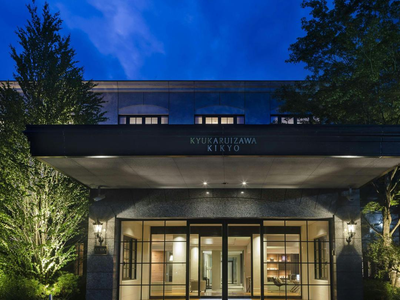
Fufu Karuizawa Wind of Sunshine
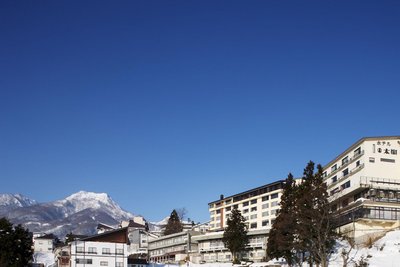
Hotel Taiko, Akakura Onsen
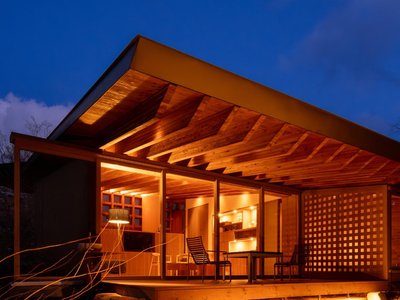
Nasu Mukunone
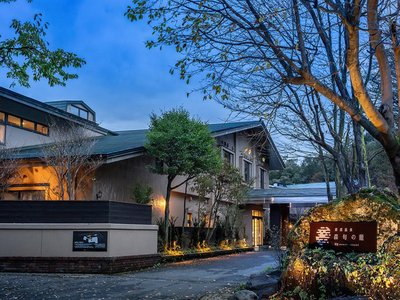
Nasu Onsen Shinshun no Kago Hewitt Resort

Scapes the Suite
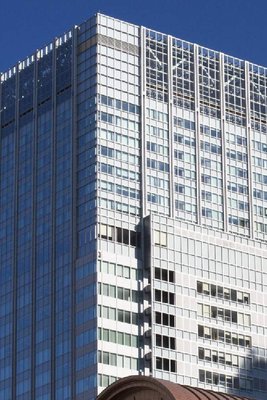
Hotel Metropolitan Tokyo Marunouchi
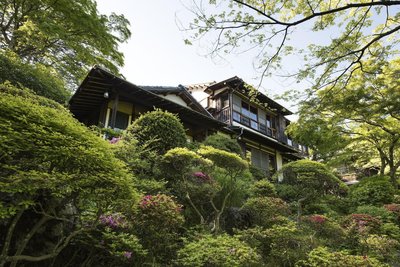
Gora Kansuiro
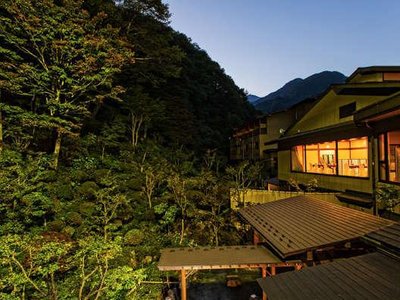
Futari Shizuka
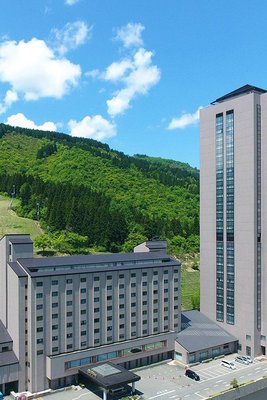
Naspa New Otani
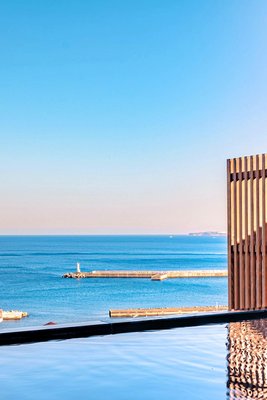
HOTEL KANICHI
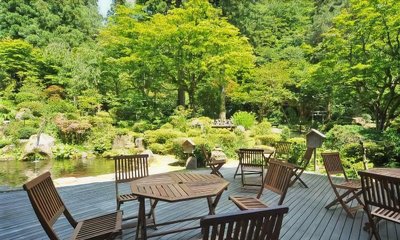
Choseikan
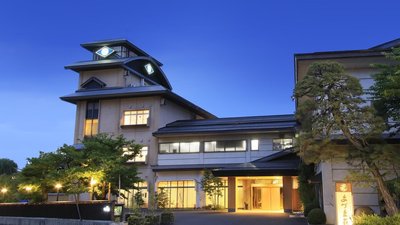
Shouhakutei Azumaso
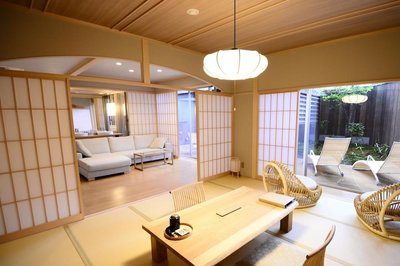
Hakone Gora Byakudan
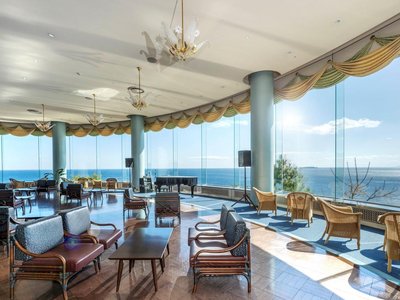
Hotel New Akao
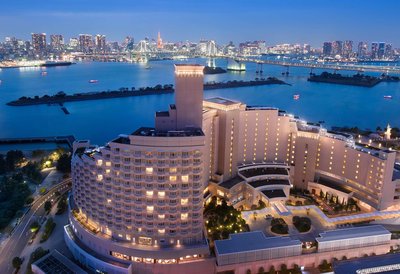
Hilton Tokyo Odaiba
JW Marriott Hotel Tokyo
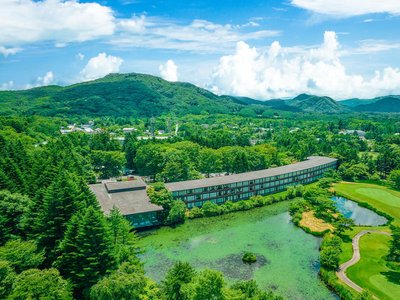
The Prince Karuizawa
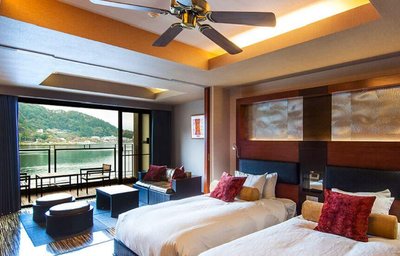
The Kukuna
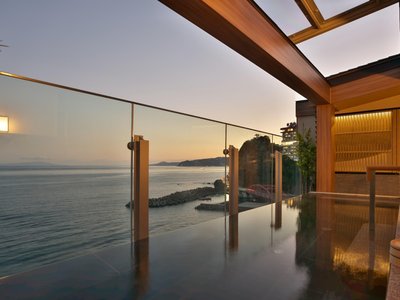
Hotel New Sagamiya
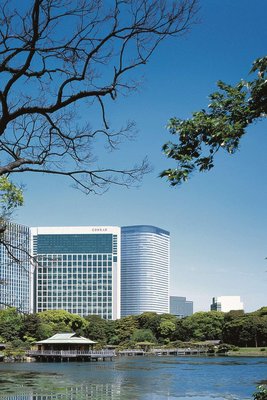
Conrad Tokyo
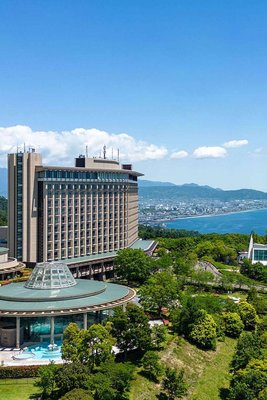
Hilton Odawara Resort & Spa
Hoshinoya Karuizawa
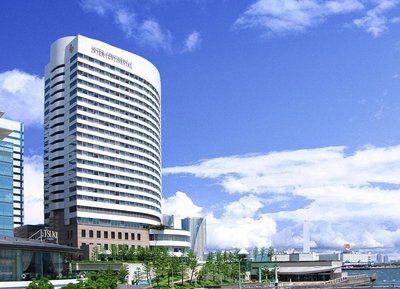
InterContinental Tokyo Bay
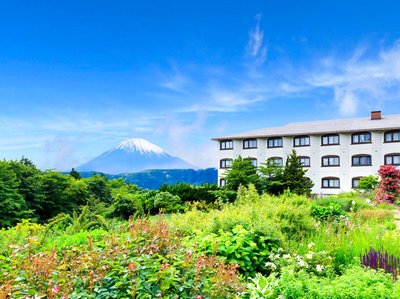
Hotel Green Plaza Hakone
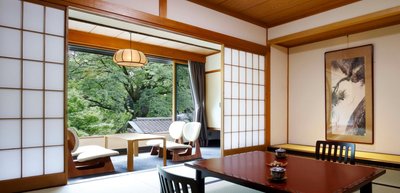
Yoshiike Ryokan
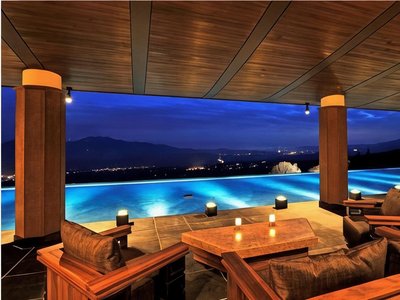
Akakura Kanko Hotel
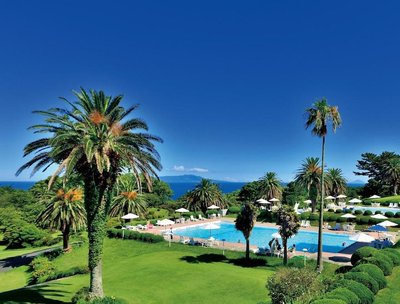
Kawana Hotel
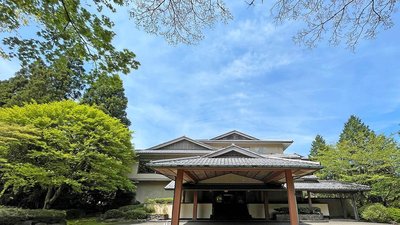
Ryuguden
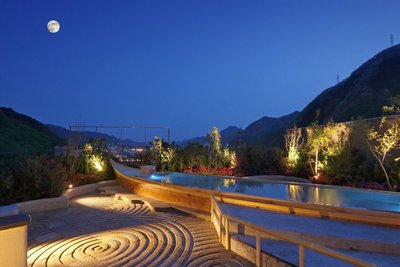
Asaya
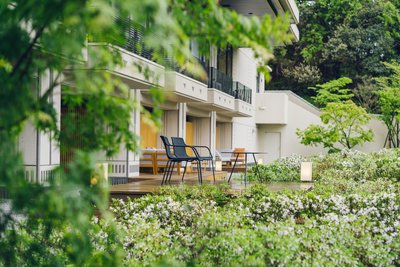
Hoshino Resorts Kai Enshu
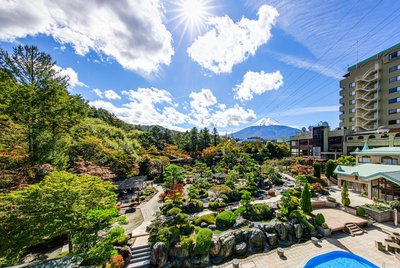
Kaneyamaen
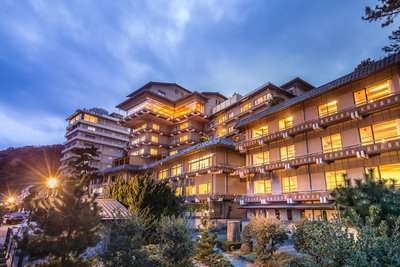
Bousui
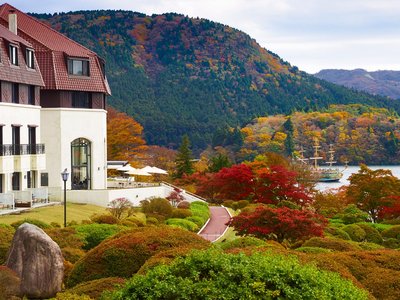
Hotakajyo
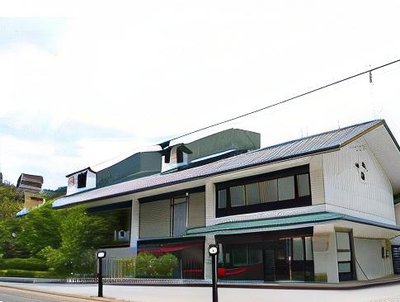
Auberge Suzukane

Onyado Nono Asakusa Bettei Hot Spring
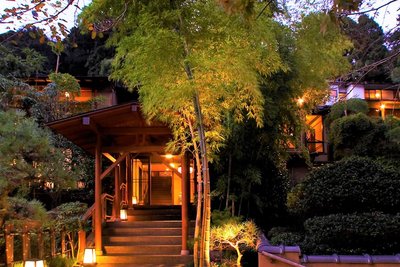
Shiki wo Ajiwau Yado Yamano Chaya
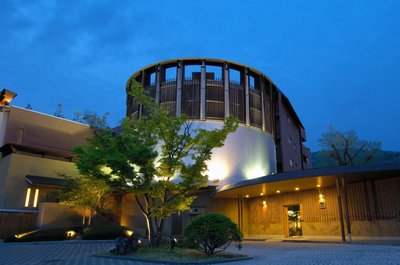
Hoshino Resorts Kai Matsumoto
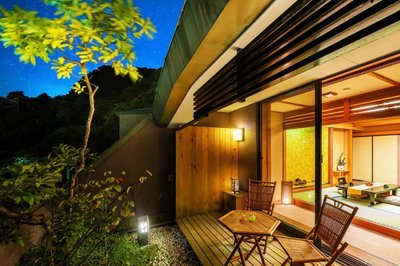
Konjakutei
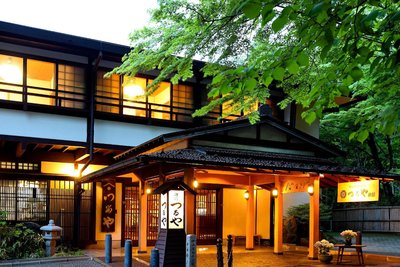
Tsuruya Ryokan
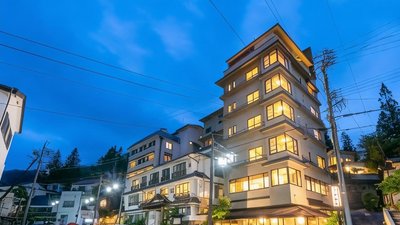
Nakamatsuya Ryokan
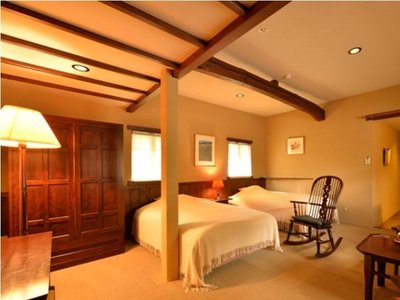
Ryokan Sugimoto
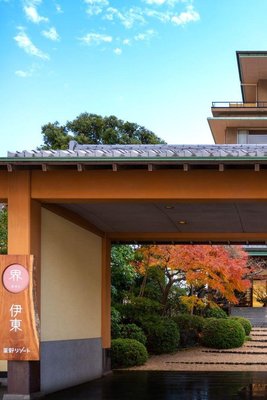
Hoshino Resorts Kai Ito
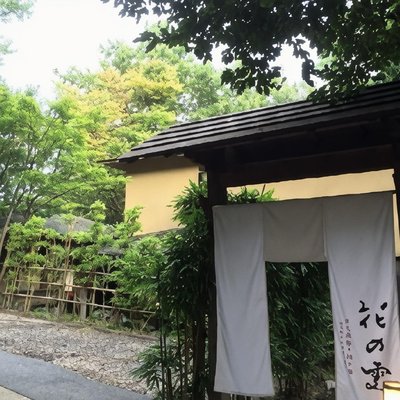
Hana No Kumo
Yoshiike Ryokan
Hotel Gajoen Tokyo
Gora Hanaougi
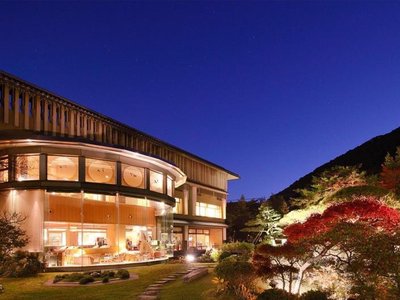
Shikisai Ichiriki
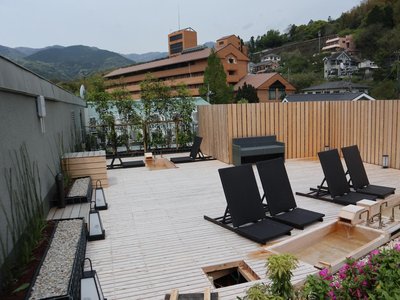
Fukiya Ryokan
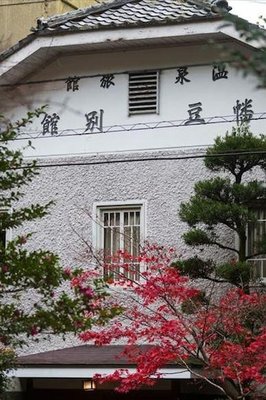
Oku-Mikawa・Yuya Onsen HAZU Bekkan
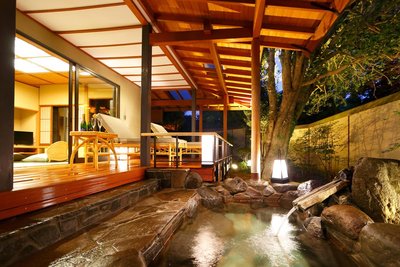
Yoshiharu Ryokan – Izu Nagaoka Onsen
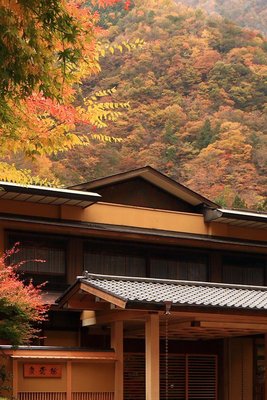
Nishiyama Onsen Keiunkan
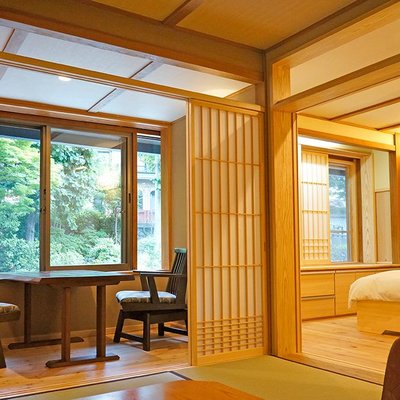
Sumiyosiya Ryokan
Bellustar Tokyo, A Pan Pacific Hotel
JW Marriott Hotel Tokyo
Andaz Tokyo Toranomon Hills- A Concept by Hyatt
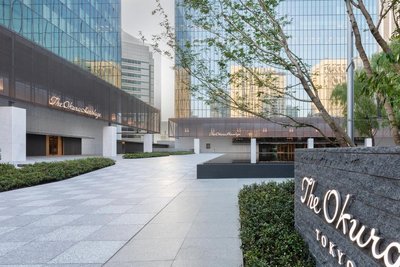
The Okura Tokyo
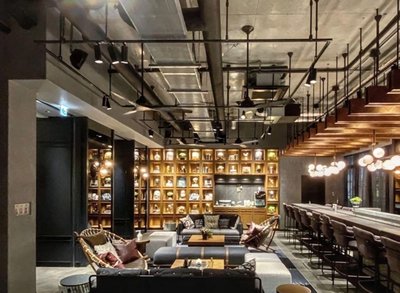
The Lively Azabujuban Tokyo
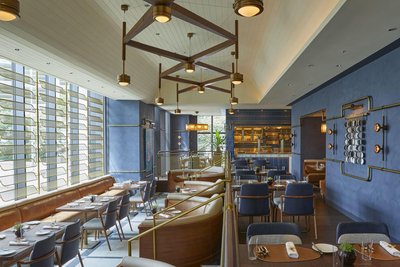
Kimpton Shinjuku Tokyo
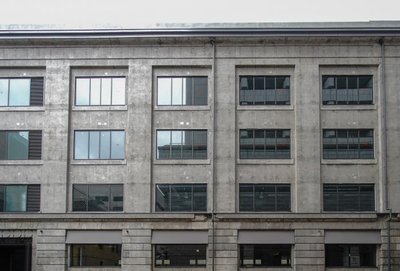
HOTEL K5
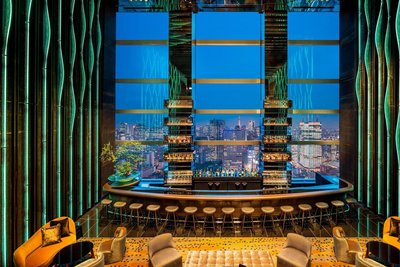
The Prince Gallery Tokyo Kioicho, a Luxury Collection Hotel
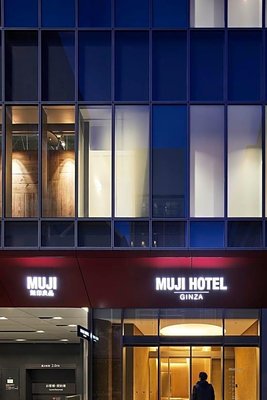
Muji Hotel Ginza
Hakone Gora Byakudan
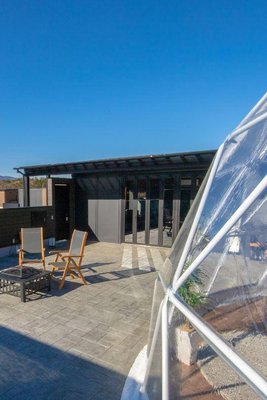
Panoramic Mt. Fuji Views from All Rooms – Vision Glamping Resort & Spa Yamanakako
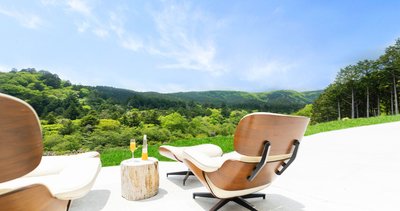
Shelter Garden Nikko
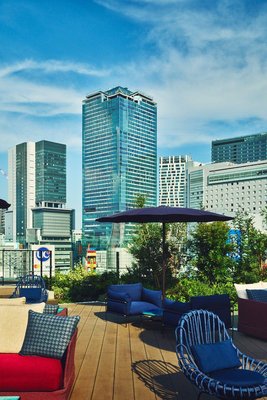
Hotel Indigo Tokyo Shibuya
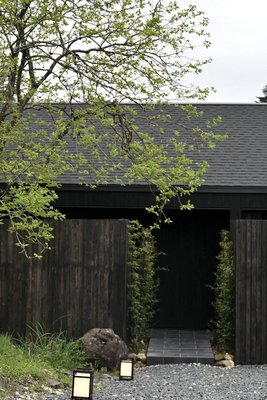
THE LAKOTAN
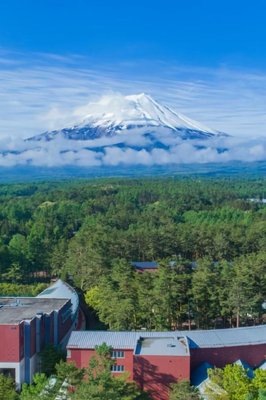
Forest Village (Fuji Premium Resort)
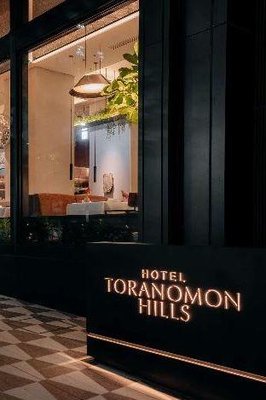
Hotel Toranomon Hills
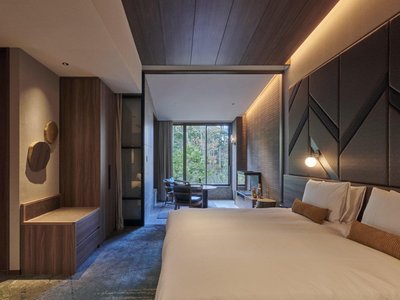
Fufu Kyu-Karuizawa Restful Forest
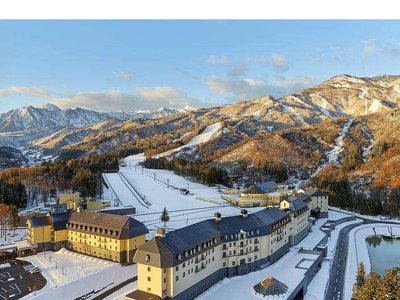
Lotte Arai Resort
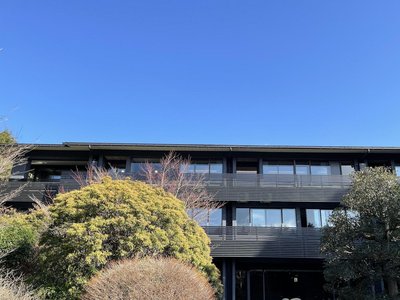
Sengokubara Cocon
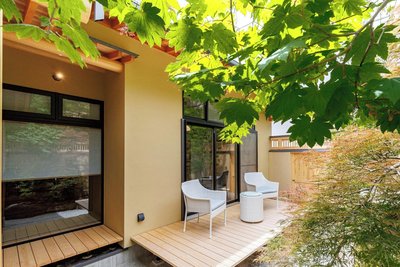
Shoraiso
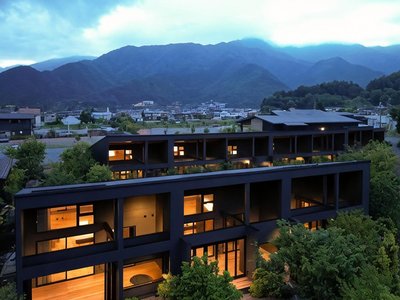
7C Villa and Winery
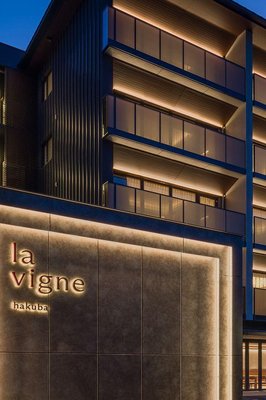
Hotel la Vigne Hakuba by Onko Chishin
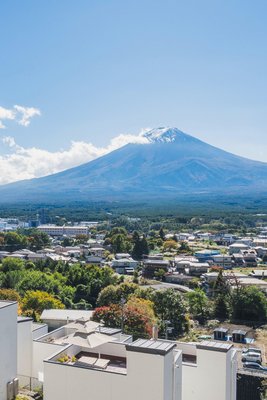
THE TOKI FujiKawaguchiko
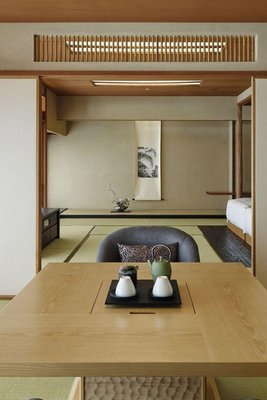
Takanawa Hanakohro (in Grand Prince Hotel Takanawa)
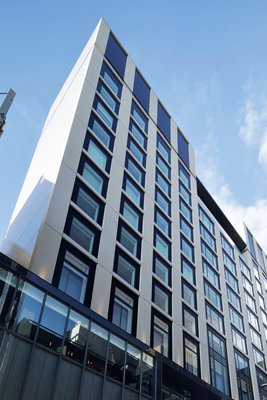
Hyatt Centric Ginza Tokyo
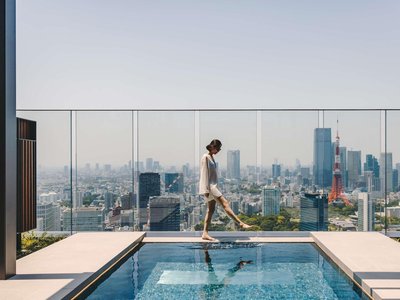
Fairmont Tokyo
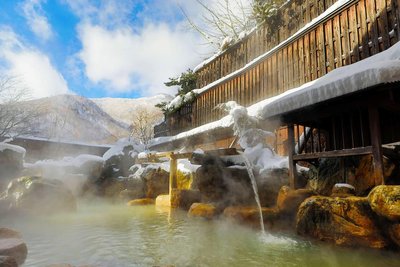
Miyamaouanbekkan yumegurinoyado hirayukan
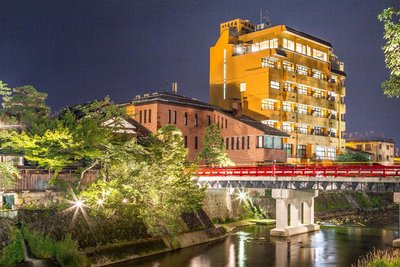
HONJIN HIRANOYA BEKKAN
The Prince Karuizawa
Bvlgari Hotel Tokyo
Four Seasons Hotel Tokyo at Marunouchi
Mandarin Oriental, Tokyo
The Ritz-Carlton, Tokyo
Andaz Tokyo Toranomon Hills- A Concept by Hyatt
Gora Kadan
Hotel New Otani Tokyo the Main
Aman Tokyo
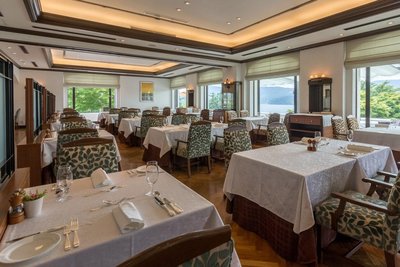
Odakyu Hotel de Yama
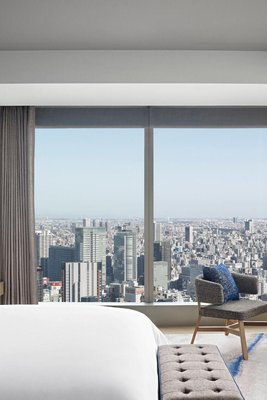
Four Seasons Hotel Tokyo at Otemachi
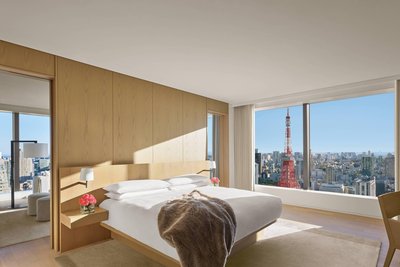
The Tokyo Edition, Toranomon
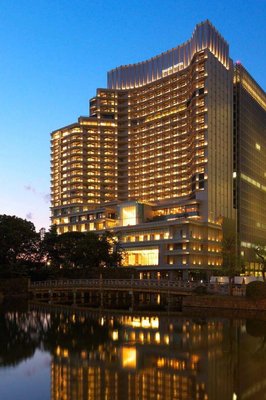
Palace Hotel Tokyo
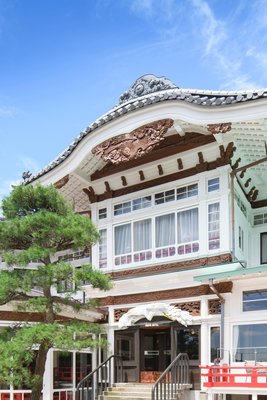
Fujiya Hotel
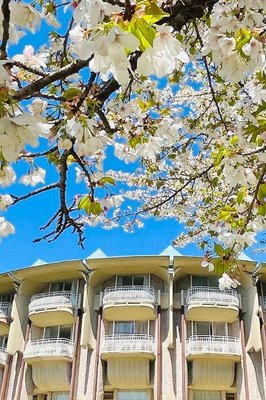
The Prince Hakone Lake Ashinoko
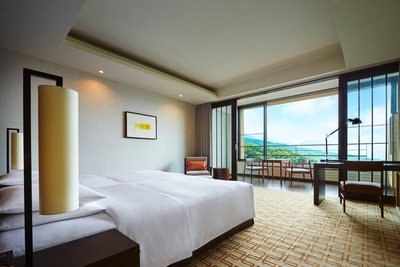
Hyatt Regency Hakone Resort and Spa
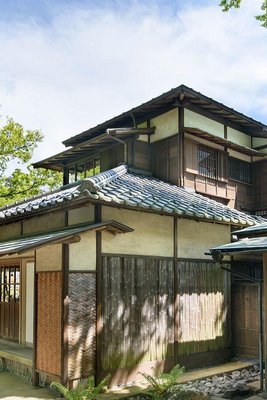
Hakone Suishoen
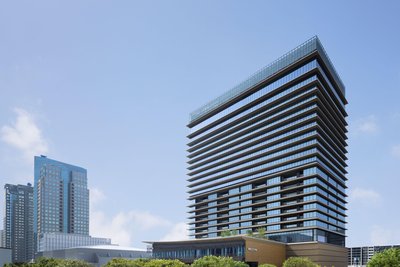
The Westin Yokohama
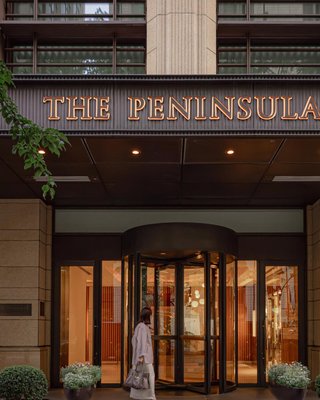
The Peninsula Tokyo

Imperial Hotel, Tokyo
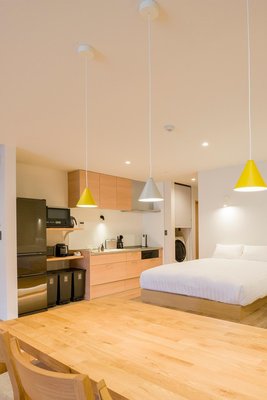
Rakuten STAY VILLA Nasu
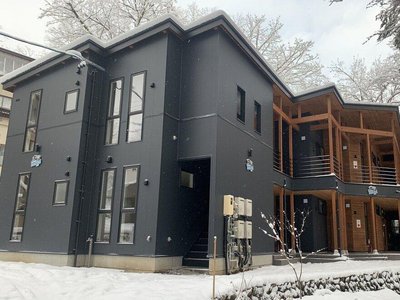
Hakuba Gondola Apartments
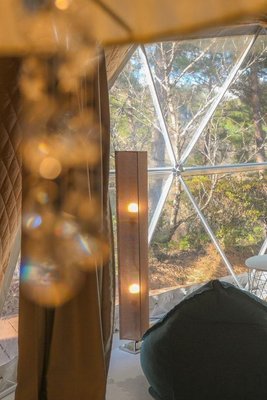
glampark Gekkabijin Nagano
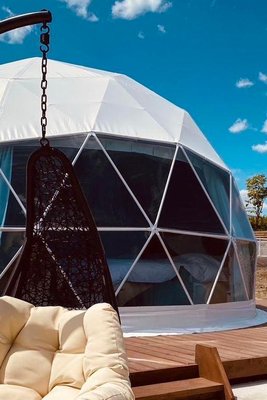
chillout glamping zao
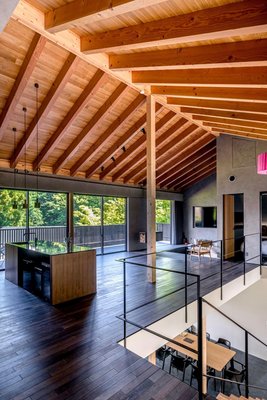
MONS GORA
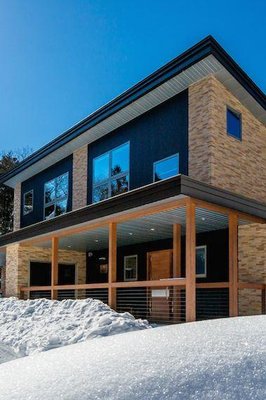
Phoenix Chalets by Hhg
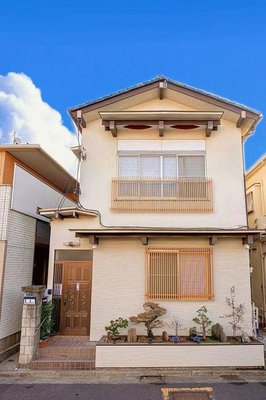
Tokyo Star House-Shinkoiwa
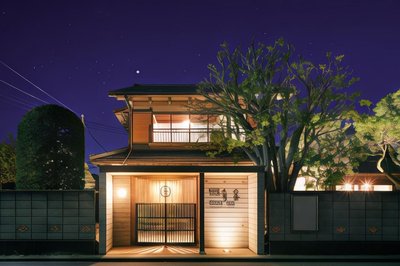
Machi-Jyu
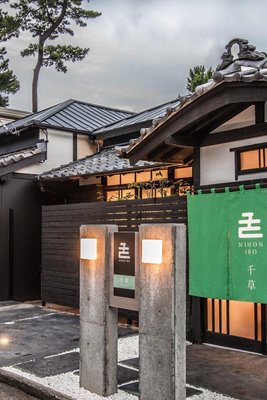
Nihon Iro
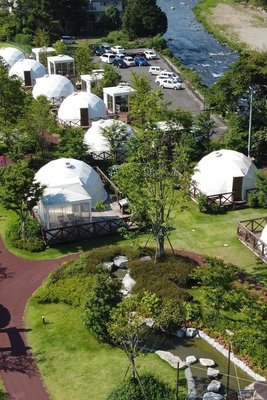
Ufufu Village
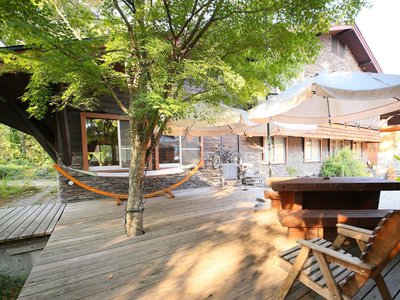
Kunugi Relaxation with 4 Modern Rooms
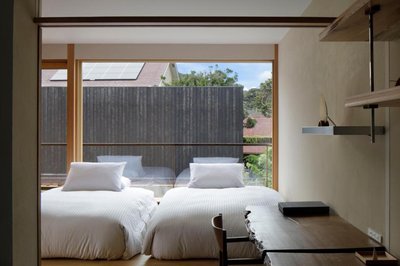
Modern Ryokan Kishi-ke
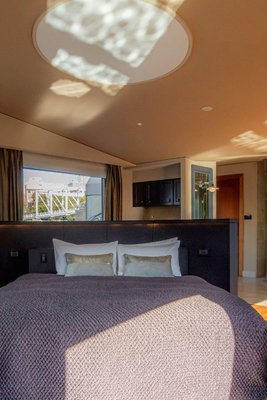
Petals Tokyo - Floating Hotel
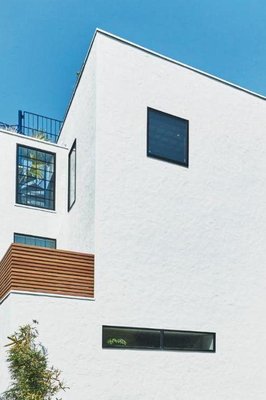
The Flow Kamakura
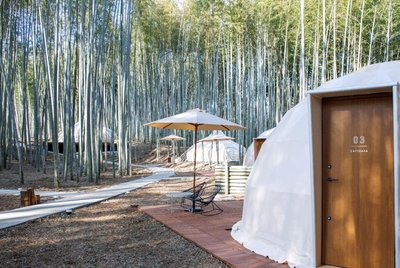
THE BAMBOO FOREST
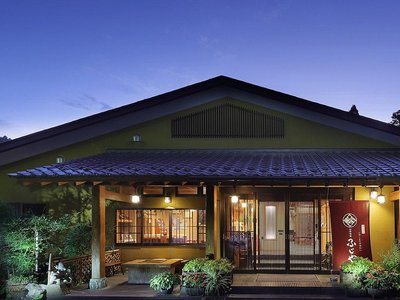
Shikimitei Fujiya
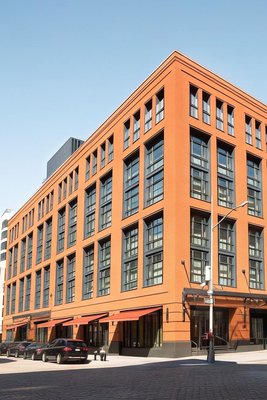
Hotel Barrière Fouquet's New York
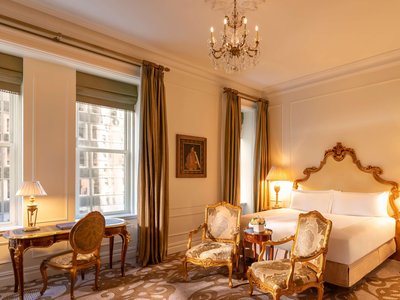
The Plaza - A Fairmont Managed Hotel
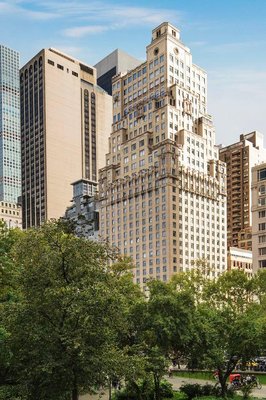
The Ritz-Carlton New York, Central Park
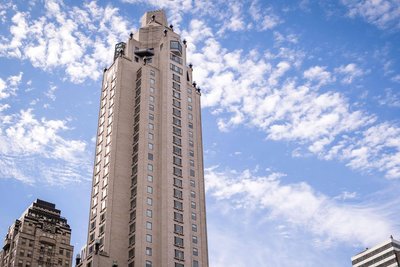
Four Seasons Hotel New York
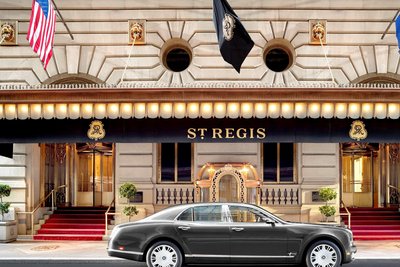
The St. Regis New York
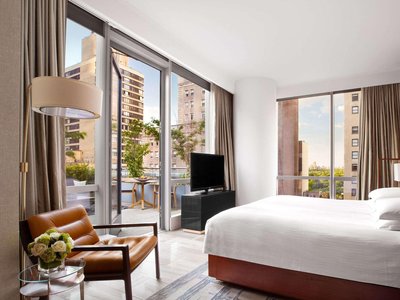
Park Hyatt New York
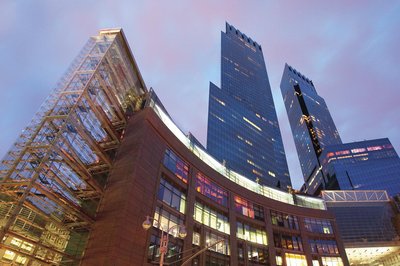
Mandarin Oriental New York
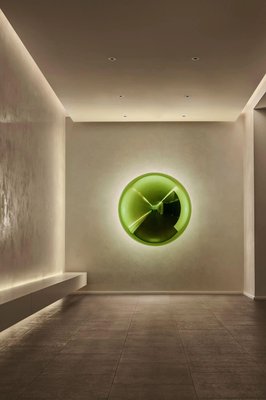
Times Square Edition New York
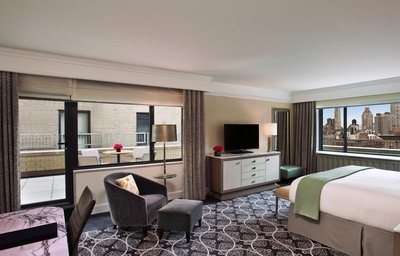
Loews Regency New York Hotel
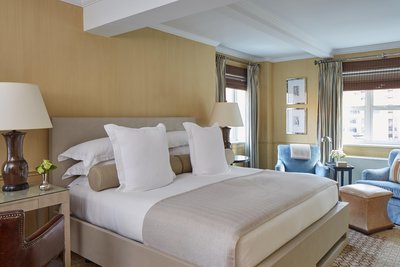
Lowell Hotel
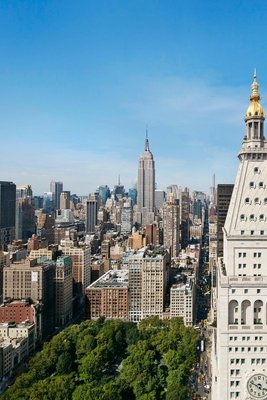
New York Edition
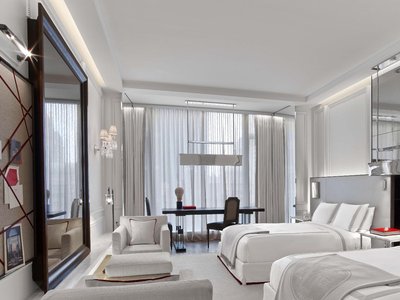
Baccarat Hotel New York
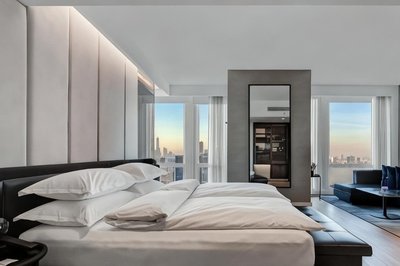
Equinox Hotel New York
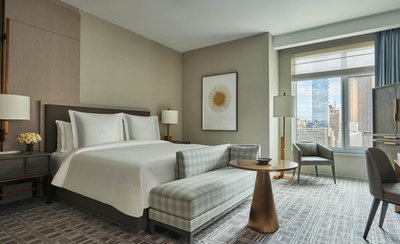
Four Seasons Hotel New York Downtown
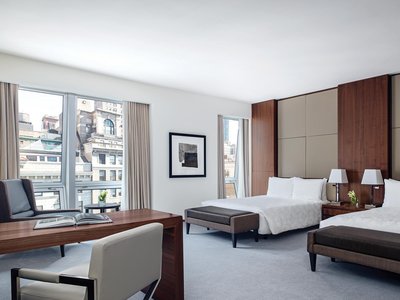
The Langham, New York, Fifth Avenue
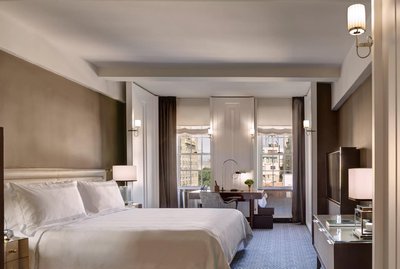
The Carlyle, A Rosewood Hotel

The Chatwal, in the Unbound Collection by Hyatt
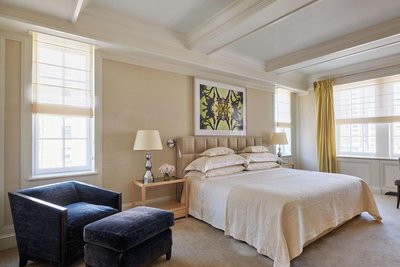
The Mark New York
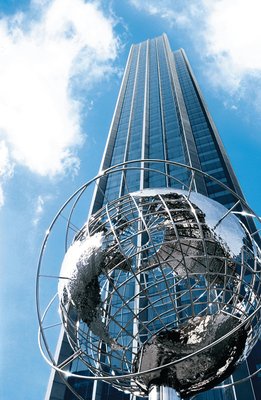
Trump International Hotel & Tower® New York
Casa Cipriani New York
Frequently Asked Questions about Traveling to Itako
Questions You Might Need to Know About Traveling to Itako
In Chōra City, the top family-friendly option is Shimizugawa Onsen Ryokan, a traditional Japanese inn nestled along the Shimizugawa River. It offers private onsen baths, kid-friendly rooms with tatami flooring, and seasonal meals featuring local dishes like Chōra eel rice. The property also hosts hands-on activities such as washi paper-making and tea ceremony workshops, ideal for children to engage with local culture.
For modern comfort, consider Hyatt Regency Ibaraki Chōra, located just steps from Chōra Station. It features an indoor/outdoor pool, a dedicated playroom, and family suites with connecting doors. The hotel’s proximity to Chōra Shrine and Old Town District makes it perfect for easy day trips. HopeGoo early is recommended, especially during spring and autumn festivals.
The best area to stay in Chōra City is the central district near Chōra Station, offering excellent access to public transport, dining, and major attractions. This vibrant zone houses a mix of modern hotels, cozy guesthouses, and traditional ryokan, making it suitable for all travelers.
From here, you can easily walk to Chōra Shrine, Shimizugawa River Path, and the well-preserved Old Town District, where wooden Edo-period buildings now house craft shops and cafés. The area also boasts a lively food scene, including authentic Chōra eel rice and local vegetables. For a quieter experience, consider staying near the riverfront residential zone, where small inns offer serene views of the river and seasonal cherry blossoms or autumn foliage.
Visitors to Chōra City must attend the Shimizugawa Matsuri Festival, held annually in summer, featuring vibrant parades, lion dances, fireworks, and traditional performances that reflect deep-rooted community spirit. Explore the Old Town District, a preserved stretch of Edo-era wooden houses turned into artisan studios and tea houses—perfect for trying washi paper crafting or pottery-making.
Don’t miss the spring festival at Chōra Shrine, where locals perform ancient kagura dances and offer prayers. Guided tours are available to uncover the history behind each building. For a deeper connection, participate in a local cooking class to learn how to prepare Chōra eel rice using traditional methods passed down through generations.
Chōra City’s hot spring inns stand out for their natural volcanic mineral waters and tranquil, immersive atmosphere. Shimizugawa Onsen Ryokan draws water from 300 meters below ground, known for its skin-softening properties and therapeutic benefits. Its open-air baths overlook the Shimizugawa River, offering scenic views of flowing water and changing seasons—especially stunning during fall’s maple displays.
Most inns serve kaiseki dinner featuring fresh local ingredients, including grilled Chōra eel and seasonal vegetables sourced from nearby farms. Rooms often feature sliding shoji doors, tatami mats, and minimalist design, creating a peaceful retreat. Some even offer private onsen cabins, perfect for couples or those seeking solitude.
Photography enthusiasts should visit the Shimizugawa River Morning Mist Trail, where soft fog blankets the water at dawn, creating dreamy reflections ideal for long-exposure shots. The Old Town District’s weathered wood facades and lantern-lit alleys provide rich textures and storytelling potential.
Capture the iconic red torii gate at Chōra Shrine framed by centuries-old camphor trees. In autumn, the riverbank red maples and ginkgo trees form a natural tunnel of color—perfect for wide-angle shots. At night, try photographing fireworks over the river during the annual festival or the shrine’s illuminated pathways. Bring a tripod and use a polarizing filter to enhance contrast and clarity.
Must-try dishes in Chōra City include Chōra Eel Rice (Unagi Don), made with locally raised eel marinated in sweet soy sauce and grilled to perfection. Visit Matsubara Unagiya, a century-old restaurant known for its daily fresh preparation and signature flavor.
Also sample Ibaraki regional cuisine, such as simmered tofu and vegetable tempura, using ingredients from organic local farms. During festivals, try Chōra mochi—rice cakes filled with red bean paste and chestnut, wrapped in bamboo leaves, reflecting seasonal traditions. Pair your meal with a glass of locally brewed rice wine (sake) for a full sensory experience.
Yes, Chōra City is ideal for road trips thanks to its scenic roads and well-connected routes. Recommended route: Start at Chōra Station, drive west along National Route 126, passing the Shimizugawa River Viewing Spot for panoramic river views. Then head toward Omiya Coast, stopping at Chōra Shrine and the Old Town District for photos and short walks.
Another loop begins at Shimizugawa Onsen Ryokan, travels through Ibaraki Prefectural Nature Park, winding through hills and farmland, then connects to Kosugi Railway Line villages. This route offers rural landscapes perfect for capturing seasonal changes. Renting a compact car is advised due to narrow streets. Use Google Maps Japan for real-time updates on road closures or construction.
The peak tourist seasons in Chōra City are spring (March–May) and autumn (September–November). Spring brings cherry blossoms along the Shimizugawa River and Chōra Shrine Garden, drawing crowds to viewing spots during the spring festival.
Autumn sees stunning fall foliage at its height, particularly in late October to mid-November, when maple and ginkgo trees turn brilliant shades of red and gold. The city hosts nighttime illuminations and autumn festivals, enhancing the visual appeal. While summer’s fireworks festival (late July) is popular, it’s shorter-lived. Avoid Golden Week and Obon holidays for a more relaxed visit.
For couples seeking romance, Shimizugawa River Private Onsen Inn offers secluded Japanese-style cottages with private open-air baths overlooking the Shimizugawa River. Enjoy stargazing while soaking under the night sky, with optional candlelit dinners served in-room.
The inn provides customized honeymoon packages, including handwritten love notes, local scented gifts, and a tree-planting ceremony at Chōra Shrine. Couples can also take a quiet stroll through the Old Town District, sharing a cup of hand-brewed coffee at a hidden café. Advance HopeGoo is essential—especially during cherry blossom and autumn leaf seasons.
Yes, Chōra City is highly accessible without a car. The main hub is Chōra Station, served by JR East’s Joban Line, connecting to Tokyo, Mito, and Narita Airport in about one hour. Local Chōra Loop Bus runs frequently, linking key sites like Chōra Shrine, Old Town District, and Shimizugawa River Path.
Additional options include Kosugi Railway and Ibaraki Tourist Buses, which provide direct access to nearby nature areas. Most central areas are pedestrian-friendly with ramps and tactile paving. Purchase the Ibaraki One-Day Pass for unlimited rides on designated buses and trains—ideal for budget-conscious travelers. Non-drivers can fully enjoy the city’s charm and culture.
Itako Overview
City Summary
Itako City in Ibaraki Prefecture is famed as the "Venice of the East" with its intricate canal networks. The highlight is the annual Itako Ayame Matsuri (May-June) featuring 500+ iris varieties and traditional wasen boat rides. Preserving Edo-period fishing village charm, it offers authentic water town experiences.
Must-See Attractions
Top attraction is Itako Iris Garden with summer boat tours through flower channels. Waterfowl sanctuary hosts rare migratory birds. Join wase boat-building workshops or visit Itako Folklore Museum for canal history. Romantic night canal illuminations are seasonal highlights.
Food Guide
Must-try Itako Fisherman's Pot with miso-based seafood broth, and lotus root manju sweets. Shop at Roadside Station Itako for local produce or enjoy fresh clam rice bowls at portside eateries. Unique iris flower tea makes perfect souvenir.
Transportation Guide
From Tokyo: Take JR Joban Line to Kashima-Jingu Station, then 20min bus. Driving via Higashi-Kanto Expressway takes 1.5hrs. Use sightseeing loop buses (English audio) or rent bicycles. Water taxis require advance HopeGoo. Note some alleys are bicycle-only.
Best Time to Visit
May-June for iris blooms (peak crowds) or Sept-Nov for milder weather. Winter brings frozen canals with limited boat services.
Travel Tips
- Mind low bridges during boat rides
- Ask permission before photographing private boathouses
- Carry mosquito repellent near wetlands
- Book traditional workshops 2 weeks ahead
- Most small museums close Wednesdays
- Night illuminations are seasonal events
Useful Information
Basic Japanese is essential (low English proficiency). Cash dominates, credit cards accepted only at major venues. Free city-wide "Itako Free Wi-Fi" available. Dial #7119 for medical advice; nearest major hospital is in Kashima City. Tourist center provides English maps and charging stations (open till 18:00).









