Hotels in Itsuki
Discover your perfect stay in Itsuki.
Itsuki(Japan) Travel 2026: Cheap Flights, Hotels & Top Attractions
Popular Landmarks in Itsuki
Discover the most iconic attractions in Itsuki
Recommended Hotels in Itsuki
Find the perfect place to stay in Itsuki
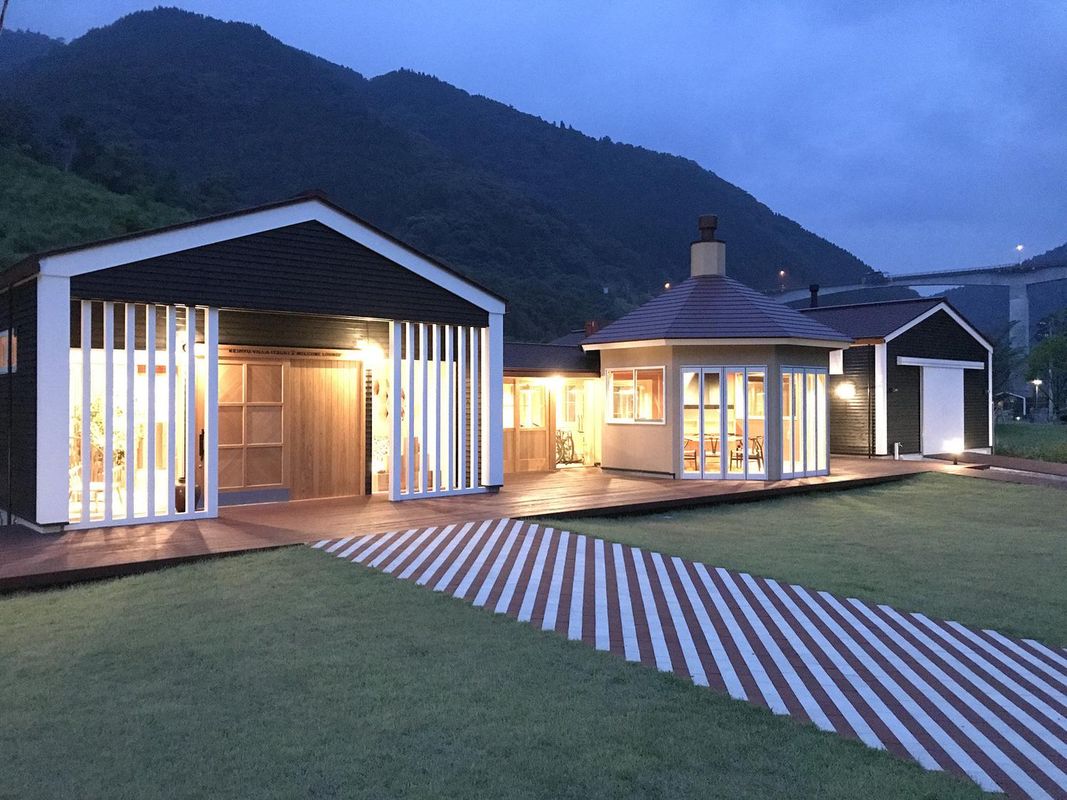
Keiryu Villa Itsuki
Best Hotels in Itsuki
Discover curated hotel collections in Itsuki

Sheraton Kagoshima
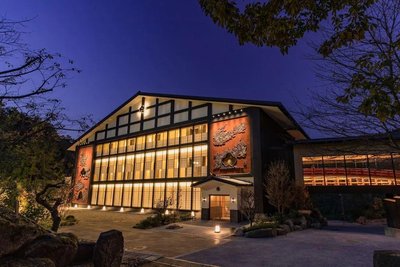
Okuhita Onsen Umehibiki

Nagasaki Marriott Hotel
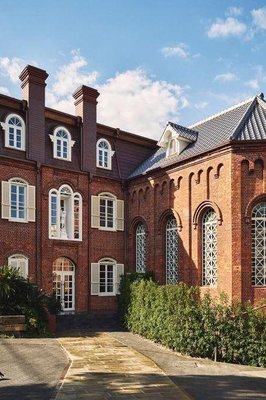
Hotel Indigo Nagasaki Glover Street by IHG

Stadium City Hotel Nagasaki

ONE FUKUOKA HOTEL
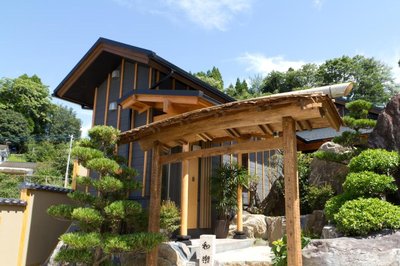
Ryokan Shinsen
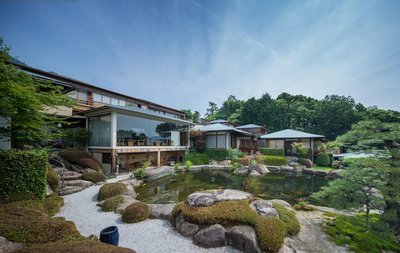
SEKITEI

Yamatoya Besso

Hilton Fukuoka Sea Hawk

Olive Bay Hotel
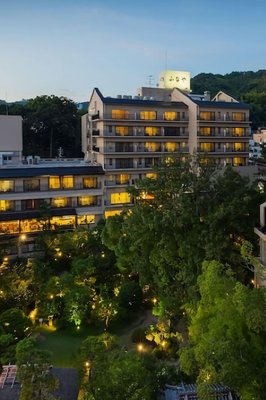
Funaya

Hotel Okura Jr Huis Ten Bosch

Bettei Oborozukiyo

La Vista Kirishima Hills

Hotel Amsterdam Huis Ten Bosch

Yumotoankiyohime
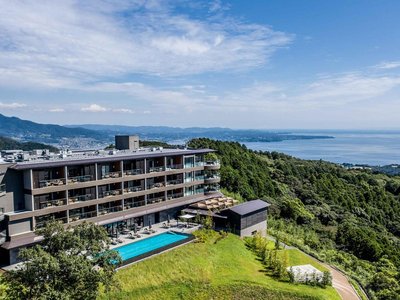
Ana InterContinental Beppu Resort & Spa

TheMana Village

Amane Resort Gahama
Frequently Asked Questions about Traveling to Itsuki
Questions You Might Need to Know About Traveling to Itsuki
In Itsuki Village, the top eco-friendly stay is Yama no Yado Itsuki, a former farmhouse transformed into a sustainable retreat using local timber and solar power. Nestled beside the Itsuki River, it offers private garden views and stargazing opportunities. The owners serve organic, farm-to-table meals made from village-grown ingredients. With only six rooms, it ensures privacy and low environmental impact. Guests can join guided forest walks or participate in traditional crafts like bamboo weaving, making it ideal for nature lovers seeking an authentic rural experience in Kumamoto Prefecture.
The best area for serene stays in Itsuki Village is along the Itsuki River Valley, where lush forests and clear streams create a tranquil atmosphere. This region hosts several eco-conscious lodges such as Mori no Ie and Kōgen no Sato, both built with reclaimed wood and featuring minimalist Japanese design. Guests enjoy morning coffee on open verandas while listening to birdsong, and evening walks through forest trails leading to panoramic views of Mount Aso. The area’s minimal light pollution also makes it one of Japan’s designated Dark Sky Preservation Zones, perfect for astronomy enthusiasts.
Visitors to Itsuki Village can take part in hands-on traditional pottery workshops led by local artisans who craft distinctive coarse ceramics inspired by Kumamoto’s volcanic soil. Another highlight is the annual Itsuki Fire Festival (Bonfire Ritual), where villagers carry lanterns along mountain paths to welcome ancestral spirits. Additionally, guests may join wild edible plant foraging tours, guided by elderly locals who teach identification and preparation techniques. Meals are then prepared using freshly gathered ingredients, offering a true "from land to table" immersion in rural Japanese culture.
Yes, Itsuki Village is excellent for family travel, especially for those seeking a peaceful, nature-centered getaway. The village features a Family Nature Education Center offering child-friendly activities like insect observation, stream exploration, and handmade bamboo crafts. Most guesthouses offer family rooms and provide baby essentials. Safe, well-marked trails like the Itsuki River Riverside Path are ideal for stroller access. There’s also a small children’s library and outdoor play area, ensuring kids stay engaged. With clean air, gentle terrain, and warm community spirit, it’s perfect for fostering children’s connection with nature.
While Itsuki Village itself lacks large-scale hot spring resorts, nearby Mount Aso Hot Spring Area offers premium options. Asō Hoshinoyu Hotel is highly recommended, featuring open-air baths with views of the Aso Caldera. The mineral-rich waters are known for their skin-soothing properties. Rooms include traditional tatami flooring and kaiseki dining. For a more intimate experience, some village guesthouses offer private family baths with natural spring water sourced from local wells. These smaller accommodations prioritize sustainability and personal service, making them ideal for a rejuvenating escape.
Must-try dishes in Itsuki Village center around locally sourced mountain and farm produce. Key specialties include Aso Black Pork Skewers, fresh wild vegetable tempura (featuring ferns and water dropwort), and Deep Mountain Rice grown from indigenous seeds. Many guesthouses offer "On-site Dining" experiences where guests help prepare meals—like grinding rice or pickling mountain greens. Additional highlights include homemade persimmon dried fruit and honey wine produced in village workshops. These dishes reflect generations of agricultural wisdom and offer a deeply authentic taste of Kumamoto’s rural heritage.
Recommended hikes in Itsuki Village include the Upper Itsuki River Trail, a 3-kilometer loop with crystal-clear streams, ancient trees, and hidden waterfalls. Along the way, rest points offer views of Mount Aso. Another popular route is the Starlight Hill Trail, which leads to a summit perfect for night sky viewing. As a designated Dark Sky Preserve, the area boasts exceptional visibility for stargazing. Trails are clearly marked with safety signage and emergency contact points. Bring sturdy shoes and headlamps—ideal for families and solo hikers alike seeking adventure and serenity in nature.
Itsuki Village celebrates vibrant seasonal festivals year-round. In spring, the Cherry Blossom Festival features picnics under blooming sakura trees, tea ceremonies, and kimono rentals. Summer brings the Fire Festival, where villagers light bonfires to honor ancestors. Autumn’s Chestnut Harvest Festival includes chestnut picking and sweet cake-making workshops. Winter hosts the Snow Stay Program, with cozy cabins, snow photography tours, and heated bath experiences. Monthly, the Itsuki Market gathers local farmers, potters, and artisans, offering a genuine glimpse into village life and craftsmanship.
The easiest way to reach Itsuki Village is by bus from Kumamoto City Station, with direct services running four times daily, taking about 50 minutes. Alternatively, renting a car via the Kyushu Expressway followed by Prefectural Route 178 offers scenic drives through mountain landscapes. While no train stops in the village, many guesthouses provide free shuttle services during peak seasons. Due to winding mountain roads, drivers should exercise caution, and offline maps are advised. Planning ahead ensures smooth access, especially during festival periods.
Accommodation prices in Itsuki Village vary by season and type. Standard guesthouses range from ¥6,000 to ¥10,000 JPY per night, including breakfast. Boutique eco-lodges like Mori no Ie or Kōgen no Sato cost ¥12,000 to ¥18,000 JPY, often including meals and cultural activities. Nearby Mount Aso hot spring hotels start at ¥20,000 JPY per night, with luxury amenities. Off-season rates (November–March) frequently include discounts, such as "Stay 2 Nights, Get 1 Free." Though not budget-friendly, the value lies in authenticity, sustainability, and unparalleled access to nature—making it a worthwhile investment for a true mountain retreat experience.
Itsuki Overview
City Summary
Gokimura, located in the southern part of Kumamoto Prefecture, Japan, is a tranquil village surrounded by mountains, known for its rich natural landscapes and traditional rural culture. With dense forests, clear streams, and pristine countryside views, it is an ideal escape from urban noise. The village also preserves many traditional wooden structures and handicrafts, offering visitors an authentic Japanese rural experience.
Must-See Attractions
Key attractions in Gokimura include its surrounding natural parks and hiking trails, such as Mount Goki and nearby valleys, perfect for outdoor enthusiasts. The village also features ancient temples and shrines that reflect local religious beliefs and history. Additionally, visitors can explore local craft workshops to learn about traditional bamboo weaving and woodworking.
Food Guide
Gokimura's cuisine focuses on local ingredients, with recommended dishes including wild vegetable dishes and river fish. Small restaurants and guesthouses often serve homestyle Japanese meals like miso soup, grilled fish, and vegetable tempura. The local sake and plum wine are also notable and worth trying.
Transportation Guide
Public transportation in Gokimura is limited, so renting a car or driving is recommended. The journey from Kumamoto City takes about 2 hours. There are no subways or buses within the village, but bicycles can be rented for exploration. Taxi services are scarce, so advance HopeGoo is advised.
Best Time to Visit
The best times to visit are spring (March to May) and autumn (September to November), when the weather is pleasant and the scenery is stunning. Summers can be humid, while winters may bring snow, appealing to those who enjoy snowy landscapes.
Travel Tips
- Respect local customs, such as removing shoes before entering temples.
- Mountain weather is unpredictable; carry rain gear and warm clothing.
- Bring essentials as village shops are limited.
- Dispose of trash properly to protect the environment.
- Some attractions require advance reservations.
- Learn basic Japanese phrases for smoother communication.
Useful Information
Japanese is the primary language in Gokimura, with limited English proficiency. Internet coverage is spotty, so offline maps are recommended. Cash is the main payment method, as credit cards are rarely accepted. Medical facilities are scarce; bring basic medications. For emergencies, dial Japan's universal emergency number, 119.









