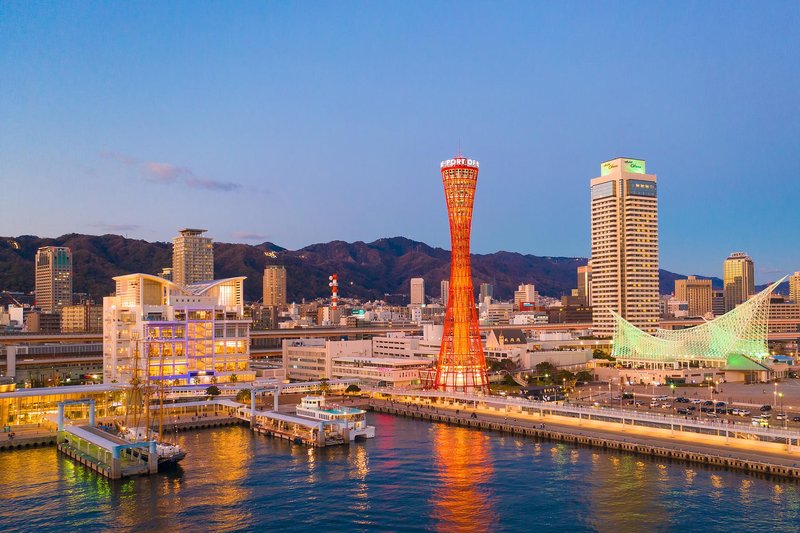
Hotels in Iwade
Discover your perfect stay in Iwade.
Iwade(Japan) Travel 2026: Cheap Flights, Hotels & Top Attractions
Popular Landmarks in Iwade
Discover the most iconic attractions in Iwade
Recommended Hotels in Iwade
Find the perfect place to stay in Iwade

Hotel Itoh
Best Hotels in Iwade
Discover curated hotel collections in Iwade
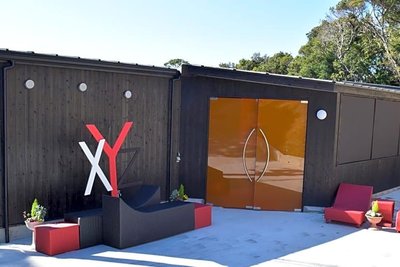
XYZ Private Spa and Seaside Resort
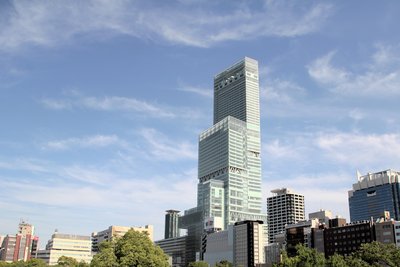
Osaka Marriott Miyako Hotel
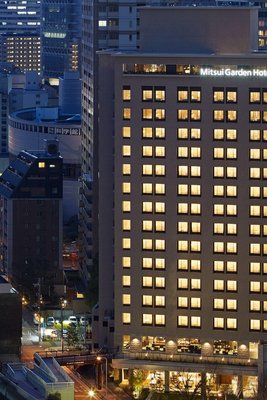
Mitsui Garden Hotel Osaka Premier
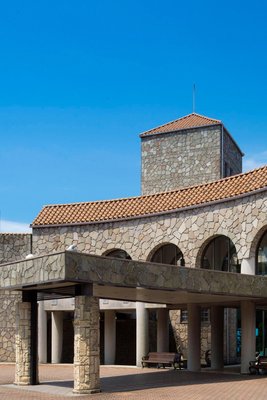
Izumigo Hotel Altia Toba
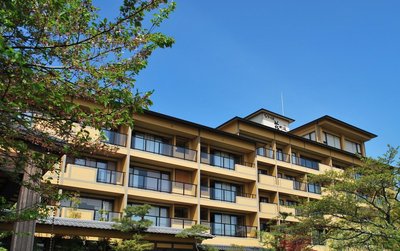
BIWAKO HANAKAIDO
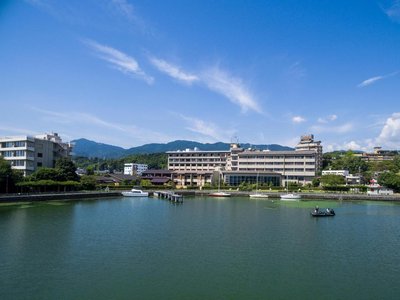
Biwako Ryokusuitei
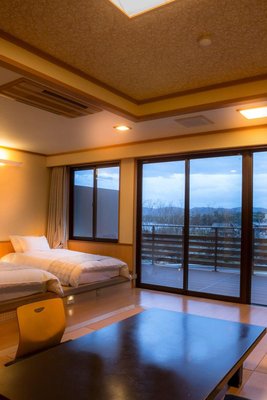
Hotel Kitanoya
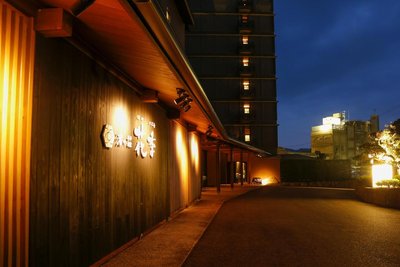
Hanagoyomi
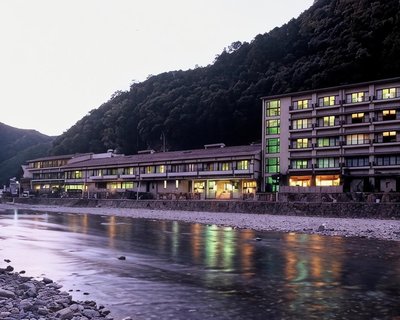
Kawayu Onsen Fujiya
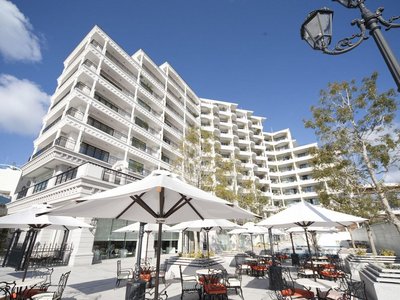
Hotel La Suite Kobe Harborland

AoAwo Naruto Resort
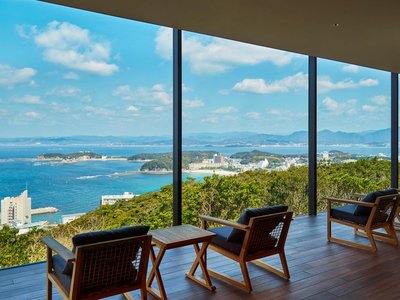
Infinito Hotel and Spa
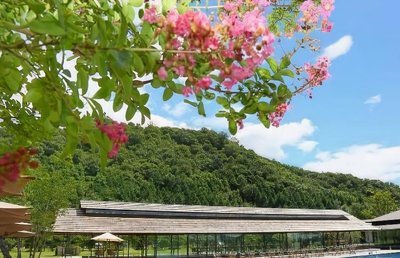
Bella Vista Spa and Marina Onomichi
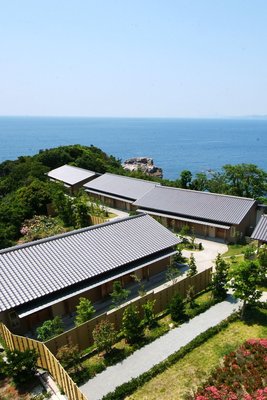
Hamachidorinoyu Kaisyu
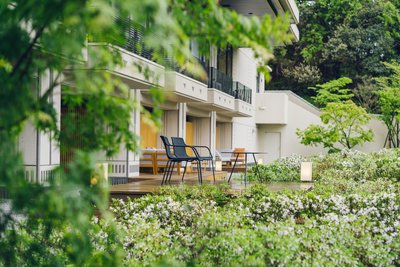
Hoshino Resorts Kai Enshu
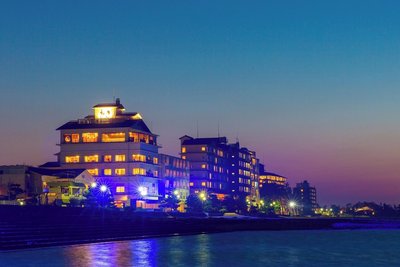
Kaike Shogetsu
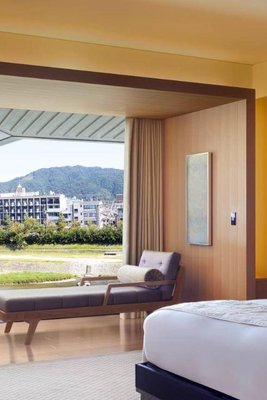
The Ritz-Carlton, Kyoto
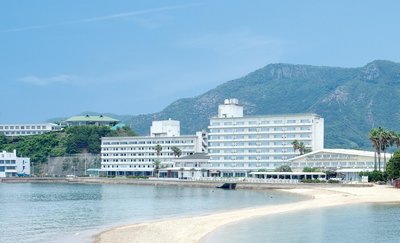
Shodoshima International Hotel
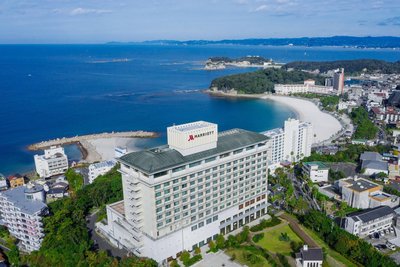
Nanki-Shirahama Marriott Hotel
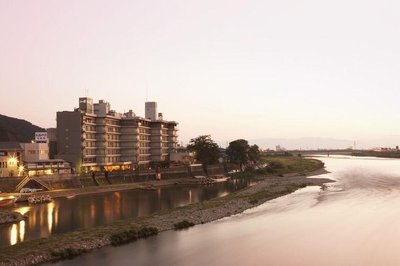
Juhachiro
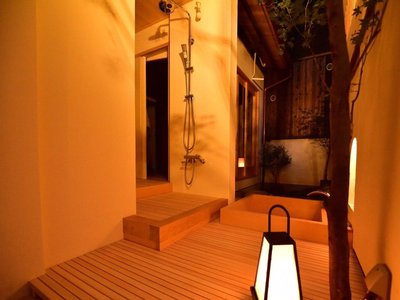
Yado Kiramachi
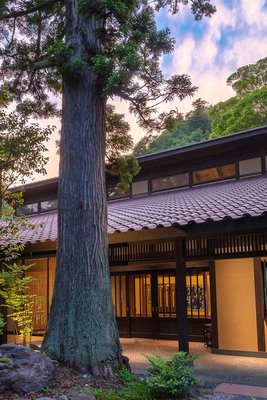
Arimasansoh Goshobessho
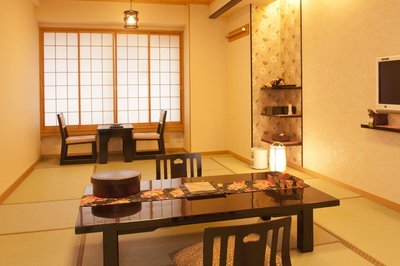
Matsui-Bekkan Hanakanzashi
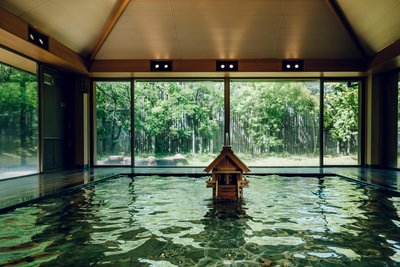
Hoshino Resorts KAI Tamatsukuri

Taikyourou
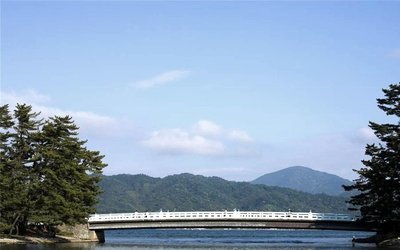
Monjusou Shourotei
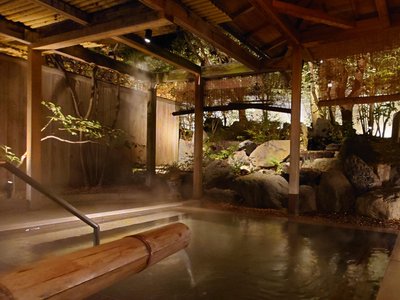
Kasuga Hotel
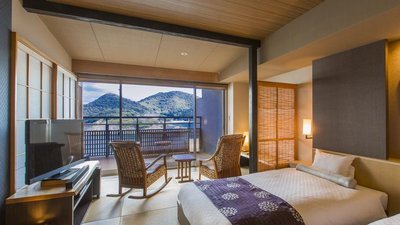
Migiwatei Ochi Kochi
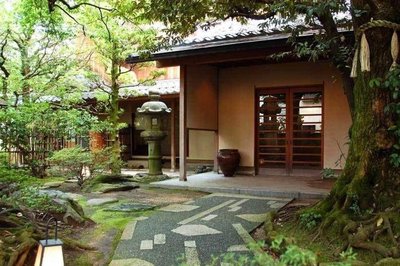
Kocho
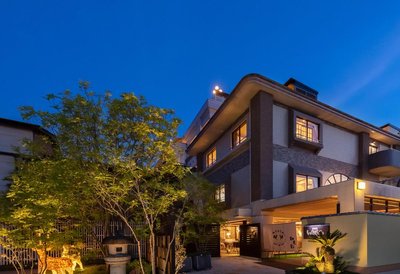
Hotel New Wakasa
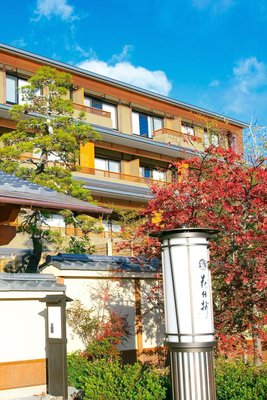
Kyoto Arashiyama Onsen Kadensho (Kyoritsu Resort)
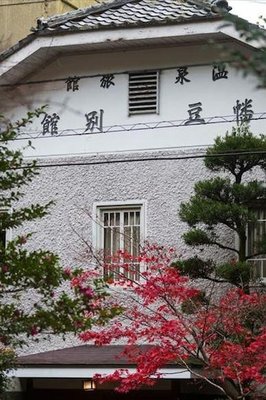
Oku-Mikawa・Yuya Onsen HAZU Bekkan
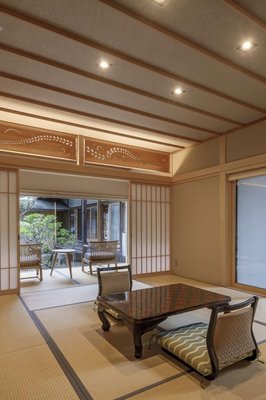
Ichijoin
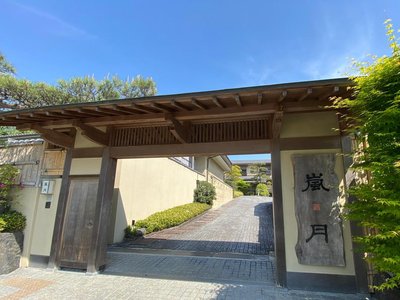
Rangetsu
The Ritz-Carlton, Kyoto
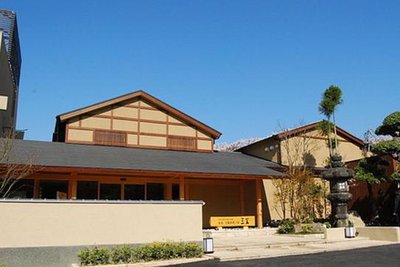
Mikasa
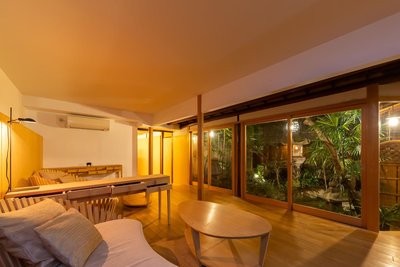
Izuyasu Traditional Kyoto Inn Serving Kyoto Cuisine
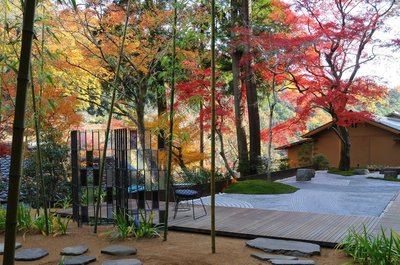
HOSHINOYA Kyoto
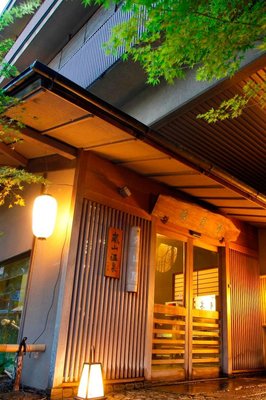
Togetsutei
Juhachiro
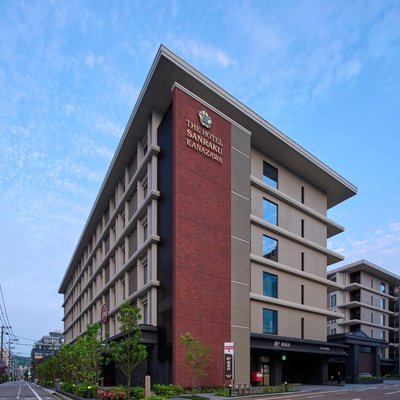
The Hotel Sanraku Kanazawa 21th December 2022 Open
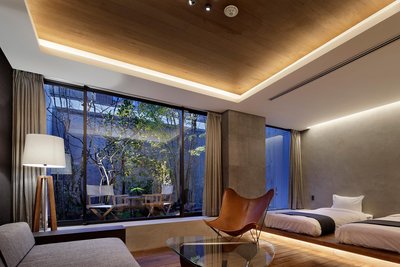
22 PIECES

The Ritz-Carlton, Osaka
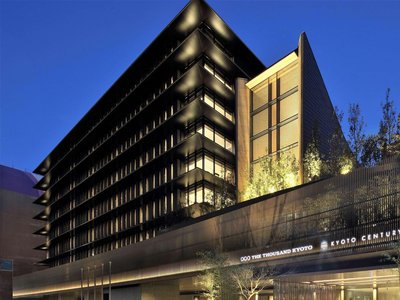
The Thousand Kyoto
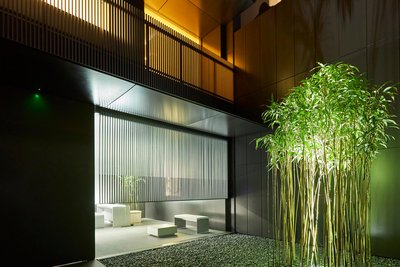
Mogana
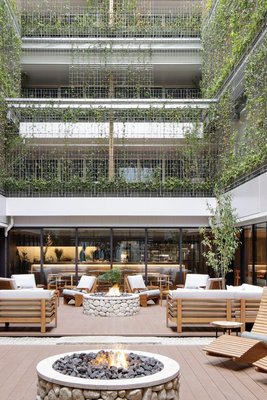
GOOD NATURE HOTEL KYOTO
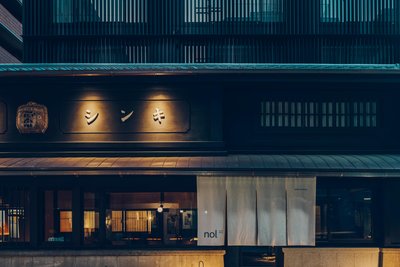
Nol Kyoto Sanjo
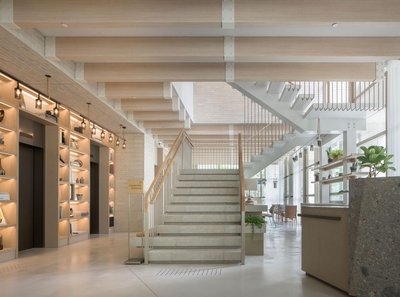
Zentis Osaka
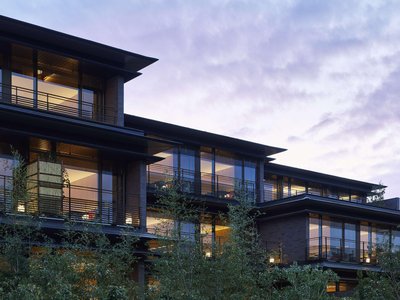
Garrya Nijo Castle Kyoto
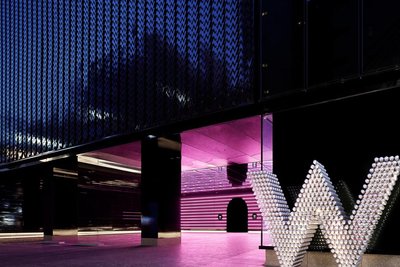
W Osaka
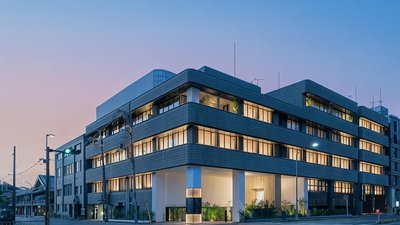
Hotel Kanra Kyoto
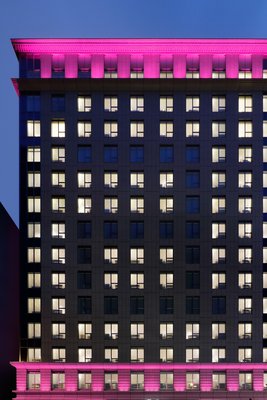
Aloft Osaka Dojima
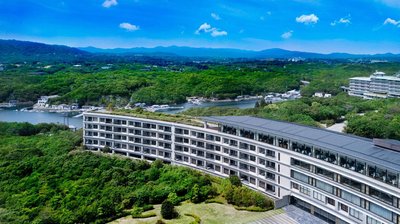
Shima Kanko Hotel the Bay Suites
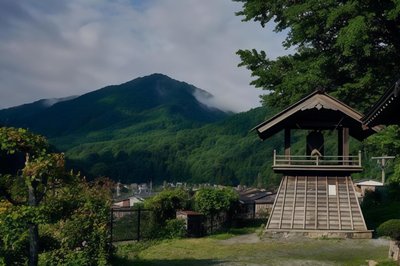
Byaku Narai
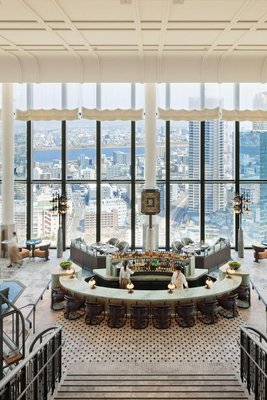
Waldorf Astoria Osaka
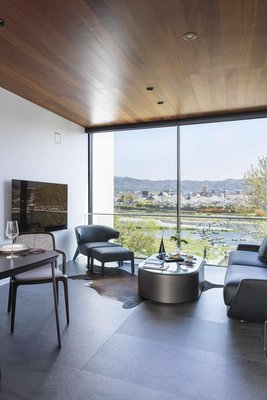
Kamo Residences by Reflections
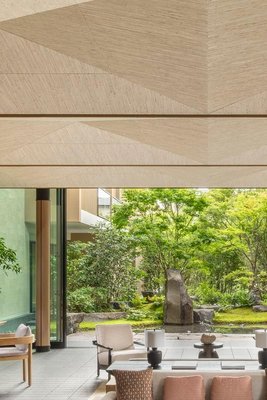
Six Senses Kyoto
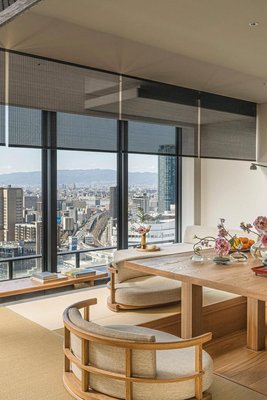
Four Seasons Hotel Osaka
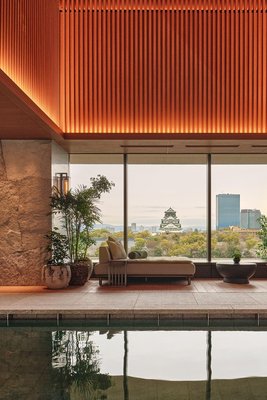
Patina Osaka
The Ritz-Carlton, Osaka
Arimasansoh Goshobessho
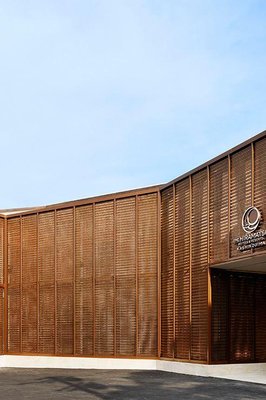
The Hiramatsu Hotels & Resorts Kashikojima
The Ritz-Carlton, Kyoto
HOSHINOYA Kyoto
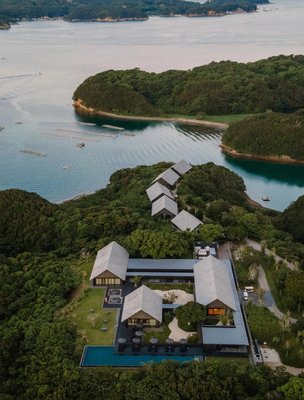
Amanemu
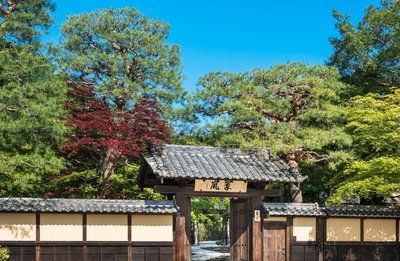
Suiran, a Luxury Collection Hotel, Kyoto
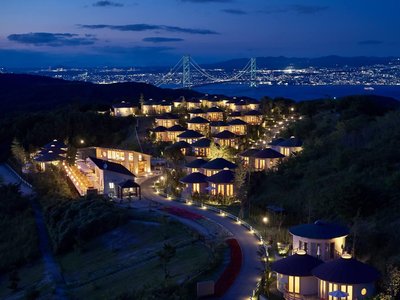
Grand Chariot Hokutoshichisei 135°
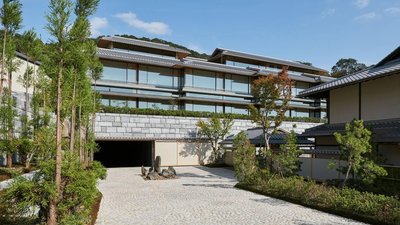
Park Hyatt Kyoto
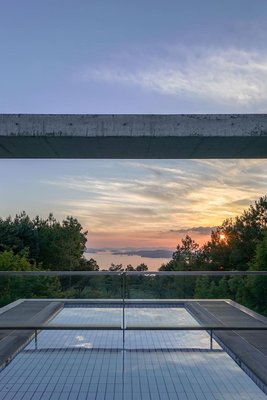
SETOUCHI RETREAT by Onko Chishin
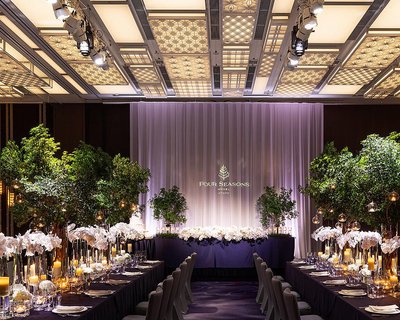
Four Seasons Hotel Kyoto
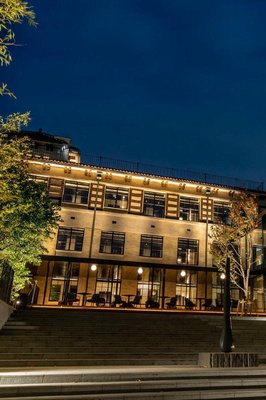
The Hotel Seiryu Kyoto Kiyomizu - a Member of the Leading Hotels of the World-
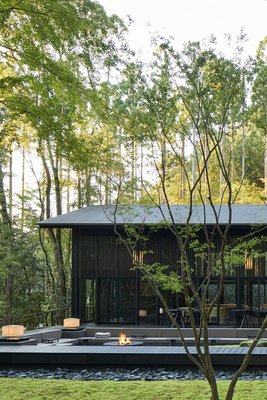
Aman Kyoto
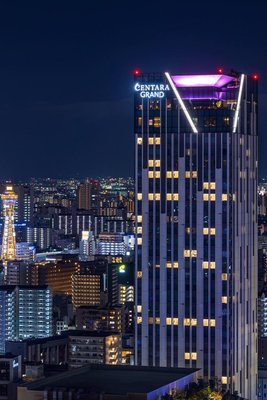
Centara Grand Hotel Osaka
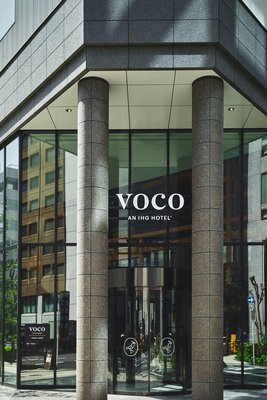
voco Osaka Central
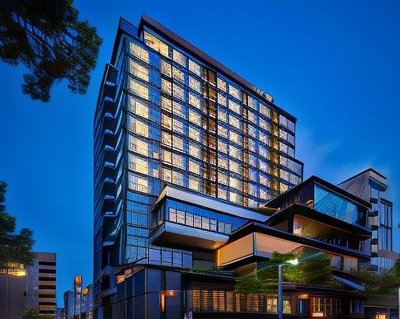
TIAD, AUTOGRAPH COLLECTION
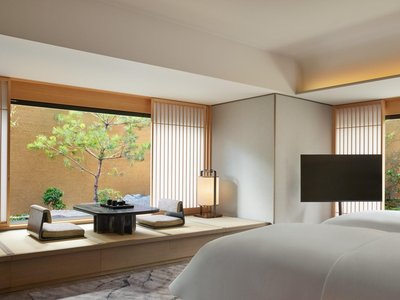
Dusit Thani Kyoto
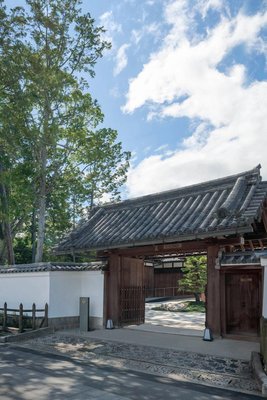
Shisui, a Luxury Collection Hotel, Nara
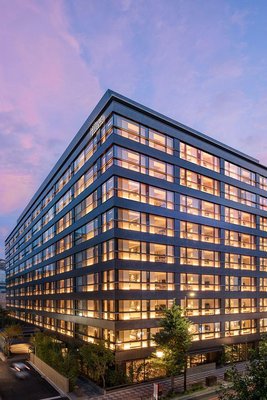
Hilton Kyoto
Osaka Marriott Miyako Hotel
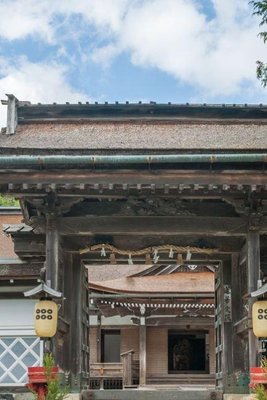
Koyasan Rengejoin
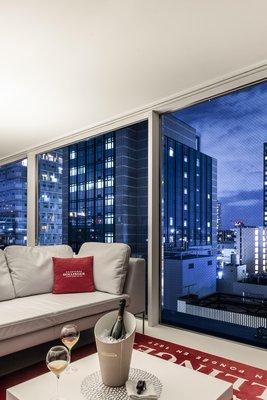
CUVÉE J2 HOTEL OSAKA by Onko Chishin
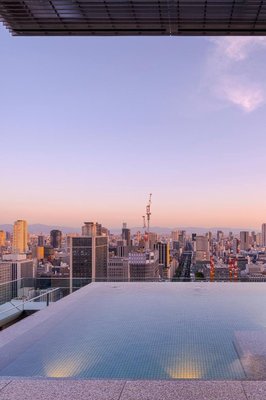
Candeo Hotels Osaka The Tower
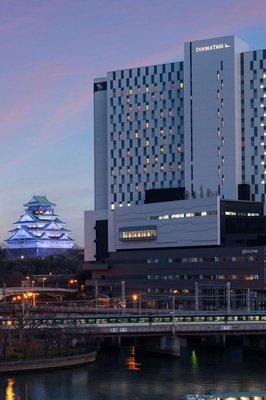
DoubleTree by Hilton Osaka Castle
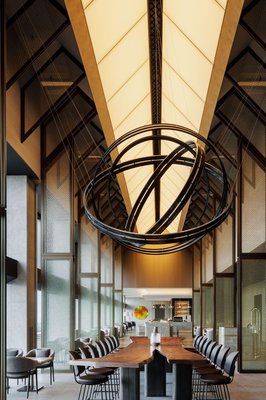
The Osaka Station Hotel, Autograph Collection
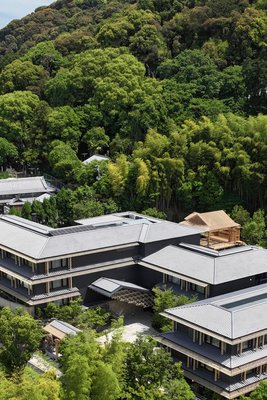
Banyan Tree Higashiyama Kyoto
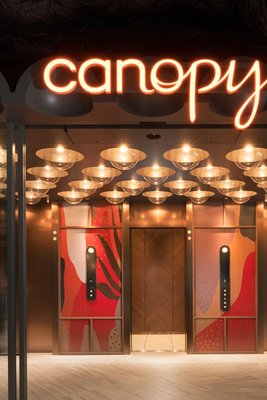
Canopy by Hilton Osaka Umeda
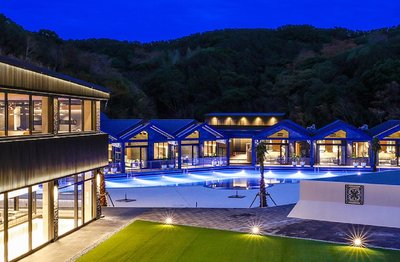
FIVE SPRING RESORT THE SHIRAHAMA
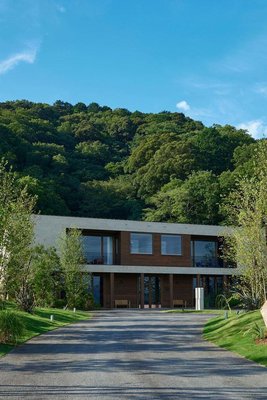
HACIENDA VISON
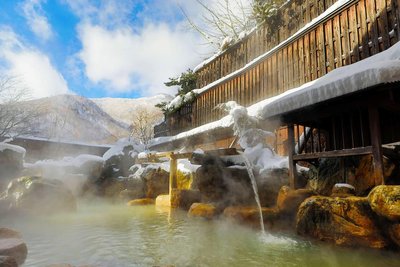
Miyamaouanbekkan yumegurinoyado hirayukan
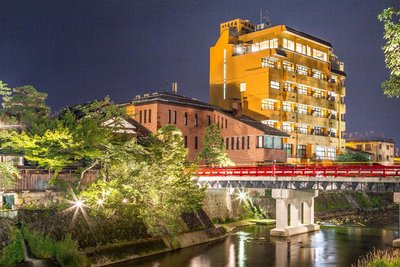
HONJIN HIRANOYA BEKKAN
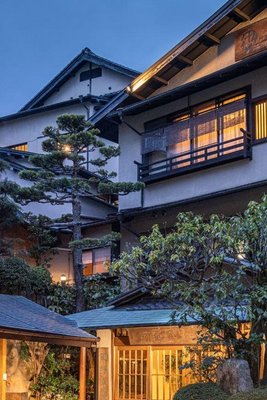
Arima Onsen Tocen Goshobo
Hotel La Suite Kobe Harborland
Osaka Marriott Miyako Hotel
The Ritz-Carlton, Osaka
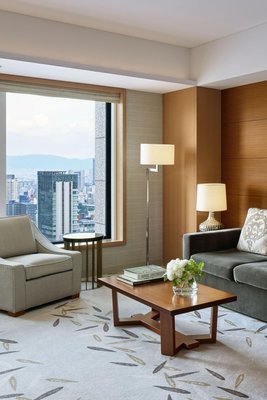
InterContinental Hotel Osaka
The Ritz-Carlton, Kyoto
Suiran, a Luxury Collection Hotel, Kyoto
GOOD NATURE HOTEL KYOTO
Park Hyatt Kyoto
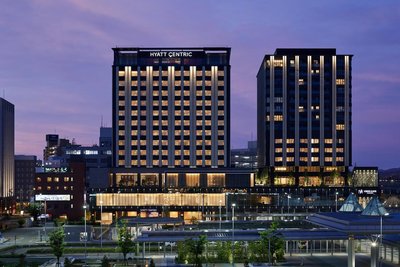
Hyatt Centric Kanazawa
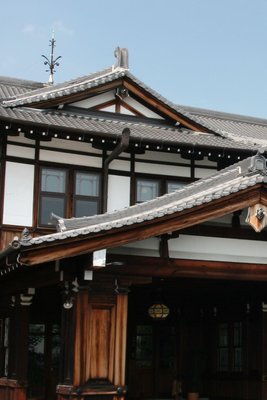
Nara Hotel
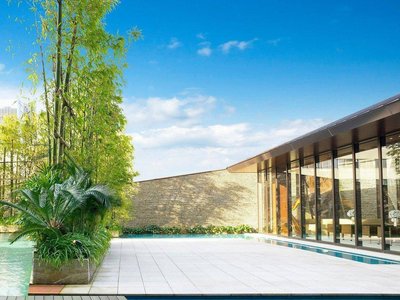
ORIENTAL HOTEL
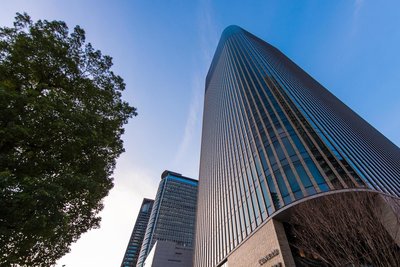
Conrad Osaka
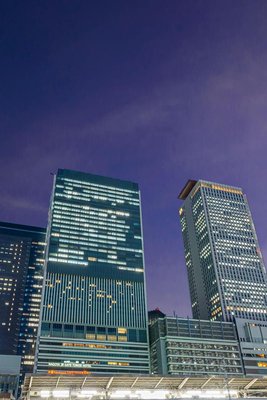
Nagoya JR Gate Tower Hotel (JR-Central Hotels)
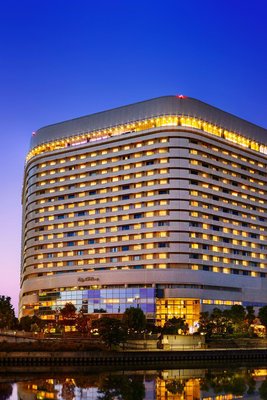
Hotel New Otani Osaka
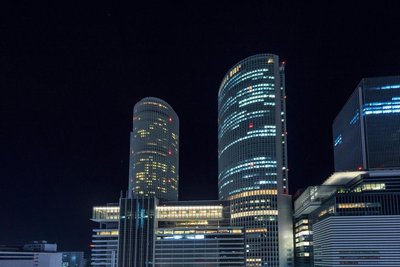
Nagoya Marriott Associa Hotel
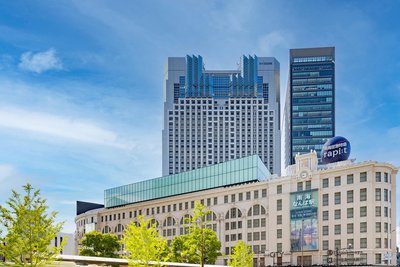
Swissotel Nankai Osaka
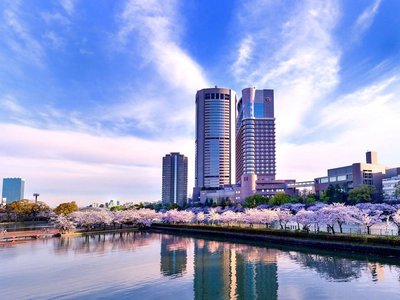
Imperial Hotel Osaka
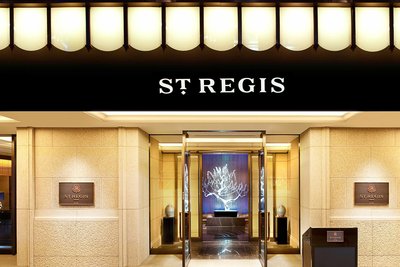
The St. Regis Osaka
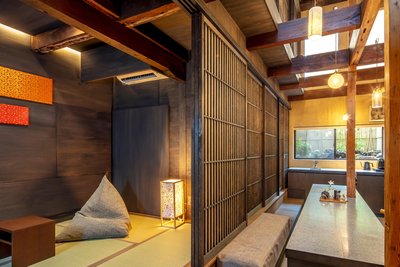
Kyo No Oozora Kihana
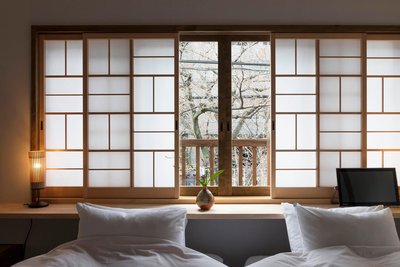
Hanagoromo Machiya House
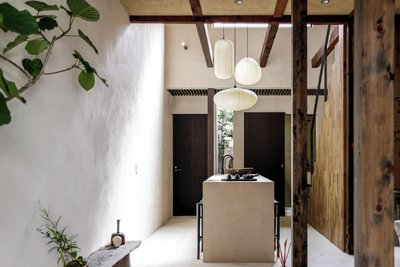
Maana Kiyomizu
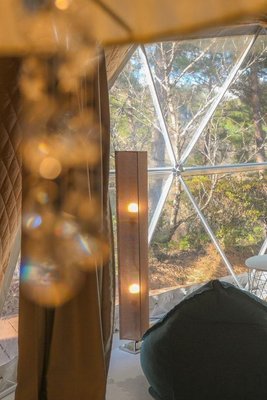
glampark Gekkabijin Nagano
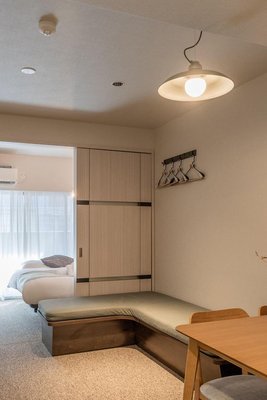
Apartment Hotel 11 Shinsaibashi
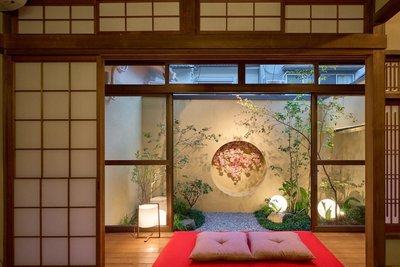
KONJAKUSO Osaka Tengachaya "NIHONCHA" Tea & Relax
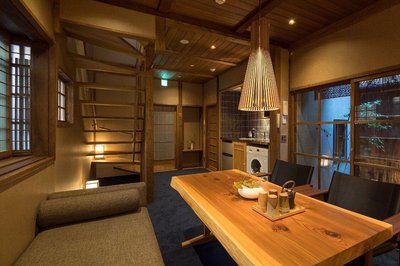
Bonbori an Machiya House
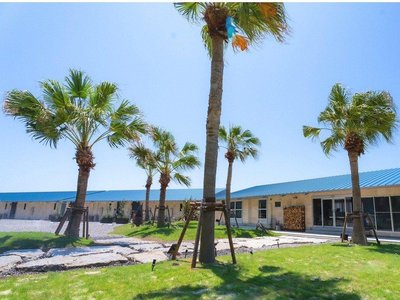
Glamping&Resort Wood Design Park Noma
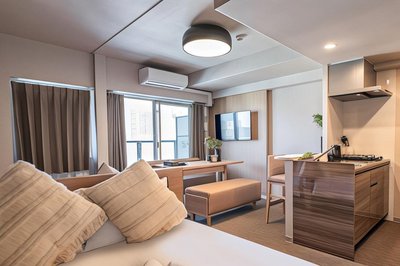
Apartment Hotel 11 Shinsaibashi III
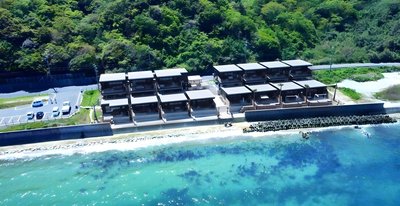
Solavilla Umi Terrace Minamiawaji
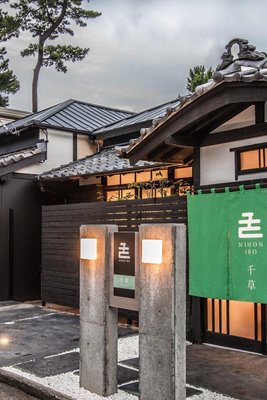
Nihon Iro
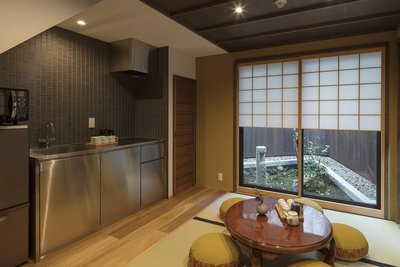
The Machiya Villa Sanjo Shirakawa Koji
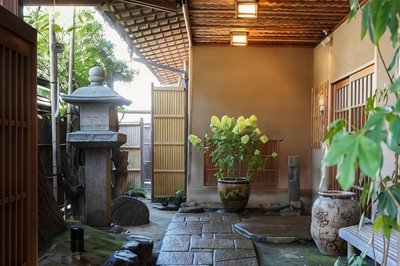
Ryokan Asadaya
Konjaku-So Dotonbori
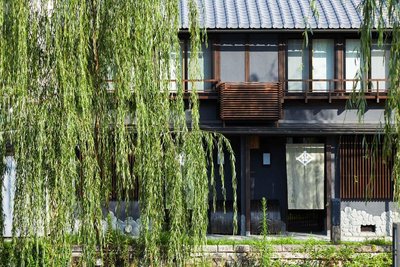
Gion Shirakawa No Yado

Kitashirakawa Natural Radium Onsen
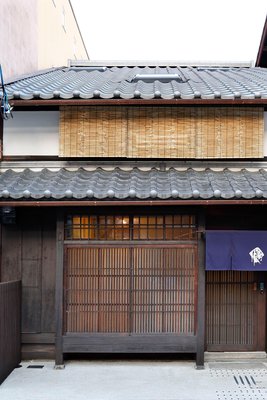
Kyo No Ondokoro Kamanza Nijo #2
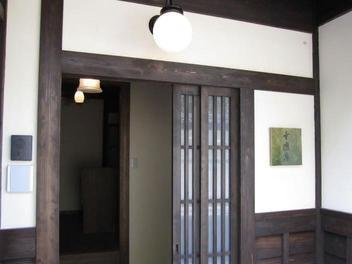
Gion Koyu an Machiya House
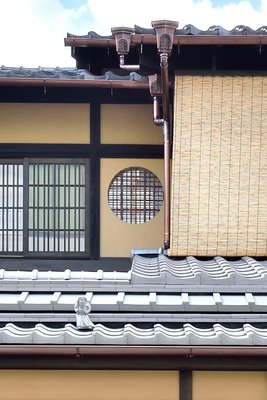
Kyo No Ondokoro Gokomachi Ebisugawa #3

Sana Mane - Glamp Domes

Hotel Barrière Fouquet's New York

Shima Kanko Hotel the Bay Suites
Byaku Narai
Waldorf Astoria Osaka
Kamo Residences by Reflections
Six Senses Kyoto
Four Seasons Hotel Osaka
Patina Osaka
The Ritz-Carlton, Osaka
Arimasansoh Goshobessho
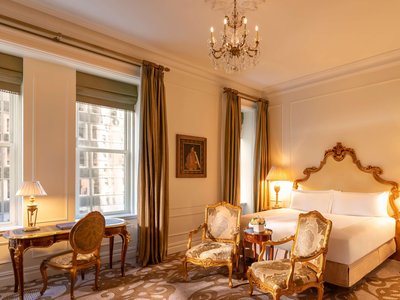
The Plaza - A Fairmont Managed Hotel
The Hiramatsu Hotels & Resorts Kashikojima
The Ritz-Carlton, Kyoto
HOSHINOYA Kyoto
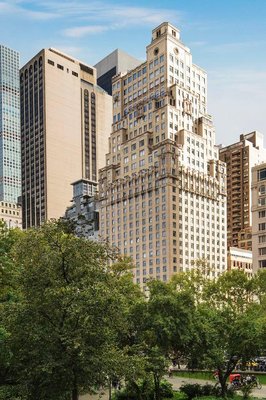
The Ritz-Carlton New York, Central Park
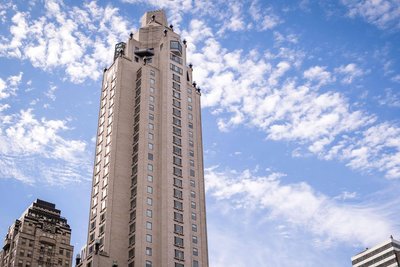
Four Seasons Hotel New York
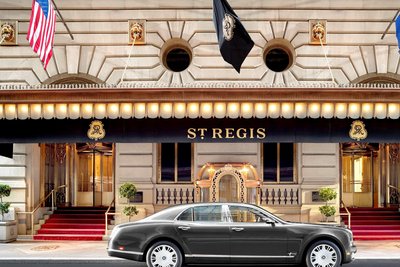
The St. Regis New York
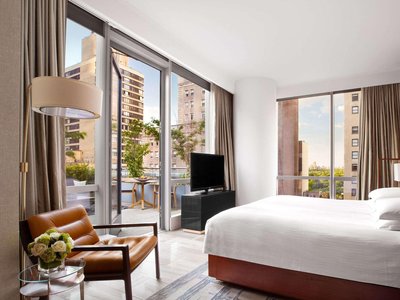
Park Hyatt New York
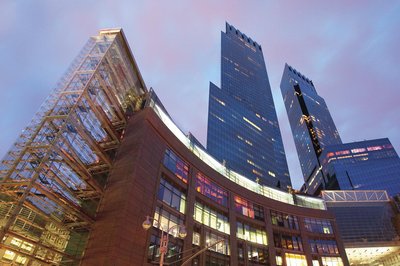
Mandarin Oriental New York
Amanemu
Frequently Asked Questions about Traveling to Iwade
Questions You Might Need to Know About Traveling to Iwade
For authentic Japanese ambiance, stay at Iwakuni Onsen Ryokan, nestled beside the Nishiki River. This heritage-style inn features wooden architecture, private onsen baths, and exquisite kaiseki cuisine made from local ingredients. The tatami rooms open to serene garden views, offering a peaceful retreat. Nearby, Iwakuni Castle Hotel provides panoramic views of the historic Iwakuni Castle Ruins and seamless access to cultural sites. Both properties offer complimentary shuttle services and embody the spirit of wabi-sabi through minimalist design and natural materials.
The downtown Iwakuni district near Iwakuni Station is the most convenient base for travelers. It’s within walking distance of major attractions like Iwakuni Castle Ruins, Oshinomura Shrine, and vibrant food streets. This area hosts a mix of modern boutique hotels and traditional ryokans such as Nishiki Machiya Inn, which offers authentic tatami rooms and courtyard access. With easy access to public transit and scenic river paths, it’s perfect for those seeking both comfort and immersion in local life.
Don’t miss the Nishiki River Paper-Making Festival, where guests can craft traditional washi paper using age-old techniques passed down for centuries. Another highlight is the Night Lantern Festival at Oshinomura Shrine, where illuminated lanterns line the path, creating a mystical atmosphere. For tea lovers, the Iwakuni Tea House offers a genuine matcha ceremony paired with handmade wagashi sweets, allowing visitors to experience the tranquility of Japanese aesthetics and mindfulness.
Visit Hoshino Yado Iwakuni Onsen, a secluded spa resort tucked into the mountainside, featuring natural sulfur-rich hot springs and open-air baths overlooking lush forests. The inn uses hinoki wood in its interiors, and each room includes a private onsen. Guests enjoy daily kaiseki meals crafted from regional produce. Located just 15 minutes from Iwakuni Castle Ruins, this tranquil retreat combines luxury, nature, and wellness—ideal for rejuvenation and quiet reflection.
Savor Nishiki River Sashimi, fresh river fish sliced thin and served with yuzu vinegar and ginger—delicate and crisp. Try Iwakuni Bake, a grilled rice cake with a crispy exterior and soft interior, often enjoyed with matcha. At Machiya Dining Hall, sample locally brewed Wakayama rice wine and tempura made with seasonal vegetables. Pair your meal with a soak in an onsen for a complete sensory journey through Iwakuni’s culinary heritage.
Stay at Iwakuni Family Resort, a dedicated family-oriented retreat with interconnected rooms, a children’s playroom, outdoor pool, and farm activities like feeding goats and harvesting vegetables. Daily workshops include washi paper crafting and pottery-making. Located near the Nishiki River Promenade, the resort enables easy walks and bike rides. Its homely atmosphere, combined with educational programs, makes it ideal for multi-generational travel and immersive learning experiences.
Experience the Nishiki River Night Illumination, where bridges and willows glow softly under string lights, creating a dreamlike riverscape. During festivals, join the Oshinomura Shrine Lantern Procession, where locals carry glowing lanterns through the shrine path, evoking a celestial flow. For solitude, relax at Hoshino Yado Iwakuni Onsen’s open-air bath, gazing at stars while soaking in warm mineral waters—a serene way to end the day.
Capture the misty silhouette of Iwakuni Castle Ruins at dawn, framed by ancient stone walls. The Cherry Blossom Tunnel along Nishiki River creates stunning reflections during spring. At dusk, photograph the Thousand Torii Gate at Oshinomura Shrine, where red pillars glow against golden skies. The bamboo grove near Hoshino Yado sparkles after rain, its dew-covered leaves forming a natural lens effect. Bring a wide-angle lens and tripod for dramatic compositions.
Start with a visit to Iwakuni Castle Ruins in the morning, then stroll along the Nishiki River Promenade, stopping at a cozy machiya café for coffee. Enjoy lunch at Machiya Dining Hall with sashimi and Iwakuni Bake. In the afternoon, explore Oshinomura Shrine and attend a pre-festival lantern rehearsal. End the day at Hoshino Yado Iwakuni Onsen, soaking in a private bath while watching the sunset over the river. This balanced blend of history, culture, and nature ensures a memorable experience.
Iwakuni is well-connected via Wakayama Electric Railway, with Iwakuni Station linking directly to Wakayama City and Shingu in under 30 minutes. Local sightseeing buses cover key sites including Iwakuni Castle Ruins, Oshinomura Shrine, and Nishiki River. Most hotels offer free shuttle services. The city center is walkable, and cycling is encouraged along scenic routes. For drivers, the Kii Peninsula Expressway provides quick access across Wakayama Prefecture, making Iwakuni an excellent base for exploring the region.
Iwade Overview
City Summary
Located in the northern part of Wakayama Prefecture, Japan, Iwade City is known for its abundant natural landscapes and rich history. The city is famous for its agriculture, particularly grape and persimmon cultivation. The historic Negoro-ji Temple is a Buddhist sanctuary showcasing traditional Japanese architecture and gardens. Proximity to Wakayama City makes it convenient for travelers seeking rural tranquility and cultural exploration.
Must-See Attractions
The highlight of Iwade is Negoro-ji Temple, a 12th-century temple housing a national treasure pagoda. Its gardens offer stunning seasonal views, especially autumn foliage. Iwade Citizens' Park features expansive lawns and playgrounds, ideal for families. The nearby Kinokawa River provides fishing and boating activities.
Food Guide
Iwade's cuisine reflects its agricultural roots. Grapes and persimmons are local specialties, often sold fresh or as processed goods. Try kakinoha-zushi, sushi wrapped in persimmon leaves for a unique flavor. Local eateries also serve Wakayama ramen, known for its rich broth and chewy noodles.
Transportation Guide
Buses and trains are the main transit options. The JR Wakayama Line stops at Iwade Station, connecting to Wakayama City and Osaka in about 30 minutes. City buses cover major attractions but have limited schedules—check timetables in advance. Renting a car is convenient for exploring rural areas. Taxis are available downtown but costly.
Best Time to Visit
The best times to visit are spring (March-May) and autumn (September-November). Spring offers mild weather and cherry blossoms; autumn is cool with vibrant foliage. Summers are hot and humid, while winters are chilly with fewer tourists. Avoid holidays for smaller crowds.
Travel Tips
- Temple Etiquette: Maintain silence and follow photo rules at Negoro-ji.
- Cash is King: Many small shops and markets only accept cash—carry enough yen.
- Bus Schedules: City buses run infrequently; plan ahead.
- Trash Disposal: Public bins are scarce—take trash with you.
- Language Barrier: Basic Japanese phrases help, especially in rural areas.
- Seasonal Clothing: Bring layers for spring/autumn, sunscreen for summer, and warm gear for winter.
Useful Information
Language: Japanese is primary; minimal English signage. Internet: Limited Wi-Fi—rent a pocket Wi-Fi or buy a SIM card. Payment: Cards work at large stores/hotels, but cash is safer. Emergencies: Iwade City Hospital handles urgent care; pharmacies are widespread. Voltage: 100V, Type A plugs. Emergency Numbers: Police 110, ambulance 119. Travel insurance is recommended.