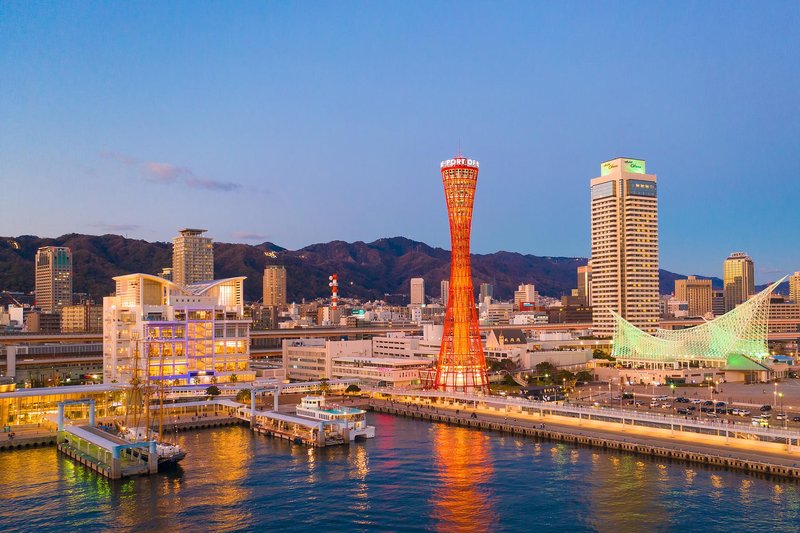
Hotels in Iwaki
Discover your perfect stay in Iwaki.
Iwaki(Japan) Travel 2026: Cheap Flights, Hotels & Top Attractions
Popular Landmarks in Iwaki
Discover the most iconic attractions in Iwaki
Recommended Hotels in Iwaki
Find the perfect place to stay in Iwaki
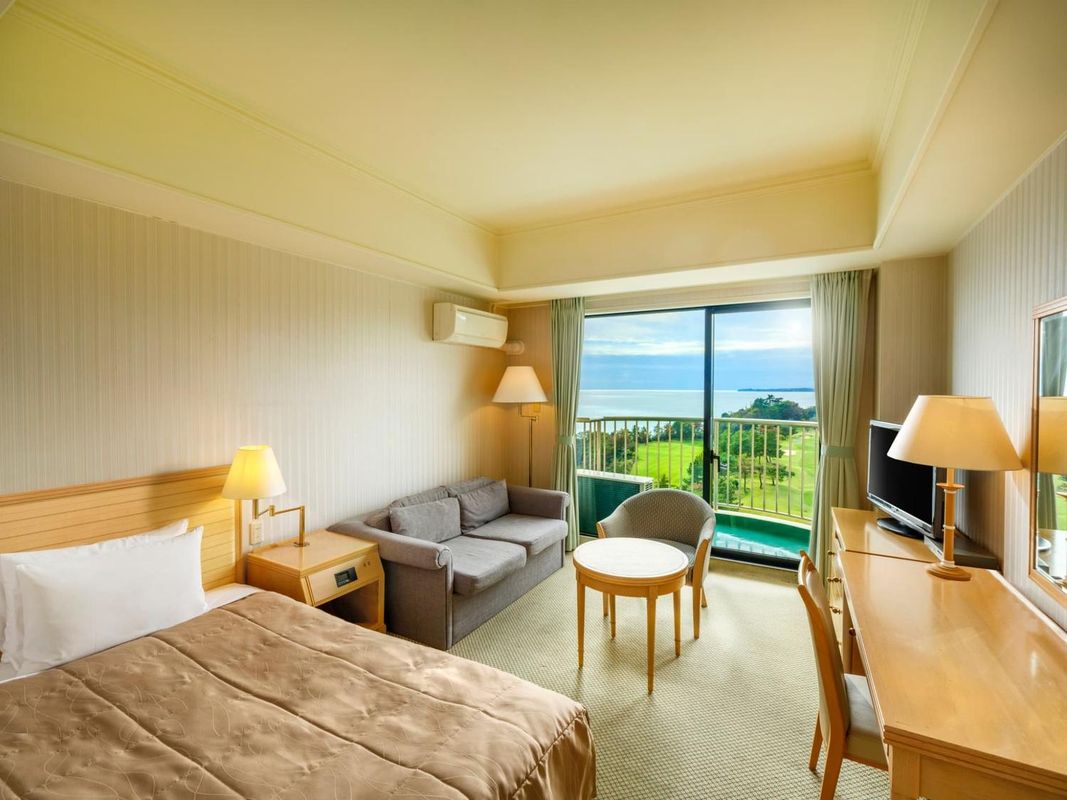
Onahama Ocean Hotel & Golf Club
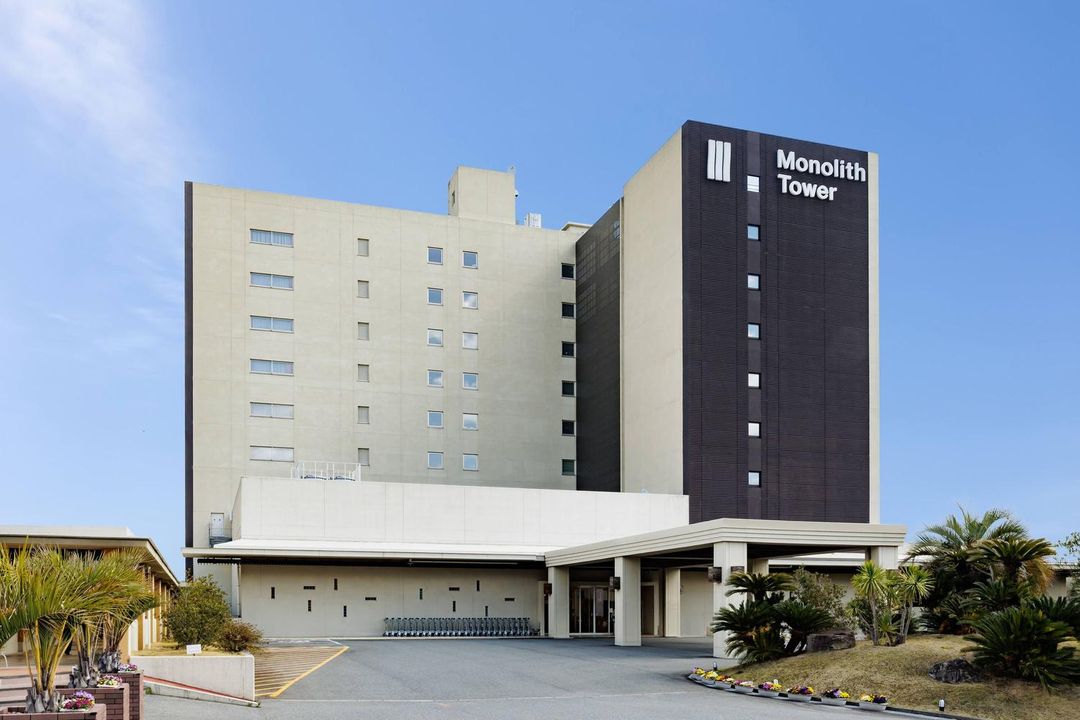
Spa Resort Hawaiians Monolith Tower
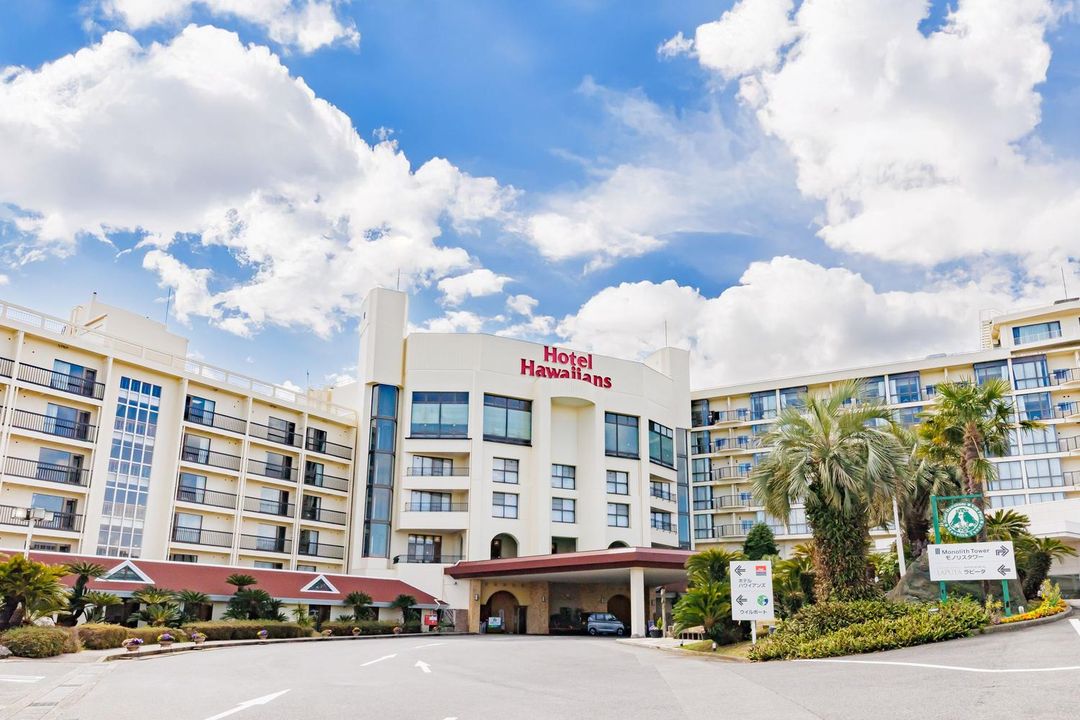
Spa Resort Hawaiians
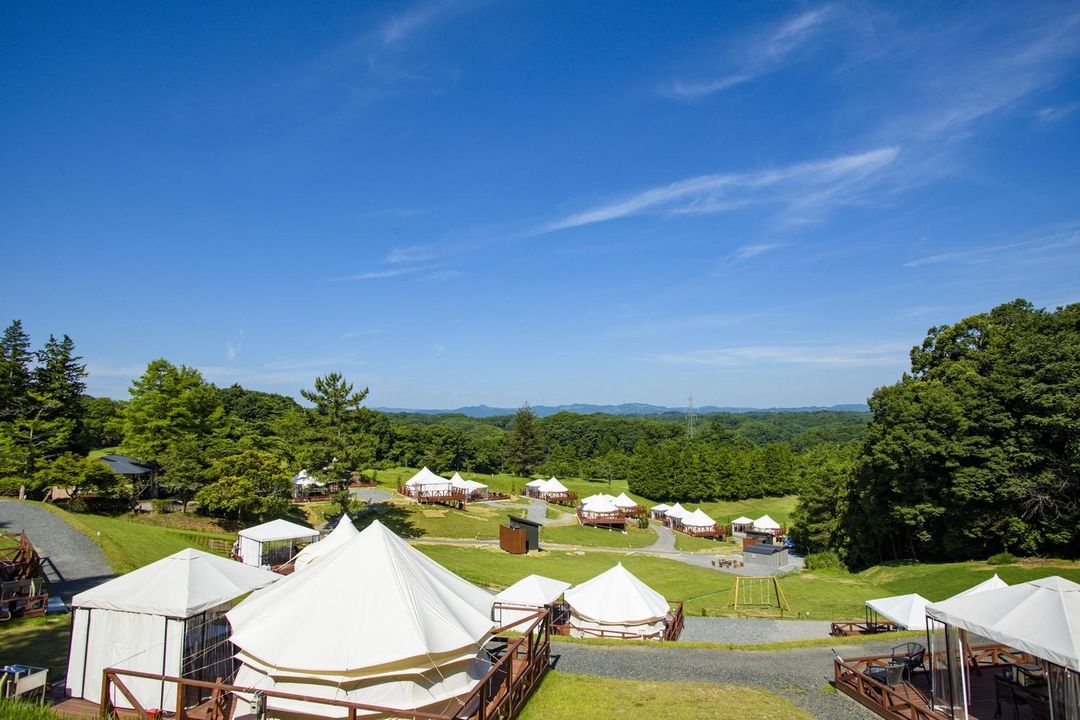
Hawaiians Glamping Mauna Village
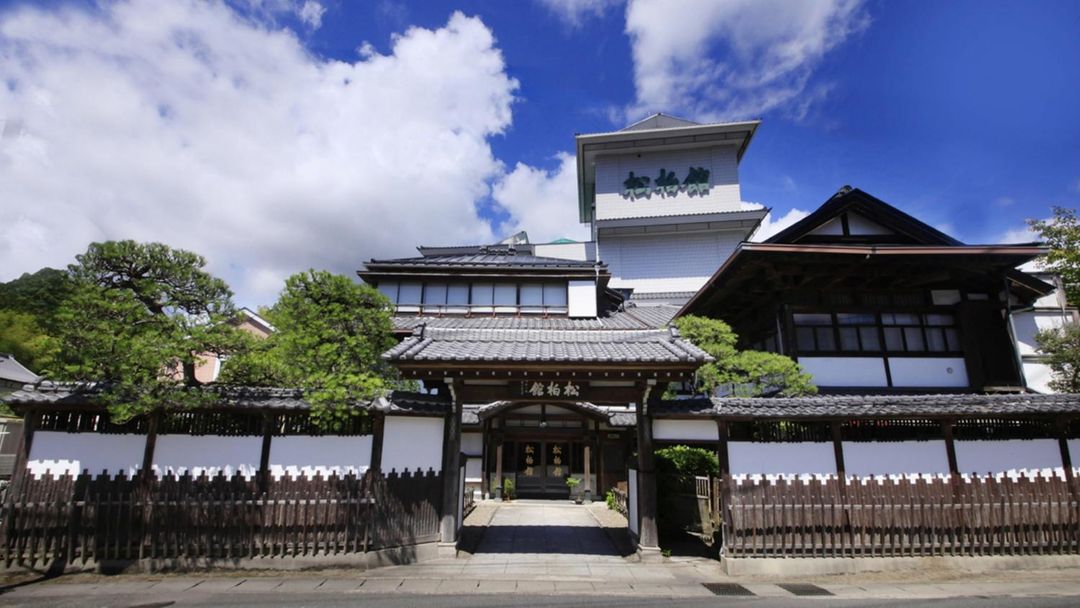
Iwaki Yumoto Onsen Shohakukan
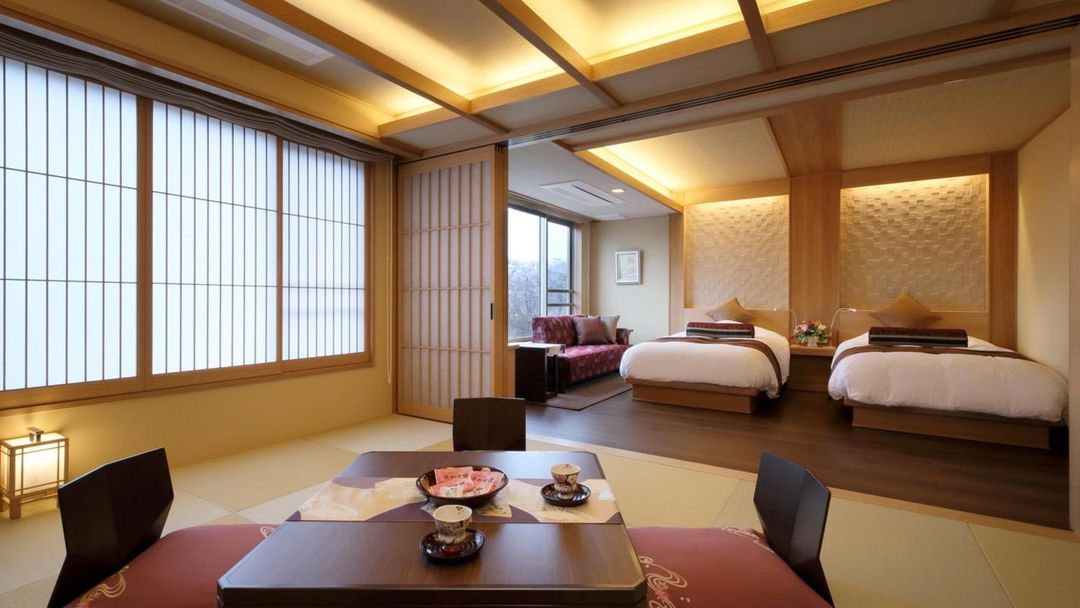
Hamatoku Hotel
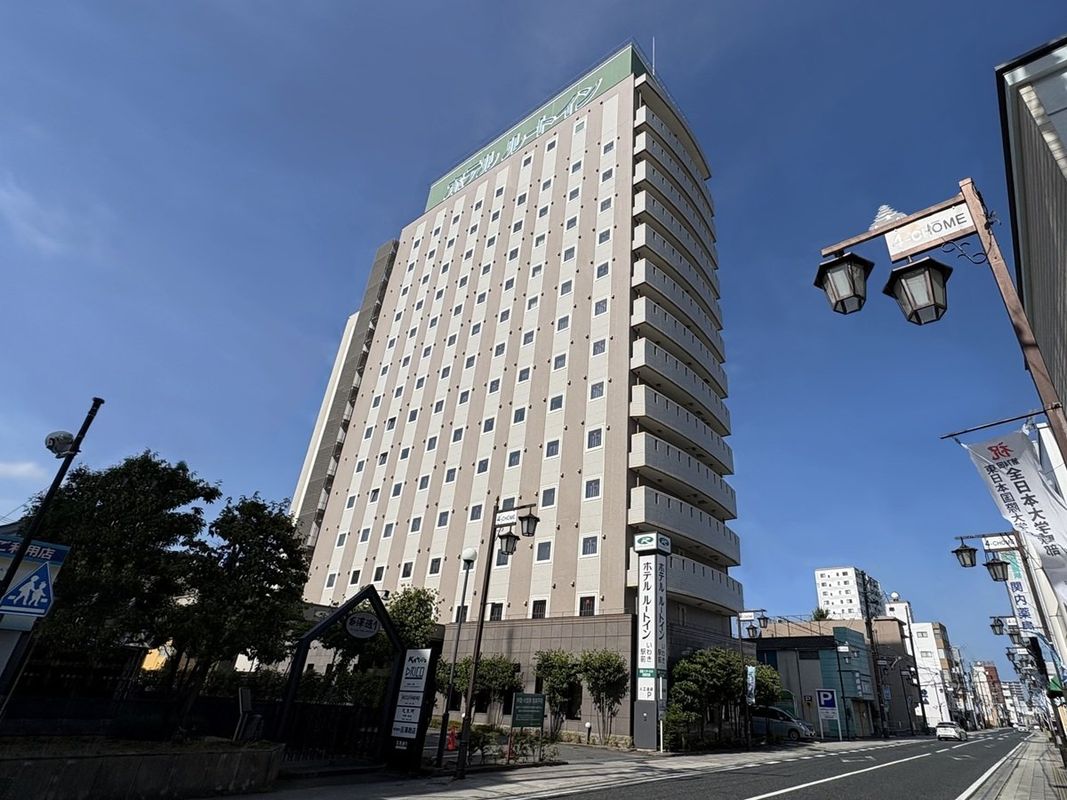
Hotel Route-Inn Iwaki Ekimae
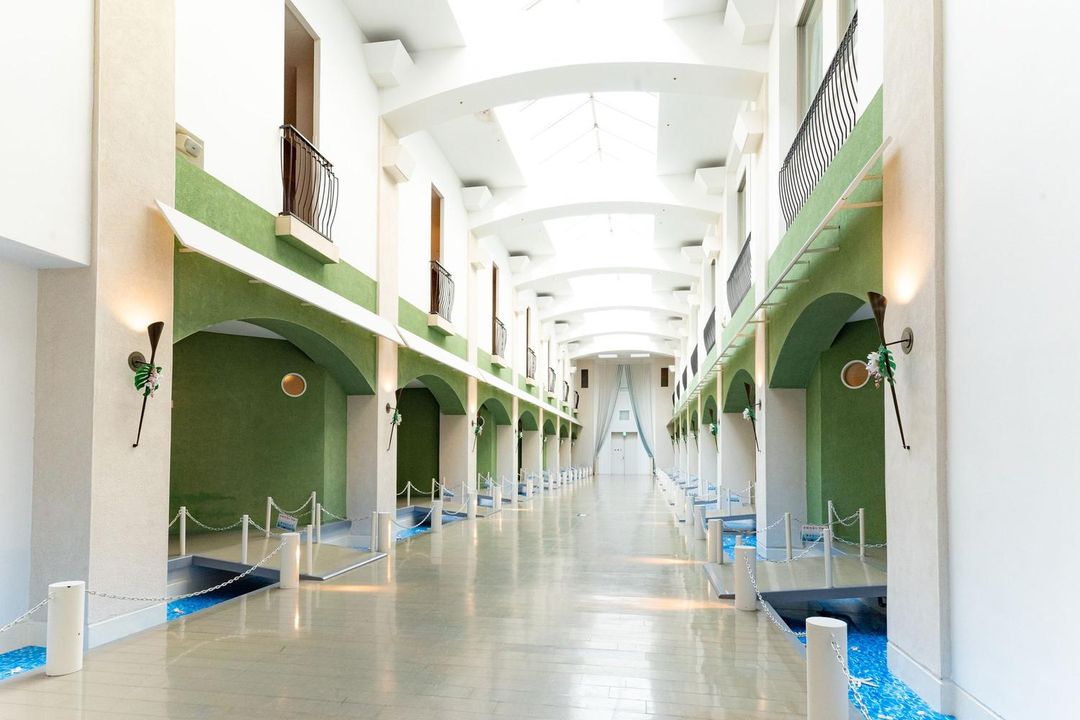
Spa Resort Hawaiians Vir Port
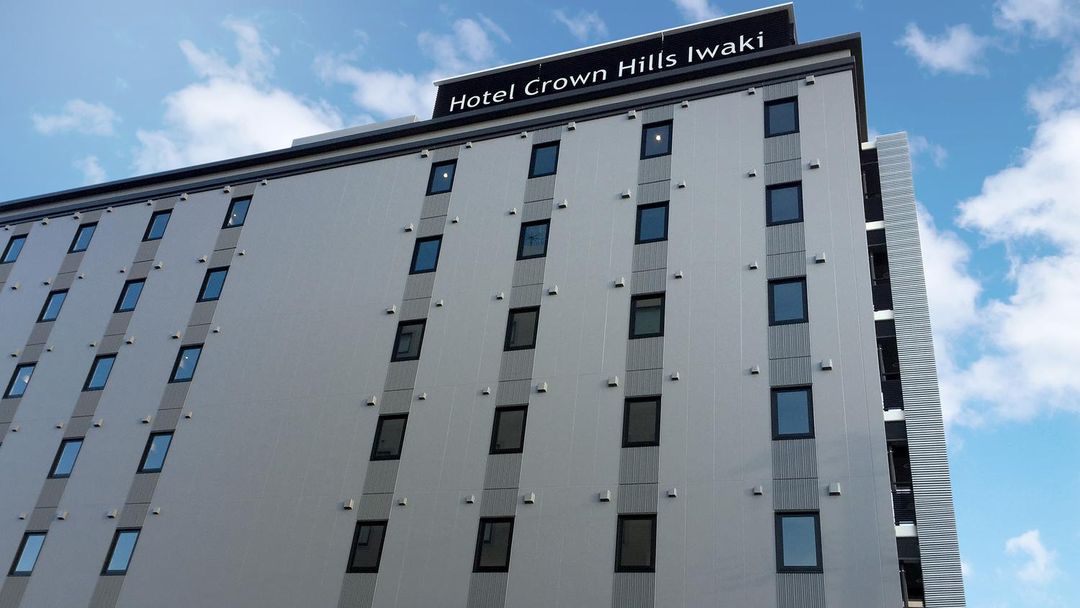
Hotel Crown Hills Iwaki
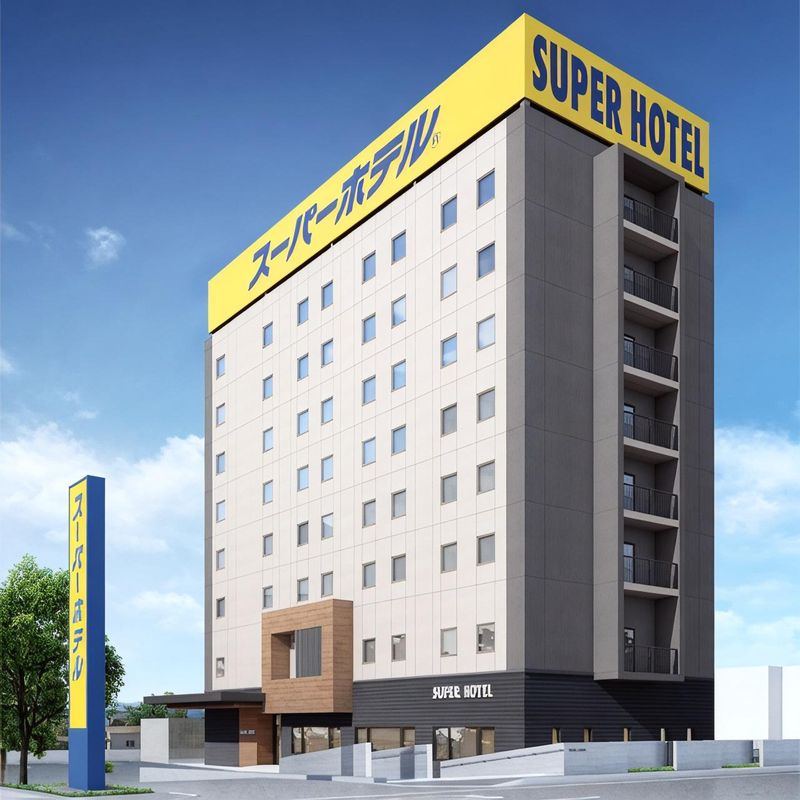
Super Hotel Fukushima Iwaki
Best Hotels in Iwaki
Discover curated hotel collections in Iwaki
Auberge Suzukane

Onyado Nono Asakusa Bettei Hot Spring
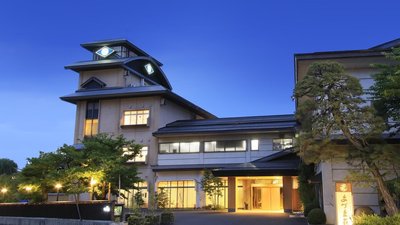
Shouhakutei Azumaso
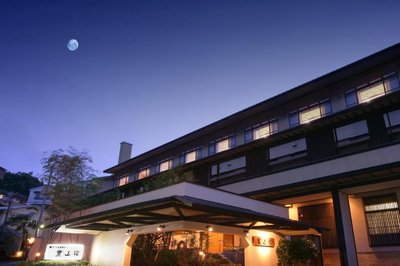
Hayamakan
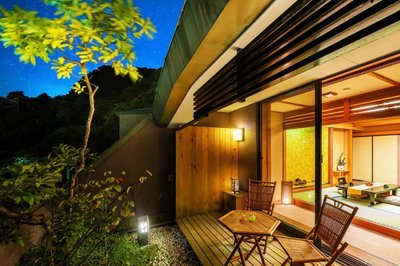
Konjakutei
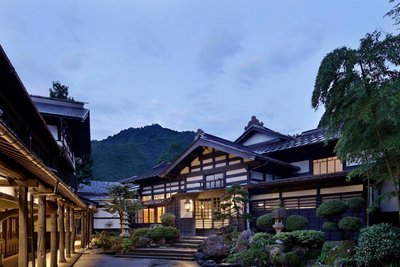
Ryugon
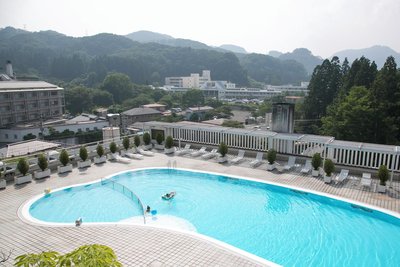
Sakan
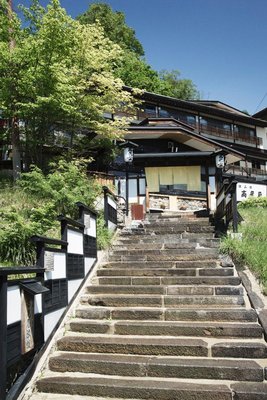
Takamiya Ryokan Miyamaso
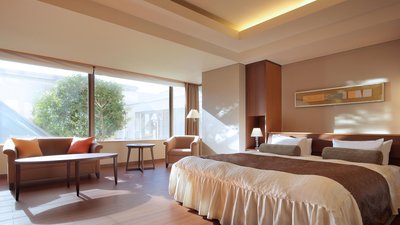
Onyado Toho
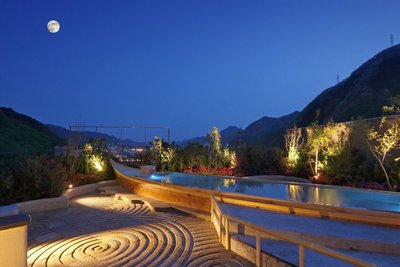
Asaya
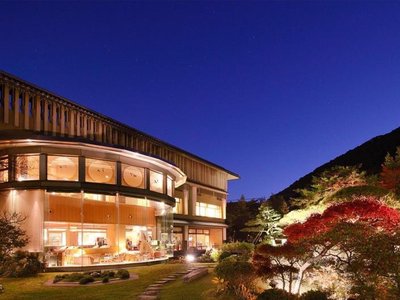
Shikisai Ichiriki
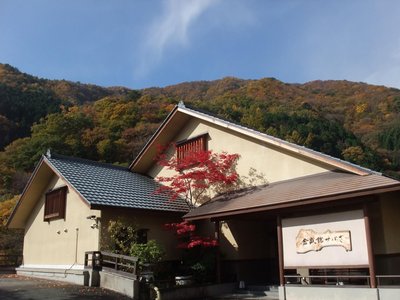
Kinseikan Seseragi
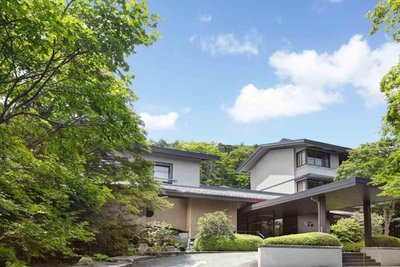
Nasu Onsen Sanraku
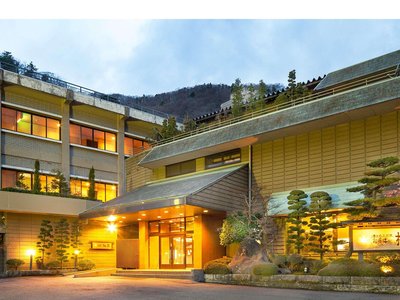
Shofuro Matsuya
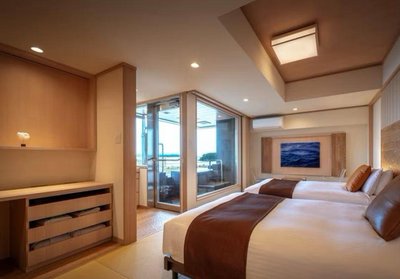
Komatsu-Kan Kofu-Tei
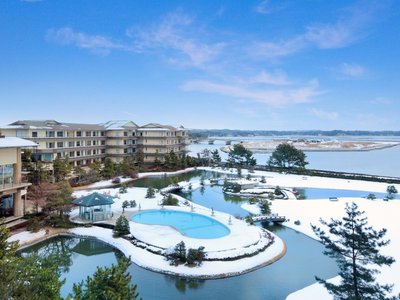
Matsushima Ichinobo
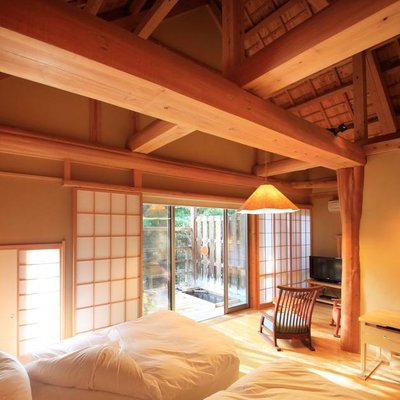
Daikon-No-Hana
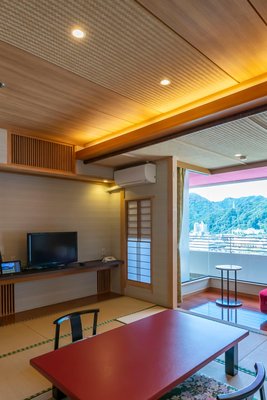
Kinugawa Grand Hotel Yume No Toki
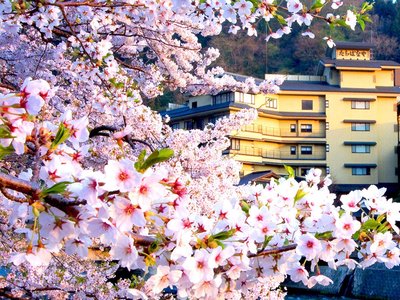
Tachibanaya
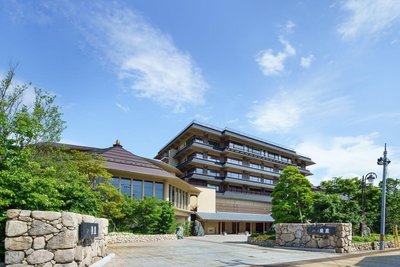
Shiratama No Yu Senkei
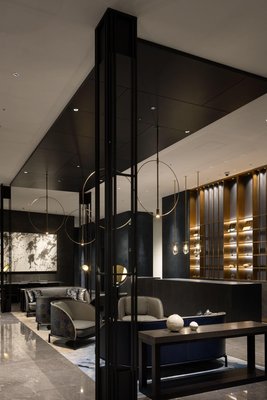
Bellustar Tokyo, A Pan Pacific Hotel
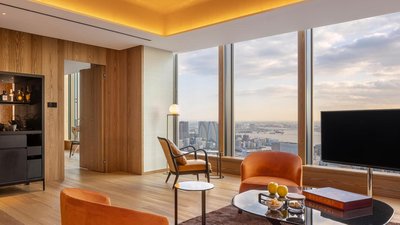
Bvlgari Hotel Tokyo
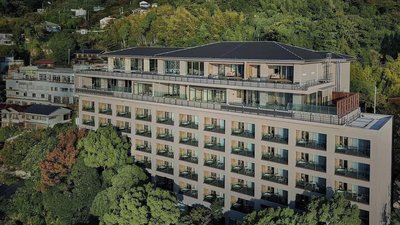
Atami Izusan Karaku
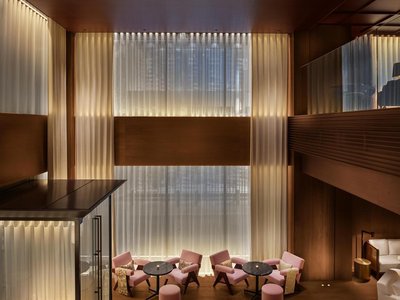
The Tokyo Edition, Ginza
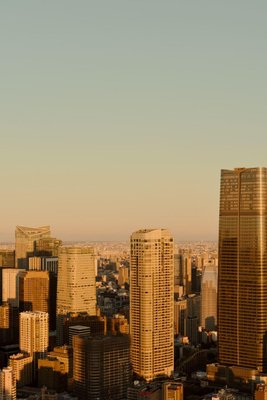
Janu Tokyo
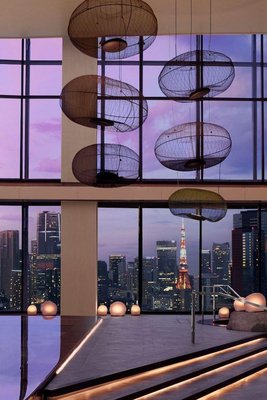
JW Marriott Hotel Tokyo
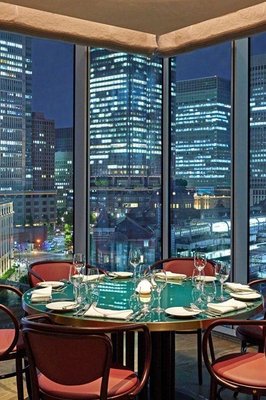
Four Seasons Hotel Tokyo at Marunouchi

Mandarin Oriental, Tokyo
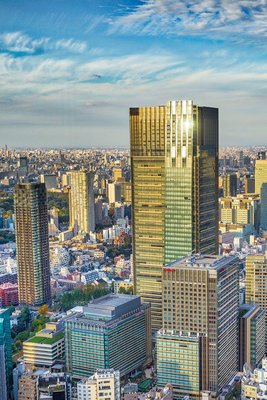
The Ritz-Carlton, Tokyo
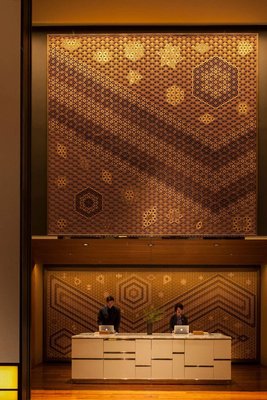
Andaz Tokyo Toranomon Hills- A Concept by Hyatt
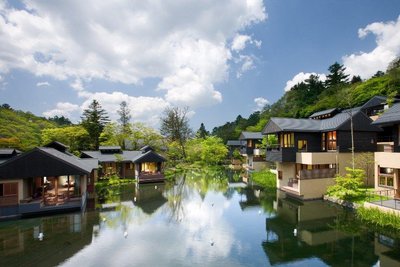
Hoshinoya Karuizawa
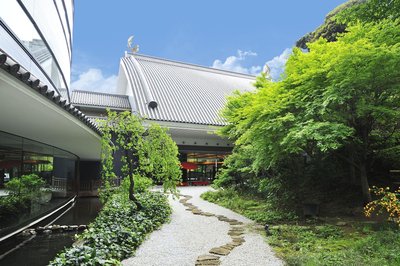
Hotel Gajoen Tokyo
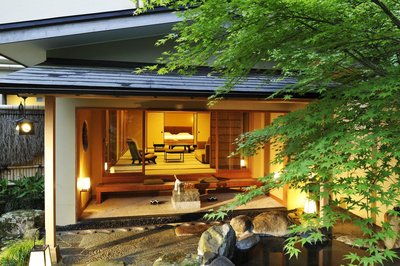
Gora Kadan
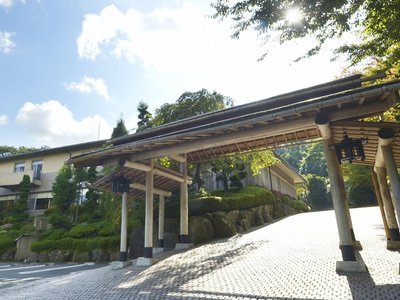
Gora Hanaougi
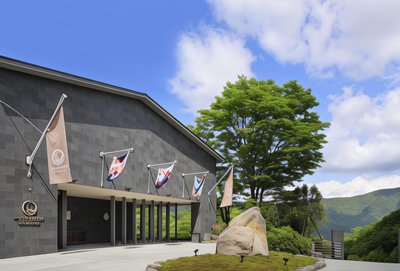
The Hiramatsu Hotels & Resorts Sengokuhara Hakone
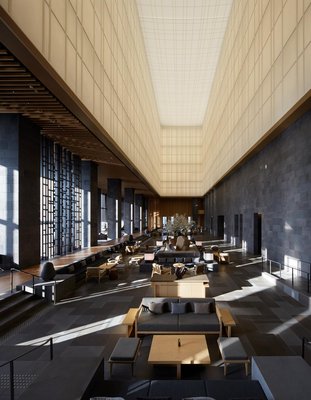
Aman Tokyo
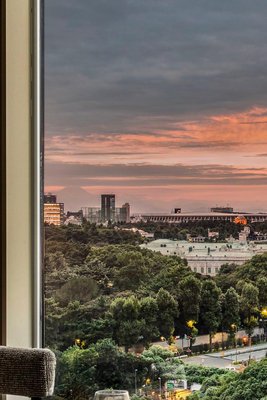
Hotel New Otani Tokyo, Executive House Zen
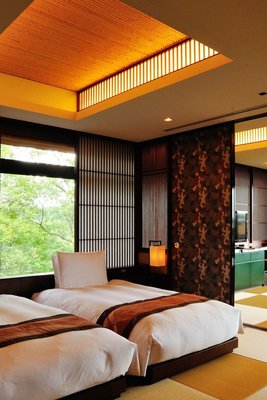
Chikusenso Onsen
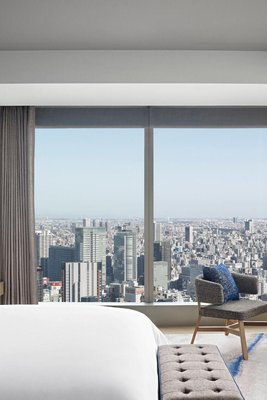
Four Seasons Hotel Tokyo at Otemachi
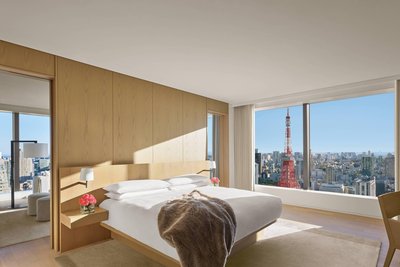
The Tokyo Edition, Toranomon
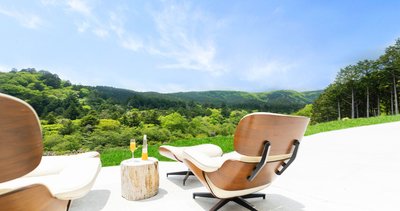
Shelter Garden Nikko
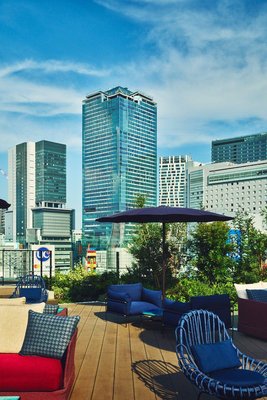
Hotel Indigo Tokyo Shibuya
Hotel Toranomon Hills
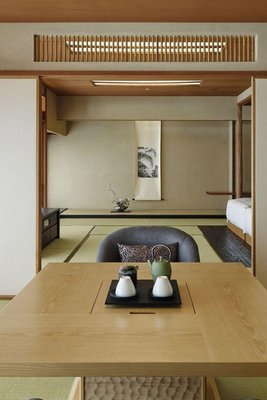
Takanawa Hanakohro (in Grand Prince Hotel Takanawa)
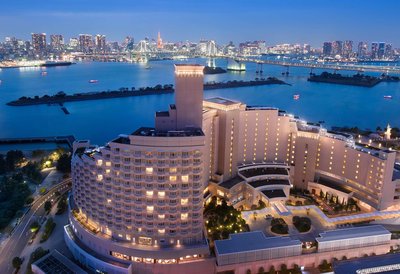
Hilton Tokyo Odaiba
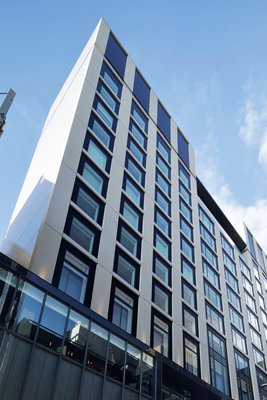
Hyatt Centric Ginza Tokyo
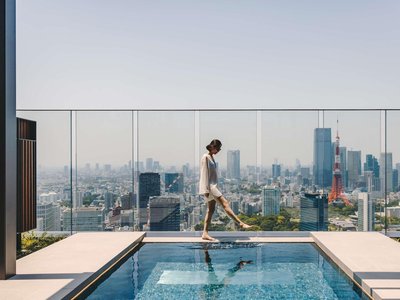
Fairmont Tokyo
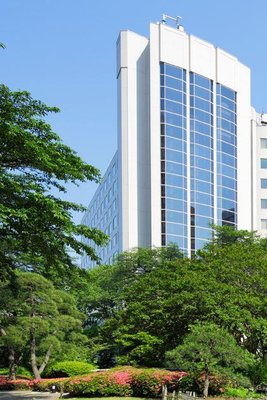
The Prince Sakura Tower Tokyo, Autograph Collection
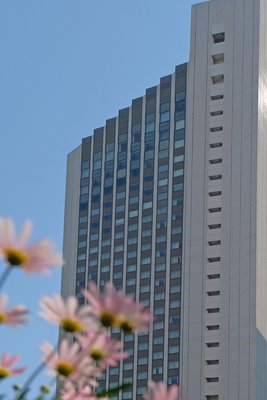
ANA InterContinental Tokyo
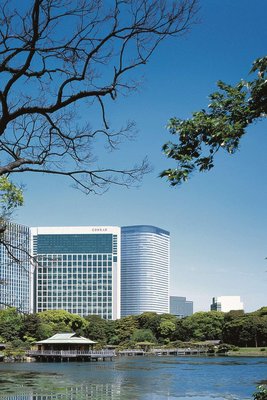
Conrad Tokyo
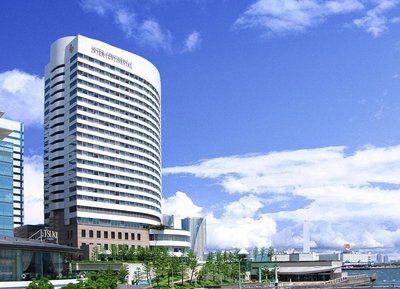
InterContinental Tokyo Bay
Asaya
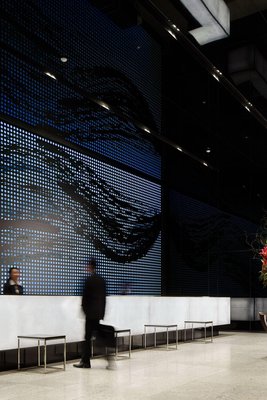
Millennium Mitsui Garden Hotel Tokyo - Ginza
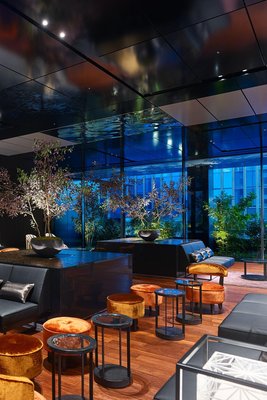
Mitsui Garden Hotel Nihonbashi Premier / Tokyo
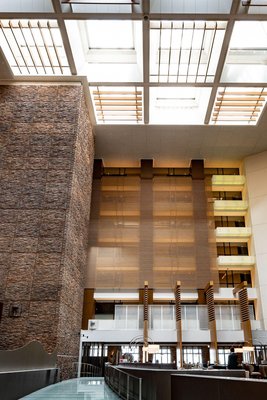
The Strings by InterContinental, Tokyo
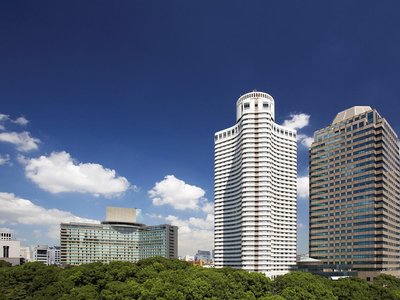
Hotel New Otani Tokyo Garden Tower
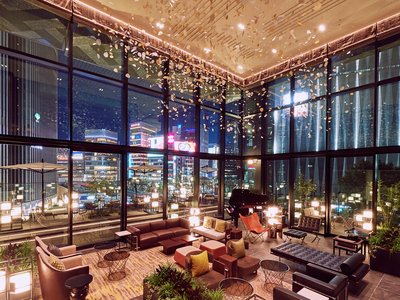
THE GATE HOTEL TOKYO by HULIC
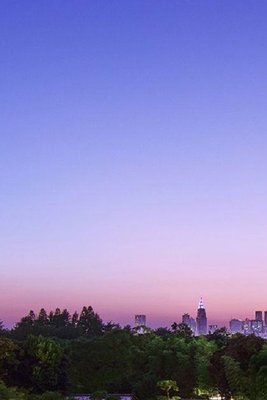
Hotel New Otani Tokyo the Main
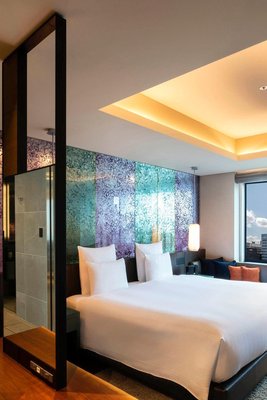
Pullman Tokyo Tamachi
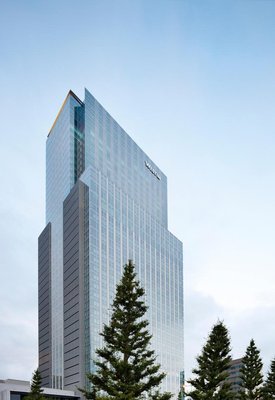
The Westin Sendai Hotel
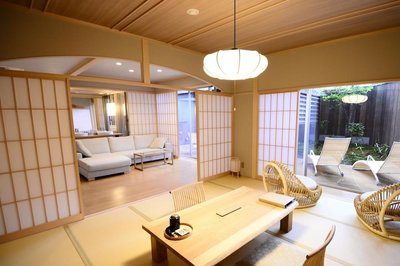
Hakone Gora Byakudan
Hilton Tokyo Odaiba
JW Marriott Hotel Tokyo
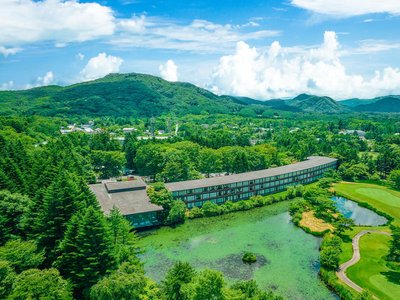
The Prince Karuizawa
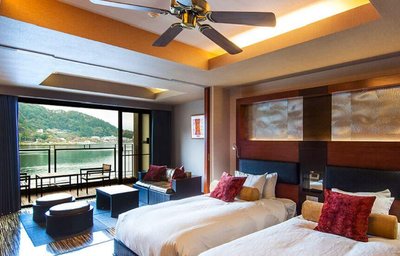
The Kukuna
Conrad Tokyo
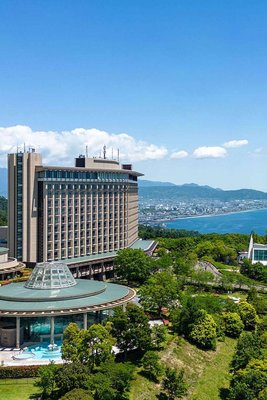
Hilton Odawara Resort & Spa
Hoshinoya Karuizawa
InterContinental Tokyo Bay
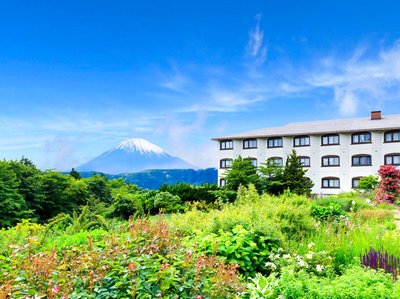
Hotel Green Plaza Hakone
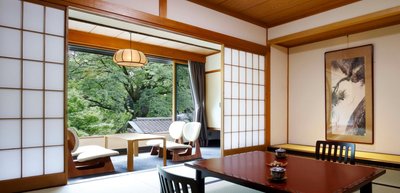
Yoshiike Ryokan
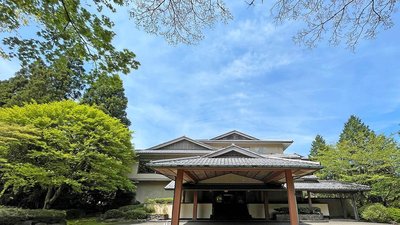
Ryuguden
Asaya
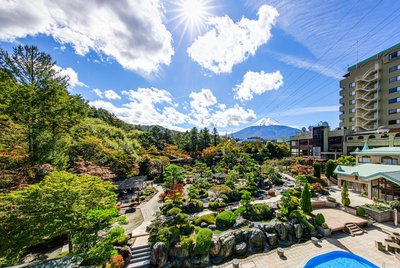
Kaneyamaen
Komatsu-Kan Kofu-Tei
Matsushima Ichinobo
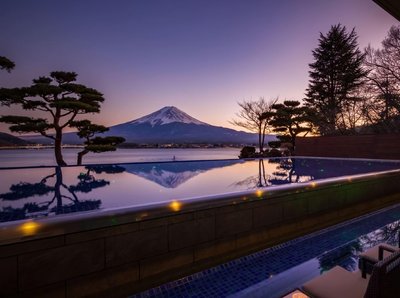
Shuhokaku Kogetsu
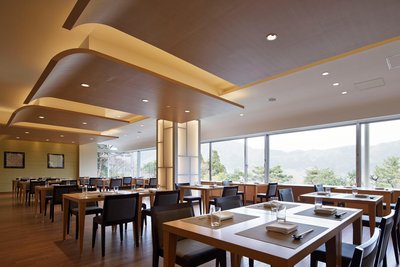
Laforet Hakone Gora Yunosumika
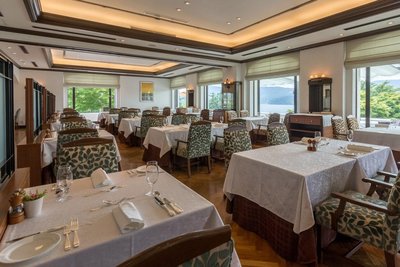
Odakyu Hotel de Yama
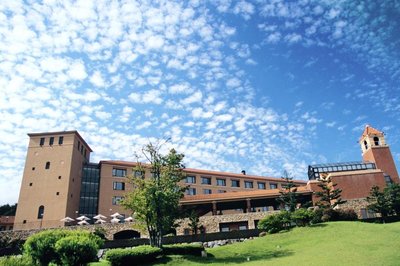
Fruit Park Fujiya Hotel
Auberge Suzukane
Onyado Nono Asakusa Bettei Hot Spring
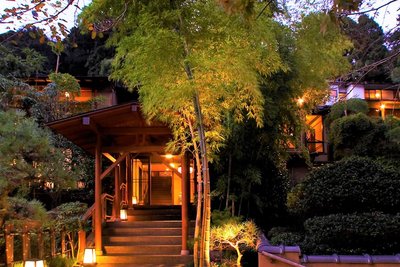
Shiki wo Ajiwau Yado Yamano Chaya
Konjakutei
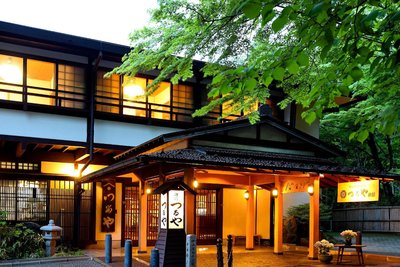
Tsuruya Ryokan
Yoshiike Ryokan
Hotel Gajoen Tokyo
Gora Hanaougi
Shikisai Ichiriki
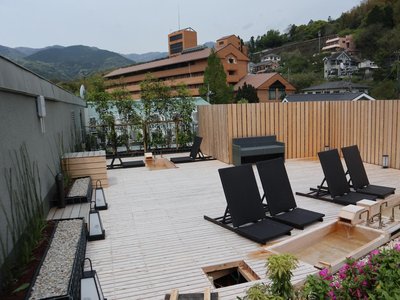
Fukiya Ryokan
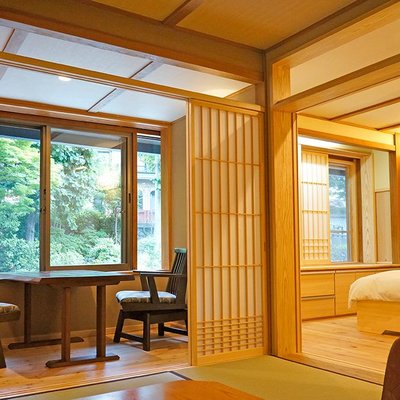
Sumiyosiya Ryokan
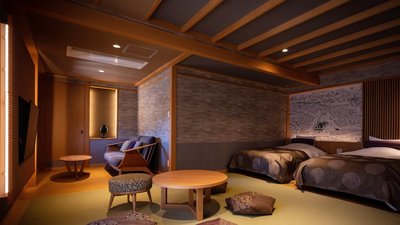
Naraya
Daikon-No-Hana
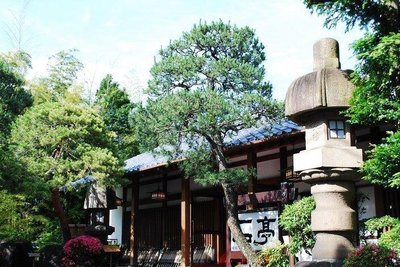
Atami Sekitei
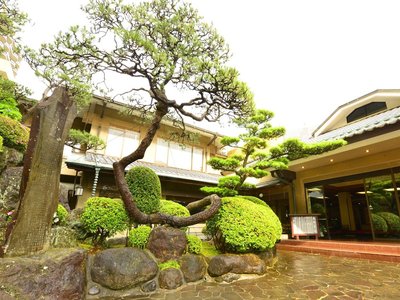
Furuya Ryokan
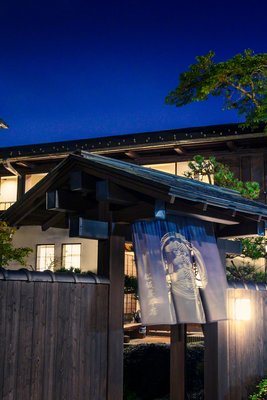
Matsuzakaya Honten
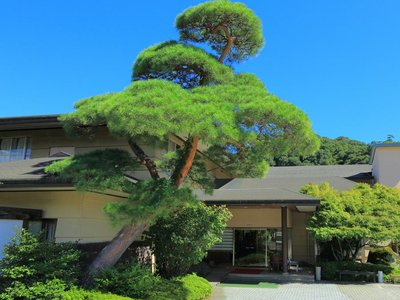
Nagatoro Choseikan Ryokan
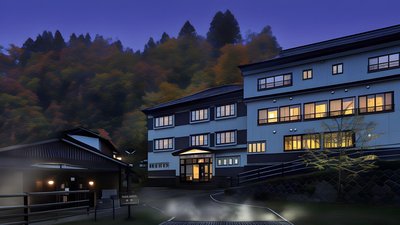
Zao Onsen Omiya Ryokan
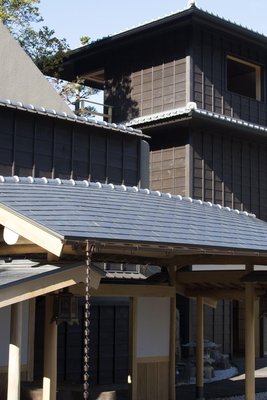
Gora Hanaougi Madoka No Mori
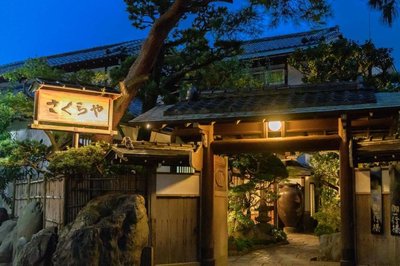
Atami Onsen Sakuraya Ryokan

The Address Akakura
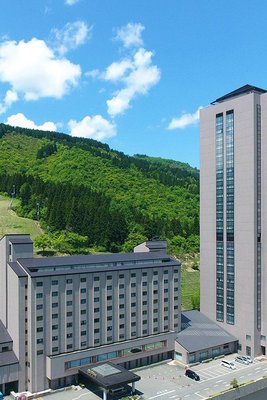
Naspa New Otani
The Prince Karuizawa
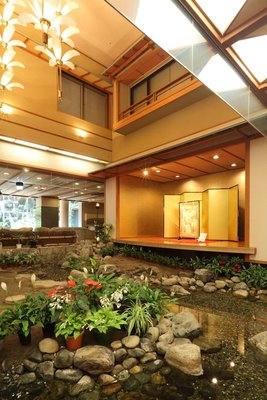
Hotel Futaba
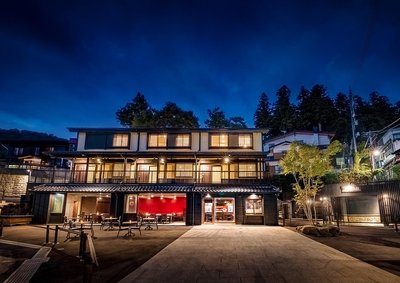
Ryokan Sakaya
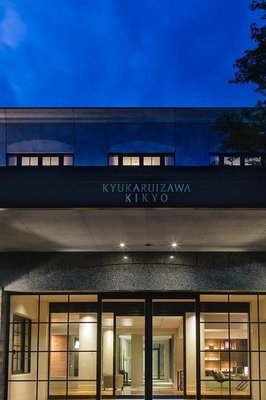
Kyukaruizawa Kikyo, Curio Collection by Hilton
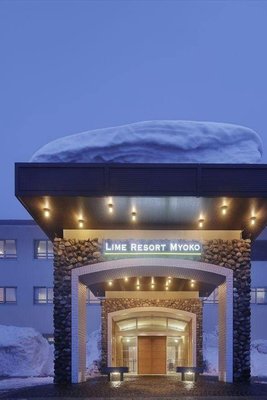
Lime Resort Myoko
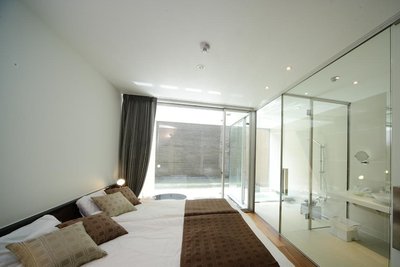
Four Seasons Yuzawa Quattro
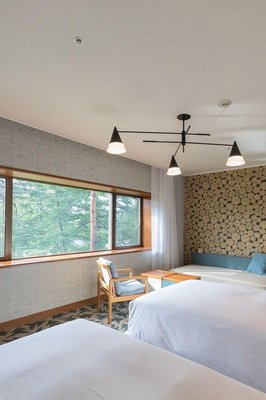
Karuizawa Prince Hotel East
Zao Onsen Omiya Ryokan
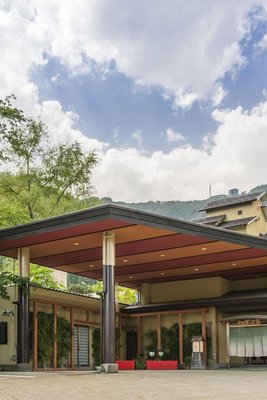
Shosenkaku Kagetsu
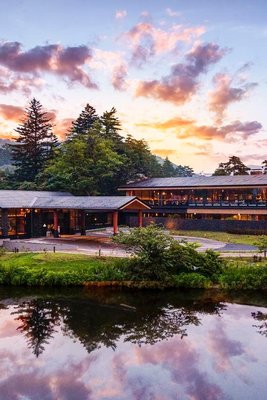
Karuizawa Prince Hotel West
Zao Kokusai Hotel
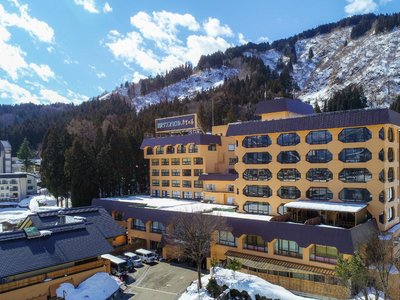
Yuzawa Grand Hotel
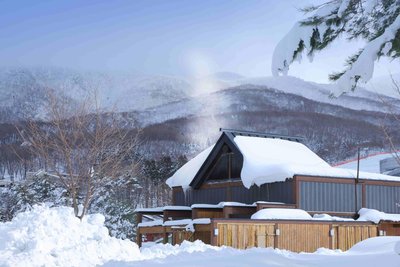
Kinosato
Bvlgari Hotel Tokyo
Four Seasons Hotel Tokyo at Marunouchi
Mandarin Oriental, Tokyo
The Ritz-Carlton, Tokyo
Andaz Tokyo Toranomon Hills- A Concept by Hyatt
Gora Kadan
Hotel New Otani Tokyo the Main
Aman Tokyo
Odakyu Hotel de Yama
Four Seasons Hotel Tokyo at Otemachi
The Tokyo Edition, Toranomon
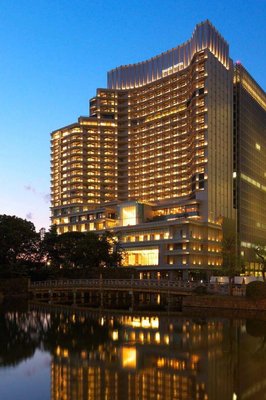
Palace Hotel Tokyo
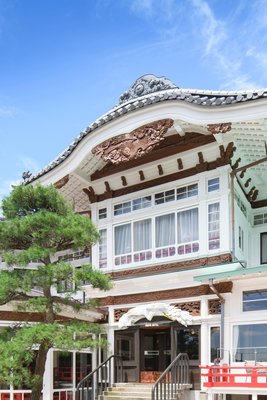
Fujiya Hotel
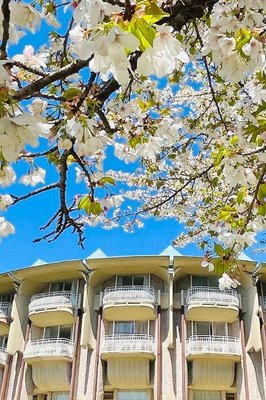
The Prince Hakone Lake Ashinoko
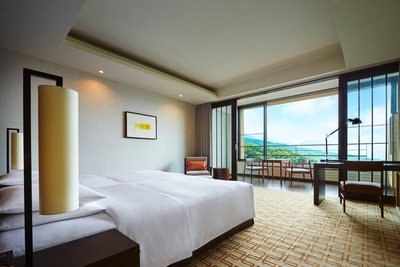
Hyatt Regency Hakone Resort and Spa
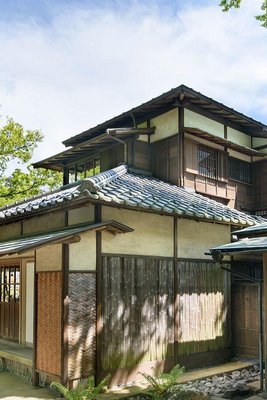
Hakone Suishoen
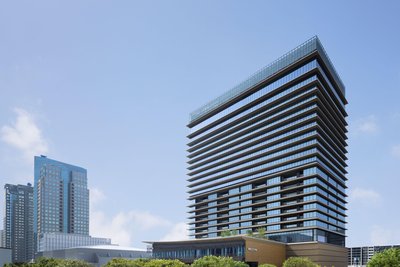
The Westin Yokohama
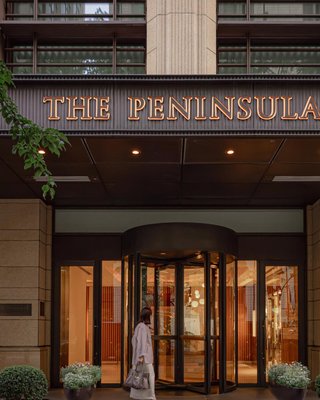
The Peninsula Tokyo

Imperial Hotel, Tokyo
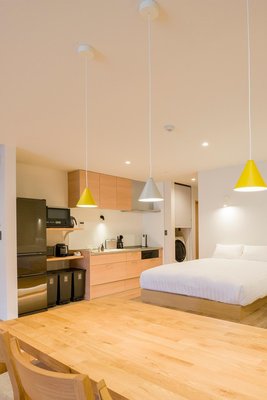
Rakuten STAY VILLA Nasu
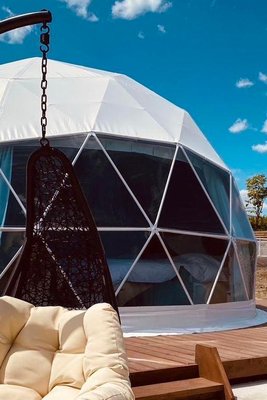
chillout glamping zao
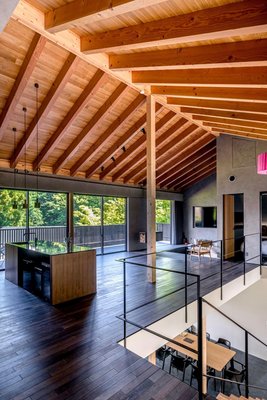
MONS GORA
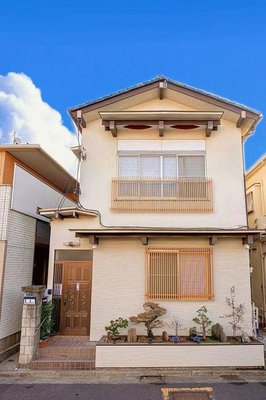
Tokyo Star House-Shinkoiwa
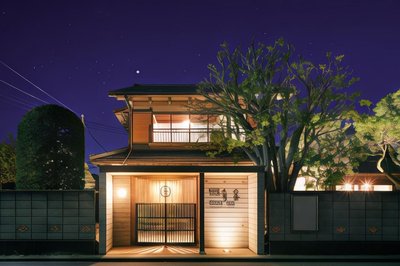
Machi-Jyu
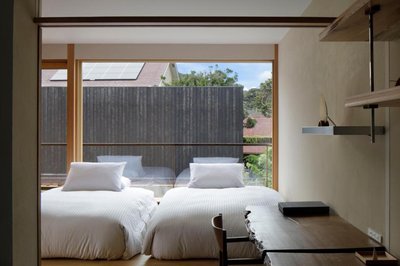
Modern Ryokan Kishi-ke
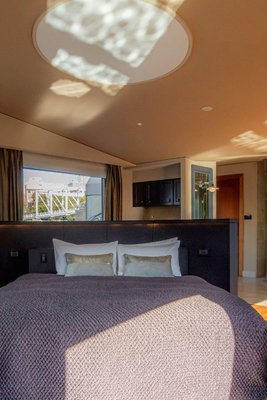
Petals Tokyo - Floating Hotel
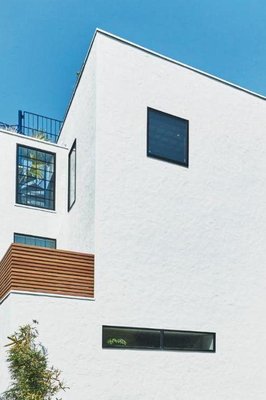
The Flow Kamakura
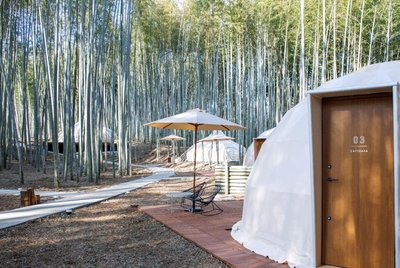
THE BAMBOO FOREST
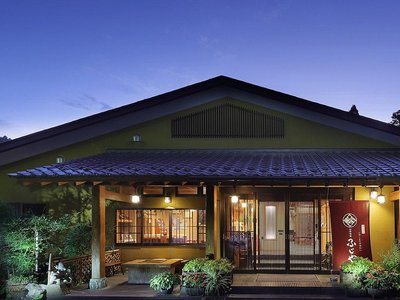
Shikimitei Fujiya
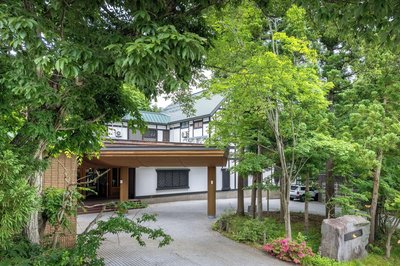
Forest Resort Yamanote Hotel
Bellustar Tokyo, A Pan Pacific Hotel
JW Marriott Hotel Tokyo
Andaz Tokyo Toranomon Hills- A Concept by Hyatt
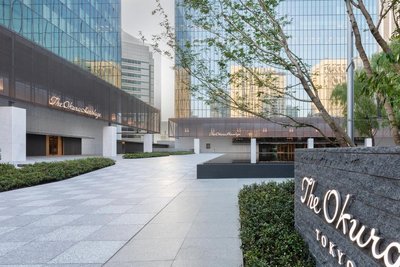
The Okura Tokyo
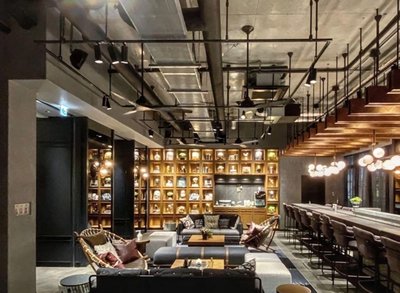
The Lively Azabujuban Tokyo
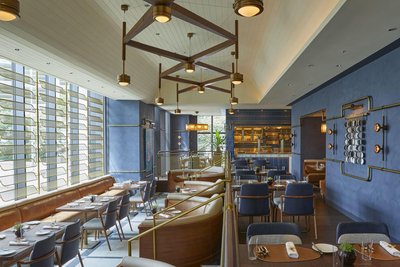
Kimpton Shinjuku Tokyo
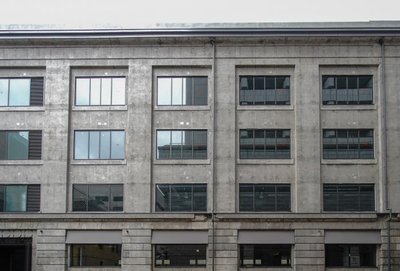
HOTEL K5
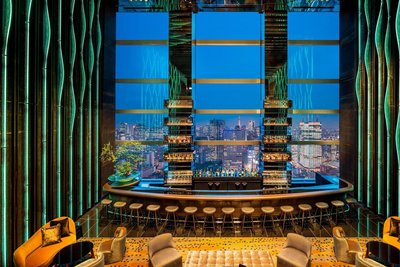
The Prince Gallery Tokyo Kioicho, a Luxury Collection Hotel
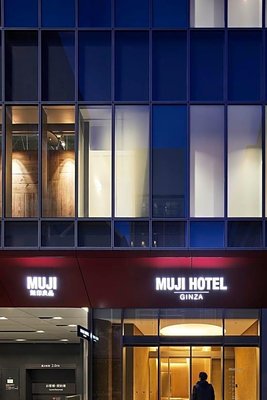
Muji Hotel Ginza
Frequently Asked Questions about Traveling to Iwaki
Questions You Might Need to Know About Traveling to Iwaki
In Iwaki City, recommended stays include Fukushima Prefectural Nature Park Resort Hotel, located near O-numa Park, offering family rooms, on-site gardens, and child-friendly activities. The hotel features an open-air bath and seasonal farm experiences, allowing families to immerse in local Fukushima culture. Nearby Iwaki Rice Terraces Trail provides scenic walks through changing seasons, perfect for connecting with rural Japan’s agricultural heritage.
Iwaki Central District offers the most convenient base for visitors, close to Iwaki Station and Iwaki Shopping Plaza. This area hosts several mid-to-high-end hotels like Hotel Tokyu Inn Iwaki, providing easy access to local dining, markets, and cultural sites such as Iwaki Shrine and Fukushima Hall, ideal for exploring history and daily life in the region.
Visitors can participate in the Spring "Iwaki Flower Festival" at O-numa Park, showcasing locally cultivated cherry blossoms and hydrangeas. Hands-on workshops at the Iwaki Traditional Craft Center teach pottery using regional clay. Additionally, exploring the Old Clock Tower Site offers insight into Meiji-era industrial development, revealing the deeper layers of Fukushima’s historical identity.
O-numa Park is a top natural destination, featuring vast lakes and wetlands that serve as a vital stopover for migratory birds. Summer offers boat rides among lotus flowers, while winter attracts flocks of snow geese. Another highlight is the Iwaki Mountain Observation Deck, where panoramic views stretch across the city and the Abukuma River Valley, delivering breathtaking scenery ideal for photography and quiet contemplation.
Iwaki Onsen Ryokan, located in the O-numa Onsen Area, is a century-old traditional inn offering private outdoor baths and kaiseki dining. The building blends classic Japanese architecture with modern comfort, overlooking the Iwaki Mountains. Guests may also join daily morning Zen meditation sessions, enhancing the experience of wellness and spiritual balance rooted in Japanese tradition.
Iwaki Sky Terrace Hotel is perfect for photographers, featuring a 360-degree rooftop viewing platform ideal for capturing the Abukuma River and city nightscapes. The hotel offers professional camera gear rentals and hosts monthly "Light & Shadow Workshops" led by local photographers. Nearby O-numa Park during dawn mist or sunset creates stunning backdrops, making it a prime spot for capturing Fukushima's natural beauty.
At the Iwaki Agricultural Market, visitors can buy fresh Fukushima strawberries and Koshihikari rice directly from farmers. Participate in a "One-Day Farmer Experience" to plant rice or harvest fruit under local guidance, followed by a meal made with farm-fresh ingredients. Some hotels, like Iwaki Green Villa, offer farm-to-table dinners paired with locally brewed sake, deepening connections to Japanese rural life and sustainable food systems.
Iwaki Castle Ruins is a key historical site, remnants of a Edo-period castle with stone walls and foundation remains reflecting strategic military design. Adjacent Iwaki Historical Museum displays excavated artifacts and weapons from the Sengoku period. The Old Iwaki Post Office (built 1905) preserves Meiji-era architecture, offering insight into early communication networks and regional development within Fukushima Prefecture.
Iwaki City is ideal for travelers seeking tranquility, cultural immersion, and connection with nature. It appeals strongly to families, photographers, slow-travelers, and those interested in agricultural lifestyles, ecological conservation, and historical exploration. If you're looking to escape urban noise and experience authentic rural Japan with distinct seasonal rhythms, Iwaki offers a peaceful retreat.
Spring (March to May) is the optimal season, when O-numa Park bursts into bloom with cherry blossoms and hydrangeas, and the weather is mild. Autumn (September to November) brings vibrant maple foliage across Iwaki Mountains, perfect for hiking and photography. Additionally, the annual Iwaki Gion Festival in May features traditional dances and lantern processions, offering a vivid glimpse into Fukushima’s folk traditions and community spirit.
Iwaki Overview
City Summary
Iwaki City is located in southeastern Fukushima Prefecture, Japan, known for its stunning natural landscapes and rich cultural heritage. It is a coastal city famous for its hot springs, seafood, and traditional festivals, making it an ideal destination to experience the charm of Japan's Tohoku region. The coastline of Iwaki is spectacular, especially the "Iwaki Coast," which attracts many photography enthusiasts.
Must-See Attractions
The Iwaki Coast is a must-visit attraction, where dramatic cliffs meet the azure sea, creating breathtaking views. For families, Aquamarine Fukushima is an aquarium showcasing marine life. History lovers can explore the Iwaki Taira Clan Residence Ruins. At night, don't miss soaking in the Izumizaki Onsen for a traditional Japanese bath experience.
Food Guide
Iwaki is renowned for its fresh seafood, particularly "Iwaki abalone" and "squid sashimi." The local specialty Iwaki Seafood Donburi (seafood rice bowl) is a must-try. Street food favorites include fried oysters and grilled fish cakes, available at markets and food stalls.
Transportation Guide
Public transportation in Iwaki relies on the JR Joban Line and local buses. JR Iwaki Station is the main hub, connecting to major cities like Tokyo and Sendai. Local buses serve key attractions but have infrequent schedules—check timetables in advance. Taxis are available downtown but can be expensive. Renting a car is a convenient option for exploring remote areas.
Best Time to Visit
The best times to visit are spring (April-May) and autumn (September-October) when the weather is mild and crowds are smaller. Summer (July-August) is beach season but hot and humid. Winter (December-February) is cold, but hot springs are especially enjoyable.
Travel Tips
- Respect local customs: Wash thoroughly before entering hot springs.
- Language: English proficiency is limited; bring a translation app or phrasebook.
- Payment: Cash is preferred; some places accept credit cards.
- Bus schedules: Rural buses are infrequent—plan ahead.
- Emergency contacts: Dial 110 for police and 119 for ambulance.
- Internet: Wi-Fi coverage is spotty; consider renting a portable Wi-Fi device.
Useful Information
Japanese is the official language, and English signage is scarce. Download a translation app for convenience. Free Wi-Fi is available at hotels and major attractions, but connectivity may be weak in rural areas. Carry cash for purchases, as small vendors may not accept cards. Tap water is safe to drink. Emergency medical services are reliable, with several hospitals and clinics in the city. The voltage is 100V, and outlets are Type A (flat two-pin plugs), compatible with most North American devices.