Hotels in Iwaki
Discover your perfect stay in Iwaki.
Iwaki(Japan) Travel 2026: Cheap Flights, Hotels & Top Attractions
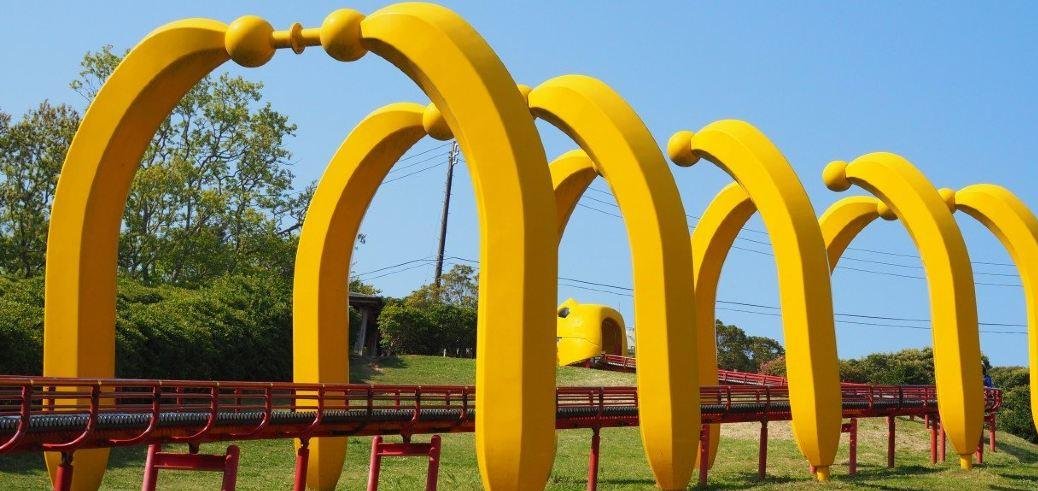
Popular Landmarks in Iwaki
Discover the most iconic attractions in Iwaki
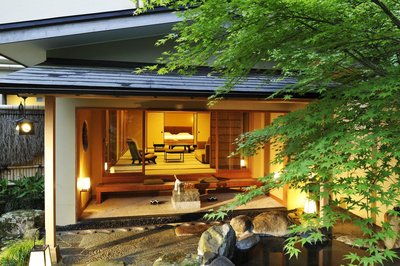
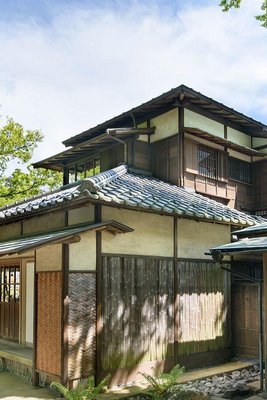
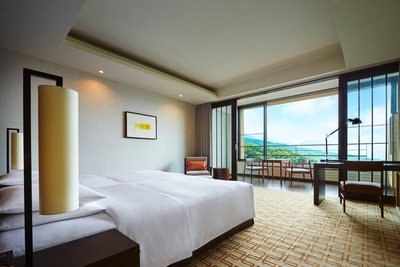
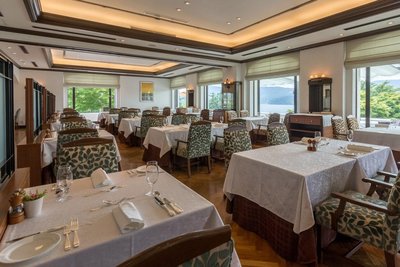
Recommended Hotels in Iwaki
Find the perfect place to stay in Iwaki
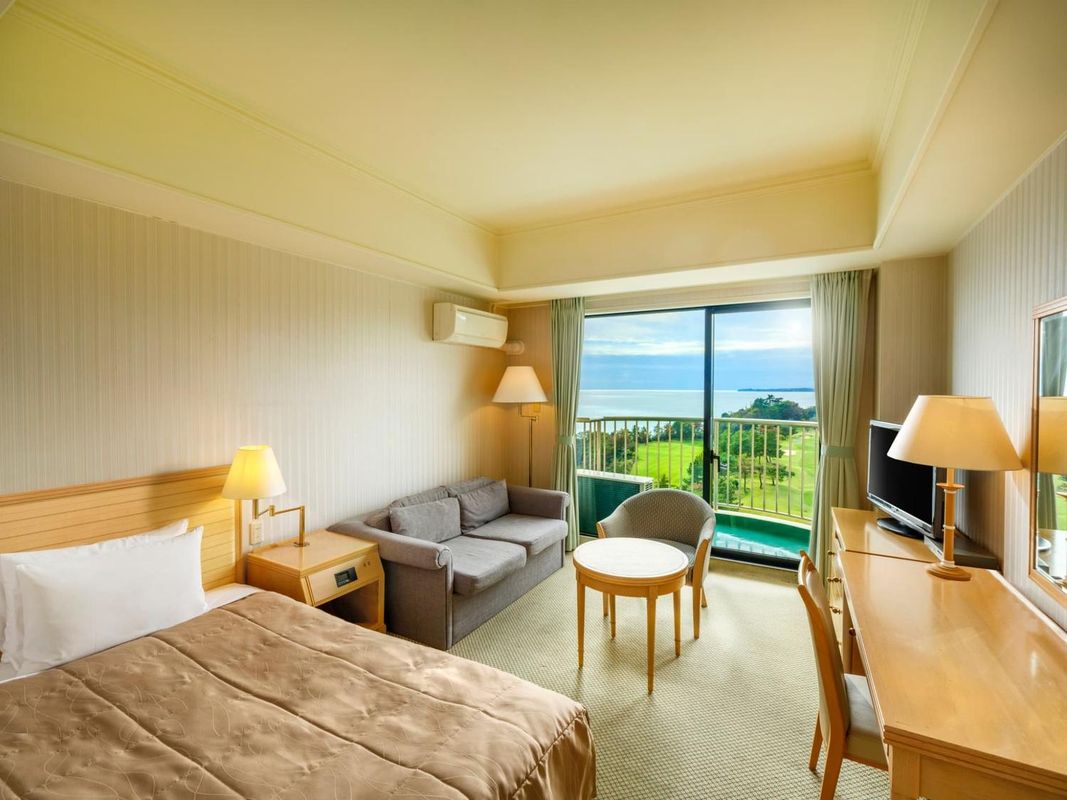
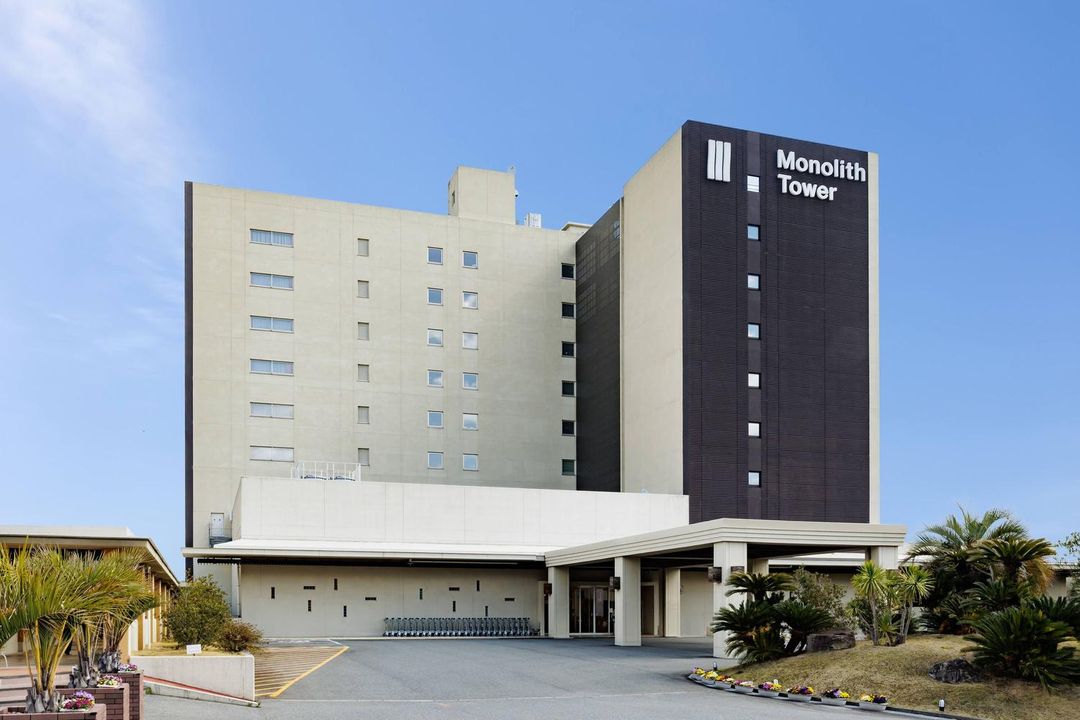
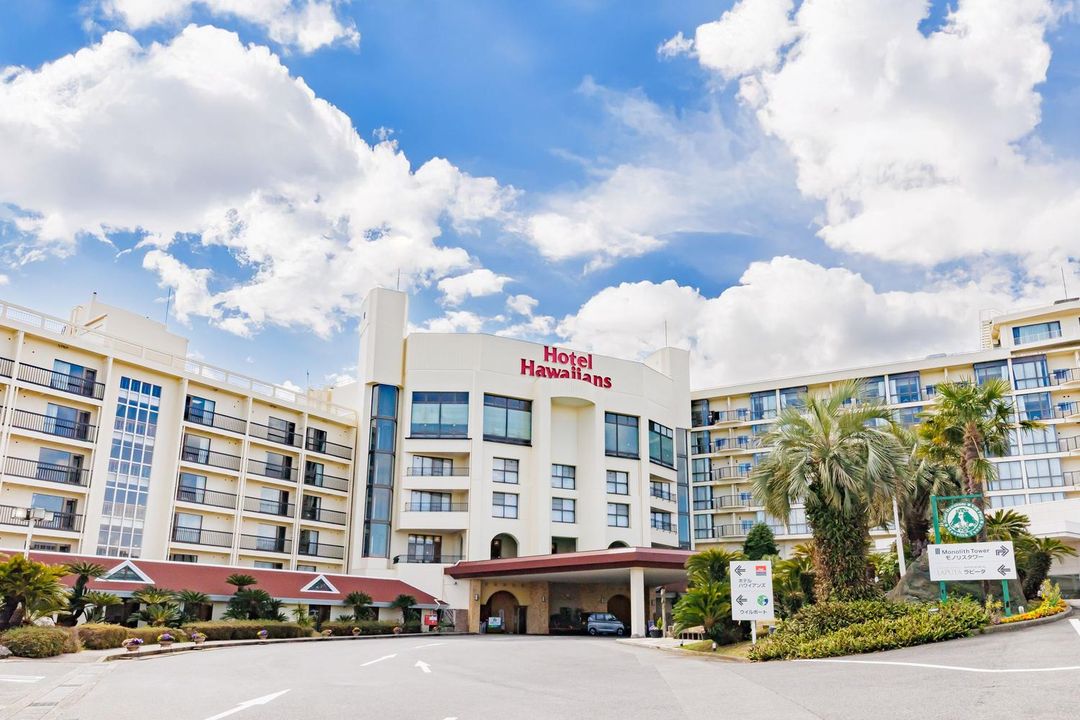
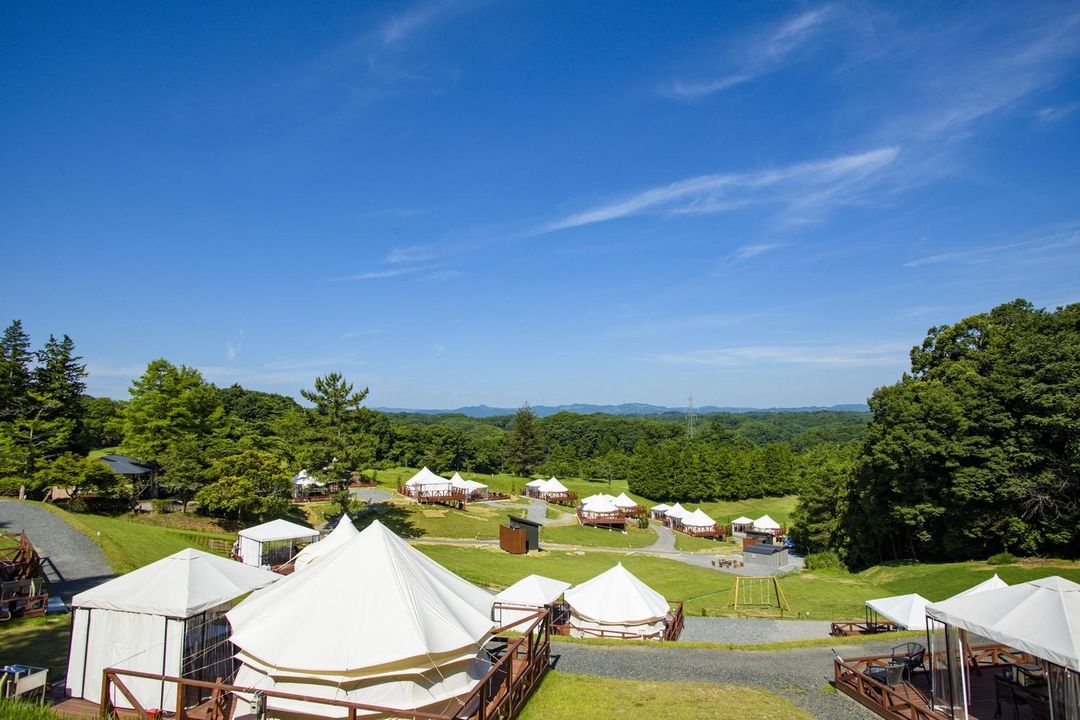
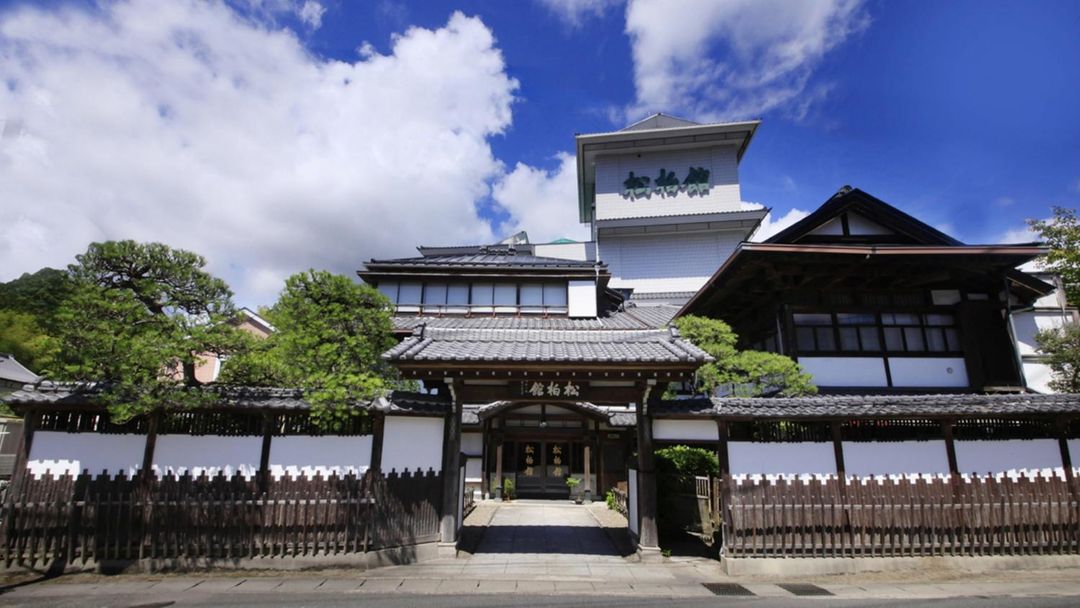
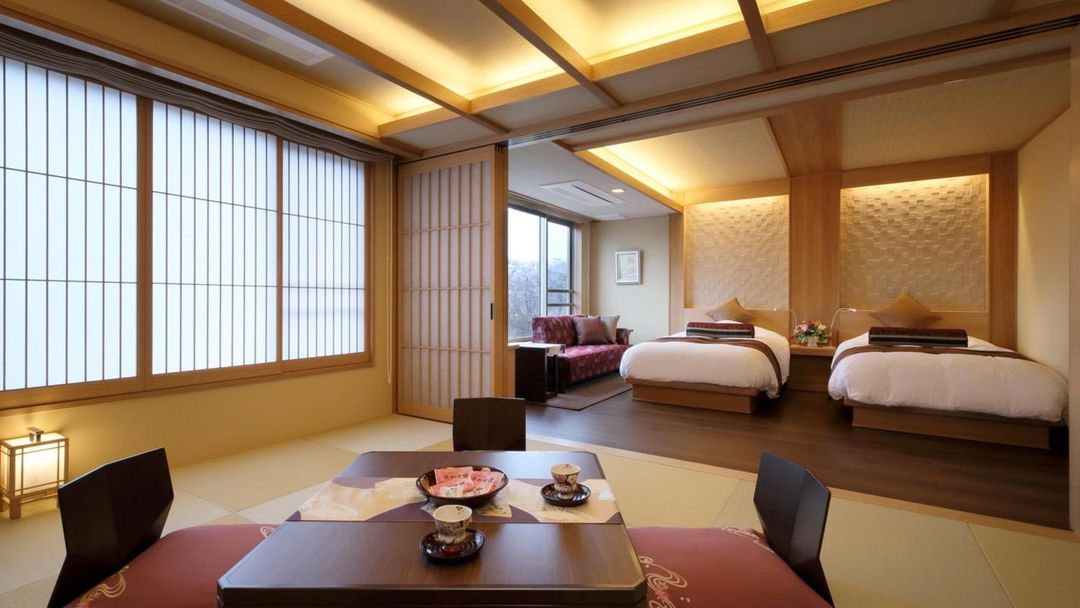
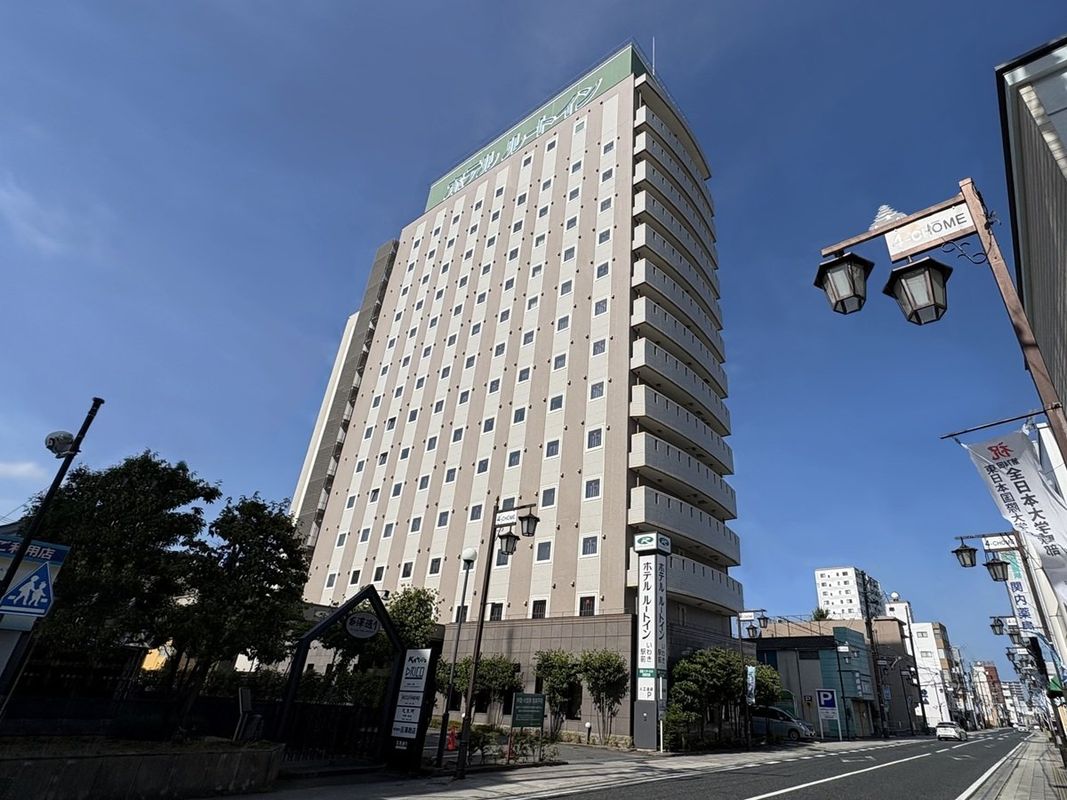
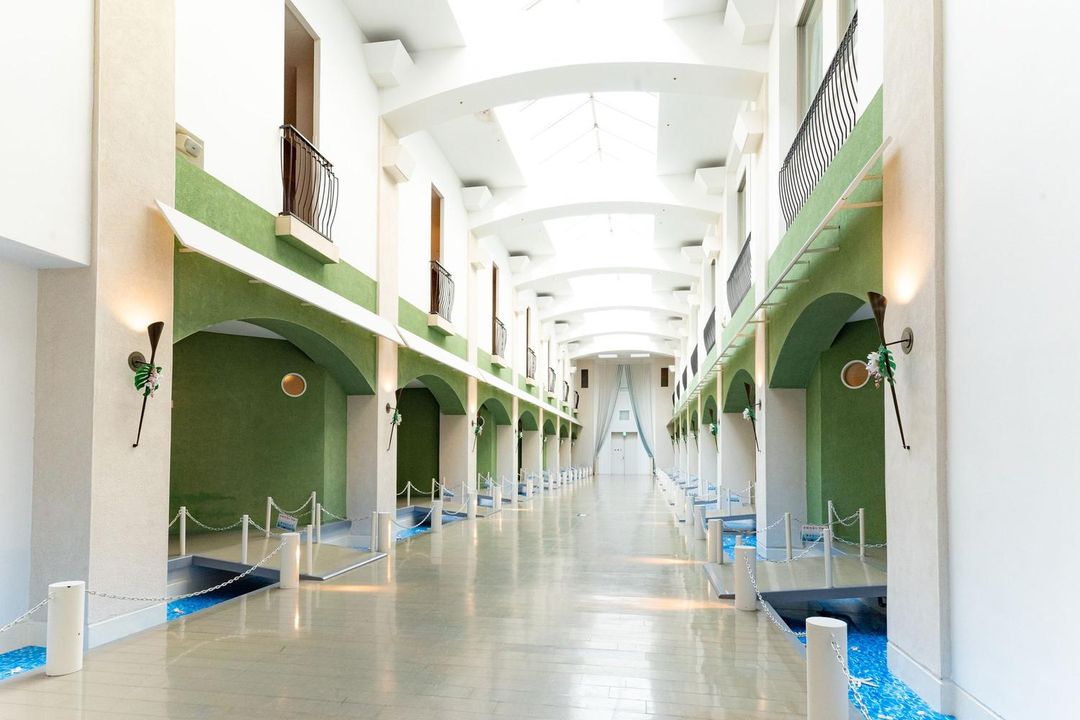
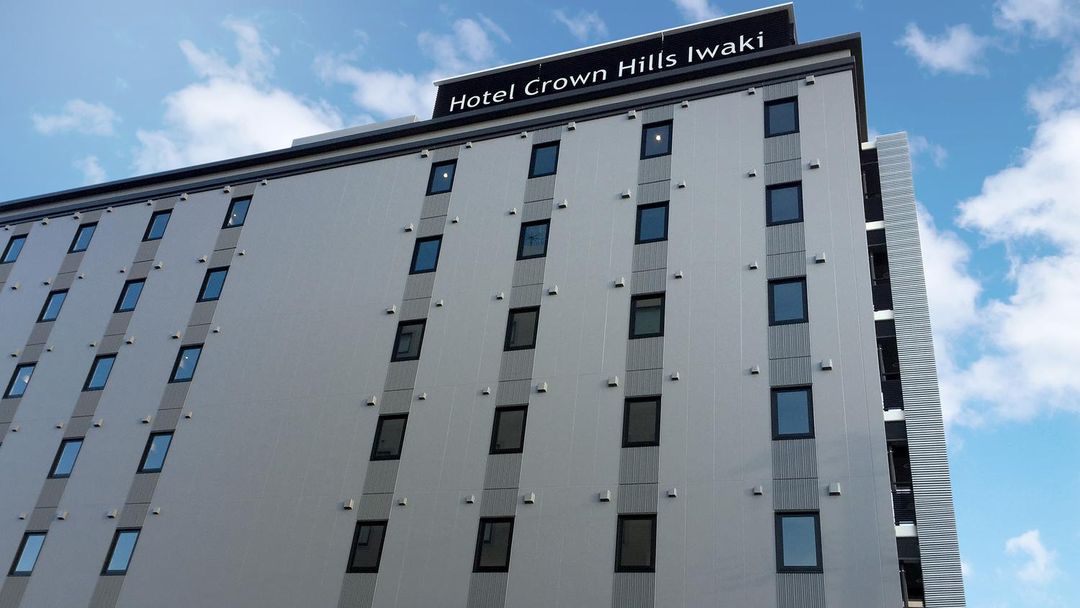
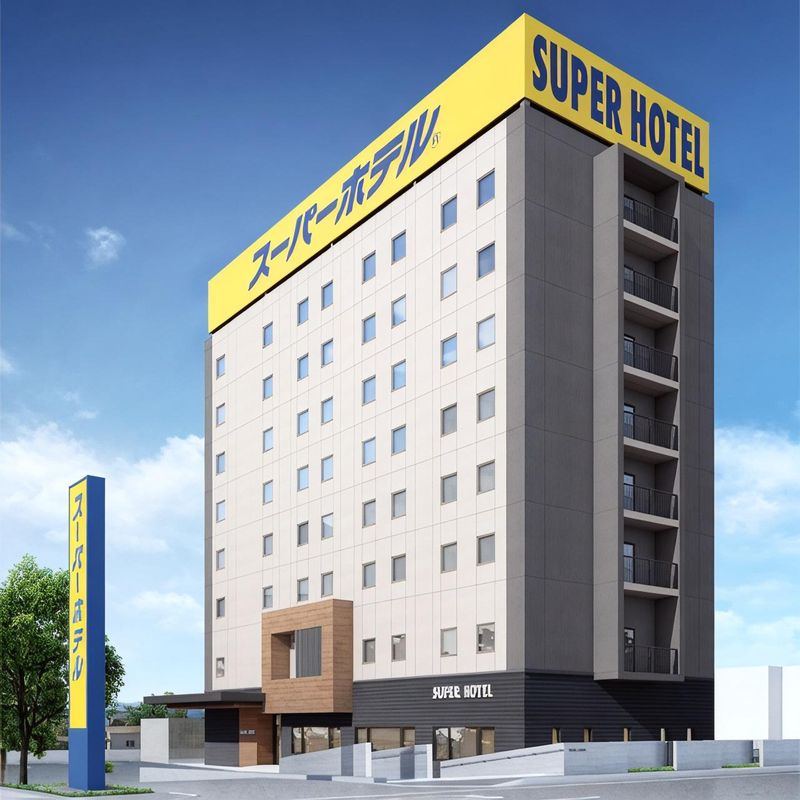
Best Hotels in Iwaki
Discover curated hotel collections in Iwaki




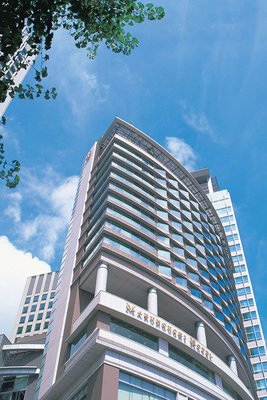
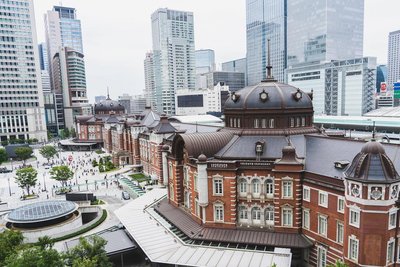

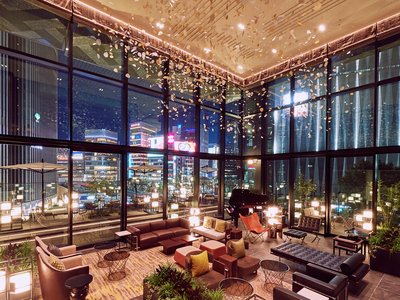






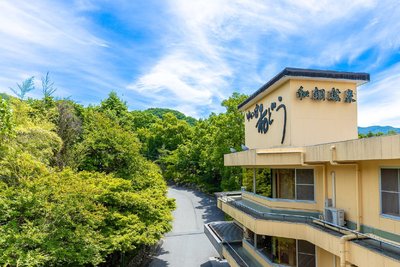
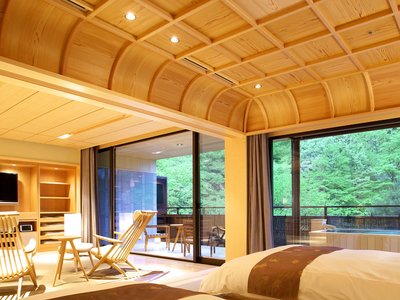
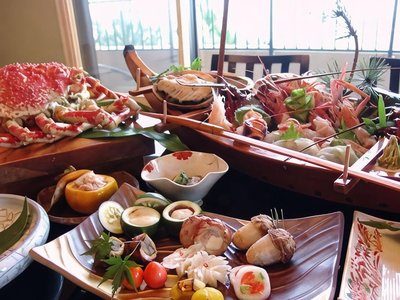
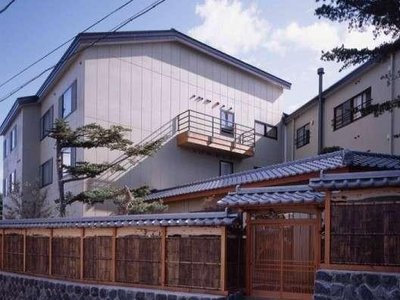







Frequently Asked Questions about Traveling to Iwaki
Questions You Might Need to Know About Traveling to Iwaki
Iwaki Overview
City Summary
Iwaki City is located in southeastern Fukushima Prefecture, Japan, known for its stunning natural landscapes and rich cultural heritage. It is a coastal city famous for its hot springs, seafood, and traditional festivals, making it an ideal destination to experience the charm of Japan's Tohoku region. The coastline of Iwaki is spectacular, especially the "Iwaki Coast," which attracts many photography enthusiasts.
Must-See Attractions
The Iwaki Coast is a must-visit attraction, where dramatic cliffs meet the azure sea, creating breathtaking views. For families, Aquamarine Fukushima is an aquarium showcasing marine life. History lovers can explore the Iwaki Taira Clan Residence Ruins. At night, don't miss soaking in the Izumizaki Onsen for a traditional Japanese bath experience.
Food Guide
Iwaki is renowned for its fresh seafood, particularly "Iwaki abalone" and "squid sashimi." The local specialty Iwaki Seafood Donburi (seafood rice bowl) is a must-try. Street food favorites include fried oysters and grilled fish cakes, available at markets and food stalls.
Transportation Guide
Public transportation in Iwaki relies on the JR Joban Line and local buses. JR Iwaki Station is the main hub, connecting to major cities like Tokyo and Sendai. Local buses serve key attractions but have infrequent schedules—check timetables in advance. Taxis are available downtown but can be expensive. Renting a car is a convenient option for exploring remote areas.
Best Time to Visit
The best times to visit are spring (April-May) and autumn (September-October) when the weather is mild and crowds are smaller. Summer (July-August) is beach season but hot and humid. Winter (December-February) is cold, but hot springs are especially enjoyable.
Travel Tips
- Respect local customs: Wash thoroughly before entering hot springs.
- Language: English proficiency is limited; bring a translation app or phrasebook.
- Payment: Cash is preferred; some places accept credit cards.
- Bus schedules: Rural buses are infrequent—plan ahead.
- Emergency contacts: Dial 110 for police and 119 for ambulance.
- Internet: Wi-Fi coverage is spotty; consider renting a portable Wi-Fi device.
Useful Information
Japanese is the official language, and English signage is scarce. Download a translation app for convenience. Free Wi-Fi is available at hotels and major attractions, but connectivity may be weak in rural areas. Carry cash for purchases, as small vendors may not accept cards. Tap water is safe to drink. Emergency medical services are reliable, with several hospitals and clinics in the city. The voltage is 100V, and outlets are Type A (flat two-pin plugs), compatible with most North American devices.









